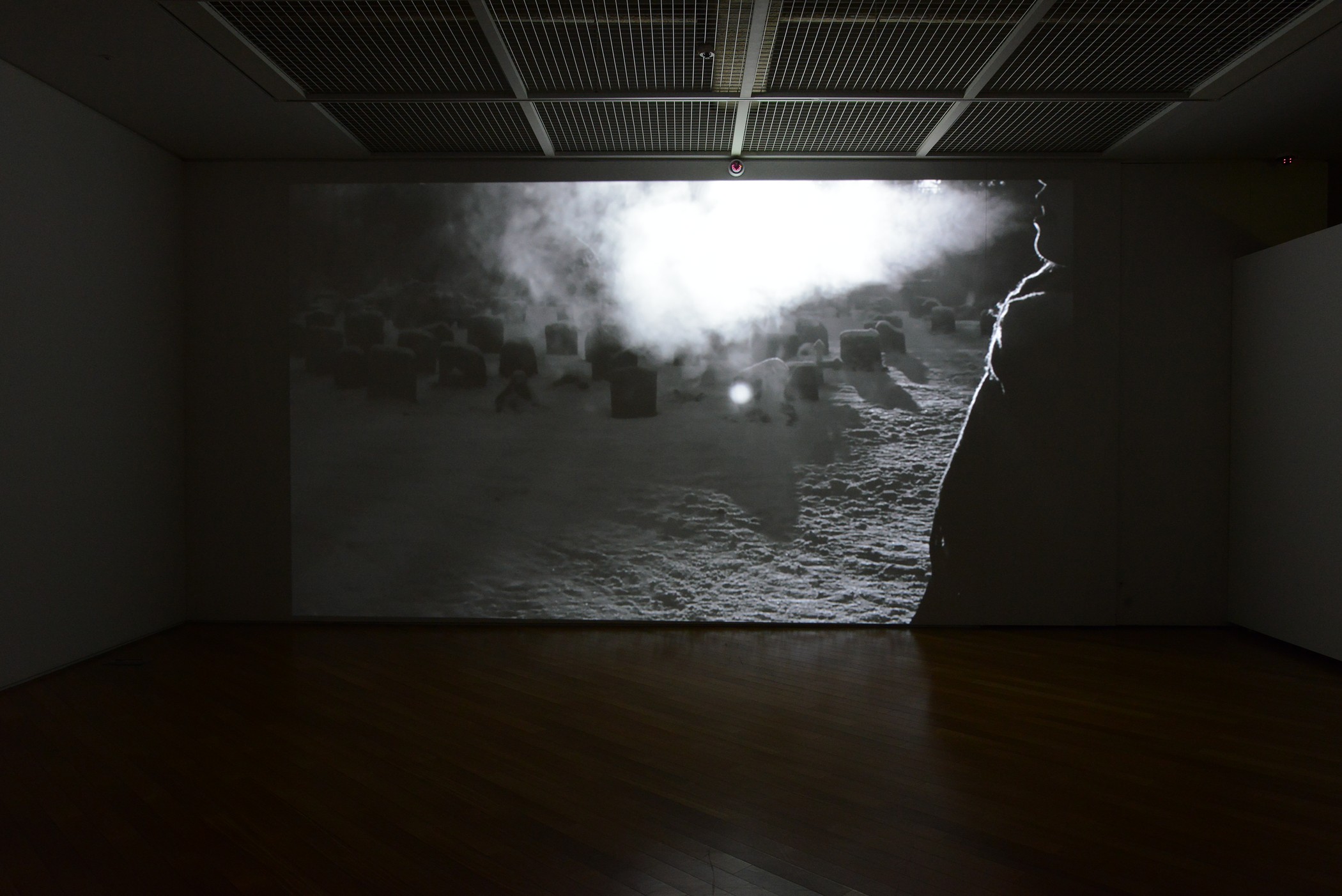
The Hidden Dimension - K-ARTIST

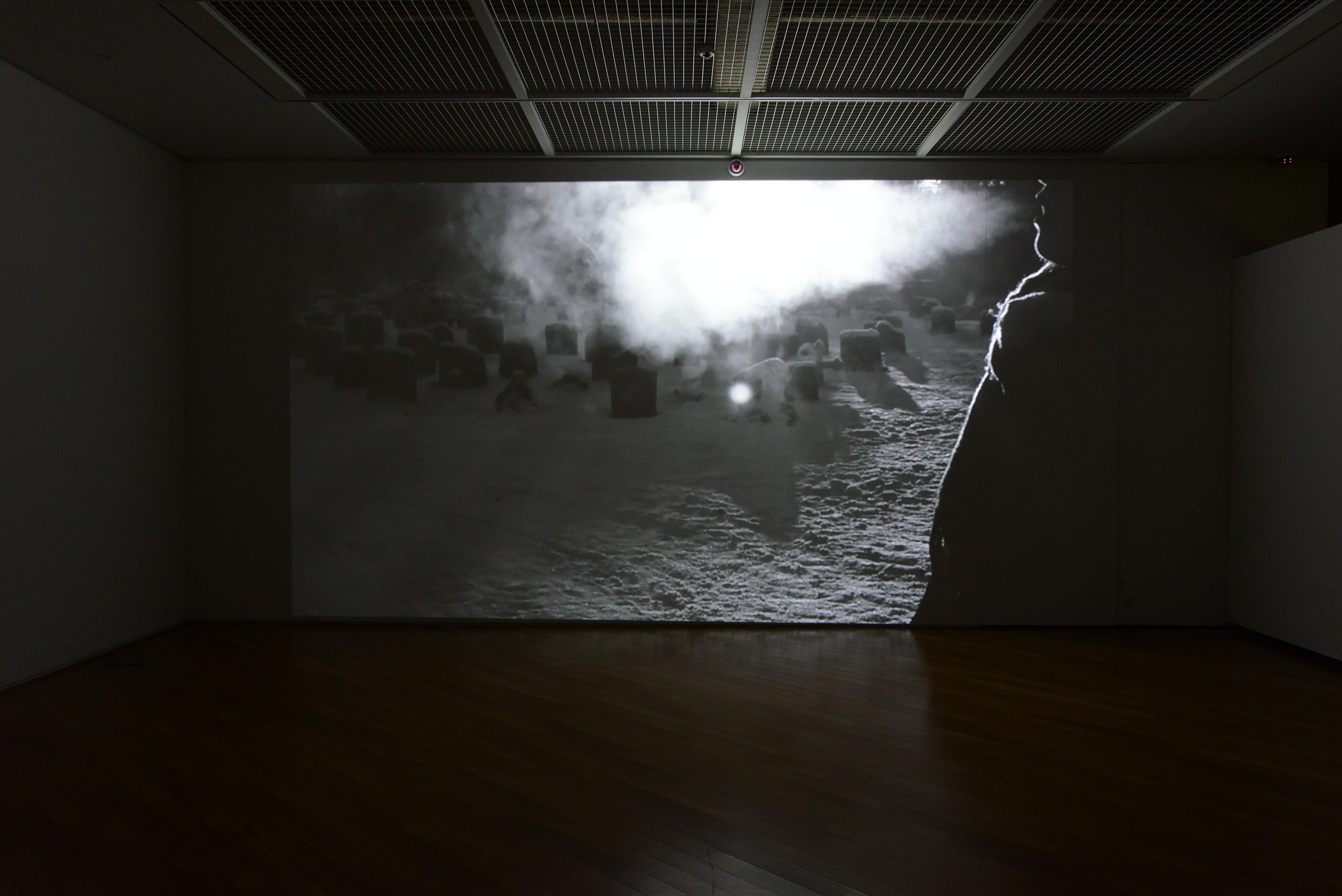
The Hidden Dimension

2017
FHD single-channel video
4min 27sec
About The Work

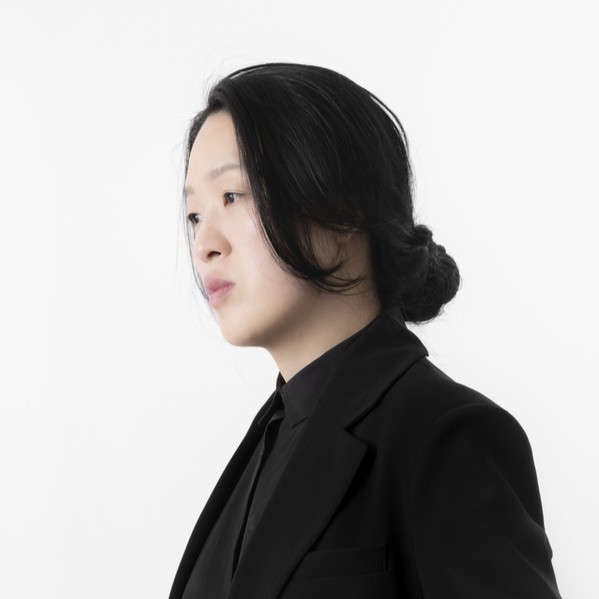
Ifie Sin has primarily developed video-based performances and installations. In particular, she approaches the “laboratory” as a means of microscopically visualizing human social relations, translating into video the narratives of individuals who function as cells within a system governed by censorship and rules.

Sin’s practice begins with recognizing humans as members of society and observing their individual stories from the perspective of an observer. Interested in the often-invisible relations within society, she has microscopically analyzed human behavior within an infinite web of relationships and expressed these observations through video-based works.

In doing so, she understands human behavior not merely as an individual matter but as something that emerges within a social context. By repeating and patterning familiar, everyday phenomena, she invites viewers to perceive them from new perspectives.

Sin observes the relationships individuals form within larger social structures, as well as those between human and nonhuman entities, presenting through her work the questions that emerge from these observations. Examining such relationships from a microscopic perspective and visualizing them through the language of art is also the artist’s own way of relating to the world.

This practice invites viewers to reconsider the relationships between the self as an individual and the many other individuals around them, drawing on the histories, memories, and traces of existence accumulated in the here and now.

Solo Exhibitions (Brief)

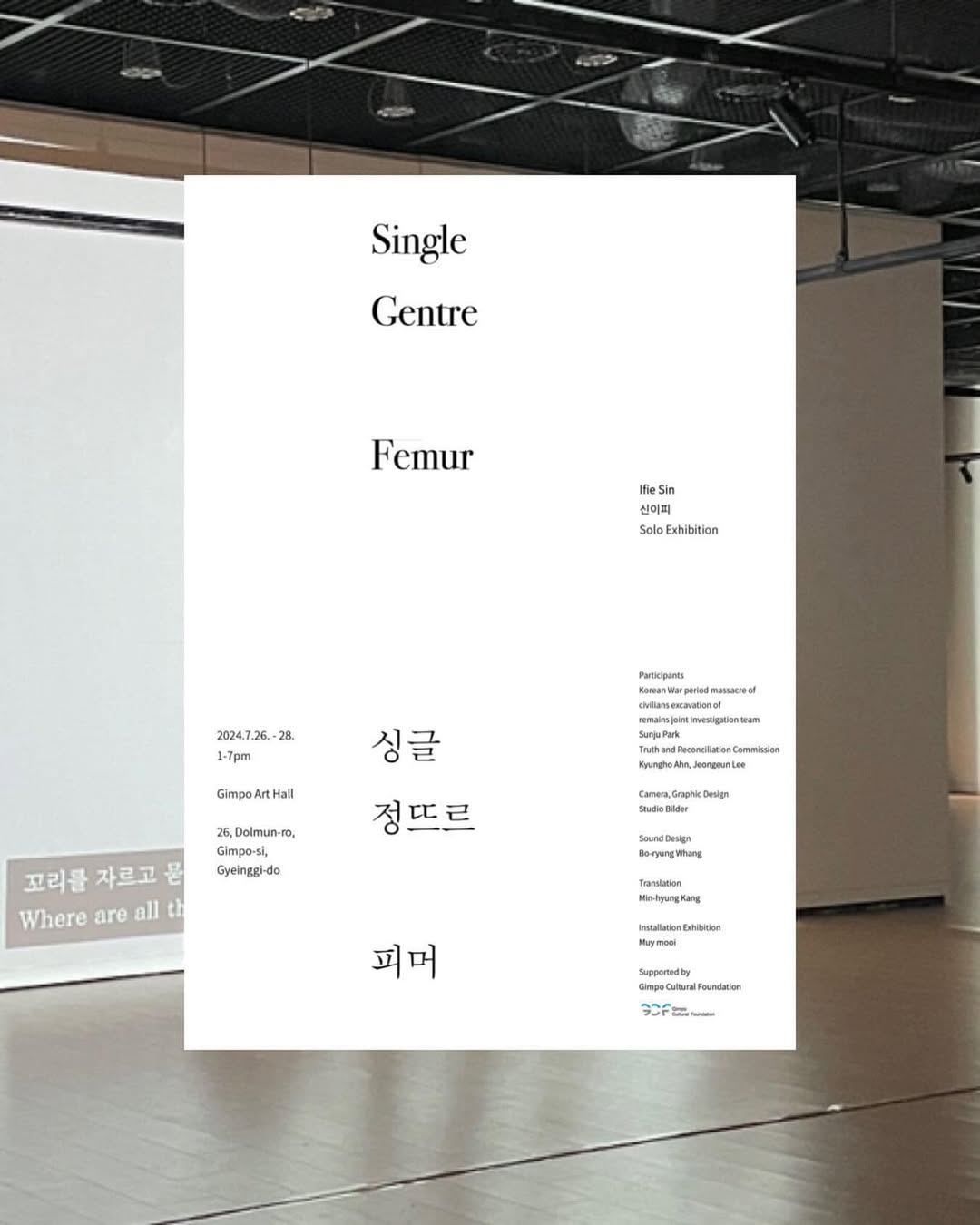
Ifie Sin has held solo exhibitions including 《Single Gentre Femur》 (Gimpo Art Hall, Gimpo, 2024), 《Single Gentre Femur》 (Elephant Space, Seoul, 2022), 《A cold bird on the dead mountain》 (Onsu Gong-gan, Seoul, 2020), and 《Emotion of Leg》 (SeMA Storage, Seoul, 2019).

Group Exhibitions (Brief)

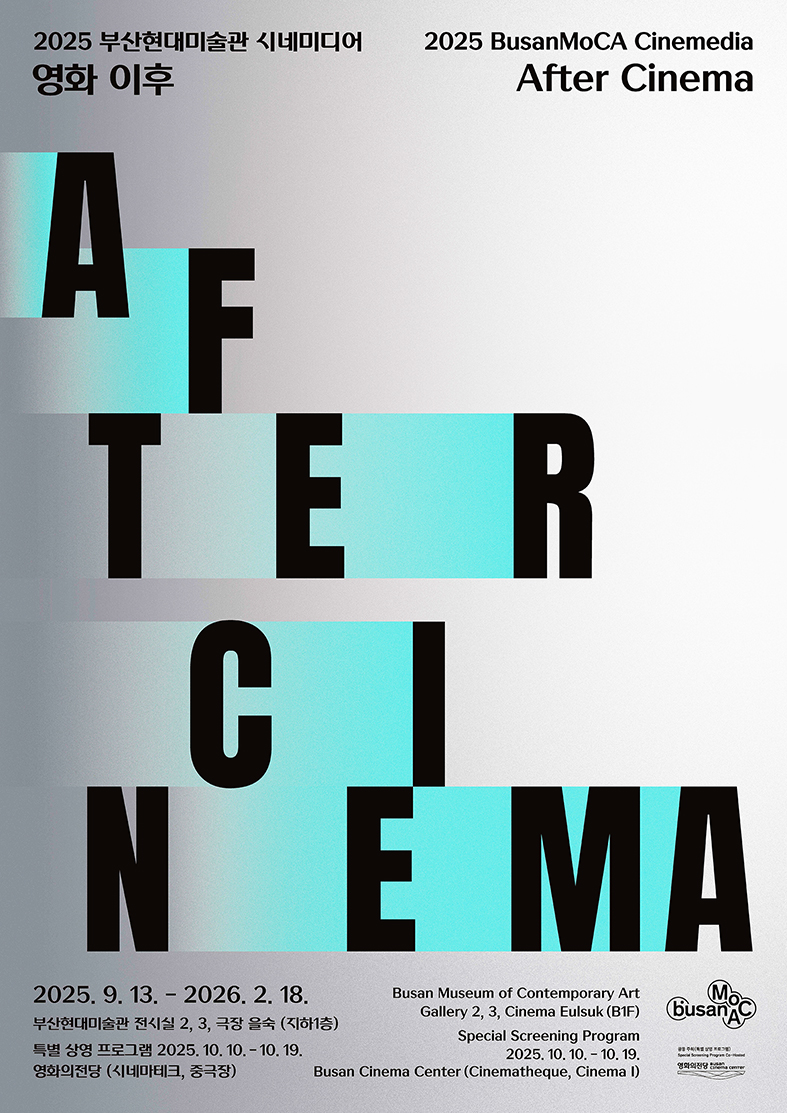
Sin has also participated in group exhibitions including 《Strangers Under the Same Night》 (Yeongdeungpo Art Square, Seoul, 2026), 《SONGEUN x UNBOXING PROJECT: Generative Forms》 (SONGEUN, Seoul, 2026), 《2025 BusanMoCA Cinemedia_ After Cinema》 (Busan Museum of Contemporary Art, Busan, 2025–2026), 《Boundless Gestures: Resonate With You》 (Hall 1, Seoul, 2022), and 《The 20th SONJEUN Art Award Exhibition》 (SONGEUN, Seoul, 2020).

Awards (Selected)

In 2021, Sin received the Excellence Award at the 20th SONJEUN Art Award.

Residencies (Selected)

Sin has participated in residency programs including the SeMA Nanji Residency (2020), Seoul Art Space Geumcheon (2019), and the MMCA Residency (2018).

Collections (Selected)

Sin’s works are held in the collections of the Seoul Museum of Art, SONGEUN Art and Cultural Foundation, and the MMCA Art Bank.

Works of Art

Relationships within Social Systems Through a Microscopic Lens

Originality & Identity

Ifie Sin’s practice observes the tensions and relationships that exist between individuals, and between individuals and groups, within society. Her early work Red Ribbon(2008) revealed the tension of living in a divided country—a condition that is difficult to perceive directly—through the restricted movements of two performers, while Cabbage(2008) addressed migration and racial prejudice through an everyday food ingredient.

In Talk(2011), Flag(2011), and Breath of Relationship(2014), she focused on elements such as conversation, distance, and breathing that connect people to one another, examining conflict, alienation, and tension within relationships.

During this period, society in Sin’s work appeared less as a vast abstract structure than as a field in which individual subjects continually observe and respond to one another, exchanging tension. Rather than presenting answers or solutions, she consistently examines how an individual is defined, pushed aside, and brought back into relation within a group.
 
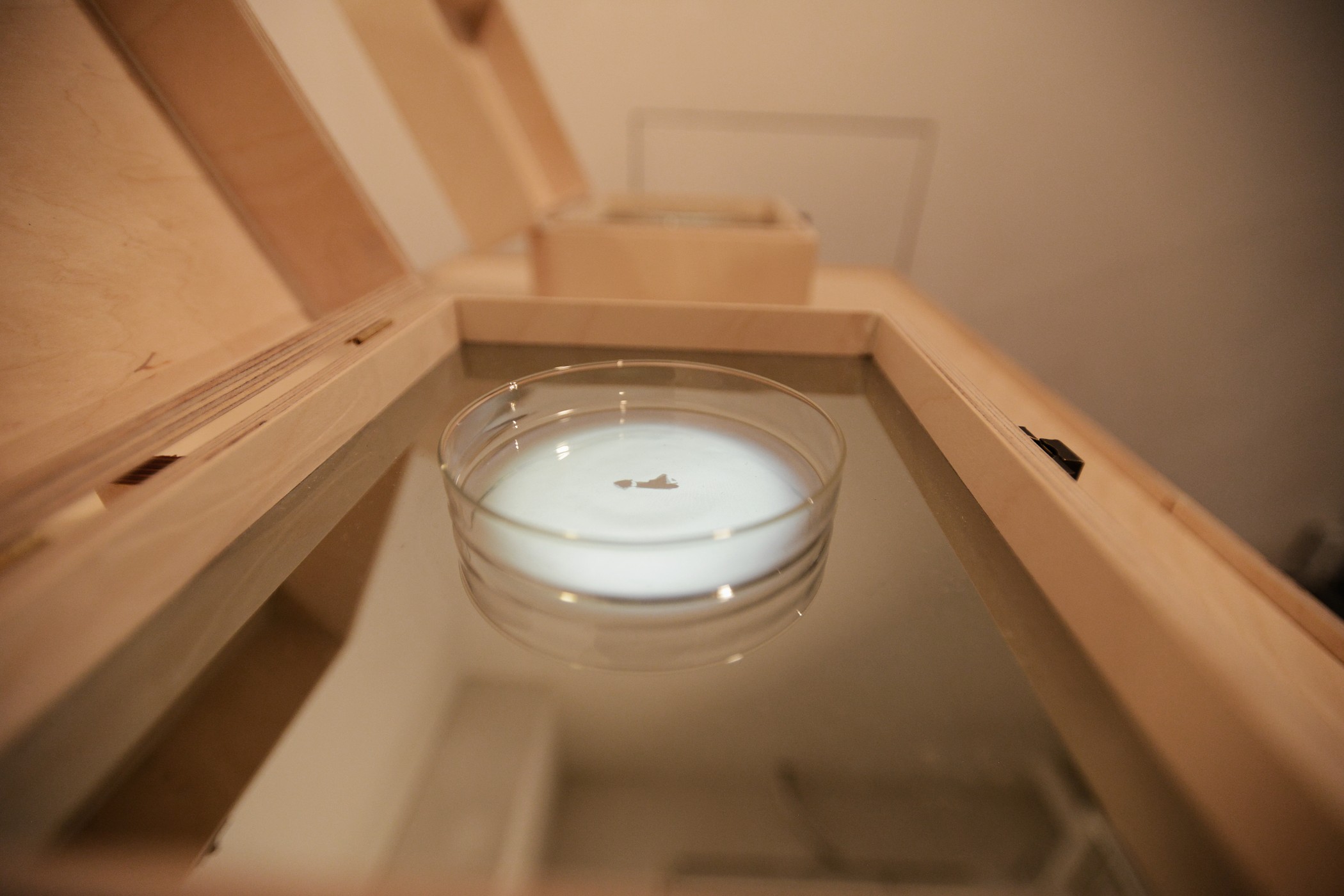
This interest gradually shifted toward a microscopic observation of the body, emotion, and life. In Cell Culture Dish(2014) and XY-SA 0900(2015), the movements of dancers are treated like cells or experimental subjects, turning the human body situated within social rules and relationships into an object of observation.

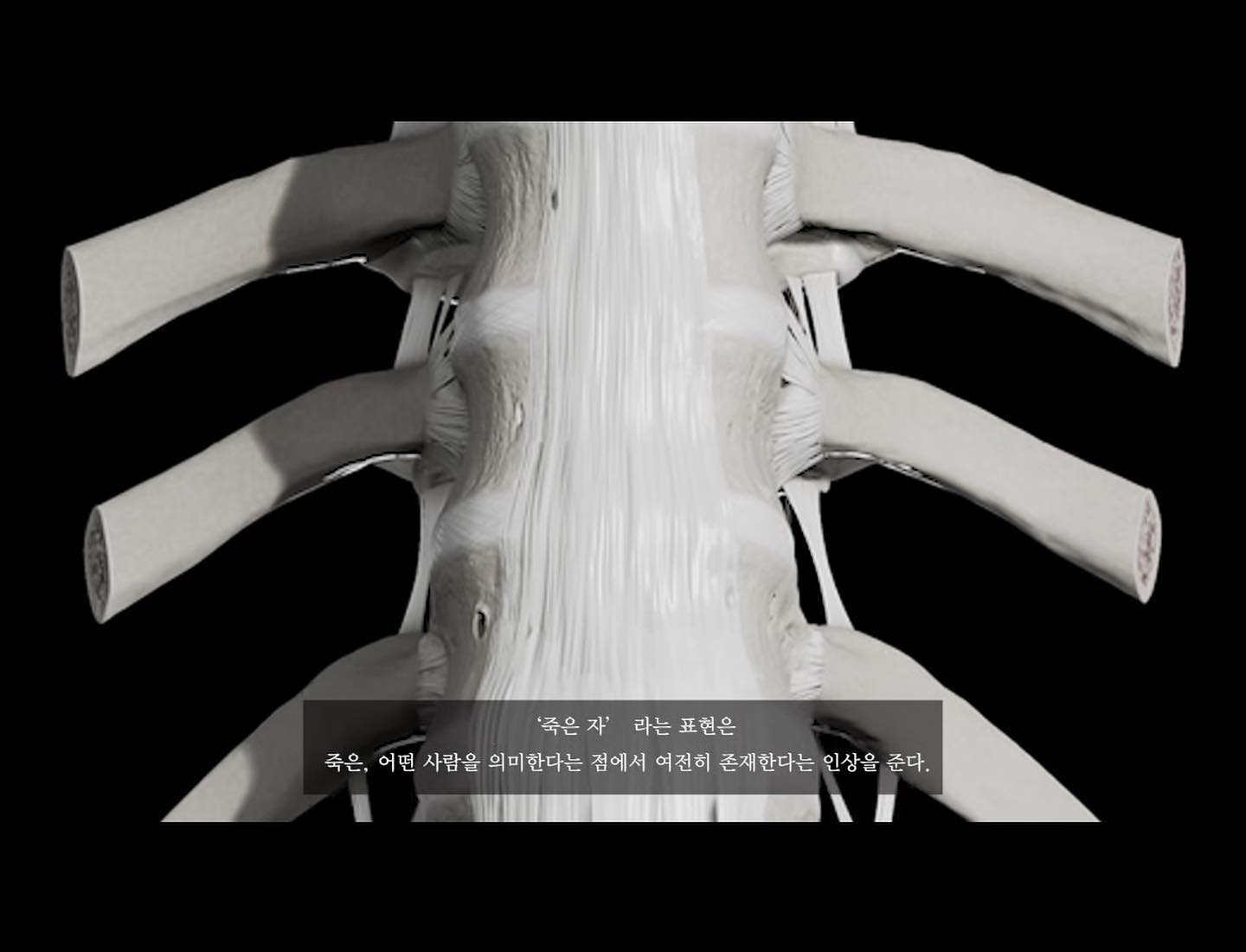
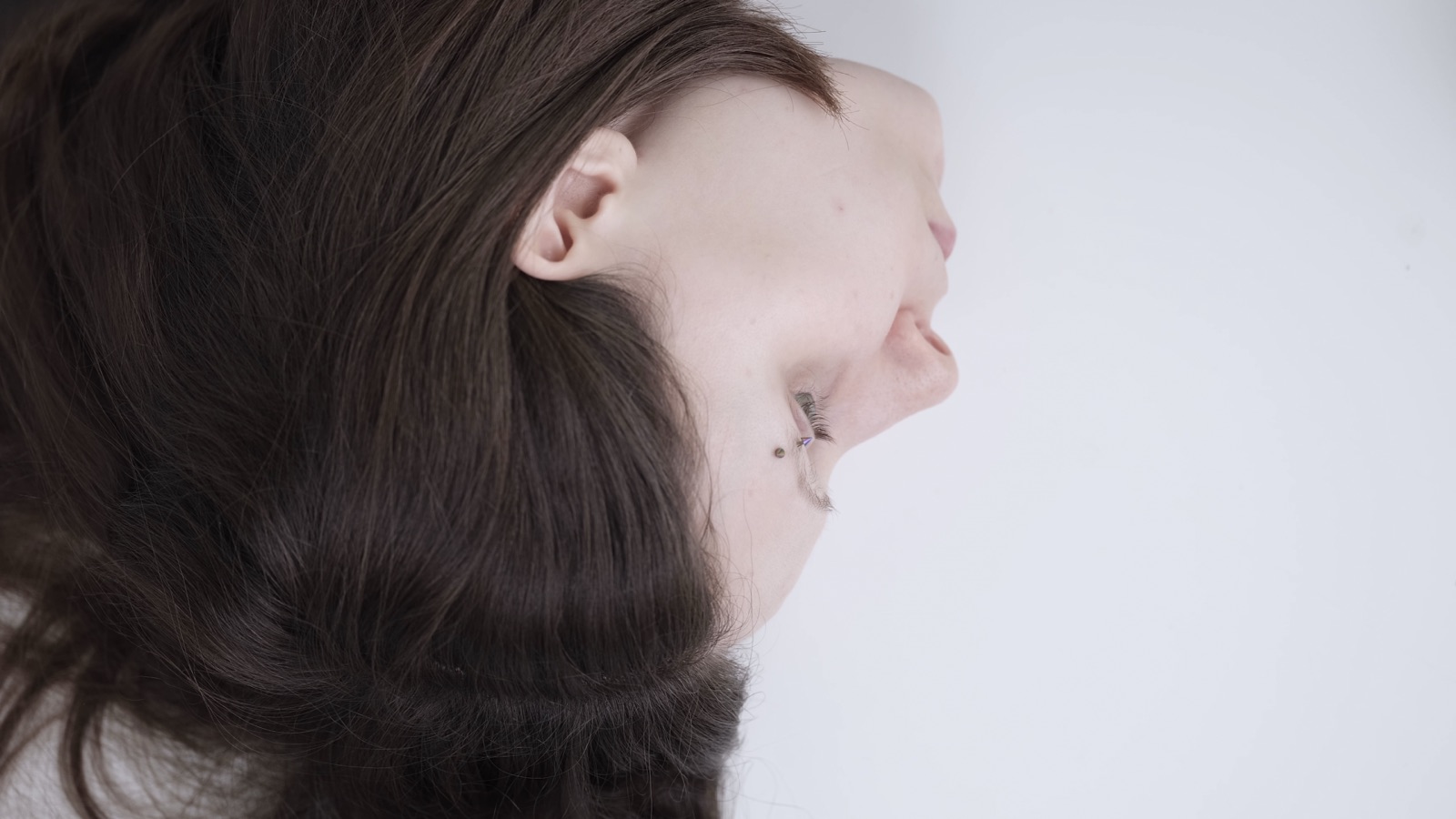
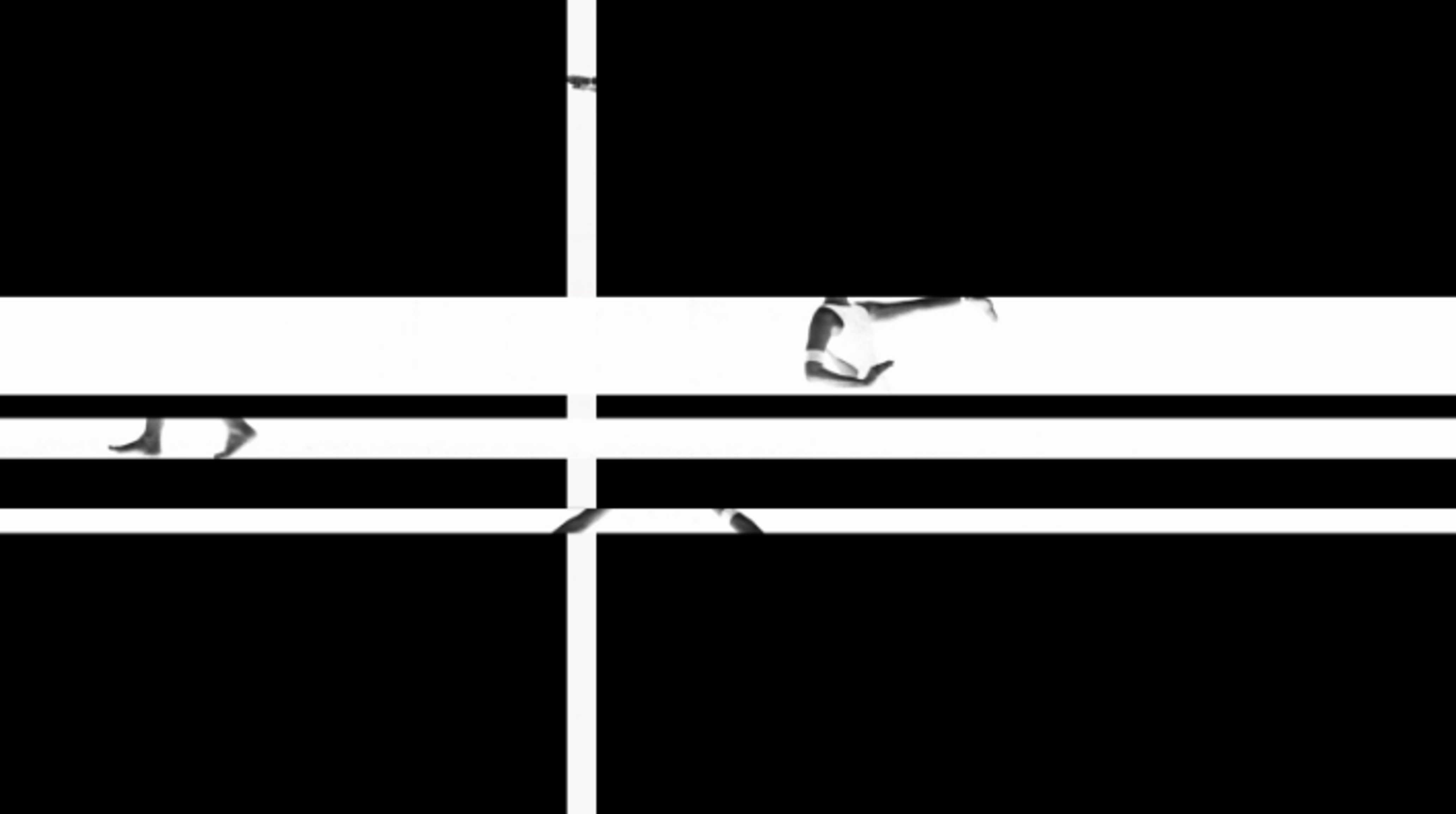
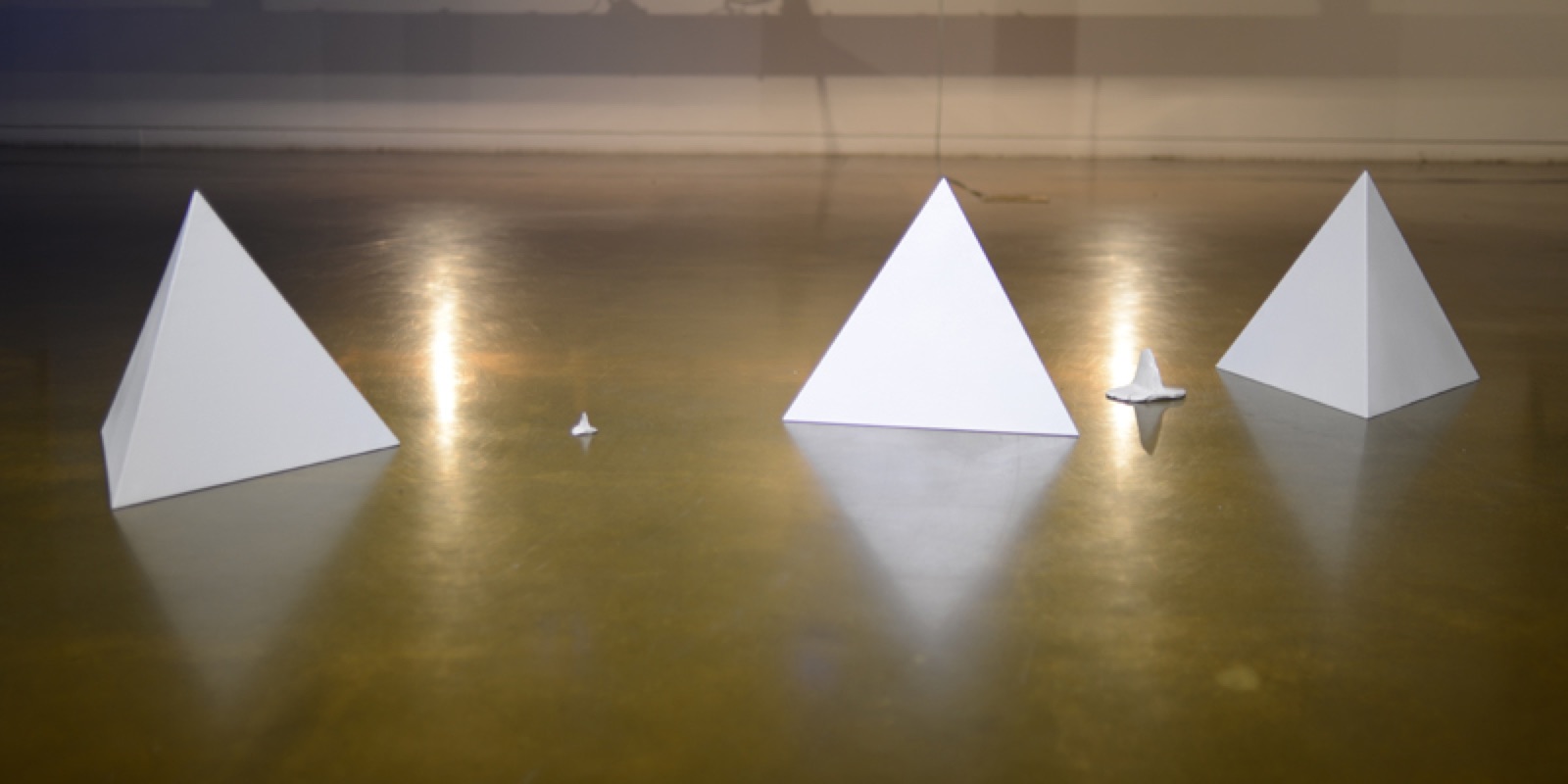
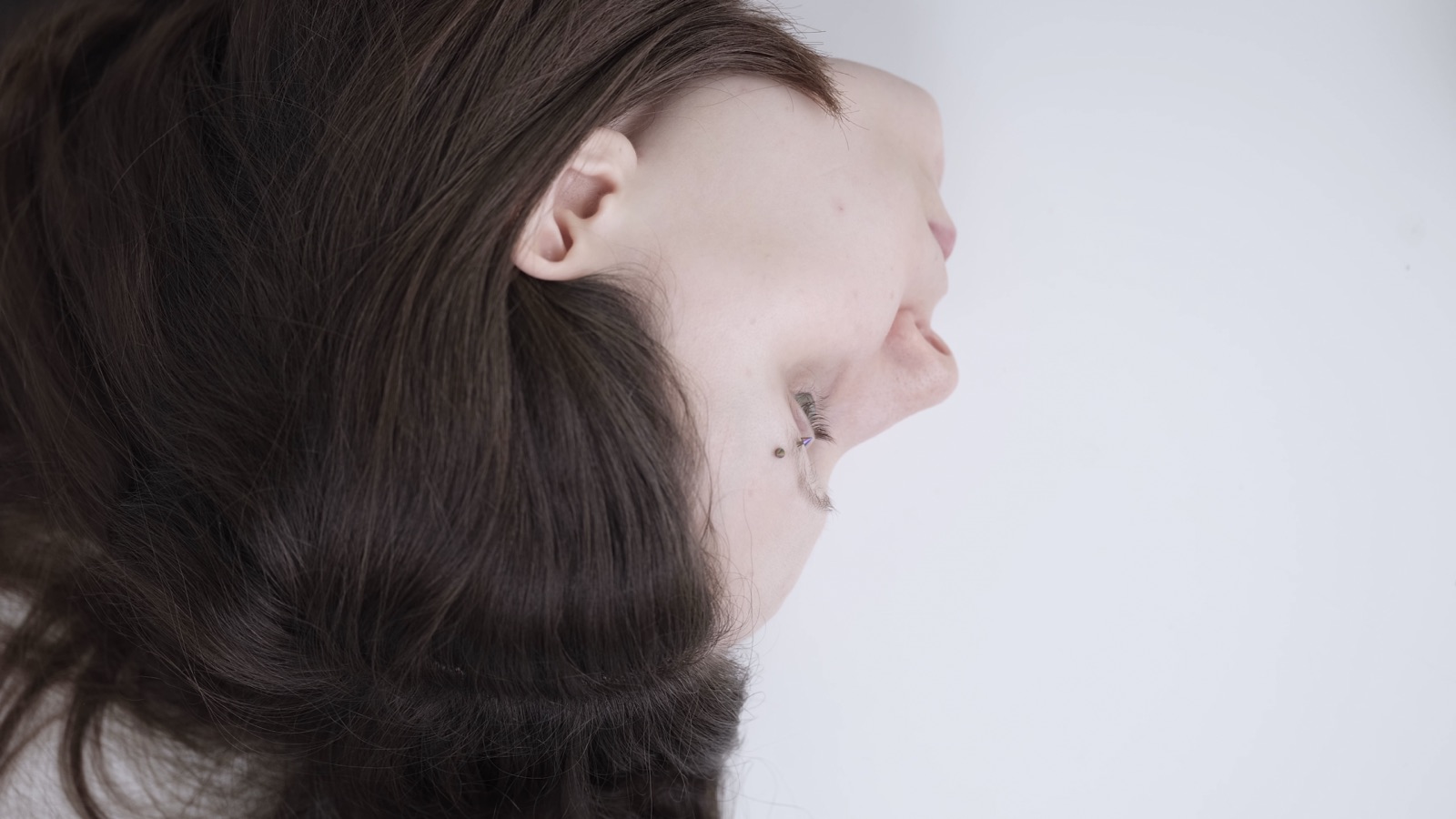
The Hidden Dimension(2017) expresses through movement the conflict and confusion experienced by individual bodies within densely populated cities, while 《A Sleep in Whiteness》(SONGEUN Art Cube, Seoul, 2018) connects isolation, depression, and death to the condition of the individual within urban civilization.

Here, the “laboratory” becomes not simply a visual device but an attitude through which the artist looks at the world: a method of examining a person who has been absorbed into a group or statistic as an individual once again, and magnifying the emotions and anxieties that emerge within that individual.
 
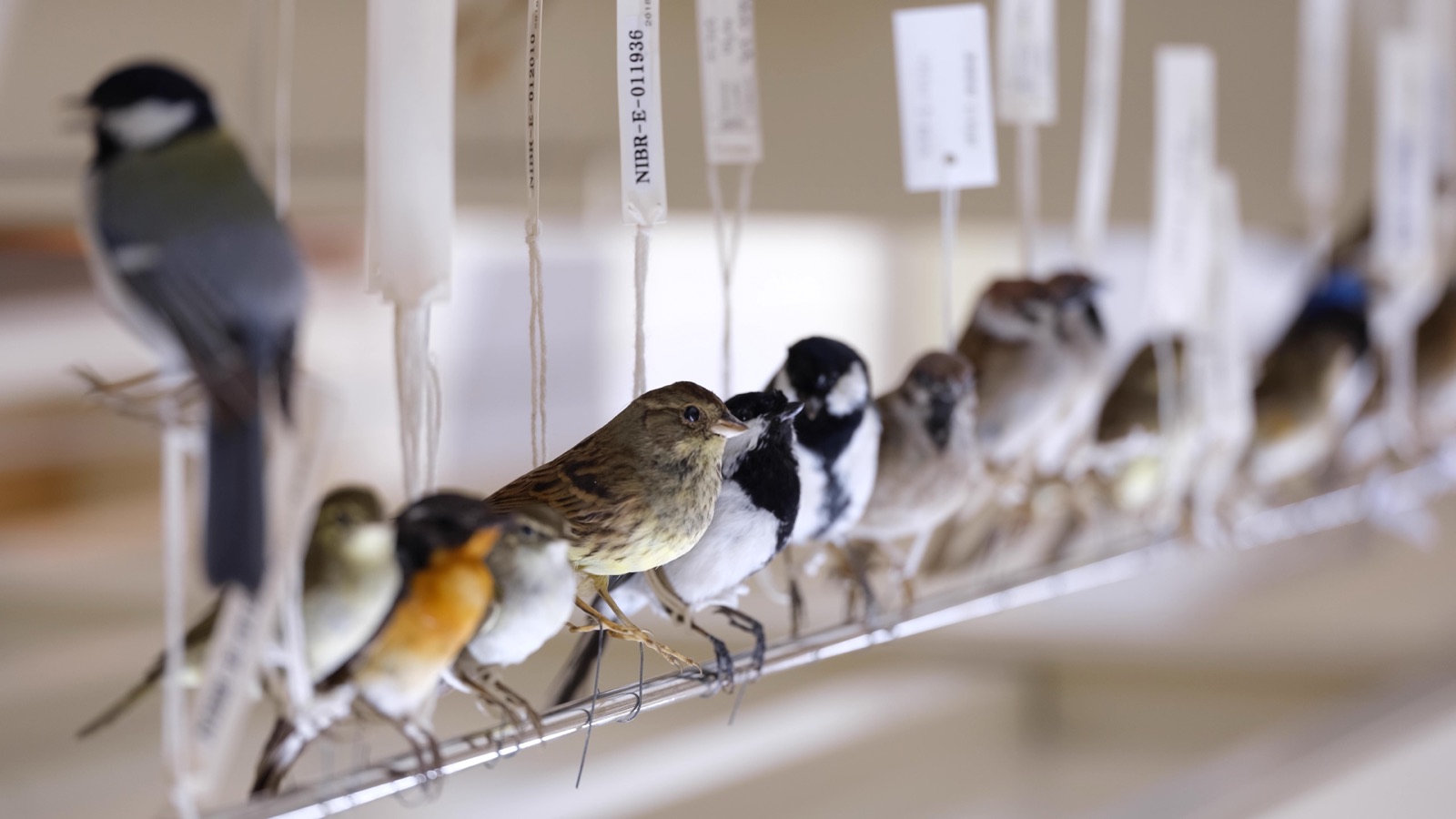
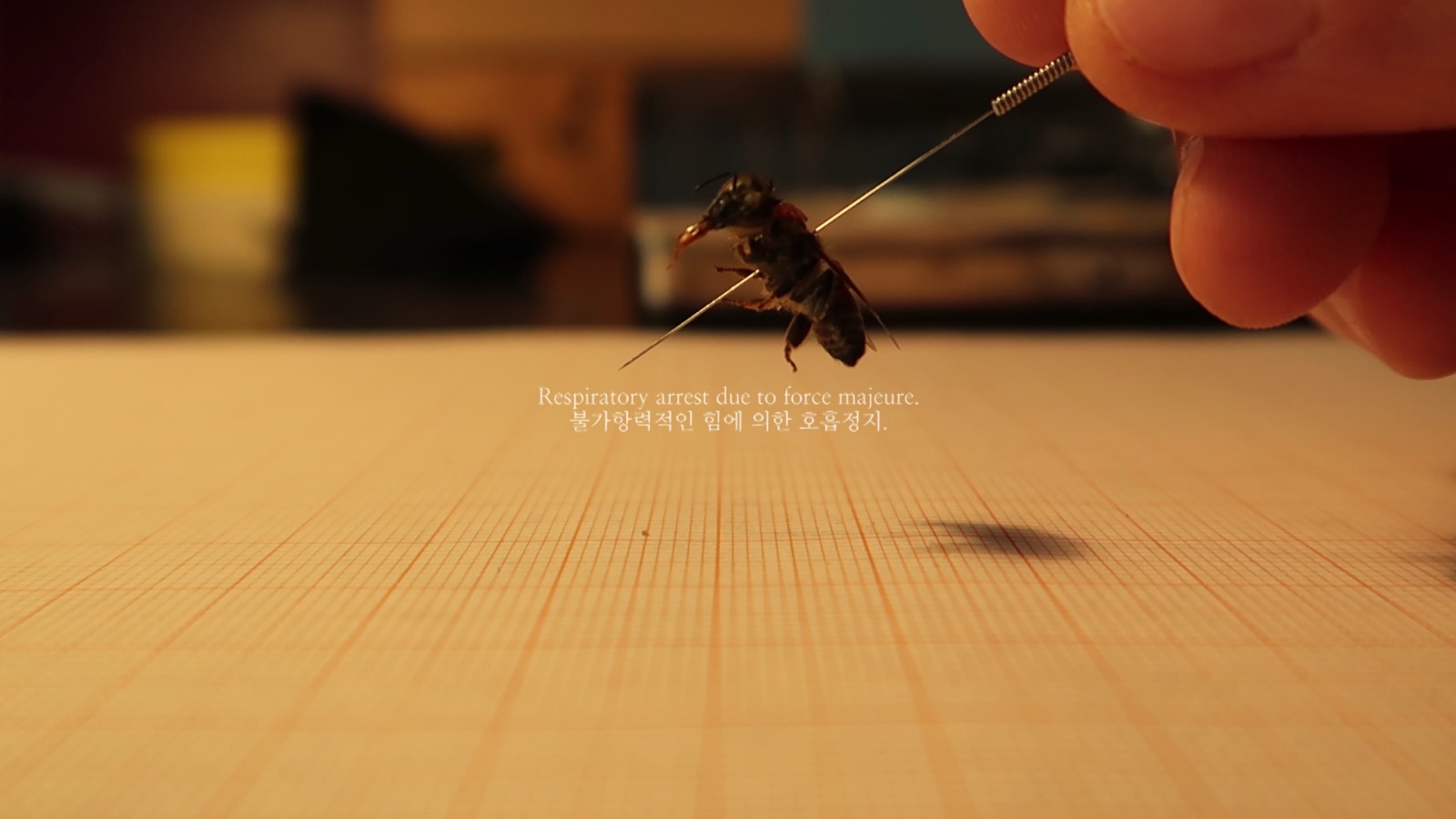
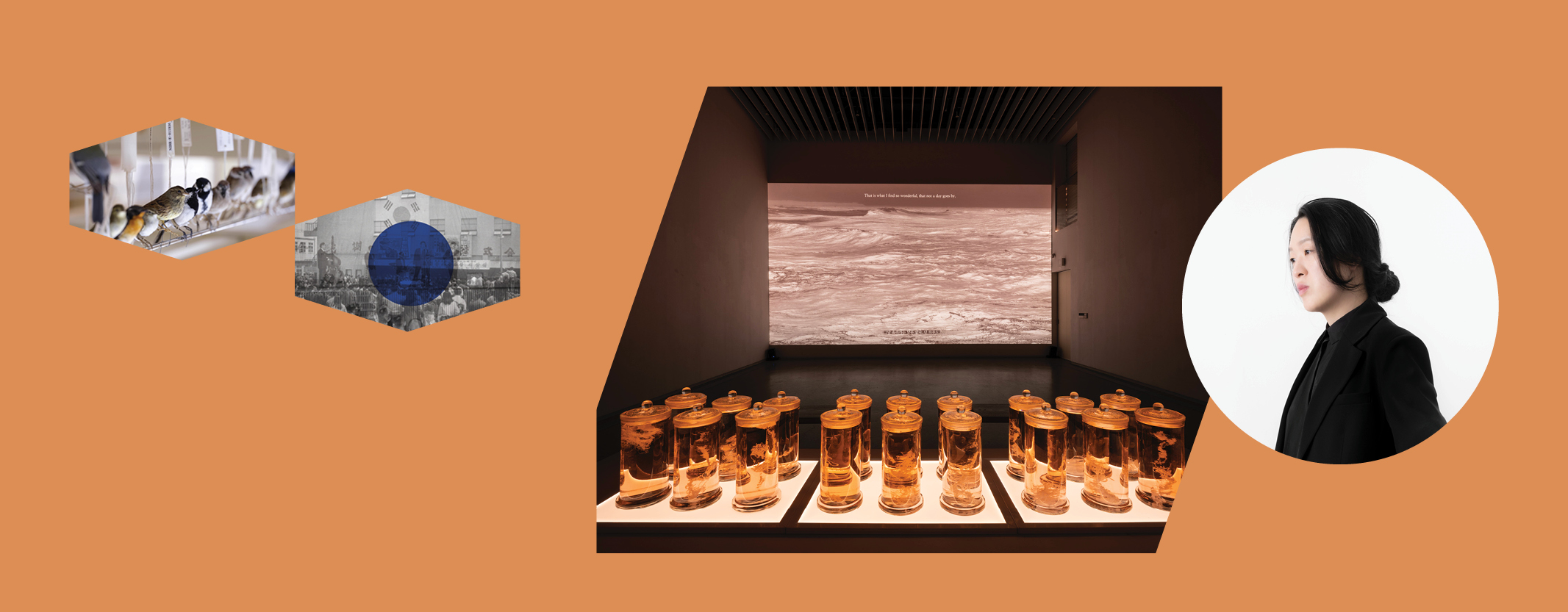
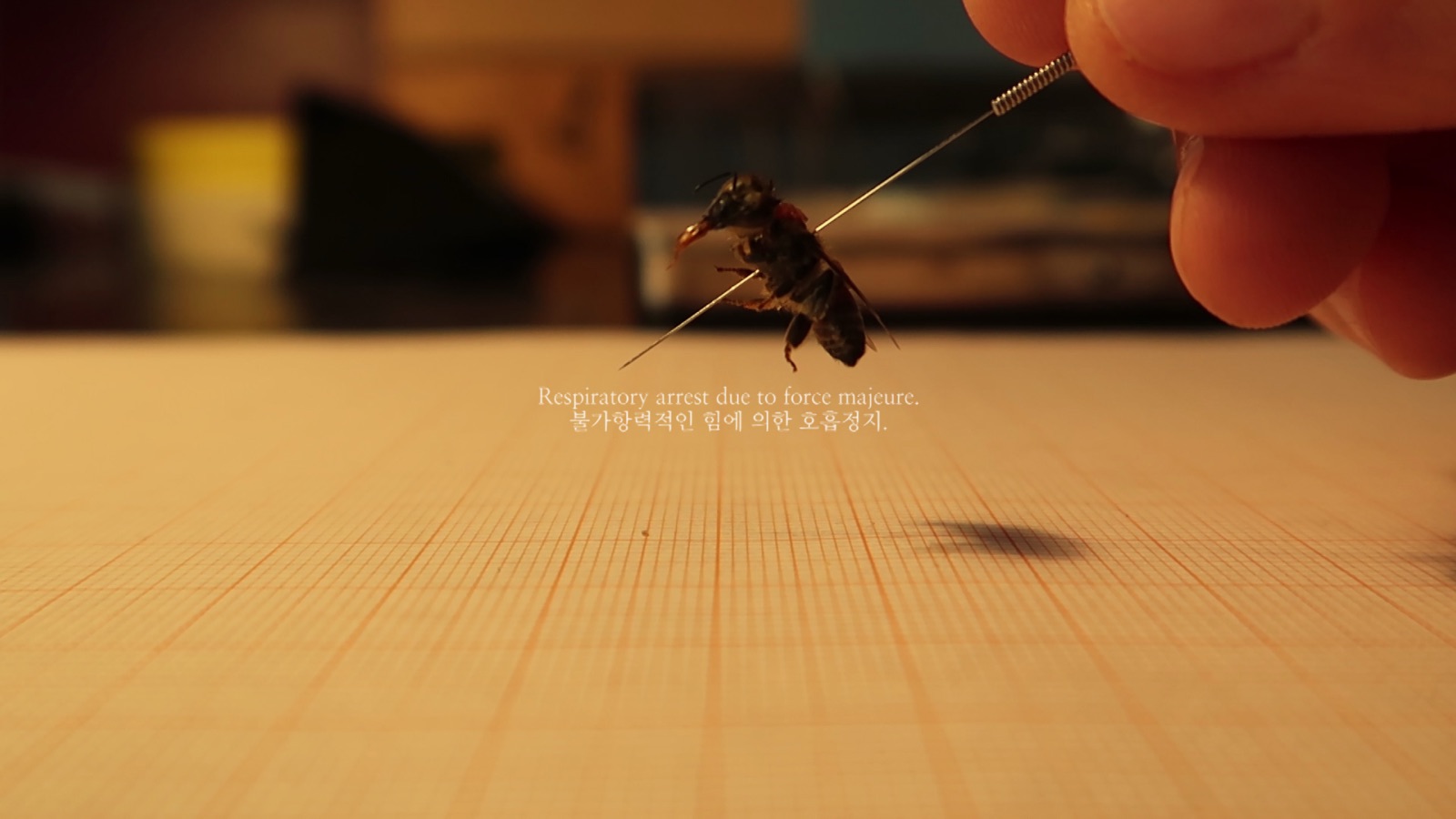
Around 《Emotion of Leg》(SeMA Storage, Seoul, 2019), this microscopic mode of observation expanded beyond human relationships toward the ways humans classify and preserve life and death. Emotion of Leg(2018) connects disparate places and images—including bees and taxidermied creatures in a natural history museum and a Nazi concentration camp—to ask whether the human act of “preservation” can be both a way of remembering life and a way of classifying and objectifying the dead.

Echolocation
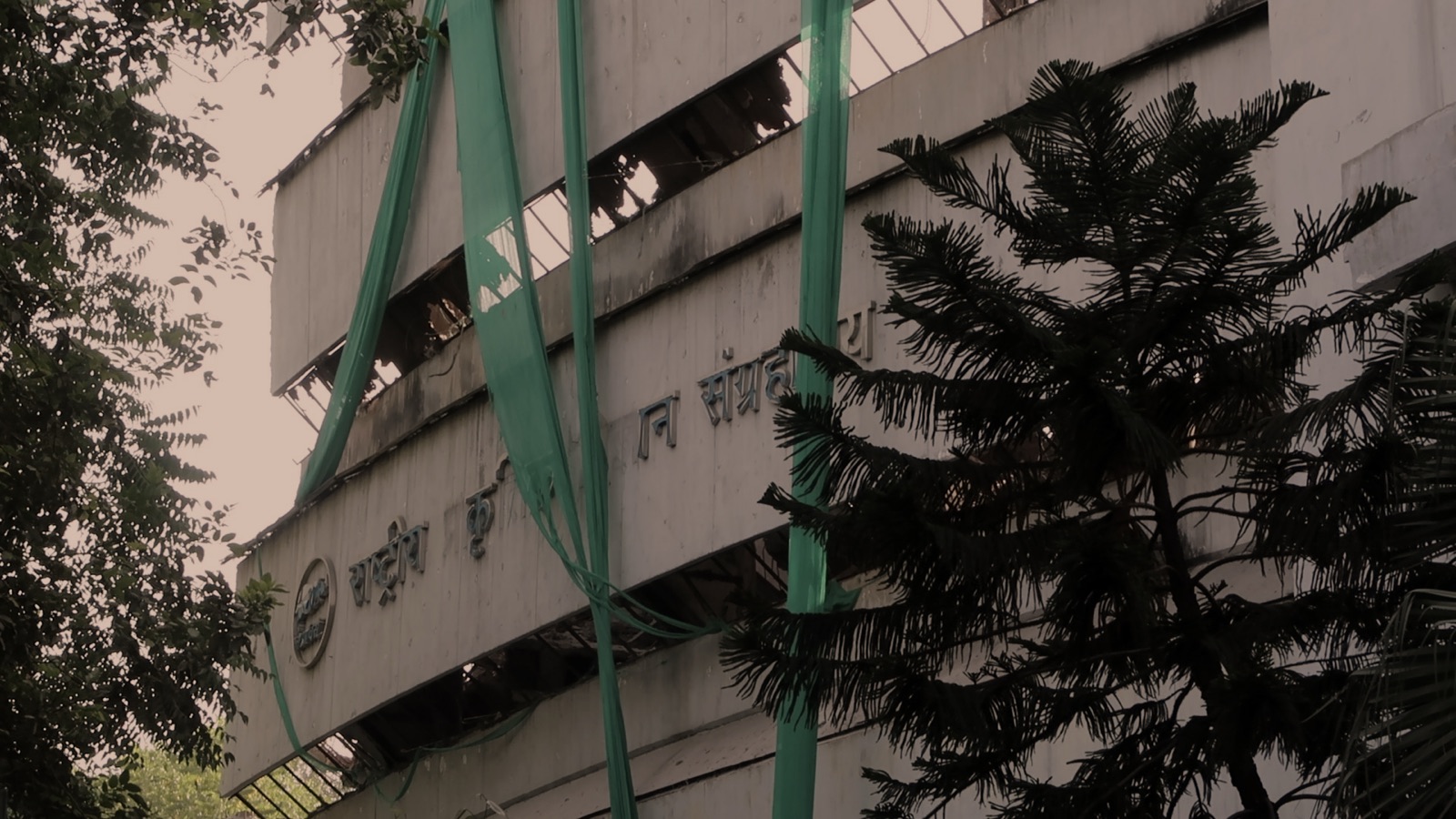
(2018) juxtaposes bats whose sensory abilities have changed through adaptation to an urban environment with the Natural History Museum in New Delhi, which was destroyed by fire, destabilizing the boundaries between evolution and regression, loss and adaptation. From this period onward, Sin’s attention expanded from relationships within human society to those between human and nonhuman beings, and between natural history and political history.
 
In the ‘A Cold Bird on the Dead Mountain’(2019–2020) series, Hwiang Bird(2020), and later 《Single Gentre Femur》(Elephant Space, Seoul, 2022), questions of death and preservation become connected to massacre, the excavation of human remains, and historical documentation. A Cold Bird on the Dead Mountain #01(2019) addresses a new town and birds that died after failing to adapt to its environment, while A Cold Bird on the Dead Mountain #02(2020) and A Cold Bird on the Dead Mountain #03(2020) examine livestock culling and burial.

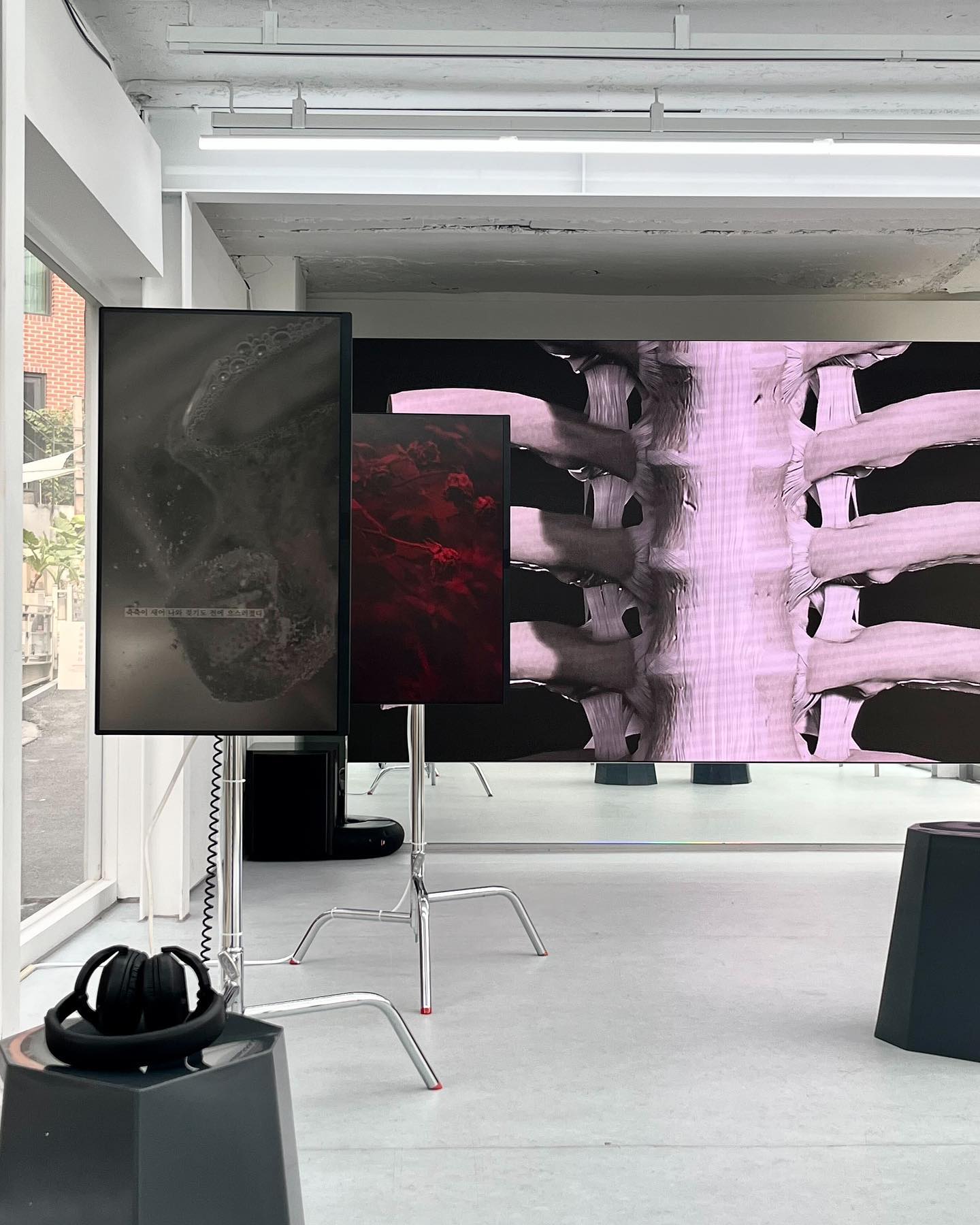
The ‘Single Gentre Femur’ series then turns to the Jeju 4·3 Incident, civilian massacres surrounding the Korean War, and the ongoing excavation of human remains. Here, a bone is not an anonymous “remnant” but the minimum evidence that a person once existed. The early gaze directed toward an individual within a network of relationships deepens over time into a concern with how a life and a name erased from records and history might once again be regarded as an individual.

Style & Contents

Ifie Sin works primarily with video, performance, and installation, using filming and editing themselves as a kind of experimental process. In her early practice, she frequently filmed the bodily movements of dancers and actors and manipulated scale and angle so that the body could appear like a cell or a biological specimen.

Even in works such as A Straight Line Connecting One Point(2018), which combines architecture and literary text, she does not simply document an actual place but creates a new sensorial experience by placing image and language slightly out of alignment. For Sin, video is less a medium for recording an already existing reality than an editing device capable of cutting apart and reconnecting different times and places in order to reconstruct relationships within reality.
 
Text in her videos, in particular, does not function as a subtitle that explains the image. The sentences appearing in A Sleep in Whiteness or A Cold Bird on the Dead Mountain #02 do not clarify specific events; instead, they create a poetic interval by remaining slightly out of sync with the images. Sin has explained that she often begins with text and replaces parts of it with moving images.

As a result, image and sentence do not complete a single linear narrative but push meaning in different directions. Titles such as ‘Hwiang Bird,’ ‘Dead Mountain,’ and ‘Single Gentre Femur,’ which transform existing words or the sounds of foreign languages into other expressions, are connected to the same approach. Rather than pursuing exact linguistic translation, she works with the new meanings that emerge between sound and image.
 
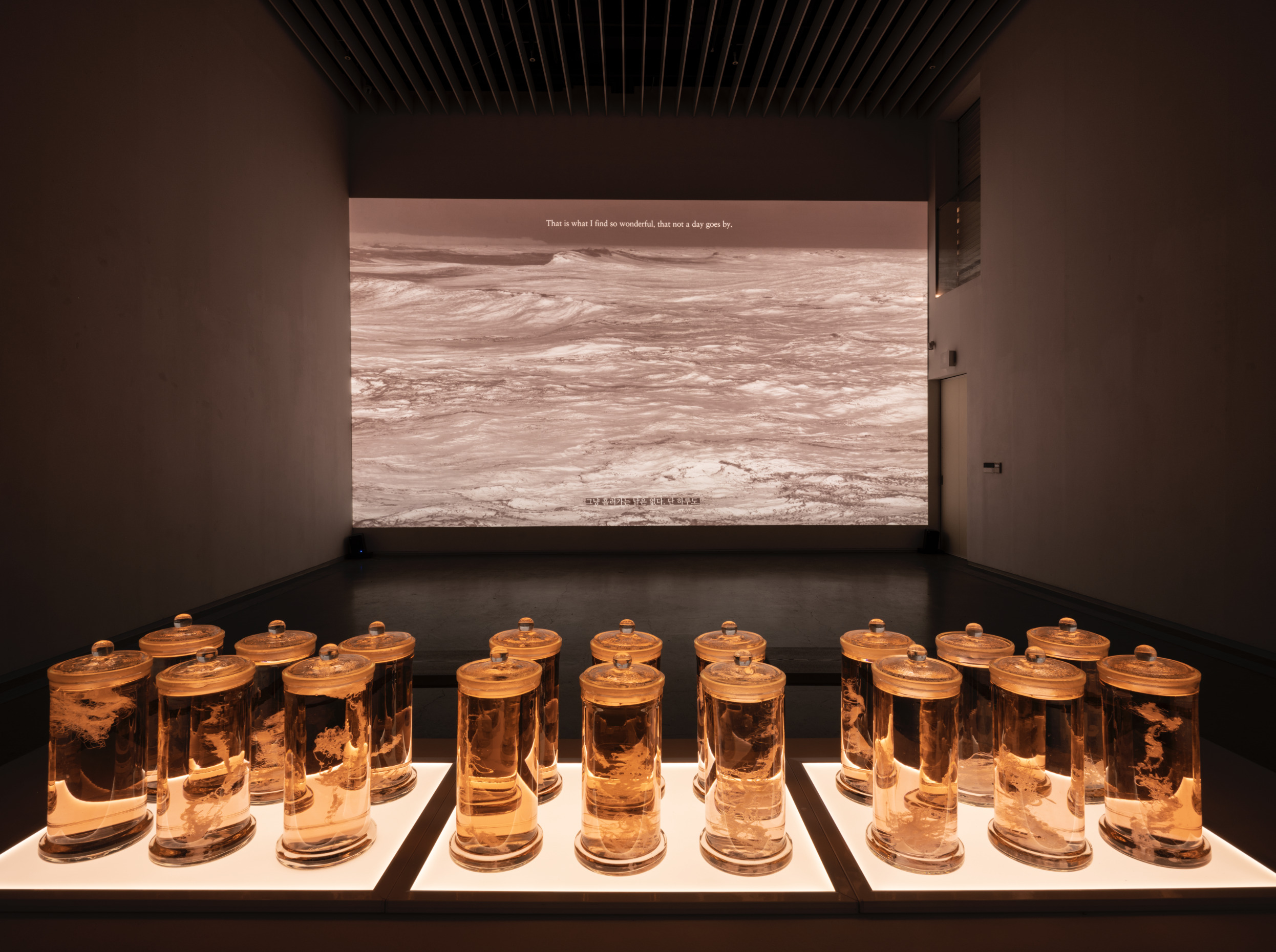
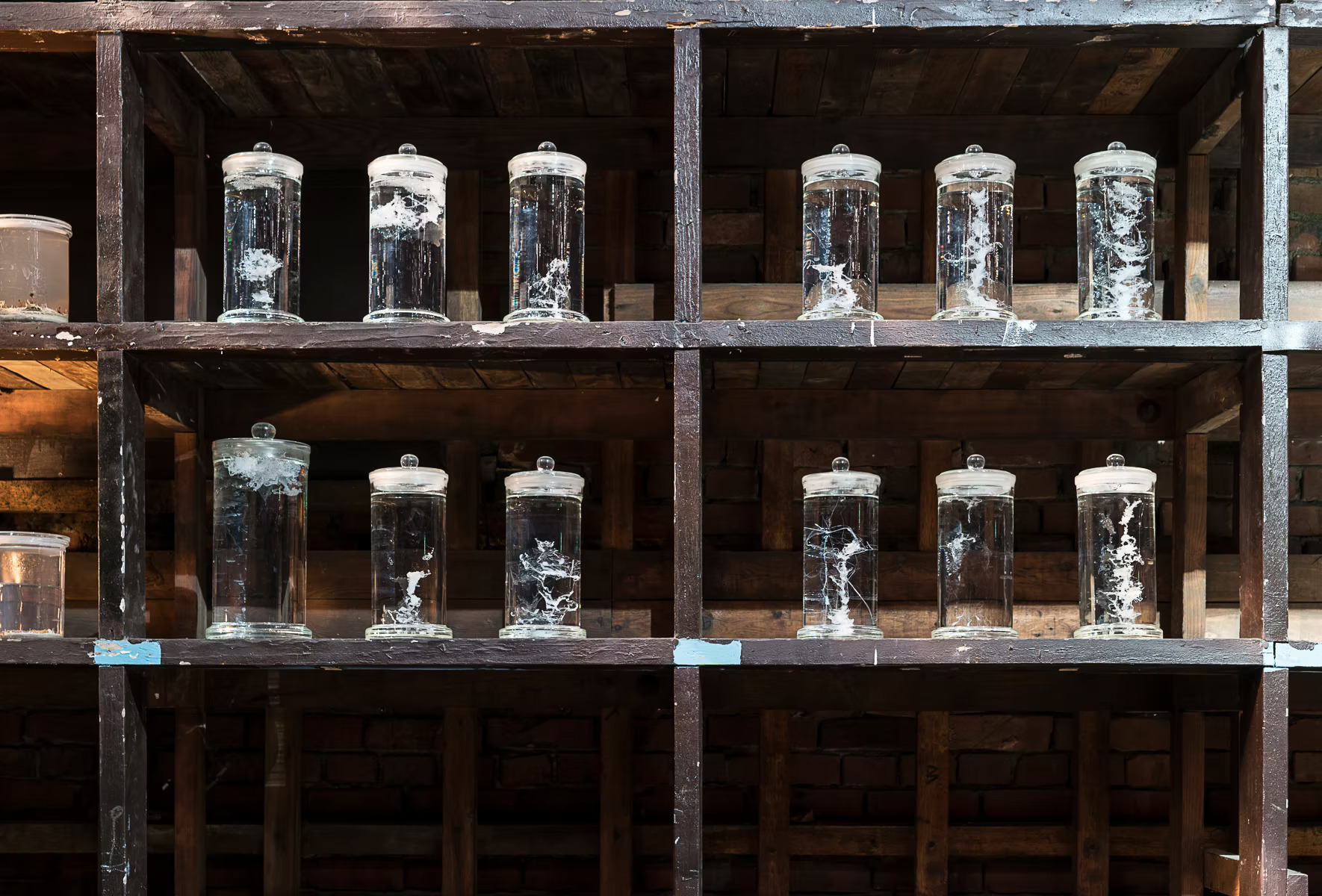
From 2018 onward, the combination of moving images with physical objects becomes increasingly prominent. Her gaze toward taxidermied animals and insect specimens in natural history museums extends into actual specimens, bones, and preserved materials, while in A Cold Bird on the Dead Mountain #03 she directly creates fluid-preserved specimens of culled pigs and places them alongside the video.

The dead life appearing on the screen and the material present in the exhibition space collide while carrying different temporalities. As the experience of looking at an image on a screen overlaps with that of confronting the surface of a physical object, recorded death shifts from an abstract event into a concrete material issue. This marks an important point at which Sin’s video practice expands beyond visual narrative into tactile and spatial experience.
 
In ‘Single Gentre Femur,’ this method extends further into the forms of excavation and historical documentation. Single Gentre Femur vol.1(2022) moves between sites related to the Jeju 4·3 Incident and a human-remains excavation site in Daejeon, while Single Gentre Femur vol.2(2022) constructs the sensations arising between the time of the dead and that of the society that survives through poetic text and moving images.

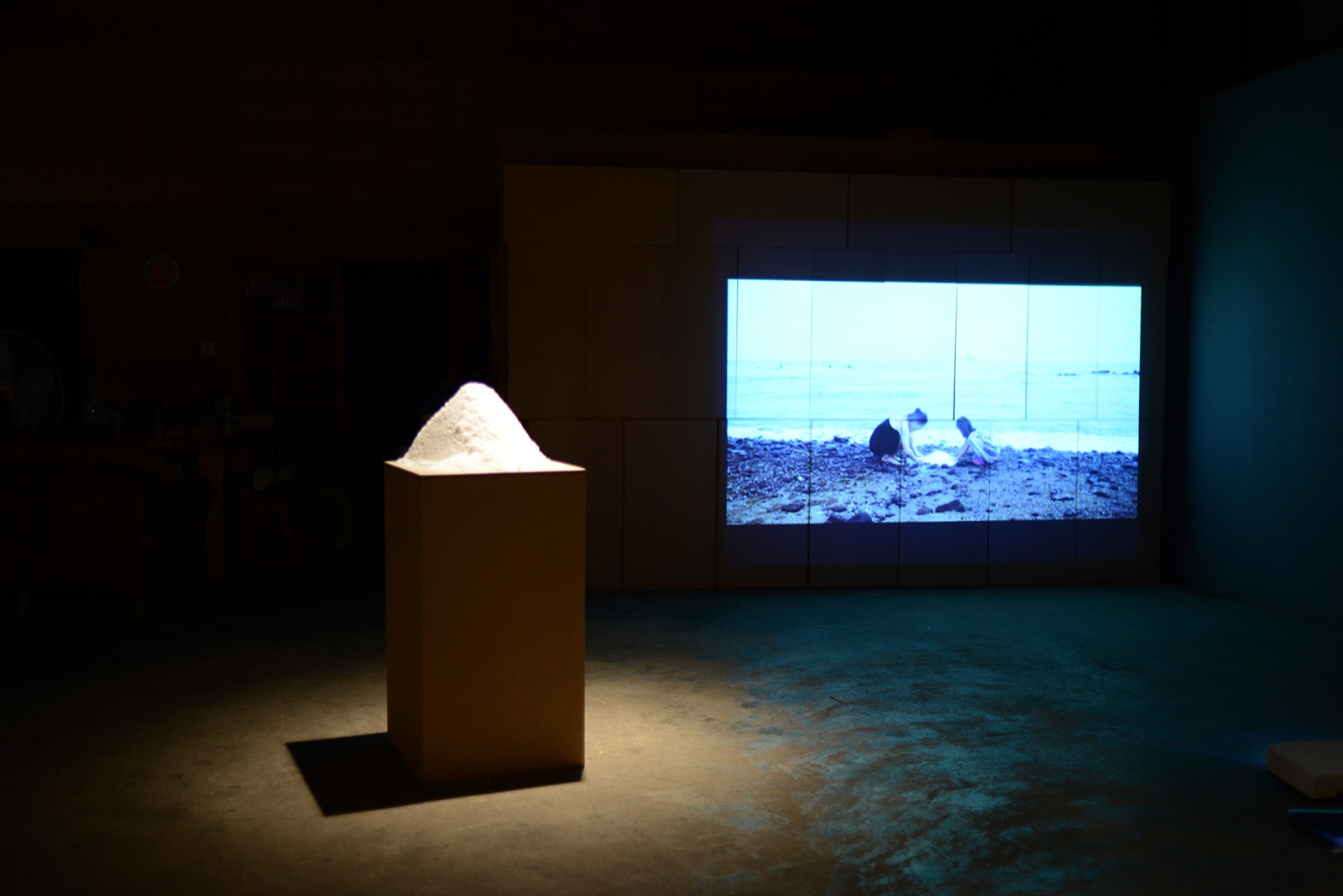
Single Gentre Femur vol.3(2022) presents interviews with members of excavation teams and officials associated with the Truth and Reconciliation Commission as a web archive. Bone powder and bones from actual excavation sites, along with fabricated bones, are also placed within the exhibition space. By overlapping video, documentation, interviews, and physical matter within a single space, Sin presents history not as a completed explanation but as a condition in which different testimonies and materials coexist.

Topography & Continuity

Viewed across the longer trajectory of Ifie Sin’s practice, the most consistent element is her attention to the “individual.” In her early works, she observed a person marginalized or regulated within the collective structure of society. Later, this gaze shifted toward a single animal or insect among countless natural history specimens, one life among numerous culled livestock, and one person among victims recorded as numbers in mass killings.

Her subjects have changed from people to animals, specimens, and bones, but her concern with how systems of grouping and classification anonymize individual existence has remained. The word “single,” which has come to occupy a central place in her recent work, is closely connected to this trajectory. Just as one bone can testify to the existence of at least one person, Sin’s practice repeatedly attempts to retrieve “one” from within a “mass.”
 
Compared with other moving-image practices that address historical events, Sin’s work is distinctive in its refusal to explain events directly or organize them into a single narrative. Although she begins from concrete events such as the Jeju 4·3 Incident, civilian massacres, and livestock culling, she brings images and poetic text, taxidermy and bones, nature and the human body into collision across different layers.

The past in her videos therefore does not remain a history whose explanation has been completed. It rises into the present like a bone suddenly emerging from the ground, and the image of one event is reread through its encounter with death from another time and place. Her practice of placing the classificatory system of the natural history museum and the historical excavation of human remains within the same field of vision also makes this characteristic clear. Biological classification and historical documentation are both understood as acts that determine what is preserved and what is excluded.
 
Another defining characteristic is her ability to maintain research and sensorial moving-image language at the same time. Her works are based on concrete investigations into laboratories and natural history museums, taxidermists, urban ecology, massacre sites, and human-remains excavations, yet the results do not resolve into documentaries that neatly organize information.

Blurred images, extreme close-ups, shifts in scale, sentences that slowly appear and disappear, unfamiliar words, and physical objects allow viewers to encounter discomfort and sensation before arriving at judgment. The tension in Sin’s work comes from the fact that research and documentation are densely accumulated while remaining deliberately open rather than being closed into a single interpretation.
 
Ifie Sin received the Excellence Award at the 20th SONGEUN Art Award in 2021. Her trajectory from a “laboratory” observing relationships and society toward natural history and death, excavation, and historical documentation is less a change of subject than a process through which the question of “how to look at and remember a single existence” has gradually acquired broader temporal and political dimensions.

Her practice is likely to continue moving between moving images and physical matter, documentation and testimony, returning beings that are easily reduced to a name, a number, or a category to their own individual times and sensory presence.

Works of Art

Relationships within Social Systems Through a Microscopic Lens

Articles

Exhibitions

Activities