Walking Time - K-ARTIST

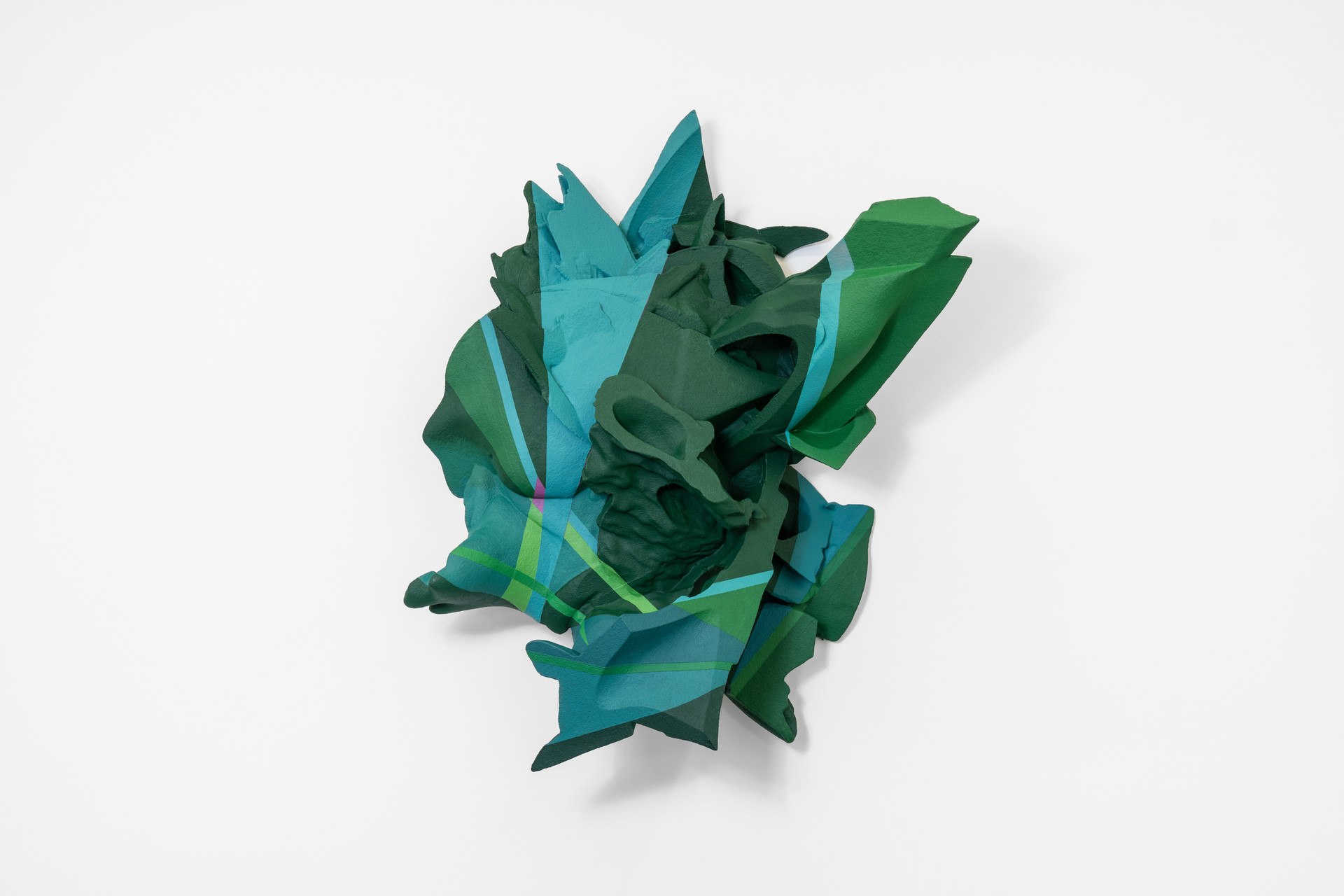
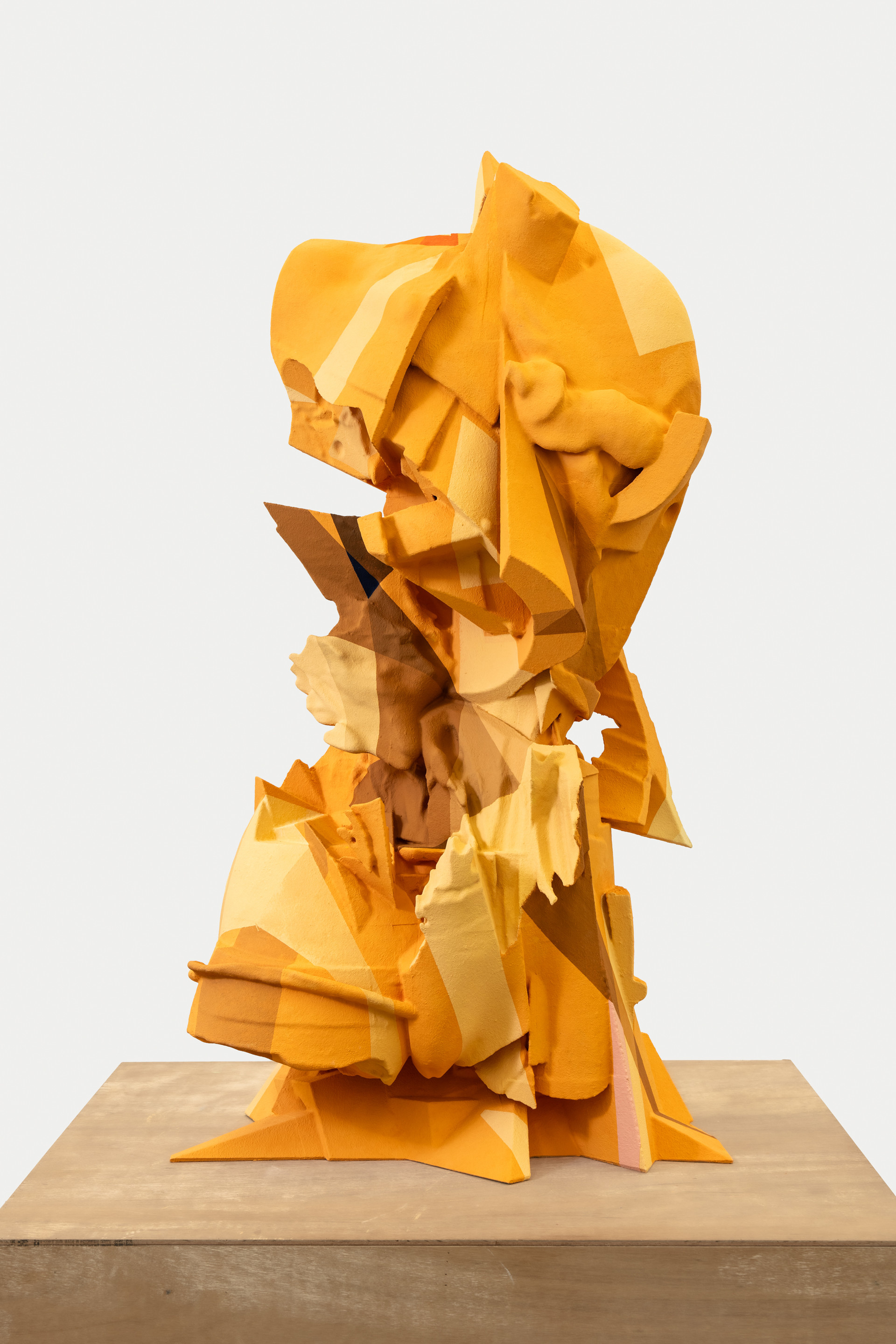
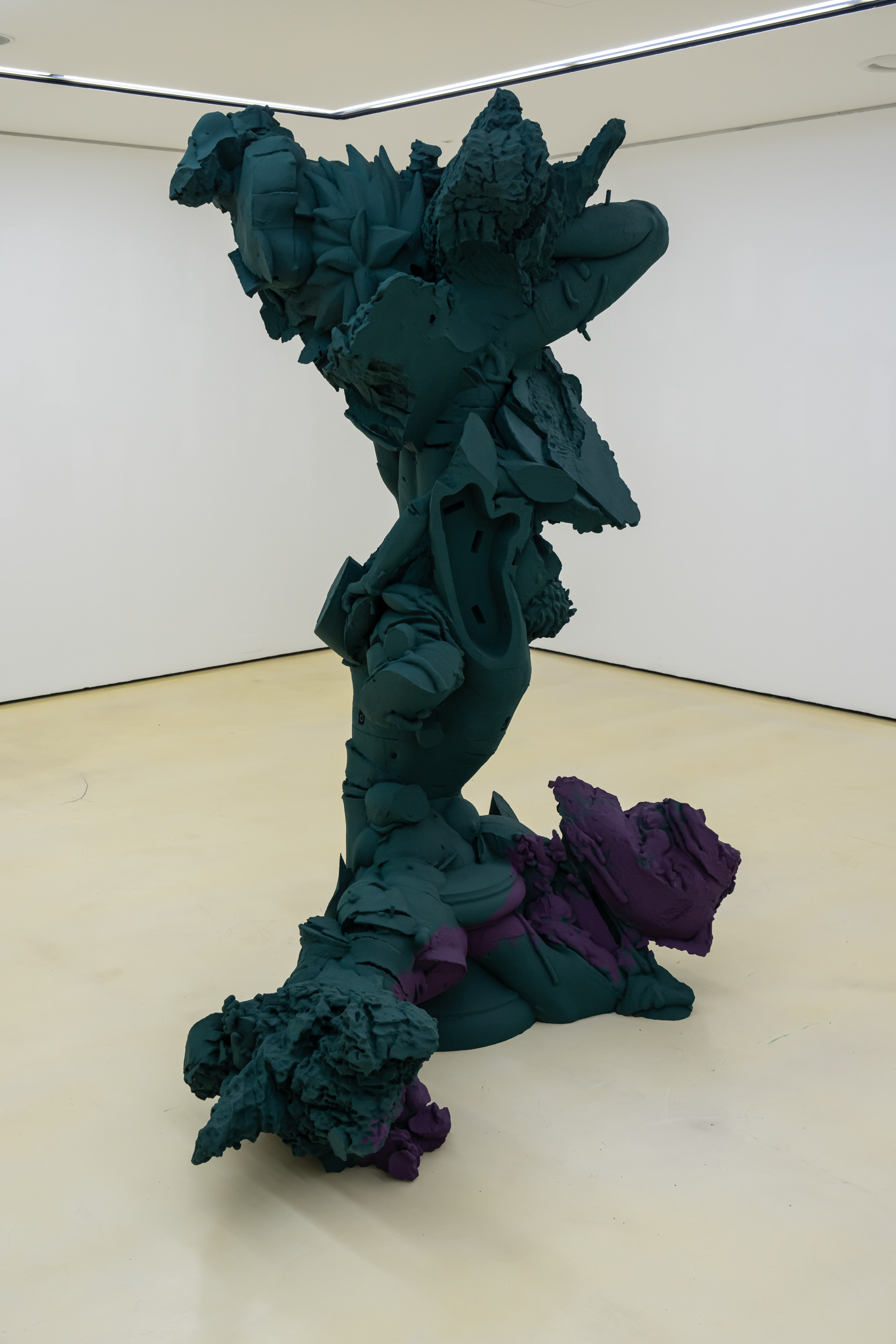
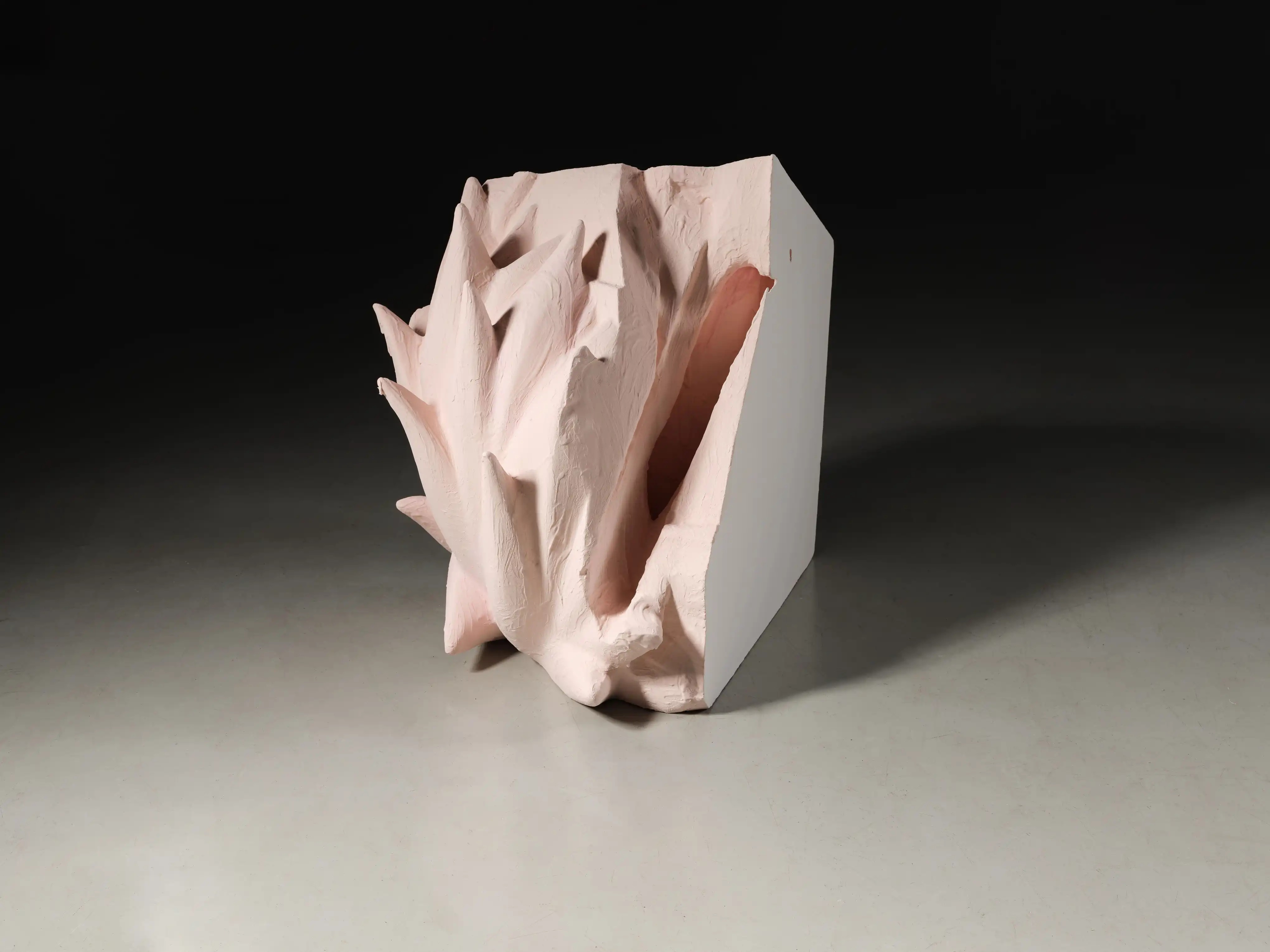
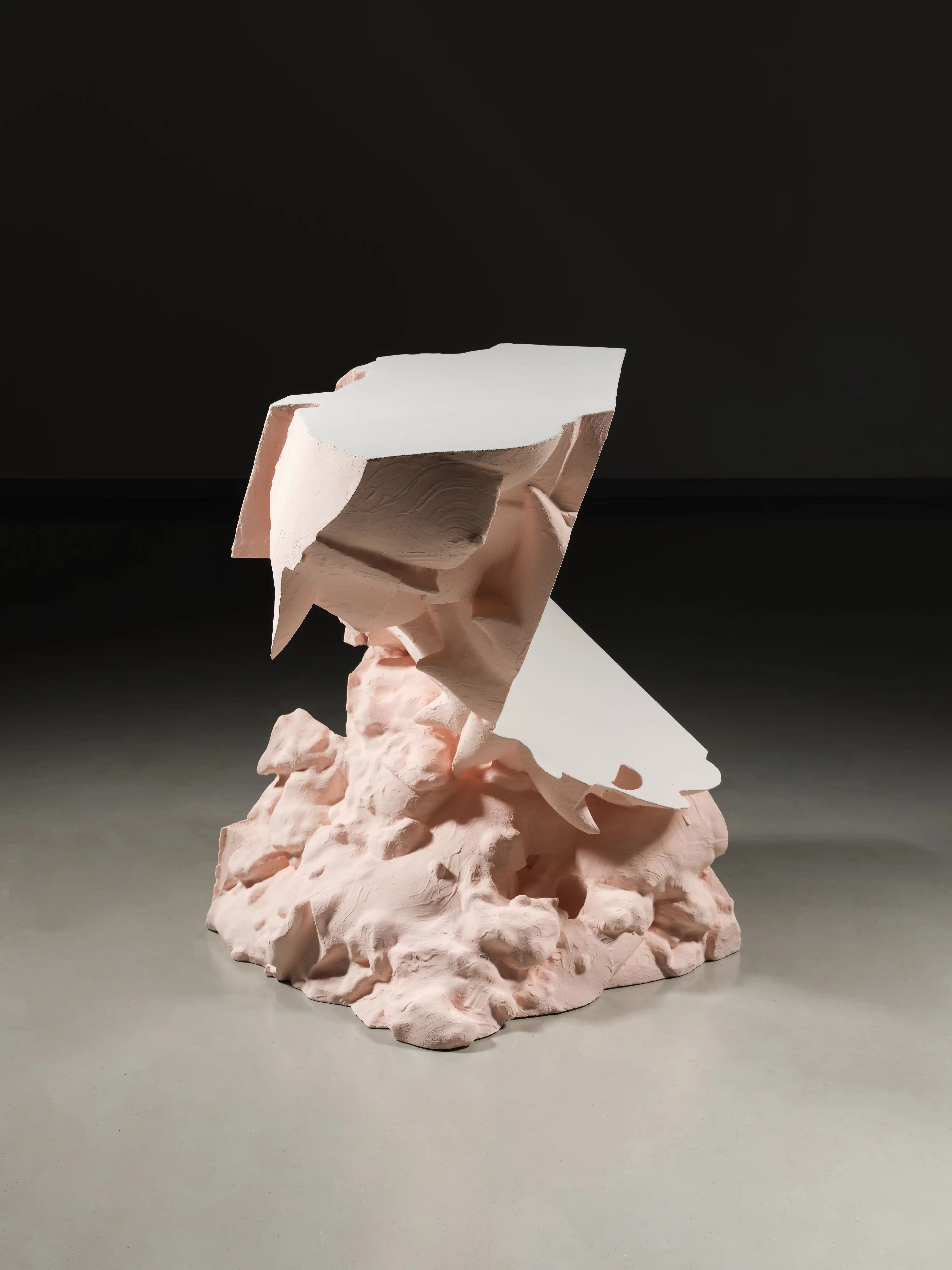
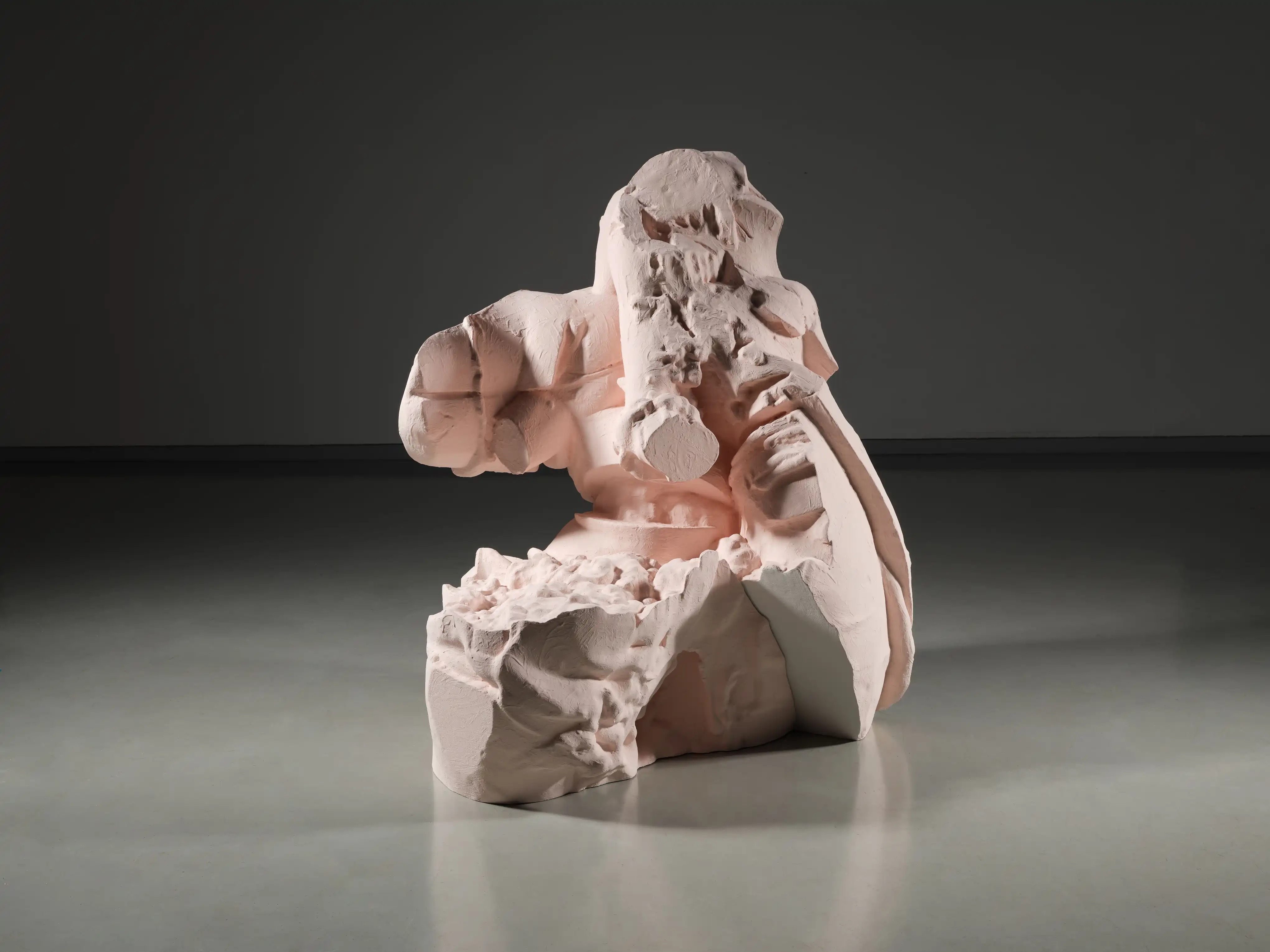
Walking Time

2025
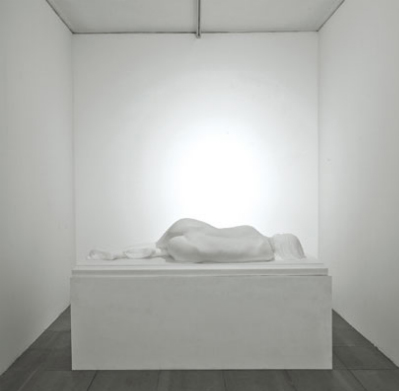
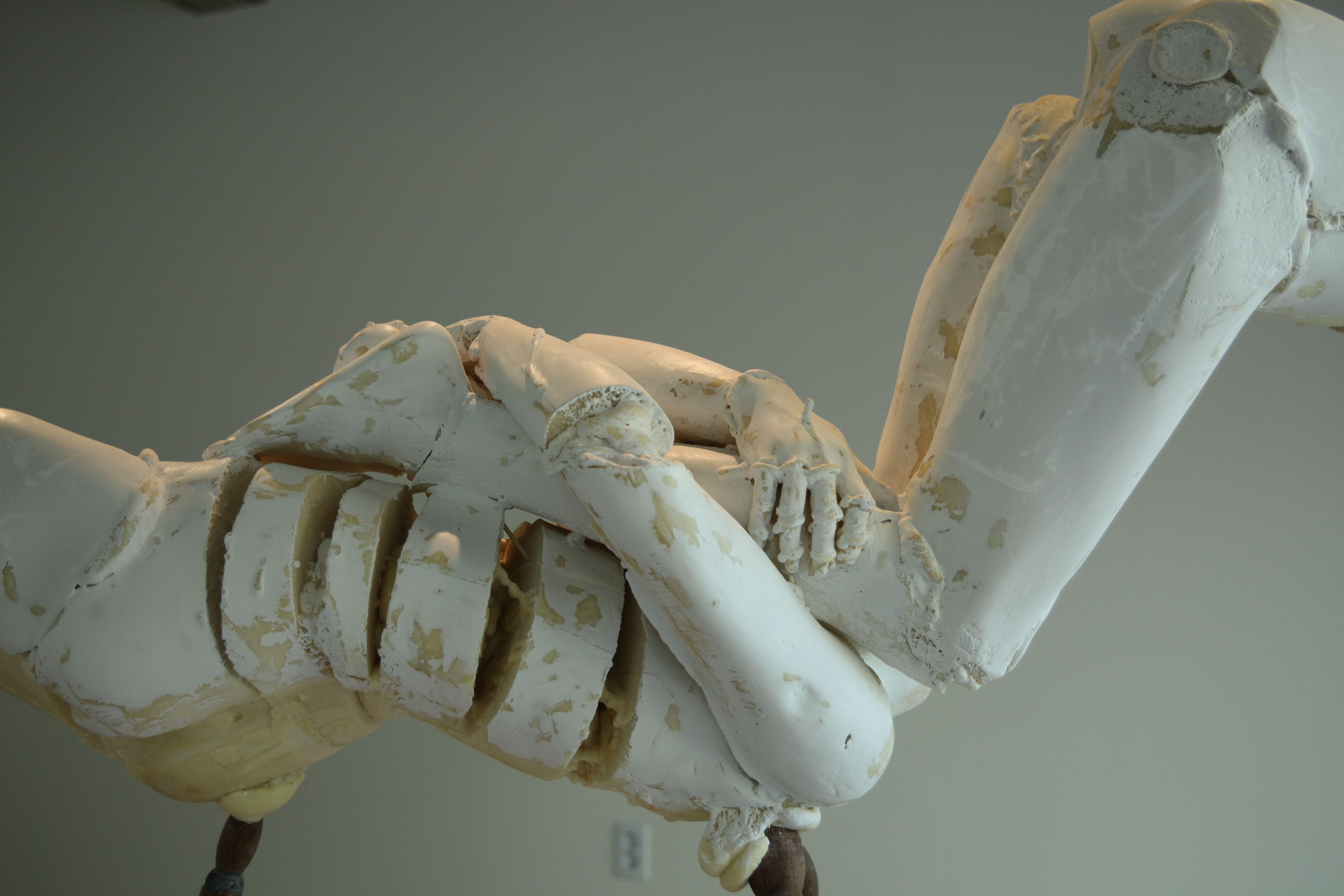
Acrylic on sculpture 
70 x 54 x 27 cm
About The Work

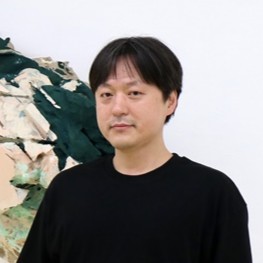
Lee Byungho continually questions the conventions of the classical genre of figurative sculpture, exploring how to realize sculpture as a form that possesses temporality and undergoes continuous change. While maintaining a distinctly contemporary sensibility, he also proposes experimental sculptural methodologies.

Using silicone as his primary material, Lee injects air into and expels it from the outer shells of human bodies, causing their surfaces to expand and contract. Through experiments with various techniques, including casting, assembly, and 3D scanning, he has approached sculpture as an entity that changes over time rather than remaining fixed in a single form.

The human body has long served as the starting point of Lee’s practice, but over time, his work has moved away from concrete bodily forms and expanded into fragments, masses, silhouettes, and coordinates. Despite changes in medium and outward appearance, his sustained impulse to disassemble and proliferate sculptural forms, moving them into new states, runs throughout his practice.

For Lee, sculpture is not a finished object resolved into a single form, but an entity that continuously transforms and comes into being across time and media. This ongoing process of transformation constitutes the defining characteristic that runs through his work.

Solo Exhibitions (Brief)

Lee Byungho has held solo exhibitions at Gallery Hyundai 16 Bungee in 2011, GALLERY KICHE in 2016, SPACE SO in 2020 and 2025, and Perigee Gallery in 2023.

Group Exhibitions (Brief)

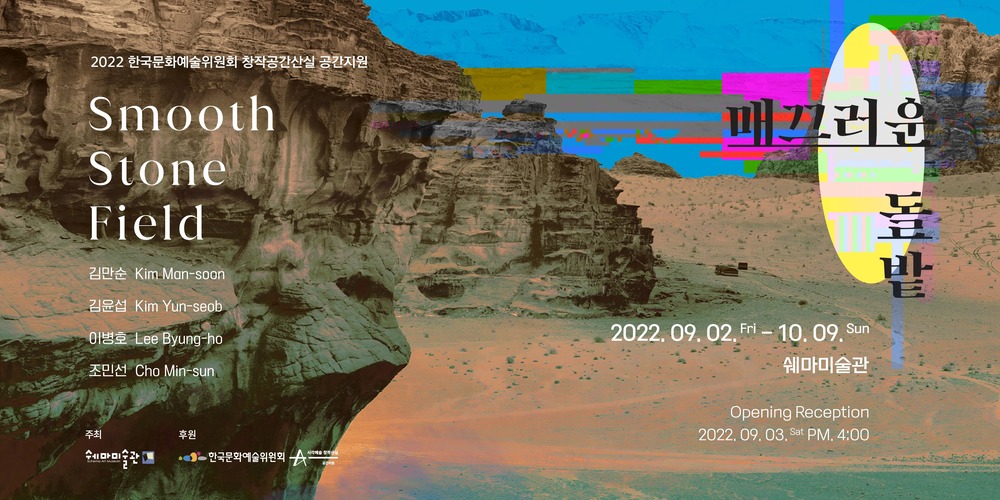
Lee Byungho has participated in group exhibitions at the Mori Art Museum in Japan in 2009, Busan Biennale in 2010, Soma Museum in 2012 and 2016, Seoul Museum of Art and Busan Museum of Art in 2019, Changwon Sculpture Biennale in 2020, Seoul National University Museum of Art in 2021, and Wumin Art Center in 2025.

Awards (Selected)

Lee Byungho was selected for the 29th JoongAng Fine Arts Prize in 2007.

Residencies (Selected)

Lee Byungho participated in residency programs at Nanji Art Studio, Seoul Museum of Art, in 2011, Gyeonggi Creation Center in 2013, and Taipei Artist Village in 2015.

Collections (Selected)

Lee Byungho’s works are held in the collections of the Seoul Museum of Art, Suwon Museum of Art, Busan Museum of Art, Art Bank of the National Museum of Modern and Contemporary Art, Korea, Wumin Art Center, Perigee Gallery (KH Vatec Co., Ltd.), Haslla Art World, and Byucksan Engineering.

Works of Art

Sculpture as a State of Continuous Flux and Transformation

Originality & Identity

Lee Byungho’s practice explores how sculpture can exist and transform over time through the human body. Since the mid-2000s, his silicone sculptures have used air injected into and released from the outer skin of the human figure, causing their surfaces to expand, contract, collapse, and recover.

These changing forms introduce duration into sculpture while revealing the empty space behind the surface and the invisible presence of air. From this early stage, Lee has consistently questioned how the invisible can be made perceptible through sculpture and how sculptural form can remain open to continued transformation.

This inquiry later developed into a process of reproducing, fragmenting, and reconstructing the human body. For Lee, the body functions as a sculptural prototype that can undergo repeated replication, separation, and recombination. Bodies produced through live casting are multiplied into modules, while familiar distinctions between the head, limbs, and torso gradually dissolve through processes of cutting and reassembly.

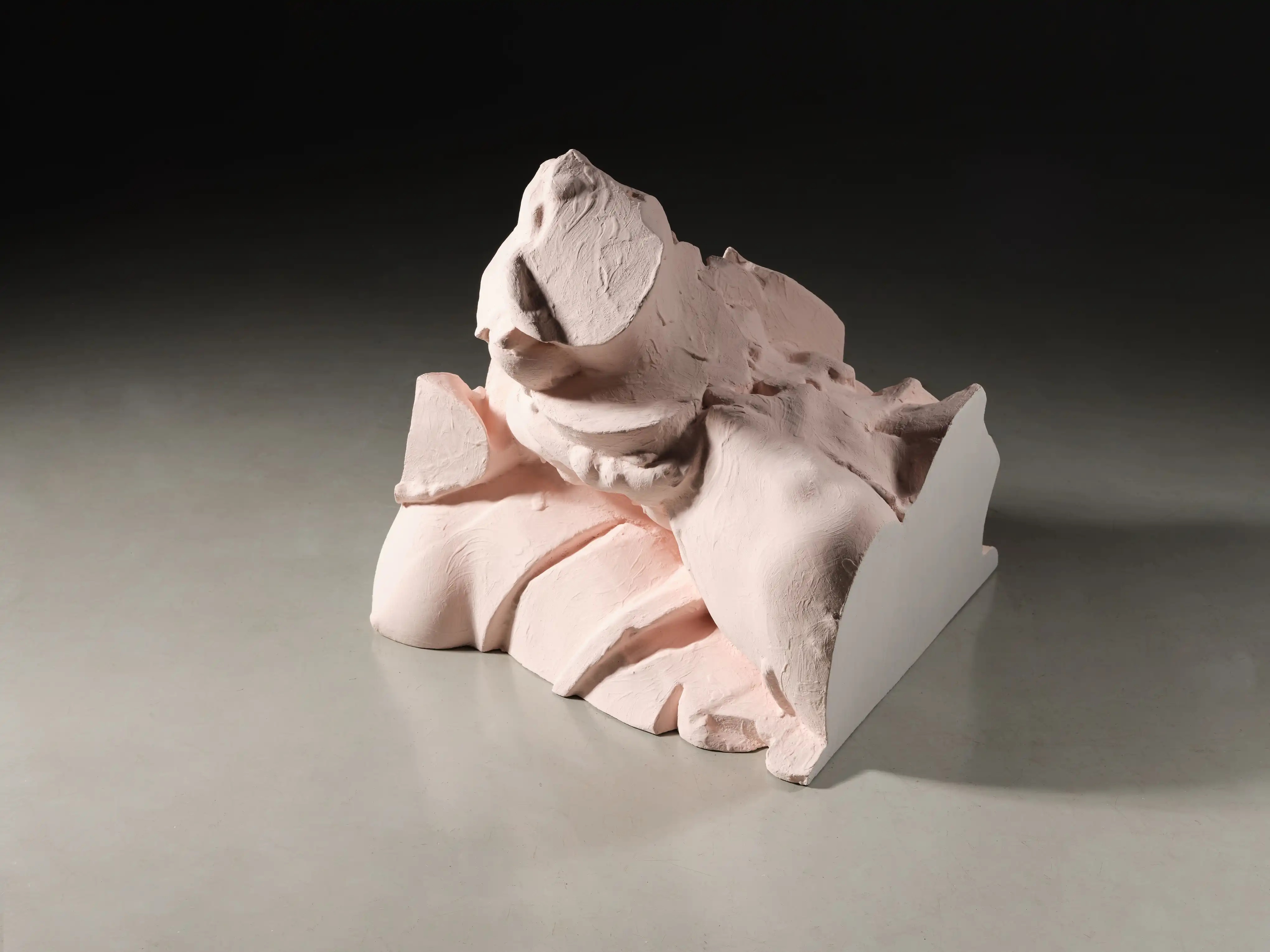
In the Eccentric Abattis works, detached bodily parts are treated as independent forms charged with the possibility of further combinations. Through this process, the human figure progressively loses its familiar referential qualities and evolves into abstract masses and structures.

Replication and recombination also shape Lee’s understanding of sculptural completion. He repeatedly dismantles previously produced or exhibited works, incorporates their fragments into subsequent sculptures, and transforms identical prototypes into different configurations. Each work therefore appears as a temporary state within a longer process of transformation, retaining the potential to be separated and reorganized once again.

Earlier works and sculptural figures drawn from art history are similarly brought into this process, allowing forms from different moments to coexist within the present work. Production, exhibition, dismantling, and reconstruction accumulate within the sculpture, disrupting a linear sense of time.

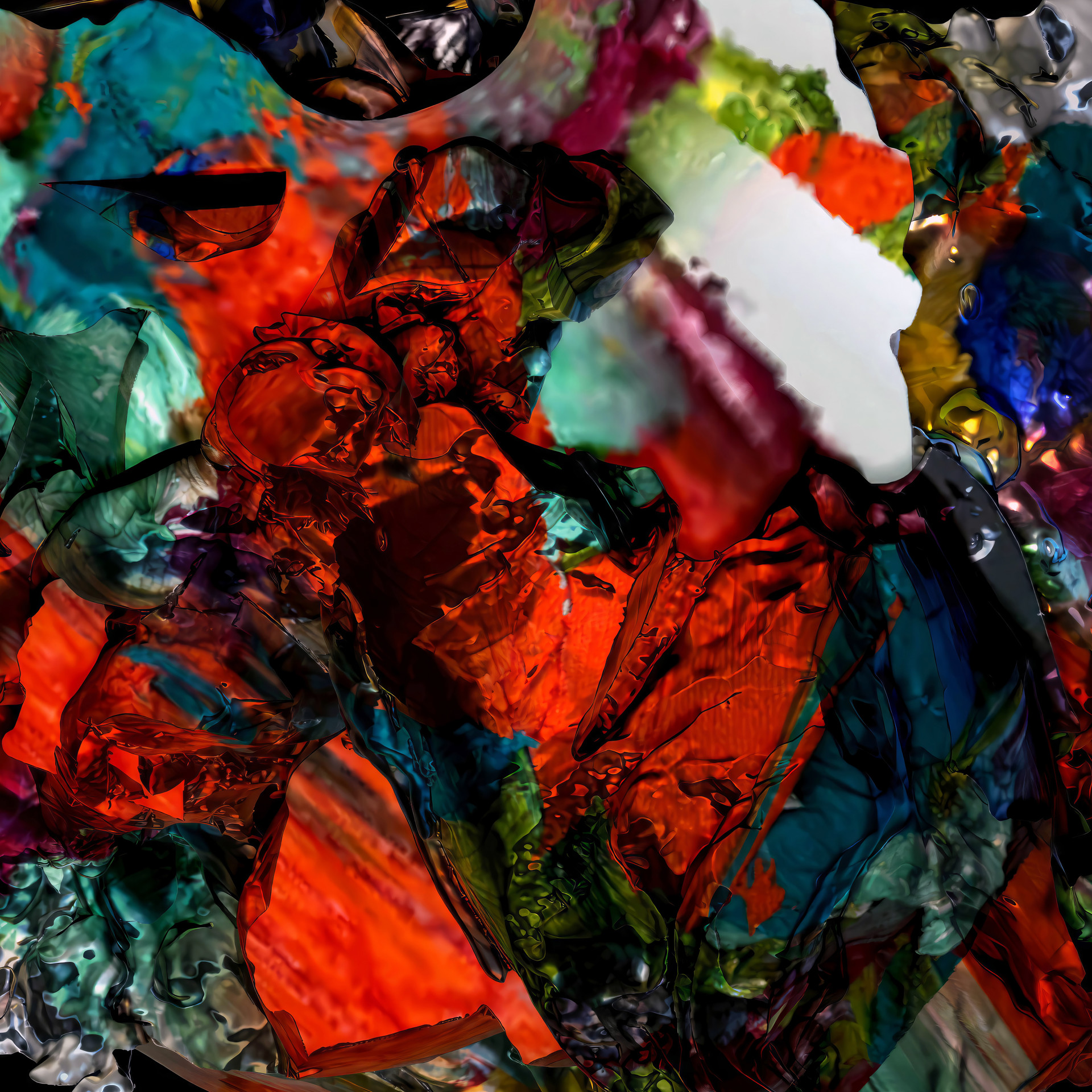
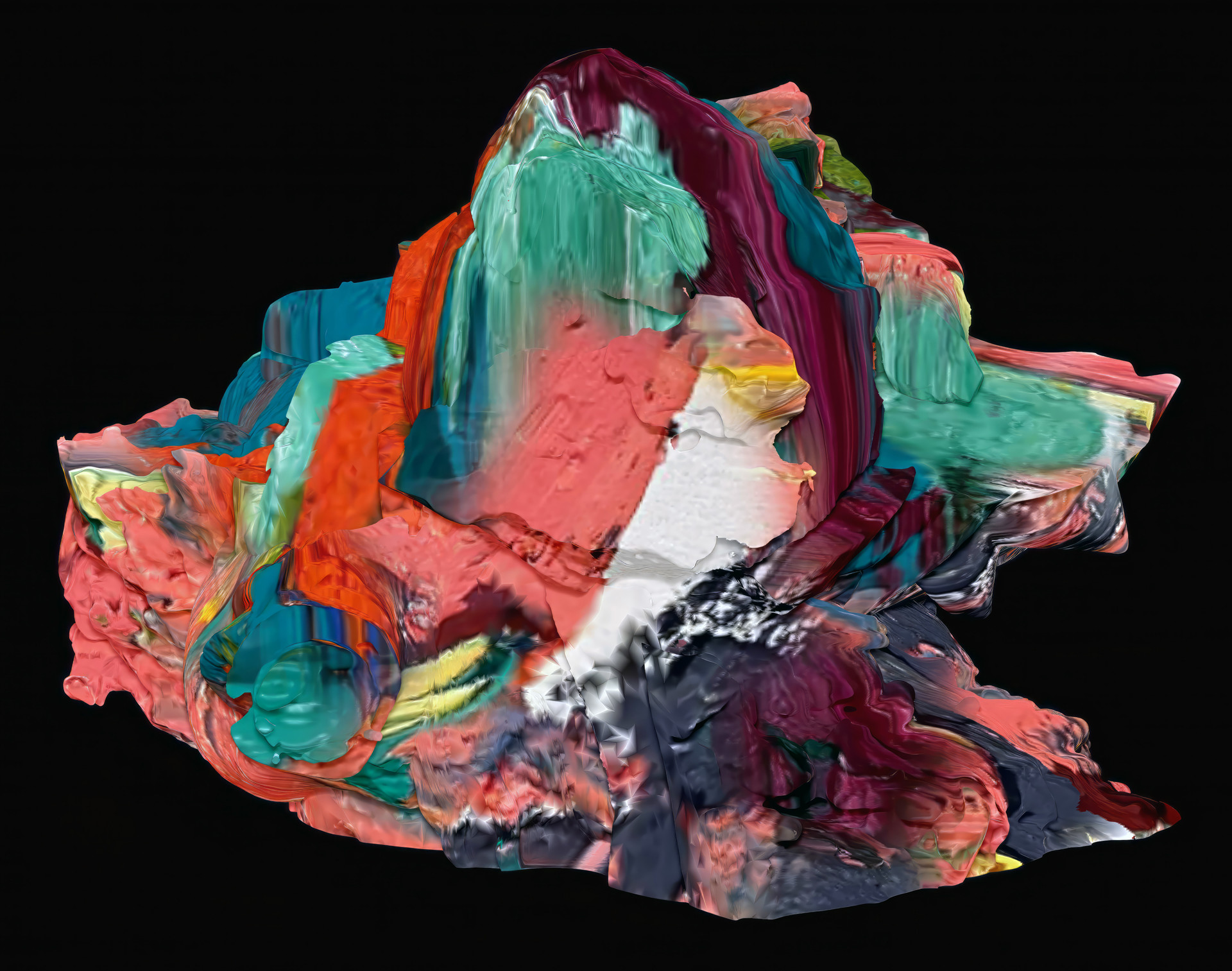
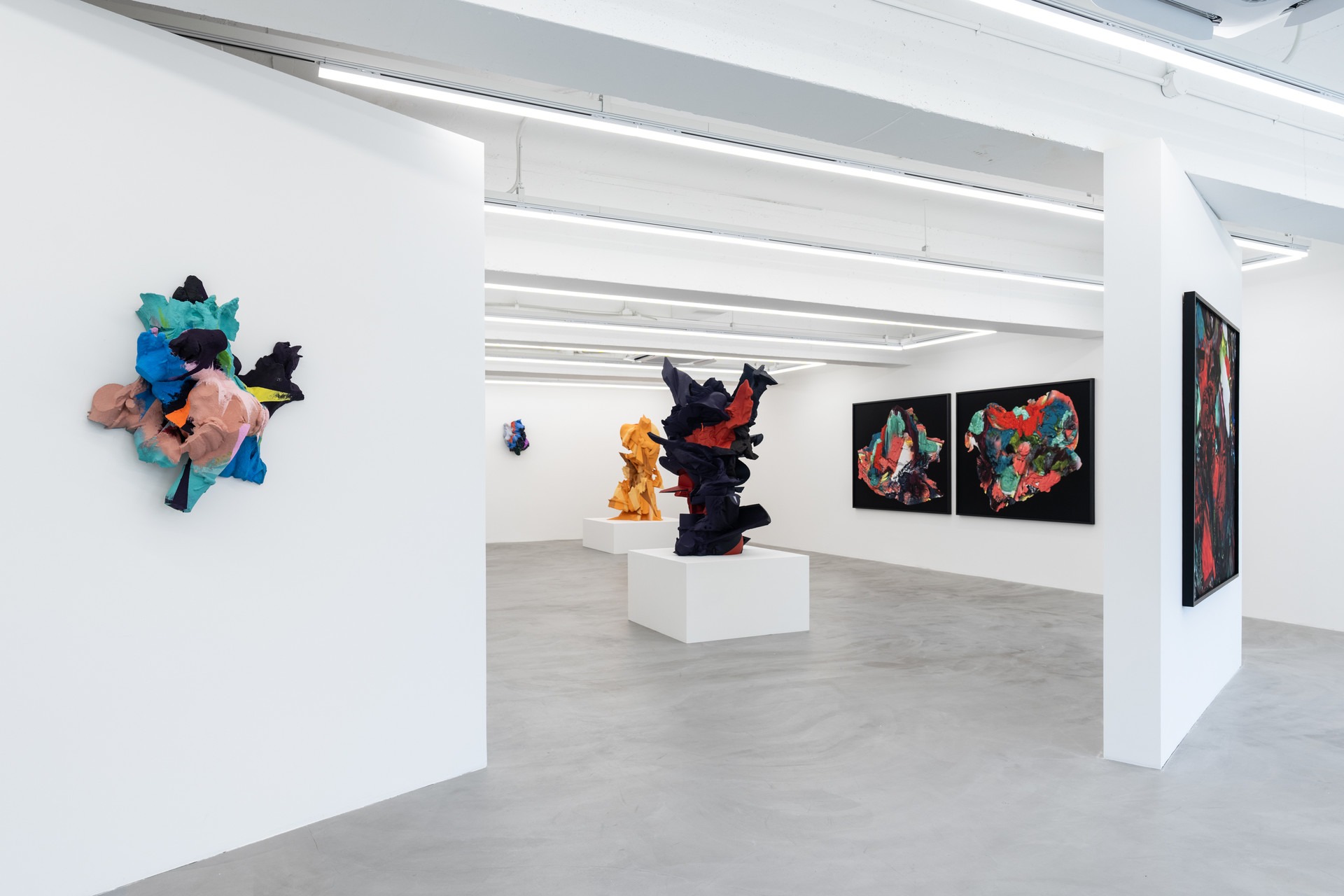
In his recent practice, this inquiry has expanded into digital space. Lee preserves fragmented abattis through 3D scanning and recombines them as data within coordinate-based environments, extending the logic of proliferation and transformation that originated in his material sculptures. In 'Silhouette Coordinates', sculpture emerges through relationships among X, Y, and Z coordinates, light, color, and silhouette, moving between the flat screen and three-dimensional data.

The processes of replication and fragmentation developed through the human body thus continue within the digital realm. Across these shifts in material and medium, Lee understands sculpture as an evolving entity that continually transforms and emerges through time, a perspective that forms the central identity of his practice.

Style & Contents

In Lee Byungho’s early sculptures, formal transformation is realized as direct physical movement through the combination of silicone and mechanical devices. A thin silicone skin is placed over an inner FRP structure resembling a skeleton or musculature, while air compressors, motors, and sensors regulate the injection and release of air.

The surface repeatedly inflates, collapses, adheres to the inner structure, and separates from it, making the human figure appear to breathe or age. In works such as the 'Vanitas Bust' series and Deep Breathing, this movement condenses processes of life and death, generation and disappearance, into short temporal cycles. The sculptural surface thus functions both as an outer skin and as a primary means through which time becomes visible.

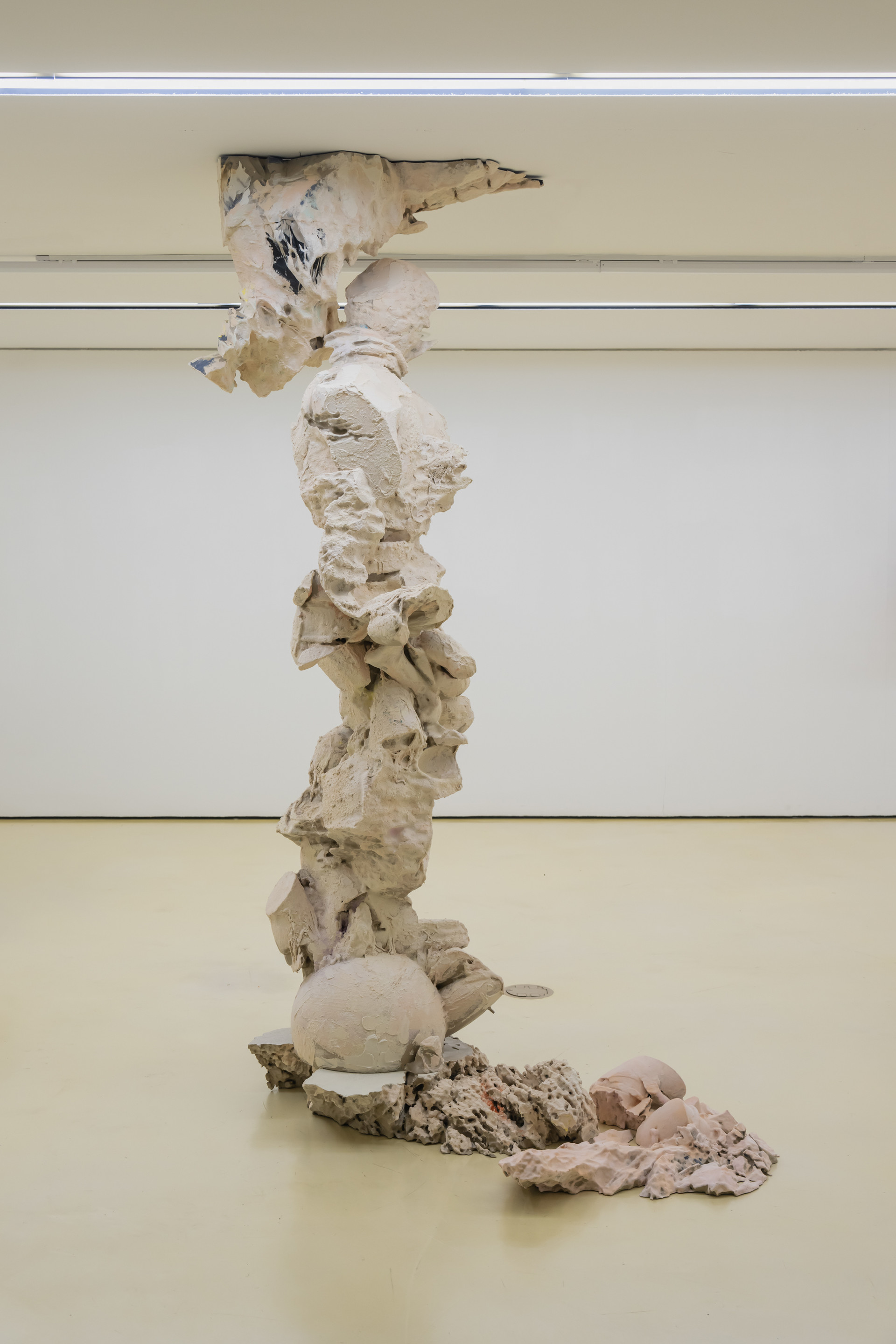
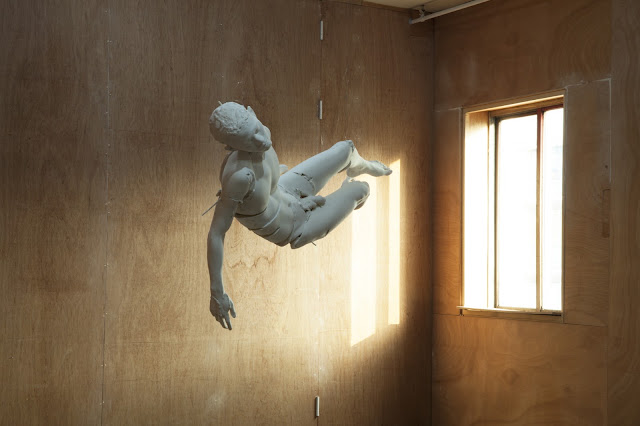
His subsequent works increasingly employ polyurethane and center on a process of repeatedly casting, cutting, and reconstructing the human body. Arms, legs, heads, and torsos are treated as interchangeable sculptural components, while completed sculptures themselves may later become material for subsequent works.

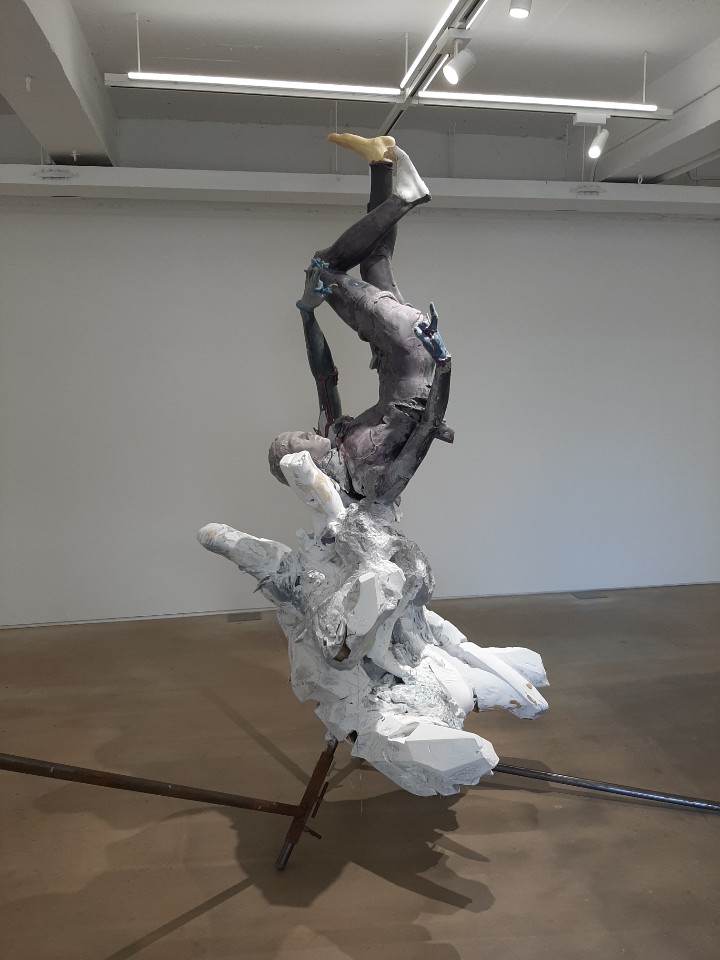
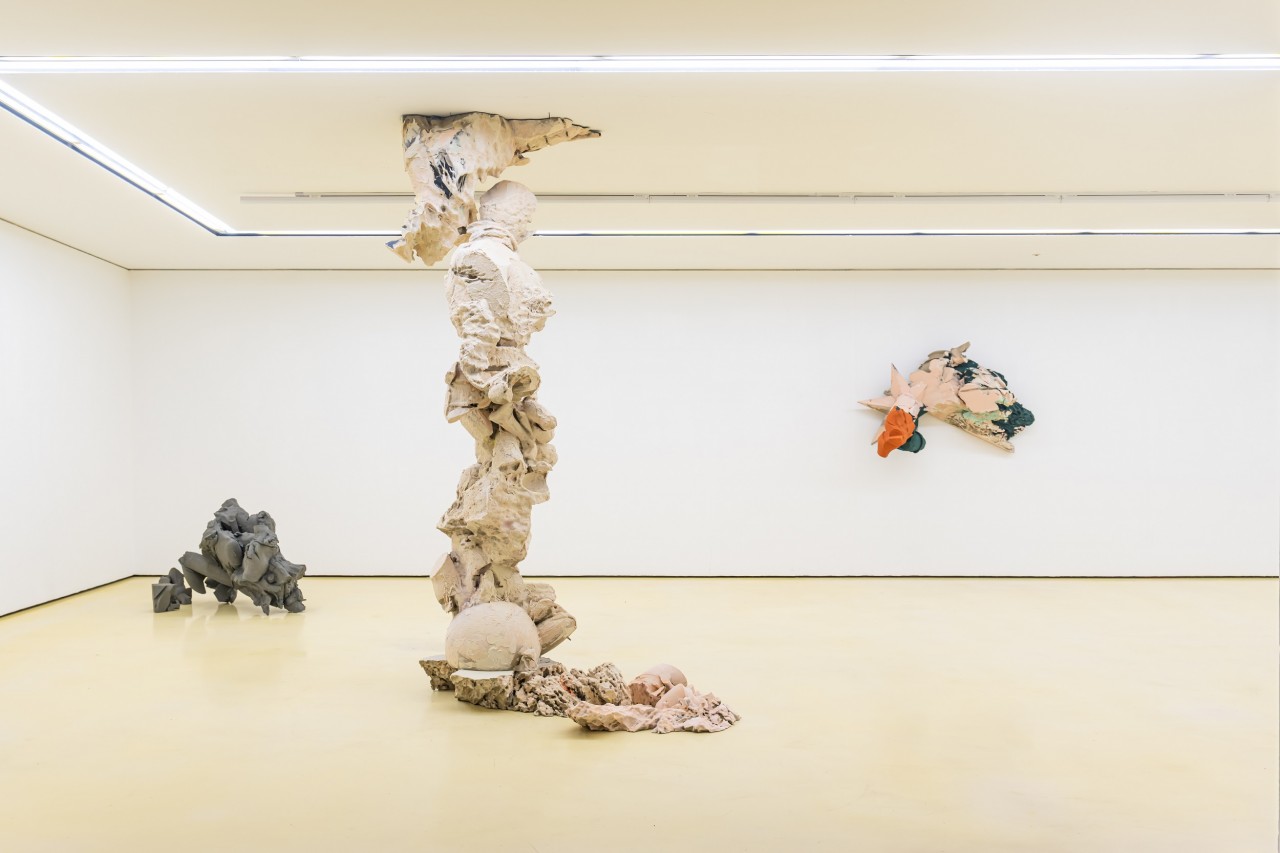
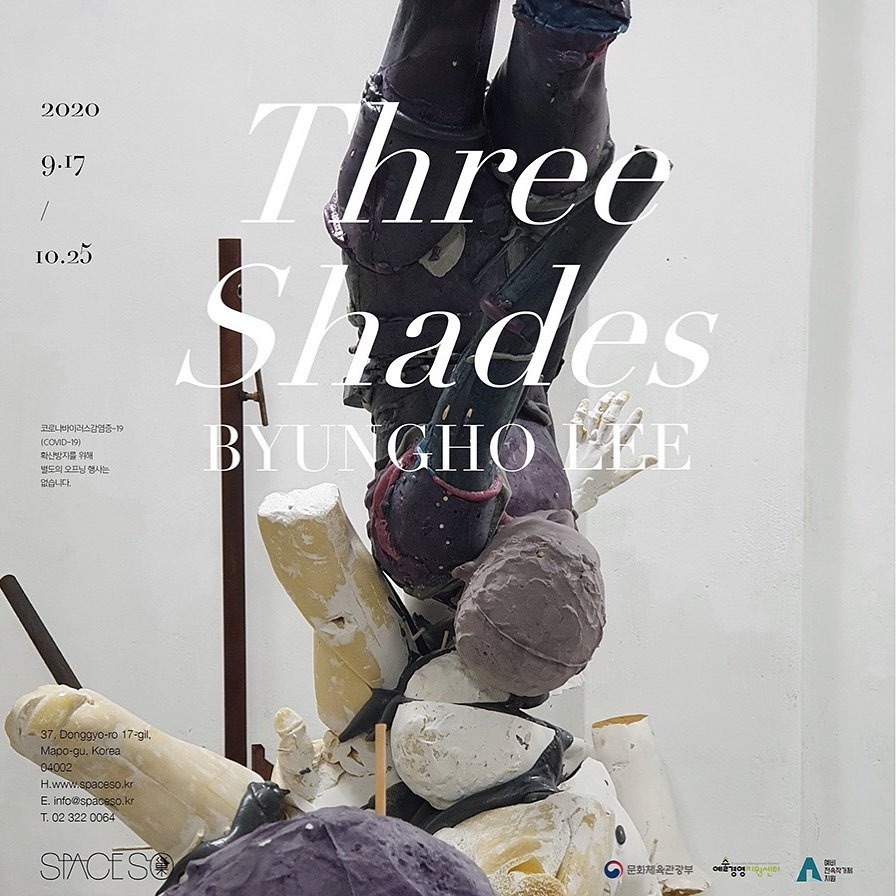
Figures are suspended from ceilings, attached to walls, supported by iron structures, or assembled into precariously balanced configurations. Lee leaves cuts and joints exposed, fills gaps with polyurethane, and applies plaster unevenly so that smooth and rough textures coexist across the same surface. These visible traces of production shift attention toward relations of separation and connection, weight and balance, and interior and exterior.

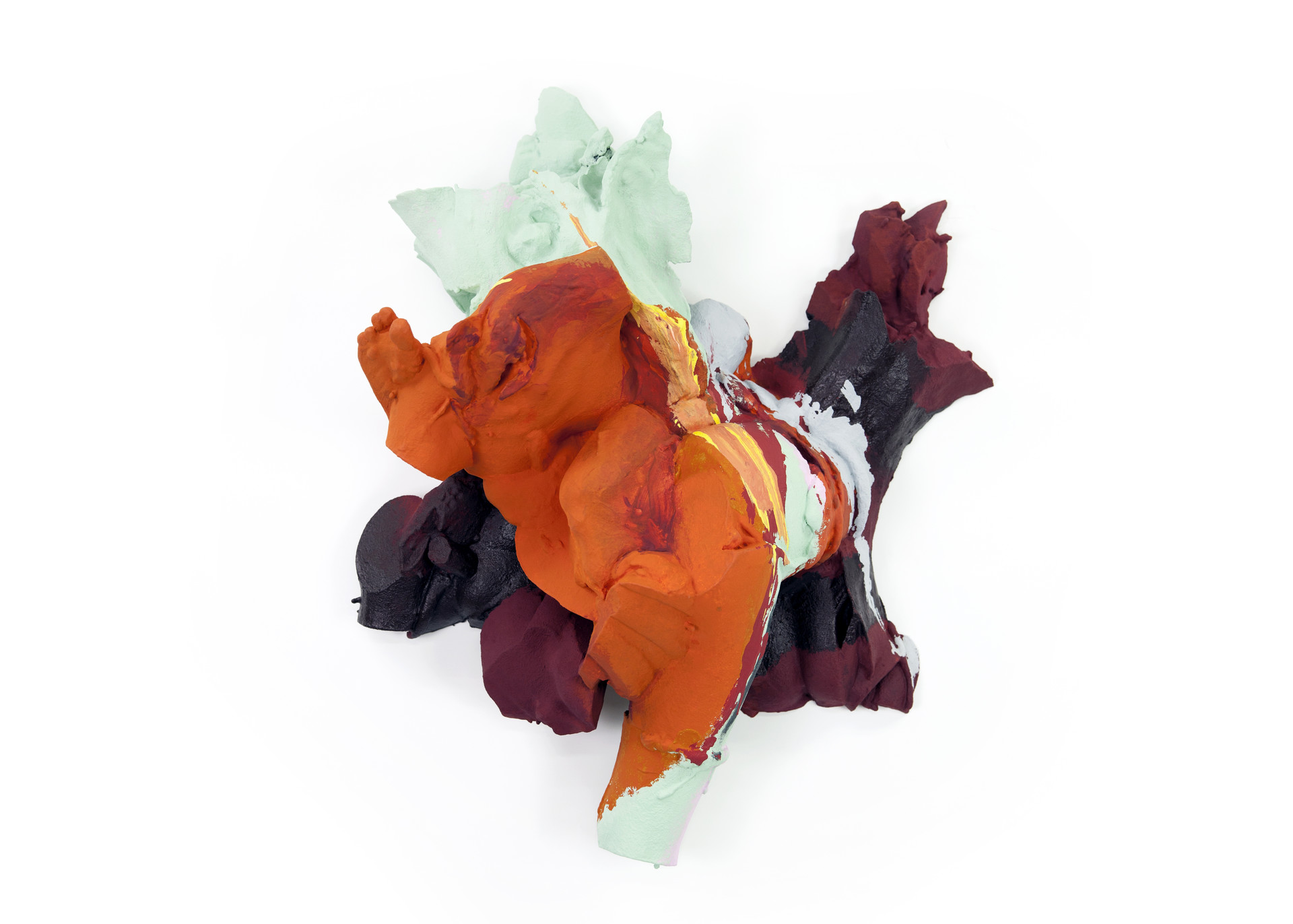
In the Eccentric Abattis works, the autonomy and combinatory potential of individual parts become particularly pronounced. Once separated from the human body, these forms gradually lose their specific anatomical names and functions, appearing instead as abstract sculptural components that can be connected, detached, or rearranged. Exposed hardware, visible seams, and precarious stacking add physical tension to their configurations.

Lee also builds new surfaces with gauze and applies pigments mixed with plaster, treating the brush almost as a sculptural tool for scraping, cutting, adding, and removing material. Color consequently becomes an active formal element that alters the perception of texture, surface, and volume.

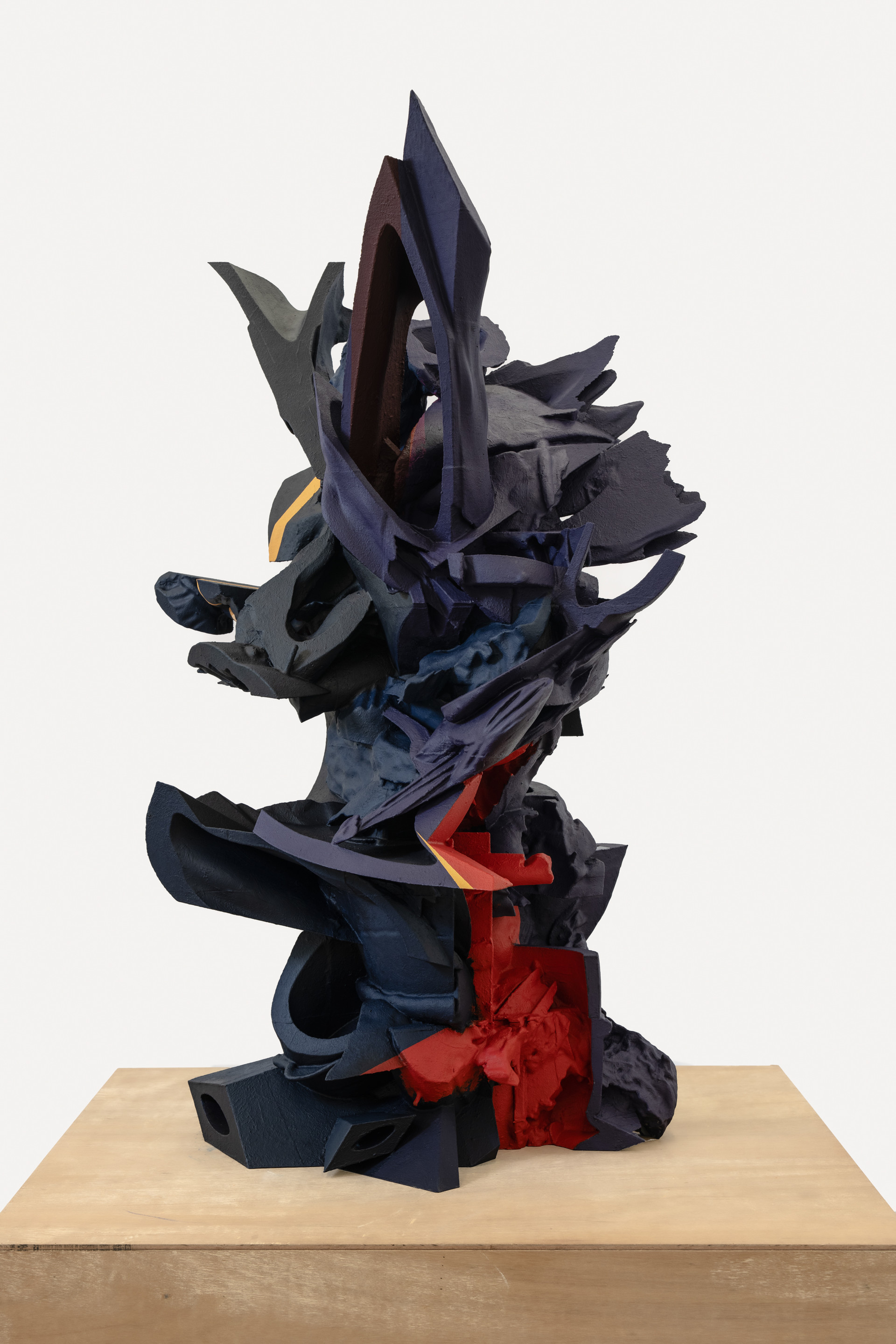
More recently, Lee has connected material processes with digital production. Fragmented bodily abattis are preserved through 3D scanning and reorganized within digital environments by manipulating coordinates and volume. In 'Silhouette Coordinates', he deliberately employs the stretching and distortion produced by applying color directly within X, Y, and Z coordinate space.

Although the digital volume exists as data stripped of physical materiality and thickness, its silhouette, shading, and distorted color restore a perceptual sense of mass. Lee’s formal vocabulary therefore extends from casting, assembly, and surface treatment to 3D scanning, coordinates, and digital color, while the movement between physical sculpture and image becomes an integral part of the work itself.


Topography & Continuity

Lee Byungho’s practice traces a continuous trajectory from the silicone sculptures he began developing around 2006 to his current data-based works, consistently treating sculpture as something capable of transformation over time. His early works physically animated the surface of the human figure through the contraction and expansion of air within silicone skins, bringing emptiness, invisible air, and duration into the sculptural form.

In 《Le Vide》 in 2016, this concern developed into a more explicit notion of “sculpture as process.” By transforming replicated forms and deliberately deferring completion, Lee allowed each sculpture to remain open to subsequent changes, establishing an approach that would continue throughout his later practice.

With the 'Anthropometry' series, developed extensively from 2017 onward, transformation shifted from mechanical movement toward the structure of sculpture itself. Lee replicated a single bodily prototype, cut it apart, and recombined its fragments, dismantling familiar surfaces and contours while joining parts produced at different moments. In 《Three Shades》 in 2020, he connected these processes of replication, repetition, and rearrangement to sculptural history through references to Rodin’s Adam and The Three Shades.

Following Adam's Pose, for instance, incorporates components exhibited in changing configurations between 2016 and 2019 together with 'Anthropometry' works from 2019 and 2020. The temporality of the work consequently exceeds its date of production, as materials and forms from earlier sculptures continue to migrate into later ones.

In 《P I E C E》 and the Eccentric Abattis works of 2023, the relationship between part and whole became increasingly central. Lee treats detached bodily fragments as autonomous sculptural elements capable of entering new combinations rather than as discarded or incomplete remains. Forms produced in previous works are replicated and repositioned in different contexts, while some are converted into digital images and accumulated as source material for further configurations.

As the roles of original and copy, part and whole, are repeatedly reversed, fragmentation, recombination, and reuse become practical principles through which his practice sustains itself over time.

In the recent exhibition 《Indistinct Vision》, this trajectory extends into 3D scanning, data, and coordinate-based space. Abattis that may disappear through physical processes are preserved as data and subsequently recombined into new volumetric images within digital environments. The 'Silhouette Coordinates' series carries the principles of fragmentation, connection, and transformation developed in Lee’s material sculptures into the digital realm, expanding sculpture toward image and data.

The human body remains a persistent point of departure, yet over time its recognizable form has progressively dispersed into fragments, masses, silhouettes, and coordinates. Across these changes in medium and appearance, Lee’s sustained impulse to dismantle, proliferate, and move sculpture toward its next possible state provides a consistent thread throughout his practice.

Works of Art

Sculpture as a State of Continuous Flux and Transformation

Articles

Exhibitions

Activities