Sensory, Crystallized - K-ARTIST

Sensory, Crystallized

2018
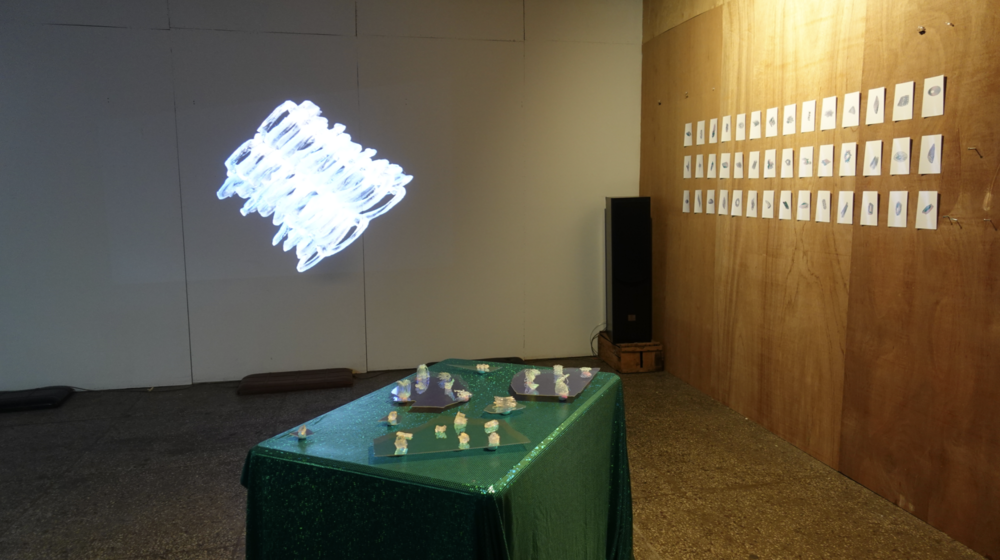
3D printed sculpture, VR modeling
About The Work

Sookyun Yang defines contemporary technological media as a form of “matter” and explores how it connects and manipulates physical and data domains. Based on this interest, she translates experiences with entities produced and generated by contemporary technological environments and systems into a variety of media and forms.

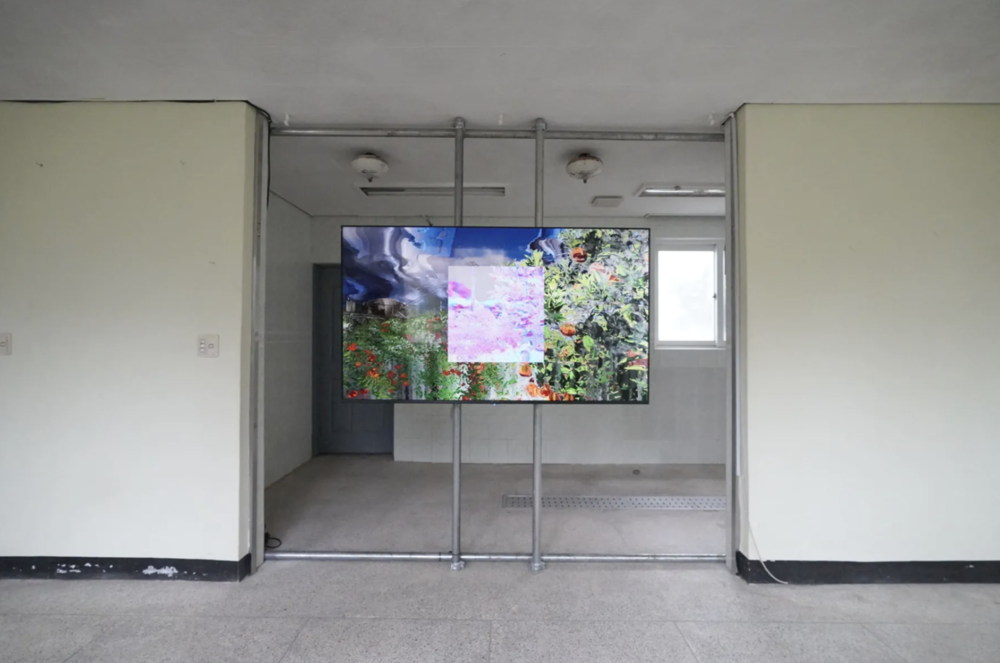
Through bodily perception and the transformation of physical space, Yang blurs boundaries and explores phenomena such as glitches generated by technological algorithms. Her practice addresses a range of subjects situated at the intersections of the material and immaterial, reality and virtuality, continually raising questions about an era in which technology has become an environment in its own right.

In particular, Yang focuses on what is inevitably omitted or left unrecorded within technological environments that are becoming increasingly complex and expansive. She reconsiders the relationships between human and nonhuman beings while exploring the diverse possibilities of technological ecosystems. From the perspective that humans, too, are part of the ecosystem and exist as material entities, she takes a speculative approach to nonhuman beings, artificial intelligence, and other entities beyond the human.

Through these explorations, Yang expands the notion of matter beyond a fixed substance, approaching it instead as a dynamic entity that constantly changes and comes into being through contingency and the potential for transformation. Her work invites viewers to experience, through a range of sensory modes, the multilayered realities produced by technology and the possibilities of matter, encouraging them to reconsider the world they inhabit from new perspectives and to imagine the future in diverse ways.

Solo Exhibitions (Brief)

Yang has held solo exhibitions including 《Chamber of the Unburned: Floating Matters》 (Bucheon Art Bunker B39, Bucheon, 2025), 《Speculative Matters》 (Gwangju Media Art Platform, Gwangju, 2025), and 《Speculative Matter》 (Hongik University Museum of Contemporary Art, Seoul, 2024).

Group Exhibitions (Brief)

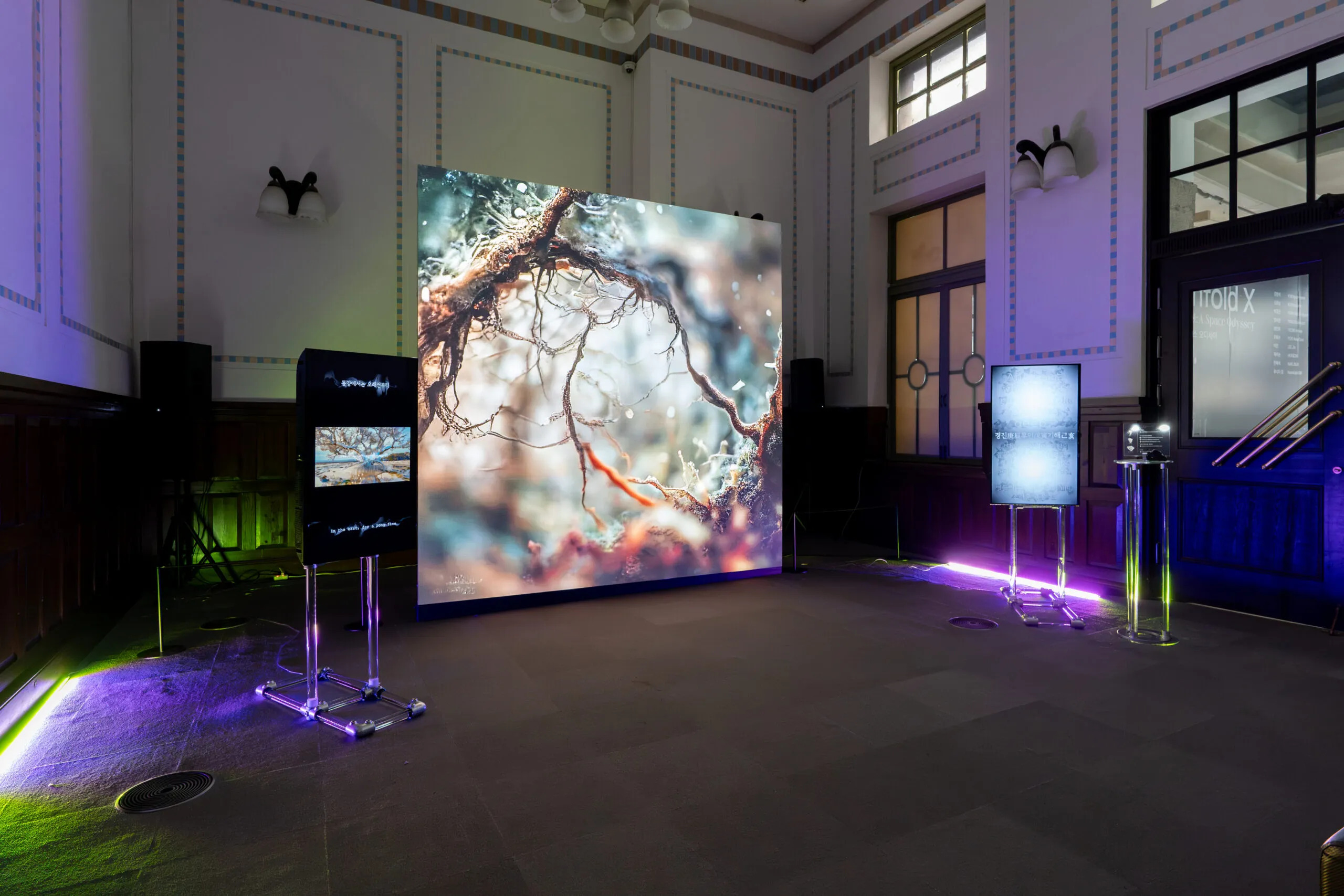
Yang has also participated in numerous group exhibitions, including 《Future Museology》 (Busan Museum of Art, Busan, 2026), 《Memory Bearers: The Machines We Call Media》 (National Asian Culture Center, Gwangju, 2026), 《Other Intelligences》 (MEET Digital Culture Center, Milan, 2025), Unfold X 2024 《2084: A Space Odyssey》 (Culture Station Seoul 284, Seoul, 2024), ZER01NE Day 《01 Habitat》 (S-Factory, Seoul, 2023), and the 2022 Changwon Sculpture Biennale 《Channel: Wave-Particle Duality》 (Changwon City, 2022).

Residencies (Selected)

Yang has participated in residency programs at Seoul Art Space Geumcheon (2011), Asia Culture Center Creators in LAB (2015-16), and the Changdong Project Team at the National Museum of Modern and Contemporary Art (2017). She has also received artist support from the Seoul Foundation for Arts and Culture, the Korea Foundation for Science and Creativity, and Hyundai Motor Group’s ZER01NE.

Works of Art

Where the Material and Immaterial, Reality and Virtuality Intersect

Originality & Identity

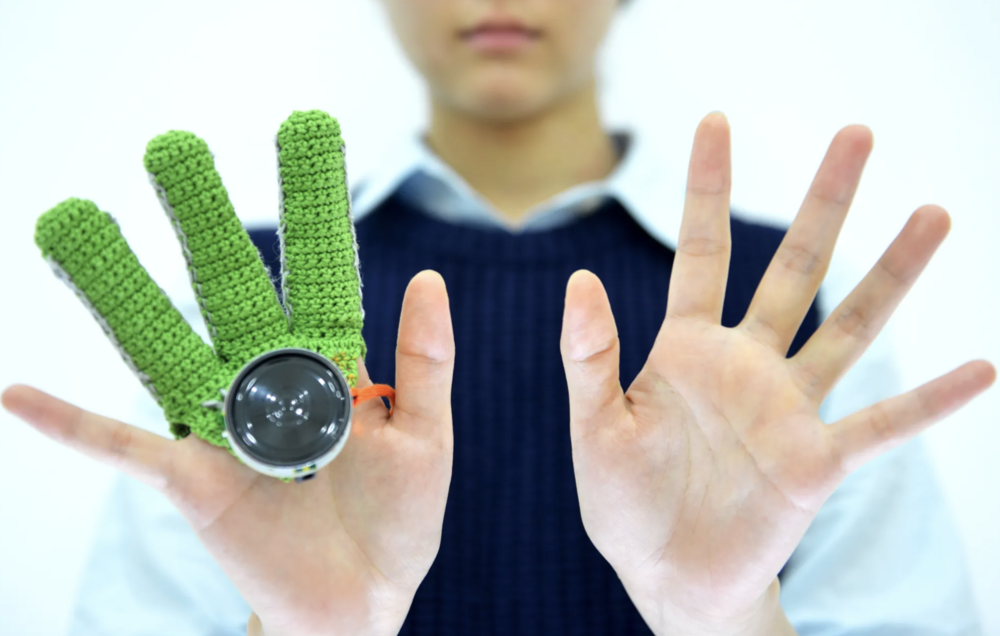
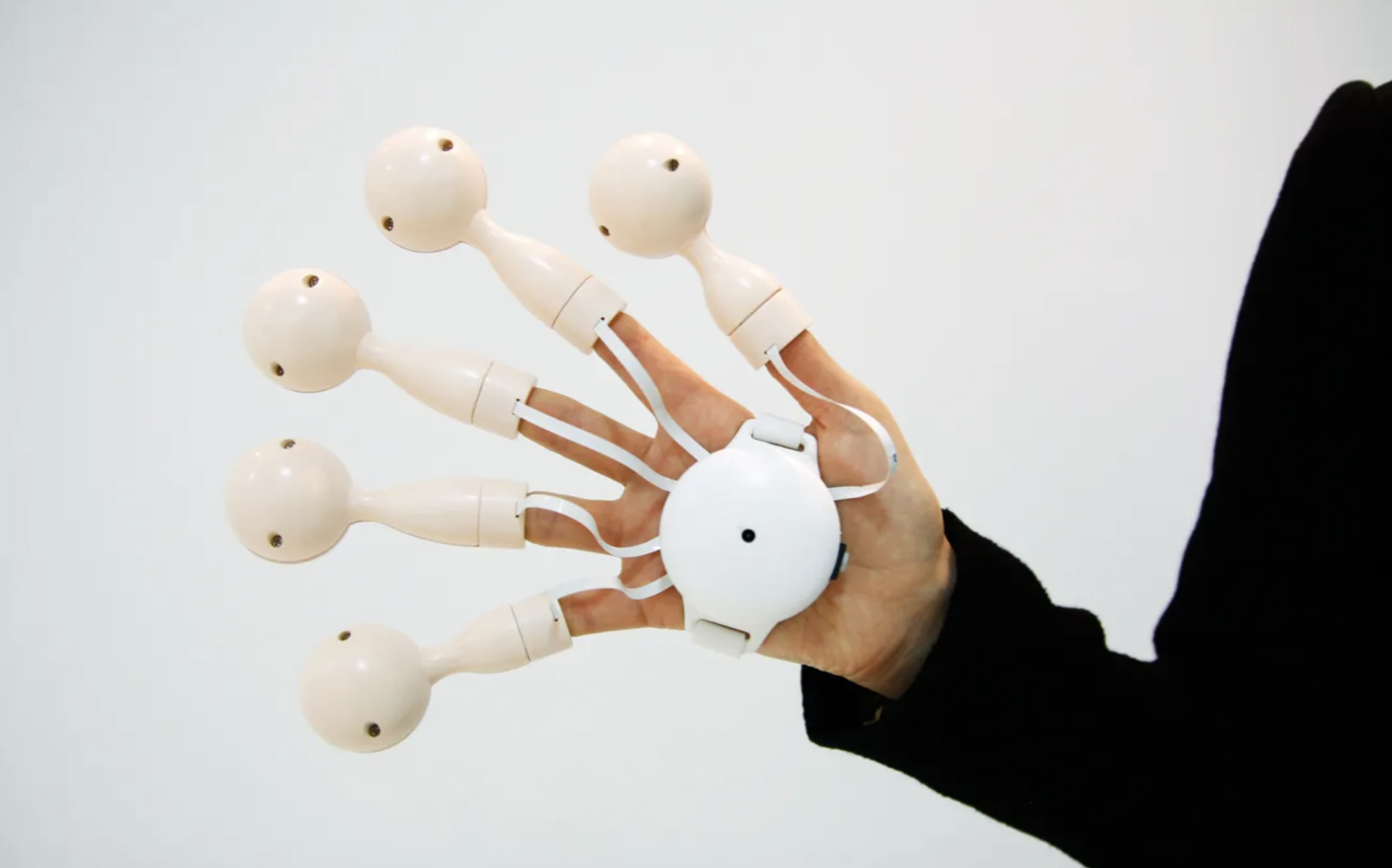
Sookyun Yang regards technology as a form of “matter” that transforms human sensation, behavior, and the environment itself. In her work from the early 2010s, this concern first took shape through the body. Frog Xylophone(2010) is a wearable electronic instrument that converts finger movements into sound, demonstrating how the body can function as a medium that receives technological signals and transmits them outward again.

Later, in the ‘Super Craft’ series and Kkagji, Ttwali(2017), Yang produced “useless objects” that generate new sensory experiences between the body and the device, rather than designing functionally efficient machines. At this stage of her practice, technology operates less as a convenient tool for extending human capabilities than as another environment through which the human body can be experienced anew.
 
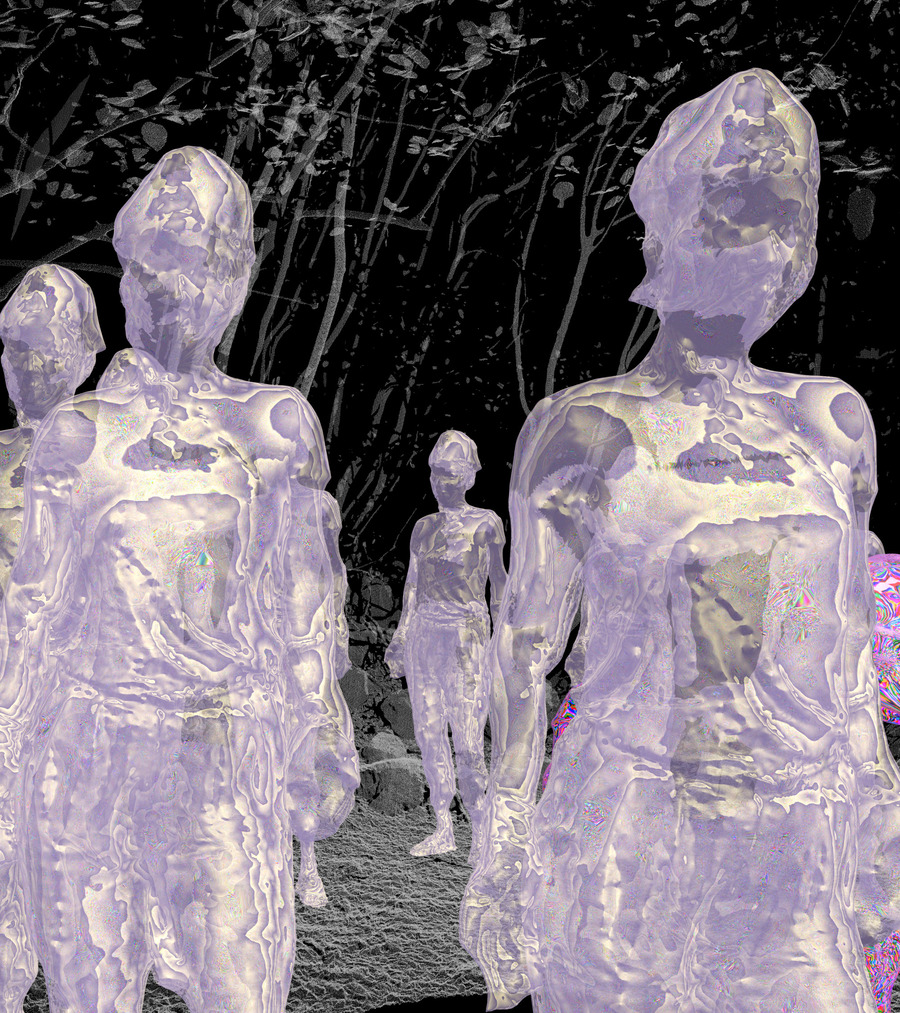
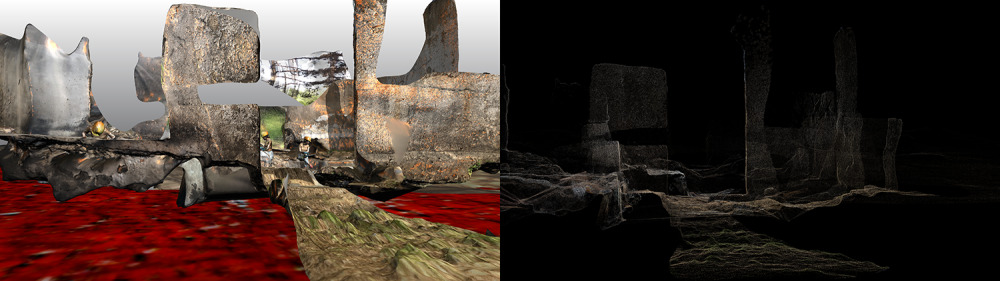
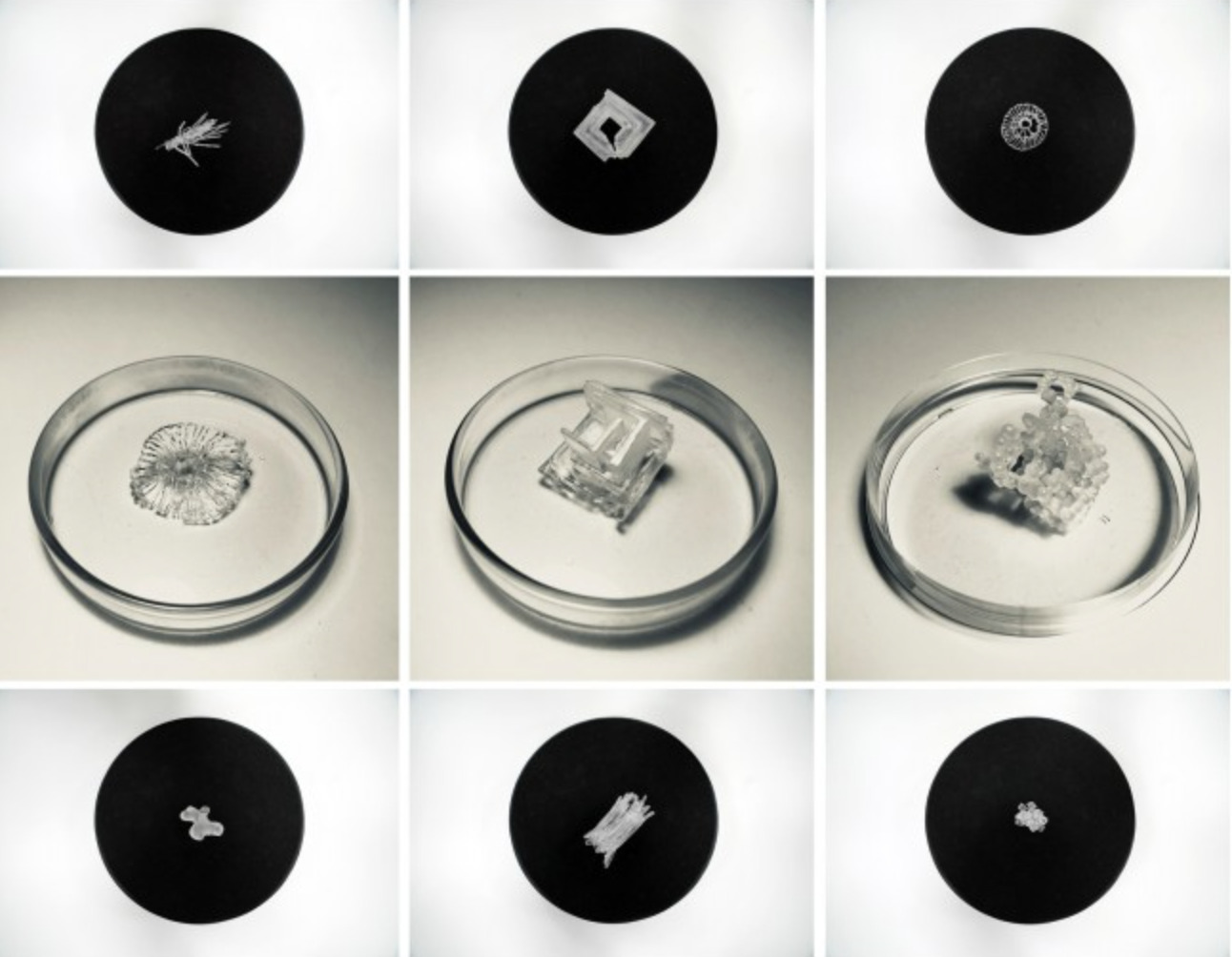
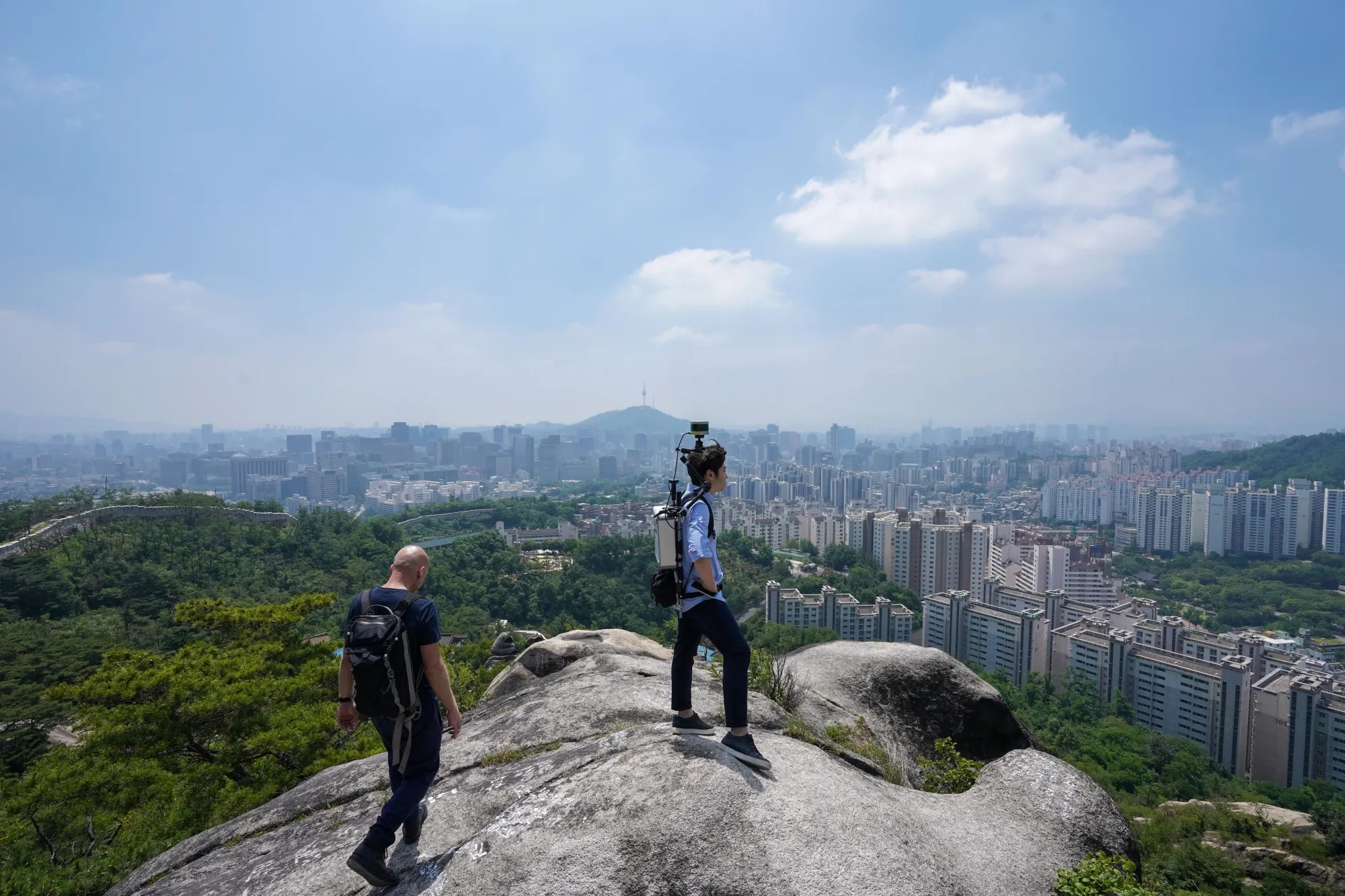
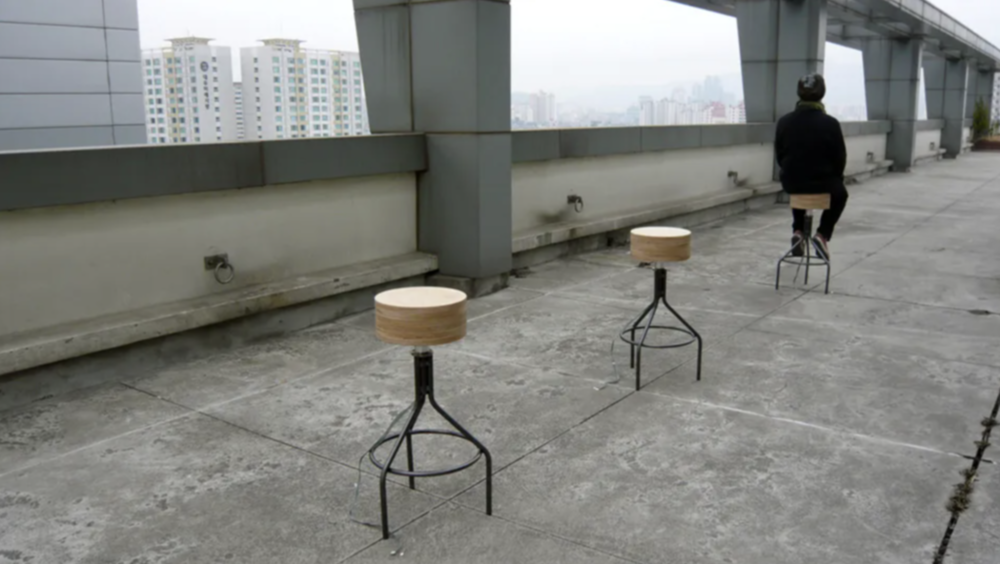
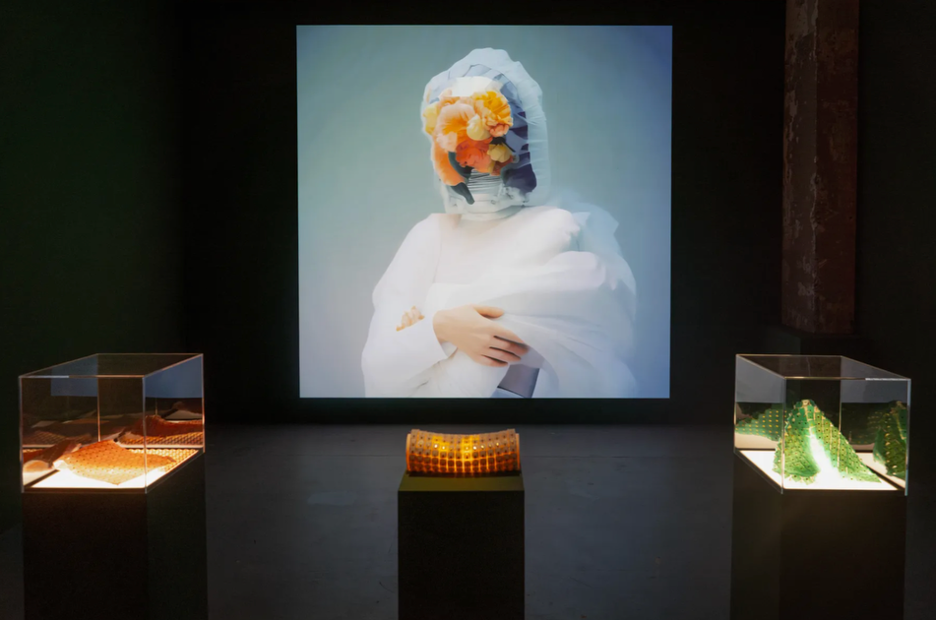
This interest reaches a clearer turning point in Volumetric Data Collector(2018) and Sensory, Crystallized(2018). In the former, a person carries a LiDAR sensor through the city, allowing space to be read through machine perception rather than human vision. In the latter, bodily movements performed in a VR environment are transformed into data and subsequently returned to the physical world as objects with mass through 3D printing.

What matters here is not the seamless connection between the virtual and the real, but the gaps and untranslatable differences that emerge when sensations from one space are transferred into another. The body is no longer treated as an absolute standard for perceiving the world; machine sensors and data also emerge as agents that construct the world alongside human perception.
 
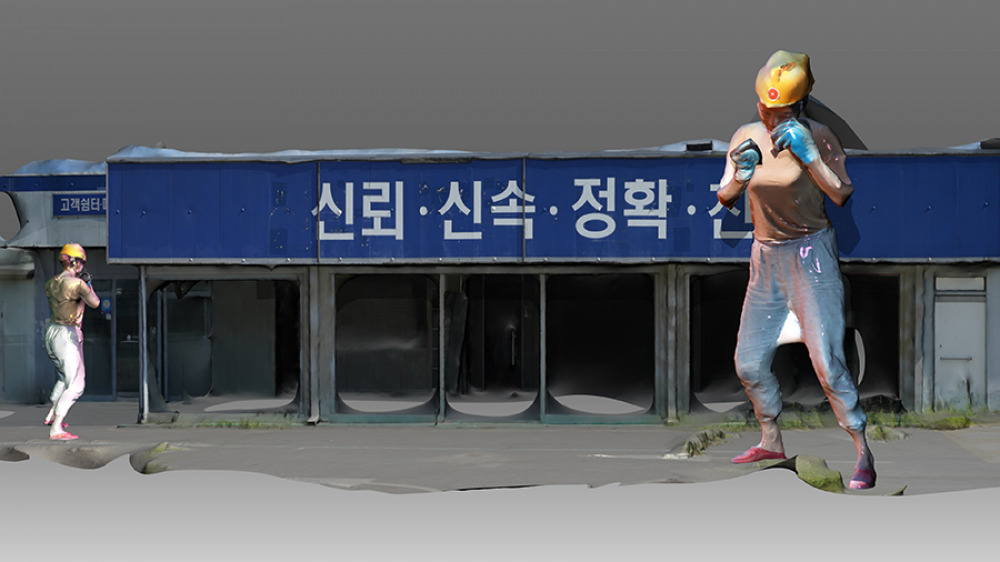
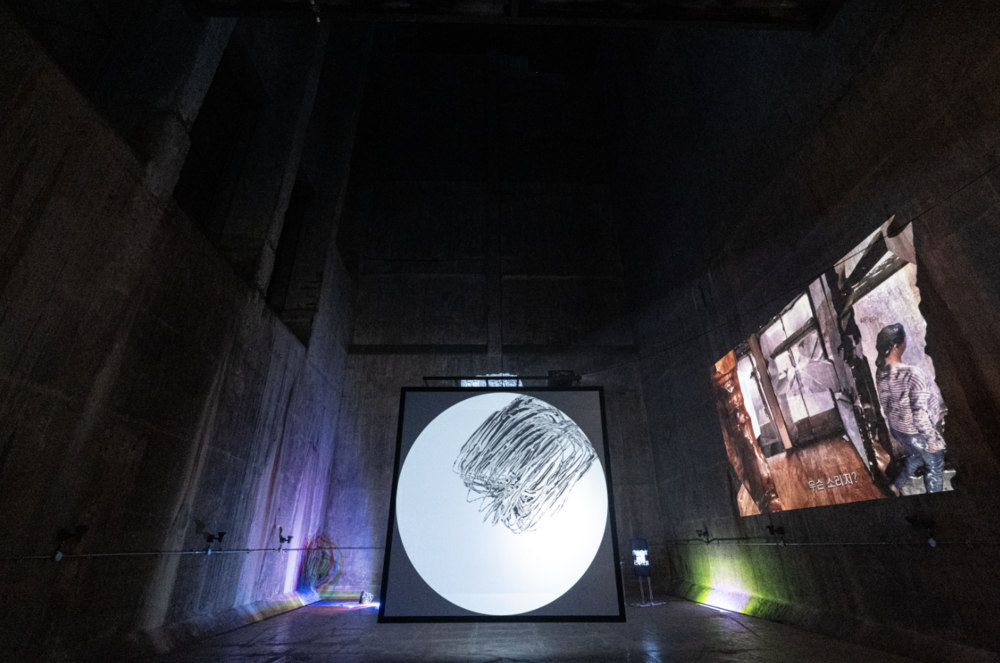
From 2019 onward, this concern with sensation shifts toward questions about the nature of data itself. Data, we can meet(2019) converts 2D images of the artist into 3D data through photogrammetry and auto-rigging, revealing the errors and transformations that arise in the process rather than reinforcing the belief that technology reproduces information accurately.

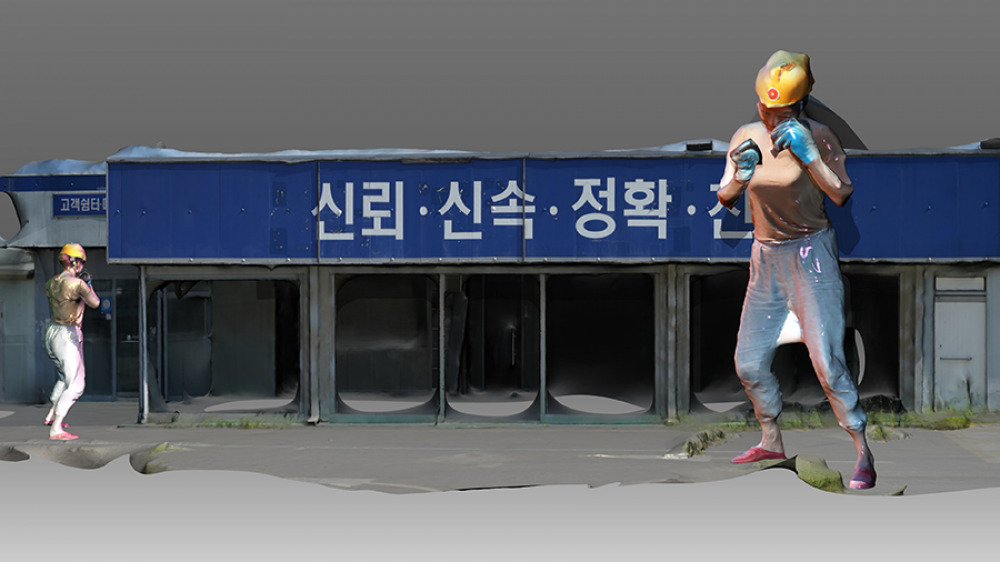
From the OOX(2020) expands this approach by constructing a world called “OOX,” in which satellite imagery, 3D assets, photogrammetry data, and industrial algorithms are combined. Its uncanny beings repeat human actions such as sowing, fighting, bowing, and dancing, yet their movements lack the causal relationships we normally expect. Here, glitches are not failures to be eliminated but another language that naturally emerges as technology interprets and reconstructs the world.
 
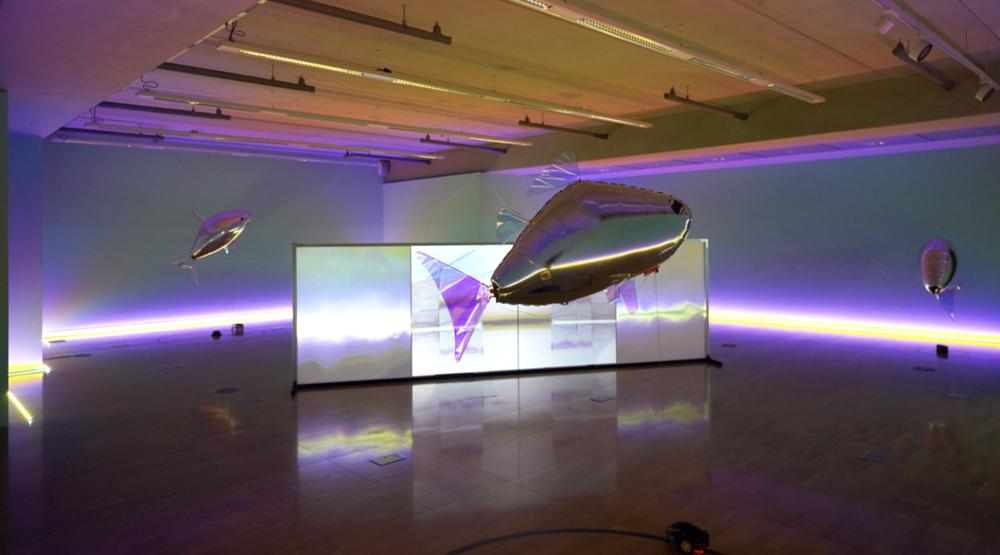
Yang later extends these concerns into the technological ecosystem in which humans and nonhumans coexist. In the Forest of Speculation(2022) presents data extracted from reality as an independently moving entity within a world combining 3D scanning, sound frequencies, random functions, and noise, developing this inquiry into the concept of “speculative matter.” In Exotic Species in the Robot Ecosystem(2023), she moves away from the familiar imagination of robots modeled after humans and instead envisions nonhuman forms proposed by generative AI as new species.

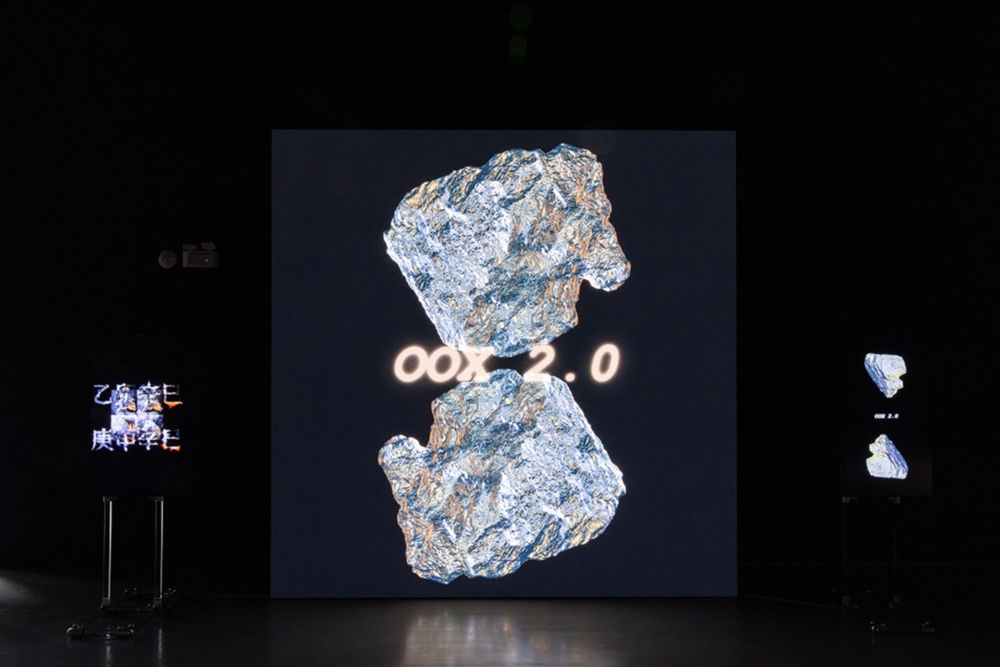
OOX 2.0 – Application for Earthly Matter Human Ontography(2024) connects an Eastern cyclical worldview with generative AI, presenting humans as one form of matter among the many materials that constitute the Earth and the universe. In this way, her practice has gradually moved from the figure of the “human using technology” toward the relationships through which humans, technology, data, and nonhuman entities mutually constitute one another.

Style & Contents

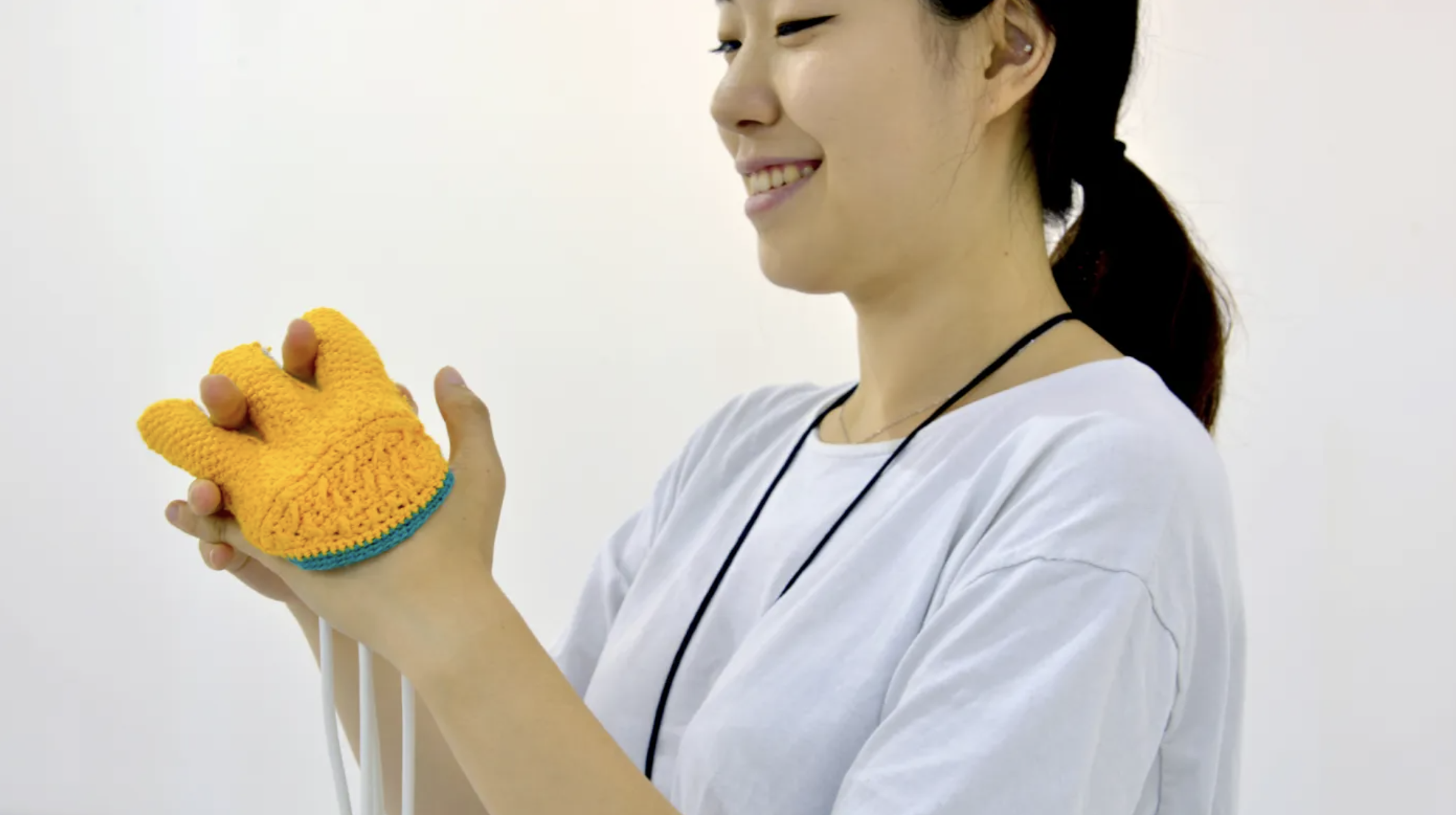
Her early works centered on sensors and electronic circuits attached directly to the body, as well as devices that generate sound. In Frog Xylophone and Kkagji, Ttwali, movements of the fingers and head activate the work, and the viewer temporarily becomes a hybrid body composed of human and machine at the moment of wearing the device.

This wearable format develops beyond the framework of a simple interactive device, continuing into Wearable things for the future(2022) and Exotic Species in the Robot Ecosystem, where it evolves into questions about what can be called a human body and what kinds of forms might survive within a technological ecosystem.
 
Around 2018, VR, LiDAR, photogrammetry, 3D modeling, and 3D printing began to enter more fully into the structure of Yang’s work. Presented in 《Material, Sensory, Simulation》(Seetangraum, Jeju, 2018), Sensory, Crystallized transfers sculptural data created in a VR environment—where gravity and material properties operate differently—into physical matter. Here, 3D printing does not function simply as a means of faithfully reproducing virtual forms in reality, but as a device that reveals the collision between the conditions of different dimensions.

Volumetric Data Collector likewise transforms an efficient measuring technology into a deliberately inefficient sensory device by attaching a LiDAR system, originally structured around automotive use, directly to the human body. For Yang, the function of technology becomes most visible not when it is used exactly as intended, but when it is displaced from the conditions in which it normally operates.
 
After Data, we can meet and From the OOX, screen-based images and simulations take on a greater role, yet the focus remains elsewhere than on polished digital imagery itself. Stitching errors, data degradation, buffering, abnormal rigging, and asynchronous movements—phenomena that industrial software generally conceals or removes—become central elements of the image.

In In the Forest of Speculation, this instability expands into audio-reactive video, in which sound frequencies, particles, and three-dimensional data continually affect one another and produce changing states. Meta-Matter-Real(2023), Vegetation, Migration(2023), Landing in the Critical Zone(2023), and Seongsan-Wimi-Daepo(2023) can likewise be understood as experiments that connect moving images, data, and environmental sensation while testing the relationship between physical locations and digital models from different directions.
 
More recently, generative AI and real-time data have become another major axis of Yang’s formal practice. The Human Materialism and Synthetic Ontography(2023) began with textual research referencing Eastern cosmology and the traditional system of Myungri, addressing forms of information that Western-oriented data systems fail to record or inevitably omit.

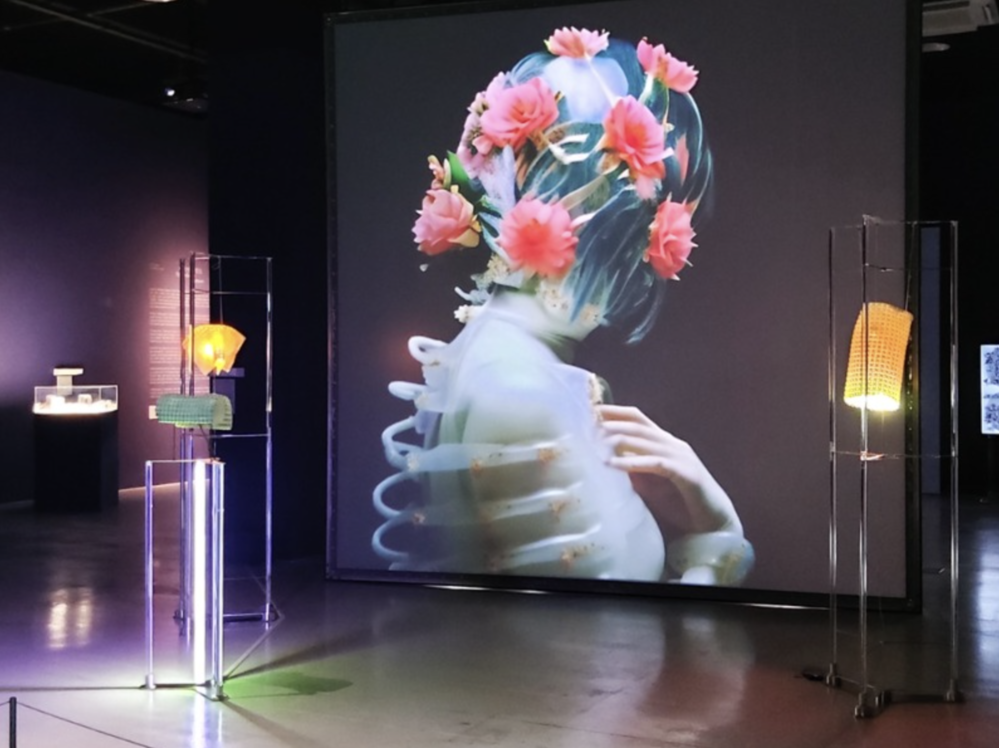
Developed from this project, OOX 2.0 – Application for Earthly Matter Human Ontography allows viewers to enter their date of birth, after which AI generates in real time a poem and image that interpret those numbers in terms of material meaning.

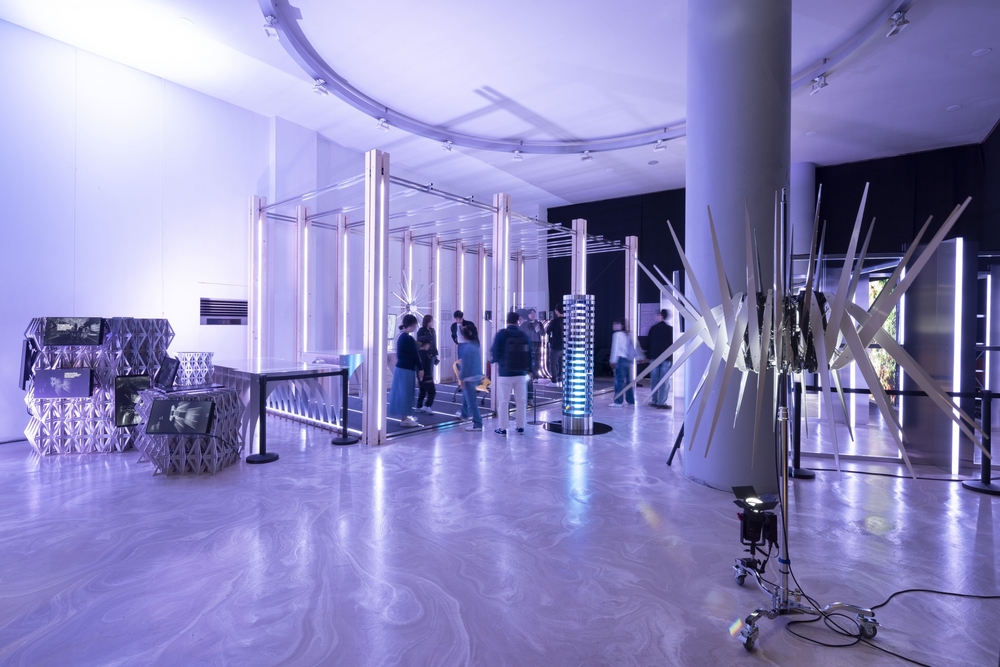
In 《Speculative Matters》(G.MAP, Gwangju, 2025), these works were brought together within a broader trajectory combining 3D scanning, VR modeling, and generative AI, later extending into works such as Different Things with the Same Meaning(2025), which examines differences and repetitions within generated images themselves. As technology develops, Yang’s media continue to change, but these shifts are less about rapidly adopting new technologies than about observing what technology sees, what it leaves out, and what kinds of forms it produces in the process.

Topography & Continuity

A defining aspect of Yang’s practice is her refusal to regard digital technology as something “immaterial.” Rather than treating pixels, data, and algorithms merely as invisible information, she understands them as possessing an actual material force capable of changing human behavior and space and of producing new images and objects.

Accordingly, the body and data, or the virtual and the real, do not occupy opposing sides within her work. Errors, residues, and unexpected forms produced as one is translated into the other all participate in constructing reality. Although the formal language of her work has changed considerably—from early wearable devices to recent projects using generative AI—the question of “what technology produces beyond the limits of human perception” has remained relatively consistent.
 
While media art employing similar technologies may at times emphasize immersion, the immediacy of interaction, or the visual effects enabled by emerging technology, Yang instead lingers on moments when technology does not operate perfectly and on entities that fail to conform to technological standards.

The broken models in Data, we can meet, the abnormal beings of From the OOX, the unfamiliar robotic species in Exotic Species in the Robot Ecosystem, and the Eastern cosmological worldview insufficiently captured by conventional data systems in OOX 2.0 – Application for Earthly Matter Human Ontography are all connected through this concern.

In her work, “error,” “exotic species,” and “speculative matter” therefore function less as separate subjects than as different names for things that already exist but remain difficult to explain within established human-centered systems of classification.
 
The scope of Yang’s practice has also gradually expanded from the individual body to urban space, virtual environments, ecosystems, and cosmic time. The question of sensation that began with the movement of a single finger in Frog Xylophone has moved through the urban spaces of Seoul read by LiDAR, forests and bodies transformed into data, and robotic ecosystems imagined by generative AI, eventually arriving at an understanding of the human itself as one material entity among many.

The progression of solo exhibitions from 《Speculative Matter》(Hongik University Museum of Contemporary Art, Seoul, 2024) to 《Speculative Matters》 and 《Chamber of the Unburned: Floating Matters》(Bucheon Art Bunker B39, Bucheon, 2025) also shows how individual technological experiments have gradually been consolidated into a long-term investigation of “data-matter.”
 
This continuity can also be seen in the contexts in which her work has been presented. Yang has exhibited at major Korean institutions and projects including the National Asian Culture Center, Busan Museum of Art, Museum of Contemporary Art Busan, Culture Station Seoul 284, and the 2022 Changwon Sculpture Biennale, while also extending her practice internationally through media-art platforms such as 《Future media FEST – Singularity》(C-LAB Taipei, 2024), 《Andere Intelligenzen》(HEK Basel, 2025), and 《Other Intelligences》(MEET Digital Culture Center, Milan, 2025).

Her participation in residency programs at Seoul Art Space Geumcheon, ACC Creators in LAB, and the National Museum of Modern and Contemporary Art’s Changdong Project Team, along with support from the Seoul Foundation for Arts and Culture, the Korea Foundation for Science and Creativity, and Hyundai Motor Group’s ZER01NE, also reflects the sustained development of her technology-based practice over time.

Considering her tendency to sense and question each new technology rather than accept it as a finished answer, Yang’s practice is likely to continue expanding flexibly around the question of how we might reconsider environments collectively constituted by humans and nonhumans, data and matter, rather than following the trend cycle of any particular technology.

Works of Art

Where the Material and Immaterial, Reality and Virtuality Intersect

Articles

Exhibitions

Activities