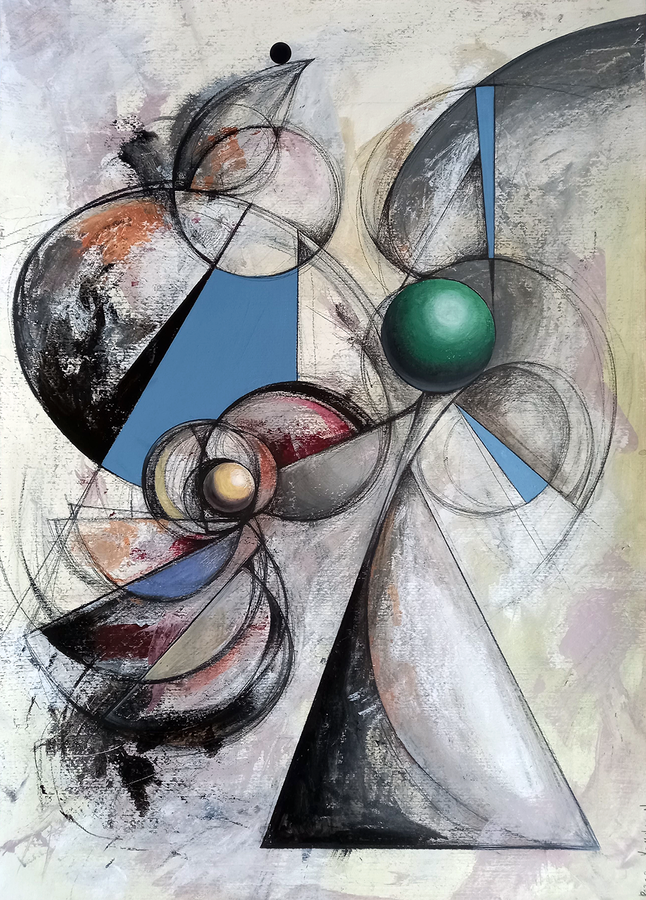
P24-14 - K-ARTIST

P24-14

2024
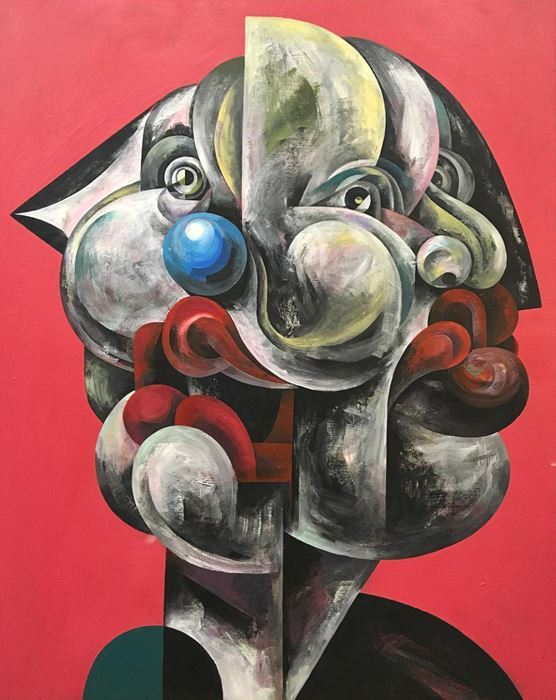
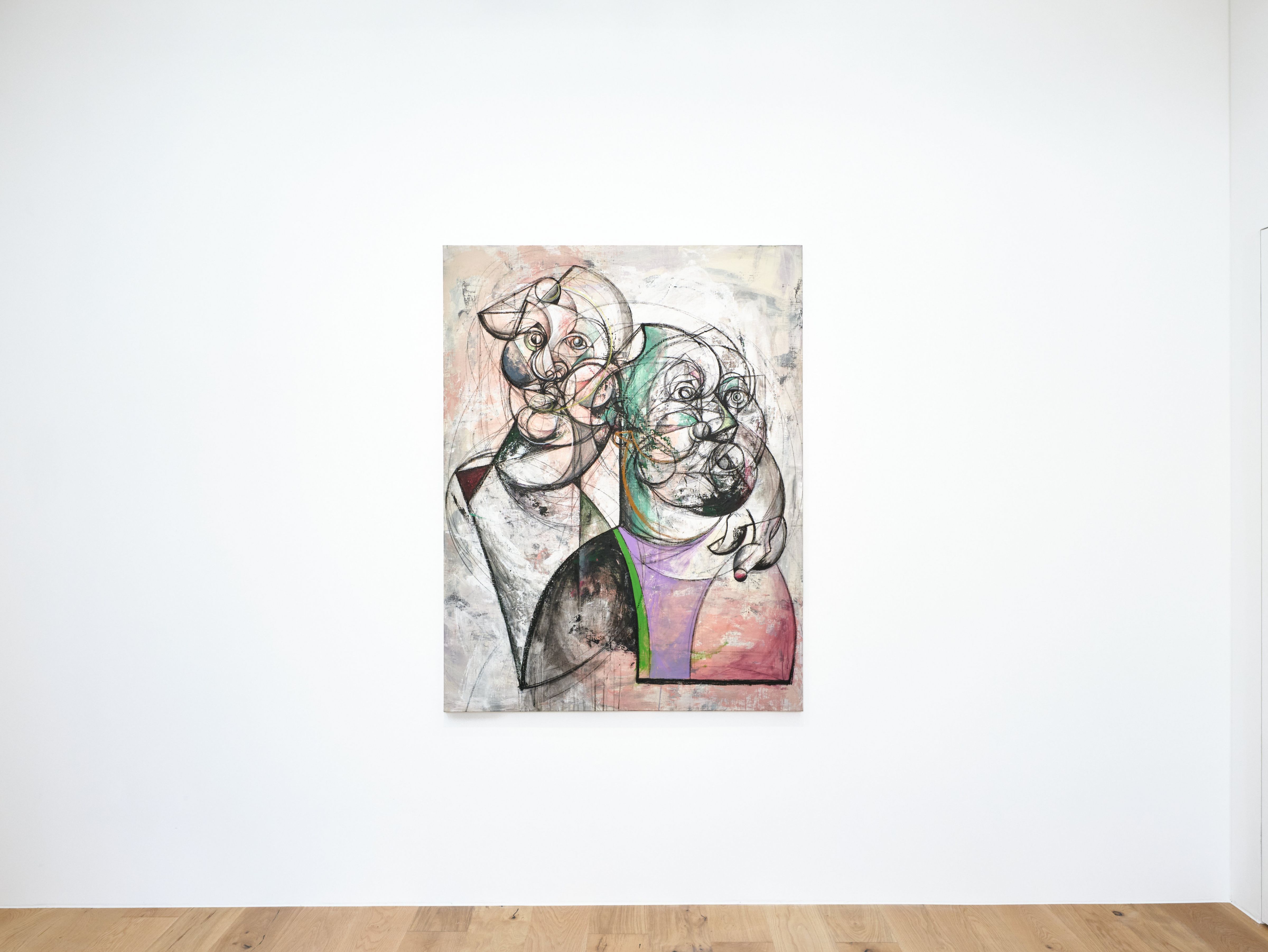
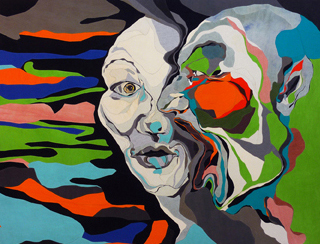
Mixed media on canvas
130.3 x 97 cm
About The Work

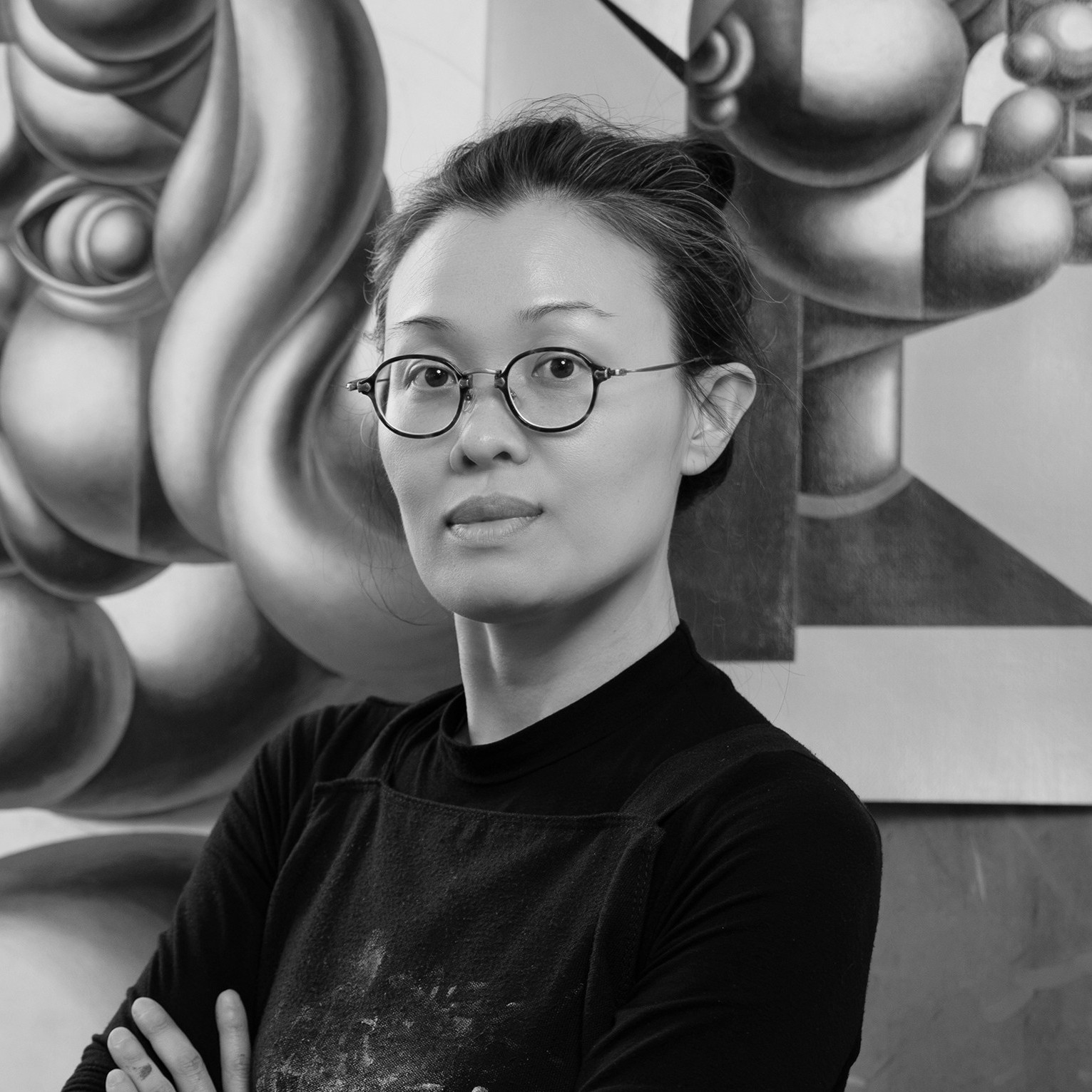
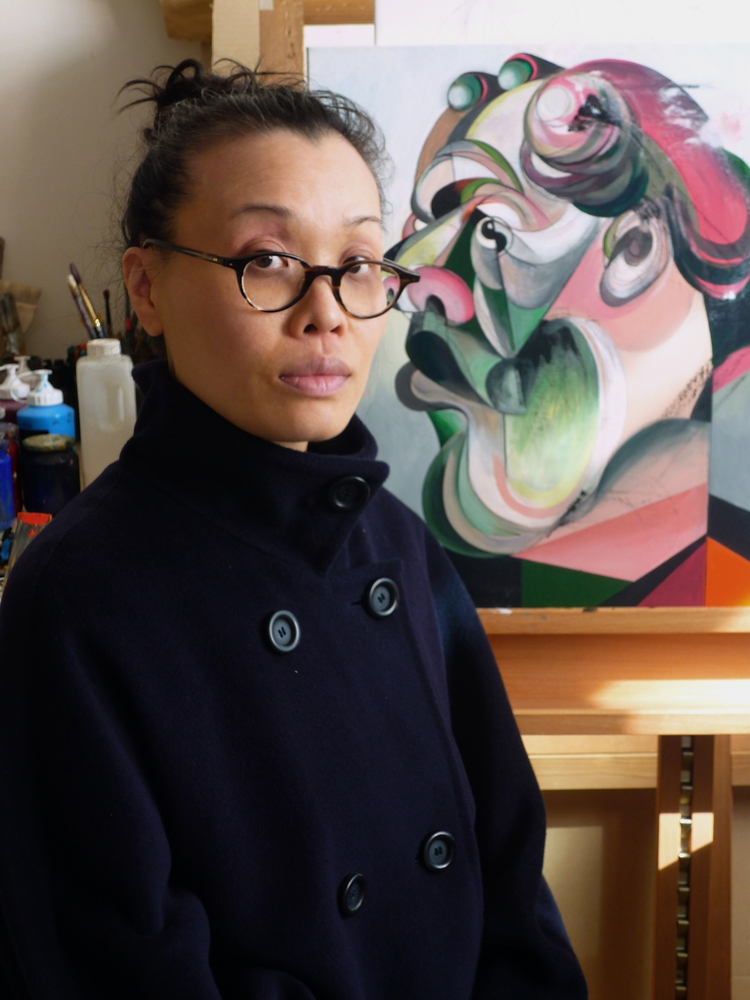
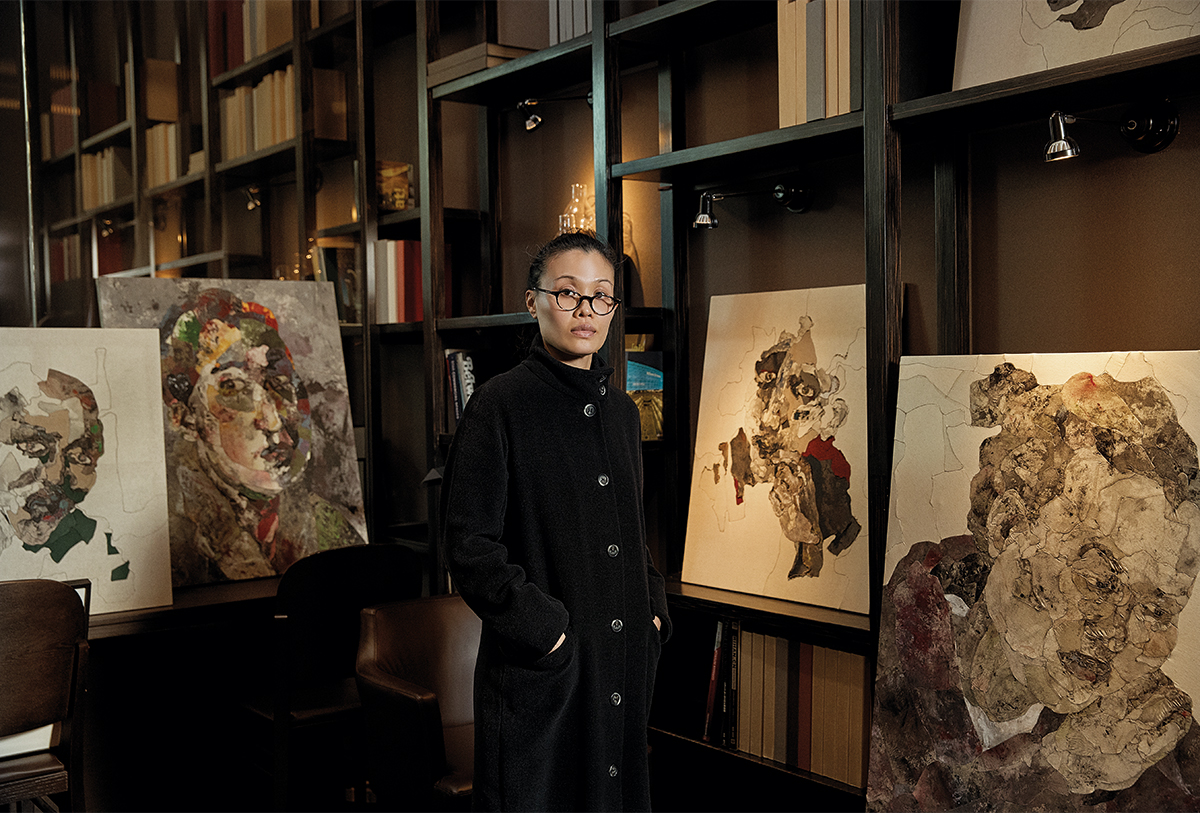
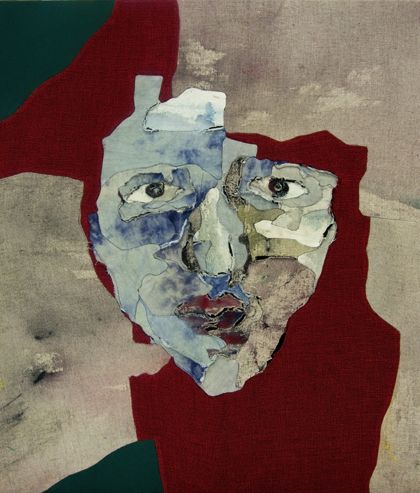
Miseon Yoon began with self-portraits using a patchwork technique of cutting and stitching together pieces of fabric, and has since explored anxiety and fear within the human psyche through graphite drawings.

Her work begins by projecting emotions that are not easily resolved, such as anxiety, fear, and emotional wounds, onto the human face and body. The process of recognizing emotions akin to her own in the faces of people who have lived different lives allows her to empathize with them while simultaneously reflecting on her own inner world.

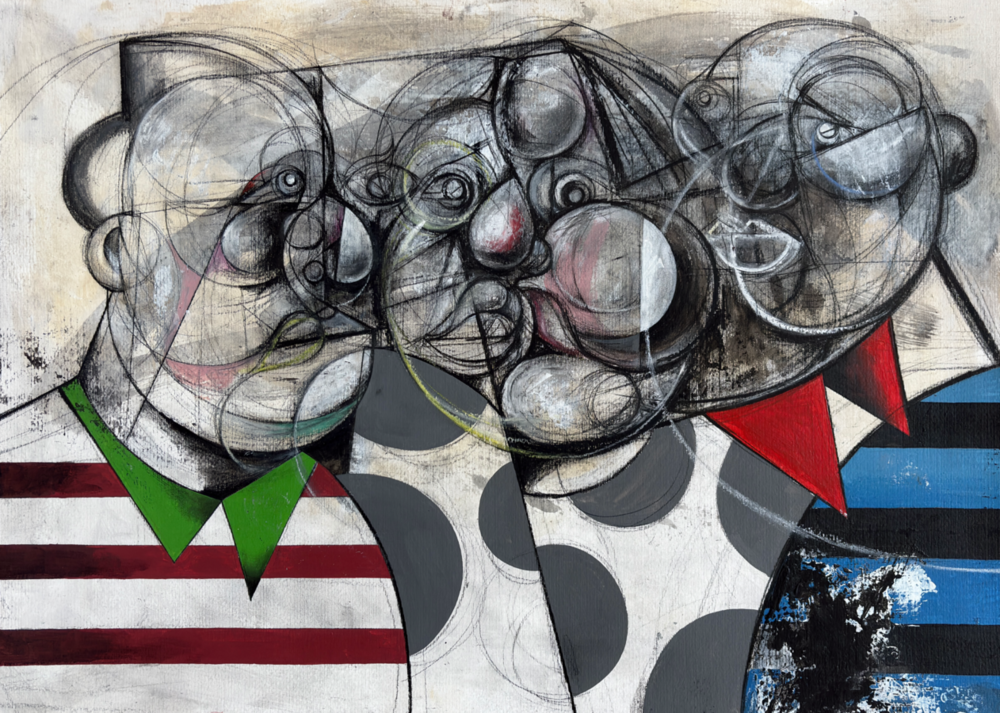
These portrait works have expanded from the artist’s personal memories to personas, the faces of others, still lifes, and group portraits, ultimately encompassing contemporary human beings who carry anxieties and fears that remain hidden from view. Accordingly, the faces in her works have moved beyond the representation of specific individuals to become autonomous forms that stand in for the artist’s inner world and acquire meanings of their own.

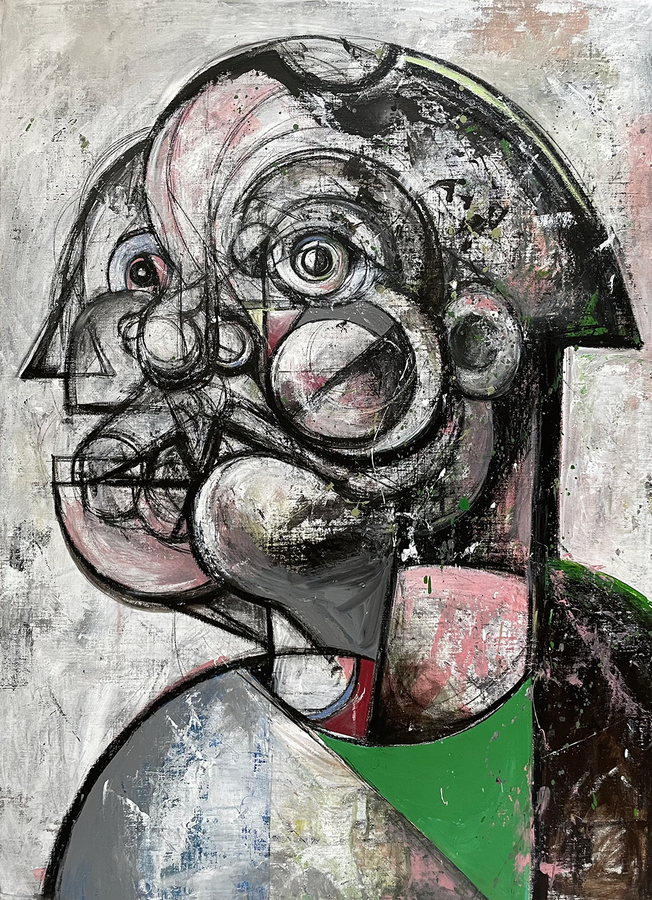
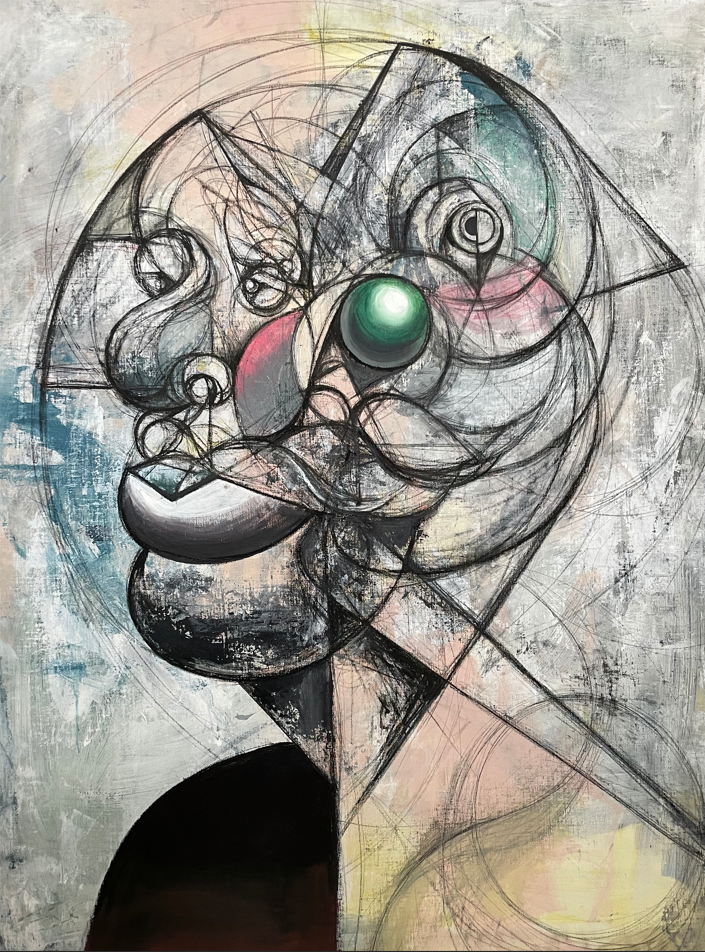
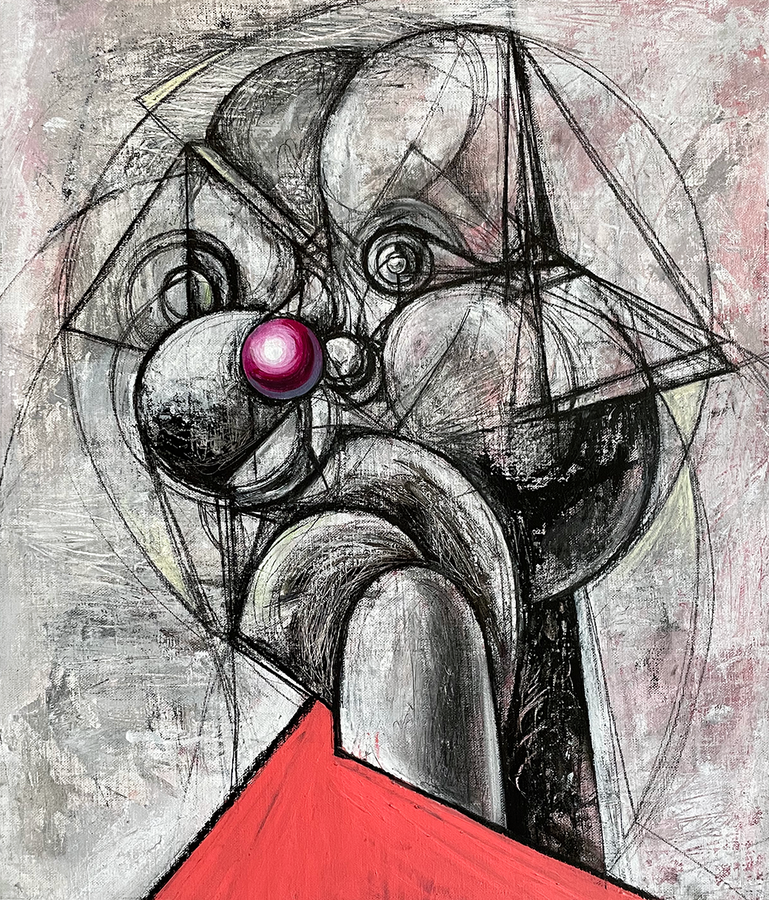
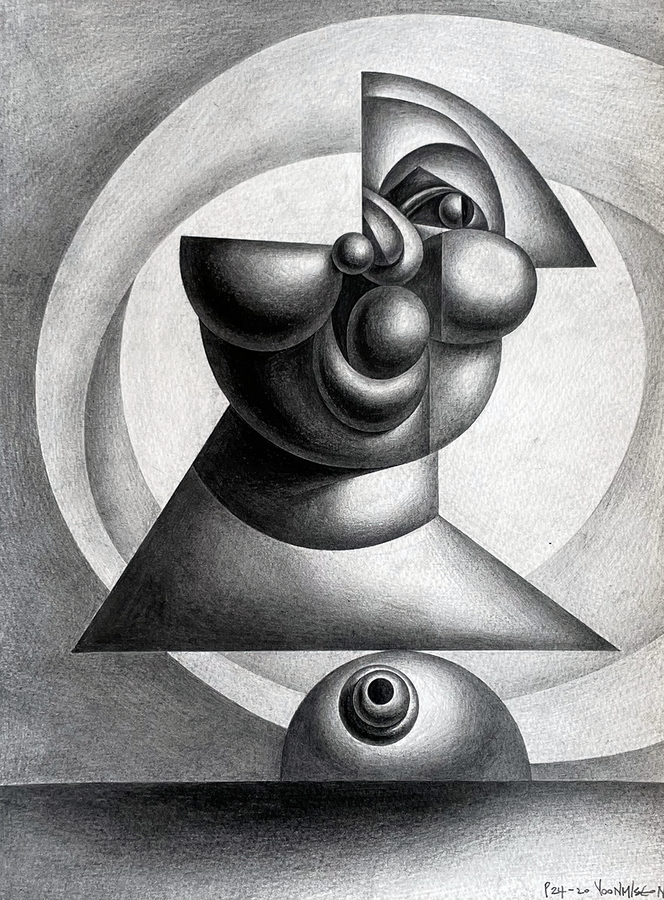
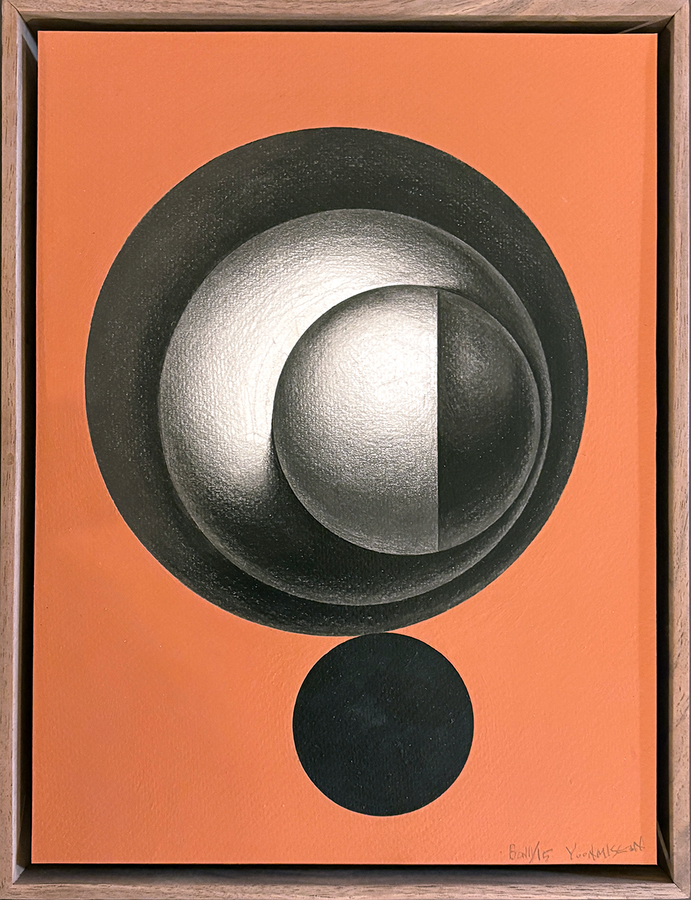
The principle of the patchwork technique, in which multiple fragments come together to form a single face, later developed into a combination of circles and spheres. In particular, the “sphere” symbolizes the process through which an unstable being seeks balance and the will of a fragmented self to move toward wholeness.

In Yoon’s practice, identity is thus presented not as a fixed self-portrait, but as an emotional self that is constantly shaken, transformed, and reconstructed through encounters with others.

Solo Exhibitions (Brief)

Miseon Yoon has held solo exhibitions at Gallery Dam in 2012, Noblesse Collection in 2017, GALLERY KABINETT in 2022 and 2025, PAGEROOM8 in 2025, and KICHE in 2026.

Group Exhibitions (Brief)

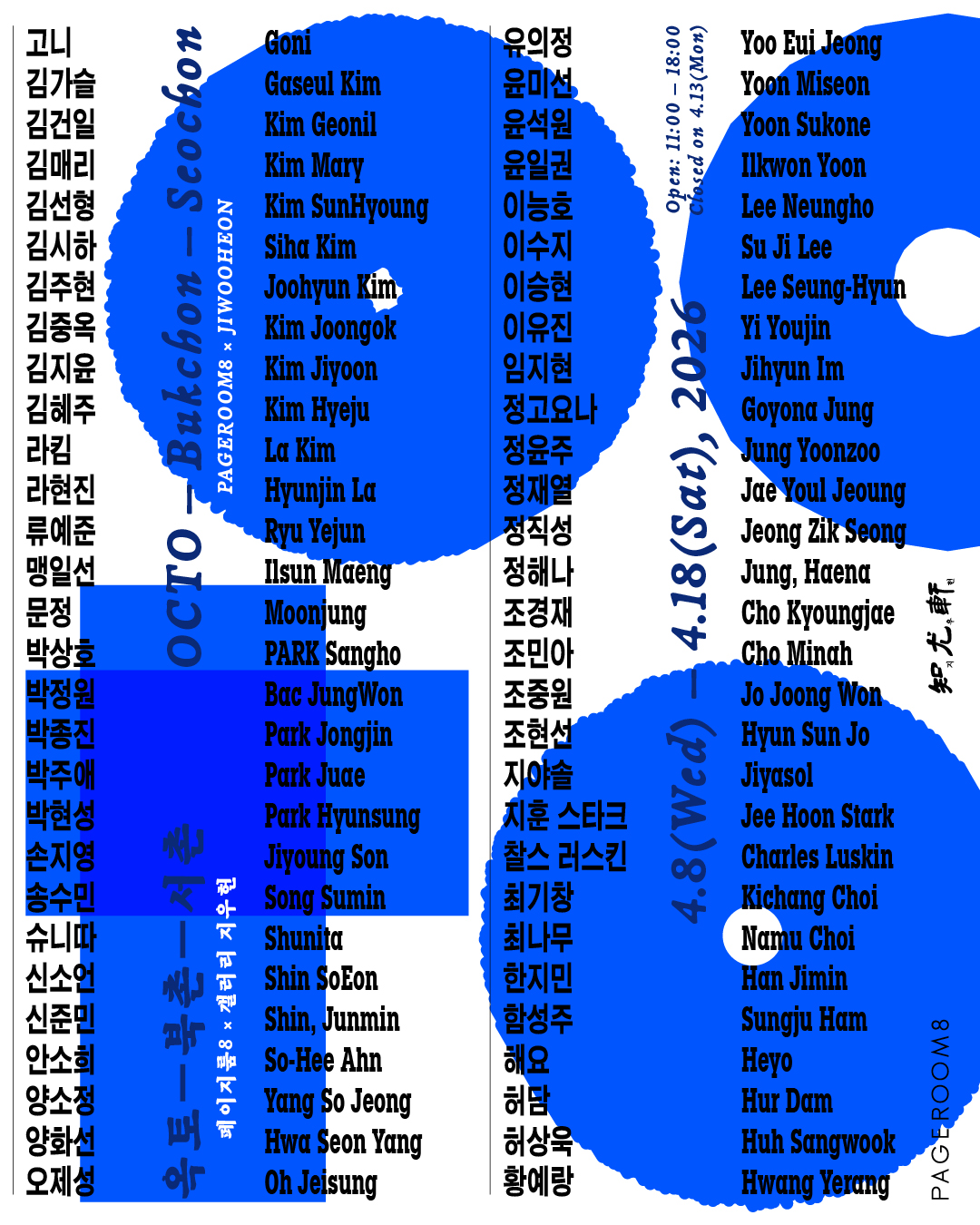
Miseon Yoon has participated in group exhibitions at Maison Ozmen in Paris and GALLERY KABINETT in Seoul in 2023, ART SPACE HOHWA in 2024, and PAGEROOM8 and JIWOOHEON in 2026.

Works of Art

Art as a Means of Healing and Consoling Inner Wounds

Originality & Identity

Miseon Yoon’s practice begins with emotions that resist easy resolution—anxiety, fear, and psychological wounds—which she projects onto the human face and body. In her early fabric portraits, she identified with the faces of people caught in extreme circumstances such as war, protests, and natural disasters, describing these works as “self-portraits borrowed through the skin of others.”

By recognizing emotions in others that resonated with her own, she used portraiture as a means of reflecting inward through empathy. Over time, this concern expanded beyond specific victims toward a broader image of contemporary individuals carrying forms of anxiety and fear that remain invisible on the surface.

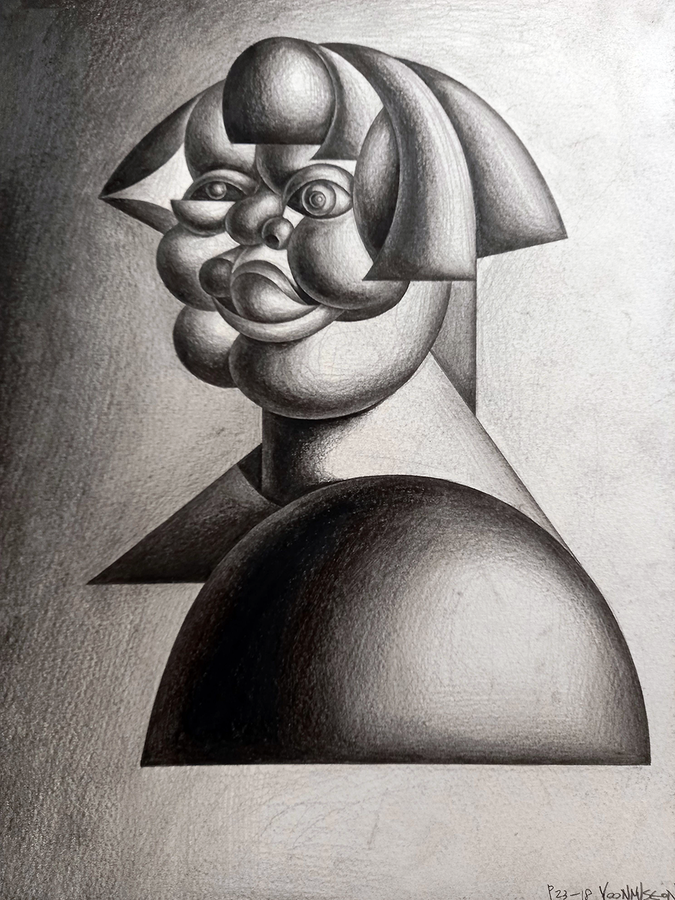
After her fabric practice, the face gradually moved away from the representation of actual individuals and developed into an autonomous figure capable of standing in for the artist’s interior self. The bob-haired figure known as “Bob” became an alter ego and recurring persona through which Yoon repeatedly reconfigured her own identity.

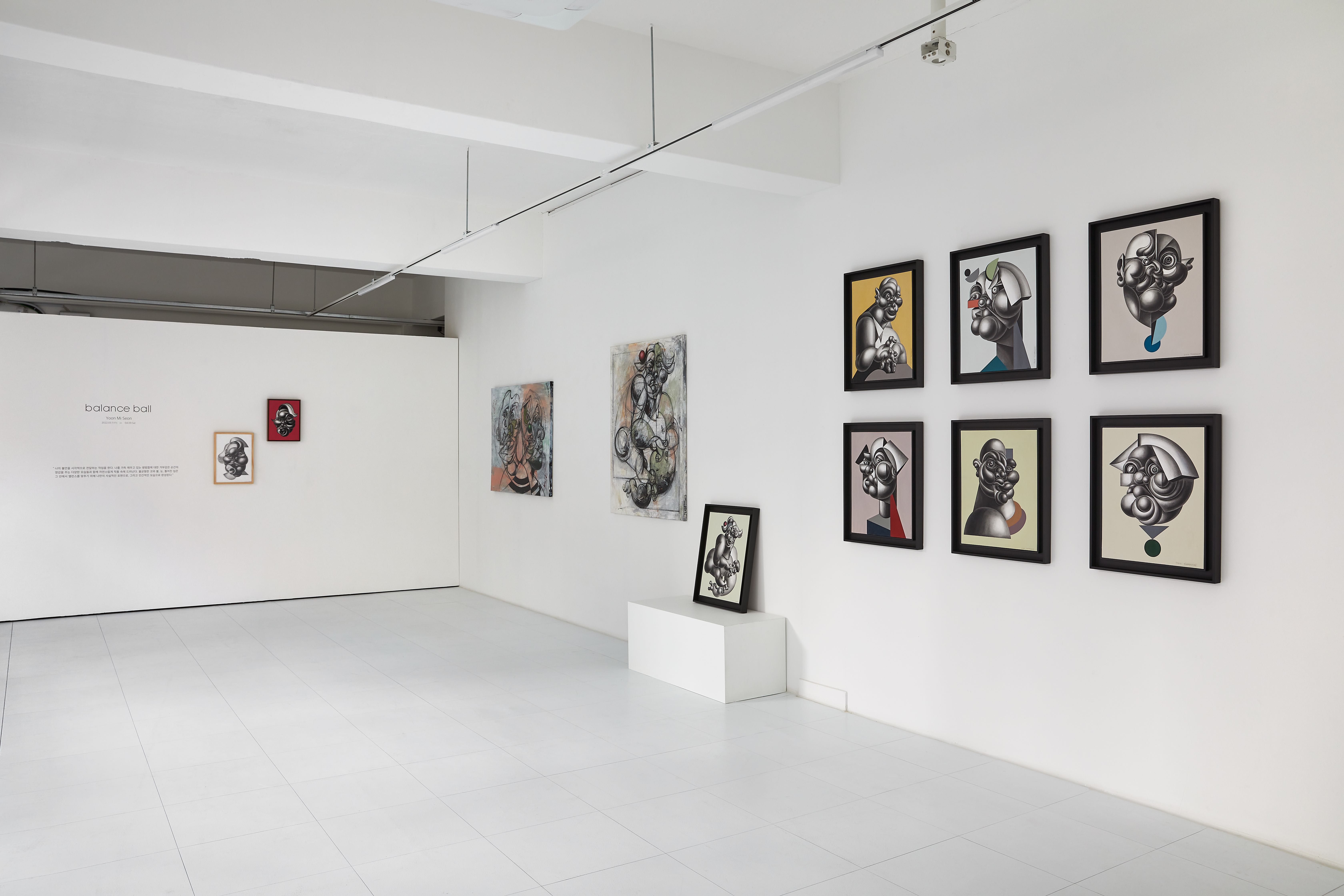
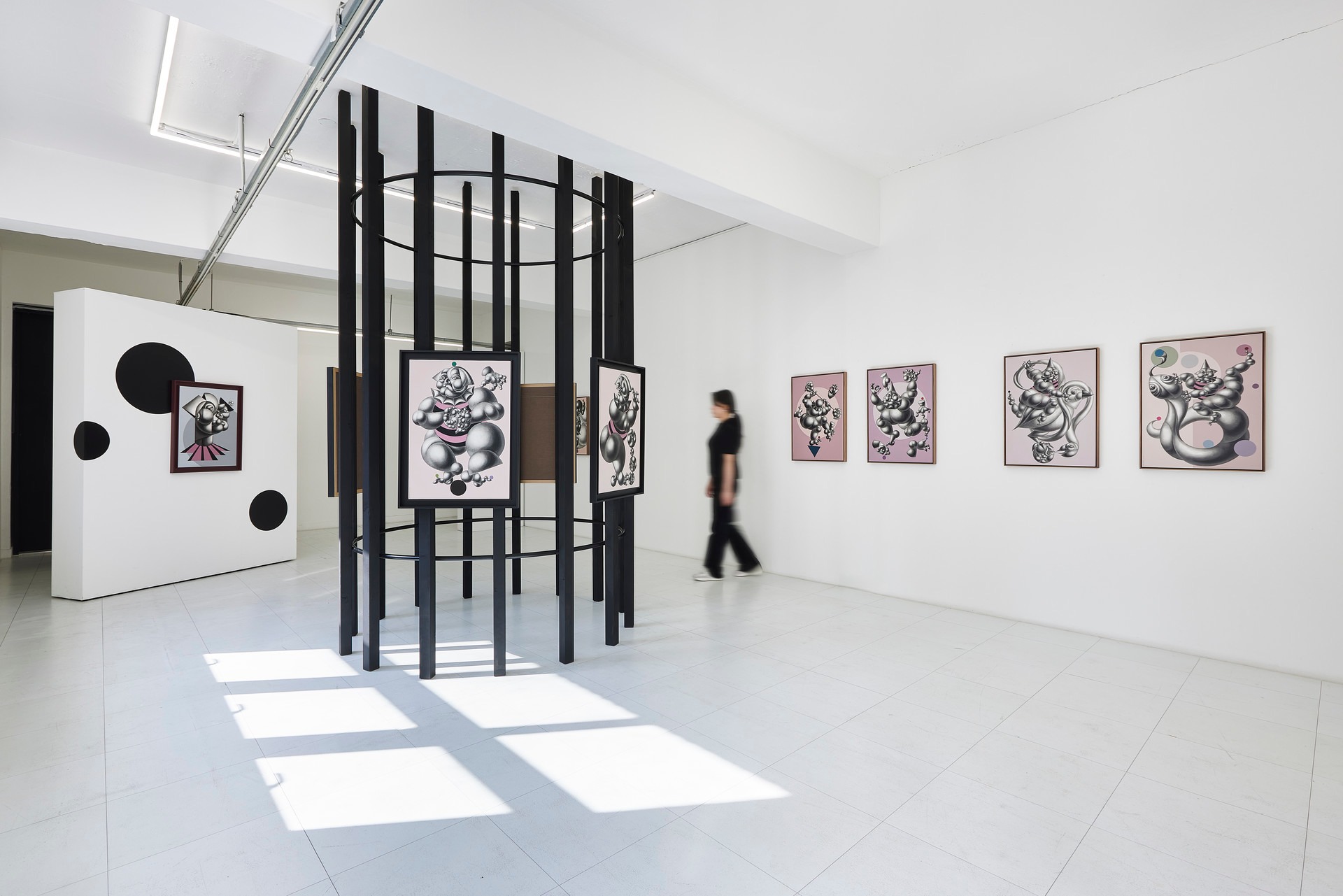
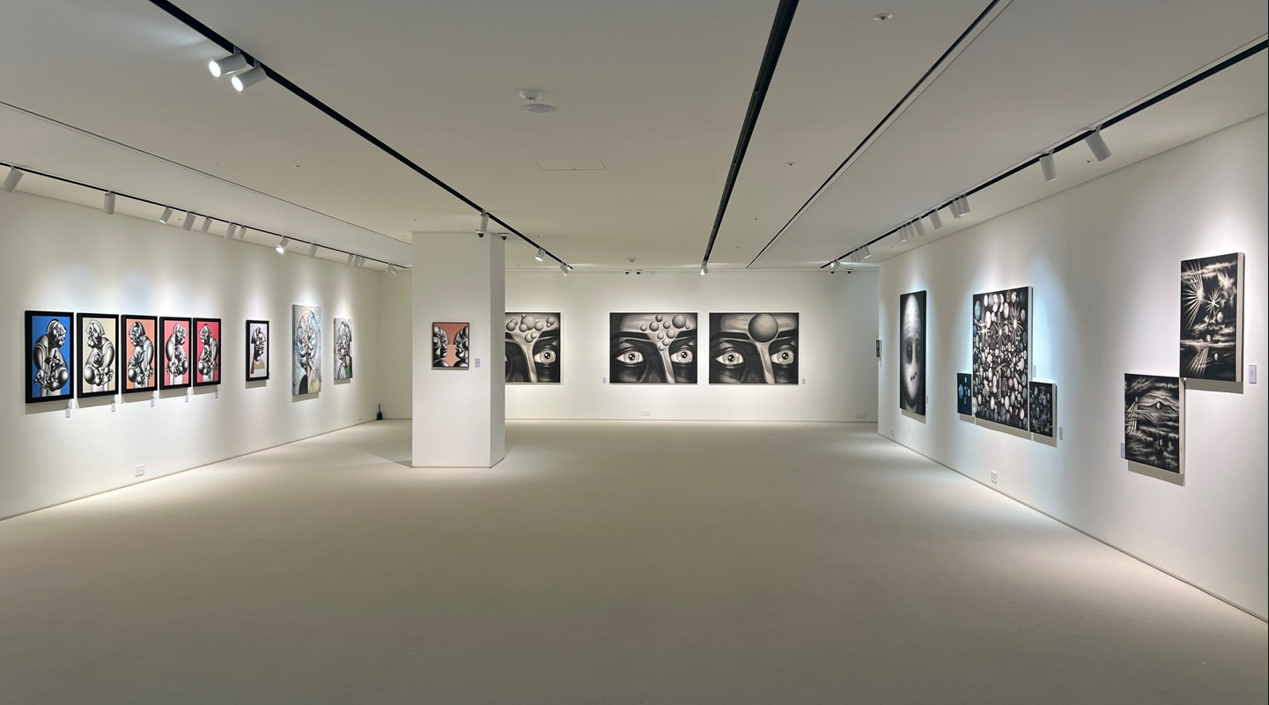
The earlier principle of assembling fragmented pieces into a face evolved into combinations of circles and spheres, while the “ball” came to embody the search for equilibrium and the desire of a fragmented self to move toward wholeness. Since 《Balance Ball》 in 2022, this motif has become an increasingly concentrated expression of her long-standing concerns with anxiety, endurance, and psychological recovery. 

Figures such as the ‘Devil,’ the ‘Victim,’ and the black clown further expand her inner world into relationships structured by good and evil, aggression and vulnerability, desire and repression. In 《SOMNICUS》, the circus functions as a metaphor for life in which dream and reality, tension and play, continually intersect.

The black clown, struggling to maintain balance amid the expectations of an audience, embodies human vulnerability, solitude, and the will to endure. Through alter egos and fictional figures, Yoon shifts personal experience into a broader psychological narrative, exploring how a person continues to persist and grow within conditions of instability.

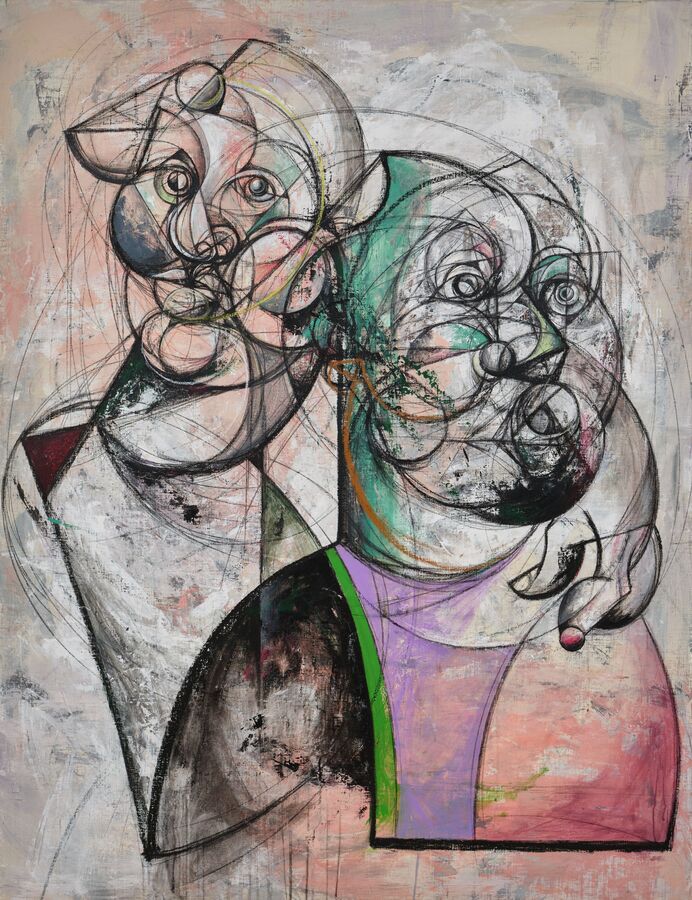
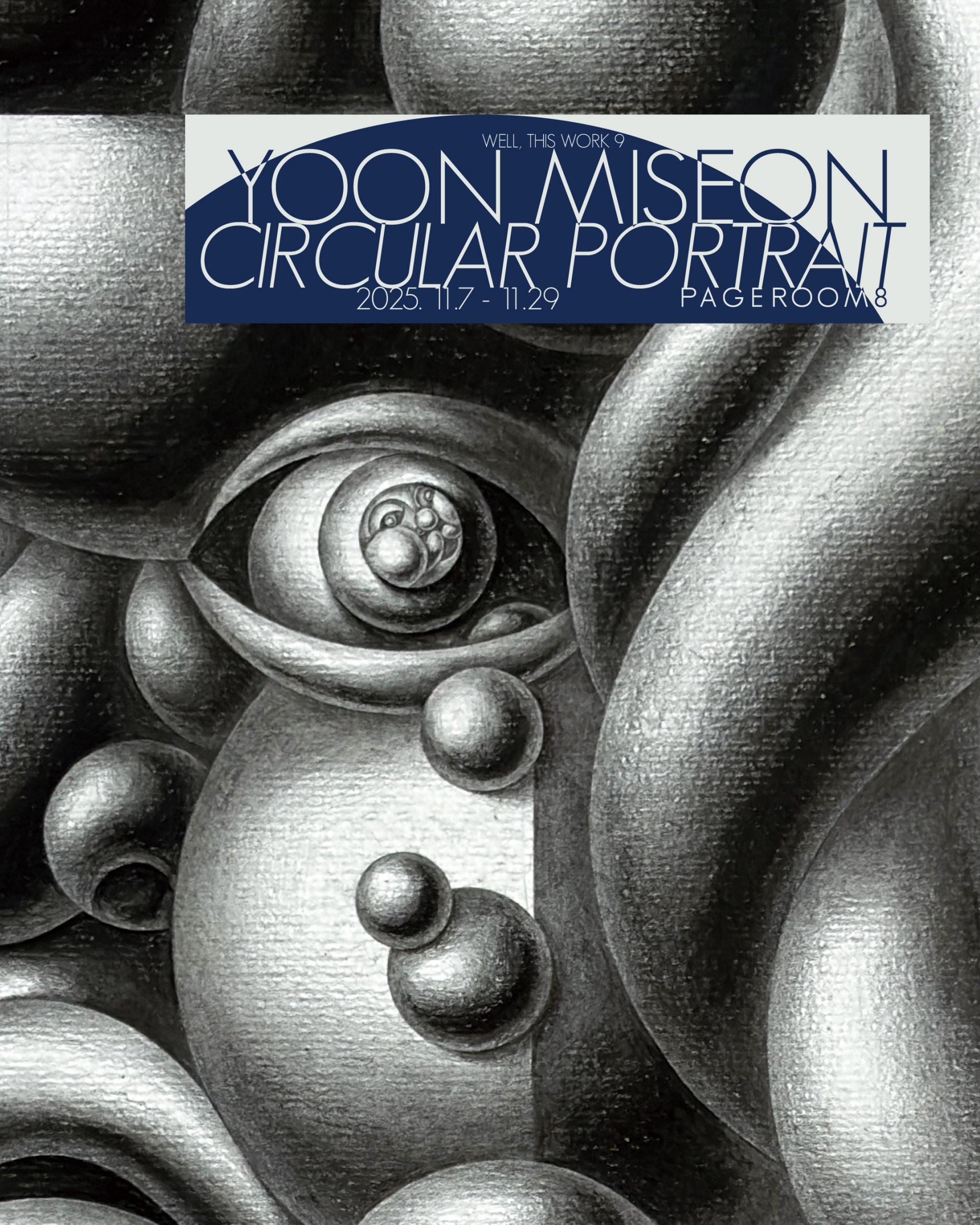
In her recent work, the relationship between self and other again becomes increasingly central. The double portraits and tears in 《Circular Portrait》 suggest identities and emotions that overlap and change rather than remain fixed, while 《Ball and Water Mold》 redirects her gaze toward anonymous individuals glimpsed on the street, through car windows, or in mediated images.

Here, the “ball” expands into a form that can be simultaneously closed and open, full and empty, while “water mold” and the idea of staining evoke emotions that seep into others, alter them, corrode, and eventually disappear. Identity in Yoon’s practice thus emerges as an emotional self continually transformed and reconstructed through contact with others.

Style & Contents

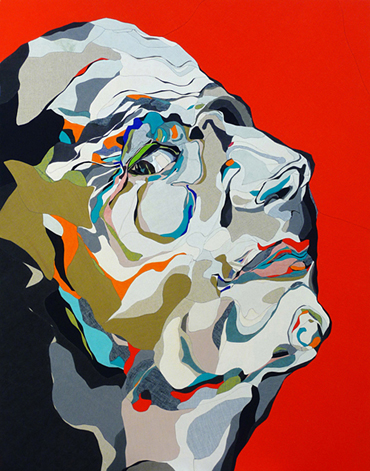
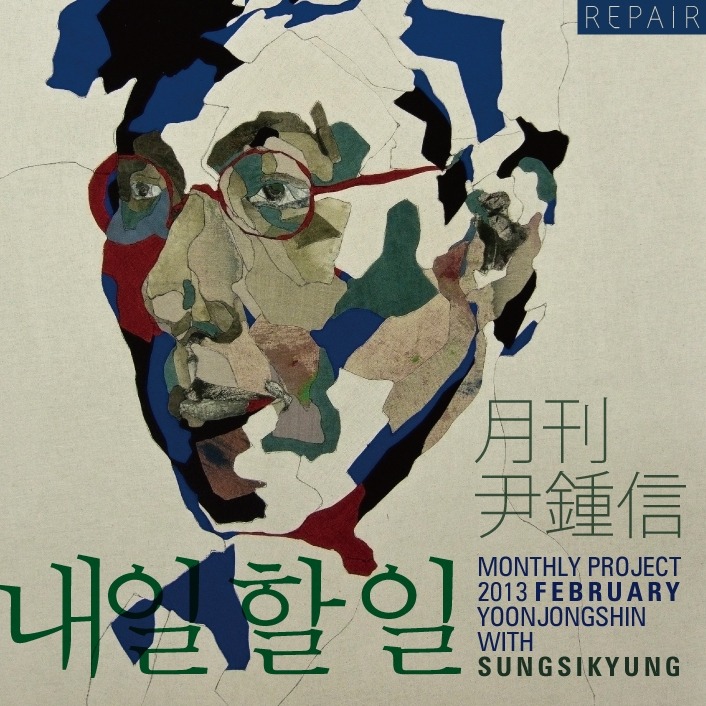
Miseon Yoon’s early practice began with patchwork portraits that treated fabric as a painterly material. After roughly sketching a figure, she dyed and irregularly cut pieces of fabric, repeatedly joining them through machine sewing and hand stitching, while at times applying heat and ironing the surface taut.

As Yoon described fabric as both “paint and canvas,” color, form, texture, and volume operated simultaneously, while chance arising during the working process was embraced rather than eliminated through predetermined composition. The fragmented faces and bodies thus retain traces of cutting and joining, bringing emotional expression and the artist’s physical labor together within the structure of the image.

Around 2017, as the primary medium shifted from fabric to pencil drawing, the construction of the image also changed. Replacing the industrial sewing machine and iron with a pencil, Yoon began dismantling and reconstructing faces through fluid graphite lines.

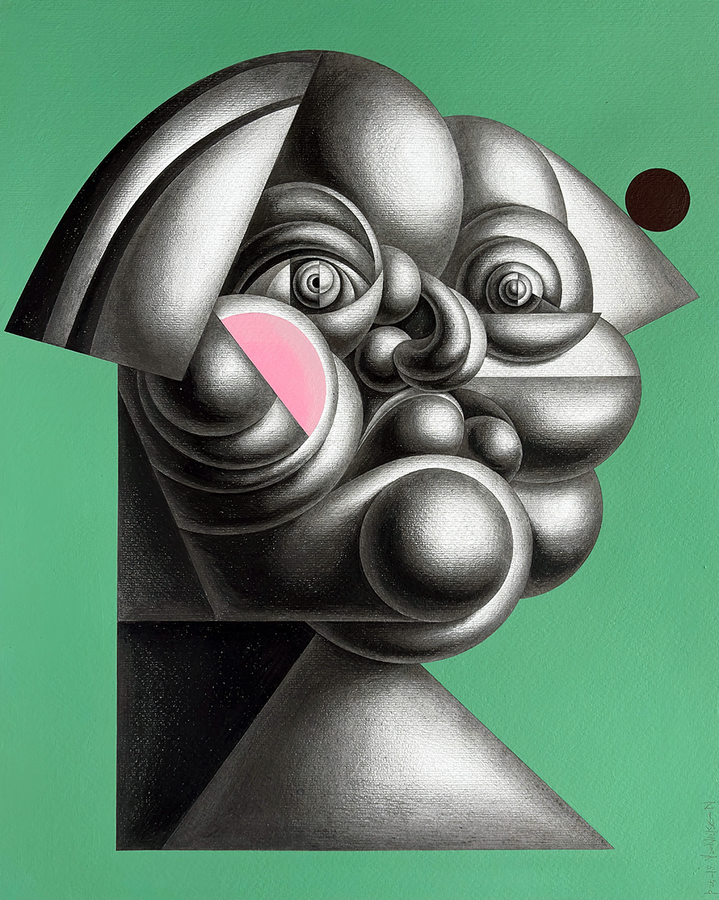
Simplified geometric forms—triangles, cones, circles, and spheres—came to define the head and facial features, while the earlier principle of assembling pieces of fabric continued through the connection of lines and planes. Although the medium changed substantially, the underlying method of building a figure from fragments remained continuous throughout her practice.

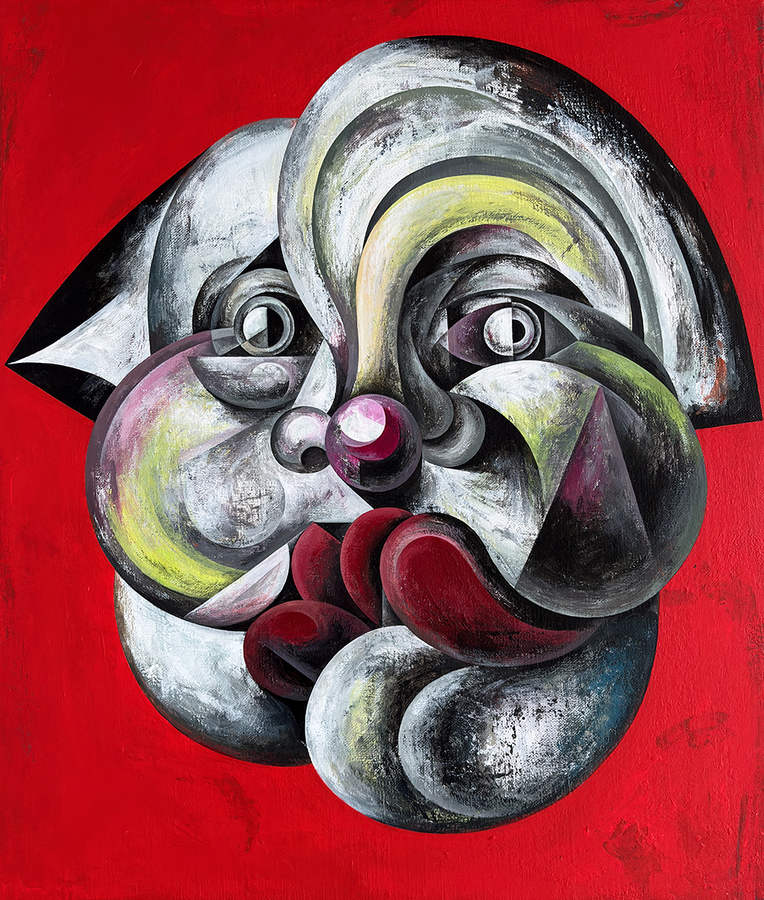
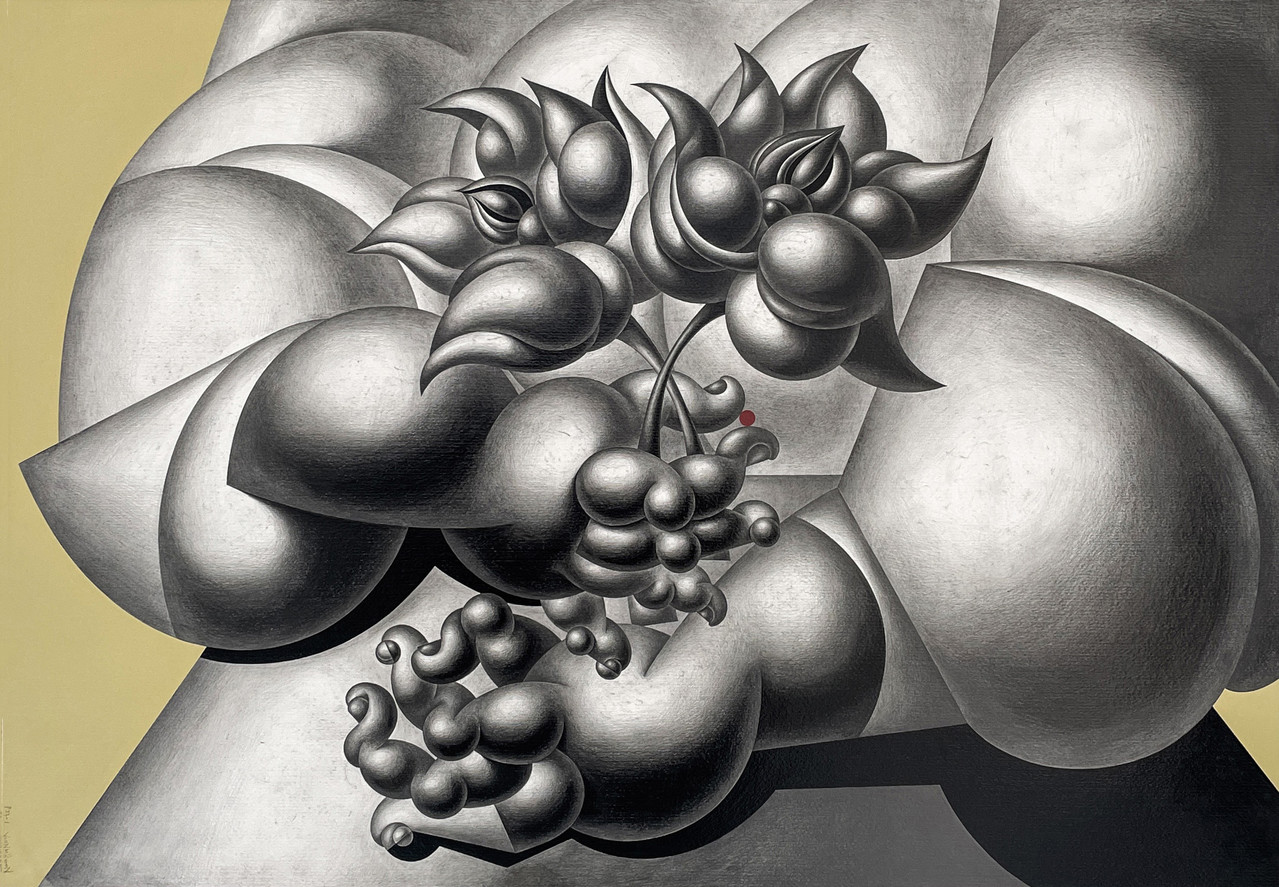
Circles and spheres subsequently became the most distinctive structural units of Yoon’s portraiture. Circular forms of varying sizes connect like joints to construct faces and bodies, while repeated layers of graphite create tonal differences that produce illusions of protrusion and recession on a flat surface.

Detailed gradations of black and gray are juxtaposed with restricted areas of color and monochromatic backgrounds, emphasizing both volume and flatness. Reversal, repetition, and transformation also become central compositional strategies, as seen in mirrored figures and double portraits in which two faces overlap.

These formal devices allow recurring figures such as “Bob” to continually alter their expressions and gazes while extending the practice from self-portraiture and double portraits to group figures and still lifes.

In her recent paintings, these formal principles have expanded toward a stronger emphasis on materiality. Working on canvas with acrylic, pencil, charcoal, oil stick, and oil pastel, Yoon transforms the “ball” from a line-defined geometric unit into a material form built through brushwork, texture, and accumulated marks.

Faces and complex expressions of strangers glimpsed through car windows, on the street, or in mediated images are transferred onto the surface through bodily movements that roll, scatter, and disrupt the lines. Processes such as staining, together with “water mold” that physically appeared during the mixing of water-based acrylics, have also entered her visual vocabulary.

The dyeing and stitching of the early fabric works, the repetitive lines of her graphite drawings, and the spreading and layering of her recent paintings thus remain connected by a shared method of accumulation, joining, and responsiveness to unexpected material transformation.


Topography & Continuity

Miseon Yoon’s practice has developed across fabric, drawing, and painting while maintaining portraiture and self-portraiture as its central concerns. The cutting and joining of fabric fragments in her early works evolved into structures of connected circles and spheres in pencil drawings, and more recently into paintings where multiple materials and gestures collide and overlap.

Rather than abandoning earlier methods as her media changed, Yoon has repeatedly reconfigured the same underlying logic of fragmentation, connection, and reconstruction. She has described patchwork and drawing as complementary practices, while emphasizing that her sustained interest in expressing diverse human emotions through self-portraiture has remained consistent despite changes in color and atmosphere.

This continuity becomes particularly visible in the ‘Circular Portrait’ works developed from around 2018 onward. More than 500 circular portraits produced over approximately seven years form an extended investigation in which circles and spheres serve as recurring units for continually transforming the face and body.

The numbering of works records their year and sequence of production, while variations of “Bob,” mirrored faces, double portraits, group figures, and still lifes accumulate traces of different moments and emotional states. Repetition therefore functions less as a fixed formula than as a method for testing how a consistent visual language can generate continually shifting psychological and figurative possibilities.

《Balance Ball》 in 2022, Yoon’s first exhibition after a five-year hiatus, marked a significant consolidation of this visual language. The sphere, recurring across ‘Bob,’ ‘Devil,’ and the ‘Plants’ series, expanded from a compositional device into a motif embodying the artist’s inner state and attitude toward life.

In 《SOMNICUS》 in 2025, “Bob” was transformed into a black clown within a fictional narrative of dreams and the circus, while 《Circular Portrait》 later that year revisited the long-term evolution of her circular forms and made their chronology more explicit. Throughout these developments, familiar faces continue to recur while their roles, relationships, and emotional registers steadily expand.

Her 2026 exhibition 《Ball and Water Mold》 demonstrates that this language remains in motion, redirecting attention toward the faces of others while intensifying the material qualities of painting. Staining in fabric, circularity in drawing, and the ball and water mold in recent painting belong to different phases of the practice, yet they share recurring ideas of contact, penetration, fragmentation, combination, and circulation.

Yoon thus sustains her practice through repeated transformation rather than through the stabilization of a fixed style. Beginning with personal memory and self-portraiture, her imagery has expanded through personas, anonymous faces, still lifes, and groups of figures, suggesting an ongoing framework through which the relationship between self and other can continue to evolve.

Works of Art

Art as a Means of Healing and Consoling Inner Wounds

Articles

Exhibitions

Activities