In Writing “Hurrah for Freedom”: Cinema and History - K-ARTIST

In Writing “Hurrah for Freedom”: Cinema and History

2025-2026
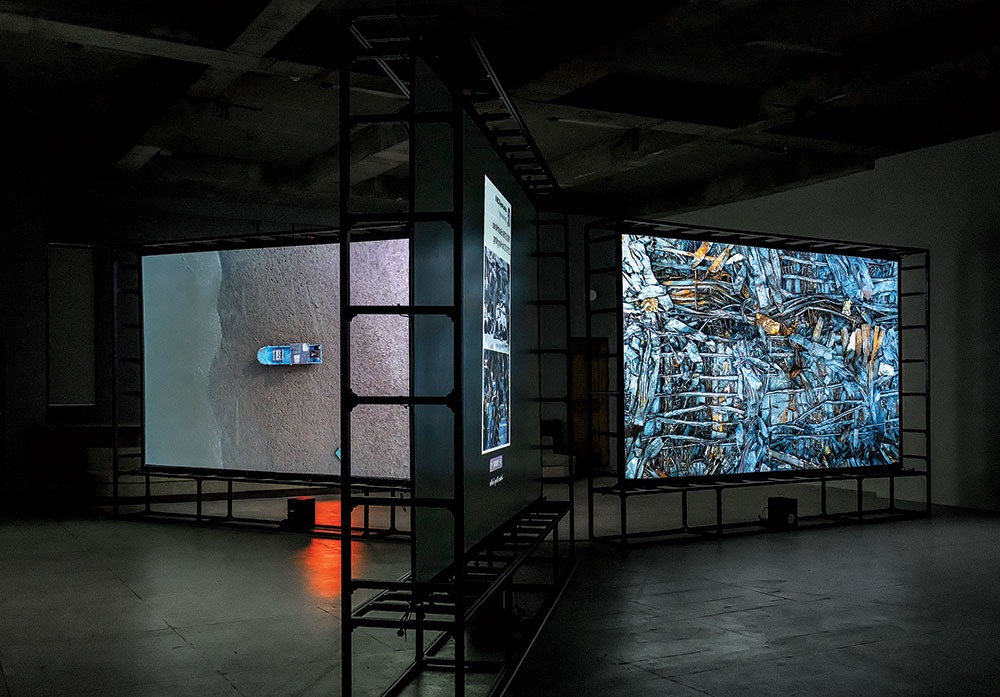
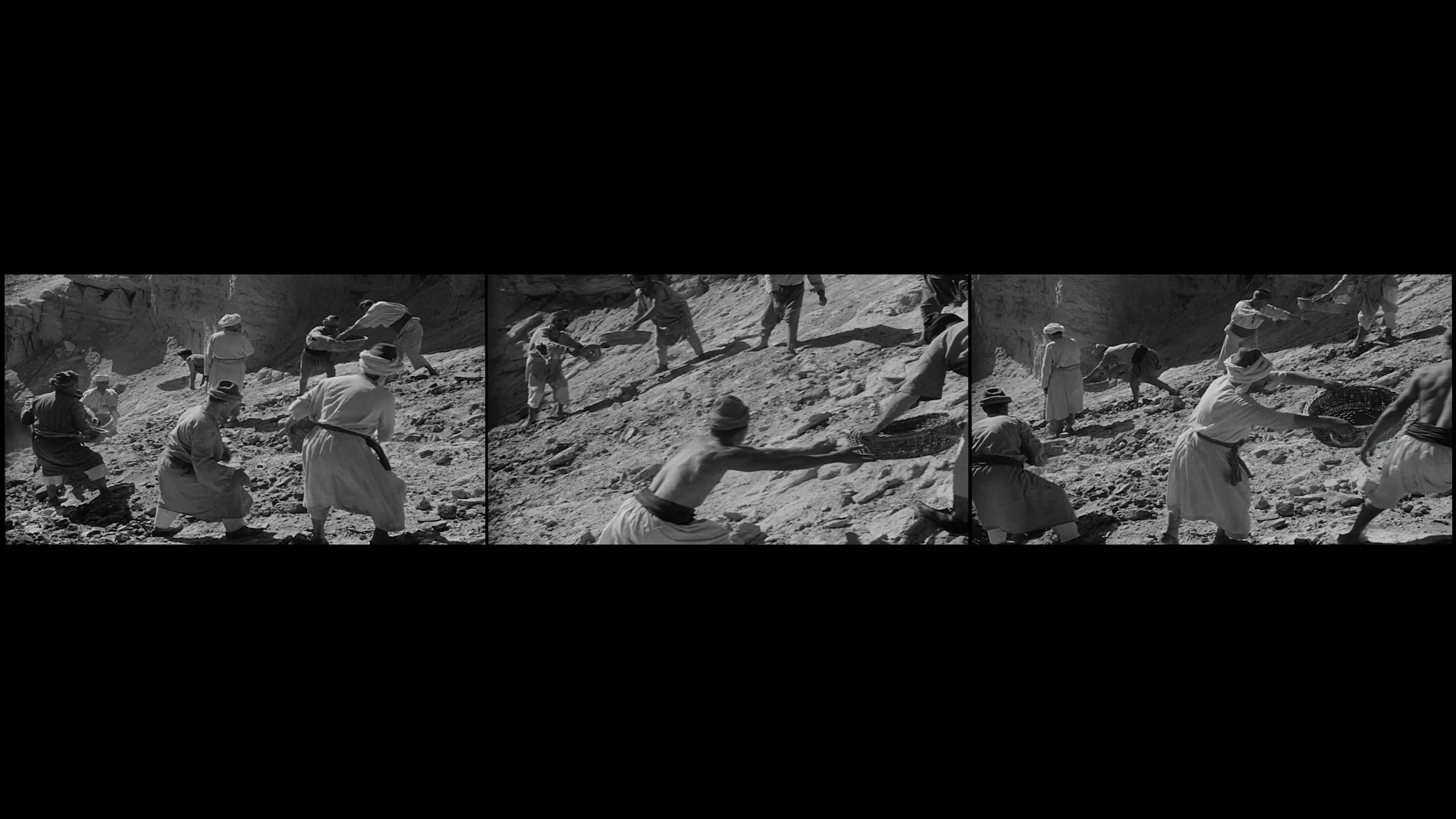
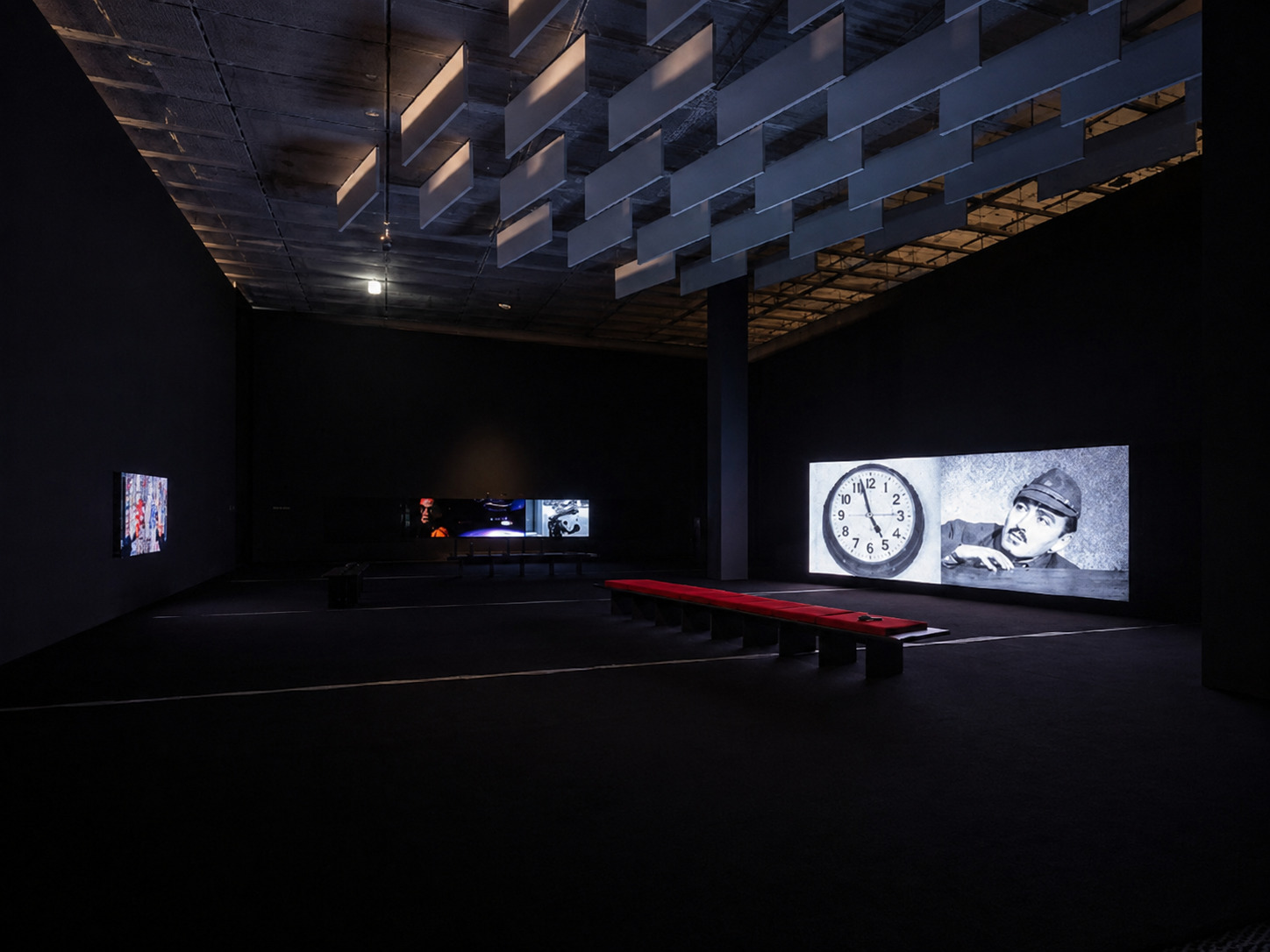
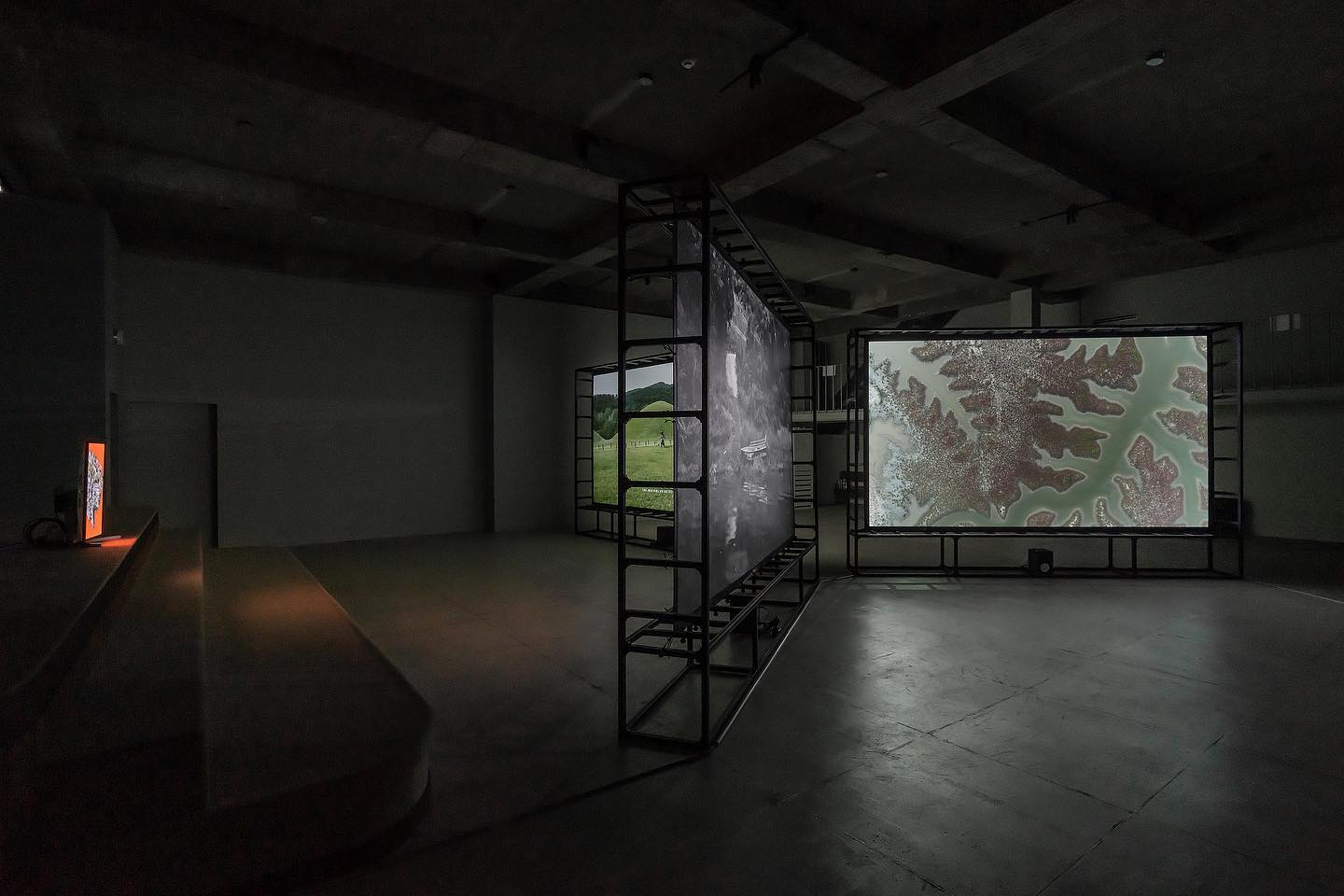
Two-channel video installation (synchronized); AI-generated audiovisual images; found footage: Hurrah for Freedom (1946, courtesy of the Korean Film Archive)
Dimensions variable
About The Work

Lee Jungwoo focuses on the conditions that produce a given conclusion as a system moves toward a particular outcome. He regards results that appear to be malfunctions as inevitable consequences arising from the conditions at hand, and explores issues that emerge through the operation and malfunctioning of social systems, including technological bias, distortion, and censorship.

Building on this interest, Lee has developed a critical visual language through drawing, video, installation, and other forms, working with a range of technological media, including drones and generative AI. Spanning diverse media and technologies, his practice makes visible how images and narratives generated through technological processes are directed and situated within the ambiguous conditions of the contemporary world.

His practice begins by reconstructing the grammar of cinema, separating individual elements from their original narratives and placing them within new relationships. He subsequently exposes the errors produced by technologies such as AI, making the very criteria that distinguish between proper operation and malfunction part of the content of his work. Through these errors, he traces back the data and rules that have produced a given outcome, as well as the invisible biases embedded within them.

In this way, Lee’s work reveals various facets of contemporary society through coordinates steered toward particular points by underlying data, platform policies, and other forces. He refers to the forces within systems that steer outcomes in particular statistical directions as “gravity,” or “system gravity.” As data-driven learning and automated execution become increasingly prevalent, his work asks what this “gravity”—which cannot be readily predicted through our own perspectives and criteria—will produce and what kinds of outcomes it may bring about.

Solo Exhibitions (Brief)

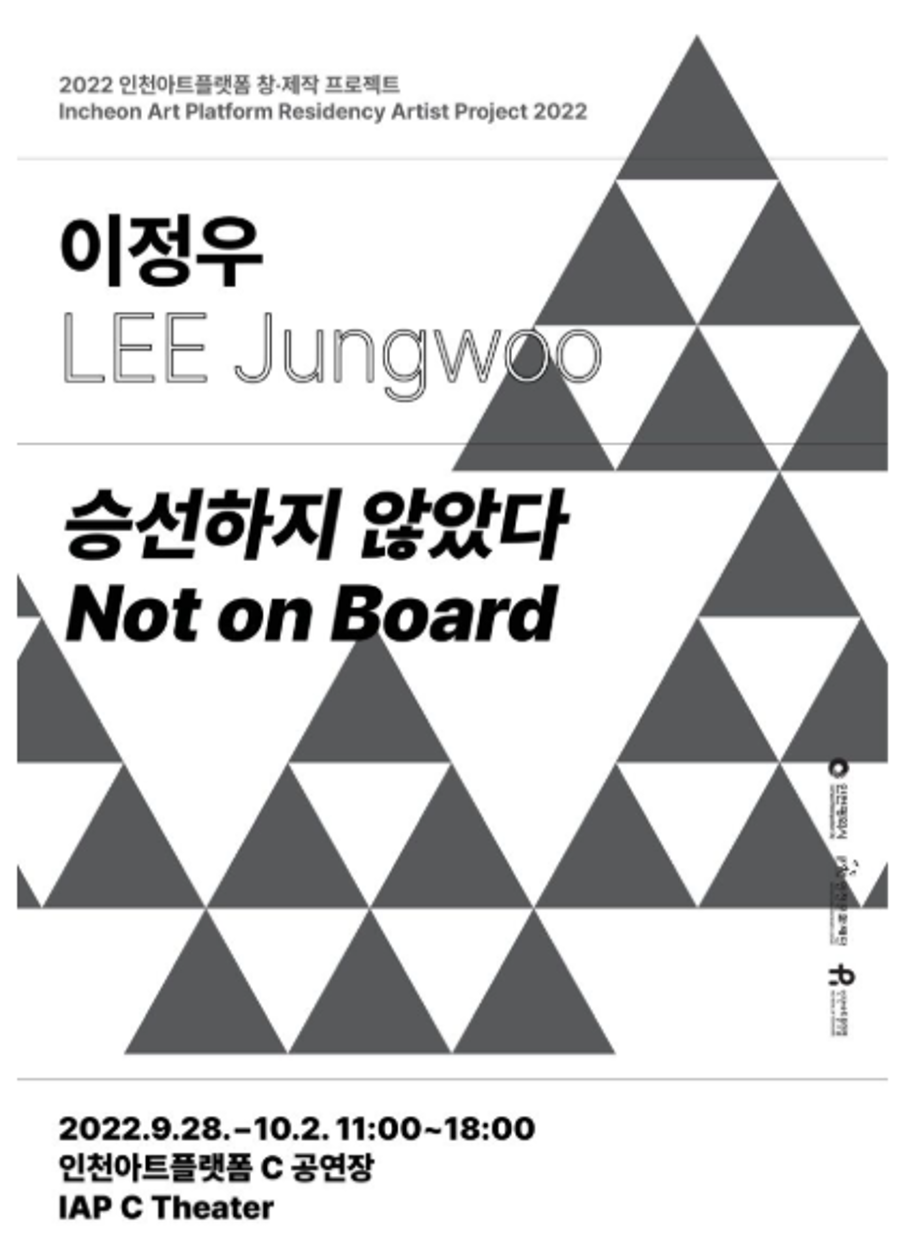
Lee has held solo exhibitions including 《Loops of Algorithmic Karma》 (Künstlerhaus Bethanien, Berlin, 2024), 《Dumb Dummy Dumb-dom》 (MMCA Residency Changdong, Seoul, 2023), and 《Not on board》 (TINC, Seoul, 2021).

Group Exhibitions (Brief)

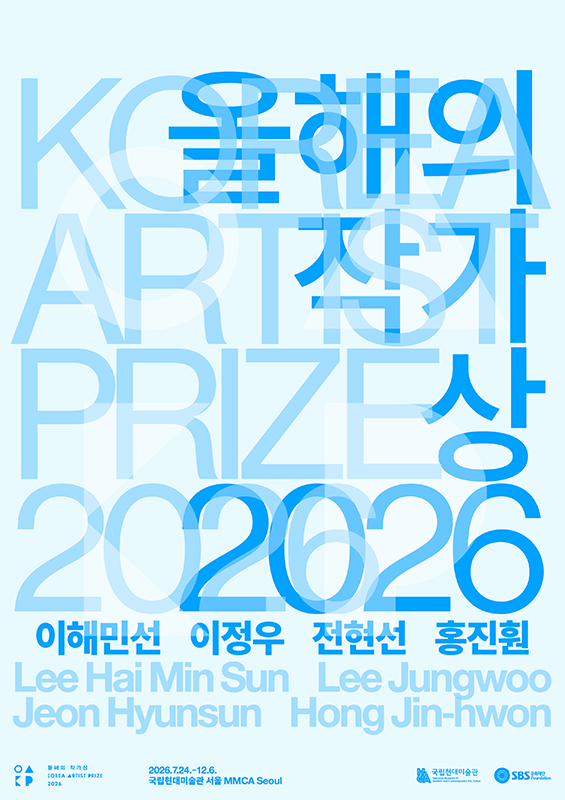
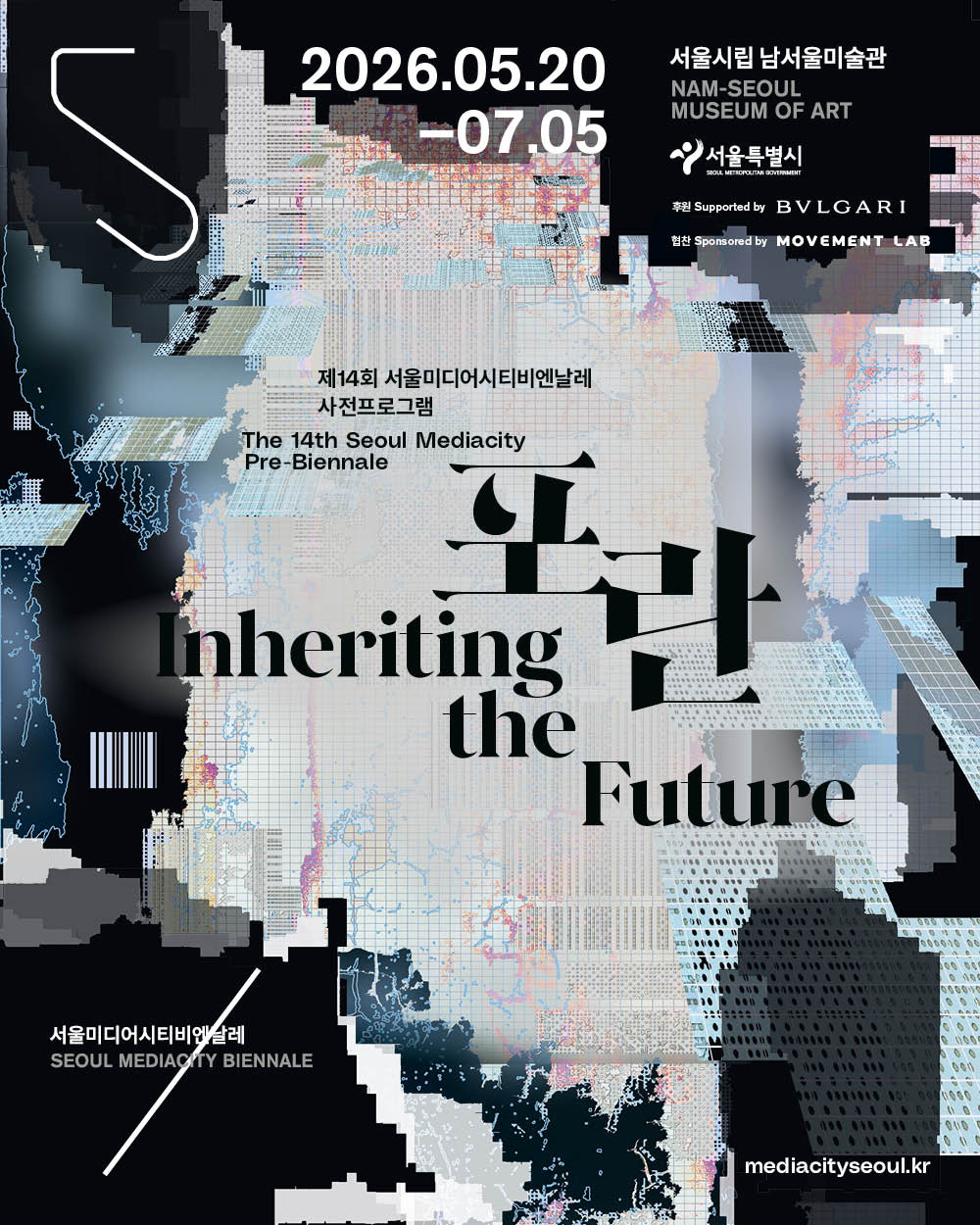
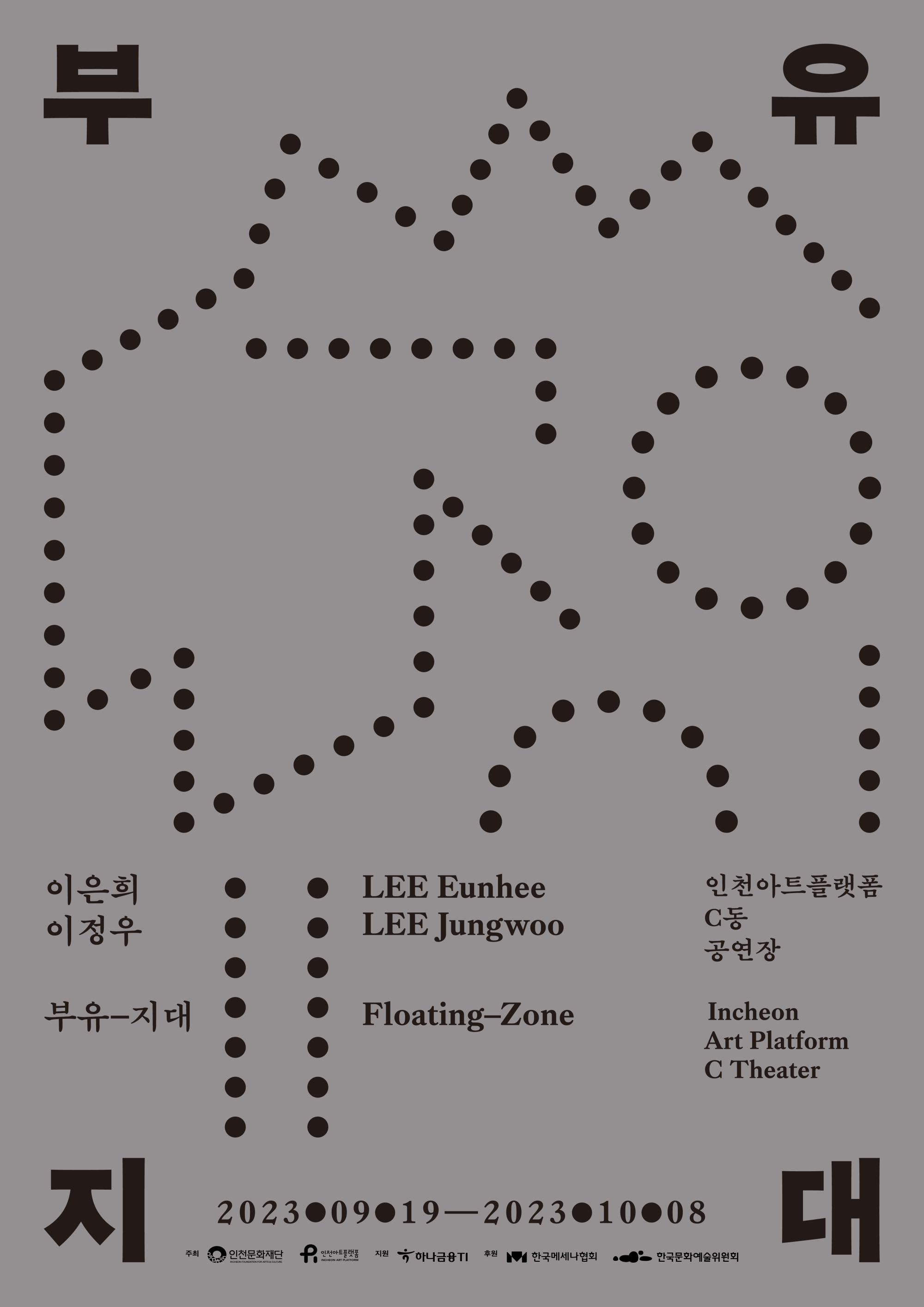
Lee has also participated in numerous group exhibitions, including 《Korea Artist Prize 2026》 (MMCA, Seoul, 2026), The 14th Seoul Mediacity Pre-Biennale 《Inheriting the Future》 (Nam-Seoul Museum of Art, Seoul, 2026), Unfold X 2025 《Let Things Go – Relations of Relations》 (Culture Station Seoul 284, Seoul, 2025), and 《Floating-Zone》 (Incheon Art Platform, Incheon, 2023).

Awards (Selected)

In 2026, Lee received an Honorary Mention in the New Animation Art category at Prix Ars Electronica.

Residencies (Selected)

Lee has taken part in residency programs at Künstlerhaus Bethanien, Berlin (2024), Incheon Art Platform (2022), and SeMA Nanji Residency (2021).

Works of Art

Questioning How Technology Classifies and Judges the World

Originality & Identity

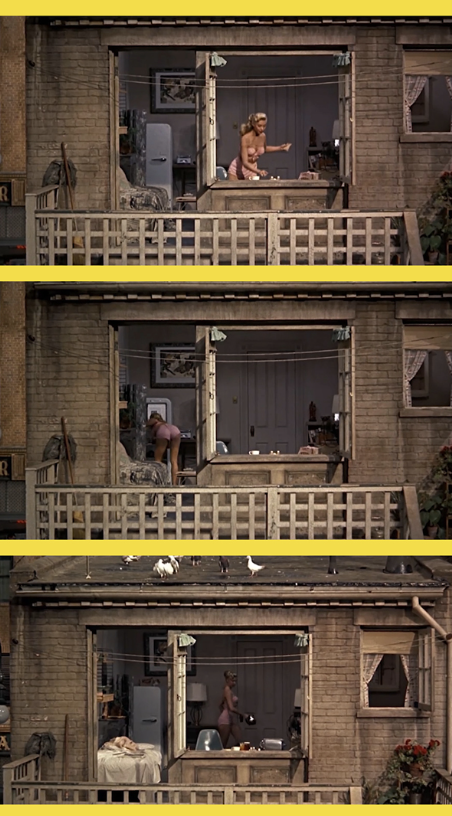
Lee Jungwoo’s practice begins by asking through what conditions the images and narratives we accept as reality are produced. In his early work, he focused on the ways popular culture and media, particularly cinema, create fictional images and solidify them into social perceptions. In 《Shot Blank》(Art Sonje Center, 2017), Shot Blank(2017) combines location images from Korean horror-film scouting archives with familiar dialogue and sound effects, producing scenes that already read as ‘frightening’ even in the absence of any specific event.

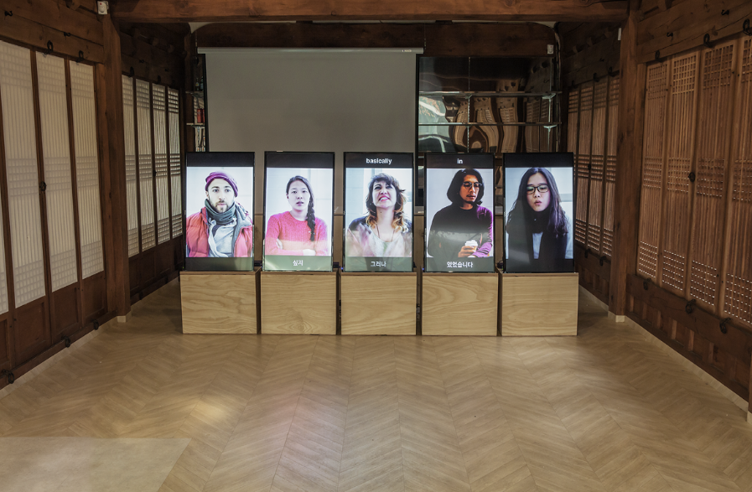
My Name is Red(2017) asks foreigners living in Germany to narrate fictional experiences of North Korea, revealing how personal memory becomes intertwined with images and information supplied by the media. For Lee at this stage, fiction is not simply the opposite of reality, but a force that actively organizes how reality itself is perceived.
 
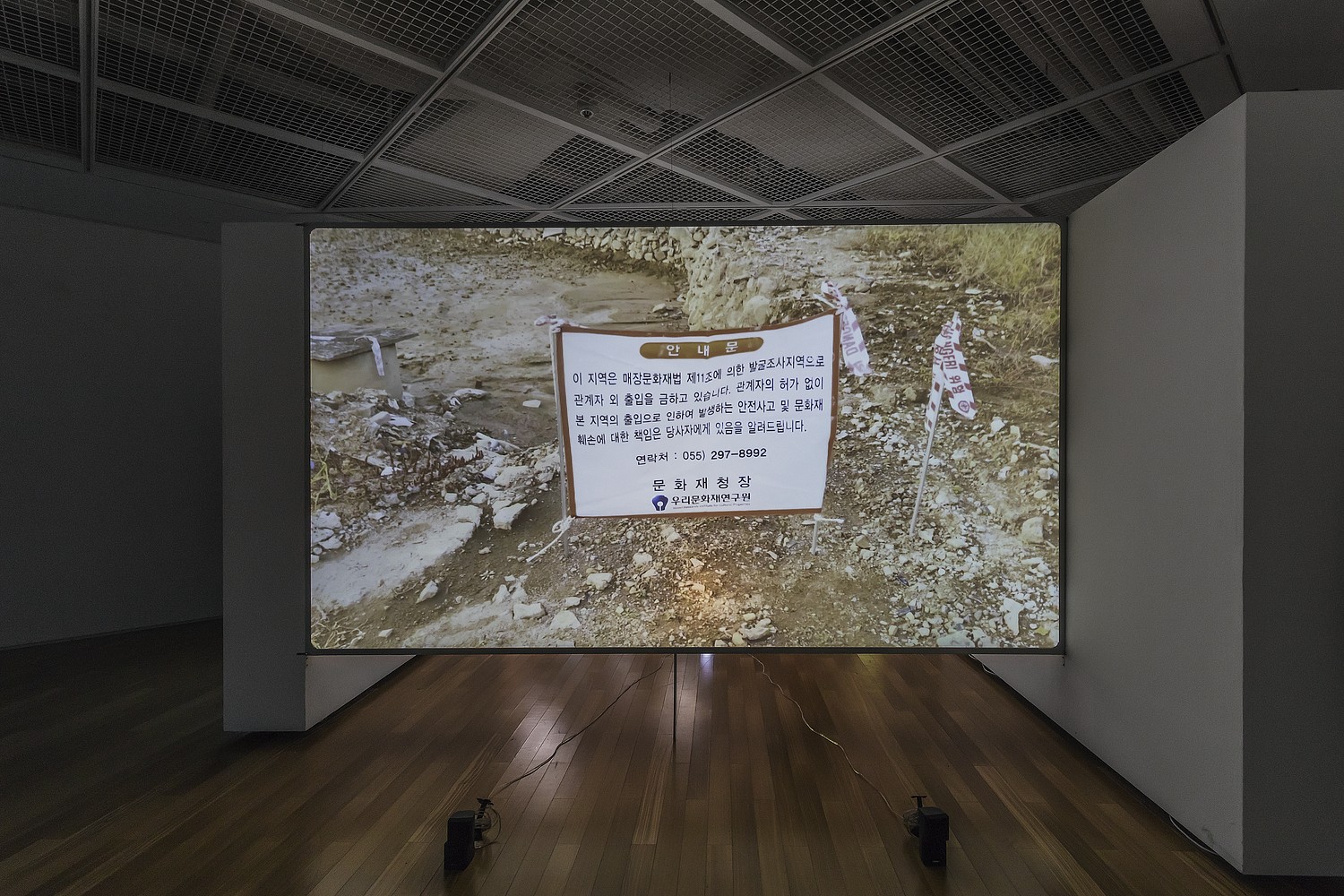
This concern soon developed into questions about how past events and historical records are reconstructed in the present. In 《Olwookeok–geoggurogeogguro》(SONGEUN Art Cube, 2019), ‘The Golden Age of Grave Robbing’(2019) series mixes royal tombs and graves, news footage of politicians, actors portraying historical figures, and scenes from older films through forward and reverse playback, repetition, and rearrangement.

Another Left
(2019) repeatedly plays a cinematic moment of choosing death both forward and backward, exposing the gap between the reversible time permitted by film and the irreversibility of death in actual history. In Die Resistenz(2019), a drone attempting to film an unfinished monument symbolizing past political power crashes because of sensor and GPS disruptions. From this period onward, the relationship between what can and cannot be reversed, and between intended operation and apparent failure, becomes a central concern in Lee’s practice.
 
In the 2020s, these questions expanded toward disaster, the city, and technologically mediated vision. If One Climbs Up and Up(2020/2026) begins with the plan to view Gangnam from a height of 569 meters on the 105th floor, but the drone fails to reach its intended altitude because of aerial-filming restrictions and electromagnetic interference.

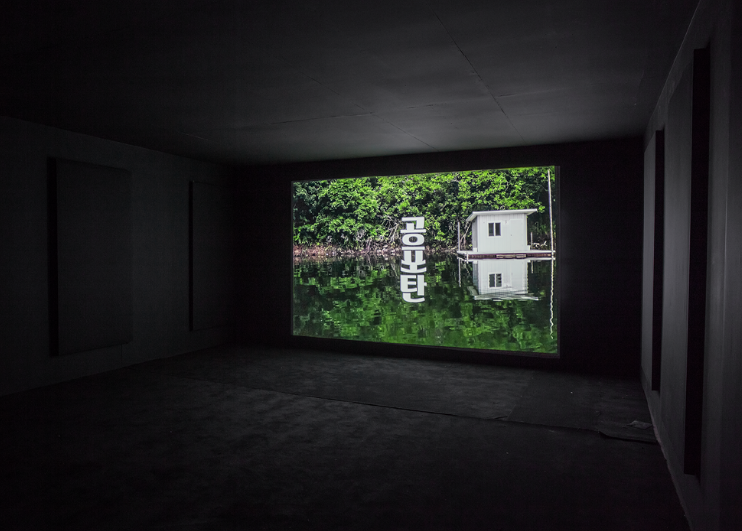
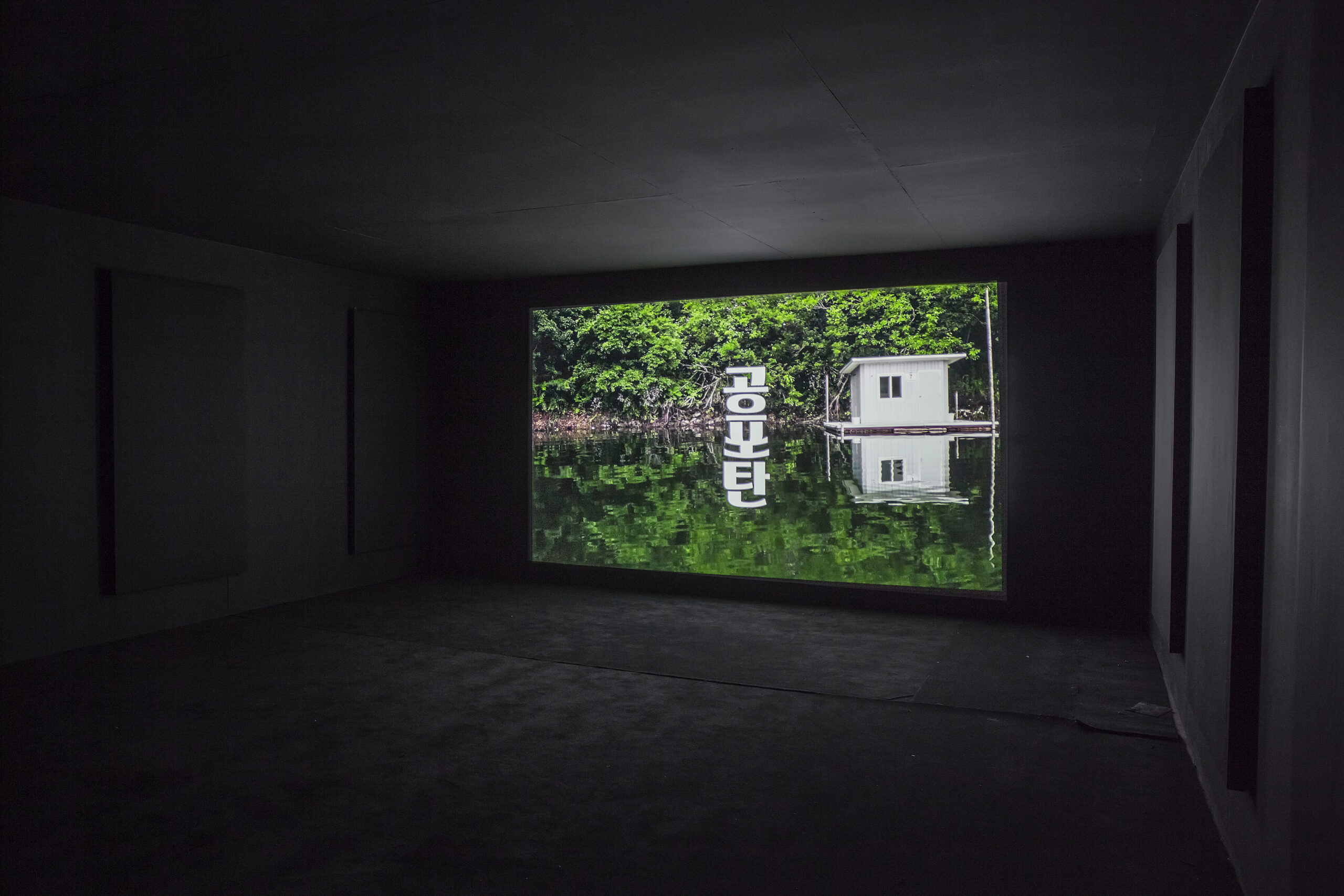
In the solo exhibition 《Not on board》(TINC, 2021), Lee adopts the form of pre-production for an unmade fictional film to imagine an informal settlement in the future. Not on board(2021) overlaps images of the moon, spacecraft, skyscrapers, redevelopment zones, accident sites, and shipwrecks, creating a landscape in which hope and disaster recur together.

Here, the drone becomes both a technology that allows more to be seen from above and a limited form of vision incapable of seeing beyond the field assigned to it. Lee’s question consequently shifts from what an image shows toward who sees it, through what device, and under what conditions.
 
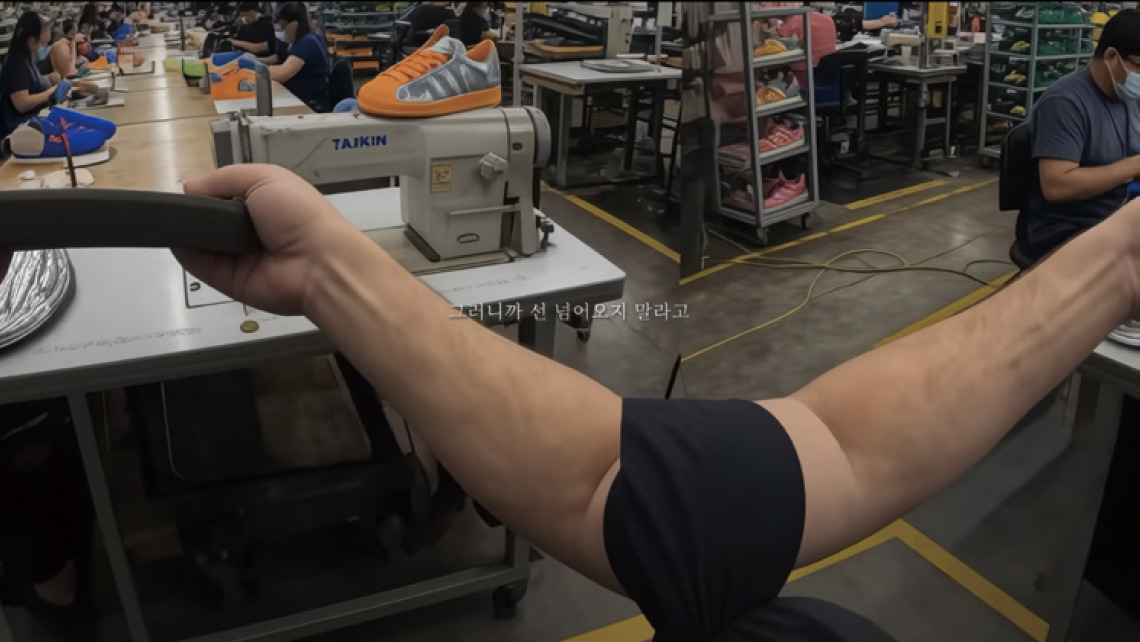
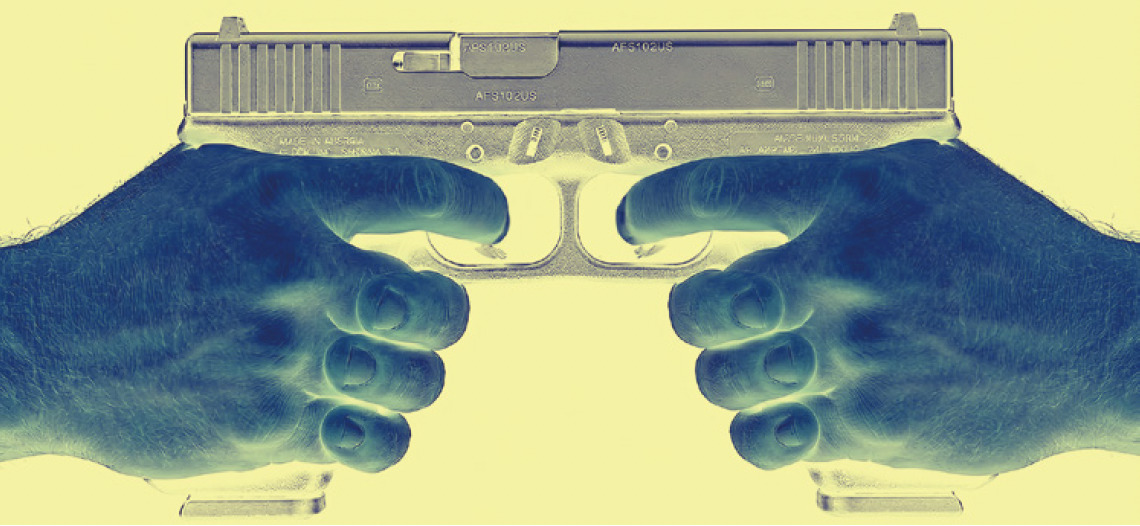
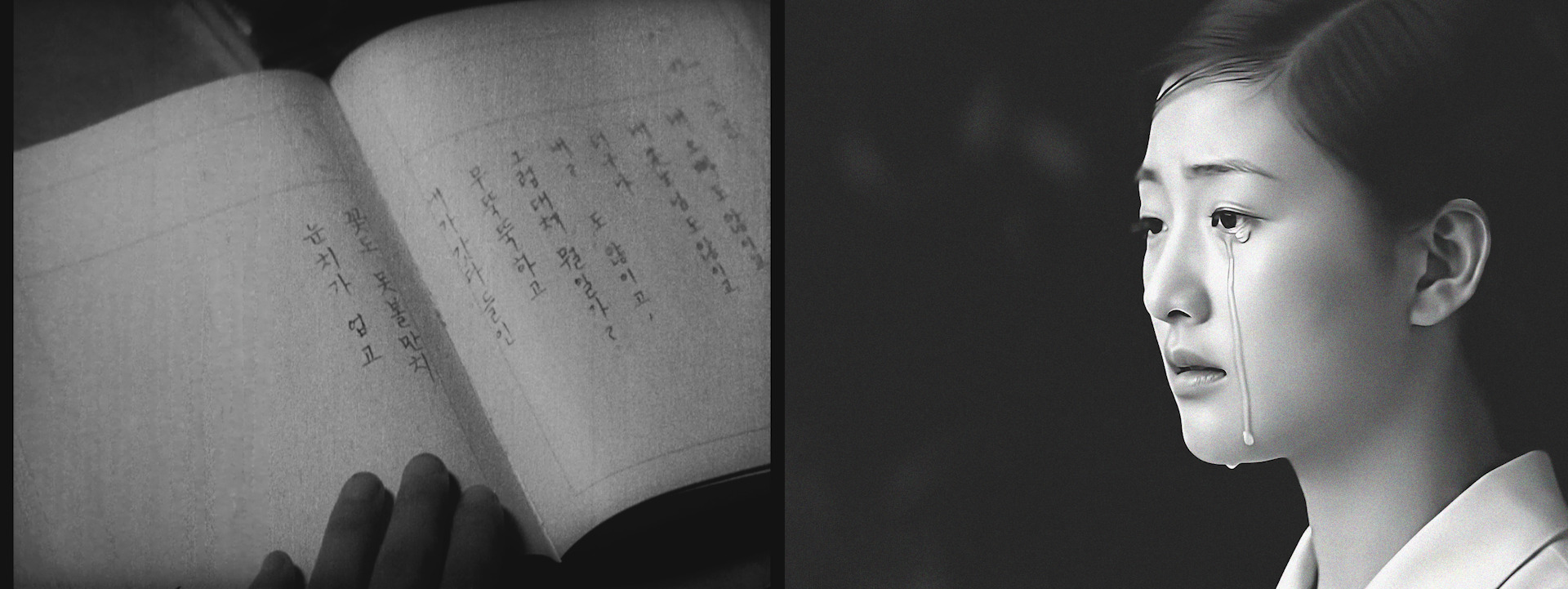
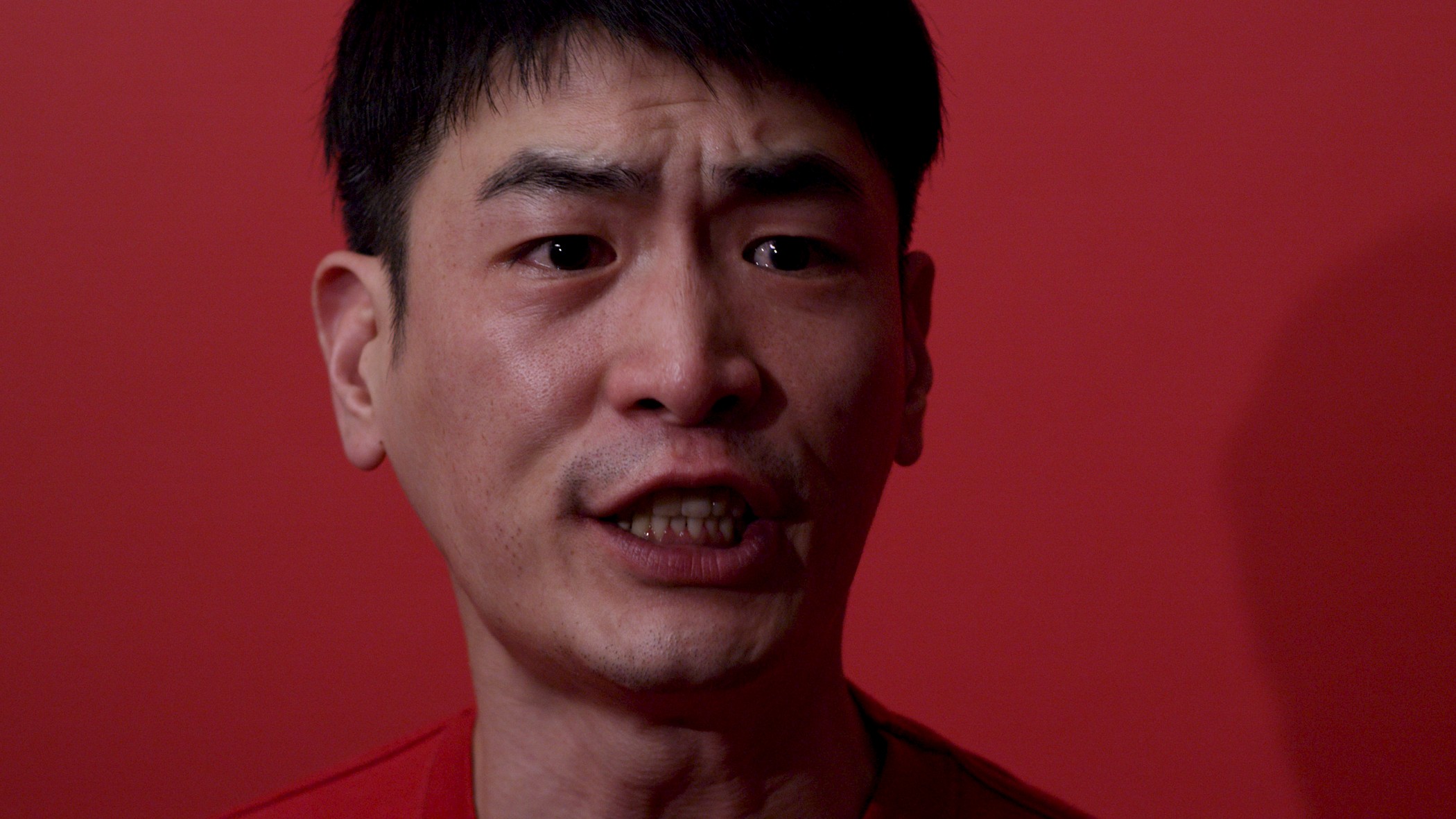
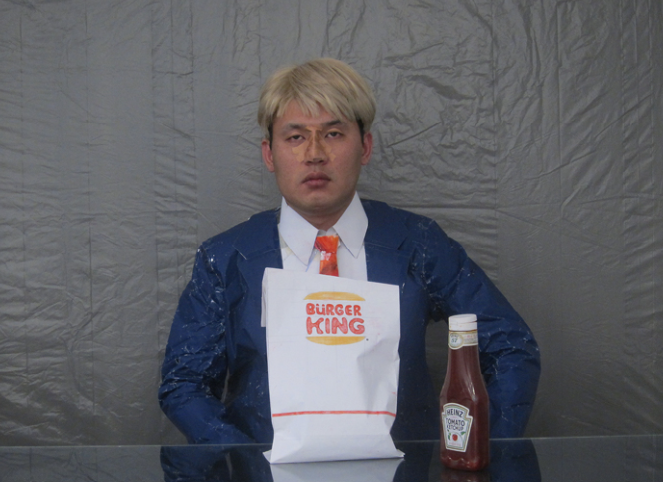
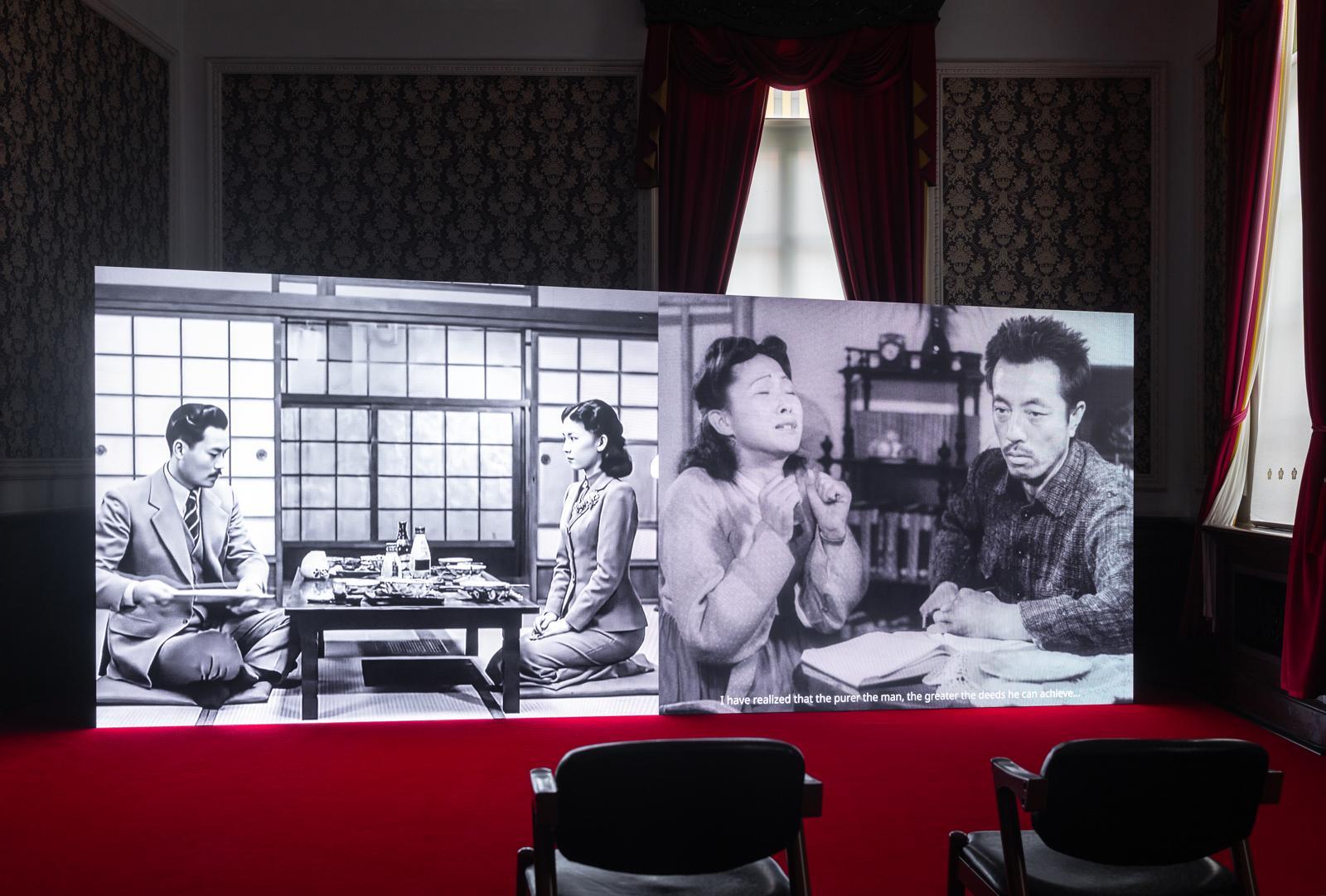
More recently, this inquiry has moved into generative AI and algorithms. Lee now reconsiders technological errors he once understood as ‘malfunctions’ as normal outcomes produced by systems operating according to given data and rules. In Writing “Hurrah for Freedom”: Cinema and History(2025–2026) uses generative AI to reconstruct scenes lost through censorship and re-editing from Hurrah for Freedom, but what emerges is not the vanished past itself.

Instead, it is a ‘plausible’ history shaped by the biases of training data. In Floating Clouds(2026), he examines the directional tendencies embedded in data by observing how environments generated by world models converge toward particular patterns. Lee refers to this force as ‘system gravity.’ His practice now focuses less on correcting errors than on tracing what is selected, what is omitted, and why outcomes are repeatedly pulled in particular directions.

Style & Contents

Lee began by dismantling and reassembling the grammar of cinema. He separates elements through which film produces emotion and meaning—sound, subtitles, point-of-view shots, acting, and location imagery—from their original narratives and places them in new relationships. Open Your Eyes(2017) exposes the structures of horror-film sound, scenario, production design, special effects makeup, and viewpoint, asking through whose eyes the viewer is actually seeing an image.

Son, That is Just a Thick Fog
(2017) juxtaposes images of dictators and slogans collected from newspapers and promotional materials with unrelated everyday objects, obscuring the original political purposes of the images. From the beginning, editing and rearrangement functioned for Lee both as means of creating new narratives and as methods of weakening the authority of existing images.
 
Around 2019, reverse playback, repetition, and multichannel video became increasingly important formal devices. In the ‘The Golden Age of Grave Robbing’ series, news footage, film scenes, interviews with actors, and historical sites are reconstructed at different speeds and in different directions, while images, sounds, and subtitles are reversed or deliberately misaligned.

Untitled—Perfect Moments(2018) digitizes the images of four analogue clocks and accelerates or decelerates them, producing a situation in which viewers cannot easily distinguish whether time is moving forward or backward. In this way, Lee inserts directly into the structure of the work the difference between cinematic time, which can technically be reversed at will, and historical time, which cannot.
 
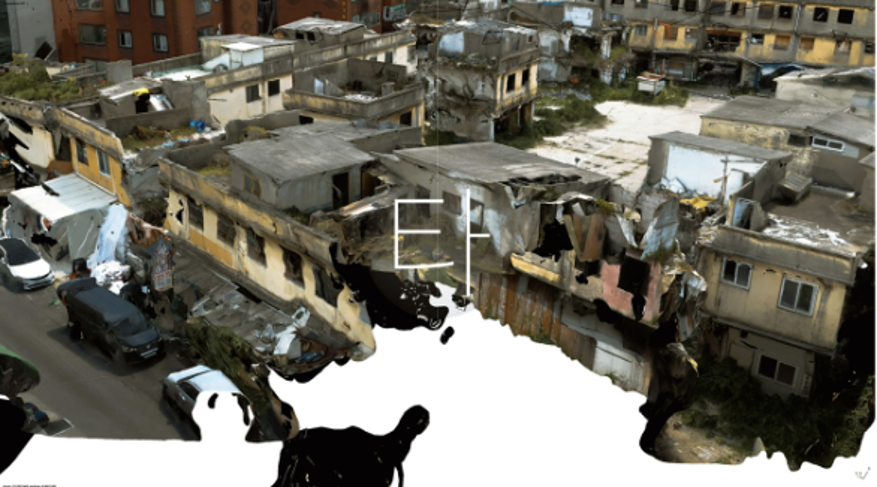
Drones, photogrammetry, motion capture, 3D scanning, and game engines later became central to his exploration of technologies that measure and reproduce physical space. A-Su-Ra-Bal-Bal-Ta(2021) uses drone photogrammetry data to scan and render space in 3D, while 《Not on board》 combines stream ripping, found footage, FPV drone filming, reference imagery, and 3D spatial scanning.

The installation of three screens facing different directions is equally significant: viewers cannot see all of them at once and must infer what is happening on the unseen screens through sound. Rather than providing complete vision, Lee deliberately withholds portions of it, structuring the experience of viewing itself like a system in which information is selected and restricted.
 
In his recent work, he has made his refusal to correct technological outputs even more explicit. To Be Determined(2024) uses photogrammetric data documenting the Berlin Statue of Peace but leaves its fragmented 3D mesh incompletely reconstructed. Plant Apples and Get Avocados(2024) exposes the instability of AR coordinate tracking, which produces different results even when the same location and action are repeated.

Because: Surrounded by Three Dimensions(2024) intentionally exceeds game-engine parameters to distort the behavior of waves and gravity, while In Writing “Hurrah for Freedom”: Cinema and History retains generative AI’s errors and biases in race, costume, and behavior rather than removing them. Instead of polishing the output into a seamless result, Lee preserves these discrepancies, turning the very distinction between operation and malfunction into the subject of the work.

Topography & Continuity

What has remained most consistent throughout Lee Jungwoo’s practice is his interest in the conditions that make a system’s ‘results’ possible. His early film-based works examined the structures through which fear and political images are produced; he later turned toward the construction of historical records and memory, institutional rules governing drones and cities, and most recently the datasets and algorithms underlying AI.

In this process, distinctions that initially appear oppositional—fiction and reality, normality and error, reversibility and irreversibility—gradually become unstable. Lee’s recent concept of ‘system gravity’ condenses this trajectory. Even when an outcome appears to be a simple mistake, there already exist data, rules, institutions, and environmental conditions pulling it in a particular direction.
 
This places his work somewhat apart from media art primarily concerned with demonstrating the possibilities of AI, drones, or other new technologies. When a technology fails, Lee does not immediately correct or optimize it in search of a better result; instead, he observes why that result occurred.

His early reading of the drone crash in Die Resistenz as a form of mechanical ‘resistance’ has recently been reconsidered as the outcome of a conflict between human commands and the machine’s internal safety protocols. Likewise, the ‘hallucinations’ of generative AI are treated not simply as malfunctions but as the statistically probable outcomes of training data. Bugs and biases therefore become, in Lee’s work, not exceptions outside technology but traces revealing how technological systems classify and judge the world.
 
At the same time, Lee continually connects these technological questions to death, mourning, and historical memory—areas that cannot easily be reduced to data.

Not on board
, which resonates with the Sewol Ferry disaster; Dumb Dummy Dumb-dom(2023/2026), which faintly evokes the Itaewon tragedy; To Be Determined, which addresses the memory of victims of Japanese military sexual slavery and the Berlin Statue of Peace; and In Writing “Hurrah for Freedom”: Cinema and History, which rewrites censored and missing scenes from Korean film history through AI, all engage different historical events while sharing a question: can technology truly restore what has disappeared?

As technological reconstruction becomes more sophisticated, Lee emphasizes the importance of examining not only what has reappeared, but also what has been replaced by something else. His work continues to hold onto this unresolved space between memory and technology.
 
Lee was selected for 《Korea Artist Prize 2026》(MMCA, 2026) and has participated in exhibitions including The 14th Seoul Mediacity Pre-Biennale 《Inheriting the Future》(Nam-Seoul Museum of Art, 2026) and Unfold X 2025 《Let Things Go – Relations of Relations》(Culture Station Seoul 284, 2025). He has undertaken residencies at Künstlerhaus Bethanien in Berlin, Incheon Art Platform, and SeMA Nanji Residency, and received an Honorary Mention in the New Animation Art category at Prix Ars Electronica 2026 for In Writing “Hurrah for Freedom”: Cinema and History.

His media have shifted from cinematic editing structures to drones, game engines, generative AI, and world models, yet the underlying question has become increasingly precise: even when technology appears to reproduce the world with greater accuracy, what does it repeatedly select and omit? Making that invisible ‘gravity’ perceptible remains one of the strongest continuities in Lee Jungwoo’s practice.

Works of Art

Questioning How Technology Classifies and Judges the World

Articles

Exhibitions

Activities