Unnamed Company: Sweet Talk - K-ARTIST

Unnamed Company: Sweet Talk

2025
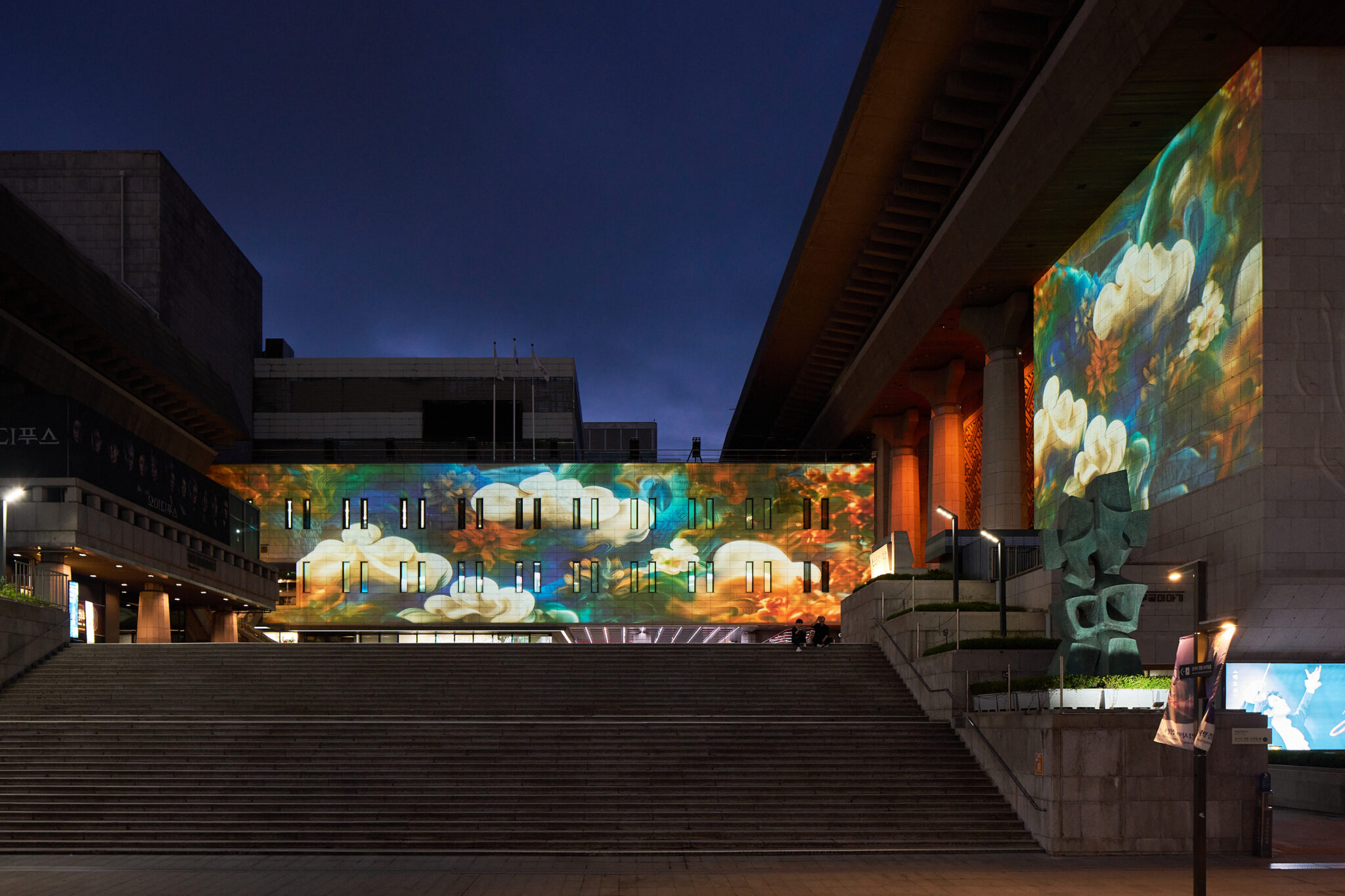
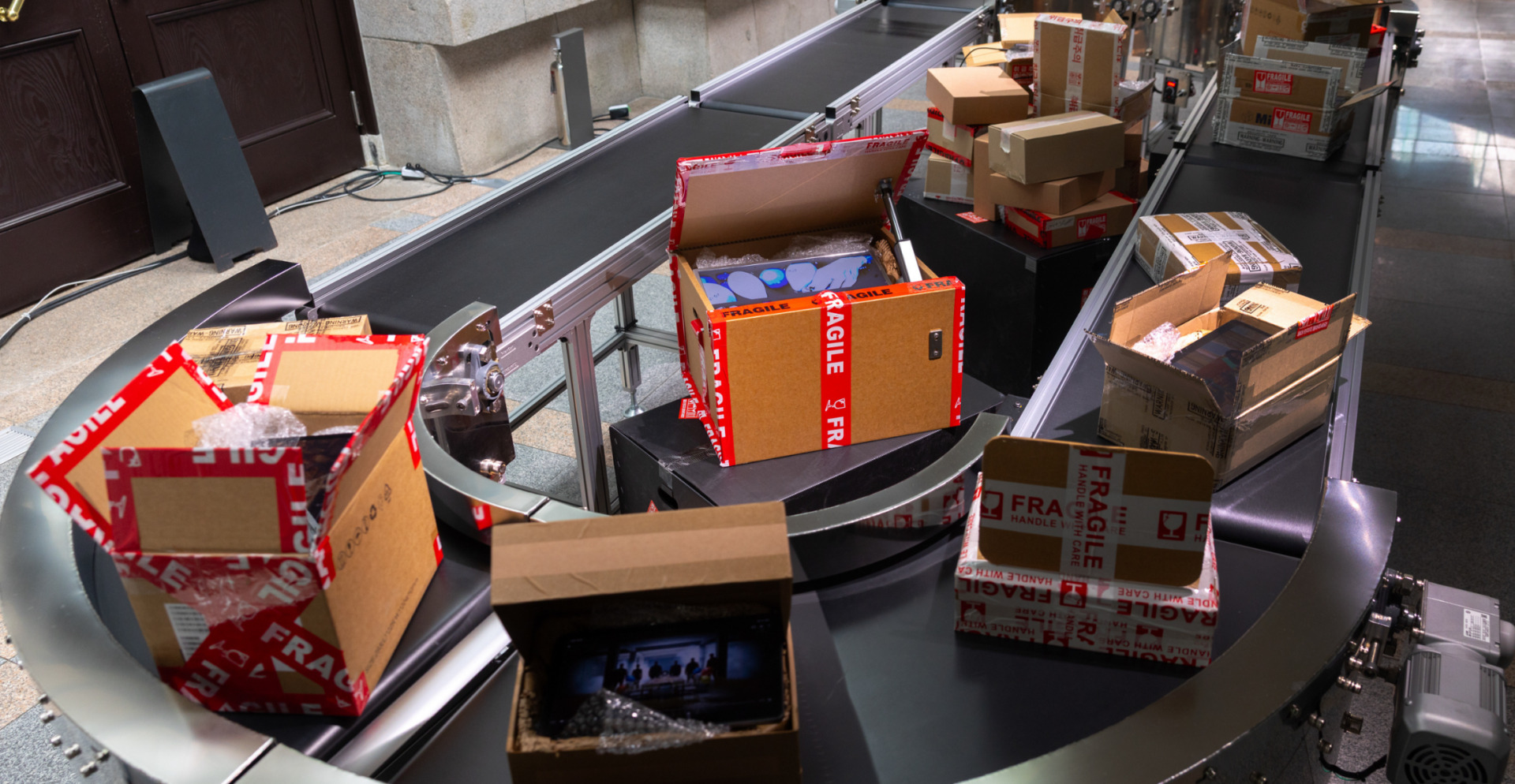
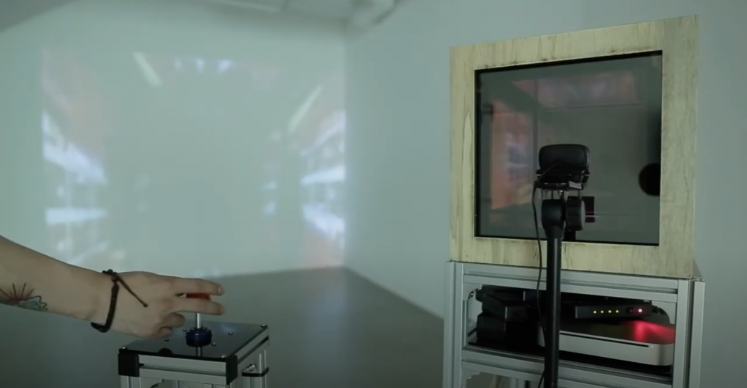
Conveyer, box, tape, display, Deep learning frameworks(custom sLM, video & sound model), multi-ch video & sound, 30fps, 4k
Dimensions variable (3 x 3 x 1.5 m), avg 1min
About The Work

Youngkak Cho explores complex systems at the intersection of nature, technology, the virtual, and the physical environment, addressing the various technological, social, and cultural issues that emerge from them through the language of art. In particular, he focuses on the “interface” as a point where technology, society, and culture converge, actively reinterpreting it through diverse media and advanced technologies.

The artist uses technologies such as artificial intelligence, data science, and robotics to project the present onto uncertain scenarios of the future. Through this approach, he stages the complex structures and conditions of contemporary society, offering audiences new perspectives and possibilities for seeing familiar realities anew. 

At the intersection of imagination and reality, and the virtual and the real, his work revisits the conditions of human existence amid rapid technological and social change while exploring the possibilities and challenges that future societies may face. A central concern running through Cho’s practice is the system itself. Rather than presenting technology merely as a futuristic image or the effect of advanced devices, he examines the rules that technology produces and how they shape human behavior within those systems. 

By re-systematizing technology within social systems through the language of art, he reveals the complex phenomena of contemporary society and their underlying structures in new forms. His work invites us to reconsider the relationship between technology and society at the intersection of imagination and reality, the virtual and the real, and to reflect on the changes and possibilities that emerge within it.

Solo Exhibitions (Brief)

Cho has held solo exhibitions including 《Decoding the Phenomenon》 (Gwanak Art Hall Exhibition Hall, Seoul, 2024), 《The unexpected syntax: Request and Response》 (Gallery SAFE, Seoul, 2022), and 《The Frequency of Problem》 (GalleryMEME, Seoul, 2017).

Group Exhibitions (Brief)

Cho has also participated in numerous group exhibitions, including 2026 Art & Technology City《Doing Anthropology: Are Humans We?》 (Jongdo Building, Seoul, 2026); Unfold X 2025 《Let Things Go – Relations of Relations》 (Culture Station Seoul 284, Seoul, 2025); 《Good Morning Mr. Orwell Ver.2》 (Seoul National University Museum of Art, Seoul, 2025); 《2024 Busan MoCA Platform_I’m Sorry, Dave I'm Afraid I Can't Do That》 (Museum of Contemporary Art Busan, Busan, 2024); and 《Urbanscape: Connectivity and Coexistence》 (National Asian Culture Center, Gwangju, 2023).

Residencies (Selected)

Cho has participated in numerous residency programs in Korea and abroad, including the CAN Foundation Myeongnyun-dong Studio (2022) and the Ars Electronica Residency (2018).

Collections (Selected)

Cho’s works are held in the collections of the National Hangeul Museum and the MMCA Government Art Bank.

Works of Art

The Digital Interface as a Framework for Perceiving the World

Originality & Identity

Youngkak Cho’s practice examines how digital technologies organize human perception, behavior, and relationships. In his early solo exhibition 《The Player》(Cyart Space, 2014), he approached the digital interface not simply as a tool for operation, but as a framework through which the world is perceived. The Society of Signal(2014) transforms familiar commands such as ‘stop, play, rewind, forward’ into the very frames of moving images, revealing how interfaces we use almost unconsciously can shape the way we perceive time and objects.

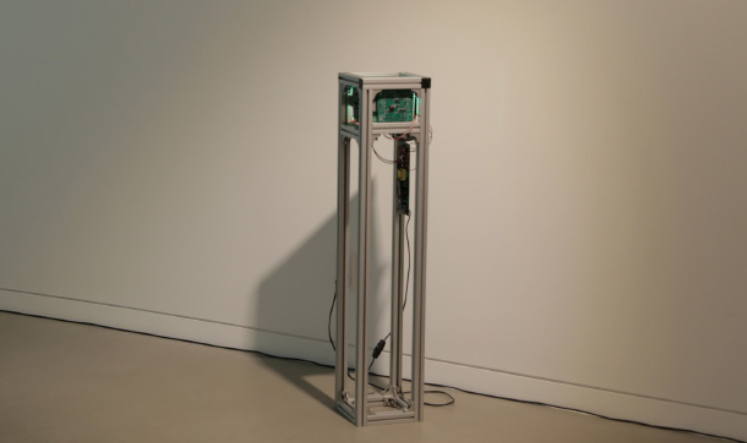
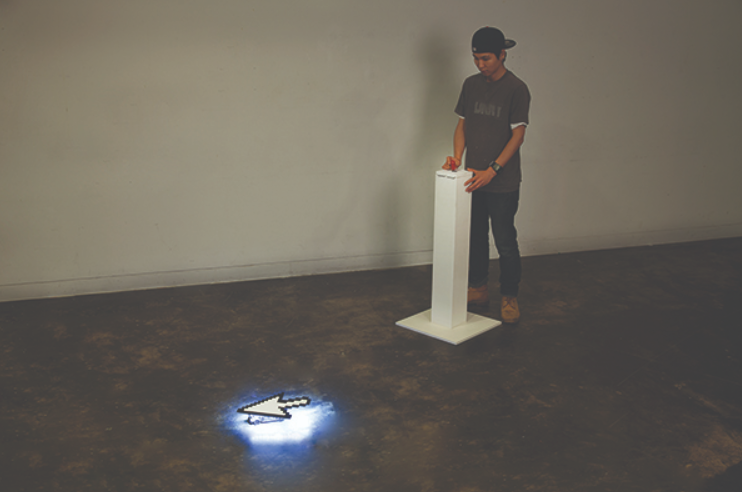
In Remove the Controls(2014), he brings the cursor from the screen into physical space in the form of an RC car, reversing the boundary between the virtual and the real. During this period, Cho was less interested in destructively exposing errors within digital systems than in allowing viewers to experience their gaps and tensions through play and interaction.
 
This concern expanded toward communication systems more broadly in 《The Frequency of Problem》(GalleryMEME, 2017). Cho understood systems as structures that may appear solid on the surface while actually containing interruptions, misunderstandings, and gaps, and experimented with inserting new relationships into those openings.

Meme’s Counterattack
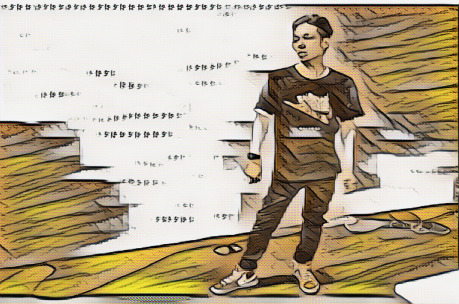
(2017) trains artificial intelligence on memes that circulate online like a new form of language and combines them with viewers’ faces to generate transformed images in real time. Saying to You(2017) visualizes information overload and the commands society continuously directs toward individuals through endlessly repeating LED text, while Cosmos Travelers’ Tales(2017) combines viewer participation with technological devices to expand the sensory experiences generated by systems.

The early question of ‘how humans perceive the world through interfaces’ thus begins to shift toward ‘what kinds of relationships humans and machines, and humans and other humans, form within systems.’
 
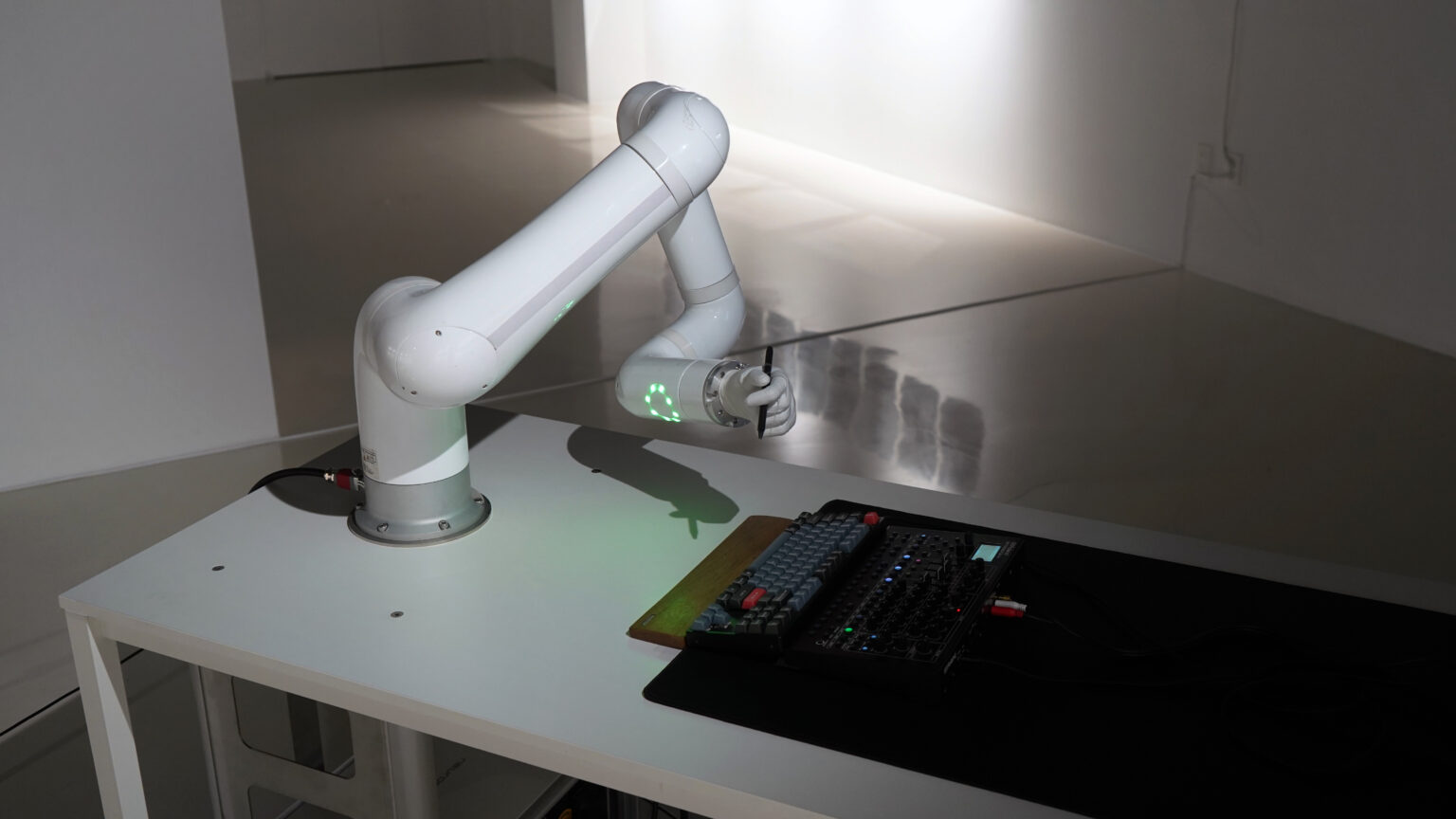
After 2019, the assumption that humans are the primary subjects using systems begins to destabilize. Highway like a shooting star(2019) allows artificial intelligence to learn from road and news data collected from around the world, bringing a nonhuman system into the process of image production. A Hot talks about Something, Someday, Someone(2020) combines meme data, artificial intelligence, and a robotic arm to create situations in which machines reconstruct human memory and conversation.

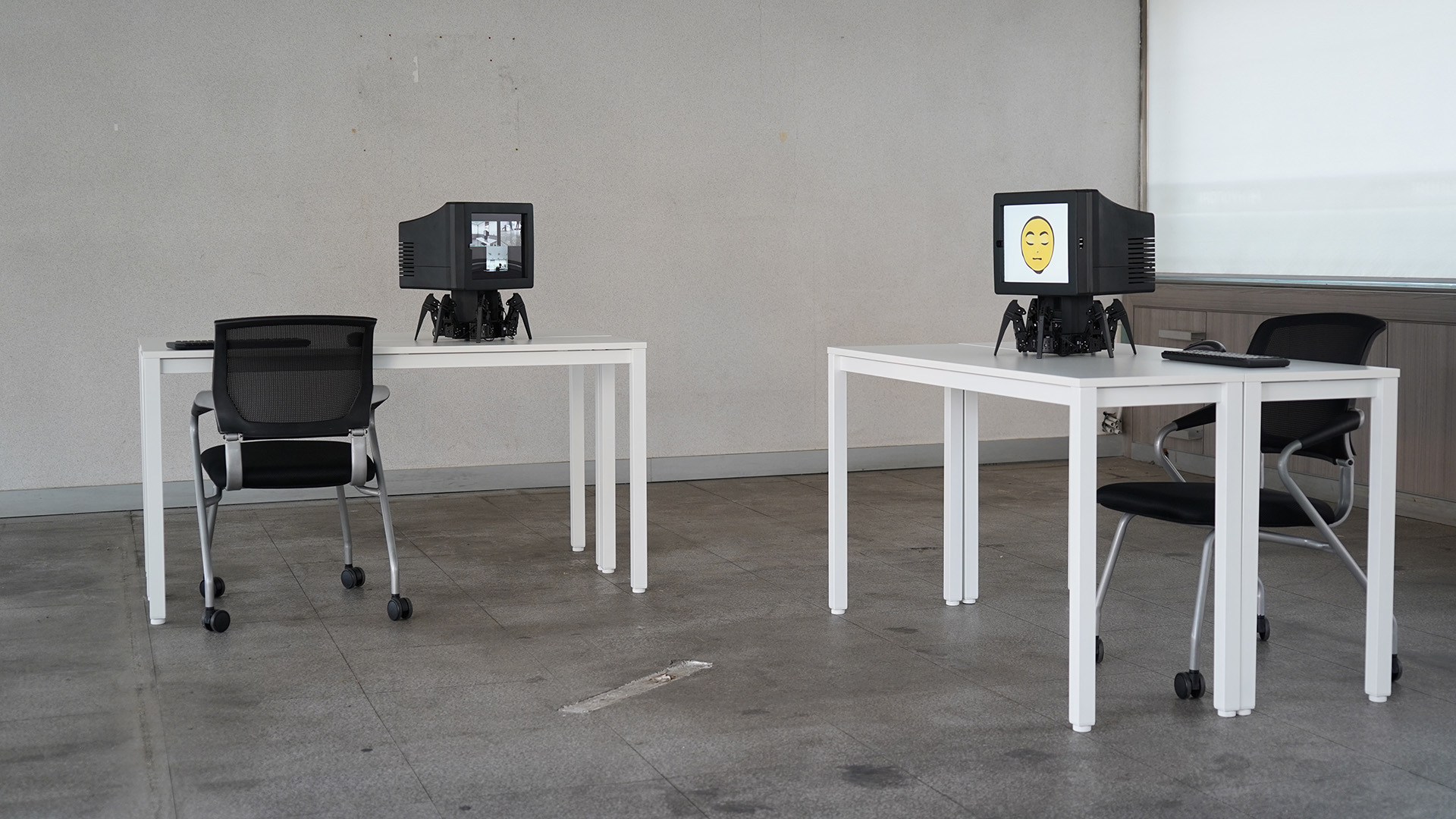
During the pandemic, Office Walker(2021) playfully combines video-conferencing screens with walking robots to explore how human presence and connection are mediated in remote environments. At this point, Cho’s interest no longer remains at the level of simple interaction between humans and technology. The reciprocal relationship in which humans and machines trigger and respond to one another, and the ways human roles and agency shift within that process, become central concerns in his practice.
 
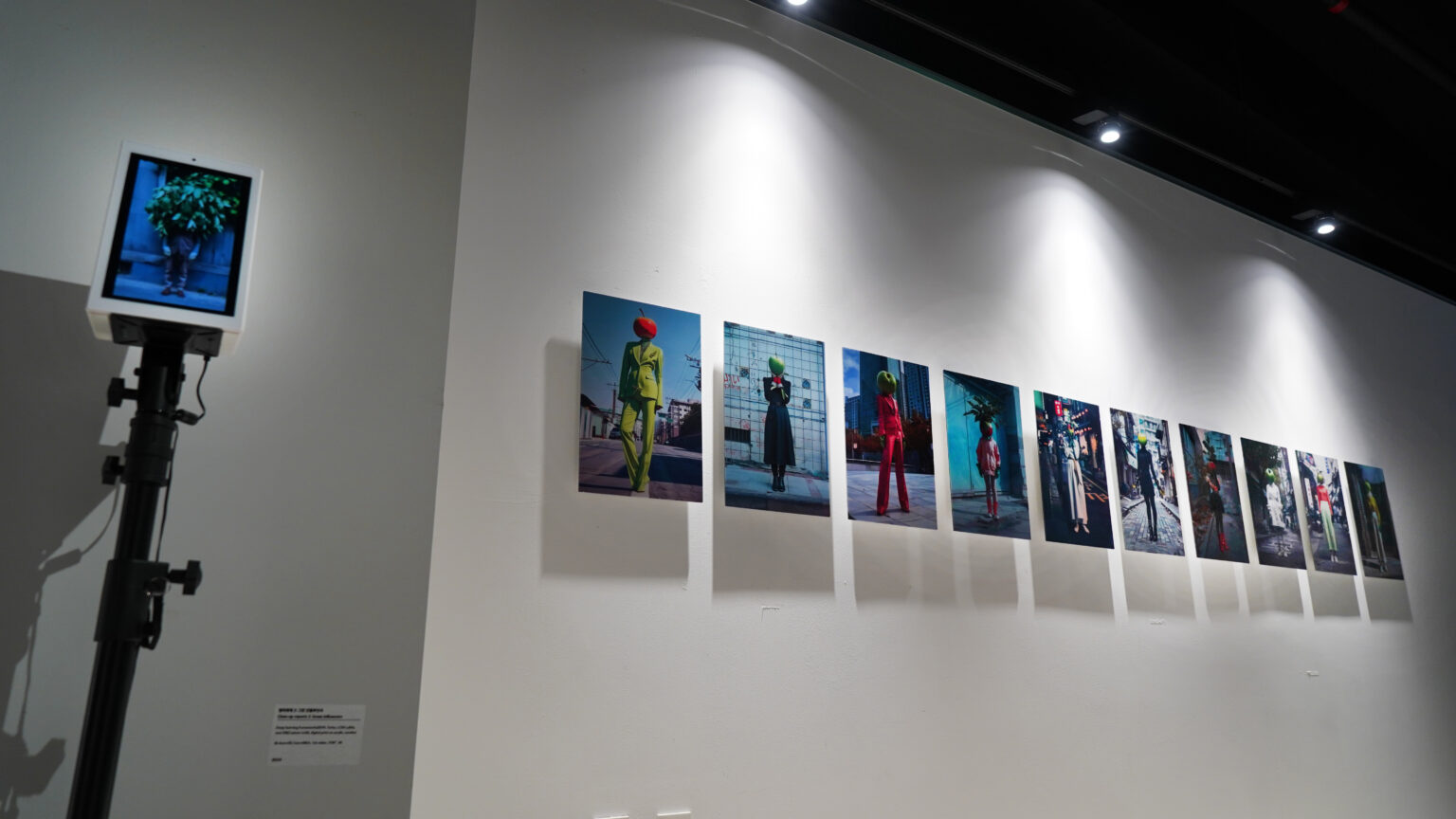
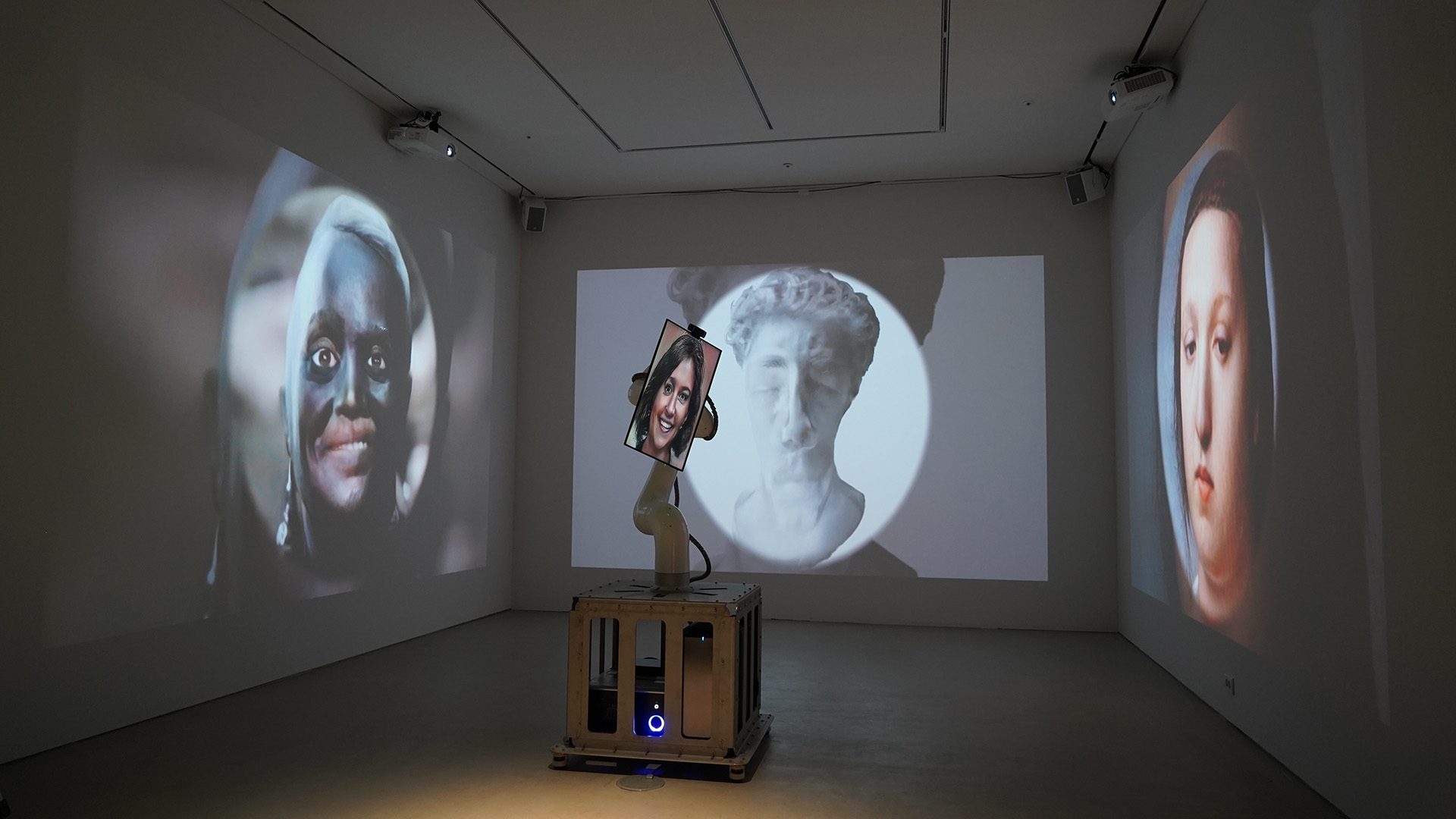
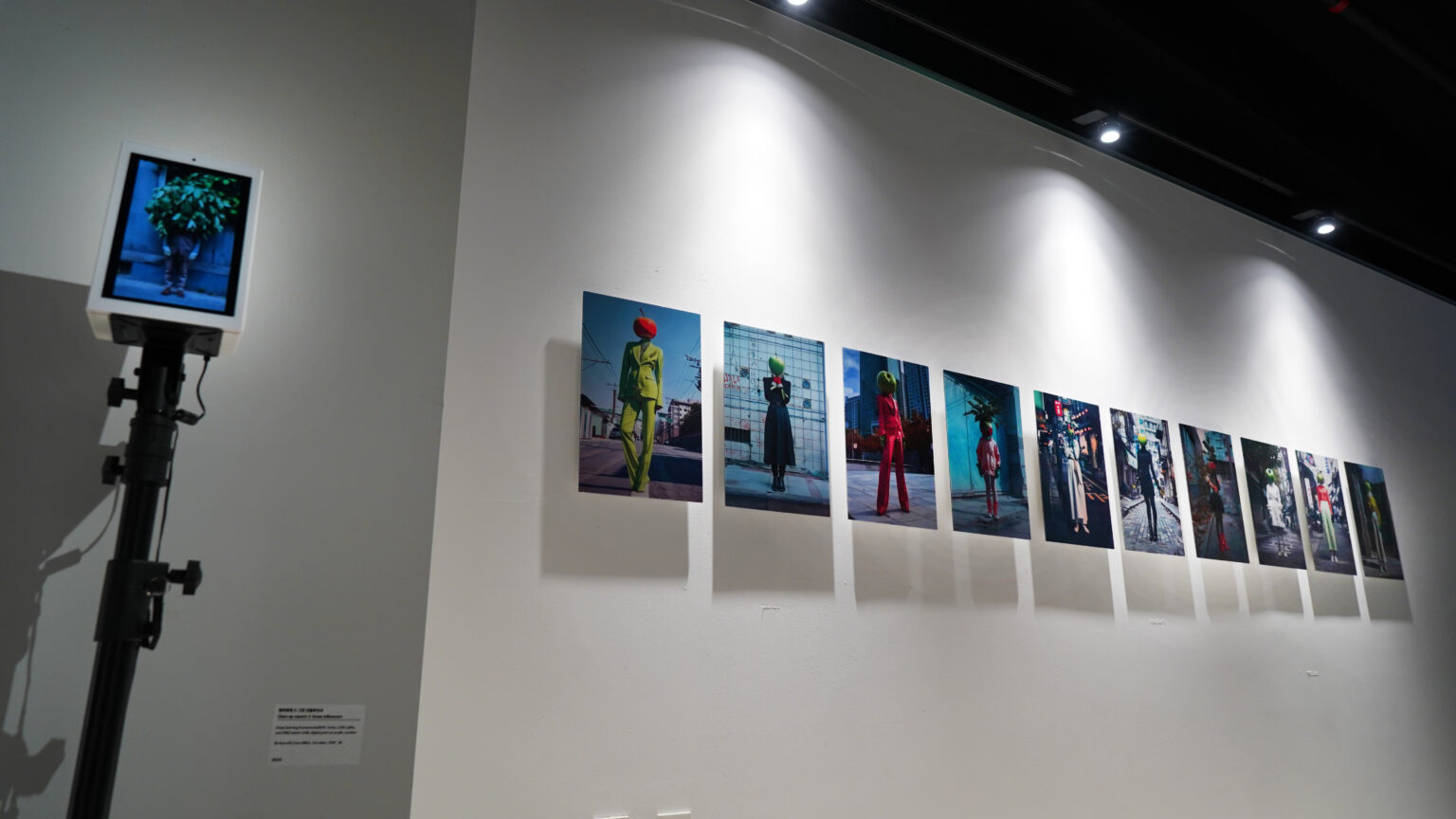
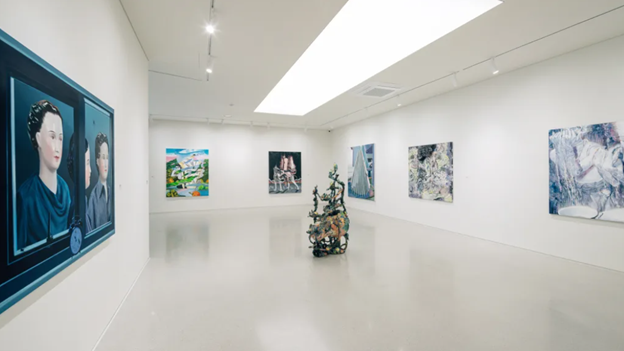
In his recent work, these questions of systems extend into the realms of human desire, labor, nature, and belief. In 《Decoding the Phenomenon》(Gwanak Art Hall Exhibition Space, 2024), Transitive Sentences of Phenomenal Reason(2024) asks whether aphorisms generated by artificial intelligence through combinations of data can nevertheless be received by humans as genuine reflection, while Close-up Reports 2: Green Influencers(2024) connects hybrid plant-human figures with Seoul’s consumer culture to satirize the commodification of nature.

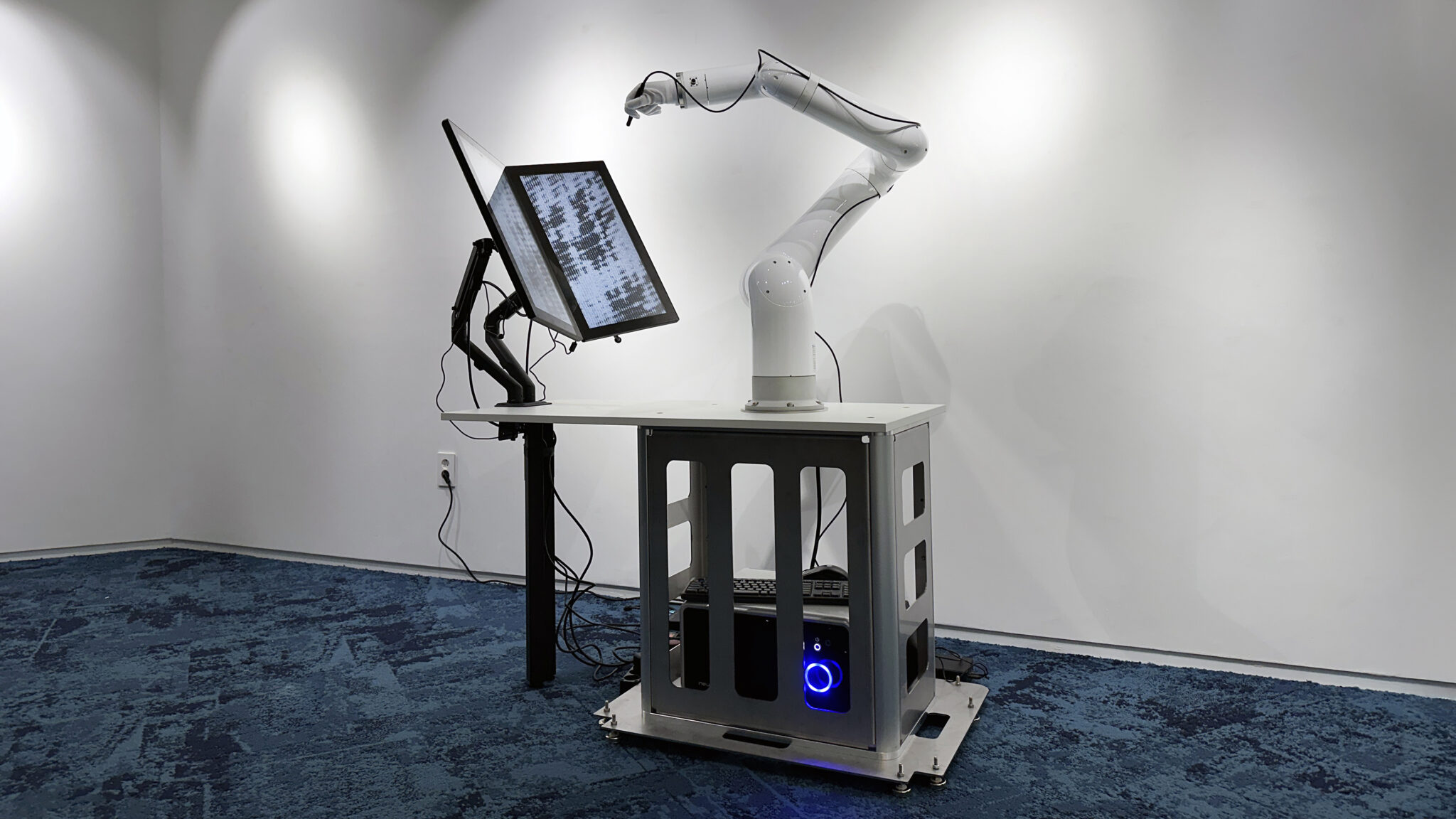
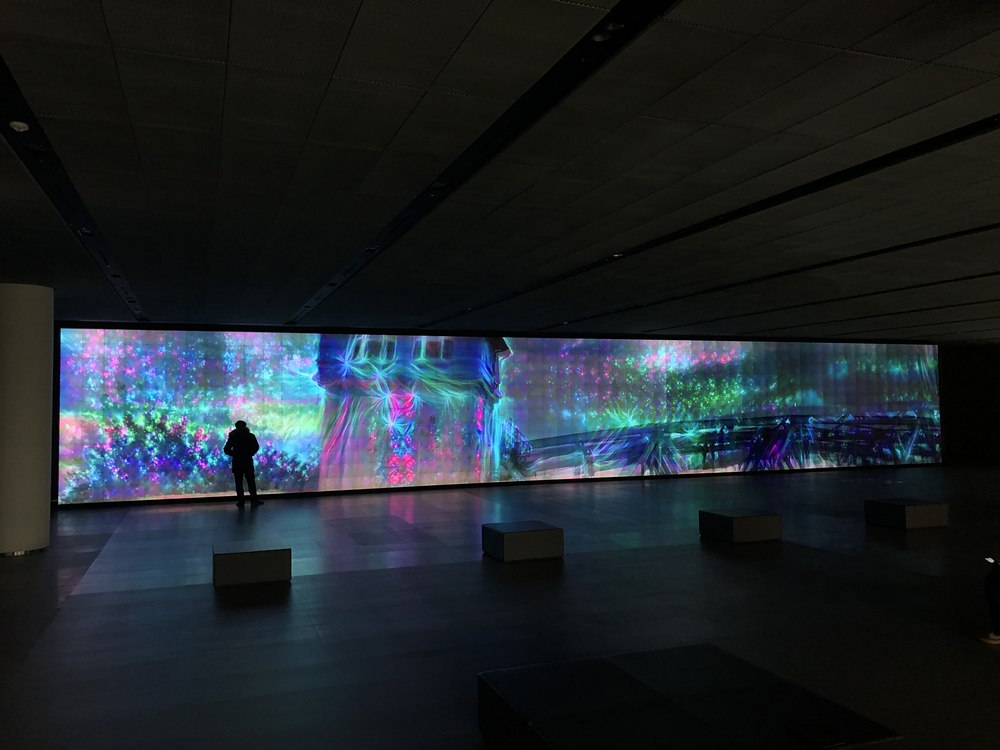
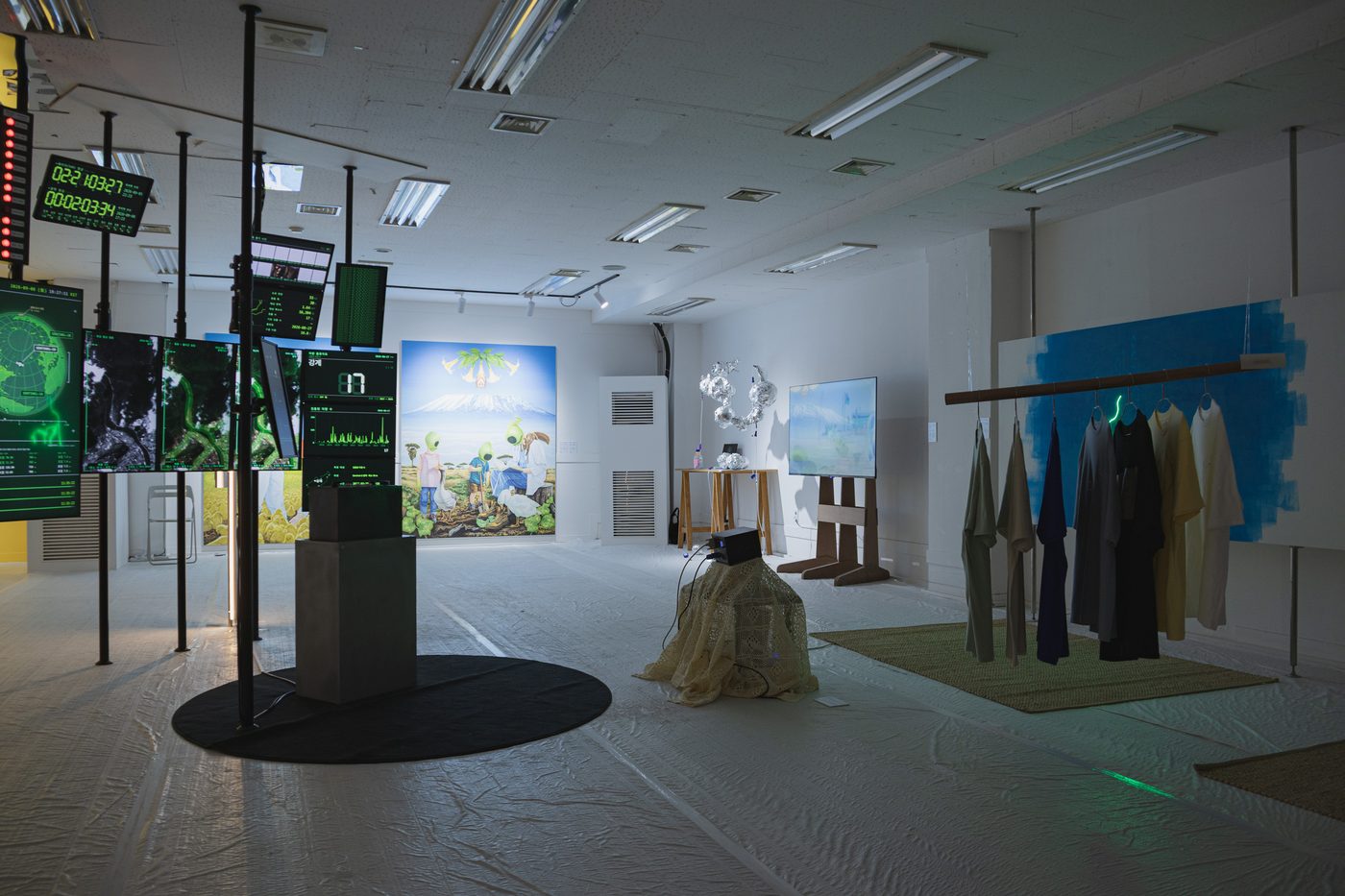
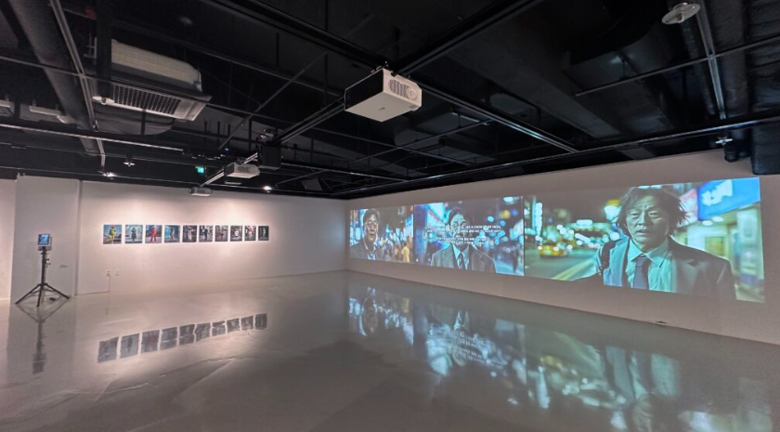
Full-time Employee(2024) casts a robotic arm as the ‘employee,’ the artist as the ‘manager,’ and the viewer as the ‘consumer,’ experimenting with automated labor structures, while Unnamed Company: Sweet Talk(2025) presents a logistics system without human workers in which superstition, desire, and anxiety continue to be reproduced. A practice that began by analyzing technology has gradually expanded toward asking what kinds of beliefs and desires human society continues to repeat through technology, and how far the category of the ‘human’ itself remains valid.

Style & Contents

Cho has worked primarily with interactive installations that viewers can directly operate or experience. Everyday digital devices such as monitors, remote controls, joysticks, webcams, LED panels, and RC cars have served as key components in his works, while commands and icons from screens have been translated into physical objects. The works in 《The Player》 were structured by bringing two-dimensional interfaces into real space or by making familiar modes of operation unfamiliar.

What mattered was less the technical complexity of the devices than enabling viewers, through direct manipulation and response, to recognize the rules of interfaces they had previously accepted without question. His active use of game and play structures likewise served as a way to make systems physically experienceable rather than simply explain them.
 
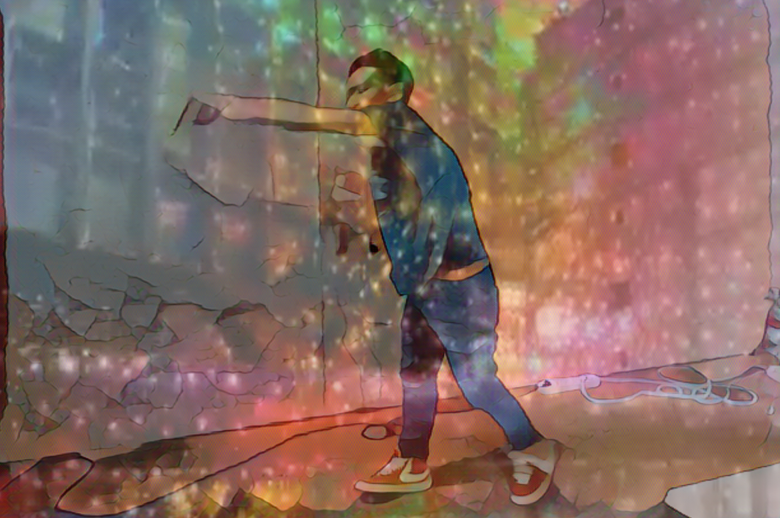
Around 2017, web data and machine learning began to enter his work more fully. In Meme’s Counterattack, web-crawled images and neural style-transfer models reconstruct viewers’ faces in real time, while Highway like a shooting star uses extensive road imagery and news text as training material for artificial intelligence.

Data becomes not merely a source material but the rule through which images are produced, and Cho designs that rule before entrusting part of the outcome to the system. In this process, the finished work moves away from a predetermined single image and toward an open structure that continuously changes according to input, algorithmic processes, and viewer response.
 
As robotics became incorporated into his practice, physical movement and space also became increasingly active elements. In A Hot talks about Something, Someday, Someone, images and memories reconstructed by AI are output through robotic arms and displays, while in Office Walker, two walking robots fitted with CRT-shaped screens move through an office-like environment.

Data on the screen, the movement of the robots, and external participants appearing through video conferencing become interconnected, allowing the work to function like a semi-autonomous scene. This format moves beyond ‘interaction’ between viewer and device toward a structure of ‘mutual reaction,’ in which multiple agents affect and respond to one another.
 
More recently, generative AI, custom language models, video models, and text databases have been combined with moving images, prints, robots, and logistics devices. Close-up Reports 2: Green Influencers translates images generated through SDXL Turbo and Custom LLM into acrylic prints and video, while in Full-time Employee, AI and a robotic arm process viewers’ text prompts as if carrying out actual ‘work.’ In Unnamed Company: Sweet Talk, a conveyor belt, paper boxes, displays, and generative video and sound models operate together like an automated production line.

The Weather Dancheong
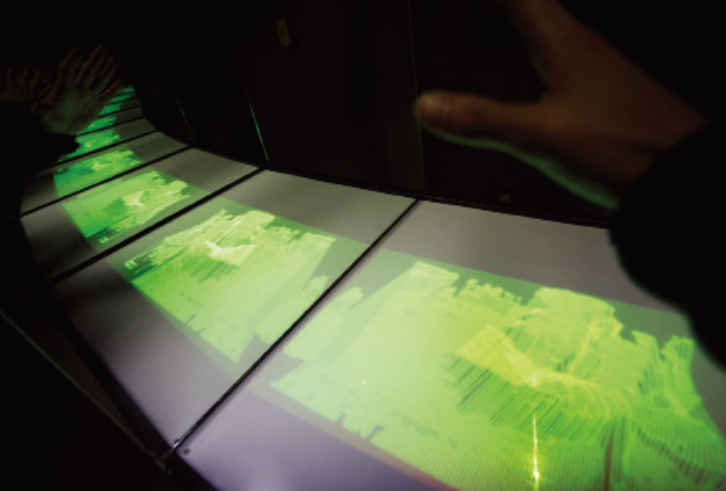
(2026) connects meteorological data from the Korea Meteorological Administration’s National Climate Data Center with deep-learning models, expanding the range of data in his practice from personal and social information toward environmental data. If his early work centered on making interfaces unfamiliar, his recent practice increasingly constructs the entire system—from data input to generation, movement, and consumption—as the artwork itself.

Topography & Continuity

What consistently runs through Youngkak Cho’s practice is an interest in systems themselves. He does not stop at presenting technology through futuristic imagery or the spectacle of advanced devices, but examines what kinds of rules technologies create and how humans come to behave within them. Early on, he addressed these concerns through small interfaces such as buttons, cursors, and signal systems; later, his focus expanded toward larger social structures including online memes, AI, robotics, remote communication, labor systems, and logistics networks.

The artist’s recurring position that he does not seek the collapse of systems but instead approaches their gaps clearly illustrates this continuity. Rather than directly solving problems or providing answers, he creates moments in which systems cease to operate smoothly, allowing viewers to perceive them anew.
 
While contemporary media art using technology often focuses on the visual possibilities of new technologies or on oppositions between humans and machines, Cho is more concerned with reconstructing the social structures that already exist alongside technology. His connection of familiar, sometimes seemingly lightweight cultural elements—memes, advertisements, workplaces, delivery and logistics, feng shui, and superstition—with AI and robotics is characteristic of this approach.

Just as data technology and feng shui painting intersect in Close-up Reports 2: Green Influencers, and an automated logistics system continuously reproduces human beliefs and desires in Unnamed Company: Sweet Talk, his works reveal how irrational human emotions and cultural habits persist within technologies commonly regarded as rational and objective. In Cho’s practice, errors and disjunctions are not simply failures, but important clues that illuminate the structures of the systems in which we live.
 
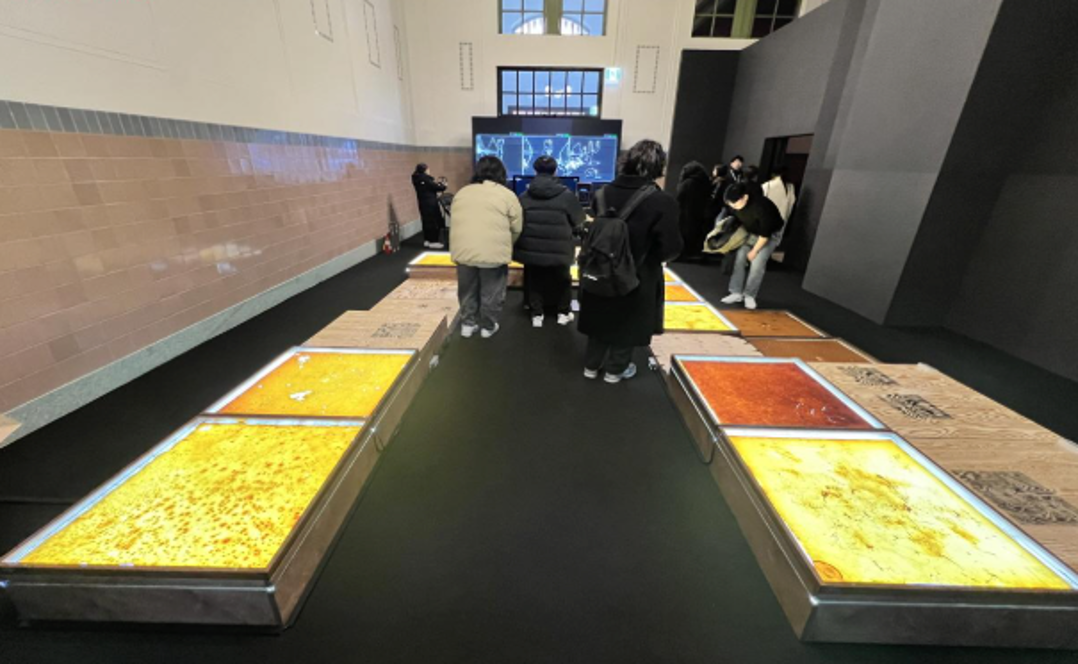
His recent participation in the 2026 Art & Technology City exhibition 《Doing Anthropology: Are Humans We?》(Jongdo Building, 2026) shows how these concerns are expanding beyond the relationship between humans and technology toward environmental conditions, nonhuman beings, and planetary contexts. Rather than relying on the conventional distinction in which technology is treated as a tool of the human, his recent work asks what the ‘human’ means within networks in which humans, AI, natural environments, data, and artificial objects mutually define one another.

Works using climate data such as The Weather Dancheong, as well as the hybrid plant-human figures of the ‘Close-up Reports’ series, are closely connected to this shift. If the ‘interface’ in his early work marked the boundary where humans and machines met, that boundary has now expanded into a broader field where humans, nature, artificial objects, and environments intersect.
 
Cho has participated in numerous residencies in Korea and abroad, including the Ars Electronica Residency (2018), and has presented his work at venues and events including the Hermitage Museum, National Taiwan Museum of Fine Arts, Tokyo Photographic Art Museum, and Ars Electronica Festival. As technologies are replaced at an increasingly rapid pace, what appears most significant in his practice is less any particular technology itself than the relationships and rules it produces, and the small errors that arise within them.

Looking at the trajectory from interfaces to social systems and further toward environments entangling human and nonhuman actors, Cho’s work seems poised to continue evolving not by simply following each new technology as it appears, but by examining how changing technologies reorganize long-standing human desires, beliefs, and relationships.

Works of Art

The Digital Interface as a Framework for Perceiving the World

Articles

Exhibitions

Activities