HOMO QUASI NOVUS - K-ARTIST

HOMO QUASI NOVUS

2021
Documentary
62min
About The Work

PAIK Jongkwan has explored how variations on archiving can appropriate specific social contexts by approaching everyday events from unconventional perspectives, collecting images and sounds, and reconstructing them. Working primarily with collected footage, he reflects on the history and fate of audiovisual media and apparatuses themselves while questioning how aesthetic and political boundaries are formed and operate.

His practice begins by asking how images are produced, stored, and remembered. Having begun making moving images with 16mm film and camcorders, he has spent years collecting images and sounds encountered in everyday life and developed a practice of rearranging records from different times and sources to create new contexts. 

Through this process, PAIK explores the structures of moving images themselves while reflecting on the history of visual representation and drawing out unconventional sensations from everyday events to construct new temporalities. Moving between film and art, theory and production, and the body and technology, PAIK has continuously traced what remains as an image and what disappears across different environments. 

In particular, he explores the “invisible frame” and its fissures at the intersections of image and language, space and the body, revealing how technological orders and institutional environments organize perception and meaning. Rather than offering definitive interpretations, his work invites viewers to consider the conditions in which conflict, response, and failure emerge between images and the world.

Solo Exhibitions (Brief)

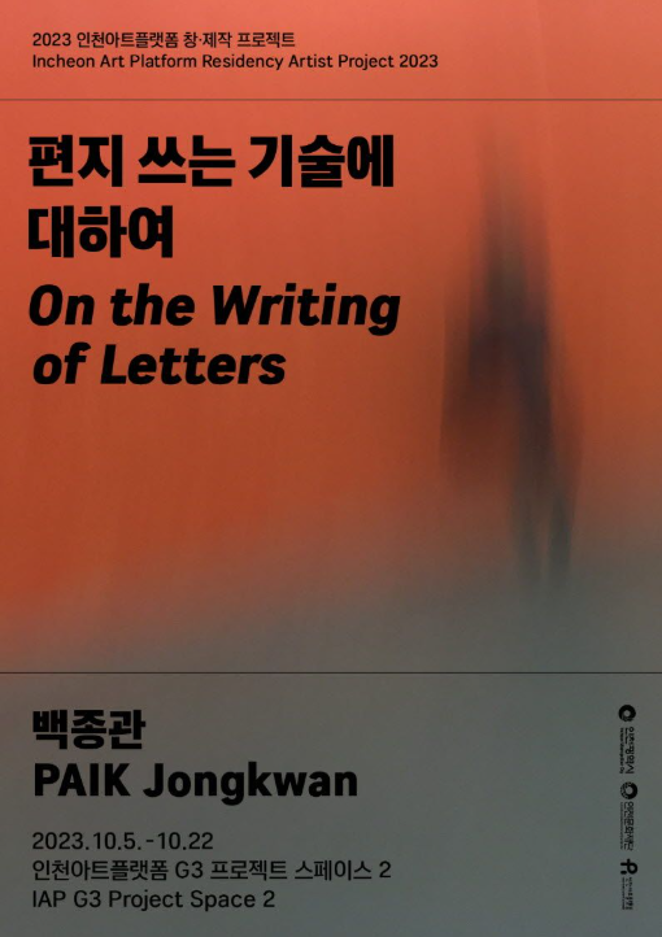
PAIK has held solo exhibitions including 《On the Writing of Letters》 (Incheon Art Platform, Incheon, 2023), 《Fly on the Eye》 (Onsu Gong-gan, Seoul, 2019), and 《DownTime》 (Konya Gallery, Fukuoka, 2018).

Group Exhibitions (Brief)

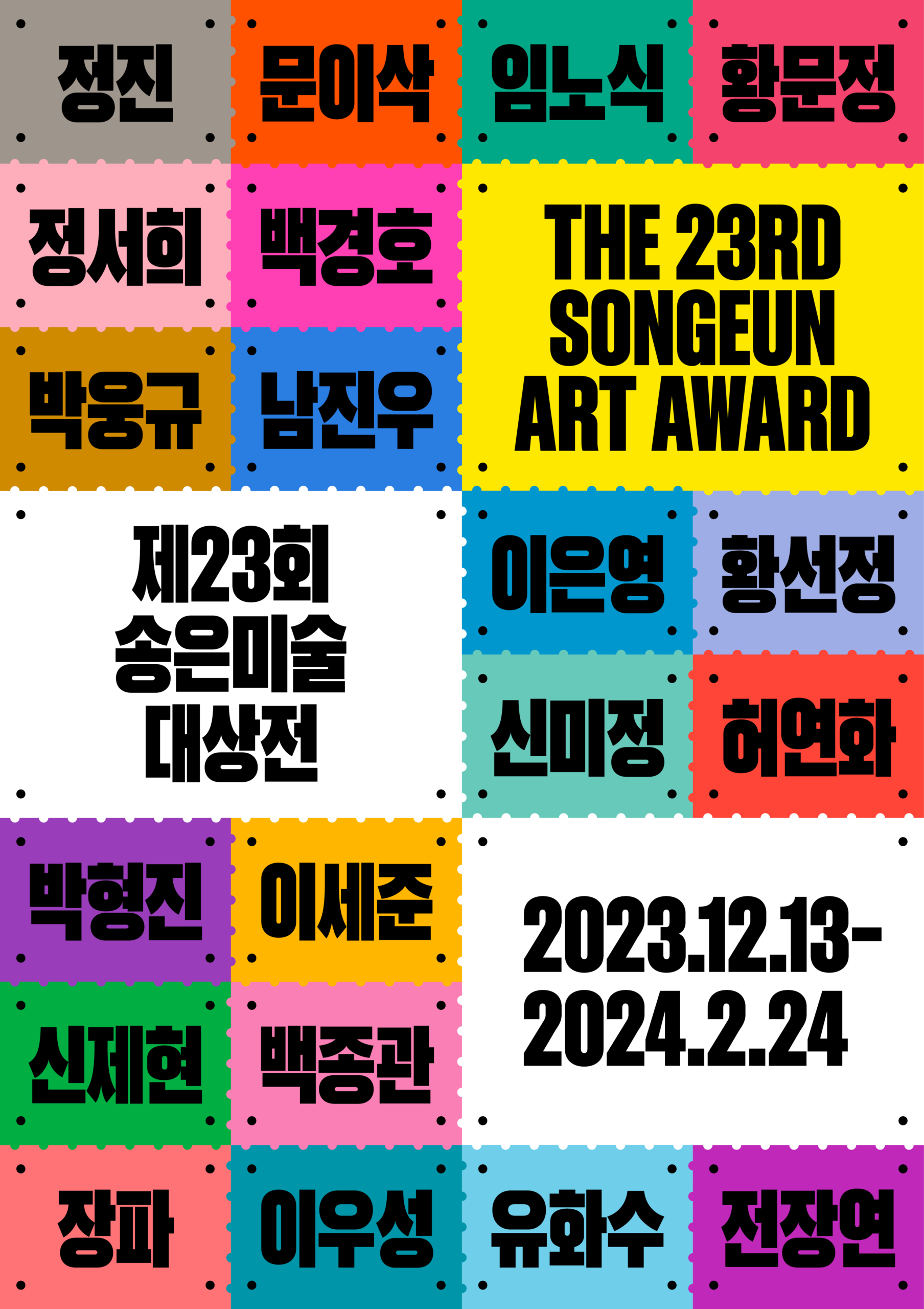
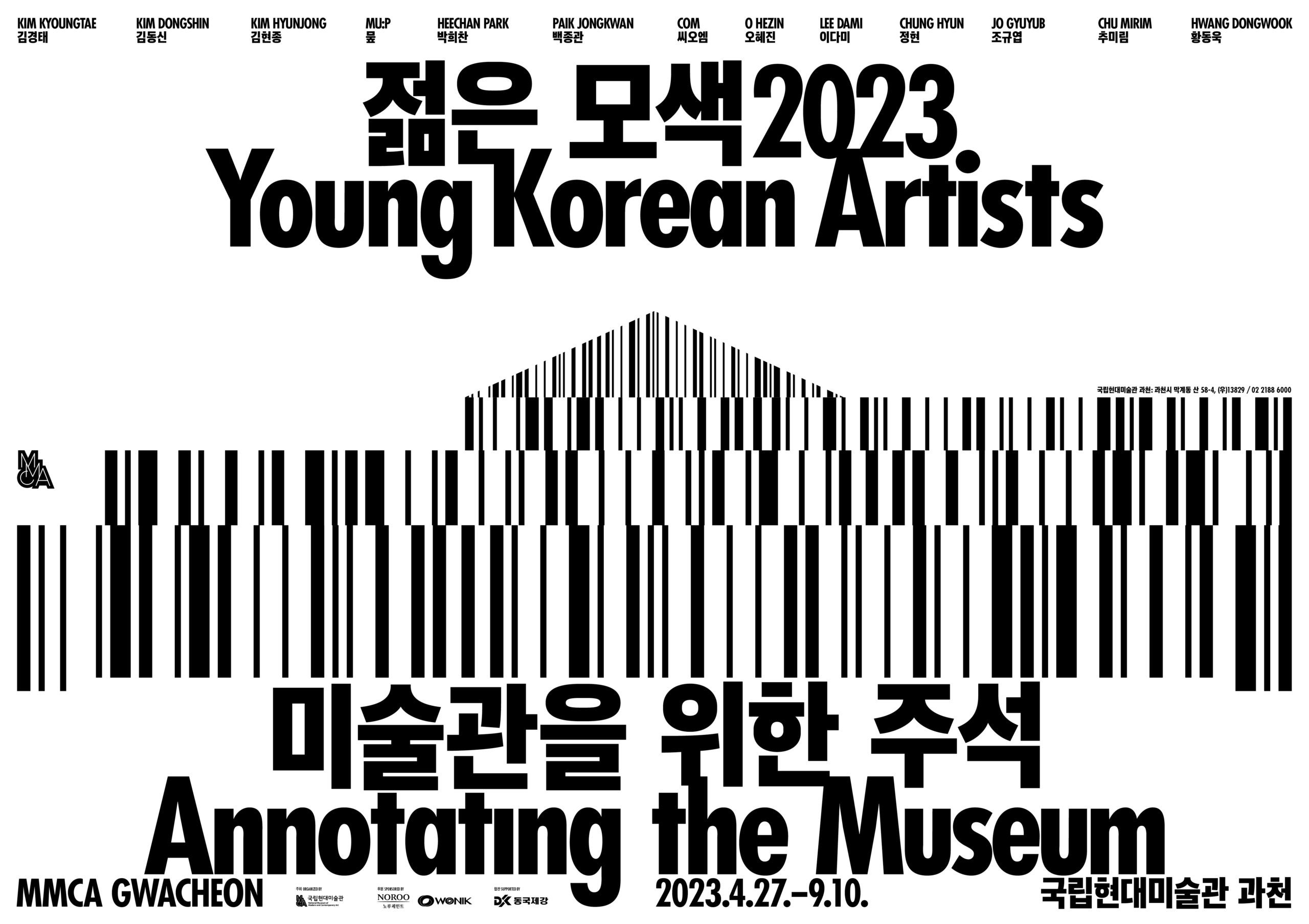
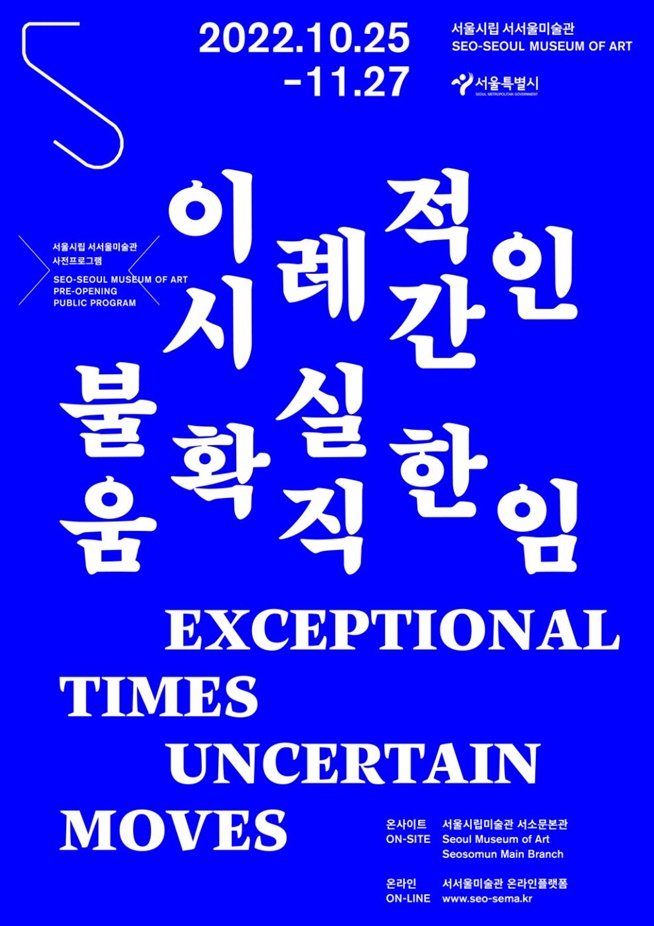
PAIK has also participated in numerous group exhibitions, including 《The Undecomposed Night》 (Chamber, Seoul, 2026), 《After Cinema》 (Busan Museum of Contemporary Art, Busan, 2025), 《Every Island Is a Mountain》 (Palazzo Malta, Venice, 2024), 《The 23rd SONGEUN Art Award Exhibition》 (SONGEUN, Seoul, 2023), 《Young Korean Artists 2023: Annotating the Museum》 (MMCA, Gwacheon, 2023), and 《Exceptional Times, Uncertain Moves》 (Seoul Museum of Art, Seoul, 2022).

Residencies (Selected)

PAIK Jongkwan has participated in various residency programs, including the SeMA Nanji Residency (2025–2026), Cité Internationale des Arts residency in Paris (2024), Incheon Art Platform (2023), and MMCA Residency Goyang (2021).

Collections (Selected)

PAIK’s works are held in the collections of the Seoul Museum of Art, the MMCA, and the Korean Film Archive.

Works of Art

Reflecting on the Everyday Conditions Through the Collected Records

Originality & Identity

PAIK Jongkwan’s practice questions how images are produced, stored, and remembered again. Having begun making moving images with 16mm film and camcorders, he has developed a method of collecting images and sounds encountered in everyday life over extended periods of time and rearranging records from different times and sources to create new contexts.

Frequency Resonance(2012) combines radio broadcasts recorded over several years with footage shot by the artist himself, reconstructing the time of Korean society in the late 2000s. As voices concerning politics, economics, and culture intersect with images that have no direct relationship to them, the archive becomes not evidence of a particular event but multiple layers through which an era can be sensed.

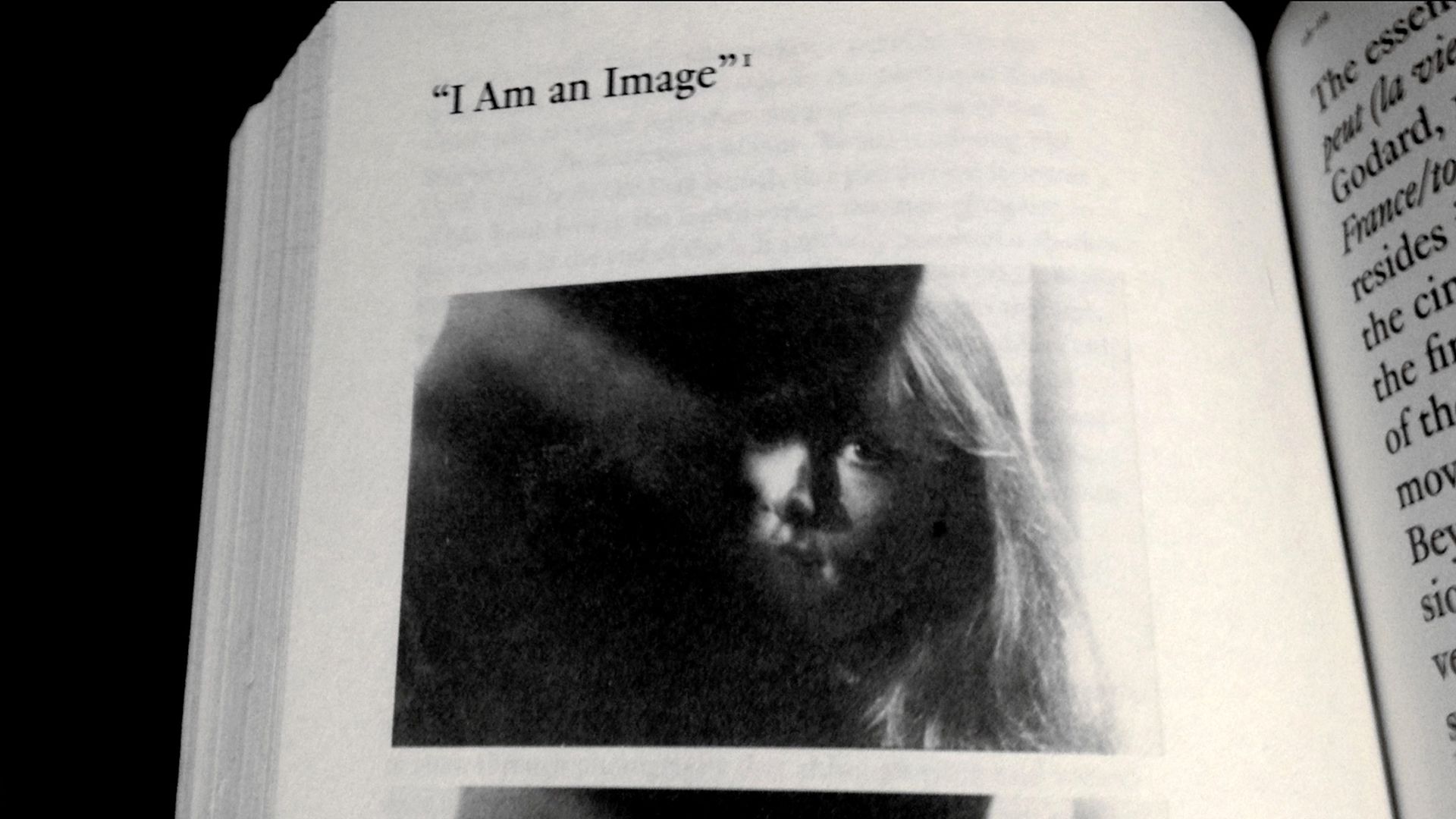
In i – image(2015), beginning with a postcard received from a friend, PAIK links Gramsci, Nietzsche, Japanese animation, cinema, and personal memory, experimenting with the way one image summons another. For PAIK during this period, montage was both a technique for constructing narratives and a method for examining how memory operates.
 
This interest became more specifically focused on memory and forgetting within images, as well as on the act of seeing itself, around the time of his solo exhibition 《Superliminal: In Search of Lost Frame》(Post Territory Ujeongguk, 2016). Referring to Chris Marker’s concept of ‘Superliminal’ images—frames retrieved again from previously completed films—PAIK asks what disappears within the ceaseless flow of digital images as they are continuously replaced.

Anticipation of the Night
(2016) closely examines traces remaining on the surface of images, such as the gazes of figures, film grain, and video scan lines, evoking beings that have disappeared between one frame and another. Cyclical Night(2016) connects figures looking directly into the camera in photographs of street demonstrations from the 1960s through the 2010s, creating a temporal encounter in which people from the past and viewers in the present return one another’s gaze. Central to his work at this stage is the idea that images do not preserve the past intact but reappear in the present and generate new relationships.
 
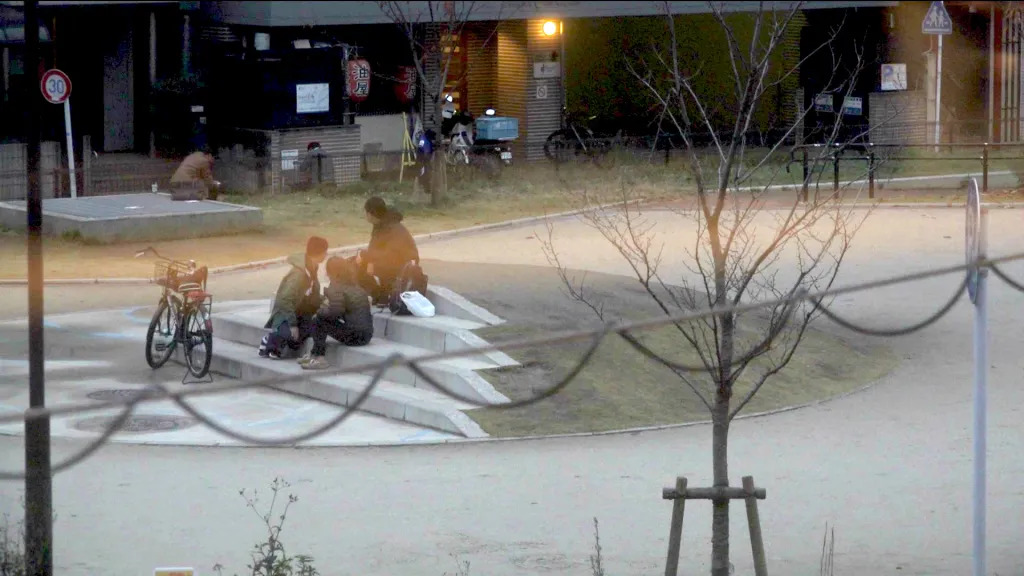
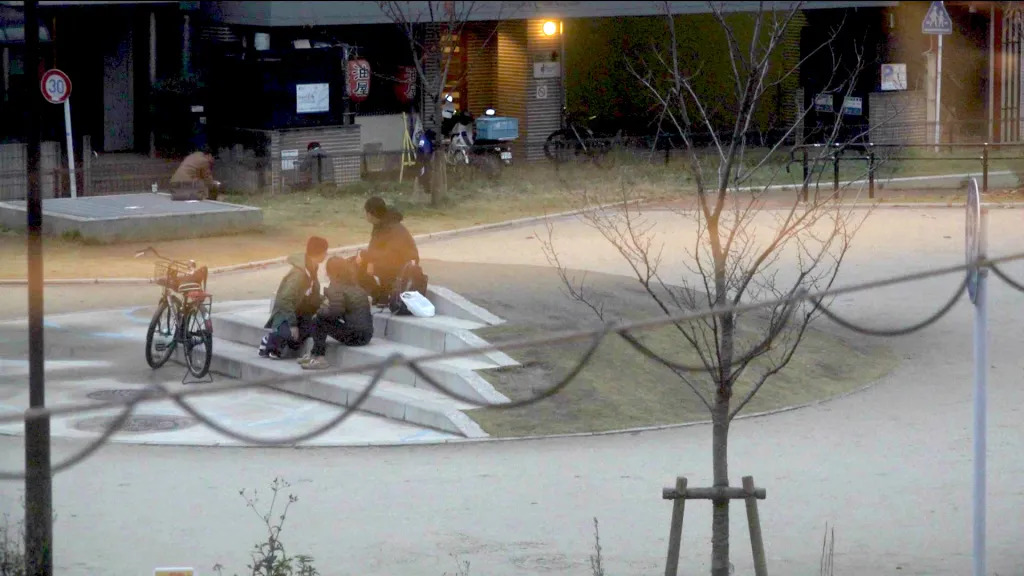
The question of ‘who is looking’ subsequently expands beyond the image itself to encompass space and the viewer. Deportees(2018) is a 27-minute, one-scene, one-take work filmed with a fixed camera overlooking a park from a book café in Fukuoka. As the sun sets, objects that had been visible disappear into darkness while others newly emerge, showing how the same place can be perceived entirely differently according to light and time.

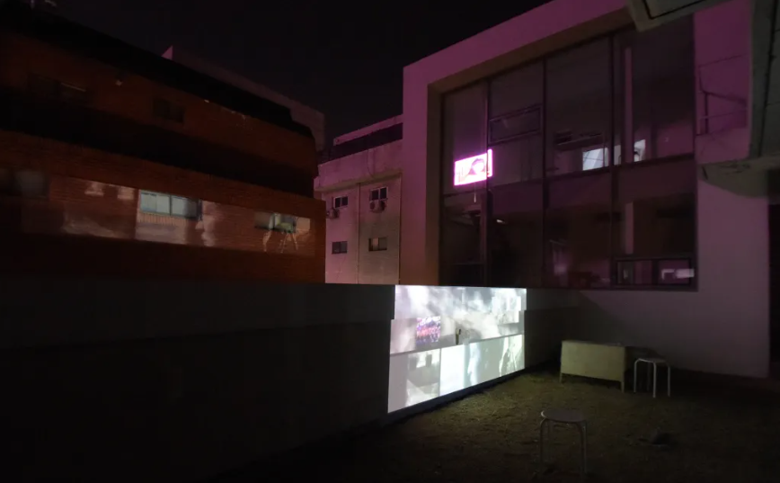
In 《Fly on the Eye》(Onsu Gong-gan, 2019), PAIK more directly reverses the positions of the observer and the observed through the figure of the ‘fly.’ The fly that once symbolized both technical mastery of representation and death in medieval painting overlaps with images on the screen, an actual insect flying around the projector, and the cinematic convention of the ‘fly-on-the-wall documentary.’

Through these intersections, viewers are prompted to reconsider whether they are looking at an image or whether the image is, in some sense, looking back at them. From this point onward, PAIK’s interest gradually expands beyond questions of cinematic truth itself toward the relations and conditions through which images, representation, and perception are constituted.
 
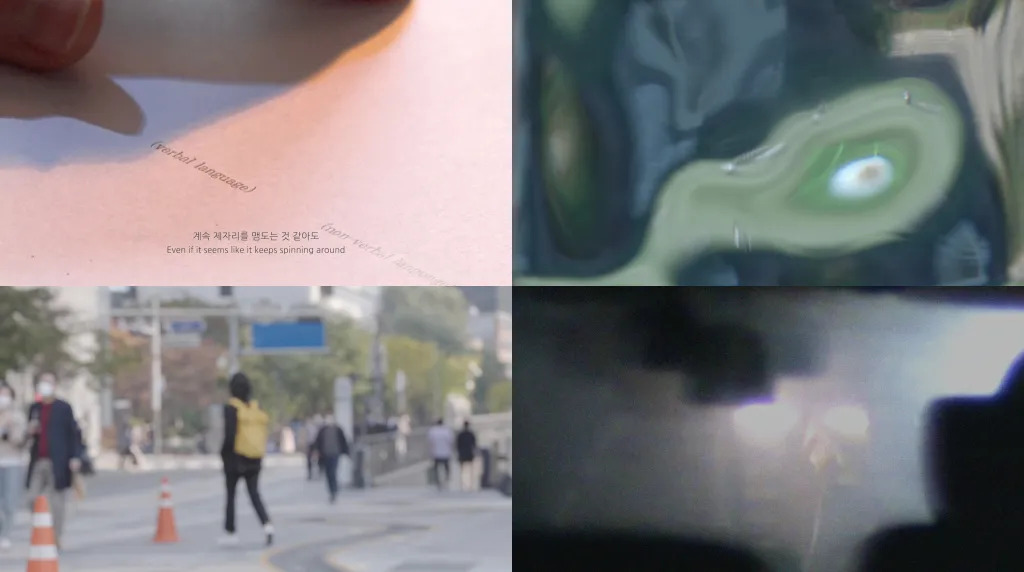
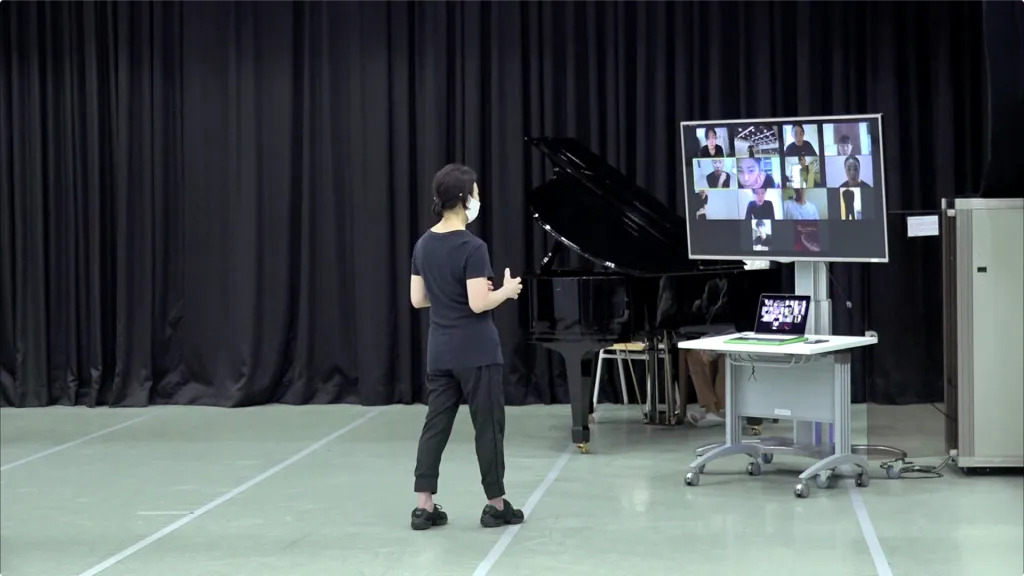
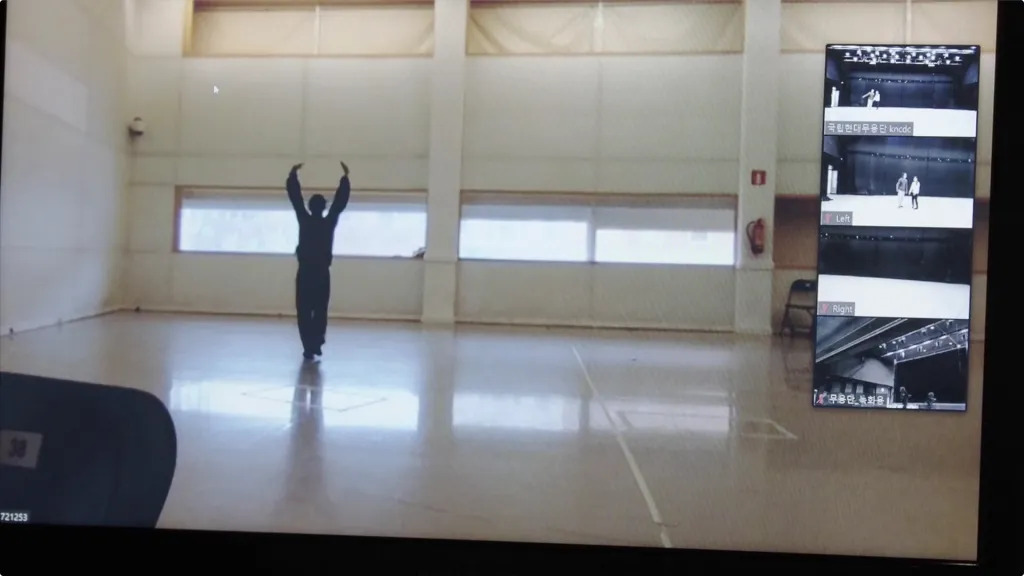
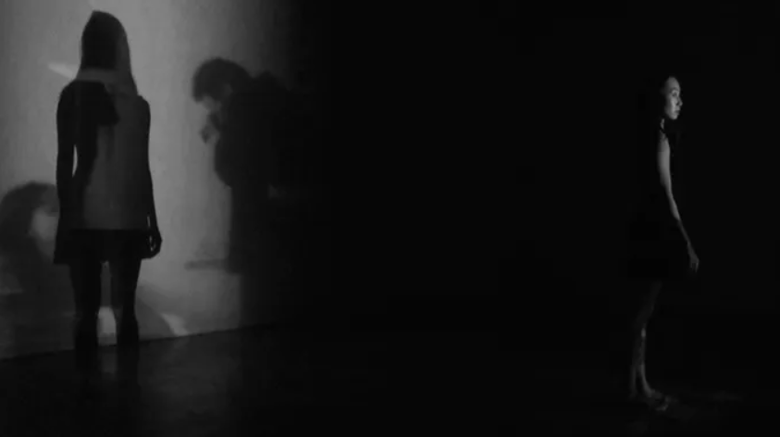
Through the pandemic, these questions became connected to bodily experience, distance, and temporality. HOMO QUASI NOVUS(2021) records the time experienced by dancers who had to learn and create movement in new ways amid remote education and canceled performances, while They Answer Our Own Gaze(2021) follows dancers in Seoul and a choreographer in Barcelona developing movement through online screens across a physical distance of approximately 9,600 kilometers.

Technology can make distance appear almost to disappear, yet in dance, where bodily presence and breathing must be directly sensed, that distance becomes perceptible again. In 《On the Writing of Letters》(Incheon Art Platform, 2023), this temporal disjunction develops further through the concept of ‘delay.’

By imagining images as letters that are written, sent, and left awaiting a reply, the exhibition reconsiders the meaning of spending time looking, waiting, and rereading within an environment dominated by instantaneous transmission and real-time communication. The questions of memory and images that have persisted since PAIK’s early work thus shift toward a relational question: when does an image arrive, and who responds to it?

Style & Contents

In the early stages of PAIK’s practice, archives and montage were central formal strategies. In Frequency Resonance, he first reviewed an extensive collection of radio recordings and arranged the sound before combining it with footage he had filmed himself, creating a contrapuntal structure in which image and sound sometimes correspond and at other times collide. i – image similarly dismantles and recombines materials from different sources, including animation, narrative cinema, interviews, X-ray images, text, and music.

What matters in this work is less the origin of each individual image than the new meaning produced by the order and rhythm in which they encounter one another. PAIK’s editing privileges unexpected relationships between images over linear connections designed simply to deliver information.
 
At the same time, he has also employed methods that minimize editing or remove it altogether. In Deportees, the camera remains still for 27 minutes, looking continuously at a single place. Without editing, viewers pass through the actual duration of fading light, observing what disappears from the screen and what newly becomes visible.

By contrast, in Comment Dire/What is the Word(2019), PAIK applies to video editing the structure of Samuel Beckett’s final poem, in which words and phrases are repeatedly recombined in an attempt to construct a sentence. Each time the poetic line changes, footage shot by the artist, found footage, and documentation of an earlier performance are rearranged into different combinations.

Text and image correspond structurally rather than illustrating one another’s content. His movement between opposing methods, from fixed shots to complex montage, reflects the fact that for PAIK the central concern is not the amount of editing involved but how time can be experienced through a particular structure.
 
Since the 2020s, the space in which moving images are presented and the viewer’s body have become more active components of the work. Before a Sepulcher Laughs(2021) does not treat the theater simply as a relationship between audience and screen, but expands it into a layered space encompassing a filming location, a darkroom, the interior of a camera, and an observation box.

The work considers how different viewers may experience different films depending on the position of their gaze, their memories, and the surrounding environment, even while watching the same film. This approach develops into an installation problem in Blende(2023), presented at MMCA Gwacheon.

Multiple screens and open frames positioned between the viewer and the moving image prevent direct access to the work, encouraging viewers, as they move, to see not only the video but also other visitors, the museum walls, the floor, and the surrounding space. Here, circulation operates not simply as a spatial route but as a ‘line of time’ connecting different viewpoints.
 
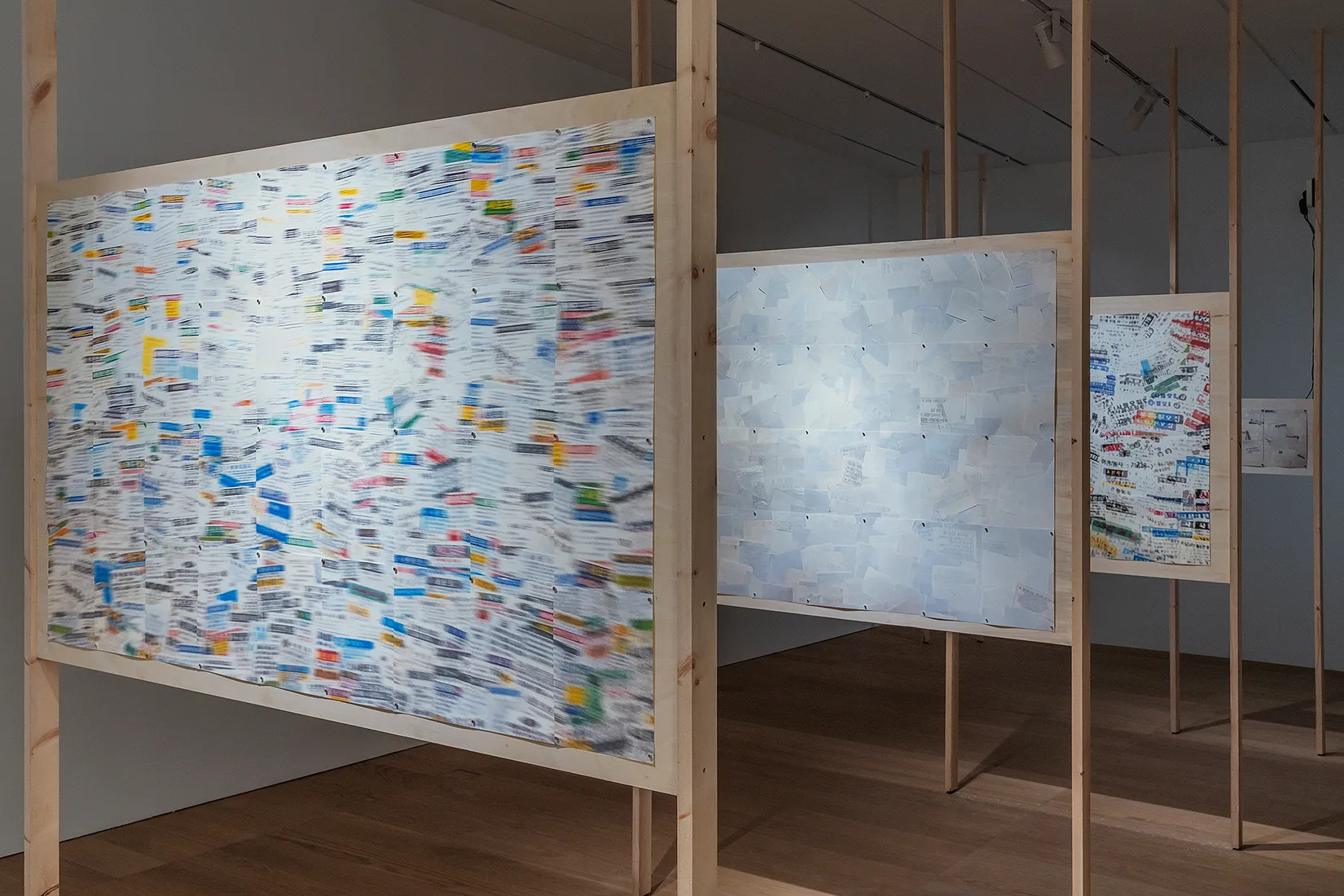
The Very Metaverse(2023) further transforms the relationships among moving images, photographs, and collected objects. The work reconstructs approximately 900 subway job advertisements collected by the artist over roughly five years beginning in 2007 through digital pigment prints and moving images, treating the social shift from offline employment scams to mobile spam as a kind of image stratum. The printed still images and the moving image positioned at the innermost layer refer to one another while simultaneously destabilizing each other.

In 《On the Writing of Letters》, PAIK goes further by treating the arrangement of images itself as an act of ‘writing.’ Scenes, shots, frames, and photograms become linguistic units connected like letters sent to an imagined recipient. While retaining his early method of collecting, classifying, and editing materials over long periods of time, his more recent practice expands the scope of editing beyond the interior of the moving image to include the viewer who reads it, the space in which the work is situated, and the time required for transmission and response.

Topography & Continuity

The central question running through PAIK Jongkwan’s practice is: ‘How do images exist, and how do we come to see them?’ Beginning with experimental 16mm film, he has moved across essay film, documentary, found footage, collaborations with performance and dance, photography, and installation, yet his attention to the origins and disappearance of images, the relationship between the observer and the observed, and the gaps between memory and forgetting has remained consistent.

i – image examines how images construct personal memory; Cyclical Night brings together the gazes of figures in historical photographs and present-day viewers; and Deportees explores perception as it changes with the disappearance of light. Later, in They Answer Our Own Gaze, the screen mediates physical distance between bodies, while in Blende, the viewer’s own body moves through multiple frames. PAIK’s recent expression of searching for the ‘invisible frame’ succinctly describes this long trajectory.
 
Chris Marker’s influence provides an important starting point for understanding PAIK’s practice, but his work does not remain within the genealogy of essay film or found footage alone. While Marker addressed the temporality of images across memory and history, photography and cinema, PAIK extends these concerns into digital environments, concrete experiences of Korean society, exhibition space, and the body.

Radio broadcasts recorded over several years, employment advertisements collected on subway trains, video-conferencing screens during the pandemic, and historical correspondence from museums—materials that may initially appear ordinary or purely functional—become significant images within his work.

Another distinctive characteristic is that he does not simply use such materials as historical evidence, but leaves open the possibility that they may collide, fail, or become incorrectly connected. The archive therefore operates less as a repository presenting an already organized past than as mutable material that contemporary viewers can read again and question anew.
 
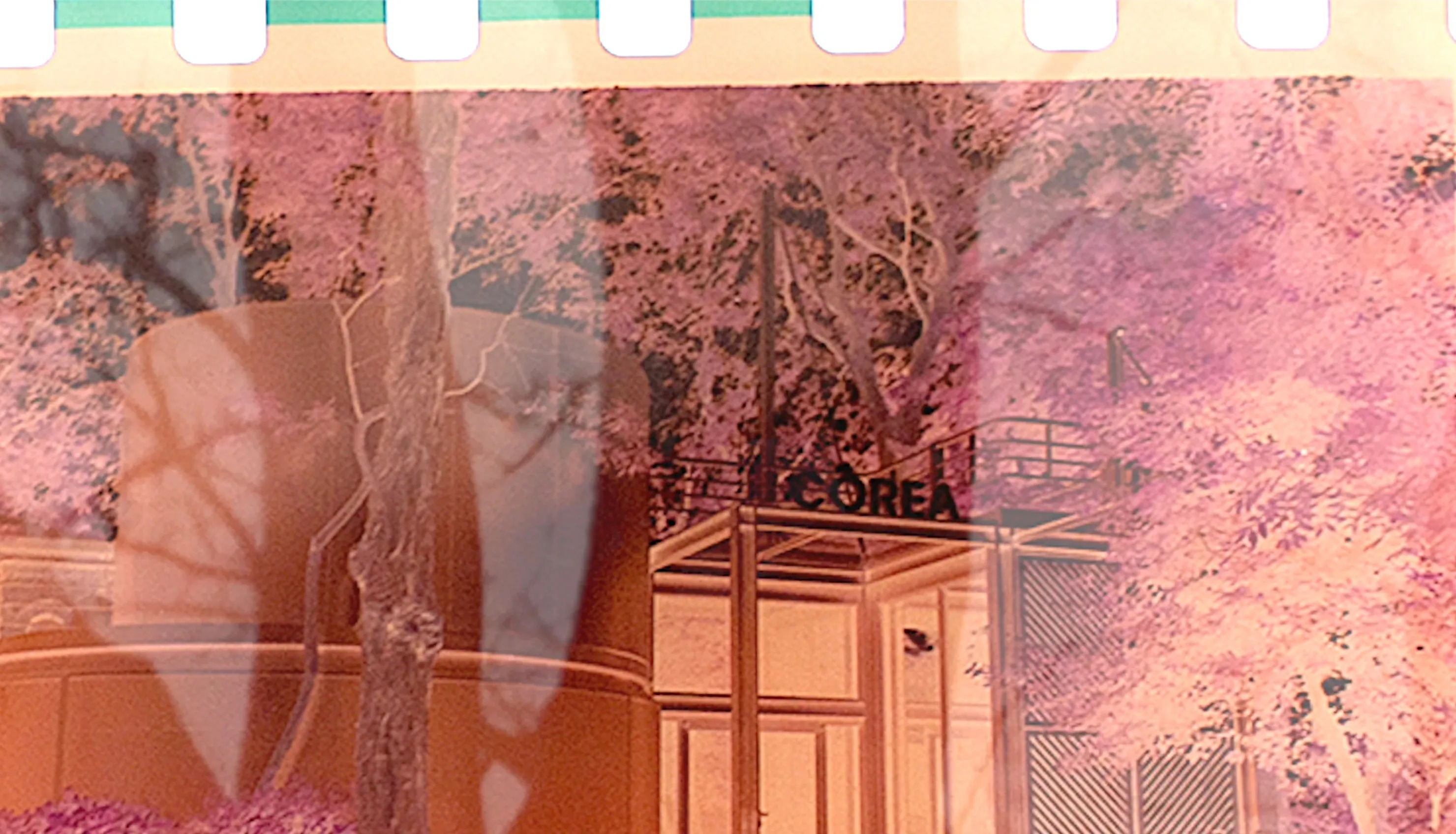
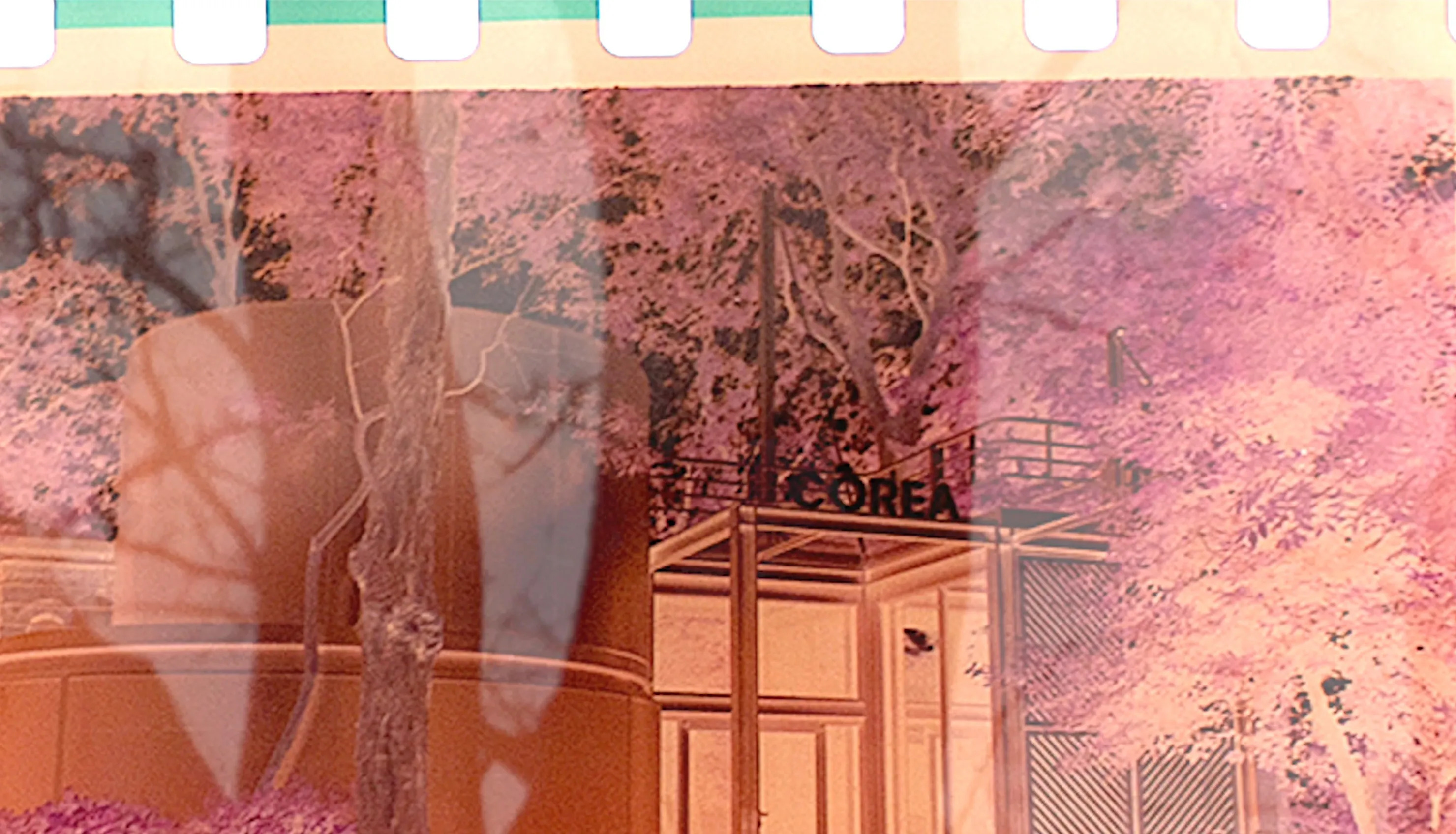
More recently, this archival approach has expanded beyond the artist’s personal collections toward institutional and collective memory. Waiting and Breathing(2024), presented in the special exhibition 《Every Island Is a Mountain》(Palazzo Malta, Venice, 2024), commemorating the 30th anniversary of the Korean Pavilion at the Venice Biennale, was produced as a video reconsidering the Pavilion’s three-decade archive and collective memory.

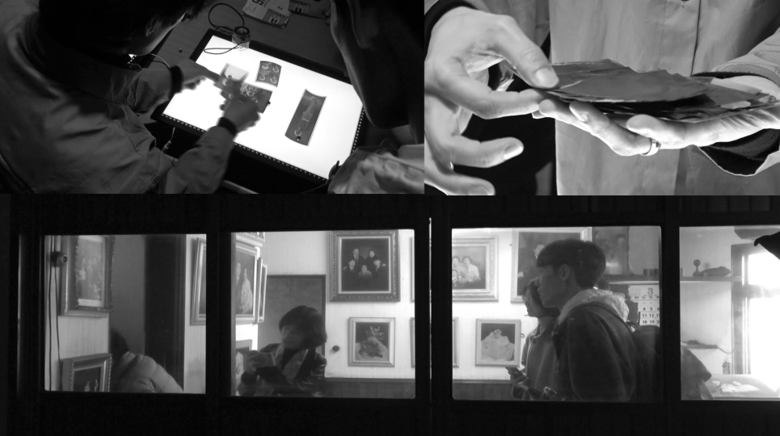
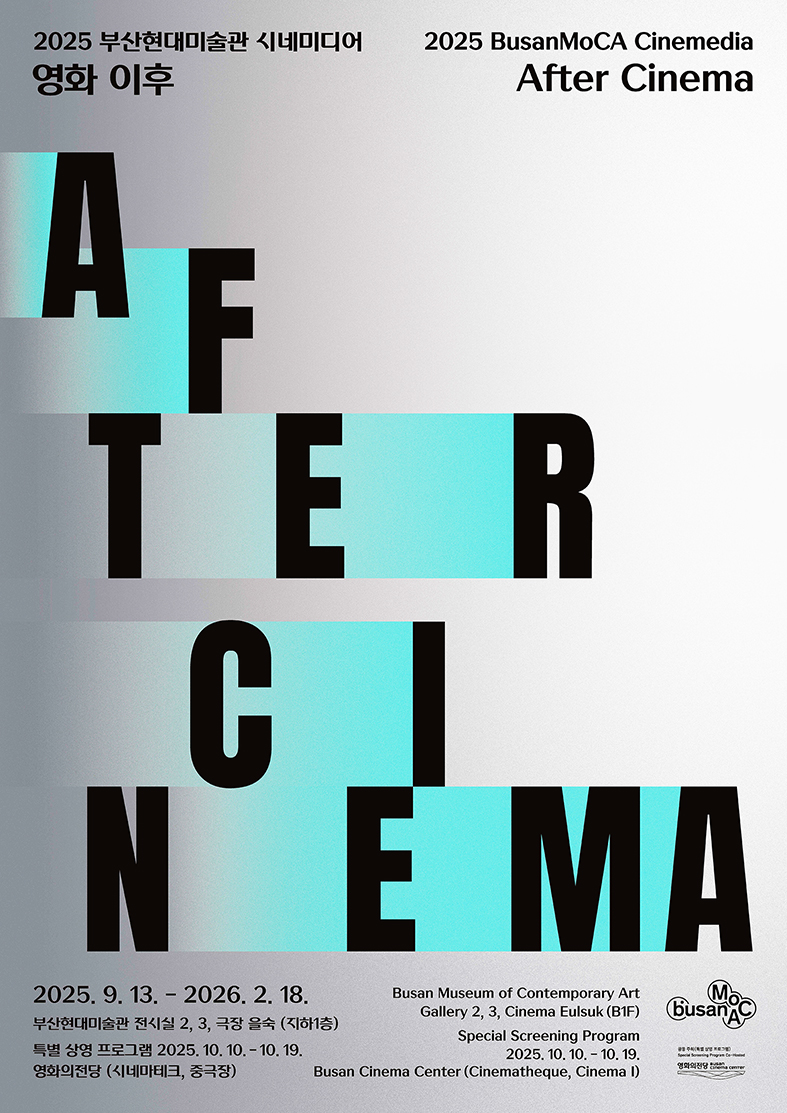
Alongside his participation in exhibitions that reconsider the boundary between cinema and contemporary art, such as 《2025 BusanMoCA Cinemedia_ After Cinema》(Busan Museum of Contemporary Art, 2025), projects including 《Negative, Shadow, Curtain》(Artspace Donquixote, 2025), which researches approximately 15,000 photographic negatives produced by Jeil Photo Studio between 1970 and 1992, extend his attention toward discarded images and traces of institutions amid technological change.

Archiving that began with personally collected footage has thus broadened toward examining the lives of images accumulated within film history, museums, photographic studios, and exhibition systems.
 
This movement also helps explain why PAIK’s practice cannot be situated exclusively within either the cinema or the museum. From the beginning, his work has moved between film and art, theory and production, body and technology, continually tracing what remains as an image and what disappears under different conditions.

In an environment where technologies and formats are rapidly replaced, his practice of collecting over long periods, waiting, and looking again retains the potential to operate anew across different regions and historical archives. For PAIK, an image is less a record that preserves an answer than a question that can be reopened after time has passed. The continuing development of his work may therefore lie in how, at what distance, and with what new viewers those questions are exchanged.

Works of Art

Reflecting on the Everyday Conditions Through the Collected Records

Articles

Exhibitions

Activities