CONTINUUM BULTEOK - K-ARTIST

CONTINUUM BULTEOK

2015
Public work
About The Work

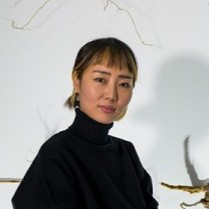
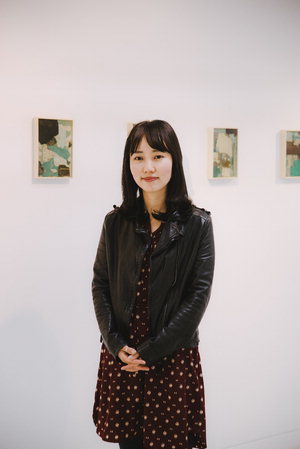
Jazoo Yang has developed her practice by questioning the relationship between the spaces we inhabit and our own existence within them. From the materials that make up the city to the natural world that coexists with humans, she has expanded the scope of her practice by experimentally moving across diverse genres, including painting, installation, live painting, and public art.

Yang’s practice begins with sensing and remembering the traces of time accumulated in cities, nature, humans, and objects. Rather than treating fragments from old walls, abandoned houses, and streets as mere waste, she regards them as traces inscribed with the people, events, and time that once occupied those places. She collects these fragments and incorporates them into her work.

For Yang, a place is more than a visual landscape. Conversations with people she encounters, walls and floors she touches, and the textures of materials she collects all accumulate as memories that shape her work. Her ongoing practice of collecting fragments of old buildings and debris from redevelopment sites in cities around the world reflects both a reverence for what is disappearing and a desire to hold it in the present.

This approach extends beyond documenting specific places to raise questions about how humans relate to their environments and leave traces within them. Yang actively engages her own body in these relationships, inscribing traces of existence through fingerprints, handprints, and repeated gestures. In her practice, memory is not a narrative that reconstructs the past, but an ongoing process renewed through the present act of contact between the body and a place.

Solo Exhibitions (Brief)

Jazoo Yang has held solo exhibitions at Künstlerhaus Bethanien, Berlin (2011), Space K, Gwacheon (2019), Soma Art Space 700, Berlin (2021), Galerie Irrgang, Leipzig (2022), and The Untitled Void, Seoul (2025).

Group Exhibitions (Brief)

Jazoo Yang has participated in exhibitions and art festivals at the Street Art Museum, St. Petersburg (2016), Jeju Biennale (2017), Nuart Festival, Stavanger (2018), Saatchi Gallery, London (2019), Künstlerhaus Bethanien, Berlin (2022), Sea Art Festival, Busan (2023), Busan Museum of Contemporary Art (2024), and Grand Palais Immersif, Paris (2024).

Residencies (Selected)

Jazoo Yang has participated in residency programs at Gallery Nomads, Marseille (2012), CAN Foundation’s Project Space in Beijing (PSB), Beijing (2014), Kukačka, Ostrava (2019), Street Art Oslo’s Desire Lines Artist-in-Residence Program, Oslo (2019), and Kolon Art Lab, Korea (2024).

Collections (Selected)

Jazoo Yang’s works are held in the collections of the Busan Museum of Contemporary Art, Musée du Temps in Besançon, KOLON, and BOAN1942.

Works of Art

A Record of Time and Sensation Experienced Through the Body

Originality & Identity

Jazoo Yang’s practice begins with sensing and remembering traces of time accumulated in cities, nature, people, and objects. While her early 'Monster Series' (2011) addressed alienation, loneliness, anxiety, and suppressed emotions within social systems, her attention later expanded to things on the verge of disappearance: redevelopment districts, buildings awaiting demolition, and discarded objects.

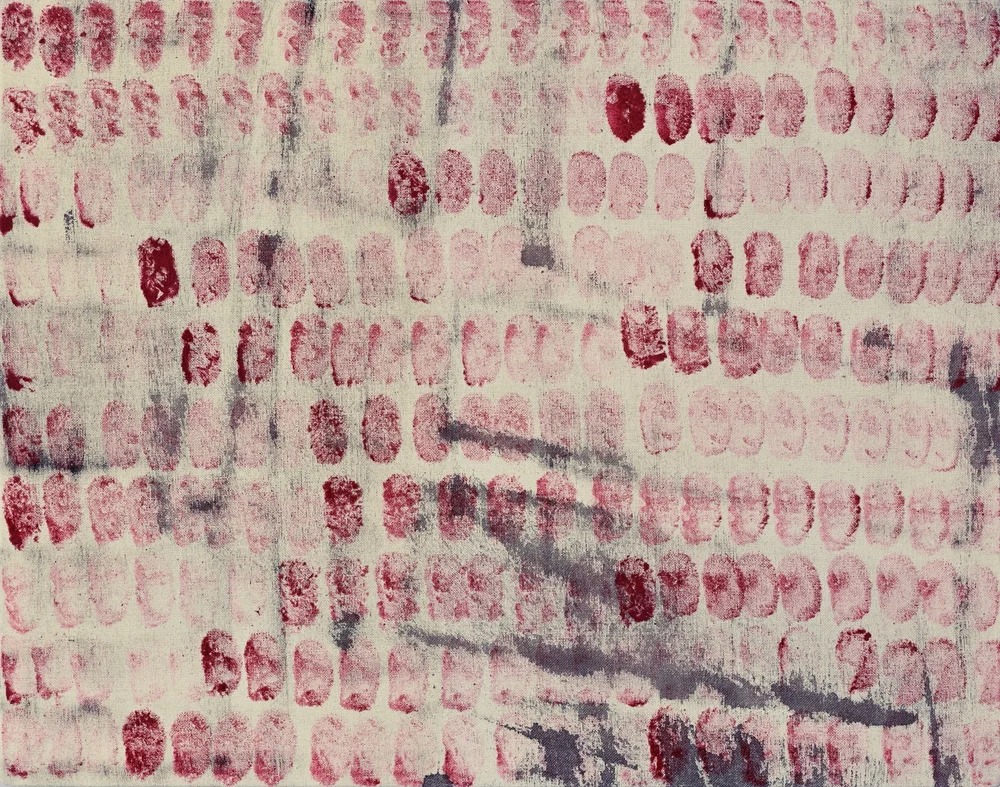
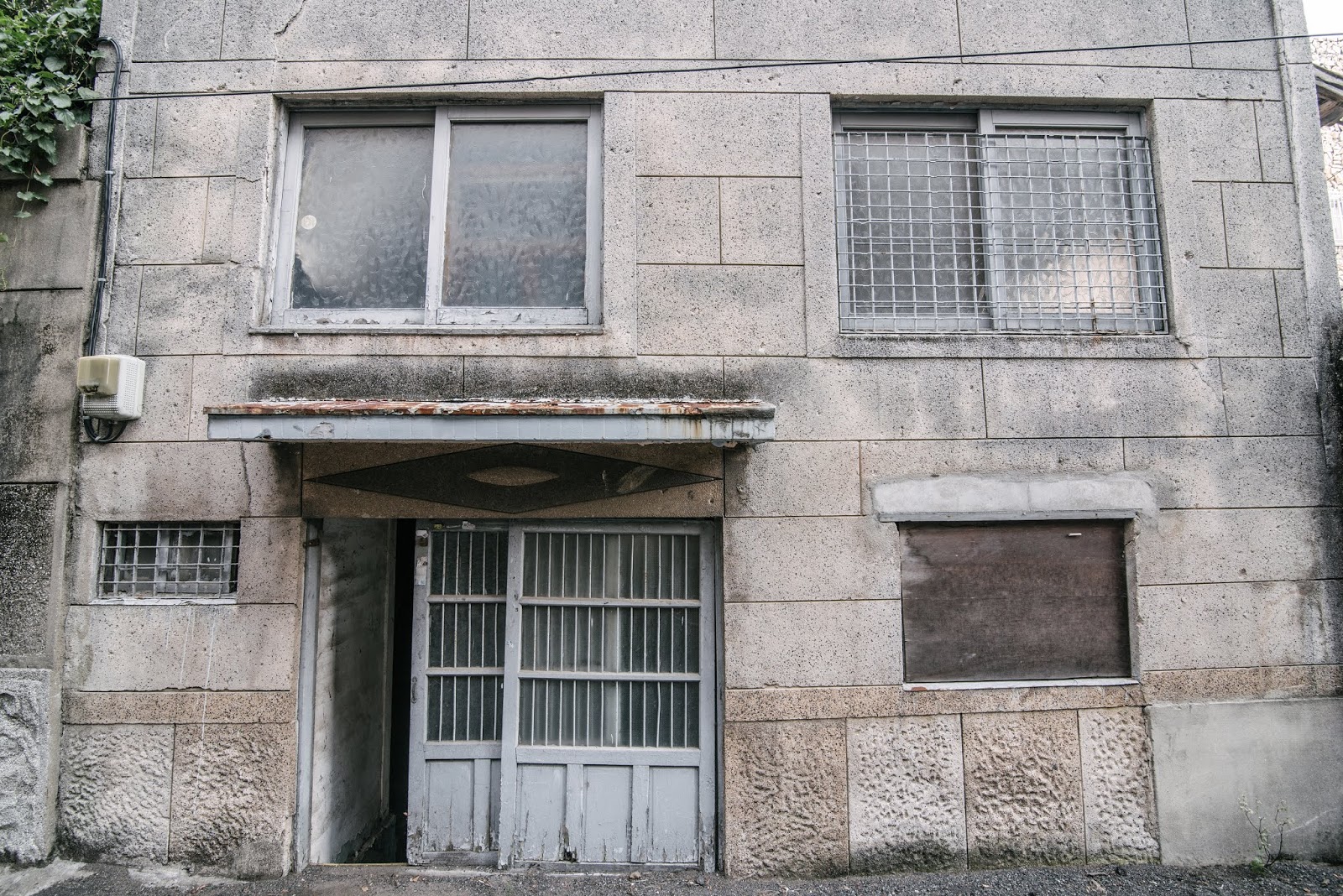
Yang regards old walls, abandoned houses, and fragments detached from the street as traces bearing the time, events, and lives that once occupied them. This approach is particularly evident in Dots: Motgol 66 (2015), for which she covered a house scheduled for demolition in Busan with countless fingerprints.

Repeatedly bringing her body into contact with a disappearing site became both a way of inscribing memory and a distinctive means of responding to loss. As the 'Dots' project expanded across cities to involve local residents and migrant workers, individual memory developed into a collective record of people who shared a particular place. 

For Yang, a place extends far beyond its visible landscape. Conversations with people, the tactile memory of floors and walls touched by hand, and materials gathered on site all accumulate as part of her practice. Her long-standing process of collecting fragments from old buildings and redevelopment sites across different cities reflects both a respect for what is disappearing and a desire to hold its traces in the present.

This concern gradually develops from the documentation of particular locations into a broader inquiry into how human beings form relationships with their surroundings and leave traces within them. Yang places her own body directly within these relationships, inscribing presence through fingerprints, handprints, and repetitive gestures. Memory in her work therefore remains active: it is repeatedly renewed through physical contact between body and place.

In her more recent work, these concerns have expanded toward ancient modes of sensing, folk narratives, mythology, and shamanistic imagination. Yang is drawn to long-held beliefs in which natural entities—such as sacred village trees or spiritually charged rocks—are understood to possess life, memory, or agency, yet she does not seek to illustrate individual tales.

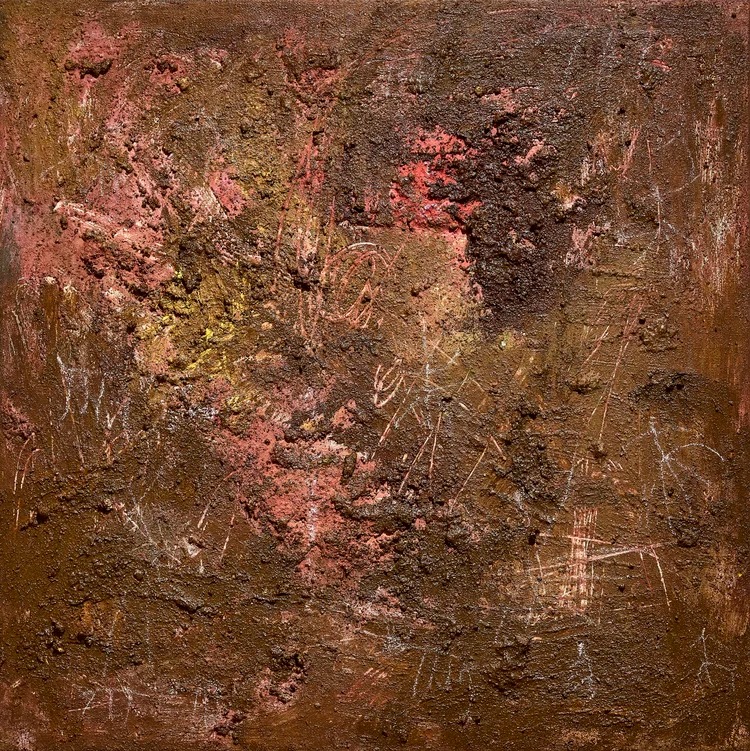
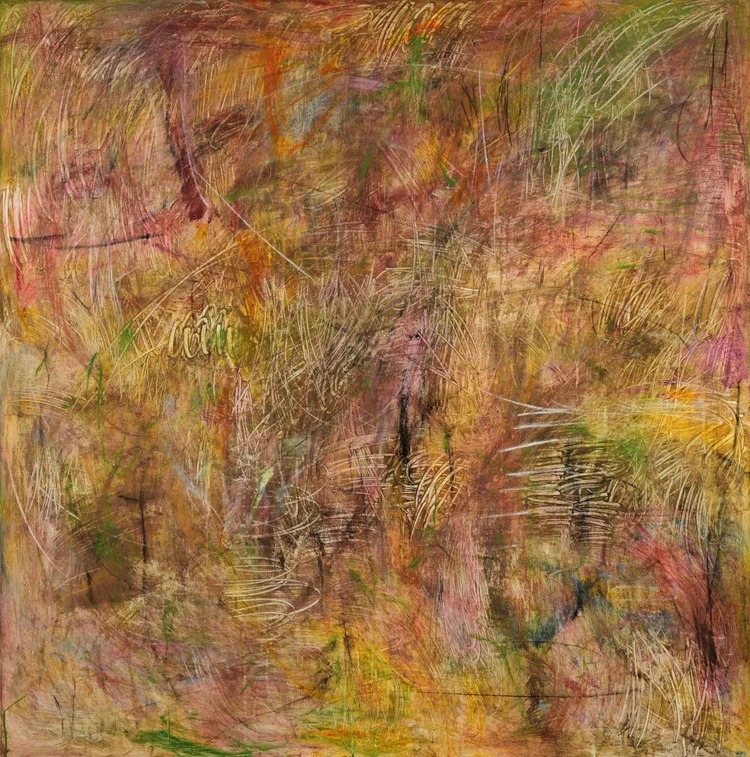
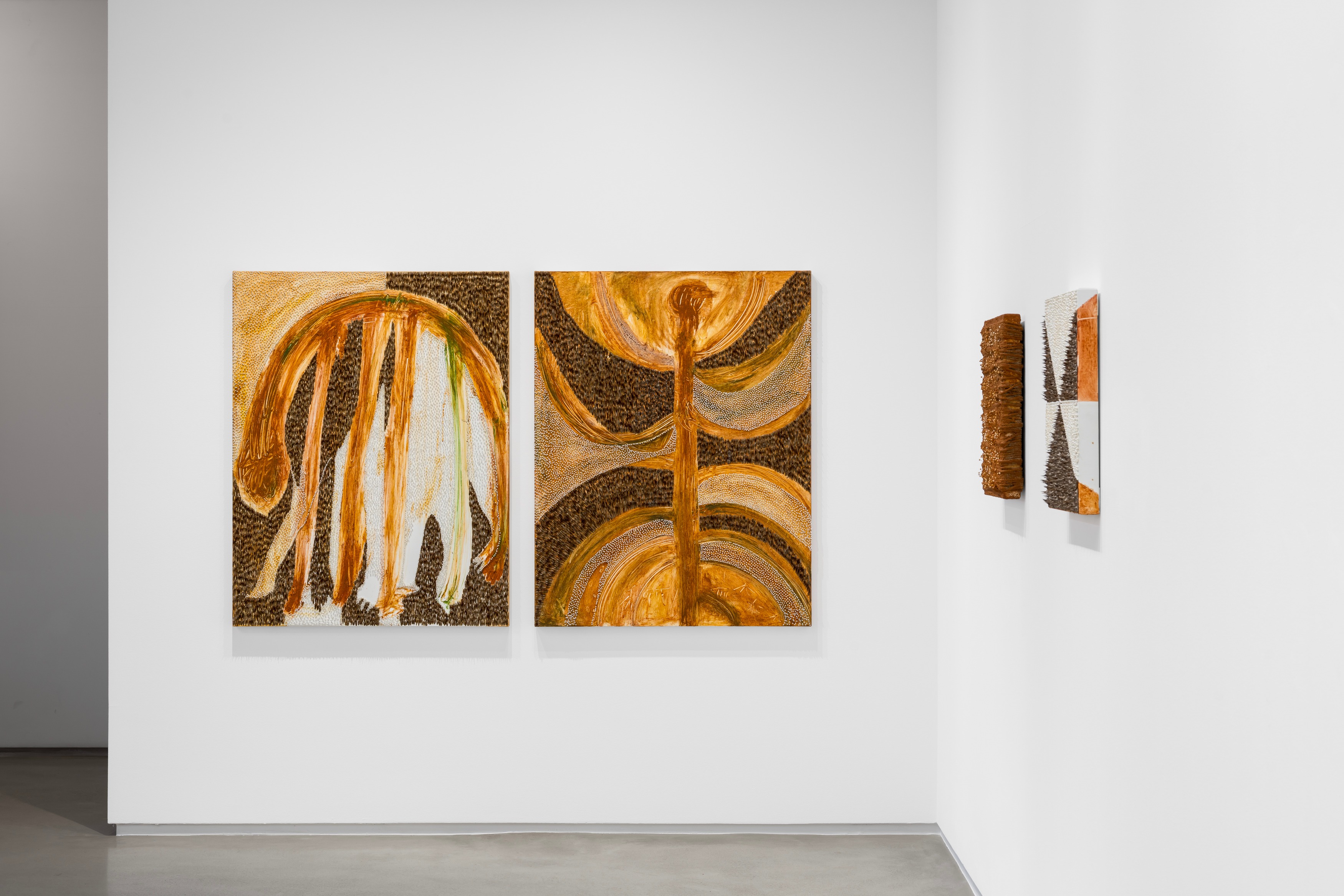
Instead, she explores the awe, fear, and forms of communication historically imagined between humans and nature through bodily action and material experience. In the 'Skin of Everything' series, “skin” extends beyond the human body to encompass soil, weathered walls, wood, thorns, and the peeled surfaces of objects, each carrying traces of previous existence.

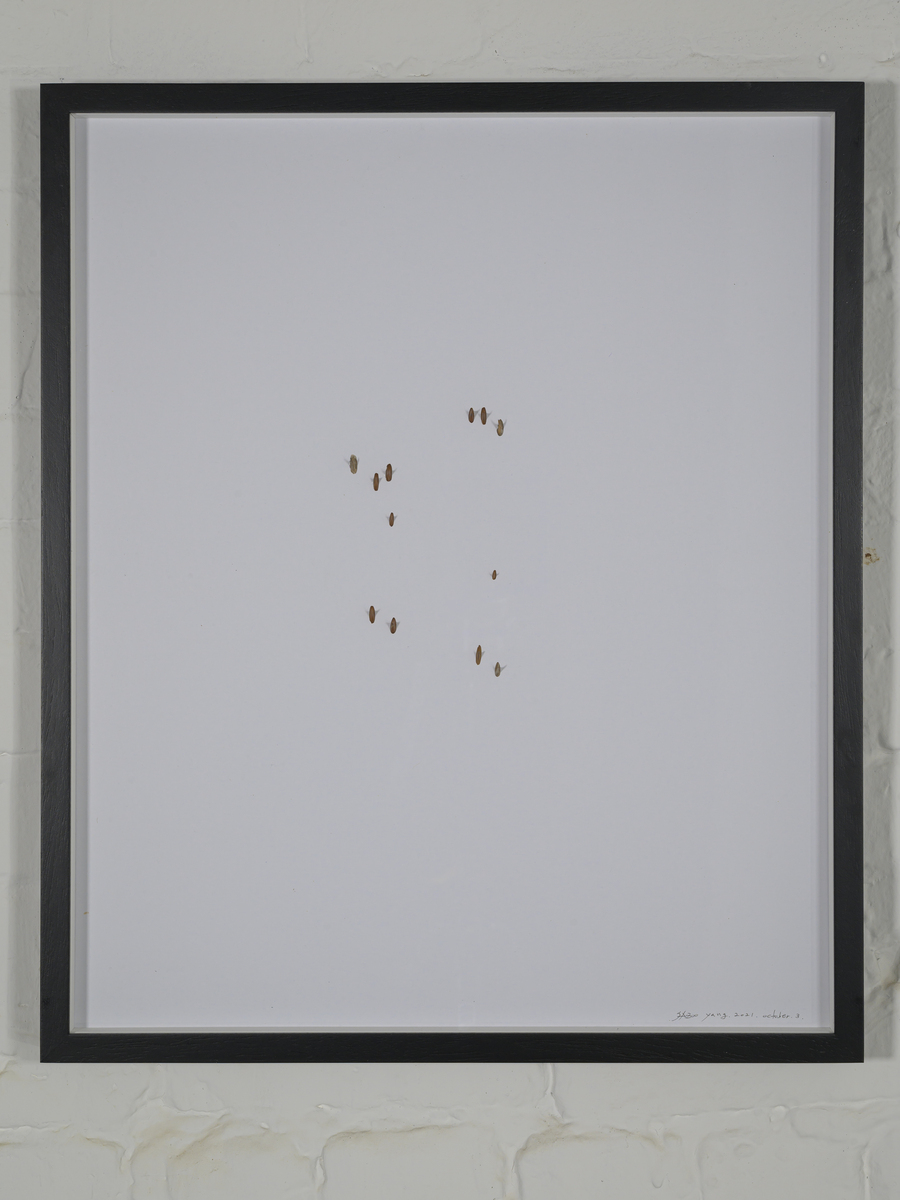
'Thorns' and 'Bulgasari' similarly bring the vitality of nature and the transformative, resilient qualities embedded in folklore into the present. Myth and folk narrative thus function as conceptual resources through which Yang reconsiders enduring relationships between nature and culture, life and death. 

Rhythm and sensation form another central current throughout Yang’s practice. She understands repeated fingerprints, handprints, and recurring motifs less as fixed symbols than as outcomes of bodily rhythm. As critics have noted, this perspective resonates with André Leroi-Gourhan’s account of prehistoric image-making, in which rhythmic physical action precedes representational depiction.

Yang’s aim, however, is not to romanticize or reconstruct a primordial past. Her work asks what remains today of tactile perception, bodily memory, and forms of connection with nature that have become increasingly faint within rapidly changing urban and technological environments. Beginning with questions of memory and disappearance in redevelopment sites, her practice has expanded toward nature, myth, and embodied sensation, developing a distinctive artistic language through which the traces of vanishing lives and the interconnectedness of living beings can be sensed anew.

Style & Contents

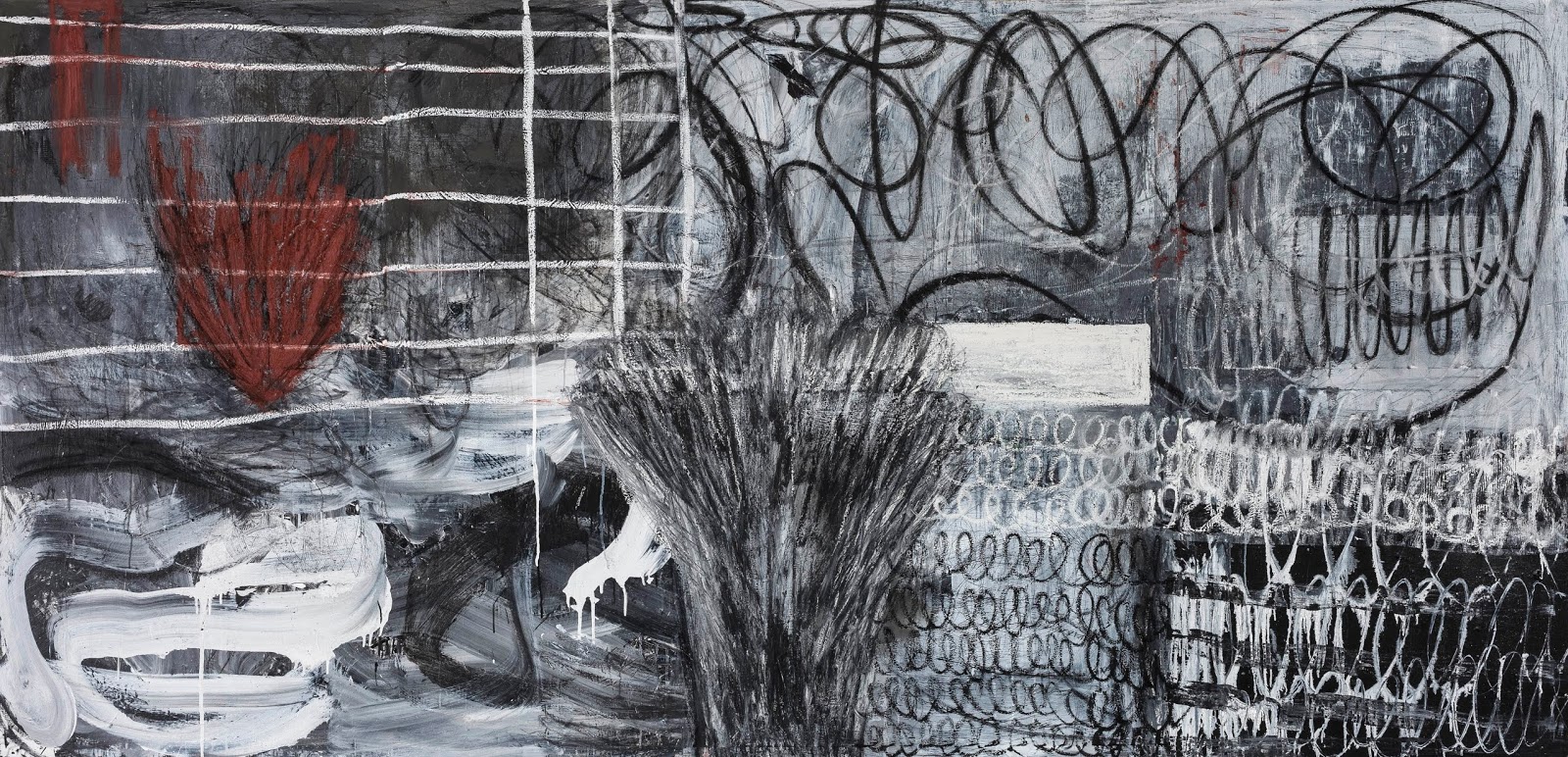
In Jazoo Yang’s practice, painting is not confined to brushwork and pigment. She constructs surfaces through actions such as mural painting, graffiti, stamping, rubbing, scraping, solidifying, attaching, and binding, actively incorporating the movements of the hand and body into the making process.

In her early street works and the 'Dots' project, repeated fingerprinting on walls and building façades became a central method, while in later canvas works, gestures such as gathering, applying, inserting, and tying materials determine the structure of the surface. These processes expand painting beyond a two-dimensional image into an accumulation of bodily movement, material resistance, and repetitive labor. This physical basis also explains why Yang repeatedly emphasizes touch and voice as central concepts in her practice. 

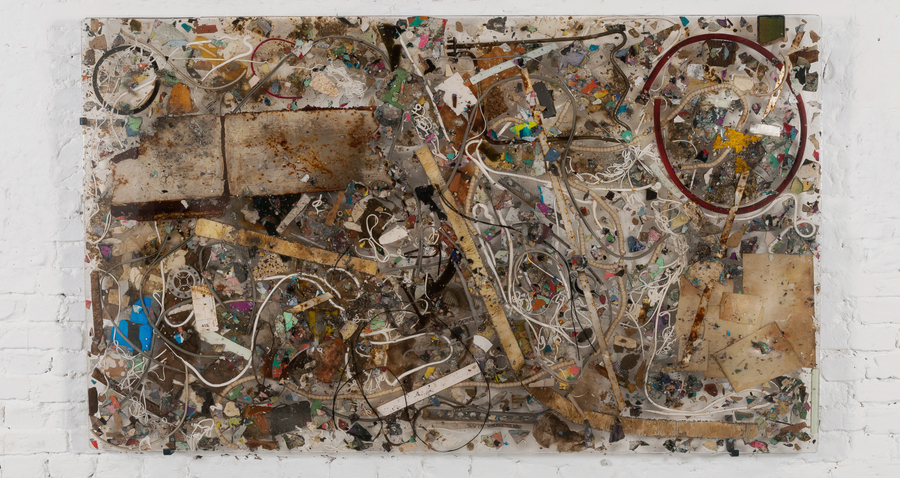
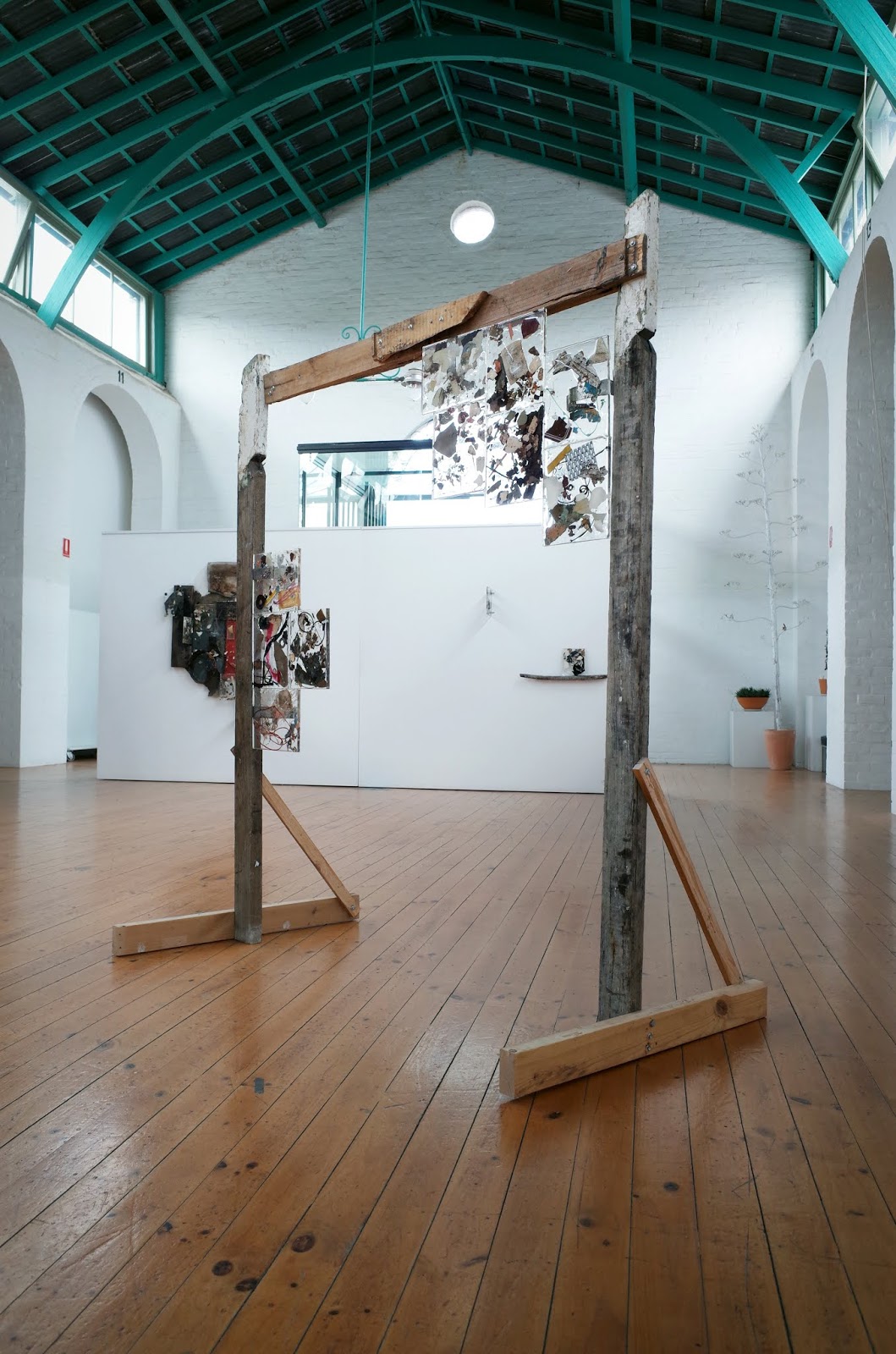
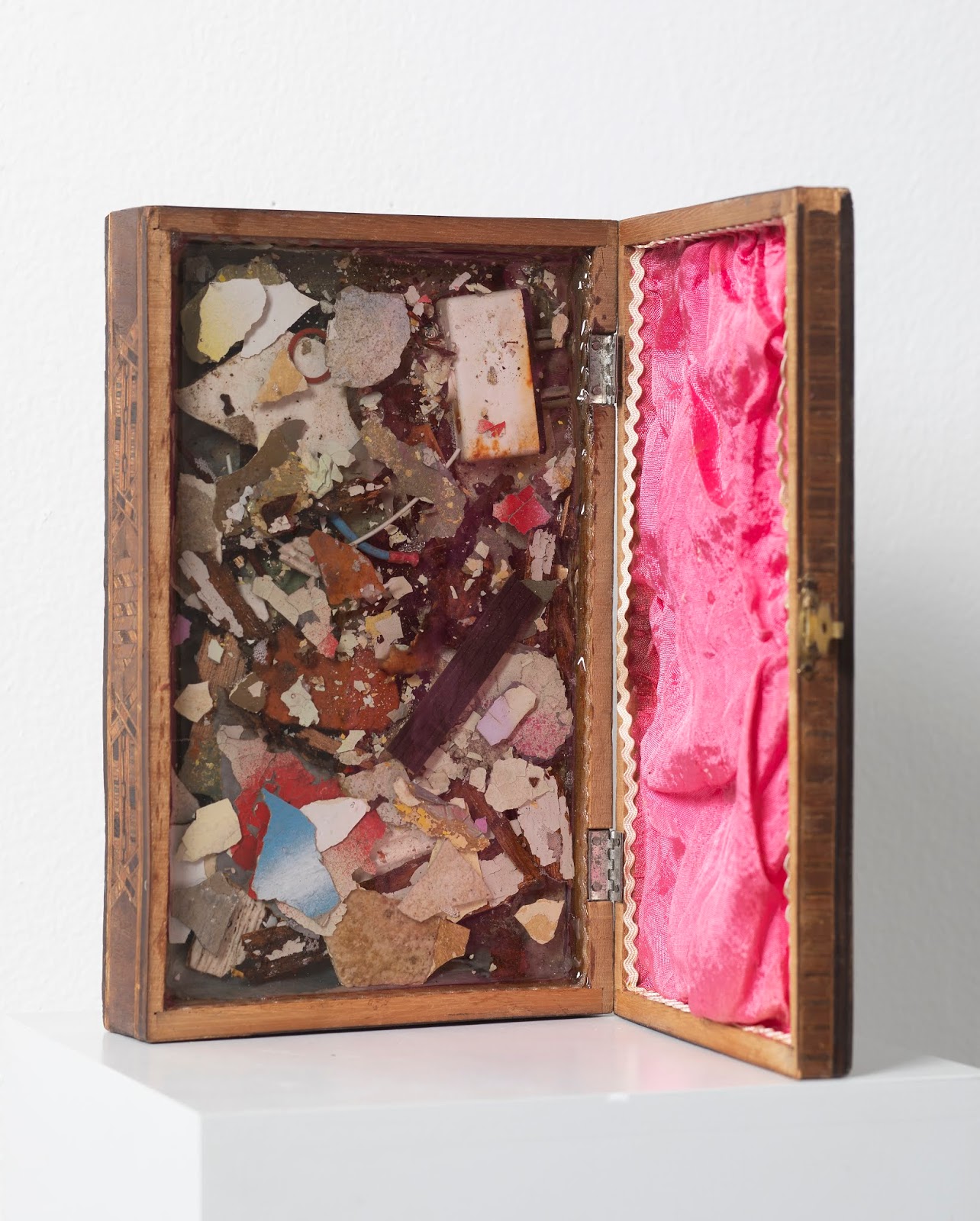
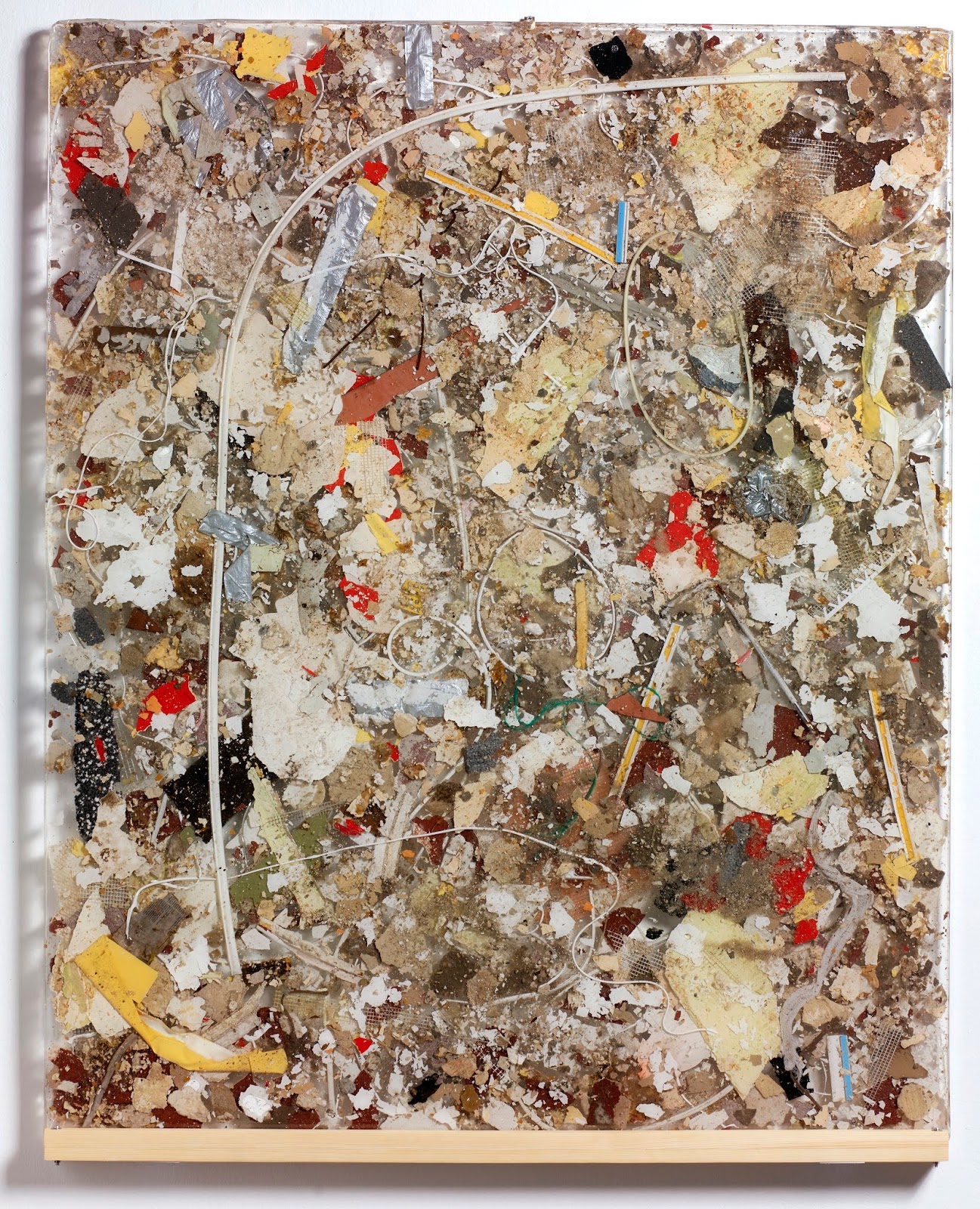
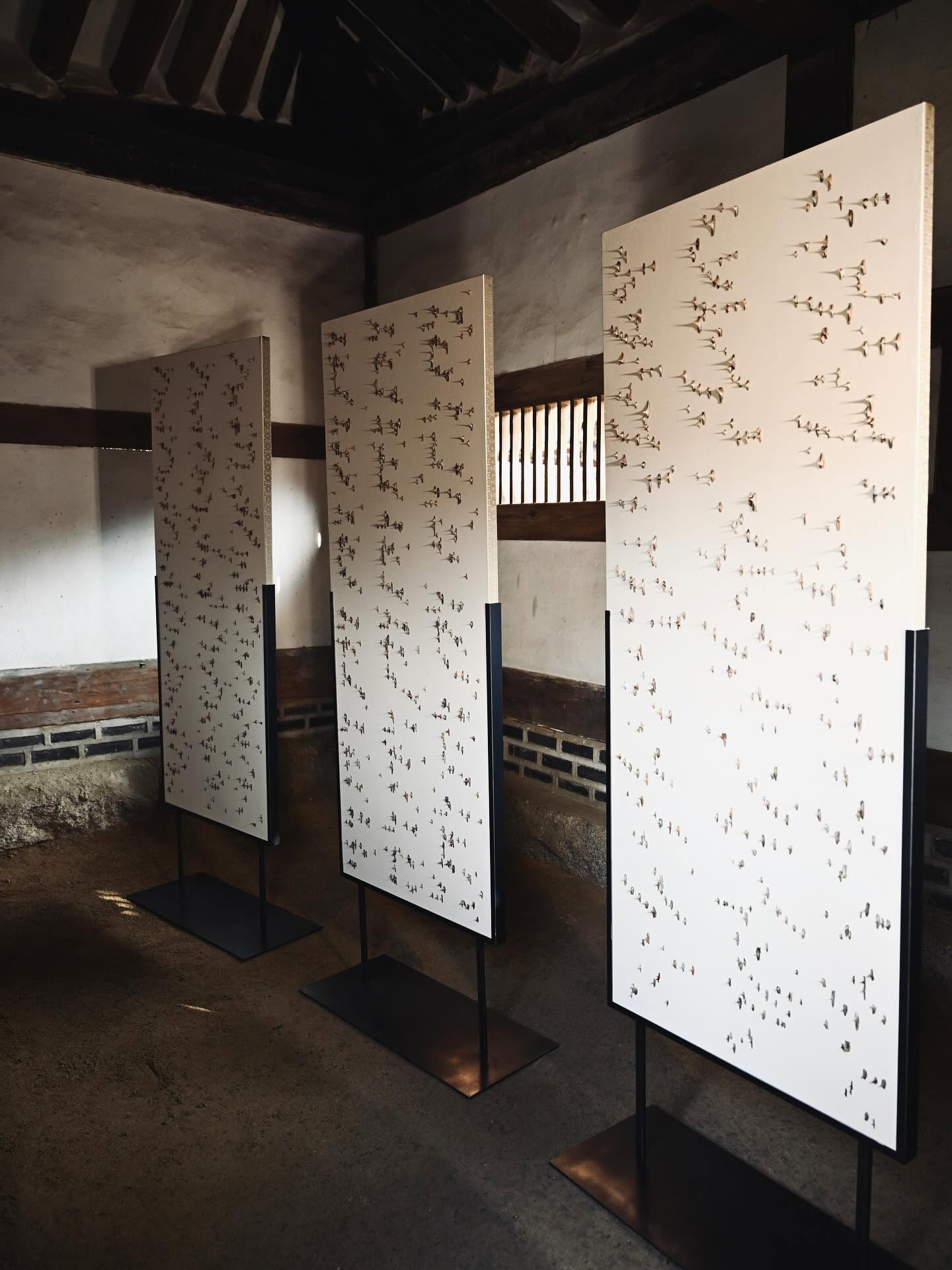
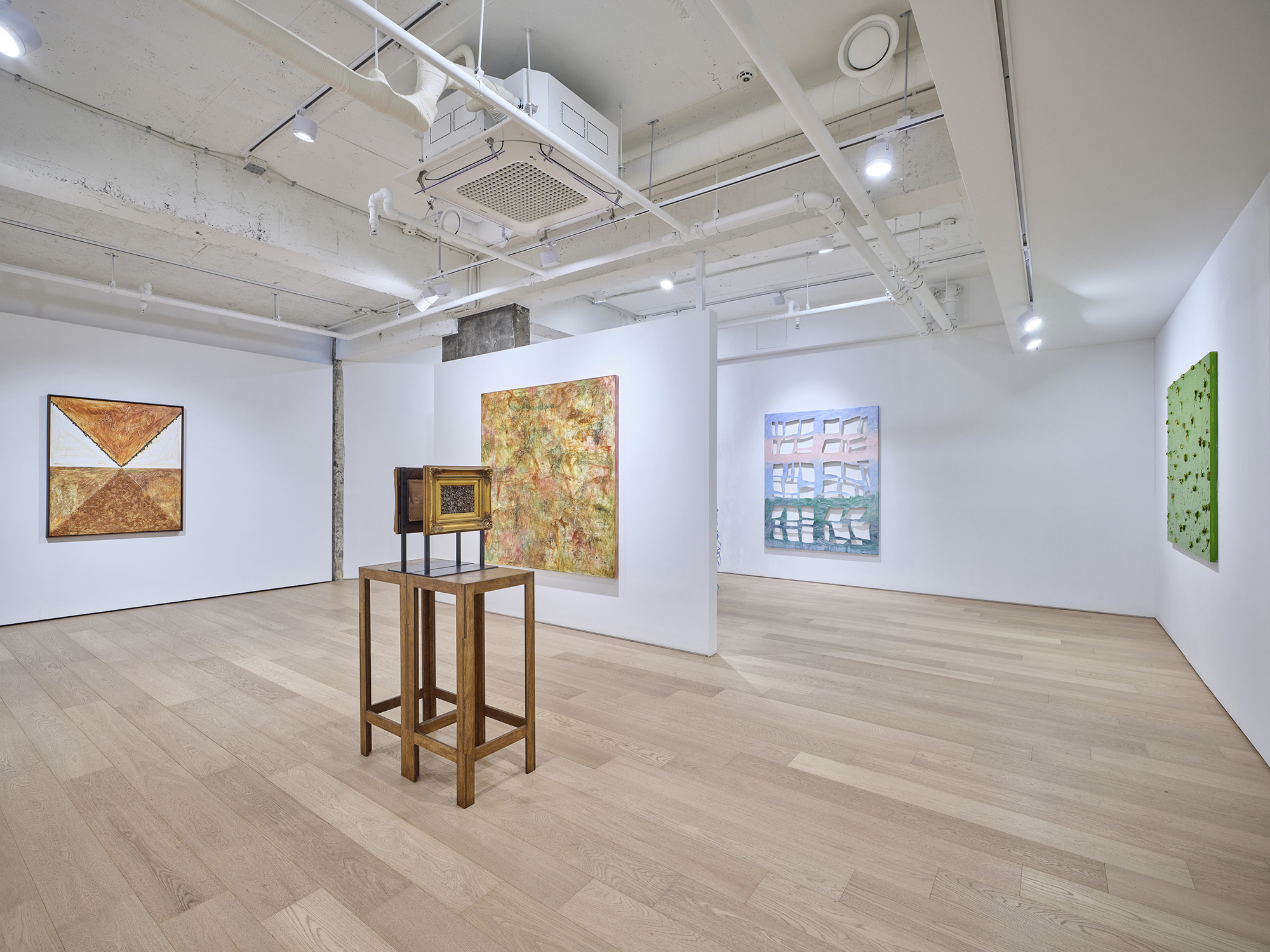
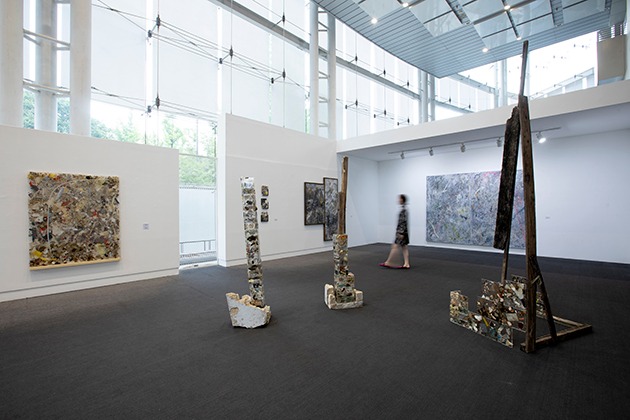
Her choice of materials is equally inseparable from content. Yang has worked with wallpaper, timber, paint fragments, and architectural debris collected from redevelopment areas and aging buildings, as well as soil, thorns, pearl-headed pins, rope, fabric, and resin.

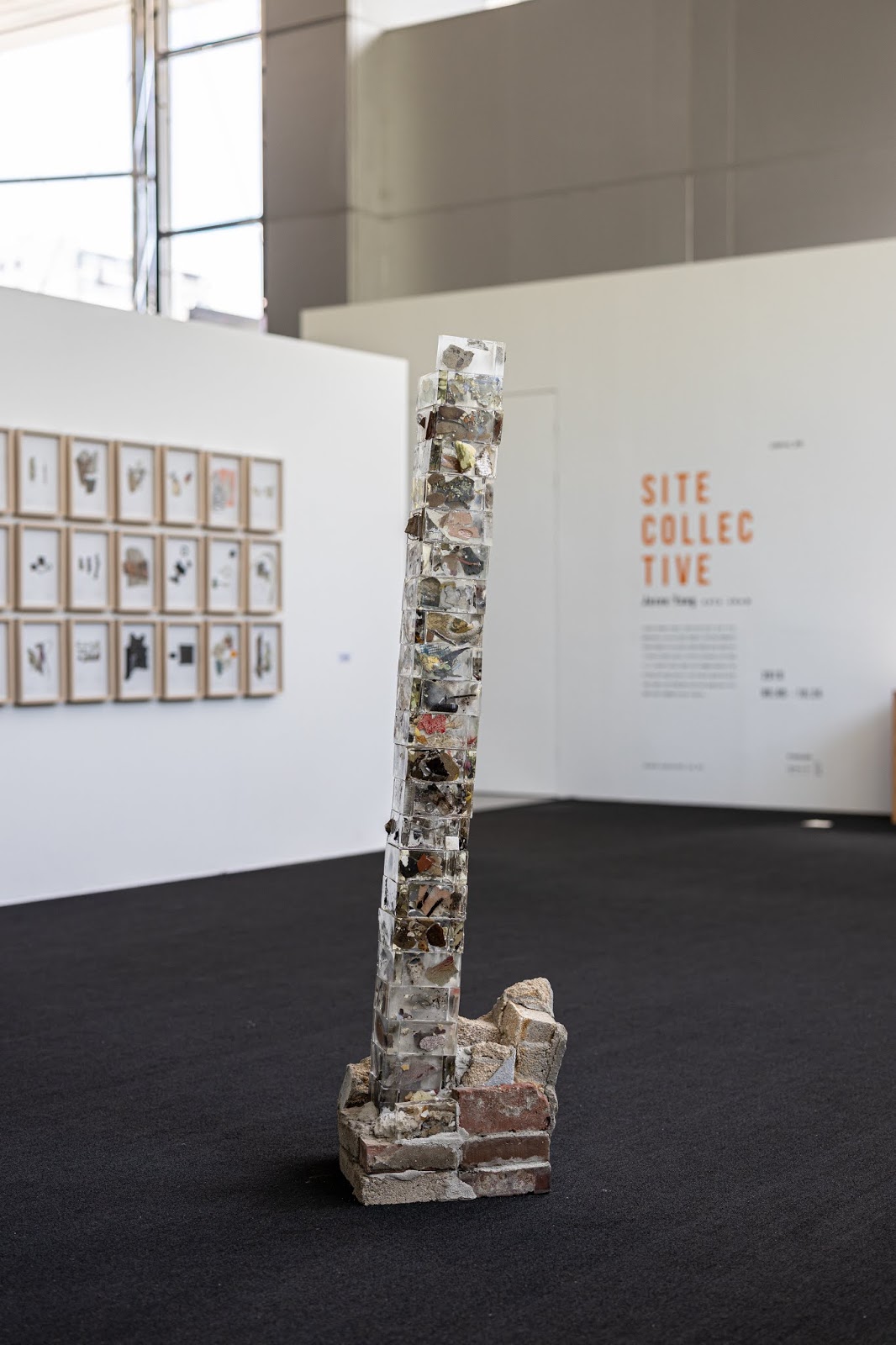
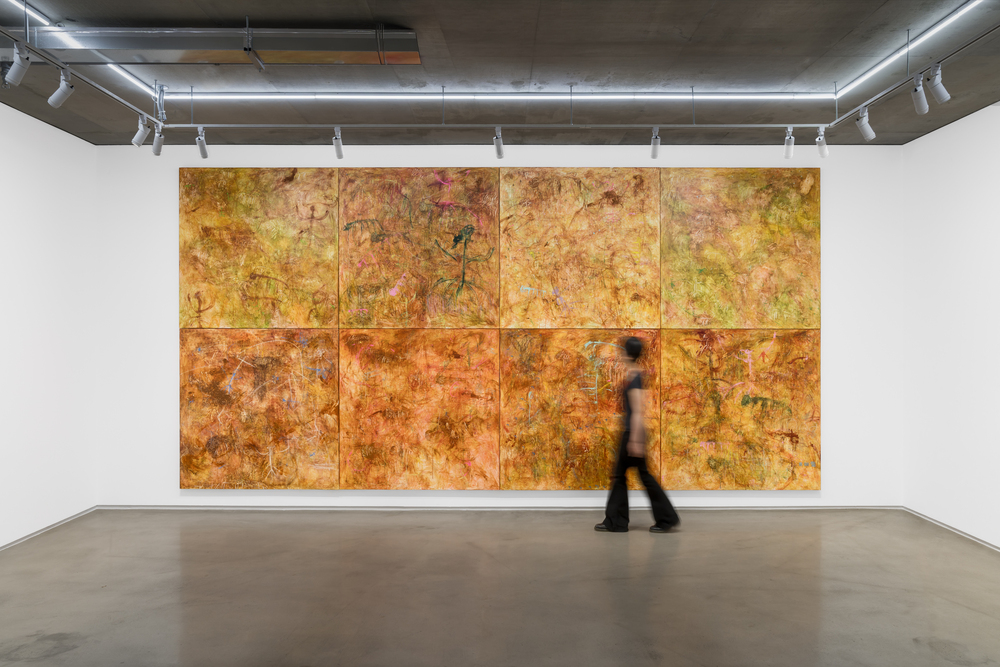
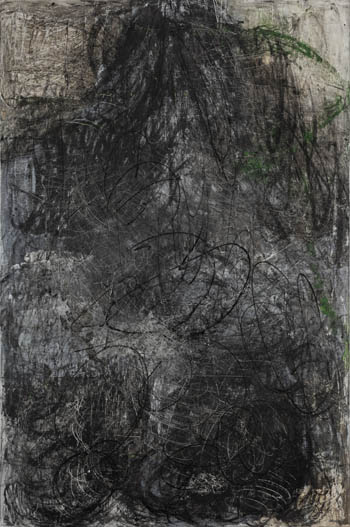
In the 'Materials, Busan+Berlin' and 'Immanence' series, fragments gathered from cities are fixed within transparent resin, preserving traces of place and time, while in 'Skin of Everything', soil collected from locations such as Yeongdeok and Gwanaksan is mixed with powdered pigment and animal glue and repeatedly absorbed into the canvas.

Materials therefore carry the conditions of the sites from which they originate rather than functioning solely as sources of color or texture. Rough protrusions, indentations, detached fragments, and thorns give physical form to the sensations of memory, disappearance, and survival that recur throughout Yang’s work.

Repetition and rhythm provide a major formal principle through which these actions and materials are organized. Yang has explained that fingerprints, handprints, and simple recurring motifs emerge through bodily rhythm rather than as fixed representations of specific images. In Canvas Instruments (2013), created in collaboration with sound artist Haku Sungho, steel springs and plastic cups attached to a large canvas transformed vibrations generated during painting into sound.

The work connected visual traces, bodily movement, and sound through a shared rhythm, establishing an approach that continues throughout her later practice. In recent works, scraping, tapping, friction, and vibration produced by repetitive hand movements further intensify the tactile character of the surface while activating both vision and hearing. 

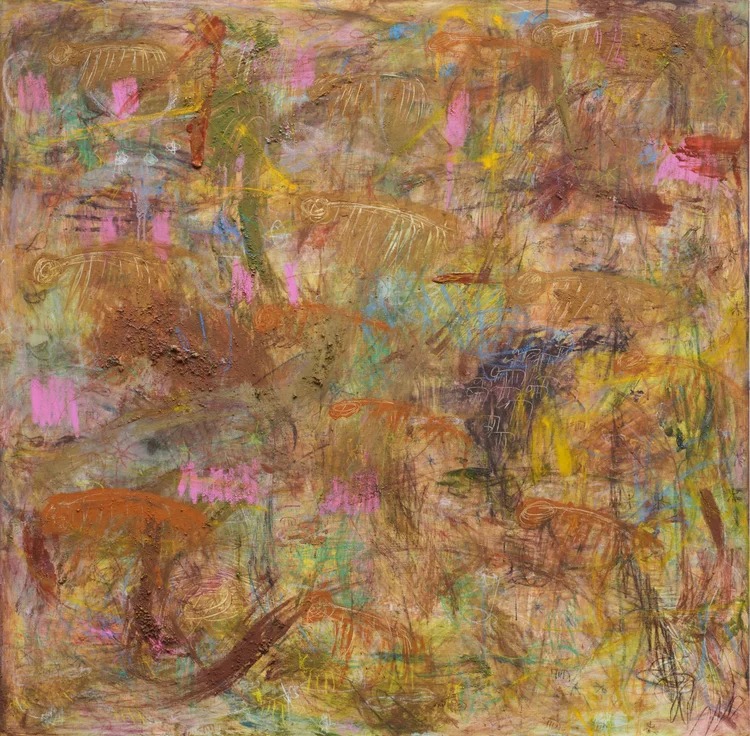
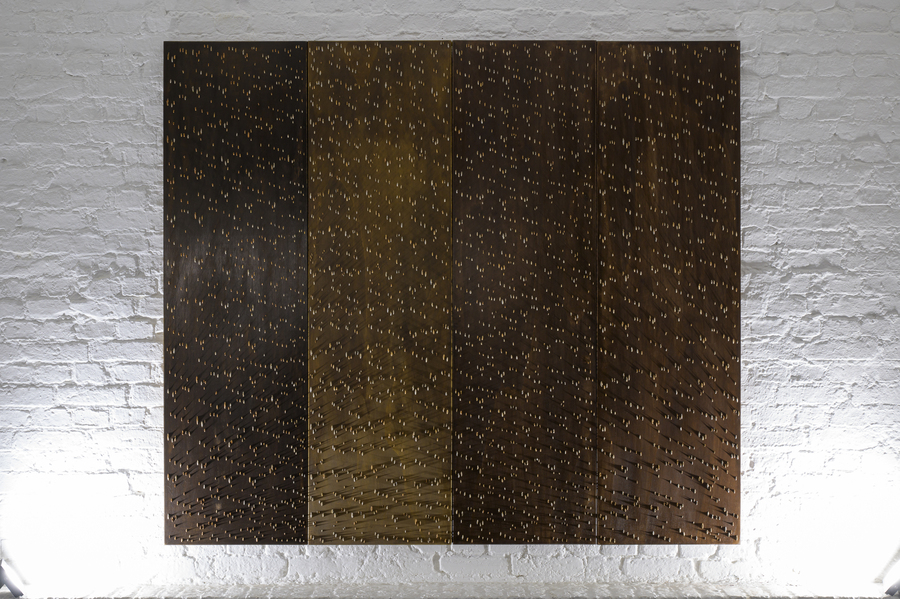
These formal concerns become increasingly concentrated in the recent 'Skin of Everything', 'Thorns', and 'Bulgasari' series. Pearl-headed pins and fabric are inserted into surfaces composed of soil and pigment, while Kalopanax thorns and rope traverse the works, allowing the qualities of painting and object to coexist. In 'Skin of Everything', repeated lines, handprints, and forms suggestive of animals or signs loosen the distinction between figuration and abstraction.

In 'Bulgasari', strong diagonals, all-over compositions, and densely arranged thorns and pearl-headed pins generate tension across the entire surface. Form in Yang’s practice develops through the interaction of material, action, and the memory of place. Each mark functions simultaneously as a visual element and as a record of time and sensation registered through the artist’s body.


Topography & Continuity

Jazoo Yang’s practice has expanded from the margins of cities and redevelopment sites toward broader concerns with the memory of place, material temporality, and the relationship between humans and nature. While the early 'Monster Series' addressed individual alienation and anxiety within social structures through direct figurative imagery, from the mid-2010s onward old streets and buildings awaiting demolition became central points of departure.

During her time in Beijing, Yang developed an interest in traces of time embedded in weathered walls and sheet-metal gates, which subsequently led to murals, spatial interventions, and participatory projects in redevelopment areas including Busan. This development represents a gradual shift in scale rather than a break in subject matter: experiences of alienation and loss were increasingly articulated through the physical traces of specific places and objects.

The 'Dots' project marked an important expansion of these concerns toward relationships between place and community. Beginning with Dots: Motgol 66 (2015), in which Yang repeatedly imprinted her fingerprints onto a house scheduled for demolition in Busan, the project later developed in St. Petersburg, Besançon, Paris, Norway, Berlin, and elsewhere, often involving local residents and migrant workers.

Although the geographical settings changed, Yang continued to use bodily contact to register the presence of people who had inhabited or occupied particular sites and to preserve memories of places facing disappearance. As her working geography expanded from Seoul and Busan to Beijing and cities across Europe, direct engagement with local environments and communities remained fundamental to her practice.

In the later 'Materials, Busan+Berlin' and 'Immanence' series, Yang collected fragments detached from urban walls and buildings and preserved them in resin, allowing the material itself to carry the memory of place. With 'Thorns' and 'Skin of Everything', her attention moved increasingly toward soil, plants, and other natural materials. The appearance of earth, thorns, folklore, and myth in her recent works does not constitute a complete departure from her earlier urban practice.

While architectural debris and peeling walls have given way to soil, wood, and thorns, the underlying method remains consistent: she gathers materials that have endured time and reactivates their traces through bodily action. Her recurring concerns with humans and nature, life and death, memory and forgetting continue to evolve from the redevelopment projects of her earlier career into the recent 'Skin of Everything' and 'Bulgasari' series. 

The strongest continuity in Yang’s practice lies in her working attitude rather than in any single medium or material. Repeatedly stamping thousands of fingerprints, collecting fragments from abandoned structures, rubbing soil into surfaces by hand, and inserting thorns or pearl-headed pins all require extended time and physical endurance.

Repetition also extends into sound and vibration in Canvas Instruments, and into the rhythms formed by handprints, lines, and material arrangements in her recent paintings. Even as her focus has broadened from urban disappearance toward nature and myth, Yang continues to register and remember traces of things that are vanishing through the body. Sites and materials change, and her visual forms evolve accordingly, but the impulse to sense accumulated time and reactivate it within the present has remained consistent from her earliest works to her current practice.

Works of Art

A Record of Time and Sensation Experienced Through the Body

Articles

Exhibitions

Activities