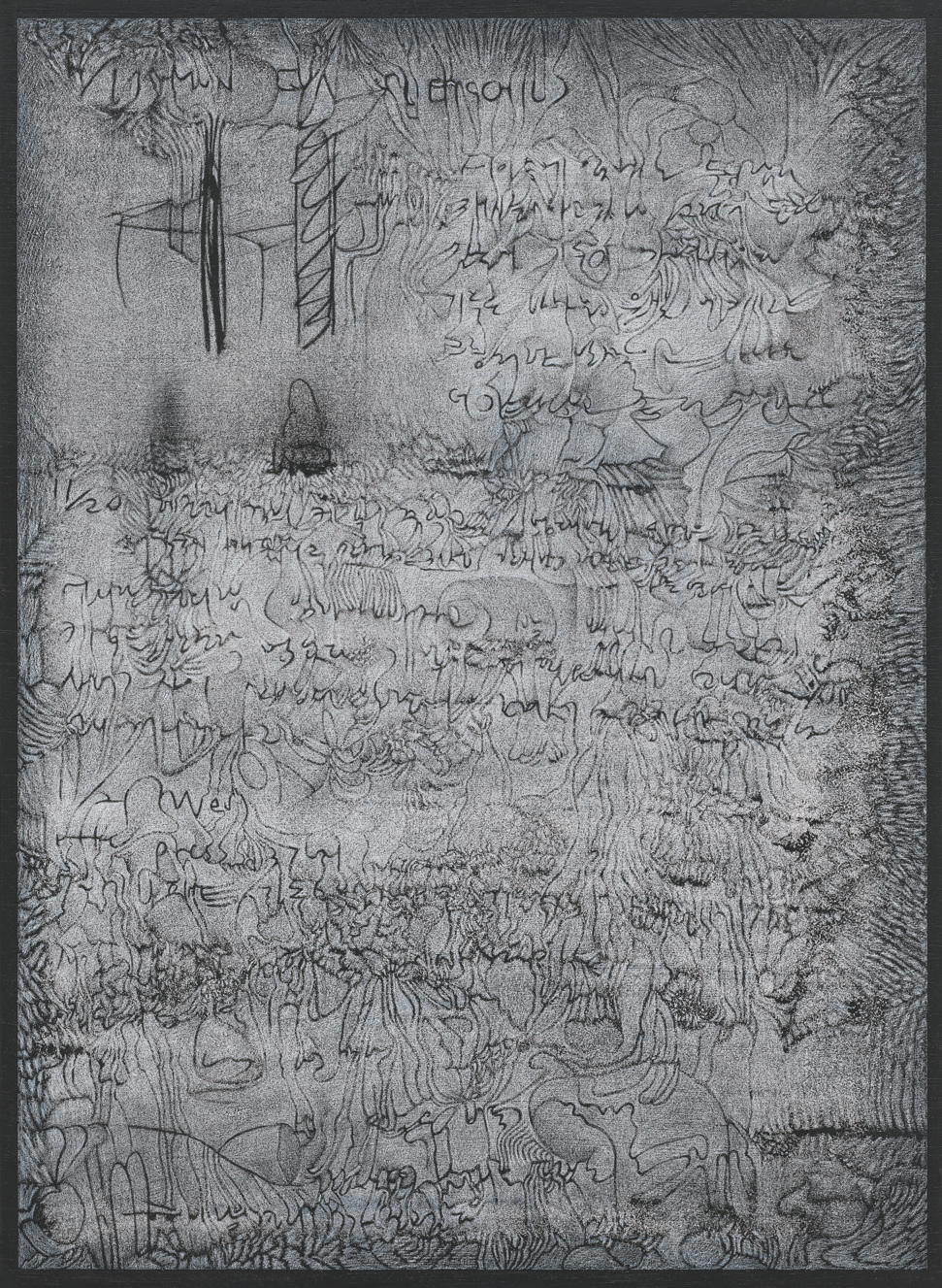
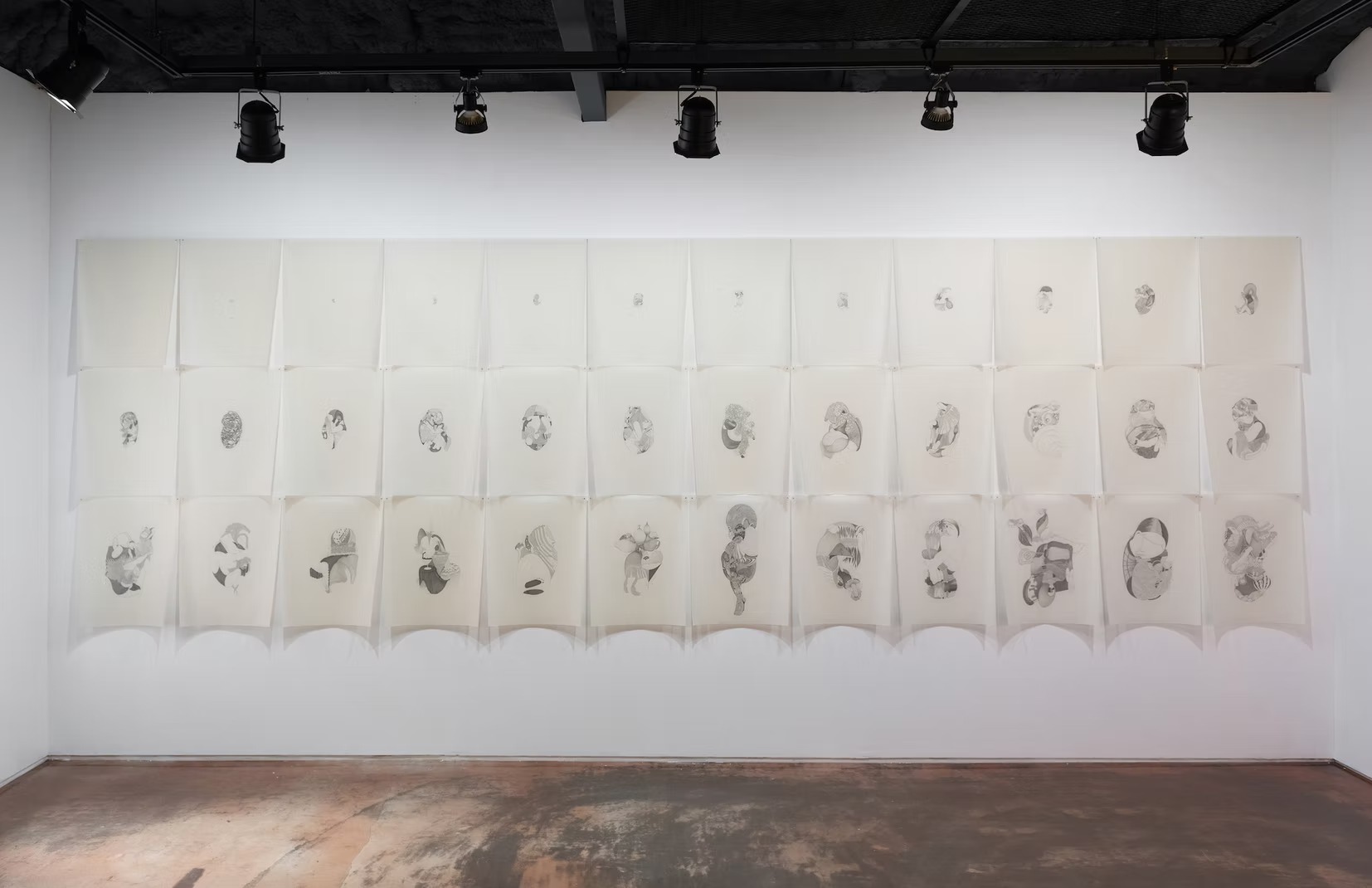
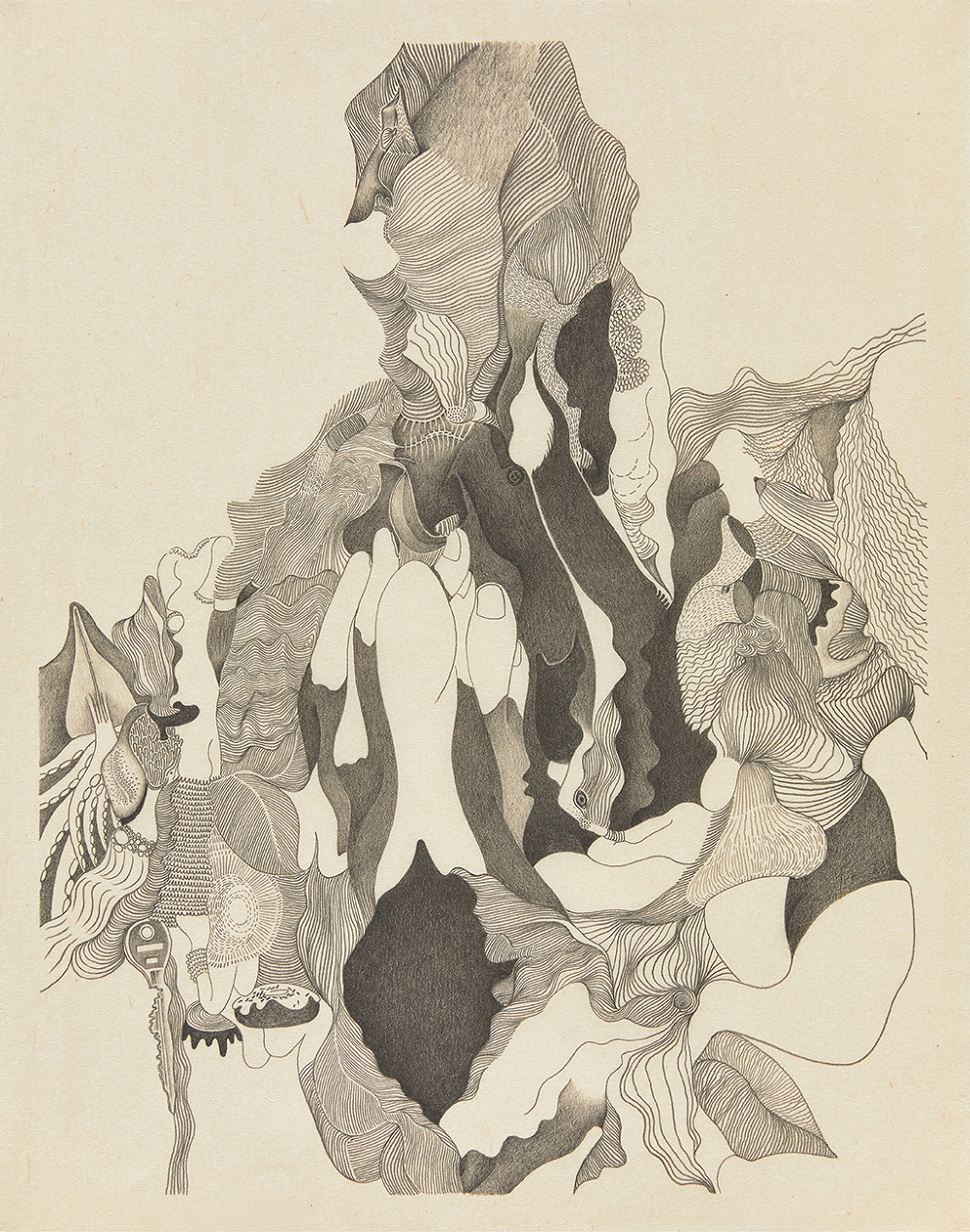
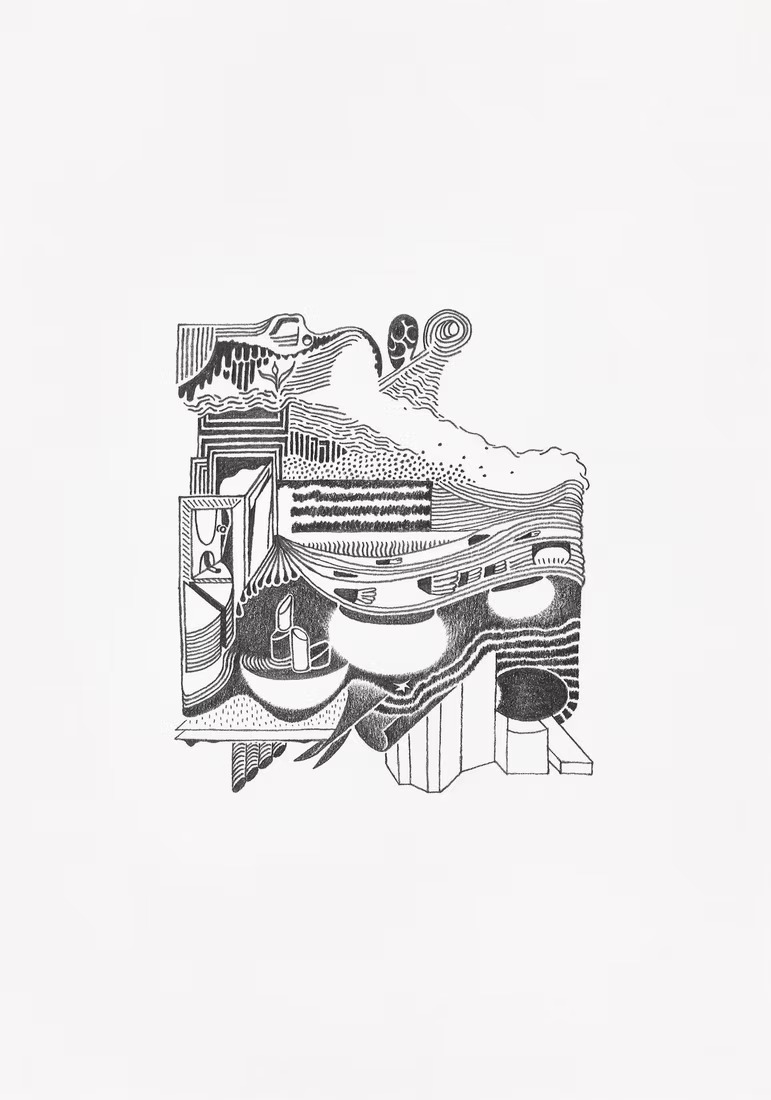
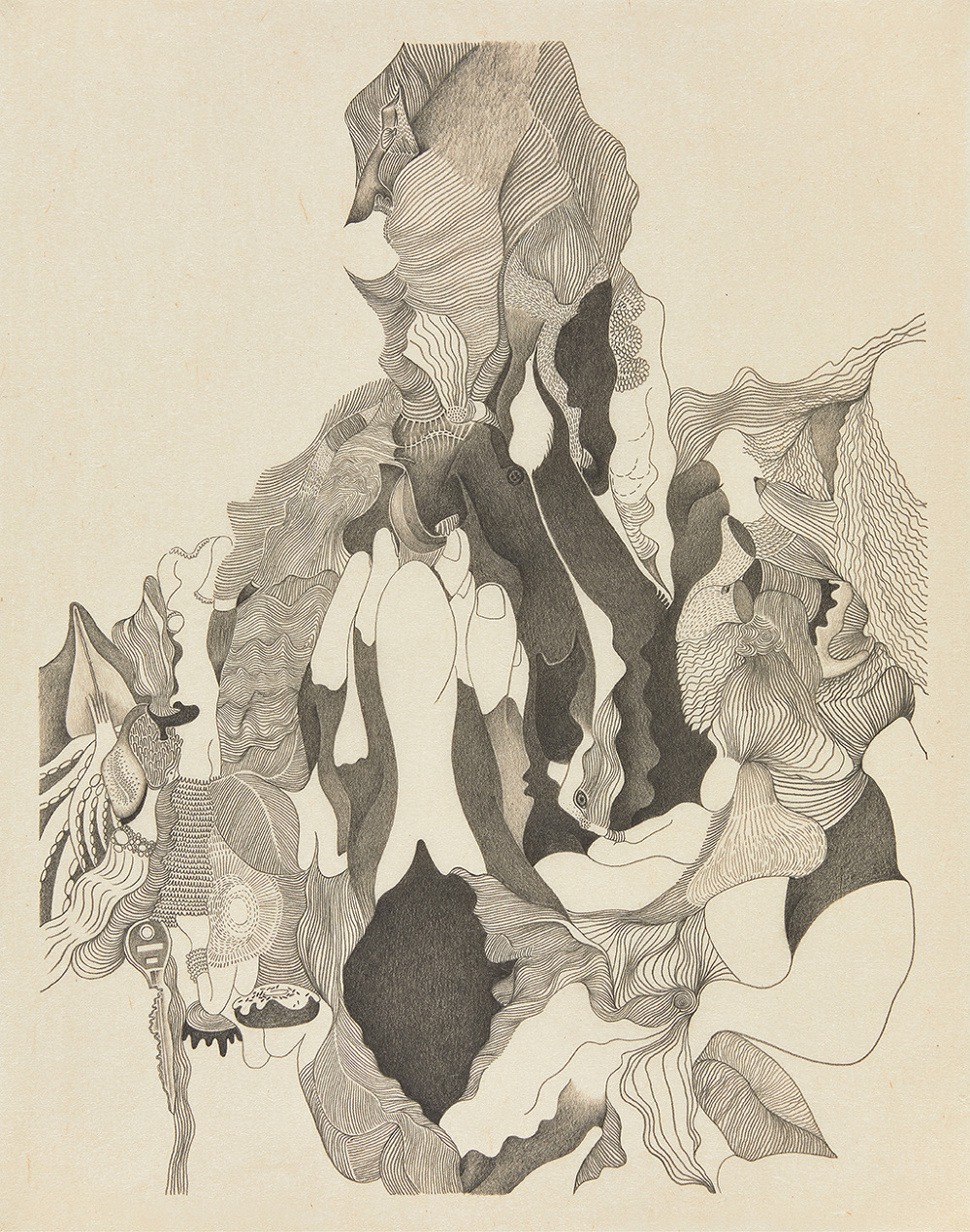
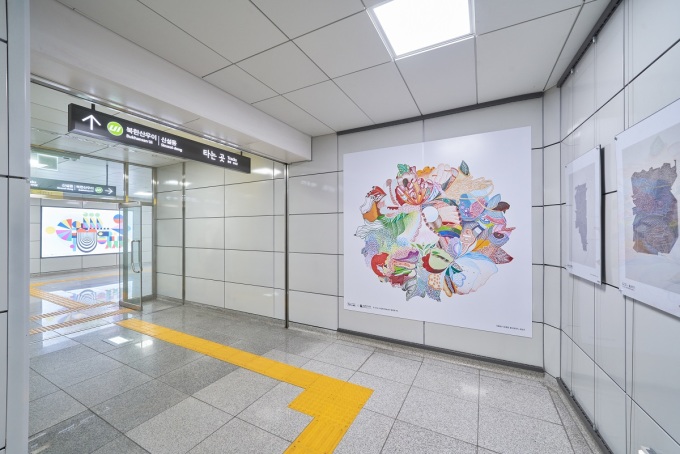
Drawing functions in Dongwan Kook’s practice both as a means of producing images and as a method for observing thought as it takes form. Emphasizing the direct contact among pencil, paper, and hand, she has developed a process in which lines unfold through spontaneous associations without the use of an eraser or a predetermined sketch.
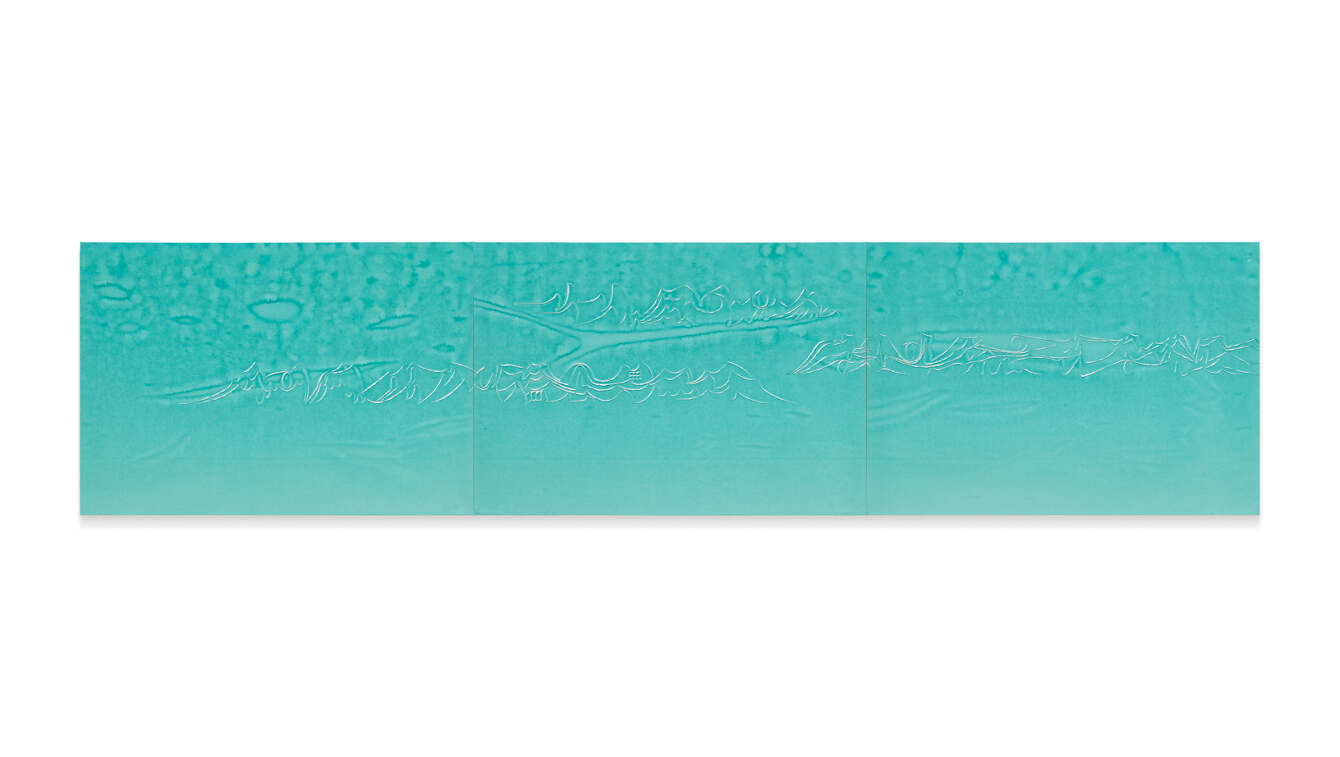
In 'Hoigwang-Banjo' (回光返照), an image is attached to glass and illuminated from behind, providing a projected form from which further associations emerge. The reference images Kook calls “image questionnaires” offer direction without predetermining the result. Movements of the hand, momentary decisions, and unforeseen forms intervene throughout the process, turning drawing into a way of working through a question.
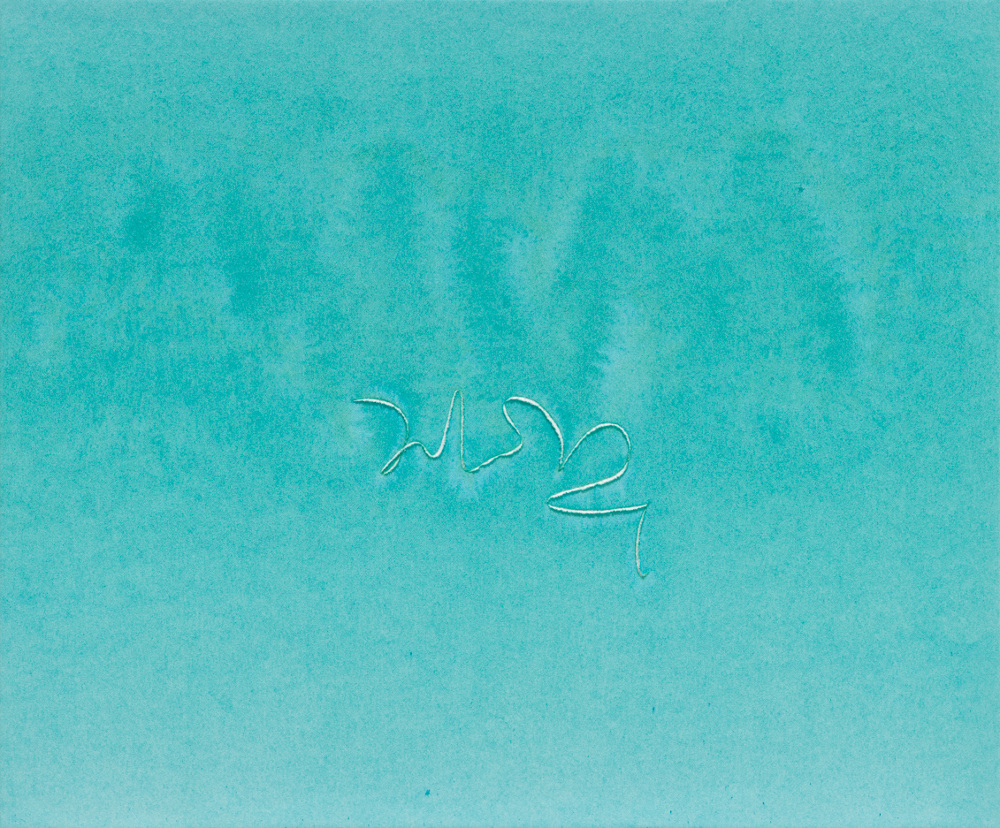
Although Kook draws upon free association and automatism, her images remain closely bound to language. Dreams may first be recorded as sentences and subsequently translated into images, while forms discovered through drawing may in turn be rewritten as text. Image and language repeatedly interpret one another.
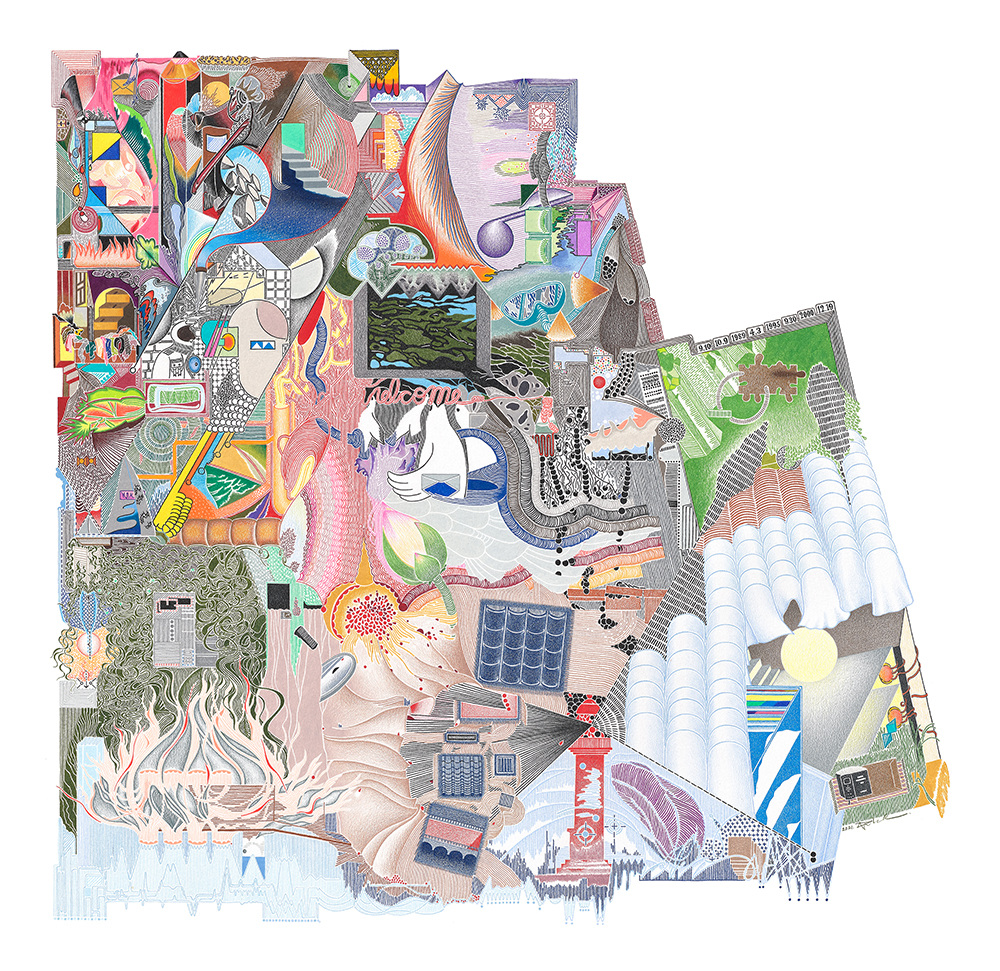
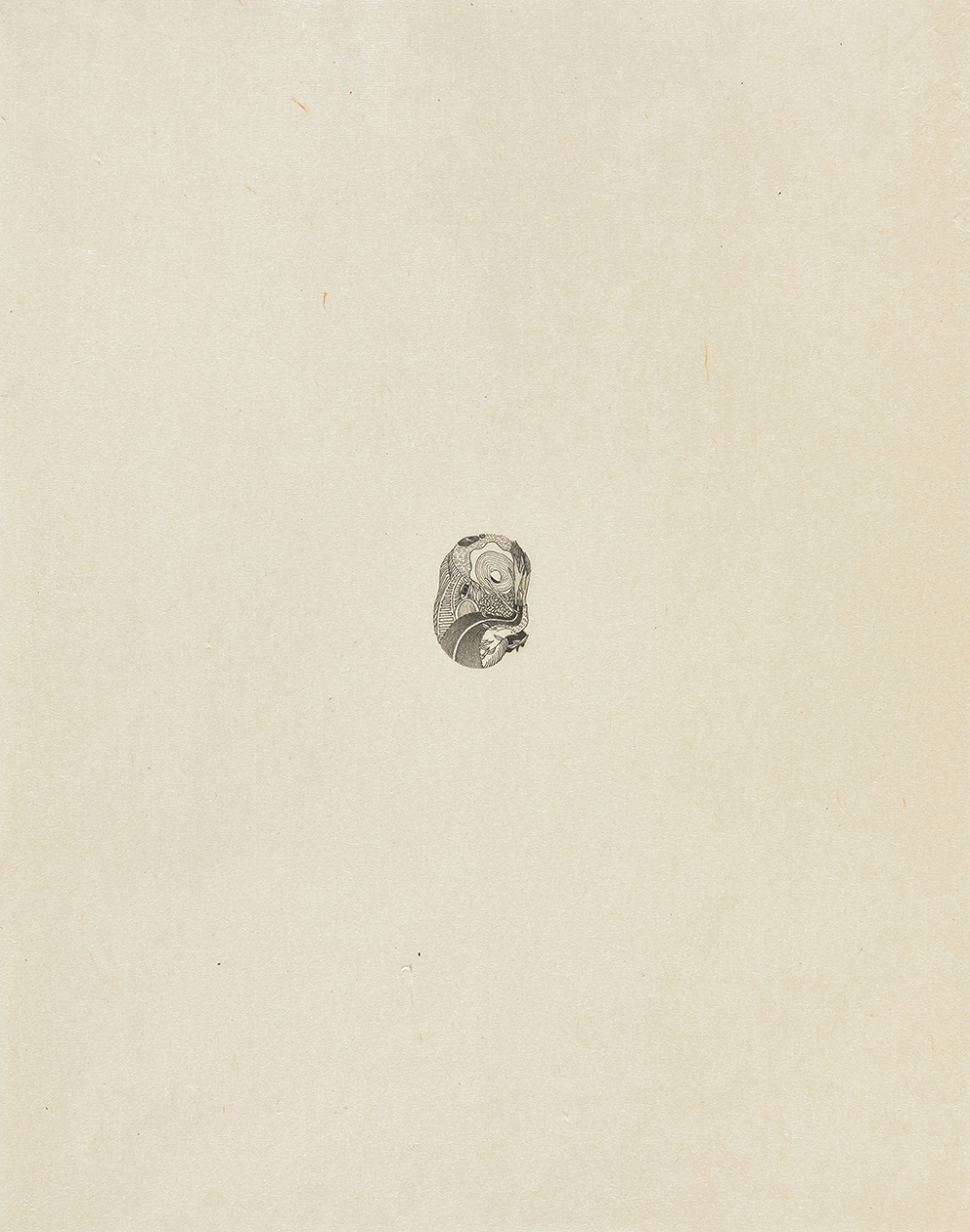
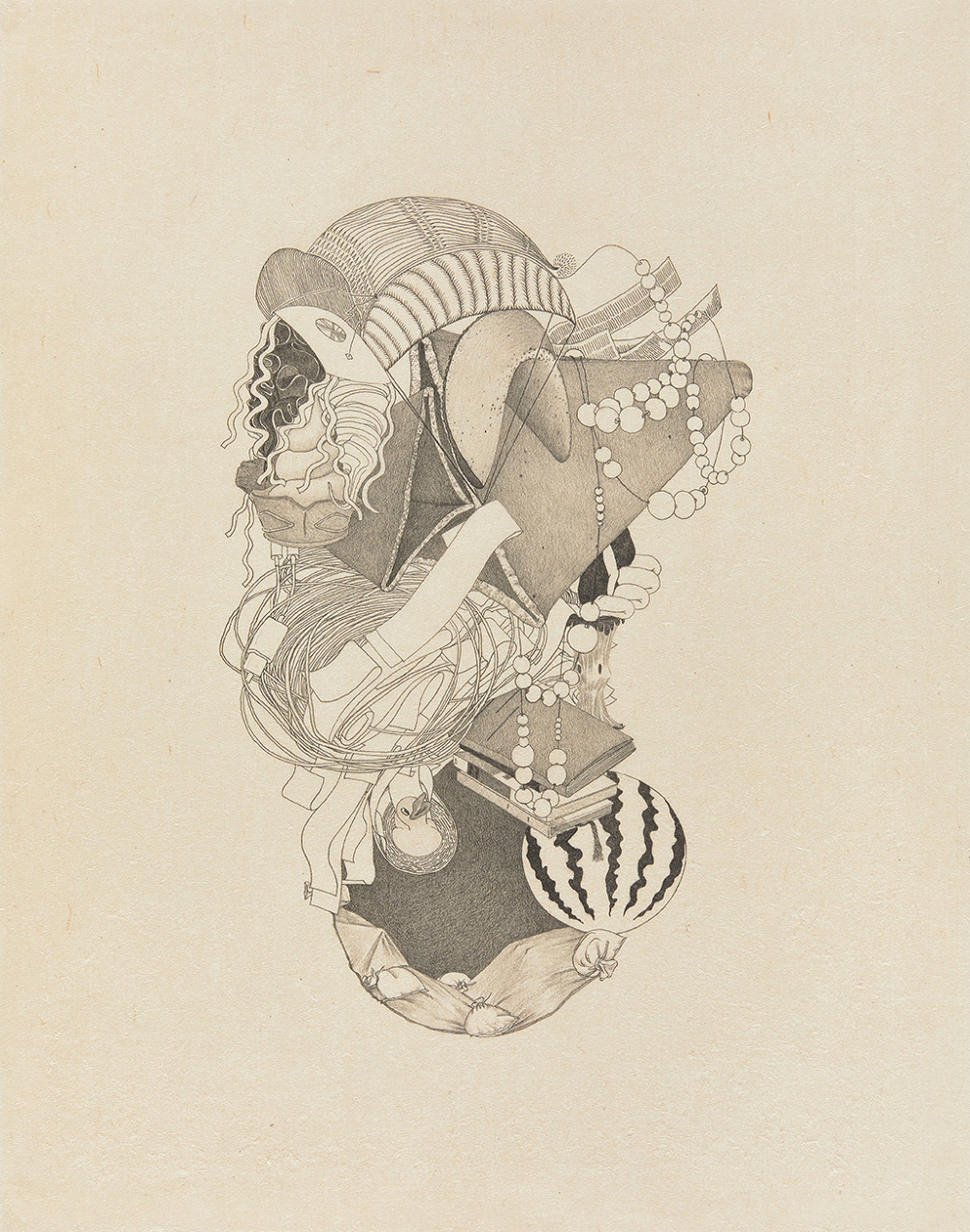
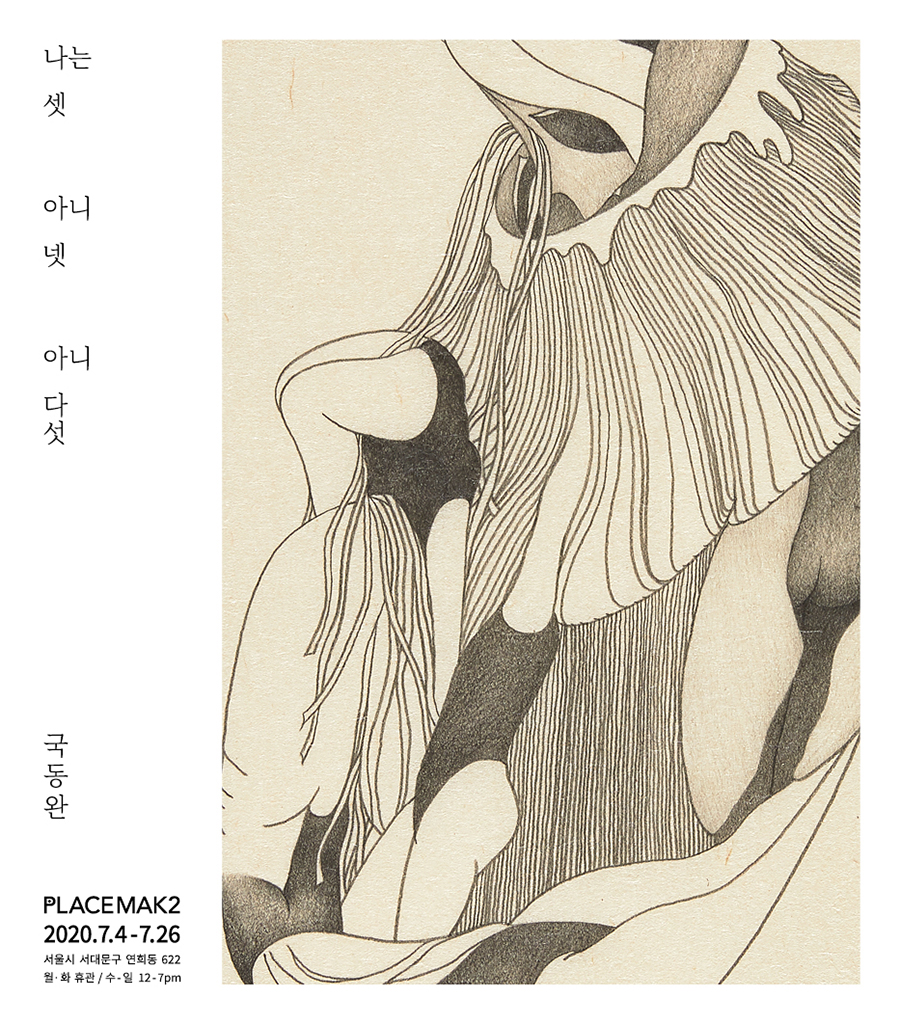
In 'I Am Three or Four or Five', small forms suggestive of animals, objects, and bodily parts are combined within the contour of a fetus, then extended into poetic texts paired with individual drawings and into a publication encompassing the series. Lines and forms that arise spontaneously are gradually named, classified, and incorporated into narrative relationships. Automatic gesture and systematic acts of reading and construction therefore continually intersect within her practice.
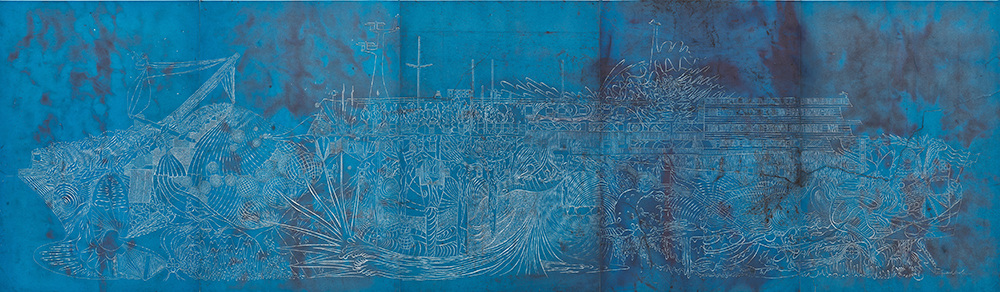
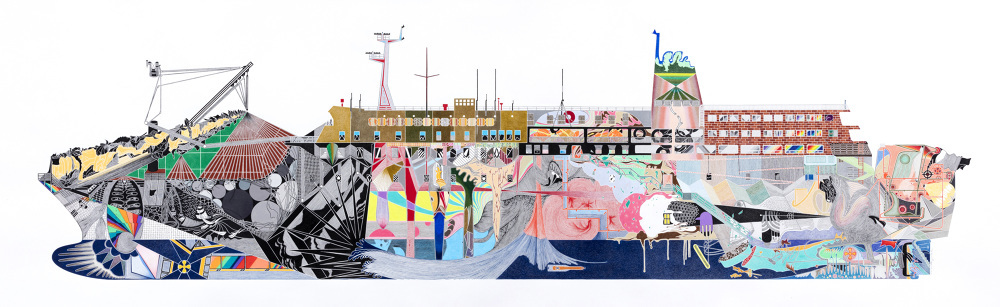
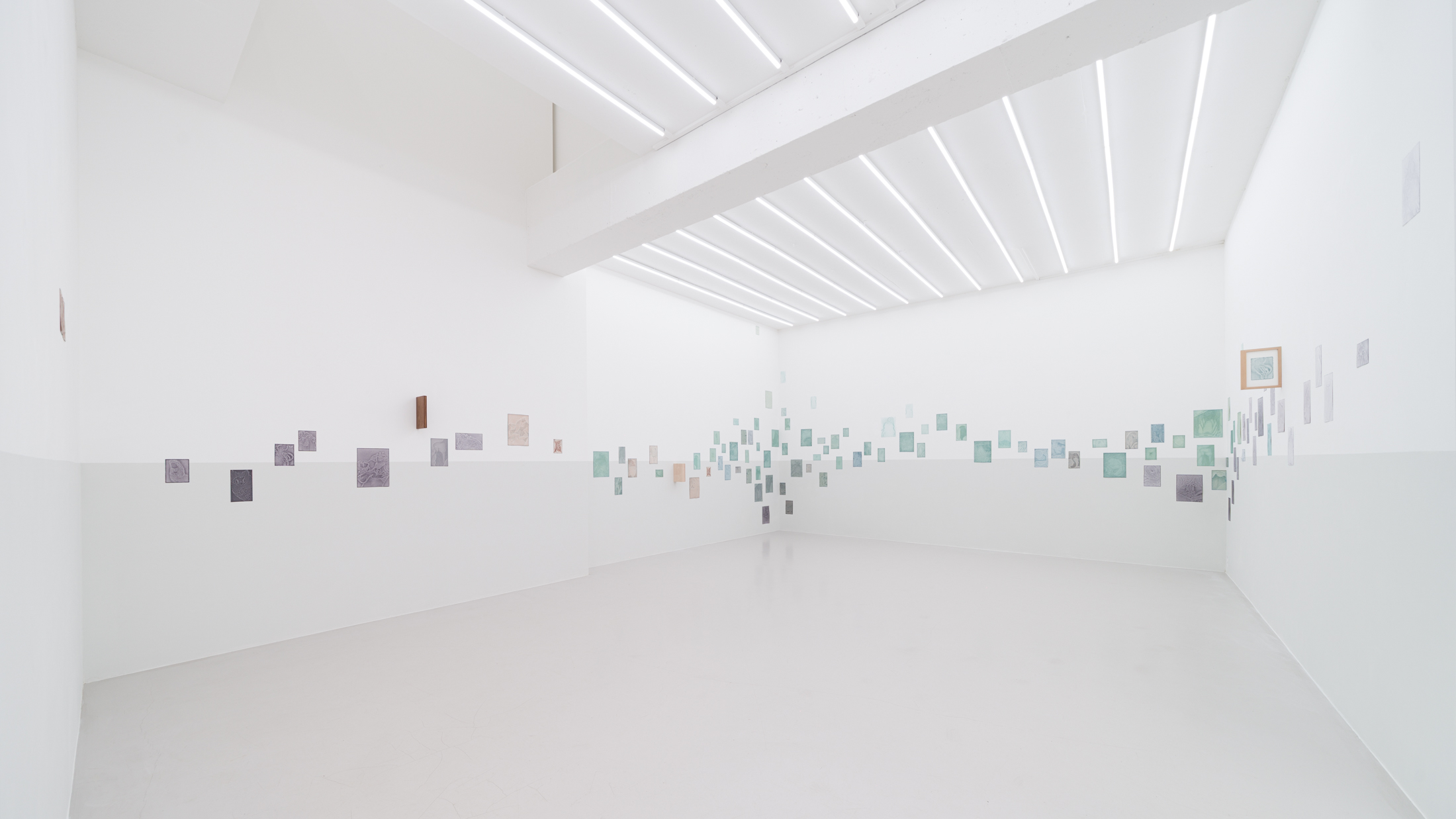
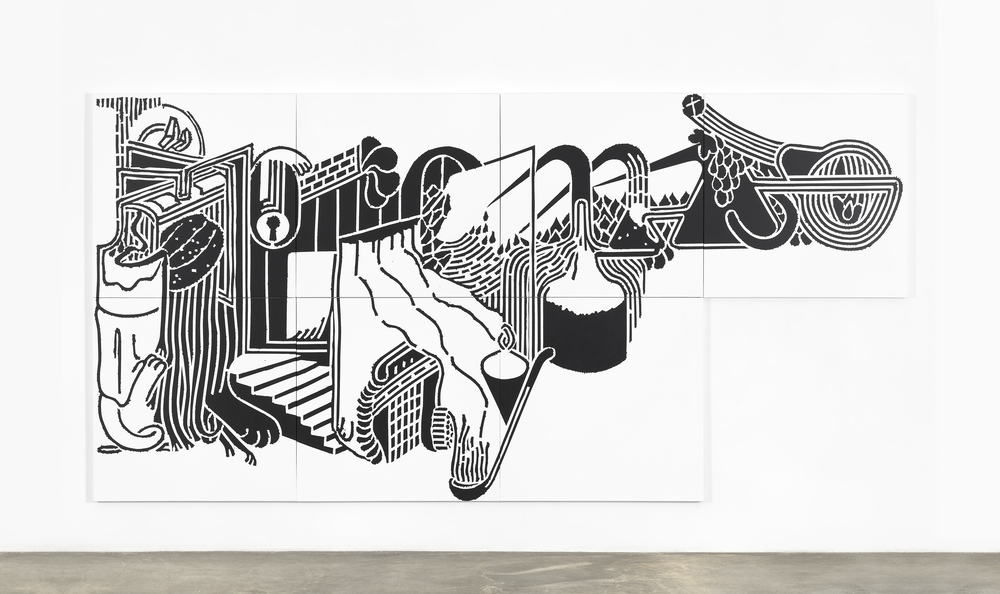
The subsequent dismantling and transformation of completed images is another recurring formal strategy. Kook cuts drawings apart and rearranges related motifs, enlarges selected details, or translates blank lines from a drawing into paper tape before applying paint. The collages derived from A Ferry, the artist’s book that fragments the work into multiple scenes, the '900x Magnification' series developed from details of Decalcomanie Life, and the collages associated with 'I Am Three or Four or Five' exemplify this process.
Through enlargement, fragmentation, and recombination, small motifs can be reread as discrete signs, revealing narratives and relationships that remained latent within the original image. Drawing, painting, collage, and bookmaking thus operate as interconnected methods for reorganizing the same record through different scales, materials, and modes of reading.
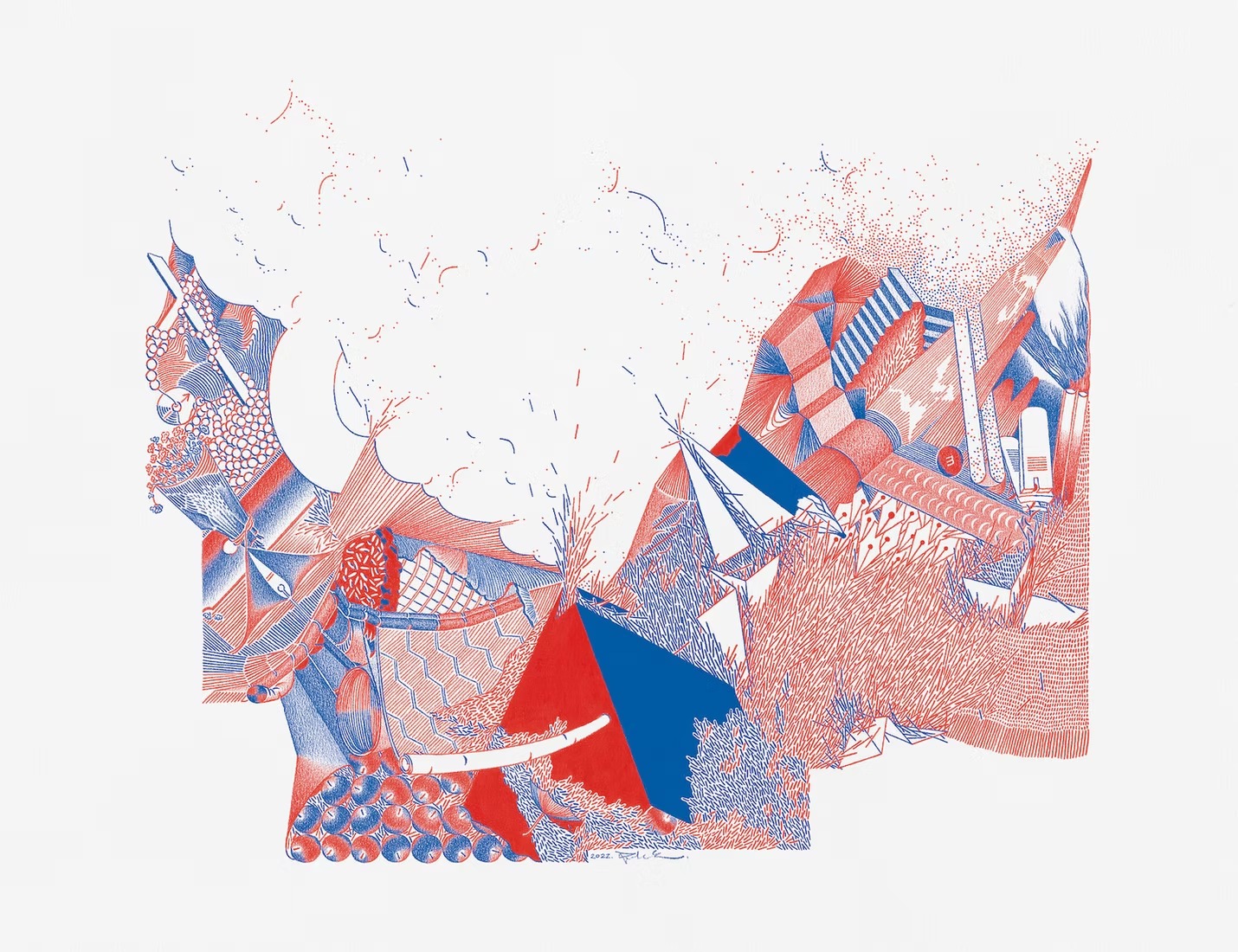
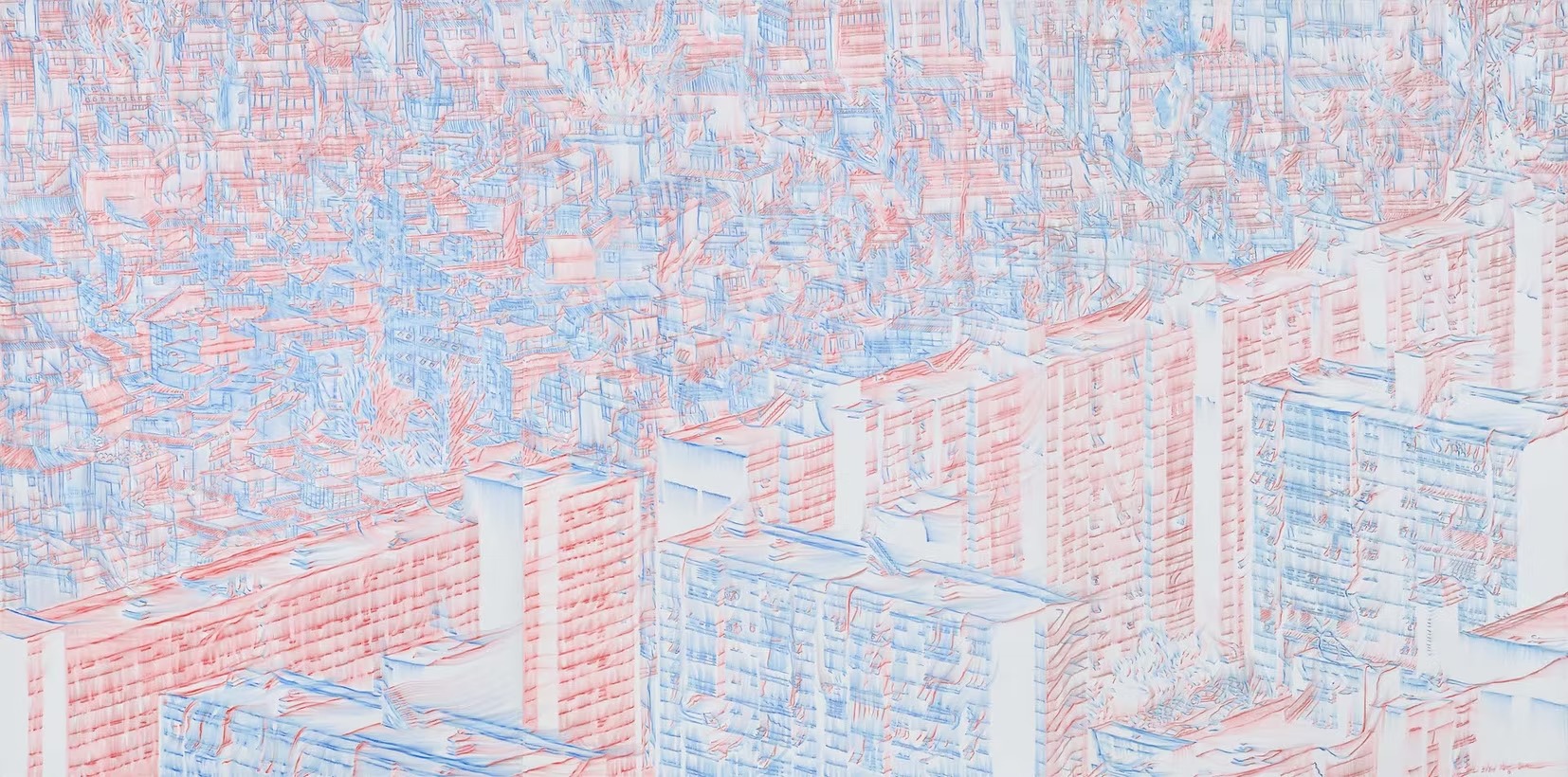
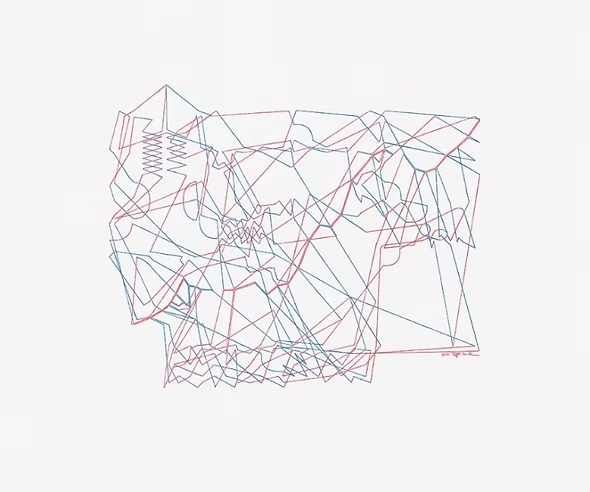
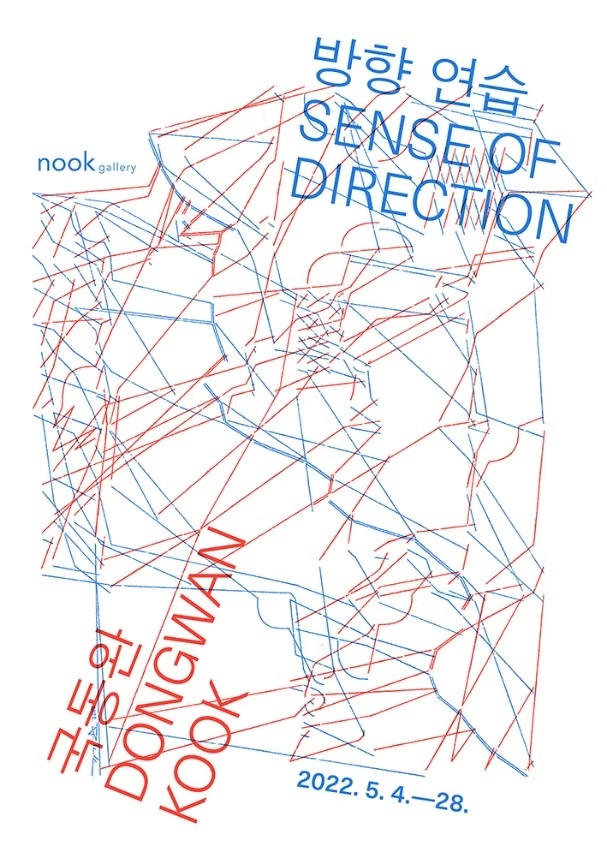
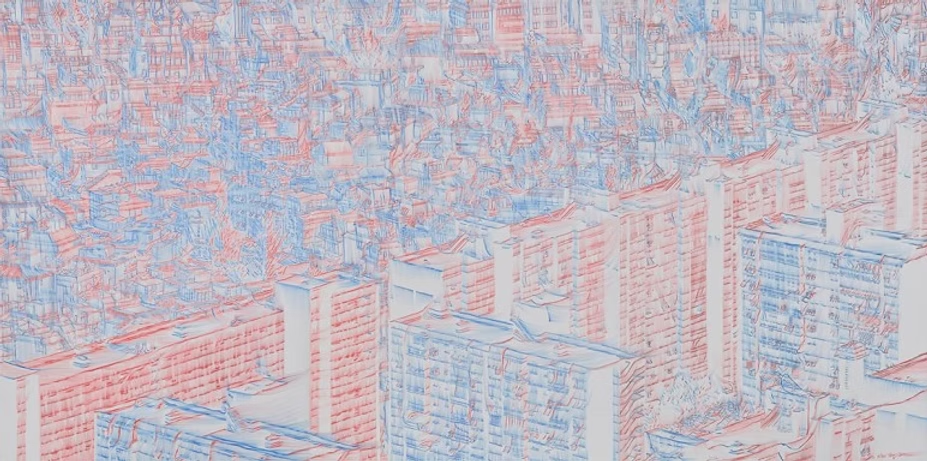
With 'Sense of Direction' and Bull Market in 2022, Kook introduced deliberate constraints into this methodology. She adopted a rule derived from stock charts, assigning red to upward movement and blue to downward movement, and in Bull Market traced an image projected onto canvas with oil pastel.
The freedom of association central to her earlier drawings is restricted, while errors produced by the rough canvas surface and the physical act of smudging and erasing lines become new variables. A hand initially compelled to follow a mechanical rule gradually generates unexpected rhythms by blurring, crossing, and redirecting those lines.
For Kook, changes in material and process therefore carry conceptual consequences: by setting conditions that alternately permit and restrict the freedom of the hand, and by accepting the resistance and mistakes that emerge within them, she extends the content of her work from interior experience toward the bodily experience of living amid housing, capital, and social systems.



.jpg)