Eraser and Sand - K-ARTIST

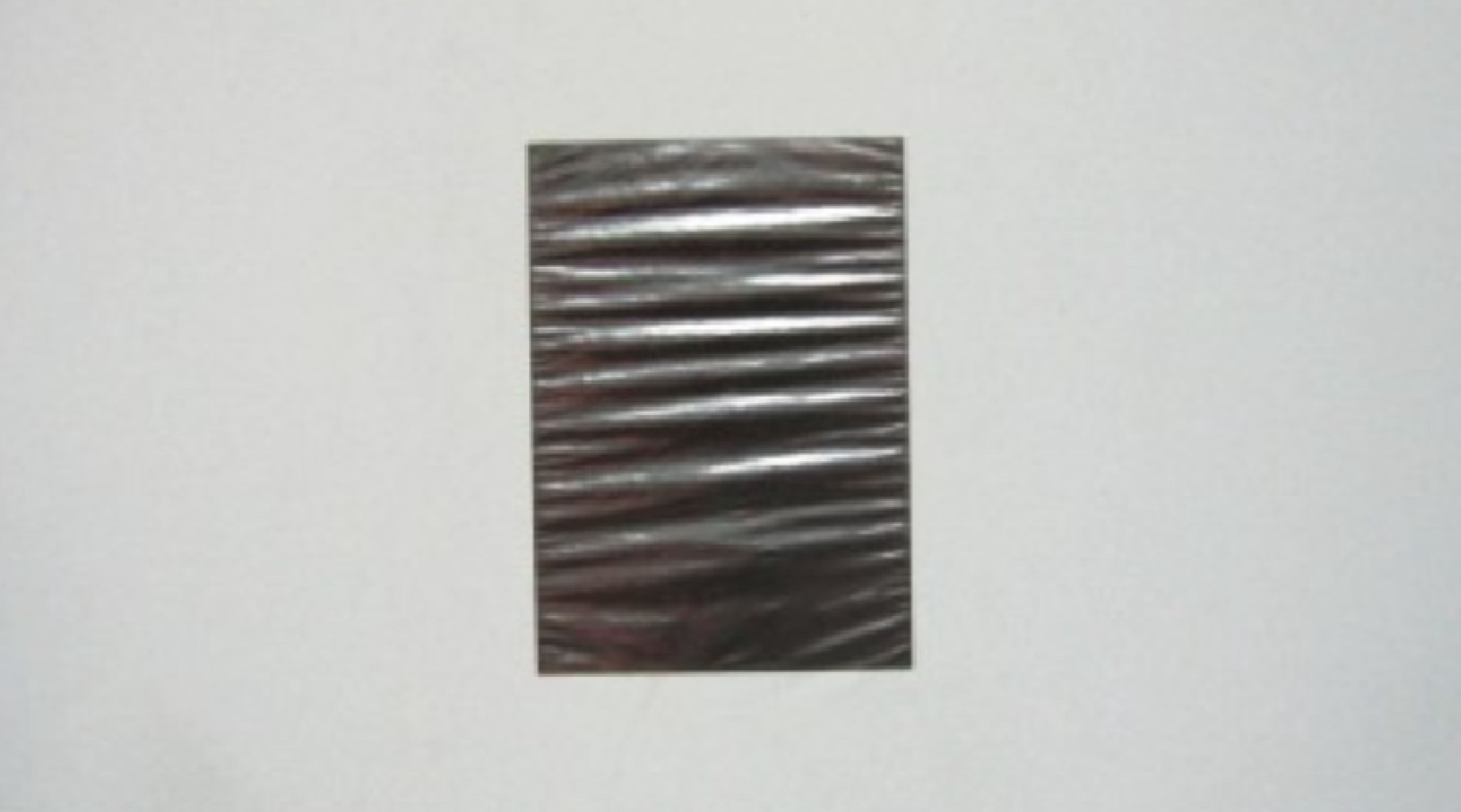
Eraser and Sand

2013
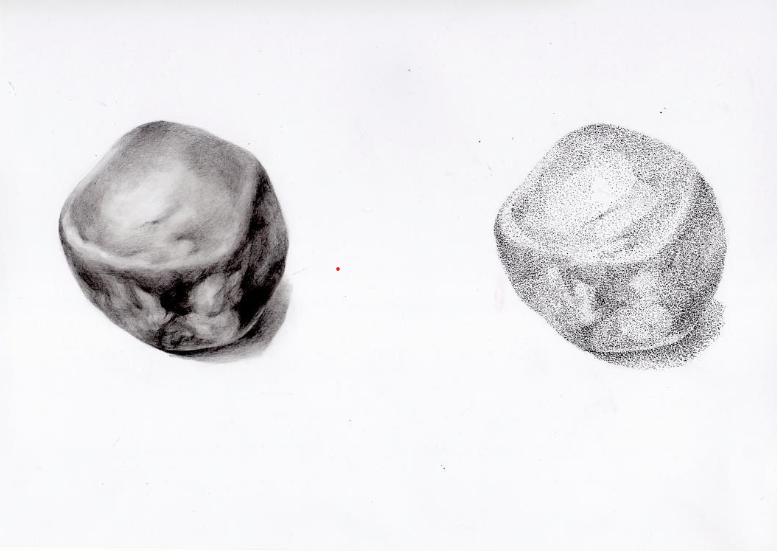
Pencil on paper
20 × 29.7 cm
About The Work

Hwang Sueyon has explored the relationships and transformations that emerge through the encounter between the materiality of materials and her own body, expressing them through sculpture. She focuses on unfamiliar physical phenomena that arise as she uses her body to stroke, touch, and rub various materials found in her surroundings.

Hwang has spent years exploring a range of materials, including paper, foil, and sand, creating sculptures in which the inherent qualities of each material and traces of time naturally emerge. She approaches her works as entities equal to herself, engaging with them through an attitude of observing, understanding, and ultimately accepting their vulnerability.
 
Through physical actions, she observes how materials change, accepting the states they reach through this process and bringing her own actions to a halt when she determines that no further intervention is necessary. Thus, in Hwang’s practice, the artist’s actions do not simply transform materials in one direction.

Rather, the process of adjusting and eventually ceasing her actions in response to the materials’ reactions and changing states plays a central role. By physically experiencing the properties of materials, she approaches her practice from a biological perspective while incorporating subtle emotions observed in everyday life, thereby expanding the contemporary possibilities of sculpture.

Solo Exhibitions (Brief)

Hwang has held solo exhibitions including 《Pastel, Bullet, Beautiful Fingers》(G Gallery, Seoul, 2024), 《Magma》(Arario Gallery, Seoul, 2024), 《Parts》(Hakgojae Design | PROJECT SPACE, Seoul, 2021), among others.  

Group Exhibitions (Brief)

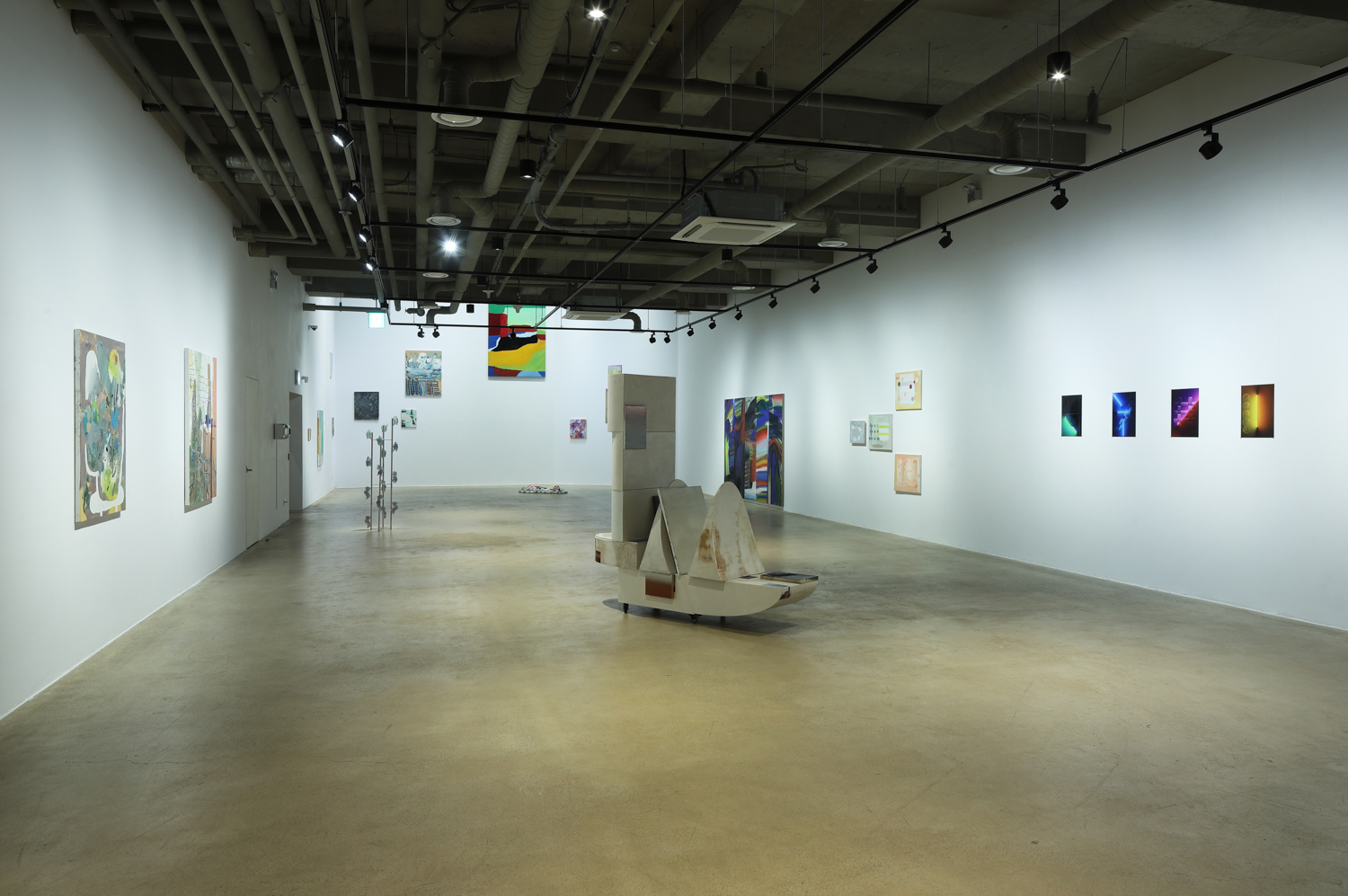
Hwang has also participated in numerous group exhibitions, including 《Comedy》(d/p, Seoul, 2026), 《Provisional Forms》(CYNC, Seoul, 2026), 《Where We Are Mirrored》(Wooran 1, Seoul, 2026), 《Approximation》(Whistle, Seoul, 2023), 《Sculptural Impulse》(Buk-Seoul Museum of Art, Seoul, 2022), 《Dwindles to a Point and Vanishes》(Art Sonje Center, Seoul, 2021), and 《Young Korean Artist 2019: Liquid Glass Sea》(MMCA, Gwacheon, 2019). 

Residencies (Selected)

Hwang has participated in residency programs including the Nanji Residency (2021) and DOOSAN Residency New York (2019). 

Collections (Selected)

Hwang’s works are held in the collection of institutions including the Seoul Museum of Art.

Works of Art

Forms Shaped by the Interplay Between Material and Body

Originality & Identity

Hwang Sueyon’s practice begins with a bodily inquiry into what a material can become. In the early work A4 Drawing(2008), she repeatedly covered standardized A4 paper with pencil, altering its texture and weight. In Harder(2014-2016), she crumpled and hammered thin, lightweight aluminum foil into a solid mass, while in Heavier(2016), she solidified loose, scattering sand with adhesive to create a dense and weighty form.

For Hwang, materials are less a means of realizing a predetermined form than counterparts that respond in unexpected ways when subjected to sustained force and time. This is also why she has described her approach to her work as “biological.”

Rather than maintaining complete control over the making process, she observes the material’s vulnerability, resistance, and limits of transformation, allowing these conditions to determine when her intervention should stop. Her solo exhibition 《Spinning Egg》(Kumho Museum of Art, 2017) brought this approach into focus through sculptures made from paper, aluminum foil, sand, rubber bands, pastel, and other materials.

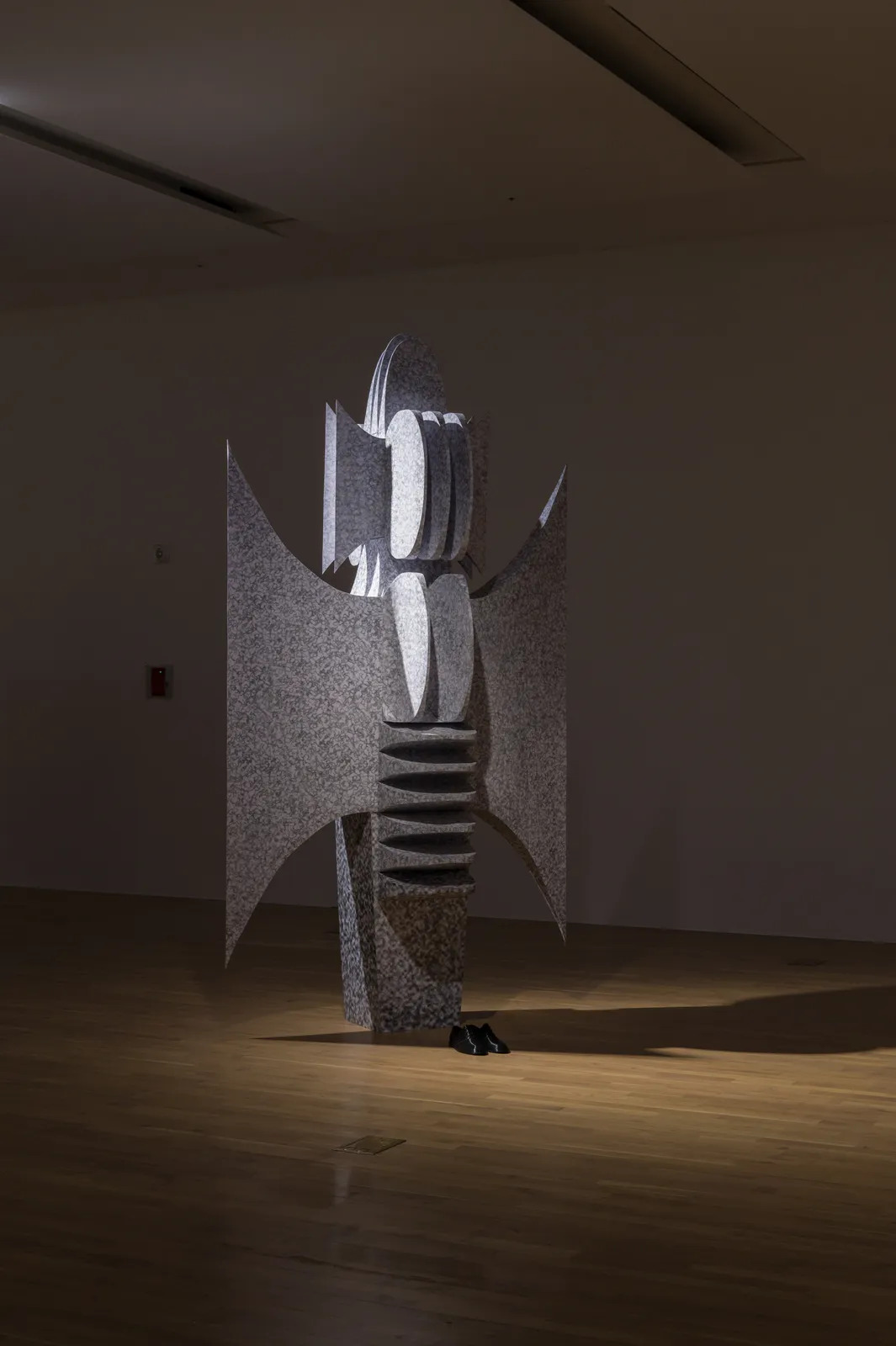
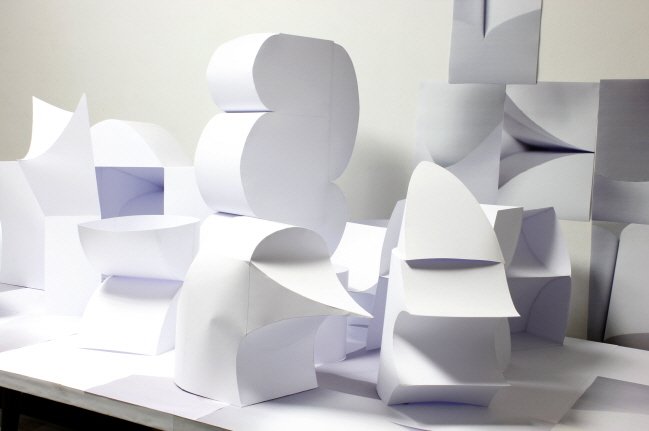
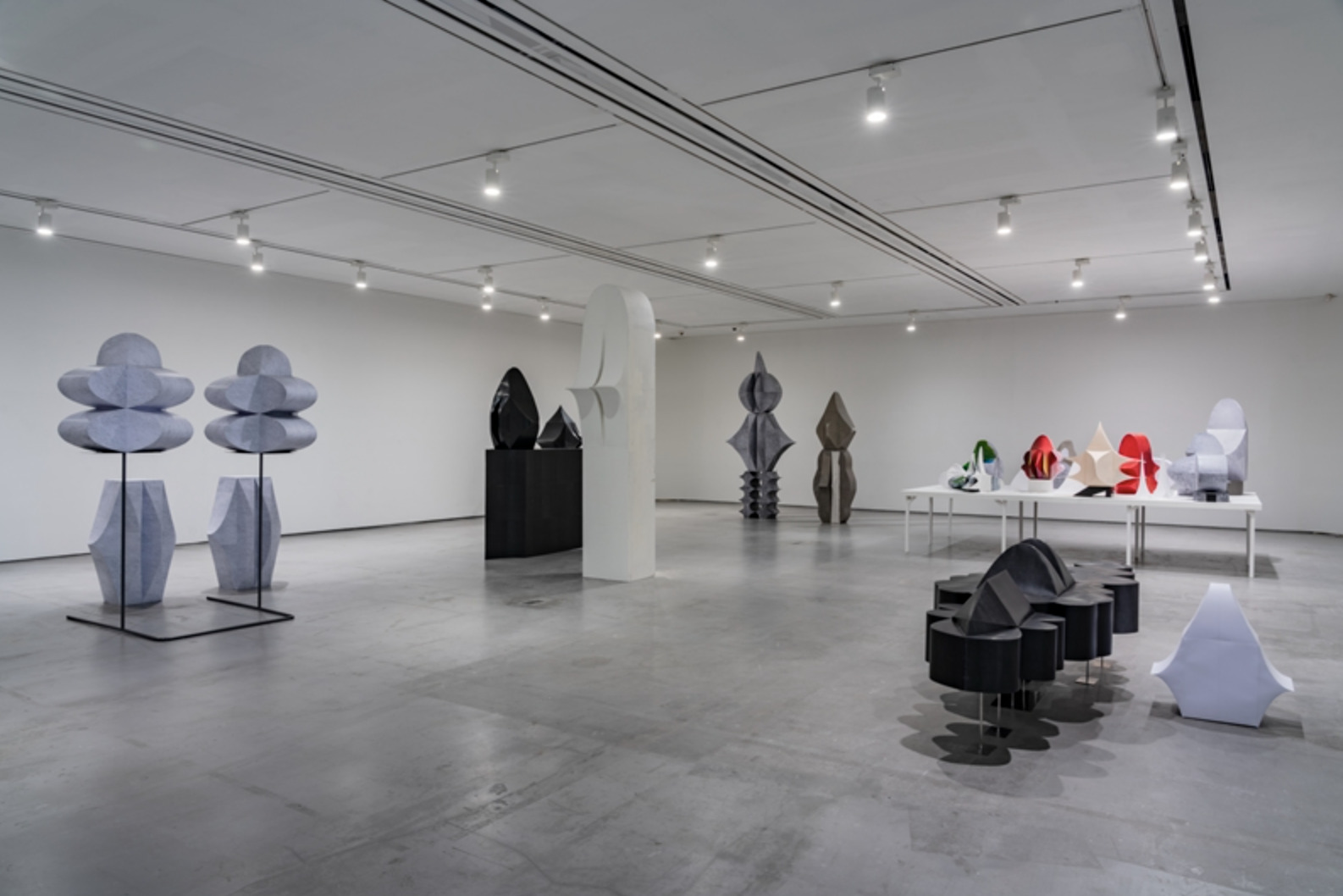
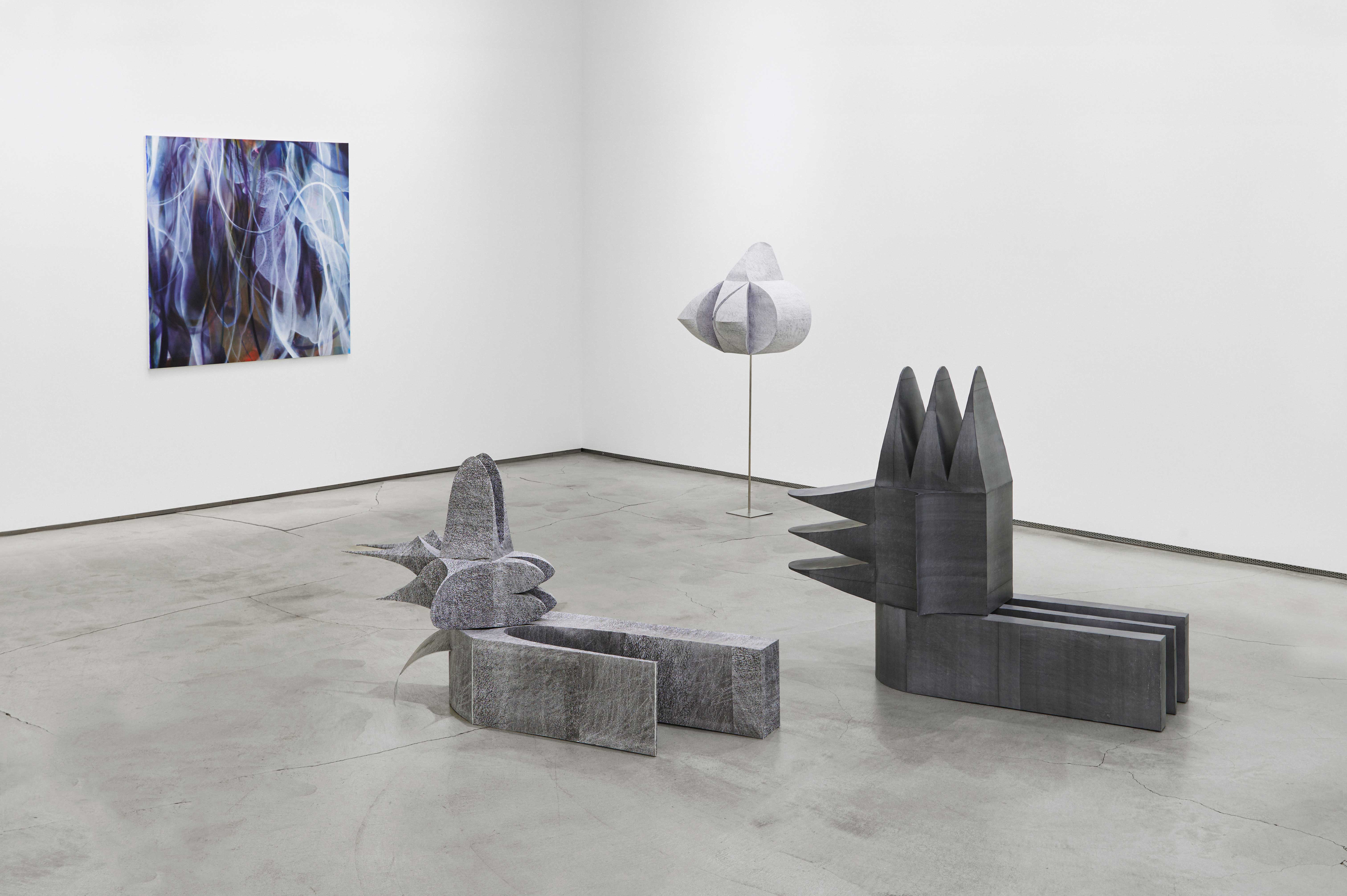
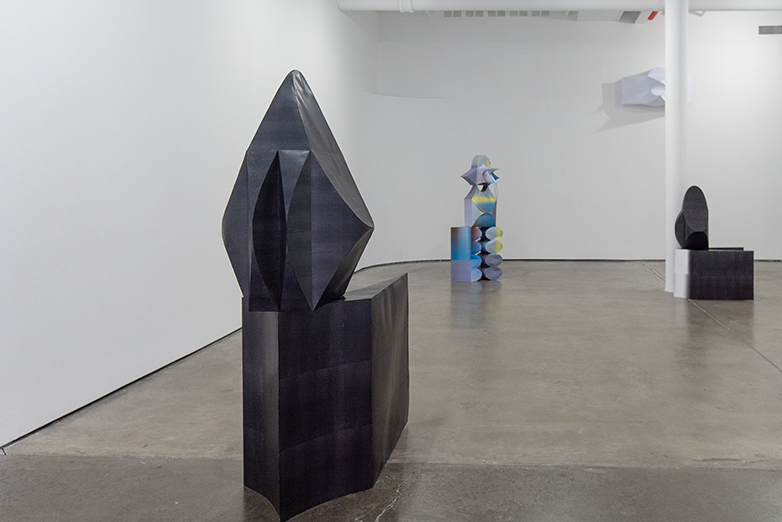
From around 2017, this concern developed into the ‘Paper Body’ works, bringing Hwang’s investigations of material into closer contact with the human body. Using curved pattern rulers designed for tailoring garments, she introduced bodily contours such as shoulders and armpits into her forms, cutting, folding, and joining paper to create hollow sculptures.

From Material table3. Paper Face, Paper Body(2016) to 《Humming Head》(DOOSAN Gallery, 2019), these forms began to appear less like material experiments and more like individual beings with distinct faces and bodies. Large and small, broad and slender, they resemble one another while remaining subtly different, with each repetition of a basic structure generating another variation.

What matters here is not the representation of a particular human or animal but the process through which one form gives rise to another. Hwang later reflected that what she had wanted was not so much a completed form as “a mechanism through which forms could emerge.” By accepting even the points at which the fragility of paper disrupts a planned structure, her sculptures have continued to occupy the space between strength and weakness, lightness and weight, completion and collapse.

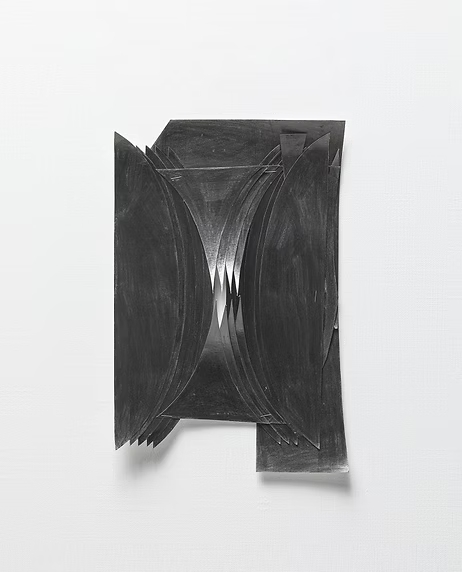
During the 2020s, these ‘bodies’ began to encompass more complex questions of emotion and relation. In the ‘Melting Point’ (2020-) series, the previously inflated paper sculptures return to flatness. In Melting Point(2020) and Melting Point(2021), three-dimensional forms appear to melt down into graphite drawings and layered paper collages, as if something has disappeared while leaving its residue behind.

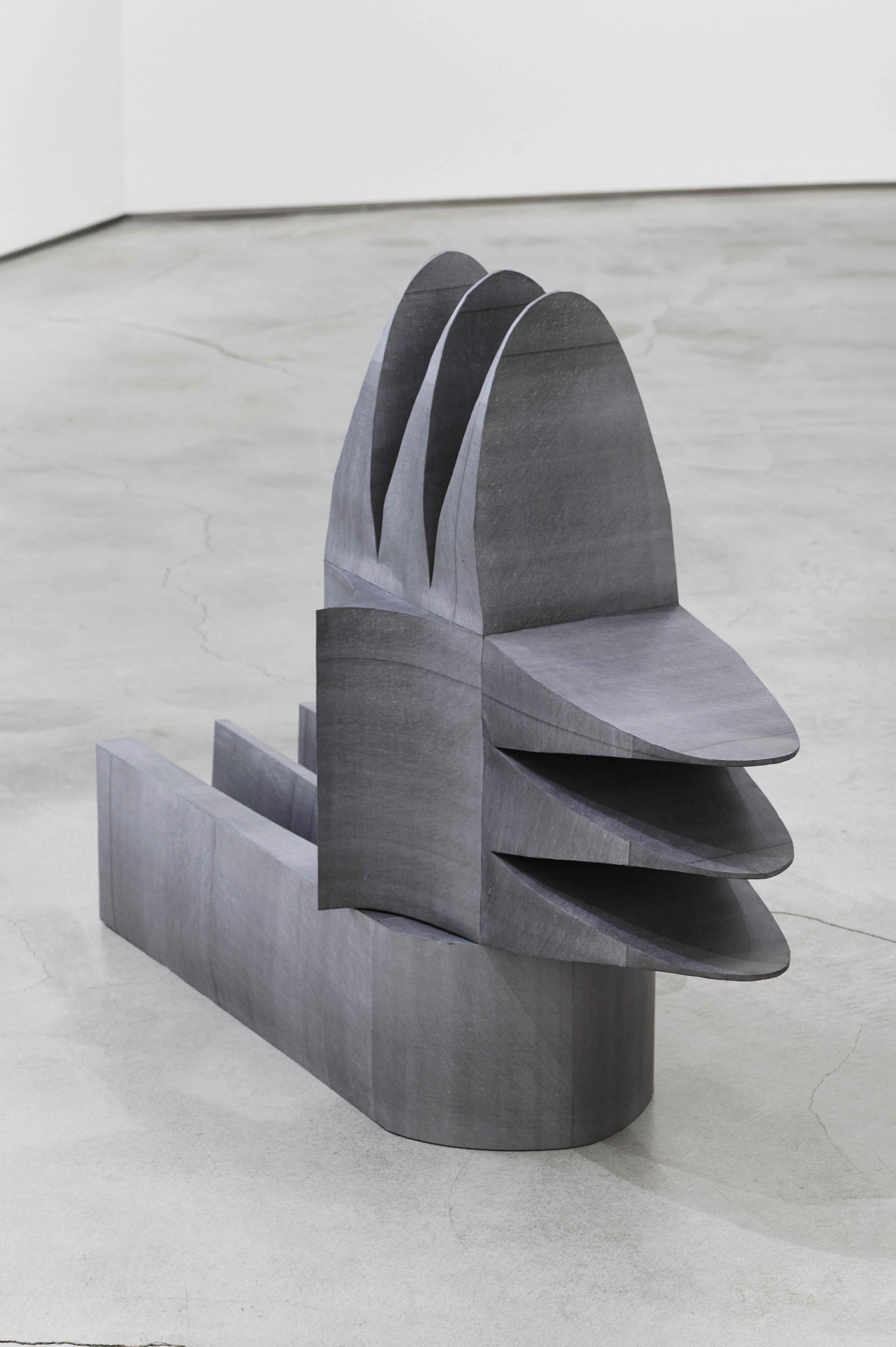
Later, in 《Sculptural Impulse》(Buk-Seoul Museum of Art, 2022), Effector(2022), Fisher 1, 2(2022), and Sofa Rat(2022), inspired by Pieter Bruegel’s The Parable of the Blind(1568), present bodies that interlock with one another and move as a connected mass. If the earlier paper bodies emphasized the emergence of individual entities, these works foreground bodies that depend on one another yet cannot easily separate. The very fact that thin, hollow paper stands against gravity and tension makes visible the vulnerability and endurance already contained within the body.

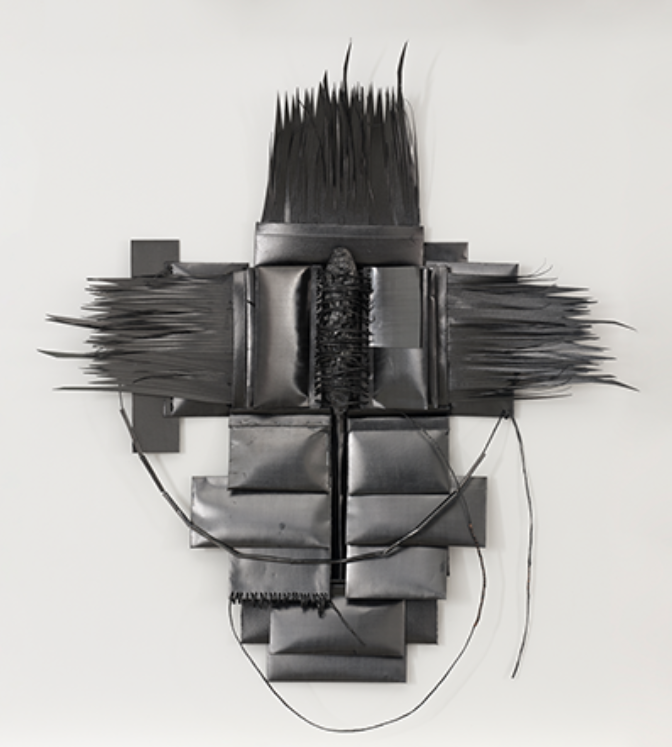
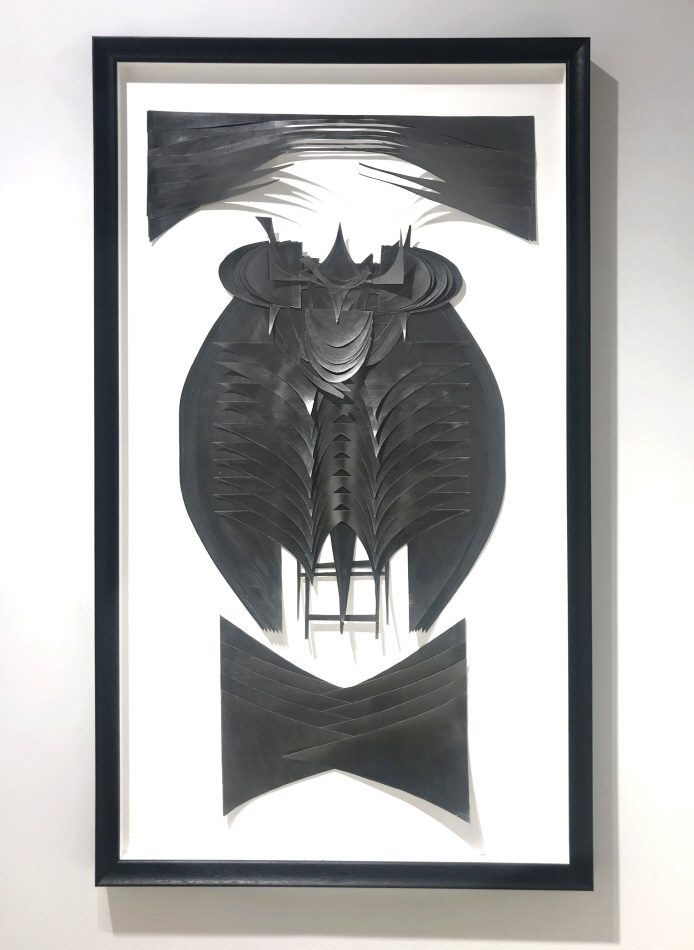
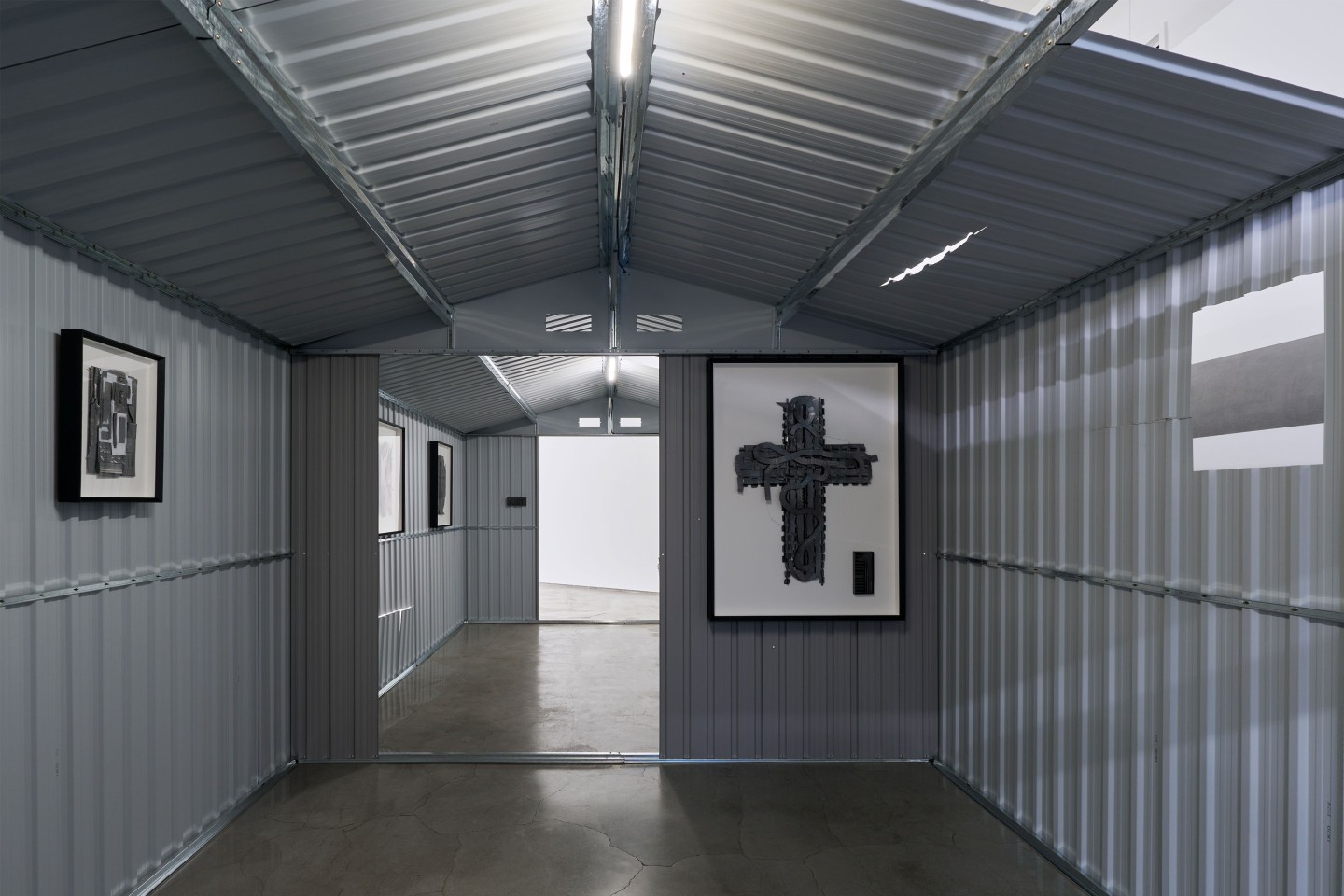
In more recent works, this vulnerability becomes more directly connected to social emotion. In the ‘Small and Sharp’ series presented in 《Pastel, Bullet, Beautiful Fingers》(G Gallery, 2024), Hwang repeatedly draws graphite across paper until it is nearly torn, thinking of vulnerable bodies exposed to violence.

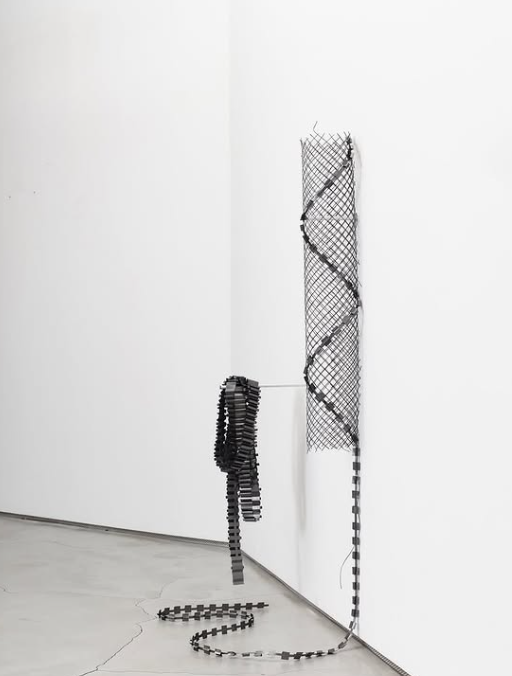
The blackened sheets are cut into small fragments and layered into forms resembling kitchen knives, scalpels, forks, razors, and other familiar objects that might become weapons in an emergency. Fragile paper thus becomes both a form of mourning and an imagined means of self-protection. This emotional current continues in Bite me. never once wild.(2026), which begins with the desire to mourn victims while imagining art as something capable of returning violence to its source and protecting those who encounter it.

In 《Where We Are Mirrored》(Wooran Foundation, 2025), Hwang’s sand sculptures similarly address memory and mourning, giving material form to those who have been forgotten or left unprotected. What began as an examination of material vulnerability has gradually expanded into a question of how vulnerable beings might be remembered, protected, and represented.


Style & Contents

In Hwang’s work, form is closely tied to repetitive bodily actions performed on materials. Drawing countless lines with pencil, hammering aluminum foil, pouring adhesive into sand, or cutting rubber bands into fragments pushes familiar substances away from their expected conditions. Light materials become heavy, loose materials become solid, and flat materials acquire volume. This differs from a conventional sculptural process of carving or building a stable mass.

Hwang does not erase the original qualities of a material completely; rather, she follows them until they encounter an opposing state. The completed work therefore retains both the memory of its original material and the evidence of its transformation. 《Material Manifestation》(DOOSAN Gallery New York, 2019), which presented the early A4 Drawing alongside later paper sculptures, clearly demonstrated this continuity.

Surfaces produced through repetitive drawing were converted into digital values, printed onto paper, and subsequently used as the skins of new sculptures. Traces produced by one work thus become material for another.

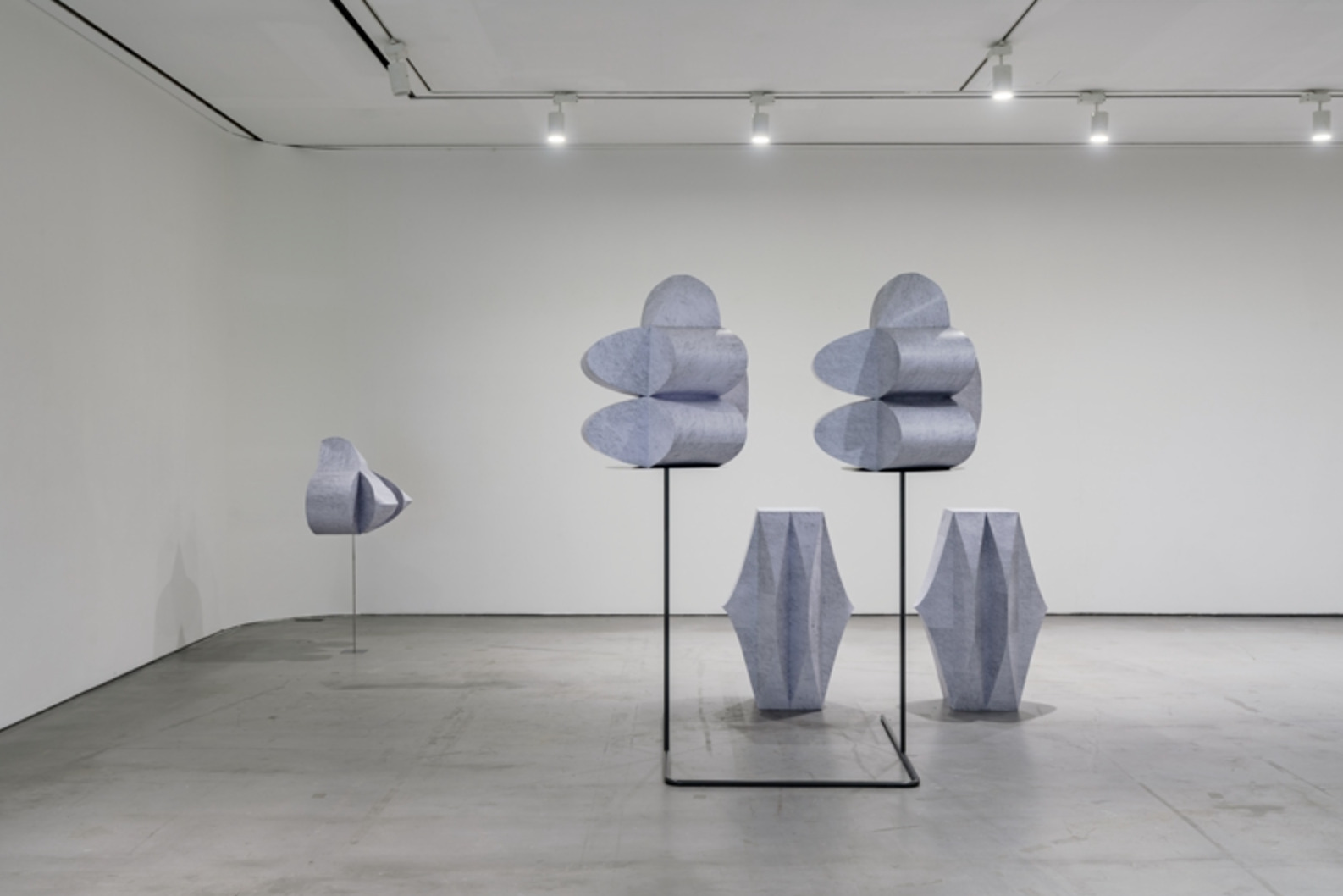
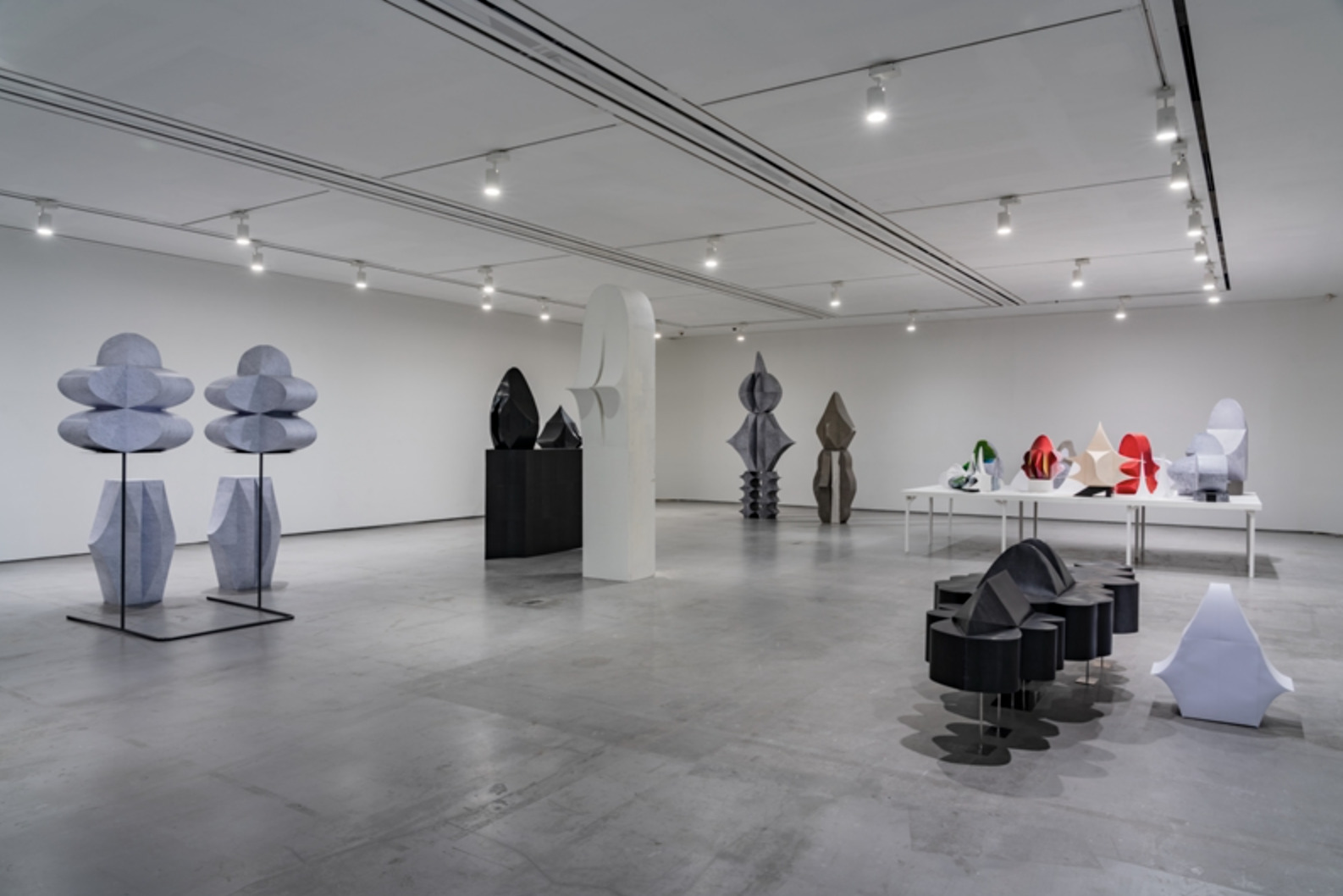
The paper sculptures most clearly articulate Hwang’s distinctive sculptural language. A pattern derived from curved tailoring rulers begins with the human body, but once translated into paper, the plan collides with the physical limits of the material. Paper cannot perfectly follow bodily curves; it buckles, creases, and combines sharp edges with soft contours.

The paper faces and bodies in 《Humming Head》, along with works such as Lazy(head)(2019) and Two sculpture with two cloud(2019), do not conceal these mismatches but allow them to determine the character of the form. From a distance, the works can resemble solid stone or metal sculptures, yet closer inspection reveals thin surfaces and hollow interiors.

In 《Thick Skin》(G Gallery, 2023), this structure became more explicitly associated with ‘skin.’ Metallic surfaces resembling armor were in fact made of paper that could sway with the slightest movement, allowing protection and fragility to coexist within a single body. This is one reason Hwang’s sculptures can feel intensely bodily without directly representing the human figure.

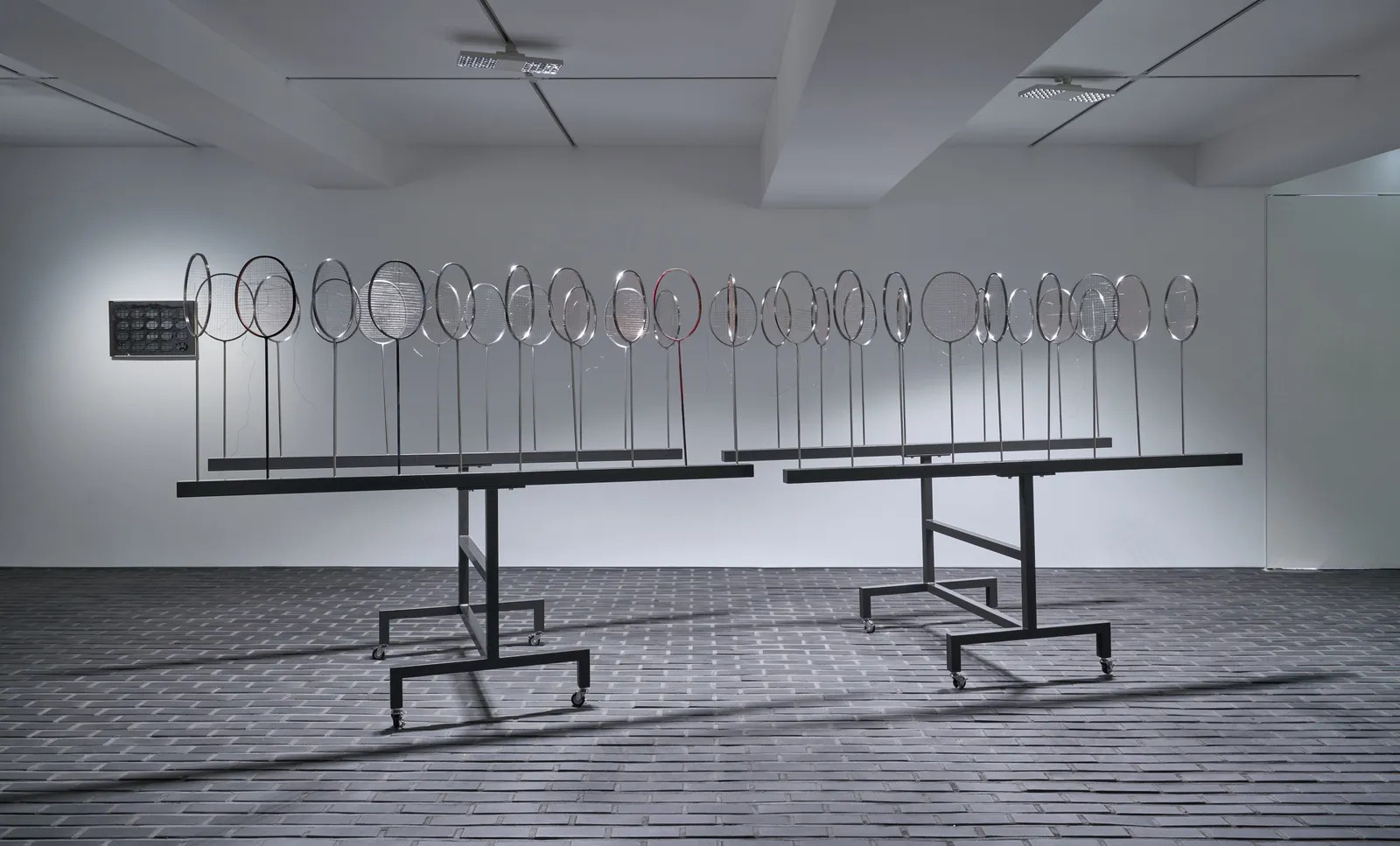
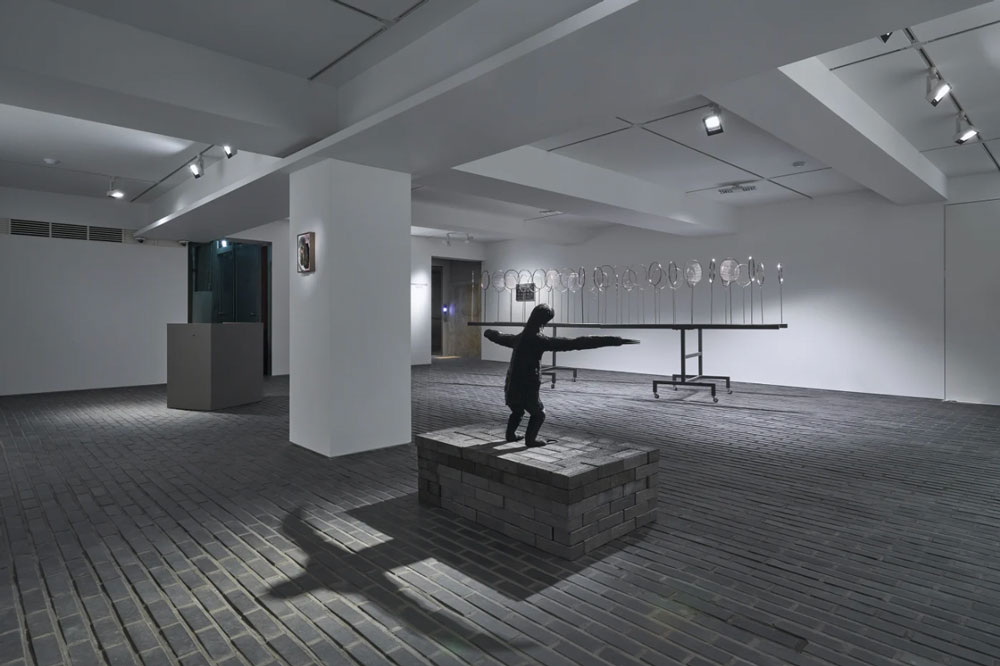
The movement between two and three dimensions has also remained central to her practice. In the ‘Melting Point’ series, previously volumetric bodies appear to flatten and dissolve onto paper. 《Magma》(Arario Gallery, 2024) expanded this exchange between surface and volume in a different direction. Bad Racket “…”(2024), for example, began with a short-form social media video showing the production of a badminton racket.

Hwang reenacted the manufacturing process with her own body, producing an object that resembles the original while diverging from it through the physical contingencies of her own making. In the same exhibition, the ‘Die-cut Mold’ series combines industrial cutting molds with Jesmonite, acrylic medium, and coating materials to create works positioned between relief and flat surface.

The ‘Clay Mind’ series and Rat(2023) use pressing, rubbing, and layering clay to leave bodily friction directly on the surface, blurring distinctions between sculpture and painting. The long-standing act of changing materials through the hand remains intact, but its point of departure has expanded from physical substances to digital images and industrial production processes.

This development shows how Hwang’s practice has moved from material-based sculpture toward a broader exploration of the relationship between images, bodies, and modes of production. In 《Magma》, short-form video is not an original to be faithfully reproduced but something closer to a set of instructions to be translated through the body.

The fast and frictionless efficiency of industrial production seen on screen is reenacted at the slower speed of the artist’s body and under the physical conditions of actual materials. The discrepancies, failures, and distortions that arise become the sculpture itself. By contrast, in the ‘Small and Sharp’ series, a more immediate emotional impulse drives the process.

The pressure of graphite, the thinning of paper, and the repeated layering of fragments convert anger, mourning, and the desire for protection into physical density. The body that has always cut, pressed, rubbed, and joined materials remains present, but the subjects it engages have expanded from material properties to other bodies, social violence, memory, and protection.

Topography & Continuity

One of the most distinctive aspects of Hwang Sueyon’s sculpture is the paradoxical way she respects the properties of materials while simultaneously pushing against them. She turns sand into something stone-like, aluminum foil into a compact mass, and paper into a surface that resembles metal or stone. Her work therefore differs from practices centered on simply revealing the ‘truth’ of a material.

At the same time, it is equally distant from a traditional sculptural approach in which material is subordinated to a predetermined form. Instead, Hwang places materials under improbable conditions and observes the instability and failure that emerge. Art critic Lee Jinshil has described Hwang’s paper sculptures as bodies composed only of ‘wrappers’ or skin, without bones, noting that they remain suspended between fragility and strength, lightness and weight.

Compared with sculptural practices that foreground the rough physicality of industrial materials or large structural tensions, Hwang draws weight and corporeality from materials that are exceptionally light and familiar. Her choice of bodies that may bend, sway, or disappear rather than remain monumental and permanent is particularly significant, as vulnerability is never treated simply as deficiency.

This character also appears in the temporal structure of her practice. Hwang’s works rarely proceed as a sequence in which one project ends and an entirely new one begins. Instead, fragments of earlier works often become the materials or formal conditions of subsequent ones. The graphite surface of A4 Drawing resonates with the skin of later paper sculptures; the paper body flattens in ‘Melting Point’ before returning as interconnected volume in 《Sculptural Impulse》.

These bodies acquire the character of protective surfaces in 《Thick Skin》 and then become more explicitly concerned with self-defense in ‘Small and Sharp.’ Even titles often arrive after the work itself, following a period in which a sculpture remains unnamed. As the text for 《Pastel, Bullet, Beautiful Fingers》 suggests, Hwang’s works are better understood as things that ‘emerge’ and ‘grow’ than as objects simply ‘made.’ This slow system of continuity allows her entire practice to read almost like an extended series, while each work still branches in a slightly different direction.

Recent works have brought new dimensions of the external world into this long-standing method. In 《Magma》, short-form videos and industrial production became points of departure for sculpture, while 《Pastel, Bullet, Beautiful Fingers》 and works from 2026 introduced more specific emotions related to violence, mourning, and protection.

In 《Where We Are Mirrored》, sand sculptures encountered dongjaseok and extended these concerns toward memory and mourning. The early principle of spending long periods physically understanding a material remains intact, but matter now functions not only as the subject of inquiry itself but also as a medium capable of receiving images, social events, other bodies, and emotional experience.

Rather than predicting a particular material or form that might come next, it is perhaps more useful to consider how future works may continue to emerge from the translation of external images and events through Hwang’s own body and material processes.

Hwang participated in the 11th Gwangju Biennale in 2016 and has since taken part in major institutional exhibitions including 《Young Korean Artist 2019: Liquid Glass Sea》(MMCA Gwacheon, 2019) and 《Sculptural Impulse》(Buk-Seoul Museum of Art, 2022). During her residency at DOOSAN Residency New York in 2019, she presented 《Material Manifestation》 at DOOSAN Gallery New York, bringing early and recent works together to trace the development of her approach to material.

More recently, solo exhibitions such as 《Magma》 and 《Pastel, Bullet, Beautiful Fingers》 have continued to expand her language around material and the body. Her work is also held in institutional collections including the Seoul Museum of Art. More enduring than any single shift in form, however, is the persistence of an action that can be traced back to the repeated graphite strokes of her early A4 paper works.

Paper becomes a body, then skin, and at times a weapon; sand becomes a form that holds memory. Hwang’s practice has developed less through dramatic formal breaks than through sustained attention to a material or action long enough for it to reveal an unexpected next state. That slow process of transformation and accumulation remains one of the strongest continuities in her sculpture.

Works of Art

Forms Shaped by the Interplay Between Material and Body

Articles

Exhibitions

Activities