SAL-Tone 4 - K-ARTIST

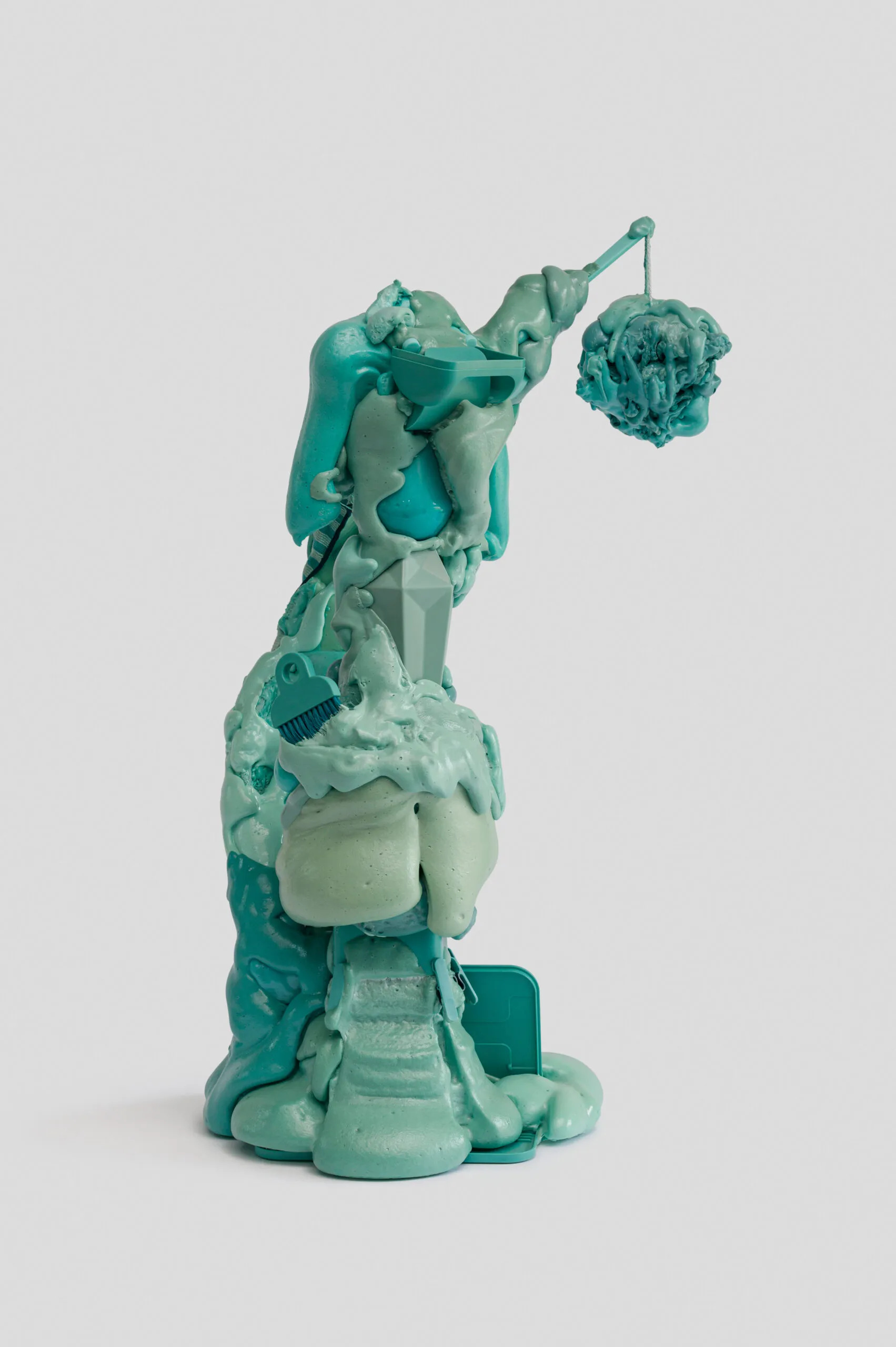
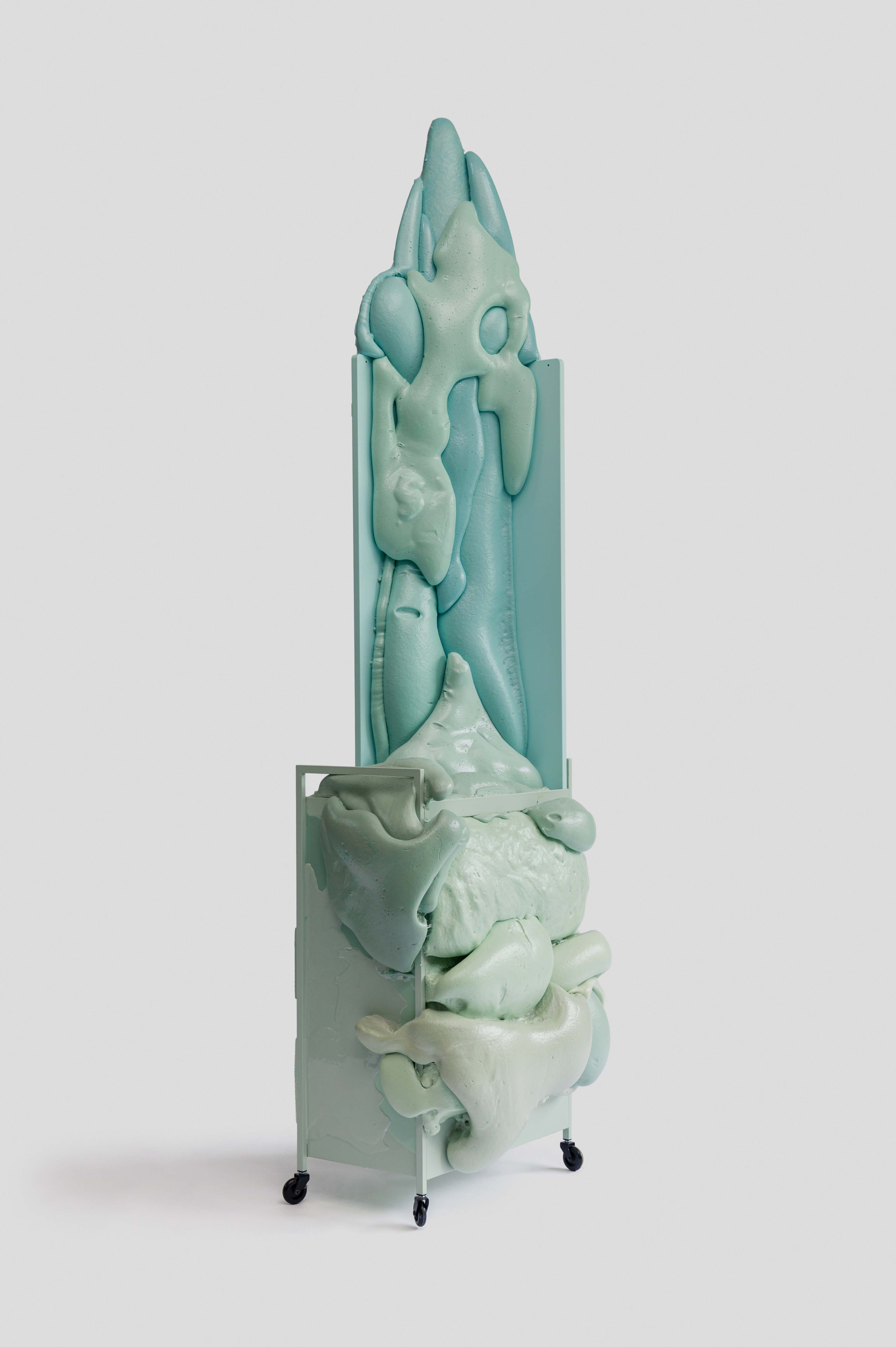
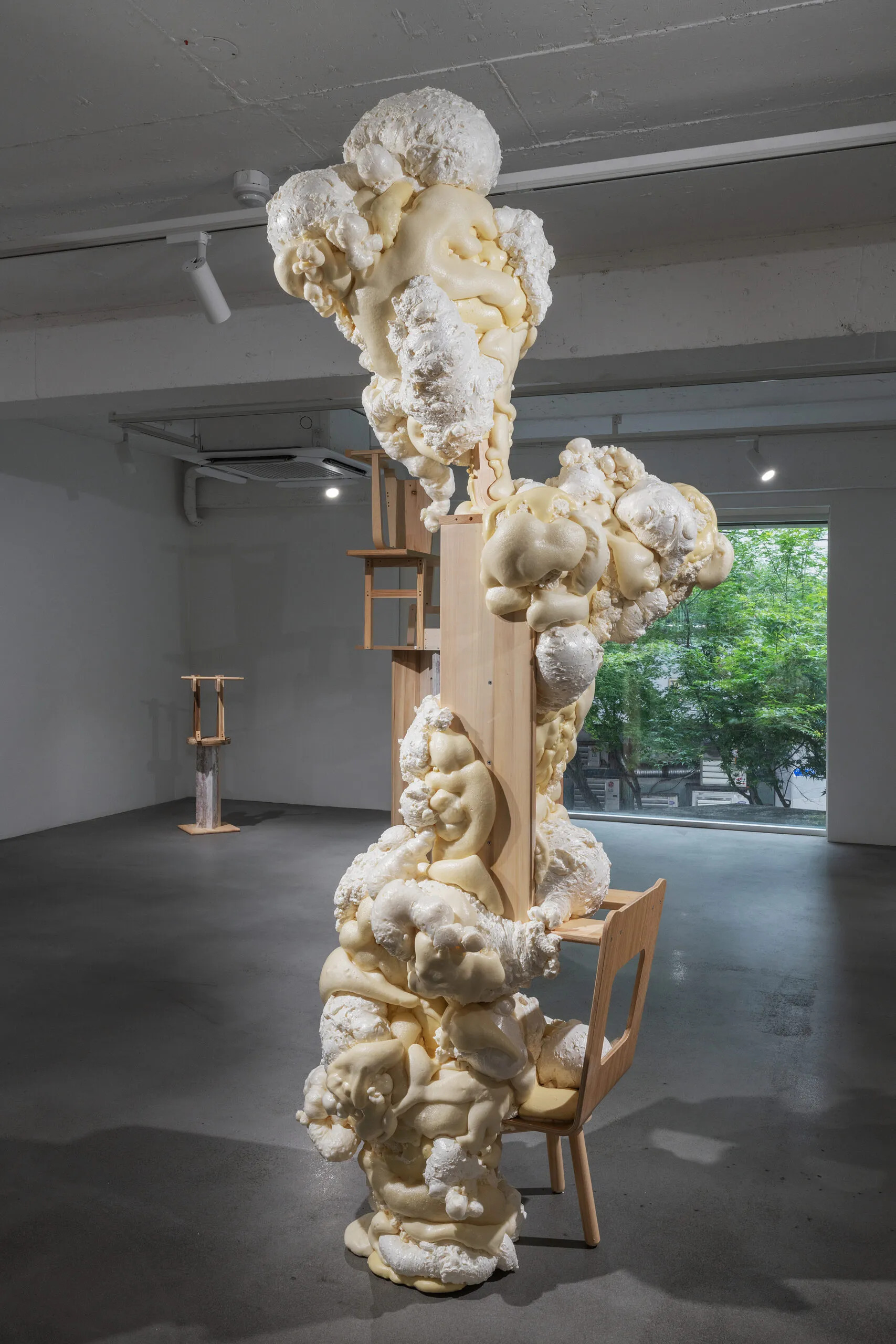
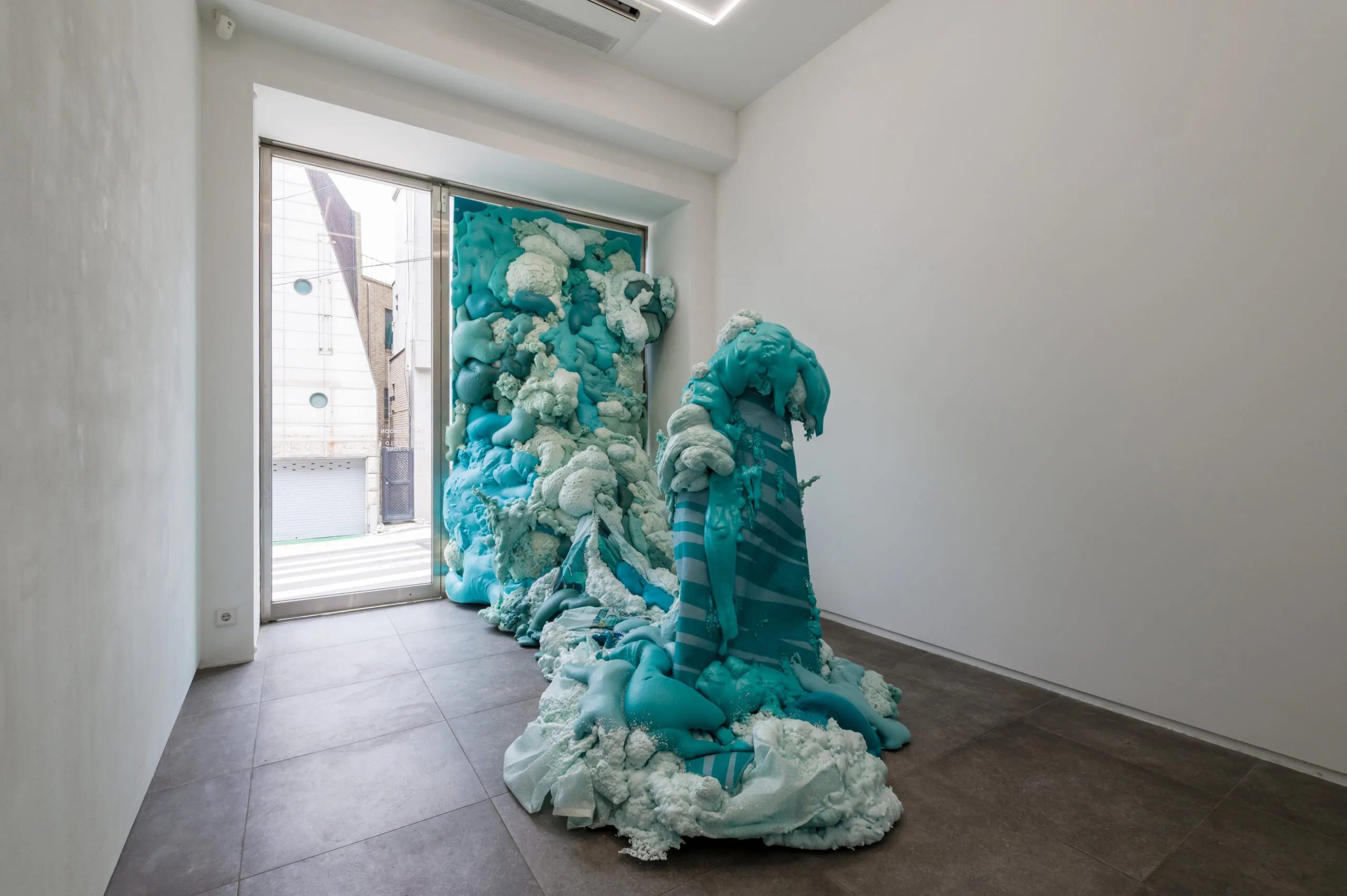
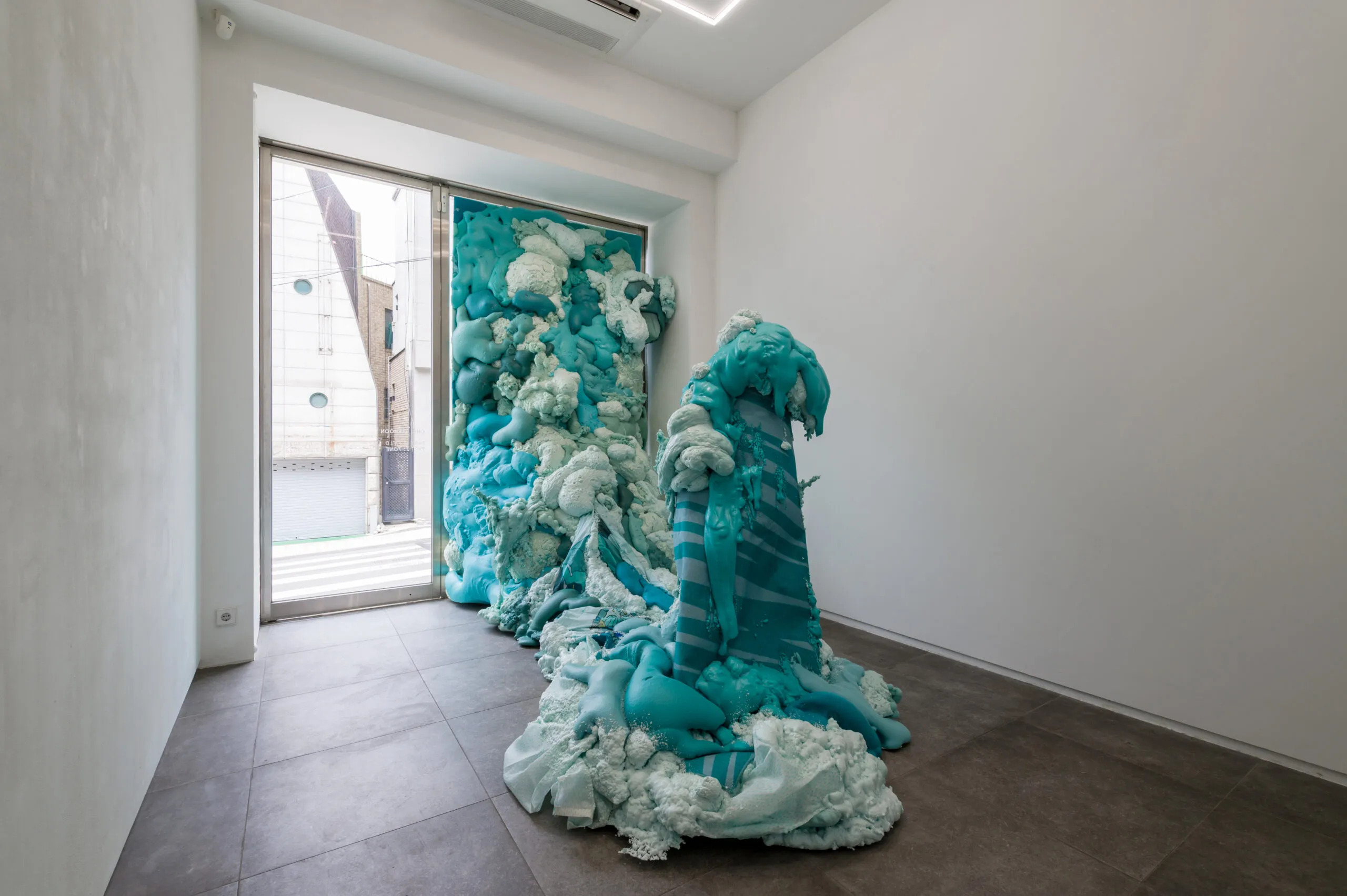
SAL-Tone 4

2023
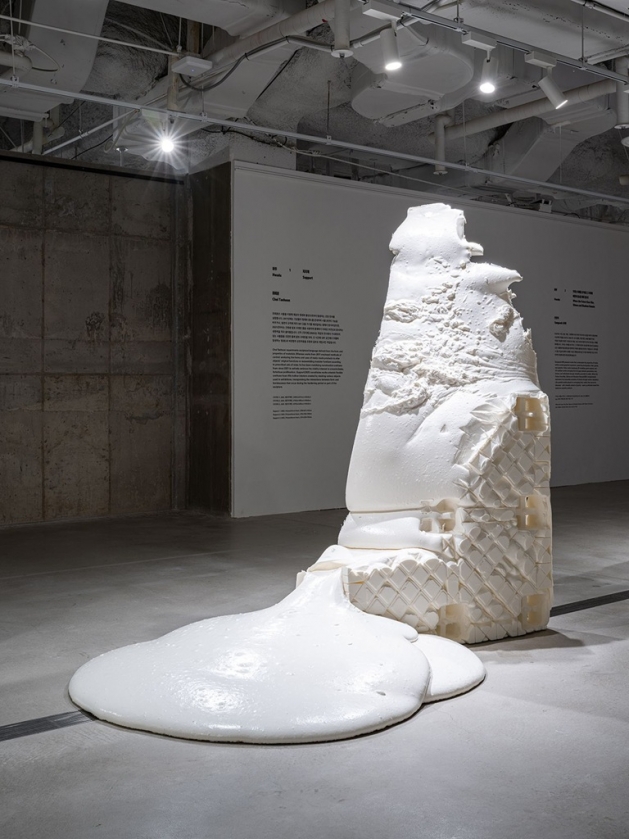
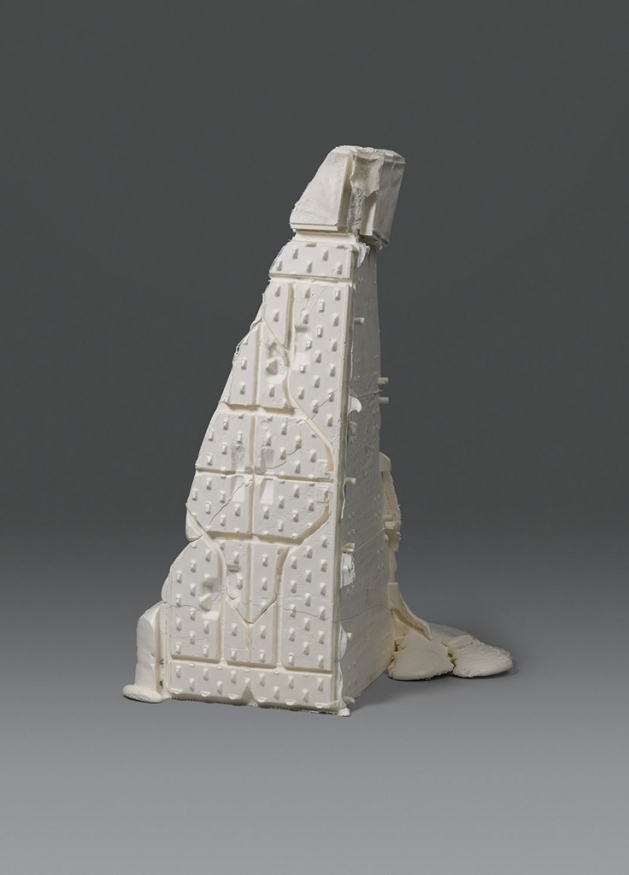
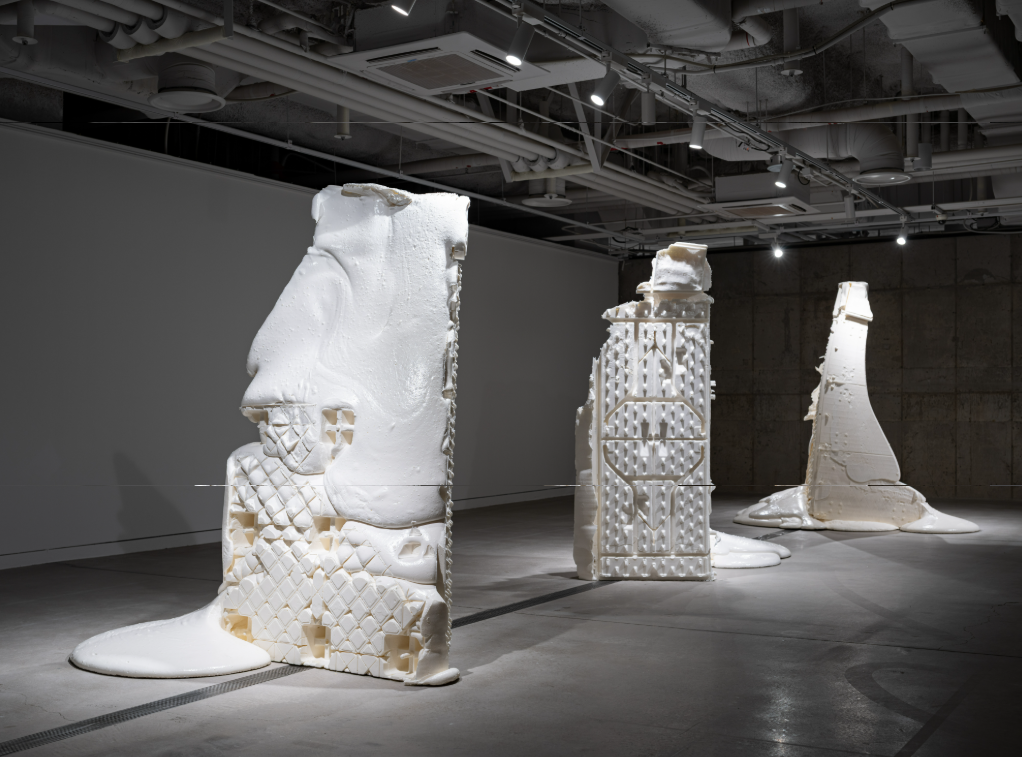
비발포 우레탄, 발포 우레탄 폼, 카트, 캐비닛 문
216 x 62 x 42 cm
About The Work

Choi Taehoon has intervened in the relationships and forces that operate between objects and humans, exploring the possibilities of objects beyond established logics of function and use. By seeking new forms of reciprocity that move beyond the purposes and functions assigned to objects for human convenience, his practice reconfigures our relationship with objects through sculptural practice.

The artist views everyday objects as entities inscribed with human convenience, social norms, and modes of consumption, and seeks to slightly disrupt these familiar relationships through his work, creating gaps between function and meaning. 

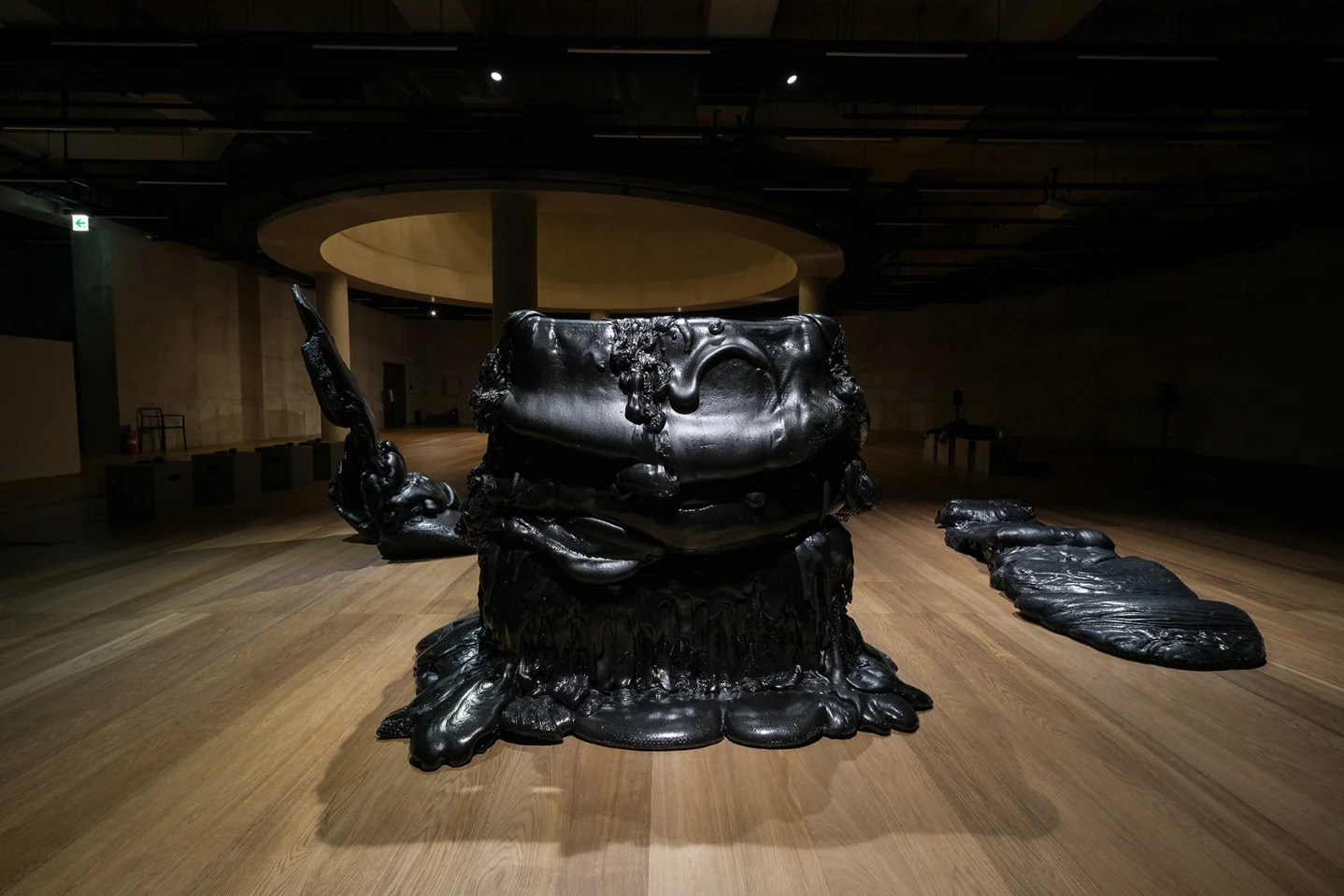
Furthermore, he has developed sculptural practices that “imagine beyond functionalism” through processes in which heterogeneous objects and materials come together and determine their own forms. In these works, the artist experiments with architectural polyurethane foam as a new skin for sculpture, imagining sculpture as an autopoietic entity that seeks independence from the functions and forms of objects.

In this way, Choi Taehoon has explored the possibility of sculpture as an organic, self-generating entity by transforming everyday objects into sculpture and liberating them from their social meanings and uses.

The organic expansion of objects liberated from the user questions the boundaries between products and artworks, the artificial and the natural, the center and the periphery, and the exterior and interior, while proposing the possibility of nonhuman objects as subjects within the language of sculpture.

Solo Exhibitions (Brief)

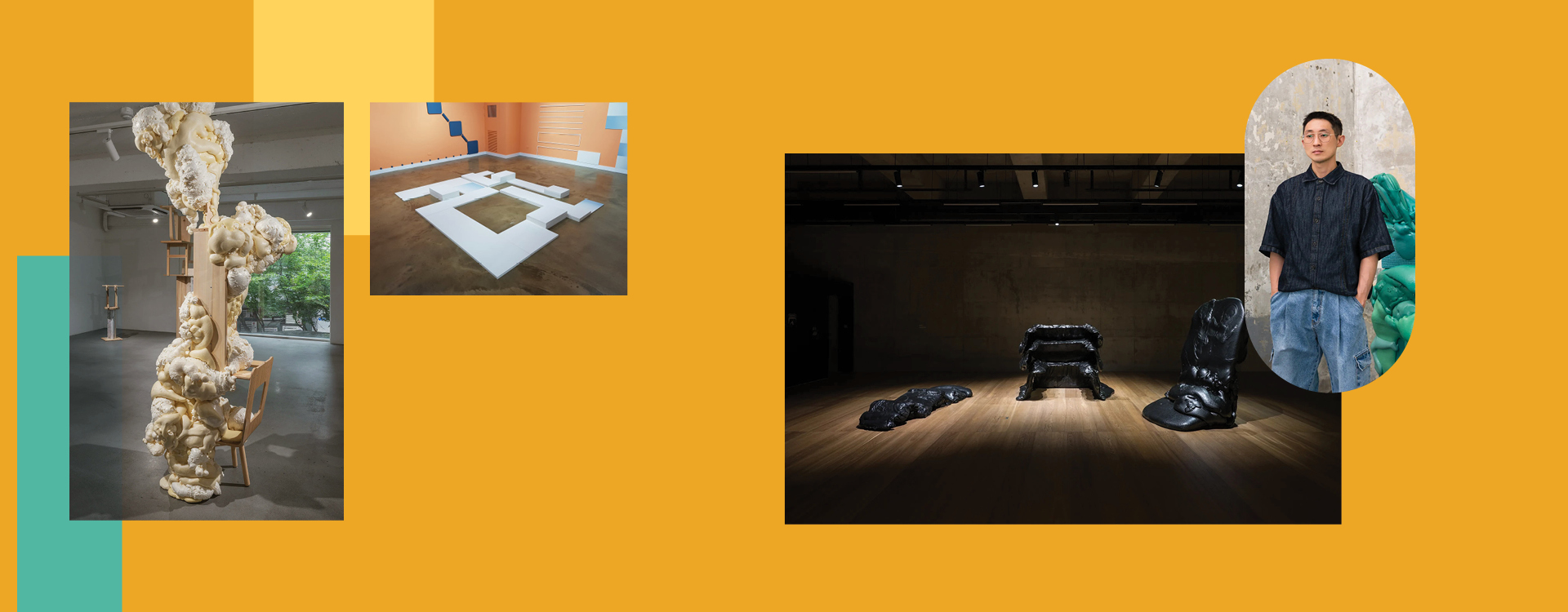
Choi has held solo exhibitions including 《TONE》(P21, Seoul, 2023), 《FIELD》(P21, Seoul, 2023), 《Wood Type》(GCS, Seoul, 2022), 《SAL》(Ohsisun, Seoul, 2021), 《Self-Portrait》(Post Territory Ujeongguk, Seoul, 2020), and 《South Korean Ensemble》(SeMA Storage, Seoul, 2019).

Group Exhibitions (Brief)

Choi has also participated in numerous group exhibitions, including 《SONGEUN × Unboxing Project: Generative Forms》(SONGEUN, Seoul, 2026), 《The 25th SONGEUN Art Award Exhibition》(SONGEUN, Seoul, 2025), 《ZIP》(ARKO Art Center, Seoul, 2024), 《Framer》(Shower, Seoul, 2023), 《Sculptural Impulse》(Buk-Seoul Museum of Art, Seoul, 2022), and 《Injury Time》(Museumhead, Seoul, 2021).

Residencies (Selected)

Choi Taehoon has been selected as an artist-in-residence at Gapado Artist-in-Residence (2023), Seoul Art Space Geumcheon (2019), and the MMCA Residency Goyang (2016–2017). 

Works of Art

The Organic Expansion of Objects Liberated from the User

Originality & Identity

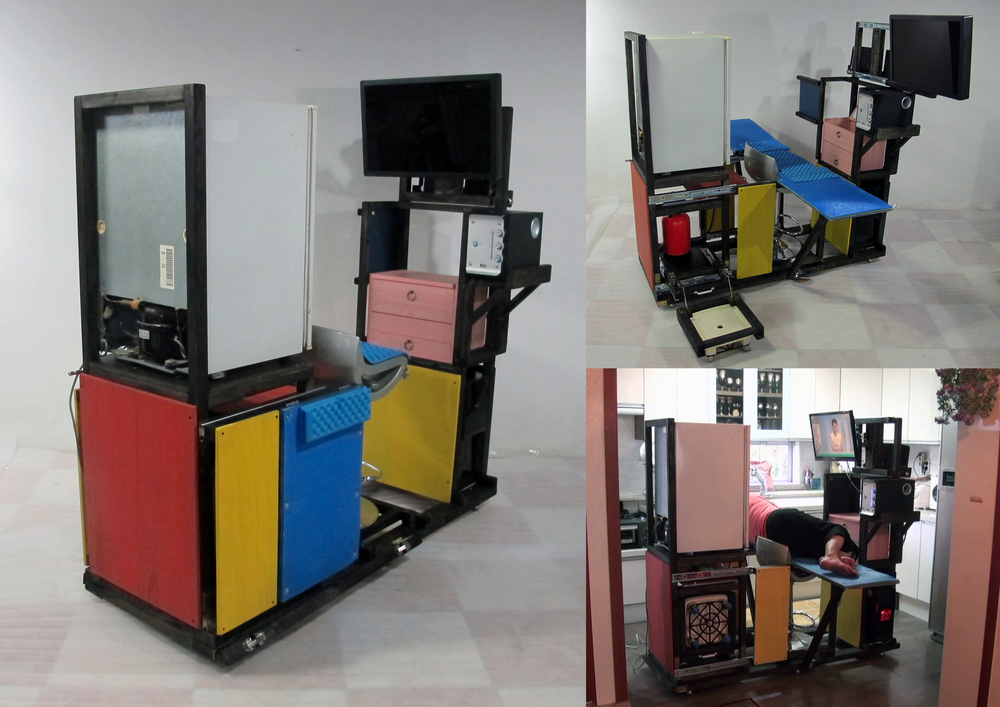
Choi Taehoon’s practice begins with a question: what can an object become once it is released from the function assigned to it by humans? His early work Mother’s multitasking device(2013) excessively combines household items such as a refrigerator, computer, monitor, and chair to resemble a device capable of performing multiple functions at once.

In reality, however, its inefficient structure restricts the user’s movements. Endless Morning(2015-2016) similarly constructs an environment based on the ‘ideal morning’ promoted by self-help literature, using devices and domestic settings to reveal how artificial the norms of efficiency and productivity can be.

From the beginning, objects in Choi’s work have never functioned merely as sculptural materials. They are things already inscribed with human convenience, social conventions, and patterns of consumption, and his practice creates small disruptions in these familiar relationships, opening a gap between function and meaning.

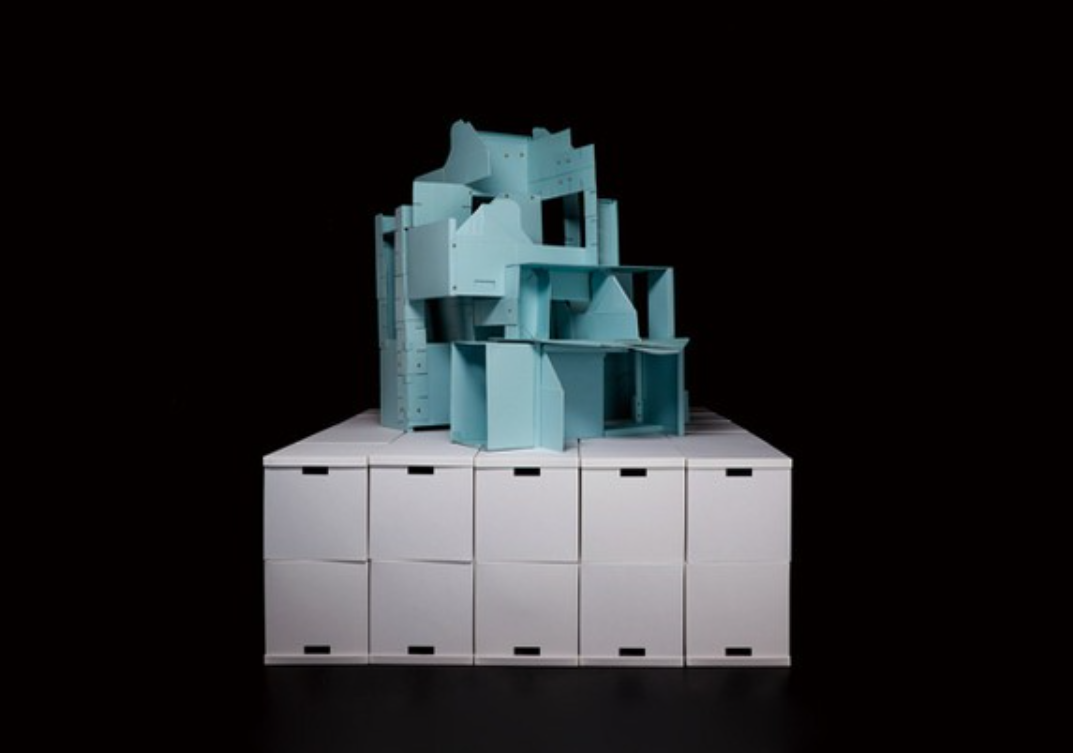
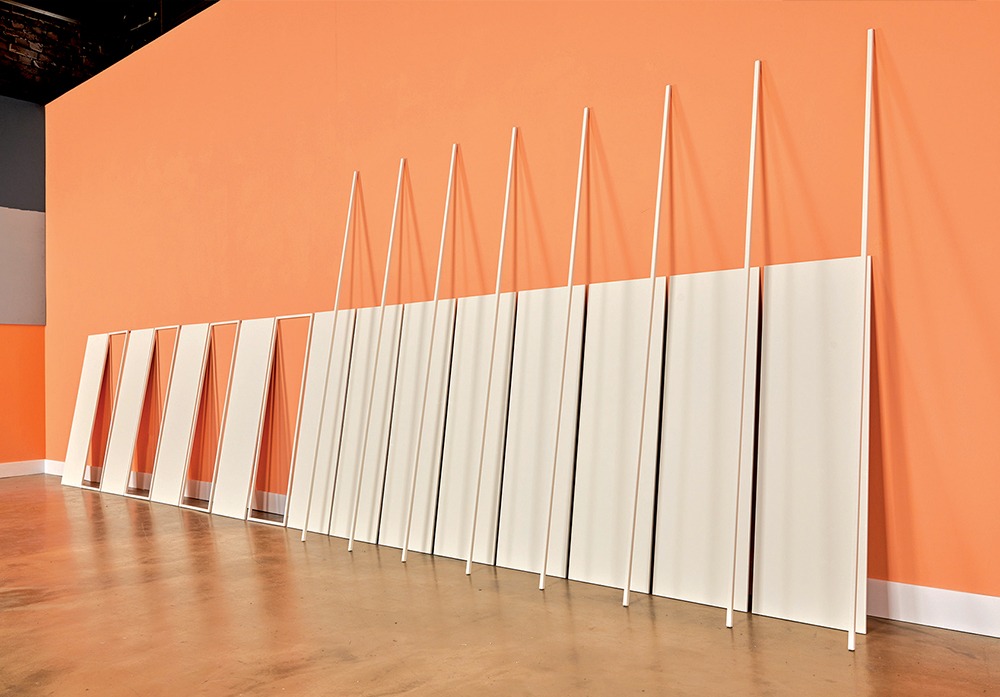
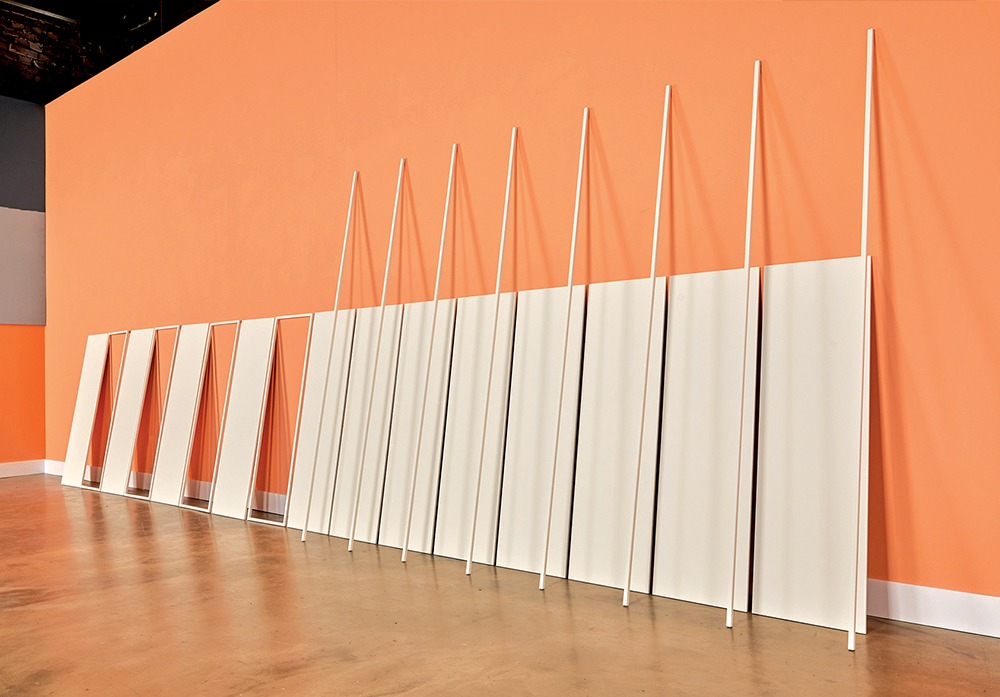
This concern developed into a more clearly defined methodology of ‘DIY hacking’ in 《Form Follows Form》(Studio 148, 2018). In works such as TJENA Composition(2017), Choi assembled IKEA furniture components in ways that departed from the provided instructions, while following his own rules: the sculpture had to stand independently, appear different from every direction, maintain an even degree of finish from all viewpoints, and use the original components without cutting or bending them.

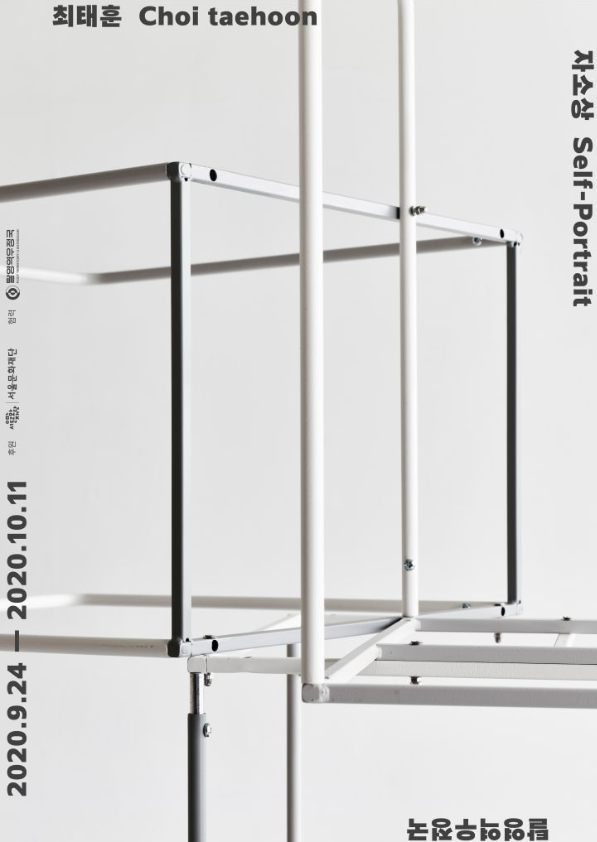
Reversing Louis Sullivan’s dictum “form follows function,” Choi transformed objects from products whose forms were dictated by function into sculptures in which form itself generated new relations. He expanded this inquiry into digital environments through 《South Korean Ensemble》(SeMA Storage, 2019) and 《Self-Portrait》(Post Territory Ujeongguk, 2020).

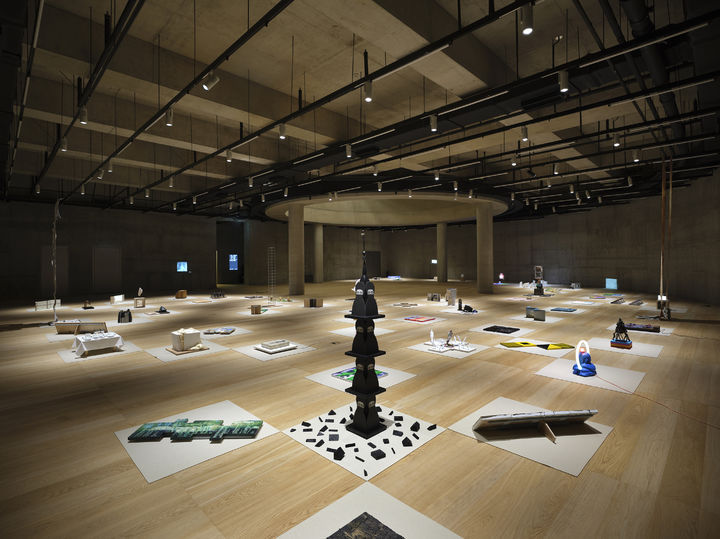
By translating the virtual showroom of IKEA Place into a physical exhibition space and imagining furniture selected by online recommendation algorithms as another form of ‘self-portrait,’ Choi brought into sculpture the changing ways in which people encounter objects through images, data, and recommendation systems rather than through direct physical experience.

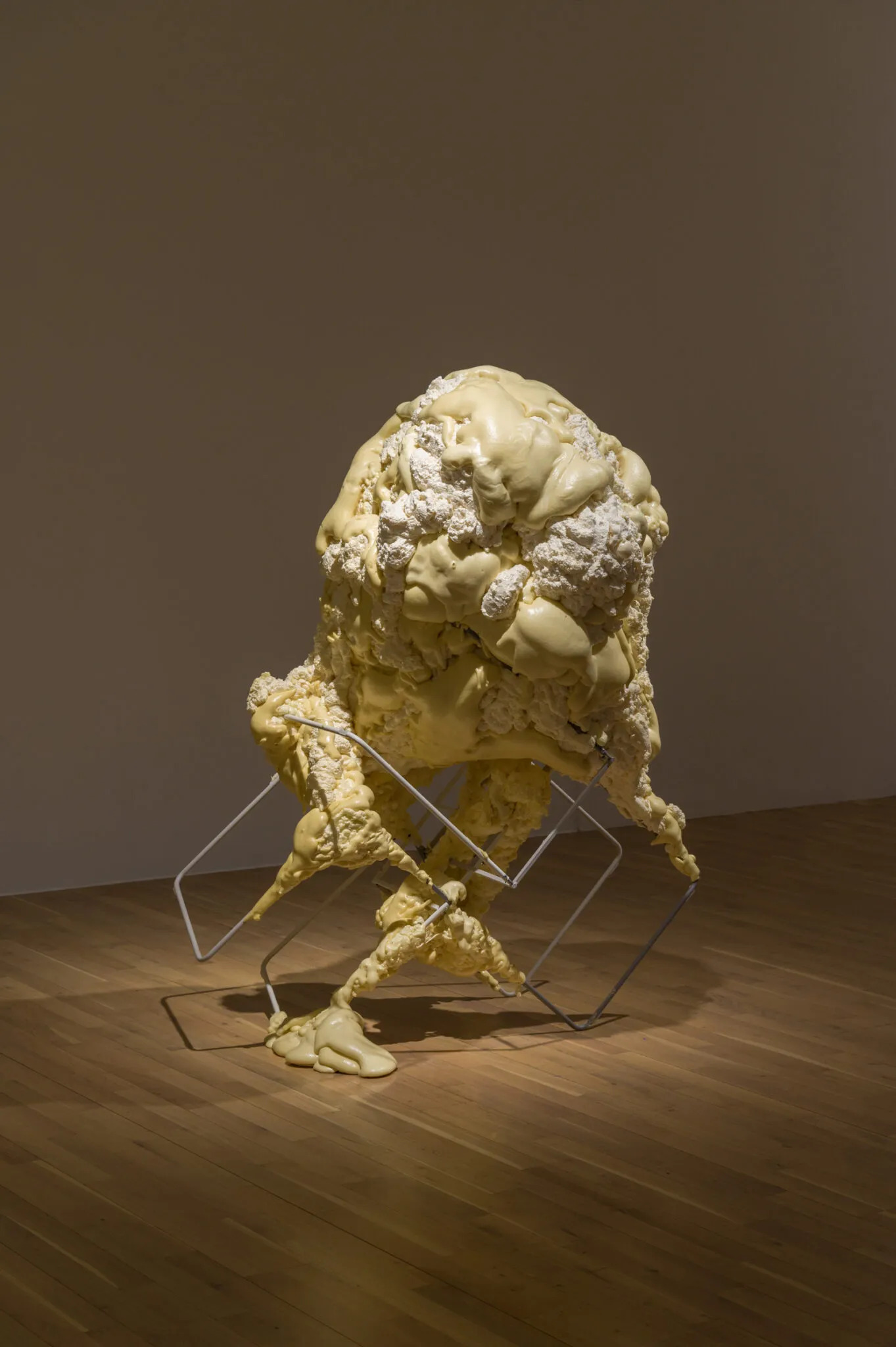
Beginning in 2021, the central question shifted from how the artist might reorganize objects to how objects might begin to generate forms of their own. In the ‘SAL’(2021-) series, Choi introduced expanding urethane foam, allowing new bodies to grow around the structures of existing objects. The Korean word ‘sal’ encompasses multiple meanings associated with the body, including flesh, skin, muscle, and bodily volume.

In the ‘SAL-Self-Portrait’(2022) series, IKEA nesting tables and metal shelving function as skeletons, while rapidly expanding and curing urethane foam becomes skin, muscle, and sculptural mass at once. In SAL-Self-Portrait 5(2022), the foam extends from the object to the gallery wall, making it unclear whether the sculpture is growing outward from the object or emerging from the surrounding space.

As Choi gradually relinquished some of the precise control that characterized his earlier practice and allowed the material’s own expansion and curing process to participate in determining form, sculpture began to be imagined less as a finished object than as an entity possessing a degree of autonomous growth.

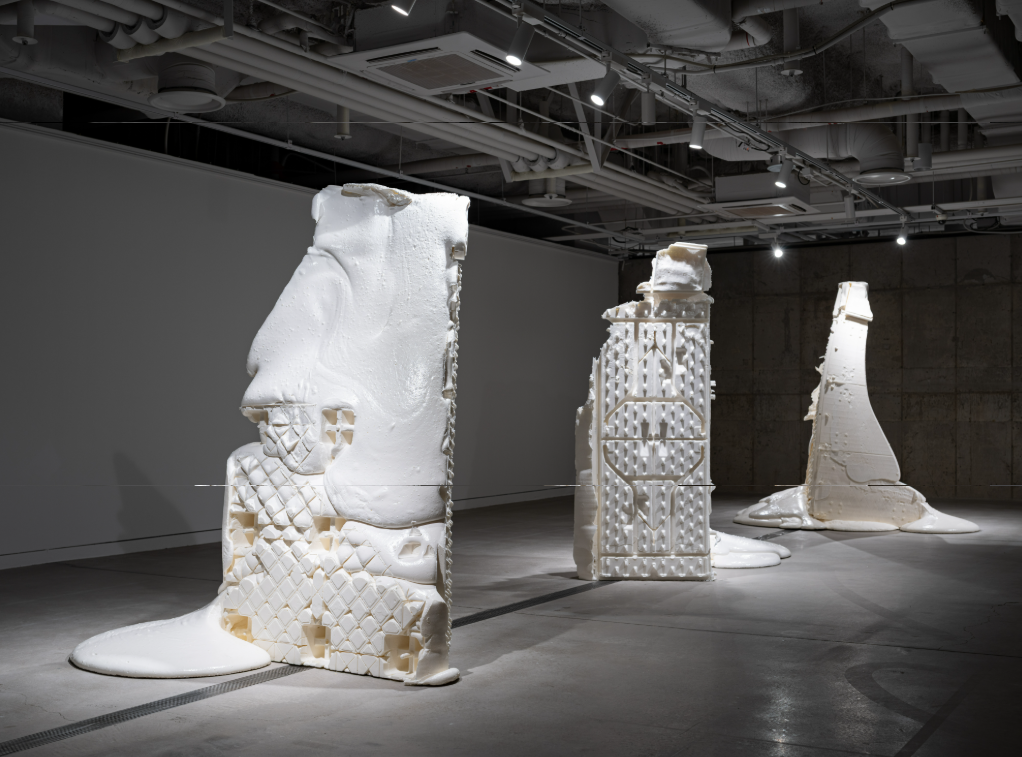
In the recent ‘Support’(2025) and ‘Guardian’(2025) series, this idea of self-generation develops further into questions of relation and collaboration. In works such as Support 3(2025) and Support 2, tables, ladders, handcarts, and pallets from the artist’s studio become molds. These objects are removed at the final stage, yet negative impressions of their surfaces remain embedded in the urethane.

Choi understands these tools as ‘nonhuman collaborators’: entities that make an artwork or exhibition possible while disappearing from the final result. His experience organizing and producing 《ZIP》(ARKO Art Center, 2024), where he encountered the many visible and invisible forms of labor required to realize an exhibition, also informs this development.

In the ‘Guardian’ series, Choi pushes a handcart or folds a table while the urethane is expanding and curing, allowing the movement of objects and the resulting counterforces to shape the work. If his early practice was concerned with ‘liberating’ objects from human use, his recent works increasingly reposition the human as only one participant among materials, tools, and other agents involved in sculptural production.

Style & Contents

In Choi’s early practice, his formal method centered on placing preexisting objects into unfamiliar relationships without fundamentally dismantling them. All in one-indoor cleaners(2012) stacks wastebaskets, brooms, dustpans, and other cleaning tools into a structure reminiscent of Tatlin’s Monument to the Third International, while Mother’s multitasking device combines household appliances into a single apparatus.

What matters here is not creating a new form from scratch but relocating objects already designed for particular uses into a different structural logic. This approach blurs boundaries among design, furniture, everyday tools, and sculpture while encouraging viewers to recall the objects’ original functions. The sense of unfamiliarity in these works does not arise from exotic materials but from seeing highly familiar things where they do not seem to belong.

During the period when Choi worked extensively with DIY furniture, this method of assembly developed into a more systematic sculptural language. Works in 《Form Follows Form》 rearranged existing modules without cutting or physically altering them, producing states that were neither fully functional products nor entirely autonomous new sculptures.

In 《South Korean Ensemble》, furniture encountered through a virtual application was reconstructed in physical space using only online information, while 《Self-Portrait》 connected algorithmically recommended units vertically and horizontally. During this period, Choi treated not only the physical object but also the ways in which it is distributed, consumed, represented, and perceived as part of sculptural form. Real objects, digital images, replicas, and exhibition spaces overlapped, bringing questions of originals, copies, and mediated experience directly into his practice.

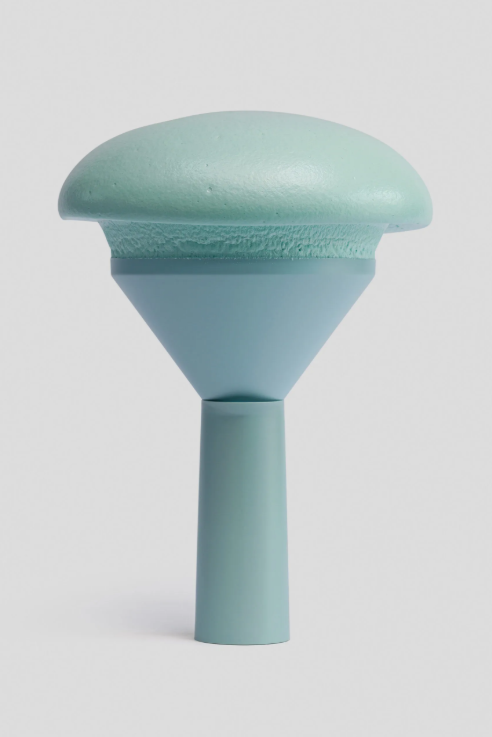
With the ‘SAL’ series, assembly is joined by a more explicit sense of modeling. In SAL-Wood Type 2(2022), SAL-Tone 3(2023), and SAL-Tone 8(2023), unrelated objects such as wall shelves, stools, drinking glasses, cutlery, clothespins, lampshades, and thermoses are bound together through expanding urethane foam and begin to resemble parts of a single body.

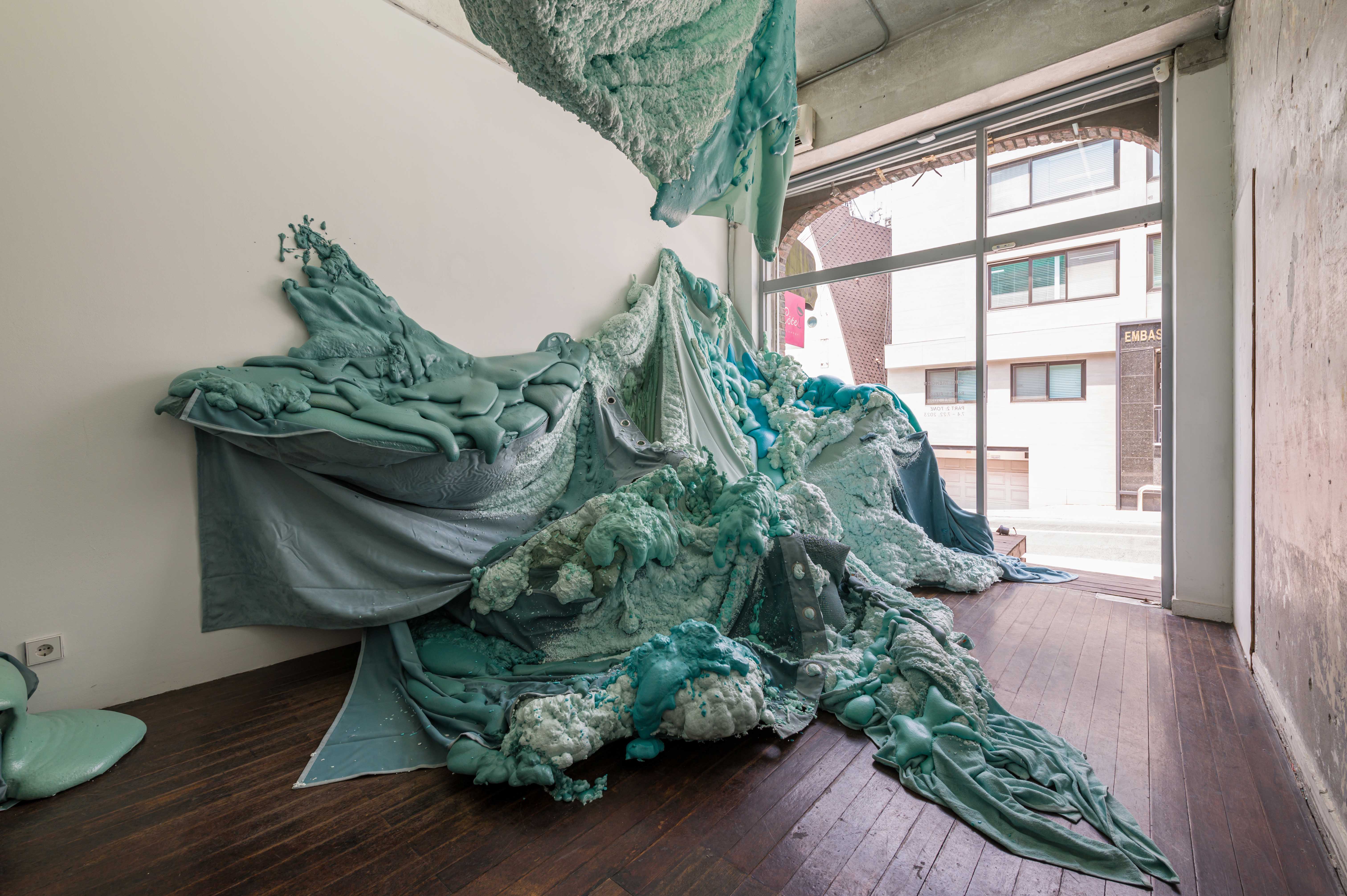
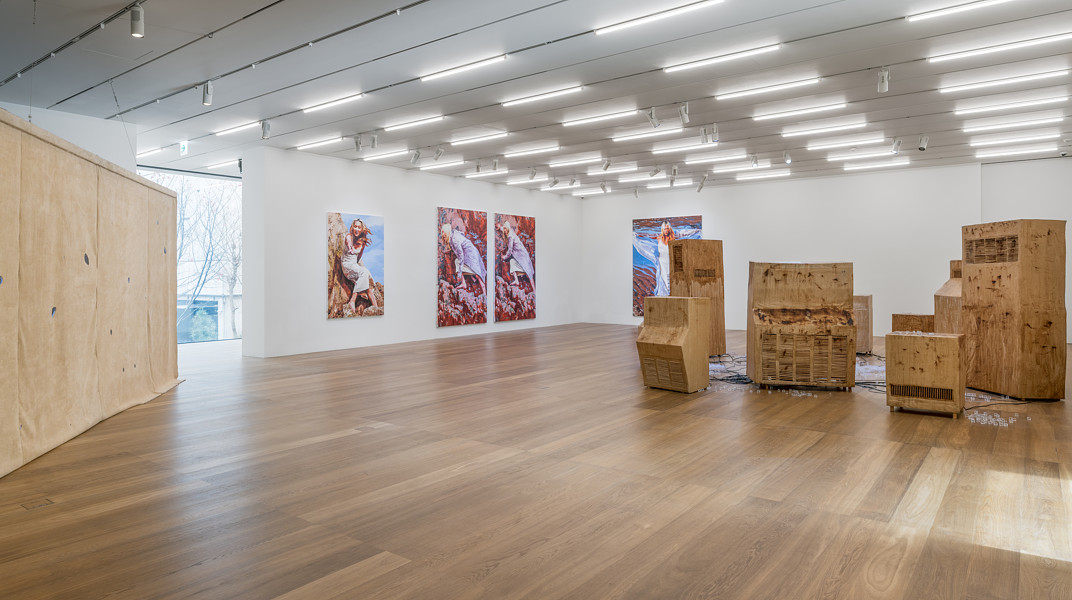
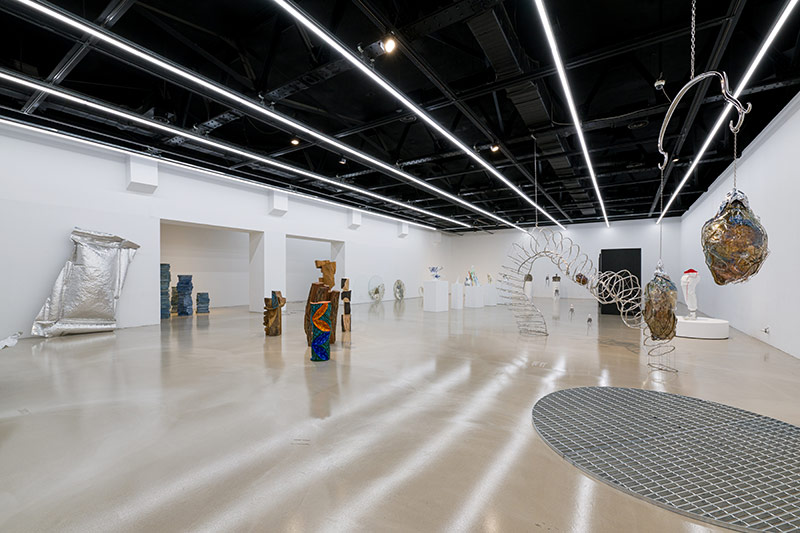
The foam functions simultaneously as an adhesive and as mass, expanding and hardening at a speed the artist cannot fully control. In 《TONE》(P21, 2023), rather than grouping objects from the same product family, Choi assembled things with entirely different functions according to looser affinities such as color and texture, forming what he calls ‘alternative families.’ In 《FIELD》(P21, 2023), this principle expanded from individual objects to architectural scale.

Treating the P1 and P2 gallery spaces as the armature of a traditional modeled sculpture, Choi attached urethane foam and fabric throughout the galleries until the exhibition space itself became an enormous body. The viewer no longer simply looks at a sculpture but moves between its interior and exterior.

Yet Choi’s formal language is not fixed around urethane foam alone. White Reef(2023), made during the Gapado Artist-in-Residence program, was produced by taking impressions of rocks surrounding the island in thin Korean paper and installing these shell-like forms inside a glass-walled space. From outside the building, viewers could see the concave interior of the sculpture; from within, they encountered the exterior surface derived from the rocks.

Here, solid mass gives way to surface, emptiness, light, and environmental change. In the later ‘Support’ series, Choi returns to liquid flexible urethane, but the method differs fundamentally from the additive process of the ‘SAL’ works. Rather than attaching material onto an existing object, he pours urethane into spaces between objects and removes those objects after curing.

The practice therefore shifts from building up form to preserving the traces of what has disappeared. Even when the same material recurs, Choi continually alters the way it operates. Material functions less as a fixed stylistic signature than as a means of reconsidering how sculpture is structured.


Topography & Continuity

A distinctive aspect of Choi Taehoon’s practice lies not simply in his use of readymades or industrial materials, but in the way he edits the already established relationships between humans and objects through sculptural structure.

If the readymade traditionally begins by relocating an object into the context of art, Choi also brings with it the relational systems attached to that object: something that must be used in a certain way, something that must be assembled according to instructions, something recommended by an algorithm, or something that supports artistic production only to disappear from the final result.

His early DIY hacking deliberately violated these rules; the ‘SAL’ series reduced the degree of control so that objects and materials could generate unforeseen forms together; and the ‘Support’ and ‘Guardian’ series go further by treating the artist, material, and objects as participants within the same process. Despite major changes in appearance, a consistent set of questions runs through the work: who determines form, what makes an artwork possible, and whether the artist can truly be regarded as the sole subject of sculptural production.

Material autonomy and chance have long histories within sculpture, but Choi gives these concerns a distinctive context by connecting them to concrete structures of everyday life such as functionalism, consumer culture, DIY systems, digital recommendation, and the labor of exhibition production.

An emphasis on flowing urethane foam alone might position the work within the lineage of process art, while the manipulation of readymades could be understood within the history of object-based sculpture. Yet in Choi’s practice, the strict self-imposed rules of TJENA Composition, the virtual showroom of 《South Korean Ensemble》, the self-growing body of SAL-Self-Portrait 5, the spatial scale of 《FIELD》, and the negative impressions left by studio tools in ‘Support’ all belong to the same continuing inquiry.

Sculpture becomes less a completed object than a temporary structure produced through encounters among different beings and conditions. For this reason, unstable and shifting relations often remain visible in his work rather than being resolved into a perfectly fixed state. This is closely aligned with Choi’s own statement that he “trusts wavering more than solidity.”

More recently, this relational approach has expanded from the conditions of production to the broader artistic ecosystem. Organizing 《ZIP》 as lead curator and bringing together 16 women sculptors from different generations provided an opportunity for Choi to consider not only individual artworks but also the structures of collaboration through which exhibitions are produced.

The ‘Support’ series presented in 《Hwadu 話頭》(Suwon Art Space Gwanggyo, 2025) subsequently transformed studio tools and invisible forms of collaboration into the very subject of sculpture. The ‘Guardian’ series presented in 《The 25th SONGEUN Art Award Exhibition》(SONGEUN, 2025) further brings together object movement, bodily intervention, and the curing behavior of material in a single process.

These developments suggest a gradual shift from sculpture concerned with the ‘liberation’ of objects toward sculpture that continually renegotiates the relationships among human and nonhuman agents.

Choi has participated in residency programs including MMCA Residency Goyang (2016-2017), Seoul Art Space Geumcheon (2019), and Gapado Artist-in-Residence (2023), and his practice has continued to expand through exhibitions such as 《Sculptural Impulse》(Buk-Seoul Museum of Art, 2022), 《ZIP》, 《The 25th SONGEUN Art Award Exhibition》, and 《SONGEUN × Unboxing Project: Generative Forms》(SONGEUN, 2026).

His selection as a finalist for the 25th SONGEUN Art Award has also provided an institutional context for the recent ‘Guardian’ series. Rather than converging on a single material or fixed visual language, his practice is perhaps best understood through its sustained willingness to alter the conditions under which sculpture comes into being.

A question that began with household objects has moved through digital images, architectural space, material self-generation, collaboration, and exhibition labor. Choi’s sculptures tend to leave behind conditions for the next relationship rather than a final answer. That refusal to make those conditions too rigid may be one of the most enduring forces animating his work.

Works of Art

The Organic Expansion of Objects Liberated from the User

Articles

Exhibitions

Activities