White Line - K-ARTIST

White Line

2026
About The Work

Kim Donghee has continued to develop works that respond to various architectural structures, including exhibition venues, non-traditional spaces, and commercial spaces, intervening in the sensory experiences of those who enter and encounter these spaces.

Viewing the various contexts layered within a space as a series of layers, he creates and installs tangible and intangible structures that embody them, emptying out the existing space and exploring the possibility of new architectural experiences emerging within it.

Kim Donghee transforms spaces to enable new ways of using them, turning them into platforms where other artistic practices can unfold. He has also presented works in institutional art spaces that distort and reconstruct the existing spatial plans and their physical presence.

These works can be understood as a process of responding sensitively to the physical and spatial conditions in which he works, transforming given spaces into environments where artistic and human activities can take place.

Moving through spaces shaped by different contexts, Kim experiments with diverse ways of experiencing and perceiving space by adding and overlaying structures of his own design. In his practice, space functions not as a fixed backdrop but as a constantly changing field where the artist’s interventions, the movements of viewers, and surrounding environmental conditions intersect.

Through this process, the artist, curators, and viewers form a temporary community, experiencing the space in their own ways and physically sensing the multiple invisible layers embedded within it.

Solo Exhibitions (Brief)

Kim has held solo exhibitions include 《A House, Arrived Again》(House of Woonkyung, Seoul, 2026), 《Hide Edges》(YPC Space, Seoul, 2025), and 《Hall 2》(Hall1, Seoul, 2023).

Group Exhibitions (Brief)

Kim has also participated in numerous group exhibitions, including 《Off the White: Folds and Watchtower》(Ilmin Museum of Art, Seoul, 2026), 《Reconstructing Sequences》(National Asian Culture Center, Gwangju, 2024), 《Post Media and Site》(Busan Museum of Contemporary Art, Busan, 2023), 2022 Busan Biennale 《We, on the Rising Wave》(Busan, 2022), 《Kak》(HITE Collection, Seoul, 2022), 《Art Spectrum 2022》(Leeum Museum of Art, Seoul, 2022), 《Short Circuit》(Taste House, Seoul, 2021), and 《Elsewhere》(Atelier Hermès, Seoul, 2020).

Awards (Selected)

Kim was also awarded the Porsche Frontier Award in the Visual Arts category at the 2nd Seoul Art Award.

Works of Art

Space as a Site for Creating New Relationships

Originality & Identity

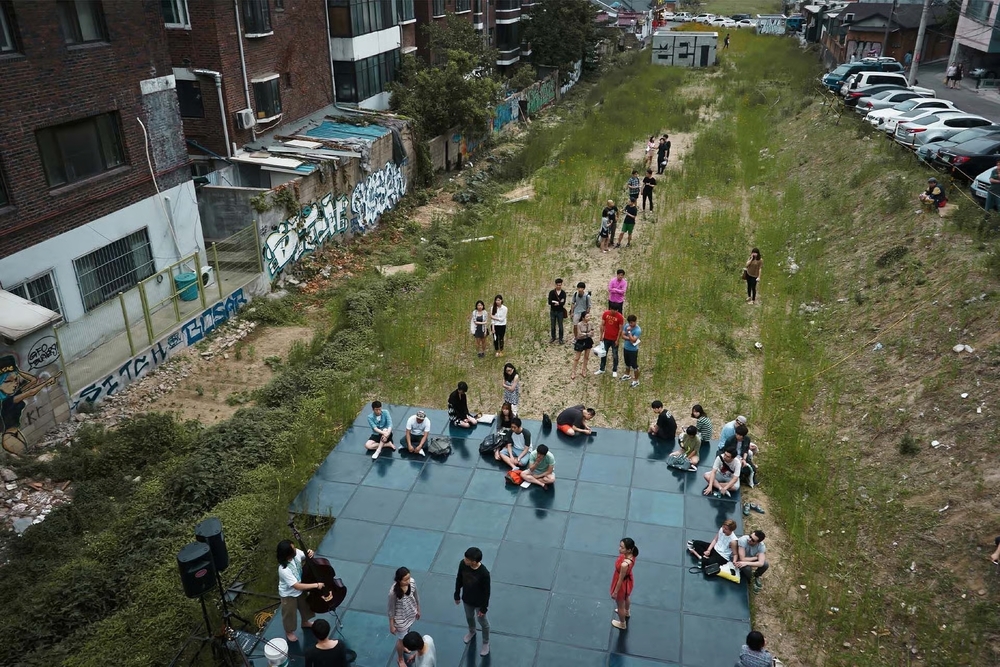
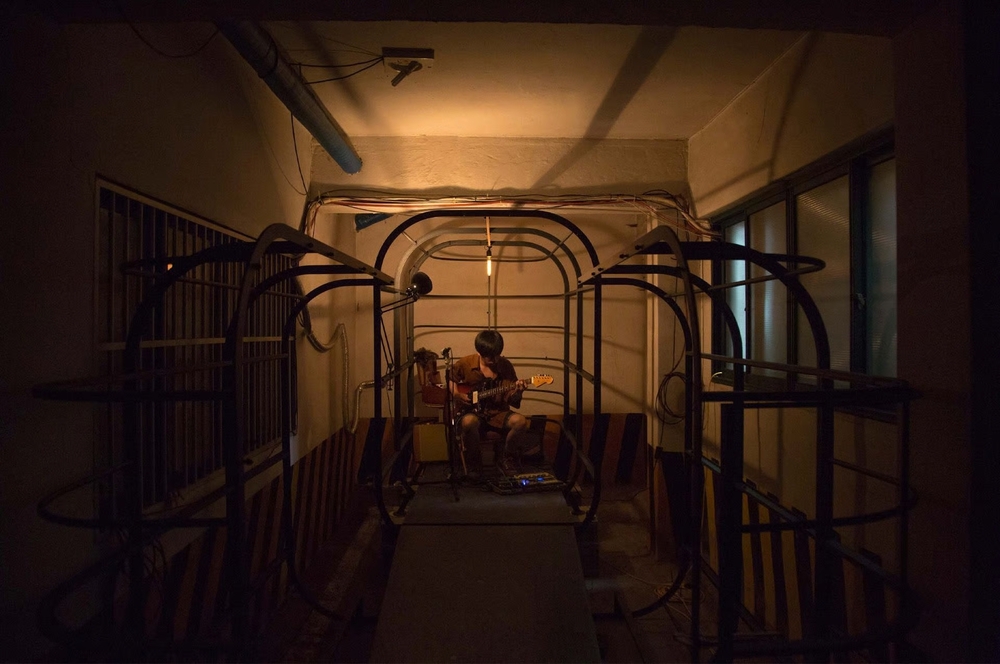
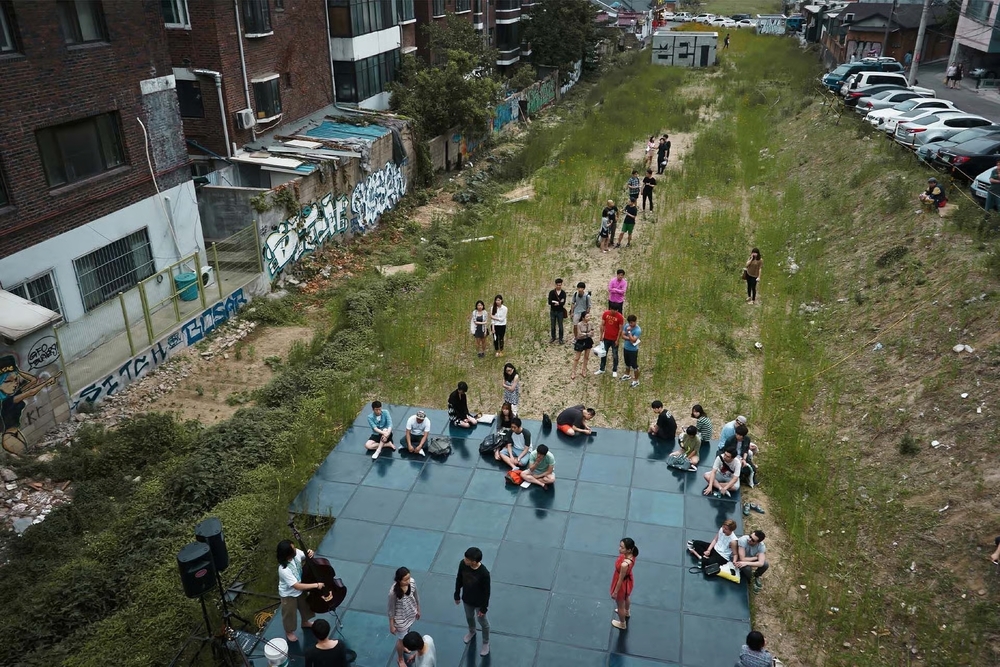
Kim Donghee’s practice begins with an understanding of space not as an empty backdrop, but as a structure in which people, objects, institutions, programs, time, and movement overlap and operate together. In his first solo exhibition 《House of Dispersed Layers》(Mapo-gu, 2014), he sought out overlooked or abandoned urban sites—including a disused railway site beneath a bridge, an apartment rest area, an emergency exit, and a parking lot—and temporarily transformed them into platforms for exhibitions and performances.

In works such as House of Dispersed Layers_Garage(2014), space functioned less as a completed artwork than as a ‘support’ upon which other artists and audiences could enter and generate events. His operation of temporary platforms such as ‘Opera Coast,’ ‘West Warehouse,’ ‘23rd Floor,’ and ‘Ashiba Vision’ between 2015 and 2016 developed from the same approach.

Rather than owning spaces or permanently transforming them, Kim temporarily opened up new possibilities by projecting different uses and relationships onto them for a limited period. From this early stage, space, platform, and collaboration became inseparable foundations of his practice.

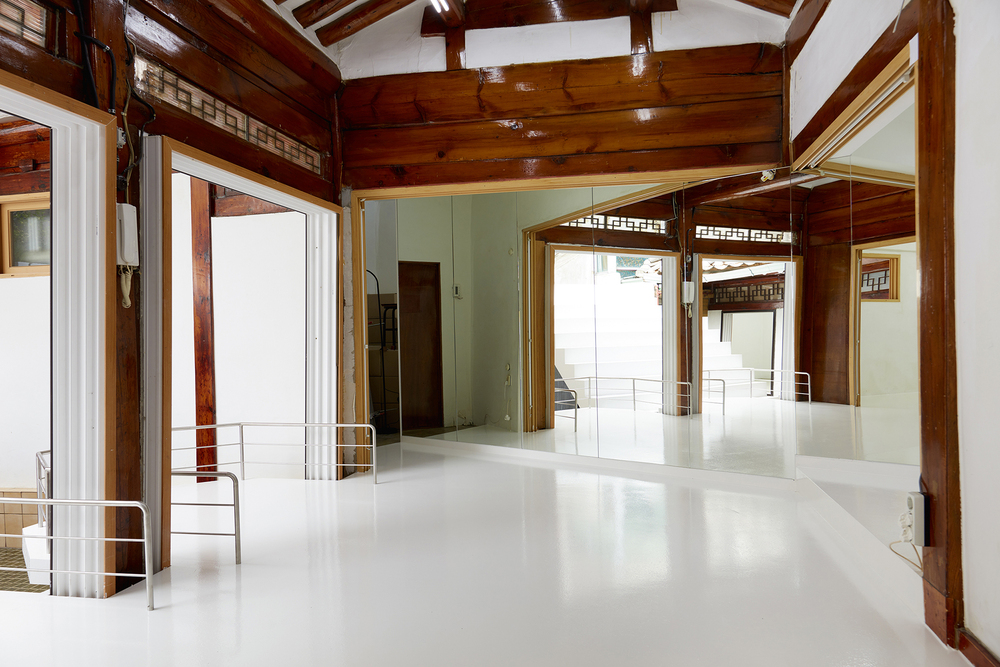
With 《3 Volumes》(Audio Visual Pavilion, 2017), his attention gradually shifted from operating places toward formally analyzing the structures of space itself. At Audio Visual Pavilion, a traditional hanok converted into an exhibition venue, Kim added new elements such as walls, stairs, balconies, mirrors, passageways, and window frames, inviting viewers to experience the space by walking, pausing, climbing, and looking through it.

Rather than erasing the existing site and constructing something entirely new, he overlaid another layer onto the structures and traces already present. The concept of ‘support’ in Kim’s work also extends beyond physical structures. It includes the time required to coordinate, manage, and operate collaborators’ works and to shape the viewer’s experience.

This is why he moves fluidly among the roles of installation artist, spatial designer, curator, technician, operator, and viewer. Space in his practice is therefore not a fixed form but a temporary condition in which different roles and events converge.

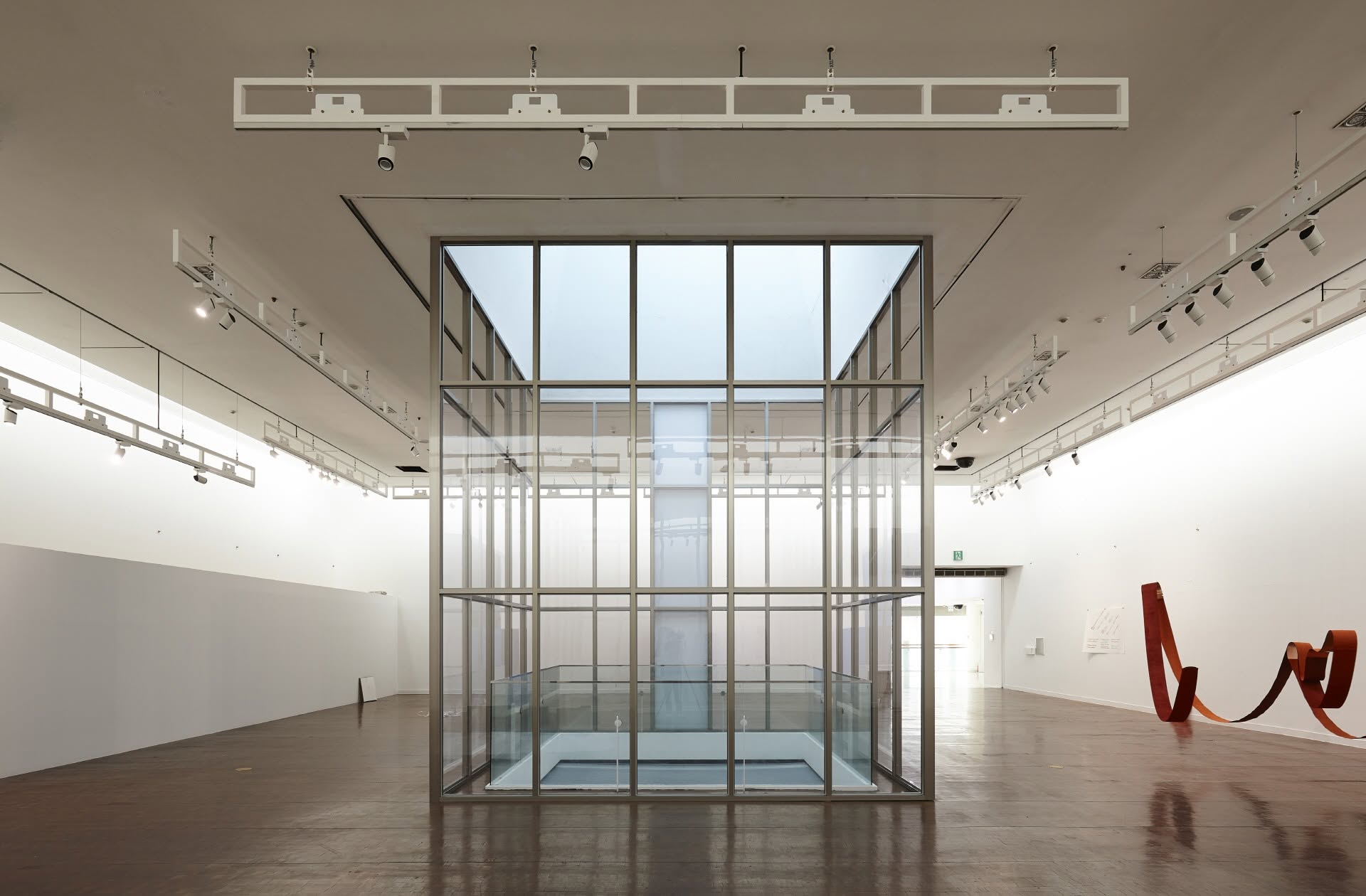
During the 2020s, these questions expanded into increasingly precise arrangements of viewers’ sightlines and movement. In the ‘Sequence Type’(2020) series, Kim constructed new spatial sequences from existing architectural elements such as windows, clerestories, and passageways, allowing viewers to encounter particular scenes in succession.

Sequence Type: 1
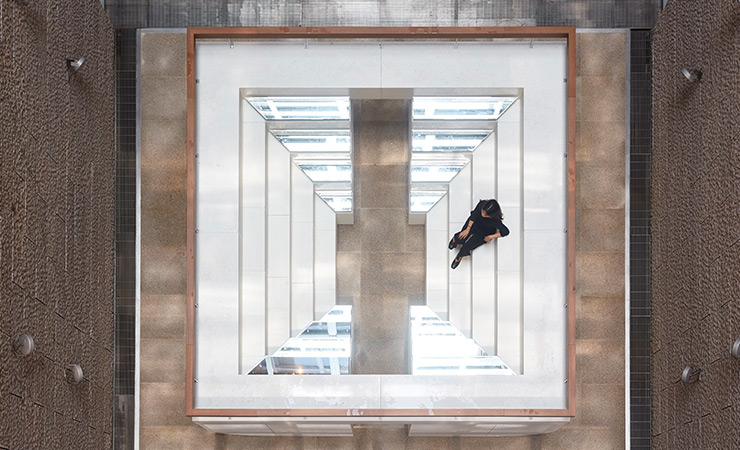
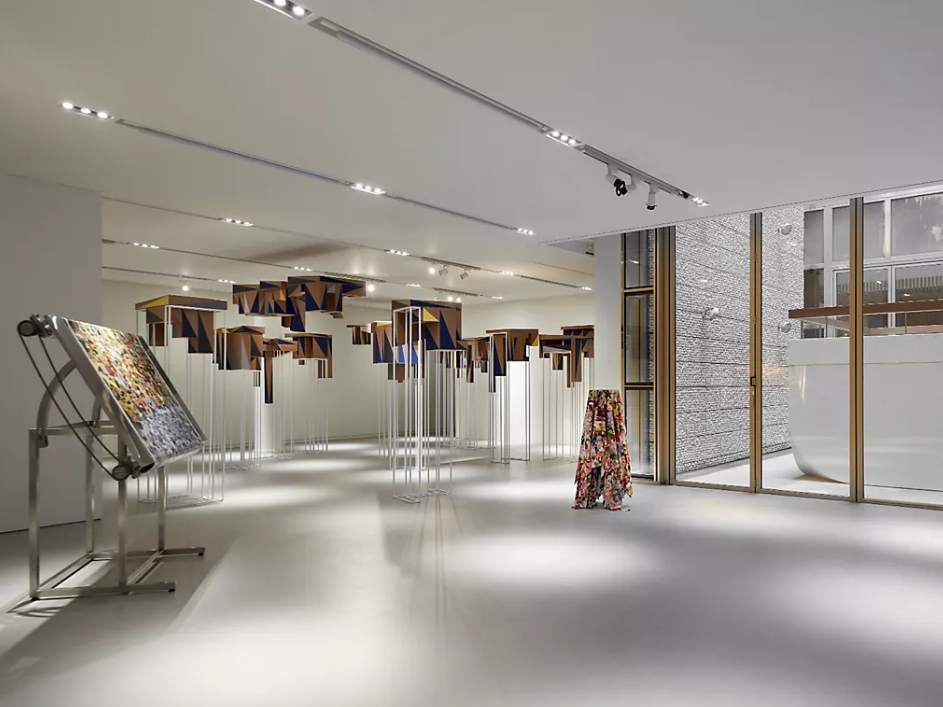
(2020) offset the positions of three windows and a grid structure so that viewers could selectively frame different exterior landscapes, while Sequence Type: 3, presented in 《Elsewhere》(Atelier Hermès, 2020), guided viewers from the gallery interior through the courtyard, into and onto the structure, and finally toward a view of the sky.

Kim repeatedly simulates circulation and viewpoints before construction, yet he also incorporates scenes newly discovered on site, along with changing light, seasons, and weather. This combination of precise planning and openness to environmental contingency has become an important foundation of his later work.

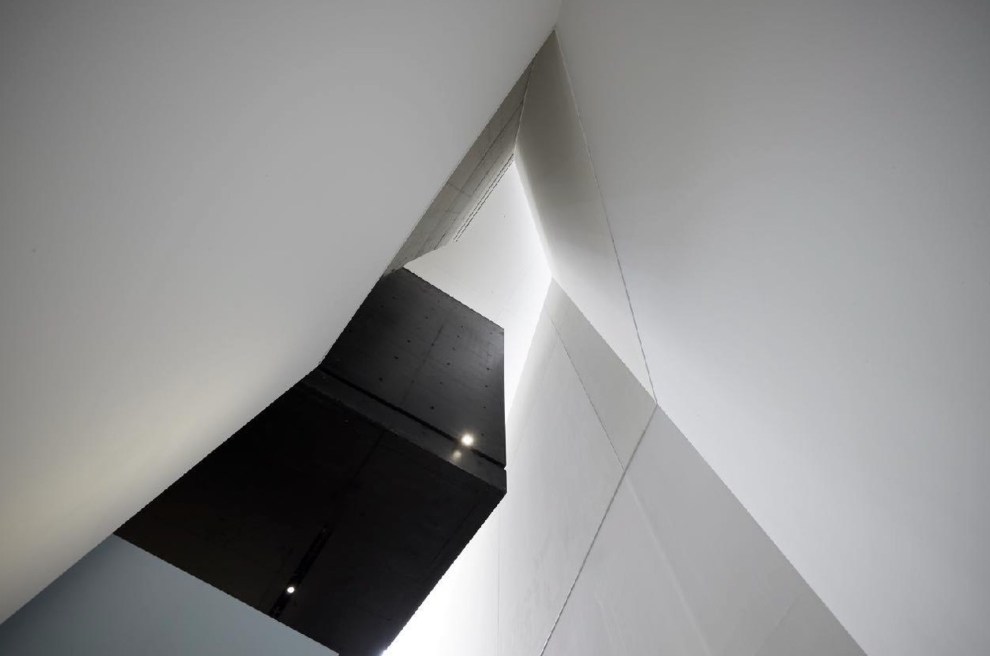
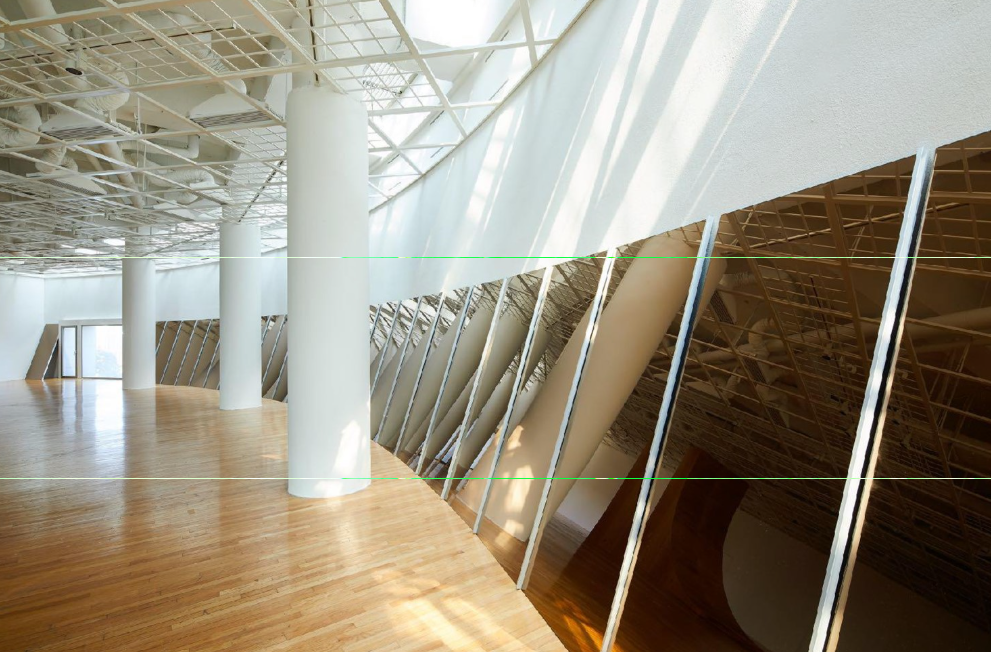
More recently, the layers that constitute space have begun to move across different locations and periods of time. Reverse Mountain(2022) incorporated the previously concealed ceiling, black architectural structures, temporary walls, natural light, blinds, online information, and viewers’ movement at Leeum Museum of Art, allowing the existing exhibition architecture to be perceived anew.

In the ‘Portable Storage’(2022) series, fragments of Hall 1 were removed and transplanted into another exhibition venue. In 《Hide Edges》(YPC Space, 2025), Kim overlaid the digital drawing of his earlier work Dockings(2024) with the architecture of a new exhibition site, exploring how different places might meet within a single visual field. This development becomes particularly clear in 《A House, Arrived Again》(House of Woonkyung, 2026).

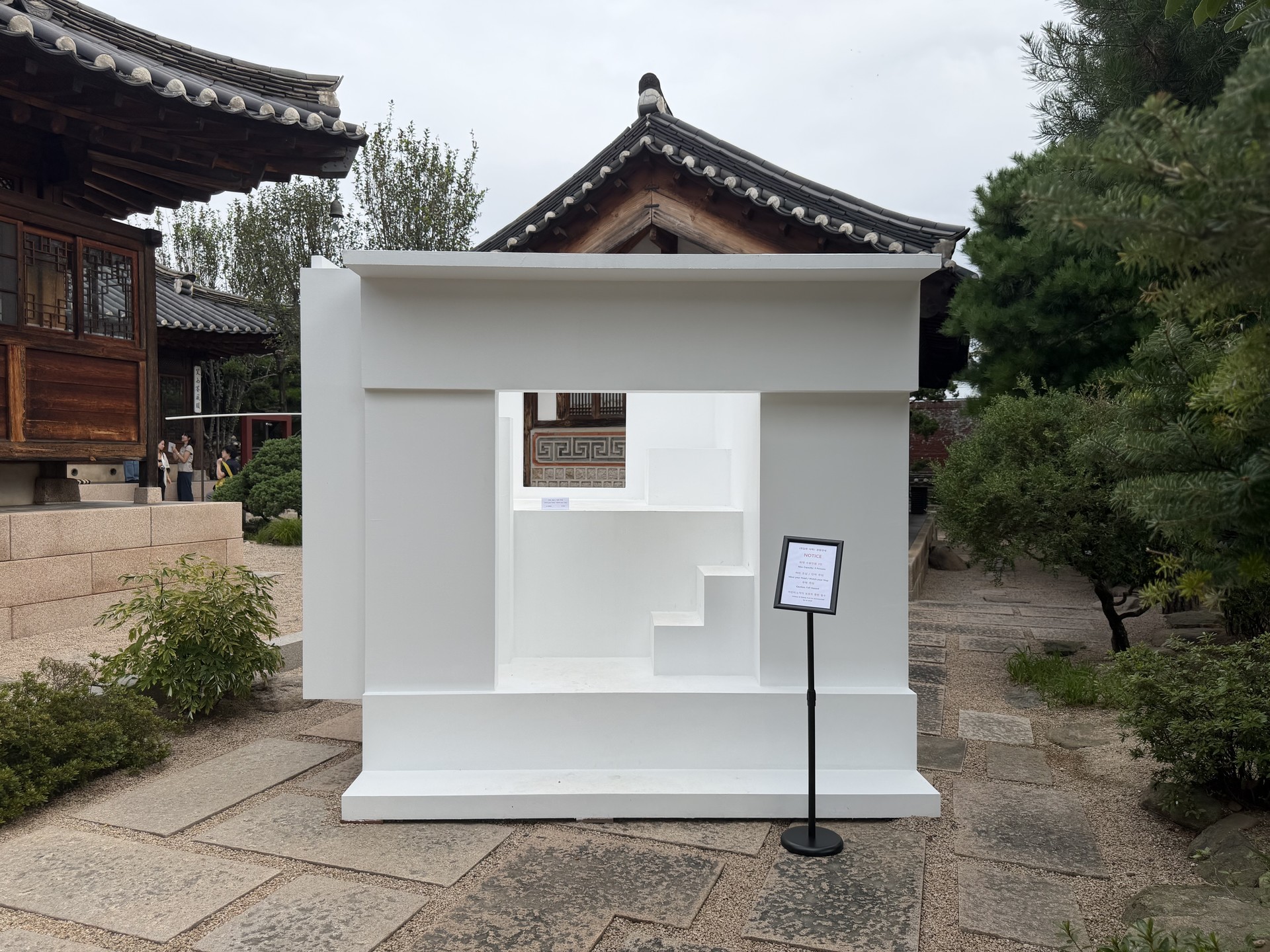
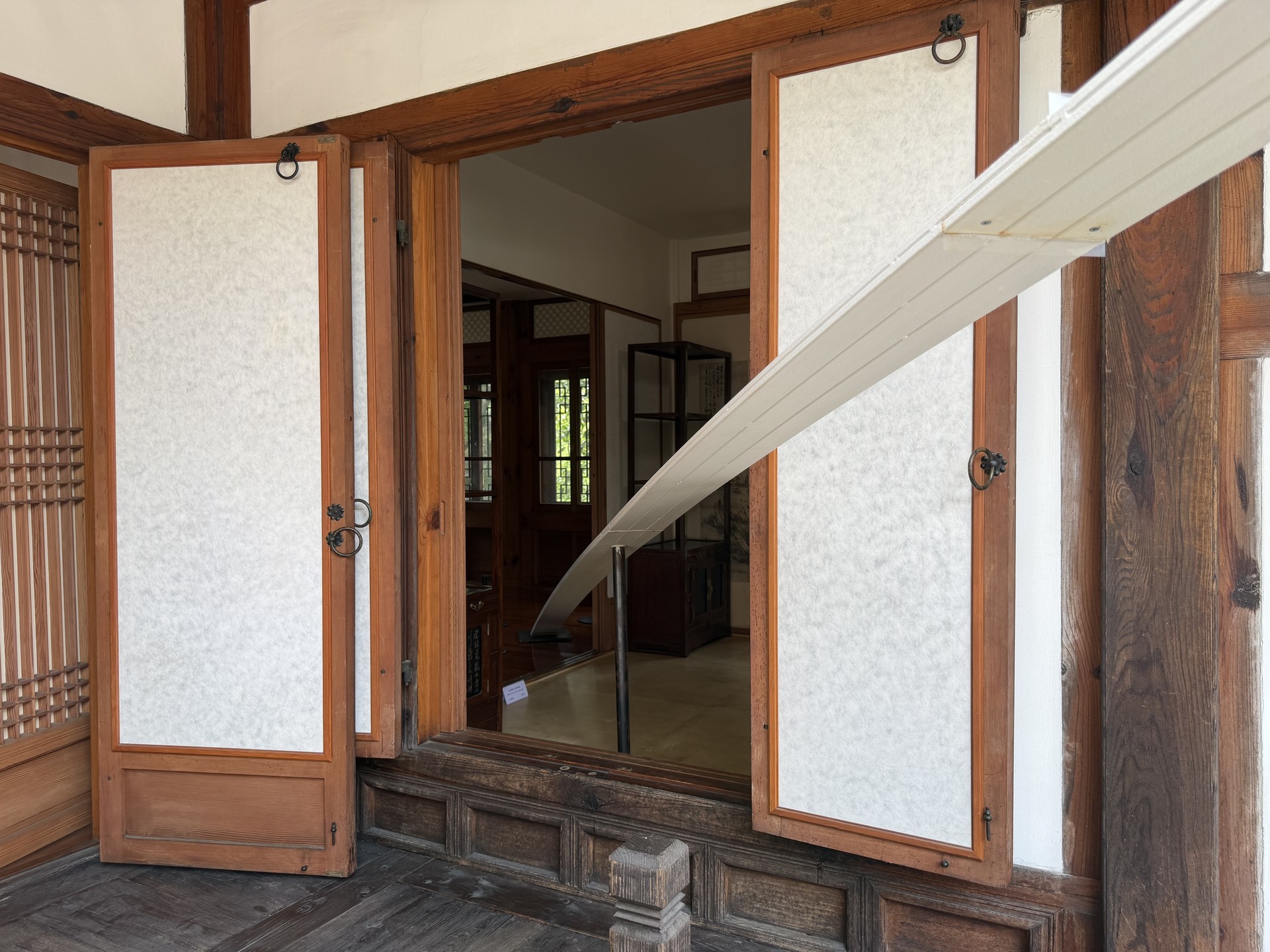
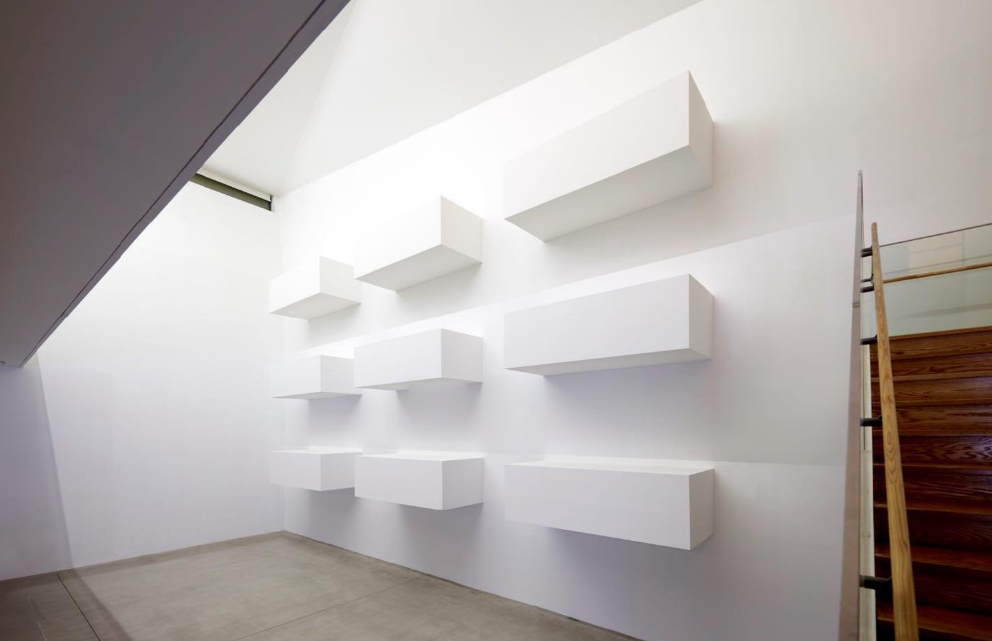
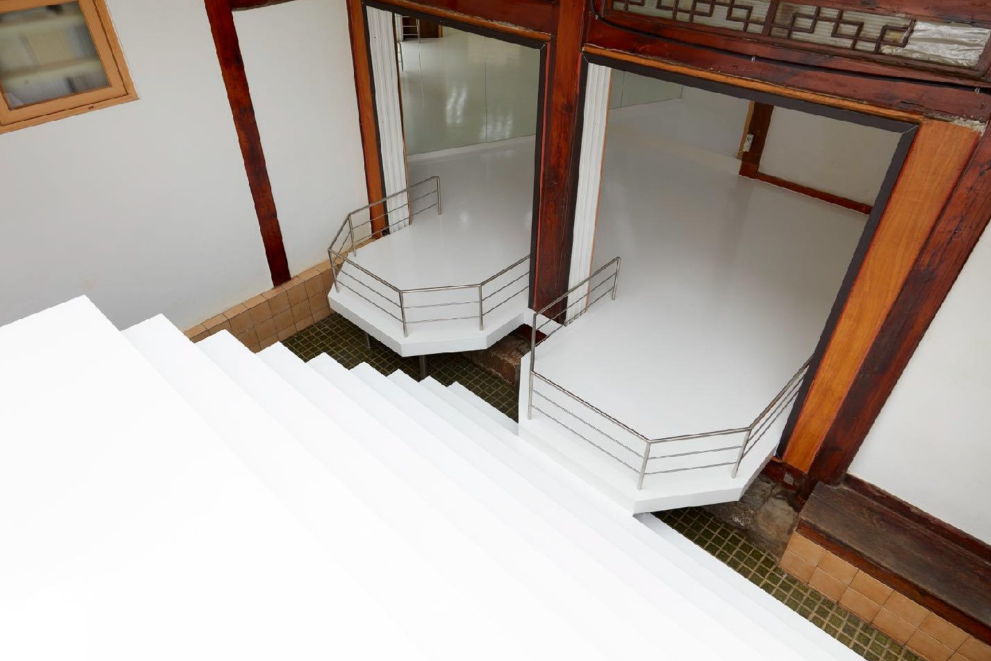
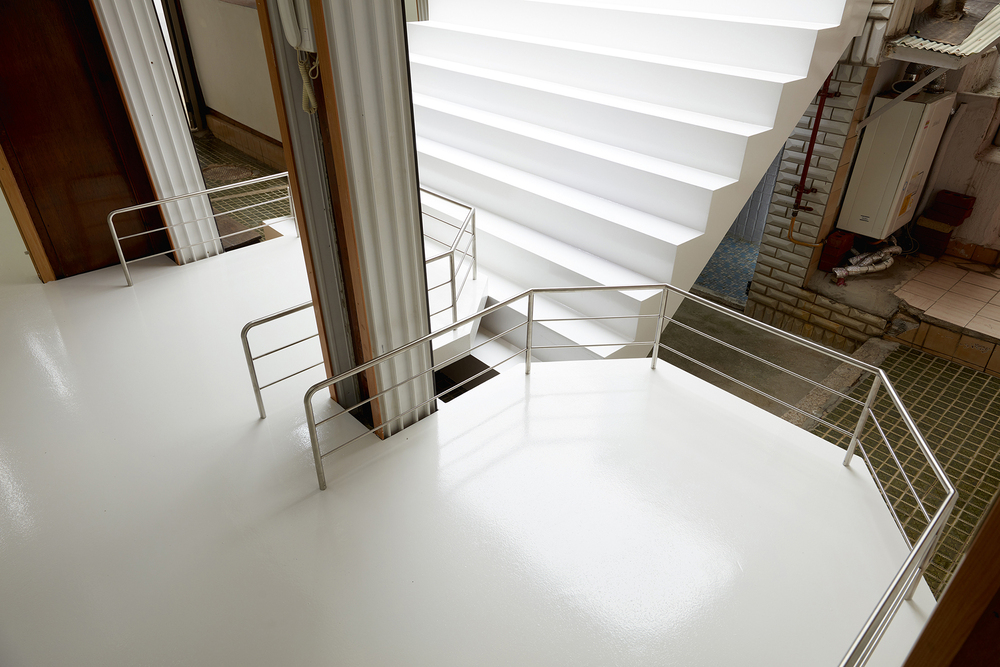
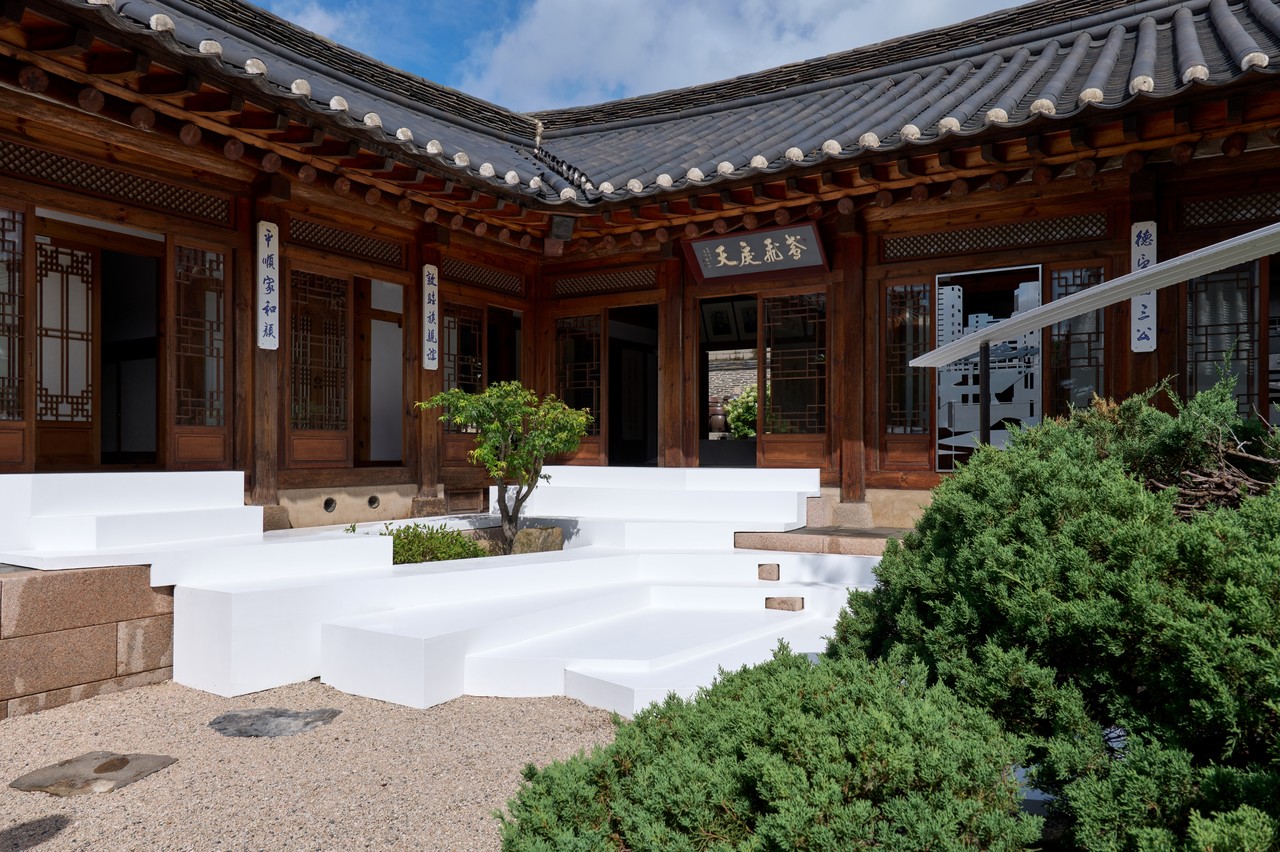
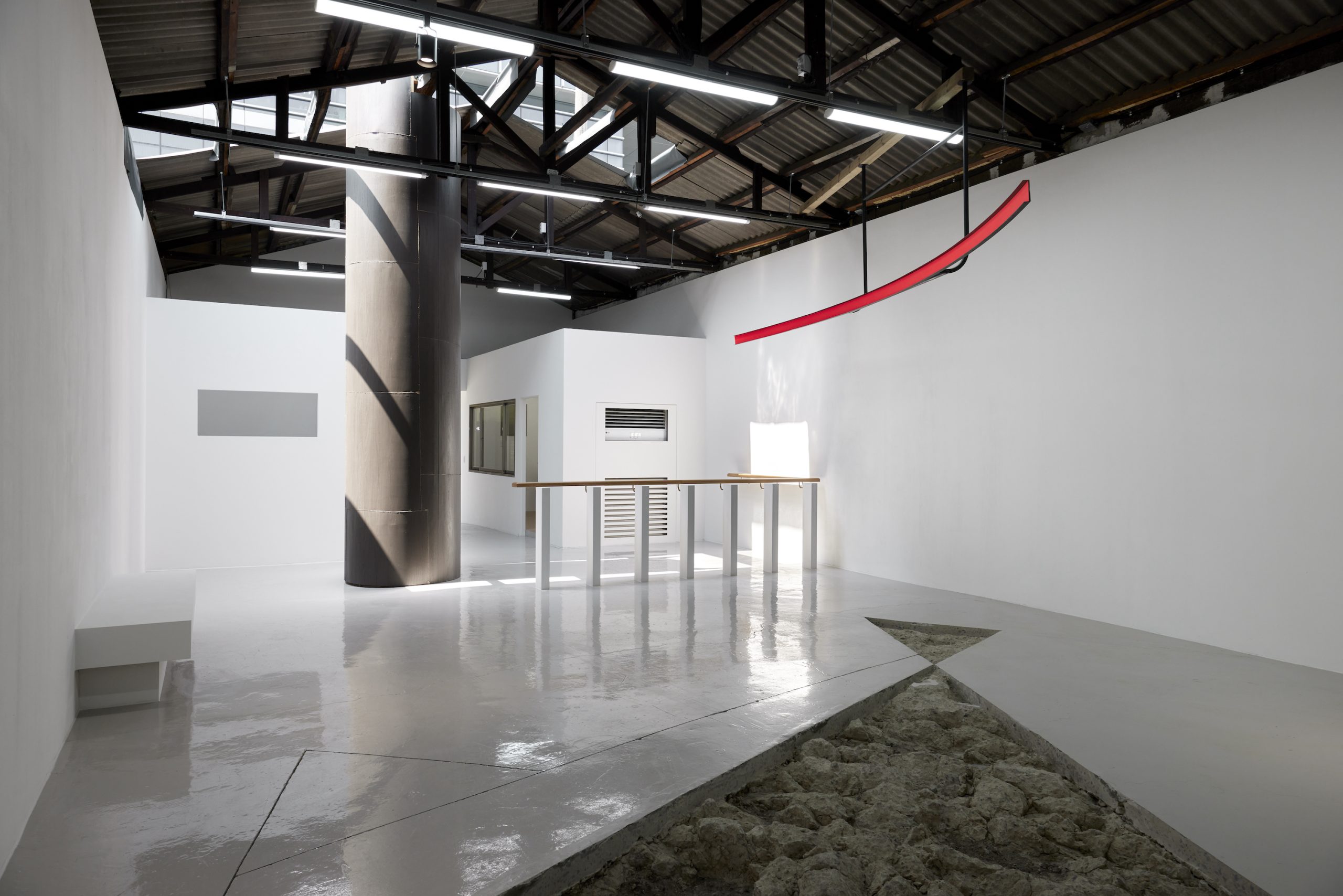
Works including White Staircase 1, 2(2026), Excavation for a Six-Part Circle(2026), and Inverted Attic(2026) reconnect the topography and architecture of the historic house with past sounds and present viewpoints. Space now extends beyond the physical conditions of a single site, becoming a field where earlier works and memories can arrive again in different places and times and enter into new relationships.


Style & Contents

Kim’s early formal approach centered on transforming existing sites through minimal structures and modes of operation. In 《House of Dispersed Layers》, he installed a temporary stage on an overgrown site, spread gravel across an apartment rest area, and constructed structures for exhibitions and performances in a parking lot.

What mattered was less the formal completion of the structures themselves than how and by whom they would be used. As collaborators including INstadio Movement, musicians, video artists, and dancers entered these sites, a single structure could continuously shift between performance venue, exhibition space, and resting place.

Kim’s simultaneous naming and operation of temporary platforms during this period further demonstrates that he understood physical installation and program management as part of the same artistic process. From the outset, space, time, production, and operation functioned together almost as a single medium.

After 《3 Volumes》, the sculptural presence of the structures themselves became more pronounced. Kim categorized elements drawn from the existing architecture, layered and merged them within drawings, and translated those configurations into physical structures. White planes, simple geometric forms, odd-numbered arrangements, grids, pedestals, windows, and passageways frequently appear through this process.

In the ‘Sequence Type’ series, such planning became even more precise, extending to simulations of where viewers might stop, what they might see, and which route they might choose. Yet rather than forcing visitors along a single predetermined path, Kim leaves several possibilities open so that different scenes emerge according to bodily movement.

His structures therefore occupy an ambiguous position between sculpture and architecture, but instead of primarily asking to be viewed as autonomous objects, they operate more like frames that enable the surrounding space to be perceived differently.

Around 2022, moving and reusing fragments of existing spaces became increasingly important. The ‘Portable Storage’ series divided the structure of Sequence Type: 4 into multiple sections and relocated them to new sites, where they connected to existing walls and surfaces. Elements that had functioned architecturally within Hall 1 became sculptural devices altering the appearance of another space.

In the same year, Reverse Mountain expanded the work beyond newly built structures by exposing the ceiling, altering the angles of temporary walls, and incorporating natural light, programmed blinds, social media, and online video. The work thus expanded from a physical installation into a form of ‘spatial sculpture’ composed equally of material and immaterial conditions such as light, time, information, and circulation.

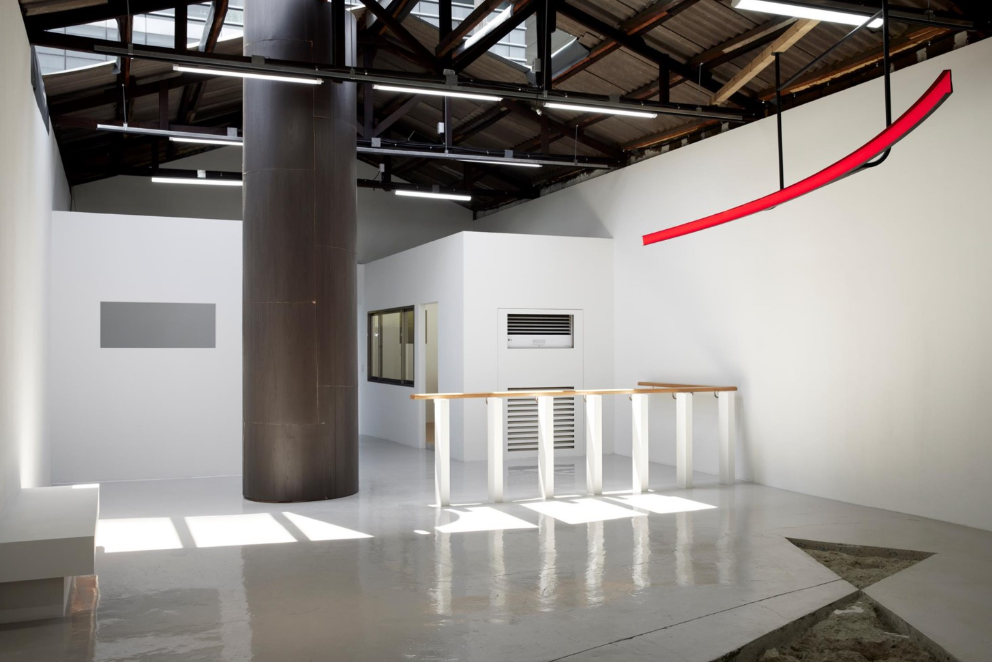
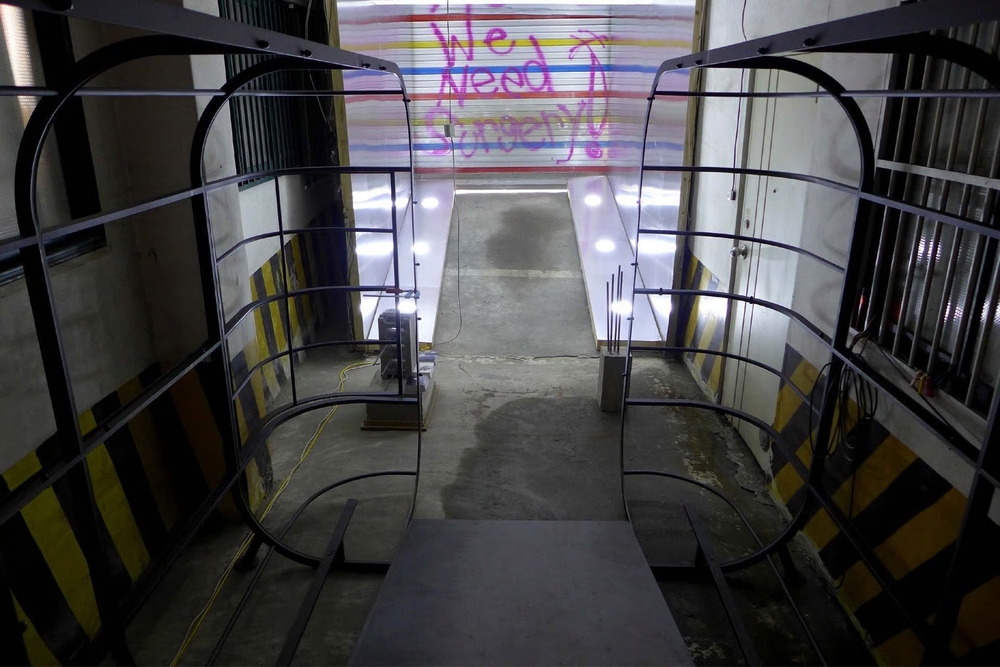
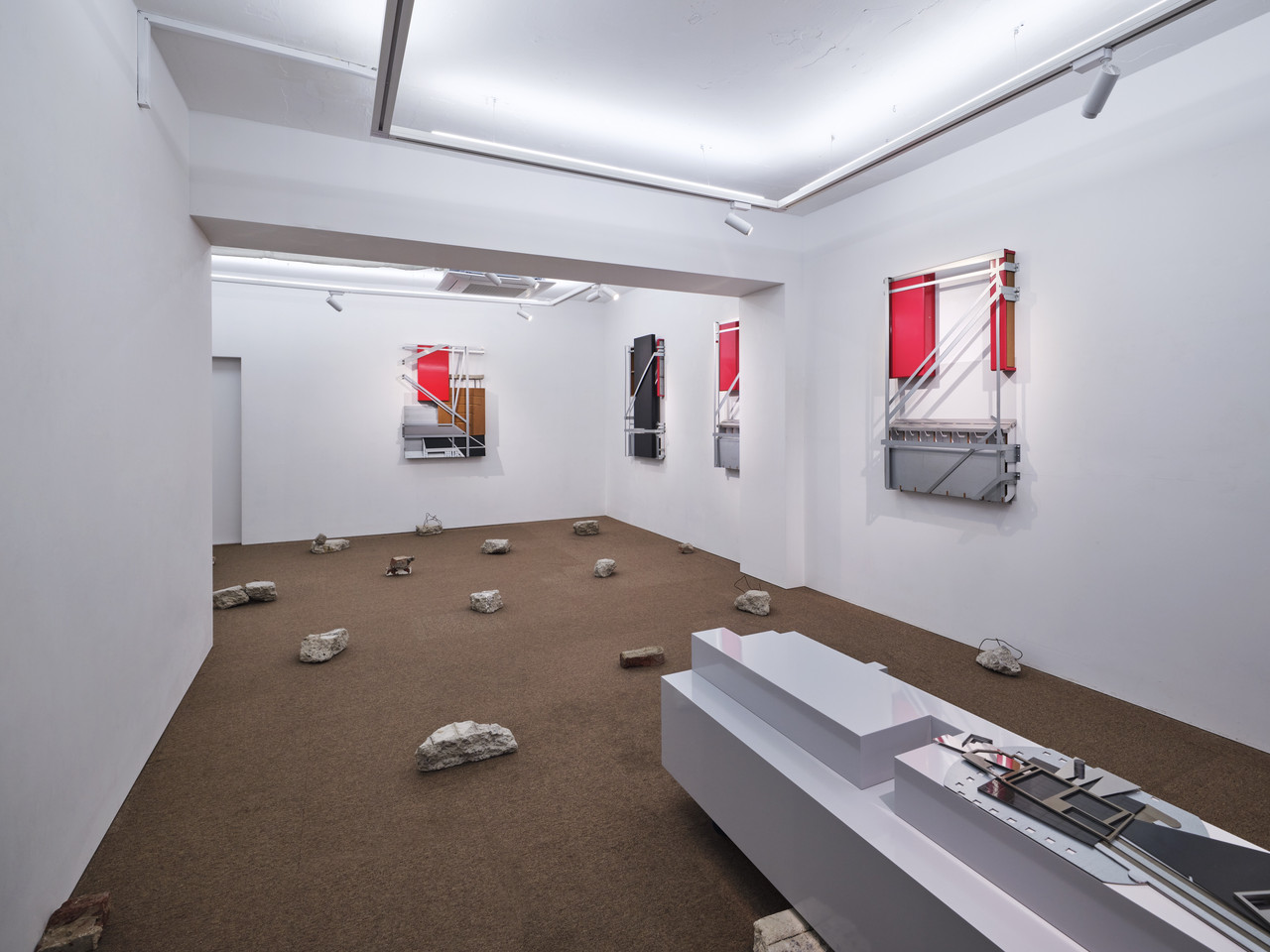
In 《Hide Edges》, the relationship between drawing and physical space is reversed once again. Kim placed YPC Space at the same scale within the SketchUp model of Dockings, created virtual windows corresponding to those in the actual exhibition space, and selected views produced through their overlap. He then translated these selected scenes into reliefs using wood, steel plate, and high-gloss surfaces.

Here, the drawing is no longer merely a plan for a future structure but becomes a complete spatial entity in itself, while physical architecture is understood as a temporary material output of that drawing. 《A House, Arrived Again》 extends this logic to the relocation of earlier works and the historical layers of a site.

Stairs, excavated terrain, lines, an attic, maps, and sound all alter the viewer’s position and perspective, bringing multiple spaces and times together within the historic house. Kim’s long-standing method of adding and overlaying has thus expanded from physical structures to memory and time themselves.

Topography & Continuity

One of the most consistent characteristics of Kim Donghee’s practice is his refusal to understand space as either a completed piece of architecture or an autonomous sculptural object. Space is closer to a temporary state that comes into being as people enter and leave, programs unfold, and conditions such as light and season change. His structures therefore tend not to assert themselves as isolated forms.

Instead, they amplify or obscure features of existing sites, alter circulation, and reveal views that previously remained unnoticed. What began as the conversion of overlooked urban sites into artistic platforms gradually developed into the layering of new spaces within existing exhibition venues, the transplantation of architectural fragments from one site to another, and, more recently, the treatment of drawings and past places as movable layers. Despite these formal changes, one question has remained central: what other forms of use and perception can become possible within a given space?

In this respect, Kim’s practice differs somewhat from conventional approaches to site-specific installation. His work does not stop at interpreting the history or architecture of a particular place; it also designs the practical conditions through which that place can be used and activated. His early experience directly coordinating collaborators’ exhibitions and performances, together with his professional practice through PROP SEOUL in exhibition design and construction, helps explain why technical and conceptual concerns remain inseparable in his work.

He draws plans like an architect, calculates circulation like an exhibition designer, handles material and form like a sculptor, and connects people and programs like a curator. The simultaneous operation of these different roles within a single project is one of the defining characteristics of Kim’s spatial practice.

Another important development concerns how he addresses spaces that disappear. Many of his early installations were dismantled after exhibitions, and Kim came to understand that works could potentially be reconstructed through their drawings and records. He later developed modular structures, relocated architectural fragments through the ‘Portable Storage’ series, and eventually began to regard the drawing itself as a real spatial structure in 《Hide Edges》.

Even when a physical space disappears, it can continue to operate elsewhere through drawings, images, fragments of structure, and viewers’ memories. The title 《A House, Arrived Again》 closely resonates with this development: past places and forms do not disappear entirely but arrive again in new environments, where they combine with present conditions to produce different experiences. This logic of repetition and transformation allows Kim’s practice to remain highly responsive to specific sites without becoming permanently bound to any single building or location.

Kim Donghee has continued these spatial experiments through major institutional exhibitions and projects including 《Elsewhere》(Atelier Hermès, 2020), 《Art Spectrum 2022》(Leeum Museum of Art, 2022), the 2022 Busan Biennale 《We, on the Rising Wave》(Busan, 2022), 《Theater》(Busan Museum of Art, 2023), 《Reconstructing Sequences》(Asia Culture Center, Gwangju, 2024), and 《Off the White: Folds and Watchtower》(Ilmin Museum of Art, 2026).

He also received the Porsche Frontier Award in the Visual Arts category at the 2nd Seoul Art Awards for 《Hall 2》(Hall 1, 2023). The expansion of his practice—from small overlooked sites in Seoul to museum architecture, digital drawings, and a historic residence—demonstrates that it is not tied to any single scale or type of space.

Yet throughout these shifts, Kim continues to pay close attention to the scenes viewers encounter and the ways their bodies move through a site. By addressing both the act of ‘building’ space and the act of ‘seeing’ it, his work retains an open structure capable of generating new variations across different cities, architectures, and institutional contexts.

Works of Art

Space as a Site for Creating New Relationships

Articles

Exhibitions

Activities