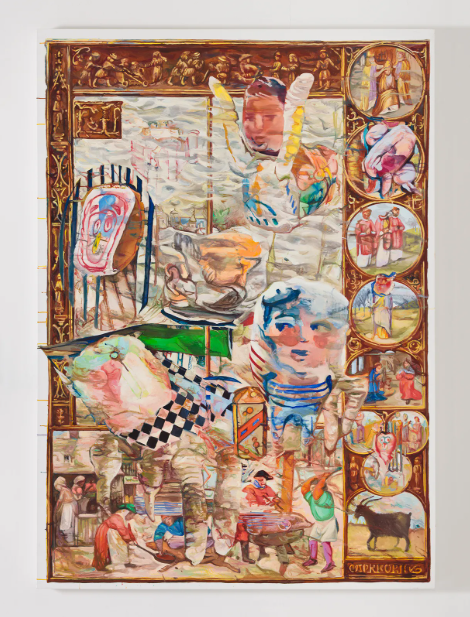
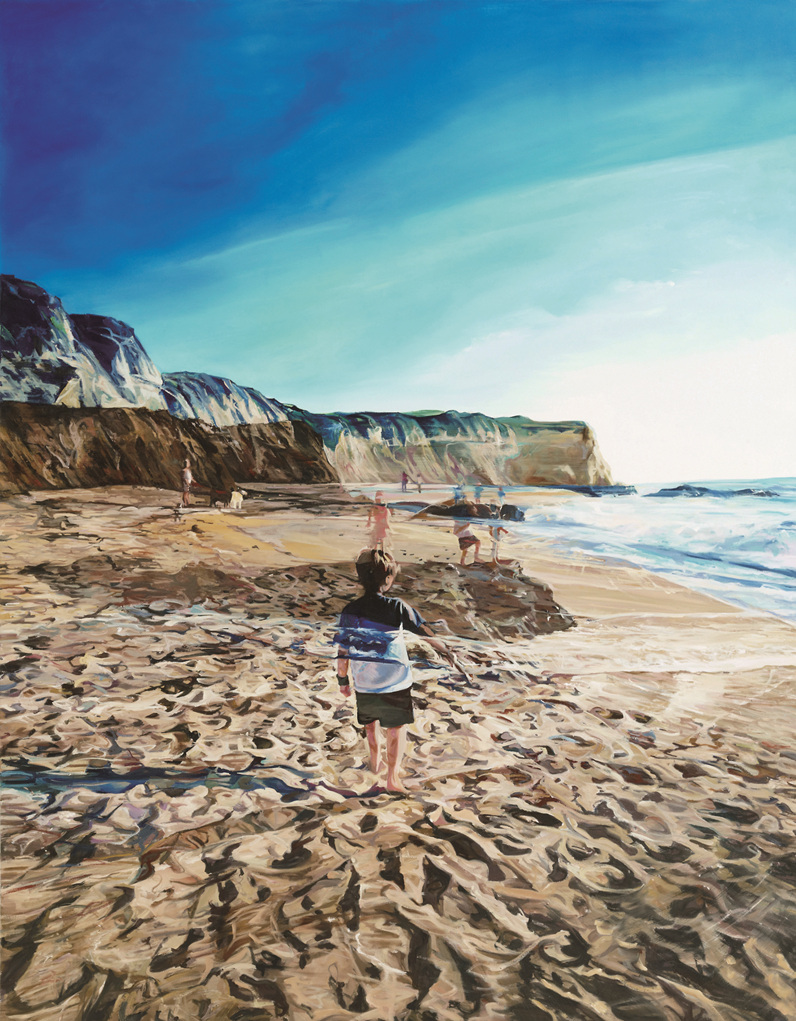
Vesper_Folded Hours_1 - K-ARTIST

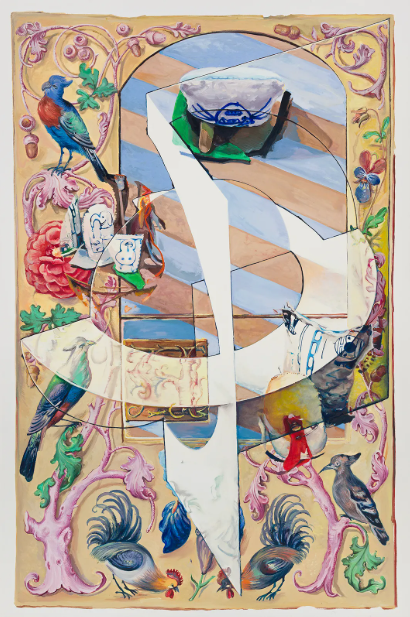
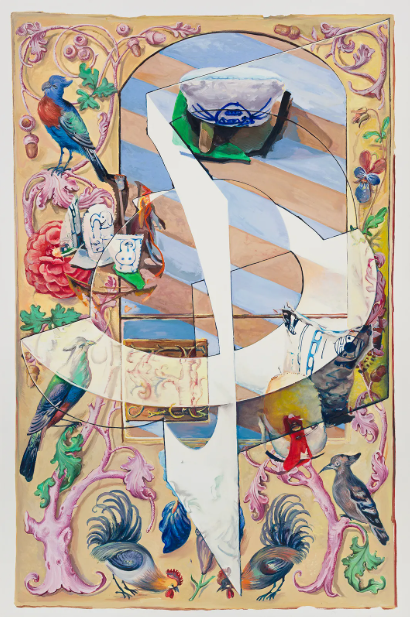
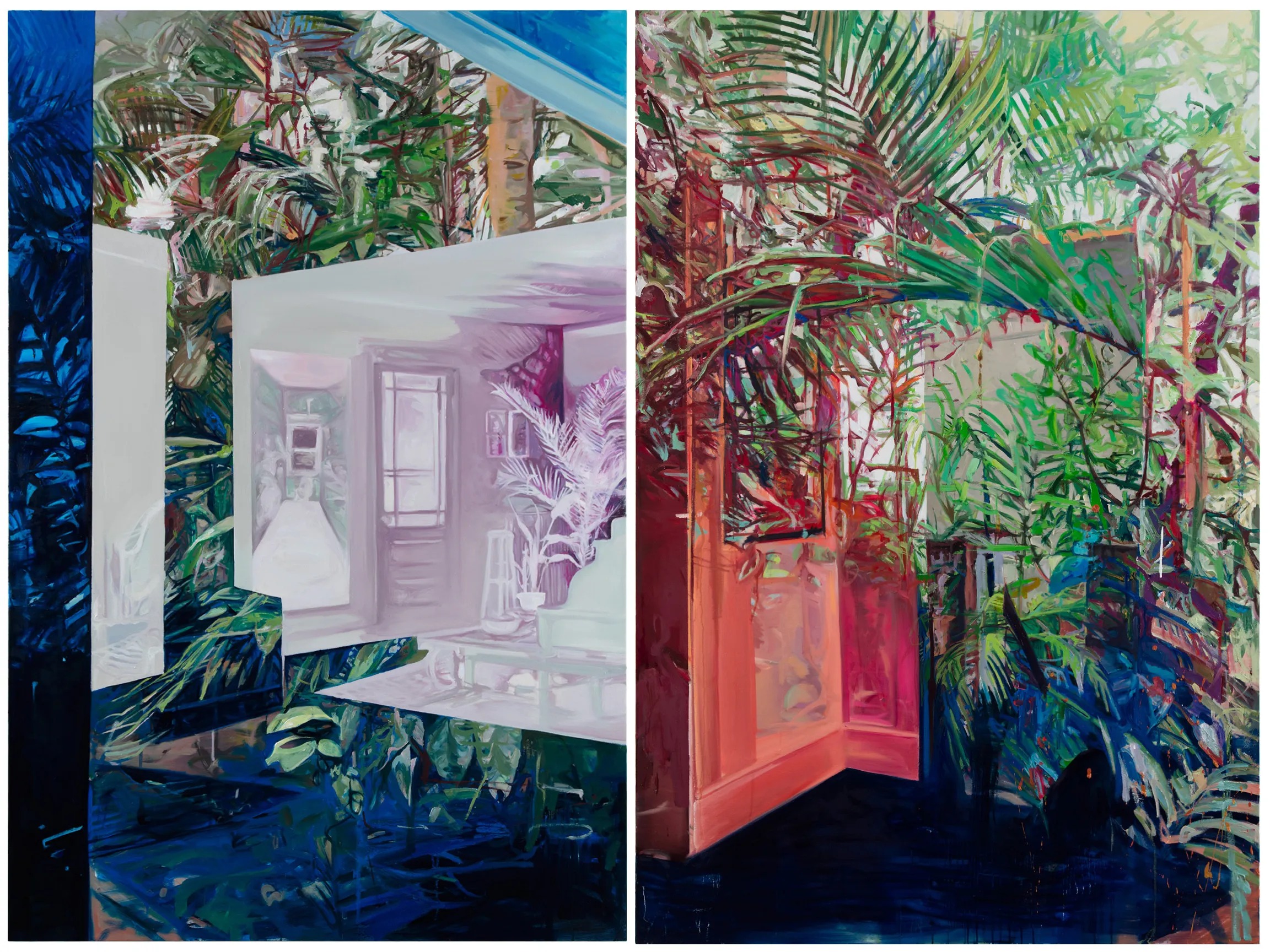
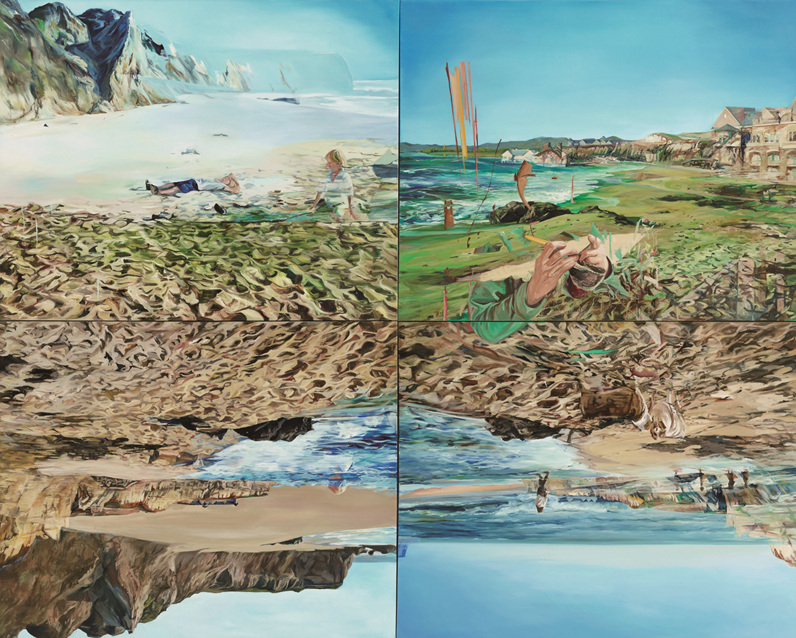
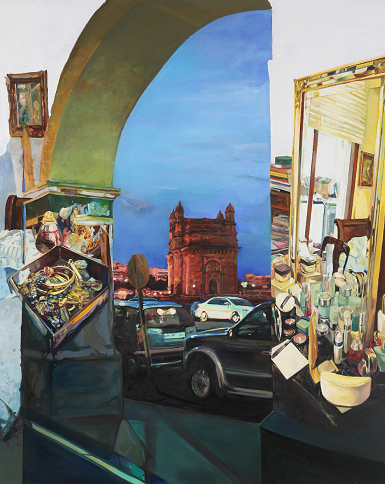
Vesper_Folded Hours_1

2025
Oil on canvas
182.9 x 122 cm
About The Work

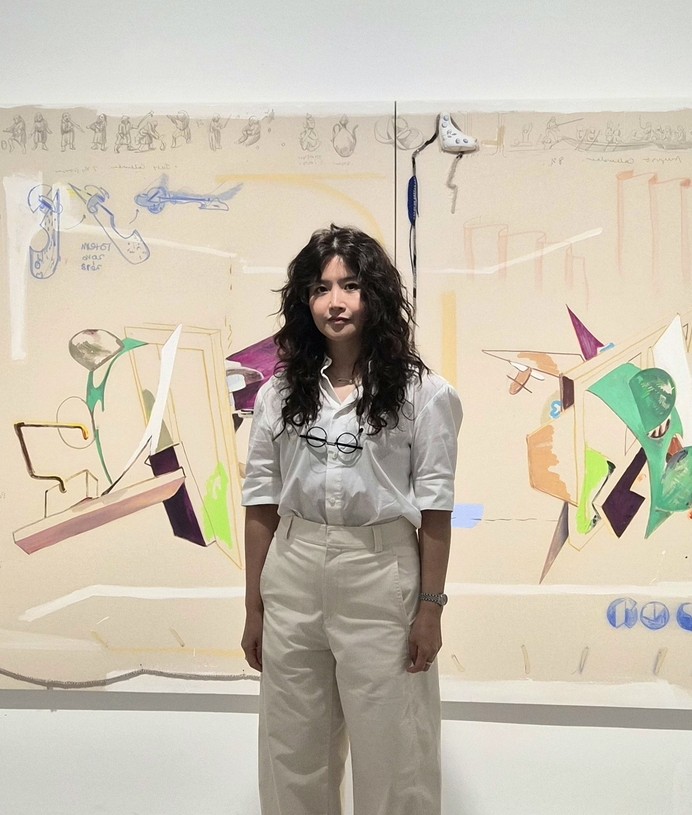
LEE Jihyun reconstructs images of places from memory through the language of painting. A central theme running throughout her practice is the process through which memories are continually rewritten as they encounter present experiences.

Rather than treating memory as a record that faithfully preserves the past, she understands it as something that changes over time. As new images and experiences are added to memories that have faded and transformed over time, scenes that did not previously exist emerge, and these scenes in turn become new memories.

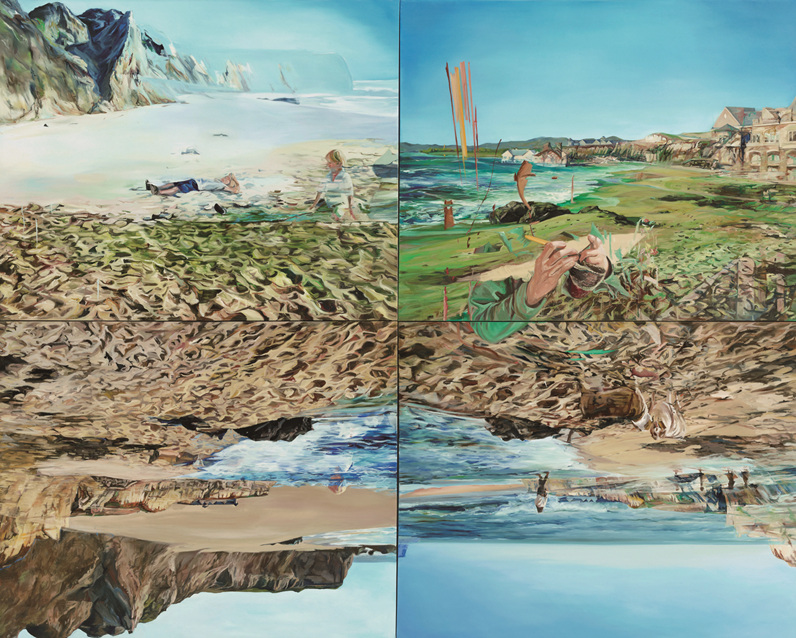
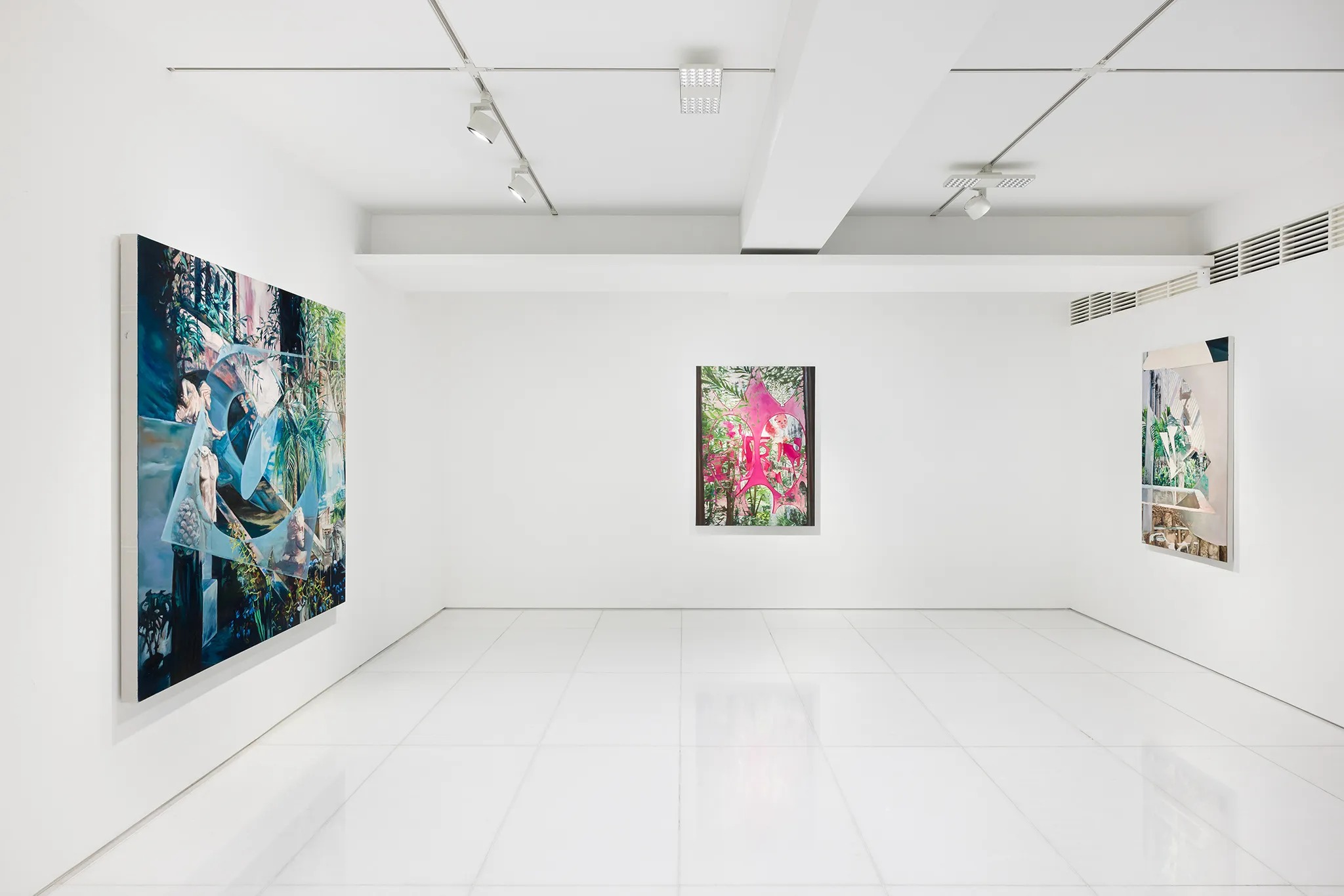
From this perspective, memory is more than a subject through which to recount the individual past. In LEE Jihyun’s paintings, thoughts do not remain fixed in one place but move from one image to another, continuously evoking different times and spaces. By layering scenes from the past and present, the real and the virtual, and public and private spaces, she creates distinctive landscapes in which reality and unreality intersect.

In this process, the artist focuses on the relationships formed on a single plane by multidimensional memories originating from different spaces. She considers how images extracted from different contexts interact when placed together within a single picture plane and acquire new meanings, viewing this process through the associative workings of memory.

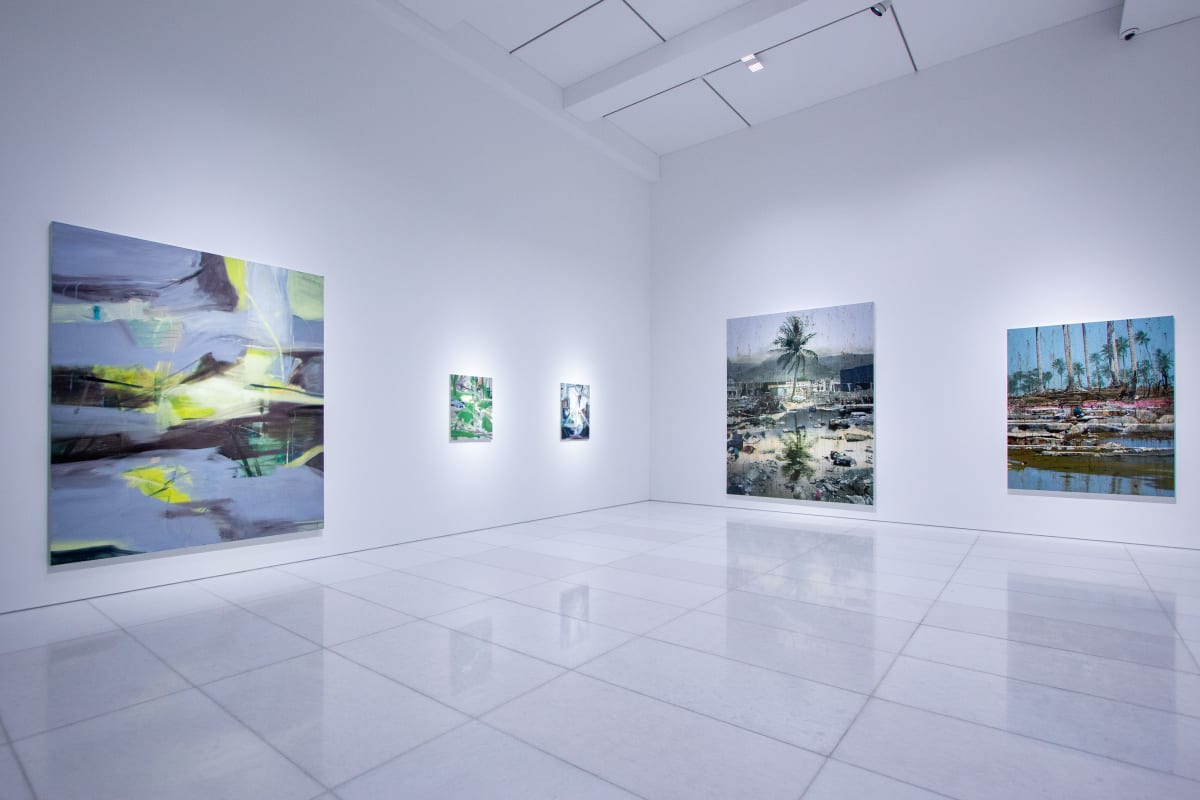
Having worked consistently with painting, the artist is also attentive to bringing out the distinctive qualities of her materials and medium. She deliberately reveals brushstrokes across fields of color and traces of paint to make the materiality of oil paint visible, while delicately calibrating composition and color to maximize the visual effects of the picture plane.

Solo Exhibitions (Brief)

LEE Jihyun has held solo exhibitions at Gallery Hyundai Window Gallery in 2005, ARARIO GALLERY BEIJING in 2006, ARARIO GALLERY SEOUL in 2008, 2022, and 2026, DOOSAN Gallery New York in 2012 and DOOSAN Gallery Seoul in 2013, and the Ely Center of Contemporary Art in 2025.

Group Exhibitions (Brief)

LEE Jihyun has participated in group exhibitions at Ilmin Museum of Art in 2004, Busan Museum of Art in 2005, Seoul Museum of Art in 2005 and 2006, Seoul National University Museum of Art and the Marugame Genichiro-Inokuma Museum of Contemporary Art in 2009, ARARIO GALLERY SEOUL in 2011, 2021, and 2024, and The Aldrich Contemporary Art Museum in 2026.

Residencies (Selected)

LEE Jihyun participated in the DOOSAN Residency New York in 2012.

Collections (Selected)

LEE Jihyun’s works are held in the collections of the Art Bank and Government Art Bank of the National Museum of Modern and Contemporary Art, Korea, the UBS Art Collection, Byucksan Engineering, GS Energy, and the ARARIO Collection.

Works of Art

The Transformation and Movement of Memory and Images

Originality & Identity

At the core of LEE Jihyun’s practice is the idea that memory is continually rewritten through its encounter with the present. She does not treat memory as a faithful archive of the past. As memories fade and shift over time, new images and experiences are superimposed upon them, generating scenes that did not previously exist and that may, in turn, become new memories.

From her early works onward, LEE has visualized this movement of consciousness by connecting seemingly unrelated places and objects. Public sites such as tourist destinations, museums, and cafés merge with private spaces such as studios, closets, and dressing tables, producing temporal and spatial configurations that could not exist in reality. What binds them together is not a shared location but the artist’s own memory and associative thought. 

Memory in LEE’s work therefore extends beyond autobiographical recollection. Her thoughts move continuously from one image to another, bringing disparate times and places into contact. While her early paintings juxtaposed public architecture with personal belongings, her later practice has expanded to encompass childhood experiences, family life, dreams and reveries, history, and mythology.

Personal memory and narratives from the external world continually reshape one another. This structure remains central to her recent practice, where remembered places and everyday scenes intersect with historical and mythological imagery, bringing reality and dream, individual experience and collective narrative into shifting relationships. 

From the 2010s onward, LEE has articulated more explicitly the possibility of producing memory anew. She describes the act of overlaying past memories with new images as a means of creating a “future memory.” The quickly recorded thoughts of 'Fantasma' and the imagined passage between memory, dream, and other worlds in Re-portal both emerge from this understanding.

A work therefore participates in the ongoing revision and expansion of memory rather than simply recounting something that has already occurred. Images also circulate between works, reappearing in altered forms and generating further associations. Critical discussions of 'Fantasma', which LEE began in 2012, similarly emphasize becoming and continuous transformation over a fixed state. 

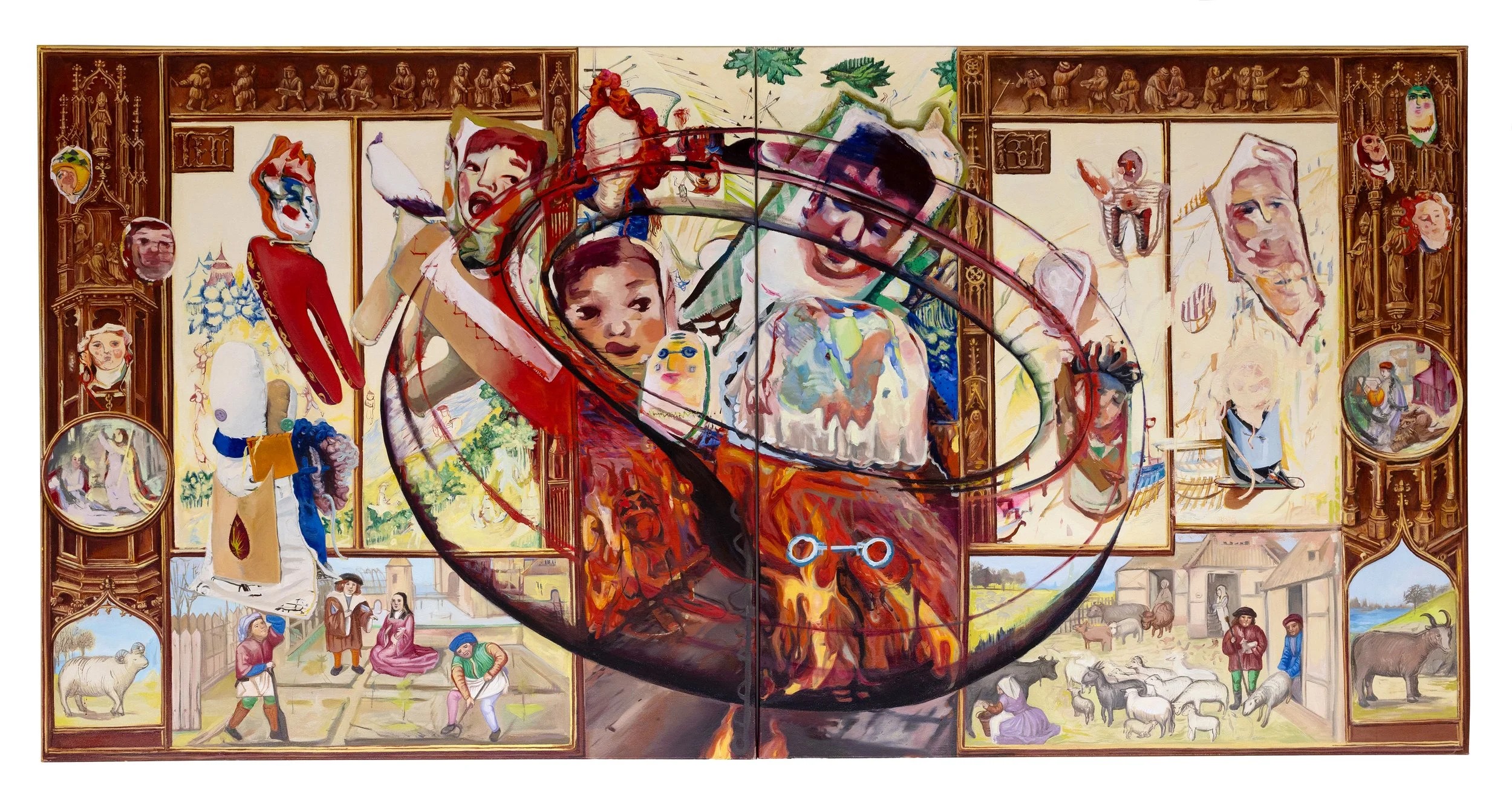
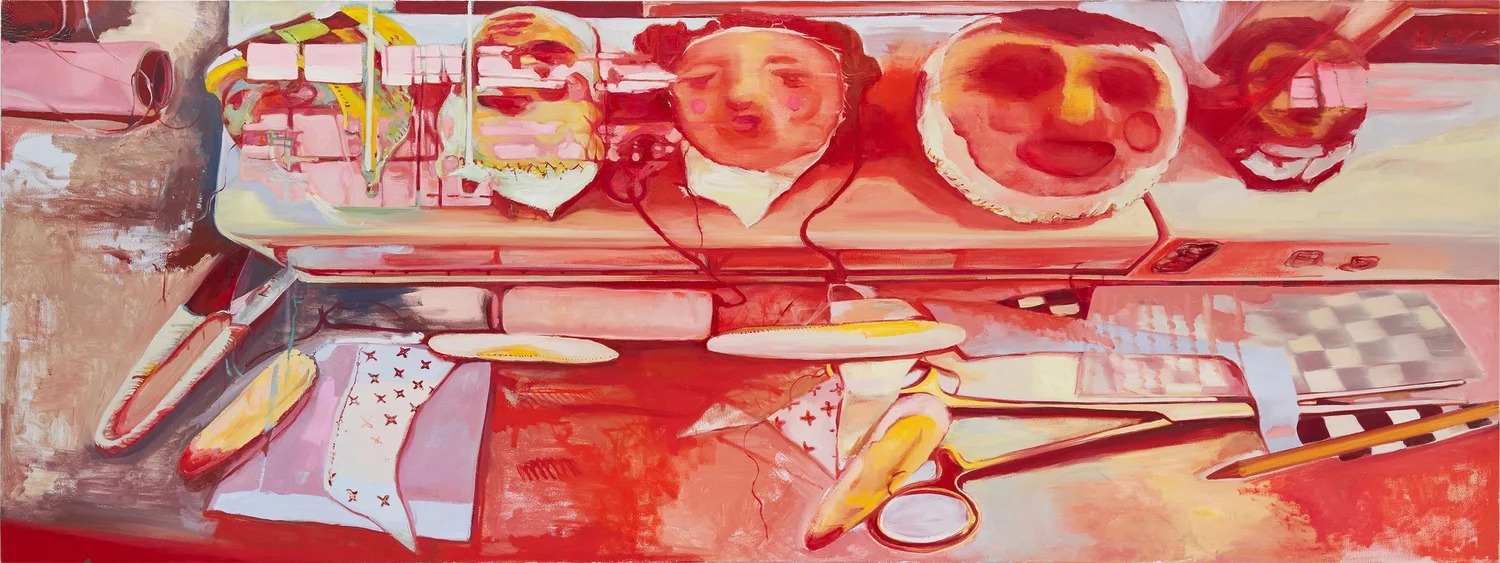
In her more recent work, this circulation of memory has become increasingly intertwined with the experience of forgetting. In 'Red Scene', memories of her mother’s kitchen and childhood return through contemporary domestic life, handmade dolls, and traces of family, producing images that feel at once intimate and unfamiliar. Although personal and everyday experience has become more prominent since 2017, the central question remains how memory changes and resurfaces over time. 

In 《Fantasma: Restless Silence》 in 2026, LEE extends this idea by describing painting as both a record of memory and an act of resistance against forgetting. Painting, in this sense, allows what has been forgotten—and what has yet to become memory—to reappear within the present image.

Style & Contents

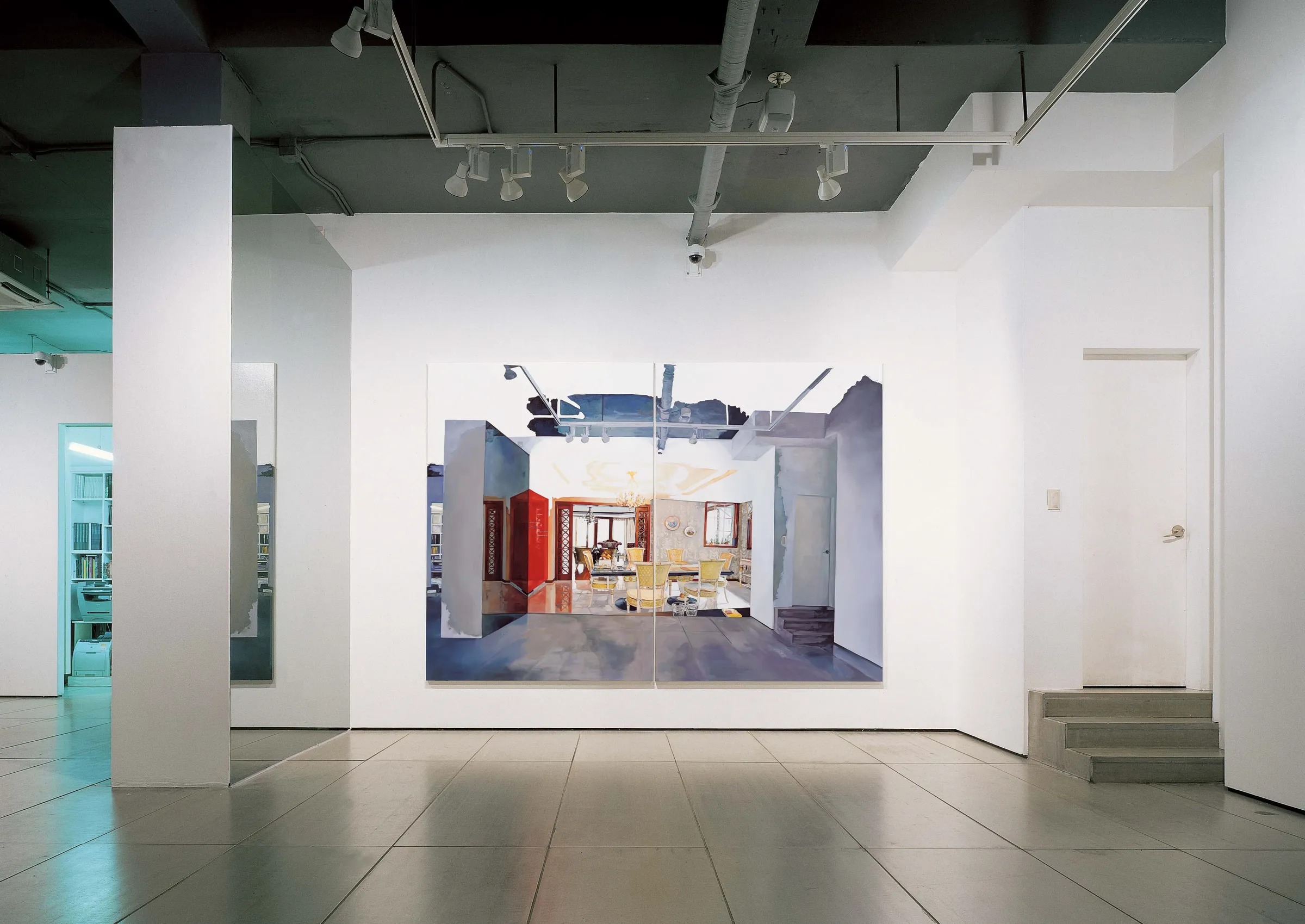
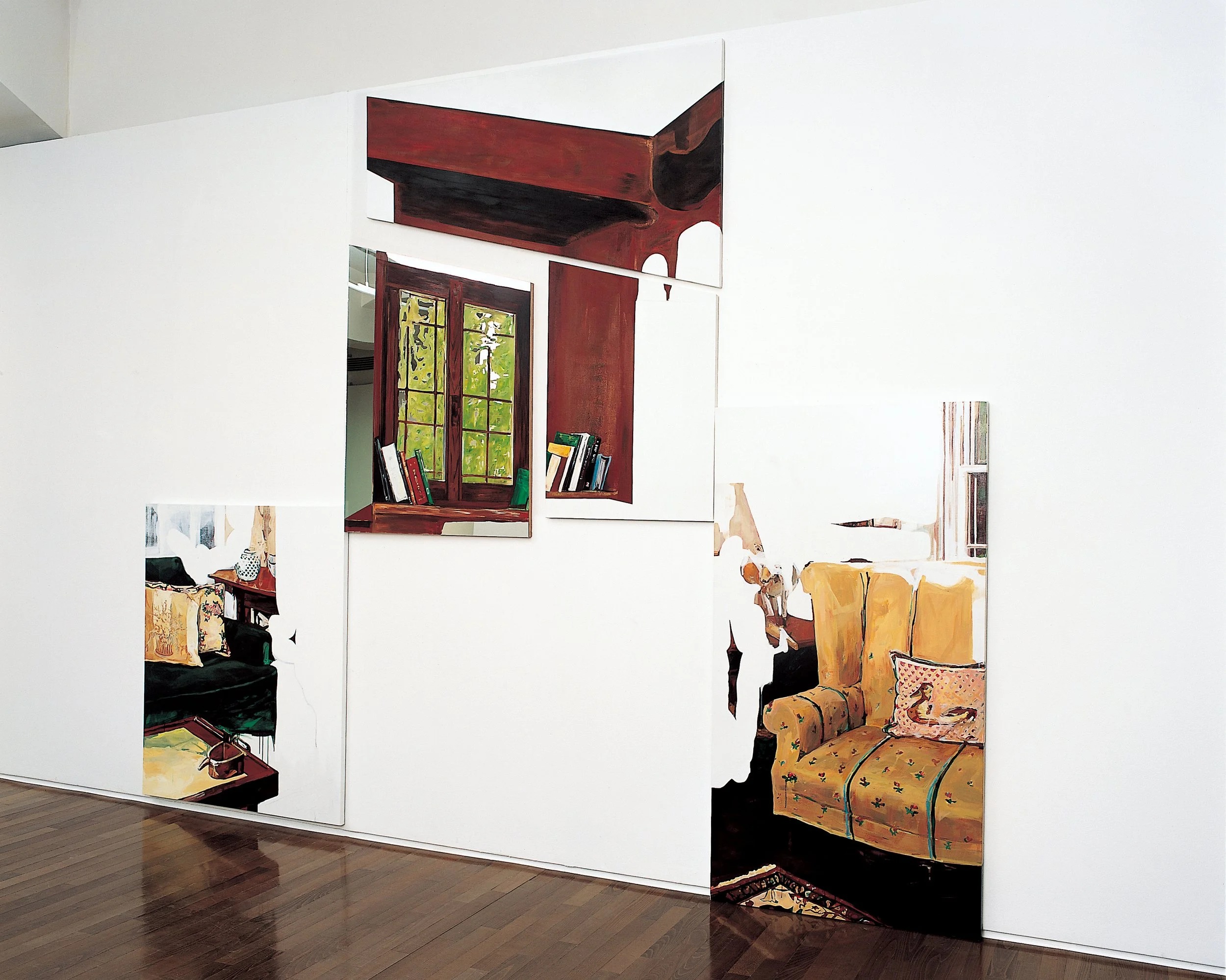
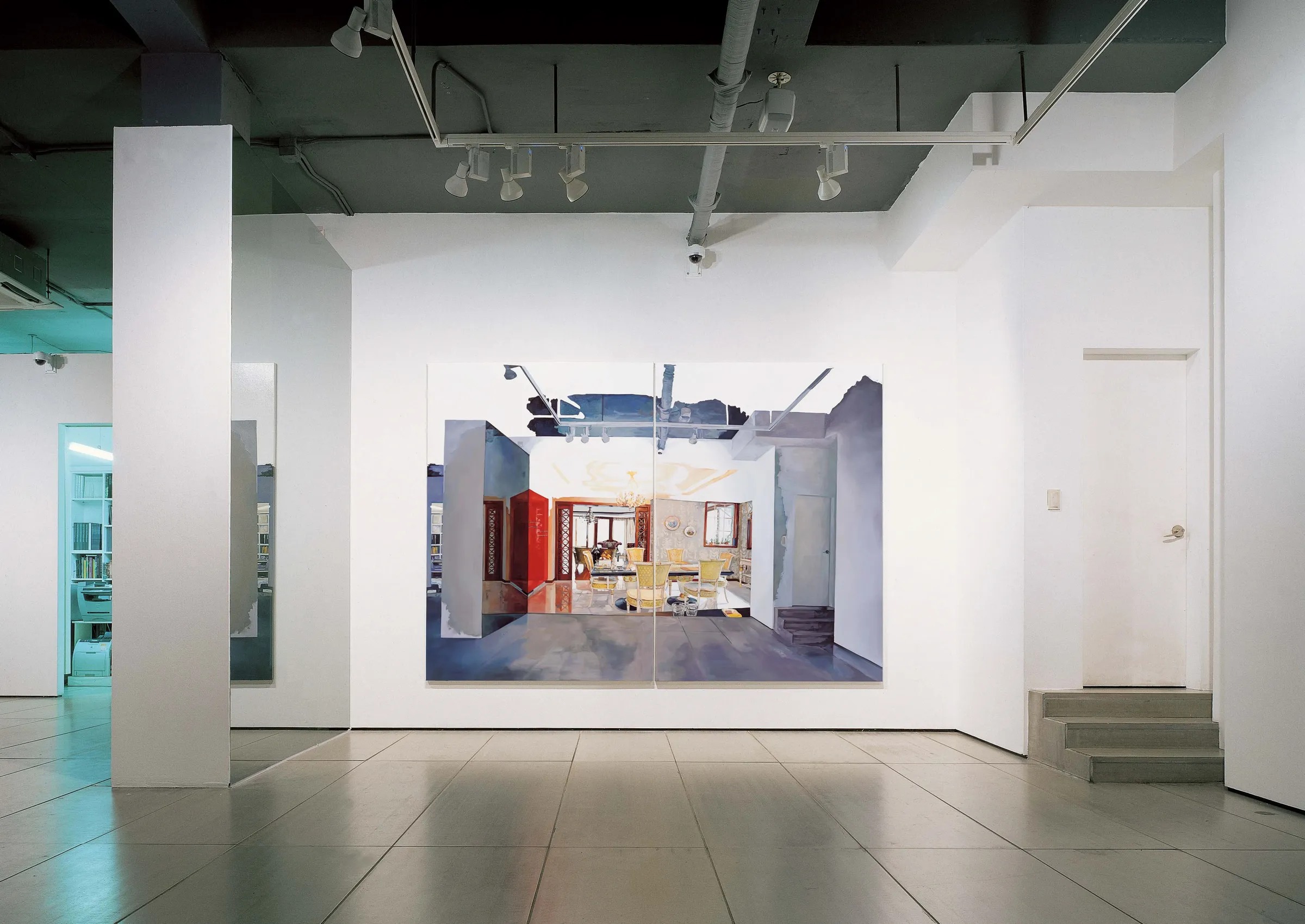
LEE Jihyun’s paintings originate in the combination of images drawn from different times and spaces within a single pictorial field. In her early works, public architecture such as the Colosseum, the Parthenon, and museums was interwoven with private spaces and personal objects, including closets, dressing tables, and studios, producing landscapes that could not exist in reality.

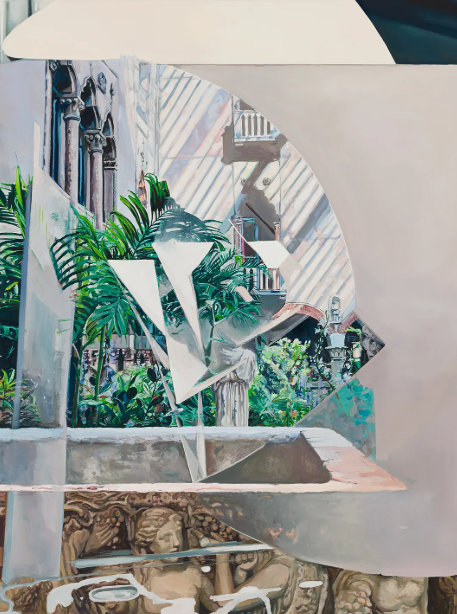
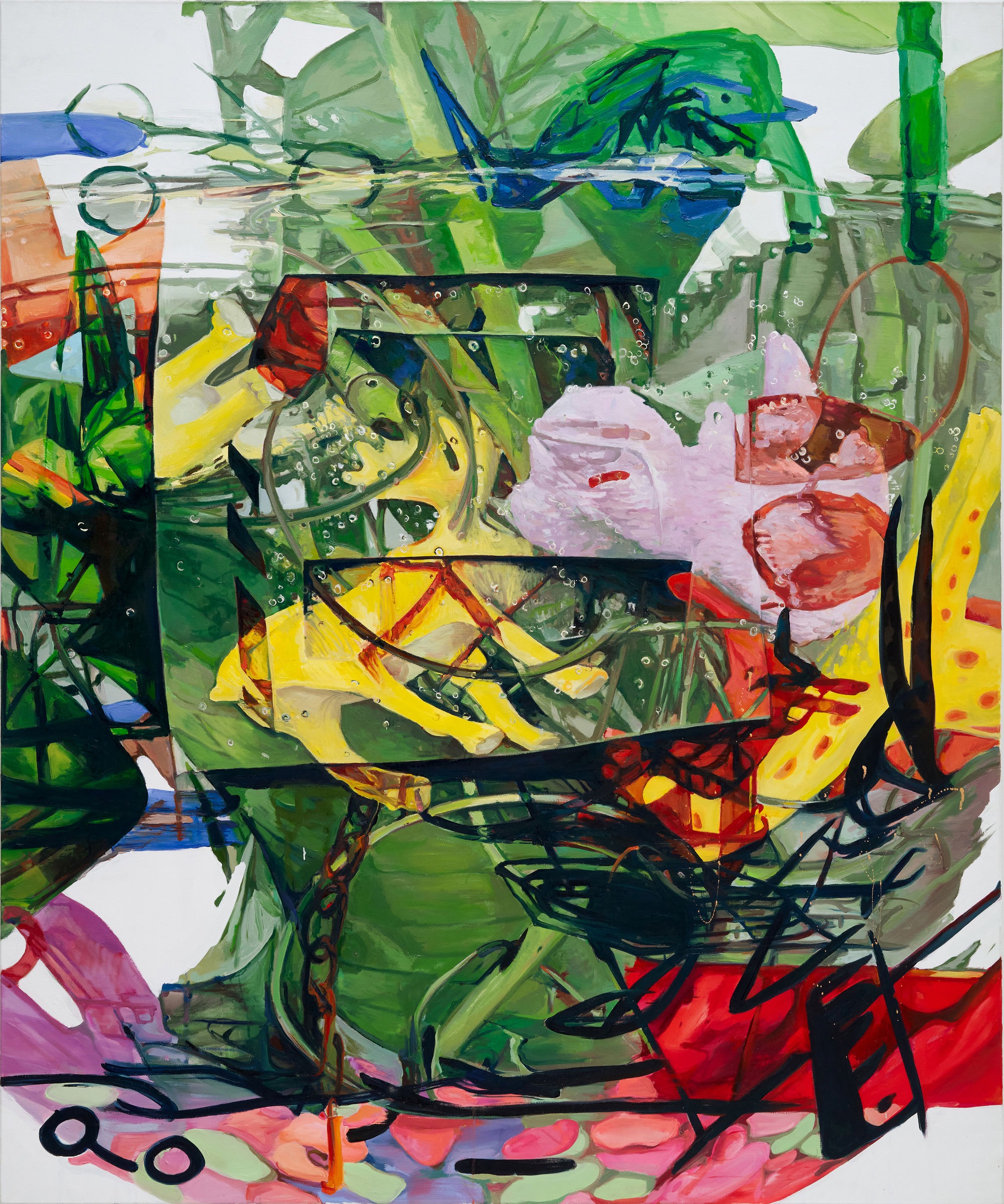
Differences in scale, perspective, and viewpoint intersect across the canvas, prompting the viewer to move between images and gradually reconstruct their spatial relationships. Rather than allowing these juxtapositions to remain as collage-like effects, LEE uses oil paint and brushwork to bring disparate images into continuity on the same painted surface. 

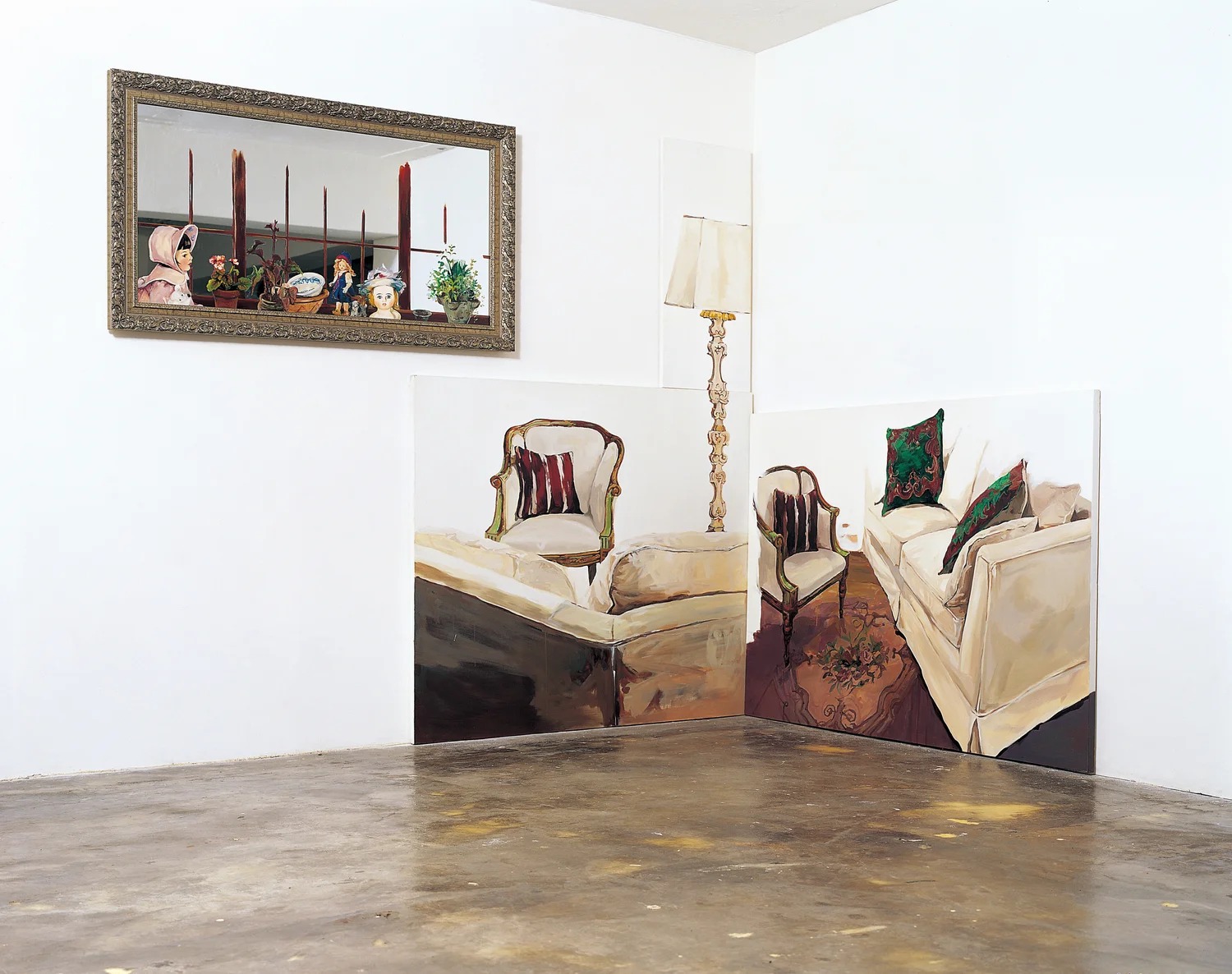
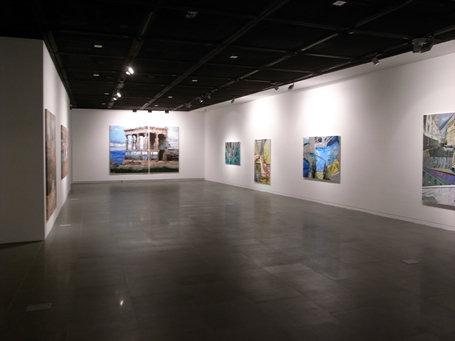
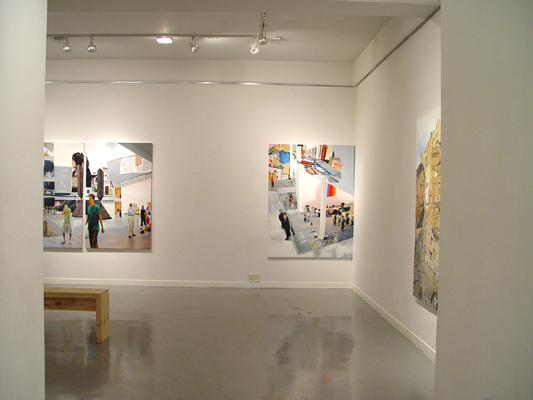
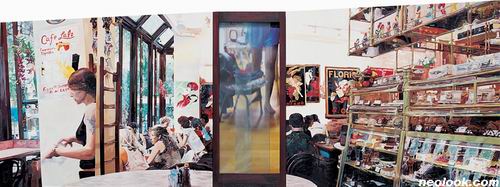
Windows, frames, mirrors, and reflective surfaces have continually mediated this construction of space. Paintings appear within paintings, while reflections overlap with depicted and actual spaces, destabilizing the distinction between inside and outside the image. Structures first explored in works such as Window II and Café Lalo + Studio later expanded into installation-based experiments in which the actual gallery wall and a black mirror were represented again within the painting.

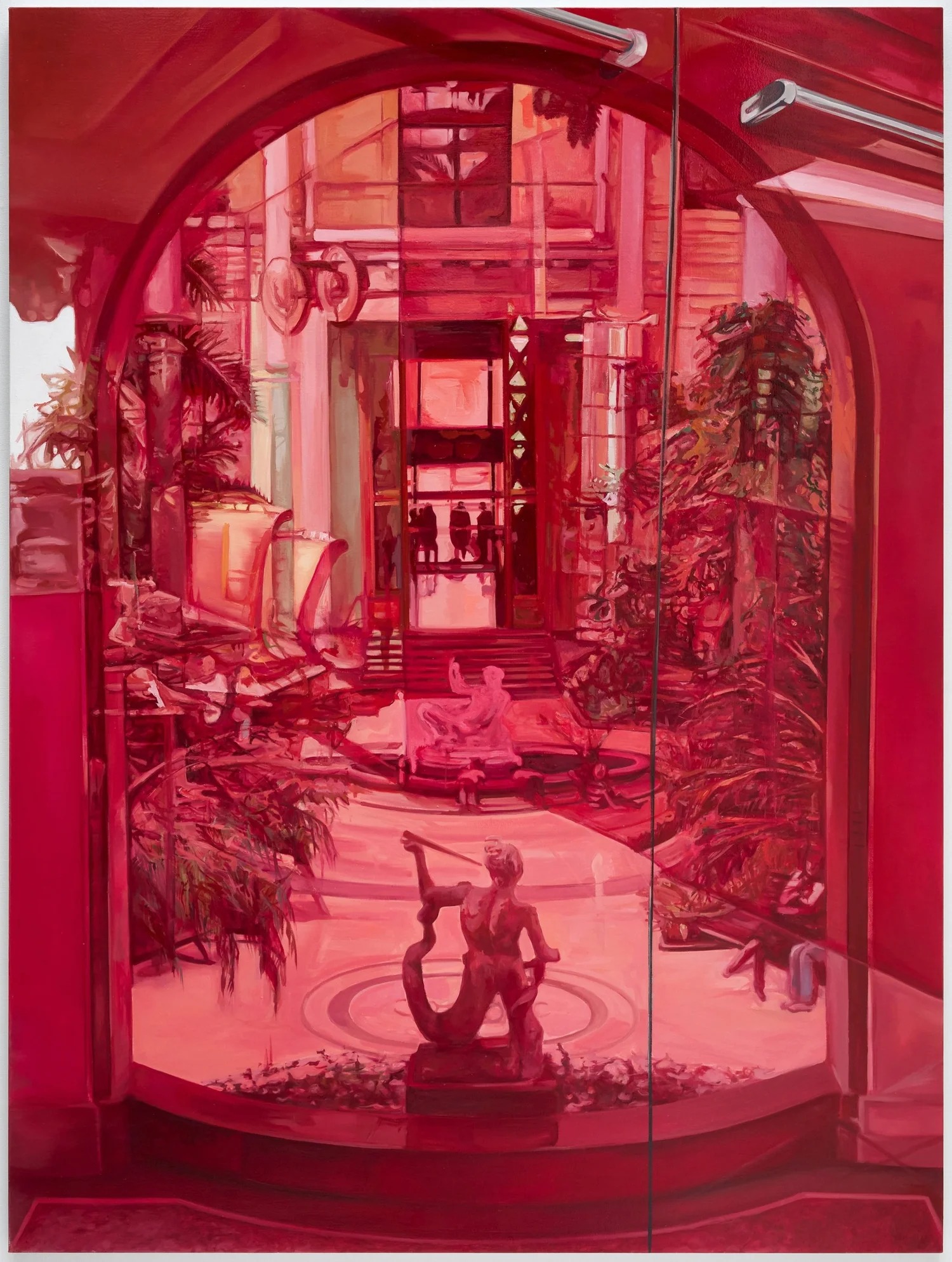
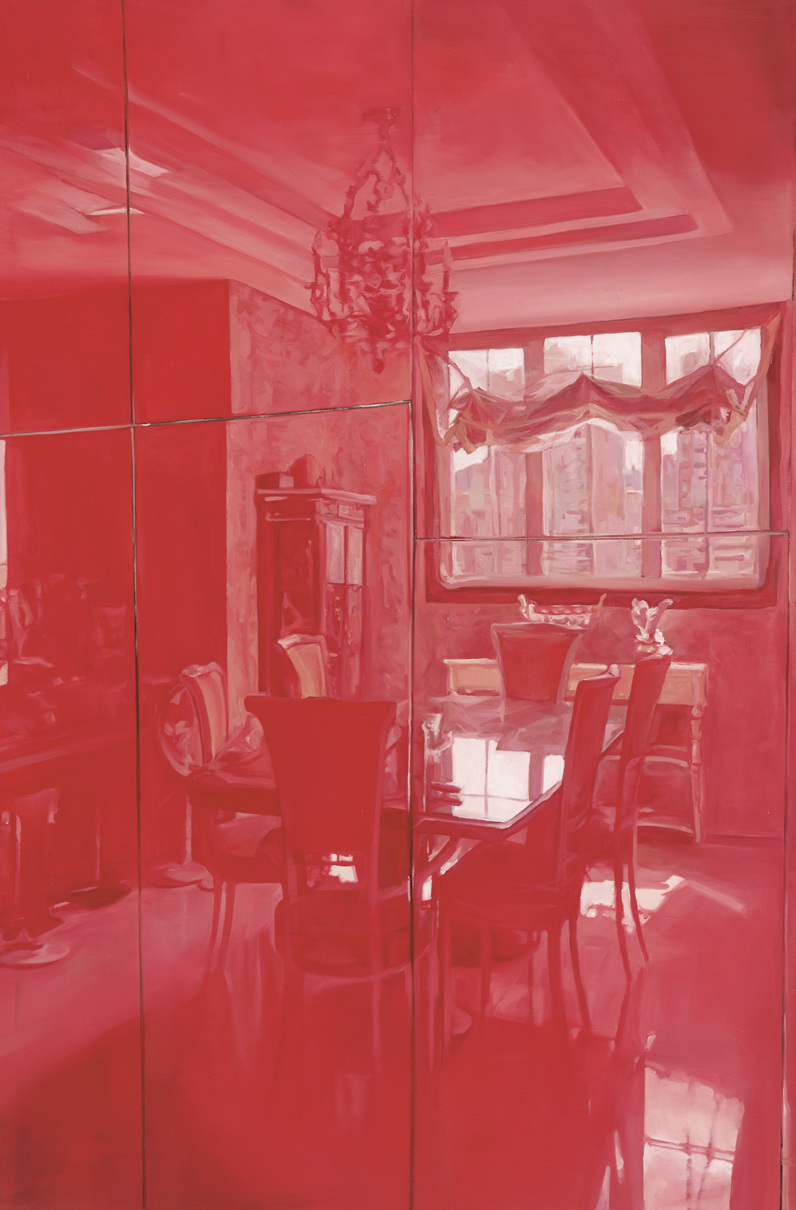
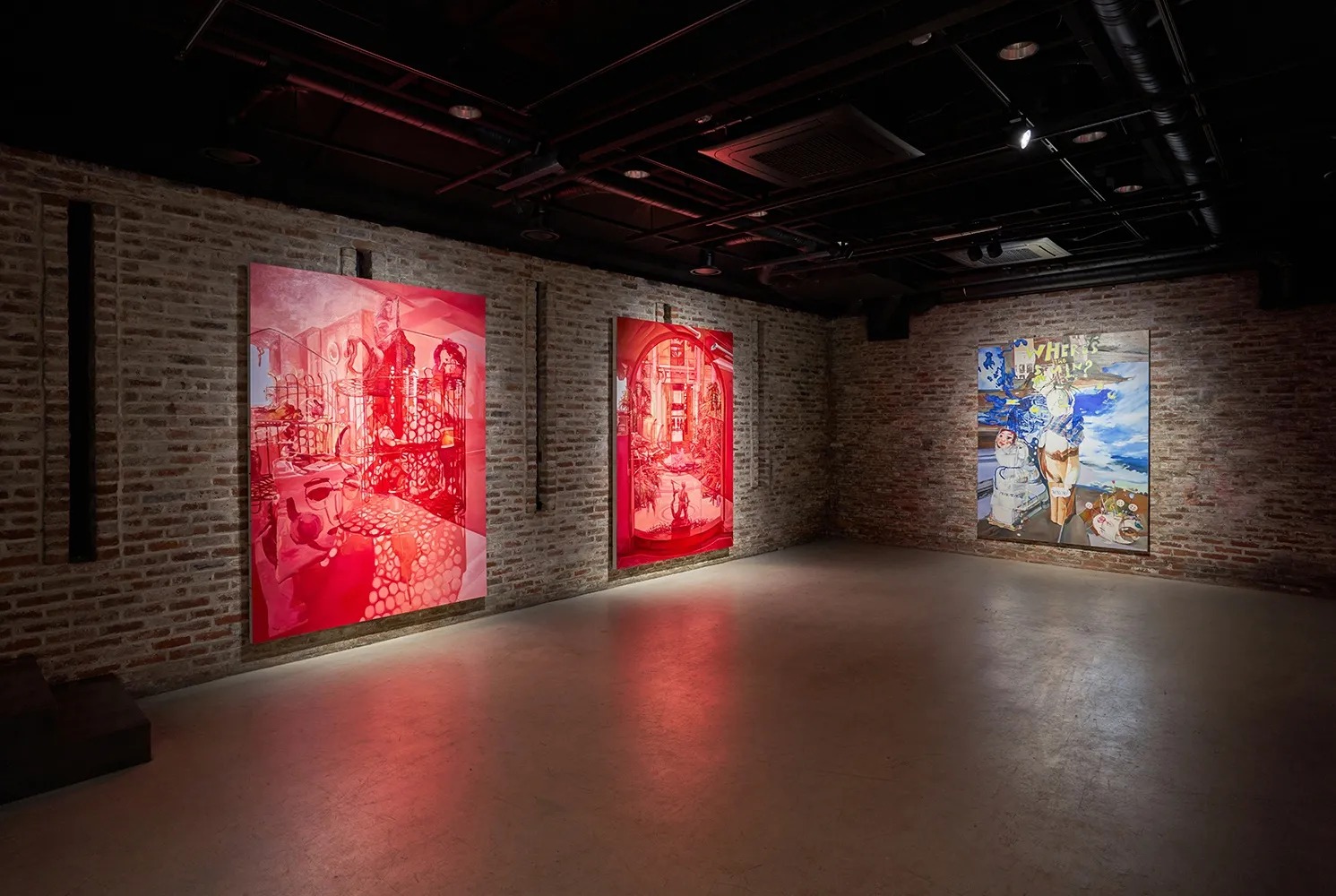
Similar principles of reflection and framing continue in the 'Red Scene' works of the 2020s. Red cabinet surfaces, arches, and metal frameworks alternately draw the viewer’s gaze inward and push it outward, allowing foreground and background, physical space and remembered scenes, to merge.

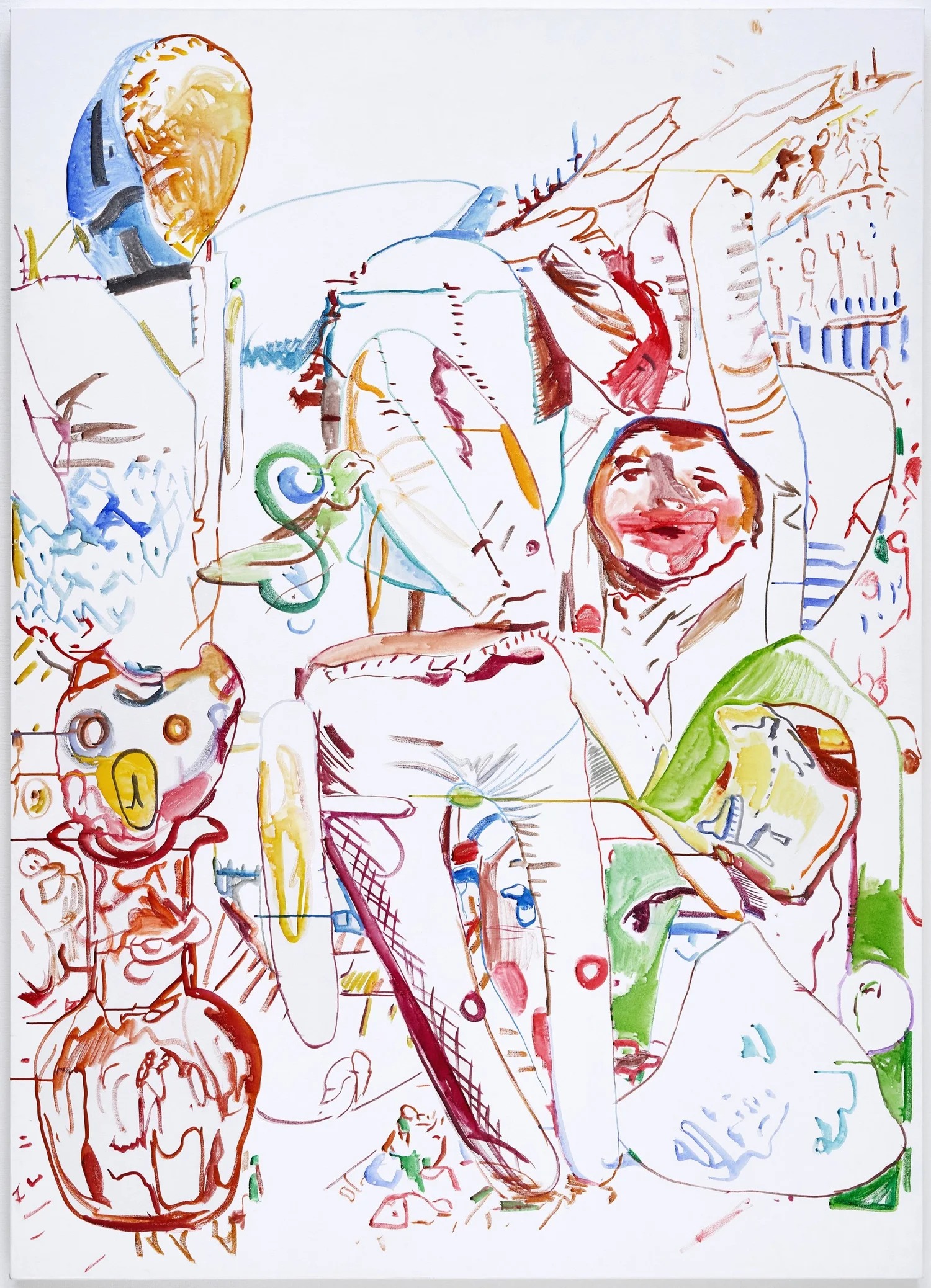
The 'Fantasma' series, begun around 2012, introduced a different pace and density into LEE’s practice. Made on small canvases, these works rapidly record thoughts and images as they arise, following the movement of memory and association rather than a predetermined composition.

Critics have described 'Fantasma' as occupying a space between oil painting and drawing, combining the immediacy of her early drawings with the accumulated experience of her mature painting practice. Images and motifs generated through these smaller works subsequently migrate into larger paintings, where they are transformed, repeated, and connected across different bodies of work.

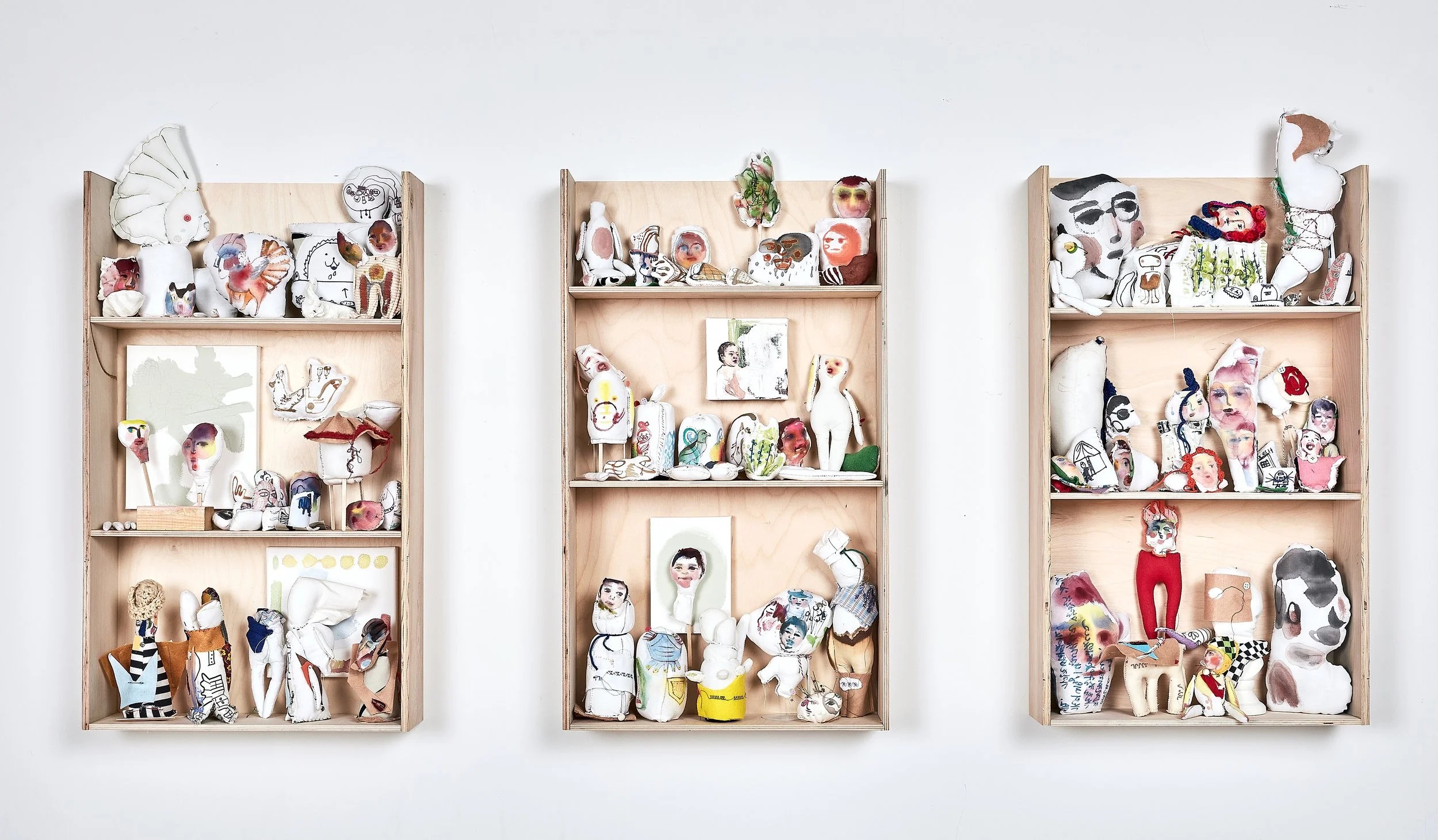
Since 2017, LEE has further expanded her practice through dolls, objects, video, sound, and installation. In Re-portal, painting was combined with a wooden structure, moving image, soft sculpture, and sound, while later works incorporated handmade cloth dolls and objects collected from everyday life.

In the 'Red Scene' series, these intimate objects reappear as imagery in large-scale oil paintings, while the dominant red palette and the bleeding watercolor surfaces of the dolls create sensory correspondences across different media. A 2021 critical text likewise identifies the combined presentation of objects, sculptural experiments, works on paper, and large oil paintings as an important development in her practice.

For LEE, this expansion of media has remained closely tied to painting, providing different materials and scales through which images and memories can emerge, circulate, and return to the painted surface.


Topography & Continuity

Since the early 2000s, LEE Jihyun has developed a practice that connects a contemporary sensibility of editing and recombining images with the material language of painting. In her early works, tourist sites, museums, and urban architecture collide with private spaces such as studios, closets, and dressing tables, producing newly constructed configurations of time and space.

Although these compositions evoke photographic montage or collage, LEE rebuilds them through oil paint and brushwork, bringing disparate places and temporalities into continuity on the painted surface. From the outset, her work was associated with an expanded understanding of painting, particularly through multiple viewpoints and the fusion of spaces whose identities would not ordinarily coexist. 
After relocating her base of activity to the United States around 2010, her focus gradually shifted from the external world toward personal memory and interior experience. Monumental architecture and dramatic spatial contrasts became less dominant, while the 'Fantasma' series, begun in 2012, introduced an immediate mode of recording that moves between drawing and painting.

Critical writing from the period linked this change to LEE’s movement between Korea and the United States and between different cultural and domestic environments, describing 'Fantasma' in terms of becoming and transformation rather than a fixed state. This development extends her earlier interest in movement and memory while bringing it into a more intimate register.

Since 2017, domestic life, family, childhood memory, handmade dolls, and collected objects have moved closer to the center of her practice. Recent bodies of work including 'Red Scene' bring together large-scale painting, works on paper, objects, and sculptural experiments, giving intimate everyday experience greater prominence.

The dolls in particular connect memories of toys handmade by her mother with drawings made by her son, linking past and present within a single motif. Their movement between object and painted image also extends LEE’s longstanding interest in the circulation of imagery across different forms and materials. 

Although LEE’s subjects, scale, and media have changed over time, a clear continuity remains in the way she combines memory with present images and carries those images forward into subsequent works. The public architecture and private interiors of her early paintings, the 'Fantasma' and Re-portal projects of the 2010s, and the 'Red Scene' paintings and doll works of the 2020s all connect disparate times and places, using the resulting images as points of departure for further work.

'Red Scene', for instance, developed from memories of her mother’s dining room into images of the artist’s own domestic environment, museums, dolls, and personal collections, while individual paintings repeatedly refer to and transform motifs from other works. LEE’s continuity therefore lies in her sustained renewal of painting through the movement, transformation, and regeneration of memory and images.

Works of Art

The Transformation and Movement of Memory and Images

Articles

Exhibitions

Activities