Suspicious Roof-Factory Landscape - K-ARTIST

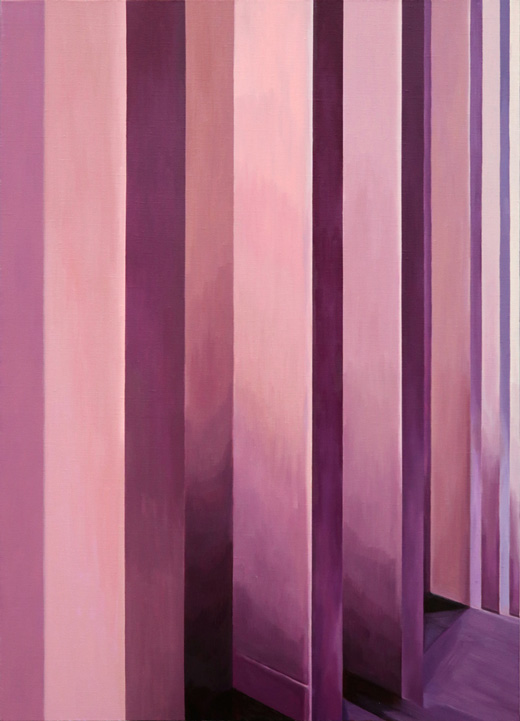
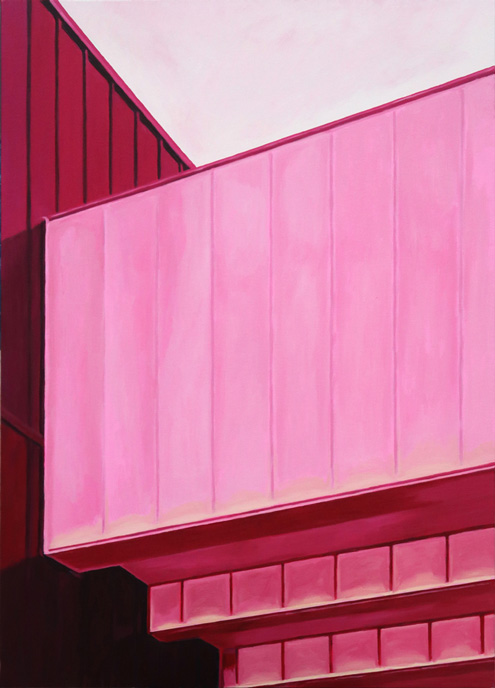
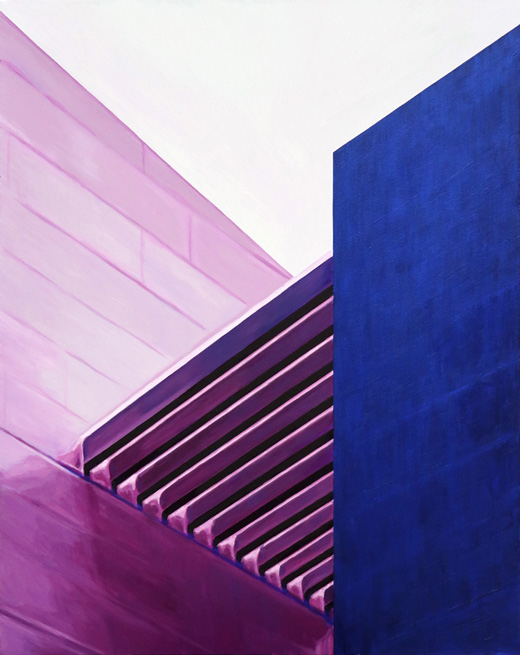
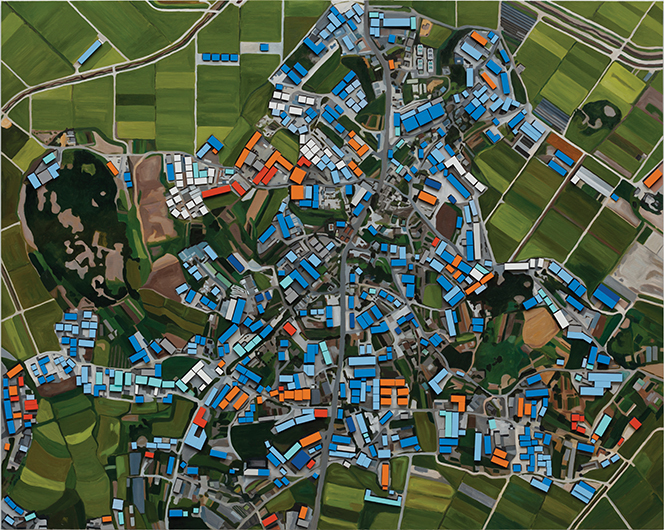
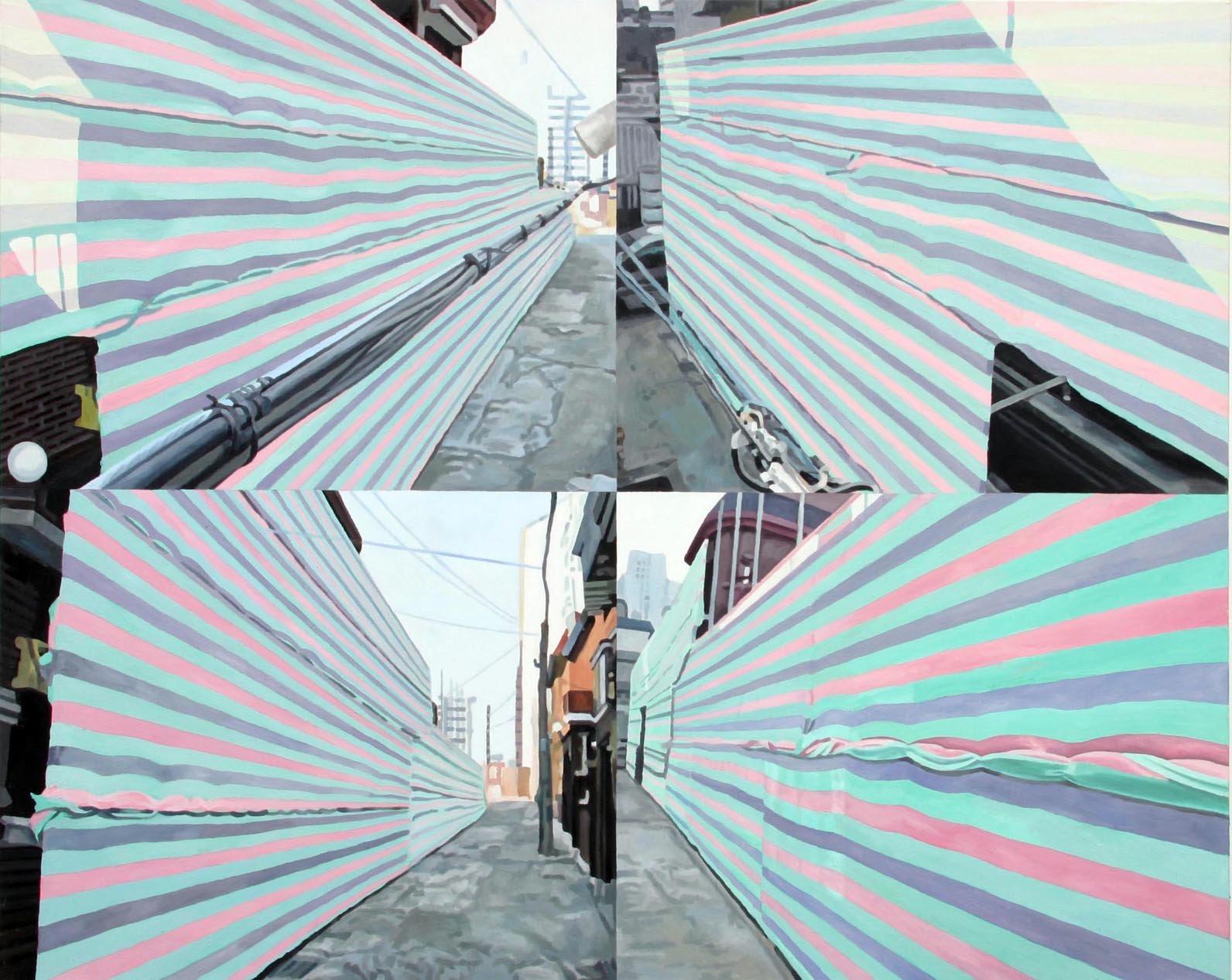
Suspicious Roof-Factory Landscape

2016
Oil and mixed media on canvas
181.8 x 227.3 cm
About The Work

Ji Eun Kim begins by observing the physical appearance of the city, tracing the laws and institutions, development policies, and flows of capital that have shaped its landscape.

Soundproof walls, road markings, utility poles, and the forms and locations of buildings that we pass by without a second thought bear the concrete imprint of rules and structures established by society. By investigating these traces of the city, Kim connects the landscapes before our eyes with the institutions and desires operating behind them.

For Kim, drawing is a process of investigating observed spaces and reconstructing the orders and structures discovered within them on the picture plane. Vertical and horizontal lines, grids, and frontal views of buildings reflect an approach that seeks to understand the city structurally rather than represent it through emotion.

At the same time, Kim reveals the rigidity of laws and institutions while exploring the possibility that, because they are created by people, they can also be changed.

Kim’s paintings take the familiar surface of the city as their starting point, making visible the institutions, desires, and historical conditions that lie behind it. In doing so, they ask what forces and logics have shaped the everyday landscapes we take for granted, and how individuals live within them.

Solo Exhibitions (Brief)

Ji Eun Kim has held solo exhibitions at Insa Art Space (2005), Alternative Space LOOP (2011), DOOSAN Gallery New York (2014), Gallery Simon (2016, 2021), Blume Museum of Contemporary Art (2017), and Wumin Art Center (2023).

Group Exhibitions (Brief)

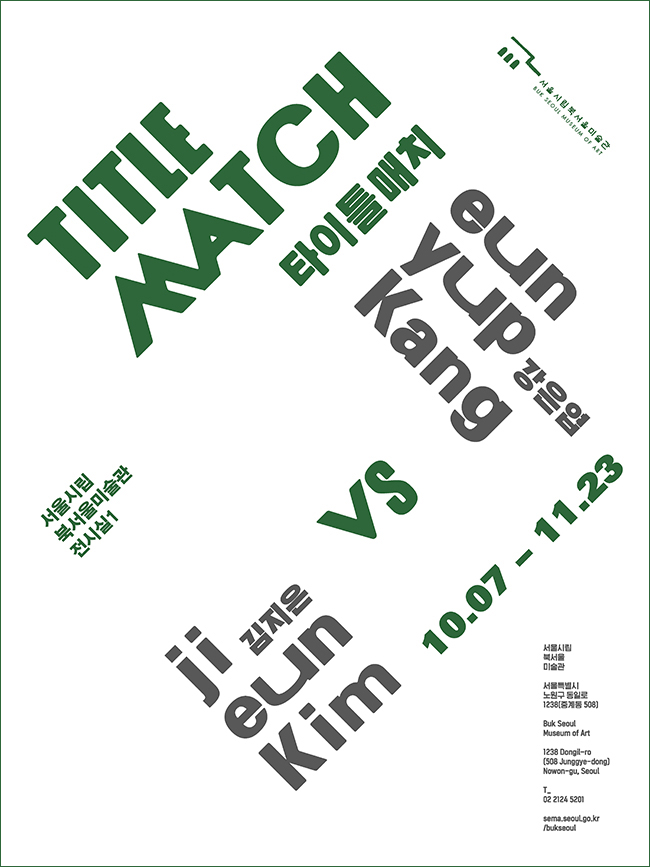
Ji Eun Kim has participated in group and two-person exhibitions at Seoul Museum of Art (2007), Ilmin Museum of Art (2010), Leeum, Samsung Museum of Art (2012), Espace Louis Vuitton Hong Kong (2012), Buk-Seoul Museum of Art (2013, 2014), Gallery Ron Mandos (2015), Gyeonggi Museum of Modern Art (2016), and Suwon Museum of Art (2020).

Awards (Selected)

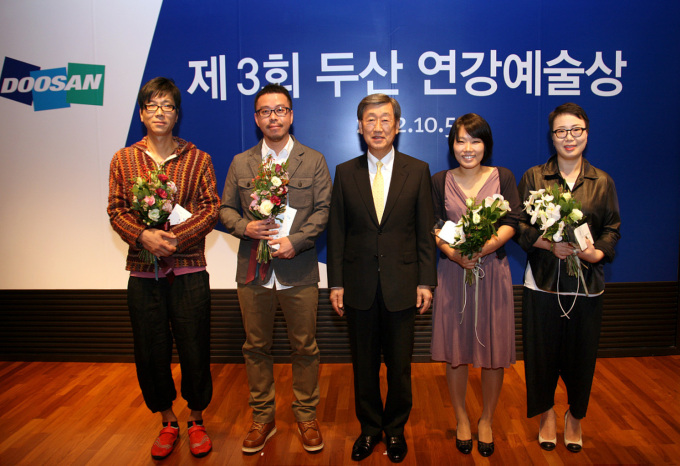
Ji Eun Kim received the 1st Prize at the 7th Annual Visual Arts Competition of the AHL Foundation in 2010, the 3rd DOOSAN Yonkang Arts Awards in 2012, the Excellent Prize at the 13th SongEun Art Awards in 2013, and the 21st Wumin Art Prize in 2022.

Residencies (Selected)

Ji Eun Kim has participated in residency programs including the Vermont Studio Center (2009), Santa Fe Art Institute (2010), Taipei Artist Village (2011), SeMA Nanji Art Studio (2011–2012), MMCA Residency Goyang (2013), and DOOSAN Residency New York (2014).

Collections (Selected)

Ji Eun Kim’s works are held in the collections of 63 ART, ING Collection, Art Bank and Government Art Bank of the National Museum of Modern and Contemporary Art, Korea, Seoul Museum of Art, SONGEUN Art and Cultural Foundation, Doosan Yonkang Foundation, Jeonbuk Museum of Art, Seoul Metropolitan Government, Gyeonggi Children’s Museum, and Pohang Museum of Steel Art.

Works of Art

On the City as a Social Landscape Materializing Collective Desires

Originality & Identity

Ji Eun Kim begins with the outward appearance of the city and traces the laws, institutions, development policies, and flows of capital that have produced it. A representative example is her first solo exhibition, 《Law-Full Landscape》, in 2005, and the ‘'Rainbow Rice Cake Project’ series, which grew out of her discovery that the dust-control screens commonly seen at construction sites were installations prescribed by the Clean Air Conservation Act.

Sound barriers, road markings, utility poles, and the forms and locations of buildings that we pass without much thought all bear the concrete imprint of rules established by society. Kim investigates these traces, connecting the visible landscape with the systems operating behind it. From the outset, her practice has asked who shapes the environments we inhabit, for what purposes, and according to what logic. At the same time, she has remained attentive to the fact that even seemingly rigid laws and institutions are human constructions and therefore contain the possibility of change.

Studying in the United States and participating in residency programs in different regions expanded this concern into a comparative investigation of cities and residential environments. In 《Planned Obsolescence》 and 《Hermit Crab-ism》, Kim combined her own experiences of mobility with American suburban housing, the decline of Detroit, and architectural environments rapidly replaced according to cycles of development and consumption.

During this period, researching the history, housing forms, and processes through which communities were shaped in each place where she stayed became an important part of her working method. Although these regions differed in appearance, she identified recurring structures in mass-produced houses, large-scale apartment complexes, suburban expansion, and redevelopment.

Her practice thus came to examine both the distinctive qualities of individual places and the conditions shared by contemporary cities. Architecture, in her work, functions as a record through which ways of life and collective desires can be read even in the absence of human figures.

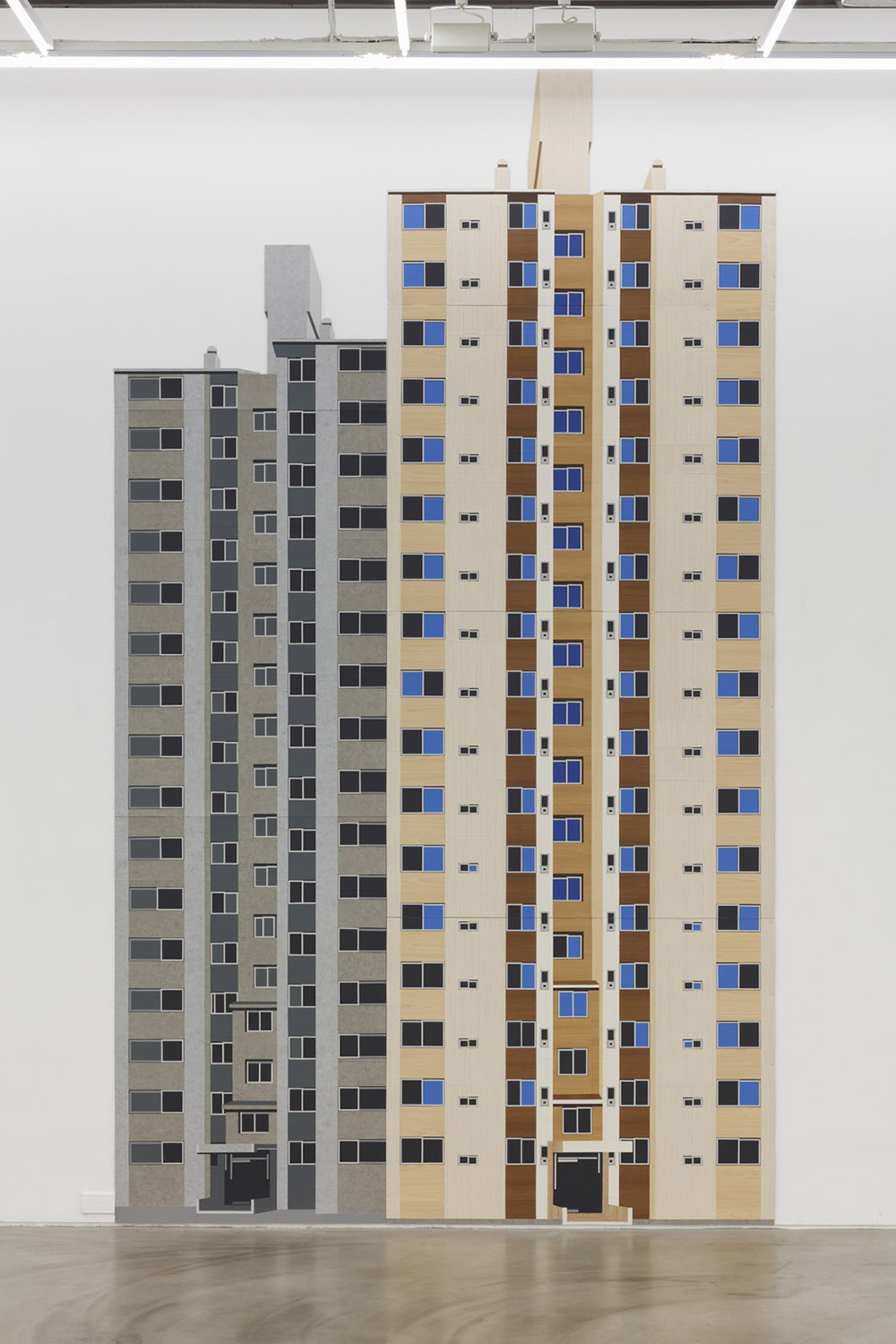
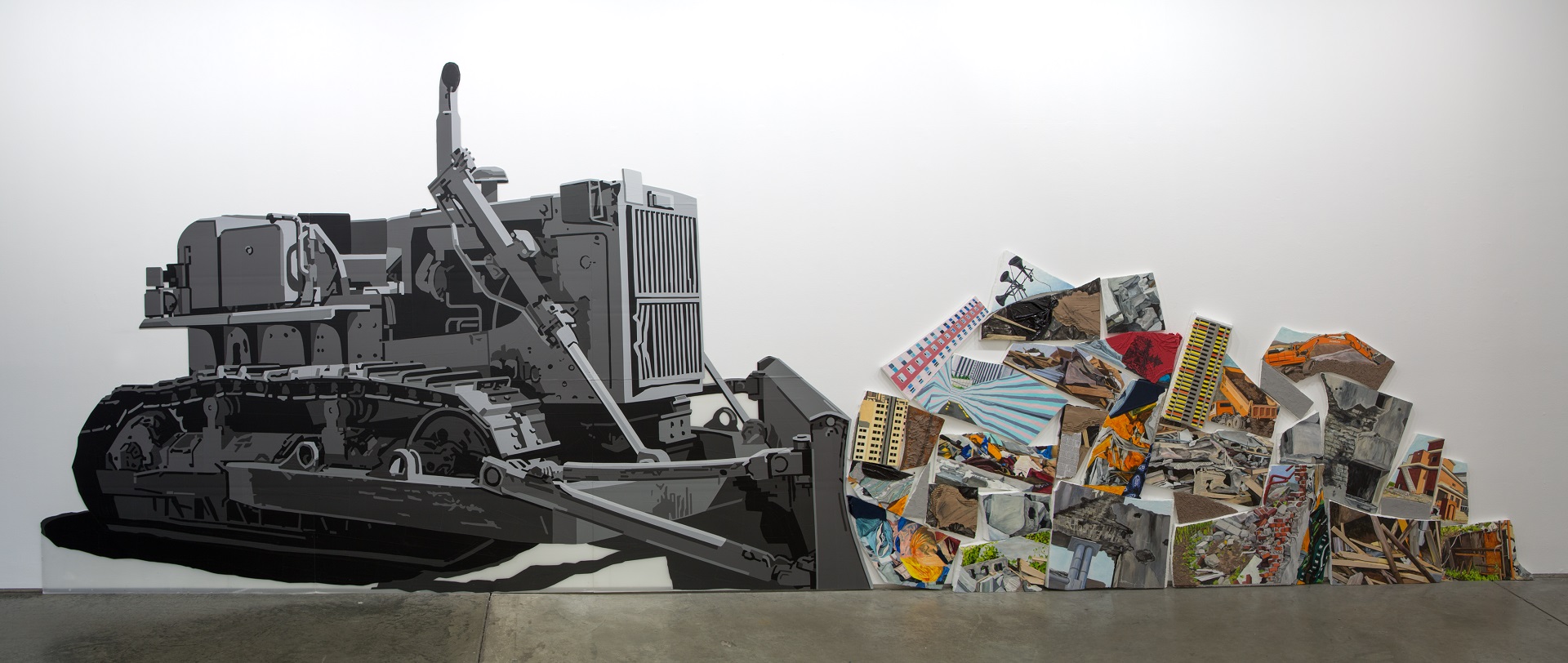
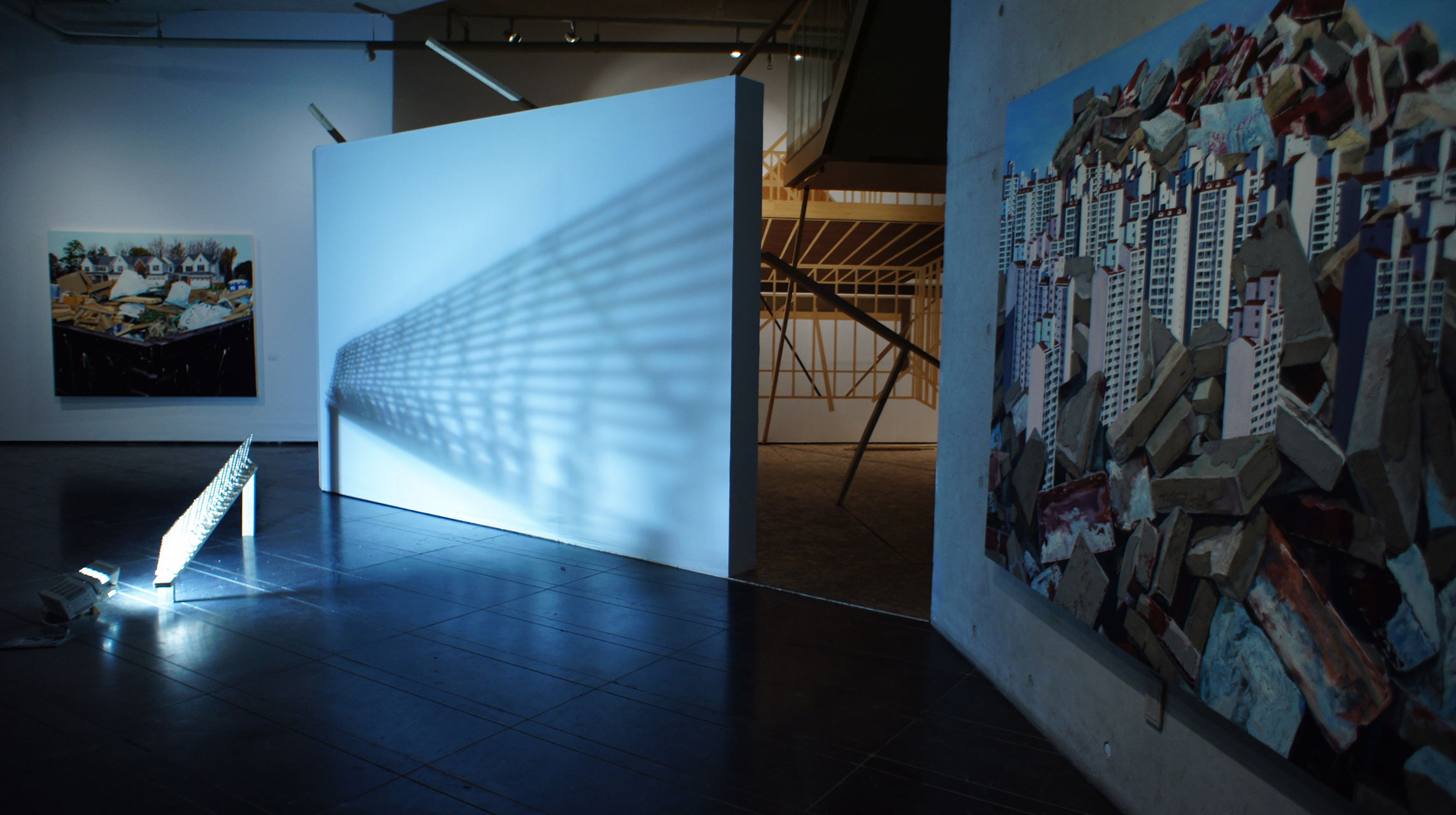
From the mid-2010s onward, Kim’s attention increasingly turned toward the landscapes of development and demolition in Korea, with particular emphasis on concrete architecture and the question of land. High-rise apartment blocks, temporary structures, construction sites, containers, and rooftops appear as visual evidence of compressed modernization and real-estate-driven development.

For Kim, the city is never fixed; it exists in a continuous cycle of construction and disappearance. The possibility that a building erected today may soon be demolished lends her work a persistent sense of temporality, while development produces not only new residential environments but also ruins, displacement, and unstable forms of life.

Her research into the city therefore extends to the ways economic efficiency and the logic of development reshape patterns of living, sensory experience, and memories of place. Reading the rise and fall of concrete architecture through the history of Korea’s compressed modernization has become one of the defining concerns of this period.

Her more recent work centered on the Bongdam housing development district in Hwaseong brings these concerns even closer to everyday life, extending her inquiry from the “institutionalized landscape” toward the “institutionalized everyday.” In 《Mars N District/Earth》, Kim examines new towns, apartment complexes, model homes, IKEA showrooms, land-use plans, and floor plans as environments organized through function and commodity logic, where a sense of place is increasingly diminished.

The concepts of “Korean-style suburbia” and “non-place” allow her to consider how development policy, capital, and individual desires for housing converge to shape contemporary living environments. Street-view imagery, satellite photographs, and images transmitted by Mars rovers further introduce the contemporary experience of space in which physical locations and mediated images overlap.

The question that has persisted from the beginning of her practice remains intact: what forces produce the everyday landscapes we take for granted, and how do individuals live within them? Kim’s distinctive artistic identity lies in her sustained effort to begin with familiar urban surfaces and make visible the institutional structures, desires, and historical conditions concealed behind them.


Style & Contents

Ji Eun Kim was trained in painting and has consistently maintained a strong identity as a painter, yet her paintings extend beyond simply transferring the visible appearance of the city onto a pictorial surface. For Kim, drawing and painting involve researching observed spaces and reconstructing on the surface the orders and structures discovered within them. Vertical and horizontal lines, grids, and frontal views of architecture reflect her tendency to understand the city structurally rather than through emotional description.

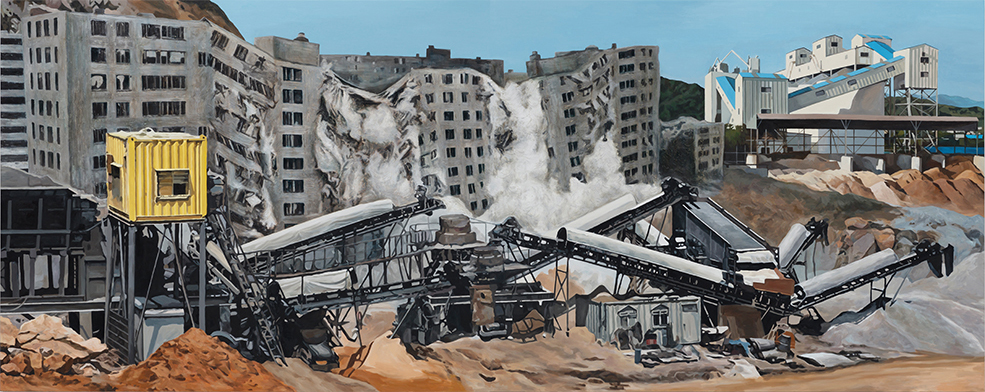
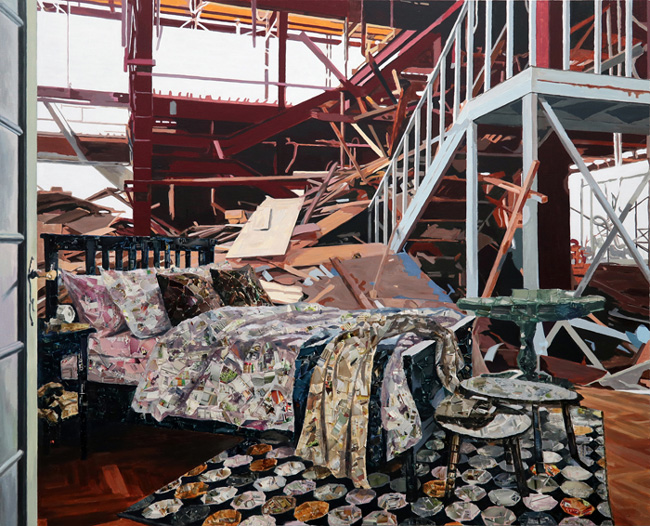
Even in works such as The Life Cycle of Concrete, where the construction and demolition of architecture can be sensed simultaneously, the image captures a particular moment while also conveying the temporality of a landscape that may soon disappear. This approach develops into a pictorial method that investigates not only what in the city should be depicted, but also how elements must be arranged to reveal the principles by which the city operates.

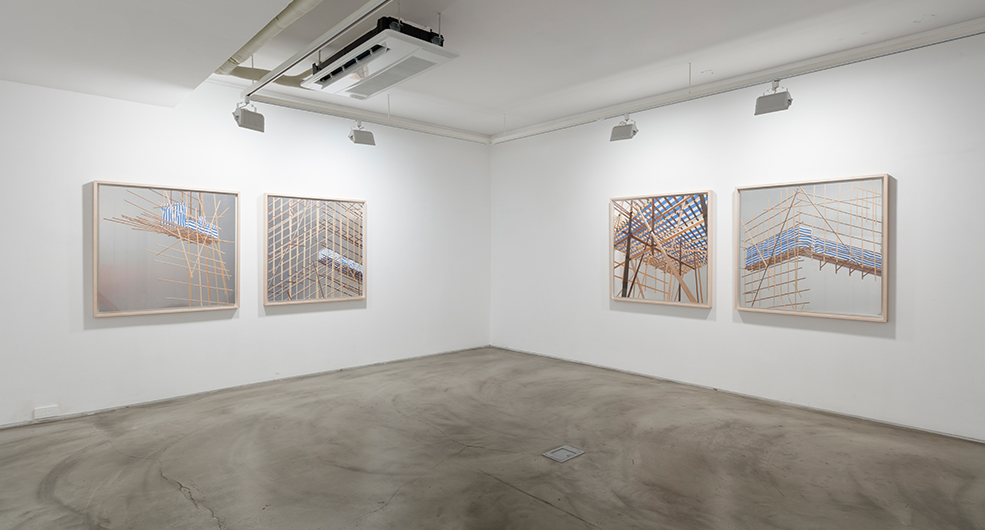
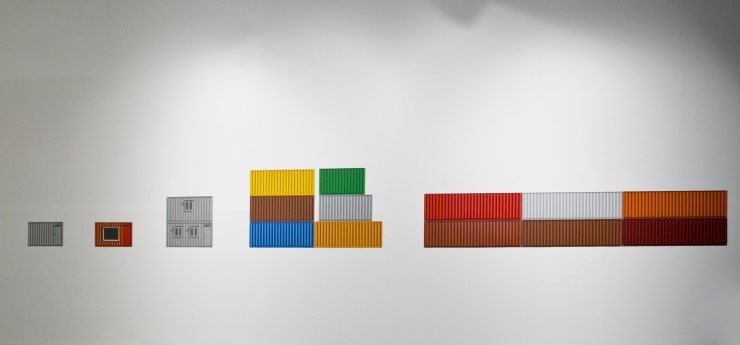
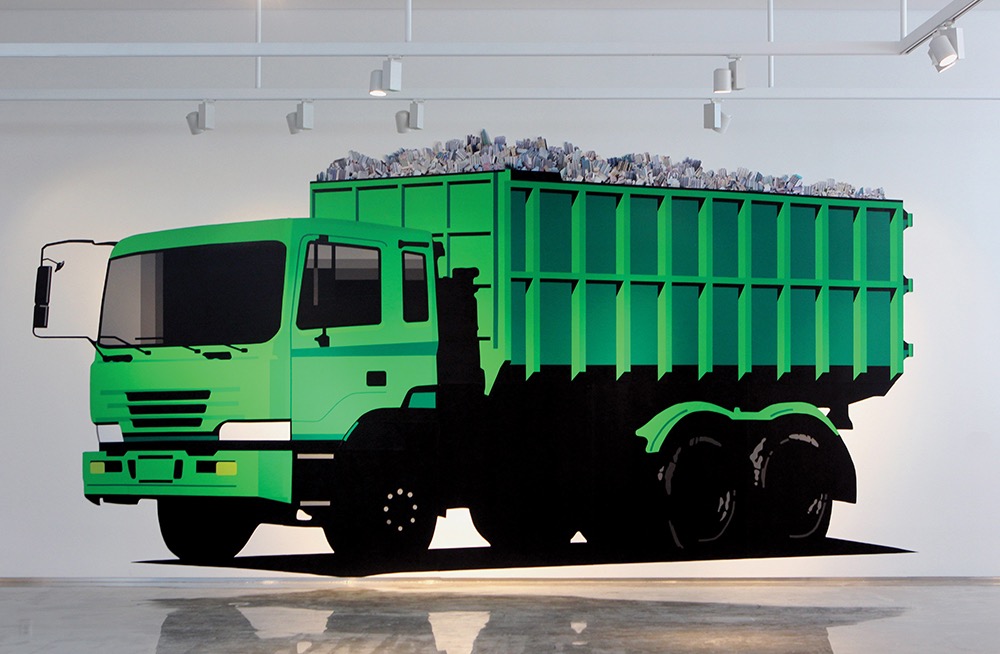
Materials commonly encountered at actual construction sites—self-adhesive vinyl, aluminum, corrugated plastic, and tarpaulin—are central to the distinctive character of Kim’s painting. She uses corrugated plastic and self-adhesive vinyl in Inside out-Concrete, aluminum panels and self-adhesive vinyl in Versatile Container Project, and camouflage-patterned tarpaulin to depict factory roofs and urban structures in Suspicious Roofs—Camouflage.

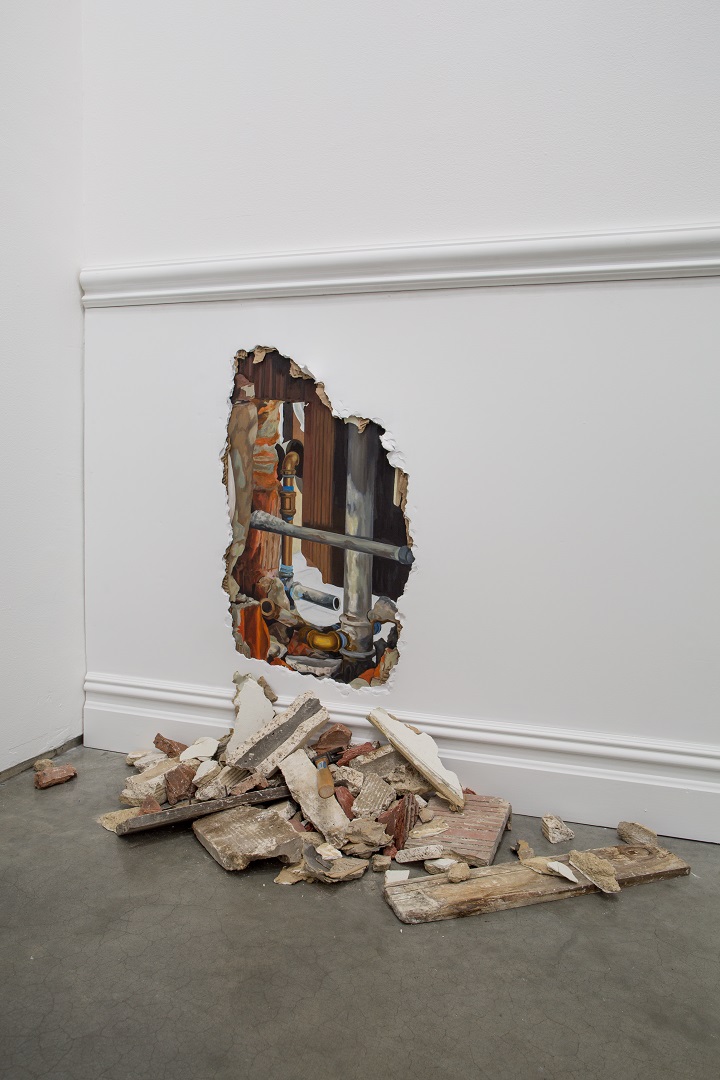
These materials function both as means of representing the urban landscape and as physical substances that actually constitute it. By bringing architectural images into direct contact with architectural materials, Kim simultaneously emphasizes pictorial illusion and materiality, while making the temporariness, standardization, and repetition of the city visually tangible.

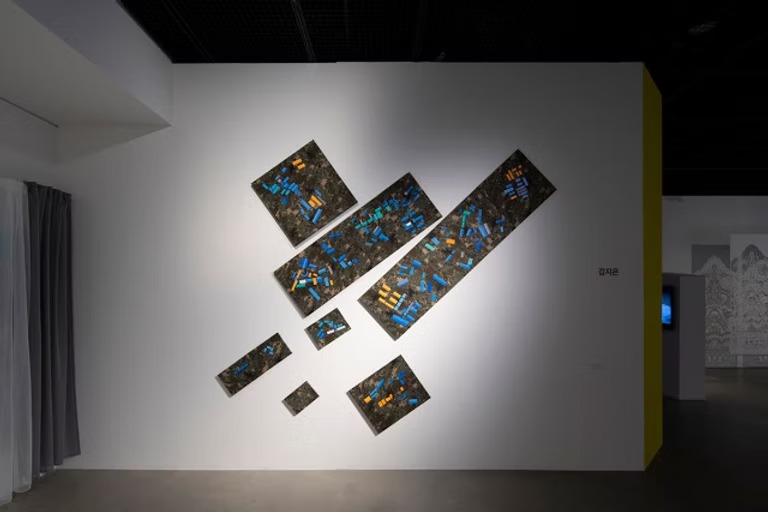
Frontal viewpoints coexist with aerial perspectives derived from Google Maps, drones, and satellite imagery, allowing the city encountered through bodily movement and direct vision to intersect with the city captured by mechanical forms of vision.

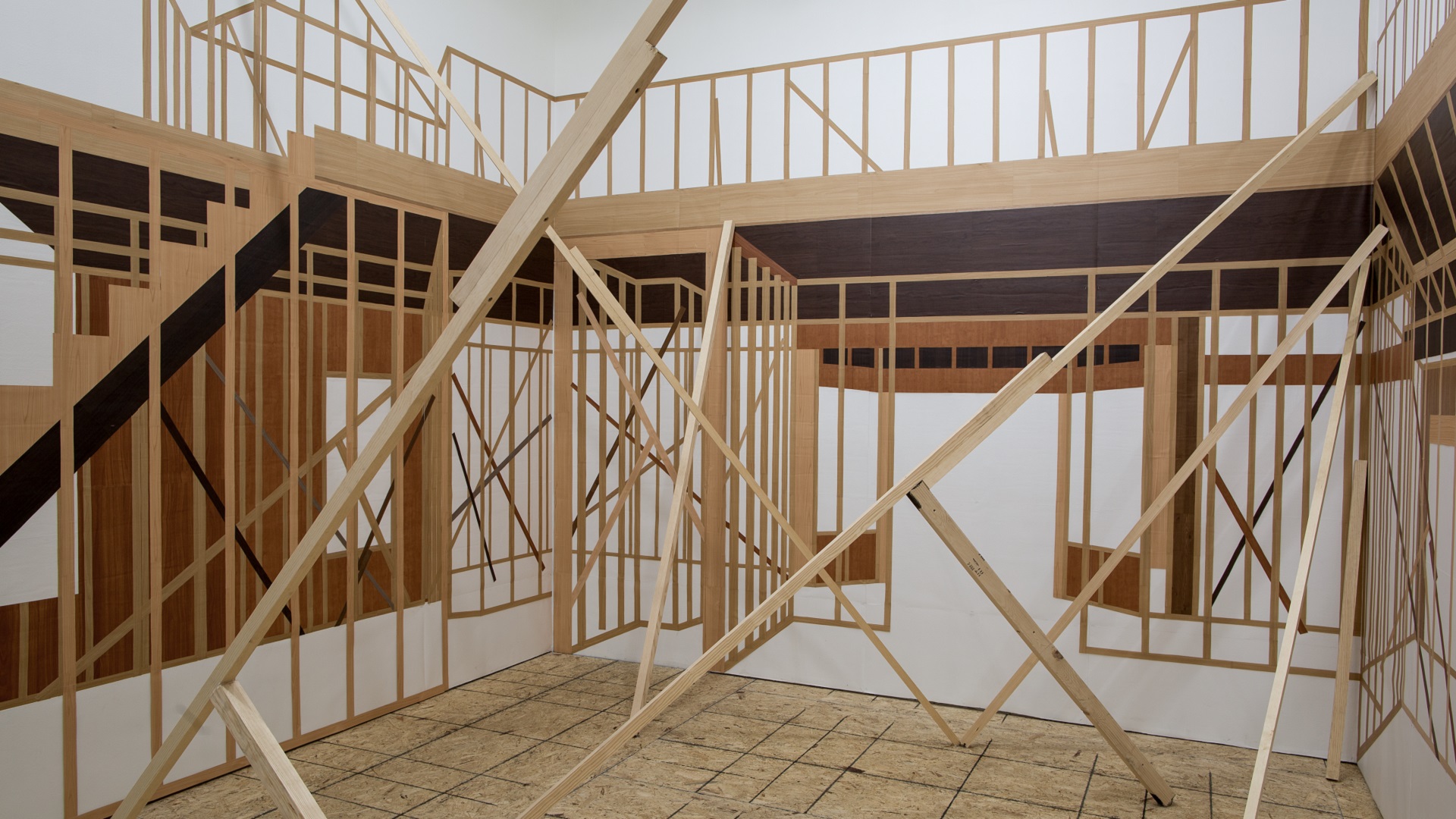
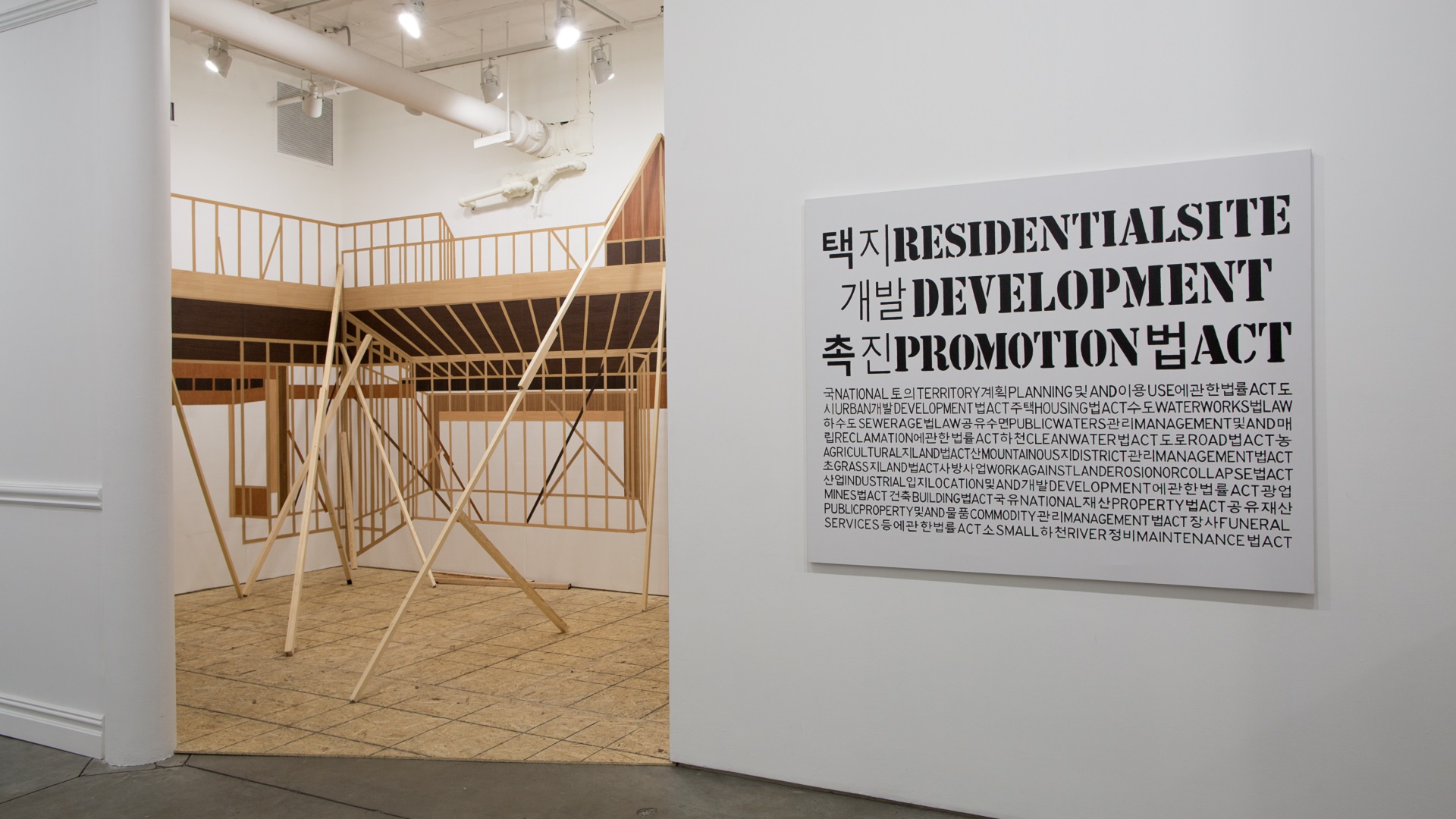
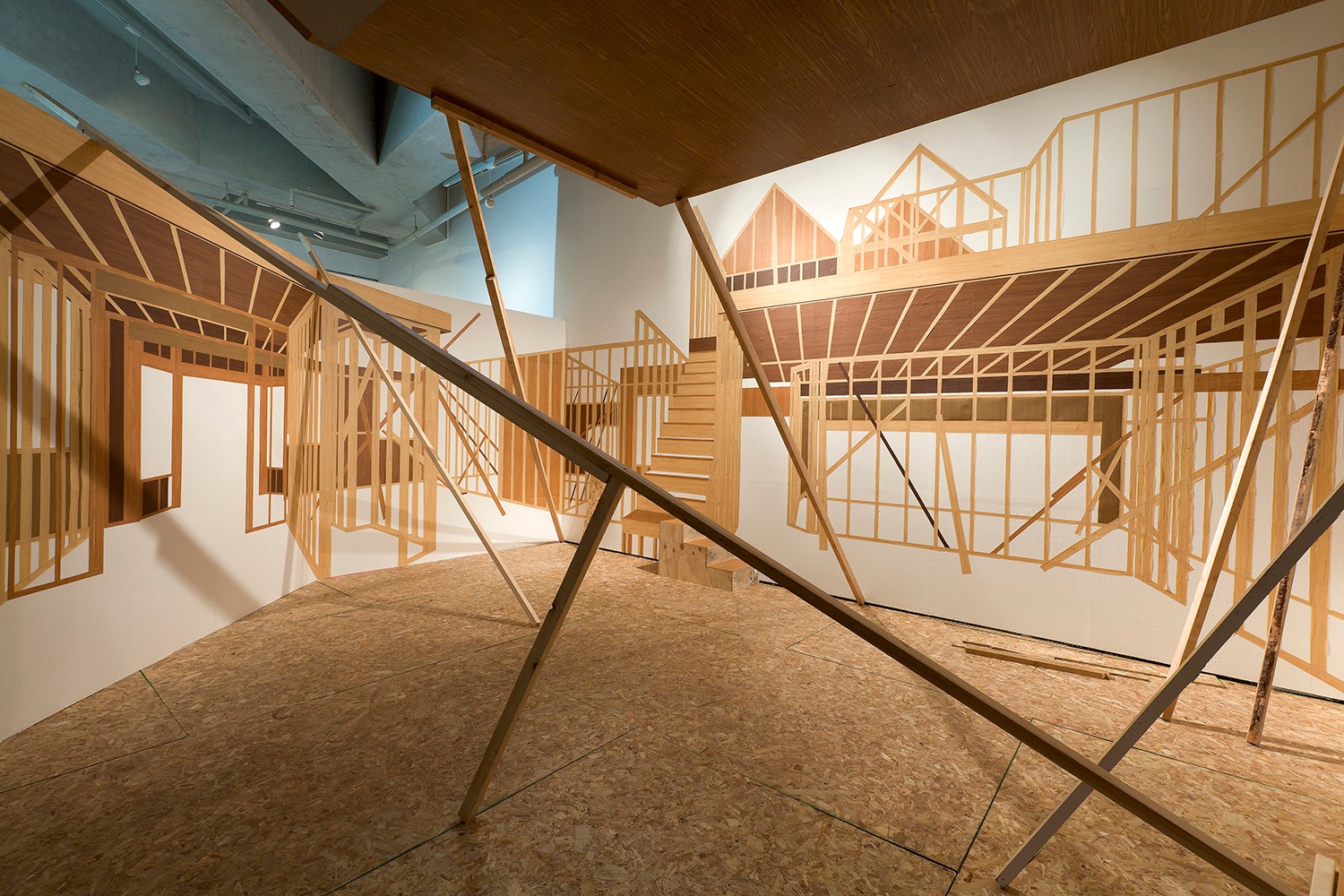
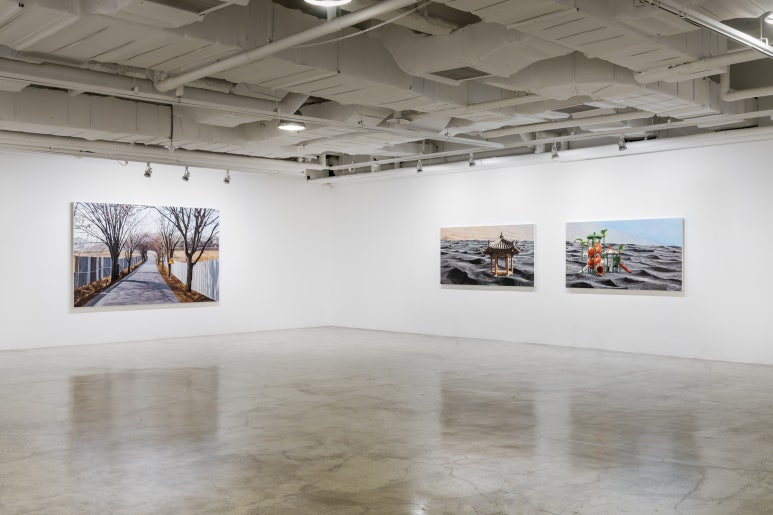
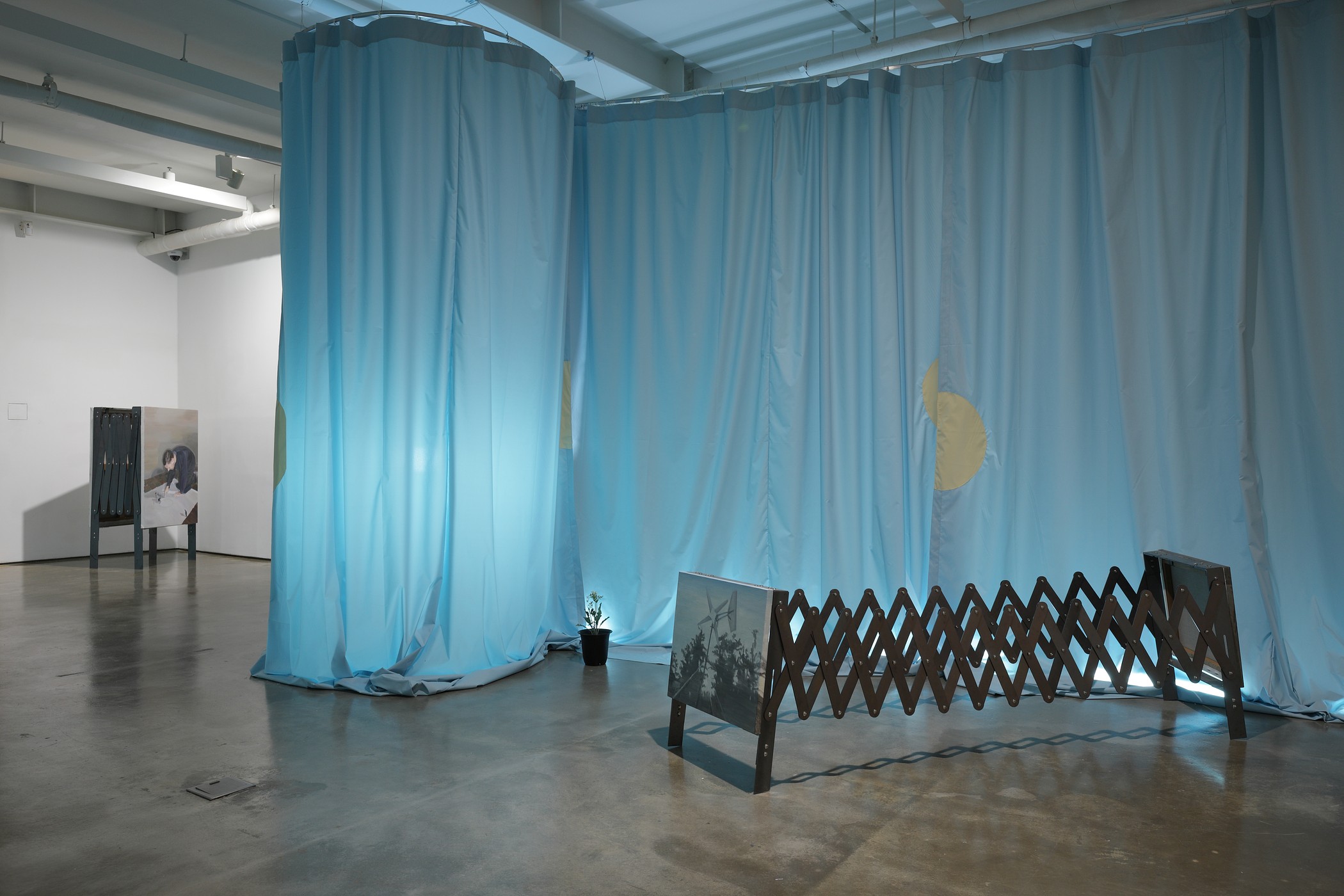
The logic of painting continues to expand through Kim’s installation practice. She has constructed scaffoldings, watchtowers, and other structures by combining readily available materials such as timber battens, self-adhesive vinyl, packaging string, and discarded objects. Large-scale installations such as Some Watchtower move beyond the frame of the picture and extend across the height and breadth of the exhibition space.

Bricolage—the active repurposing of materials and conditions at hand—plays a crucial role in this process. Rather than selecting materials according to a fully predetermined design, Kim recombines the forms and functions of objects available on site, generating new structures from things that already possess established uses. As the sensibility of arrangement and construction developed in her paintings enters physical space, the boundaries between painting and installation expand naturally.

In her more recent work, photographic collage and digital imagery have become increasingly integrated with painting and installation. Standardized residential environments such as model homes, apartment interiors, and IKEA showrooms are combined with street-view images, satellite photographs, and images transmitted by Mars rovers, creating collisions between actual living spaces and mediated visual environments.

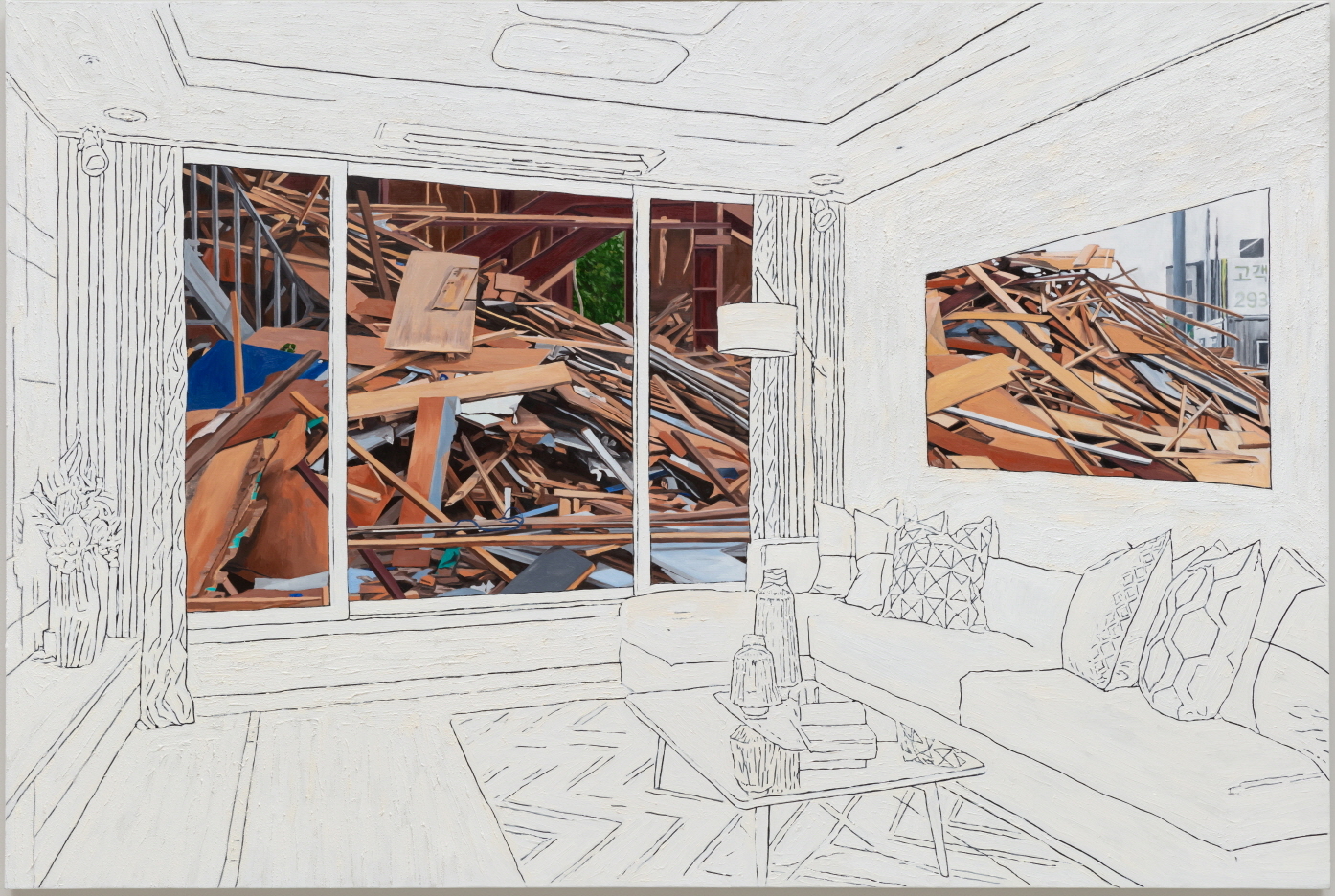
Windows, television screens, and pictures hanging on walls are replaced by images of exterior landscapes or distant locations, destabilizing distinctions between inside and outside, physical place and virtual space. Here, collage operates beyond the simple superimposition of images: it juxtaposes regulated interiors shaped by institutional and commercial logic with the uneven realities outside them within the same visual field.

Through this continuity of construction and arrangement—from painting to material, installation, photography, and digital imagery—Kim has developed a complex visual language for sensing and analyzing the contemporary city.

Topography & Continuity

Ji Eun Kim’s practice demonstrates a clear continuity in the way she has sustained the questions first articulated in her 2005 solo exhibition 《Law-Full Landscape》 over an extended period of time. At the time, she read familiar urban elements—dust-control screens, road facilities, buildings—as material outcomes of laws and institutional systems.

Although the subjects and media of her work have changed repeatedly since then, her refusal to accept the visible landscape as self-evident, and her tendency to trace it back to the social structures that produced it, have remained constant. In particular, her understanding of the city as a social landscape in which regulations, competing interests, and collective desires take material form has served as a central axis from her earliest work to the present.

This continuity expanded geographically through the artist’s experiences of mobility. During her studies in the United States and participation in various residency programs, Kim developed a working method of researching the architecture, housing patterns, history of development, and processes of community formation in each place where she stayed, and then transforming those findings into artworks.

The conditions of each location differed—from suburbanization and decline in Detroit to the vanished social history of Nanjido and conflicts surrounding redevelopment districts—but Kim identified recurring structures produced by contemporary cities across these differences. By closely investigating the specific details of a place while connecting them to broader issues such as mass production and consumption, development and demolition, mobility and settlement, her work moves beyond site-specific documentation.

Her expansion from painting into installation, collage, and works incorporating architectural materials can likewise be understood as a process of extension rather than rupture. Kim has long understood the act of depicting the city as a process of reconstructing and arranging researched structures, rather than limiting it to the representation of images on a pictorial surface.

For this reason, materials that physically constitute the city—self-adhesive vinyl, tarpaulin, timber battens, aluminum, and others—entered naturally into both her surfaces and exhibition spaces, eventually leading to large-scale installations such as scaffolding and watchtowers. Even after bricolage and construction became more prominent in her practice, the frontal viewpoints, grids, and spatial sensibility developed through painting continued to persist. Despite shifts in medium, the formal logic of reading and reconstructing the city has consistently connected her body of work.

Her recent work continues this investigation by shifting attention toward spaces closer to everyday domestic life, including new towns, apartment complexes, model homes, and showrooms. In 《Mars N District/Earth》, Kim examines how the logic of development policy and capital organizes not only the outward appearance of cities but also modes of dwelling, interior space, and individual desires for the home.

If the earlier concept of the “institutionalized landscape” revealed institutions and regulations inscribed onto the public appearance of the city, her more recent notion of the “institutionalized everyday” investigates how deeply such forces penetrate private living environments.

Urbanization and redevelopment have long been significant concerns in Korean contemporary art, yet Kim has developed a distinctive trajectory through her sustained research into places where she has actually lived and moved, combining pictorial construction, installation, and photographic imagery to trace their underlying structures.

Over more than two decades, the scope of her practice has expanded from streets to architecture, and from the city to domestic interiors and mediated image environments, while her fundamental question has remained consistent: who produces the spaces in which we live, and according to what logic?

Works of Art

On the City as a Social Landscape Materializing Collective Desires

Articles

Exhibitions

Activities