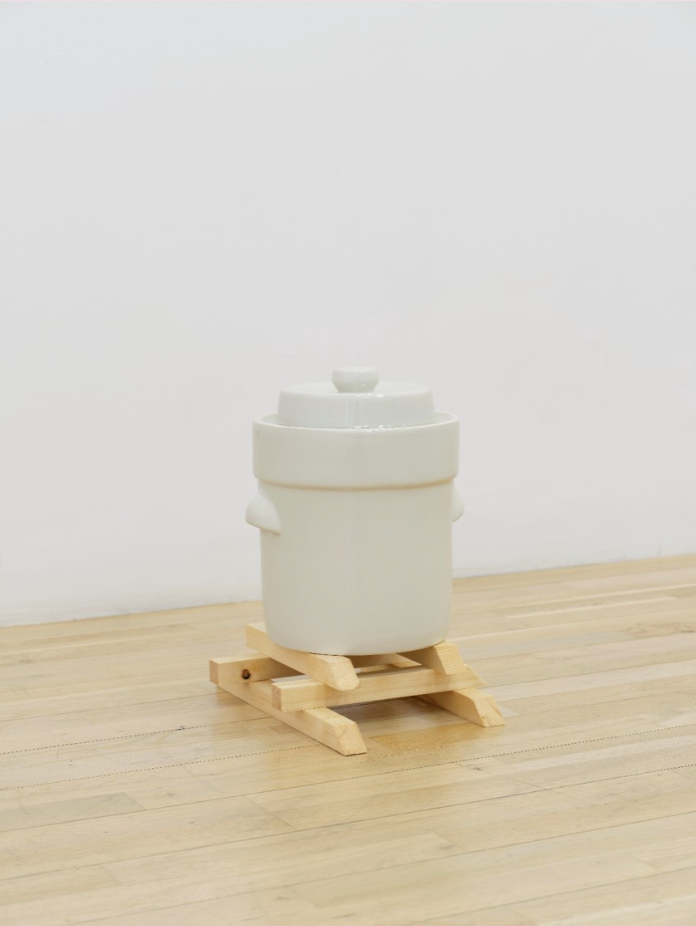
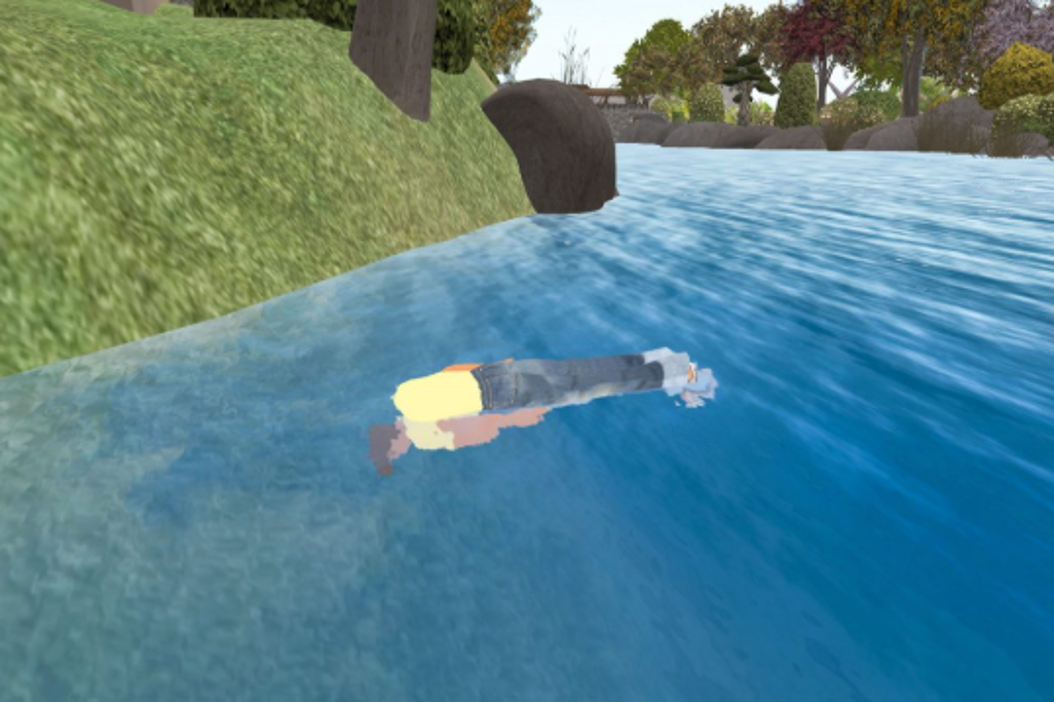
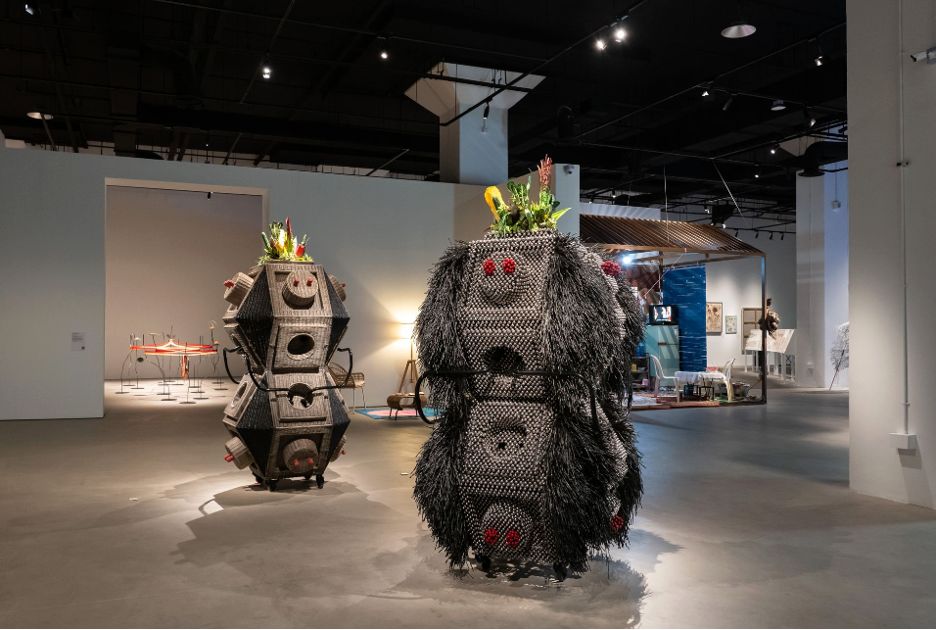
one late night when some humans were sitting around a campfire, drinking makgeolli - K-ARTIST

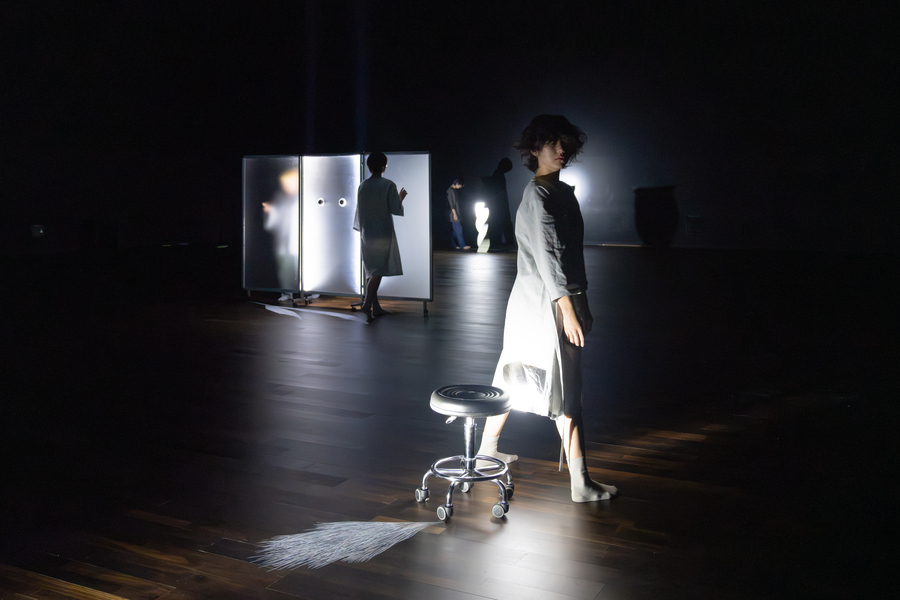
one late night when some humans were sitting around a campfire, drinking makgeolli

2024
Crockpot, rice, nuruk(yeast), water, wood
Dimension variable
About The Work

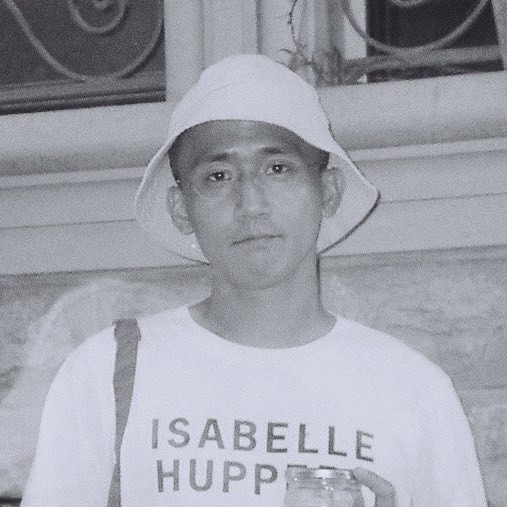
Donghwan Kam has focused on the boundaries formed through various relationships and the correlations between the two or more entities that constitute them.

He explores the scale and scope of boundaries, the ways in which they change over time, and the sites where these boundaries become concretely manifest. Through this process, he examines the ambiguity and variability inherent in boundaries while reflecting on the contradictions and fallacies embedded in binary boundaries that distinguish one thing from another.

Kam’s practice unfolds through the overlapping of diverse forms and media, including photography, publishing, sculpture, installation, performance, cooking, fermentation, and care. Rather than remaining within the production of a self-contained work in a single medium, he incorporates into his practice the places where objects are situated, the relationships surrounding them, and changes that emerge over the course of time.

This approach moves beyond a binary worldview by identifying third agents—including inanimate matter and microorganisms—and actively bringing them to the center of his practice.

In this way, Kam’s practice moves beyond an artist-centered and anthropocentric perspective, blurring the boundaries between the work, artist, and viewer, as well as between humans and nonhuman beings.

Furthermore, as heterogeneous beings become organically entangled and enter into relationships with one another, his work generates new spatiotemporal contexts and continually reconfigures the meaning of fixed boundaries and relationships.

Solo Exhibitions (Brief)

Kam has held solo exhibitions including 《To the beaver’s house》 (Buk-Seoul Museum of Art, Seoul, 2024), 《cook or hoop》 (BOOST, Amsterdam, 2023), and 《Kitchen has escaped, kimchi’s earthing is done, I feel like making pancakes》 (Project space south RABK, Amsterdam, 2021), among others.

Group Exhibitions (Brief)

Kam has also participated in numerous group exhibitions, including 《Breathing》 (Seo-Seoul Museum of Art, Seoul, 2026), 《Talking Heads》 (Seoul Museum of Art, Seoul, 2025), the 7th Changwon Sculpture Biennale, 《silent apple》 (Seongsan Art Hall, Changwon, 2024), 《Buro Stedelijk Manifestation》 (Stedelijk Museum Amsterdam, Amsterdam, 2023), and the 7th Singapore Biennale, 《NATASHA》 (Singapore Art Museum, Singapore, 2022).

Residencies (Selected)

Kam has undertaken residencies at MMCA Residency Goyang (2024), U-Jazdowski Castle Centre for Contemporary Art Residency (2022), Rijksakademie van beeldende kunsten (2019–2021), and the National Asian Culture Center Residency (2018).

Works of Art

The Variable Forms of Boundaries Shaped by Relationships

Originality & Identity

Donghwan Kam’s practice begins with questions about the “boundary” that arises between object and object, person and person, place and place. Rather than fixing an object within a single name, function, or domain, he observes how it changes as it enters into relationships with other beings. From his early works, Kam has paid attention to states that cannot be clearly divided, and to conditions in which two different things exist at once.

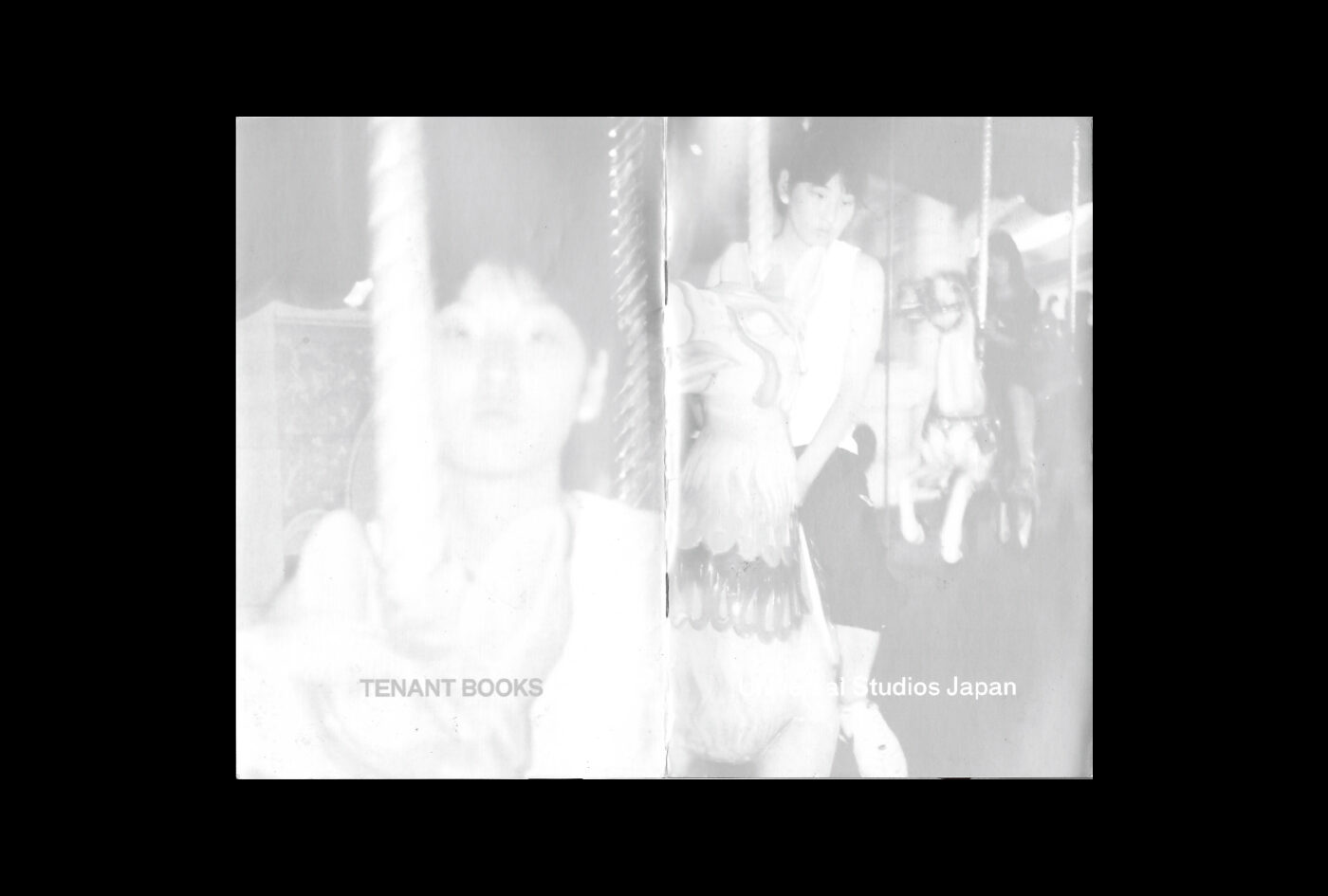
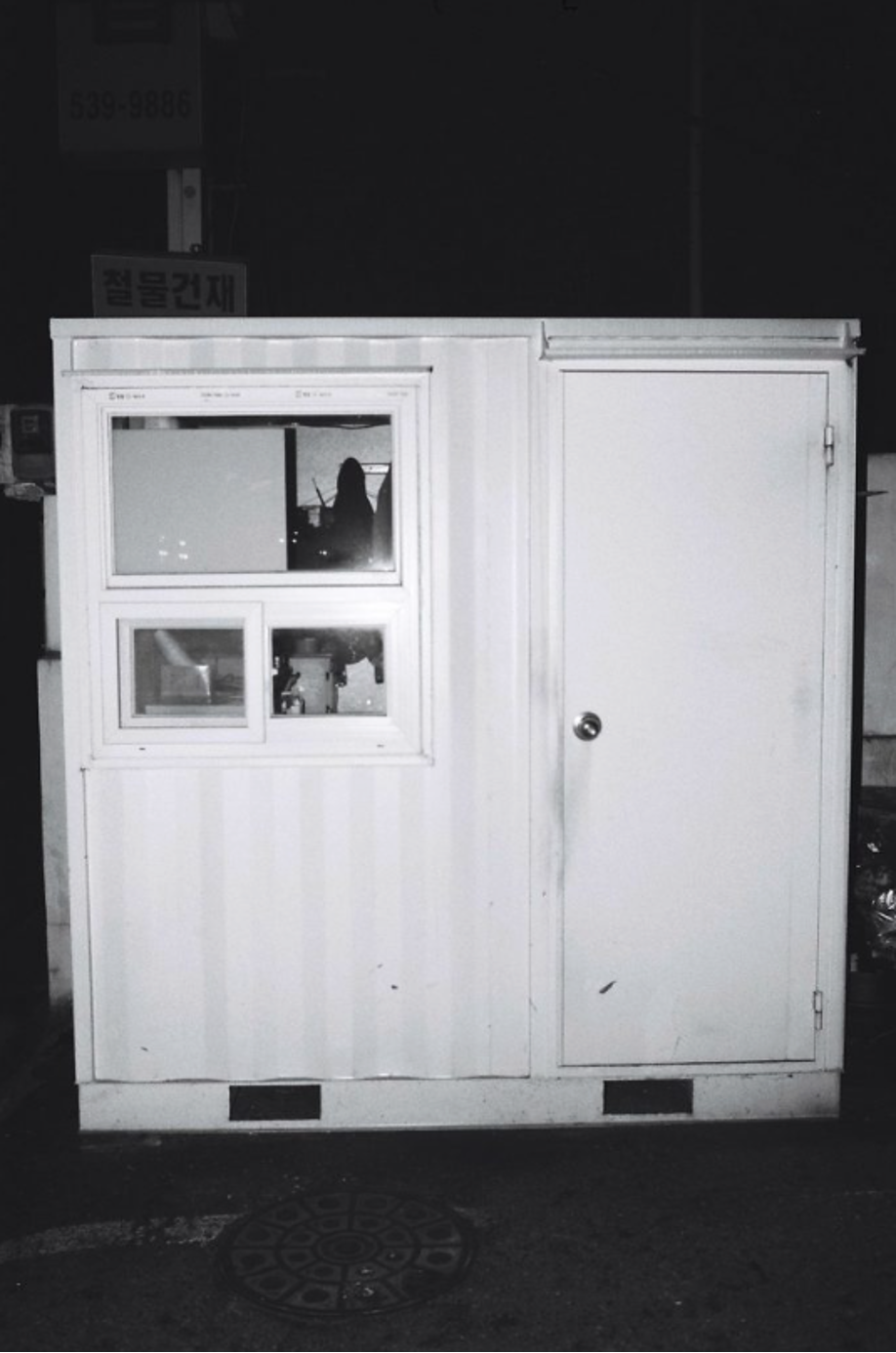
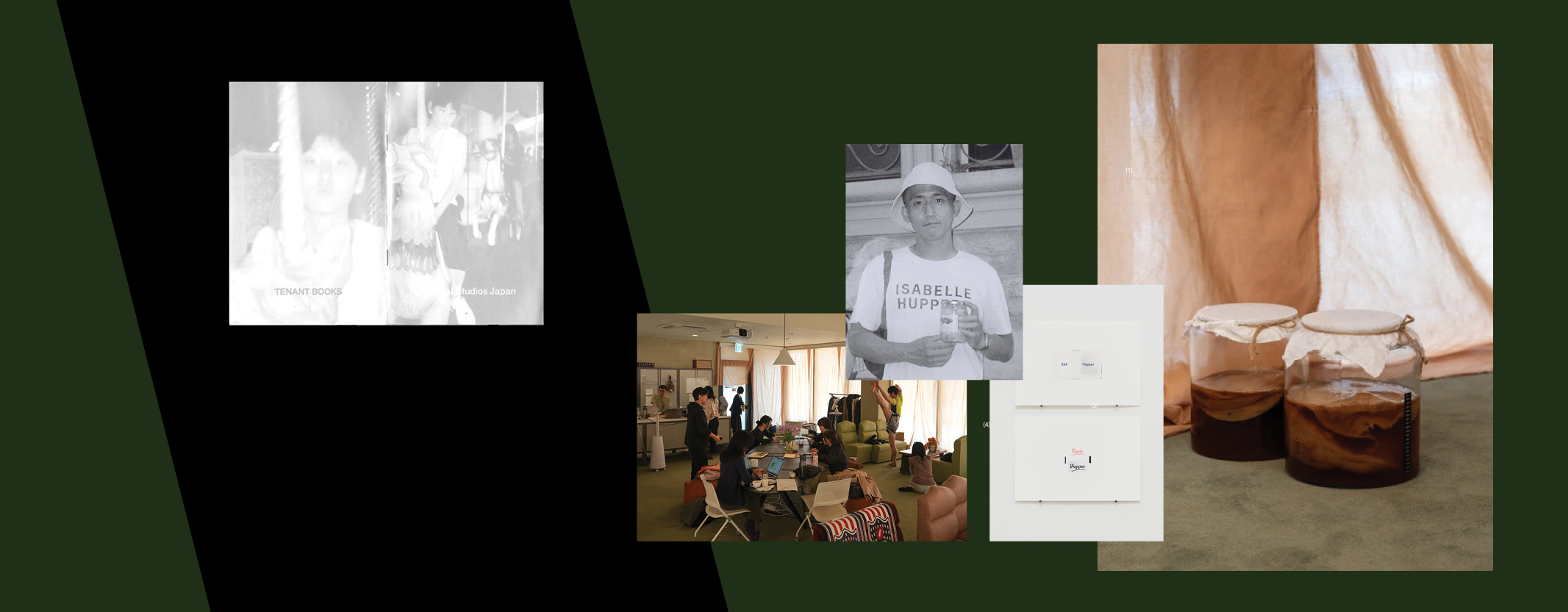
If Smallest Units(2010) approached the smallest residential units hidden across Seoul as a typological photographic archive, and Universal Studios Japan(2014) gathered anonymous scenes left on someone else’s film into a silver monochrome offset-printed publication, then even at this stage Kam was already exploring the ambiguous position between object and image, record and anonymity, visibility and invisibility.
 
His work later expanded from collecting and recontextualizing objects toward experiments in participation, care, and communal relations. Kitchen(2019-2021), begun during his Rijksakademie residency, asks how a sense of “us” is formed through a space where people from different social and cultural backgrounds cook, eat, and drink together.

Kam took on the role of caretaker, responsible for maintaining the kitchen, and after returning from a holiday, he photographed the neglected space, including rotten food and white mold growing over rice left in a pot. He printed these images, pasted them onto the wall, and scraped them away, leaving them like wounds or scars. Through this process, the kitchen becomes not simply a domestic space, but a site where communal relations are formed, unsettled, and inscribed again.
 
Time operates in Kam’s practice as a condition of waiting and as a medium through which objects and living beings transform together. Fermentation Garden(2020-2021) consisted of growing cabbages in the Rijksakademie garden, making and fermenting kimchi, and eventually sharing kimchi pancakes with fellow artists. Plants(2021) took the long process of collecting abandoned plants, moving them to the sunniest available space, and caring for them as the substance of the work.

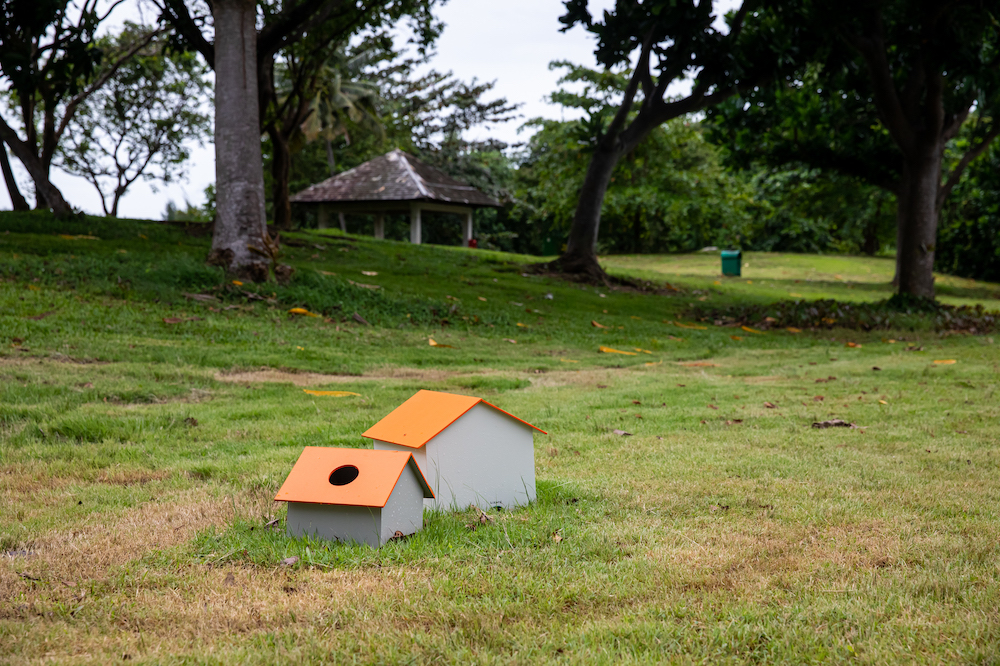
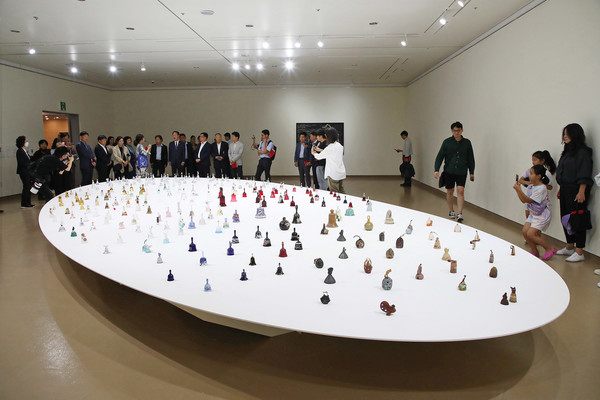
The ‘Fermentation House’(2022) series, presented at the 7th Singapore Biennale 《NATASHA》(Singapore Art Museum, Singapore, 2022), fermented soy sauce inside miniature houses and later served it to visitors with dumplings. In this sense, Kam’s work is less a matter of the artist unilaterally producing form than of constructing situations in which time, microorganisms, materials, and audiences collectively shape the outcome.
 
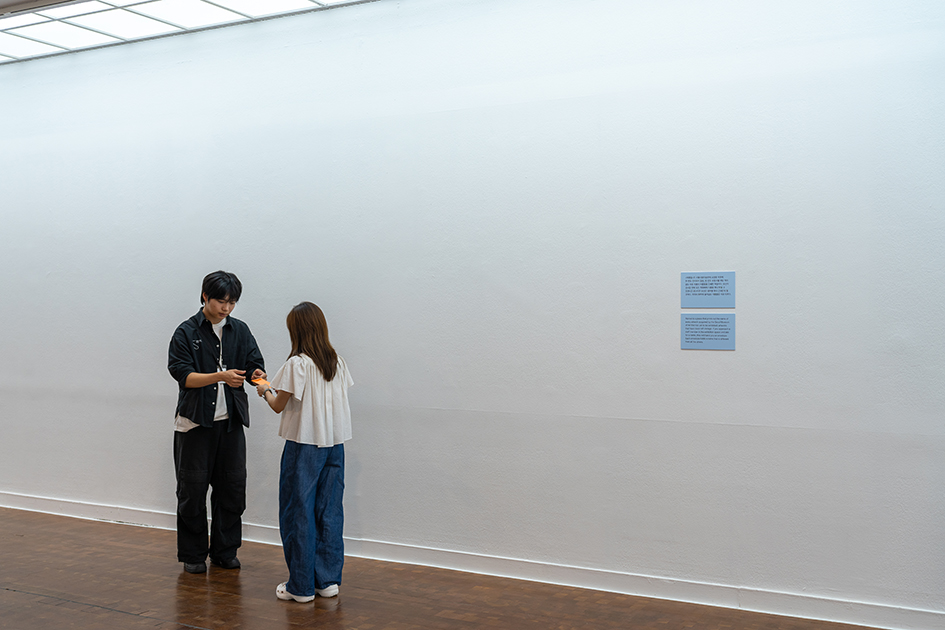
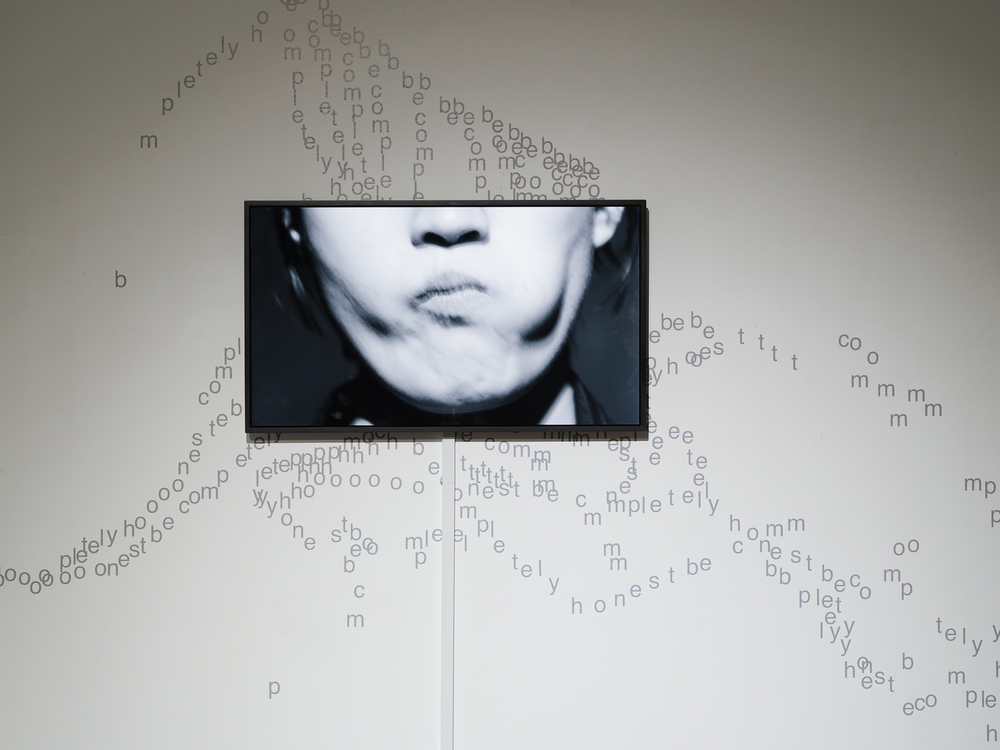
《To the beaver’s house》(Buk-Seoul Museum of Art, Seoul, 2024) marks an important turning point in which Kam’s thinking on boundaries comes together through literature, sculpture, installation, and the artist’s book. The exhibition begins from a novel of the same title written by the artist, using the body of a beaver—an animal that lives between land and water—to address the anxiety and possibility of an existence that cannot be divided by binary categories.

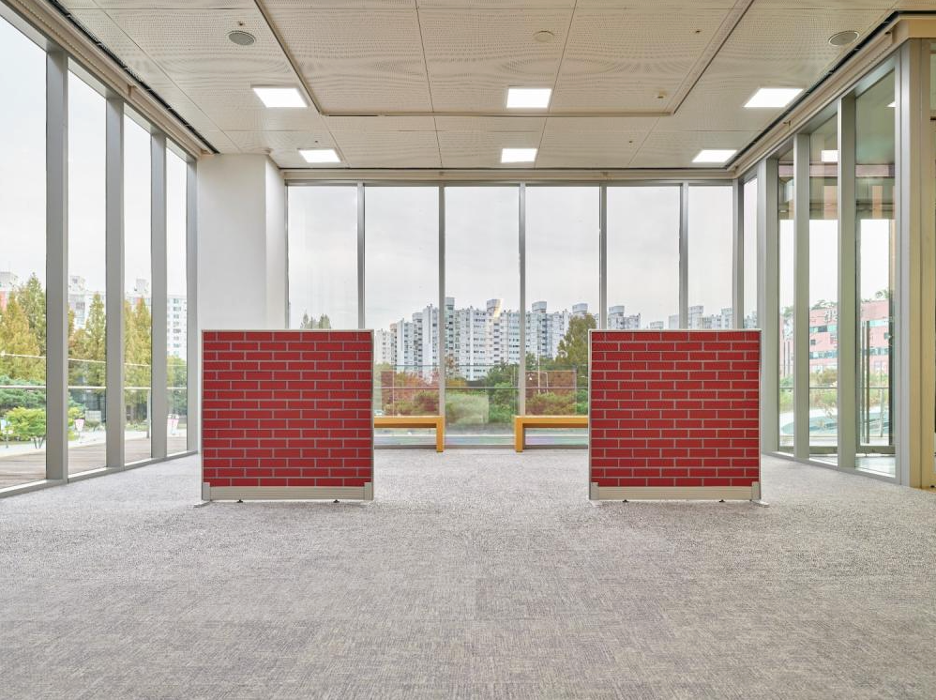
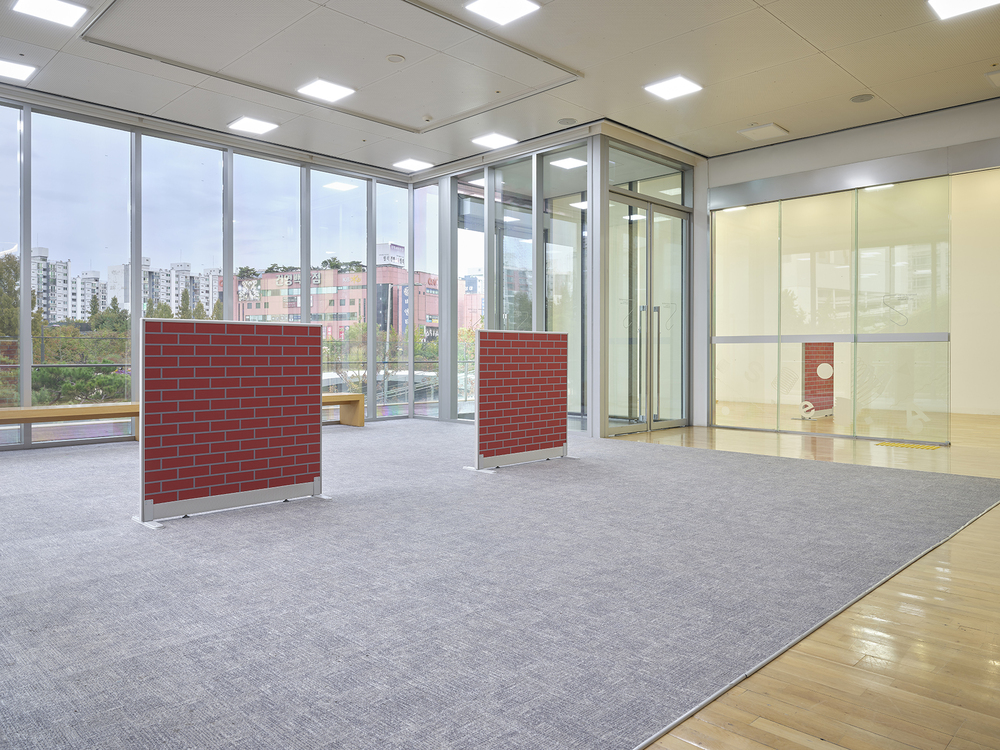
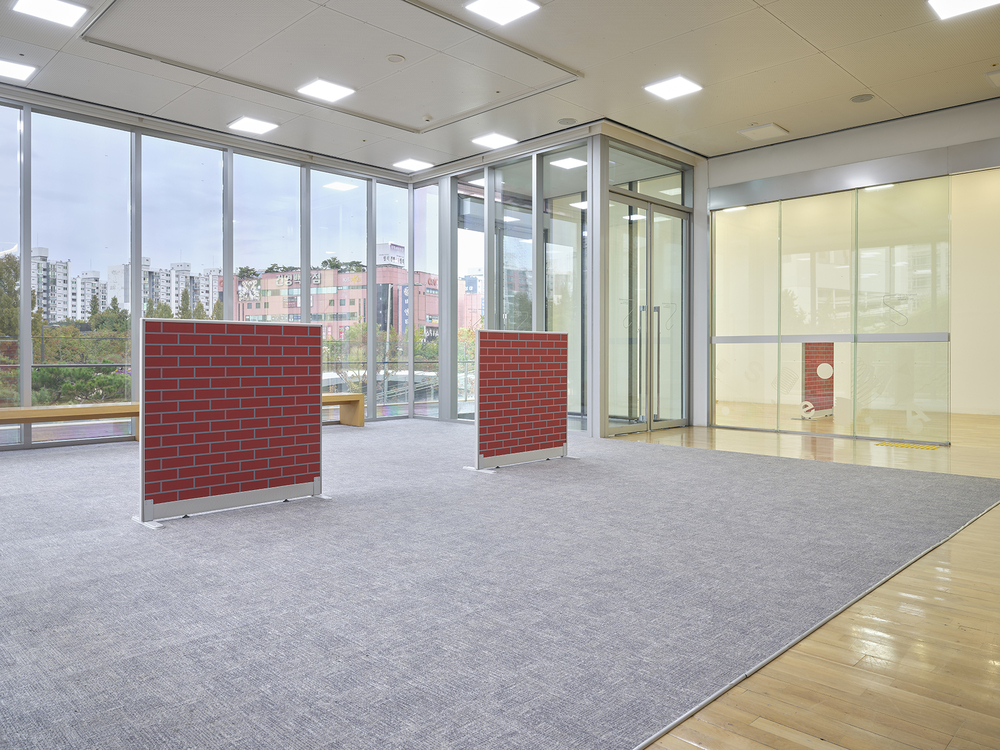
Salt-and-pepper(2024), Wall-Shaped Wall(2024), The small mysterious body that can burn down a dwelling or pick one’s teeth(2024), and Humans who kept a fire going late into the night, drinking makgeolli and talking(2024) all derive from words, sentences, and objects in the novel.

Here, objects are not illustrations of the story, but sculptural devices that show how two different things may be attached as one, or refuse to be separated under a single name. Through this exhibition, Kam shows that a boundary is not merely a line of opposition, but a site where new relations and potentialities can emerge.

Style & Contents

Kam’s work unfolds through the overlapping forms of photography, publishing, sculpture, installation, performance, cooking, fermentation, and care. Rather than producing a completed object within a single medium, he brings into the work the site where an object is placed, the relations around it, and the changes that occur over time.

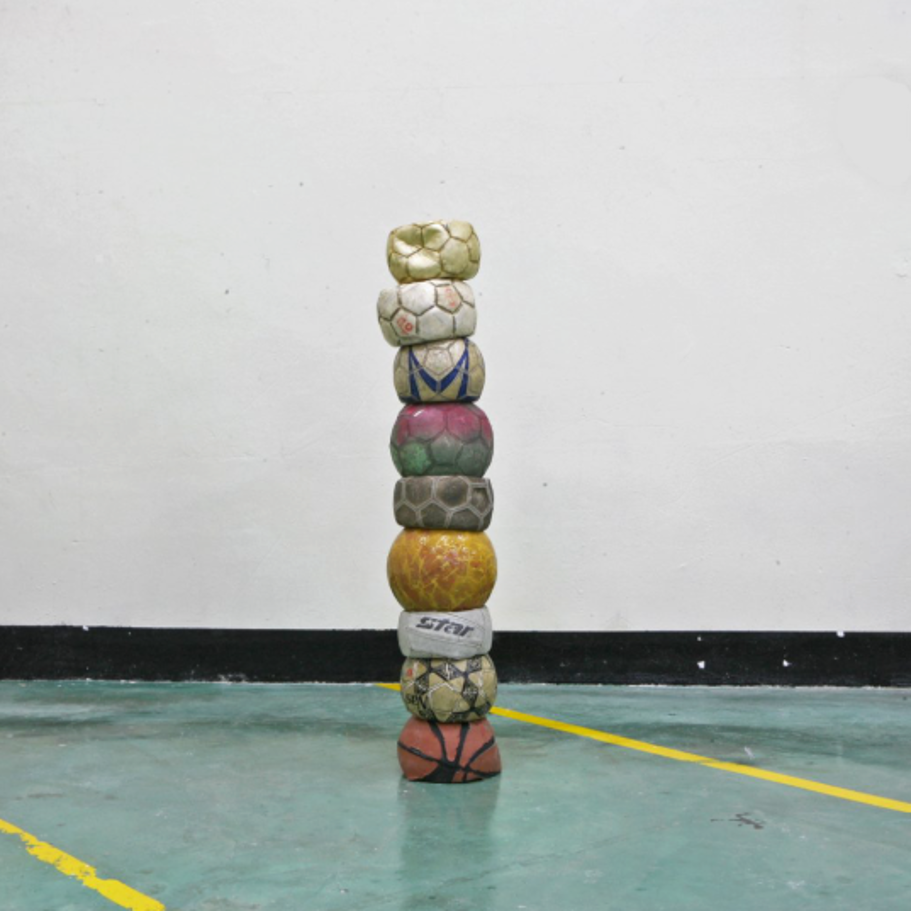
Balls
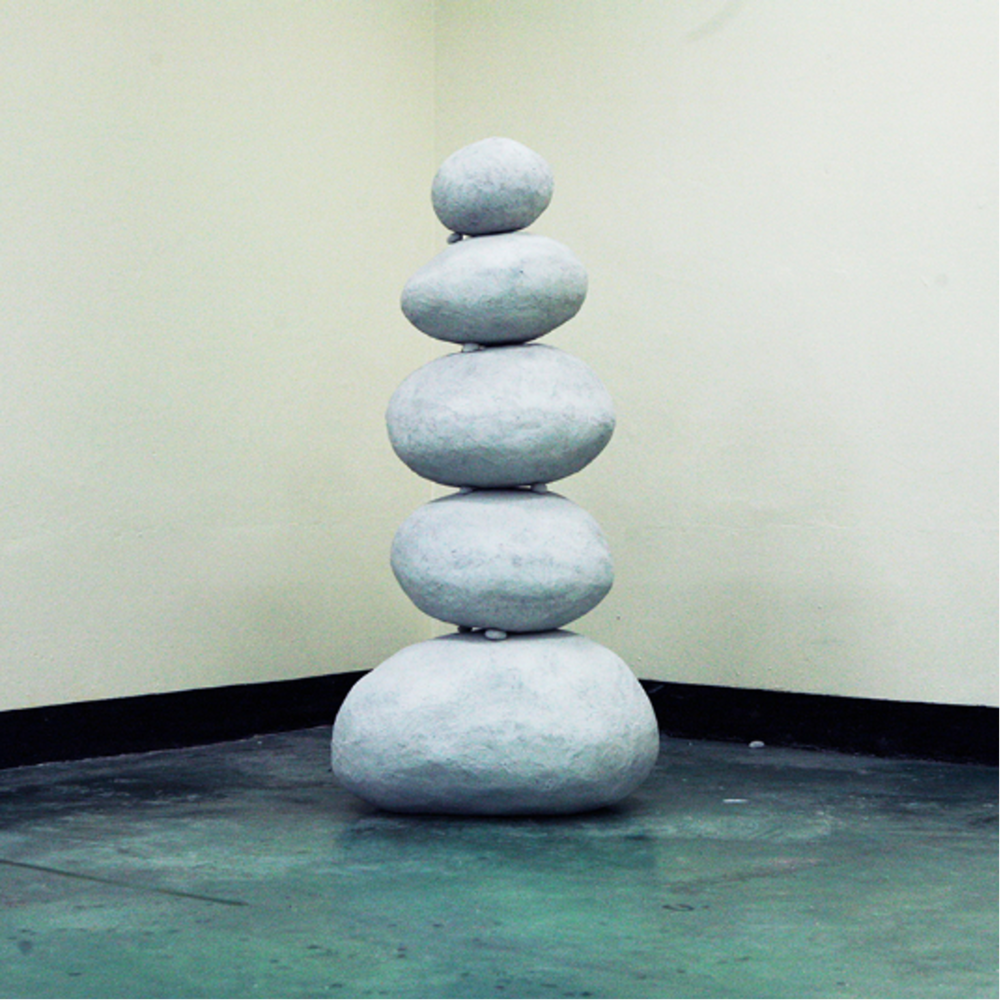
(2011) presents balls found on the street, while Cement wishes(2012) uses cement and Styrofoam to reveal the materiality and provisional character of objects. These early works show how Kam has long removed ordinary things from their existing uses and observed the other relations and meanings latent within them.
 
Publishing and books are also crucial forms in Kam’s practice. The Film Inside project, made by developing and scanning film from approximately 1,500 cameras found in Dongmyo, and Universal Studios Japan place the uncertainty of not knowing who took the photographs or who appears in them at the center of the work. These images are both records and traces of anonymous events.

Considering issues of portrait rights, the artists used a silver monochrome printing method that makes images appear or disappear depending on the angle of light. This becomes a material way of addressing visibility and invisibility, ownership and exposure. Kam’s role as a co-operator of the independent publishing project Derek Hartfield also shows that he has treated the book not simply as a documentary medium, but as another space in which a work can take place.
 
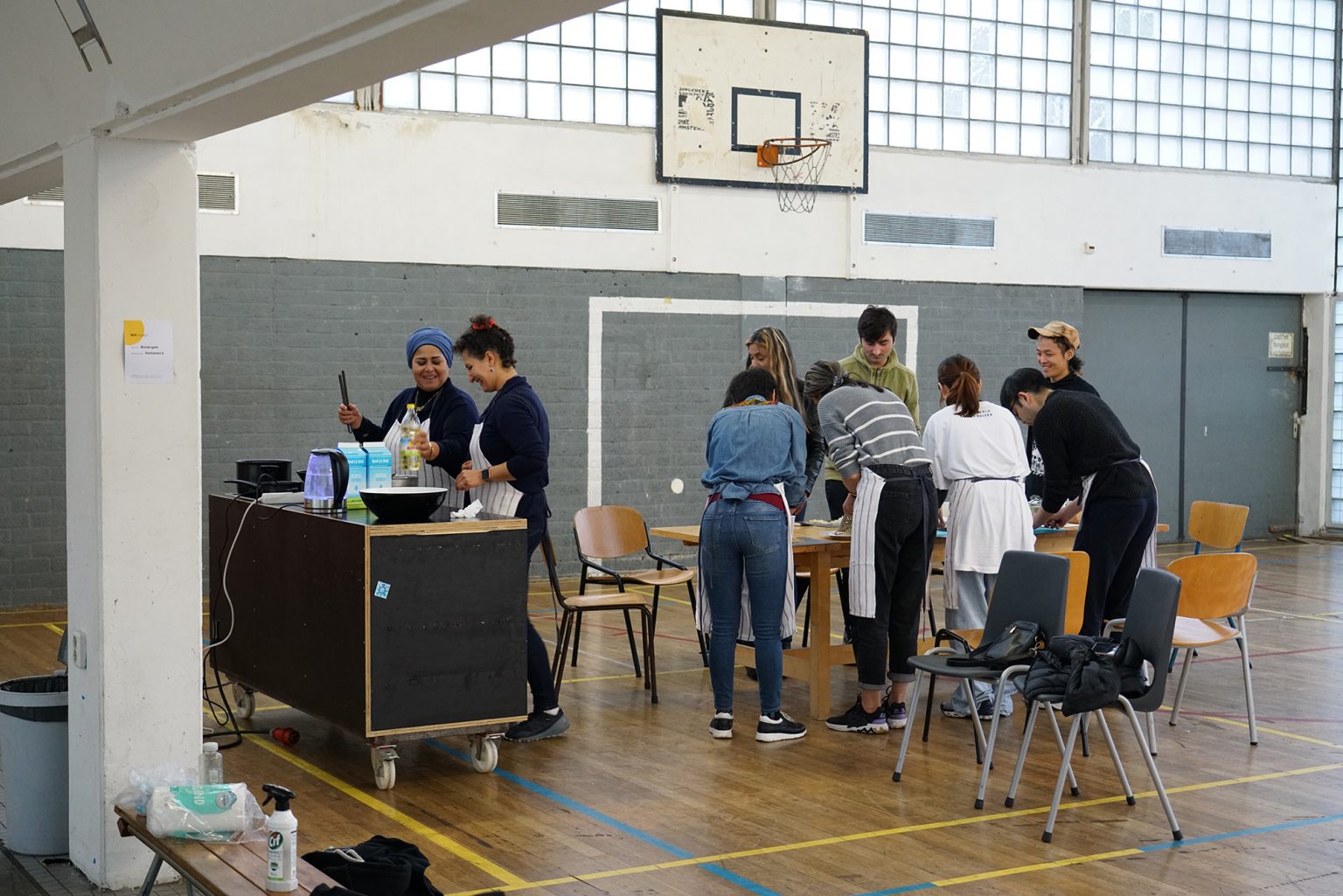
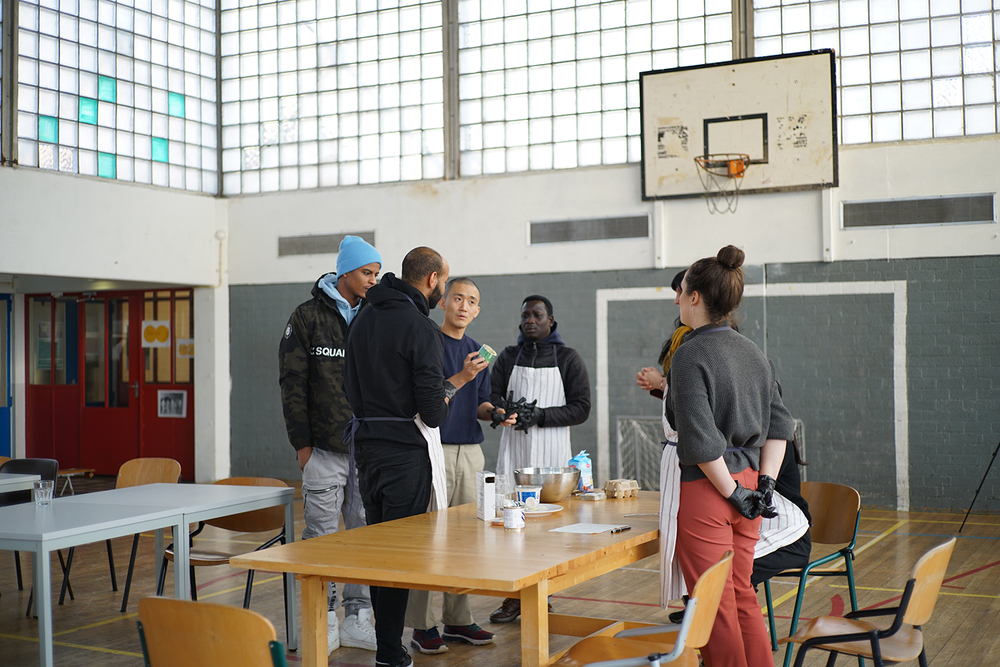
cook or hoop(2021-2023) is a key example of Kam’s participatory practice meeting a social site. The artist relocated the mobile communal kitchen he had installed at the Rijksakademie to BOOST, a cultural education center in Amsterdam for newcomers from refugee backgrounds, and developed a project in the form of cooking classes.

In this project, BOOST participants became instructors teaching home-meal recipes from their countries of origin, while BOOST staff, volunteers, and Rijksakademie artists became students. Recipes and stories from Sudan, Ethiopia, Palestine, and Iran were gathered into the cookbook cook or hoop, and the kitchen expanded beyond a place for cooking into a site where memory, migration, hospitality, and learning circulate.
 
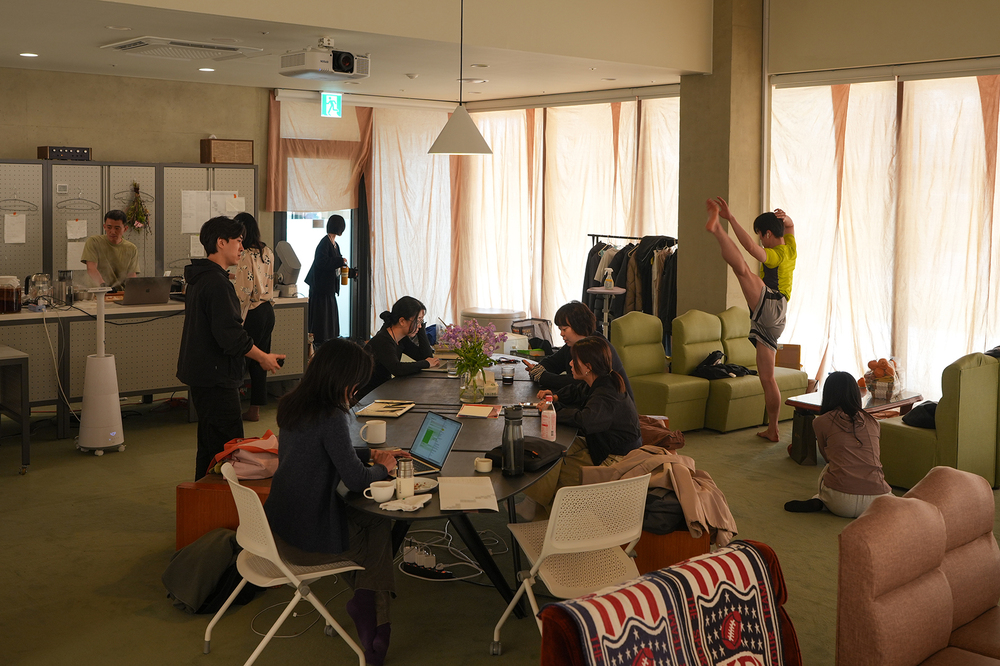
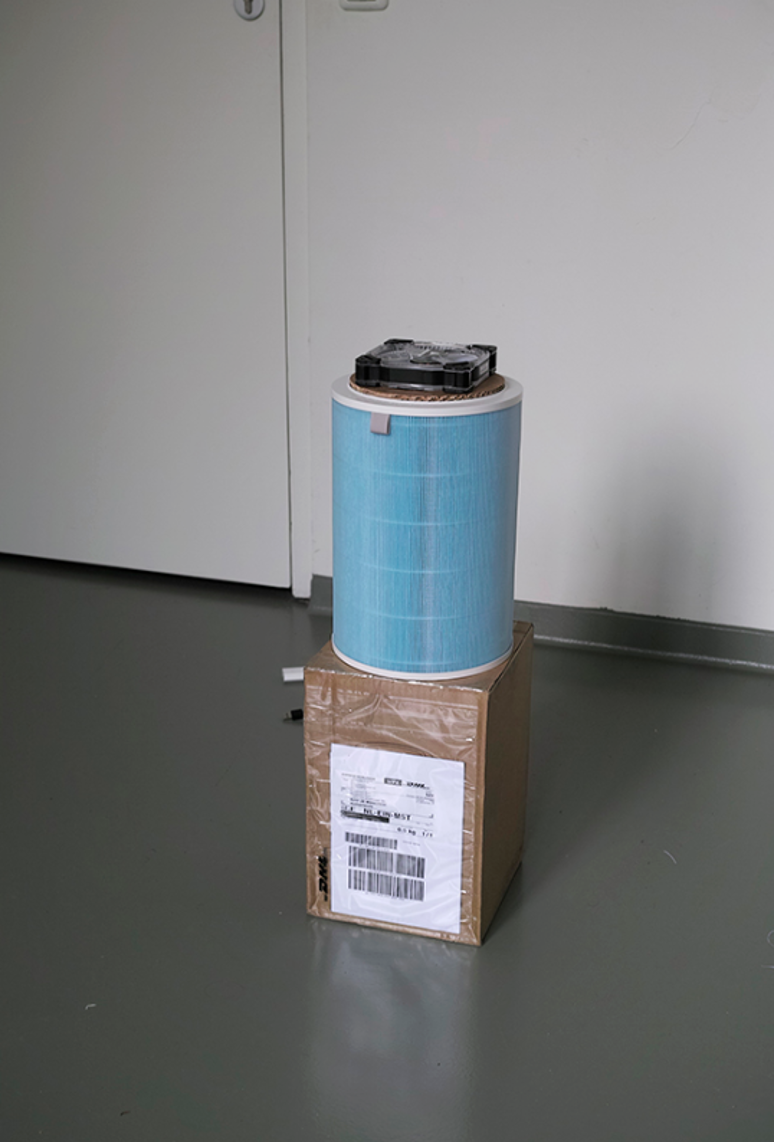
The recent work Green Room(2026) pushes Kam’s use of fermentation and care further into the realm of invisible relations. Presented as part of SeMA Performance 《Breathing》(Seo-Seoul Museum of Art, Seoul, 2026), the work functions as a resting space for all participants and consists of fermented food and beverages made in the Green Room, curtains dyed with fermented persimmon dye, furniture, and lighting installation.

The space is not open to the public, but yeast and microorganisms grow inside it, entering the bodies of participants through the food and drinks they consume. The dyed fabric that surrounds the space like skin marks a boundary between inside and outside, yet the fermentation taking place within it invisibly connects different bodies. Here, Kam expands sculpture into an ecological device that operates through resting, eating, caring, and fermenting over time.

Topography & Continuity

Rather than symbolically representing concepts such as boundary, community, care, and fermentation, Kam constructs situations in which people gather, food is shared, plants grow, microorganisms multiply, and objects acquire different names and functions.

In his practice, an object becomes a mediator of events rather than a completed sculptural form, and an exhibition becomes both a place for viewing works and an environment where relations temporarily remain and transform. In this respect, his work moves fluidly between sculpture, social practice, publishing, performance, and ecological process.
 
Looking at the development of his practice, Kam began with collected objects and anonymous images, then gradually expanded his attention toward communal kitchens, fermentation, plant care, fiction and installation, and invisible networks of microorganisms. If Universal Studios Japan dealt with the uncertainty of images whose authors and subjects remain unknown, Kitchen and Fermentation Garden experimented with how a sense of “us” might be formed through eating and caring together.

cook or hoop connected the form of the kitchen to a migrant community, while 《To the beaver’s house》 expanded the question of boundaries through fictional imagination and sculptural objects. By the time of Green Room, Kam’s practice includes not only human relations but also unseen agents such as microorganisms and yeast.
 
Compared with artists working in social practice or participatory performance, Kam’s work is distinctive in the way it reveals the forms of relation slowly through small and concrete mediators—kitchens, plants, fermentation, books, and objects from fiction—rather than presenting community as a direct message or program.

He does not reduce participation to the audience’s visible action, but accepts as part of the work things that rot and grow while humans are absent, things that change only through waiting, and things whose future state cannot yet be known. This attitude leads to an expanded sculptural sensibility that includes not only human-centered relations, but also inanimate matter, plants, microorganisms, and time.
 
Kam has undertaken residencies at MMCA Residency Goyang, U-Jazdowski Castle Centre for Contemporary Art Residency, Rijksakademie van beeldende kunsten, and the National Asian Culture Center Residency, and is currently based between Amsterdam and Seoul.

His practice is likely to continue widening the contact point between sculpture and social practice, carefully organizing the conditions in which different beings are temporarily placed together and transformed, rather than erasing or resolving the boundaries between them.

Works of Art

The Variable Forms of Boundaries Shaped by Relationships

Articles

Exhibitions

Activities