Floor #1 - K-ARTIST

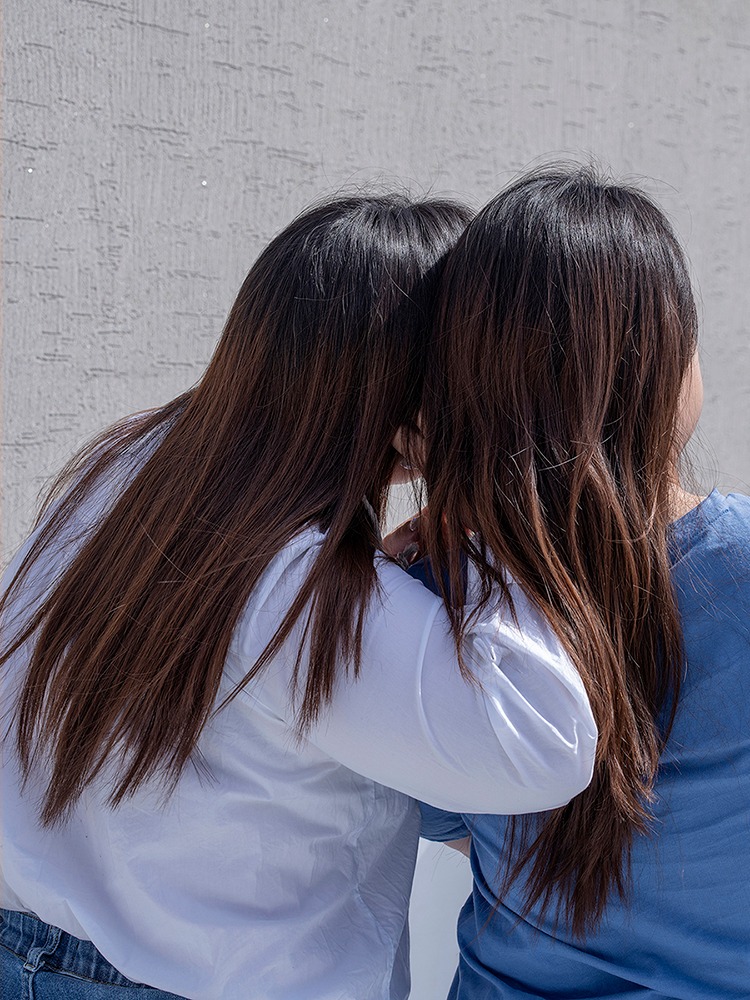
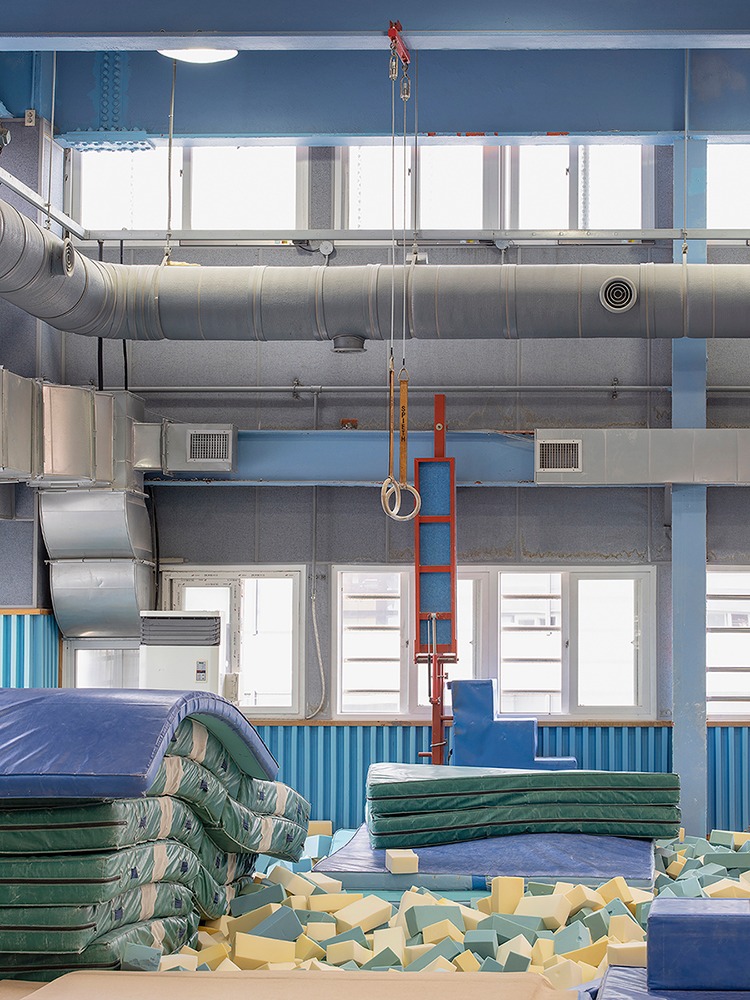
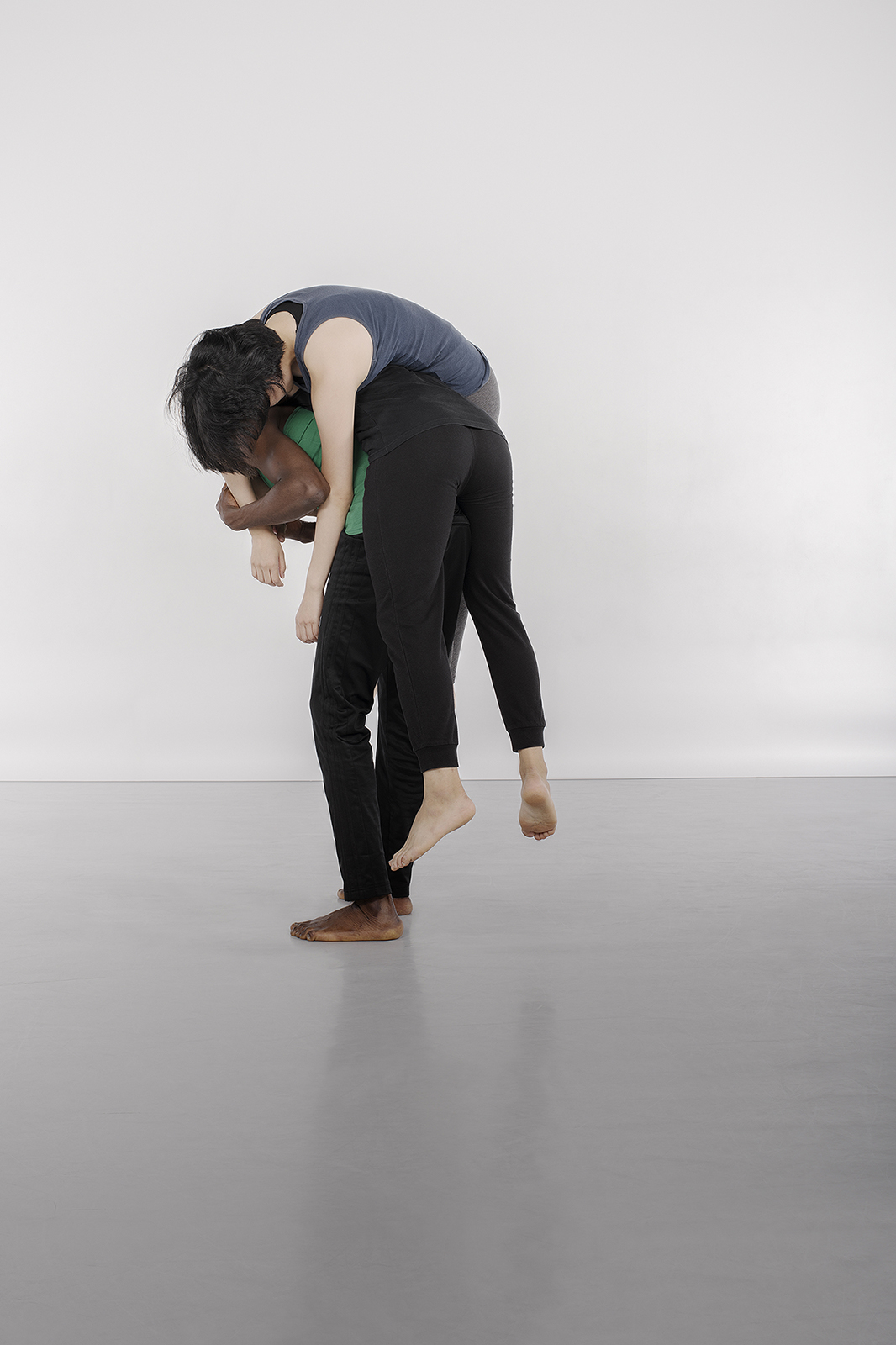
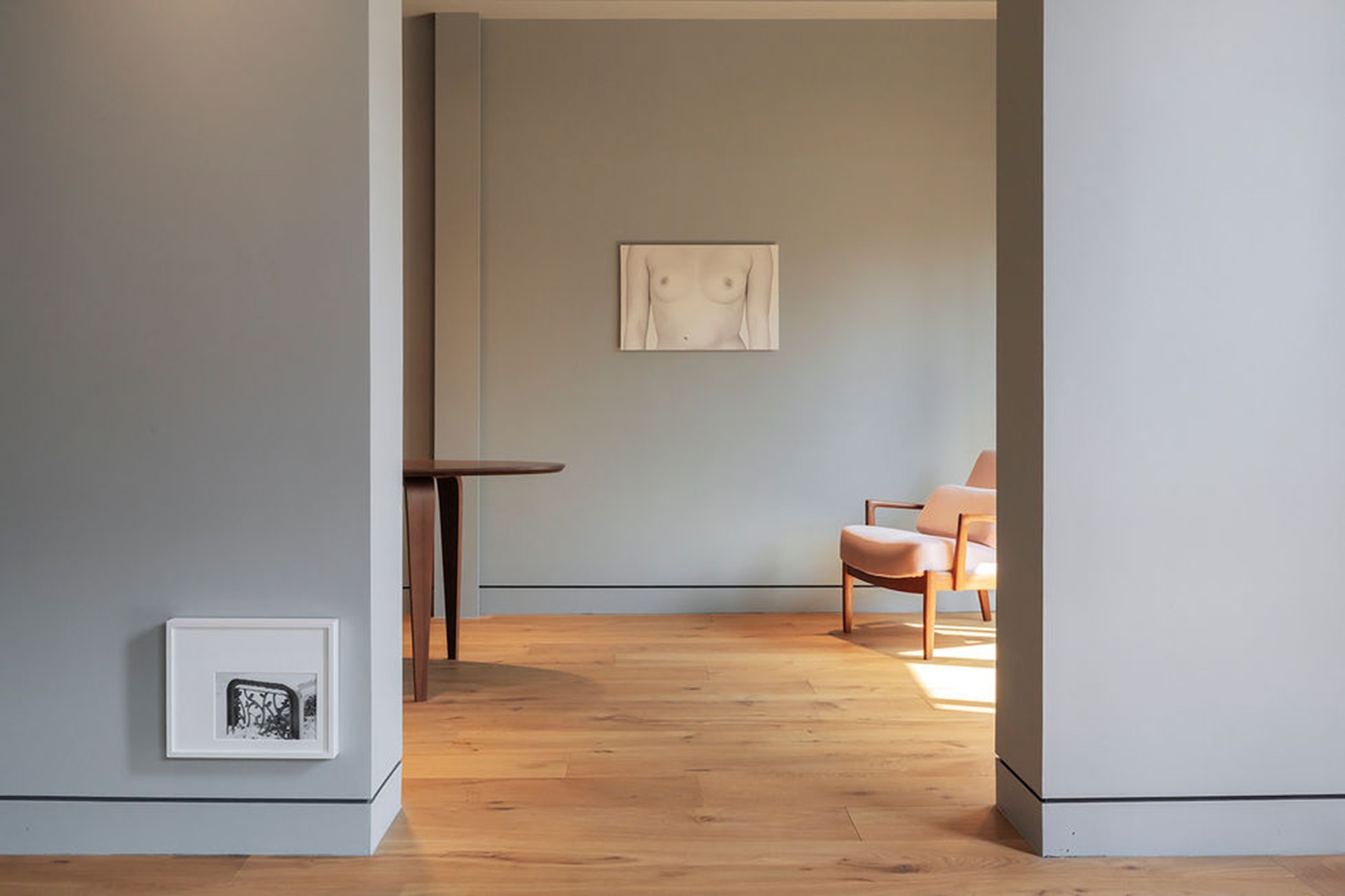
Floor #1

2018
Archival pigment print
55 x 77 cm
About The Work

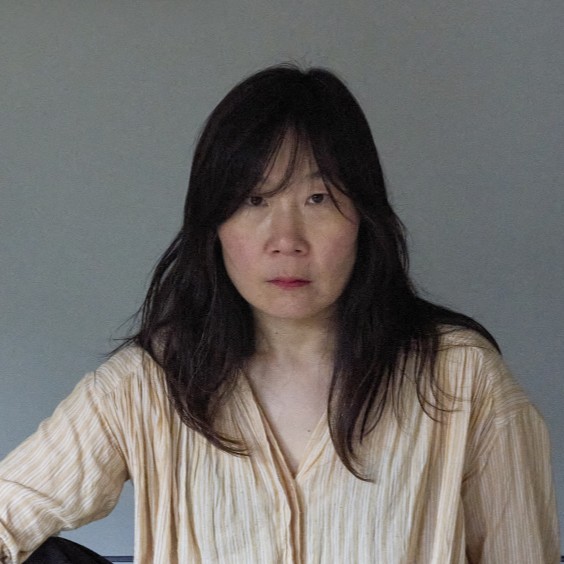
Eun Chun captures through photography the multilayered ways of looking at subjects and the sensory processes that unfold in relation to them. Her practice begins with the question, “What does it mean to see?” and explores how photography can allow us to sense a world that cannot be fully apprehended through vision alone.

Within the inherently vision-centered medium of photography, she instead reveals the limitations of sight, making the act of imagining and understanding what remains unseen a central concern of her practice.

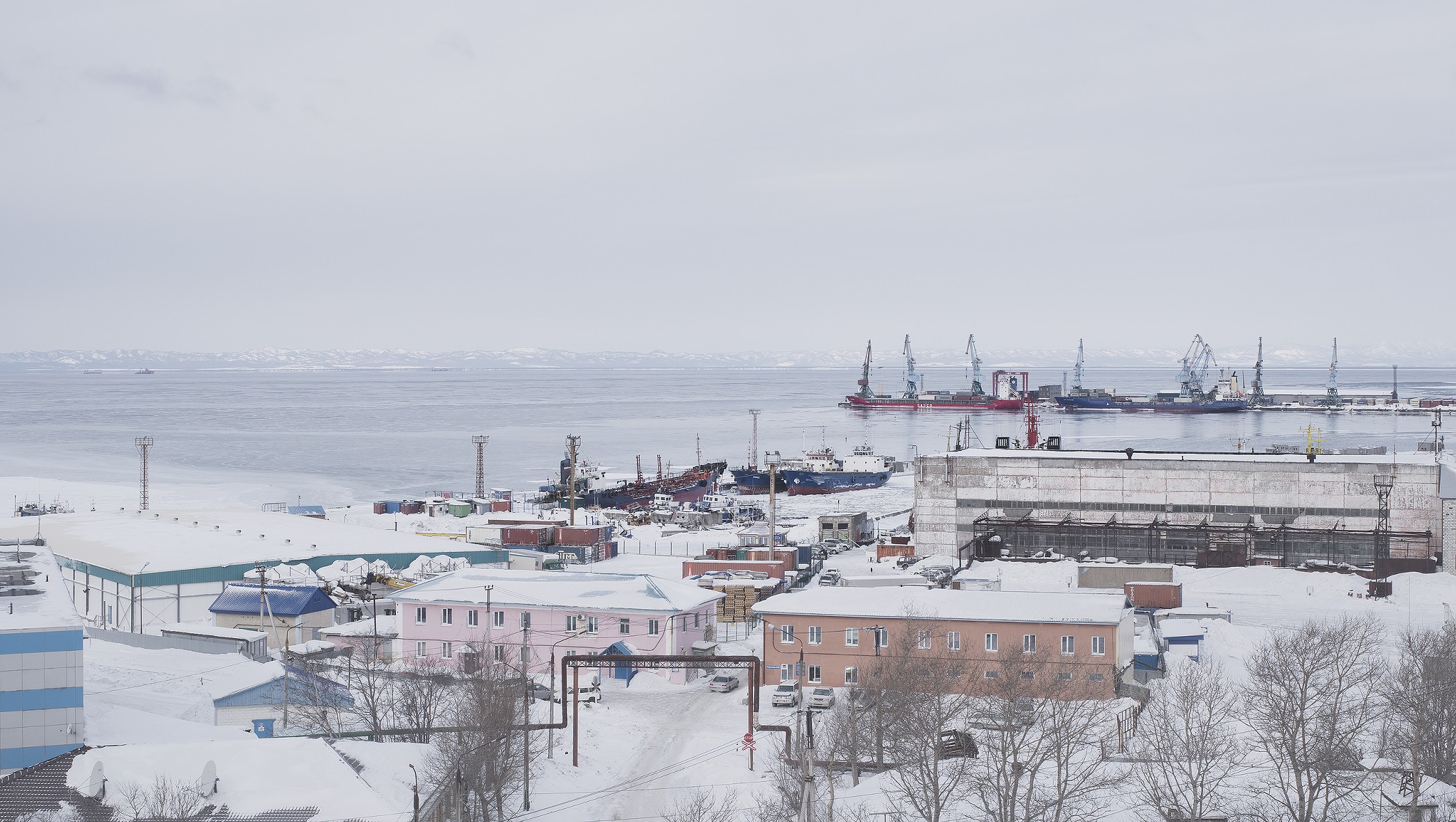
In Chun’s photographs, the desire to “see” often develops into a longing for places that remain beyond reach. She has described her artistic world as a “distant landscape that cannot be touched no matter how far one reaches,” and has characterized this orientation toward an unreachable elsewhere as an attitude that guides her practice.

This interest intersects with photography’s capacity to capture movement within a still image, inviting viewers to imagine movement that has not yet come to an end and the next moment that is yet to unfold within the frozen frame.

The attitude that runs through Chun’s practice, therefore, lies not in possessing or capturing a definitive subject through photography. Rather, it is closer to the process of looking closely and for a long time at beings that are not easily seen or fully understood, and slowly moving toward them.

Through photography, she narrows the distance between people, objects, and landscapes, capturing the various sensations and scenes that naturally emerge in the process.

Solo Exhibitions (Brief)

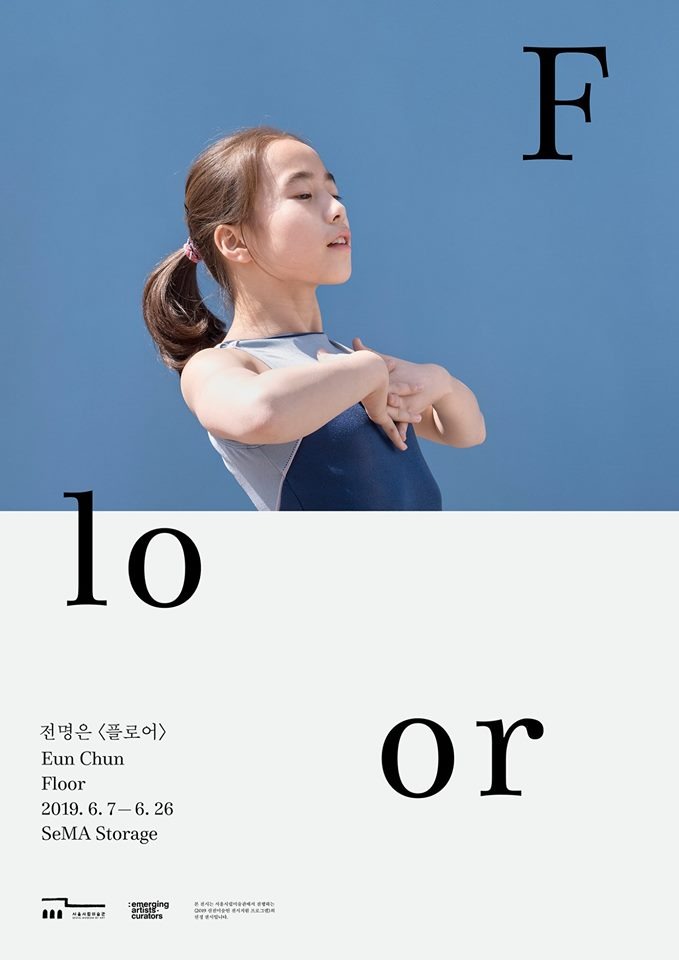
Eun Chun has held solo exhibitions at Bibliothèque Chaptal de la Ville de Paris in 2010, Amado Art Space in 2017, SeMA Storage, Seoul Museum of Art in 2019, GALLERY2 in 2020, Perigee Gallery in 2022, and PIBI Gallery in 2024.

Group Exhibitions (Brief)

Eun Chun has participated in group exhibitions at Gyeonggi Museum of Modern Art (2015, 2016, 2020), Pavillon Populaire in Montpellier (2017), DOOSAN Gallery (2018, 2023), Museum SAN (2019), Seoul Museum of Art (2020), Buk-Seoul Museum of Art (2022), and Art Archives Seoul Museum of Art (2023), and held a duo exhibition with Ahn Kyuchul at Kyobo Art Space in 2019.

Awards (Selected)

Eun Chun received the Amado Photography Award from Amado Art Space in 2017 and the Excellence Prize at the SongEun Art Award from the SongEun Art and Cultural Foundation in 2018.

Residencies (Selected)

Eun Chun participated in residencies at Seongbuk Young Art Space in 2014 and 2015, MMCA Residency Goyang in 2017, SeMA Nanji Residency in 2020, and Seoul Art Space Geumcheon in 2021.

Collections (Selected)

Works by Eun Chun are held in the collections of Seoul Museum of Art, Gyeonggi Museum of Modern Art, Daegu Art Museum, Goeun Museum of Photography, OCI Museum of Art, Gyeonggi Cultural Foundation, SONGEUN Art and Cultural Foundation, and the Art Bank and Government Art Bank of the National Museum of Modern and Contemporary Art, Korea.

Works of Art

Imagining Beyond What Is Seen

Originality & Identity

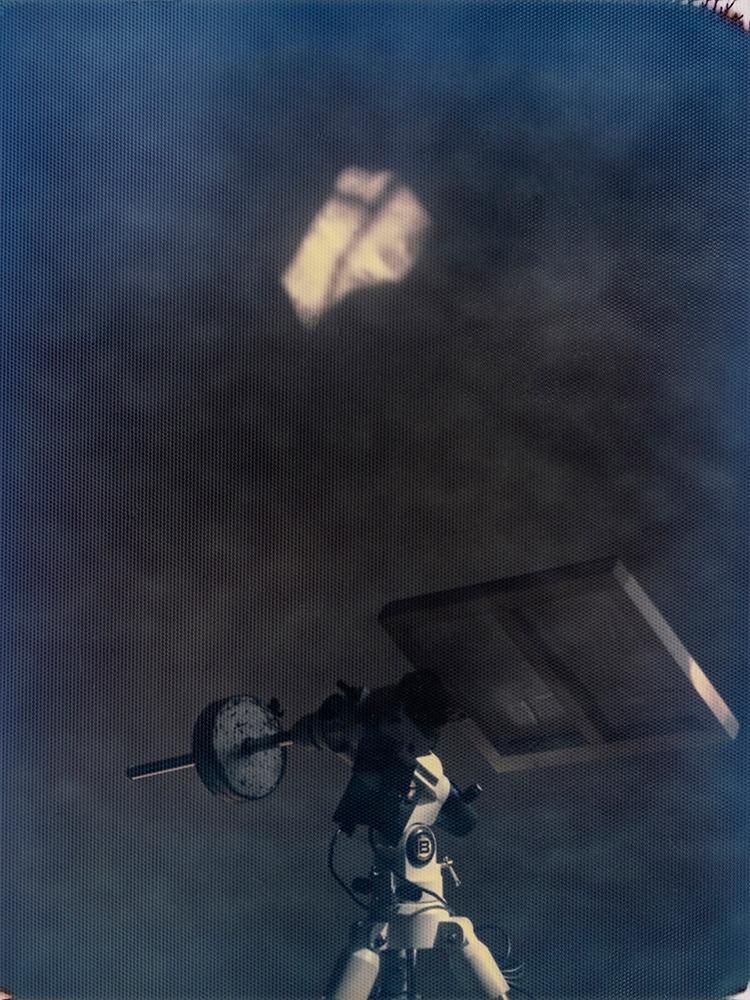
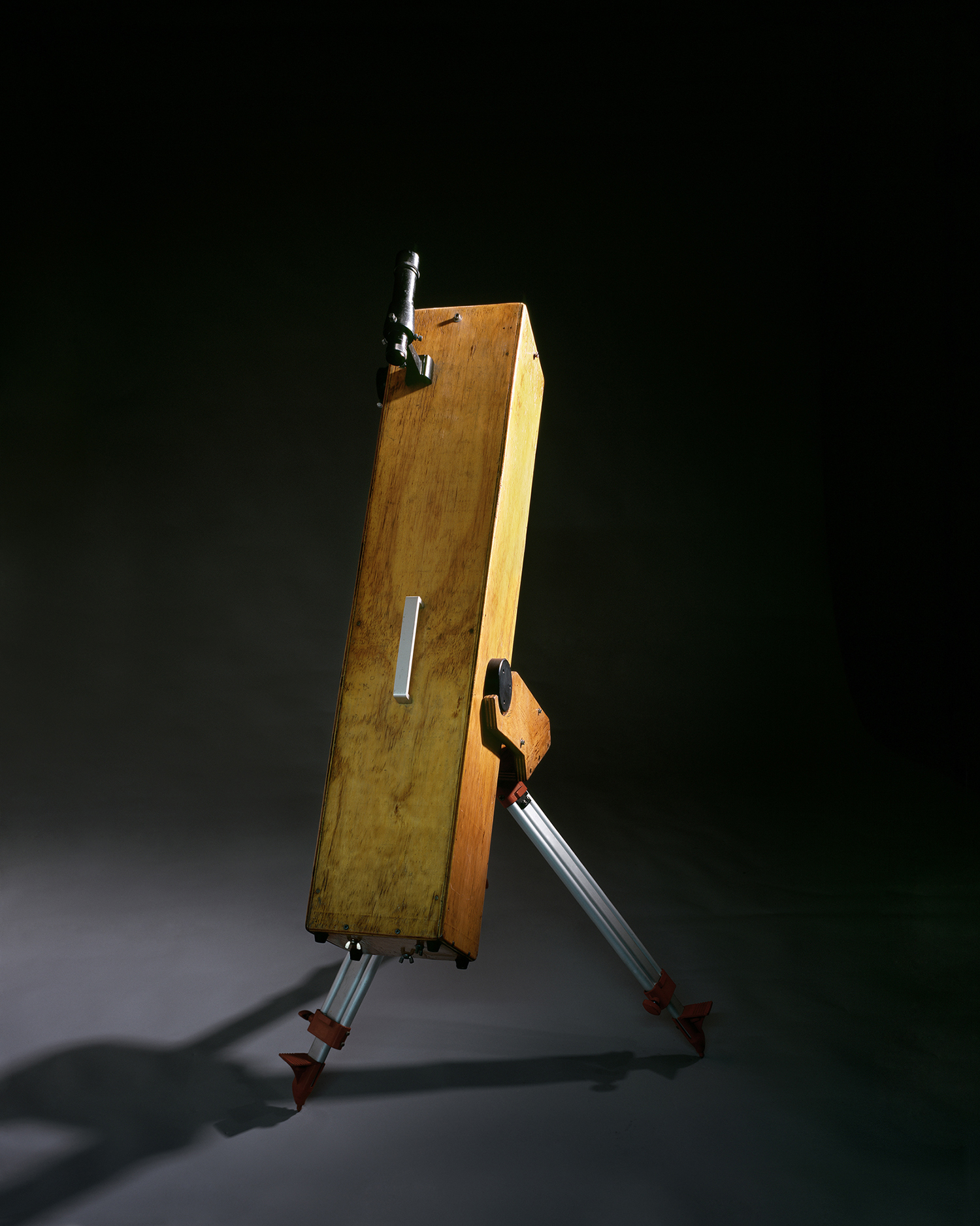
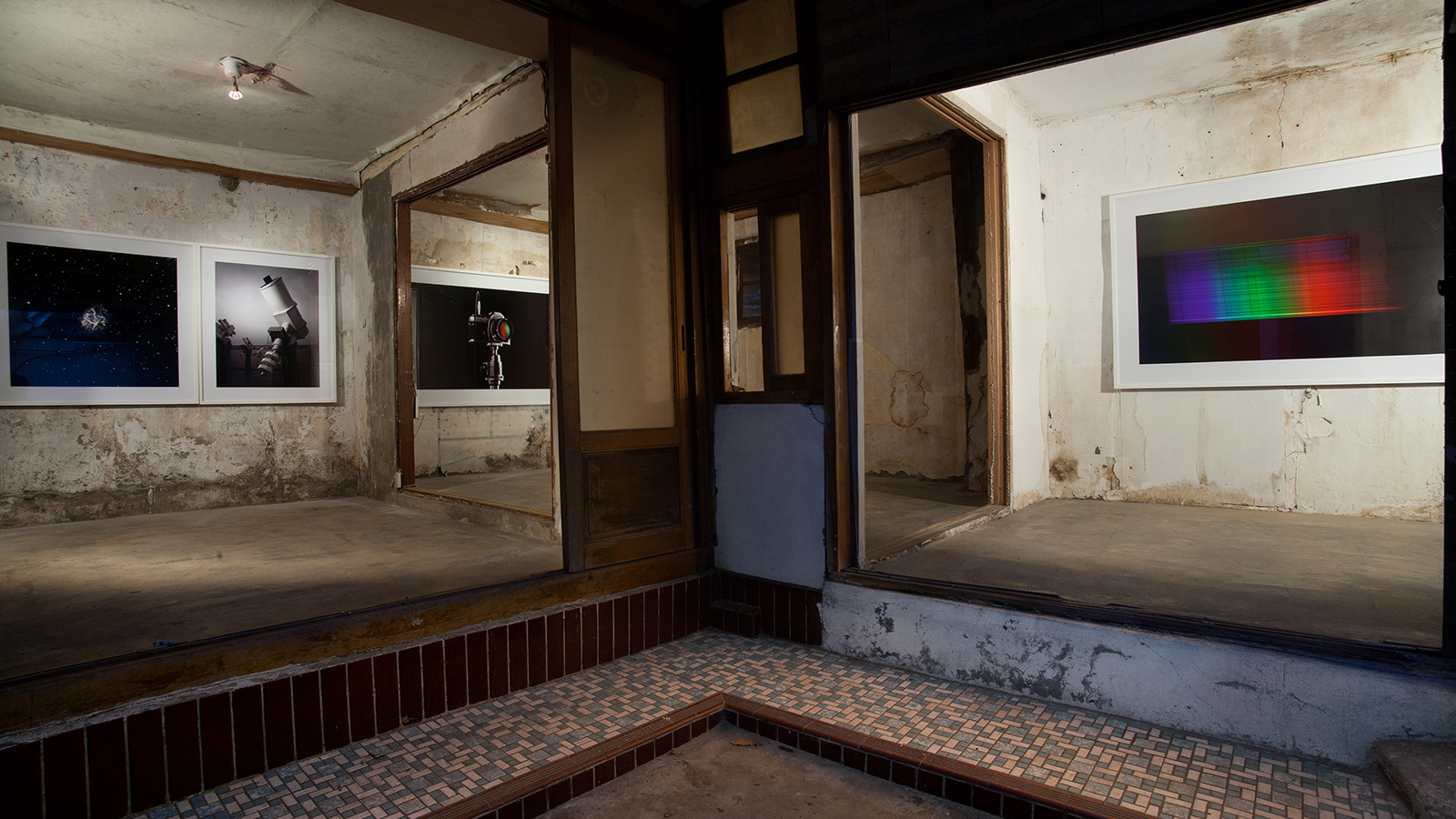
Eun Chun’s practice begins with the question of what it means to see, exploring how photography can enable us to perceive aspects of the world that cannot be directly confirmed through vision. Her early works focused on people who perceive and understand the world through different sensory systems, including the sign language of Deaf people, the sensory experiences and imagination of visually impaired individuals, and the observational practices of amateur astronomers.

In works such as Je Regarde, 'The Photography Is the Retina of Scholars', Blackbox Recorder, and Photograph of Someone, the image is presented as a process of perception formed through the interplay of sound, touch, language, memory, and knowledge. In 'Bird and Umbrella', Chun examines Foley artists who use ordinary objects to produce entirely different sounds, revealing how familiar objects can be perceived anew depending on the sensory pathway through which they are approached.

Working within photography, a medium conventionally associated with vision, Chun foregrounds the incompleteness of sight and makes the act of imagining and understanding what cannot be seen a central concern of her practice. 

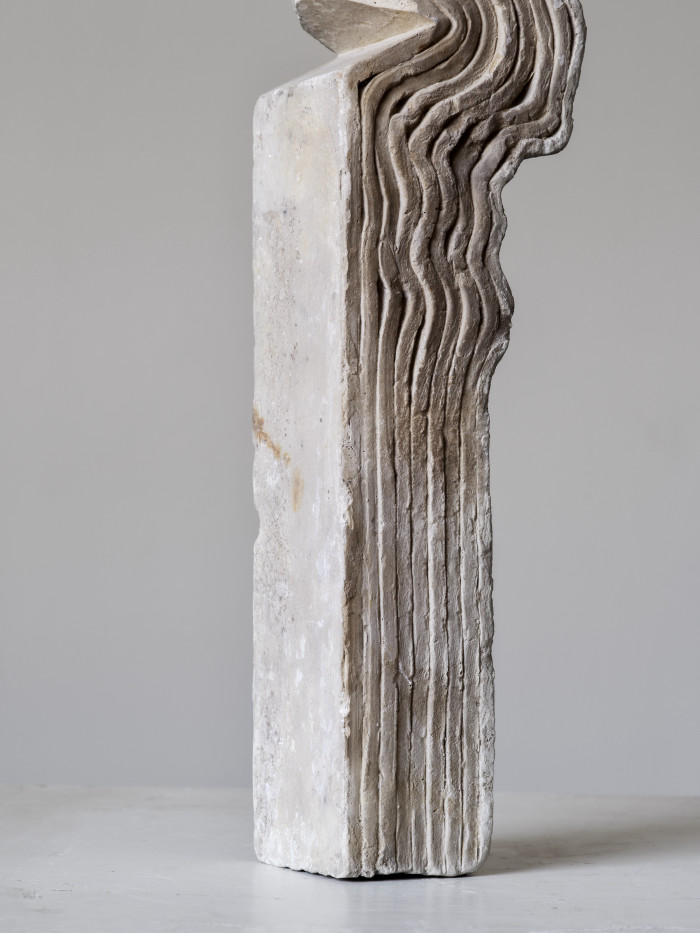
Throughout this process, Chun’s sustained interest lies less in particular professions or identities themselves than in the distinctive ways individuals perceive and make sense of the world. For an astronomer, a telescope embodies an aspiration toward distant stars; the props used by Foley artists evoke unseen scenes through sound; and the objects and traces of a sculptor’s hands summon the time and sensibility of someone who is no longer present.

Chun has long regarded meeting, observing, and gradually approaching the world of a person who draws her curiosity as an integral part of her practice. She has described getting to know an individual as akin to “discovering a universe,” while also noting that the subject of a photograph demands not to be judged carelessly by the photographer. This attitude is rooted in respect for the subject and in maintaining an appropriate distance, allowing different gazes to intersect within the photograph without subsuming another person’s life into the artist’s own narrative. 

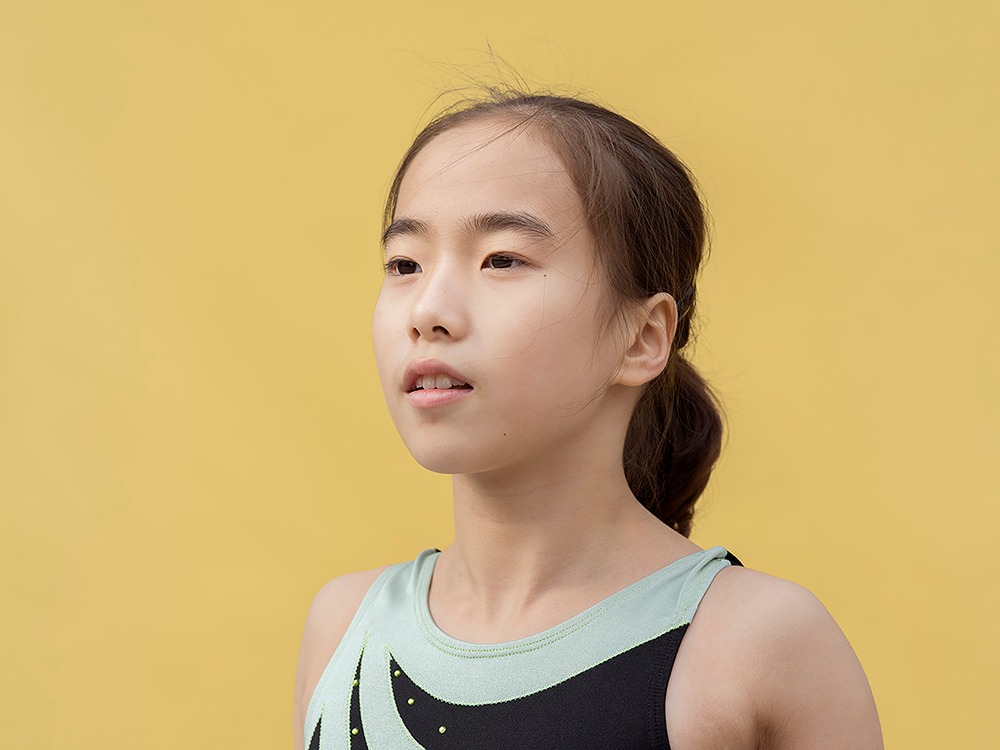
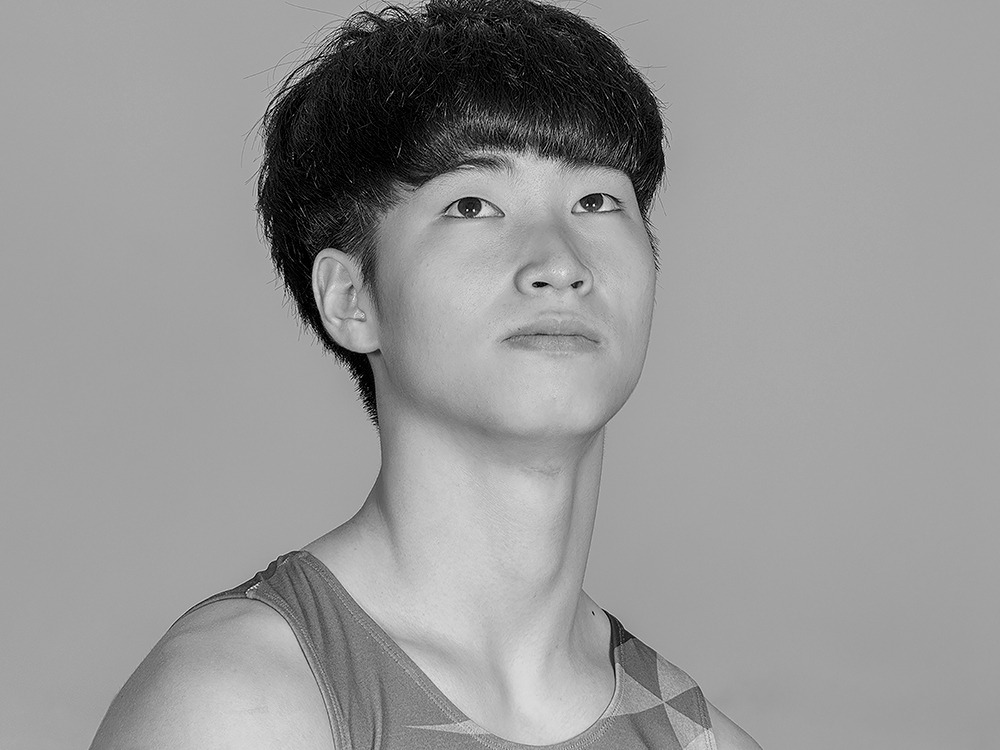
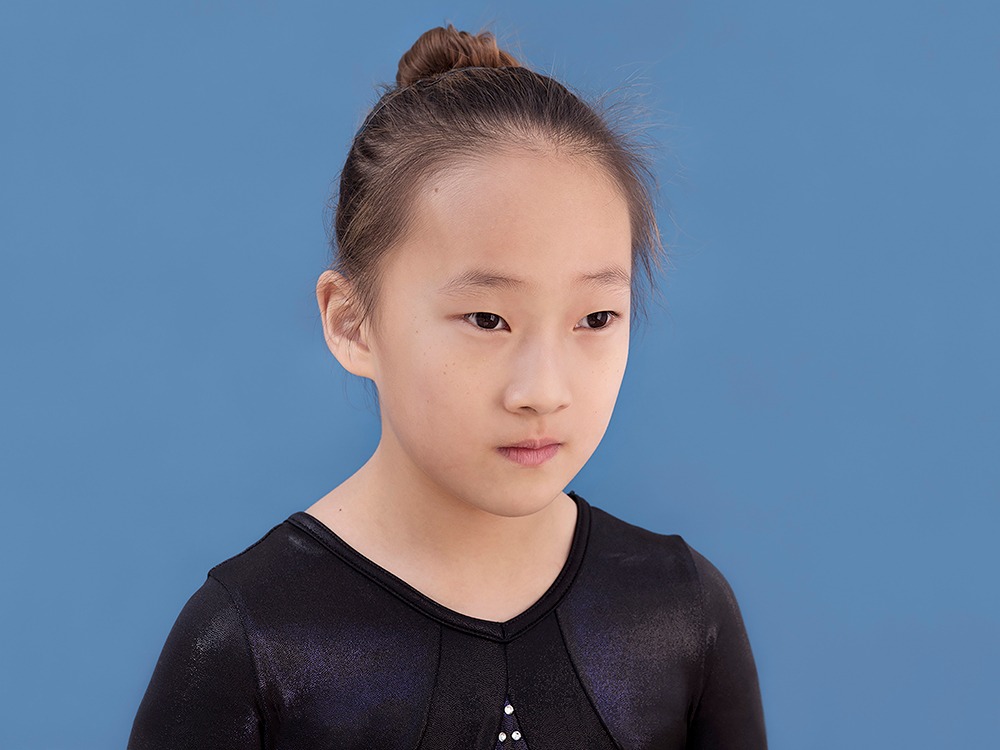
In Chun’s photography, the desire to see often develops into an aspiration toward something that remains out of reach. Amateur astronomers construct telescopes to observe celestial bodies invisible to the naked eye; visually impaired individuals form images through language and touch; and gymnasts prepare for their next movement within a moment of apparent stillness.

Across these subjects runs an impulse to move beyond the conditions of the present and toward somewhere yet unreached. Chun has described her artistic world in relation to “a distant landscape that cannot be touched no matter how far one reaches,” identifying this orientation toward the unattainable as a recurring attitude throughout her practice.

This concern also intersects with photography’s capacity to arrest movement, prompting viewers to imagine an unfinished motion or a moment yet to come within the still image. Recurring images of flight and movement in 'Glider', 'The Guide', and 'Bird and Umbrella' give tangible form to this persistent aspiration. 

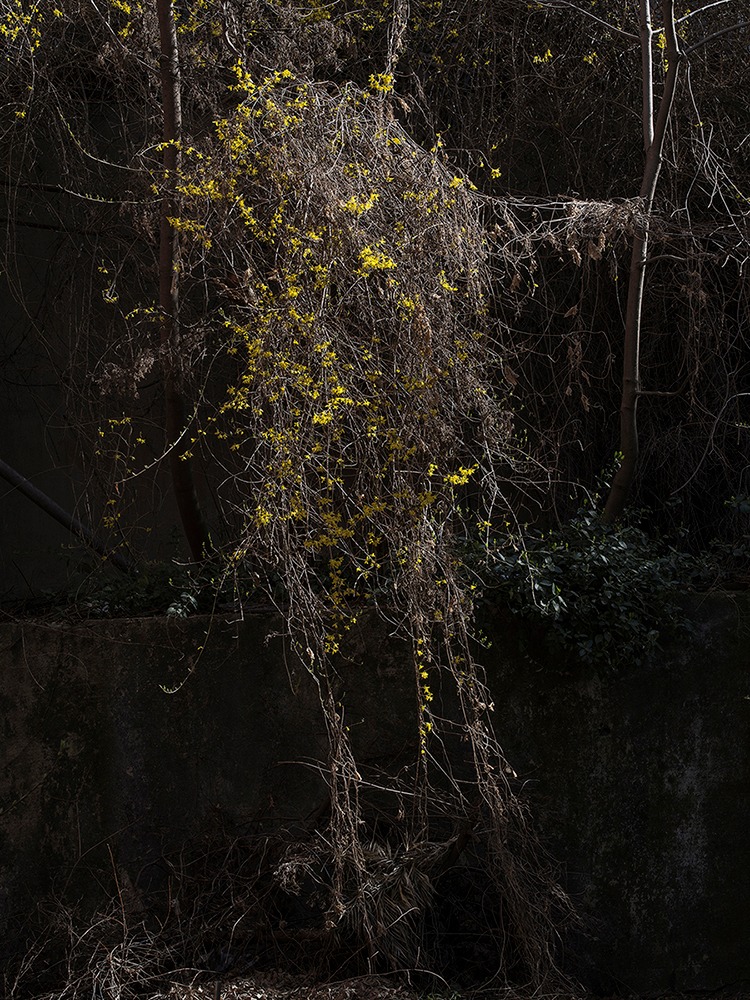
In Chun’s more recent work, these concerns have expanded toward the seasons, light, people and living creatures around her, and objects retained from her own daily life. In 《Winter in My Arms》, winter extends beyond the name of a fixed season to become a state in which time lingers while awaiting its next transformation, as photographs of people and animals encountered across the season reflect on time shared between the self and others.

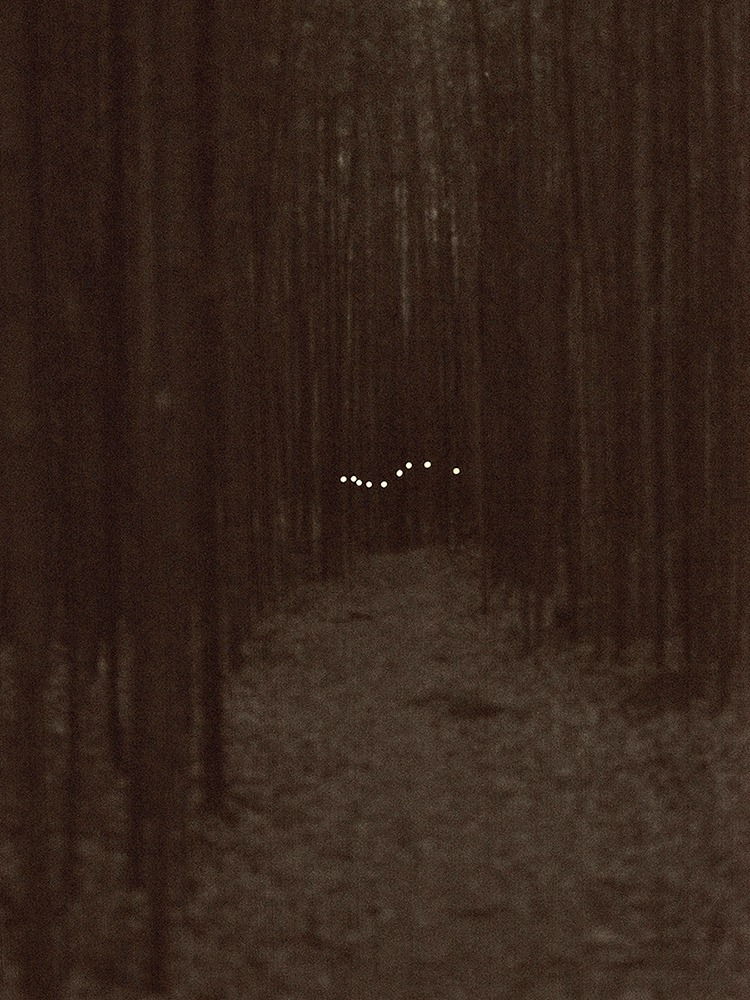
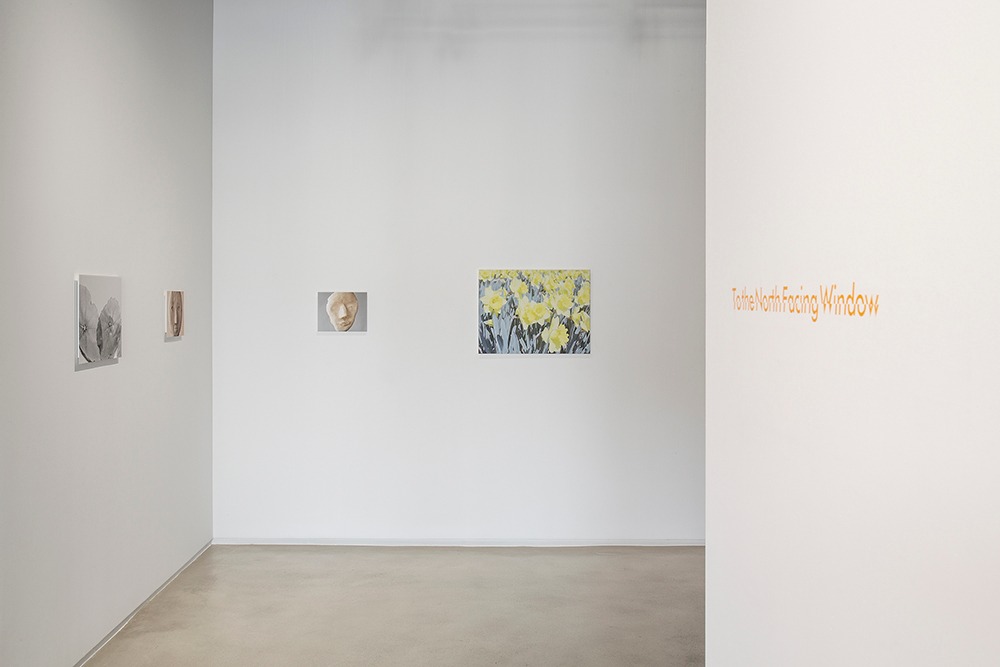
In 《To the North Facing Window》, faint light, the flickering of fireflies, the movements of butterflies and jellyfish, and faces created by visually impaired students bring small, fragile, and easily vanishing things into focus. Here, light operates both as a physical phenomenon and as an expression of waiting for something distant, attending to subtle signs of life, and seeking to understand the world through differing sensory experiences.

Chun’s distinctive artistic identity thus emerges through her sustained attention to what remains difficult to see or fully comprehend, and through the patient gesture of looking toward and approaching such elusive presences.

Style & Contents

Eun Chun works primarily with photography, yet does not allow the information contained within an individual image to fully determine the work. She constructs series from multiple photographs, juxtaposes different subjects, and incorporates the processes and stories surrounding the making of each image to reveal the time that exists before and after the photograph itself.

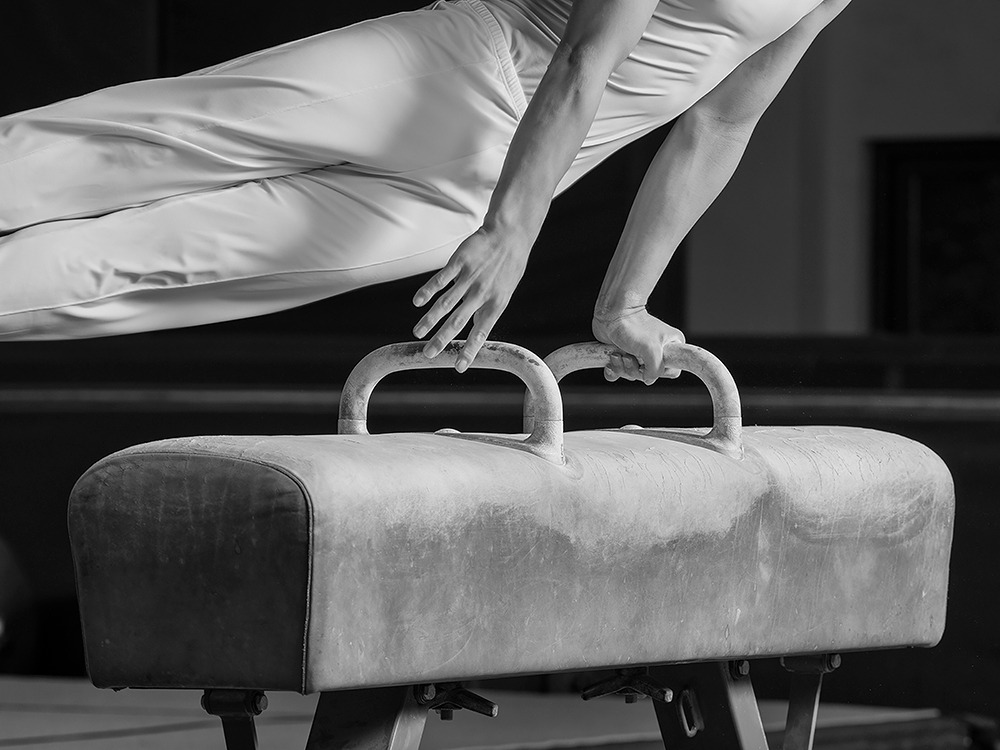
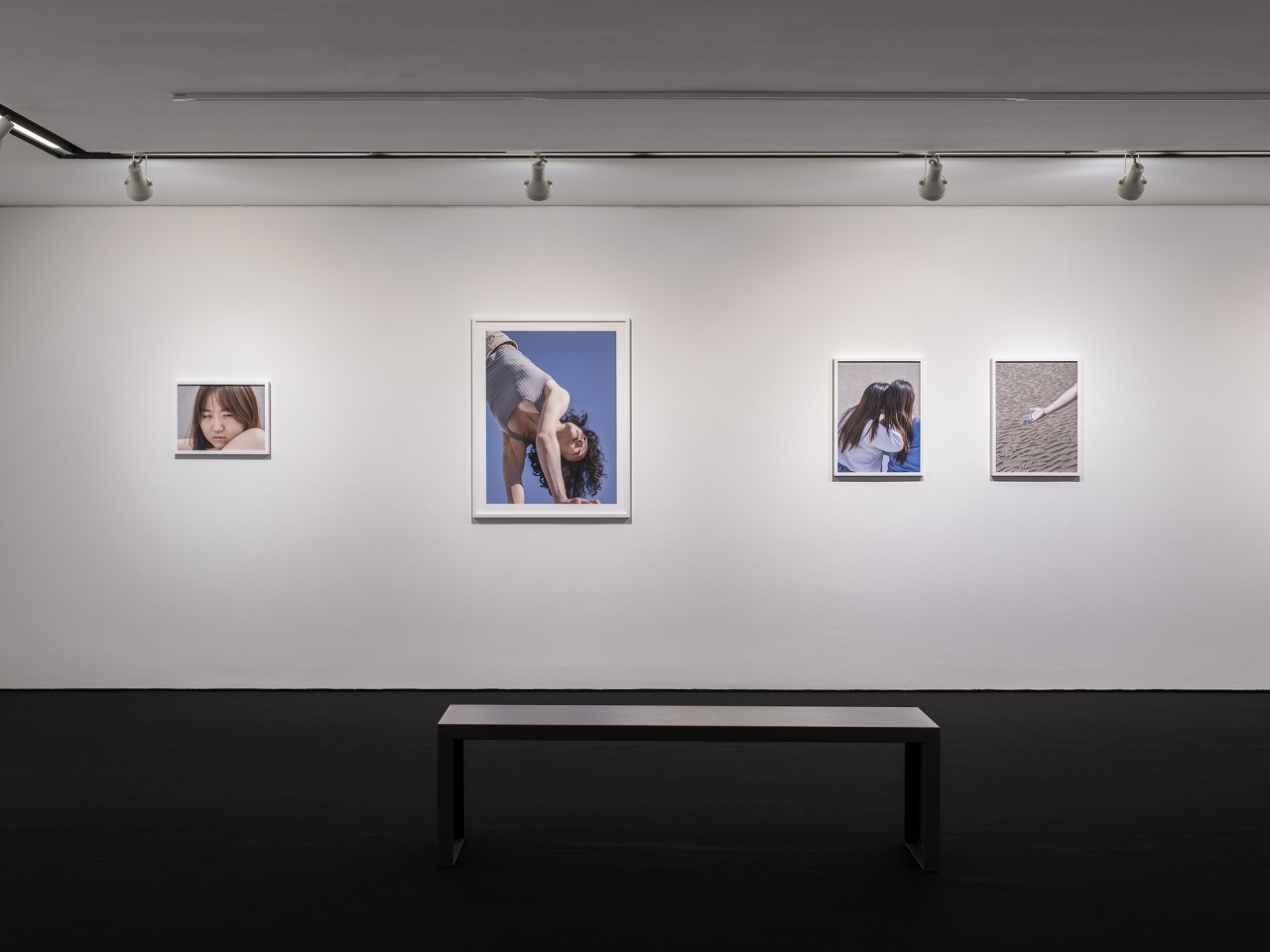
In 'The Photography Is the Retina of Scholars', she connects telescopes handmade by amateur astronomers with astronomical images produced through those instruments, while in 'The Guide' and 'Glider', she closely observes fragments of bodies and objects such as branches, hands, arms, and shoulders. Strong contrasts of light and dark, clearly defined contours, and tactile textures emphasize the material qualities of her subjects and the direction of physical forces, allowing even a still photograph to suggest movement yet to unfold.

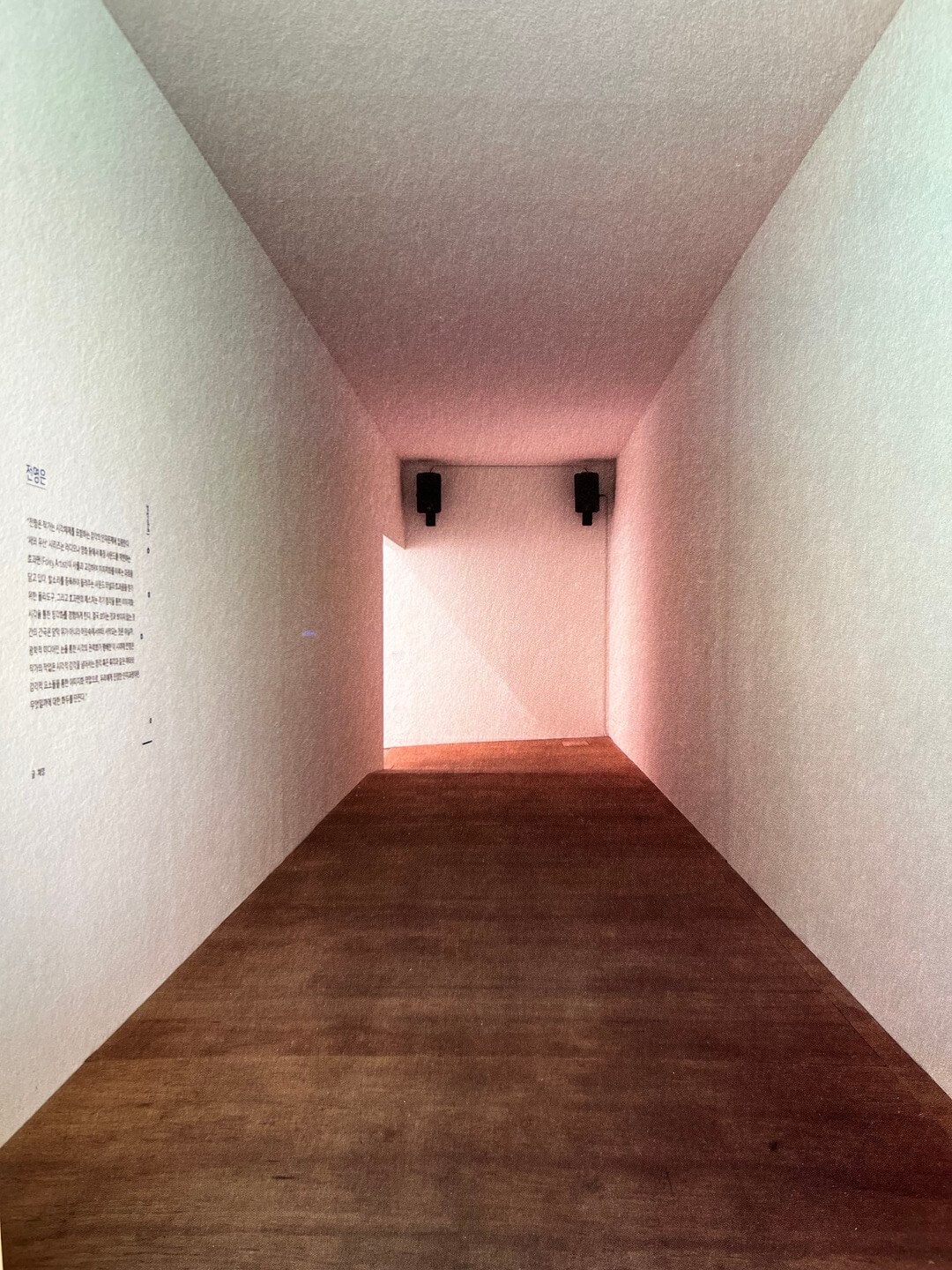
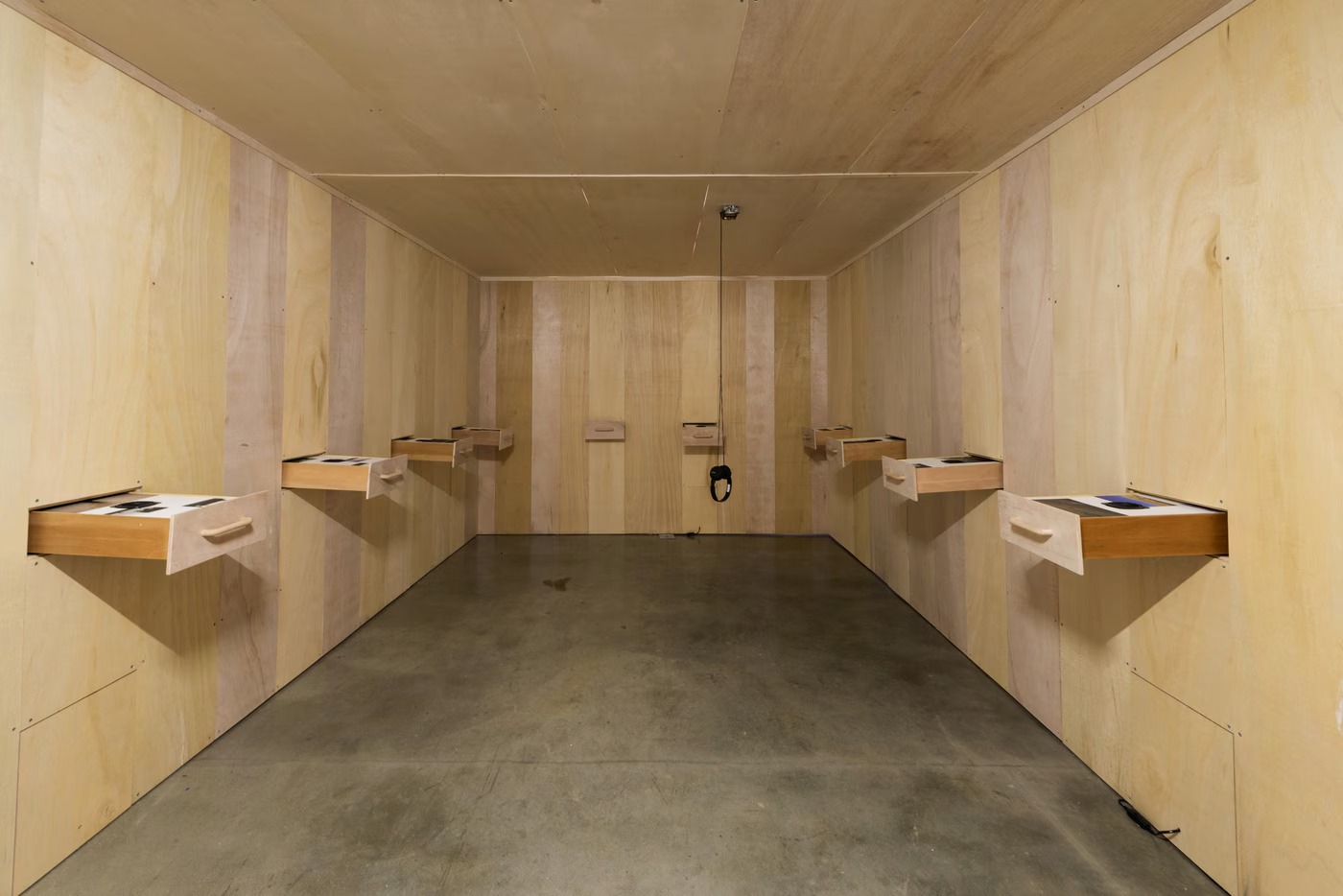
Photography also expands into encounters with sound, objects, and the viewer’s movement through exhibition space. In 'Bird and Umbrella', Chun combines photographs of Foley props with physical objects and sound effects, arranging the installation so that viewers pass through a passage where their footsteps are amplified before encountering the works.

The forms seen by the eye and the sounds heard by the ear evoke different objects, unsettling the assumed correspondence between vision and hearing. In Searching for the Photograph, a black-and-white photograph of her father is projected onto both a wall and a sheet of glass rotating in midair, transforming a fixed photograph into a moving image within space. Chun thus retains photography’s planar character while incorporating its placement, surrounding objects and sounds, and the viewer’s mode of encounter into the structure of the work.

Writing is similarly intertwined with photography throughout Chun’s practice. In A Certain Photograph, written descriptions of a photograph were conveyed to visually impaired participants, whose subsequent letters became part of the project, while in Geum-gok, the memorious, the recollections of people who had lost their sight later in life were transcribed in both printed text and Braille and presented alongside photography.

In 'Le repos incomplet (Sculptor’s Time Lies Still)', Chun photographed a sculptor’s studio and the plaster forms left behind while writing about an absent person, the arrested instant of a photograph, and the continuation of lived time.

Text in these works does not function simply as an explanation that fixes the meaning of an image; instead, it recalls events and memories that remain outside the photographic frame. Chun has consistently produced books and printed matter alongside exhibitions, moving between image and writing to extend the temporal and relational narratives that a single photograph cannot contain.

In her more recent photography, this carefully structured approach has increasingly been accompanied by an emphasis on the pleasure of looking at the image itself. In 《Glider》, Chun reduced elements such as text and objects that had frequently accompanied her earlier exhibitions, directing attention toward the forms created by gymnasts’ bodies and postures within the photographs.

In 《To the North Facing Window》, she embraced greater contingency and spontaneity by hanging photographic prints without frames and shooting some scenes on film, while delicately capturing the colors and textures of subjects that flicker, glow, or move, including fireflies, butterflies, jellyfish, and plants.

Her practice of waiting for brief appearances of light and subtle movement brings photography’s stillness into tension with her enduring interest in motion, allowing the time spent encountering, waiting for, and observing a subject to permeate the photographic form itself.


Topography & Continuity

Eun Chun’s practice began in the early 2000s with photographs documenting place and time and has steadily expanded through projects exploring the gazes and sensory experiences of others, series addressing bodily movement and the materiality of objects, and more recent works concerned with light and the seasons.

Her early photographs were characterized by the act of moving through different locations, positioning objects within particular settings, and recording the surrounding landscape. She later turned her camera toward people who perceive the world in ways different from her own, including amateur astronomers, visually impaired individuals, Foley artists, sculptors, and gymnasts.

Although her subjects and figures have changed over time, her effort to gauge the distance between herself and her subjects through the camera and to approach the perspectives of others has remained consistent throughout her practice.

Within this trajectory, “movement” serves as an important thread connecting different periods of Chun’s work. Movement sometimes appears directly through the bodies of gymnasts, but it also takes broader forms: the gaze of an astronomer directed toward distant stars, the gestures of Foley artists producing sounds, or the persistence of time within a still photograph.

From 'The Guide' to 'Floor' and 'Glider', lines, weight, and the direction of force within bodies and objects become increasingly pronounced, prompting viewers to imagine the moments preceding and following the photographic instant within a medium that arrests movement. Chun herself has described her practice as an exploration of “movement in all its forms,” and this concern provides an important continuity between her earlier investigations of perception and her more recent work.

While remaining centered on photography, Chun’s practice moves fluidly among research and documentation, writing, books, sound, installation, and performance, establishing a distinctive position within contemporary photographic practice. Her background in sculpture can be traced in her attention to the surfaces and volumes of objects, as well as to bodily structures and physical forces, while photography has functioned both as a fixed image and as a means of approaching unfamiliar worlds.

Critic Yoon Wonhwa has described photography in Chun’s practice less as an explicit goal or singular means than as something akin to a “memory device or map” through which the artist’s movements and experiences accumulate. Her work consequently brings together aspects of documentary photography concerned with observing people and society, conceptual inquiries into the conditions of perception and images, and an installation-based sensibility for organizing space and objects.

Since the 2020s, Chun’s gaze has shifted toward nearby seasons and light, plants and animals, personal memories, and objects closely connected to her everyday life, yet her earlier concerns continue to resonate. In 《To the North Facing Window》, her long-running work with visually impaired participants, which dates back to around 2012, reappears alongside faint light and incomplete visual experiences, extending her longstanding question of how we see within the conditions of photography.

As her attention has moved from observing the worlds of others toward the proximity of her own daily life and memory, the scope of her practice has broadened, while her impulse to approach what remains unseen, her sensitivity to time within the still image, and her patient attention to subjects from a measured distance have persisted.

Works of Art

Imagining Beyond What Is Seen

Articles

Exhibitions

Activities