Frenger - K-ARTIST

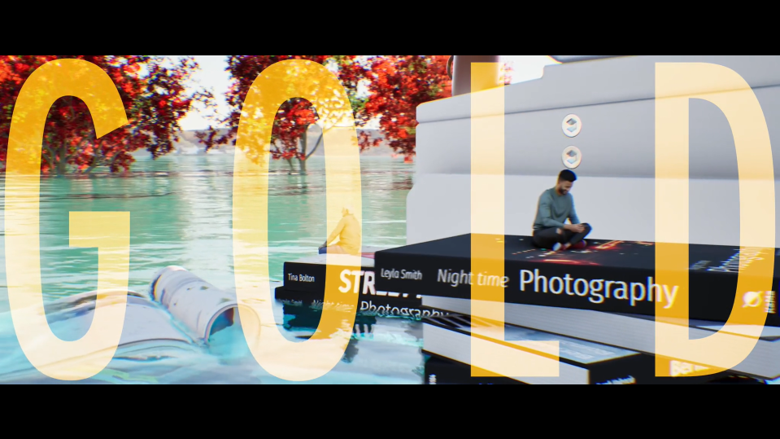
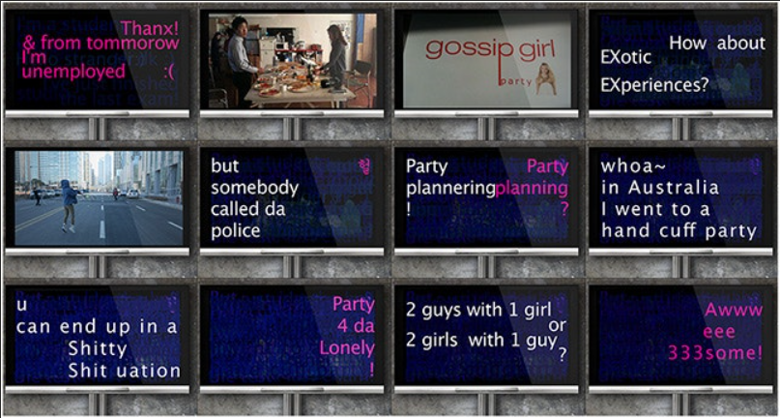
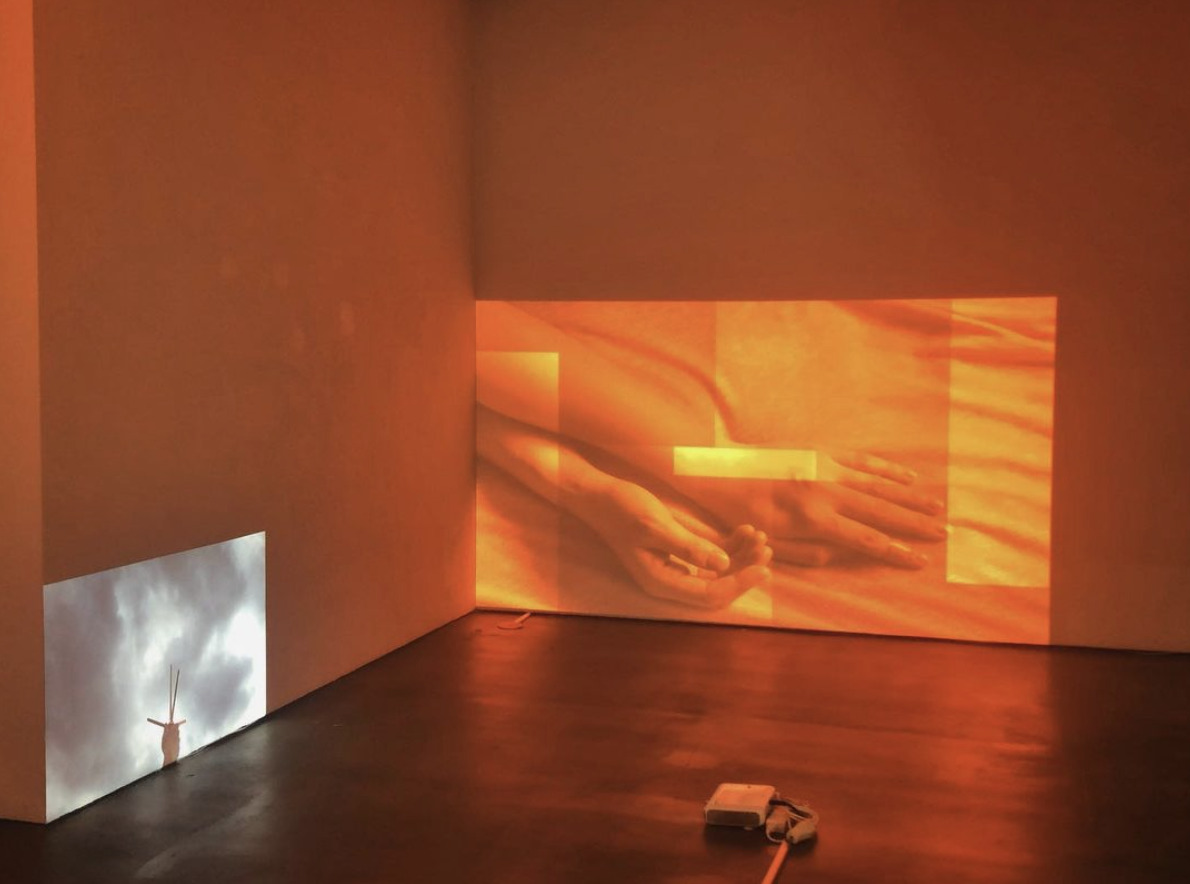
Frenger

2010
Video
11min 10sec
About The Work

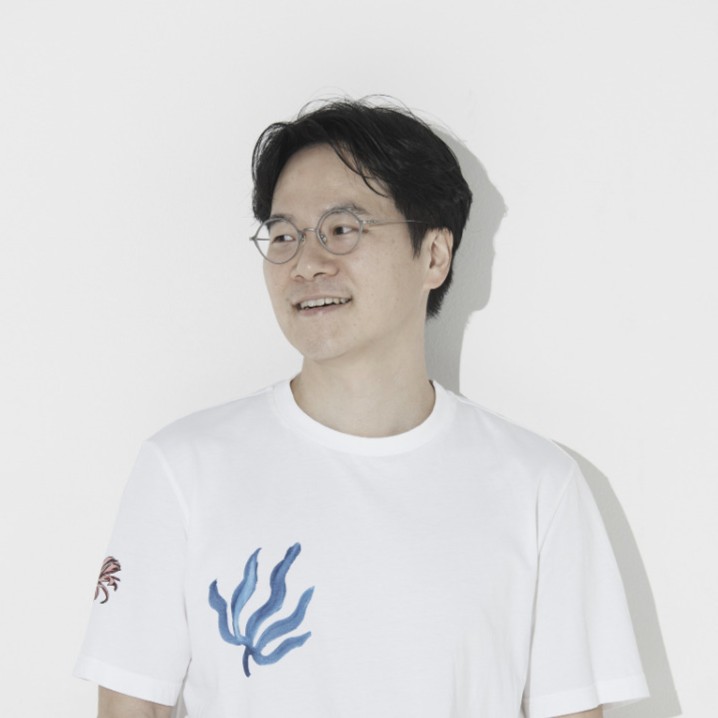
Daum Kim has explored and made visible the boundaries between physical space and virtual environments, as well as between private experience and social context, based on the concept of the “interface.” In particular, he focuses on the traces and sensations that emerge from the people and places he encounters in the course of everyday life, exploring them through various media including video, sound, and installation.

For the artist, these boundaries are spaces where private and public realms intersect and diverse relationships are formed, as well as places where different materials and sensations come together to take concrete form as reality.

Daum Kim gives sensory form to the diverse “networks of relationships” that people form in the course of everyday life through elements such as images, data, and sound. Within his works, signs and information connect and circulate among one another, at times functioning as guides that point toward new directions.

These elements come into contact and influence one another in different ways, generating new events and relationships while continuously undergoing processes of disappearance and transformation that give rise to further possibilities.

Beginning with private experiences, Kim’s practice extends beyond individual memories and sensations into stories that can be shared within the diverse networks of relationships that shape contemporary life. These stories take on an increasingly synesthetic form as media, exhibition spaces, and the bodies, gazes, and movements of viewers become organically interconnected.

Through structures in which different elements form relationships and exchange sensations, the artist invites viewers to perceive and experience the networks of relationships embedded in everyday life anew.

Solo Exhibitions (Brief)

Kim has held solo exhibitions including 《dazzled & muddled》 (Primary Practice, Seoul, 2023), 《Blind Road》 (Factory2, Seoul, 2019), 《By the Bamboo Forest》 (Space Willing N Dealing, Seoul, 2015), and 《RSVP》 (Art Sonje Center, Seoul, 2014).

Group Exhibitions (Brief)

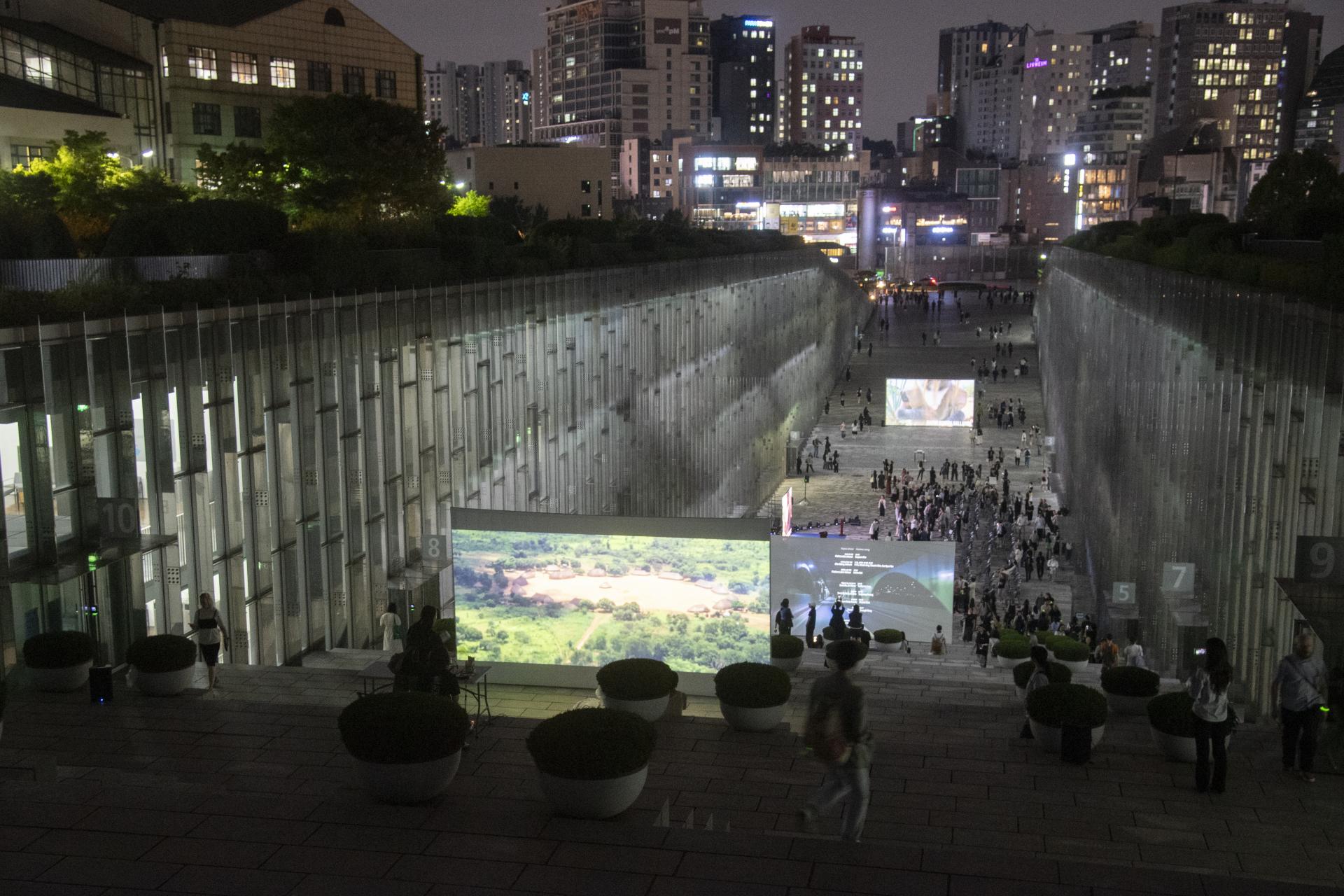
Kim has also participated in numerous group exhibitions, including EMAP 2026 《A Million Silver Bamboo: The Rain We Share》 (Ewha Womans University, Seoul, 2026), 《Melancholia》 (Primary Practice, Seoul, 2025), 《Between the Lines.》 (MO BY CAN, Seoul, 2024), 《Frieze Film 2023》 (Artspace Boan 1, Seoul, 2023), 《Archived Memories》 (SeMA Bunker, Seoul, 2022), 《The Last Consummate Second Symphony No. 2》 (Nam June Paik Art Center, Yongin, 2022), and 《The 22nd SONGEUN Art Award Exhibition》 (SONGEUN, Seoul, 2022).

Residencies (Selected)

Kim has participated in residency programs including CAN Foundation Myeongnyun-dong Studio (2025), the MMCA Residency Goyang (2023), and Seoul Art Space Geumcheon (2022).

Collections (Selected)

Kim’s works are held in the collections of institutions including the Seoul Museum of Art.

Works of Art

The Interface Where the Private and the Public Intersect

Originality & Identity

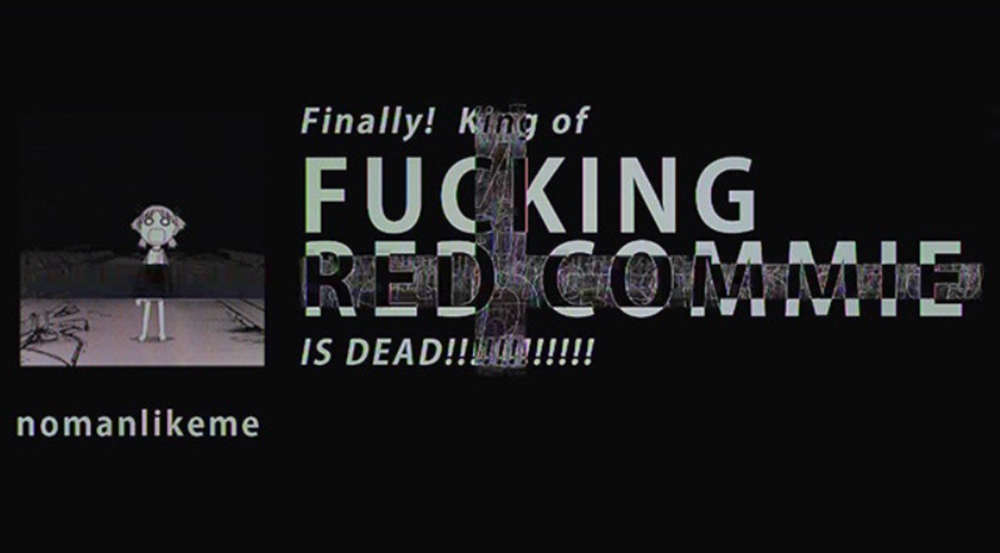
Daum Kim’s practice begins with the idea of the “interface” as a space where people meet people, people encounter objects, and individuals come into contact with society. In his early works, he focused particularly on non-face-to-face relationships formed through the internet and social media. In Rika(2009–2010), Frenger(2010), and Jong-Il(2012), he conducted long-term research into chat logs and social-media timelines, collecting and classifying them to examine how people who never physically meet form relationships and retain memories of one another through text and data alone.

Here, the interface functions not simply as a technological device but as a relational space connecting the individual to an unseen other. His interest soon expanded from private chat to the rapid flow of collective information on social media, allowing him to move between social signs embedded in intimate conversations and traces of individuality found within public events.
 
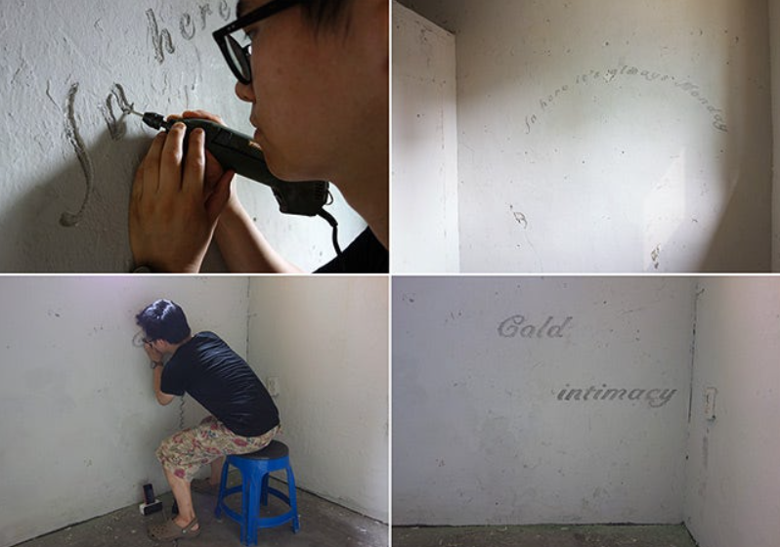
From around 2013, this interest in the “in-between” moved beyond online environments toward the exhibition space and the structures of social relations. In In Here It’s Always Monday/Cold Intimacy(2013), he engraved text into a gallery wall and then filled it back in, leaving the artist’s presence almost invisible.

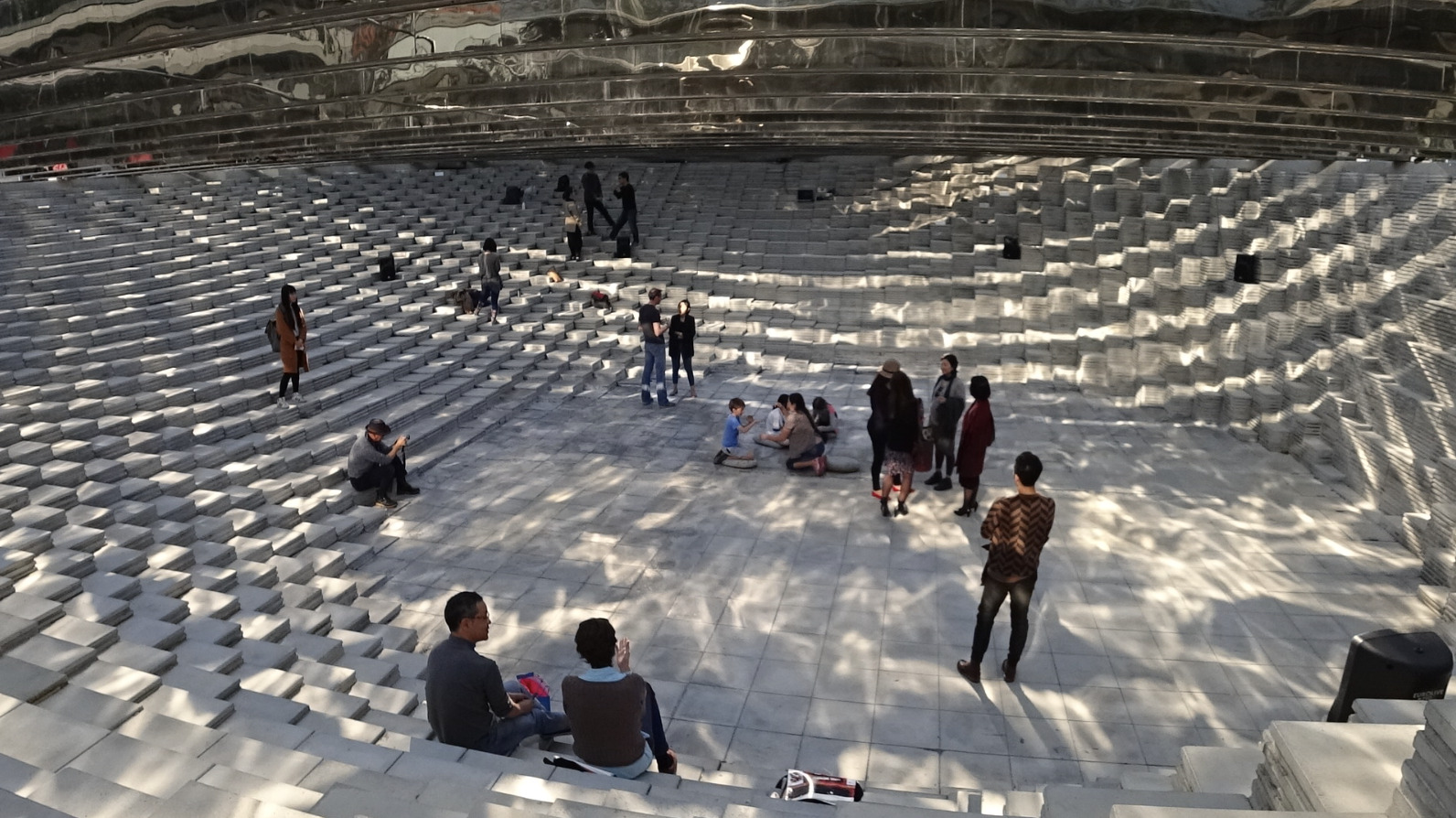
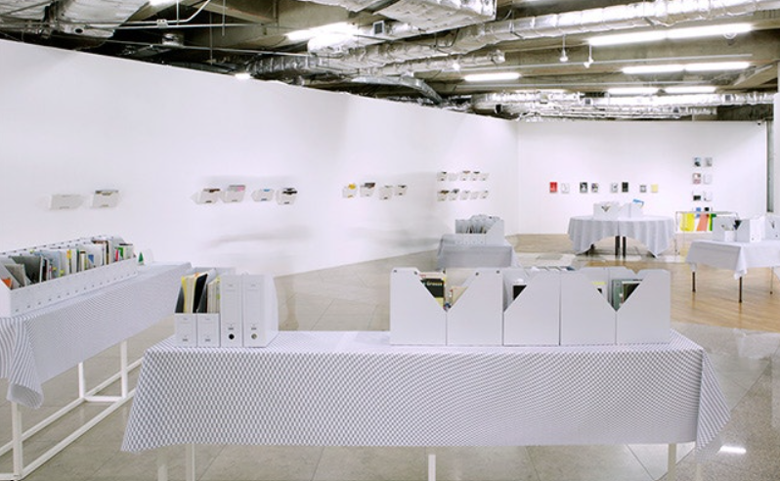
In 《RSVP》(Art Sonje Center, 2014), he approached the exhibition space itself as an interface through which hospitality and relationships could operate. A significant shift at this stage was his move away from directly presenting the content of relationships toward revealing himself indirectly through arrangements, classifications, and residual traces. The interface thus expanded from the screen through which communication takes place to the physical conditions that organize relationships, including walls, books, exhibition spaces, and the movement of viewers.
 
Through 《By the Bamboo Forest》(Space Willing N Dealing, 2015) and Blind Land(2016), this concern developed into an inquiry into how individuals establish and navigate their positions within imperfect social conditions. In the former, the anonymous online “Bamboo Forest” community was understood as an interface that could both conceal and amplify voices, while in the latter the real-estate concept of “blind land”—a plot accessible only by crossing someone else’s property—became a model for understanding social relationships.

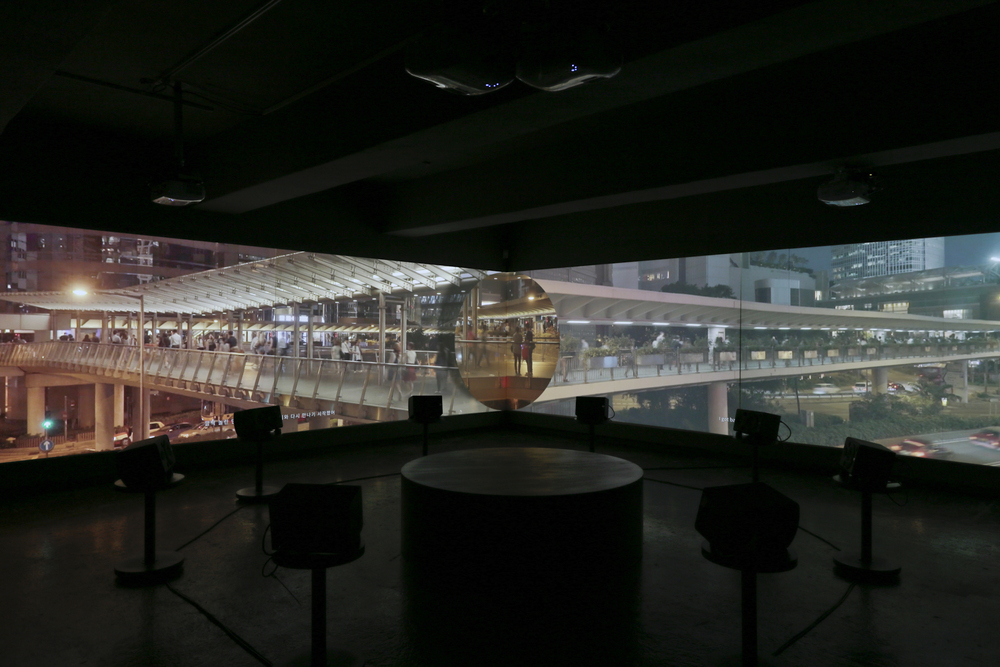
Through narrators in Seoul, Hong Kong, and Taiwan who occupy, leave, or encounter abandoned spaces, Kim expanded his inquiry from interpersonal communication toward questions of ownership, occupation, movement, and memory. The “in-between” was no longer merely an abstract relational field, but became a social and physical condition through which individuals must actually pass in order to live.
 
In the 2020s, the focus of Kim’s practice gradually shifted toward the sensations and emotions left on individuals by such relational structures. Drawing on his experience of caregiving as a new point of departure, works such as Walking Lullaby(2021), Liminal(2022), and 《dazzled & muddled》(Primary Practice, 2023) turn toward difficult-to-grasp emotions such as anxiety, helplessness, hope, and tension arising in the gap between reality and the ideal.

Whereas his earlier works collected and classified traces of relationships, his more recent practice increasingly asks how the vibrations and memories left in the body after passing through those relationships can be translated into sensory form. In the recent 'Measure'(2024–) series, “measurement” becomes a means of translating inner sound and emotion into line, color, and texture, extending his long-standing interest in the interface from external relational structures toward the sensory boundary where the inner self meets the world.

Style & Contents

Formally, Kim’s early practice was grounded in processes of collecting, classifying, and re-editing. He recorded rapidly generated and disappearing data such as chat conversations and social-media timelines, reconstructing them as video and visualizing the accumulation of relationships and memories through text that faded, overlapped, and remained on screen. This editorial logic later moved into the exhibition space.

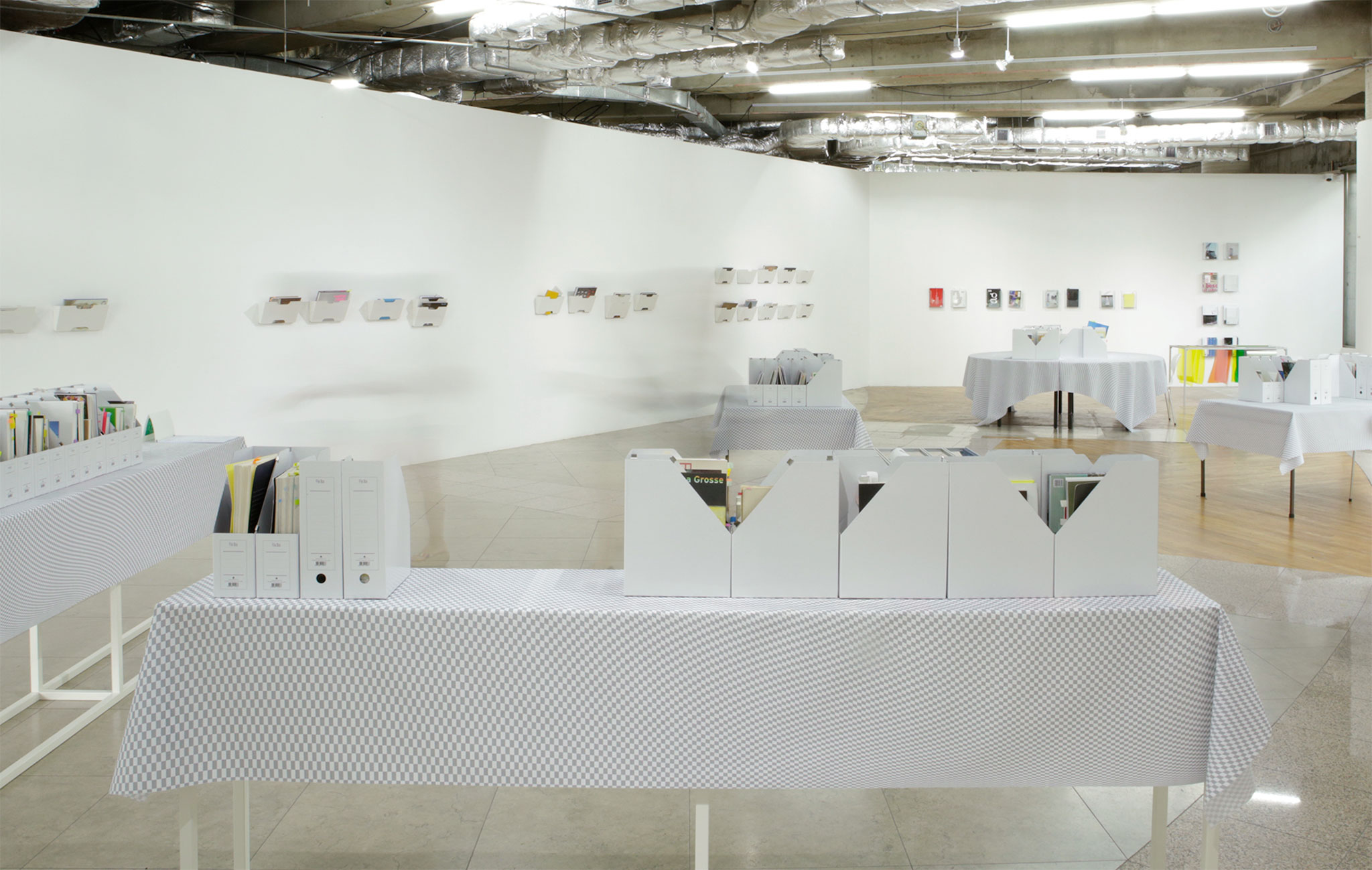
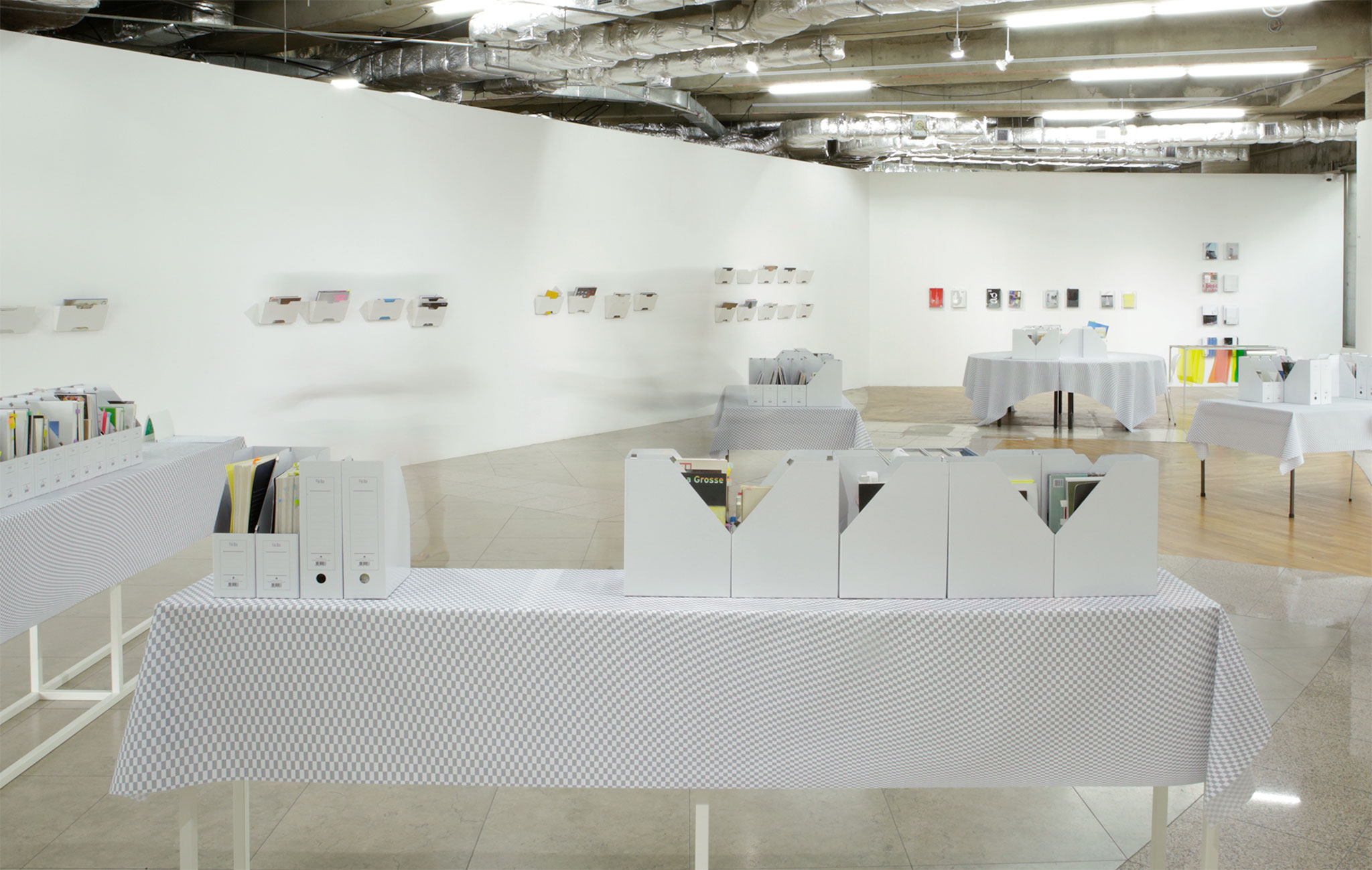
In 《RSVP》, books and materials were classified according to linear and nonlinear systems, with cards and videos hidden among them, while Whispers and Two Glances(2014) likewise reorganized and recombined collected materials and interviews. Although the medium shifted from video to installation, the basic method remained consistent: existing information and traces were rearranged so that new relationships could emerge in the spaces between them.
 
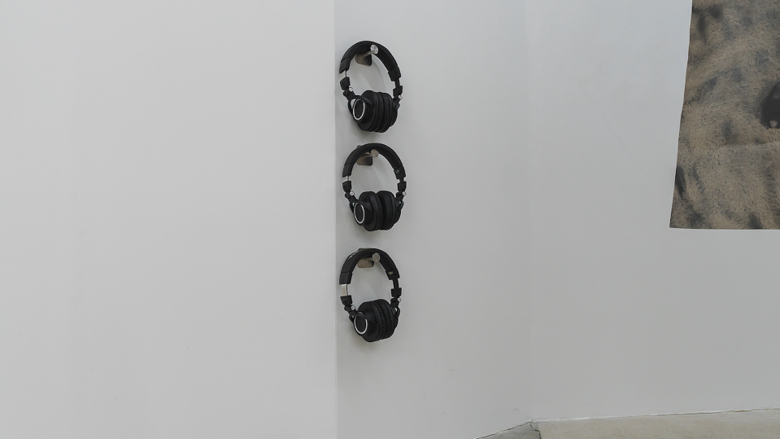
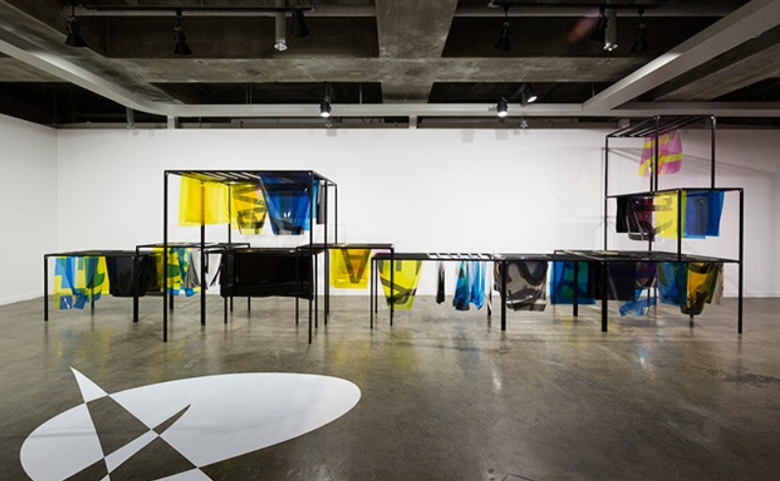
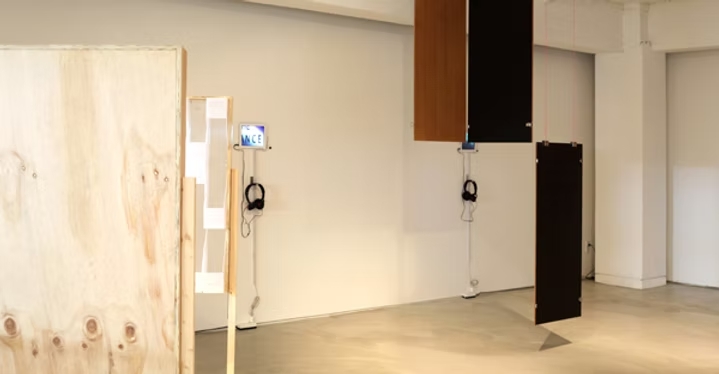
From 2015 onward, this structure became increasingly physical and sensory. Acoustic Diffuser(2015) and Anechoic Chamber(2015) connected the structure of the anonymous “Bamboo Forest” community to acoustic devices designed to block, absorb, or disperse sound. Familiar materials such as books, file organizers, and sound-absorbing panels became installations that translated modes of social communication into physical form, while viewers were required to move through and mentally connect dispersed elements into a larger structure.

In works such as Human Alchemy(2017), a multi-channel sound installation, sound became an increasingly autonomous medium. If text and data had served as materials for recording relationships in the earlier works, sound and space now became materials through which relationships could be experienced bodily.
 
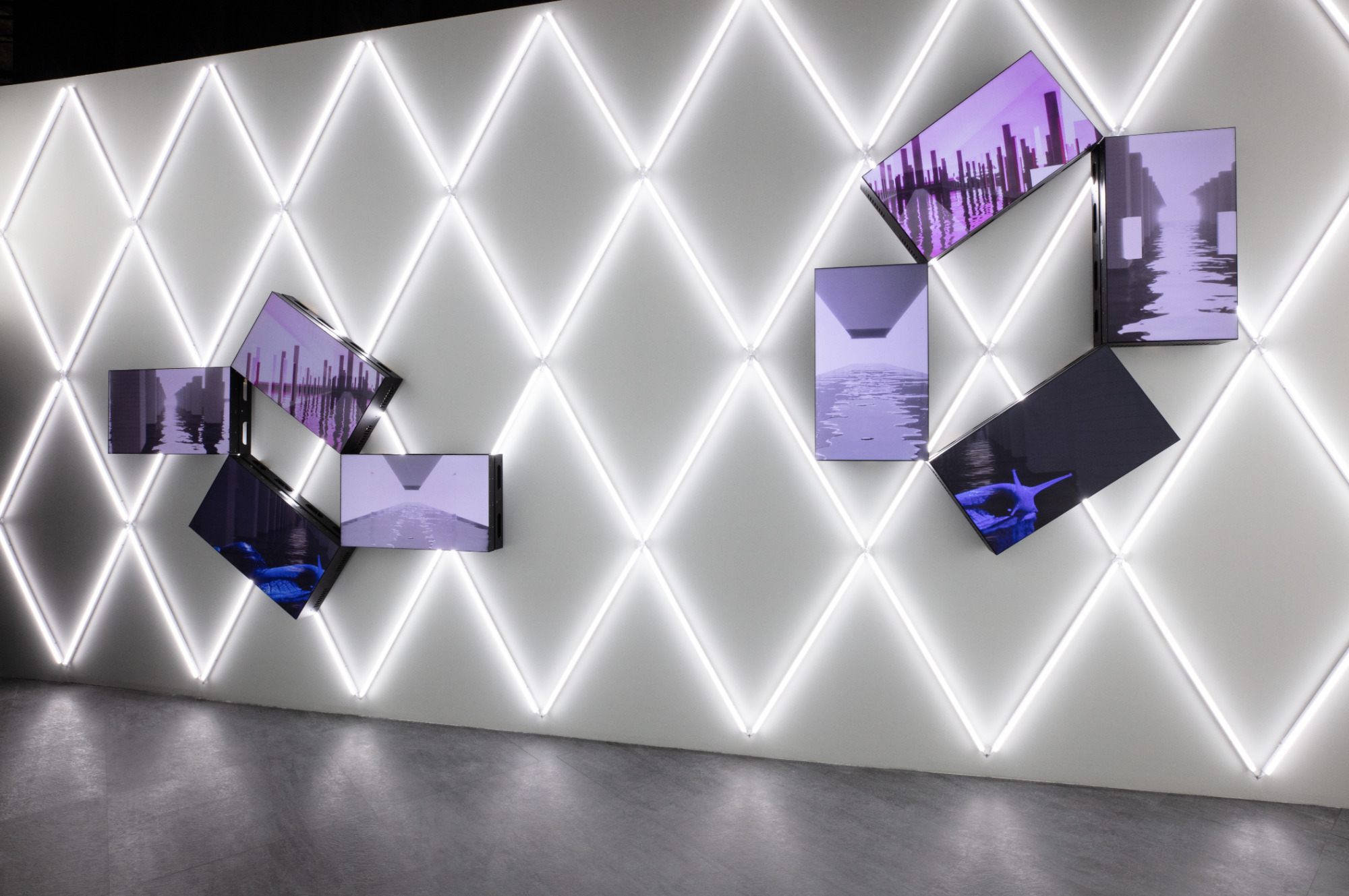
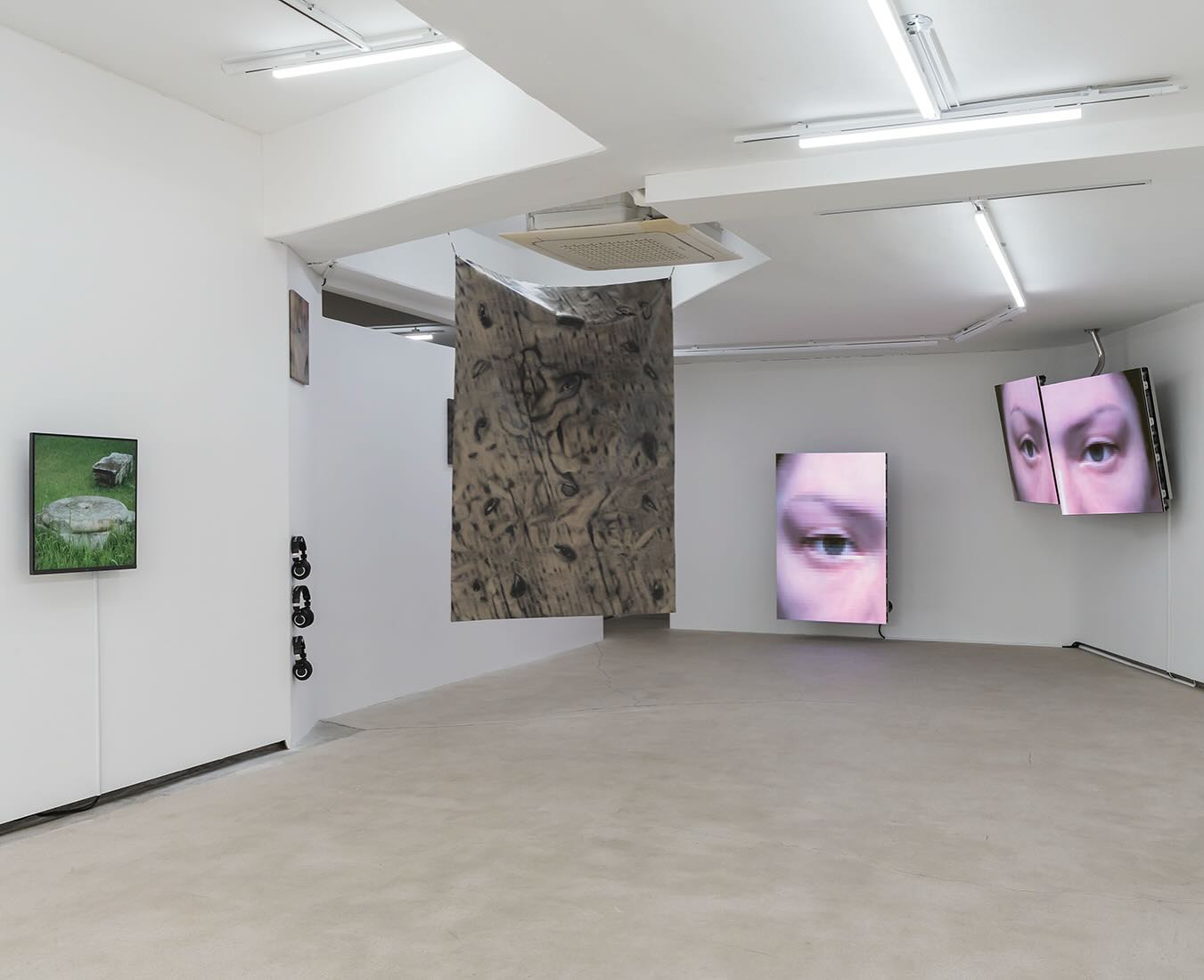
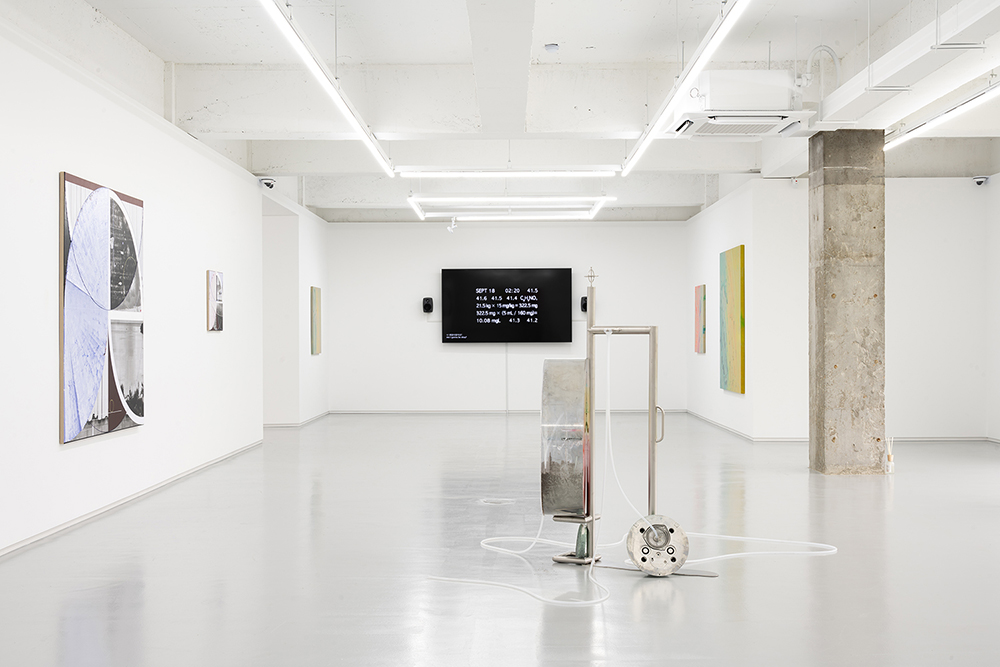
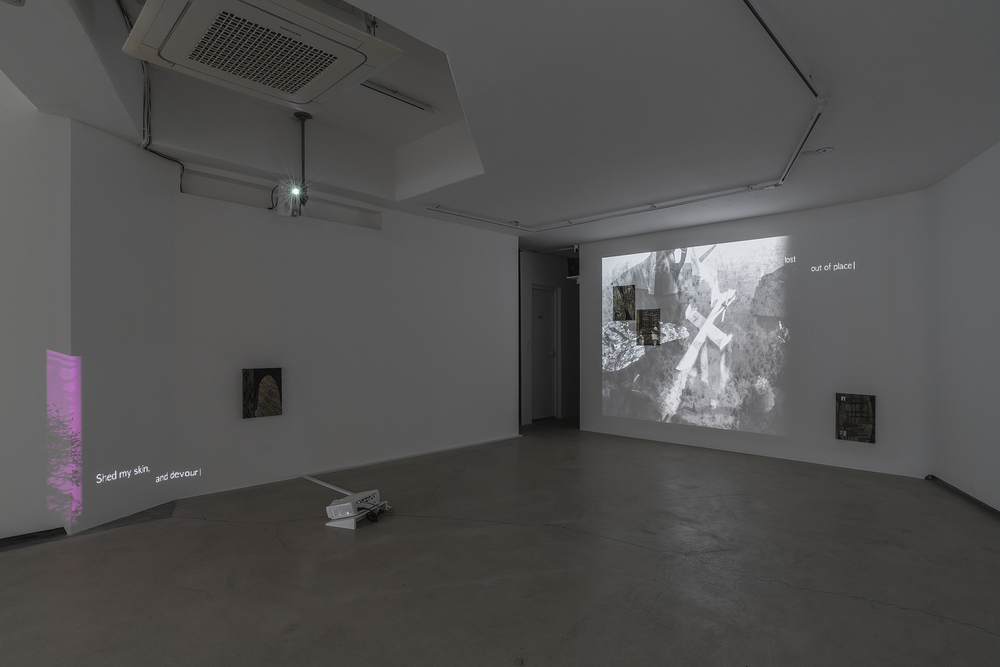
In Blind Land and 《Blind Road》(Factory2, 2019), video, multi-channel sound, and installation were combined into a spatial experience. Rather than completing a single narrative within the screen, Kim dispersed narrators, places, and directions of sound, allowing viewers to assemble relationships by moving through the space. This approach continues in Liminal, which combines monitors, fluorescent lights, speakers, and a woofer, and in 《dazzled & muddled》, where text originating in lyrics is dismantled into lines and images and then linked again to video and sound.

Through this process, his practice moved from “video that edits data” toward “environments in which different senses and media interact.” The collision between images, the temporal gaps between sound and screen, and the vibrations experienced as viewers pass through the exhibition space became increasingly important.
 
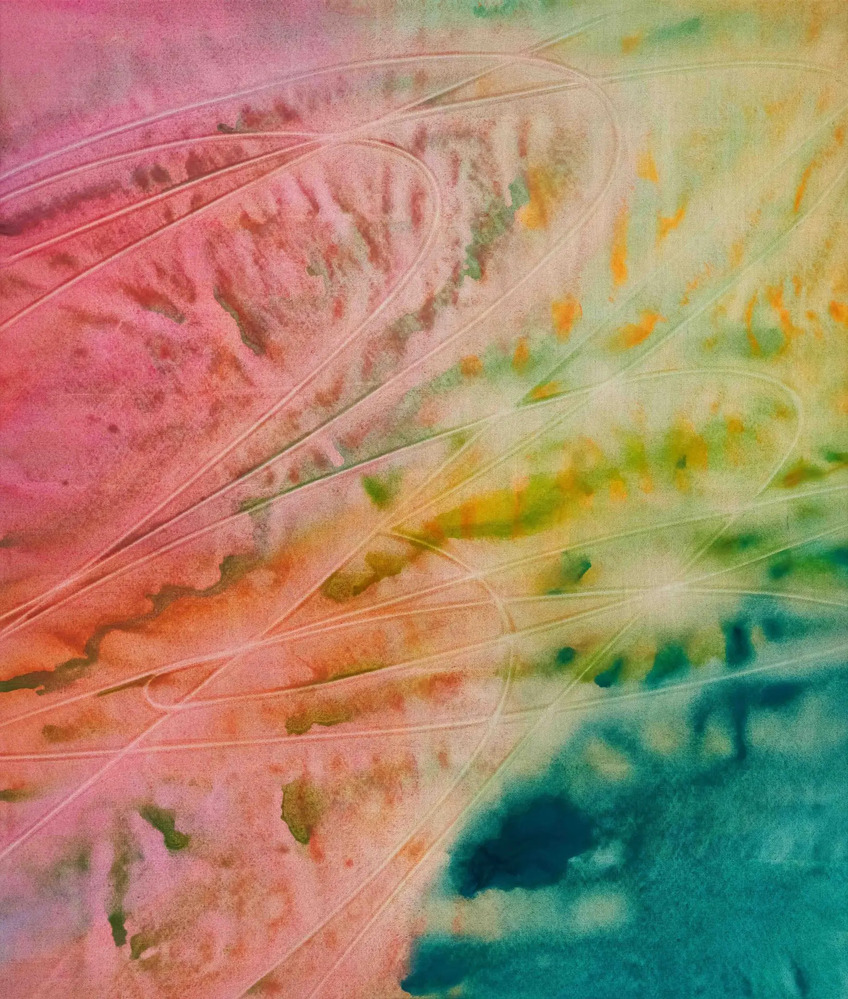
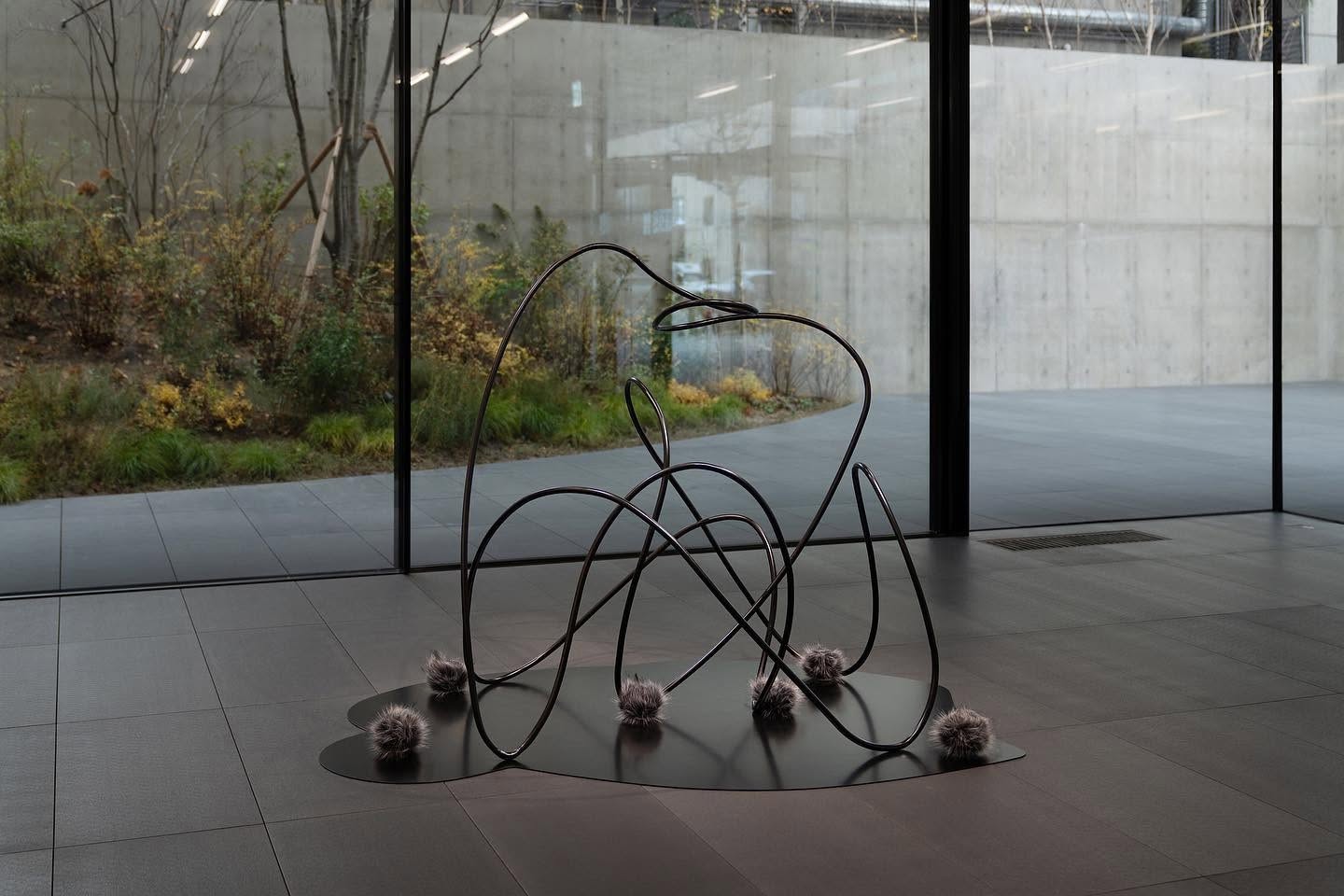
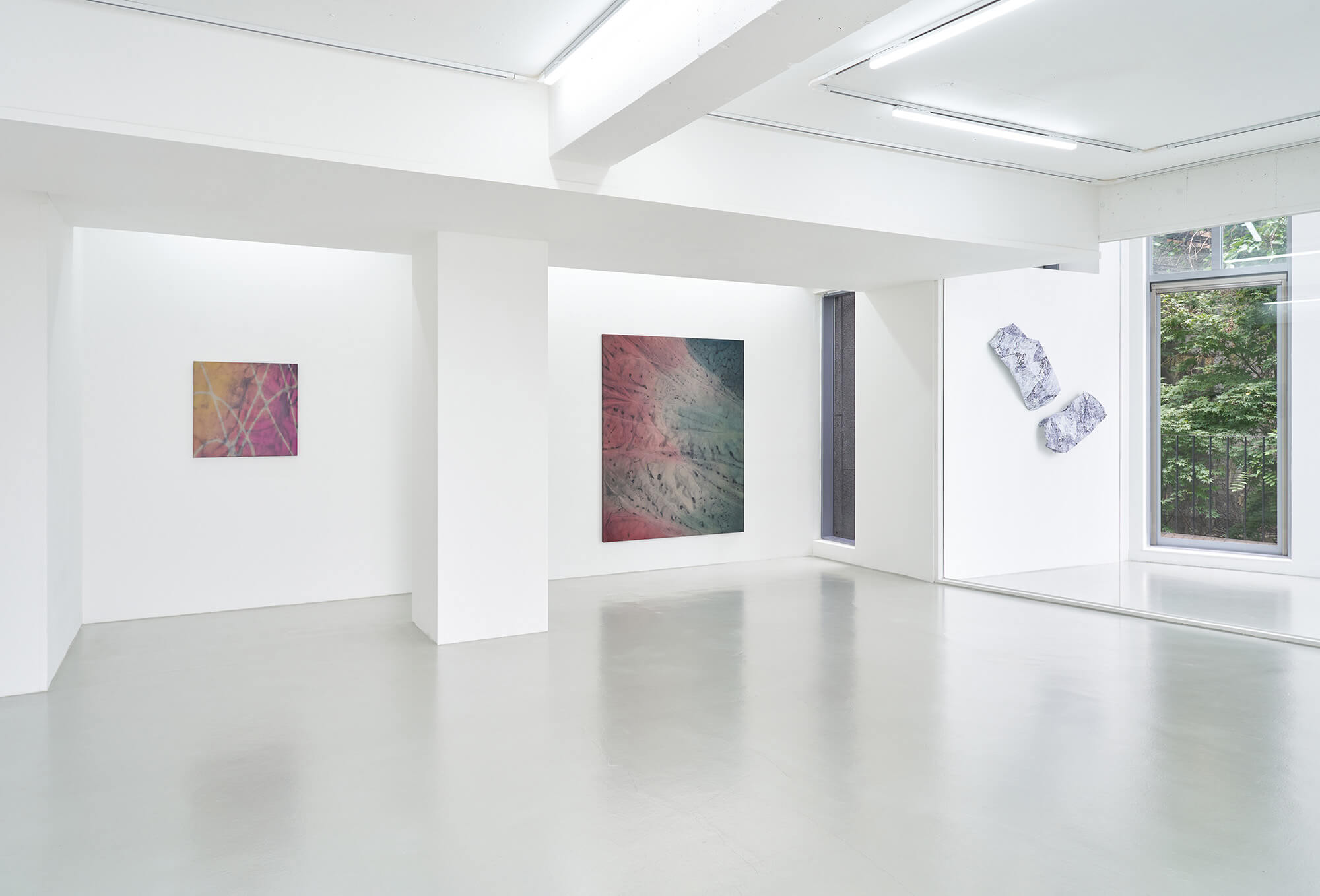
The recent turn toward painting can be understood less as a rupture than as a compression of the sensory language Kim had accumulated through installation and sound into the two-dimensional surface. In Measure(2024) and the subsequent 'Measure' series, paint does not simply create flat areas of color but pools and rises to form variations in surface depth, while line and chromatic density become visual devices for registering emotional intensity and vibration.

His paintings therefore do not represent fixed scenes so much as reactivate within the pictorial field the waves, distances, and afterimages of memory previously explored through sound and installation. As the series was presented in 《Shadow Index》(PIPE Gallery, 2025) in relation to traces of sensation and memory, the shift toward painting preserves his long-standing method of capturing relational residue and revealing the boundaries between different states.

Topography & Continuity

What remains most consistent in Daum Kim’s practice is not any particular medium, but the way he understands the “interface.” Across the internet, exhibition spaces, anonymous online communities, real-estate structures, sound, and painting, he has treated different subjects as boundaries at which two realms come into contact.

In the early works, text exchanged between unseen individuals functioned as an interface; later, the same idea expanded to encompass the arrangement of books, the exhibition space, acoustic devices that block or transmit sound, blind land that can only be reached by crossing another person’s property, and the emotional distance between reality and the ideal.

His subjects have therefore shifted considerably without loosening the coherence of the practice. The recurring question—where do relationships take place, and what do they leave behind?—has continued to be reformulated through different forms.
 
While many practices dealing with digital environments or social relations foreground online imagery or the screen itself, Kim remains more persistently concerned with how media actually operate between people. In his social-media works, the central issue was less the visual language of the screen than anonymity, distance, and the accumulation of memory; in his sound works, what mattered was less music itself than the conditions under which a voice is blocked, transmitted, or amplified.

Even in his recent paintings, he does not represent images so much as translate sound, vibration, and emotion into density of paint and surface. Video, installation, sound, and painting therefore do not function as isolated genres in his work, but as different sensory systems through which the same questions are repeatedly transformed. This also allows him to connect private experience with social structures without reducing the individual to a mere example of a larger discourse.
 
From this perspective, his recent interest in emotion and painting broadens rather than narrows the scope of the interface. A gaze once directed toward online others, gallery audiences, anonymous workers, and urban spaces has moved inward toward caregiving, the gap between reality and the ideal, and forms of melancholy transmitted through media.

In 《Melancholia》(Primary Practice, 2025), media-mediated depression is addressed not as a purely private emotion but as a shared and circulated social sensation, while the 'Measure' series leaves traces of emotions shaped through the entanglement of external and internal conditions as if they could be measured. The earlier question of the boundary between the individual and society therefore remains intact, but shifts toward examining how external relationships settle within the body and become feeling.
 
Kim has participated in exhibitions including the 12th Gwangju Biennale’s 《The Art of Survival: Assembly, Sustainability, Shift》(Asia Culture Center, 2018), exhibitions at Nam June Paik Art Center and the National Museum of Modern and Contemporary Art, Korea, and Frieze Film 2023. He has also taken part in residency programs including Seoul Art Space Geumcheon and MMCA Residency Goyang, and his work is held in the collection of the Seoul Museum of Art.

The broader relevance of his practice lies less in the specificity of any single Korean social context than in the way he addresses widely shared experiences such as digital relationships, mobility, caregiving, and the circulation of emotion through the structural idea of the “in-between” and the “interface.” His sustained practice of translating relational traces across video, sound, installation, and painting leaves ample room for these questions to continue shifting in response to new media and changing conditions of everyday life.

Works of Art

The Interface Where the Private and the Public Intersect

Articles

Exhibitions

Activities