Sewol ferry disaster - K-ARTIST

Sewol ferry disaster

2014-2017
About The Work

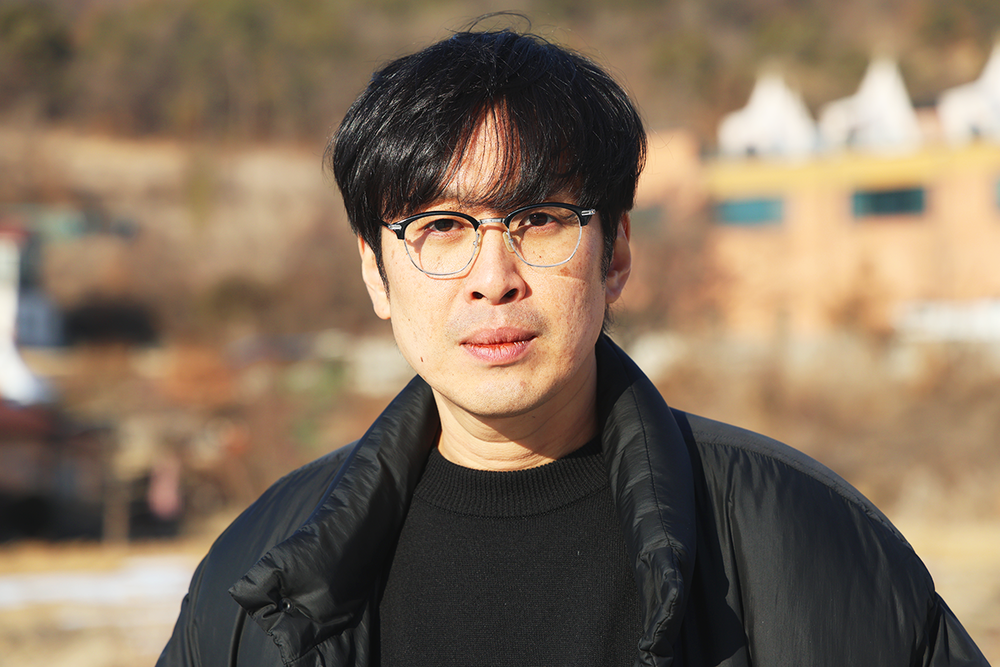
Hong Jin-hwon has explored the relationship between images and power through various media, including photography, film, and web programming. His practice begins by questioning the belief that photography and images can objectively record and provide evidence of reality.

Having closely encountered sites of protests, redevelopment, and labor struggles since his time as a photojournalist, he has focused on the fact that the camera cannot transparently convey the truth of an event.

Since becoming an artist, Hong has continued to engage with social events while maintaining a distance from approaches that speak on behalf of those directly involved or predetermine the meaning of an event. For him, what matters is not only what is photographed, but also what remains as an image, who makes it visible, and what kind of power the image acquires in the process.

Hong’s practice has long revolved around the question, “What can photography show?” while gradually expanding its inquiry toward “What makes something visible?” and “Who holds that visual power?” Beginning with the camera as a means of documenting events, his practice has, over time, developed toward an examination of the social structures through which images are produced, circulated, and remembered.

Throughout this process, he has remained committed to questioning the power images exert on reality and creating ruptures in habitual ways of seeing and thinking.

Solo Exhibitions (Brief)

Hong Jin-hwon has held solo exhibitions at Space O'NewWall in 2015, Art Space Pool in 2018, and d/p in 2021.

Group Exhibitions (Brief)

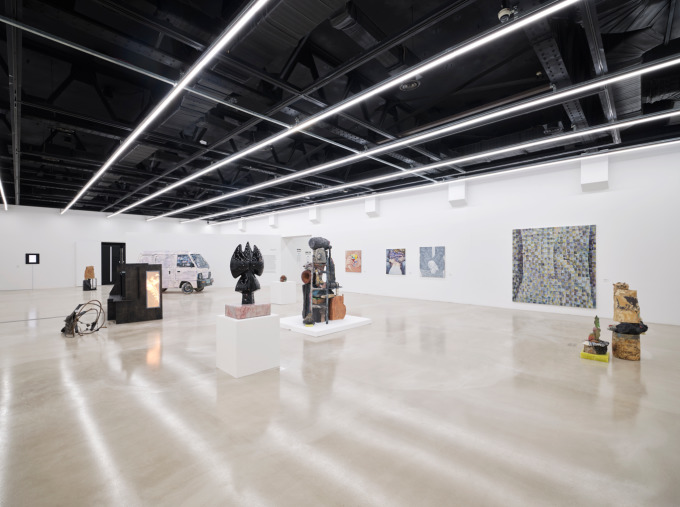
Hong Jin-hwon has participated in major group exhibitions at the Buk-Seoul Museum of Art in 2016, ARKO Art Center in 2018, the National Museum of Modern and Contemporary Art, Korea in 2019, the Seoul Museum of Art in 2021, the Busan Biennale in 2024, and the Museum of National Taipei University of Education and Buk-Seoul Museum of Art in 2025.

Awards (Selected)

Hong Jin-hwon received the 11th Photography Criticism Award in 2009, and the Terayama Shuji Prize at Image Forum Festival, the Beautiful Wild Goose Award at the 14th DMZ International Documentary Film Festival, and the Peace Award (Grand Prize) at the 13th Busan Peace Film Festival in 2022.

Works of Art

The Reality-Driving Power of Photographic Images

Originality & Identity

Hong Jin-hwon’s practice begins with a skepticism toward the belief that photography and images can transparently record and verify reality. Having encountered protests, redevelopment sites, and labor struggles at close range during his years as a photojournalist, he became increasingly attentive to the camera’s inability to convey the truth of an event in full.

Although social and political events have remained central to his practice, he resists speaking on behalf of those directly involved or determining the meaning of an event in advance. What matters to him is not only what has been photographed, but also what remains as an image, who has the power to make it visible, and how that image comes to acquire authority.

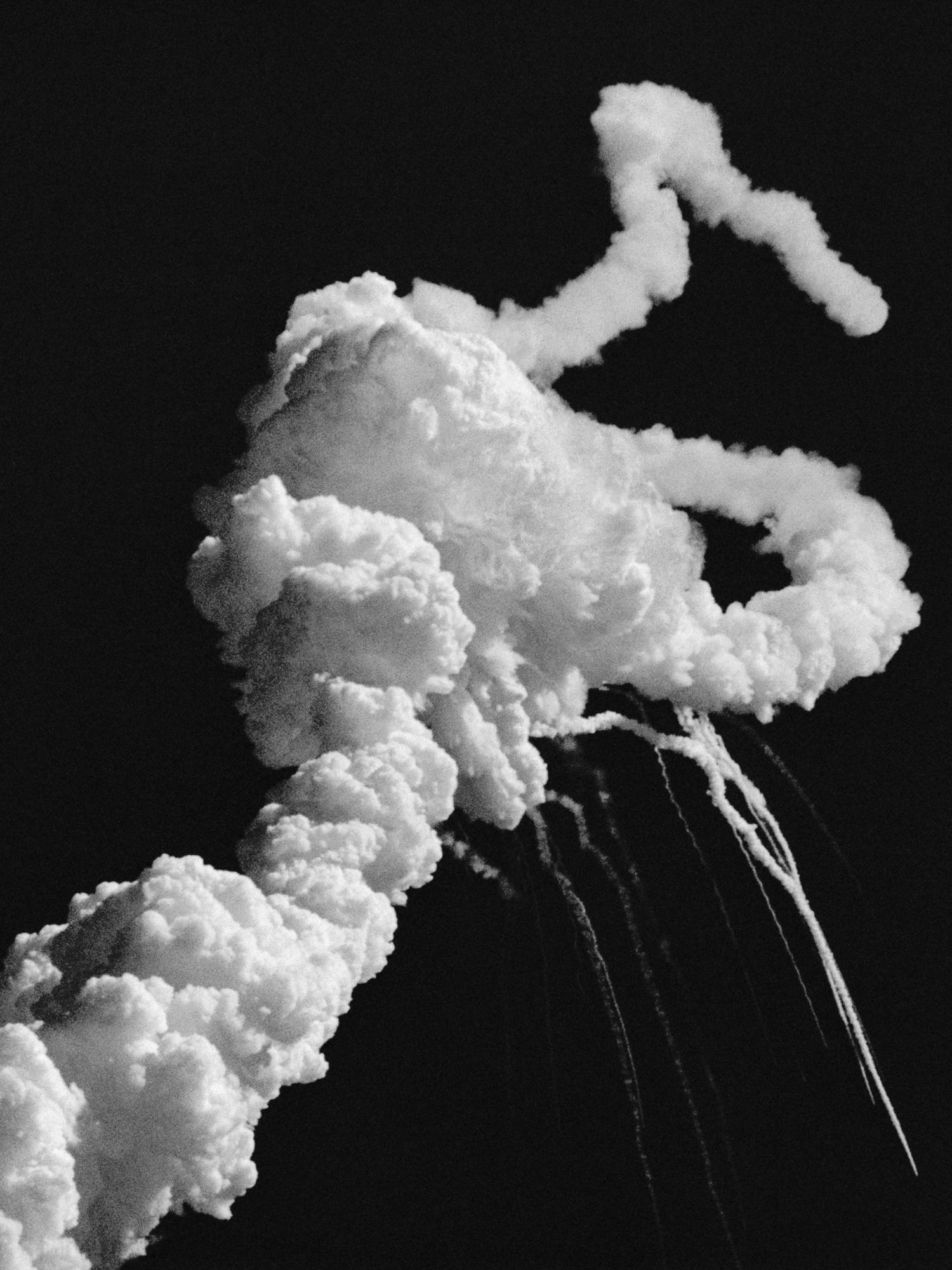
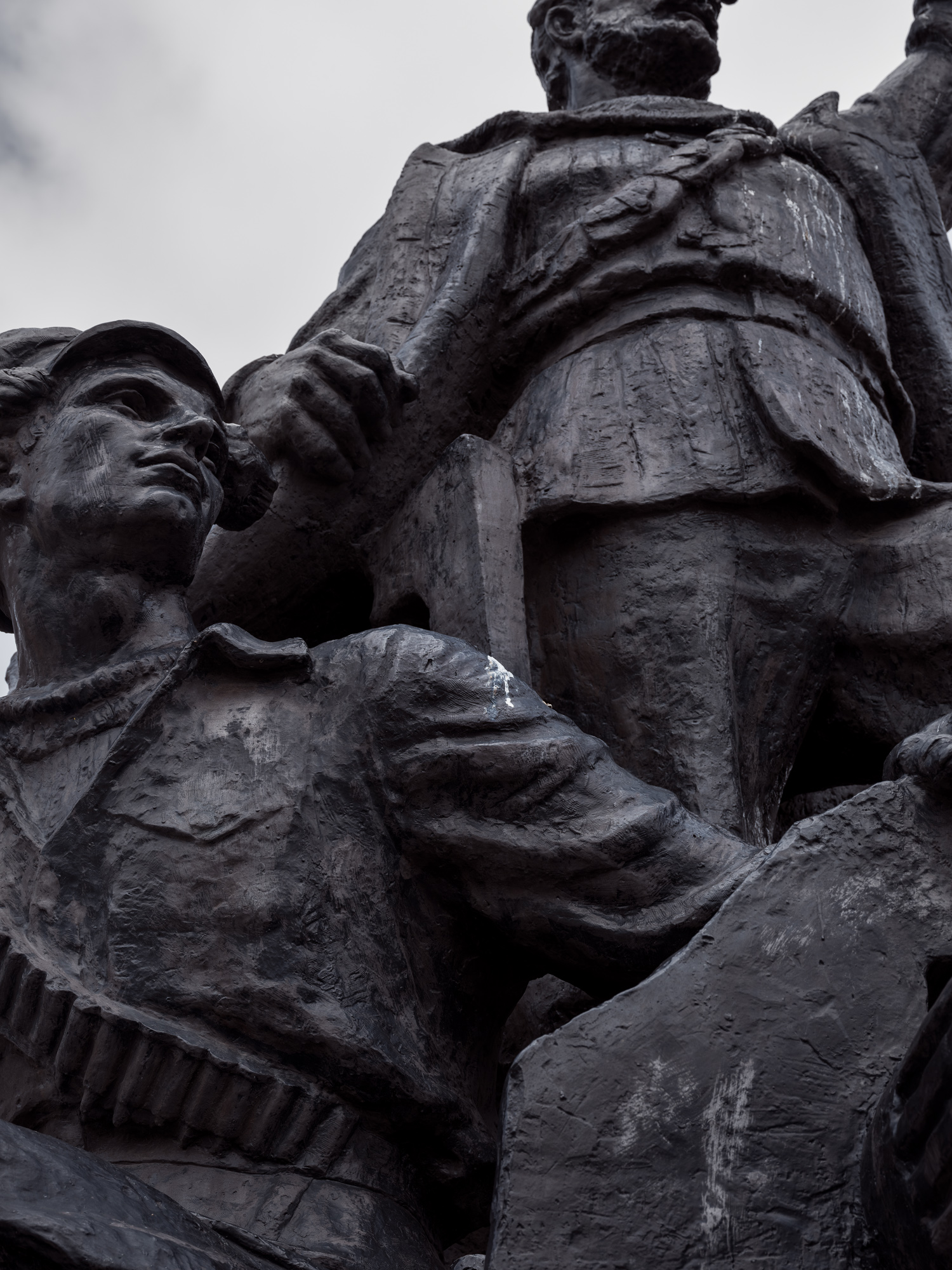
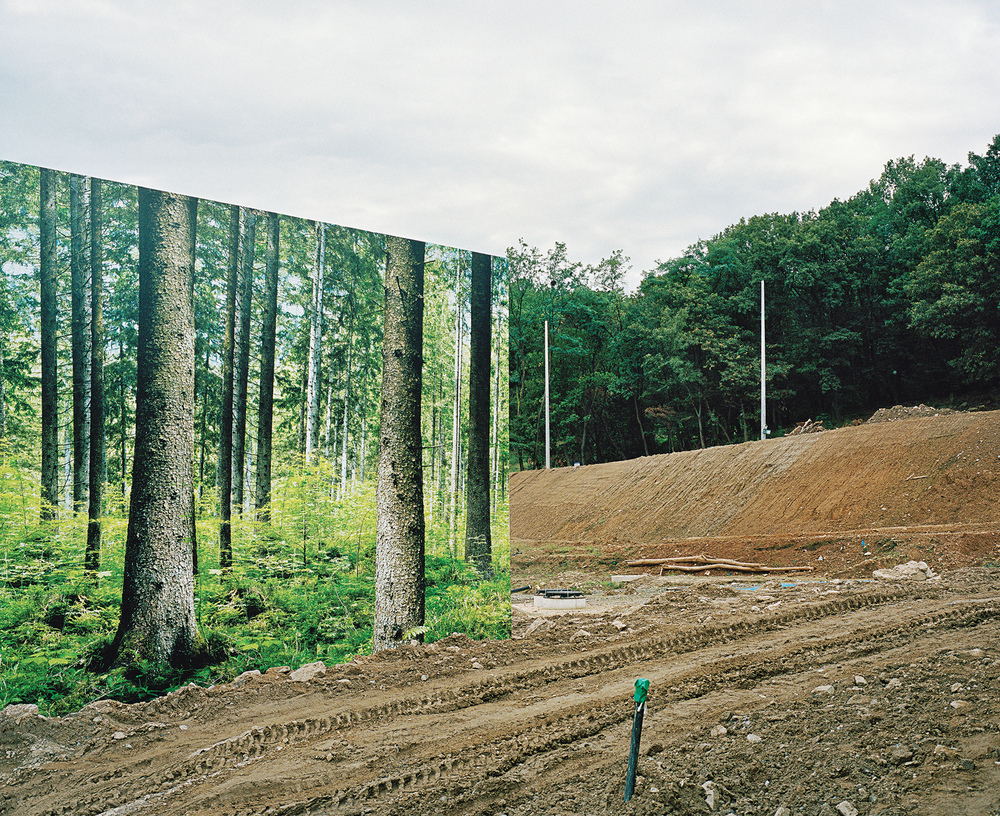
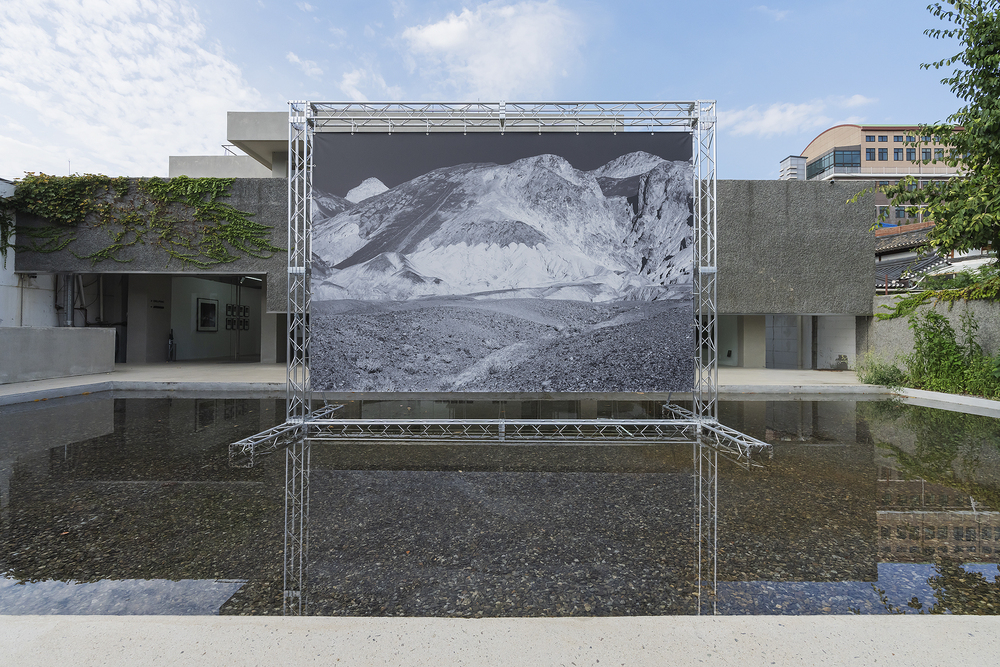
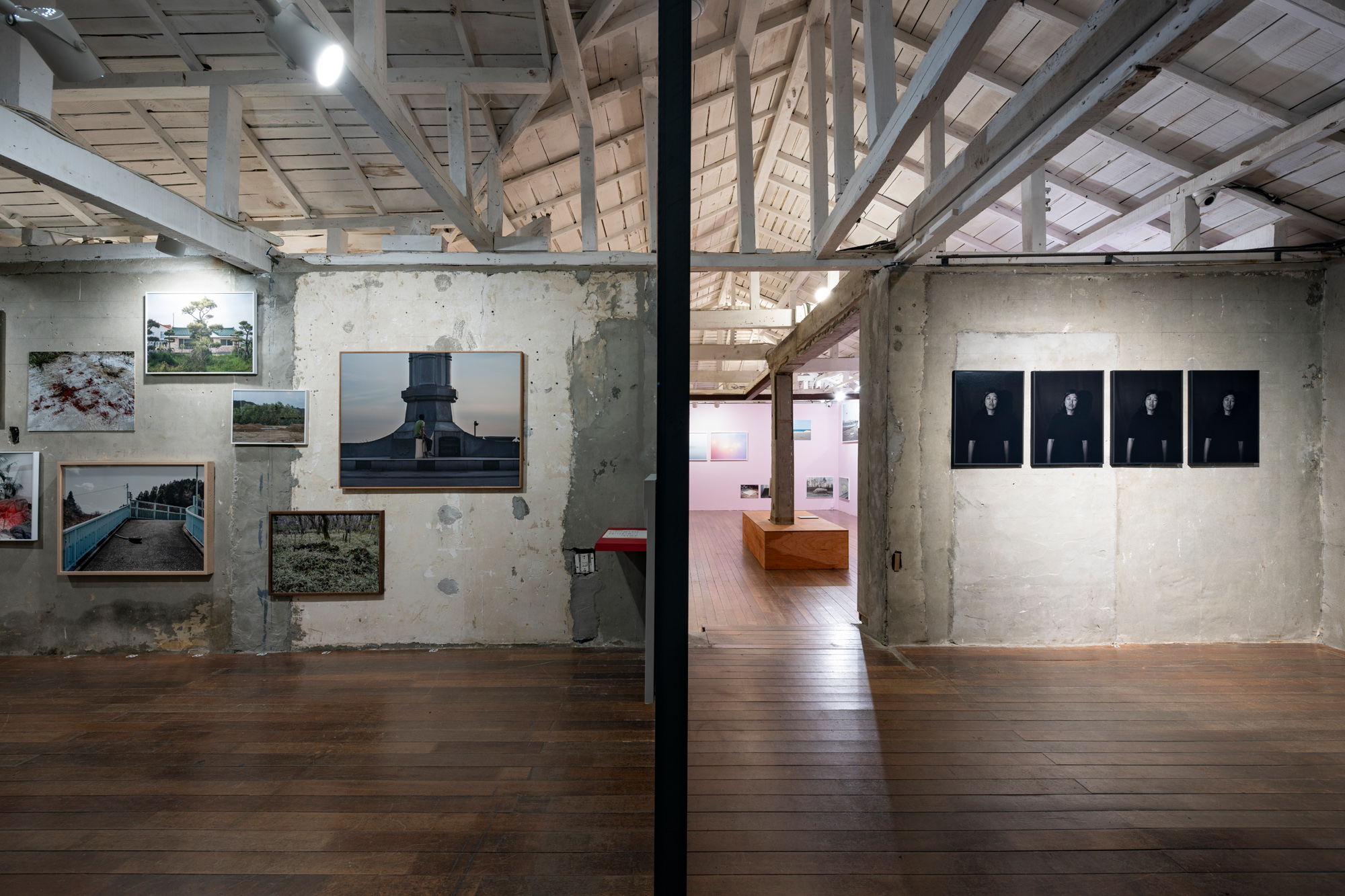
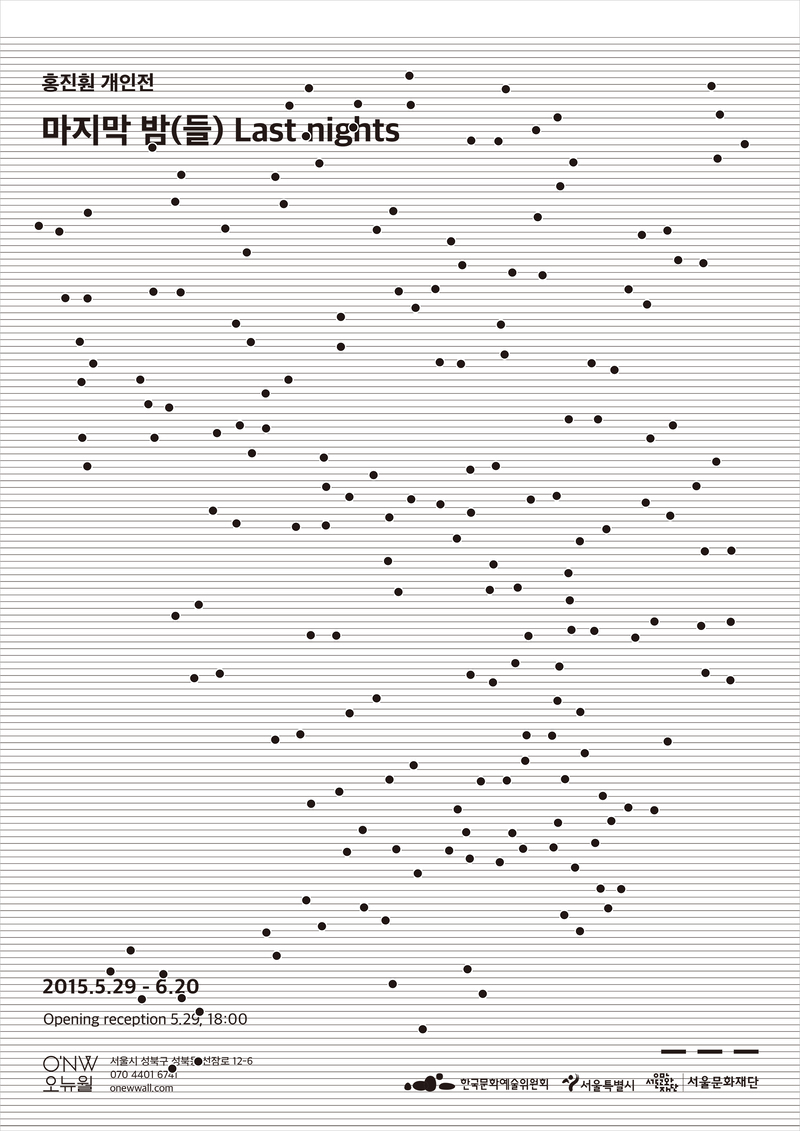
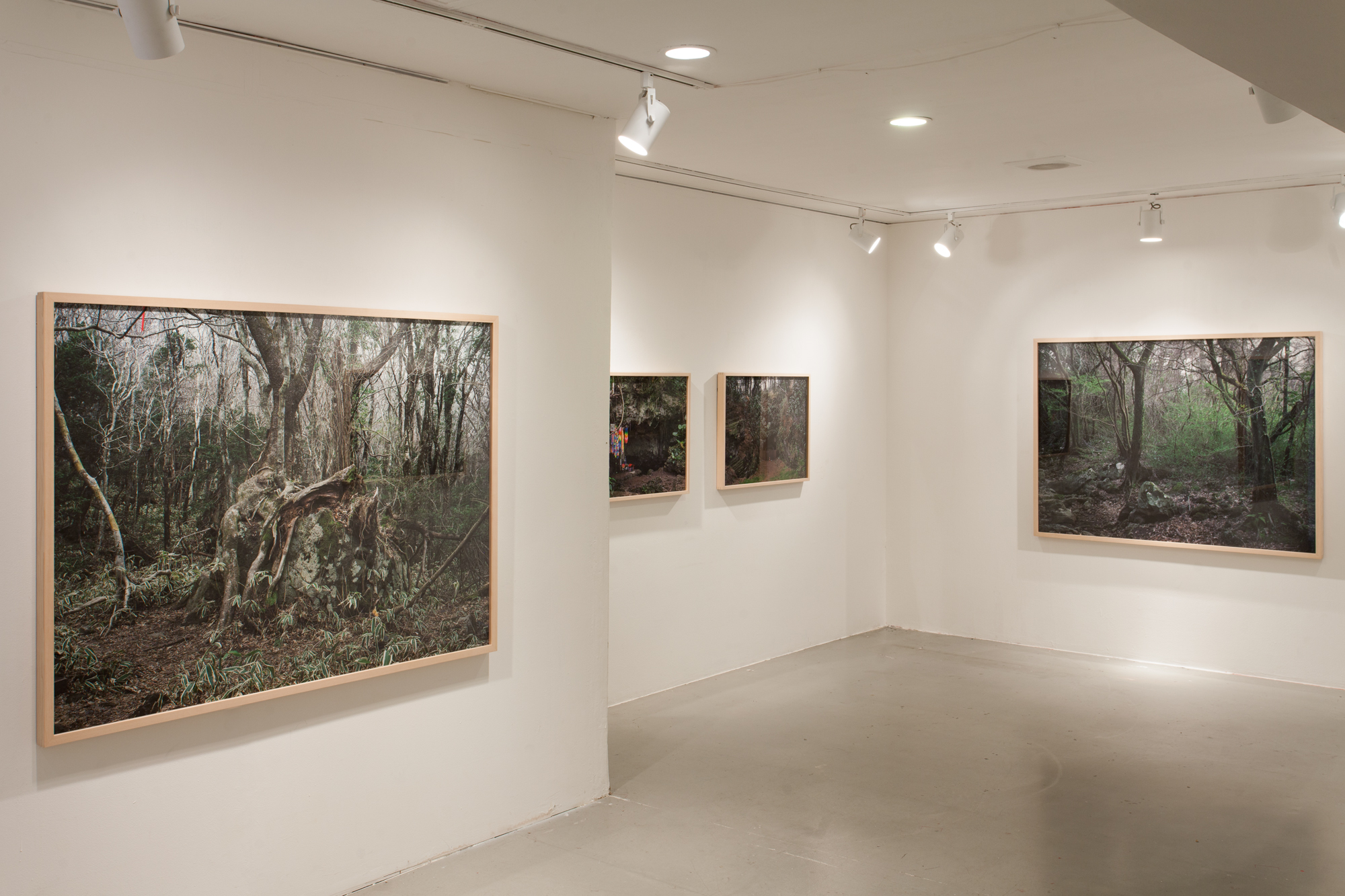
In his early photographic series, this concern emerged through the distance between the “site” and the “landscape.” In 'Temporary Landscapes', 'Crimson, Green', 'Last nights', and 'Nobody answer', Hong photographed redevelopment zones, Jeju and Okinawa, Miryang and Fukushima, expressway service areas, and sites in Jeju that the victims of the Sewol ferry disaster never reached.

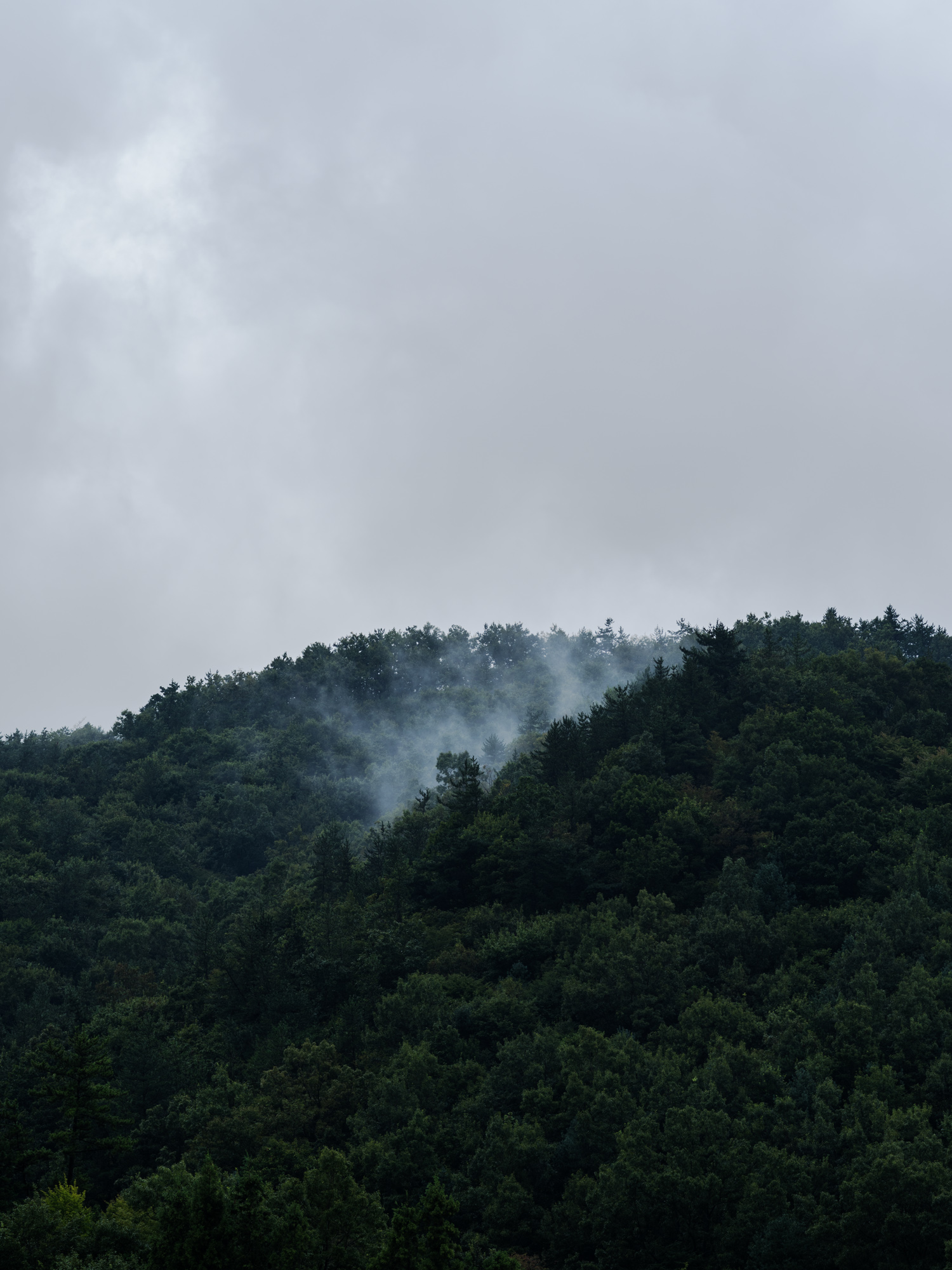
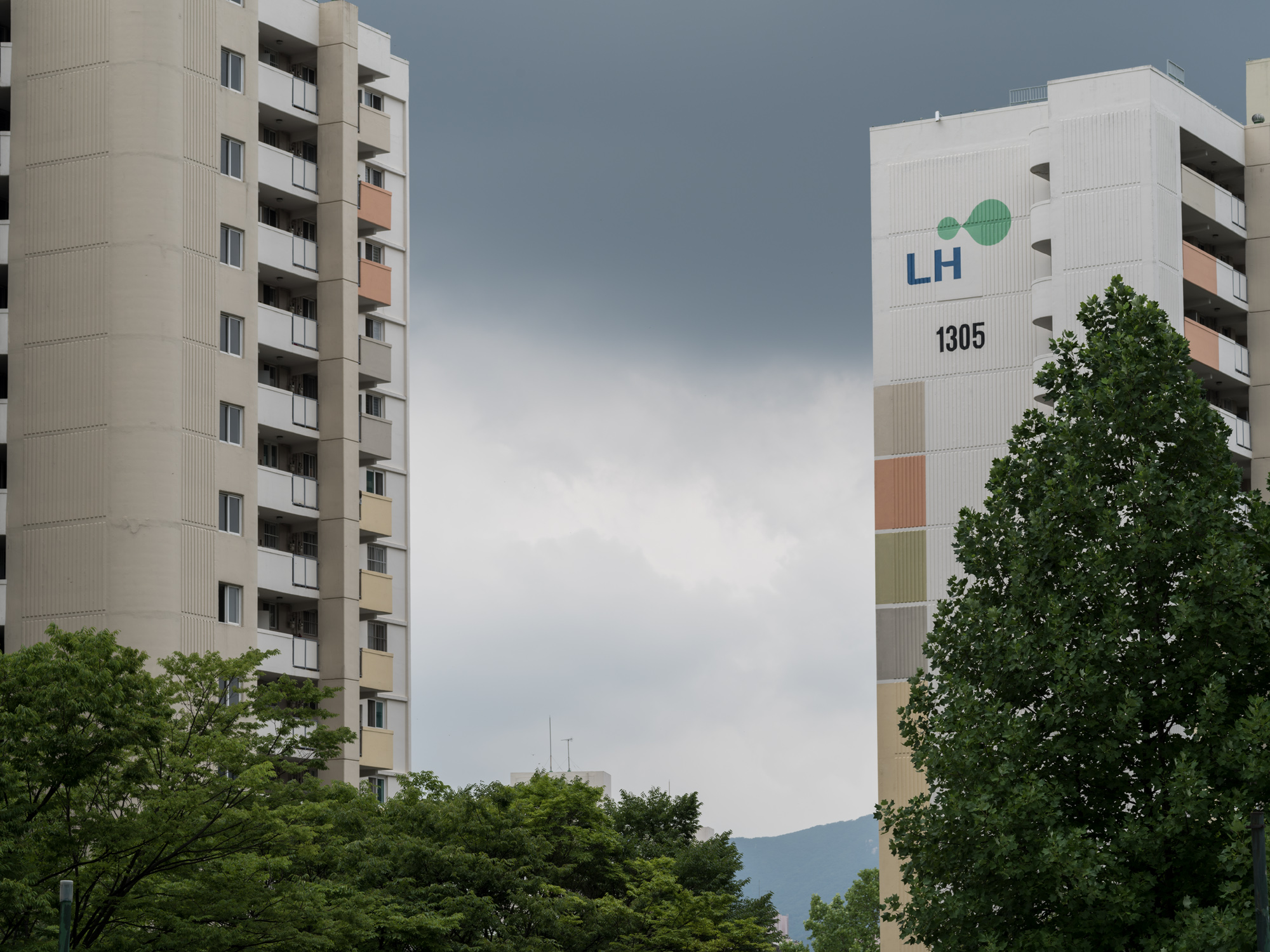
Dramatic events or moments of direct confrontation are rarely visible in these images. Instead, seemingly indifferent landscapes—empty places, vegetation, roads, and architectural structures—carry traces of the events that occurred there.

The gap between image and fact, which Hong has described as a “drop,” prompts viewers to connect the landscape before them with the historical reality to which it refers, paradoxically making absent people and events all the more palpable.

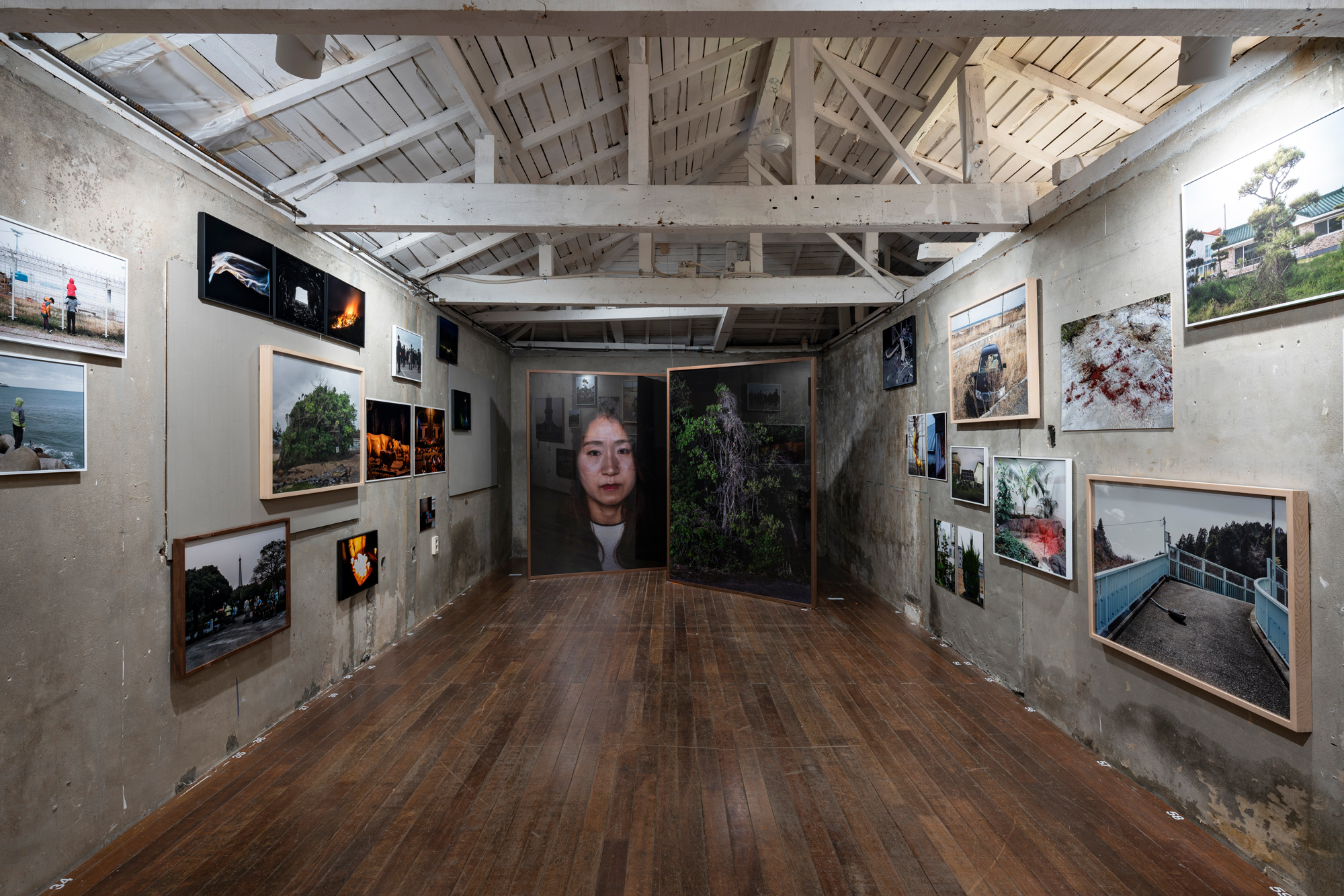
Hong’s interest later expanded beyond the indexicality of individual photographs toward the ways images are classified, connected, and remembered. In 《Random Forest》, he dismantled the order of his existing series and recombined photographs as discrete units of data, unsettling the informational and ethical judgments that tend to adhere to individual images.

Rather than supplying a fixed answer, he allows disparate images to collide and connect, generating new possibilities of interpretation. This also explains why photography, exhibition-making, archival practice, and programming remain closely intertwined throughout his work.

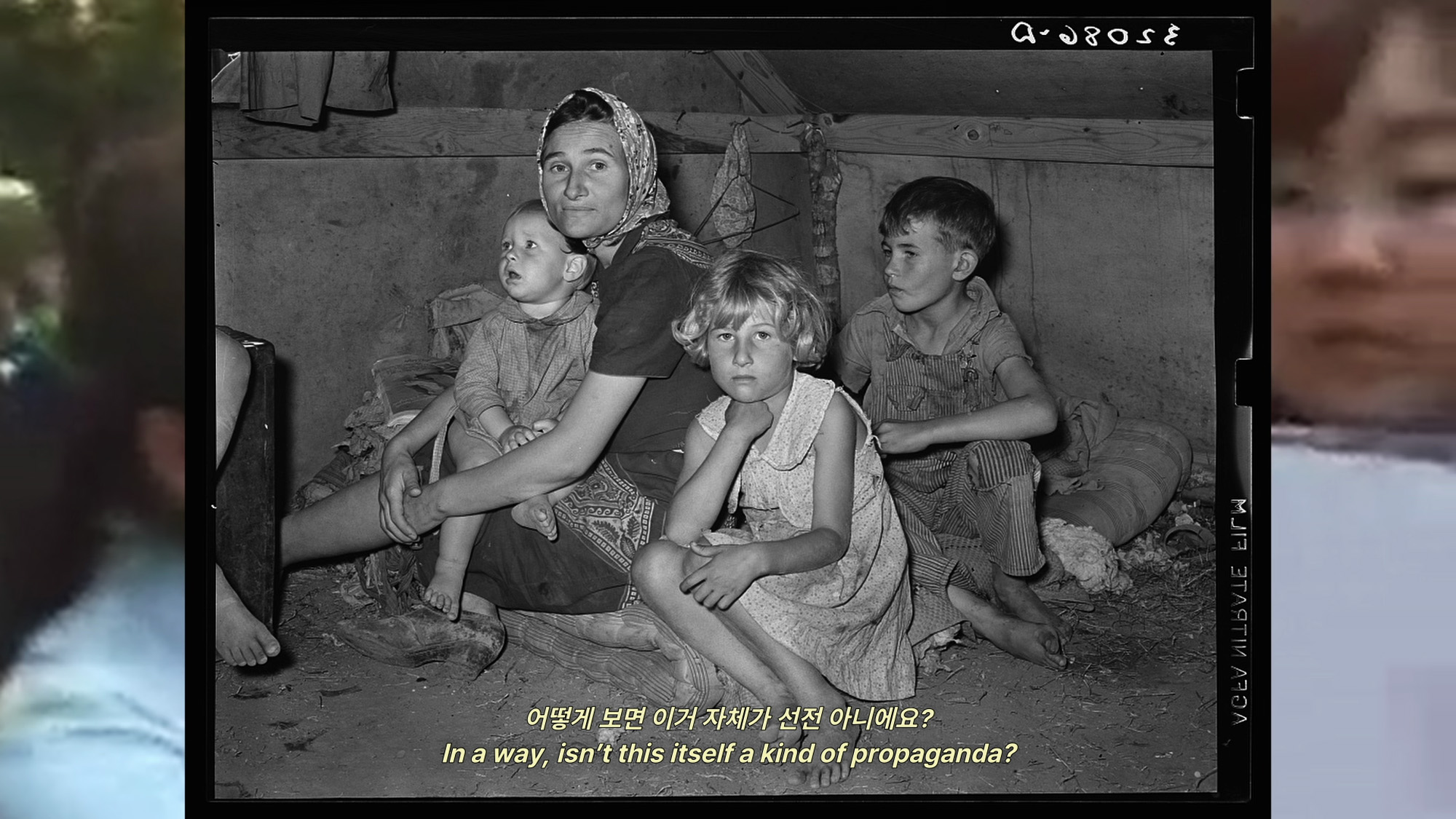
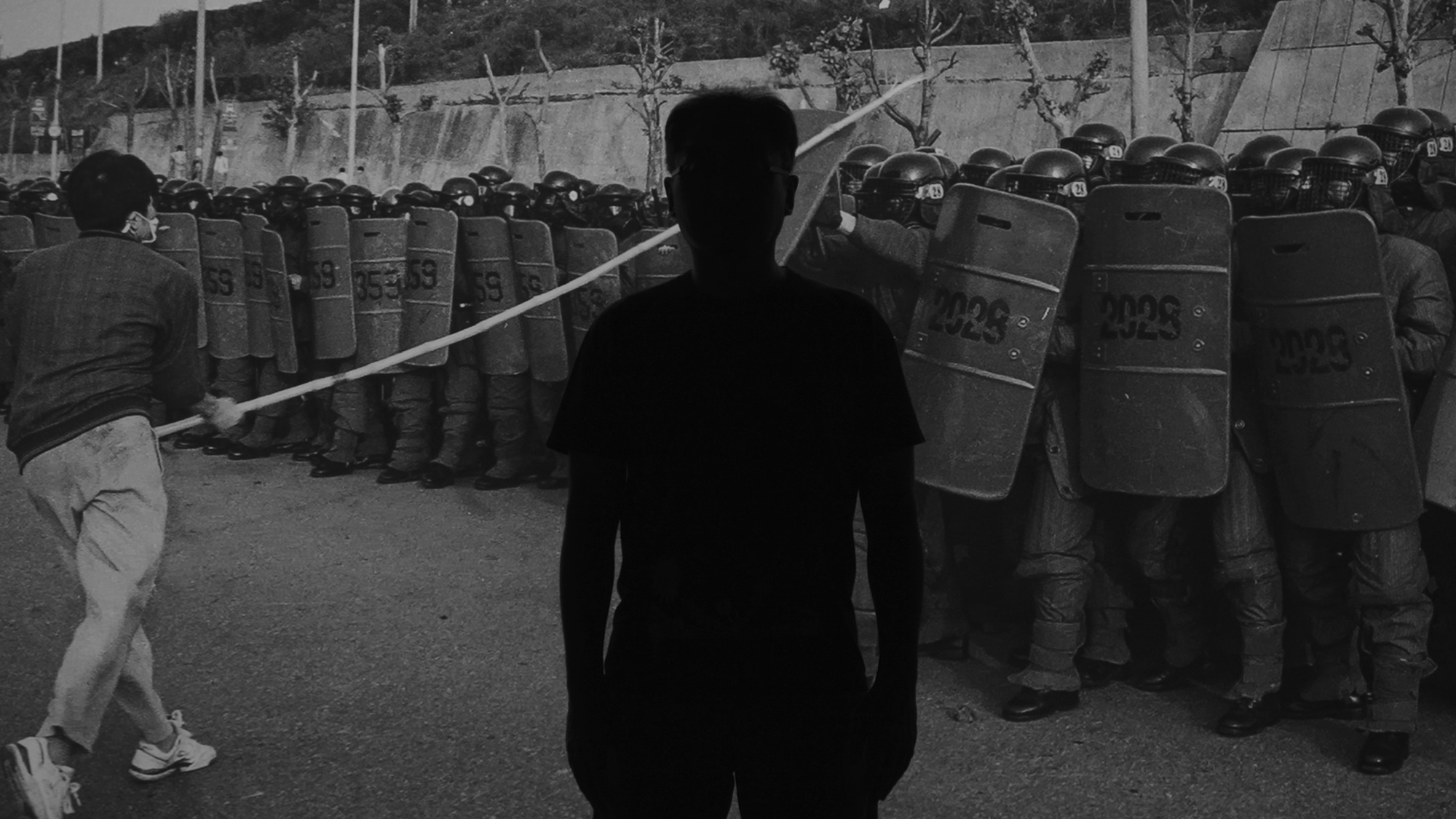
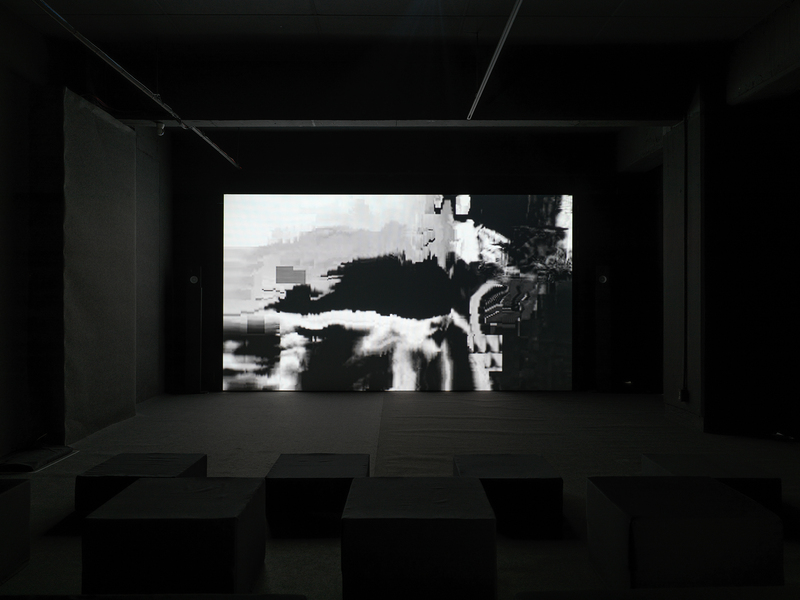
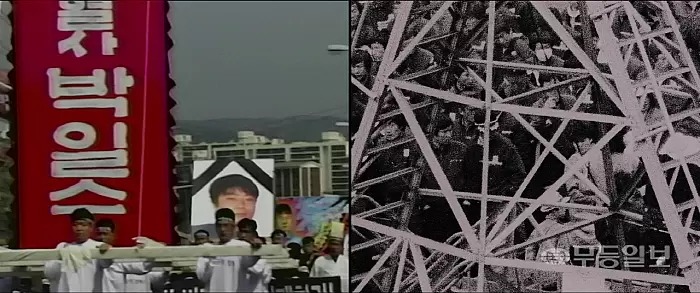
As Hong expanded into moving image, the question of who has the right to restore, record, and visualize history became increasingly explicit. In melting icecream, he juxtaposes the restoration of damaged films from the democratization movement with later records of struggles by irregular and migrant workers, examining the relationship between histories that are remembered and those pushed aside.

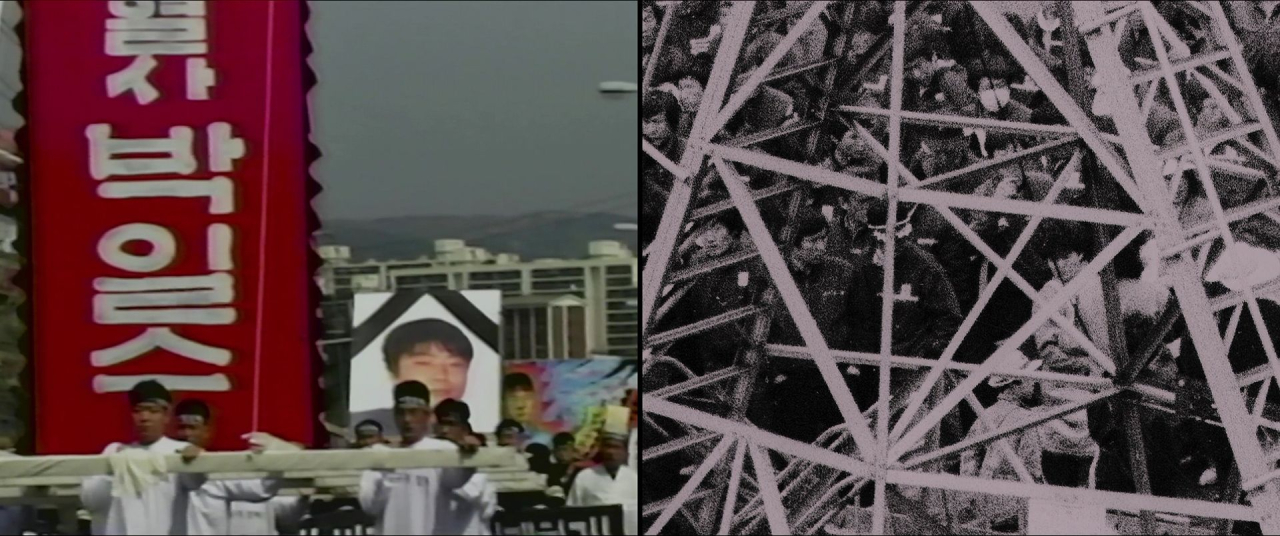
In Double slit, the divided screen prevents the viewer’s gaze from converging on a single point. More recently, he has traced the ways protests and struggles move between physical and digital space and become images in their own right.

Across these developments, Hong’s long-standing question—what can photography show?—has gradually expanded into broader questions of what is made visible and who possesses the power to shape that visibility.

Style & Contents

Hong Jin-hwon’s photographs begin with social events while deliberately restraining visual devices that would allow those events to be immediately recognized. After leaving photojournalism, he established a set of principles for his practice: avoiding ultra-wide-angle and extreme telephoto lenses, refraining from shooting while walking, and not disrupting vertical and horizontal lines without particular reason.

Flat light on overcast days, static compositions, places emptied of people, figures seen from behind, and objects that do not strongly assert themselves within the frame recur throughout his photographs. These choices reduce dramatic effects while encouraging viewers to examine the details of the image more slowly.

Ordinary subjects such as plants, roads, buildings, and the lights of expressway service areas do not directly convey information about historical events, but instead leave behind subtle sensations of estrangement and absence.

The way Hong organizes photographs into series and subsequently dismantles those structures is also central to his practice. In his earlier work, images photographed in relation to specific places and events were grouped into individual series, while in 《Random Forest》 he loosened those boundaries and rearranged photographs taken at different times and locations.

Images with similar colors or forms may be placed beside one another, while photographs whose contexts are difficult to identify collide within the same space. Through this method, the meaning of an individual photograph is not fixed to its title or the event it references, but continually shifts according to its relationship with surrounding images.

By treating selection, classification, printing, and installation after the act of photographing as integral parts of the work, Hong uses the exhibition as a process of editing and reconfiguration through which images can be read anew.

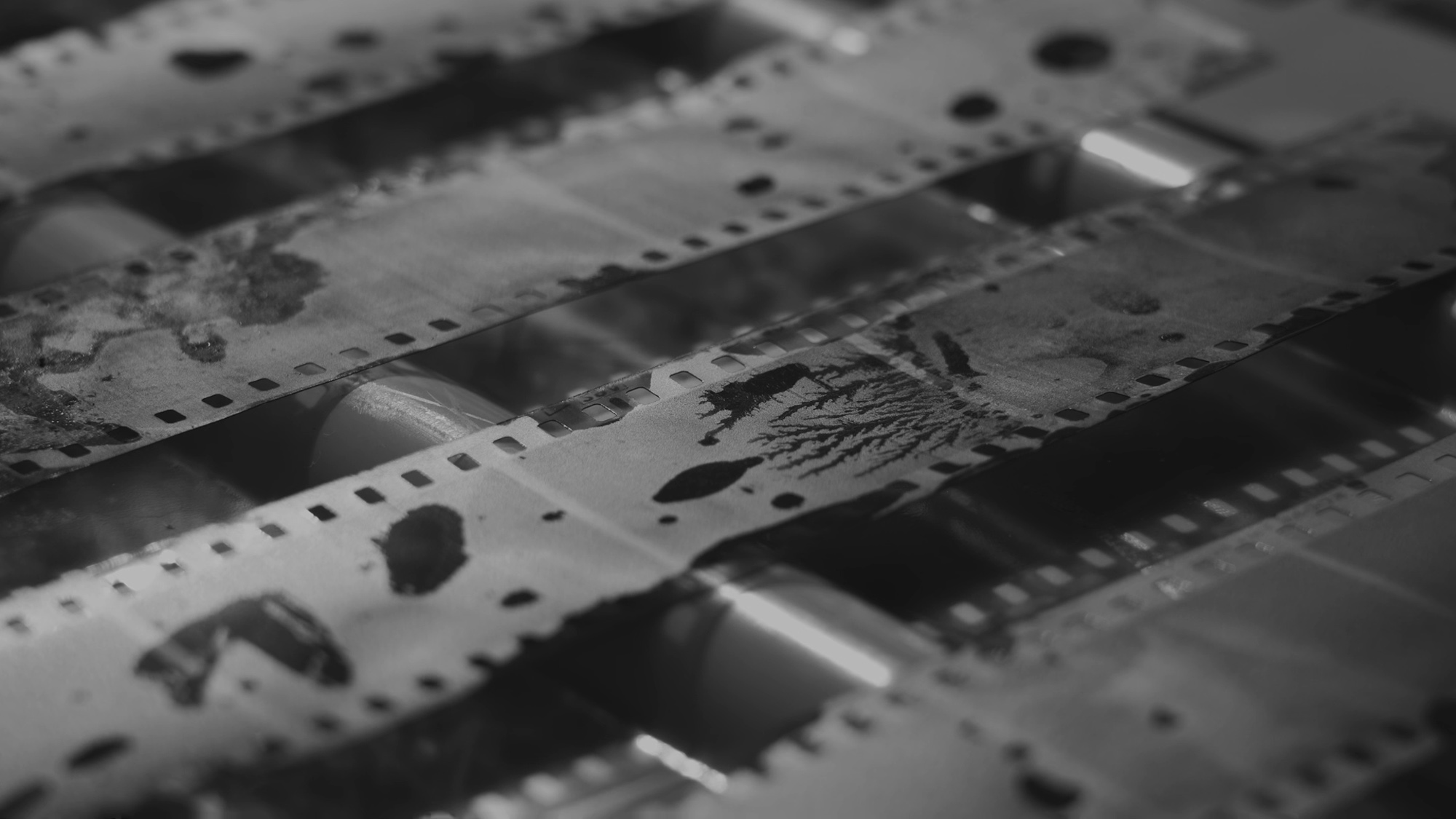
In moving image, this sensibility of editing expands into the organization of time. melting icecream interweaves the restoration of flood-damaged films related to the democratization movement, interviews with photographers active at the time, archival footage of struggles by irregular and migrant workers in the 2000s, and landscapes of the present.

Images from different sources and historical periods are not seamlessly connected in order to complete a unified historical narrative; instead, they are arranged so that they unsettle and question one another’s meanings.

Damaged film and digital glitches are likewise not treated solely as errors to be removed, but remain visible as material conditions through which records are preserved or lost. Maintaining tension among interviews, archival footage, and landscapes—so that none fully explains the others—is a defining feature of Hong’s moving-image editing.

More recently, Hong has extended this approach to the organization of the screen itself, using it to disperse the viewer’s gaze. In Double slit, the CinemaScope frame is divided into two, presenting different images simultaneously and requiring viewers to choose where and for how long to look. Even among viewers attending the same screening, this creates the possibility of remembering different images and sequences.

Moving between photography, film, archives, and web programming, Hong’s formal experiments bring the conditions under which images are produced, arranged, and circulated into the work itself. In his practice, the processes of selecting, connecting, and making existing images visible again are as fundamental as the act of capturing a scene with a camera.


Topography & Continuity

Hong Jin-hwon’s practice began in photojournalism in the late 2000s and has since expanded across photography, exhibition-making, archives, film, and web programming. Although his media and modes of activity have continually changed, his skepticism toward the role of images surrounding social events has remained consistent from his early work to the present.

Beginning with photographs documenting traces of redevelopment and state violence, his practice has moved through Jeju and Okinawa, Miryang and Fukushima, the Sewol ferry disaster, labor movements, and archives of the democratization movement, and more recently toward protests and visual power.

Across these subjects, his attention has remained focused on how major events in modern Korean history are remembered through images and summoned again in the present. Rather than fixing a definitive position on a particular event, he has consistently revealed the distance, omissions, and gaps that remain between images and events.

This continuity also prevents his work from remaining within the conventional category of documentary photography. While Hong does not abandon photography’s capacity to record through direct contact with reality, he has consistently remained wary of the moment when a record claims to monopolize truth or stand in for an event as a whole.

Questions first articulated through static landscapes later developed into the reclassification of photographs and exhibition arrangements, the reuse of archival moving images, the montage of interviews and footage, and split-screen formats.

As the focus of his practice shifted from the representational capacity of a single photograph toward the structures through which images are selected, arranged, and circulated, his work came to intersect both the lineage of Korean documentary photography and the methodologies of contemporary moving-image art.

His parallel activities as both artist and curator have also been closely connected to this expansion. Through co-directing Space Nowhere and docs, as well as organizing exhibitions and projects including 《The Scrap》, Hong has addressed both the production of images and the conditions under which they are presented to viewers.

His dismantling and recombination of existing photographic series in 《Random Forest》, as well as the collision of records and testimonies from different historical periods in melting icecream, demonstrate how these curatorial experiences have entered directly into the structure of his artworks.

His roles as photographer, filmmaker, programmer, and curator do not remain separate professional identities, but converge into a practice concerned with the production, classification, storage, exhibition, and circulation of images.

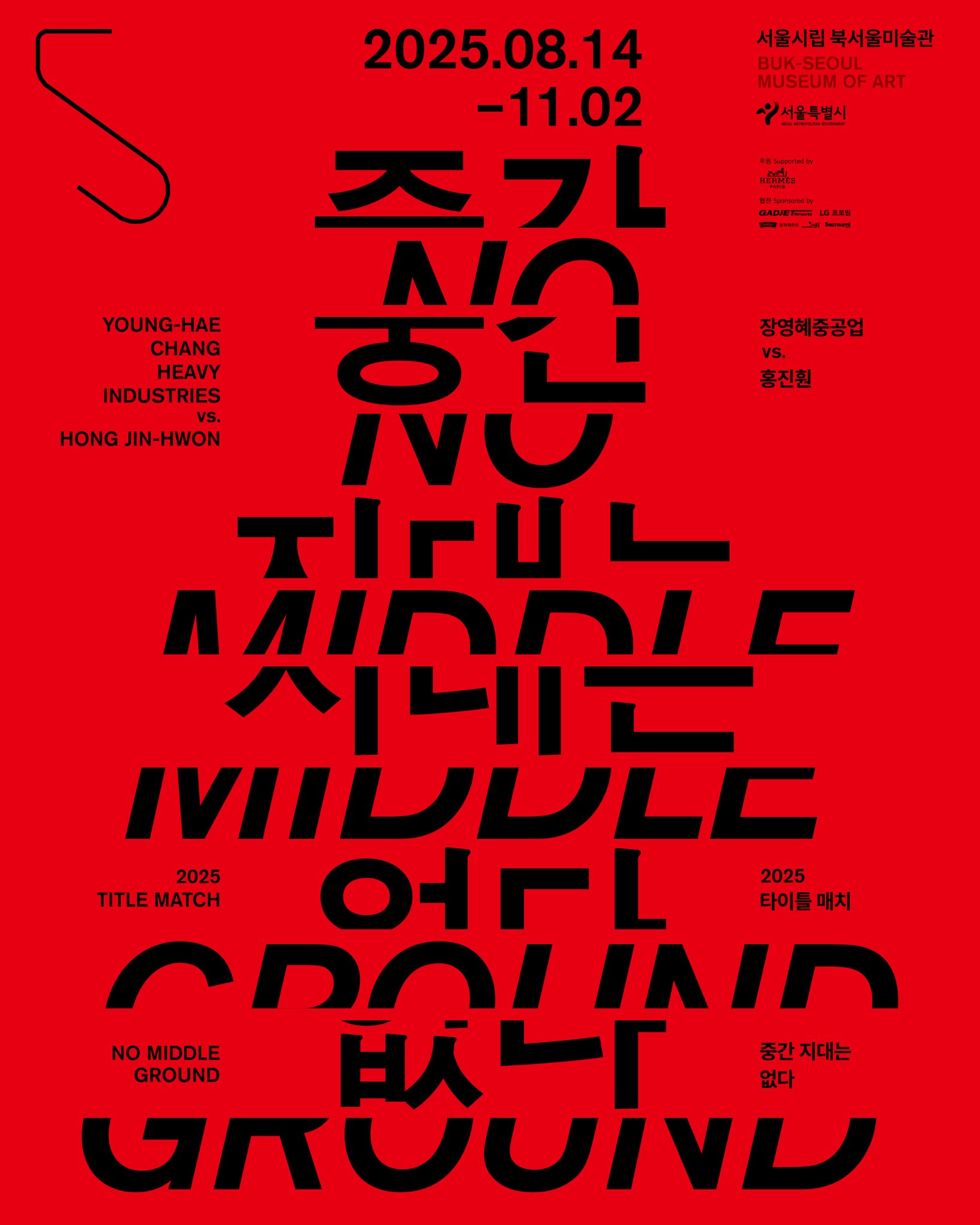
In recent years, Hong Jin-hwon has expanded these concerns into broader institutional and social contexts. His participation in the 2021 Seoul Mediacity Biennale, the 2024 Busan Biennale, the 2025 Title Match at the Buk-Seoul Museum of Art, and 《Korea Artist Prize 2026》 demonstrates how a practice rooted in photography has increasingly engaged with major discourses in Korean contemporary art.

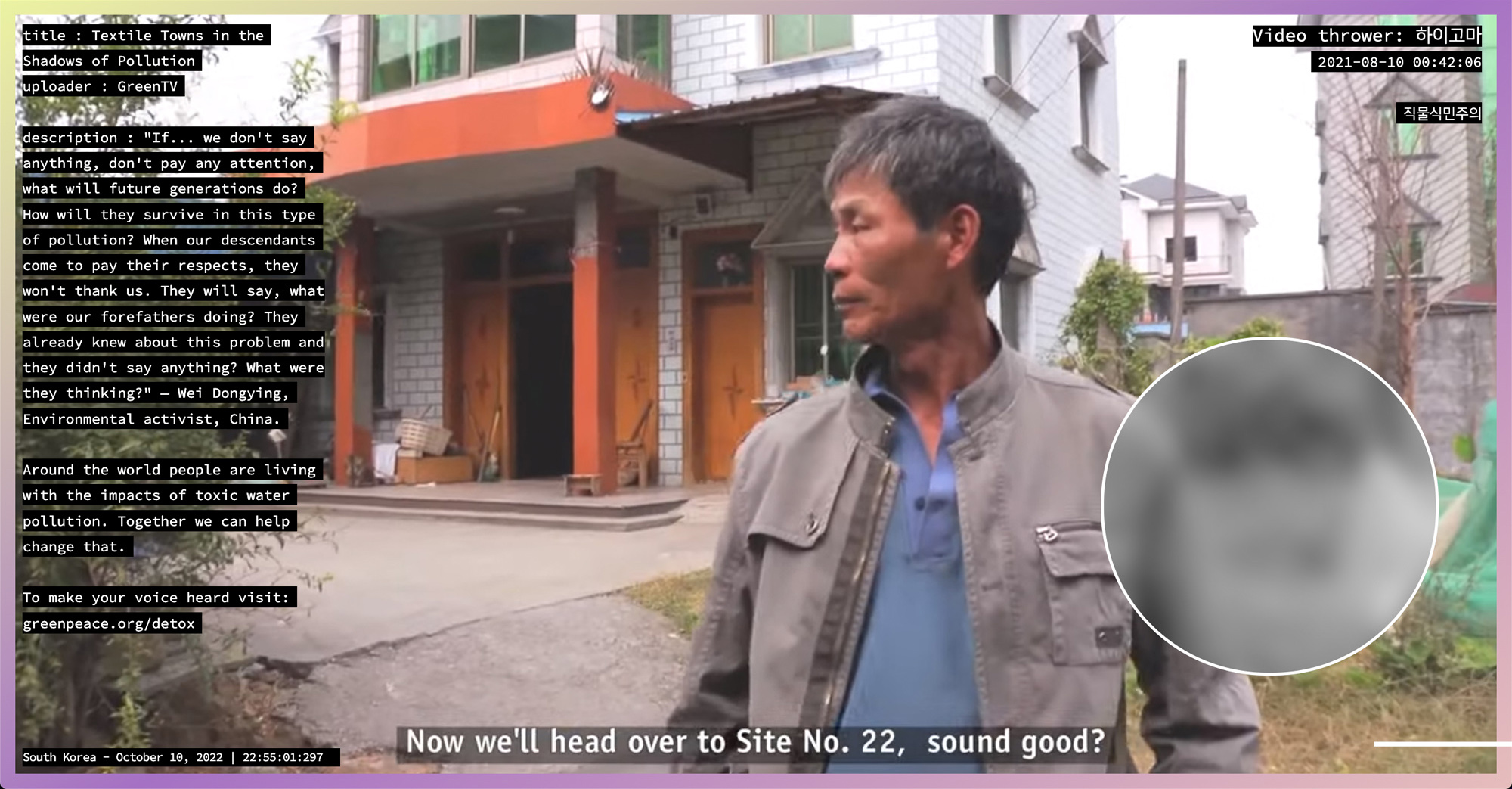
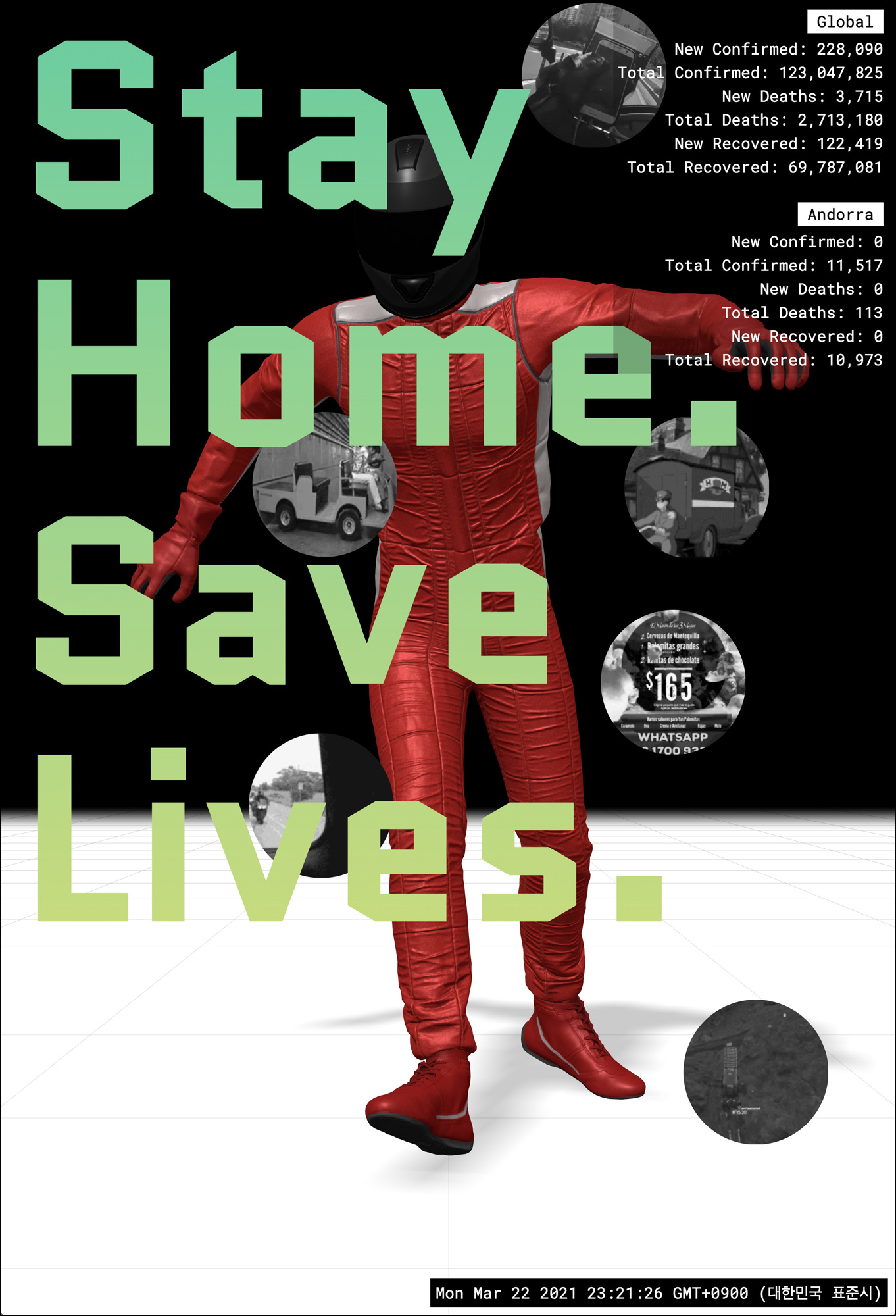
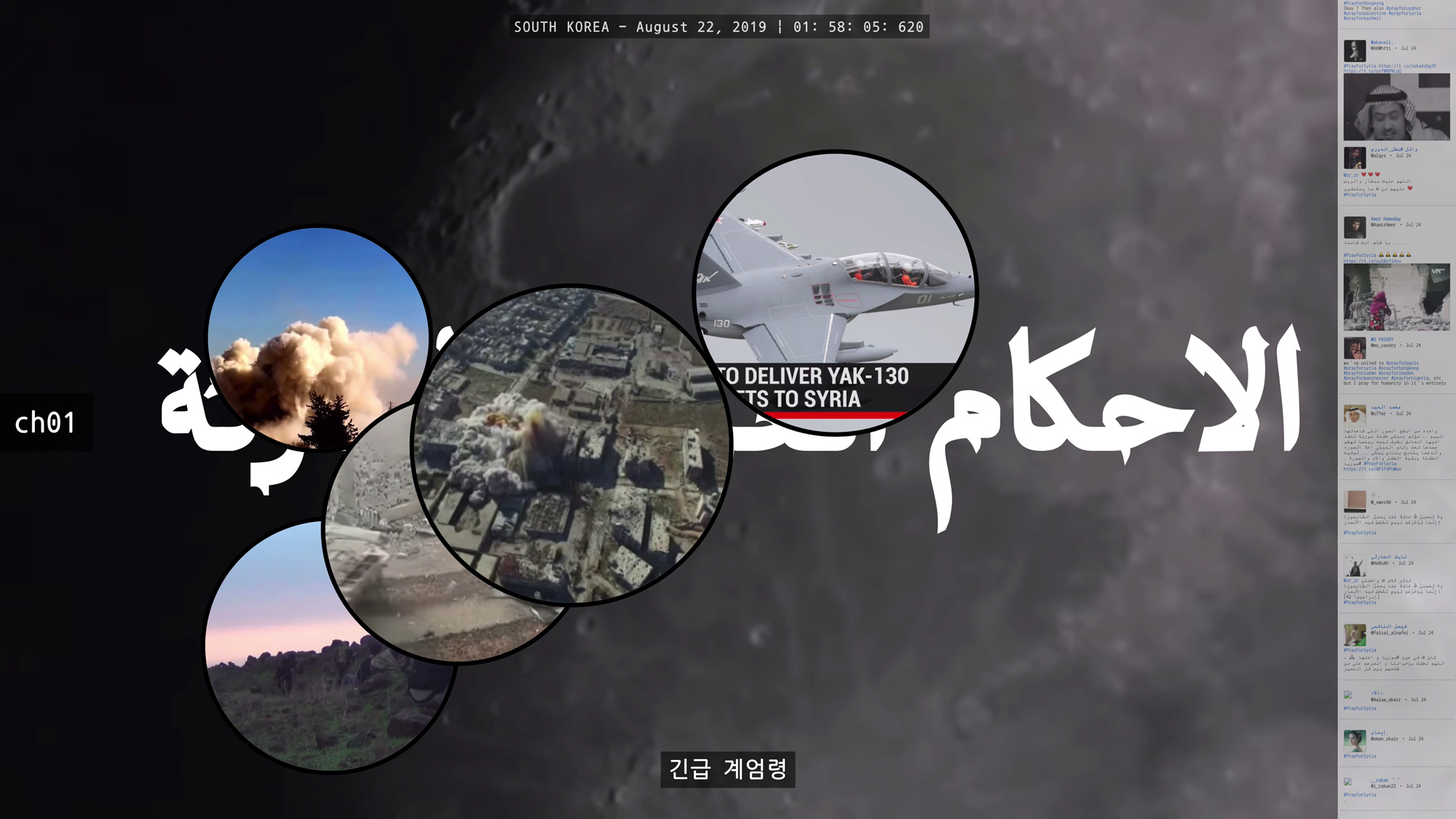
More recently, he has traced the processes through which protests and struggles themselves become images and regain political force within environments where physical and online spaces overlap.

What began with a camera documenting events has, over time, developed into a practice addressing the social structures through which images are produced and remembered; throughout these changes, his determination to question the power images exert over reality and to create fissures in established forms of inertia has remained constant.

Works of Art

The Reality-Driving Power of Photographic Images

Articles

Exhibitions

Activities