Propagation - K-ARTIST

Propagation

2020
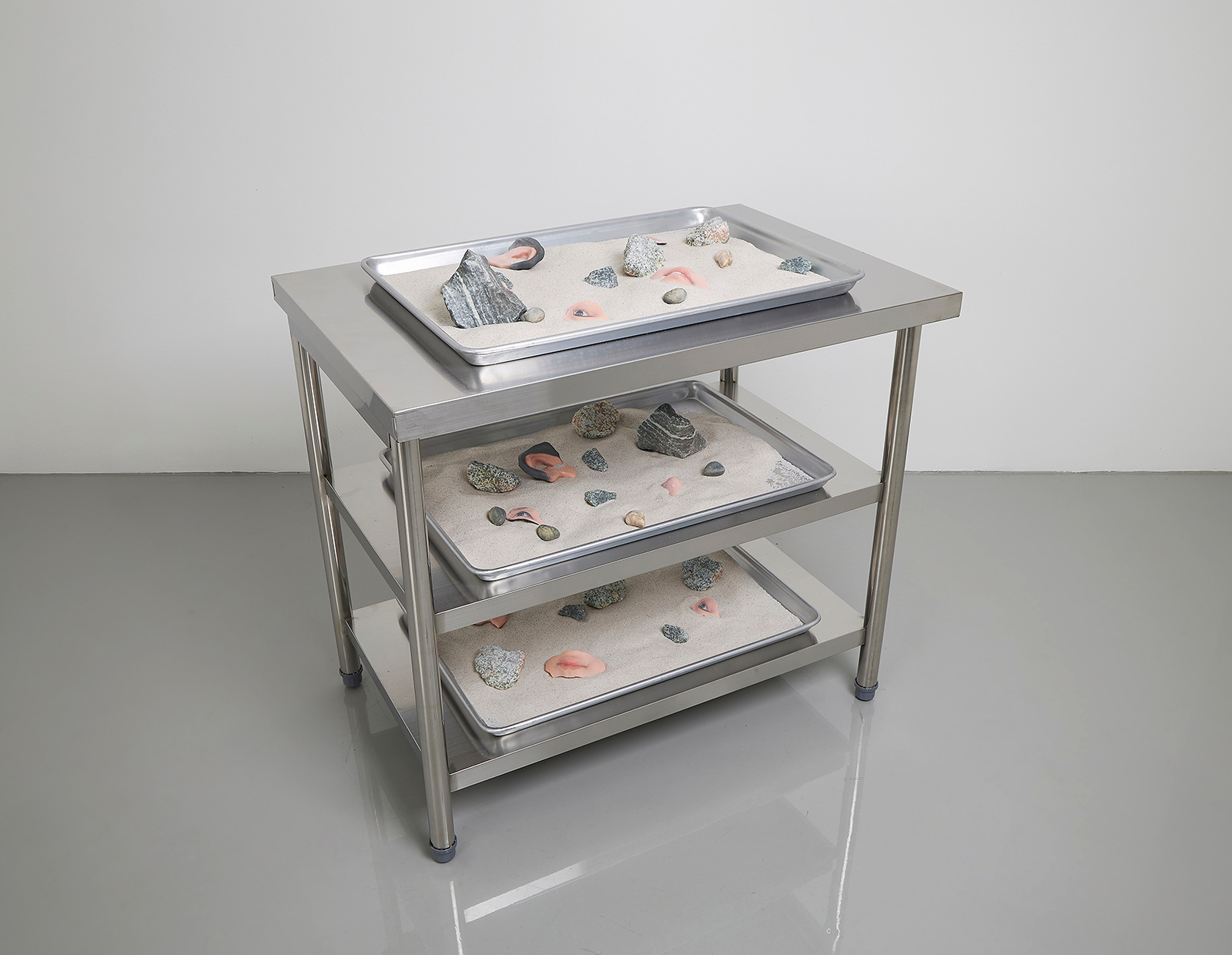
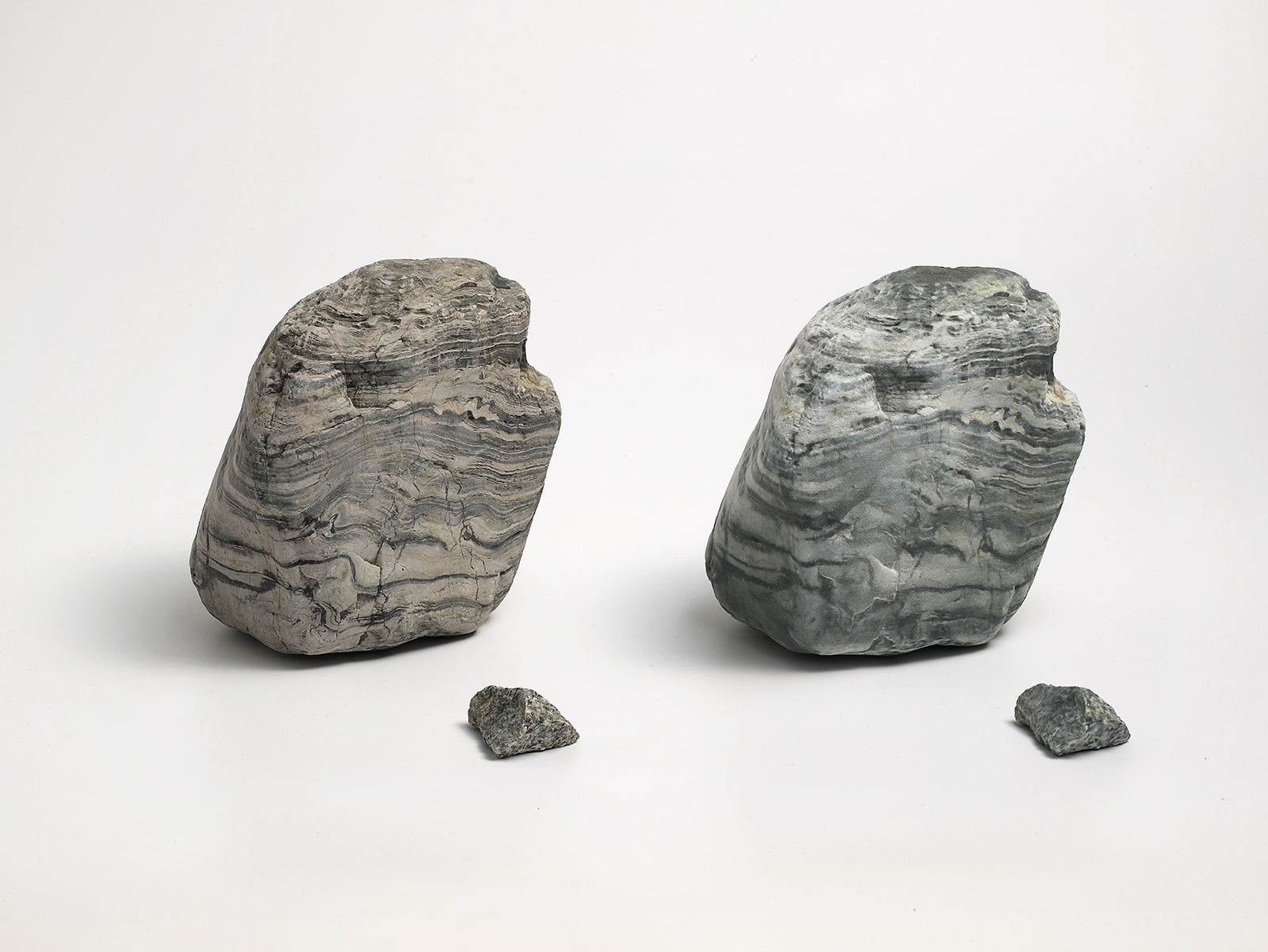
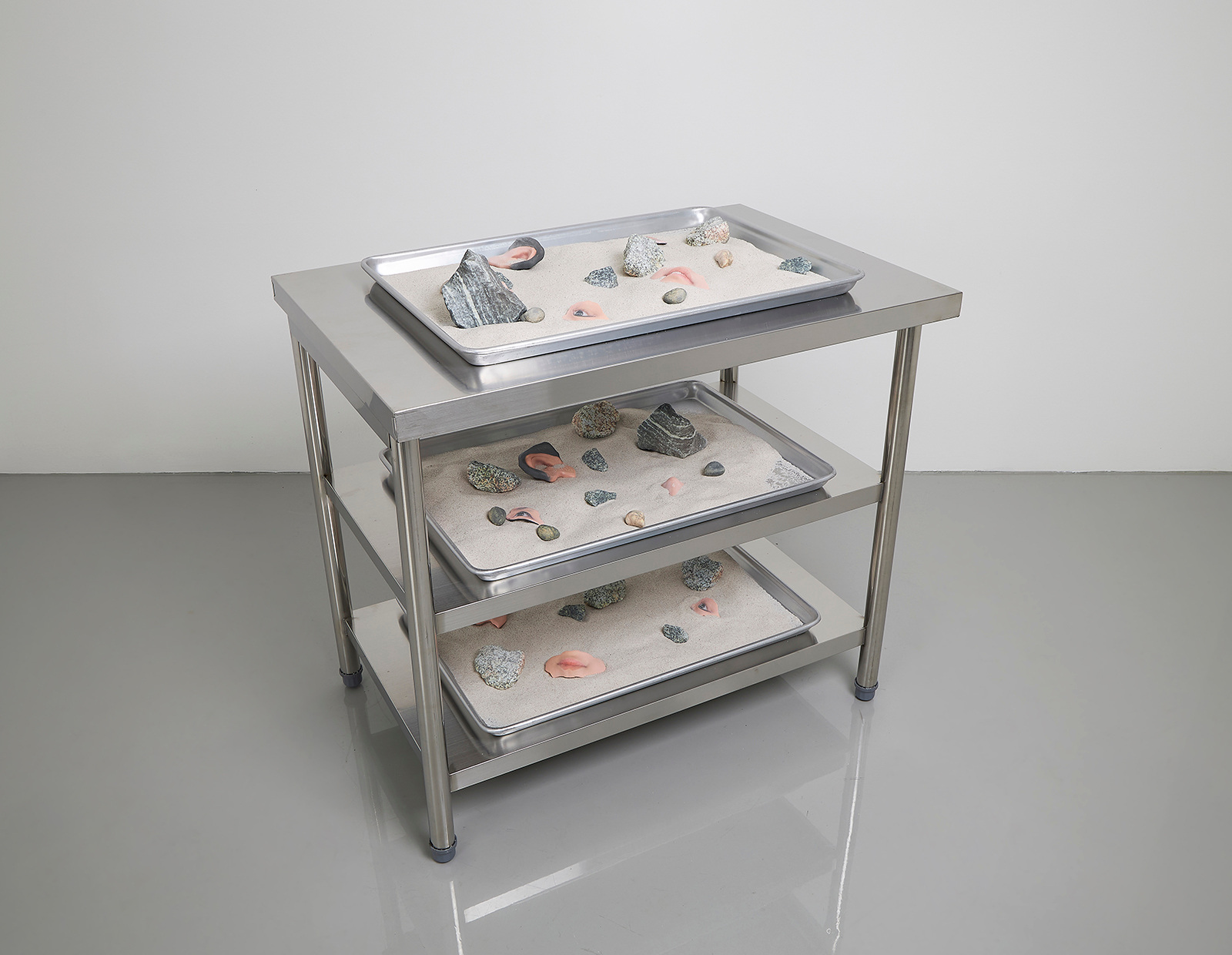
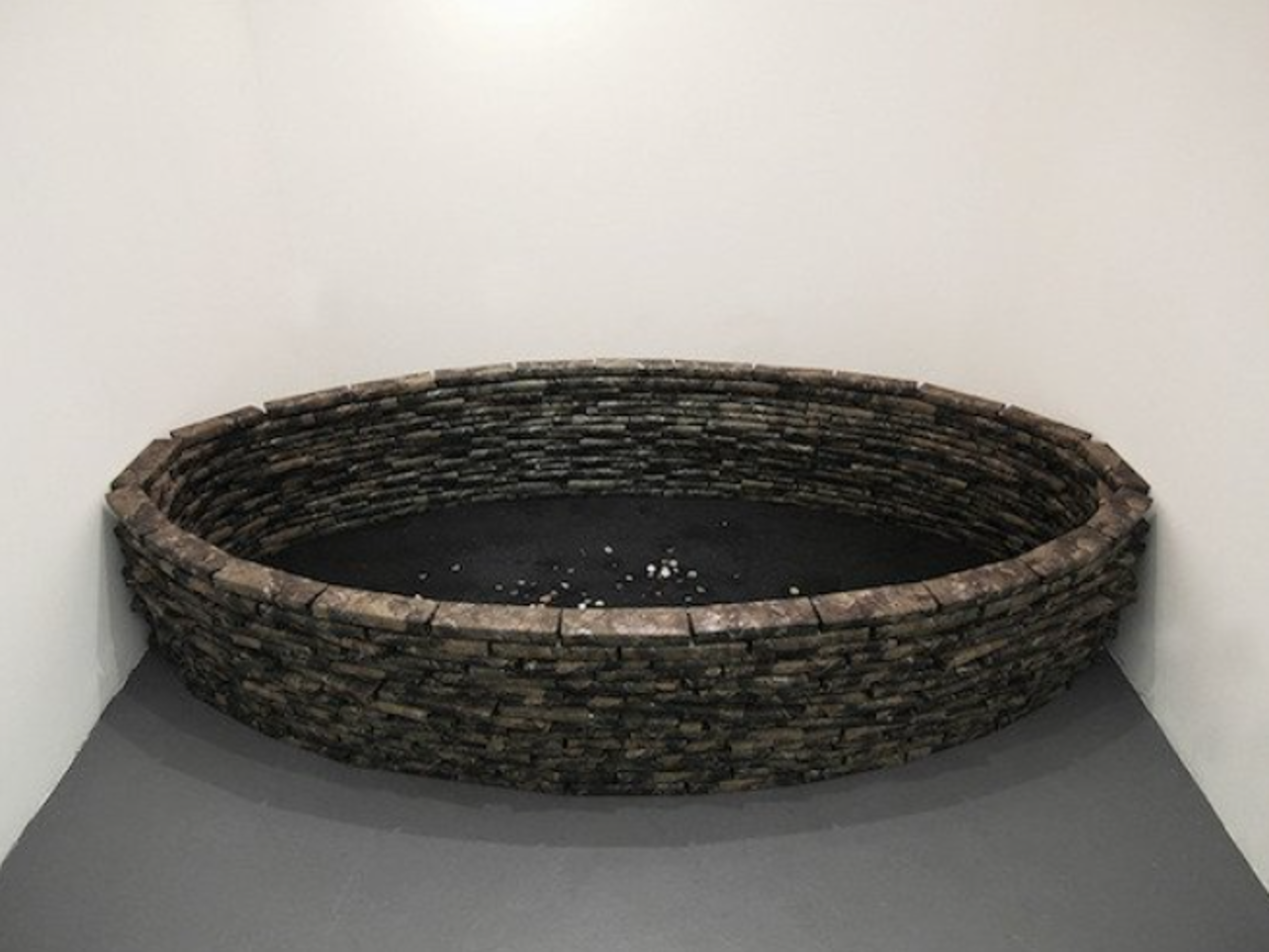
Rocks, 3D-printed nylon
17.15 × 17.15 × 11.43 cm each (large rocks), 4.13 × 2.54 × 5.08 cm each (small rocks)
About The Work

Nara Park explores the physical world we inhabit, the traces left within it, and the relationship between humans and their environment.

Working primarily through sculpture, she examines the boundaries between the body and objects, humans and nonhumans, and life and death, moving between the realms of the natural and the artificial, the real and the imitative. Through these explorations, she questions what constitutes the reality we perceive and what authenticity and essence might exist behind it.

Park’s practice begins with the question of what makes bodies, objects, and nature recognizable as ‘real.’ Through her direct experiences of death in her family and childbirth, she encountered bodies whose outward forms remained intact even after life had departed, as well as moments when a body underwent profound transformation.

These experiences led her to consider the relationship between existence and nonexistence, and between surface and essence, becoming an important point of departure for her subsequent exploration of the boundaries between life and matter and the changing states of being.

Using artificial materials that imitate nature, anthropomorphized furniture, and moving objects, Park reveals the ambiguous boundaries between life and matter, reality and illusion, and the natural and the artificial. Her sculptural practice prompts us to reconsider the conditions of existence and the criteria by which we take reality for granted.

Ultimately, her work moves beyond forms revealed on physical surfaces to explore the inner states and essences that lie beneath them, questioning how our sense of what is ‘real’ is formed.

Solo Exhibitions (Brief)

Park has held solo exhibitions including 《Completely You》 (THEO, Seoul, 2026), 《Gestures》 (Artspace Boan 2, Seoul, 2025), 《I Live》 (Plain Sight, Washington, D.C., 2021), and 《Presence》 (VisArts, Rockville, Maryland, 2020).

Group Exhibitions (Brief)

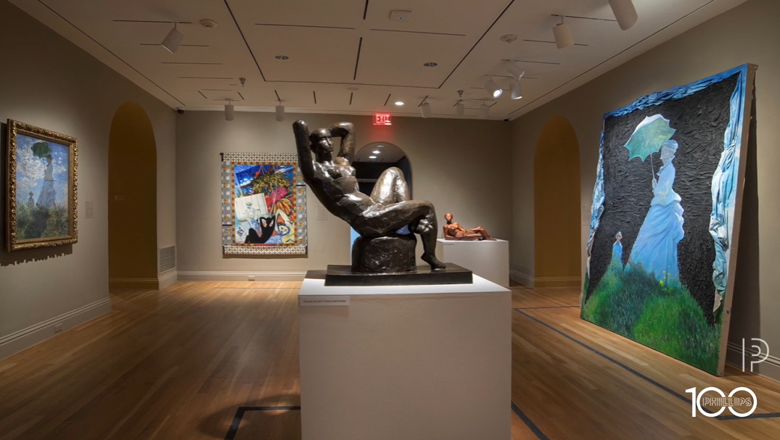
Park has also participated in numerous group exhibitions, including the 7th Changwon Sculpture Biennale 《silent apple》 (Seongsan Art Hall, Changwon, 2024), 《Highlights From The Permanent Collection》 (The Phillips Collection, Washington, D.C., 2022–2023), 《There, There》 (IA&A at Hillyer, Washington, D.C., 2021), and 《Mapping the Future World》 (Transformer Gallery, Washington, D.C., 2020).

Residencies (Selected)

Park was selected as an artist-in-residence at the SeMA Nanji Residency in 2024.

Collections (Selected)

Park’s works are held in the collections of The Phillips Collection and the DC Commission on the Arts and Humanities (DCCAH).

Works of Art

On the Authenticity Behind the Reality We Perceive

Originality & Identity

Nara Park’s practice begins with a question about what makes the physical world we inhabit—and the bodies, objects, and natural forms within it—feel “real.” Through personal experiences of death in her family and childbirth, Park encountered moments in which outward appearance remained intact while life had disappeared, or in which a single body underwent rapid transformation.

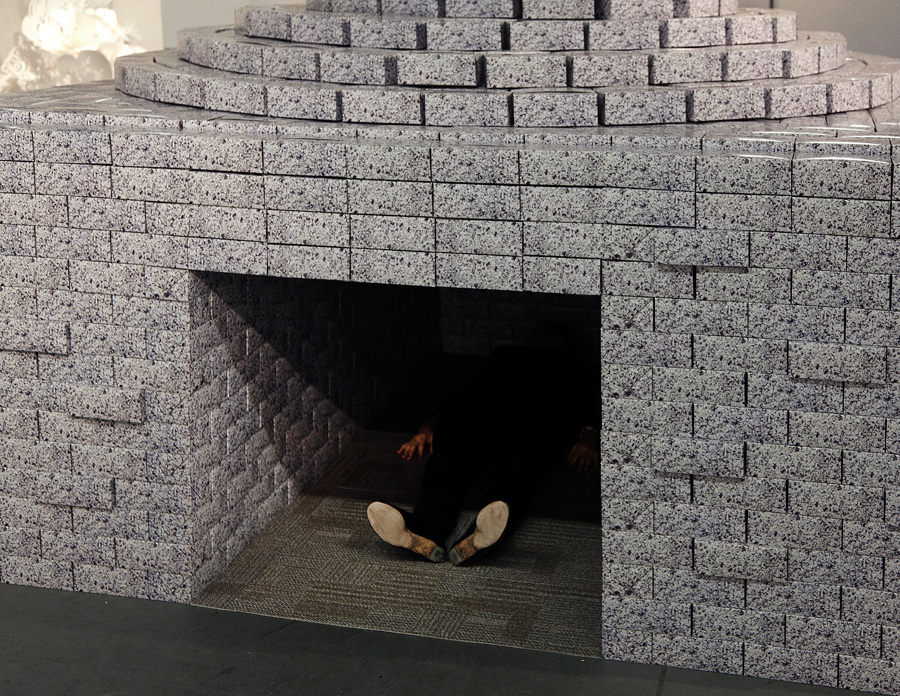
These experiences led her to explore the relationship between existence and nonexistence, surface and essence. In It Was Written On the Wall(2012), an early work, she constructed a monumental tomb-like structure using paper boxes printed with stone textures, while a humidifier installed inside gradually caused the paper to deteriorate.

By contrasting an exterior that resembles a solid stone monument with materials that are in fact lightweight and fragile, Park questions the way we judge the substance of things through their surfaces alone.
 
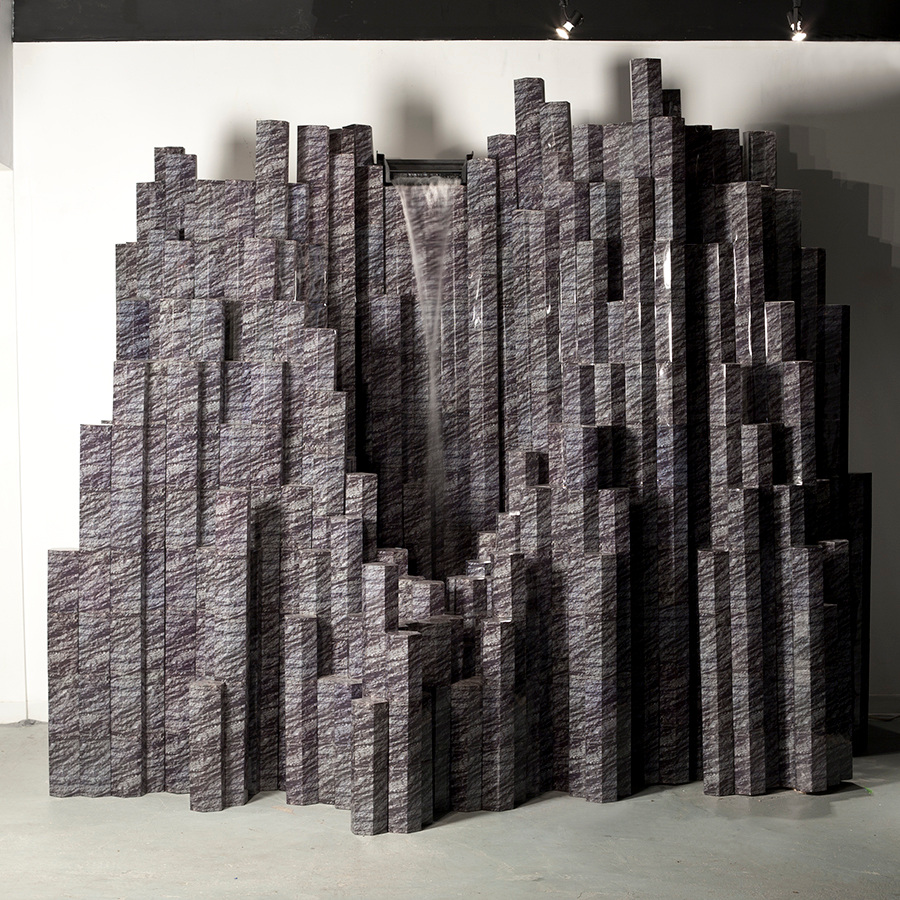
This inquiry later expanded into the relationship between nature and artifice, permanence and transience. In works such as Waterfall(2013), Believe(2013), and Disillusioned I - V(2017), Park used plastic, printed patterns resembling stone or wood, and other synthetic materials to reproduce the appearance of natural forms. Her aim, however, was not to create perfect replicas.

When an artificial object resembles nature while still openly revealing itself as artificial, the boundary between the real and the fake begins to shift, allowing a different kind of vitality to emerge.

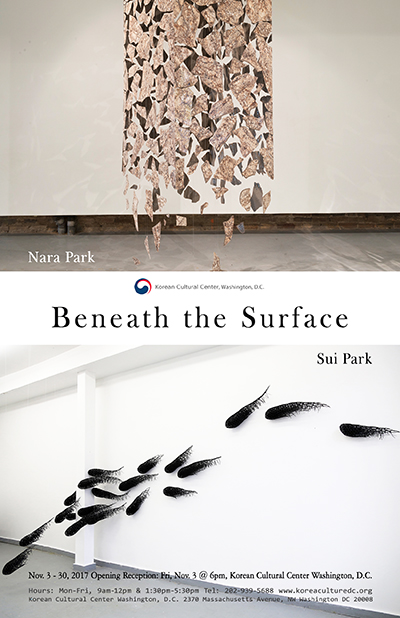
《Believe》(Kohl Gallery, Washington College, 2016) and 《Beneath the Surface》(Korean Cultural Center, Washington D.C., 2017) marked an important phase in this inquiry, as Park connected the desire for manufactured perfection and permanence with the human desire for immortality.
 
From the 2020s onward, the focus of her work shifted from the imitation of nature toward the materiality of the body itself. The ‘Mediation’(2020–) series places sensory organs such as eyes, noses, and mouths alongside stones through 3D scanning and printing, positioning them on the same material plane. In doing so, Park suggests that even the organs through which humans perceive the world may ultimately remain as material traces after death.

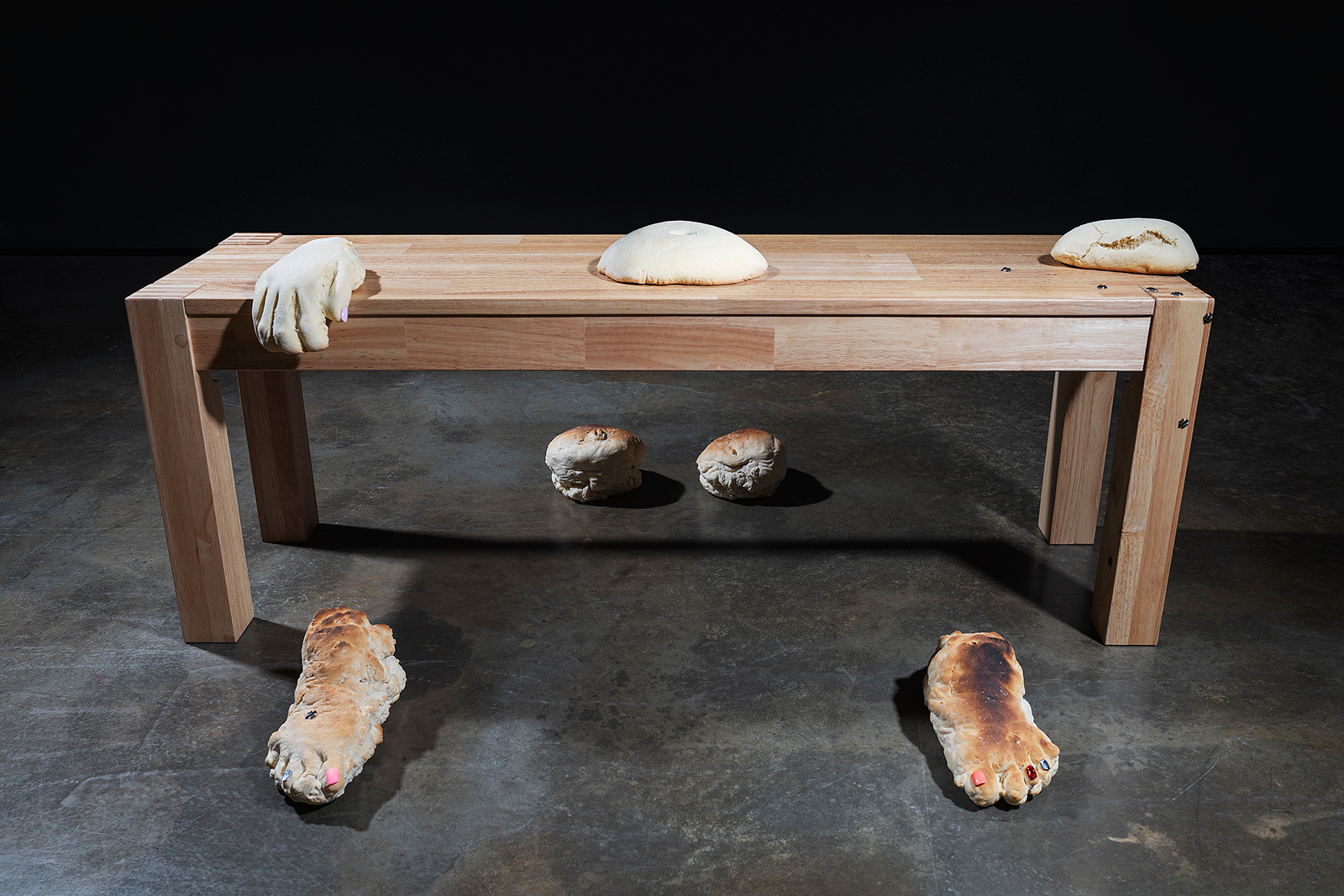
In Mediation IV(2023), sculptural fragments modeled after parts of the body and stones are scattered across sand like excavated remains, while Kneaded Reflections(2023) translates the artist’s own experience of a body swelling, stretching, and becoming physically restricted during pregnancy and breastfeeding into a fermenting bread-like body. Here, the human body is treated not as a fixed center containing consciousness, but as a material existence that changes, expands, and decomposes.
 
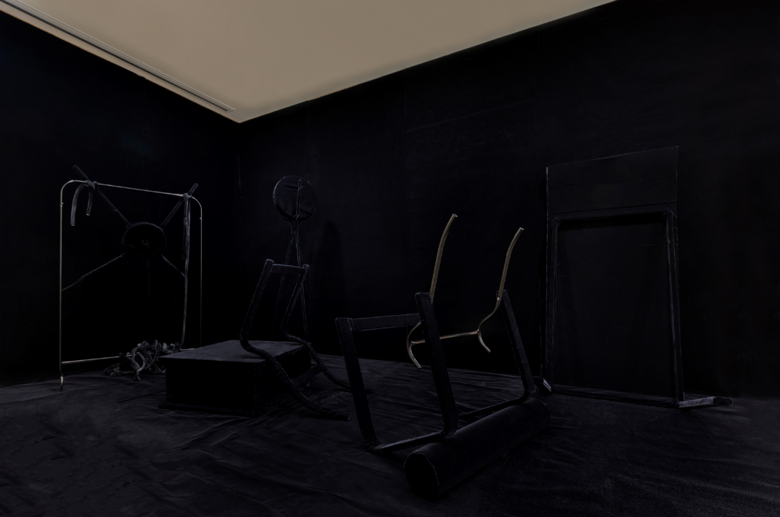
In more recent works, these concerns expand again toward objects and socially managed surfaces. In 《Gestures》(Artspace Boan 2, 2025), chairs, beds, and dining tables that have lost their original functions expose their skeletal frames or vibrate as if behaving like bodies. If Park’s earlier work examined the “human body treated like an object,” her attention here reverses toward “objects sensed as bodies.”

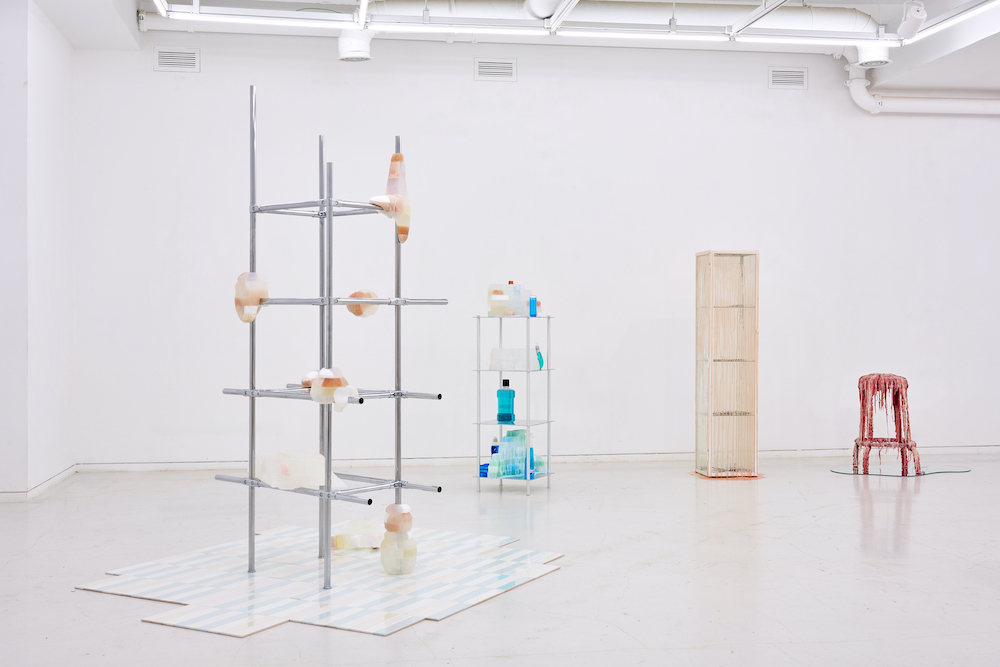
This is followed by 《Completely You》(Gallery THEO, 2026), where soap, cosmetics, and hygiene products address the conditions under which contemporary individuals are constantly required to maintain and optimize their surfaces. What began as an ontological inquiry into life and death has moved through the boundary between body and object and into the socially managed surface of the body, allowing Park to continually renew the question of “what is alive, and what is real?” at different levels.

Style & Contents

Rather than constructing sculpture as a single solid mass, Nara Park actively uses the discrepancy between visible appearance and actual materiality. In her early work, she used lightweight and disposable materials such as paper, Styrofoam, plastic, vinyl, artificial plants, and synthetic panels to reproduce stone, brick, wood, waterfalls, and architectural structures.

It Was Written On the Wall makes paper resemble stone, while Waterfall constructs a natural landscape from plastic packaging boxes. This strategy of creating forms that appear visually heavy and permanent while remaining physically light and hollow became one of the central formal languages of her practice: “hollowness within bulkiness” and “physical lightness within visual heaviness.”
 
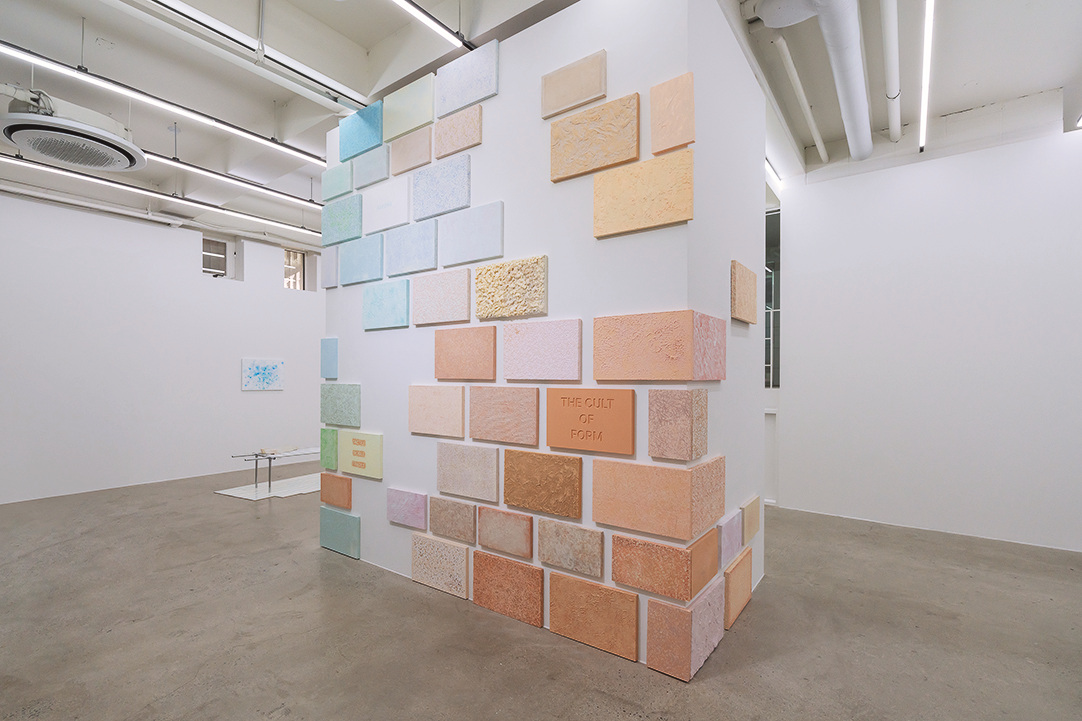
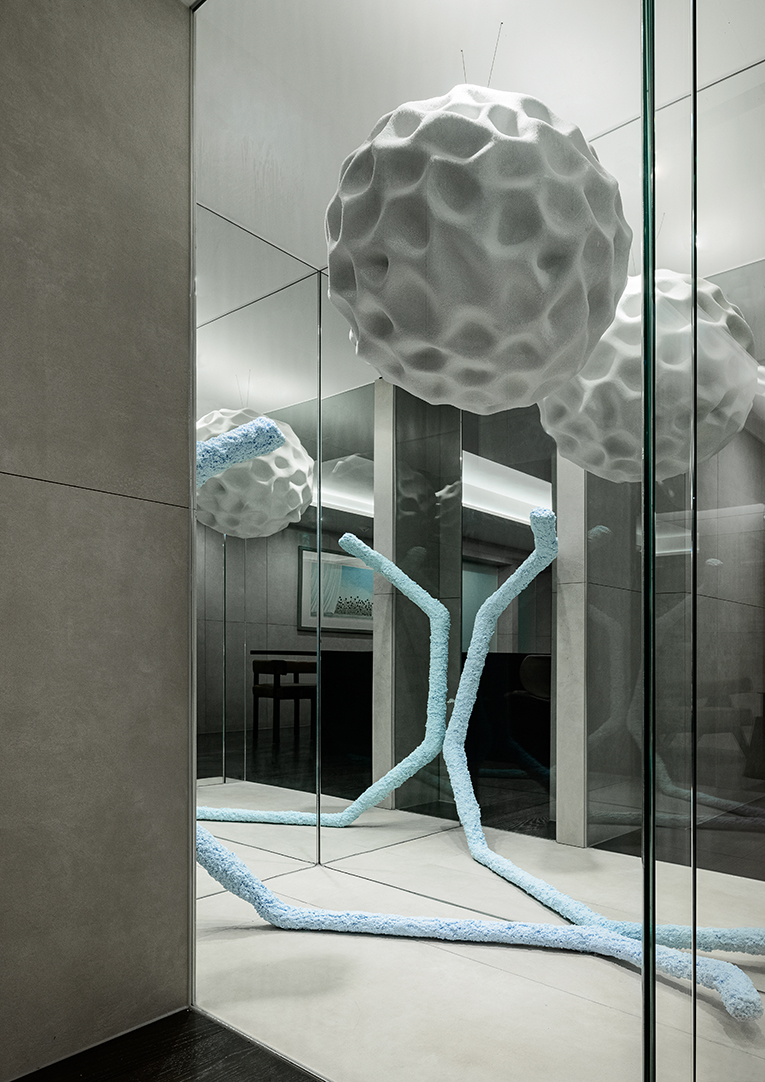
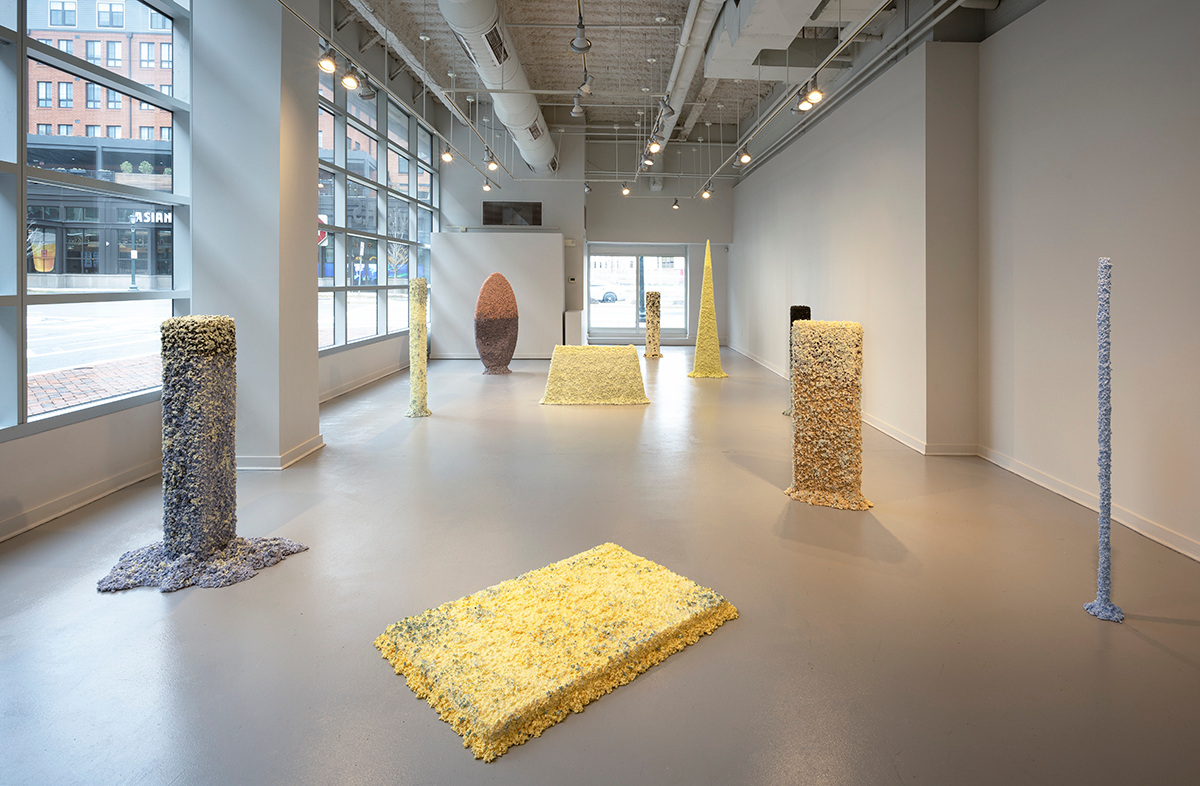
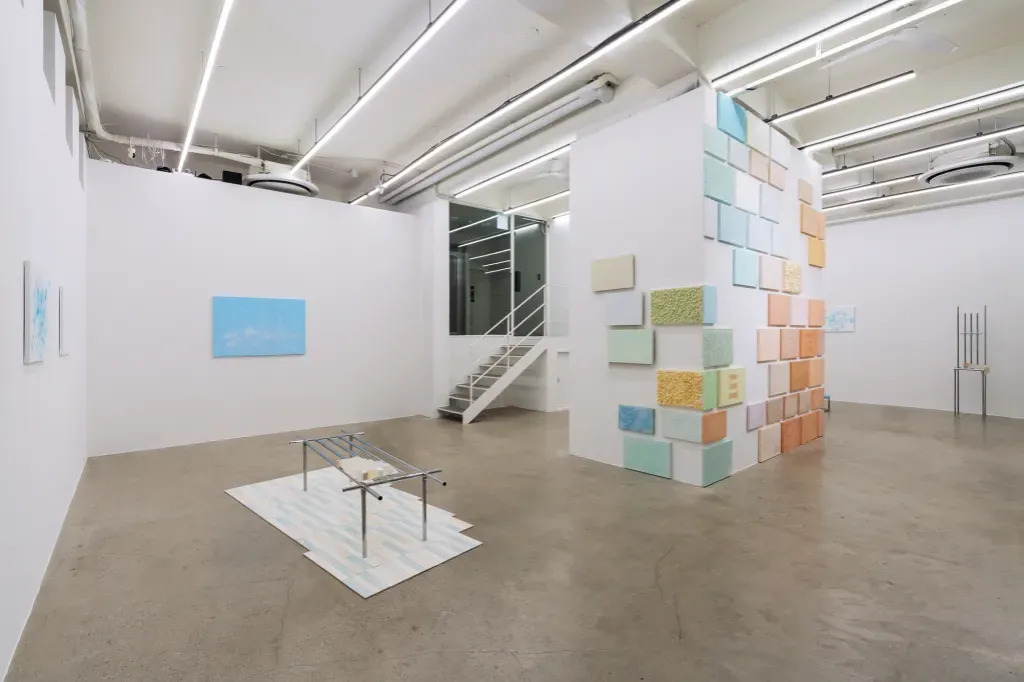
Stone has remained a key motif throughout these formal experiments. The ‘Presence’(2019) series uses Styrofoam beads and polystyrene panels to create forms reminiscent of gravestones or monuments, while surfaces painted in pale yellow, sky blue, and other artificial colors prevent the imitation of natural stone from becoming completely convincing.

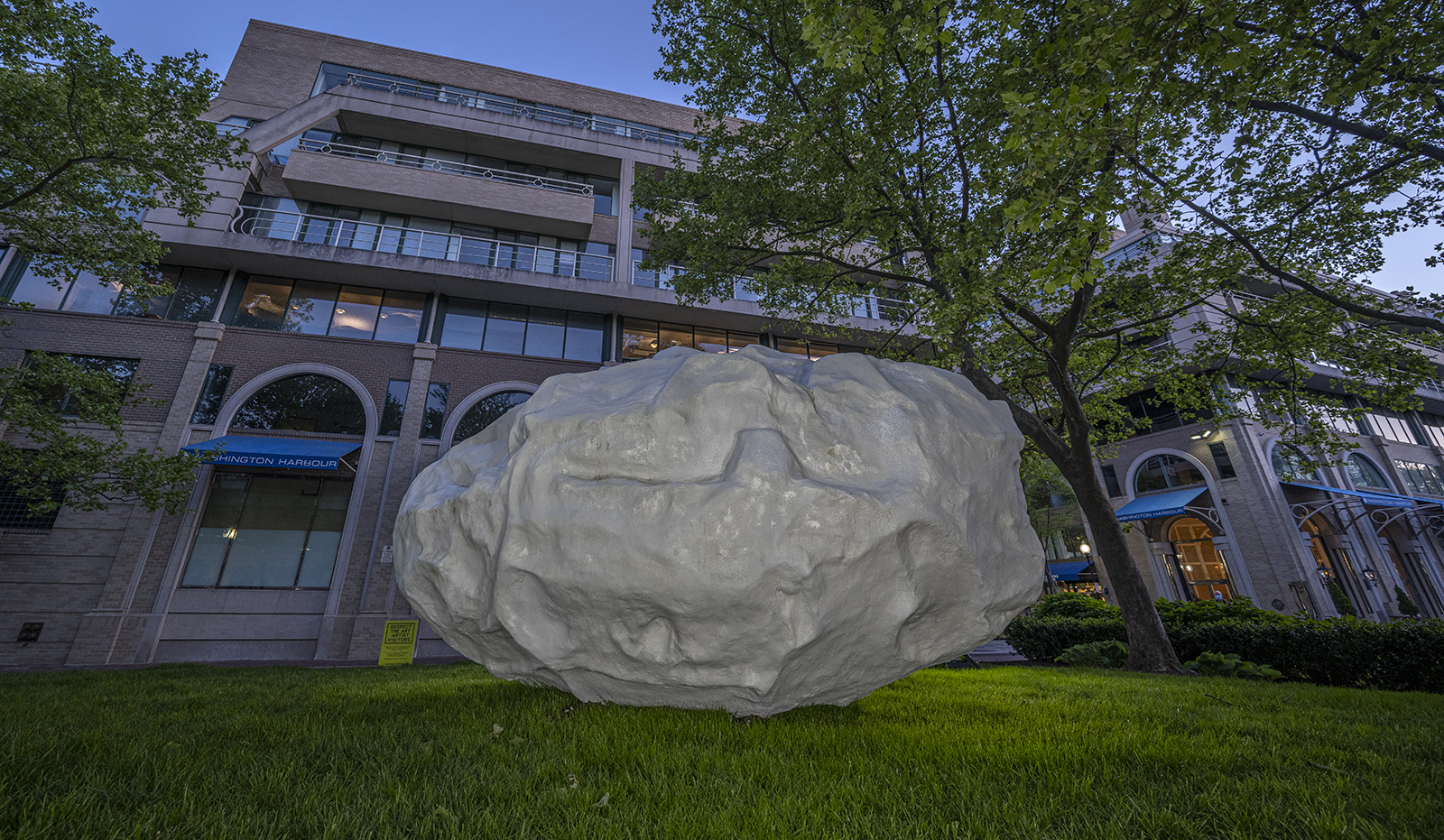
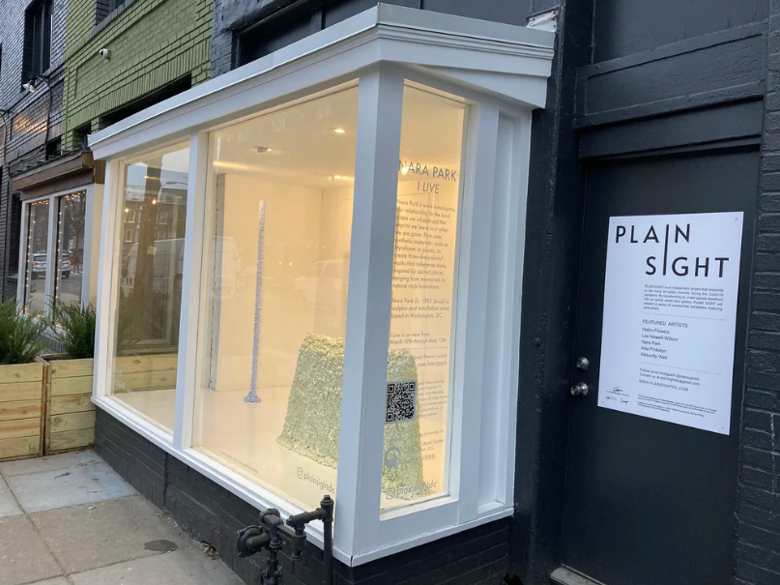
In 《I Live》(Plain Sight, Washington D.C., 2021), Presence V, works from the ‘Promises’ series, and an audio recording of the artist reading her poetry are presented together, extending sculpture beyond the image of the monument into an environment involving sound and memory. In The Beginning of Everything(2021) and Parallels IV(2021), meteorites are reconstructed using 3D printing, PVC, and reflective glass beads, bringing the history of natural matter into contact with advanced fabrication technologies.
 
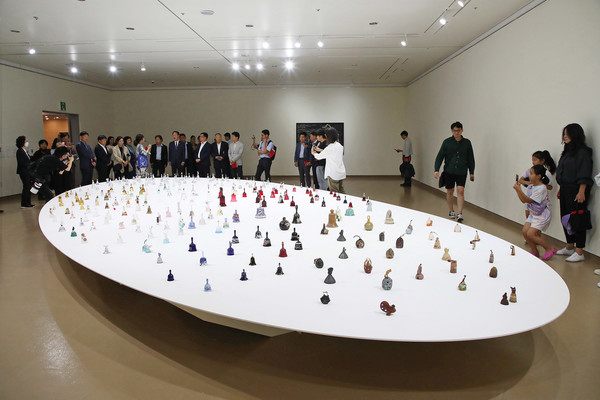
From 2023 onward, the physical transformation of materials itself becomes an important part of the work. Kneaded Reflections uses flour, yeast, sugar, eggs, and other food ingredients that actually ferment and emit odors, changing according to the air and duration of each exhibition site. In Mediation IV, 3D-printed nylon sensory organs and stones are arranged horizontally with sand and stainless-steel trays.

At the 7th Changwon Sculpture Biennale 《silent apple》(Seongsan Art Hall, Changwon, 2024), these works were installed low to the ground, allowing viewers to look down on them and move around them as if entering an environment. Sculpture here shifts away from erecting a self-contained form and toward constructing situations in which fragmented bodies and objects are placed, transformed, and encountered.
 
Following 《Gestures》, ready-made furniture, motors, and everyday products become increasingly central. Park removes the seat of a chair to expose a structure resembling a spine and rib cage, and mechanically vibrates a severed mattress that can no longer function, giving objects an awkward sense of vitality.

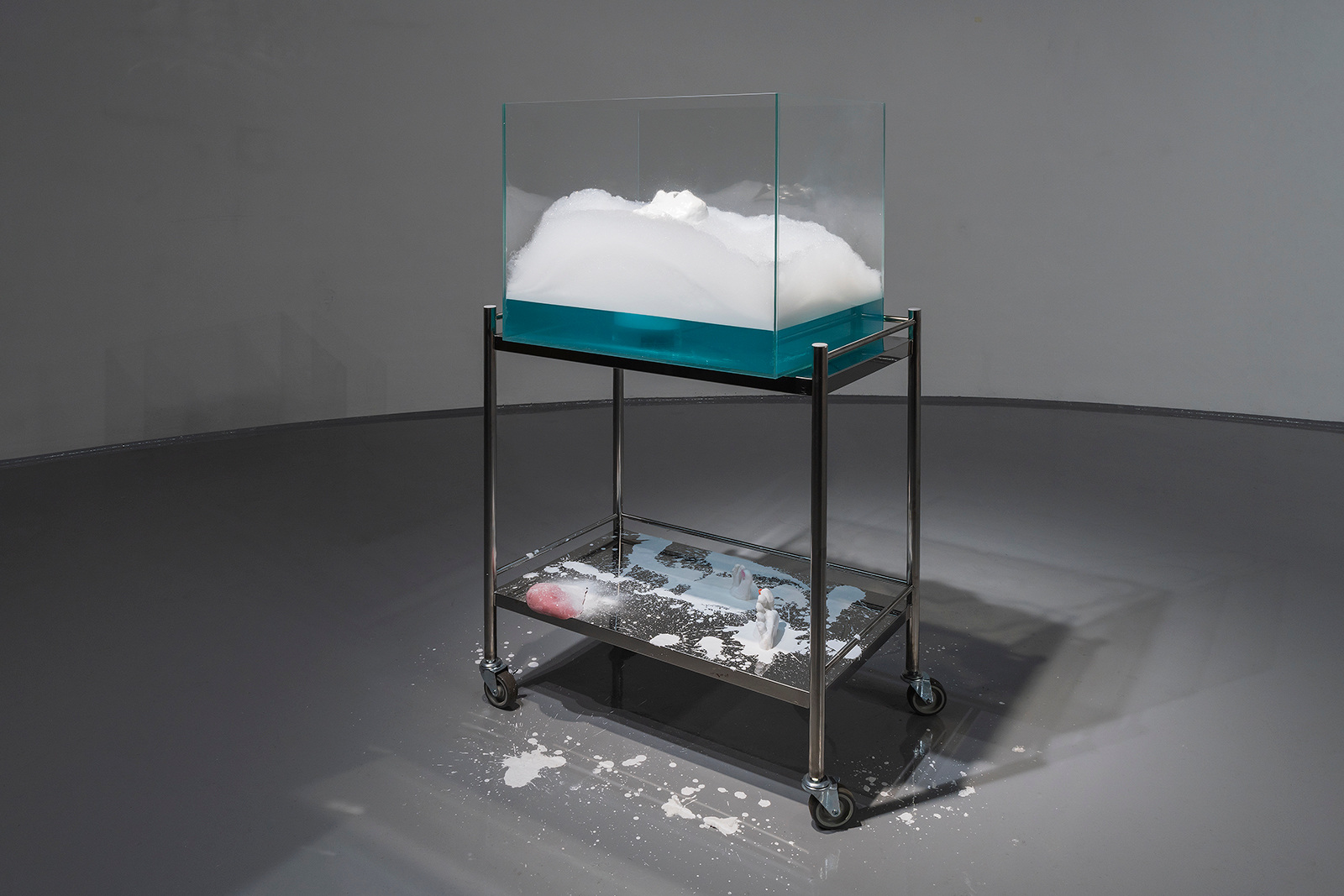
By placing beauty and surgical tools alongside tools used on objects, or grouping body-care products and cleaning supplies through shared color systems, she reveals similarities in the ways bodies and objects are maintained. Sterilization of Fate(2024) incorporates mouthwash, a medical cart, pumps, wax, deodorant, and other materials, introducing scent, circulation, and disinfection into sculpture.

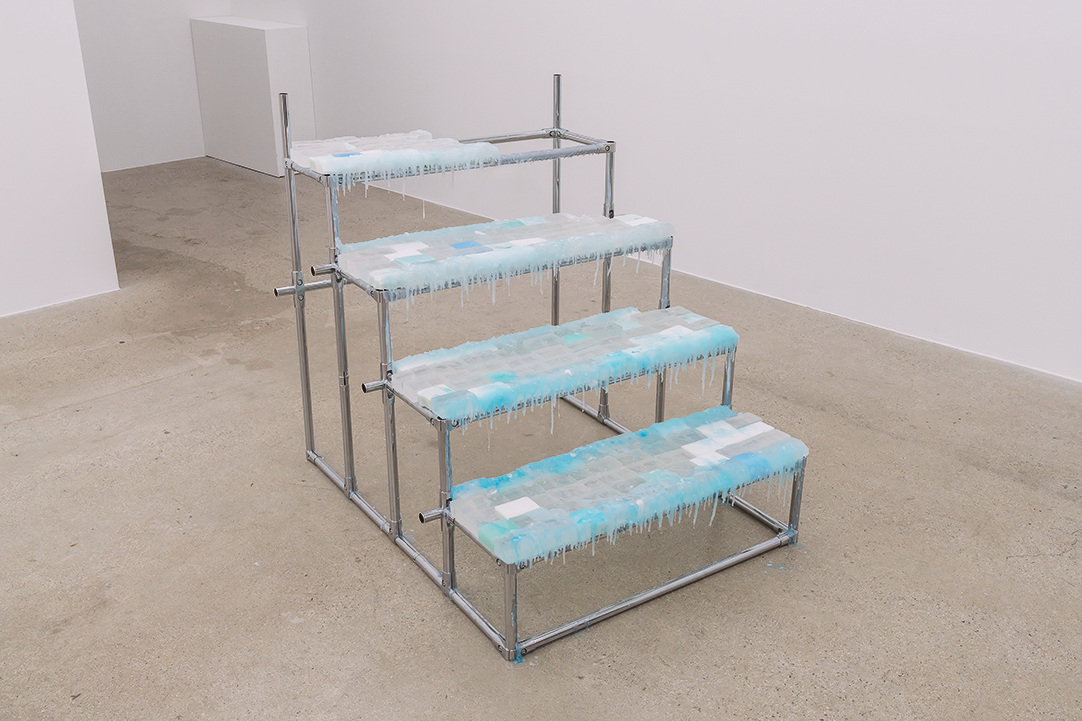
By the time of The Cult of the Surface(2026) and Walking with a Altered Body(2026), cosmetics, soap, and chrome pipes function as social devices that regulate and standardize the body’s surface. Sculpture thus moves beyond representing the body itself and begins to construct the industrial and consumer environments that surround and manage it.

Topography & Continuity

One of the most consistent characteristics of Nara Park’s practice is that she does not treat “imitation” and “the real” as simple opposites. Plastic that resembles nature, paper that resembles stone, furniture that resembles bodies, and mattresses that seem alive are all artificial, yet Park does not stop at exposing them as fake. Instead, she is interested in the moment when artificial things begin to produce real sensations and memories.

Surface, therefore, is not merely a false layer concealing essence, but an active device capable of generating another reality. As seen in The Clock Store(2018), where childhood drawings of clocks are digitally collaged onto images of stone, actual stone and images of stone, hand-made sculpture and digital output, become connected as different layers of reality.
 
This attitude also gives her treatment of the body a distinctive character. While many contemporary practices dealing with the body use the body itself as an image or as the subject of performance, Park approaches corporeality indirectly through the objects and materials surrounding it.

The sensory organs in the ‘Mediation’ series, the fermenting bread of Kneaded Reflections, the chairs and beds of 《Gestures》, and the soap and cosmetics of 《Completely You》 all address bodily vulnerability, transformation, maintenance, and disappearance without directly representing the human figure. Her refusal to place bodies and objects within a fixed hierarchy, instead considering both under shared material conditions, allows broader questions around human and nonhuman existence to be approached through tactile and familiar everyday objects.
 
The transition between Park’s years of practice in the United States and her work after returning to Korea can also be understood less as a break than as a shift in emphasis. The relationship between nature and artifice that she developed through research into landscapes, stones, meteorites, and monuments in the United States later moved toward bodies, domestic objects, hygiene, and the beauty industry after her return, yet the underlying concerns with surface and interior, permanence and disappearance, reality and imitation have remained continuous.

Her participation in exhibitions at major institutions such as 《Seeing Differently- The Phillips Collects for a New Century》(The Phillips Collection, Washington D.C., 2021), the inclusion of her work in The Phillips Collection, her 2024 residency at SeMA Nanji Residency, and her participation in the 7th Changwon Sculpture Biennale reflect how her practice has developed across different artistic contexts in both the United States and Korea.
 
In her recent work, Park’s sculpture increasingly moves toward situations in which the distinction between what is alive and what is not becomes difficult to sustain. Her works emit scents, ferment, vibrate, wear down, and undergo forms of maintenance, sometimes revealing their materiality more directly than the human body itself.

The trajectory from early monumental structures to bodily transformation, gestures of nonhuman objects, and the artificial surfaces produced by consumer society can be understood less as a sequence of changing media than as a sustained inquiry into the question of “how existence can be recognized.” At the shifting boundaries between nature and synthesis, human and object, matter and image, Park’s practice continues to leave open the possibility of exploring how sculpture can make something feel alive.

Works of Art

On the Authenticity Behind the Reality We Perceive

Articles

Exhibitions

Activities