

When Tigers Used to Smoke - K-ARTIST

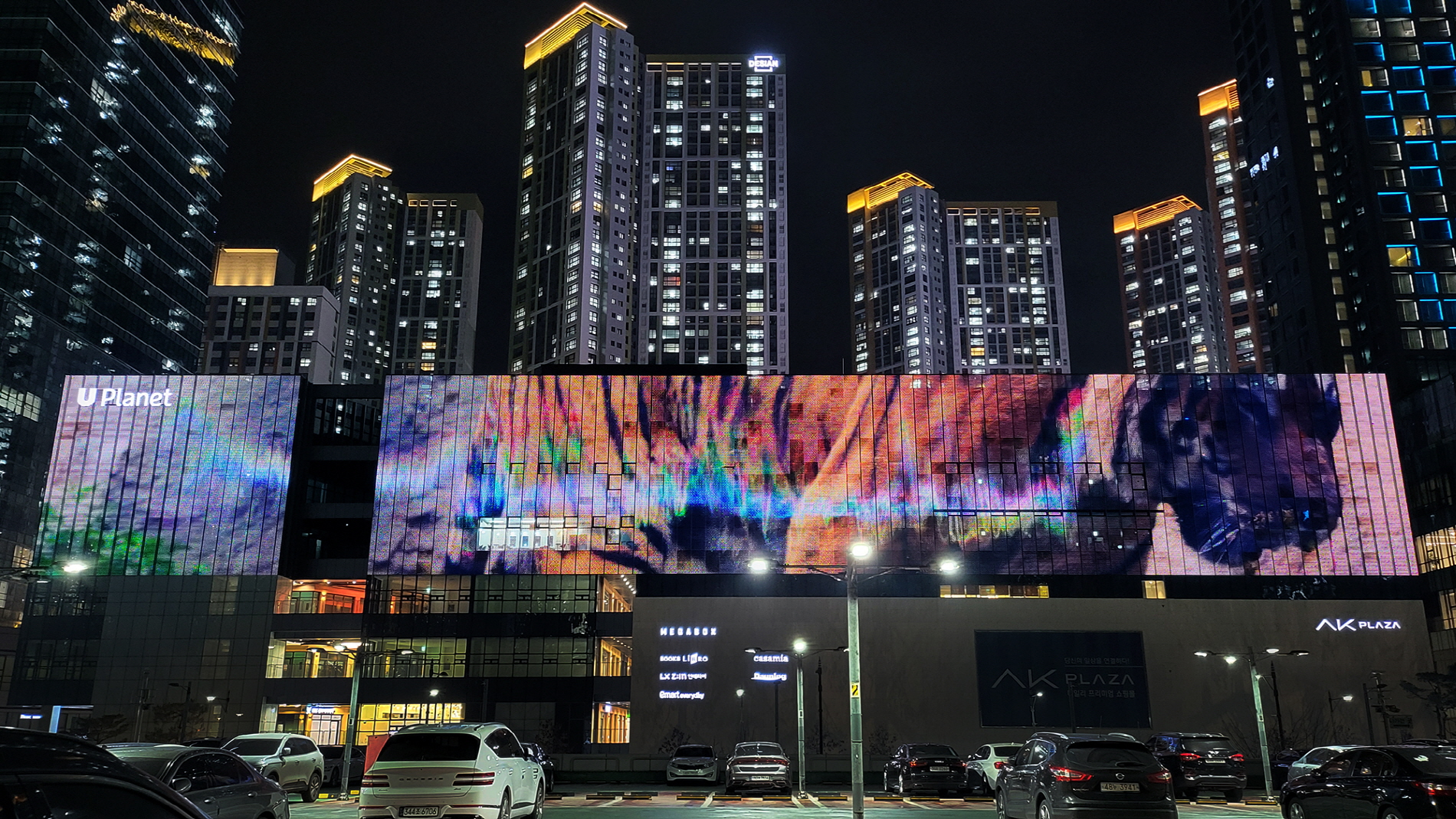
When Tigers Used to Smoke

2021
Single Channel Video, 4K 
7min. loop
About The Work

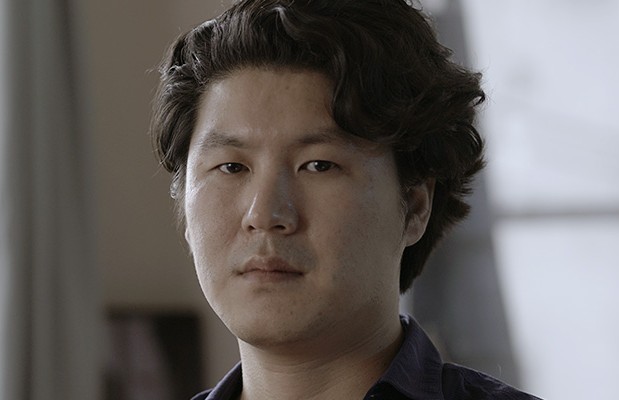
Kelvin Kyungkun Park's artistic practice begins by exploring the historical archetypes of modern and contemporary Korean history and the underlying social contexts hidden beneath them. He pays close attention to the alienation of individuals, collective consciousness, and the construction of masculinity shaped under the rapid industrialization and economic growth in Korea.

Starting from his early films that document the historical and social narratives of modern Korea, Park gradually transitioned to deconstructing cinematic storytelling and incorporating video installations, performance, and digital technology, establishing himself as a unique figure in both the film and art worlds.

Solo Exhibitions (Brief)

Kelvin Kyungkun Park has presented his works through solo exhibitions such as 《A Dream of Iron》(2013, Opsis Art, Seoul), 《Space Time Machine》(2015, Dongjin Building, Euljiro, Seoul), 《A Dream of Iron》(2016, Shindo Cultural Space, Seoul), 《Double Mirror》(2019, Shanghai Museum of Glass, Shanghai, China), and 《When Tigers Used to Smoke》(2022, OCAT Museum, Shanghai, China).

Group Exhibitions (Brief)

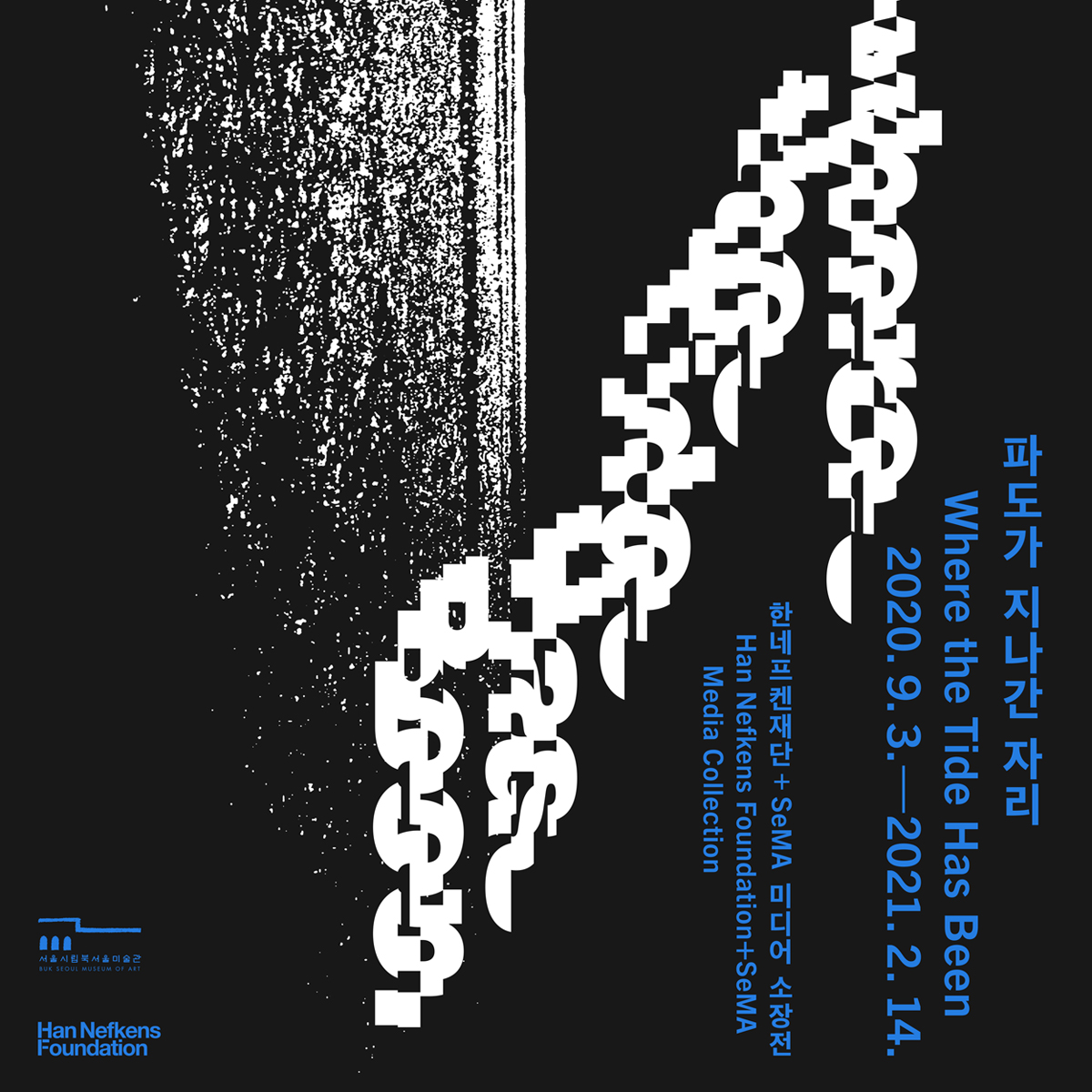
Since the early 2000s, Kelvin Kyungkun Park has actively participated in group exhibitions internationally in South Korea, the United States, the United Kingdom, Taiwan, China, and other countries. Major group exhibitions include 《How Latitudes Become Forms: Art in a Global Age》(2003, Walker Art Center, Minneapolis, USA), 《The Moment of Transposition》(2010, Ilmin Museum of Art, Seoul), 《Depaysement》(2011, Arko Art Center, Seoul), 《Objectology》(2015, National Museum of Modern and Contemporary Art, Gwacheon), 《Stopping by Woods on a Snowy Evening》(2016, Gallery Hyundai, Seoul), 《Korea Artist Prize 2017》(National Museum of Modern and Contemporary Art, Seoul), 《Video Generation》(2018, Alternative Space Loop, Seoul), 《Where the Tide Has Been: Han Nefkens Foundation + SeMA Media Collection》(2020, Buk-Seoul Museum of Art, Seoul), 《Metallurgy》(2021, Ho-Am Art Museum, Yongin), and 《Shape of Time》(2023, Philadelphia Museum of Art, USA).

Awards (Selected)

Park is the winner of Leeum Samsung Museum of Art’s Art Spectrum award(2016), Busan Film Festival’s best documentary award(2018), and a nominee for MMCA Korea Artist Prize 2017 and ART BASEL HK BMW Art Journey(2021) as well as being selected for Chanel x Frieze Now & Next(2022).

Collections (Selected)

Park’s works are housed in the collections of major institutions, including Pohang City Museum of Art (Pohang, Korea), Arario Museum(Korea), Leeum Samsung Museum of Art (Korea), National Museum of Modern and Contemporary Art (Korea), Gyeonggi Museum of Modern Art(Korea), Seoul Museum of Art(Korea). Shanghai Museum of Glass(China).
Works of Art

Untold of Modern & Contemporary Korean History

Originality & Identity

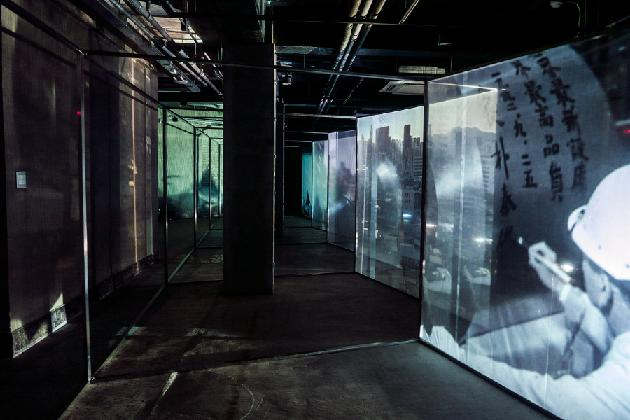
Kelvin Kyungkun Park's artistic practice begins by exploring the historical archetypes of modern and contemporary Korean history and the underlying social contexts hidden beneath them. He pays close attention to the alienation of individuals, collective consciousness, and the construction of masculinity shaped under the rapid industrialization and economic growth in Korea. In his early films, such as Cheonggyecheon Medley (2010) and A Dream of Iron (2014), Park uses iron and industrialization as central motifs to visually reconstruct the myth of Korea’s modernization, revealing the social and historical scars that lie beneath. In particular, A Dream of Iron portrays a cross-section of contemporary Korean society standing at the end of the industrial age by juxtaposing images of the Bangudae Petroglyphs in Ulsan with scenes from Hyundai Heavy Industries and POSCO steel mills.

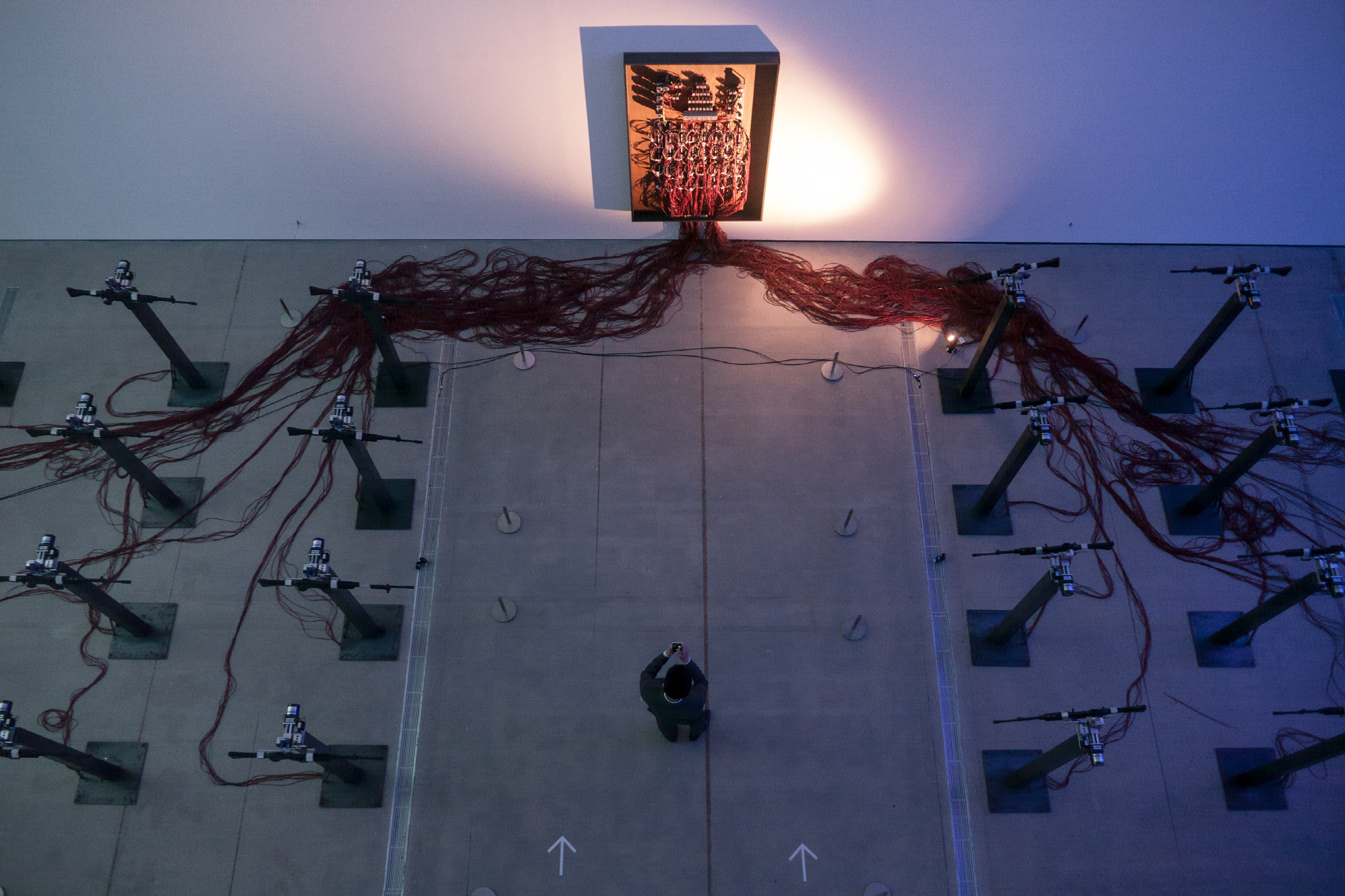
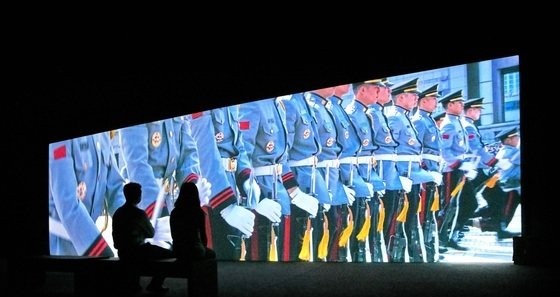
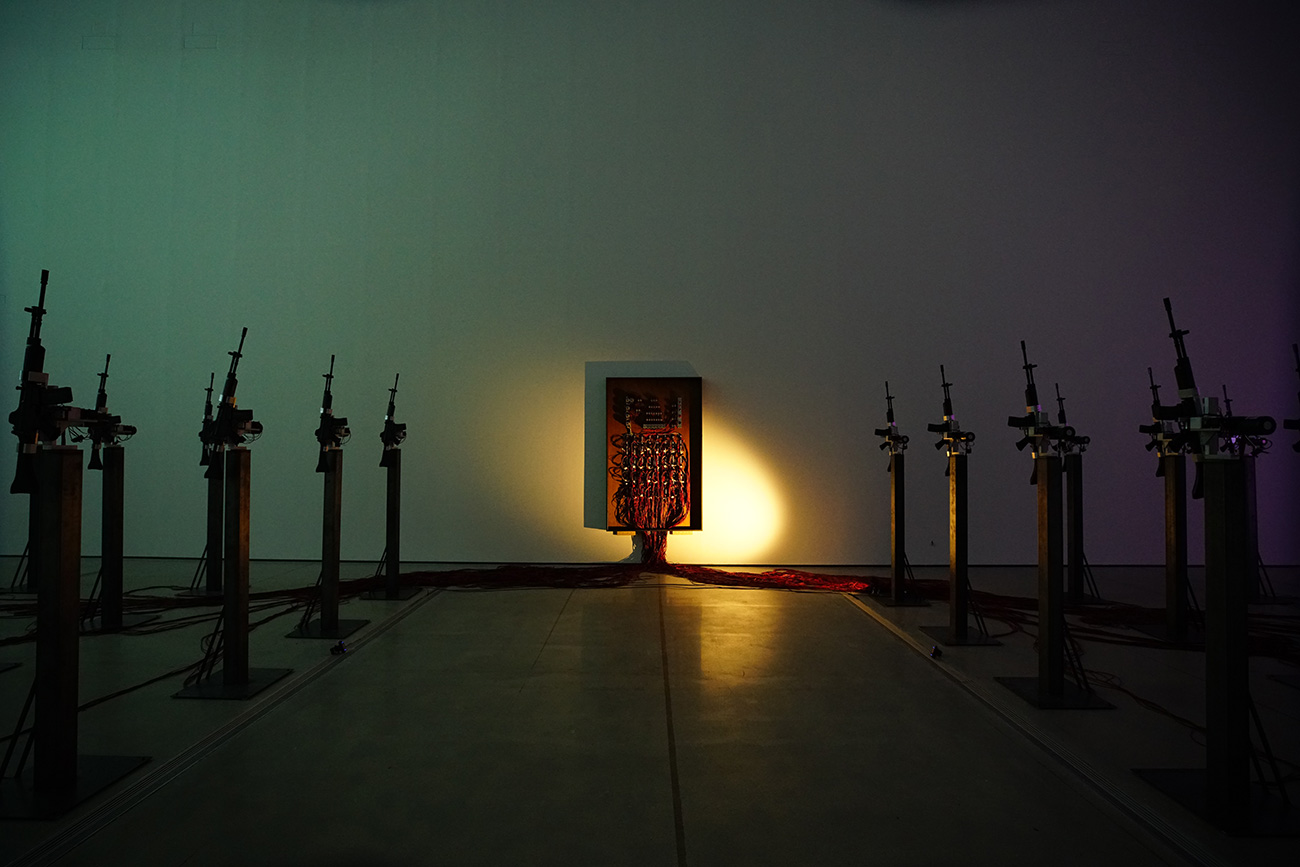
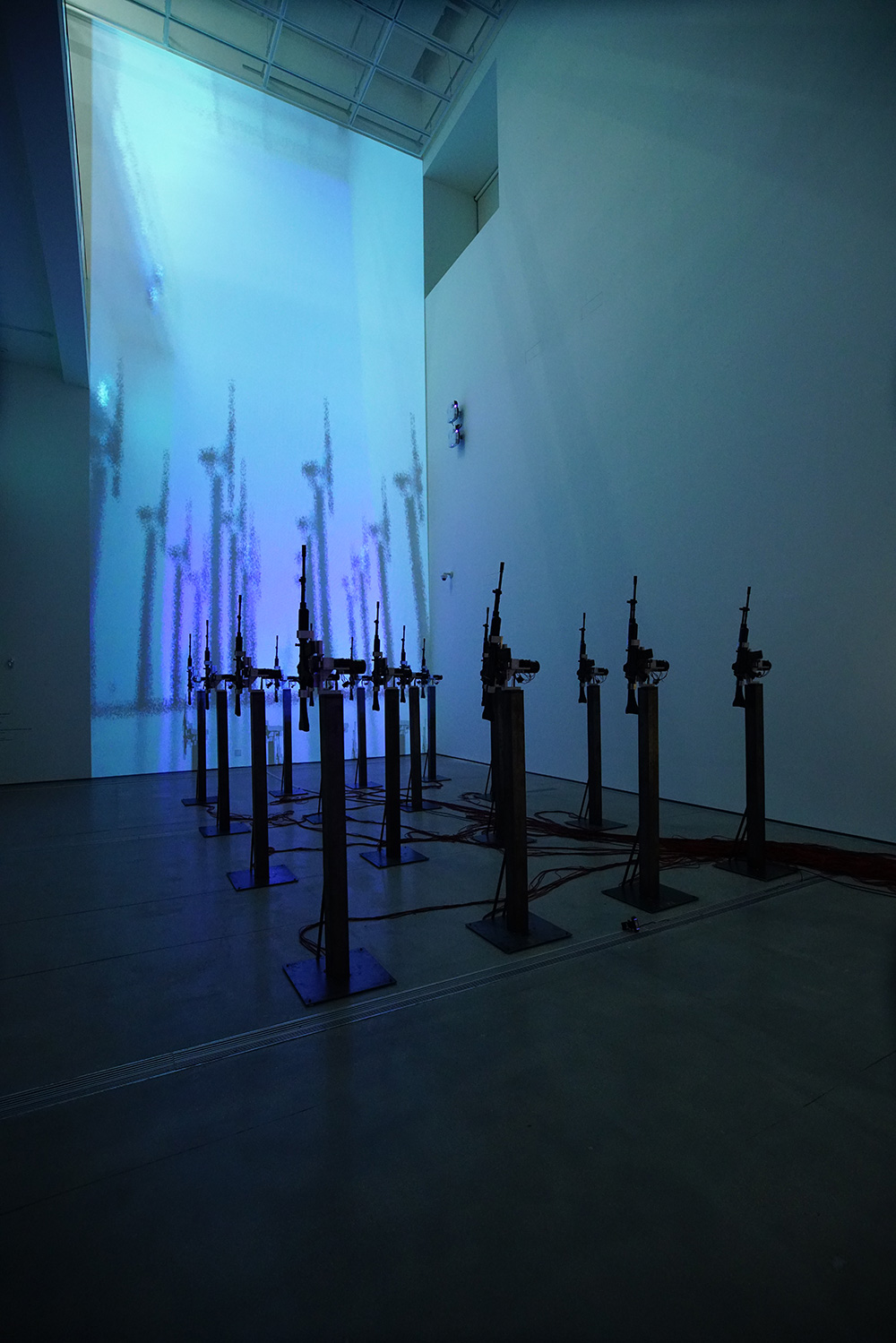
From 2016 onwards, Park delves deeper into masculinity and collective consciousness. In Mirror Organs: A Play of Metonymy (2017), exhibited at 《Korea Artist Prize 2017》 (National Museum of Modern and Contemporary Art), he metaphorically explores the archetype of collectivism through robotic mass performances inspired by the controlled and hierarchical environment of the military. Army: 600,000 Portraits (2016) also examines the ritualistic performances within the military, capturing the subtle facial expressions and movements of individual soldiers, thereby investigating the complex relationship between individuals and the collective, as well as the sensory experiences of alienated subjects.

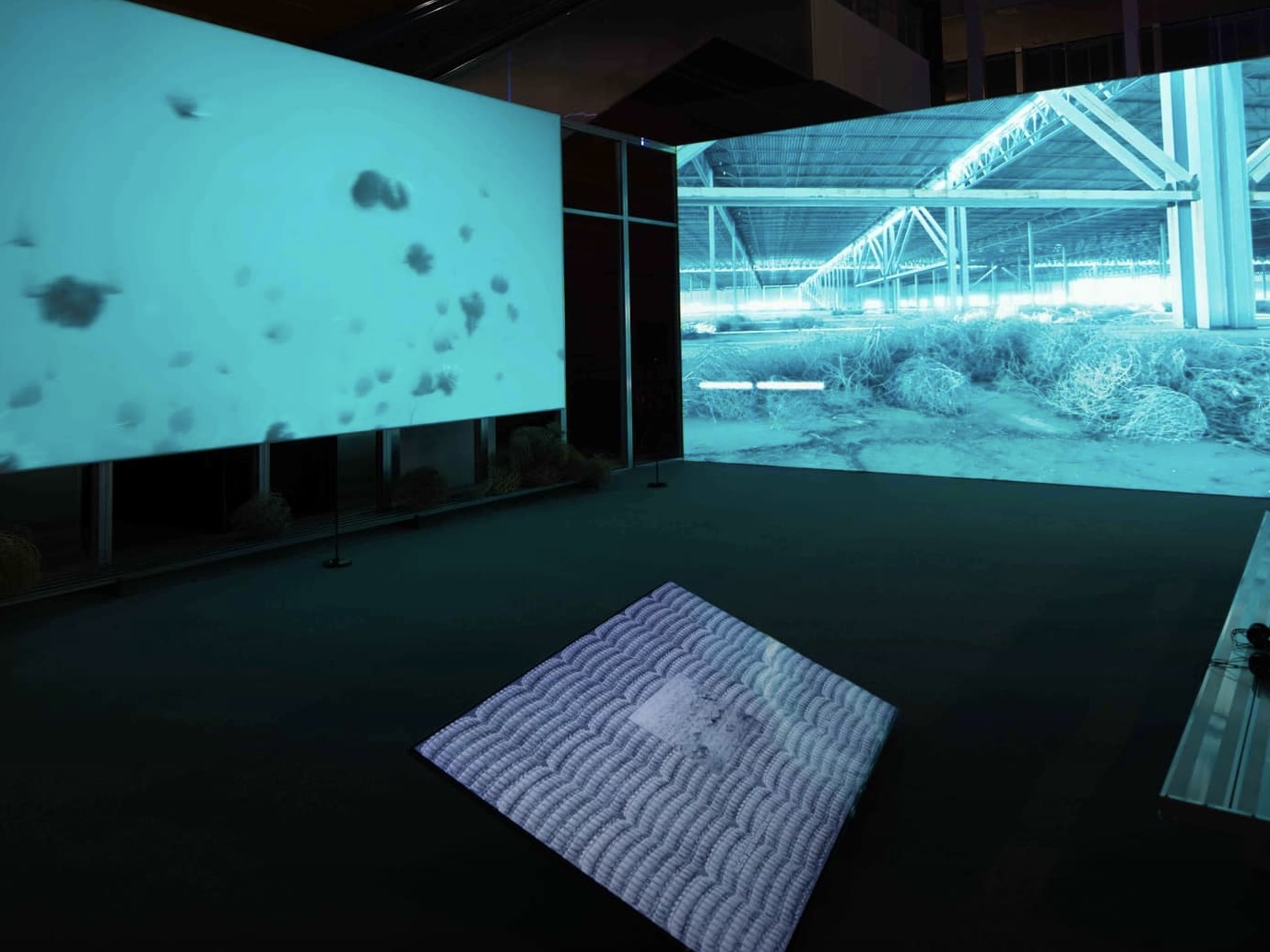
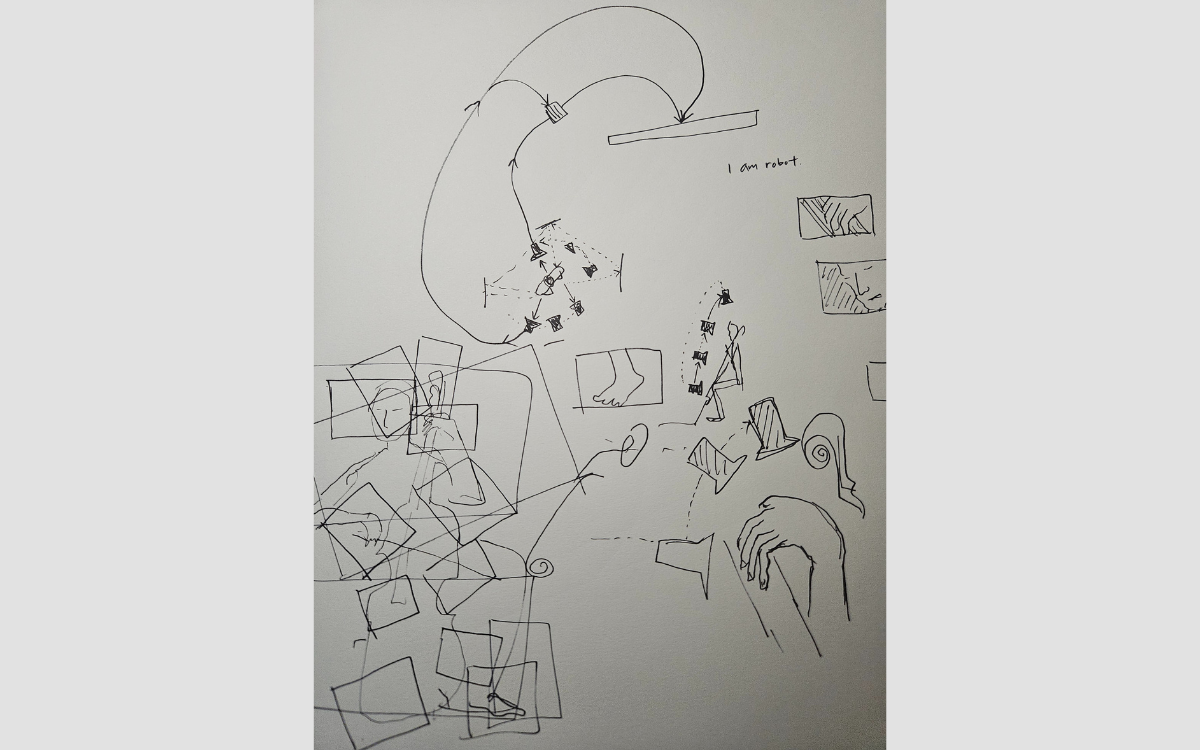
In his post-pandemic works, Park explores issues of subjectivity emerging from the intersections of humans, non-human entities, and technology. When Tigers Used to Smoke (2021) and The Lion in Motion (2021) evoke lost sensory experiences in contemporary society through the primal movements of non-human entities (tigers and lions) juxtaposed with digital technology. In his latest work, A Feedback (2024), exhibited at 《Seoul Media Art Festival Unfold X 2024》, Park employs AI-controlled robotic cameras and algorithmic editing systems to demonstrate real-time interactions between humans and machines (non-human entities), deepening his inquiry into unpredictable perspectives of the "Other" and issues of subjectivity in the digital age.

Style & Contents

Kelvin Kyungkun Park utilizes a wide array of media, including film, video installations, performance, and digital collages, to construct nonlinear narratives. In his early works (2010-2015), he combined cinematic narratives with documentary approaches to explore historical and social narratives. Cheonggyecheon Medley (2010) blends a five-channel video installation with documentary film, capturing the hidden realities of industrialization in the small ironworks surrounding Cheonggyecheon in Seoul. Similarly, A Dream of Iron (2014) employs a mix of documentary film, three-channel video installation, and digital inkjet prints to visualize the myth of Korean industrialization and the surreal landscapes behind it.

Park then shifted towards incorporating installation art, performance, and kinetic sculptures. Mirror Organs: A Play of Metonymy features 32 robots and interactive screens to recreate collective military movements, exploring the political implications of mass performances. In Group Exhibition at Gallery Hyundai(2016), Stairway to Heaven (2016) was inspired by the SBS romance drama of the same name, utilizing live video performance and single-channel video to portray the melodramatic emotional flows within patriarchal structures, exploring multifaceted spatial and temporal dimensions.

Since the 2020s, Park has extensively experimented with digital technologies such as AI, generative sound, and augmented reality (AR). In When Tigers Used to Smoke, he overlaps waveform monitors indicating video signals with tiger footage to explore the simultaneity and dissonance of visual information. In A Feedback, he creates a real-time video monument using AI-controlled robotic cameras and algorithmic editing systems, exploring interactions between humans and machines while questioning the concept of subjectivity and the gaze of the "Other" in the digital age. These works demonstrate Park's engagement with nonlinear narratives, digital technologies, and interactive experiences, continuously expanding the physical and conceptual boundaries of contemporary art.

Topography & Continuity

Starting from his early films that document the historical and social narratives of modern Korea, Park gradually transitioned to deconstructing cinematic storytelling and incorporating video installations, performance, and digital technology, establishing himself as a unique figure in both the film and art worlds. By breaking down the boundaries between documentary records and cinematic narratives, he has carved out an identity as a media artist who actively explores nonlinear spatial and temporal dimensions through interactive experiences.

From 2016 onward, Park solidified his position in the art world through major exhibitions at institutions such as the National Museum of Modern and Contemporary Art and Gallery Hyundai, raising compelling questions about collectivism, masculinity, patriarchy, and the relationship between subjectivity and otherness in contemporary Korean society. His distinctive approach, which draws from his own military experiences and utilizes various media to visualize the alienation of individuals within collectives, has further established his position as a thought-provoking contemporary artist.

Looking forward, Park is expected to continue pushing the boundaries of contemporary art by embracing AI, AR, generative sound, and other emerging technologies. By delving deeper into the interactions between humans and non-human entities, and exploring the complexities of subjectivity and otherness in the digital age, he is poised to redefine narrative structures and visual languages in contemporary art. As an artist who transcends the boundaries between film and art, Park is anticipated to maintain his influential presence by persistently exploring new modes of storytelling and innovative visual experiences.

Works of Art

Untold of Modern & Contemporary Korean History

Exhibitions

Activities