Together - K-ARTIST

Together

2026
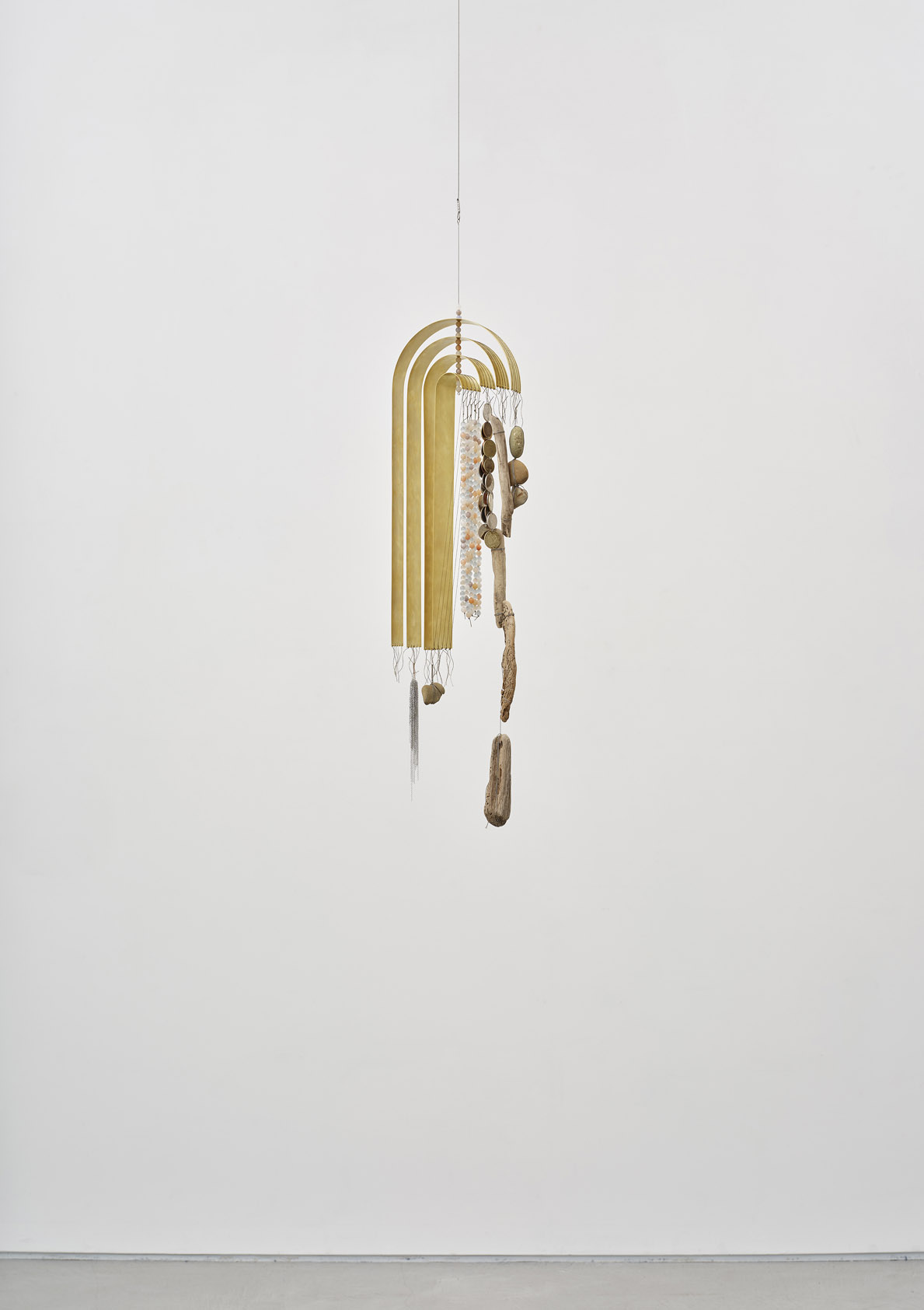
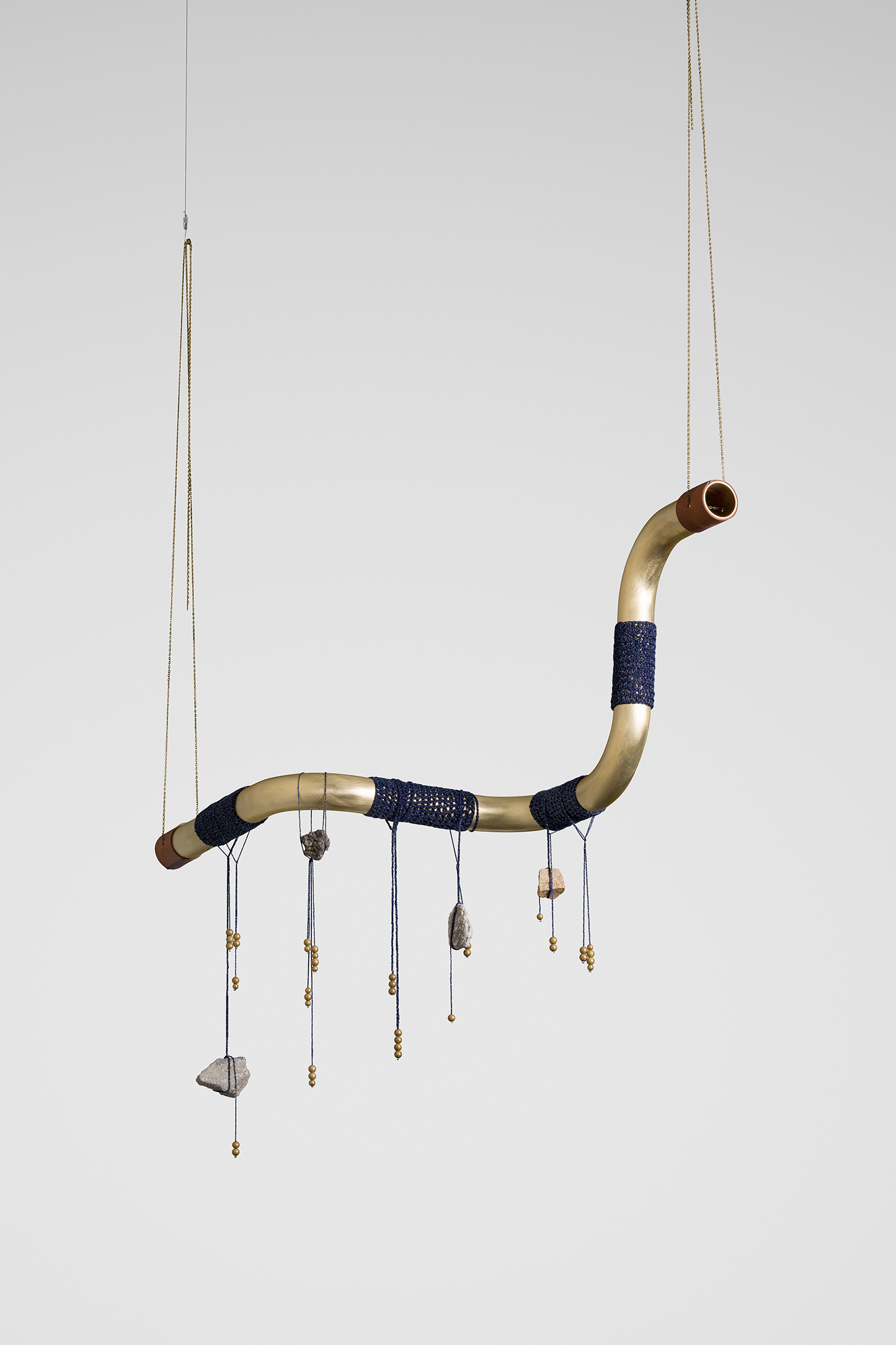
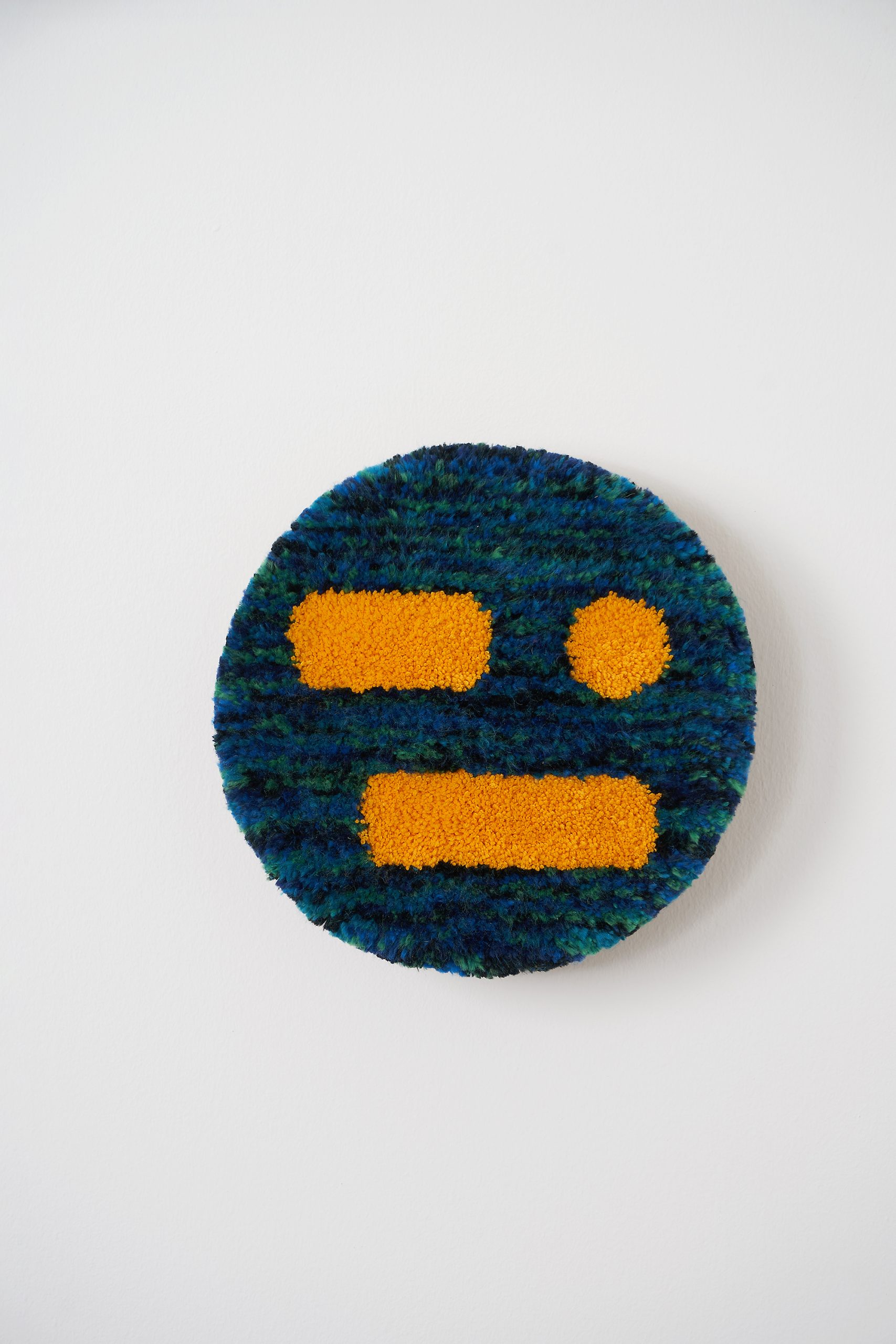
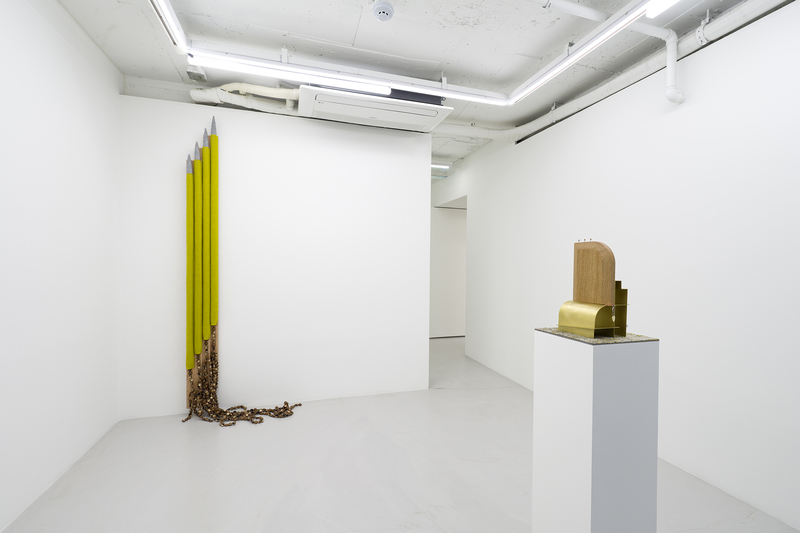
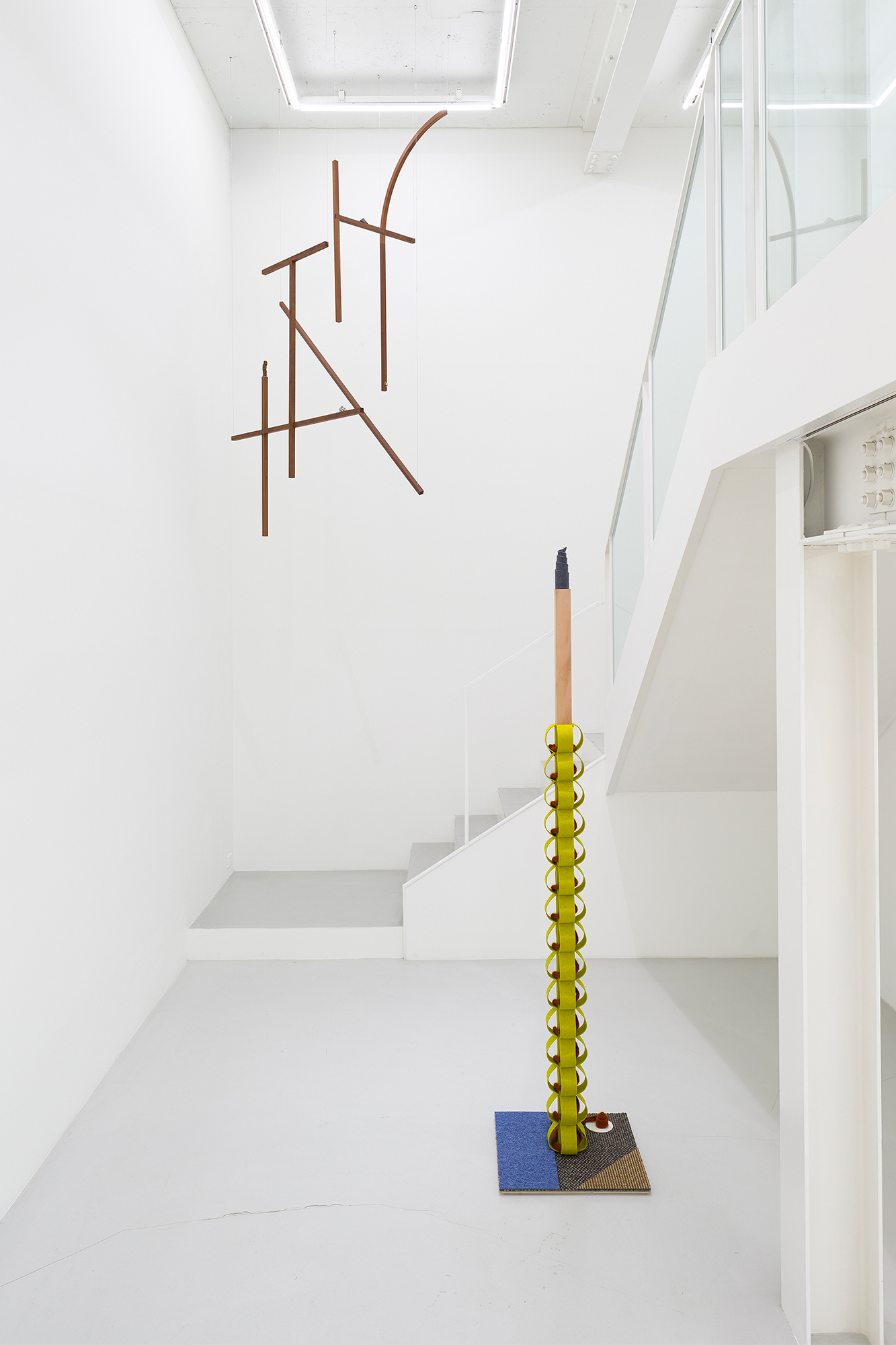
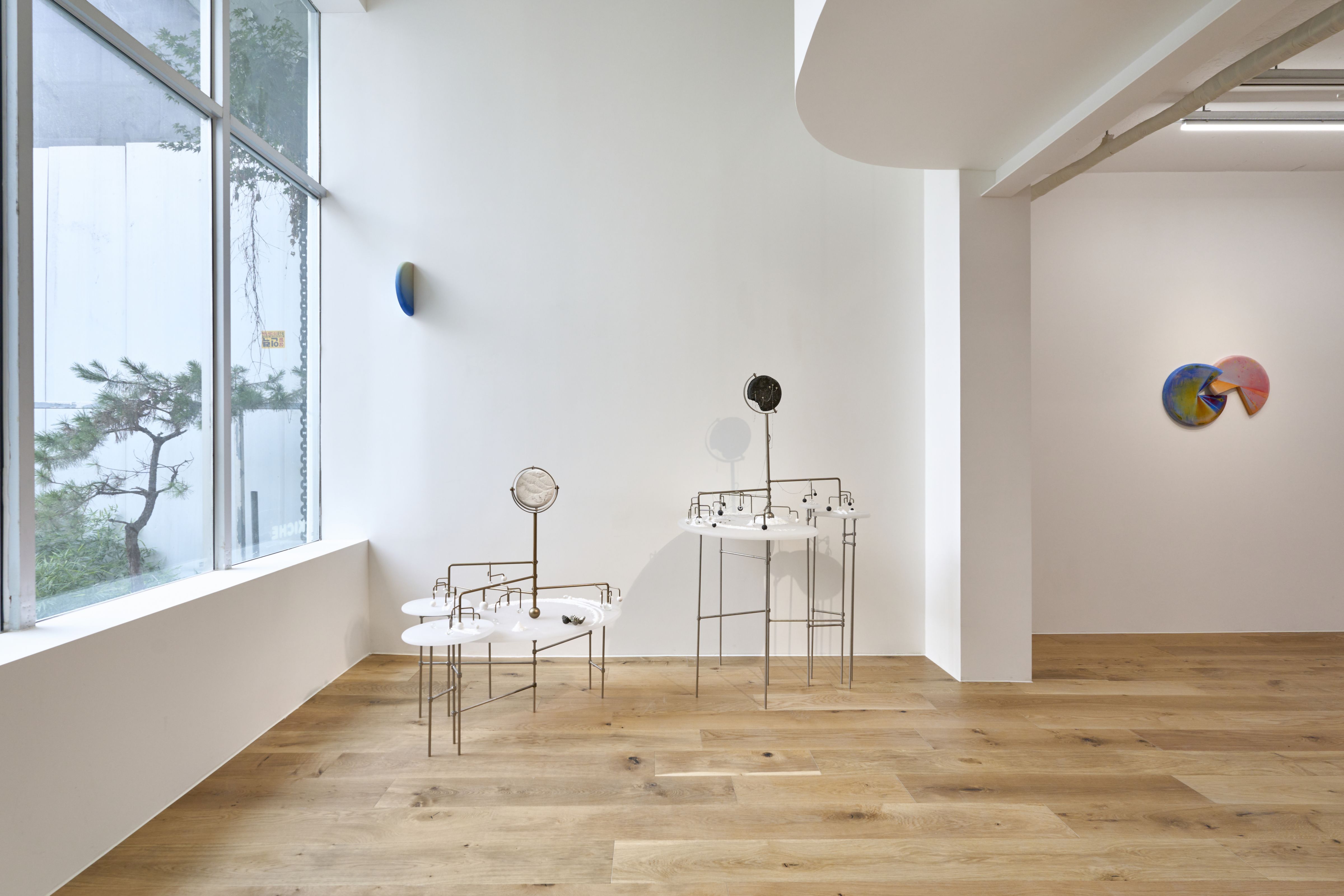
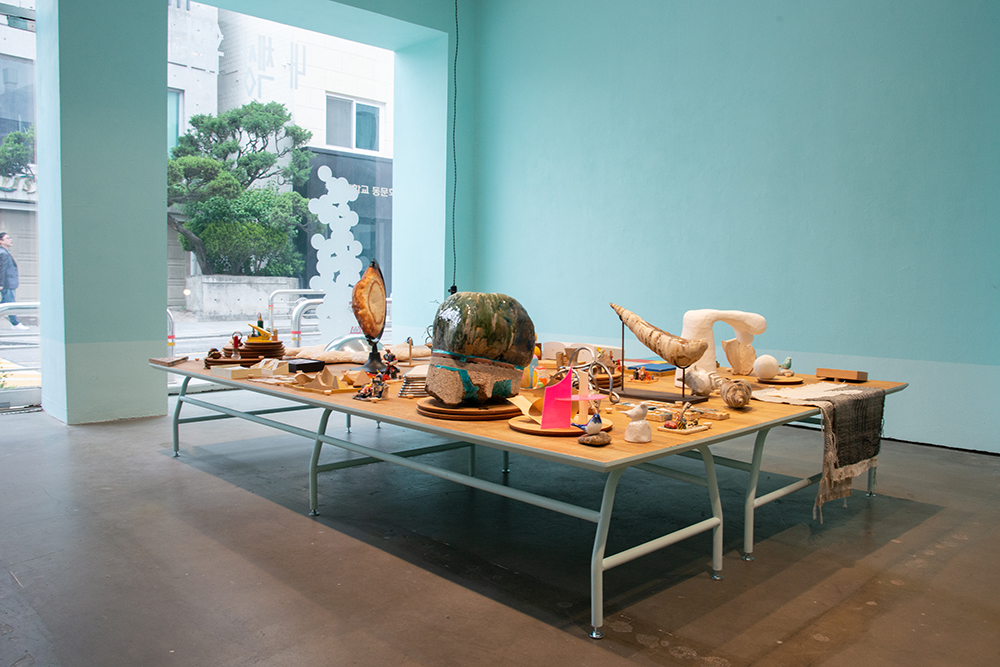
Brass, beads, driftwood, coin, stone, chain, thread
150 x 20 x 20 cm
About The Work

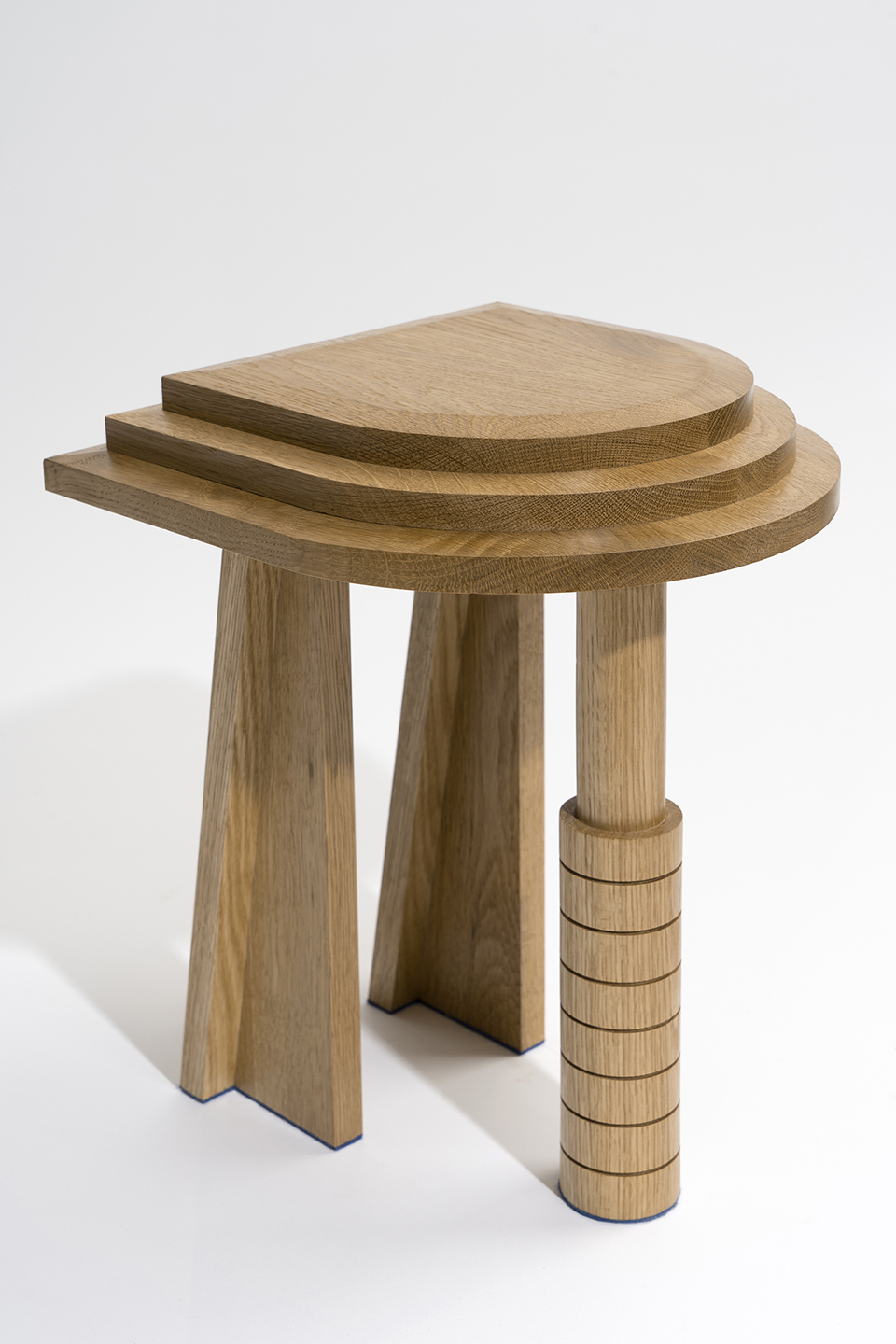
Eunu Lee has developed a body of work centered on everyday objects such as furniture that we encounter in our daily lives. Rather than focusing on the conceptual meanings embedded in objects, she pays attention to the relationships objects form with other objects and with the human body.

Through works that explore the functions and forms of objects and occupy the boundary between art and design, she has developed her distinctive sculptural language.

Lee examines how objects are used and circulated in the real world and the conventional orders that emerge through these processes. In a society organized around mass production and efficiency, she disrupts the familiar functions and hierarchies of objects by repeatedly arranging, disassembling, and reassembling them, as well as combining objects and materials with different properties.

In this process, the uses, material qualities, and standardized dimensions of objects become important formal conditions that determine the shape of her works.

In these works, objects stripped of their social contexts and conventional functions reveal the physical traces created through their contact with the artist’s body, as well as the time accumulated through this process. These “undefined” objects are reconnected through the bodies and senses of viewers, generating new forms of relationality.

Lee’s practice thus emerges from seemingly minor actions, manual labor, and the orders embedded in everyday objects. Her works demonstrate how the repetition of bodily movements and the passage of time shape the structures of everyday life, which in turn become artistic forms.

Completed through her physical engagement and interaction with objects, her sculptures function as multilayered sites where objects and humans, labor and time intersect.

Solo Exhibitions (Brief)

Lee has held solo exhibitions including 《Housework》 (Gallery SP, Seoul, 2025), 《The Shape of a Touch》 (Buk-Seoul Museum of Art, Seoul, 2023), 《Perpendicular Mind》 (Prompt Project, Seoul, 2022), and 《Pairs》 (SONGEUN, Seoul, 2021).

Group Exhibitions (Brief)

Lee has also participated in numerous group exhibitions, including 《SONGEUN x Unboxing Project: Generative Forms》 (SONGEUN, Seoul, 2026), 《Balance in Motion》 (P21, Seoul, 2026), 《Scattered Words》 (KICHE, Seoul, 2025), 《Unboxing Project 3.2: Maquette》 (VSF, Los Angeles, USA, 2024), 《Undo Effect》 (HITE Collection, Seoul, 2024), 《An Angel at My Table》 (Factory2, Seoul, 2023), and 《An Exhibition with Little Information》 (Museum of Contemporary Art Busan, Busan, 2022).

Awards (Selected)

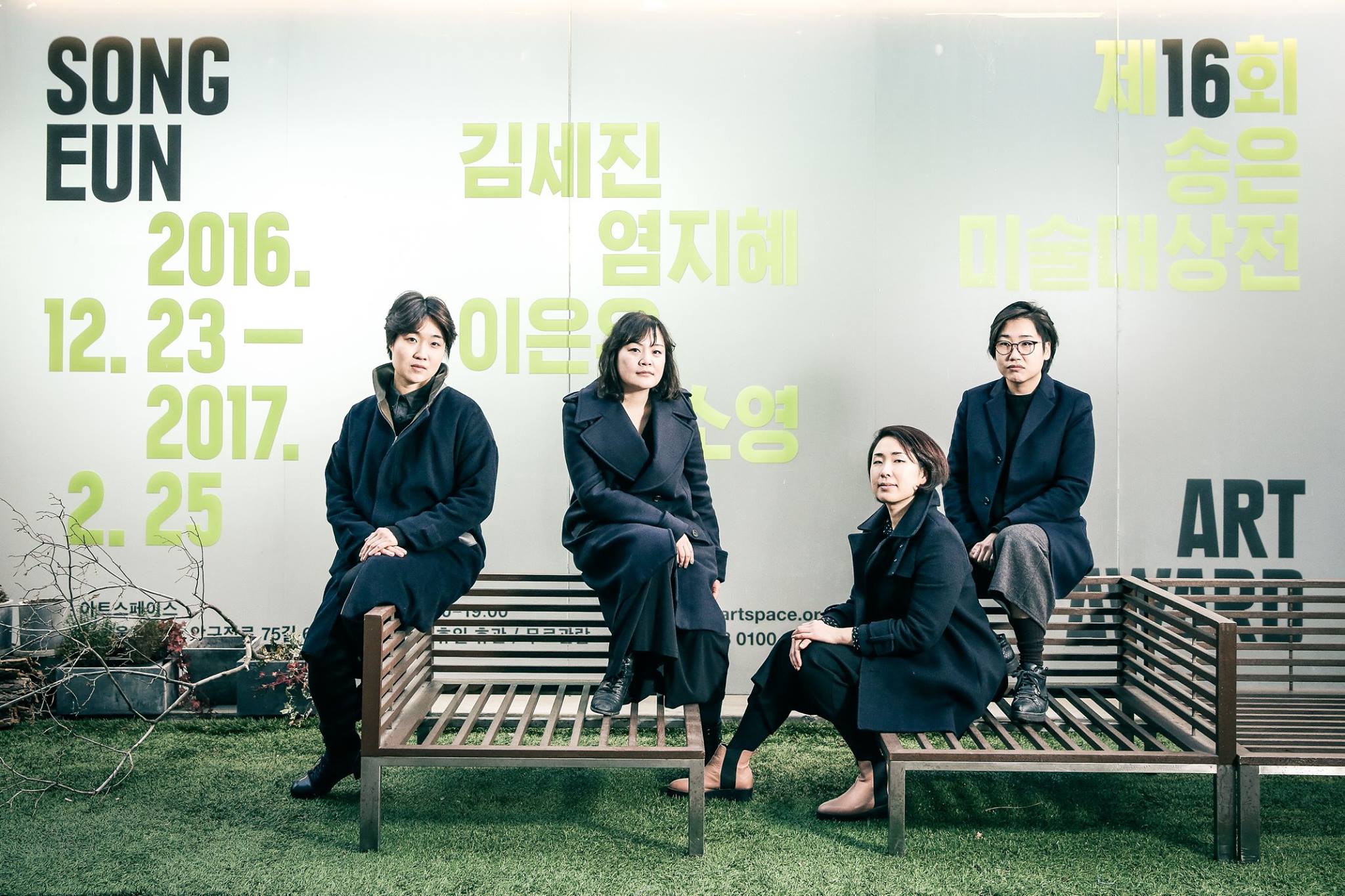
Lee received the Grand Prize in the Visual Arts category at the 1st Seoul Art Award (2023) and the Excellence Award at the 16th SONJGEUN Art Award (2016).

Residencies (Selected)

Lee has completed artist residencies at the MMCA Residency Changdong (2025) and Grey Projects, Singapore (2015), among others.

Collections (Selected)

Lee’s works are held in the collections of the MMCA Art Bank, Seoul Museum of Art, SongEun Art and Cultural Foundation, Anseong Starfield and Bvlgari Korea.

Works of Art

A Multilayered Site Where Objects, Humans, Labor, and Time Intersect

Originality & Identity

Eunu Lee’s practice begins with an interest not in the names or conceptual meanings attached to objects, but in how objects are used, circulated, and placed in relation to other things in the real world.

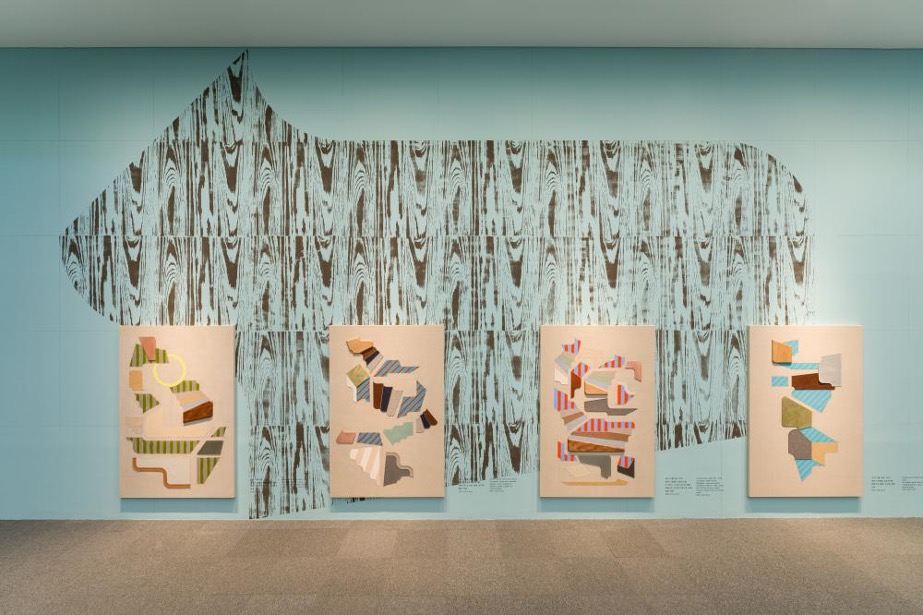
Her early works foregrounded the collection and rearrangement of political and social data. Untitled(2004-2005) transformed Lenin’s graph on land ownership into a reflection on the conditions of people with disabilities, women, and migrant workers in Korea, while One Fine Day by OWI(2007) transferred images of flames from bombing photographs taken by the U.S. Office of War Information into painting.

National Flags: Colors and Shapes
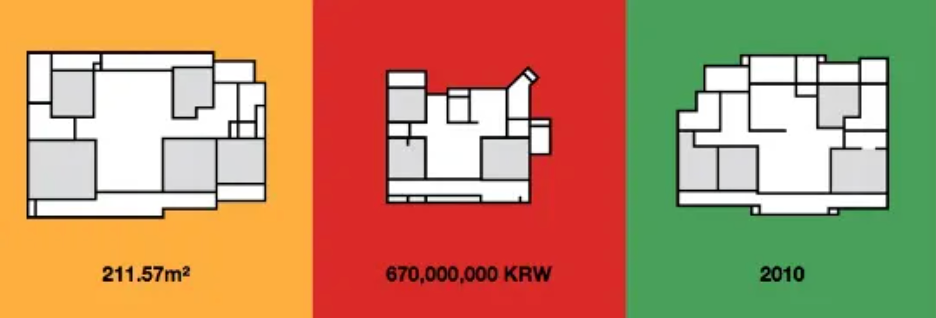
(2008) dismantled and recombined the flags of 193 countries according to the meanings of their colors and forms, and 300,000,000 KRW, Korea, 2010(2010) rearranged apartment floor plans listed on online real estate portals according to size, transaction price, and year of completion. Although these works appear to address social issues directly, they are also deeply concerned with how information becomes image through systems, rules, and forms.
 
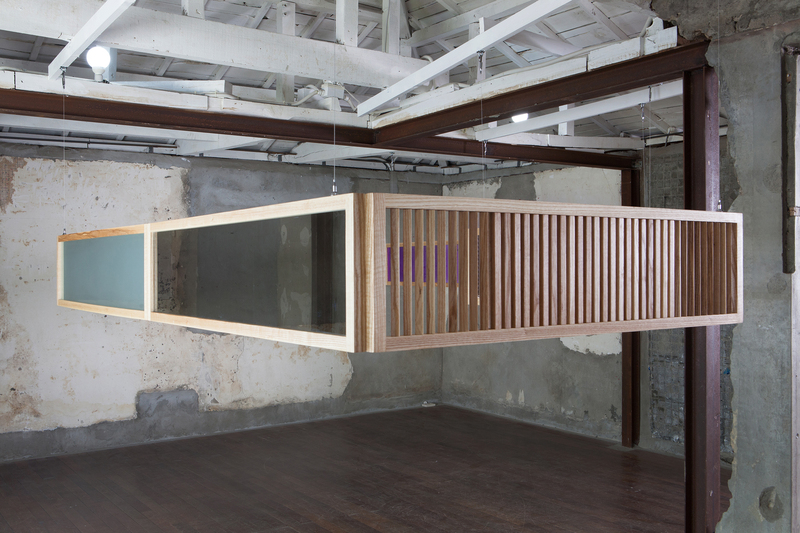
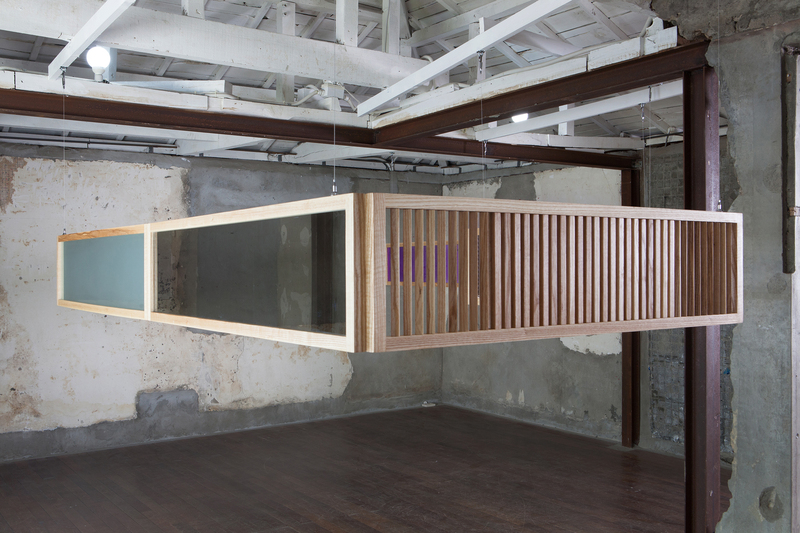
After 2012, Lee’s focus moved from flat images and the rearrangement of information toward objects and their material conditions. A Specific Item(2013) suspended various types of glass like windows, using structures derived from apartment floor plans in the Seoul metropolitan area. Through this work, Lee addressed housing, transparency, enclosure, desire, and fragility at once.

In 《The Manner of Objects》(Gallery Factory, Seoul, 2014), she borrowed the forms of interior accessories and furniture to question the conventions that determine whether an object is considered a commodity or artwork, useful or useless.

Rather than dividing things according to function, Lee observes what remains after function has been removed: form, color, surface, material, and presence. Titles such as Object(2014), Blue Square(2014), and Green Circle(2014) do not explain or symbolize the objects; instead, they ask what kind of existence an object has when reduced to minimal form and color.
 
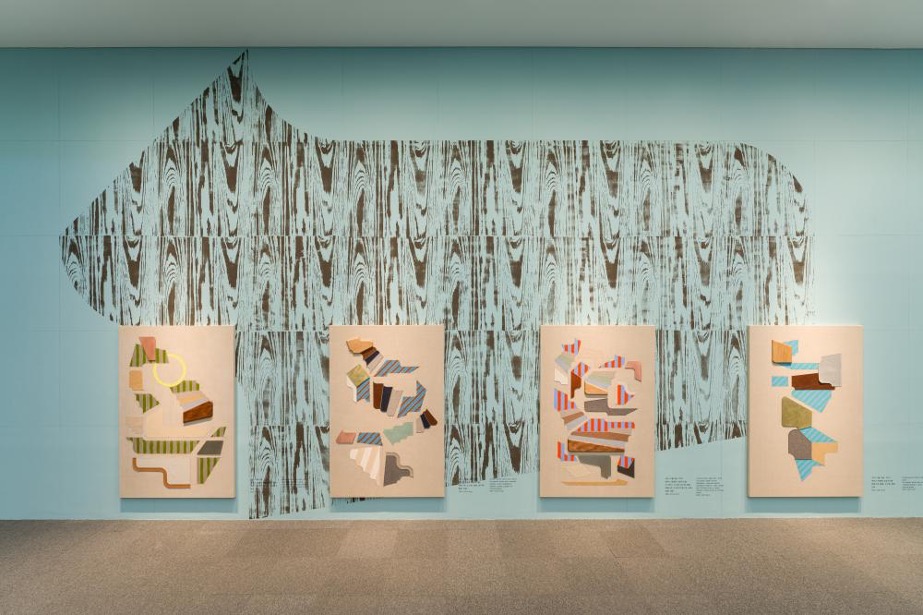
From there, Lee’s inquiry into objects and surfaces expanded toward everyday life, labor, and bodily time. 《Pairs》(SONGEUN, Seoul, 2021) began with a question about what happens when hierarchical distinctions such as real and fake, decoration and function, ordinary and extraordinary are removed from the order of things.

Nasty Thing(2021) resembles an ordinary shelf but has wood-patterned flooring attached to its side, while Neighborhood Realism(2021) inserts plaster blocks suggestive of the human body into a plywood structure patterned like brickwork. These works blur the boundaries between object and ornament, sculpture and furniture.

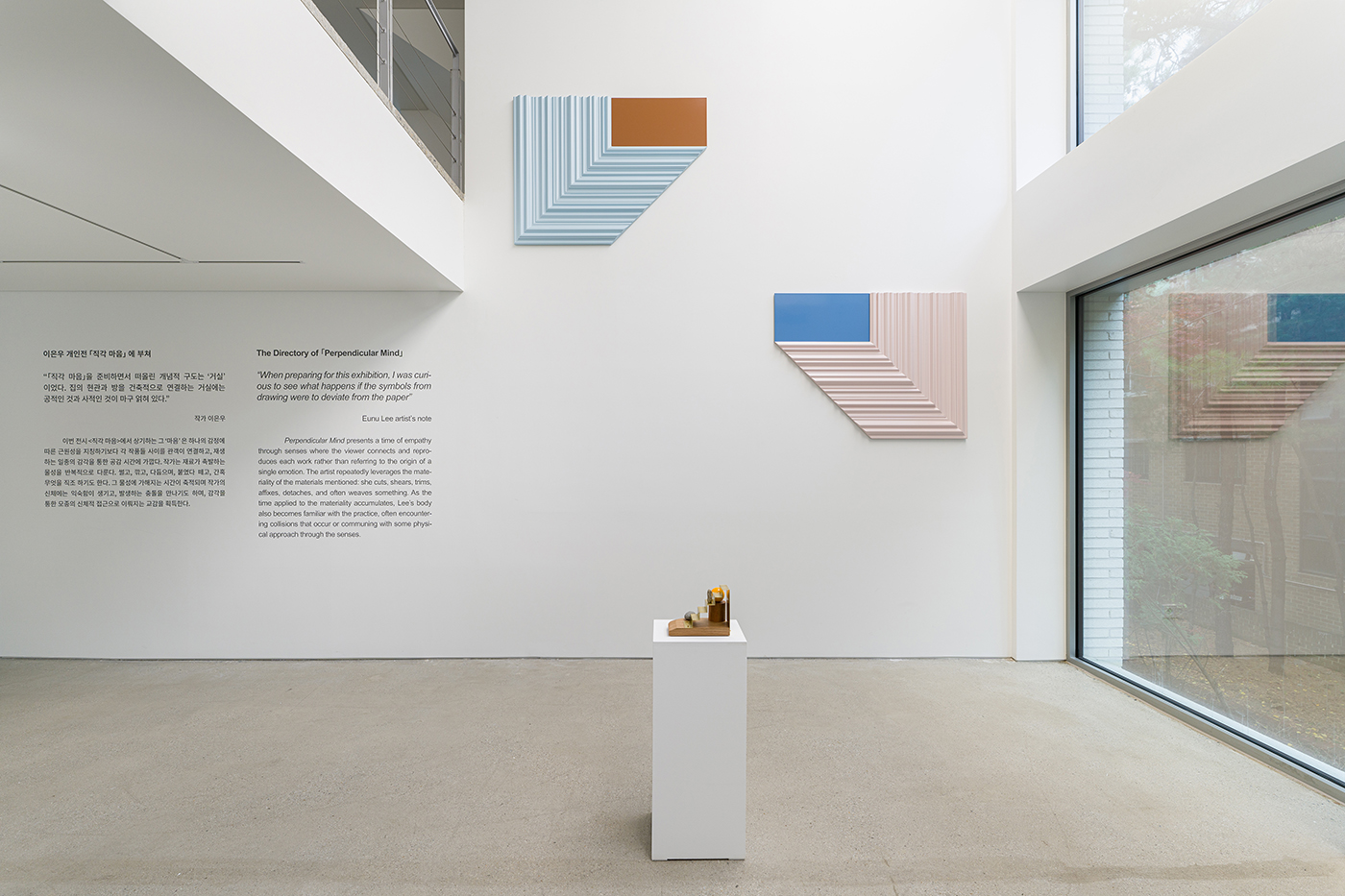
《Perpendicular Mind》(Prompt Project, Seoul, 2022) took the living room as a space where the public and private, everyday life and art, labor and decoration intersect. Object 4 (Me)(2022), Object 5 (You)(2022), and Object 6 (Them)(2022) combine wood, brass, and billiard balls to create sensory relations among objects that resist fixed definition.
 
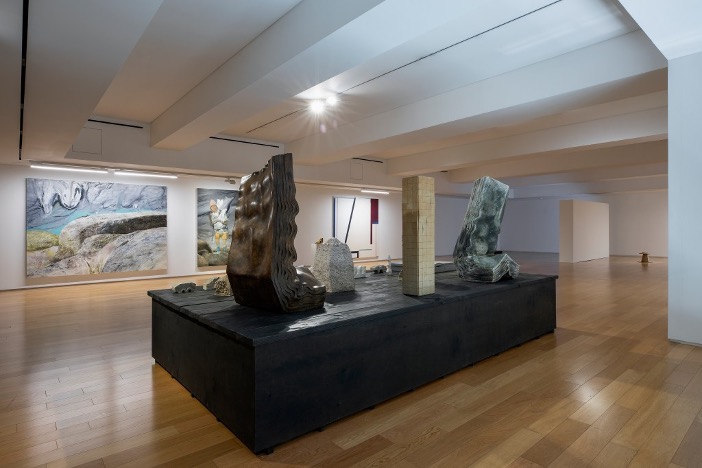
In Lee’s recent works, the question of objects moves more deeply into the rhythm of daily life itself. 《The Shape of a Touch》(Buk-Seoul Museum of Art, Seoul, 2023) expanded the value and pleasure of making with the hands and body across the entire exhibition space, especially in a time when nearly everything can be digitized.

Repeated daily drawings, straight lines and arcs connecting dots, and forms resembling boxes, houses, and pleats on a grid developed into sculptures and architectural structures. In 《Housework》(Gallery SP, Seoul, 2025), the routine of walking, eating, drawing, exercising, and doing household chores becomes the starting point of sculpture.

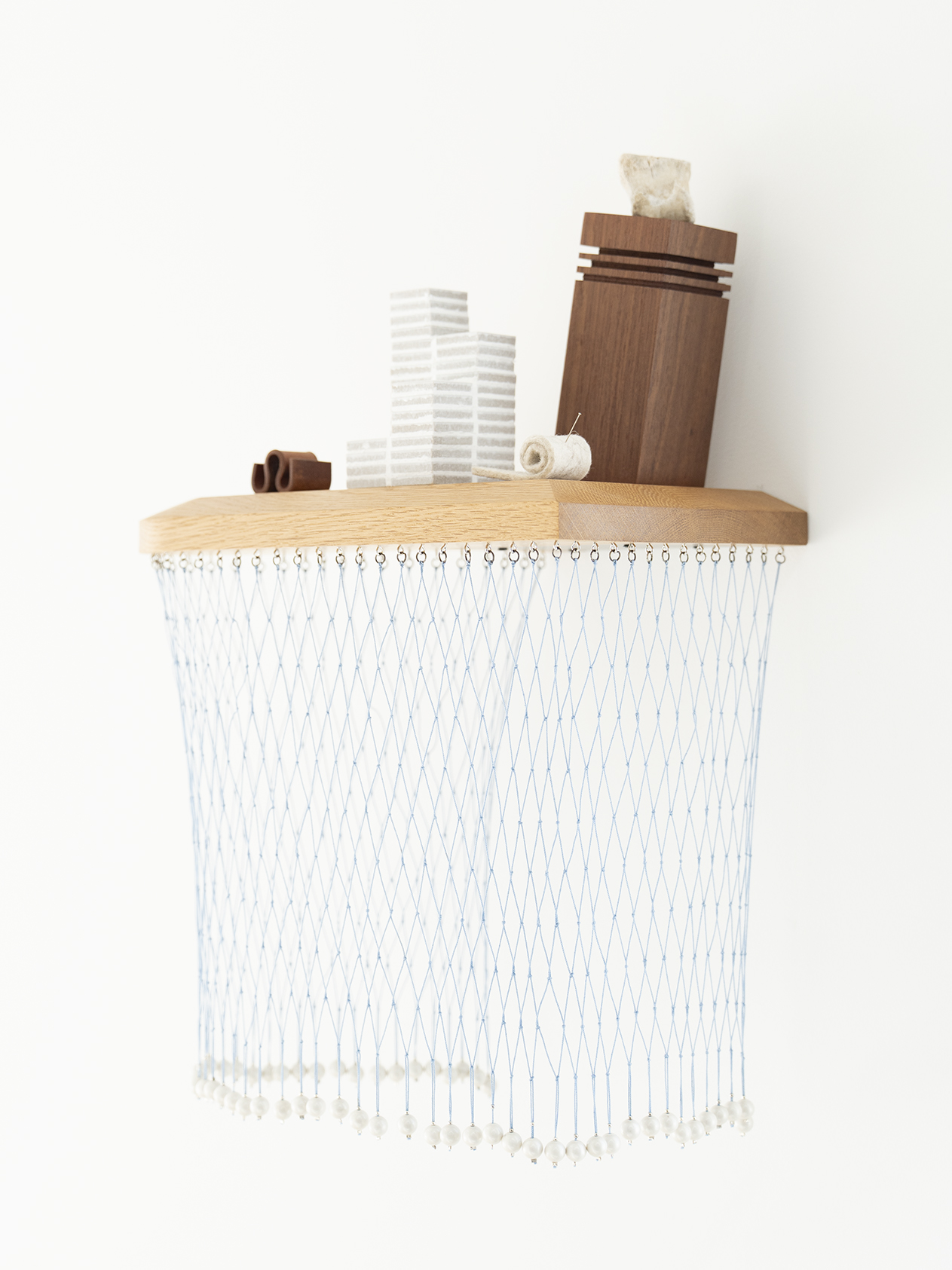
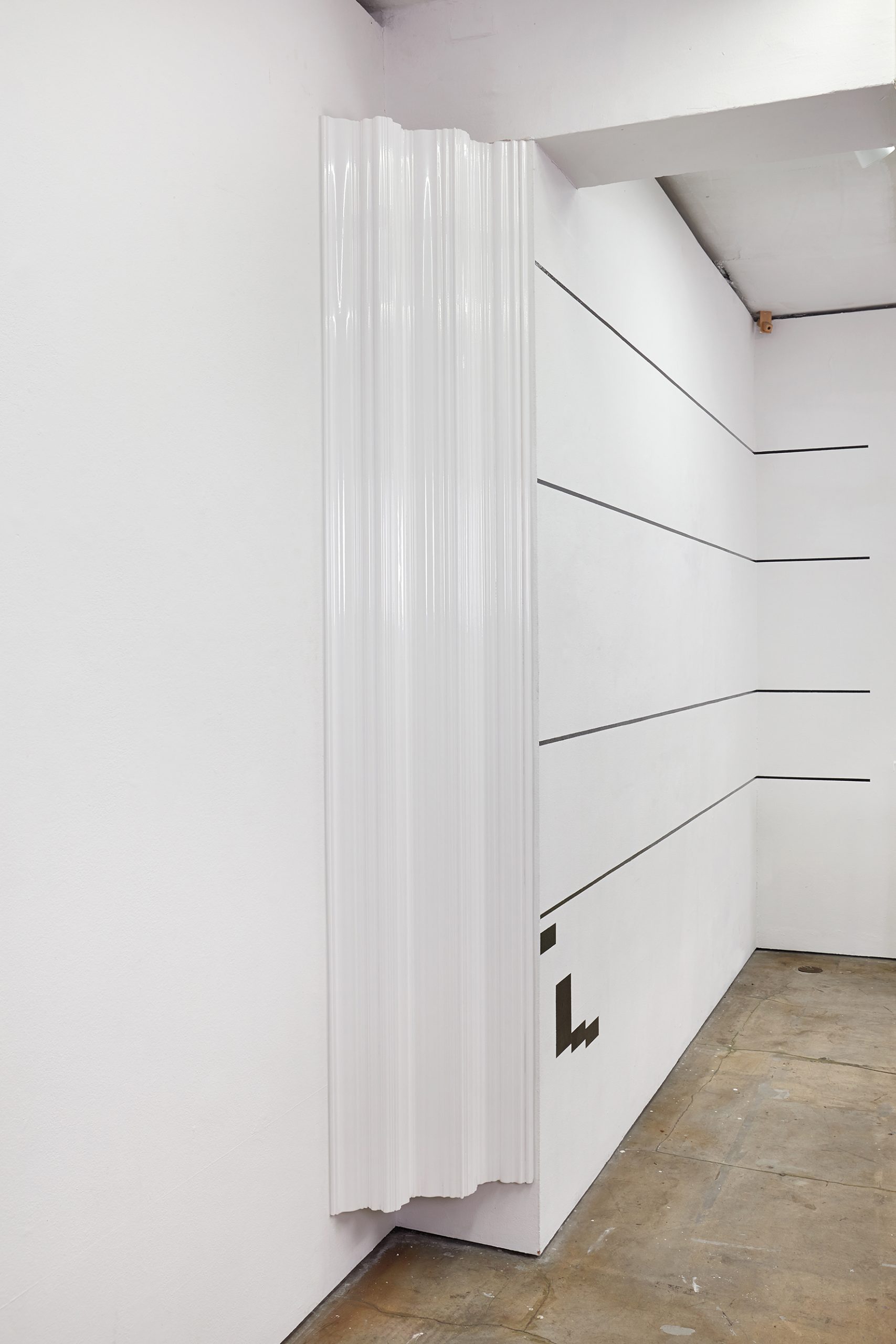
Works such as Upstairs(2025), House(2025), Windowsill(2025), This Room(2025), and That Room(2025) loosely evoke doors, windows, columns, shelves, and blinds, showing that sculpture is not an autonomous object separated from life, but a form generated through the body, time, and repeated gestures of the hand.

Style & Contents

Lee’s forms have moved across two-dimensional work, drawing, objects, furniture, sculpture, installation, and architectural structures. In the early works, collecting, classifying, editing, and rearranging were central methods. Google Landscape(2006) traced aerial images from Google Earth onto graph paper, while 300,000,000 KRW, Korea, 2010 reorganized real estate data and apartment floor plans according to specific criteria.

At this stage, Lee did not simply produce images from scratch; she brought existing data and visual materials from society into a new system of rules. Yet the results were not merely statistics or diagrams. They appeared as images entangled with art-historical forms such as the black square, the grid, color arrangements, and architectural floor plans.
 
After shifting toward objects, Lee began to engage more directly with surface, standardization, and function. Freestanding Wall Cabinet(2013) combined the standard dimensions of plywood production with storage function, becoming both a temporary wall and a cabinet. Sidewalk Blocks(2013) translated patterns from adhesive window film into acrylic plates, presenting them as objects that resemble paving blocks but cannot be used as such.

A Specific Item
arranged different kinds of glass almost like a chart, while also functioning as a window-like device of apartment desire. In 《Tall, Flat, Hung》(Art Sonje Project Space, Seoul, 2015), Lee took the physical conditions of the exhibition space—ceiling height, finishes, dimensions, and material standards—as the given conditions of the work. She did not treat the exhibition space as a place where anything could happen, but as a site with existing constraints and guidelines from which form had to be drawn.
 
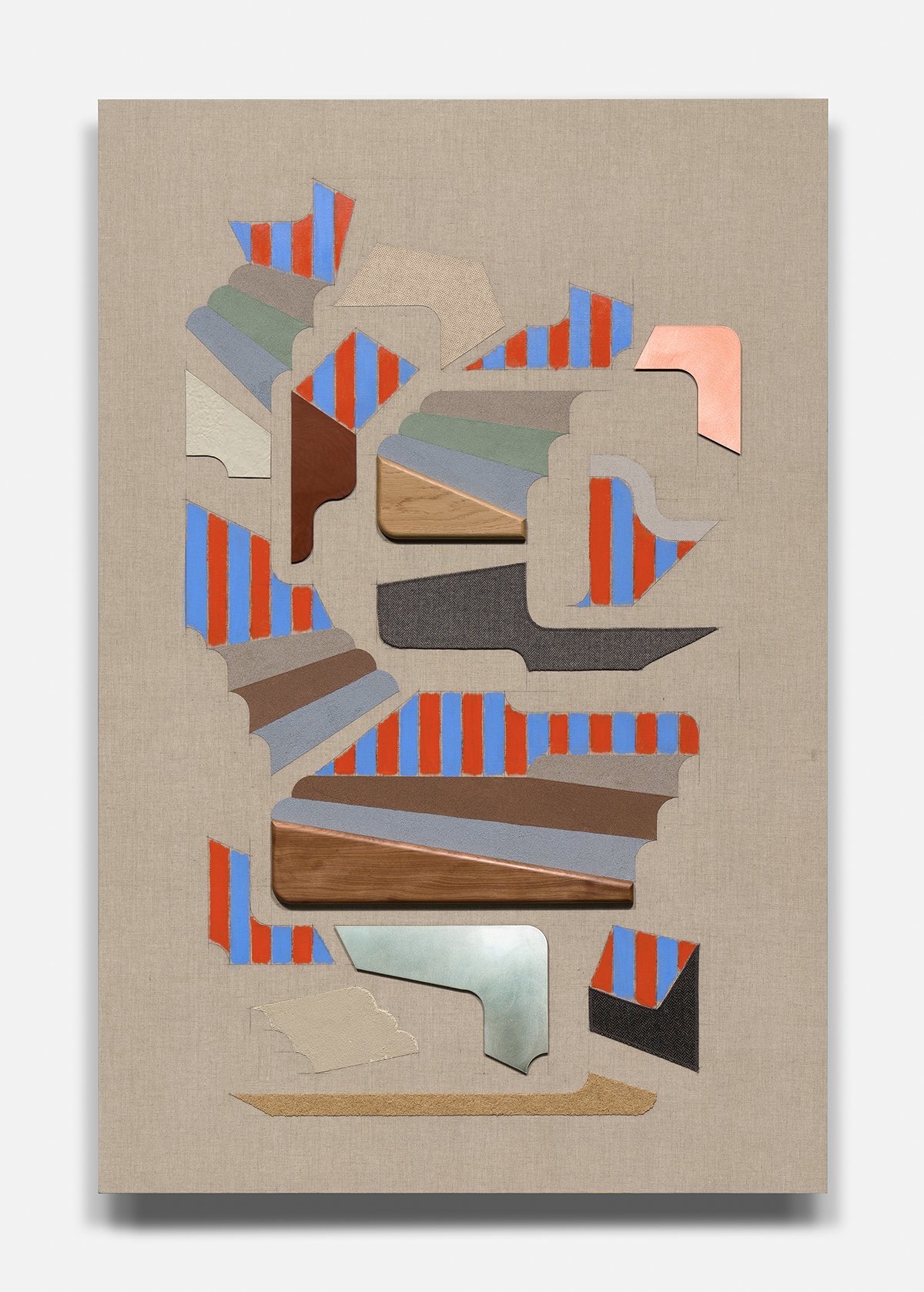
From the 2020s onward, drawing became a central form in Lee’s practice. Her drawings are not simply plans for finished sculptures, but records of daily time and bodily movement. Beginning with a notebook printed with dots at 5 mm intervals, she draws straight lines and arcs, connects one form to another, and applies texture with adhesive vinyl and colored pencil.

In 《Perpendicular Mind》 and 《The Shape of a Touch》, these drawings do not remain on paper; they expand into small sculptures and the structure of the exhibition space itself. In 《The Shape of a Touch》, the exhibition space was organized like a large sheet of graph paper, with walls, floors, sculptures, benches, and drawings forming something like a “sculpture village.” Here, drawing becomes not only a two-dimensional practice, but a way of organizing space and activating the viewer’s body.
 
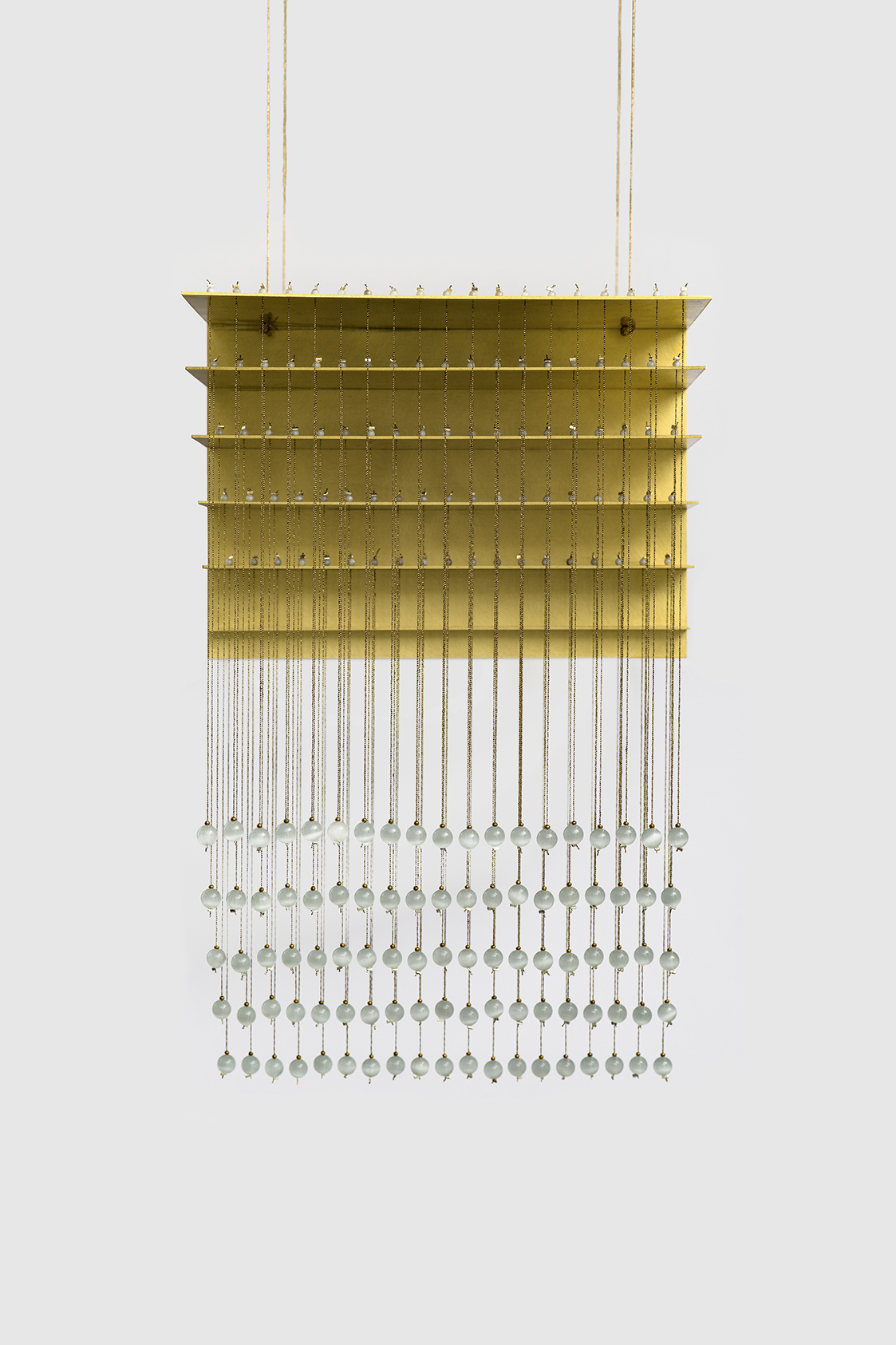
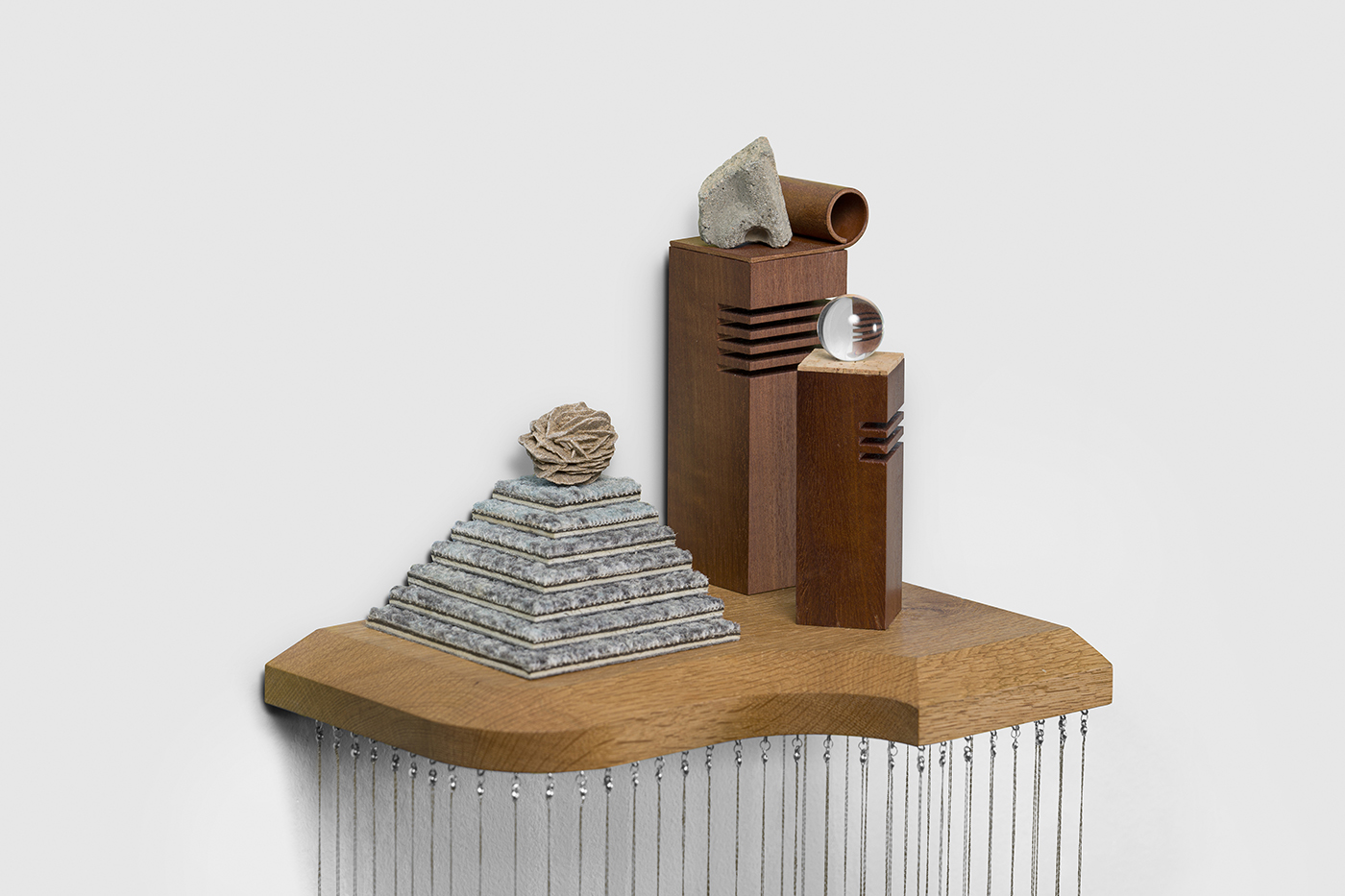
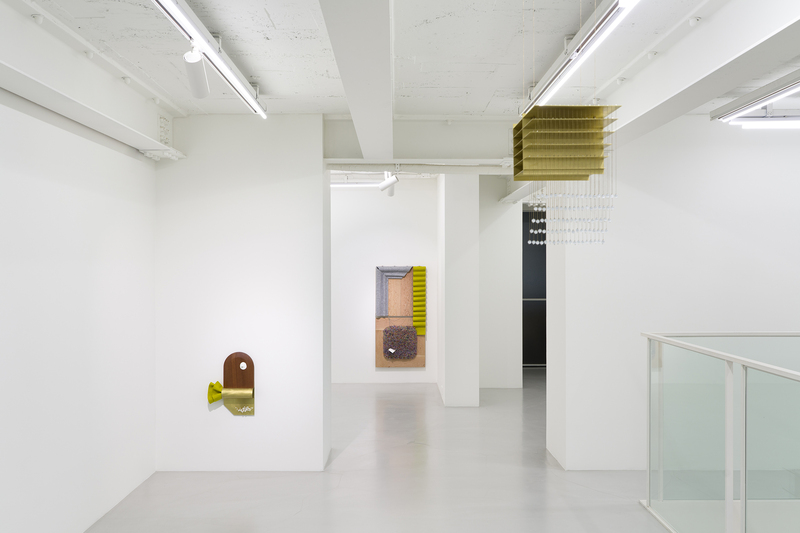
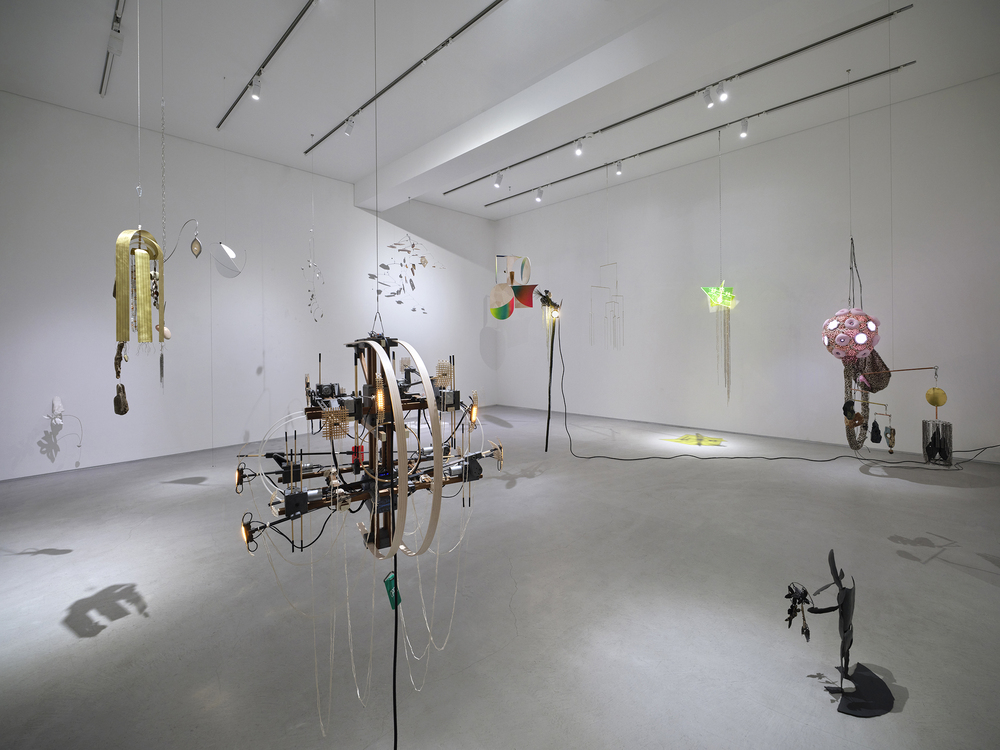
By the time of 《Housework》, Lee’s forms become more closely tied to the concrete sensations of living. Her works bring together furniture she has made herself, collected objects, things picked up from the street, wood, brass, felt, thread, beads, leather, stone, driftwood, and macadamia shells. Upstairs creates a balance between vertical and horizontal, transparency and opacity through brass, thread, and beads.

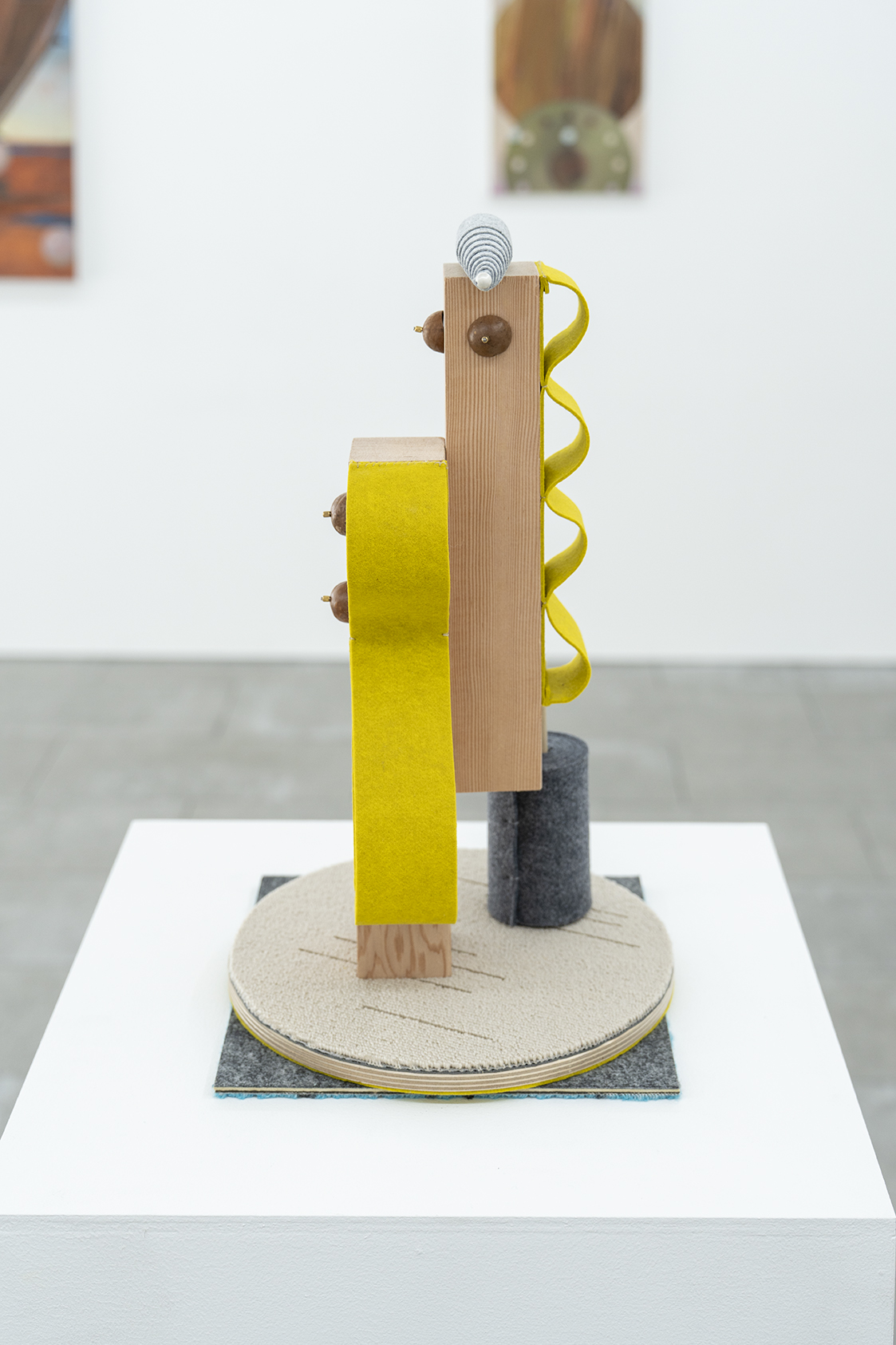
Cardinal Points
(2025) combines Douglas-fir, carpet tile, macadamia shell, felt, button, nail, plywood, driftwood, and resin to create a spatial scene of direction, structure, and residual objects. The Shelf within the Drawer(2025) uses white oak, African cherry, felt, ceramic tile, leather, bead, and thread to overlap the sensations of furniture and sculpture, inside and outside.

Lee’s sculpture does not fix materials as symbols. Instead, through the acts of cutting, attaching, weaving, and standing things upright by hand, it shows how objects find balance with other objects.

Topography & Continuity

Lee’s originality lies not only in bringing objects into the realm of art. More precisely, her work calmly shows that art exists within the same world as the objects of everyday life. Many practices using readymades or found objects emphasize social context or institutional transformation, but Lee builds relationships through the surfaces, uses, standards, touch, and accumulated time of things.

Materials such as billiard balls, vinyl flooring, adhesive film, benches, furniture, felt, beads, driftwood, and nutshells do not create shock simply because they are “found.” Instead, they produce a quiet unfamiliarity when familiar materials from daily life are placed in new relations. This is why her work remains understated, but leaves a lasting impression.
 
Looking at the development of her practice, Lee began with political and social information and geometric form, then moved after 2012 toward the materiality and circulation of objects, standardization, function, and ornament. Through 《Pairs》 and 《Perpendicular Mind》, she began to handle the boundaries between real and fake, decoration and function, public and private space, everyday life and art in more fluid ways.

In 《The Shape of a Touch》 and 《Housework》, drawing, manual labor, daily repetition, and architectural space became part of one continuous structure. This shift is not simply a transition from flatness to three-dimensionality. It is a movement from information to objects, from objects to the body, and from the body to space—always toward a more concrete and tactile understanding of relation.
 
Compared with other artists who work between art and design, sculpture and furniture, Lee’s practice does not settle into either clear functionality or a polished design language. Nor does it emphasize sculptural autonomy alone. She refers to historical languages such as Minimalism, Constructivism, Bauhaus, and De Stijl, but she does not restore them as pure modernist ideals or repeat them as optimistic utopias.

Instead, she places modern systems such as right angles, grids, modules, and standard dimensions alongside small imbalances of daily life, traces of the hand, misaligned materials, and ambiguous ornament. As a result, Lee’s sculptures have a clear structure but remain slightly off-kilter; they resemble familiar furniture but cannot always be used; they look decorative, yet persistently ask how an object exists.
 
Eunu Lee has taken part in residencies including MMCA Residency Changdong, Grey Projects in Singapore, and Bundanon Trust Artist-in-Residence, and her works are held in the collections of the Seoul Museum of Art, SongEun Art and Cultural Foundation, and Gyeonggi Museum of Modern Art. Her Excellence Award at the 16th SONGEUN Art Award and Grand Prize in the Visual Arts category at the 1st Seoul Art Award also show how steadily her work has been recognized.

Lee’s practice is likely to continue by exploring how objects reorganize the body and space through the surfaces of things, the labor of the hand, and the rhythms of living.

Works of Art

A Multilayered Site Where Objects, Humans, Labor, and Time Intersect

Articles

Exhibitions

Activities