Currents and Faultlines - K-ARTIST

Currents and Faultlines

2022-ongoing
Various media including film, video installation, sound, photography, archive, dialogues, and publication
Dimensions variable
About The Work

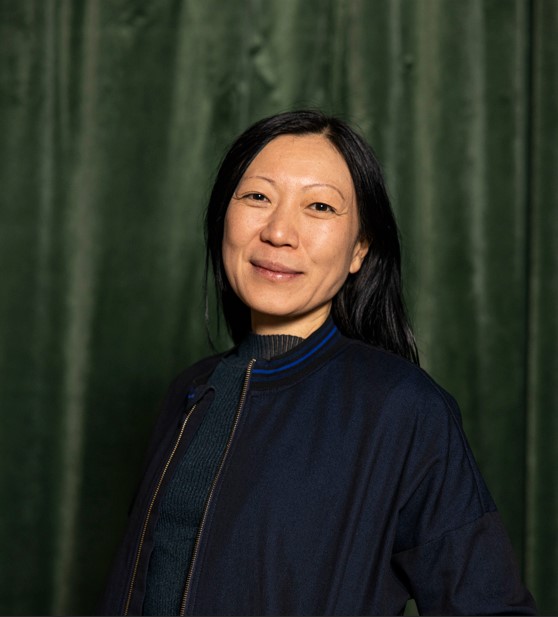
Jane Jin Kaisen explores how memory is formed and transmitted at the intersection of personal experience and political history. Drawing on her own experience of being born in Korea and adopted to Denmark, she has reflected on issues of migration, borders, belonging, and translation.

Her practice has gradually expanded toward dispersed memories shaped by war, division, and state violence, as well as voices that have remained largely unspoken within official histories.

Rather than reconstructing past events as a single, complete narrative, Kaisen brings together experiences and testimonies from different positions, including those of survivors, women of the diaspora, and local communities.

She has continually questioned who is entitled to speak about history, which memories are transmitted or excluded, and how experiences can be translated between different places and languages as personal memories and collective histories intersect and influence one another.

Her exploration of migration and borders has expanded to connect questions of history and mythology, gender and spirituality, and ecology. Through these interconnections, Kaisen seeks to recover erased genealogies and memories, while exploring the possibility of new relationships and forms of community emerging between humans and nature, the living and the dead, and the past and the present.

Solo Exhibitions (Brief)

Jane Jin Kaisen has held solo exhibitions at Kunsthal Aarhus in 2011, Kunsthal Charlottenborg in 2020, Art Sonje Center and the Museum of Contemporary Art Detroit in 2021, the Jeju 4·3 Peace Memorial Hall in 2023, and Gallery TPW and esea contemporary in 2024.

Group Exhibitions (Brief)

Jane Jin Kaisen has participated in group exhibitions and international exhibitions at the Gwangju Biennale in 2006, Liverpool Biennial in 2012, Leeum, Samsung Museum of Art in 2016, Haus der Kulturen der Welt in 2017, the Korean Pavilion at the 58th Venice Biennale in 2019, Palais de Tokyo in 2020, Taipei Fine Arts Museum in 2023, and the National Museum of Modern and Contemporary Art, Korea and the Secession in 2024.

Awards (Selected)

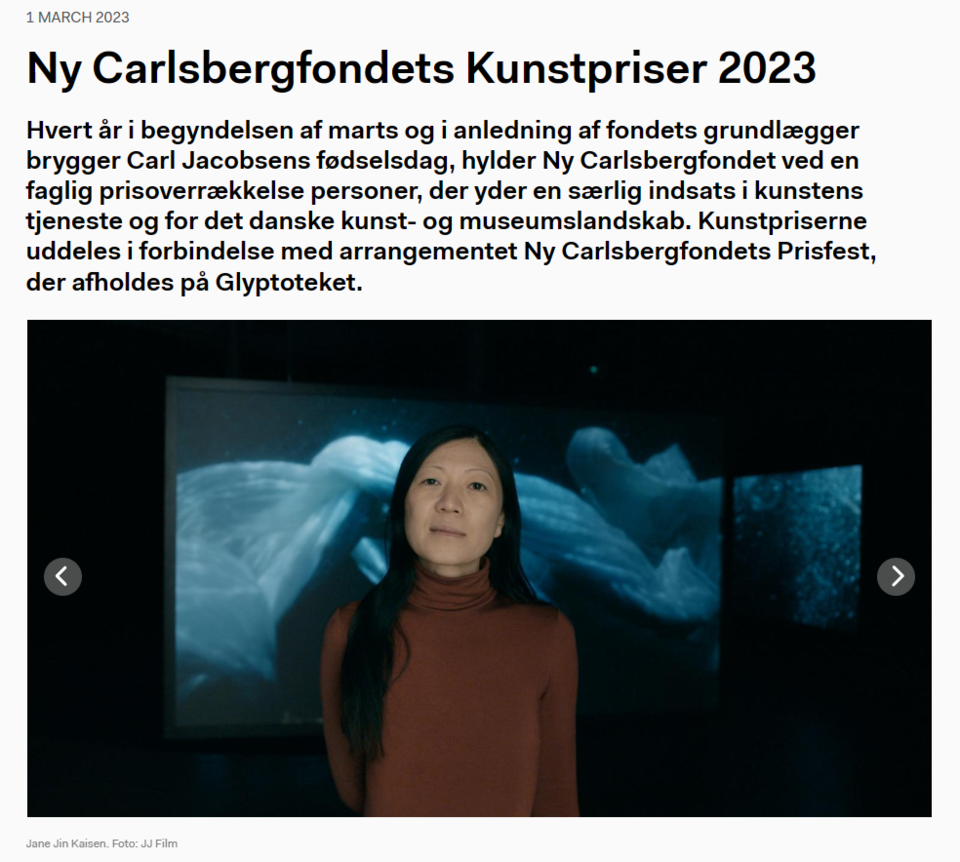
Jane Jin Kaisen received the Montana ENTERPRIZE in 2011, the Exhibition of the Year Award from AICA Denmark in 2020, and the Beckett-Prize in 2023.

Residencies (Selected)

Jane Jin Kaisen participated in residency programs at the Townhouse Gallery in Egypt in 2011, and at the Danish Art Workshops SVFK and the Center for Advanced Media Studies at Johns Hopkins University in 2022.

Collections (Selected)

Jane Jin Kaisen’s works are held in the collections of Art Sonje Center, Los Angeles County Museum of Art (LACMA), Asian Art Museum, Jeju Museum of Art, the National Gallery of Denmark, and Seoul Museum of Art.

Works of Art

Where Personal Experience Intersects with Political History

Originality & Identity

Jane Jin Kaisen’s practice has explored how memory is formed and transmitted at the intersection of personal experience and political history. Born in Korea and adopted to Denmark, her own experience became a point of departure for considering migration, borders, belonging, and translation, while her practice gradually expanded toward fragmented memories shaped by war, division, and state violence, as well as voices that have not been fully articulated within official histories.

Rather than reconstructing past events into a single, definitive narrative, Kaisen brings together experiences and testimonies spoken from different positions, including those of survivors, diasporic women, and local communities. Her work has long centered on how personal memory and collective history affect one another, who is able to speak history, which memories are transmitted or excluded, and how experiences can be translated across different places and languages.

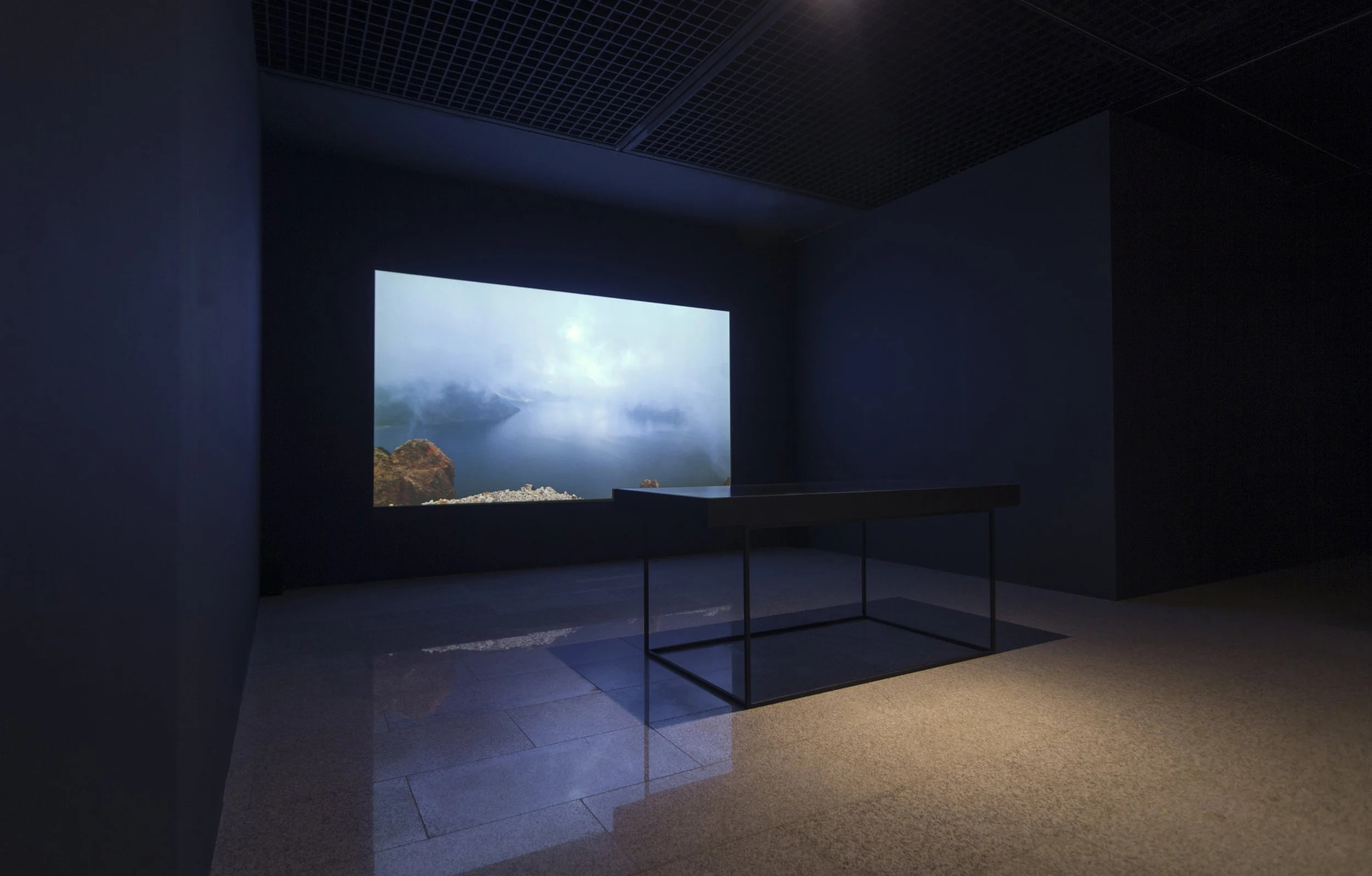
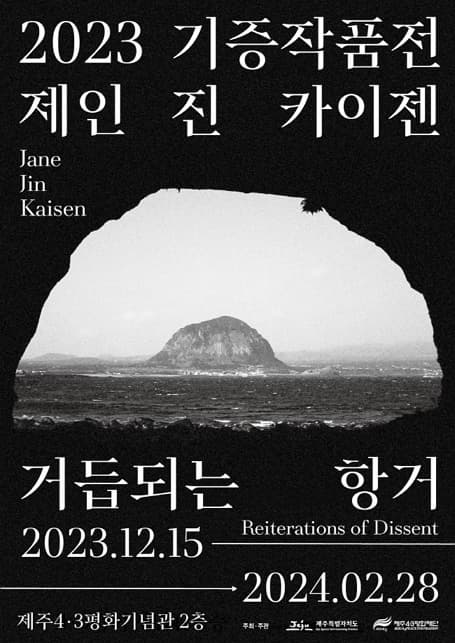
Jeju is a site where these concerns intersect with particular intensity. In Reiterations of Dissent, Kaisen traces how the suppressed history of the Jeju April Third Massacre and its unresolved trauma continue to reverberate through the island’s contemporary landscape, literature, the memories of survivors and bereaved families, and shamanic rituals. In Community of Parting, she extends these concerns into myth, ritual, and the experience of female diaspora by reinterpreting the myth of Bari through a feminist perspective.

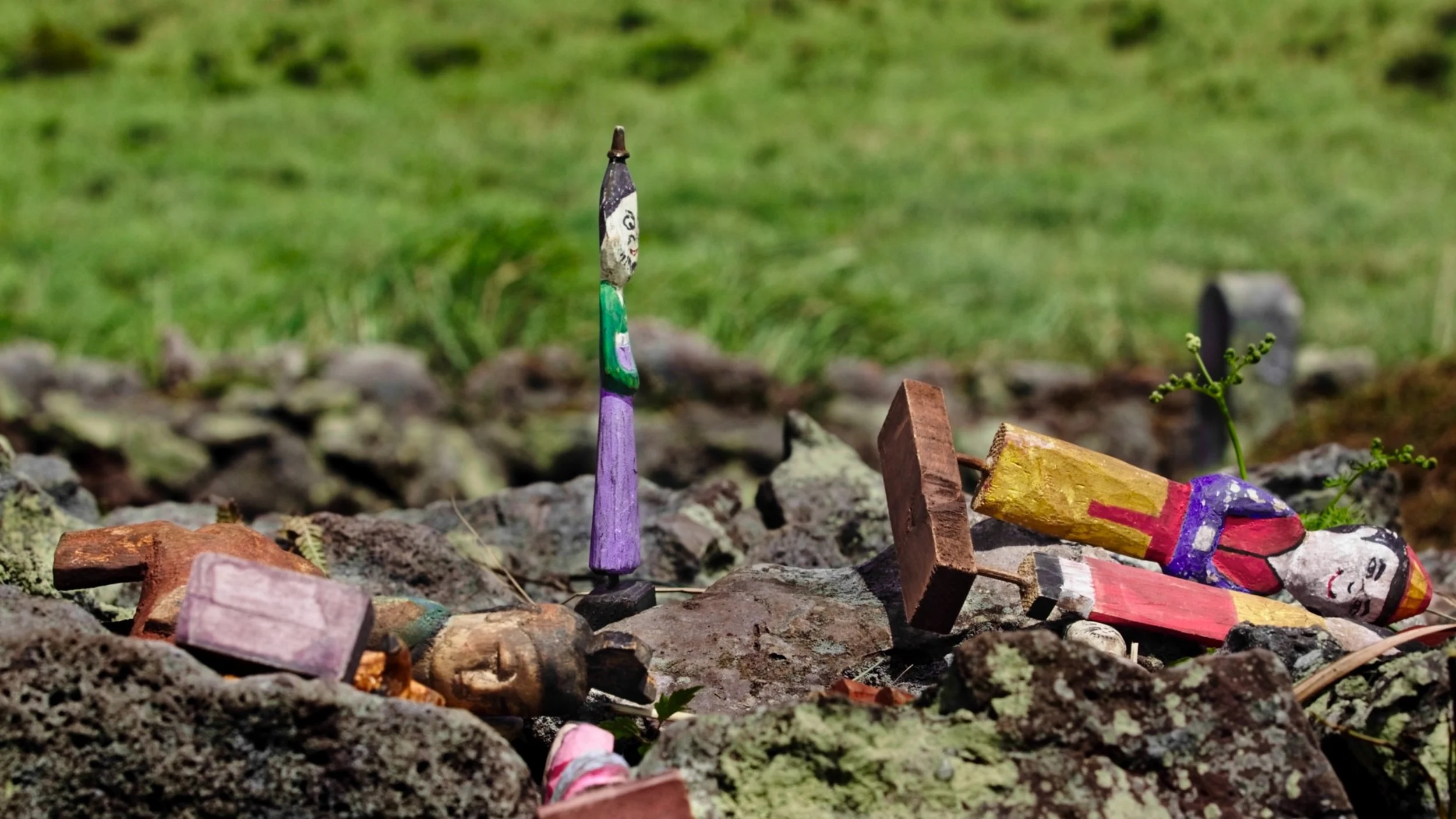
The story of Bari, abandoned at birth and later becoming a mediator between the living and the dead, intersects with Kaisen’s own experience of adoption, the voices of Korean and diasporic women, and the rituals of Jeju simbang shamans. Here, myth functions as a medium through which different times and experiences can meet and memories displaced from established historical narratives can enter into new relationships.

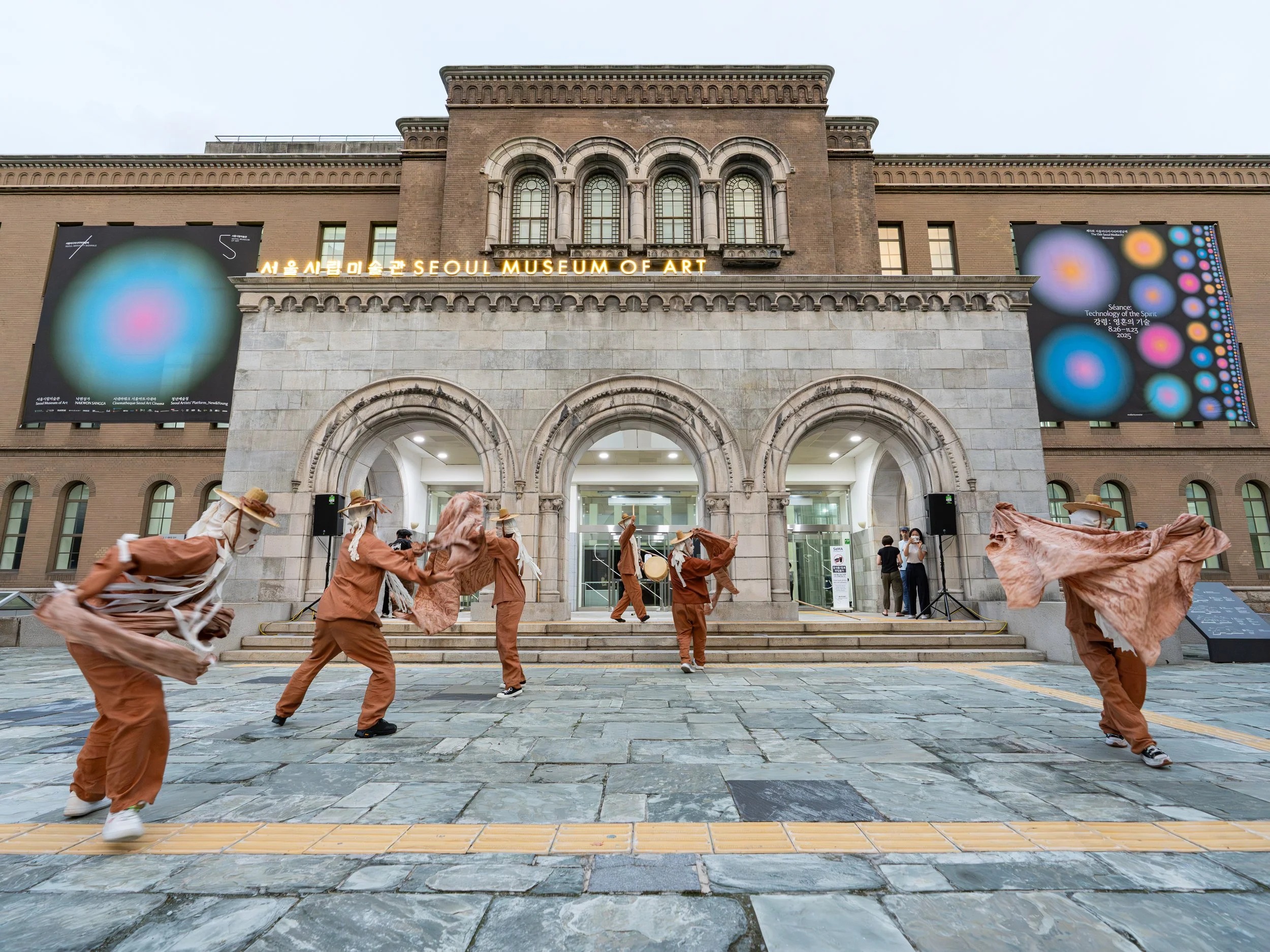
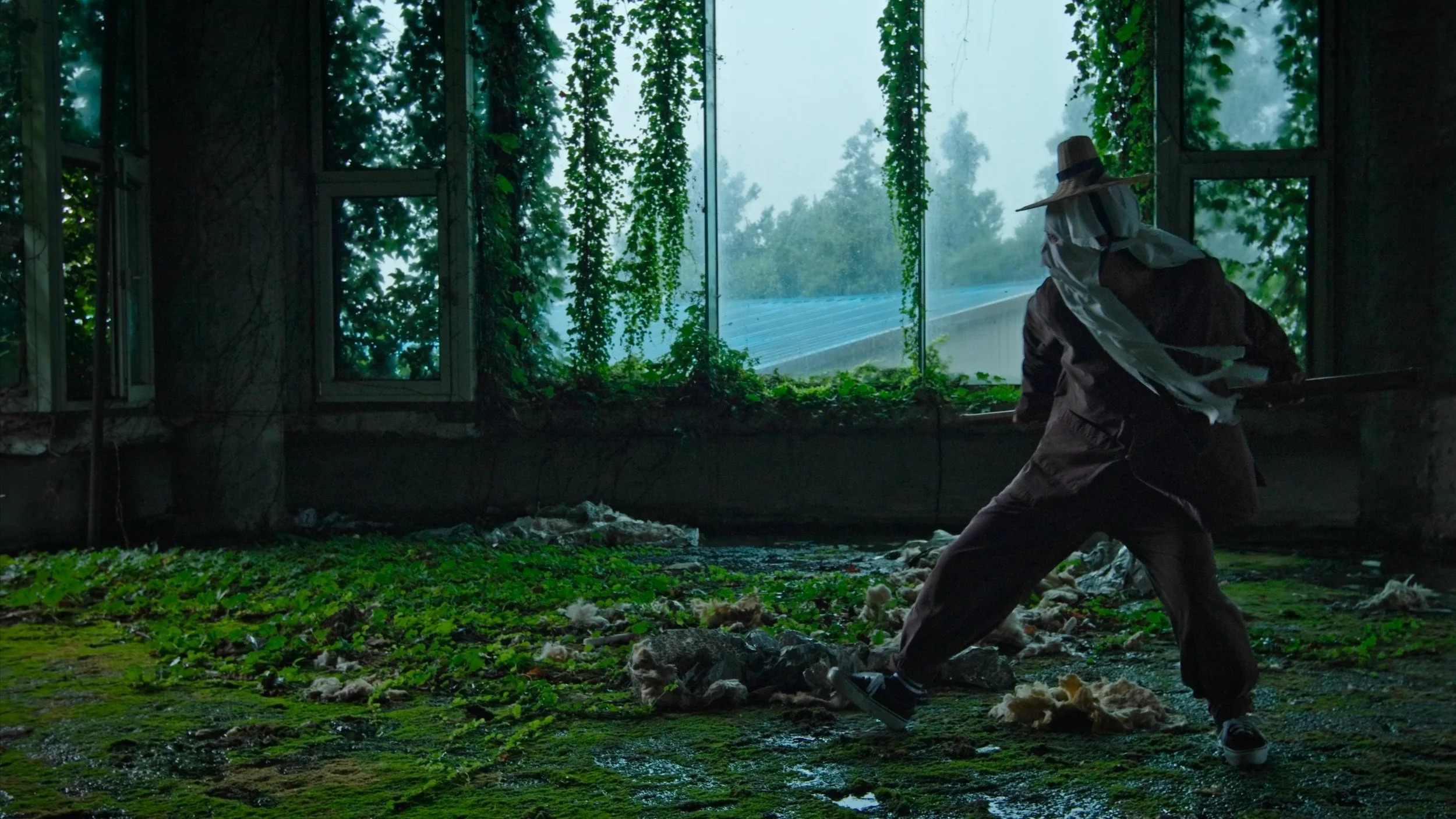
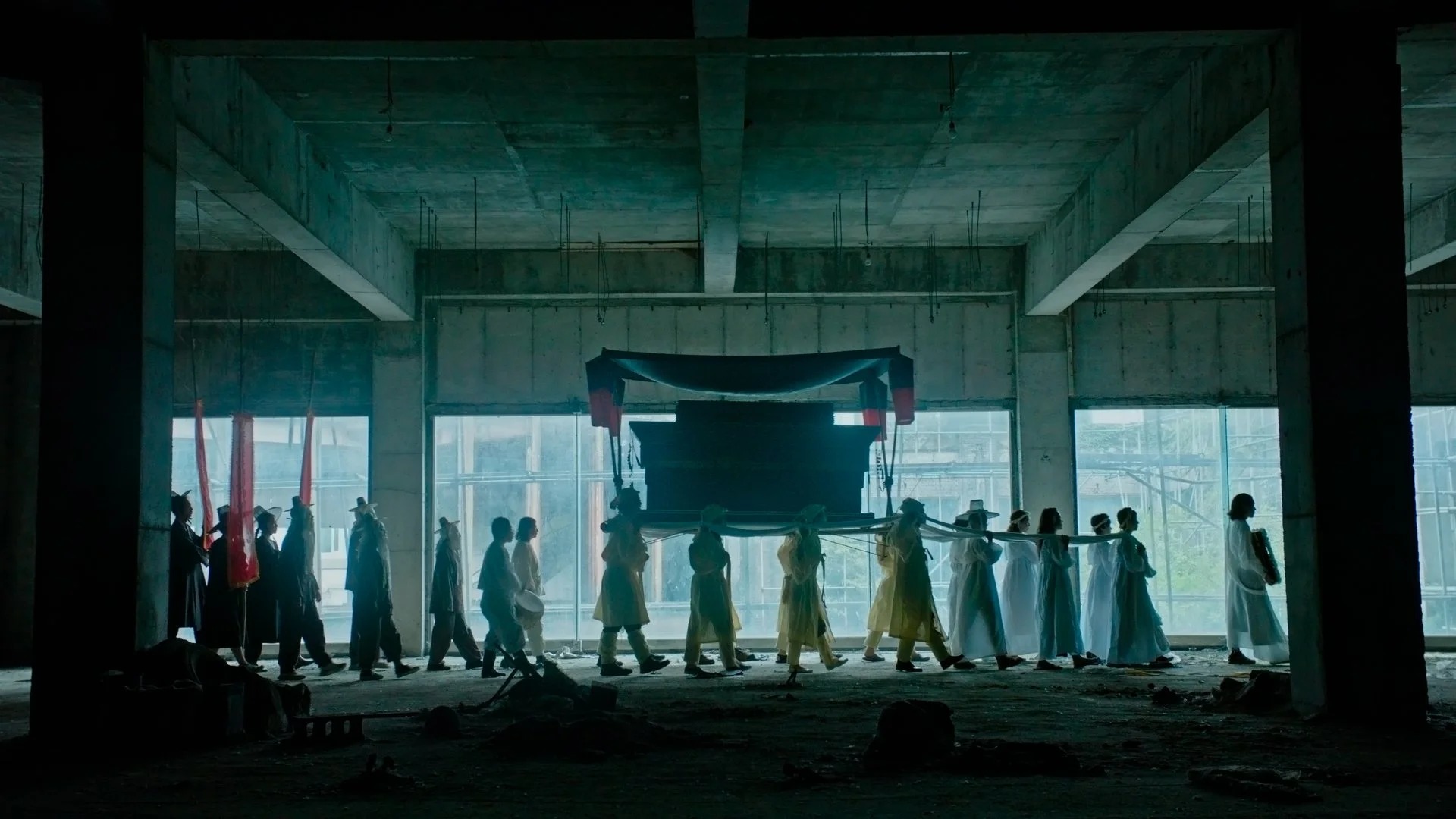
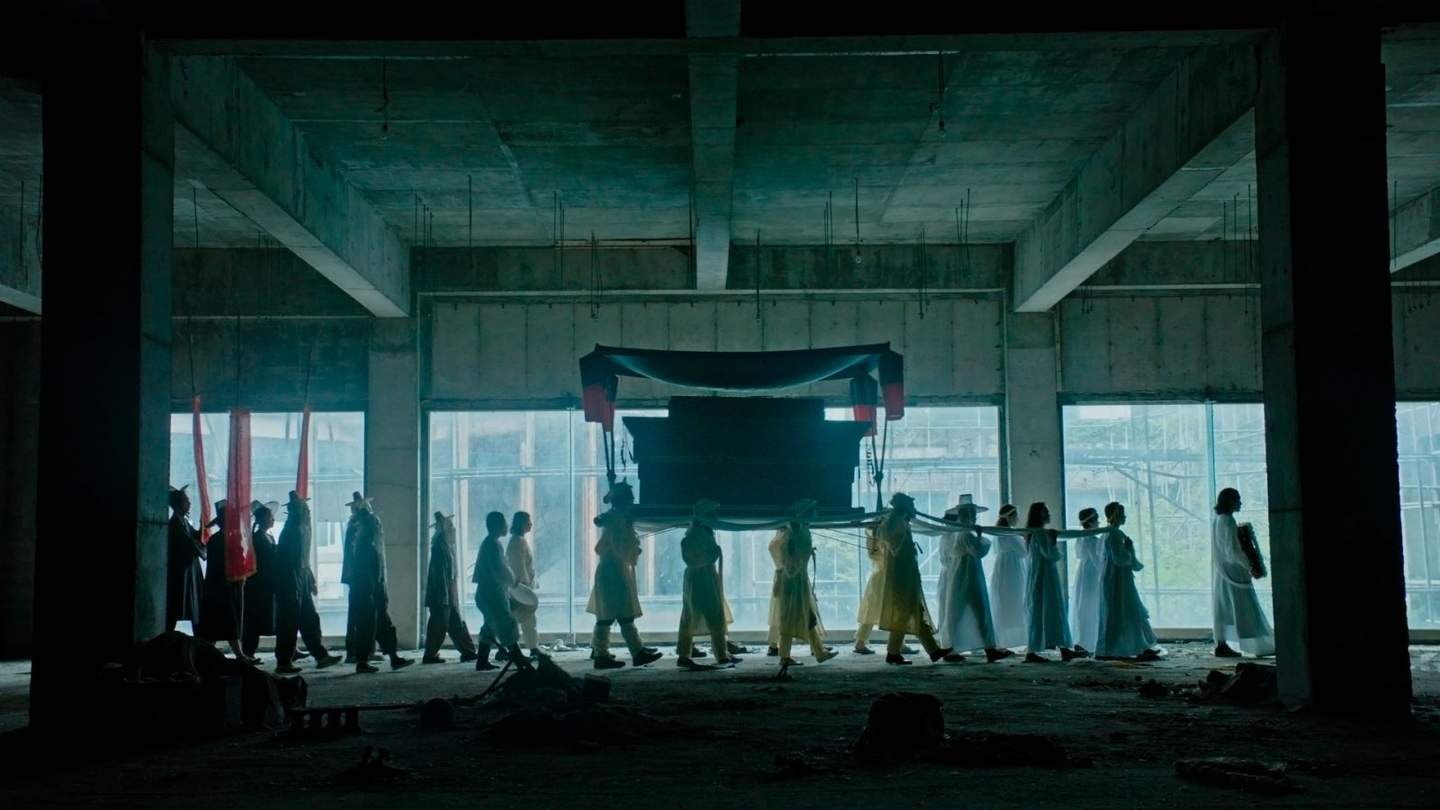
For Kaisen, ritual and spirituality are likewise active practices rather than traditions preserved solely as remnants of the past. In Burial of This Order, she draws on the form of a traditional funeral while bringing together musicians, artists, environmental activists, members of the diaspora, queer and trans participants to perform the burial of an existing order. Roles traditionally determined by age and gender are rearranged, while funeral ritual, political protest, and carnivalesque performance converge within the same scene.

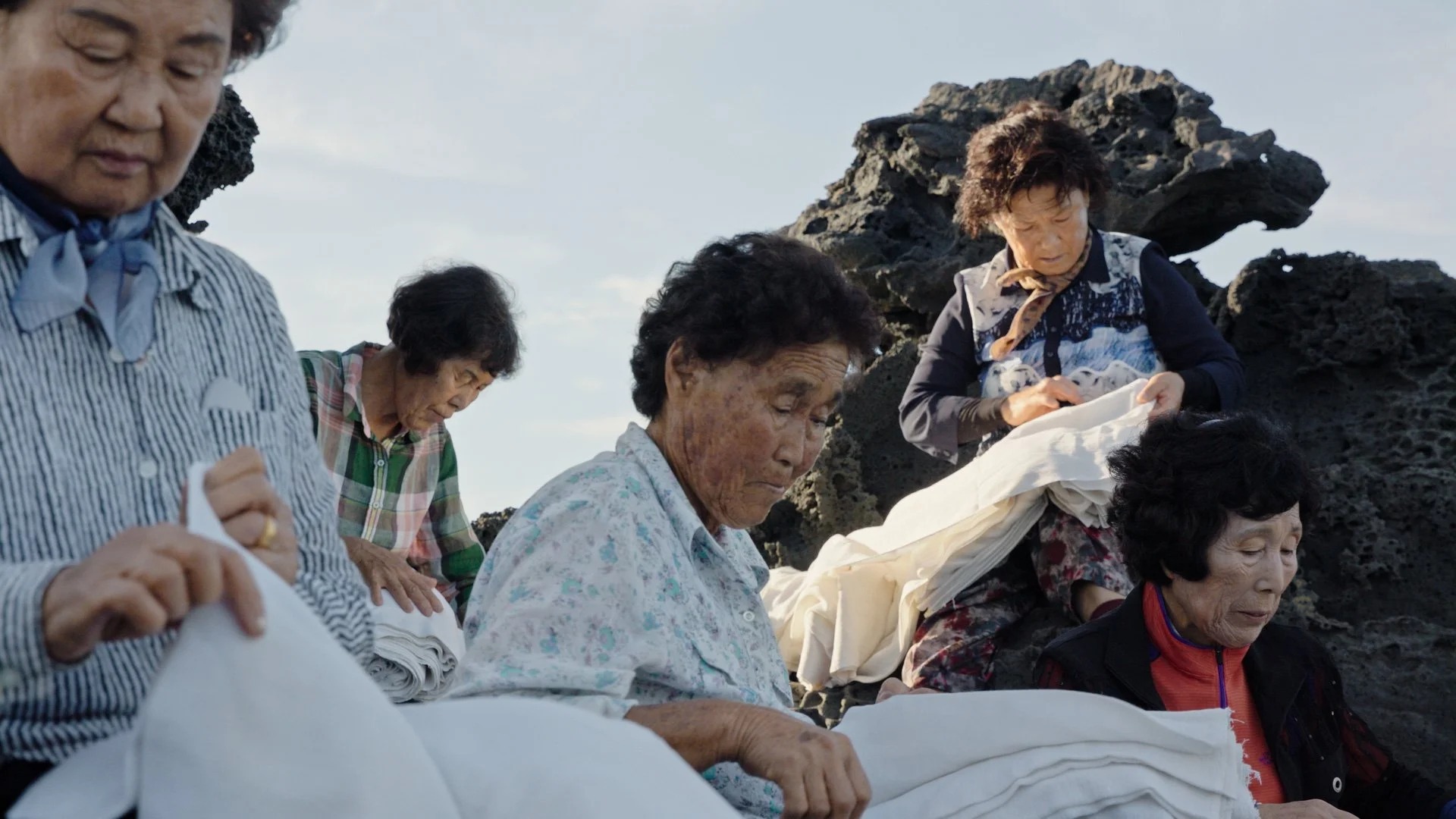
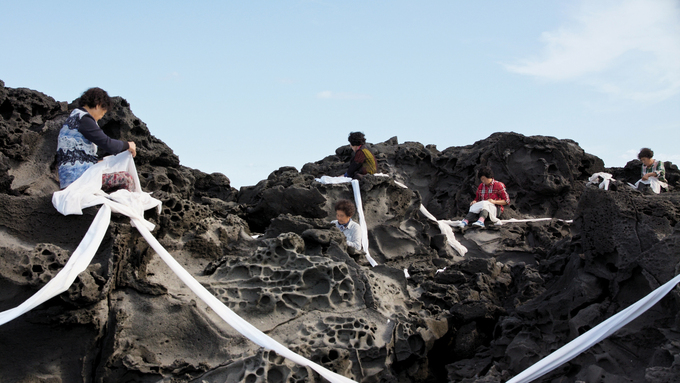
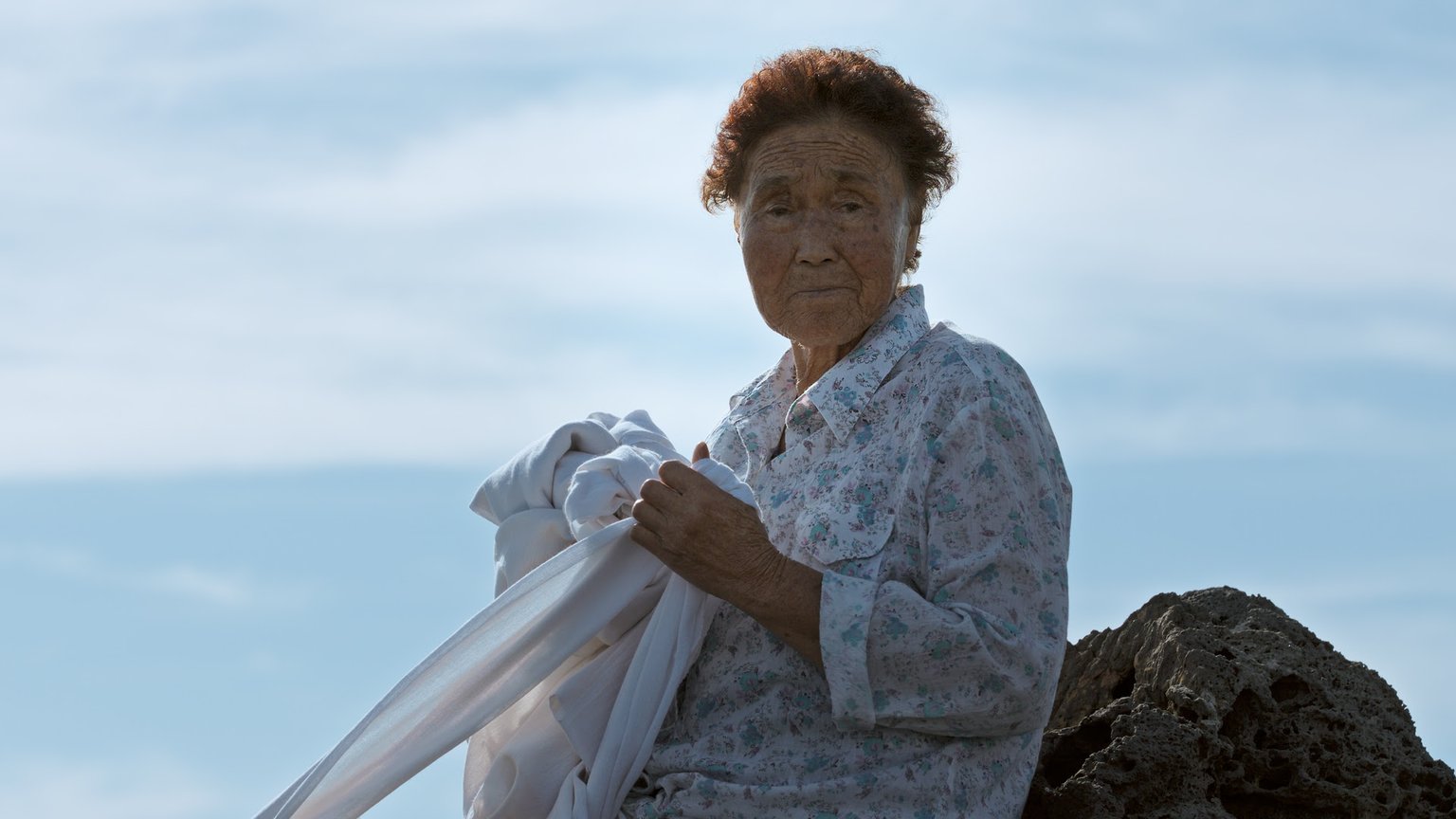
In Halmang and Offering, these concerns extend toward the lives of haenyeo, gendered labor, matrilineal memory, Jeju’s shamanic goddesses, and the sea. Her collaborations with haenyeo in particular bring spiritual practice and everyday labor into the same field of attention, revealing how personal family history and forms of knowledge passed down through generations of women intersect with present-day environmental concerns.

By reactivating myth and ritual under contemporary conditions, Kaisen unsettles socially prescribed roles and relationships while imagining the possibility of other forms of community.

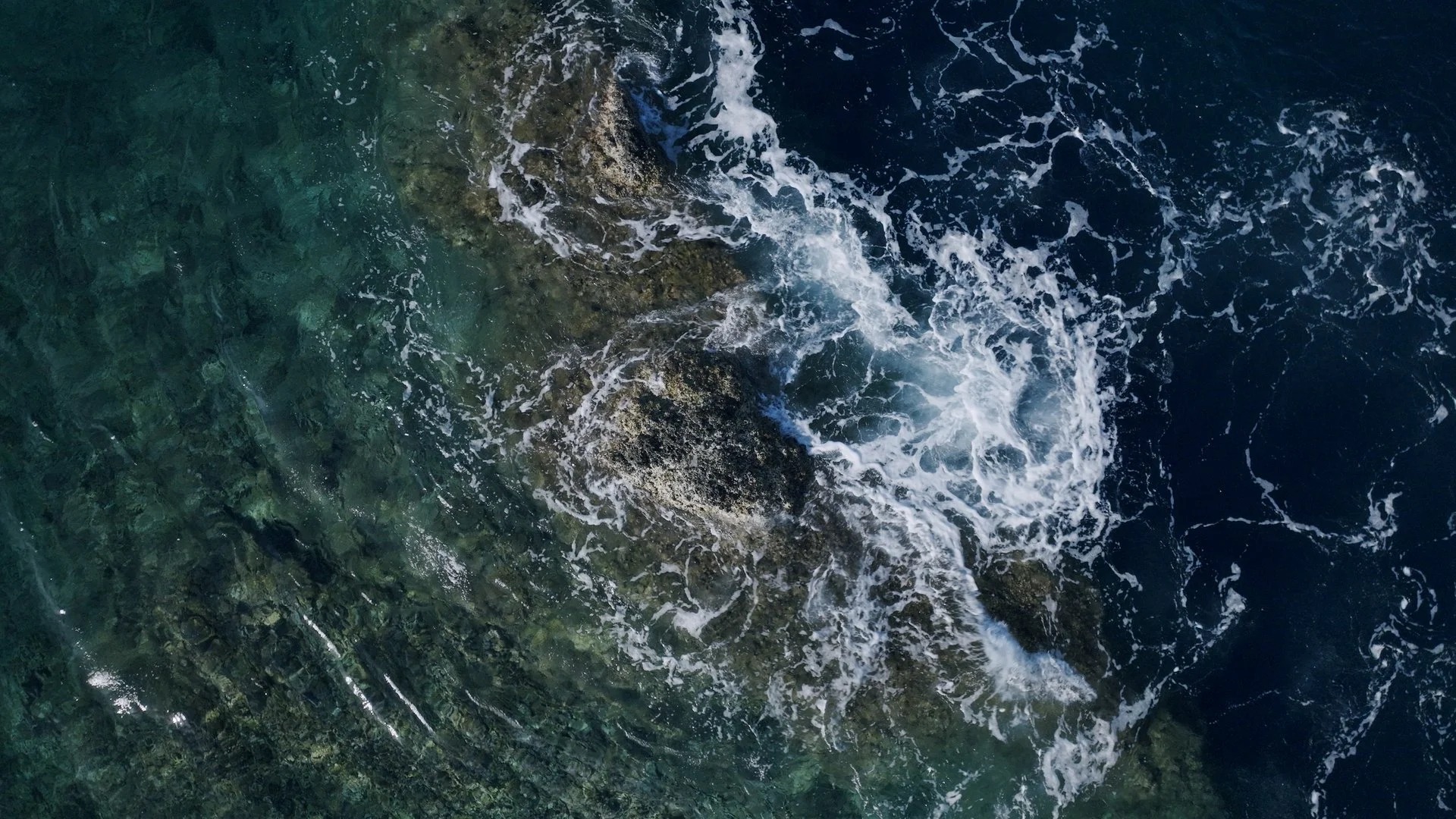
In the recent series 'Ieodo (Island Beyond the Sea)', Kaisen’s exploration of history and memory expands further to encompass the natural environment and nonhuman beings. The sea appears simultaneously as a medium carrying ancestral knowledge and matrilineal connections and as a site marked by exile, death, and the accumulated traces of state violence. Haenyeo, simbang, activists, and children enter into relation with seaweed, crustaceans, water, wind, and other forms of life.

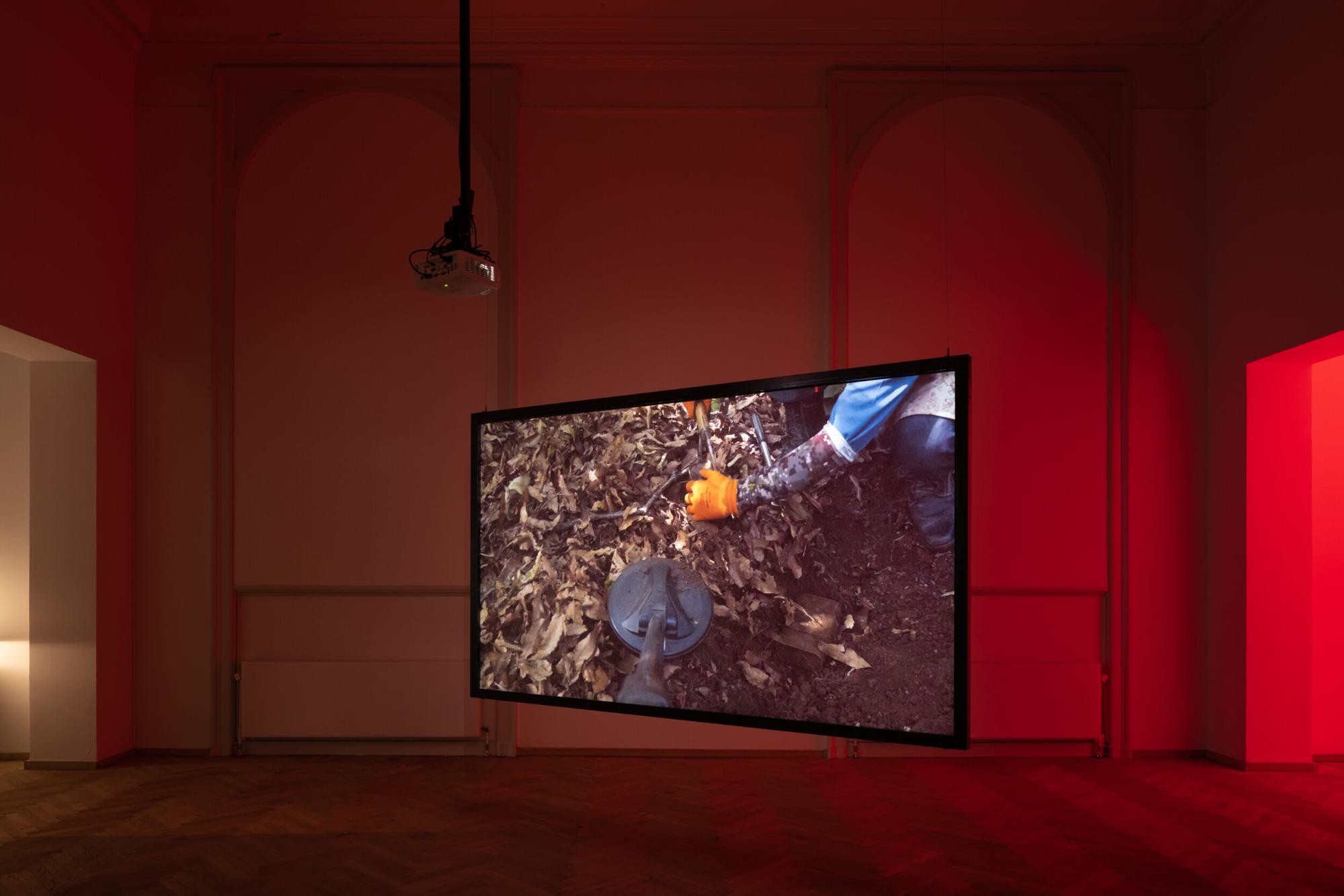
The weapons discarded into the sea in Wreckage, the knots and sochang that recur through Halmang and Offering, and the children moving toward the future in Guardians suggest that remembrance and mourning may also open toward recovery and transformation. The questions of migration and borders that have shaped Kaisen’s practice from its early stages have thus expanded through Jeju into an interconnected field of history, myth, gender, spirituality, and ecology.

Within these connections, Kaisen continues to summon obscured genealogies and explore the possibility of new relations and communities emerging between humans and nature, the living and the dead, and past and present.


Style & Contents

Jane Jin Kaisen works across video installation, experimental film, photography, performance, sound, text, and archival materials, organizing the results of her research into structures in which multiple images and voices encounter one another. Even when addressing historical events or particular communities, she does not simply present materials in a sequential or explanatory manner, but instead interweaves documents and testimonies, landscapes, myths and literature, and performing bodies.

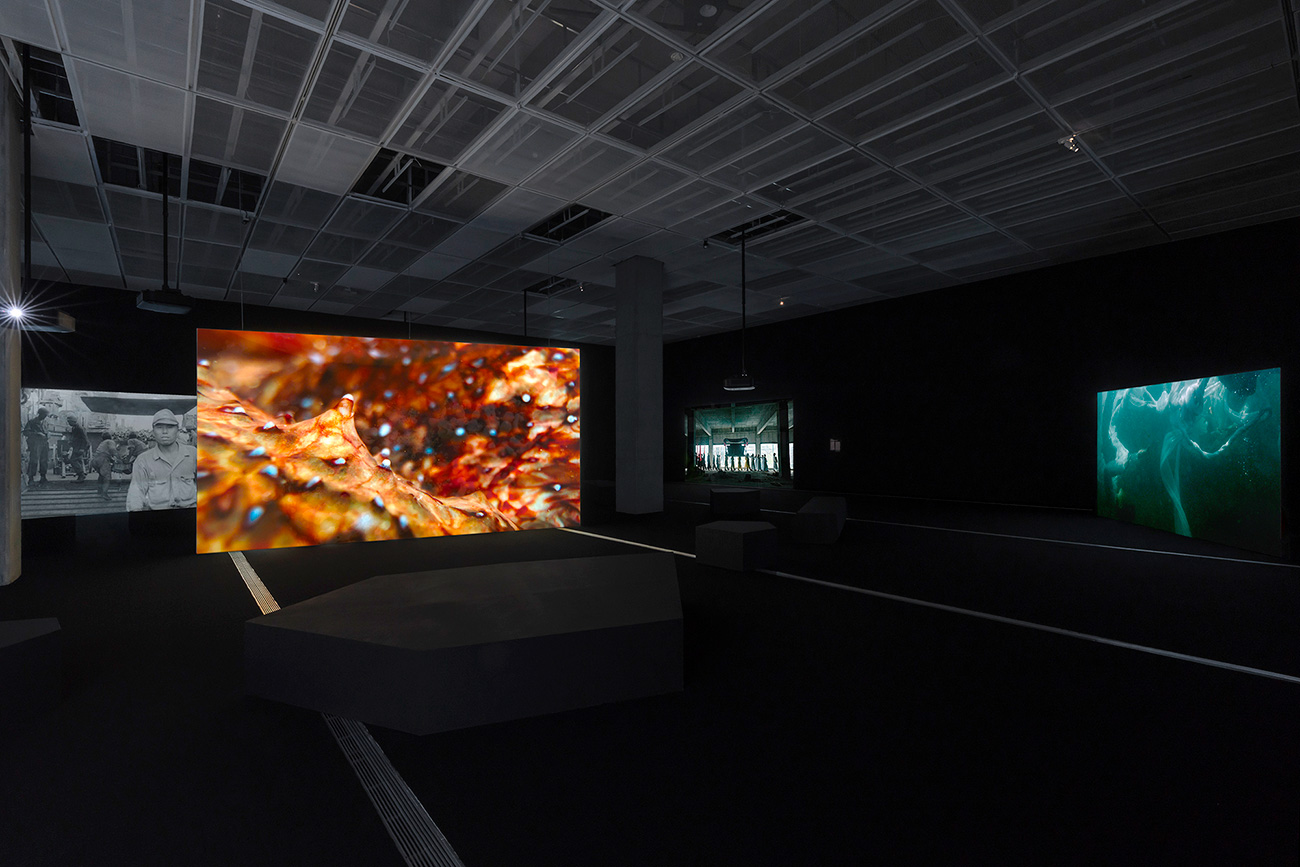
In Reiterations of Dissent, six video narratives surrounding the Jeju April Third Massacre connect the contemporary landscape of Jeju with literature, the memories of survivors and bereaved families, and shamanic rituals, revealing how a single event continues to resonate through different forms of memory.

This structure is closely tied to the polyphonic quality that recurs throughout Kaisen’s practice. Different speakers and voices are juxtaposed and layered without being resolved into a single interpretation, allowing viewers to encounter an event from multiple directions as they trace the relations among them.

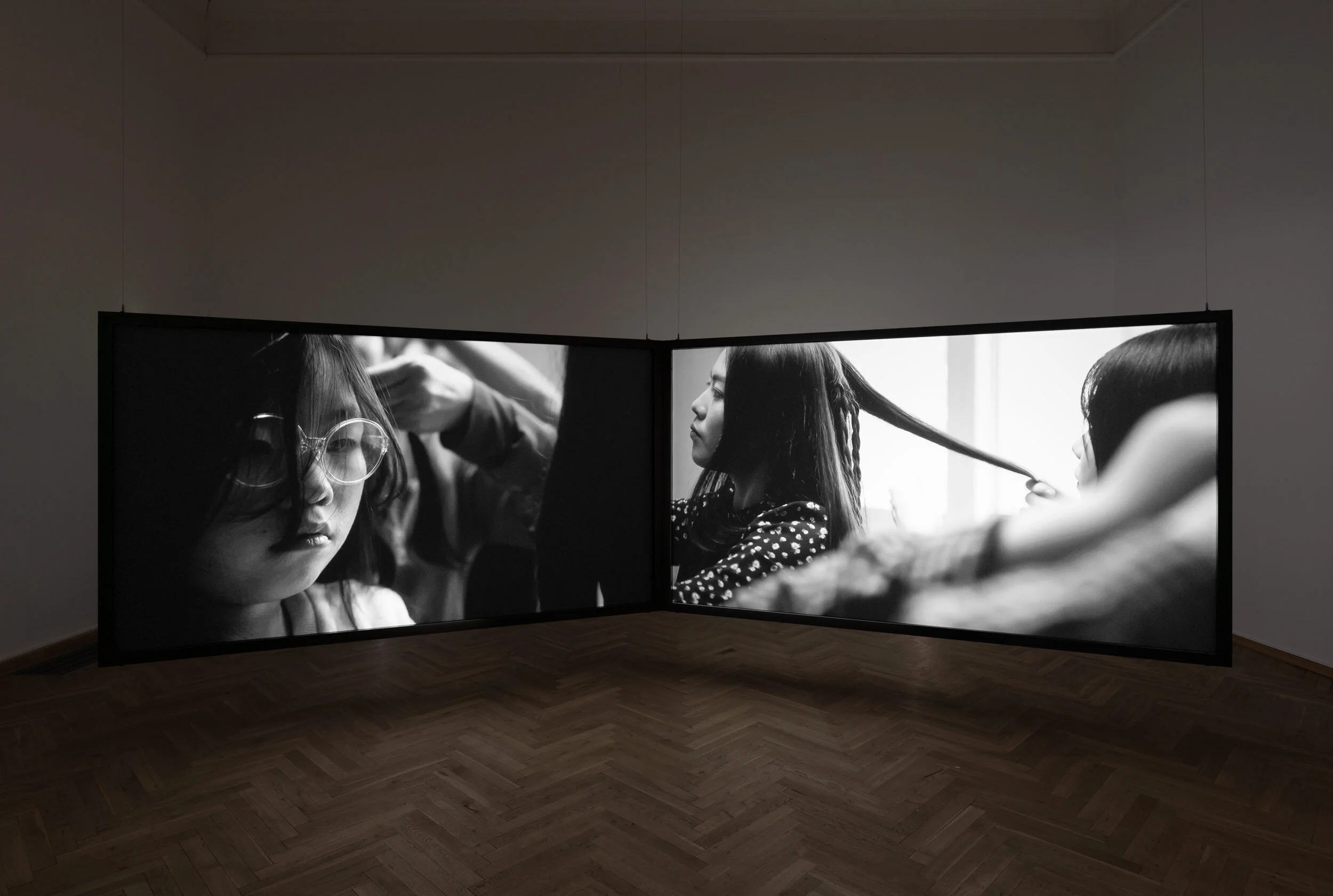
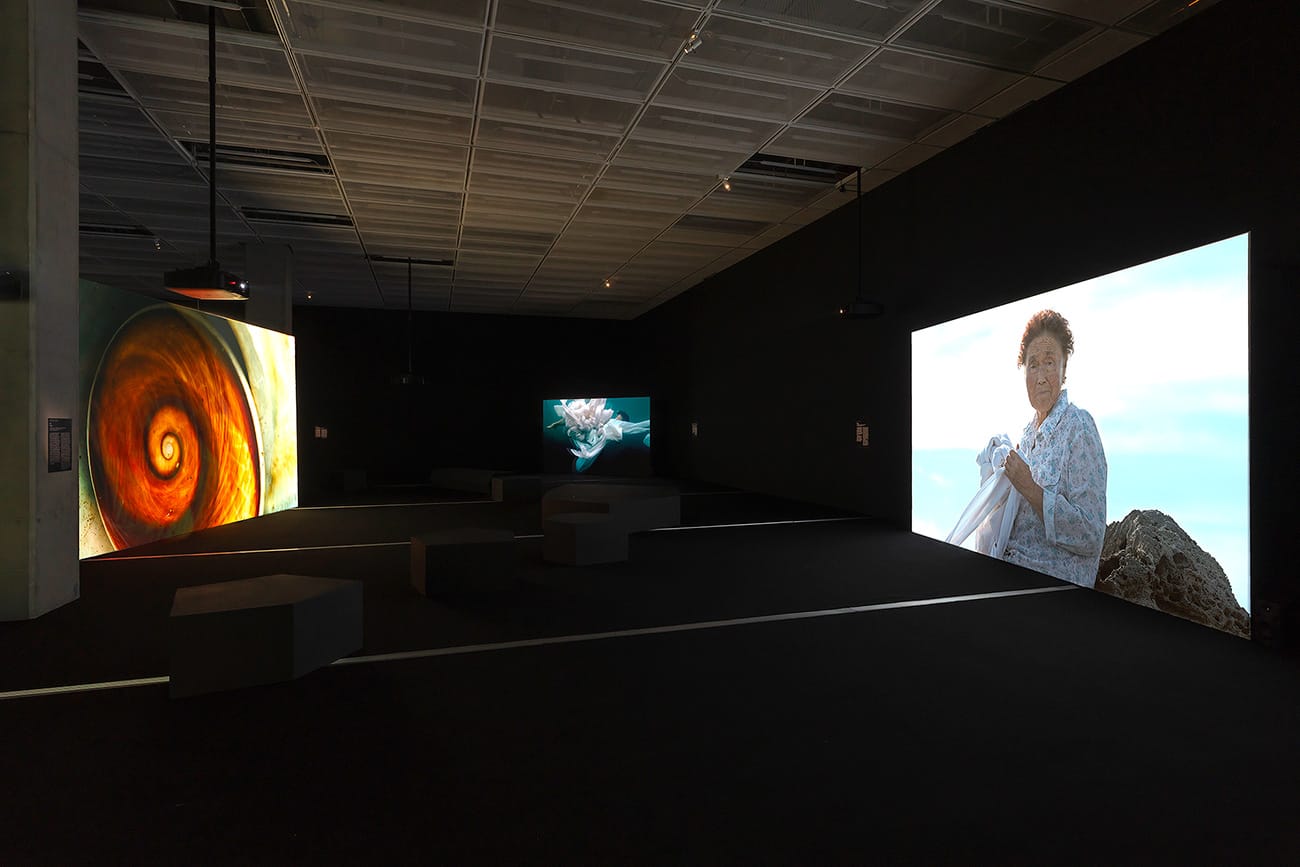
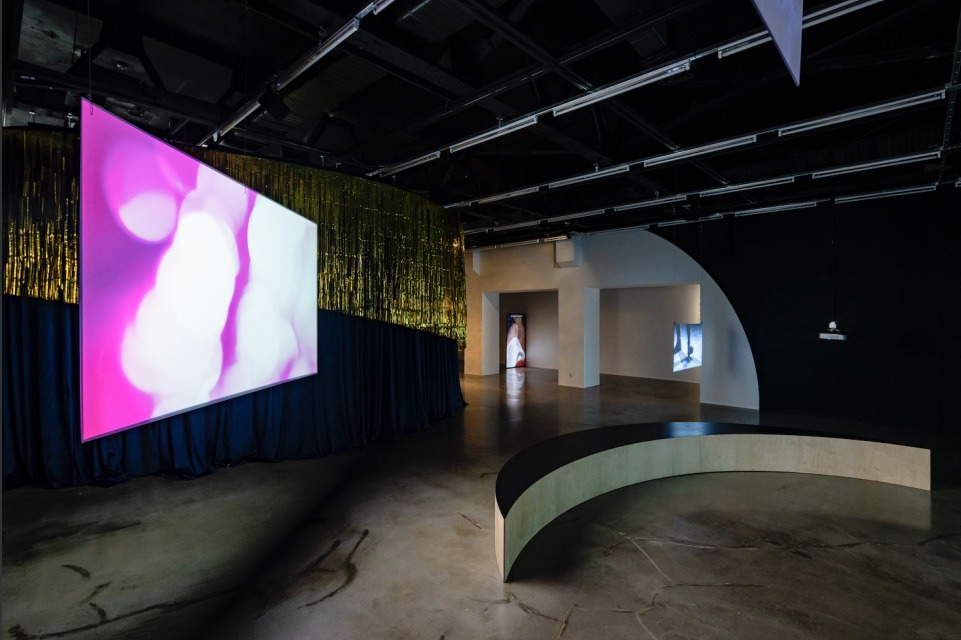
The way moving images are situated within exhibition space is equally important to the construction of Kaisen’s narratives. Community of Parting unfolds across three screens, bringing together Jeju’s natural environment, the artist’s body, shamanic rituals, and the stories of Korean and diasporic women, while forming its narrative through movement and overlap between the screens.

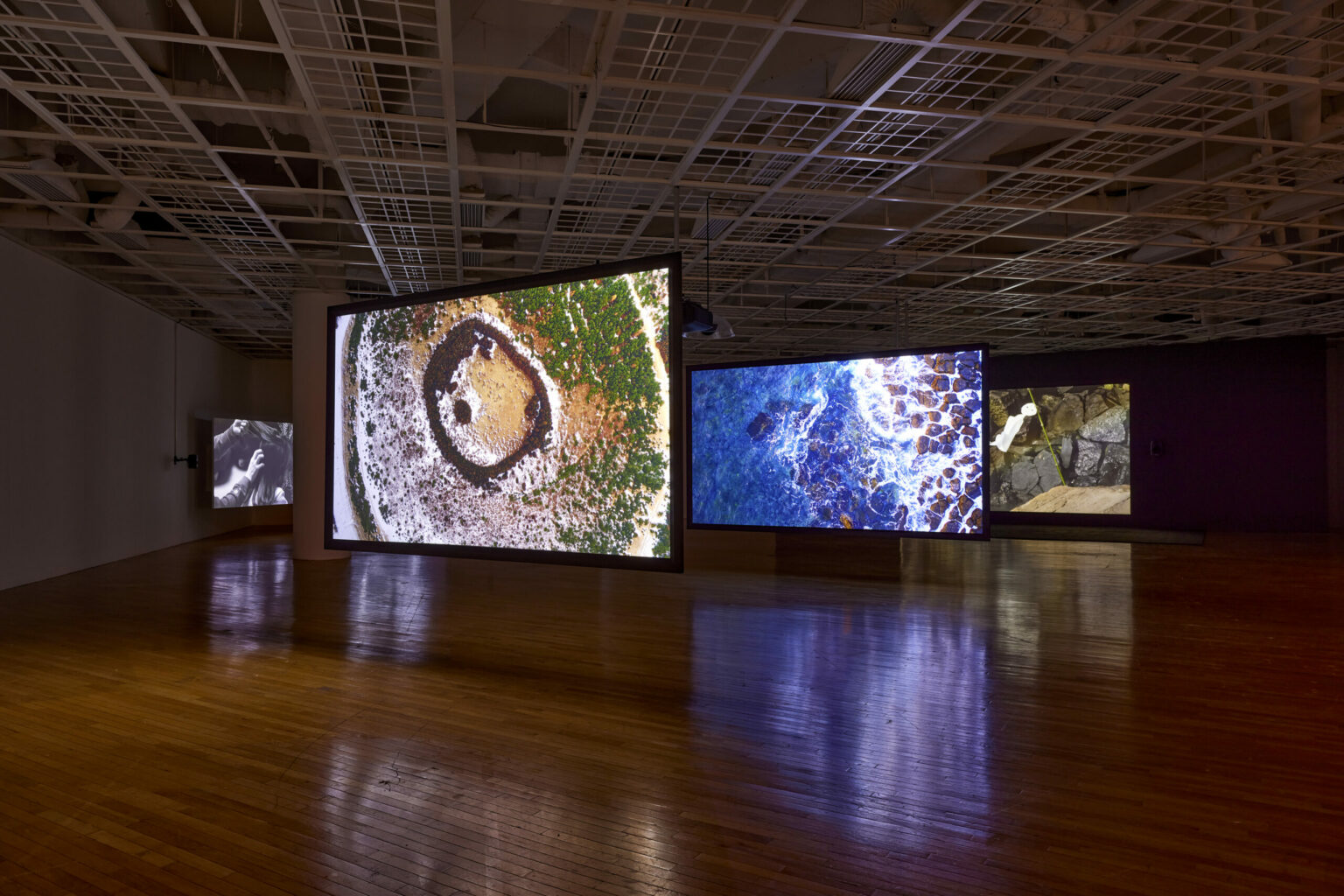
Each screen presents an independent scene while simultaneously complementing and interfering with the others, placing viewers in a position where they must assemble images and voices without remaining fixed to a single viewpoint. This spatial approach is further expanded in the recent series 'Ieodo (Island Beyond the Sea)'.

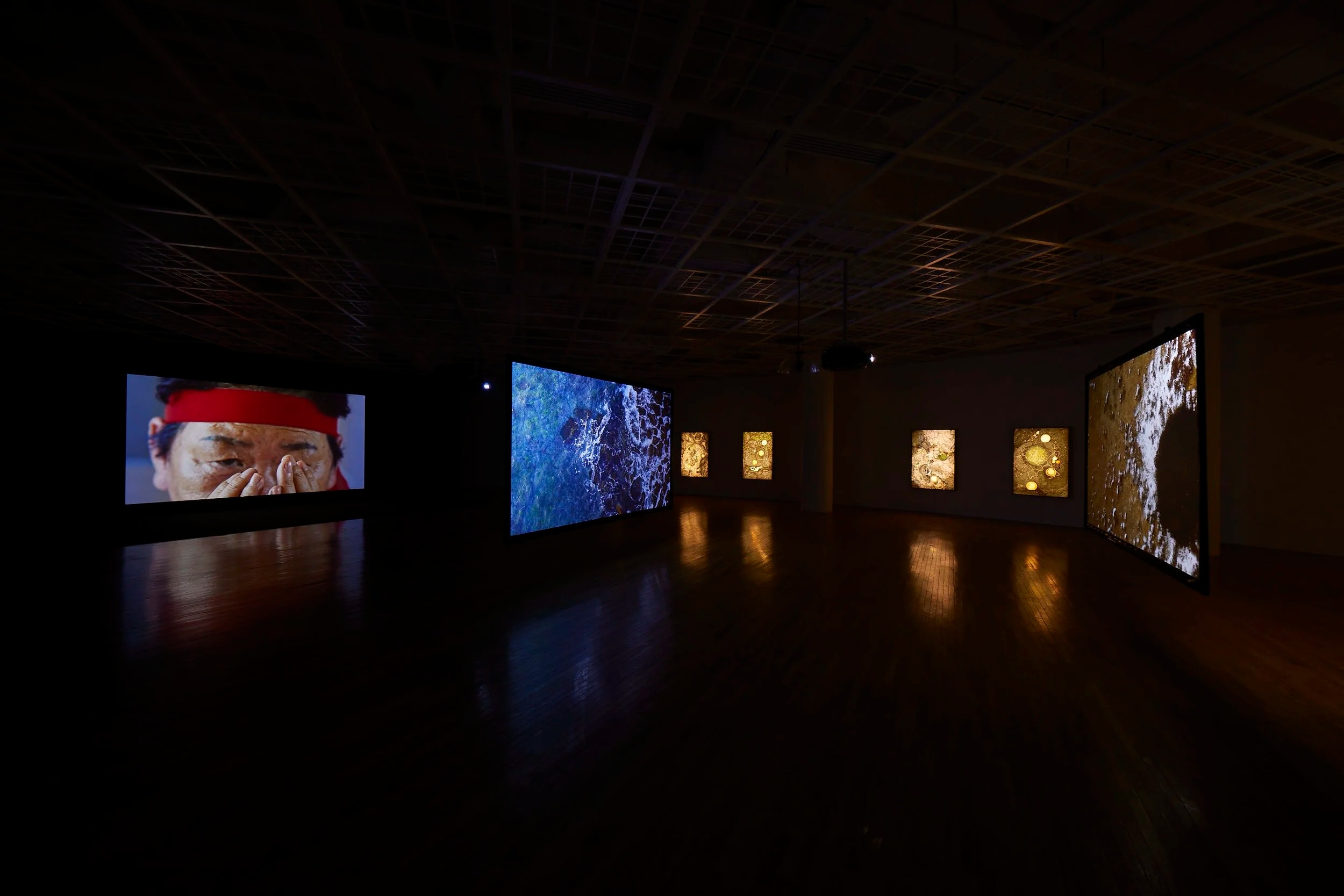
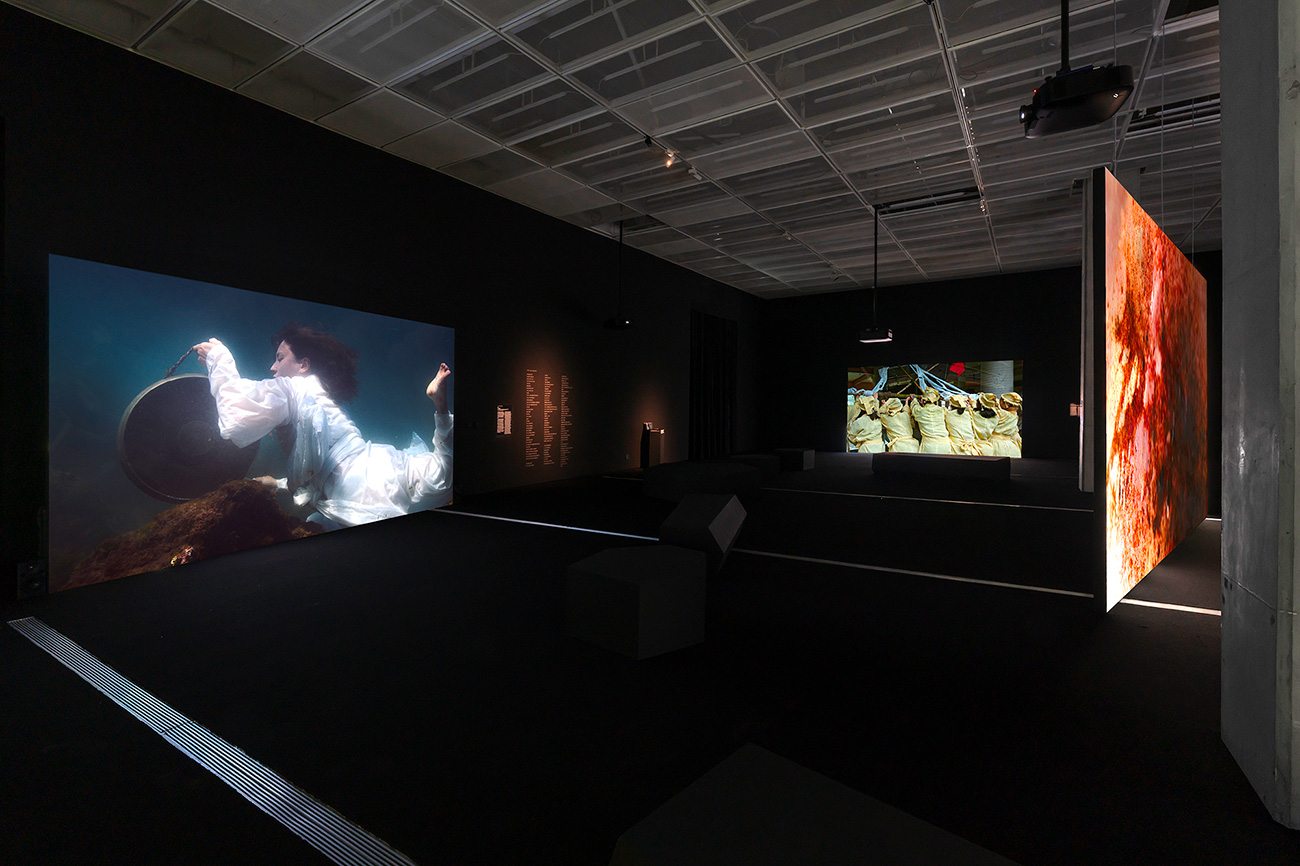
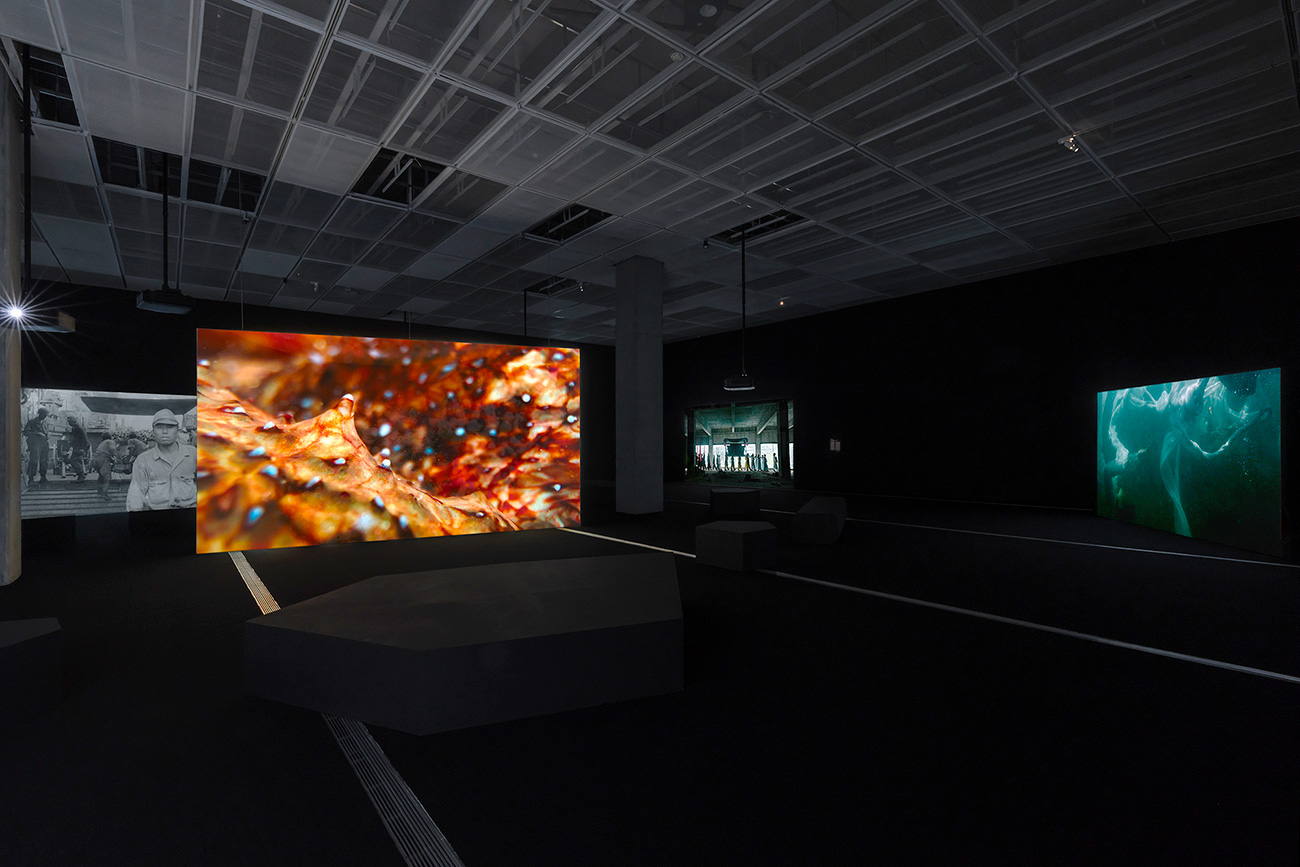
Seven films are projected on individual screens arranged in a spiral, while voices and sounds from different works meet within the exhibition space and form a kind of call-and-response. Rather than following the works chronologically, viewers move through the space and discover repetitions and connections between them. The temporality of the moving image and the viewer’s movement through the exhibition thus jointly shape the rhythm of the work.

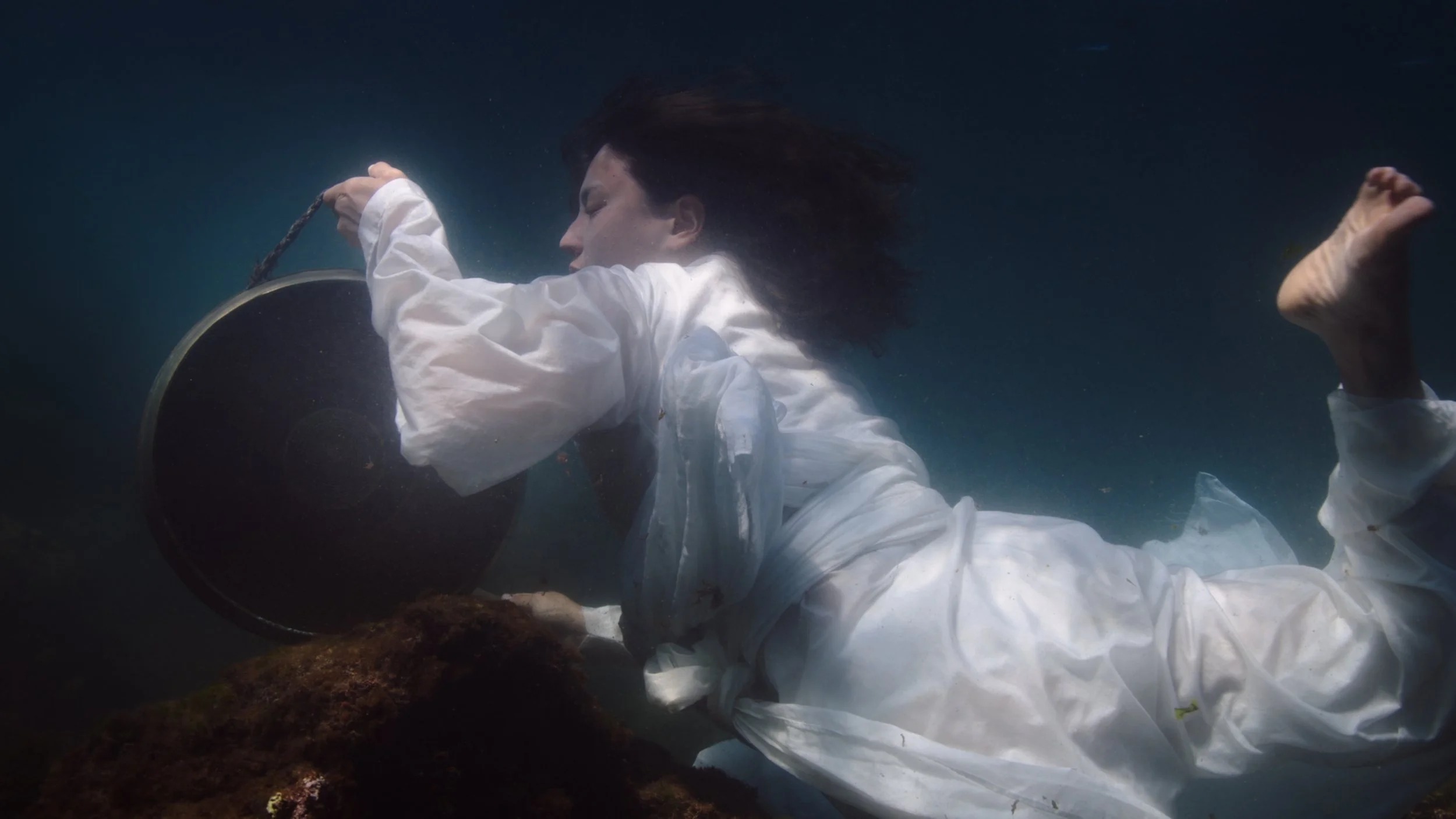
The performing body forms another axis connecting these dispersed images. Kaisen’s moving-image works repeatedly feature bodies that walk, spin, braid hair, carry coffins, and descend beneath the surface of the sea. In Burial of This Order, the funeral procession itself takes the form of a collective performance in which the gestures of traditional funerary ritual intermingle with political protest and carnivalesque action.

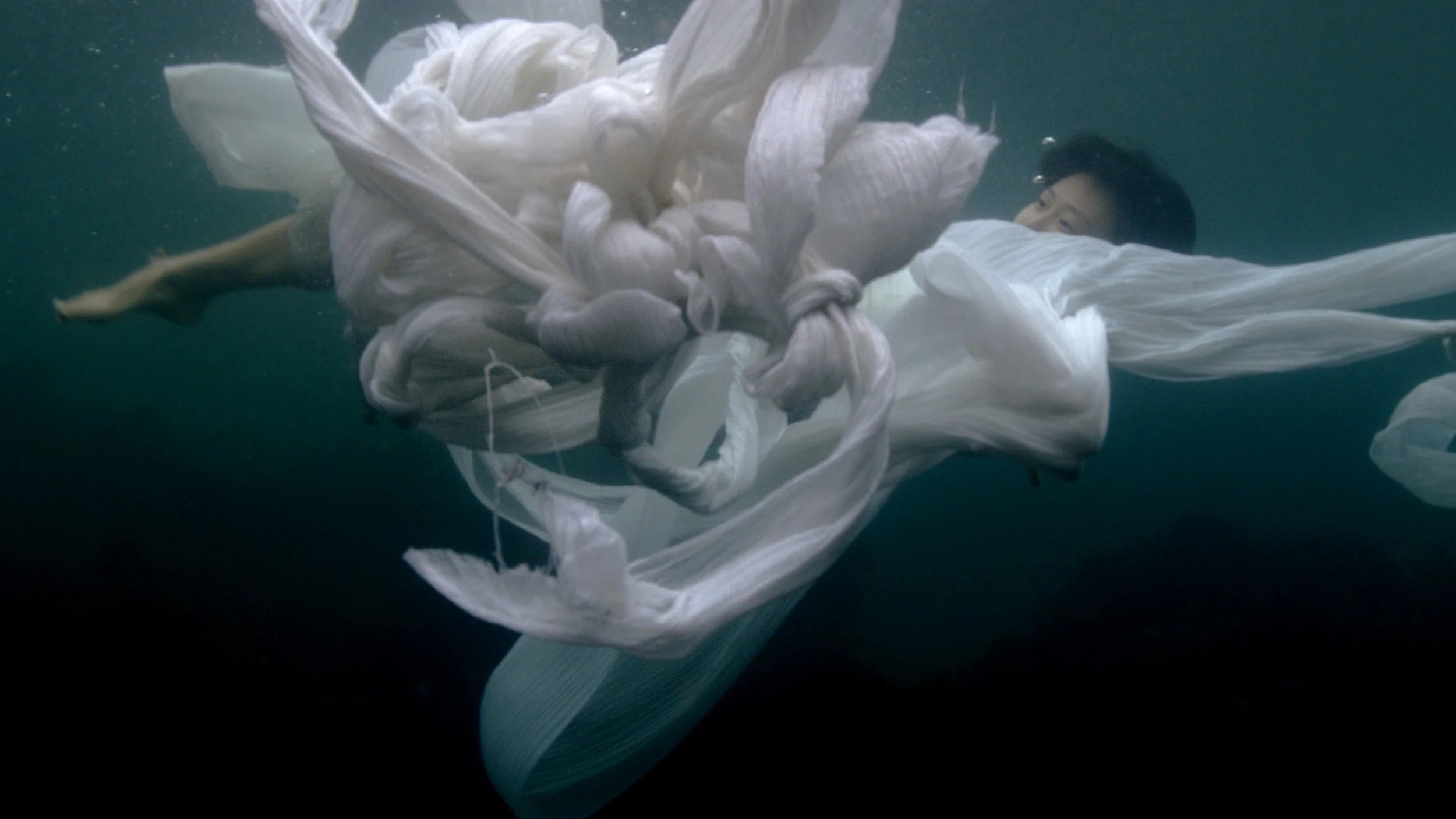
In the more recent Offering, performativity is transferred underwater through choreography developed in collaboration with Jeju haenyeo. The bodies of the divers, sochang, seaweed, and ocean currents move together, while slow-motion cinematography brings these movements into heightened focus and intensifies their ritualistic quality.

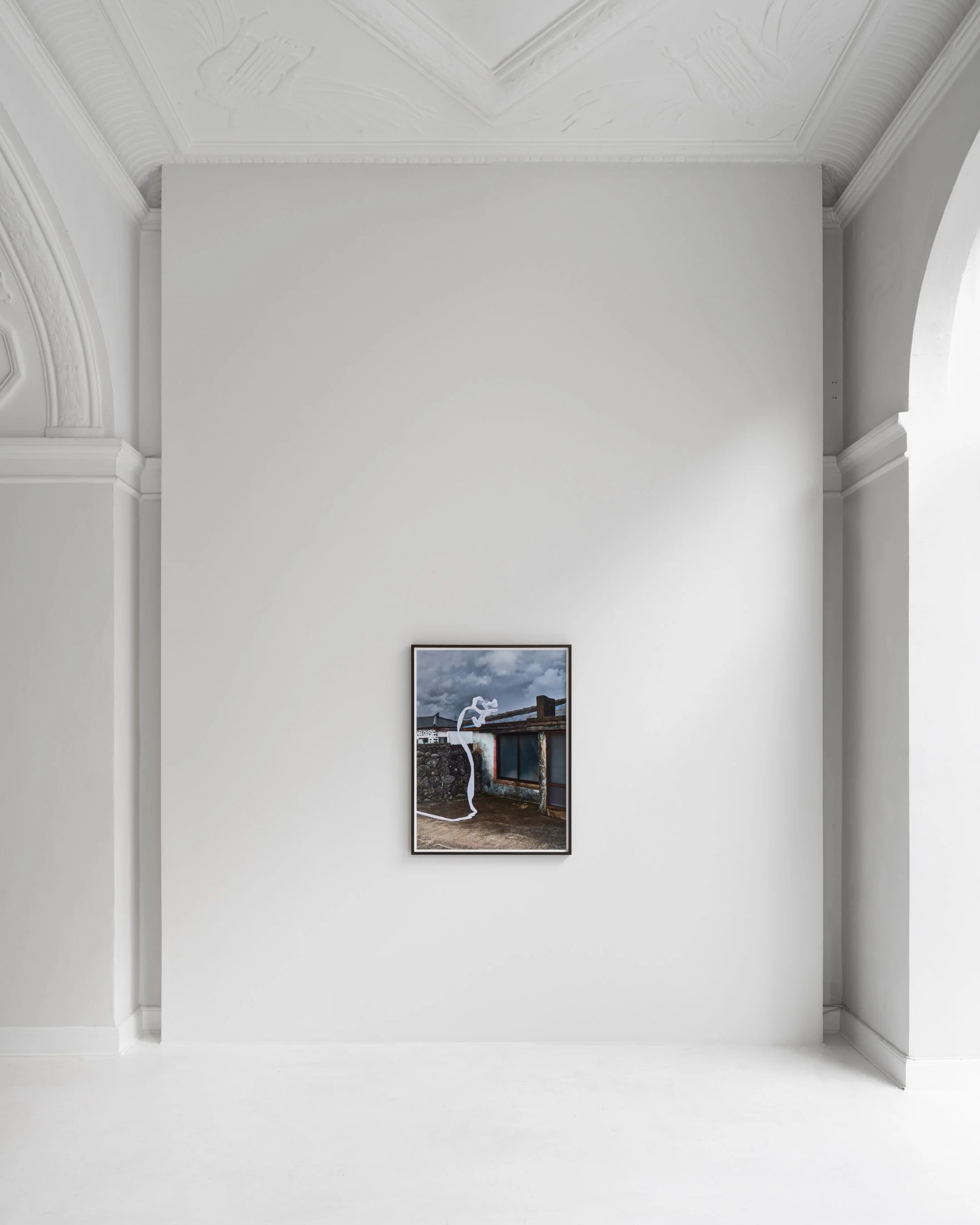
Materials that recur across multiple works, including sochang and knots, also function as visual links between films. Traditionally used throughout the human life cycle, from cloth for newborns to cords binding a coffin, sochang moves across works including Halmang and Offering, visually connecting bodies and generations, life and death.

Collaboration also functions as a formal method that shapes Kaisen’s process of production. Alongside historical research and archival investigation, sustained engagement with survivors, simbang shamans, haenyeo, activists, and local communities forms the foundation of her practice. Participants do not appear merely as providers of information; through their voices, bodies, and actions, they participate in creating the images and rhythms of the works themselves.

Photographic series, archival materials, sound, and moving images likewise operate less as isolated media than as different means of recording and connecting these relationships. In her recent works, not only human movement but also wind, waves, seaweed, and marine life actively intervene in the construction of the image.

By allowing unpredictable movements of nature and the voices of multiple participants to enter carefully structured processes of filming, installation, and performance, Kaisen has developed a distinctive moving-image language in which research, poetic imagery, documentation, and performativity operate together.

Topography & Continuity

Jane Jin Kaisen’s practice has, since the 2000s, taken experiences of adoption, migration, and diaspora as a point of departure for an ongoing exploration of how personal memory intersects with historical conditions such as war, division, state violence, and gender. Over time, this concern has expanded beyond the articulation of a particular identity toward examining how different experiences and memories are transmitted and translated.

While connecting individual stories to larger histories, Kaisen does not seek to seamlessly integrate the two. Instead, she embraces the distances and delays that arise between different generations, cultures, and languages as conditions of the work itself. As Kaisen has noted in discussing her sustained interest in the relationship between personal experience and larger collective historical processes, the question of how individual stories retain their specificity while remaining connected to broader histories has become a persistent concern throughout her practice.

Jeju is the site where this continuity becomes most clearly visible. Rather than treating the island as the setting for a single project, Kaisen has returned to Jeju over an extended period, accumulating research, relationships, and collaborative practices. Research that began with the Jeju April Third Massacre and memories of war has expanded toward Jeju shamanism, female diaspora, haenyeo communities, matrilineal knowledge, and the island’s ecology, while the same places, people, and narratives are repeatedly revisited through new works.

The concerns with life and death, migration, and borders articulated through the myth of Bari and the rituals of simbang shamans in Community of Parting extend into the sea, women’s labor, and environmental questions in works such as Halmang, Offering, and Wreckage. The recent series 'Ieodo (Island Beyond the Sea)' brings this long-term research together across seven interconnected moving-image works, addressing Jeju’s history and nature, culture, and contemporary conditions. Sustained collaboration with local communities has been fundamental to the development of this body of work.

The continuity of Kaisen’s practice emerges less through the repetition of the same themes than through the way images and questions discovered in earlier works are transferred into new relationships in subsequent projects. Sochang and knots, the sea, funerals and rituals, and figures who mediate between the living and the dead recur across different periods of her practice.

Just as the individual works in 'Ieodo' address different subjects while their narratives flow into one another through the recurring presence of sochang, earlier works in Kaisen’s practice do not remain closed or complete but continue to move through later research and imagery. At the same time, she has extended an earlier historical approach grounded in research, oral testimony, and archival materials toward performance, mythology, underwater cinematography, the natural environment, and nonhuman beings.

Throughout these transformations, enduring questions remain: who mediates and transmits memory, what remains in the aftermath of historical violence, and how relationships might be formed anew.

Although Kaisen’s practice began from personal experiences situated between Korea and Denmark, its concerns have come into broad dialogue with contemporary artistic discourses surrounding modern and contemporary East Asian history, diaspora, gender politics, postcolonialism, ecology, and spirituality.

Her presentation of Community of Parting at the Korean Pavilion of the 58th Venice Biennale in 2019 marked an important moment in which these concerns entered a wider international exhibition context, while subsequent projects have continued to develop the research and methodologies formed through her long-term engagement with Jeju across different locations.

Presented in 《Korea Artist Prize 2024》, 'Ieodo (Island Beyond the Sea)' gathers many of these accumulated concerns back in Jeju while extending the scope of the work from historical memory toward ecological relations and possibilities for the future. For Kaisen, Jeju functions less as a fixed site through which to affirm regional identity than as a method for continually reconfiguring relations among generations and forms of knowledge, myth and ritual, and humans and the natural world.

Works of Art

Where Personal Experience Intersects with Political History

Articles

Exhibitions

Activities