Shine in Roughness - K-ARTIST

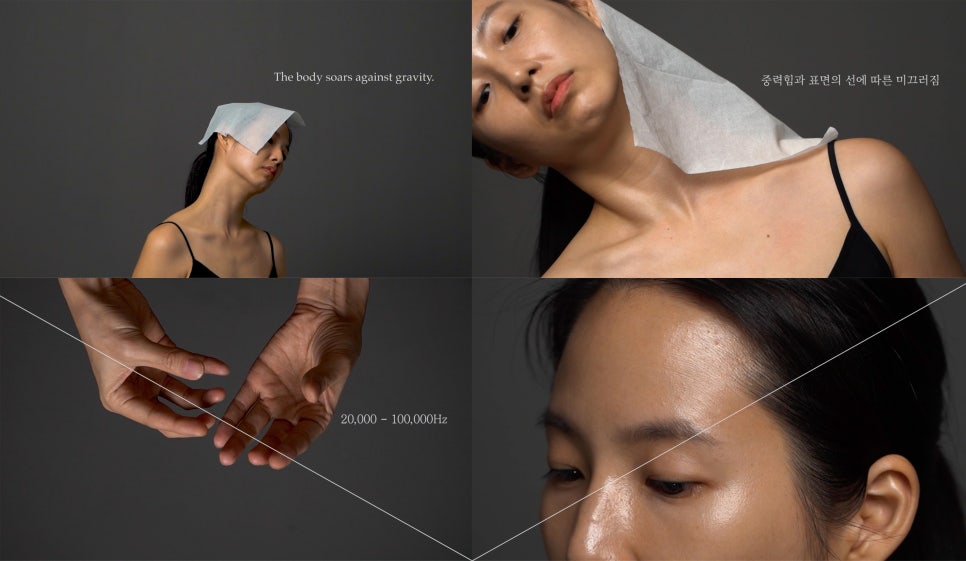
Shine in Roughness

2016
Inkjet print
33 x 25.5 cm each
About The Work

Bokyung Jun has explored the points of contact and disjuncture between humans and technology, and between humans and nonhumans, through video and installation. Her practice questions who can become a subject of art and what kinds of senses and forms of knowledge are recognized as valuable, taking the moments when different beings encounter and influence one another as an important condition of her work.

The artist has researched specific places and communities, as well as the gestures and techniques of skilled workers and craftspeople, examining individual experiences that are easily erased from social and historical narratives and values that cannot be reduced to productivity.

Through encounters with others, she continually reconsiders her own perspective and the boundaries of art, bringing to light beings and experiences that elude familiar frameworks and inviting a renewed understanding of the relationships they form.

Furthermore, Jun expands the category of the “human” through nonverbal forms of perception, including dance, sign language, touch, and sound. By working with bodily sounds, vibrations, breathing, and scores, she explores the possibilities of contact between humans and nonhumans.

Jun’s practice ultimately unfolds as a process of looking anew at the world through encounters with different beings and reconsidering the relationship between humans and the world. Her experiments can thus be understood as a practice that reexamines this relationship through the very processes by which different beings encounter, diverge from, and transform one another.

Solo Exhibitions (Brief)

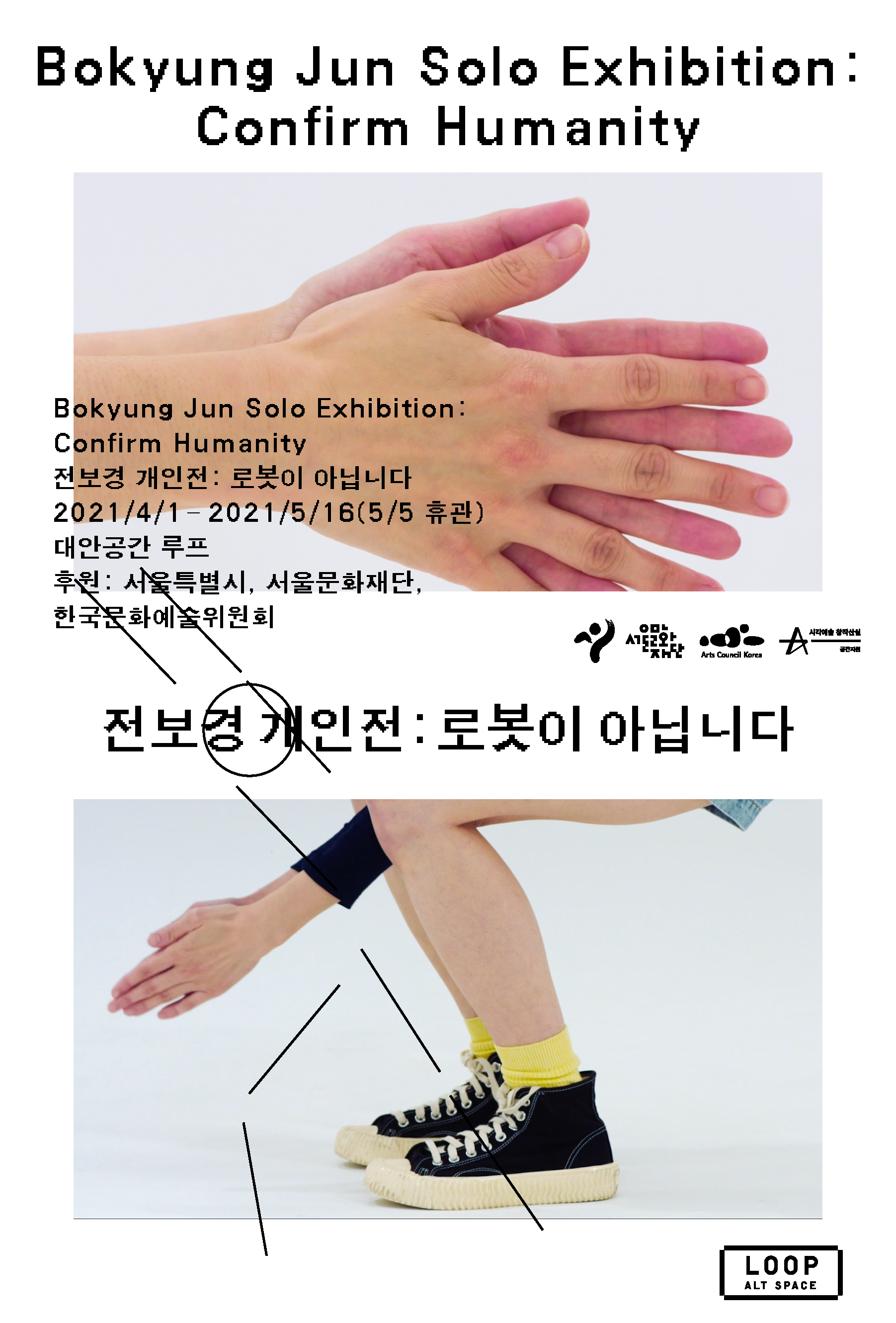
Bokyung Jun has held solo exhibitions at Takeout Drawing (2011, 2012), gallerychosun (2015), and Artist Residency TEMI (2016).

Group Exhibitions (Brief)

Bokyung Jun has participated in exhibitions and projects at Culture Station Seoul 284 (2014), Korean Cultural Centre India and ZK/U – Center for Art and Urbanistics (2016), and Buk-Seoul Museum of Art and Koganecho Bazaar (2017).

Residencies (Selected)

Bokyung Jun has participated in residency programs at Takeout Drawing (2011, 2012), Space Beam International Residency (2012), Artist Residency TEMI and ZK/U – Center for Art and Urbanistics (2016), Koganecho Bazaar (2017), and Incheon Art Platform (2018).

Works of Art

Where Different Beings Meet and Transform

Originality & Identity

Bokyung Jun’s practice begins by questioning the boundaries through which society habitually distinguishes beings, experiences, and forms of value. In her earlier works, she explored how personal memories and perspectives continually change through encounters with others, while collecting overlooked elements of the urban environment, including aging places, disappearing shops, and discarded objects.

Interviews and documentation in this process do more than preserve existing facts. Jun dismantles and recombines memory and experience, fiction and fact, relocating voices that have remained insufficiently heard within institutional and historical narratives into new sets of relations. This process of “rewriting” has remained a defining attitude throughout her practice.

From 2017 onward, this inquiry developed through her encounters with skilled workers and craftspeople. By collecting gestures, rhythms, and words inscribed in bodies through decades of repetitive labor, Jun questions distinctions between art and labor, the aesthetic and the non-aesthetic, usefulness and uselessness. Skills and bodies that are increasingly marginalized under systems governed by productivity and efficiency emerge in her work as sources of distinct forms of sensation and knowledge.

Her attention shifts from the products of labor to accumulated habits, embodied sensitivities, and attitudes toward work, raising questions about whether aesthetic sensibility belongs exclusively to established artistic institutions or education. For Jun, other people are not merely subjects to be observed or represented; they become collaborators and teachers through whom her own knowledge and understanding of art are continually revised.

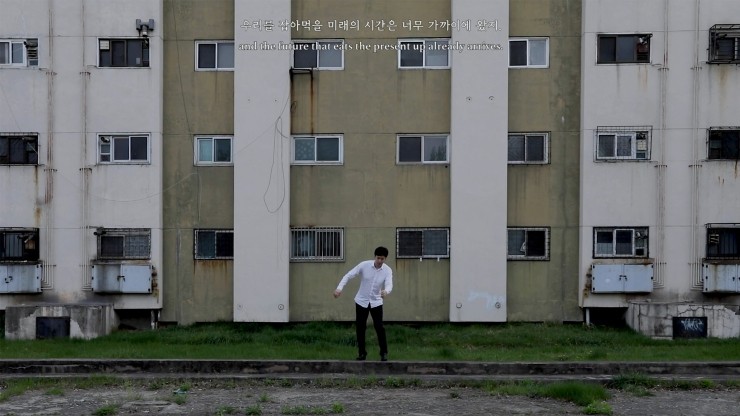
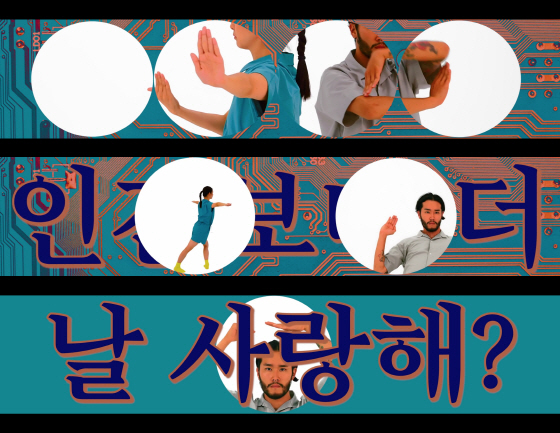
Her engagement with machines and automation extends these questions toward the human body and perception. In works that translate the standardized movements of robots through dancers’ bodies, identical information generates different movements according to each performer’s physicality, rhythm, and interpretation. Error, irregularity, and inefficiency emerge not simply as defects to be eliminated but as conditions through which human sensation and agency become perceptible.

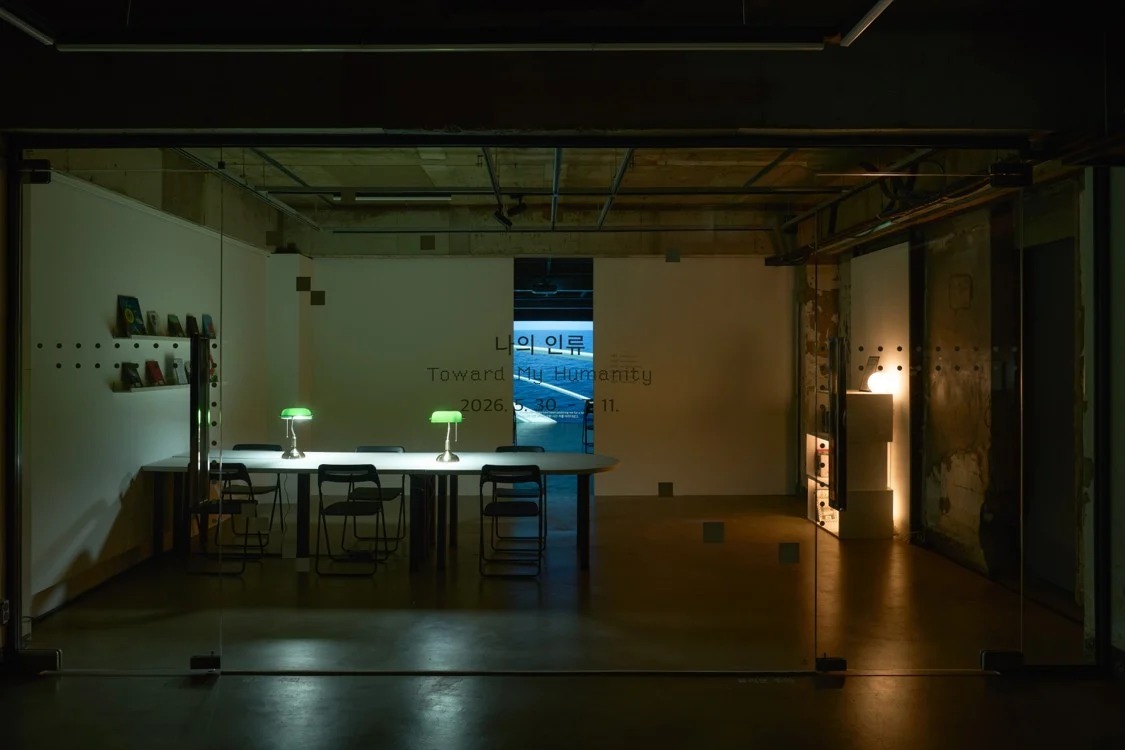
Through subsequent explorations of sign language, tactility, vibration, dance, and other forms of nonverbal perception, Jun approaches the human as a being continuously transformed through contact and response to its surroundings rather than as a stable essence. Questions initially posed between machine and human thus develop into a broader inquiry into whether any condition can truly be claimed as uniquely human.

In her recent practice, this relational thinking has expanded toward nonhuman beings such as glaciers and water. Jun approaches the glacier not primarily as an object to be represented or explained through human language, but as a responsive being that moves, changes, and interacts with its surroundings. Through performers’ voices and bodies, vibration, breath, and scores, she generates continuing relations between human and nonhuman while seeking possibilities of departing from established categories and linguistic structures.

Across these developments, Jun has persistently asked who may become a subject of art, what kinds of sensation and knowledge are recognized as valuable, and how valid the boundaries separating humans from the world remain. Rather than defining stable identities, her practice locates its central condition in moments when heterogeneous beings encounter and transform one another.

Style & Contents

Bokyung Jun works primarily with moving image and installation, combining drawing, text, sound, objects, interviews, and performance according to the needs of each project. Rather than adhering to a fixed medium, she develops the structure of a work according to how materials gathered through research and encounters may be translated and communicated.

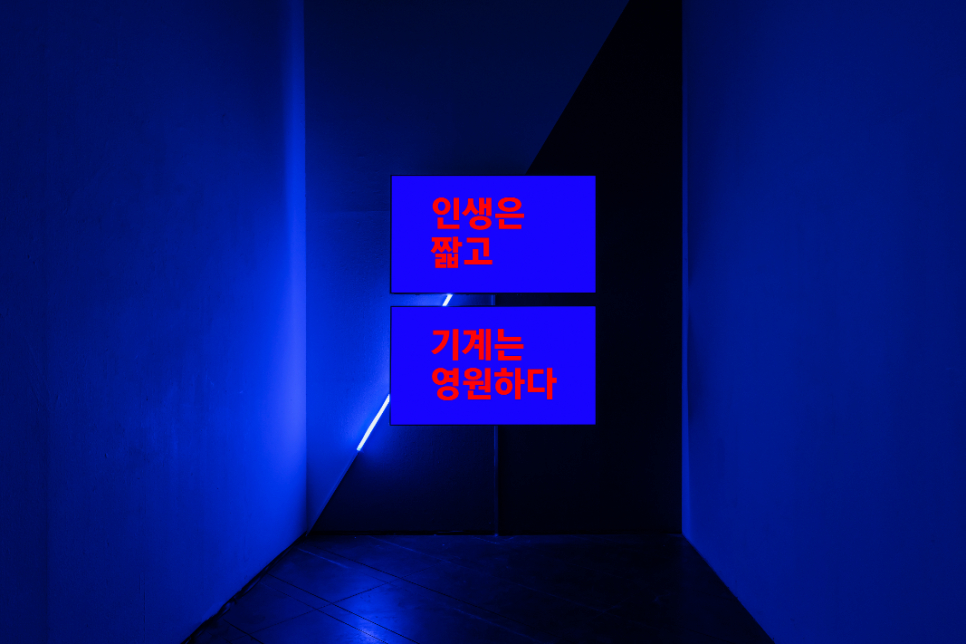
In her earlier practice, she walked through specific sites, conversed with residents, and collected objects, memories, photographs, and records, later incorporating them into installations and neon works.

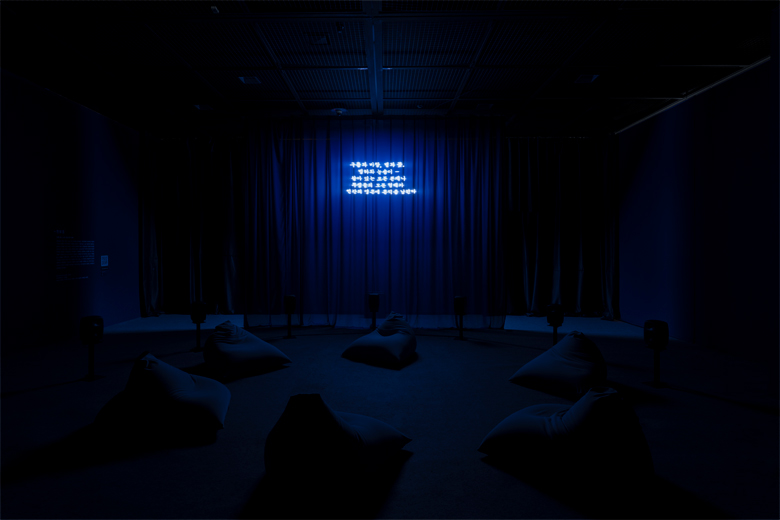
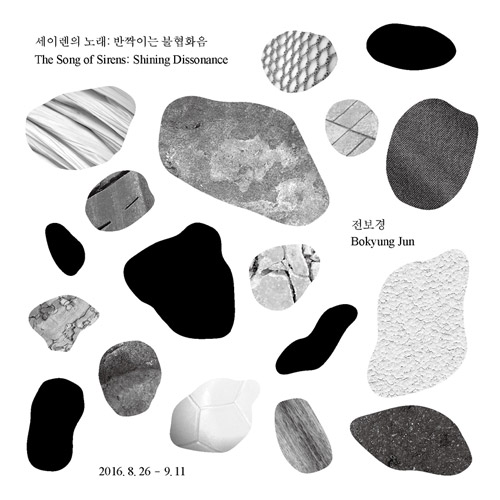
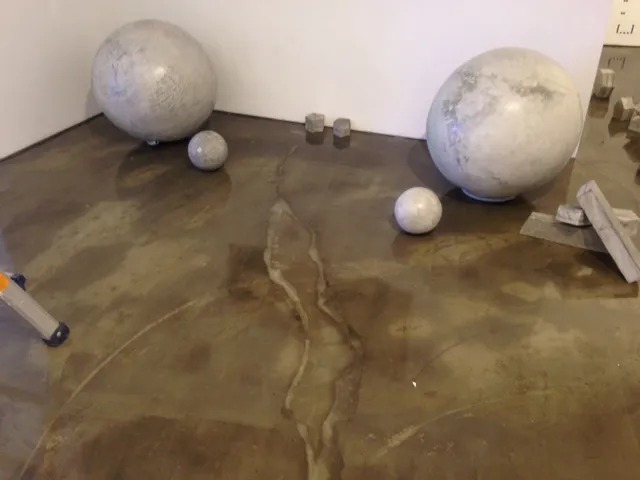
In 《The Song of Sirens: Shining Dissonance》 (2016), boundary structures made from discarded tires, bricks, and wood found in Daejeon’s old downtown area were interpreted as “urban totems,” then dismantled and reconstructed together with stories collected from local residents. Field research and collection thus function not merely as preparatory processes but as methods that actively determine the final form of the work.

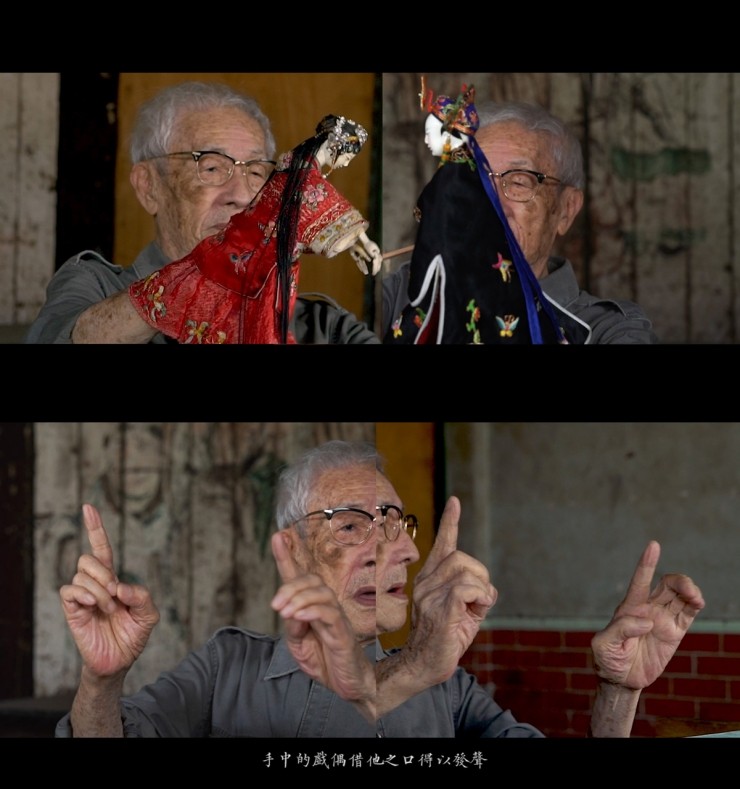
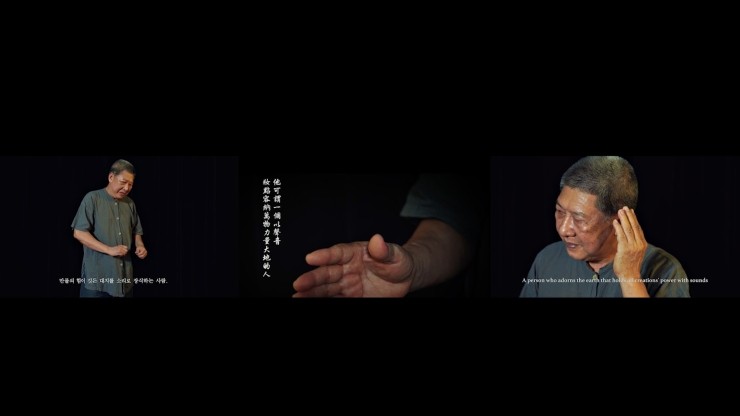
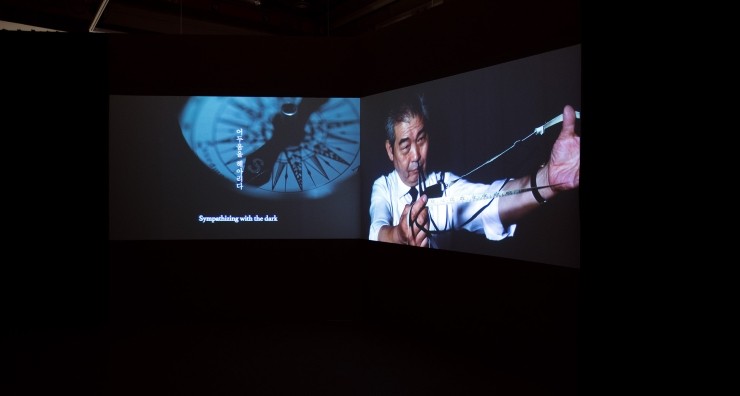
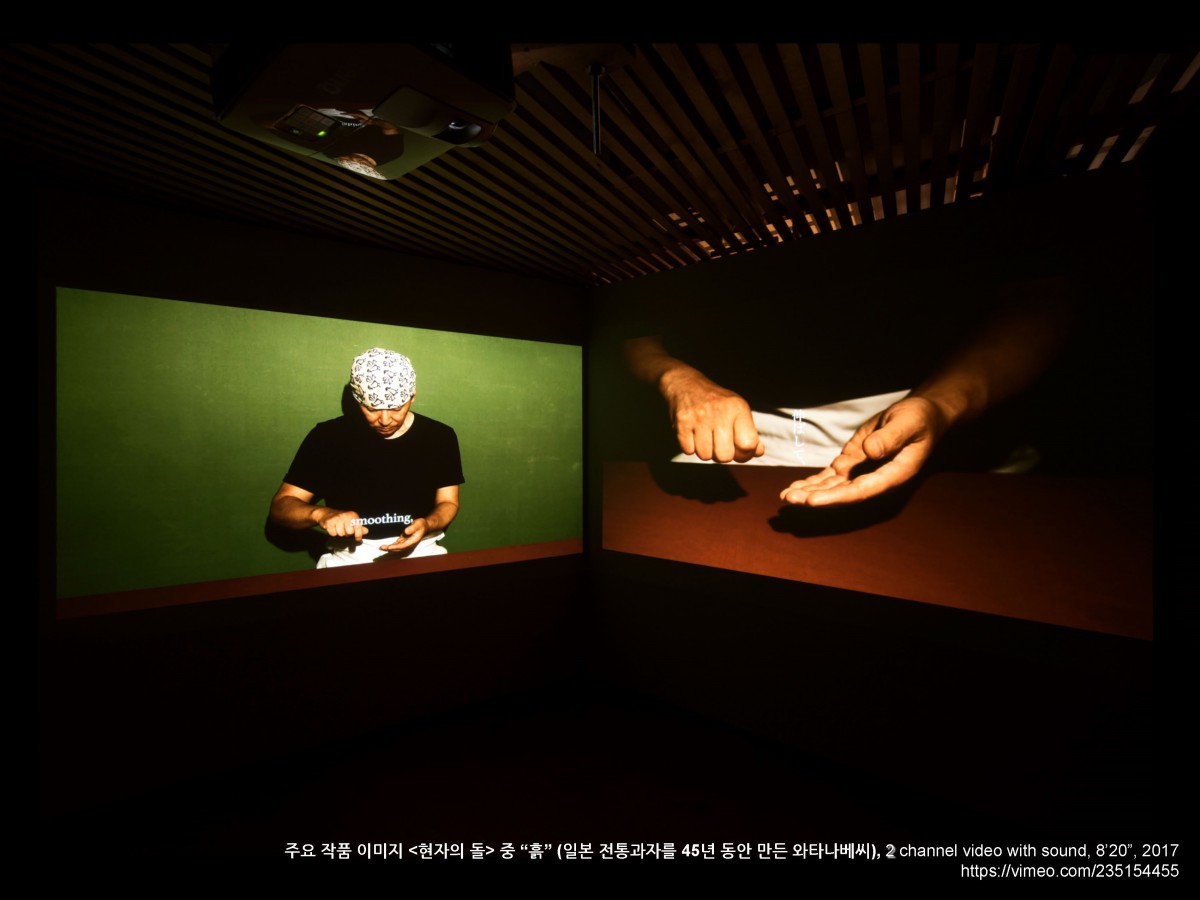
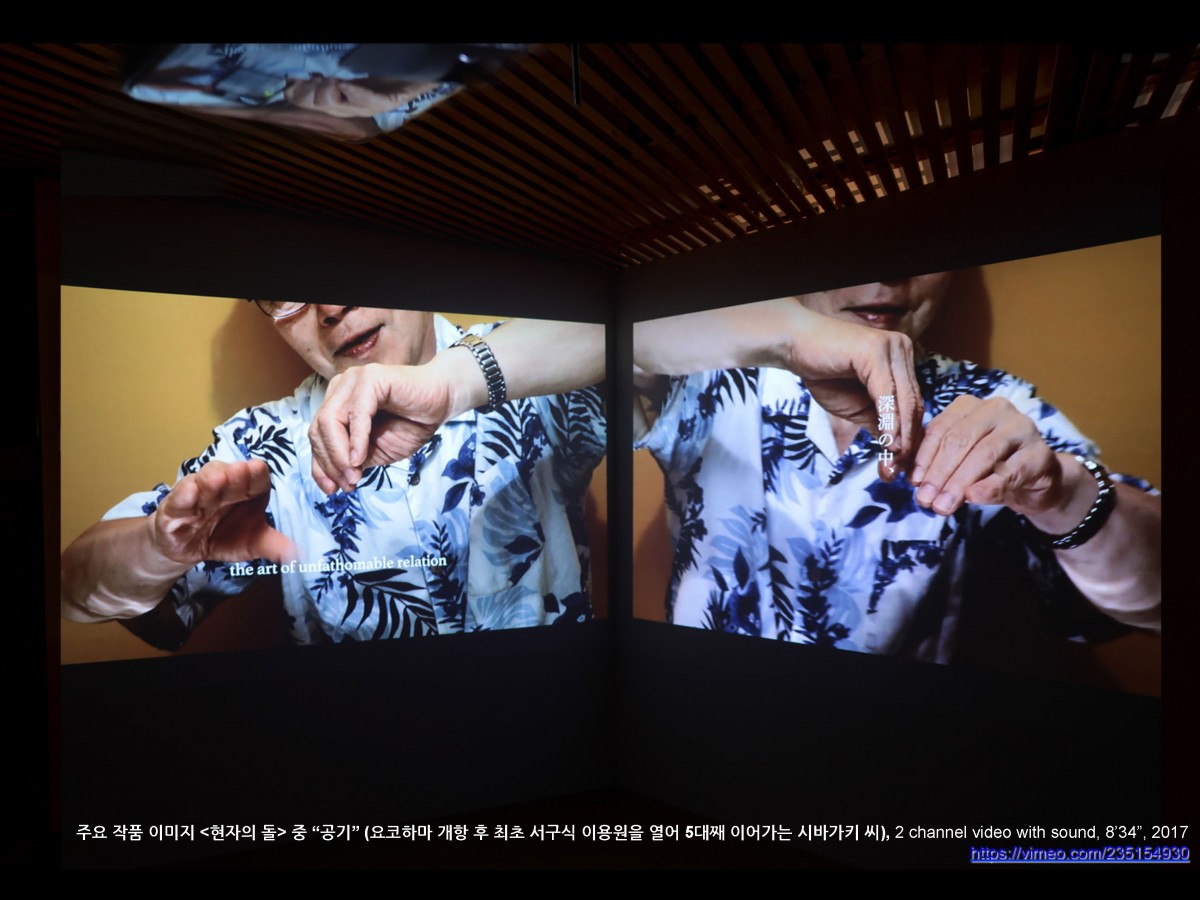
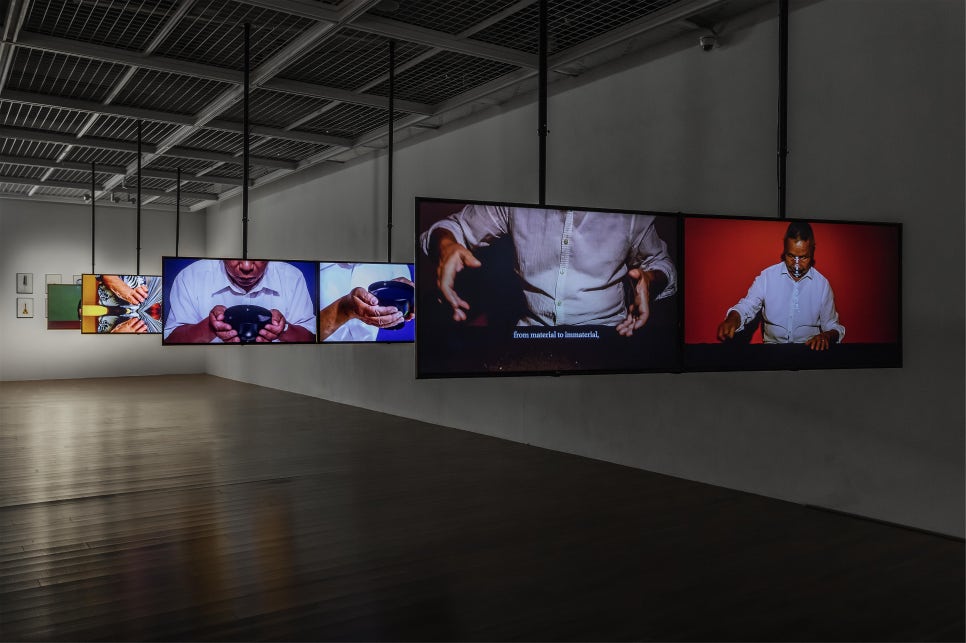
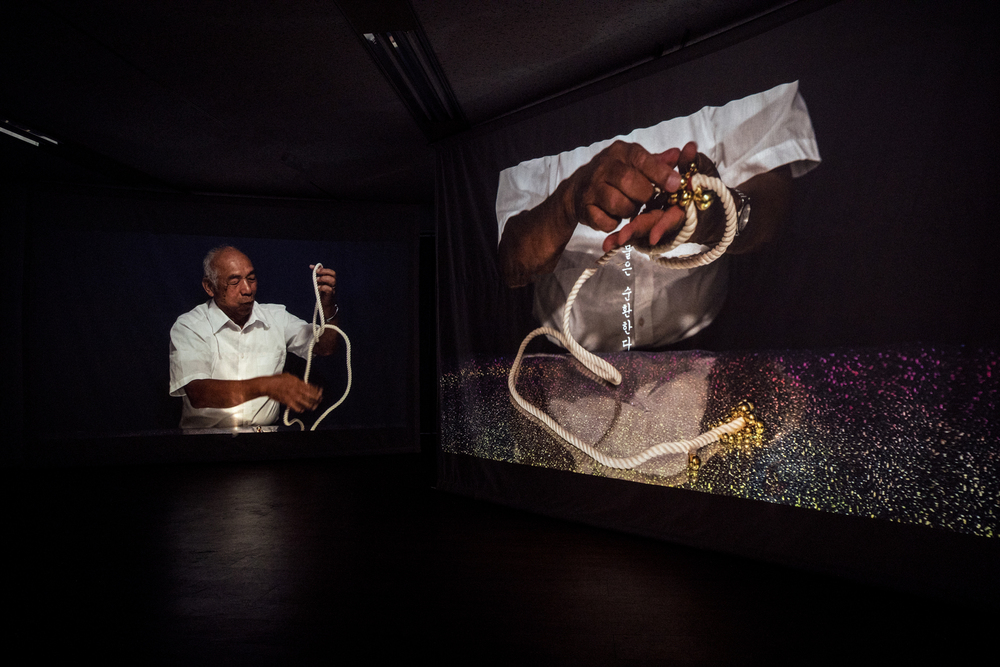
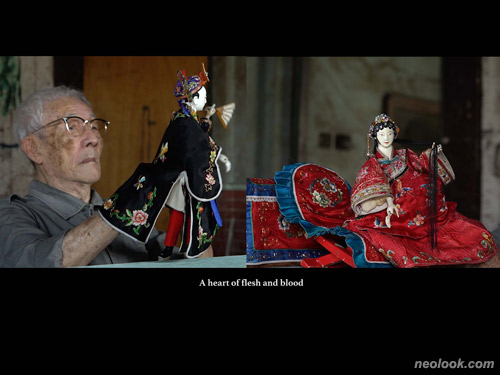
In her projects with skilled workers and craftspeople since 2017, staged actions and performance increasingly intervene in interviews and documentary video. Jun films processes of labor and personal narratives, reconfigures everyday experiences into poems and monologues, and asks participants to perform, without their tools, gestures derived from movements repeated throughout decades of work.

Voice, bodily movement, repetitive rhythms, and conversation converge within the moving image, while video, sound, and objects are arranged together in the exhibition space. Habits and techniques accumulated in the body are thereby transformed into a performative language, while the interview shifts between factual testimony and poetic staging.

Through this structure, Jun incorporates not only information about a person’s profession and experience but also the time and sensibility embedded in the body.

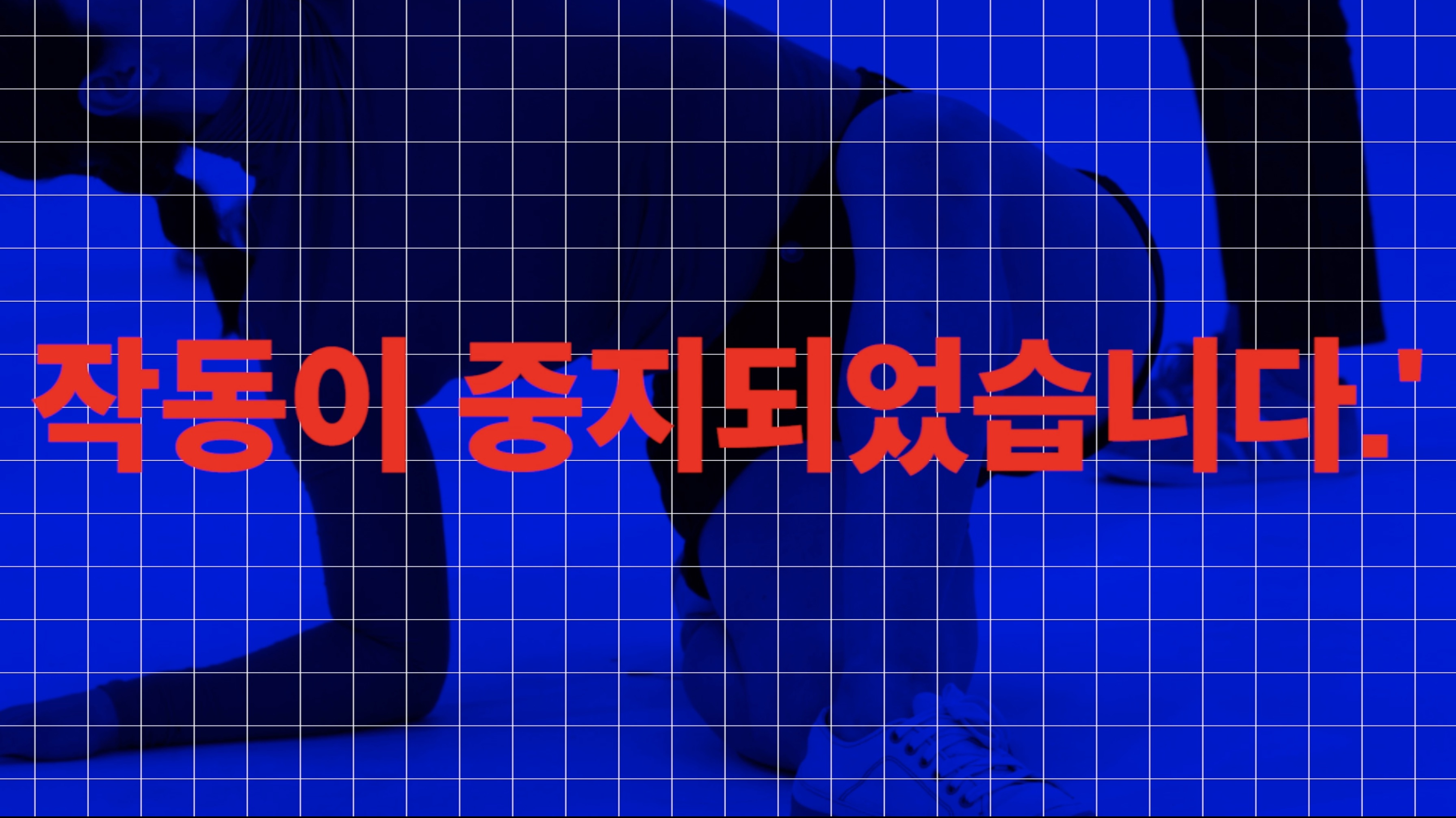
As collaboration with dancers became increasingly central to her practice, translation and the score emerged as key compositional devices. In works such as Zeros: Operation Errors and I Swear, I Am Not a Robot, Jun observes the motions of industrial robots, reduces them to lines and arrows, and converts these elements into scores that are then interpreted by dancers.

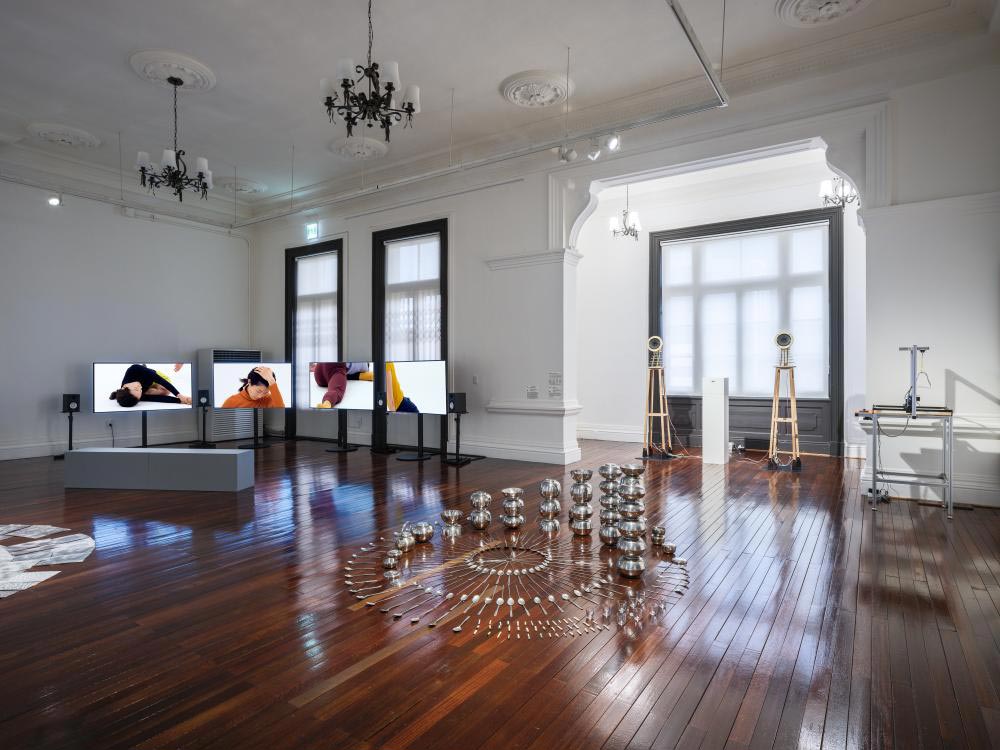
The same instructions generate distinct choreographies as they pass through different bodies, rhythms, and modes of perception. Moving image, drawing, text, and notation are presented together, allowing viewers to encounter both the resulting movement and the process through which information is interpreted and transformed by the body.

Irregularities and deviations generated through this process become central components of the work, setting mechanically reproducible movement against bodily interpretation and variation.

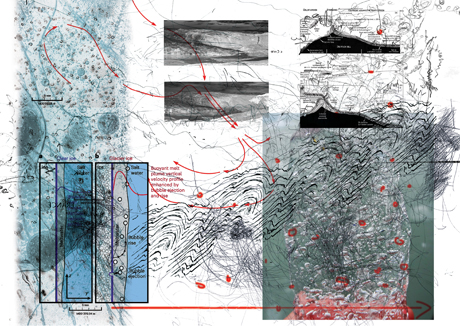
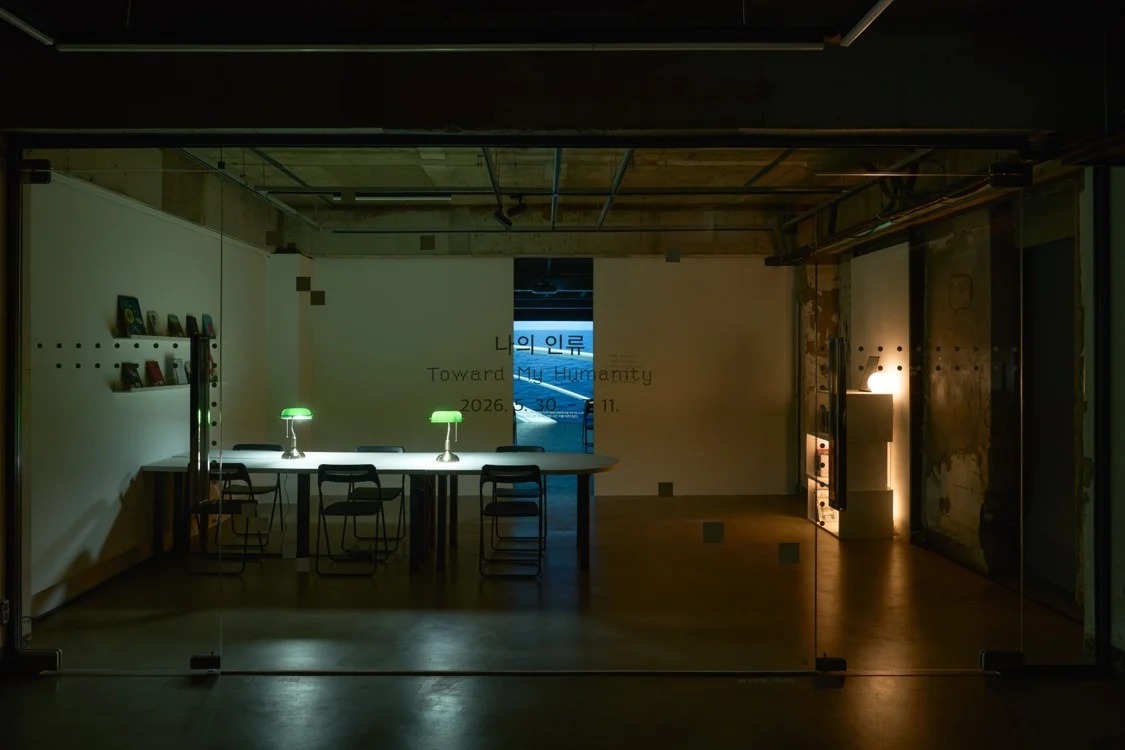
In her more recent works, sound, vibration, and breath—sensations that resist definitive linguistic articulation—have taken on greater importance alongside visual images and narrative. In Nameless Song: Glacier Blue (2024), performers do not attempt to realistically reproduce the sounds of glaciers. Instead, fragmented words, friction, movements of the tongue, and breath generate bodily sounds through which they respond to glacier-water.

The accompanying Score works function simultaneously as notation for performance, autonomous visual works, and channels of exchange between artist and performer, performer and performer, and human and glacier. Jun’s formal language is therefore shaped through successive acts of translation: from interview to gesture, from mechanical motion to score and dance, and from records of nature to bodily sound.

Meaning likewise emerges through these transitions, producing open structures in which different senses and beings meet without being reduced to a single interpretation.


Topography & Continuity

Throughout the development of her practice, Bokyung Jun has shifted her subjects while consistently reconsidering her own perspective and the boundaries of art through encounters with others. Her works from the mid-2010s focused on personal memory and perception, as well as places and objects disappearing from the urban environment.

《Dialogue between Cones》 (2015) explored how different memories and viewpoints change through collision and negotiation, while 《The Song of Sirens: Shining Dissonance》 (2016) connected residents’ memories with discarded objects and aging sites encountered while walking through Daejeon’s old downtown area.

From this period onward, encounters with people whose experiences differ from her own—and the resulting destabilization of established ways of understanding—have remained important forces within her practice.

Her sustained engagement with skilled workers and craftspeople from 2017 onward shifted this inquiry from memory toward the body and labor. By recording gestures, skills, and occupational narratives accumulated through years of repetition, Jun examined personal experiences disappearing from historical view alongside values that resist evaluation through productivity.

Her subsequent collaborations with dancers extended questions surrounding the working body toward the relationship between humans and machines. When dancers interpreted the standardized motions of industrial robots through their own senses, errors and inefficiencies became means of reconsidering what might constitute human specificity.

Although her subjects moved from handicraft to automation, Jun maintained her attention to bodies and forms of perception marginalized by social expectations of efficiency and conformity.

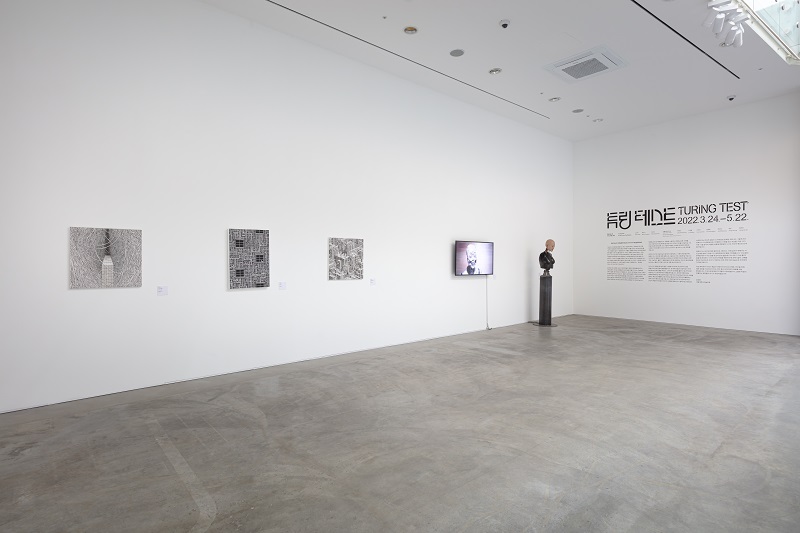
During the 2020s, Jun’s practice increasingly began to examine the category of the human itself. Through dance, sign language, tactility, sound, and other nonverbal modes of perception, she has questioned attempts to define human beings through fixed attributes, while continuing to investigate human specificity within environments increasingly permeated by machines and artificial intelligence.

Her collaborative projects have simultaneously explored possibilities for non-hierarchical relationships between humans and nonhumans, extending her earlier interest in relations between self and other toward broader networks among the diverse beings that constitute the Earth.

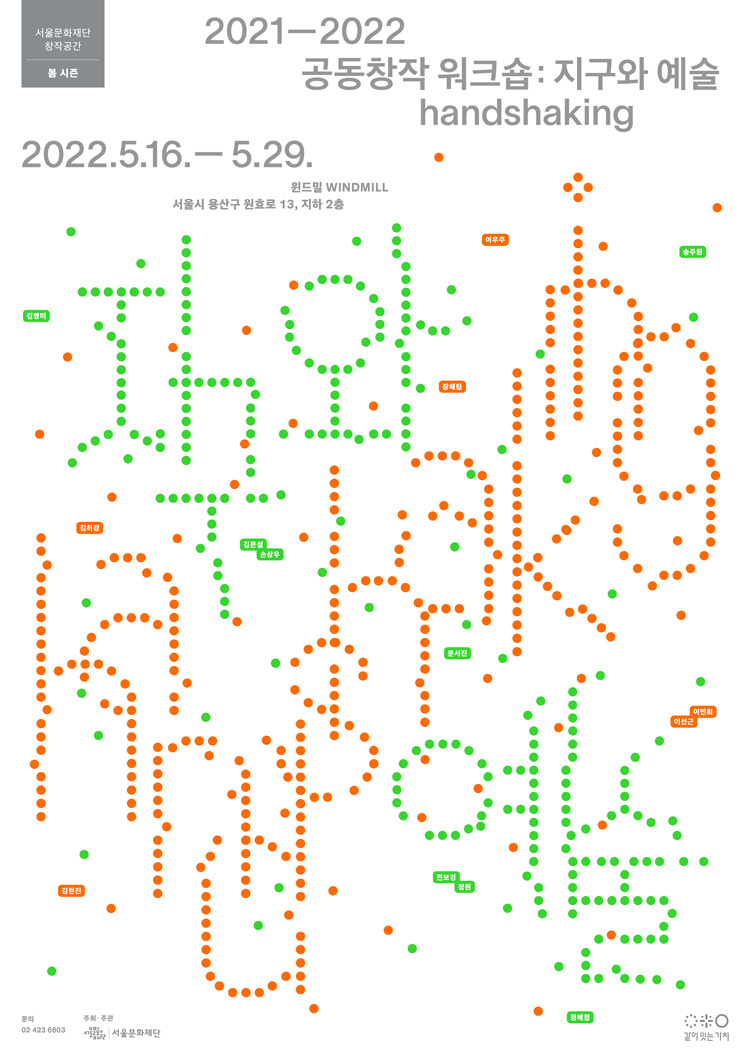
《2021–2022 Collaborative Creation Workshop: Earth and Art_handshaking》 articulated this direction by situating humans as part of the Earth and reconsidering their relationships with far more numerous nonhuman beings.

Her recent works concerning glaciers and water make this expansion particularly visible. The glacier appears as a being that continually moves, changes, and responds to its surroundings, rather than simply serving as a symbol through which to explain the climate crisis. Moving away from predominantly linguistic and visual modes of representation, Jun experiments with bodily sound, vibration, breath, and scores as means of creating encounters between humans and nonhumans.

This direction intersects with contemporary artistic discussions surrounding nonhuman agency and ecological relations, while extending a method that has long characterized Jun’s practice: approaching other beings, learning through encounters with them, and allowing her own perception to be altered through relation.

Across a trajectory that moves from urban others to working bodies, machines and performers, and finally glaciers and water, the enduring element in Jun’s practice is a willingness to question a world already presumed to be known through acts of contact and exchange.

Works of Art

Where Different Beings Meet and Transform

Articles

Exhibitions

Activities