Strong Piety - K-ARTIST

Strong Piety

2008
Single-channel HDV video, NTSC, color, sound
14 min
About The Work

Junebum Park has developed a practice that observes and reconstructs everyday spaces and social systems through photography, video, and performance. His work begins by questioning how solid and stable the rules that govern everyday life and society actually are.

Familiar structures that often go unnoticed—such as urban transportation and architecture, the movement of people, and the habitual practice of recording numbers—serve as recurring subjects in his work.

Park establishes specific conditions and rules that constitute reality and experiments with how they operate and how they can be transformed. In particular, he uses the viewpoint and frame of video both as means of documenting reality and as devices for reconstructing it, creating a gap between the reality presented on screen and reality itself.

Through this process, he encourages viewers to look anew at the systems of order and control that are often taken for granted.

These experiments extend beyond the final images to encompass the processes of formulating hypotheses, establishing rules, constructing models, conducting simulations, and recording their outcomes. Recalling the methods of architectural and engineering design, these processes take diverse forms, including maps, structures, puzzles, and multichannel videos.

In Park’s practice, filming, performance, editing, models, and rules are not separate techniques but interconnected experimental devices through which reality is made to operate under new conditions.

Ultimately, Park repeatedly tests the rules that constitute reality and the possibilities for human intervention within them. In the process, the boundaries between reality and the virtual, control and chance, and the individual and society remain fluid rather than fixed.

By dismantling and reactivating the familiar structures of everyday life, Park invites us to reconsider the very ways in which we perceive and understand society and the city.

Solo Exhibitions (Brief)

Junebum Park has held solo exhibitions at bitforms gallery, New York (2007), Herrmann & Wagner, Berlin, and Gallery Hyundai, Seoul (2008), Total Museum of Contemporary Art and Gyeonggi Creation Center (2010), Gallery Jungmiso, Seoul (2014), and Vita kuben, Umeå (2015).

Group Exhibitions (Brief)

Junebum Park has participated in group exhibitions at the Seoul Museum of Art, Namseoul Annex and Gallery Hyundai (2009), Kunstmuseum Bochum, Germany (2010), SONGEUN (2022), and Gyeonggi Museum of Modern Art (2026).

Awards (Selected)

Junebum Park received the Grand Prix at the SIA Media Art Awards in 2012.

Residencies (Selected)

Junebum Park has participated in residency programs at SSamzie Space and BizArt Art Center, Shanghai (2005), Gyeonggi Creation Center (2009–2010), Chinese Arts Centre, Manchester (2011), Gertrude Contemporary, Melbourne (2012), and Artspace, Sydney (2013).

Collections (Selected)

Junebum Park’s works are held in the collections of the National Museum of Modern and Contemporary Art, Korea, Seoul Museum of Art, Leeum Museum of Art, Gyeonggi Museum of Modern Art, Kiasma, Museum of Contemporary Art, Queensland Art Gallery, Zabludowicz Collection, and Microsoft Art Collection.

Works of Art

Rules and Relationships Shaping the City and Society

Originality & Identity

Junebum Park’s practice begins by questioning how firmly the rules governing everyday life and society are actually fixed. His subjects often include forms of order so familiar that they tend to go unnoticed, such as urban traffic and architecture, the movement of people, and habits of recording numbers.

In his early videos, scenes in which the artist’s hand appears to move cars, pedestrians, and construction machinery create the illusion of controlling reality, yet this control is ultimately a temporary effect produced by the camera’s viewpoint and perspective. By creating a gap between the reality within the frame and reality itself, Park prompts viewers to reconsider the sense of order and control they ordinarily take for granted.

His work has also been described as an attempt to overturn the common assumption that invisible forms of control exist beneath social structures through devices subtly embedded within the moving image. 

This concern gradually expands toward the relationship between individuals and rules. Park establishes specific rules, starting points, and goals in advance, then observes how participants move, choose, and solve problems within those conditions. In his puzzle-based works, participants given the same conditions behave in different ways, and the outcome may depend less on anticipated differences in language, nationality, or culture than on the attitudes and decisions of each individual.

What matters is not the correct answer itself, but the variables and changes in relationships that emerge within predetermined conditions. Although Park meticulously designs each situation, unpredictable actions and chance continually intervene in the actual process, creating a central tension between planning and indeterminacy.  

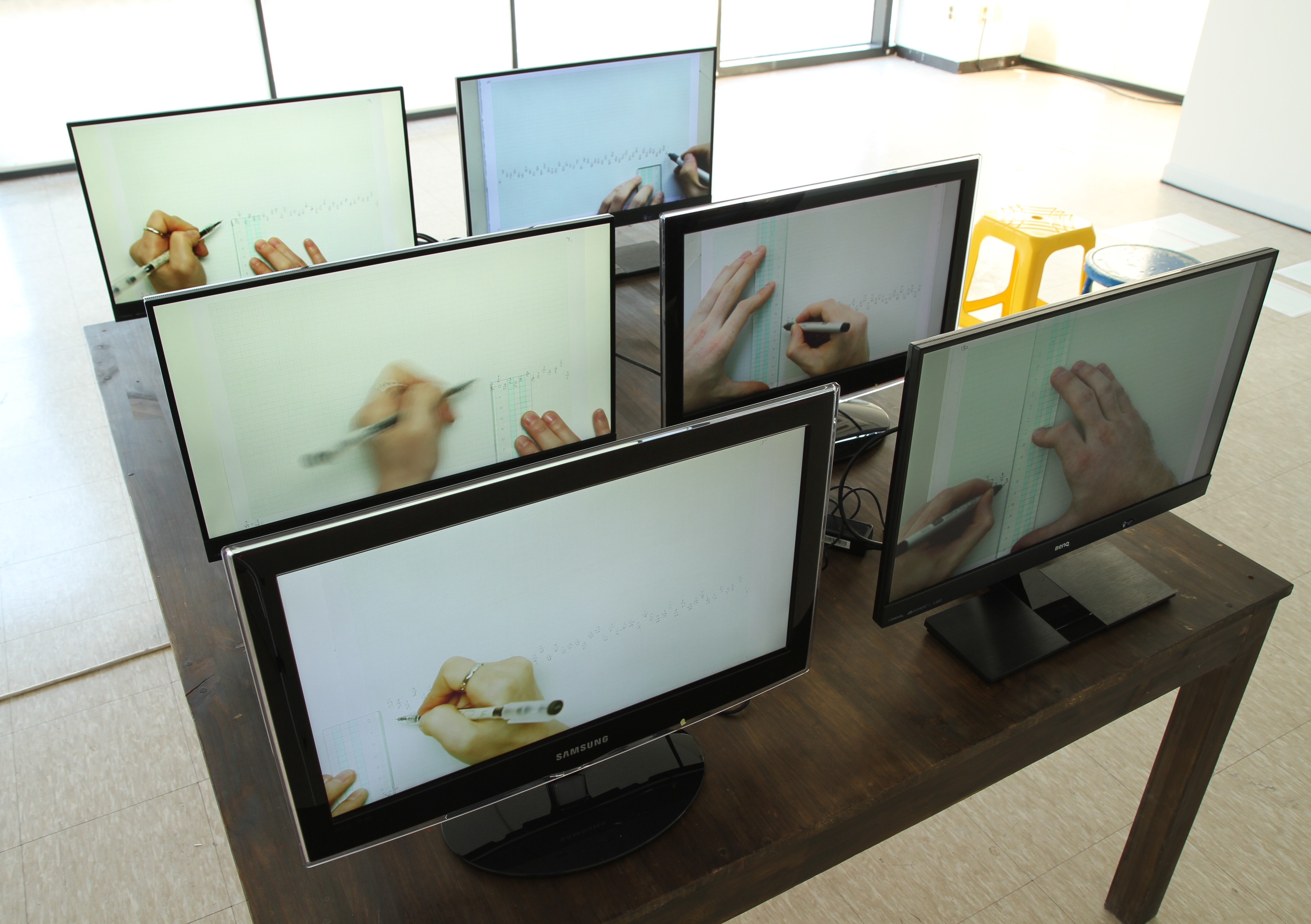
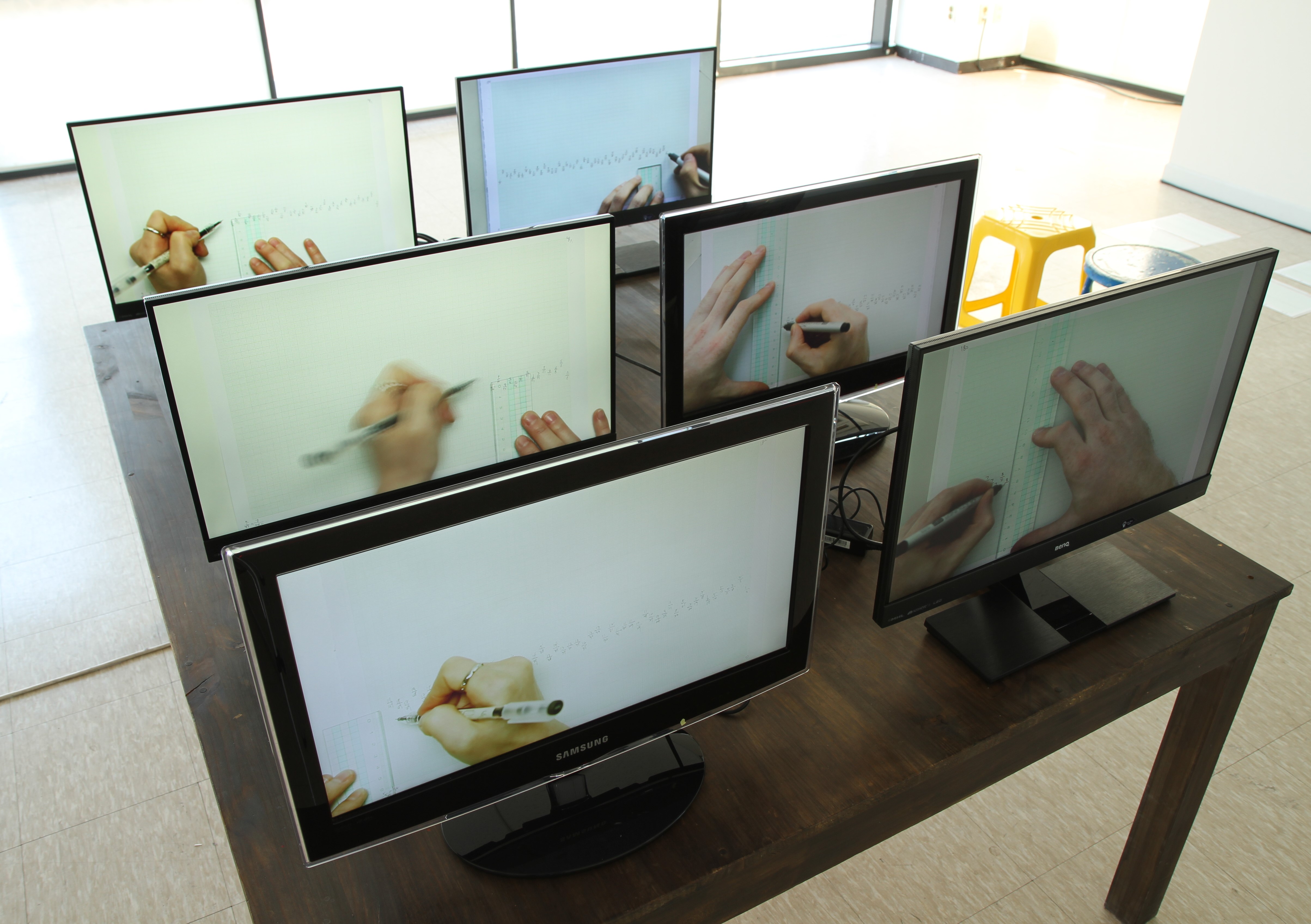
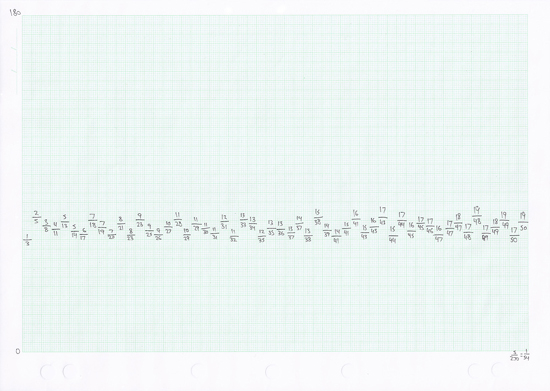
For Park, numbers and calculations, structures and models function less as means of proving objective truth than as devices for testing rationality and certainty. In Study of Right Hand, the repetitive act of calculating and recording fractions appears to move toward a clear answer, yet as the process continues, its original purpose fades and only the execution of the rule remains.

The universality promised by logic and reason is thus transformed into meaninglessness and purposelessness. Park often begins with questions rooted in personal experience, converts them into numerical systems or rules, and then tests them through the actions of others and the structure of video.

In this sense, his work also examines the discrepancy between personal certainty and objective order.  The process by which individual experience encounters others and becomes objectified has likewise been identified as an important context for understanding his practice. 

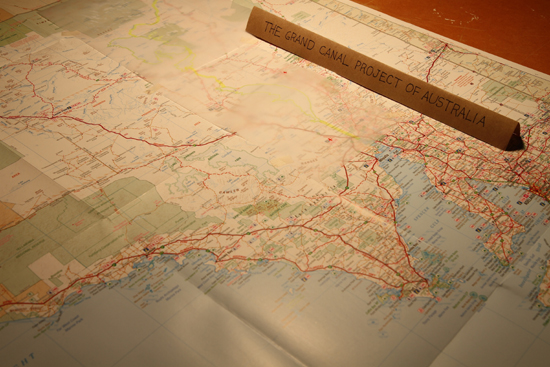
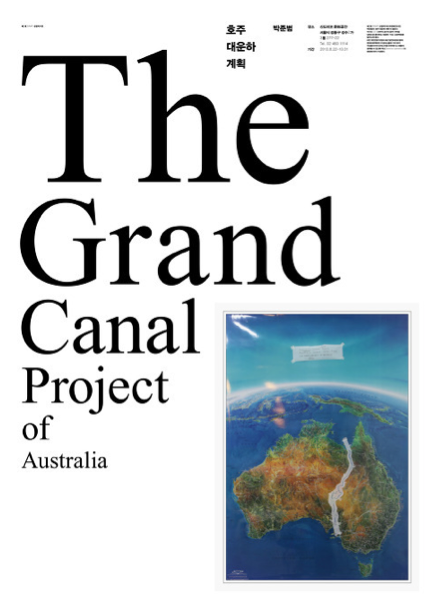
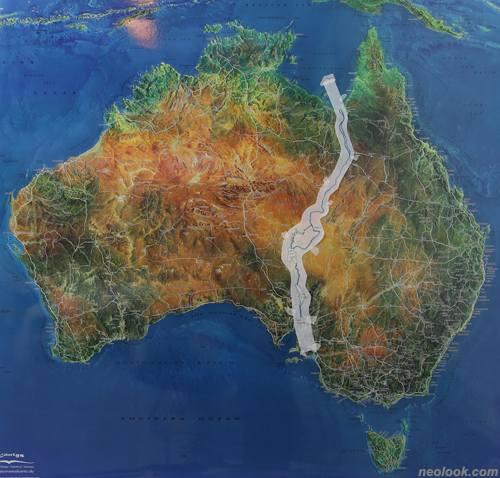
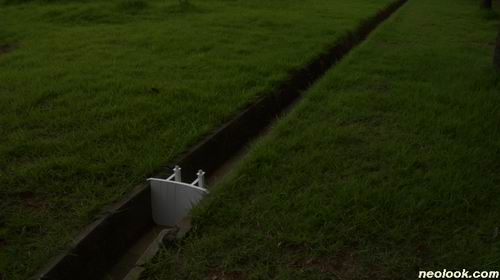
This line of inquiry also expands from small movements within the city to the scale of geography and civilization. In projects such as The Grand Canal Project of Australia, Park draws on actual political and social events as well as the logic of civil engineering development to devise canals and development plans that do not exist in reality.

Rather than presenting a conclusion in favor of either nature or civilization, development or preservation, these fictional plans invite reflection on how human intervention transforms environments and societies. 

From early works in which a small hand appears to manipulate the city to projects that imagine vast geographical and infrastructural schemes, Park has repeatedly tested the rules that structure reality and the possibilities of human intervention at different scales. In this process, the boundaries between reality and the virtual, control and chance, and the individual and society remain in continual motion. 

Style & Contents

Junebum Park uses the viewpoint and frame of video both as means of representing reality and as devices for transforming it. His early works are characterized by frontal camera positions, deep focus, and spaces flattened through perspective. In Parking (2001) and series such as 'Crossing' and 'excavators', the artist stages scenes in which his hands appear to directly move cars, people, and machines within the image.

By compressing the distance between actual space and the hand, the camera allows an enormous hand and a miniaturized city to coexist within a single frame, reorganizing the proportions and movements of reality through bodily mime and optical illusion.

In the 'Warp Gate' series, Park tilts the camera to overturn the direction of gravity in the city and makes mobile phones or remote controls held in his hand appear like flying vehicles, destabilizing the boundary between reality and the virtual through physical manipulations carried out during filming.

The manipulation of scale remains a recurring method within these visual constructions. Park reduces vast cities to the appearance of miniatures or makes small objects seem larger than their actual size, while shifting the viewpoint from human eye level to positions above the city or even beyond the Earth. In doing so, he continually alters the perceived distance between subject and viewer.

Time-lapse photography, acceleration, and repetitive editing extend this manipulation from spatial scale to temporal scale. In some works, changes in camera angle and speed alone render the movement and relationships of objects unfamiliar.

In Acrophobia (2003), the trajectories of basketballs, the orientation of the frame, and a space flattened through lighting combine to create subtle discrepancies between actual distance and the distance perceived on screen. For Park, form is therefore closely tied to the design of relationships and modes of operation among the elements that compose the image.

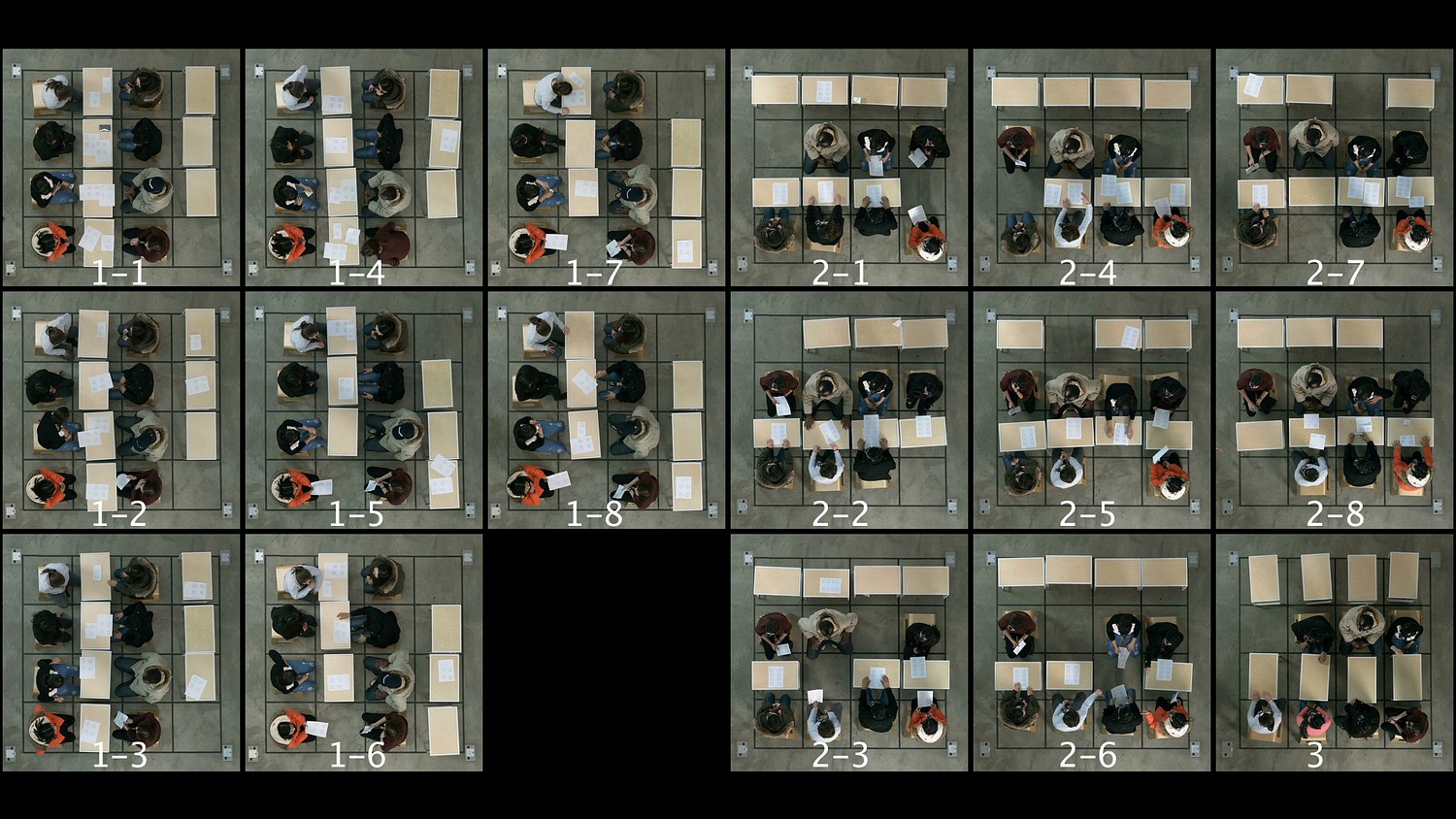
During the 2010s, this mode of construction expanded further into structures of performance and experimentation. Park establishes rules and conditions in advance, then records how participants or his own body move within them.

Study of Right Hand (2013–2015) consists of six videos that alternate between the right and left hands and between normal and horizontally reversed images, documenting the acts of transcribing numbers and performing calculations.

By introducing minute variations into actions that initially appear almost identical, the work reveals how habitual bodily behaviors—handedness, spatial orientation, and the rules of calculation—can easily be disrupted by the structure of the image. Repetition seems at first to proceed toward a clear answer, yet over time the original purpose of the calculation recedes and the body performing the rule, together with the persistence of movement itself, comes to the foreground.

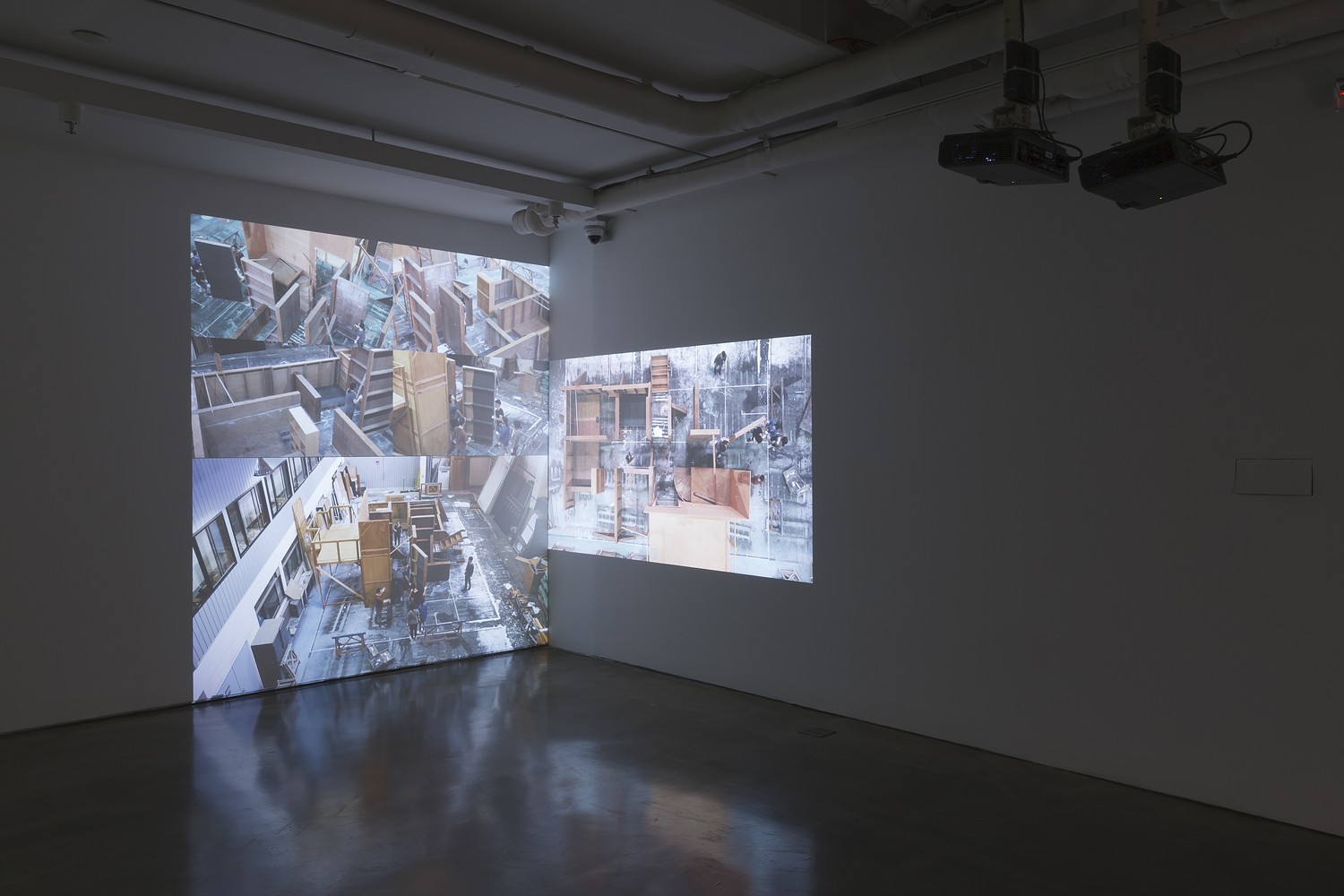
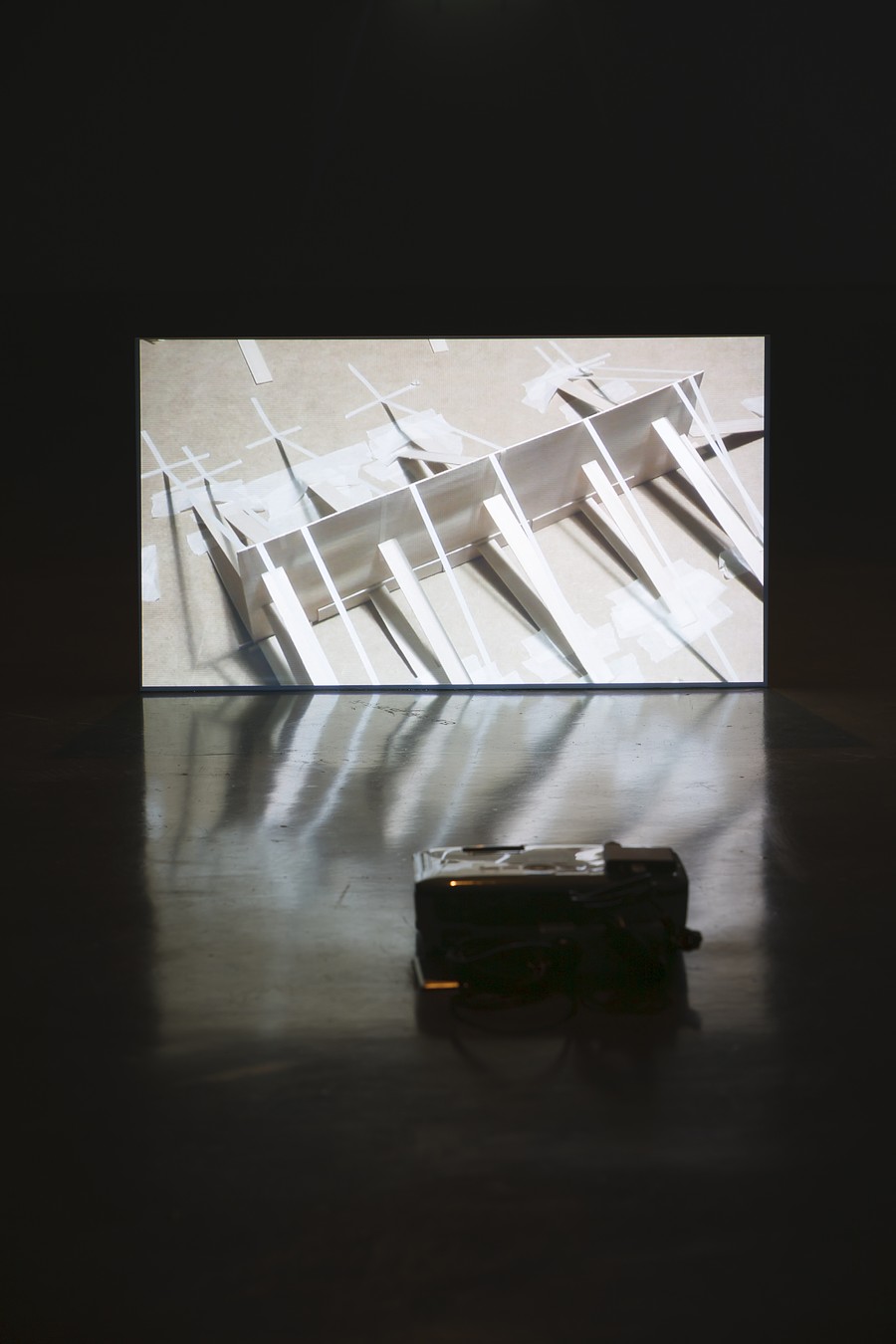
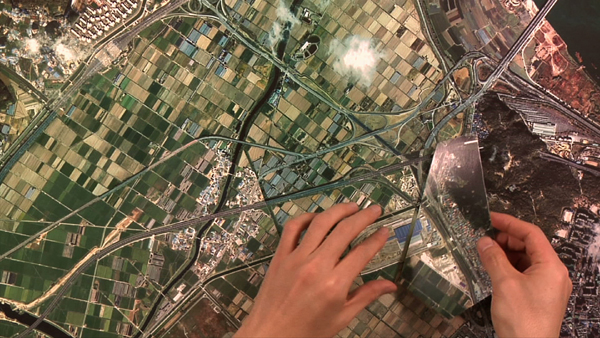
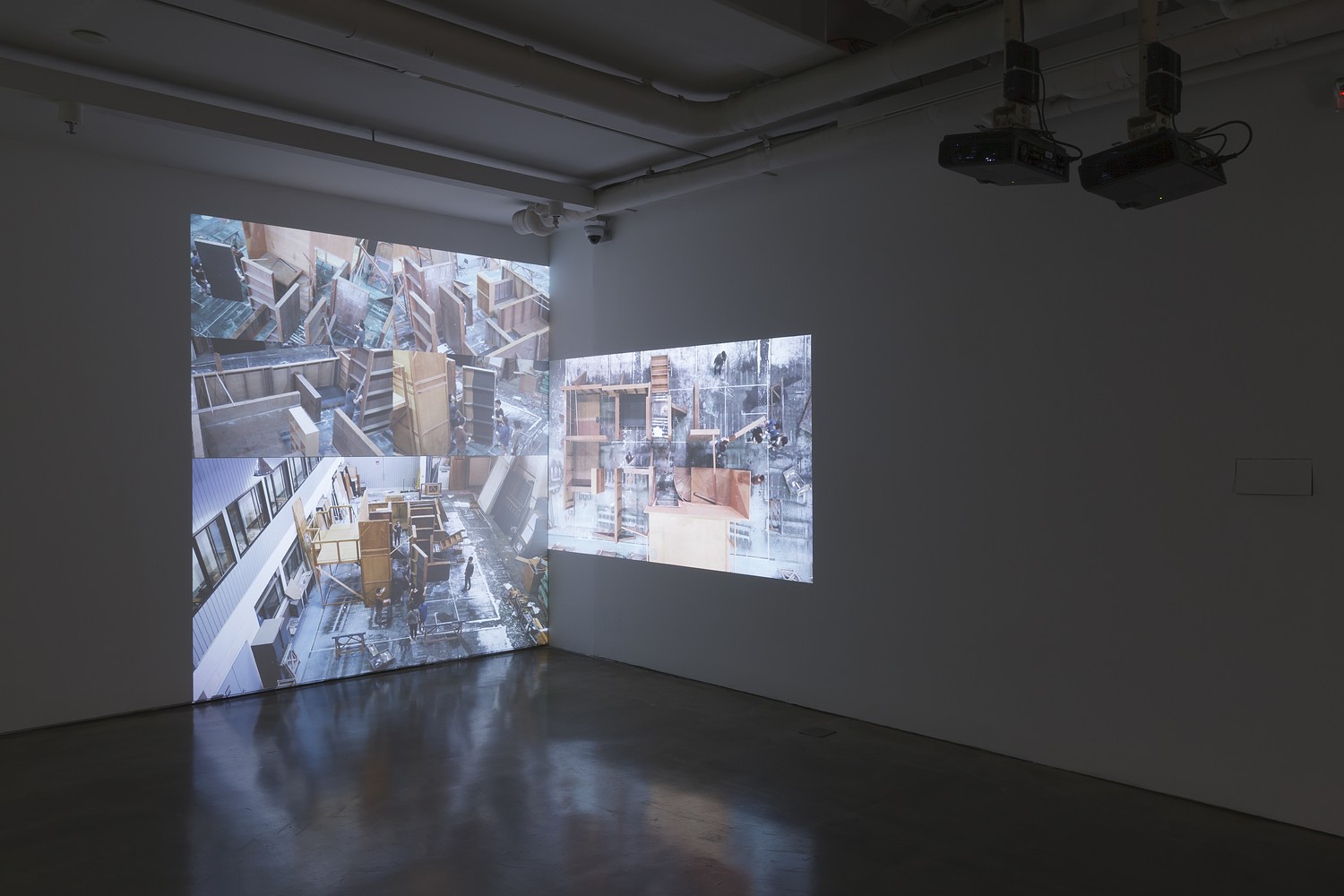
In works from this period, the process of design that exists outside the video frame also becomes an important part of the work’s form. Establishing hypotheses, devising rules, and moving through models and simulations before documenting the results recalls procedures associated with architecture and engineering, while Park extends his practice into maps, structures, puzzles, and multichannel video.

In The Grand Canal Project of Australia, he borrows the language of actual geography and civil engineering to construct a large-scale development plan that does not exist, while reconnecting structures and images from earlier works to expand a fictional system. These formats accommodate both meticulously predetermined conditions and the unpredictable movements that emerge within them.

In Park’s practice, filming, performance, editing, models, and rules function together as experimental devices through which reality is made to operate again under newly constructed conditions.


Topography & Continuity

Junebum Park’s practice began in the early 2000s with an exploration of the formal possibilities of video and has gradually expanded toward experiments with the rules and relationships that structure cities and society. In his early videos, the combination of frontal composition, perspective, bodily performance, and the acceleration and deceleration of time emerged as a defining method in his practice.

In particular, works such as Parking (2001), in which the space within the image interacts with the artist’s body, demonstrate his use of video as a device for reorganizing the scale, distance, and movement of reality. These characteristics have continued to reappear in different forms throughout his subsequent work.

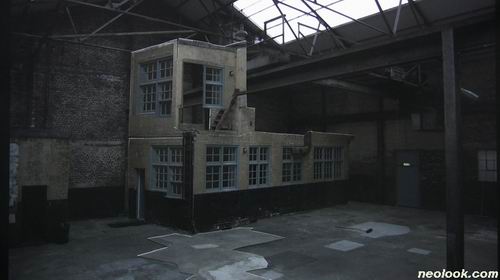
As the scope of his interests expanded, the early manipulation of urban landscapes developed into an engagement with architecture, civil engineering, geographical environments, and social rules. The architectural structures and environmental transformations addressed in works such as Structuralism (2008), The Collapse (2010), and How to Resist Humidity (2011) lead into The Grand Canal Project of Australia, in which individual situations from earlier videos begin to form new relationships within a larger fictional system.

Park has described a process of “reverse operation,” through which he reclassifies earlier works according to his current concerns, observing that the seeds of his recent practice were already present in his past work. His practice can therefore be understood as a process of repeatedly revisiting existing questions, reorganizing them through new relationships, and gradually expanding their scope.

This continuity can also be traced in the artist’s changing position from a direct manipulator to a designer and observer of situations. While his early works stage the hand outside the frame as though it were moving cars and people within a city, later puzzle works, Shelter Rehearsal, and Study of Right Hand establish rules and conditions in advance and record the actions that unfold within them.

By leaving room for chance and error instead of controlling every variable, his longstanding interest in “control” gradually develops into a means of observing human behavior and social relationships. In Study of Right Hand, Park’s decision to step back and quietly observe a situation of his own design clearly demonstrates this shift.

What consistently connects Park’s practice is less a particular image or subject than an approach that establishes the conditions of reality and tests how those conditions operate. Beginning with experiments in camera perspective and framing, his practice has expanded to encompass the body, the city, architecture, numbers, language, maps, and models, while repeatedly examining relationships between planning and chance, reality and the virtual, and the individual and structure.

This continuity traces the development of his practice from formal experiments with video toward experimental structures that engage with social relationships and systems, allowing works from different periods to be understood along a sustained trajectory.

Works of Art

Rules and Relationships Shaping the City and Society

Articles

Exhibitions

Activities