Smart Skin Farm - K-ARTIST

Smart Skin Farm

2023
Fermented Plant Material & Mixed Media
Dimension Variable
About The Work

Soh Boram reflects on her relationship to human lives marginalized by urbanization and redevelopment, while exploring audiovisual methodologies for revealing the sacrifices of nonhuman beings that have received little attention throughout human history and their entanglement with human life.

Her practice began with an examination of the complex power structures embedded in particular places and the forms of violence they produce, and has expanded toward invoking nonhuman beings marginalized by human society or sacrificed to human desires, bringing their traces and histories to the fore.

Soh works across diverse media and methodologies, including research, archiving, participatory projects, video, installation, performance, drawing, collage, and microbial cultivation.

Rather than using biotechnological materials simply as futuristic media, she treats them as a means of revealing their connections to animal death, human personal data, capitalist exchange, and the violence of classification and exclusion. She also brings ethical questions beyond the realm of knowledge, inviting viewers’ bodies and senses to directly engage with them.

Through these practices, Soh evokes in sensory forms the histories of beings marginalized, excluded, or sacrificed under anthropocentric systems, inviting us to reconsider humanity’s past, present, and future through our relationships with these beings.

Moving across diverse media, her work connects viewers’ bodies and senses with their individual experiences and memories, opening up the possibility of forming new networks of relations with “othered” beings that are being forgotten and disappearing.

Solo Exhibitions (Brief)

Soh Boram has held solo exhibitions including 《He vs. It》 (Art These Days, Seoul, 2024) and 《He vs. It》 (Myeongsan Inn, Jeonju, 2017).

Group Exhibitions (Brief)

Soh has also participated in numerous group exhibitions, including 《Fantasy Inventory》 (National Asian Culture Center, Gwangju, 2025), Unfold X 2025 《Let Things Go》 (Culture Station Seoul 284, Seoul, 2025), 《B-Class Jokes》 (Jeonbuk Museum of Art, Jeonju, 2025), 《A day made by hundred of pockets》 (Geumnarae Gallery, Seoul, 2024), 《ZER01NE DAY 01: Habitat》 (S Factory, Seoul, 2023), and KFA22 Kunstenfestival (Netherlands, 2022).

Awards (Selected)

In 2022, Soh received the Special Jury Prize in the Experimental Short Film Competition at the 26th Ji.hlava International Documentary Film Festival.

Residencies (Selected)

Soh Boram has participated in residency programs including the ACC Residency (2022), La Becque résidence d'artistes (2022), the Jan van Eyck Academie Residency (2020–2021), and the Kuandu Museum of Fine Arts (2017).

Works of Art

New Networks of Relations with “Othered” Beings

Originality & Identity

Soh Boram has persistently traced how human-centered society looks at, names, classifies, and turns certain beings into resources. Her early practice began in Sunmichon, Jeonju’s former red-light district.

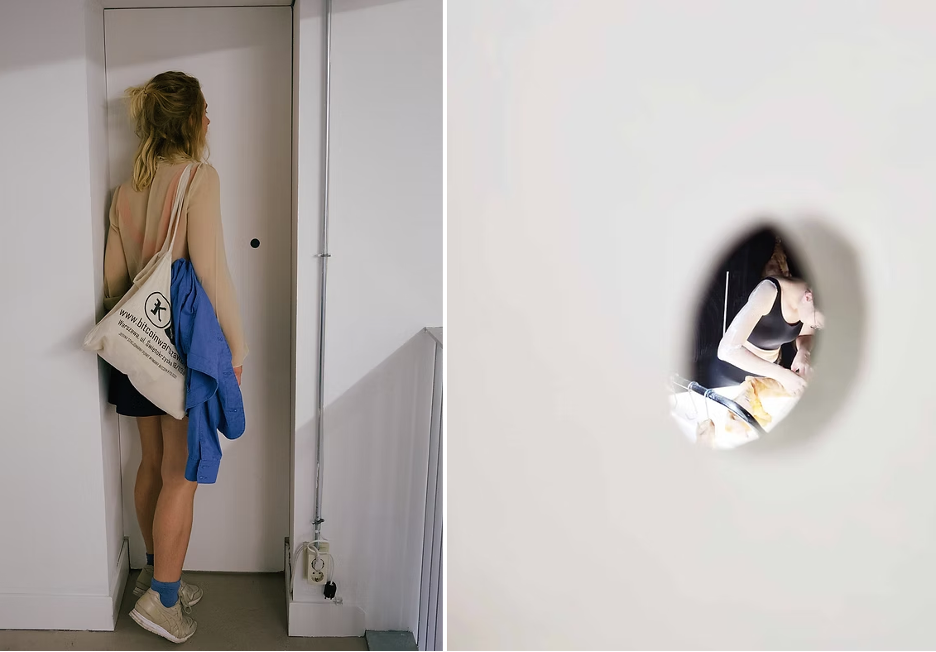
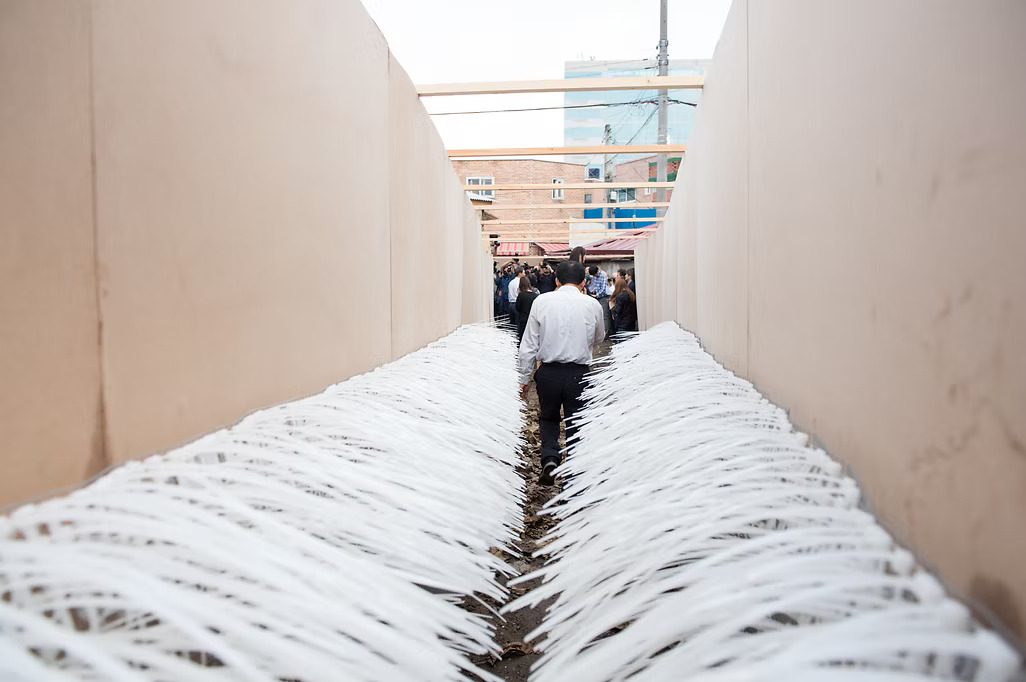
Seen Through the Width of a Pupil(2016) takes as its point of departure a synthetic eyelash the artist happened to find in Sunmichon, expanding the suddenly narrowed distance between the place, the artist, and the women who worked there into a spatial structure.

Mask Rental Service
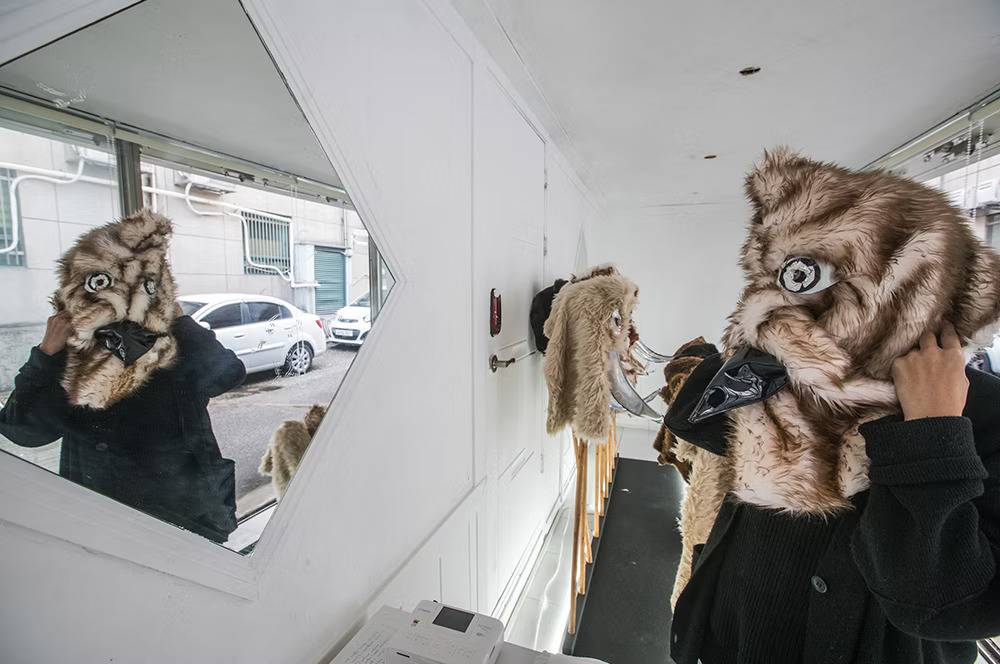
(2017) followed as a participatory project in which visitors borrowed animal masks and walked through Sunmichon, revealing how the body of a “young woman” becomes the object of gazes and misrecognition within a specific place.

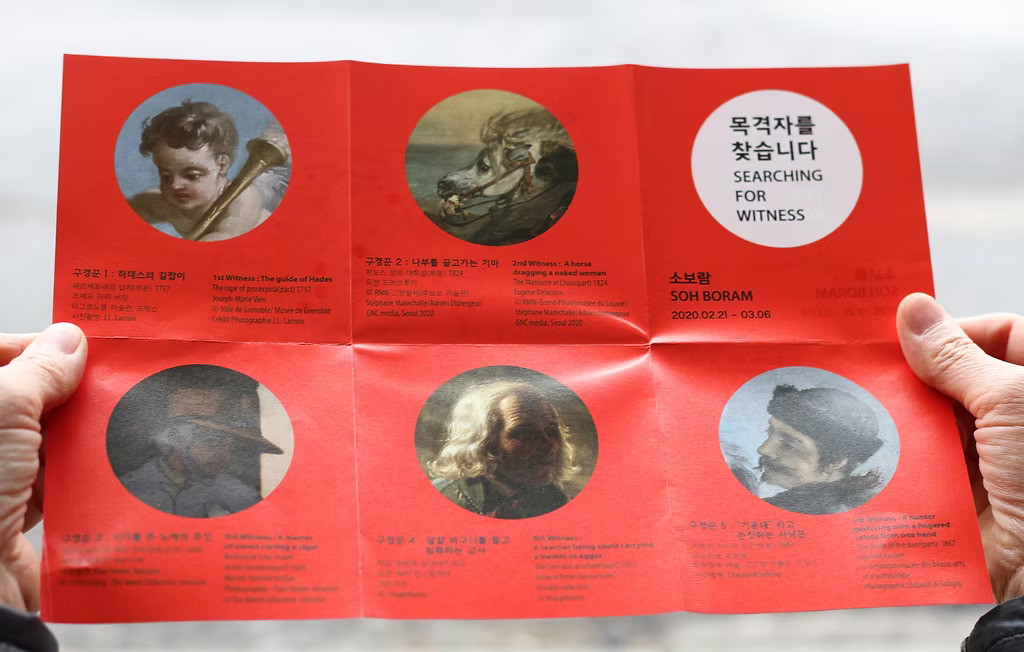
Searching for Witness(2020) connects the compositional structures of violence found in European paintings to the political and economic conditions surrounding Sunmichon, asking where the artist herself is positioned as both artist and witness.
 
This concern then expands from power structures within human society to the deaths and sacrifices of nonhuman beings. The solo exhibition 《He vs. It》(Myoung-san Inn, Jeonju, 2017) begins with the artist’s experience of meeting the eyes of a water deer killed on the road.

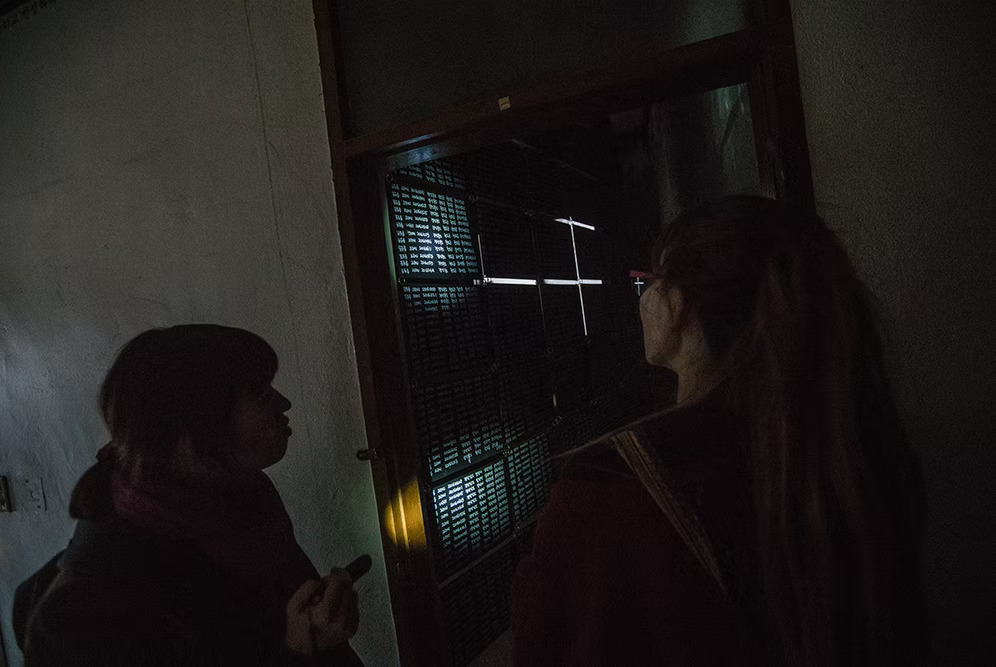
Through her inability to decide whether to call the dead animal’s body “he” or “it,” Soh questions the relationship between animal death and humans, as well as the hierarchy of death. The dark corridors of an inn without electricity, flashlights, epitaphs, biblical passages, and animal masks all function as devices that allow viewers to physically experience the state of a dead animal and the human gaze directed toward it.

The 2024 iteration of 《He vs. It》(Art These Days, Seoul, 2024) expands this question through newspaper research and microbial fermentation. Roadkill, factory farming, animal leather, and the transformation of personal information into capital overlap within a single exhibition, revealing the unequal exchange between humans and nonhumans.
 
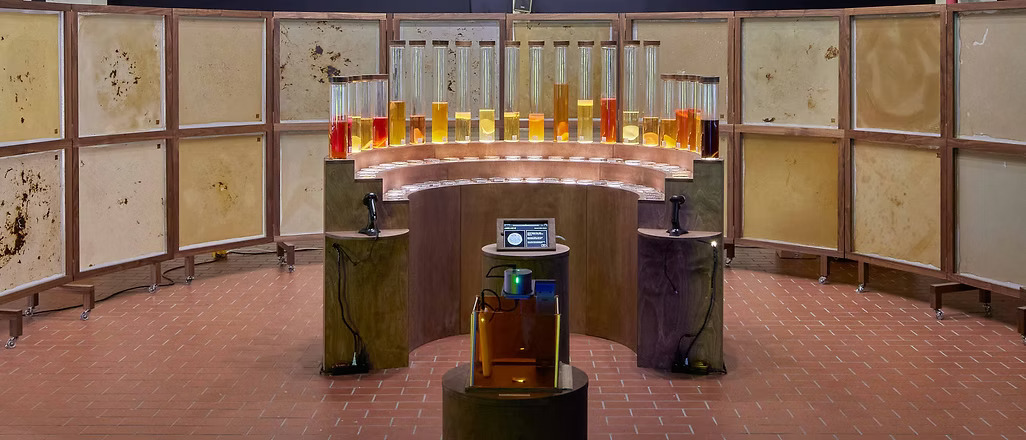
Since 2022, microorganisms have become an important turning point in Soh’s work. The Porous Material Conversion: C-Flex Incubator(2022) studies the production, weathering, and preservation of biodegradable plant-based leather through black tea fermentation, connecting this process to the body and changes in the planetary environment.

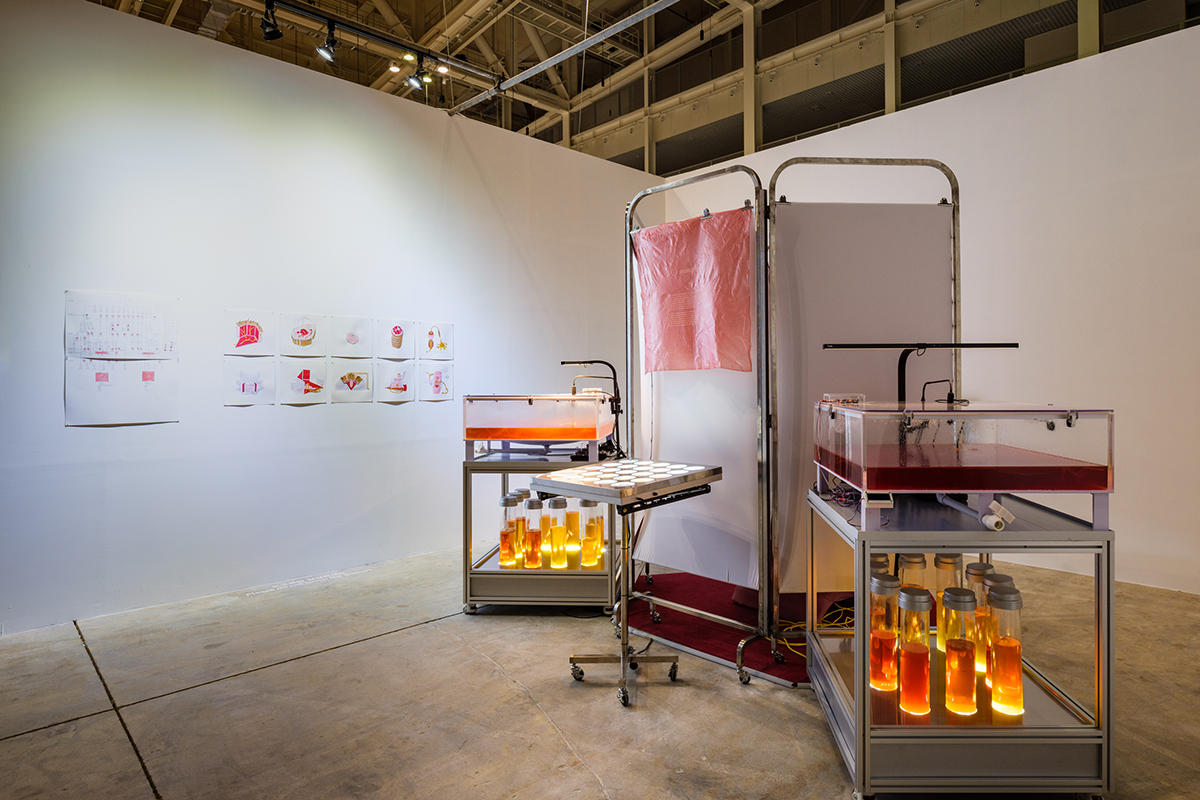
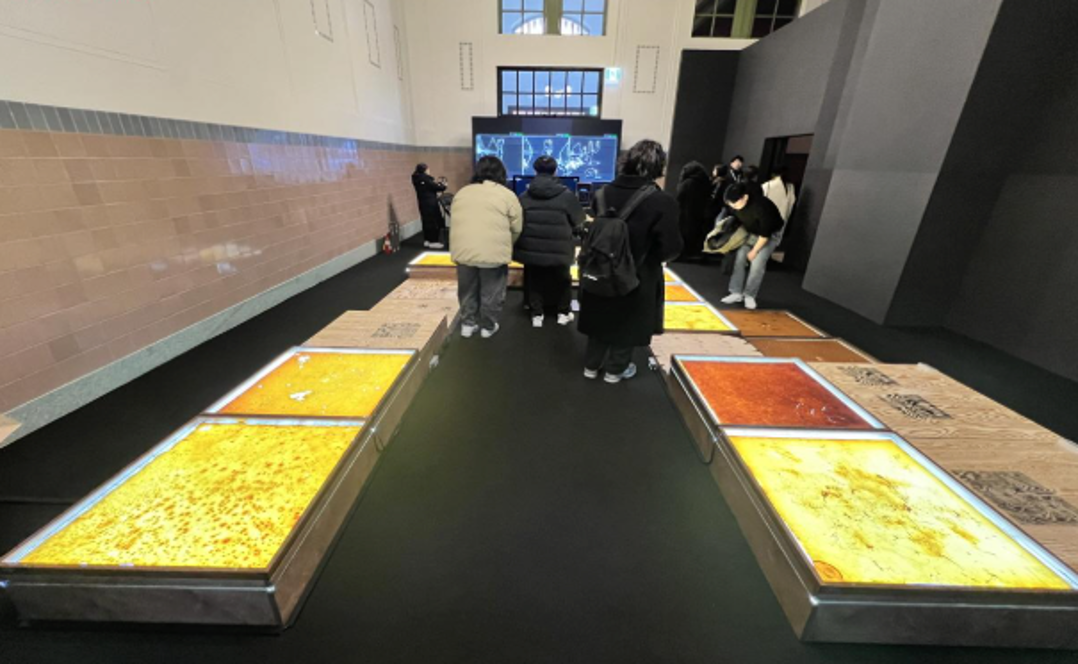
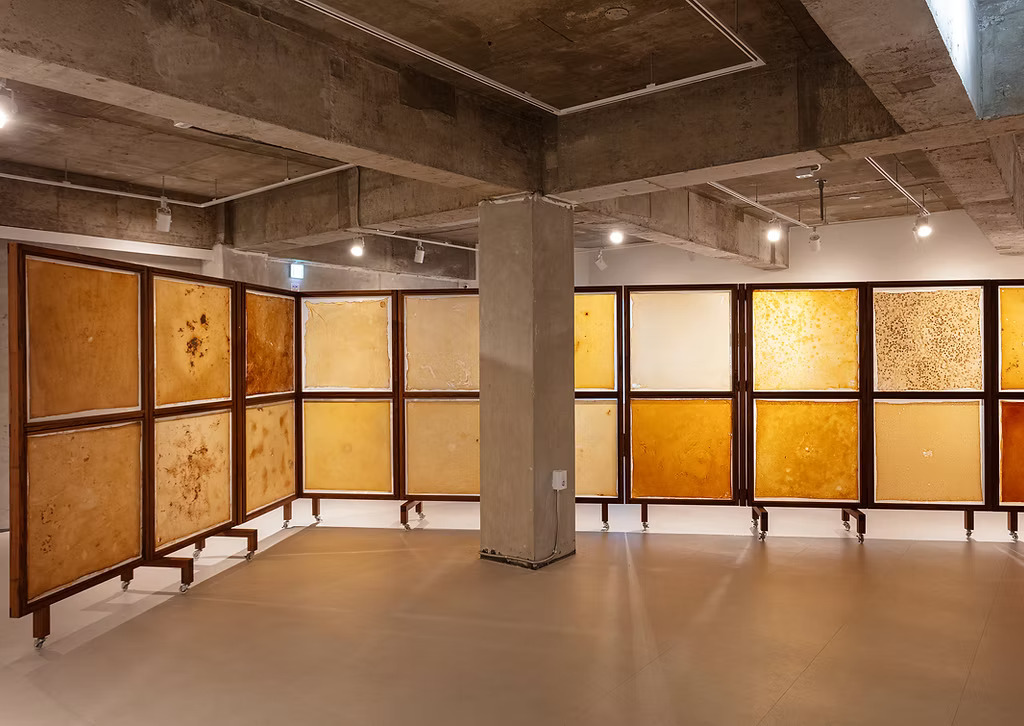
The artist imagines primordial organisms extinguished by oxygen produced by cyanobacteria, and reflects on the evolution and extinction of life through the sounds, smells, forms, textures, and colors that appear during fermentation. Smart Skin Farm(2023) pushes this concern into the structure of capitalist exchange.

By fermenting tea that reflects human personal information, growing microorganisms, and processing them into customized leather, the project connects the history in which animal bodies have been transformed into meat and leather with the present in which human biometric information is collected as data capital.
 
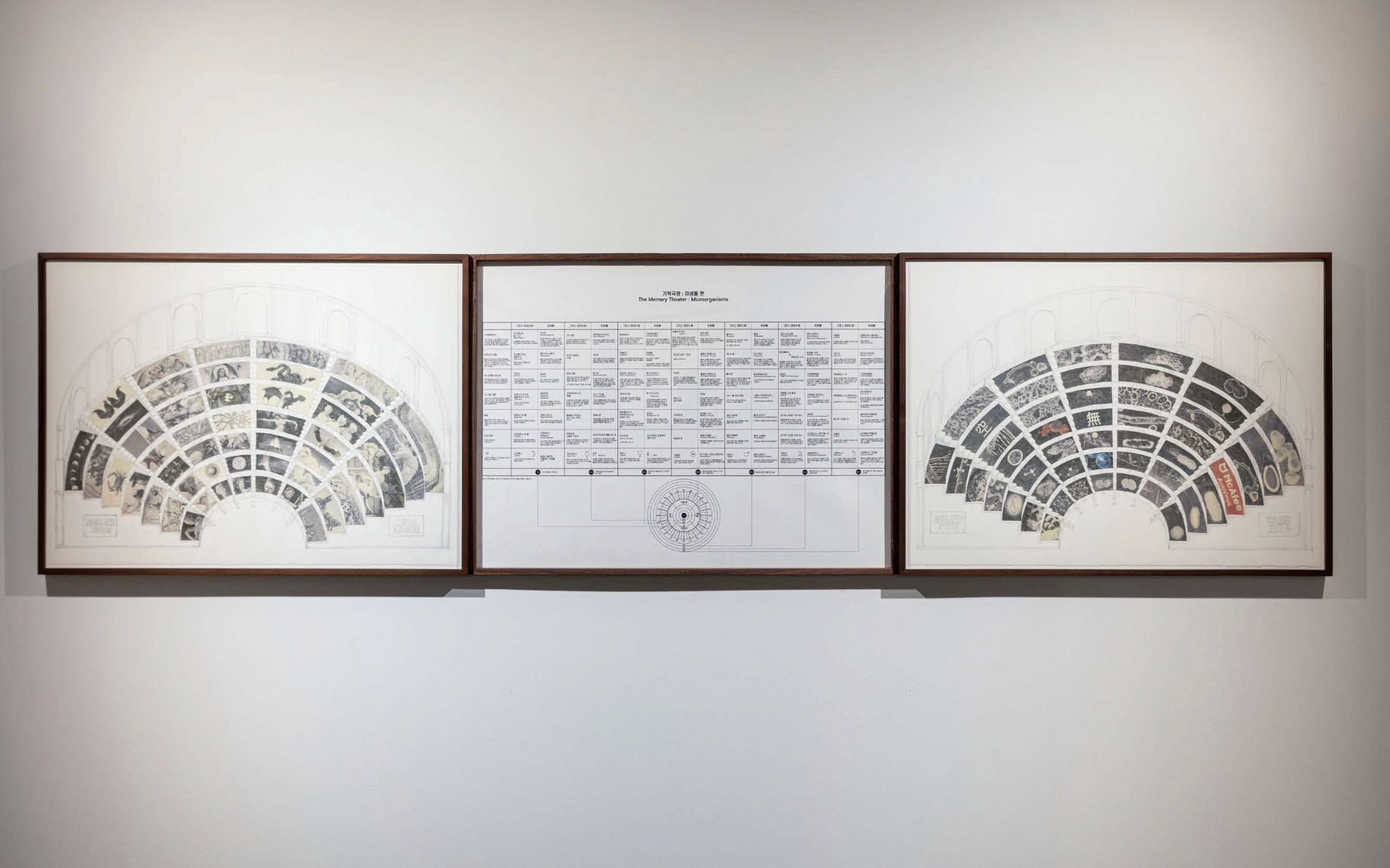
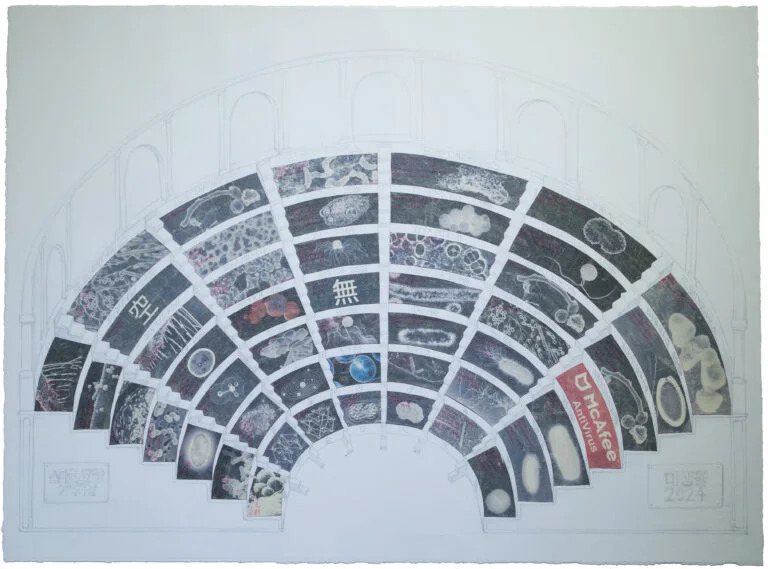
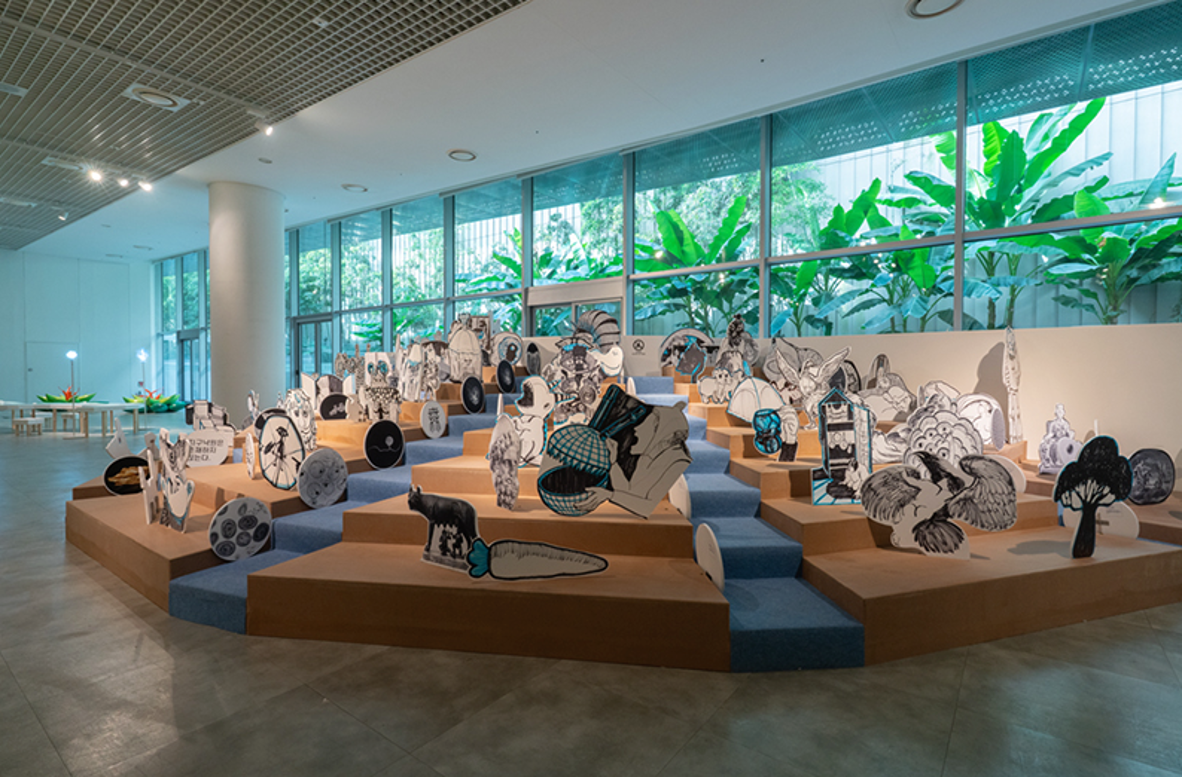
In recent works, Soh uses microorganisms to rearrange human-centered systems of knowledge themselves. Memory Theater: Microorganisms(2024) draws on the structure of Giulio Camillo’s Memory Theater and connects figures from Greek and Roman mythology with microorganisms.

Myth, scientific names, ecological traits, planetary symbols, and East Asian cosmologies are placed within a single structure, allowing the order of knowledge built by humans to be reread from the perspective of nonhuman life.

Sky, Wind, Stars and Poetry
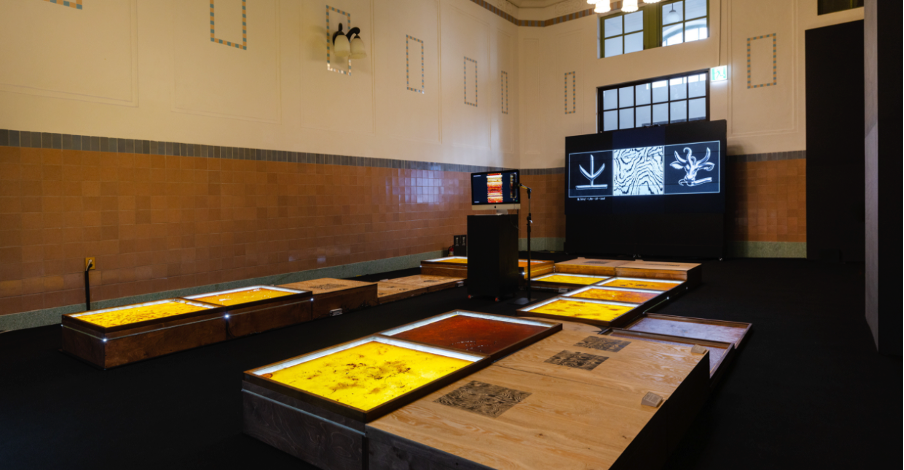
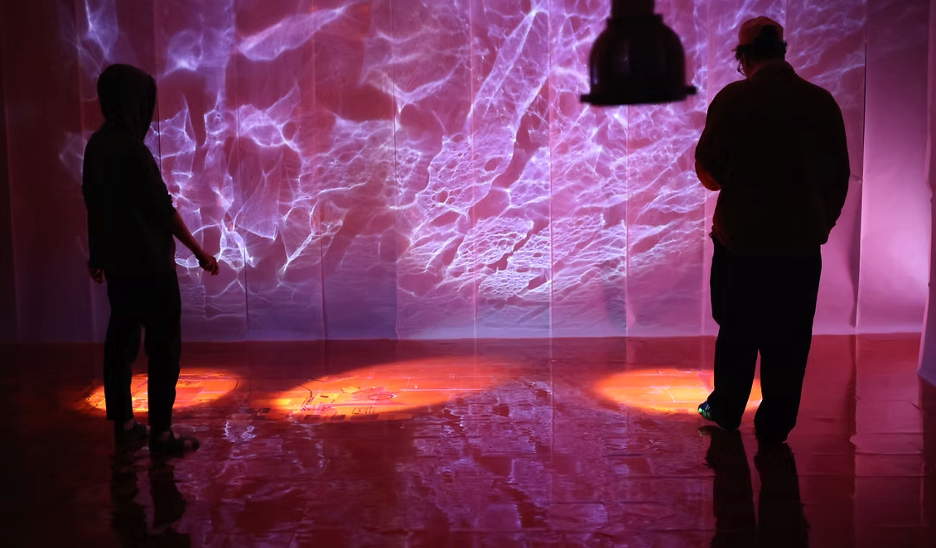
(2023-2025) explores the process through which the natural order sensed by ancient Northeast Asian people is translated into oracle bone script and Chinese characters, AI-based motion graphics, and the surfaces of plant-based microbial cultured leather.

In this way, Soh’s practice has gradually expanded from the power structures of a specific place, Sunmichon, toward the deaths of animals, the growth of microorganisms, memories of humans and nonhumans, and questions of knowledge and classification.

Style & Contents

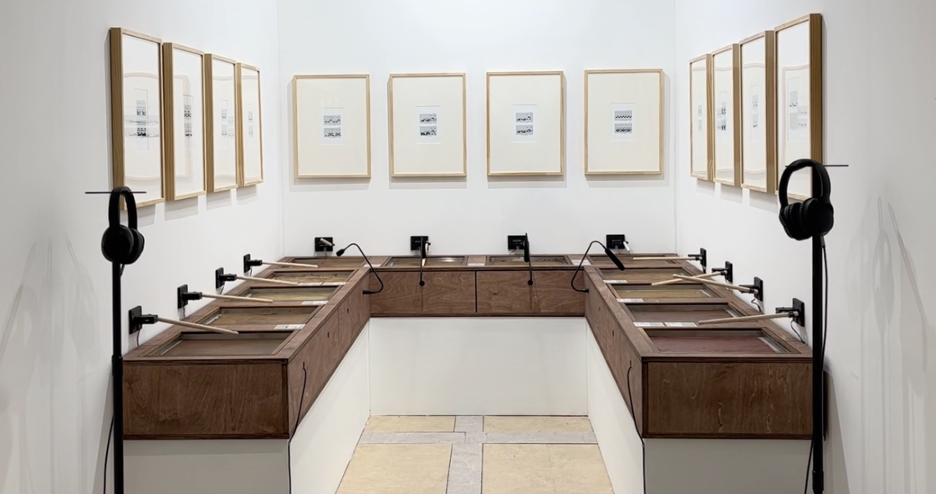
Soh’s practice combines research, archives, participatory projects, video, installation, performance, drawing, collage, and microbial cultivation. In the early Sunmichon projects, the artist actively used the architectural structure of the site and the movement of viewers.

Seen Through the Width of a Pupil
enlarged the form of a synthetic eyelash into a long passageway through which viewers passed, while Mask Rental Service functioned through the artist remaining on site as a host, lending animal masks to viewers and asking them to take selfies. Here, the work is not completed by the object alone, but by an experience in which the viewer’s body, gaze, and uncomfortable social situations meet in a specific place.
 
《He vs. It》 is an example of how this site-specificity and sensory staging shifted toward animal death. In the 2017 exhibition, the flashlight became both a light illuminating records of roadkill and a metaphor for automobile headlights, while epitaphs installed in dark corridors and rooms made viewers grope through the presence of dead animals. In the 2024 exhibition, the form expands more complexly.

Soh researched newspaper materials from the 1960s to the present, identifying how animal-related articles and advertisements are juxtaposed on the same page. By whitening out other information, she made the structure of violence more visible. She then layered dictionary definitions of words such as “we,” “medicine,” “fatigue,” “emergency,” “exhibition,” and “game,” allowing a single word and image to generate multiple layers of meaning.
 
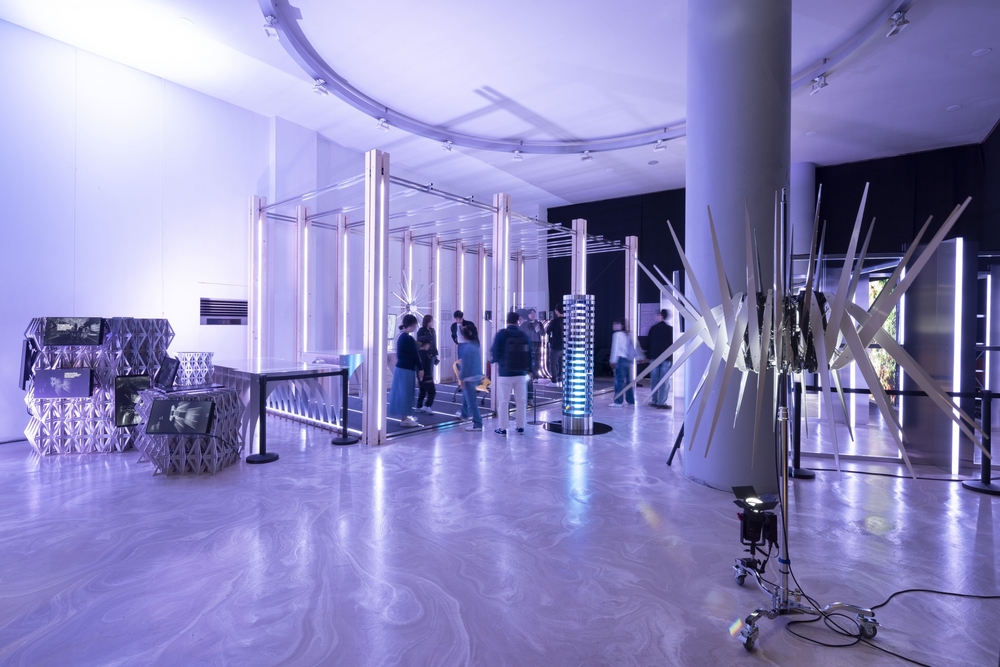
In her microbial works, Soh turns the exhibition space into a laboratory, farm, shop, and archive at once. The Porous Material Conversion: C-Flex Incubator allows viewers to observe the life cycle of microorganisms through water tanks, armchairs, recording devices, microscopes, and screens.

The tank is a device inspired by a medical incubator, as well as a small planetary model that records changes in oxygen, carbon dioxide, methane, temperature, and humidity.

Smart Skin Farm takes the form of a virtual skin factory and store through fermented plant material and mixed media. Personal information, tea and sugar, microbial growth, and the production of customized leather are linked as a single process, revealing both biotechnological imagination and the structure of capitalist exchange.
 
The drawing and collage works developed after 2024 show a form that reorganizes systems of knowledge. Memory Theater: Microorganisms & Greek and Roman Mythology(2024) is composed of pencil drawings and image collages on paper, placing mythological figures, microbial scientific names, ecological characteristics, and symbols in parallel.

Fungal-Plant-Animal Hybrid Dictionary I
(2024), Fungal-Plant-Animal Hybrid Dictionary II(2024), and Fungal-Plant-Animal Hybrid List(2024) are meta-dictionaries that connect the colors and patterns of microorganisms, which vary according to the teas they consume and their cultivation environments, with animals, plants, and minerals.

Sky, Wind, Stars and Poetry
combines plant-based microbial cultured leather, wooden structures, plywood, LED light panels, and AI-based motion graphics to create a sensory field where language, nature, algorithms, and the surfaces of life intersect.

Topography & Continuity

The distinctiveness of Soh’s work lies in the fact that she does not simply “represent” socially marginalized or nonhuman beings, but takes as her subject the human systems of knowledge and perception through which they are viewed. In the Sunmichon projects, she did not merely represent the violence of a specific place, but revealed the institutions, urban redevelopment processes, art systems, and viewers’ gazes that look at that place.

In the roadkill works, she moves beyond mourning a dead animal and questions the hierarchy of language and anthropocentric naming that places animals between “he” and “it.” In the microbial works, she blurs the boundaries between life and object, plantness and animality, human skin and nonhuman leather, making us ask again what we recognize as life and what we reduce to resource.
 
Following the trajectory of her practice, Soh has moved from the power structures of place toward the classification systems of life. If Seen Through the Width of a Pupil, Mask Rental Service, and Searching for Witness addressed the structures of gaze and violence in the specific site of Sunmichon, 《He vs. It》 extended that gaze to the relationship between humans and animals.

Dear My Deer
(2022, 2024), Unfinished Story(2020-2024), and From Twenty-Four of Your Bodies (Smart Skin Farm)(2023-2024) connect roadkill, deer extinction, leather trade, mourning, and memory to microbial cultivation. By the time of Memory Theater: Microorganisms and Sky, Wind, Stars and Poetry, the artist is reassembling the systems of myth, writing, dictionaries, classification, and algorithms created by humans from the perspective of nonhuman life.
 
Compared with other ecological or technology-based practices, Soh’s work is distinctive in that she does not use biotechnological material merely as a futuristic medium. Instead of presenting plant-based microbial leather optimistically as a sustainable substitute, she asks how this material is connected to animal death, personal information, capitalist exchange, and the violence of classification.

Although her work is research-based, it does not remain at the level of explaining materials. It creates situations in which viewers pass through darkness holding flashlights, walk through a place wearing masks, or provide their own information as food for microorganisms. In this way, Soh’s practice does not present ethical questions only as knowledge, but brings the viewer’s body and senses into the field of the question itself.

Her work may continue to expand across questions of city, gender, animals, microorganisms, data, and ecology, rewriting not a world after humans, but the histories of beings that have long lived with humans.

Works of Art

New Networks of Relations with “Othered” Beings

Articles

Exhibitions

Activities