Lee’s
practice is centered on sculpture, yet it does not remain enclosed within
sculpture alone. He works across painting, installation, video, 3D scanning, 3D
printing, drone footage, sound, performance, and ceramics, making the movement
between matter and image central to his practice. In his early works,
architectural materials and modules such as concrete, pipes, tiles, and
geometric structures played an important role.
By extracting, transforming, and
recombining structures found in the city, the artist revealed the hidden
discomfort and mechanisms of control embedded in the objects and spaces we use
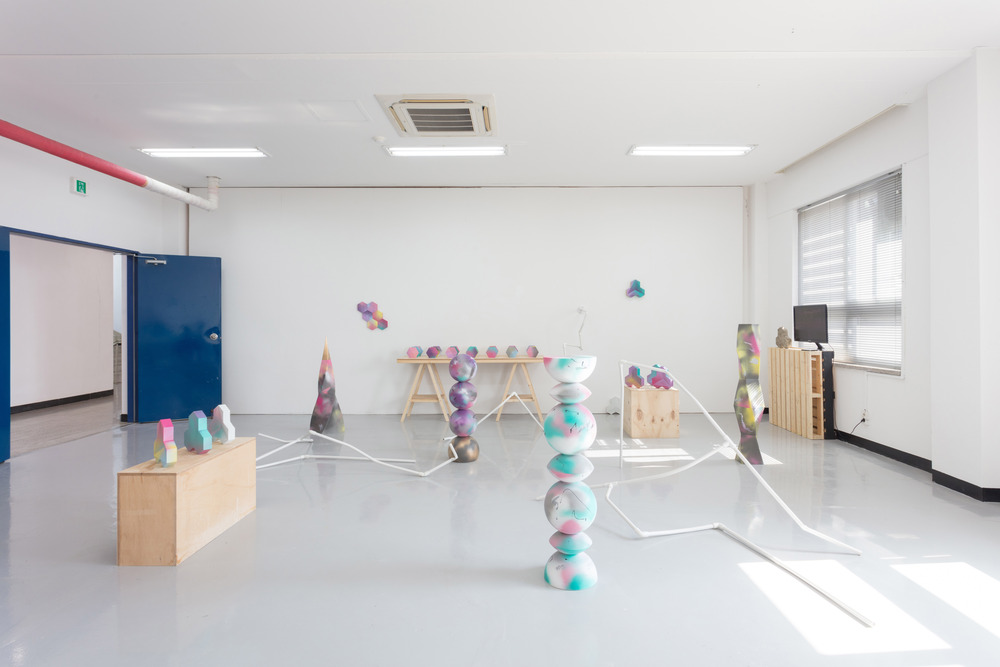
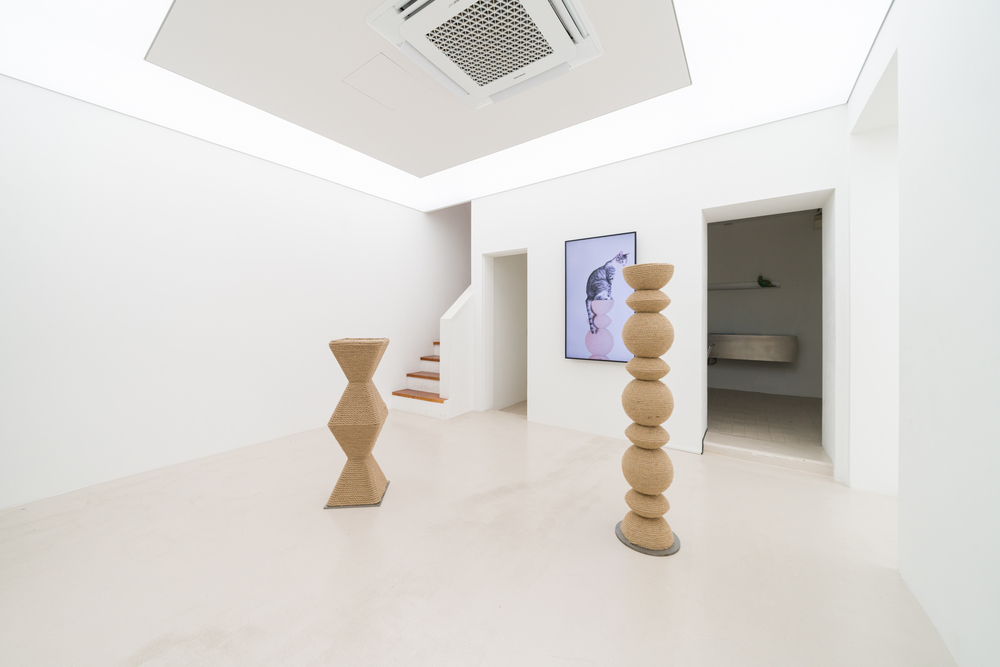
every day. 《Designed Experience》(Pappappa Tamgooso Sewoon, Seoul, 2017) clearly shows this concern,
presenting how everyday design shapes the body and behavior through sculptural
form.
The
introduction of digital tools significantly changed Lee’s formal language.
Drones transform architecture into floating images that seem to have lost
gravity, while 3D printers leave unintended errors in the process of producing
identical units. Lee does not remove these errors as failures, but accepts them
as variations that arise within repetitive structures.
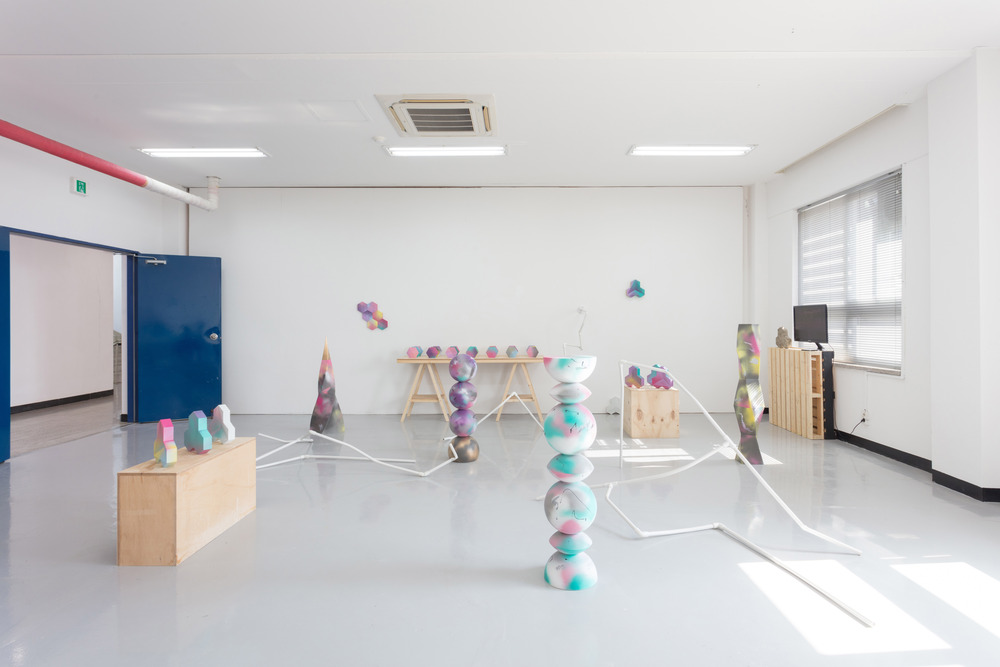
Ice-cream
concrete stacks and arranges failed 3D-printed objects into
sculptures, combining the solidity of concrete with the slippery surface of
digital imagery. In this work, sculpture becomes less a heavy and fixed object
than a temporary overlap between physical materiality and virtual images.
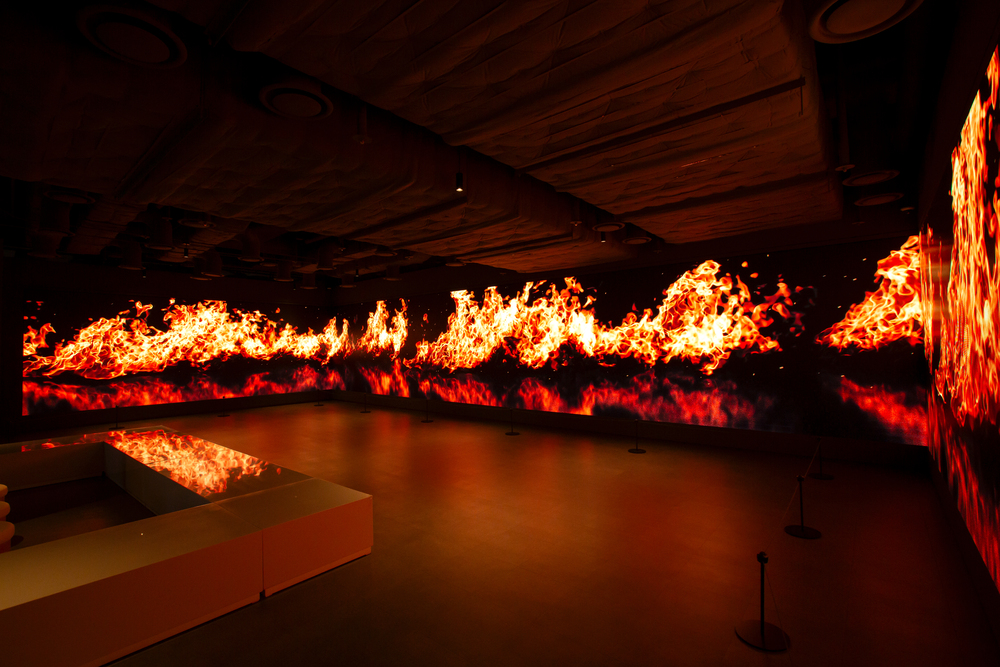
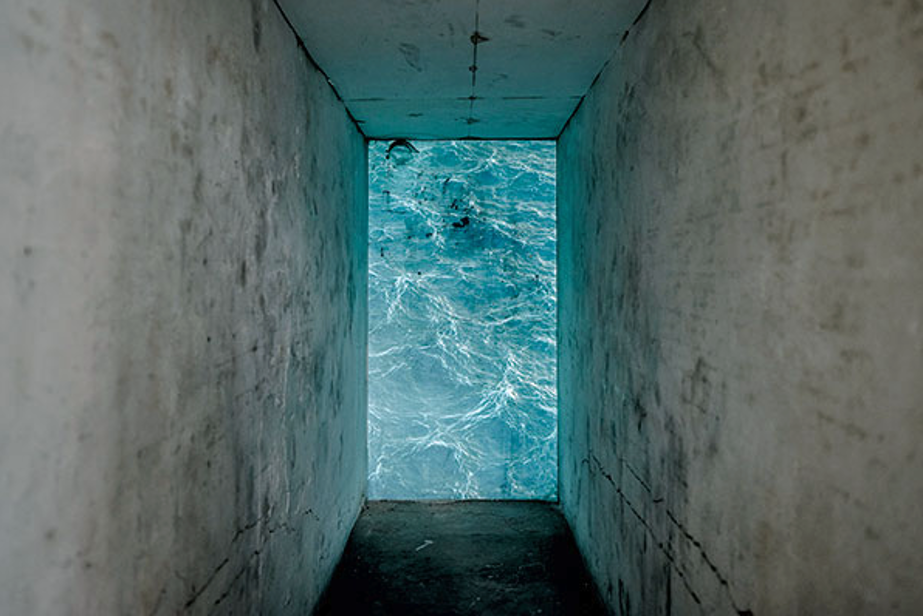
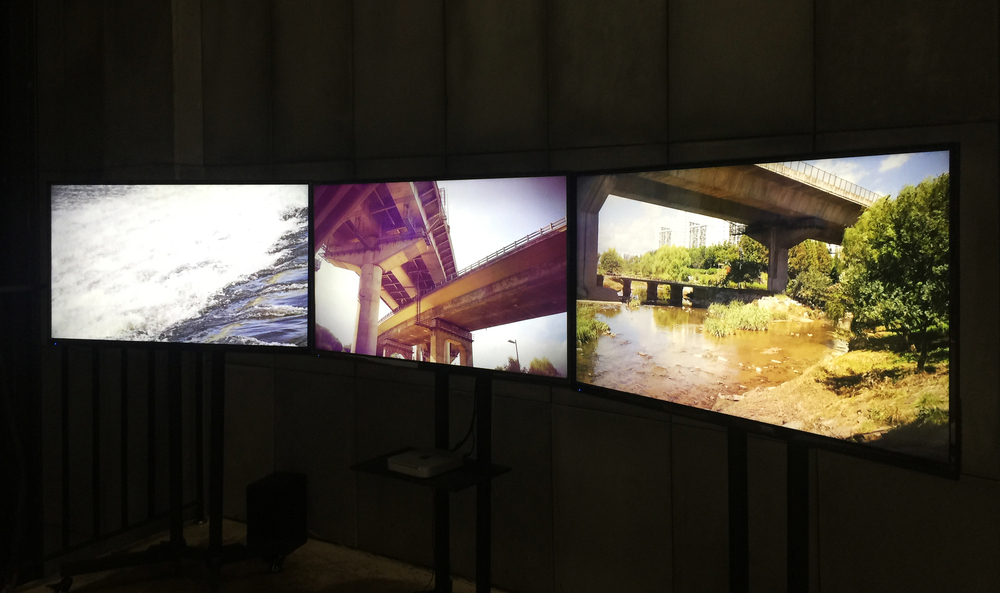
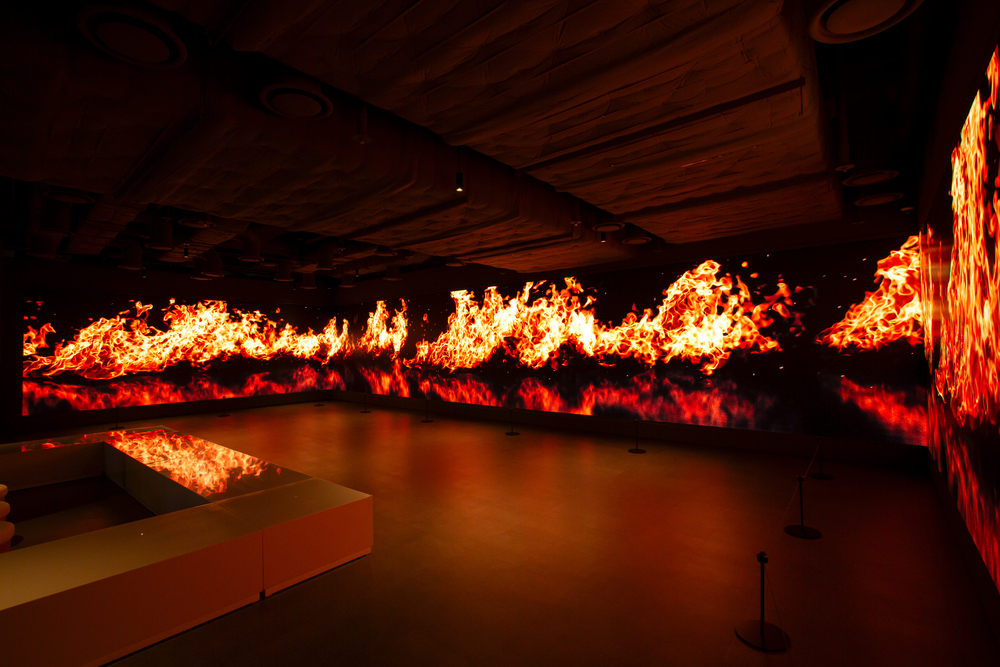
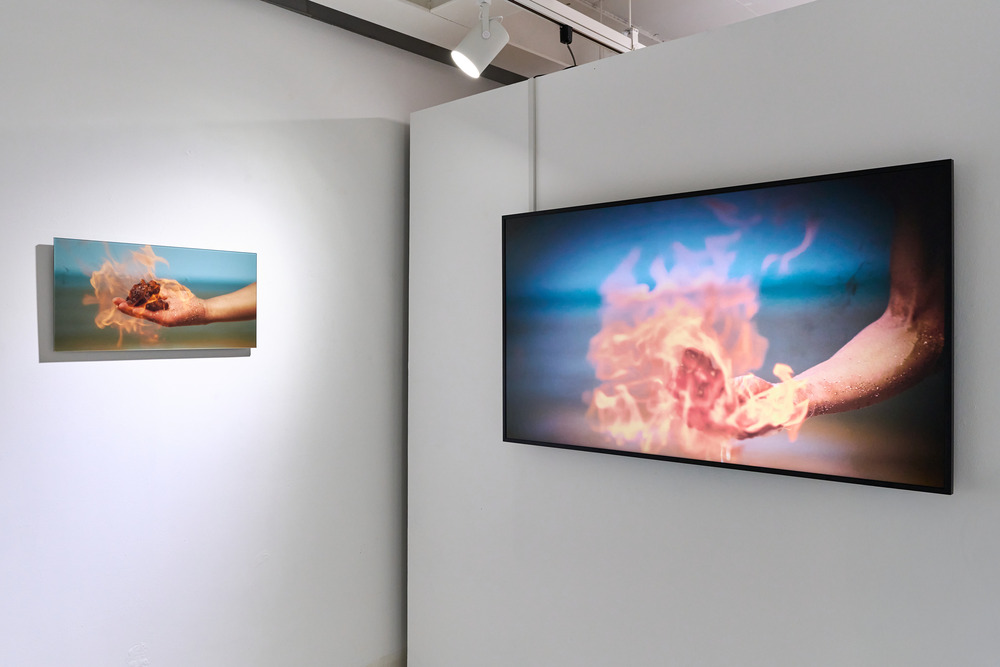
After
Surface of Water and Surface of Fire, Lee
began to treat video and sculpture as both supplementary devices and tense
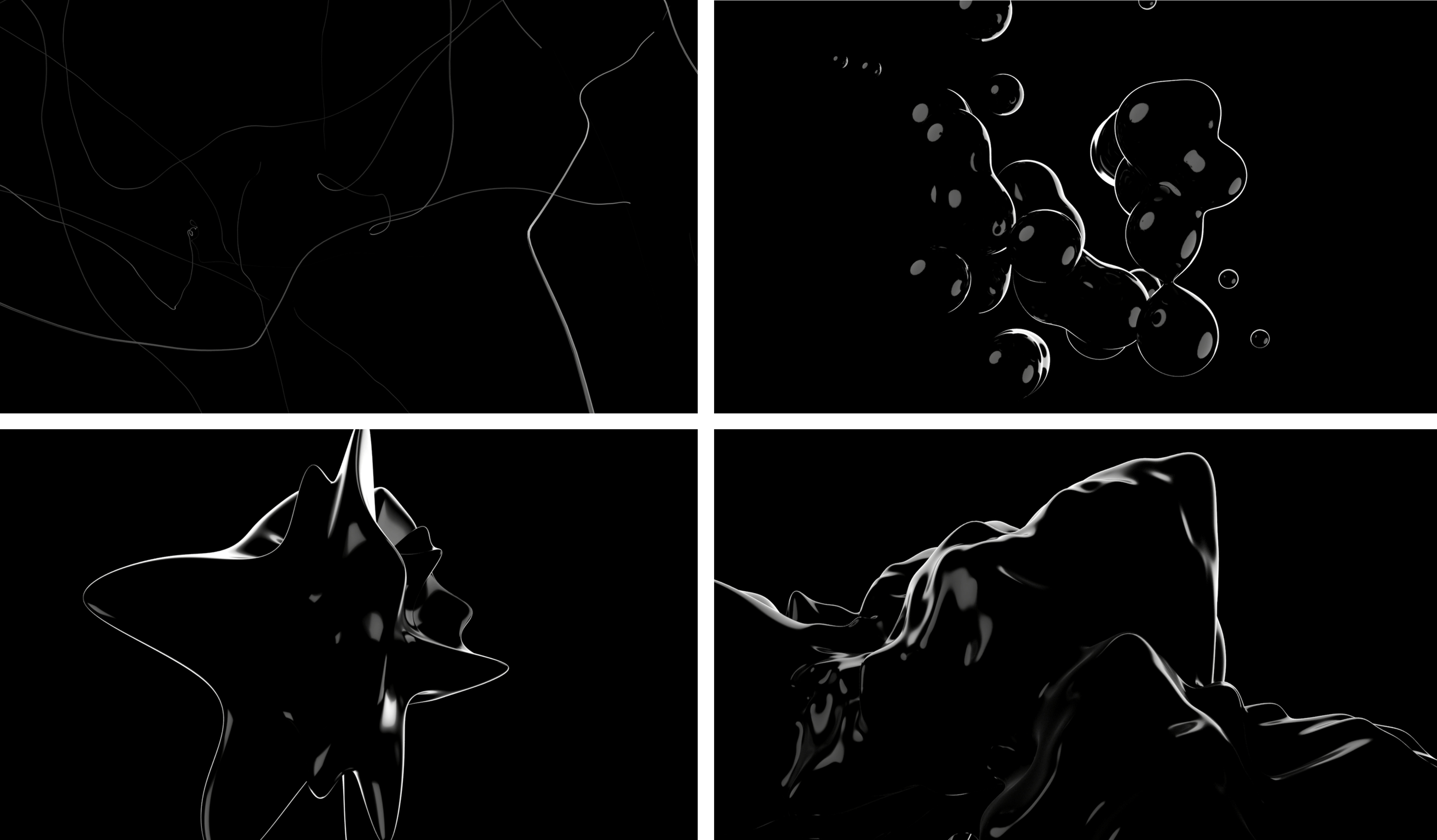
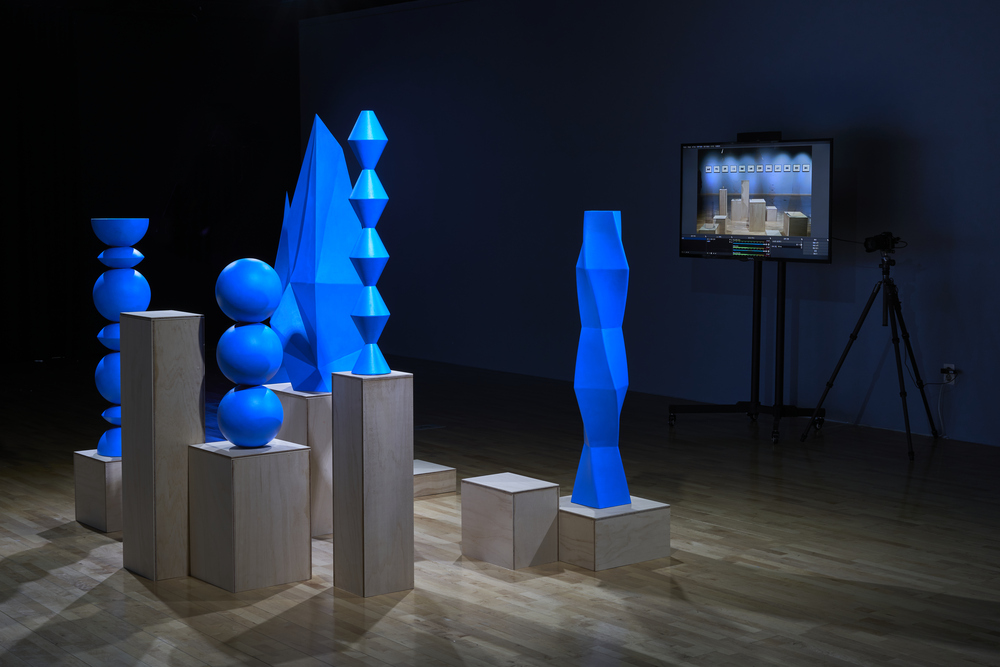
counterparts. After Effect captures a single moment from
irregular movement generated through a generative design program and realizes
it as sculpture, while video supplements the temporal change that sculpture
cannot contain.
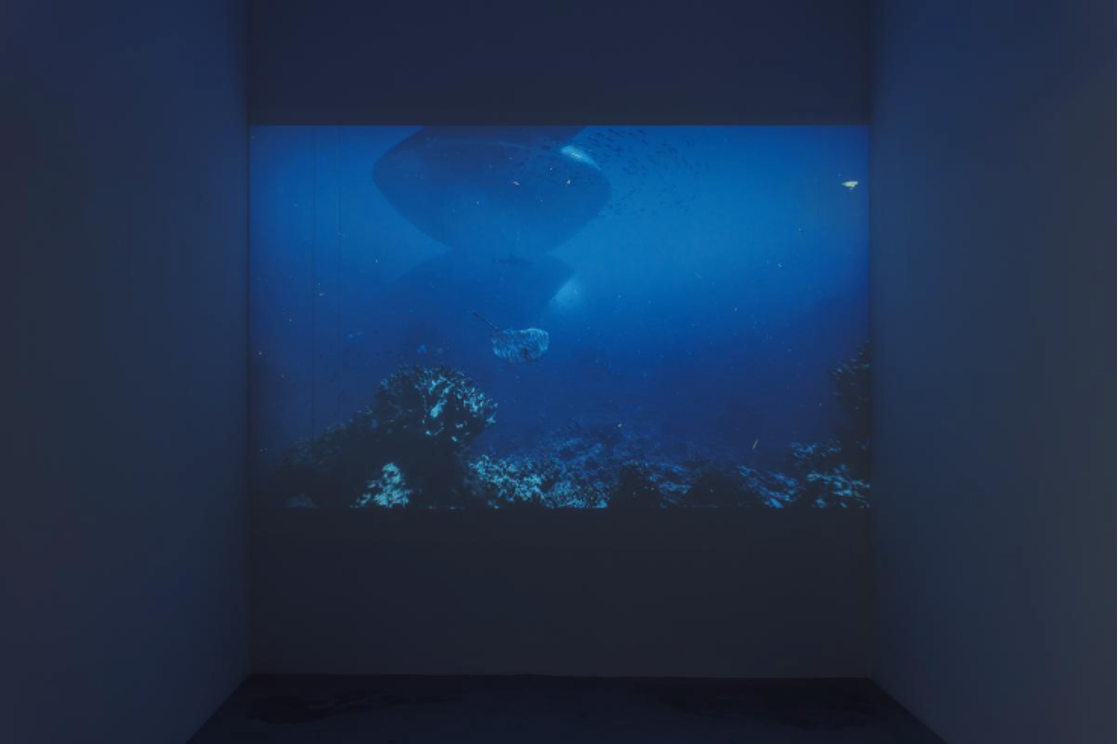
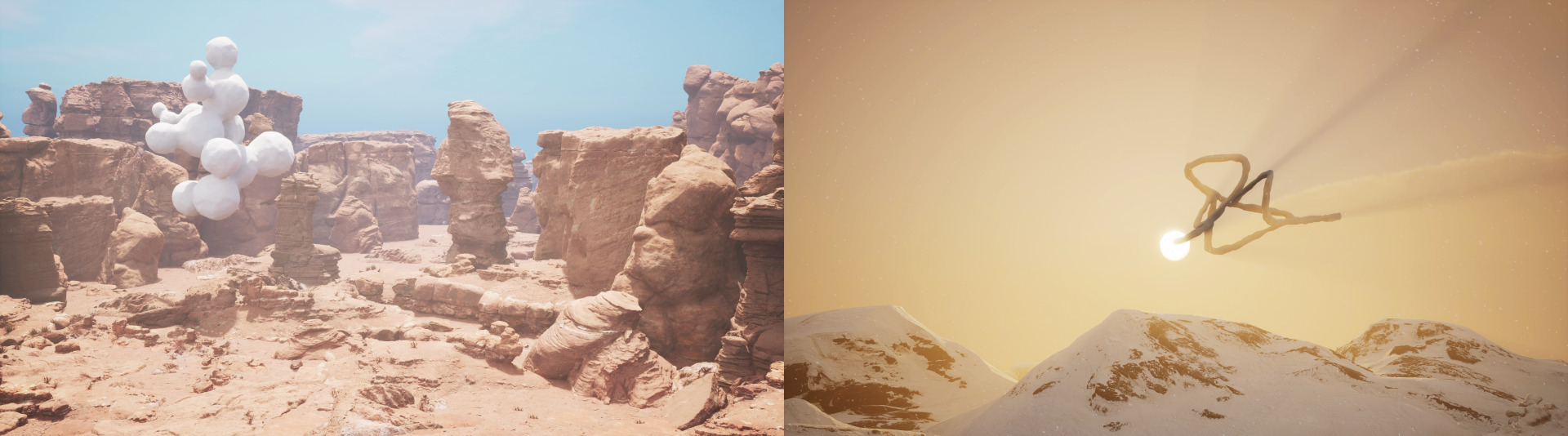
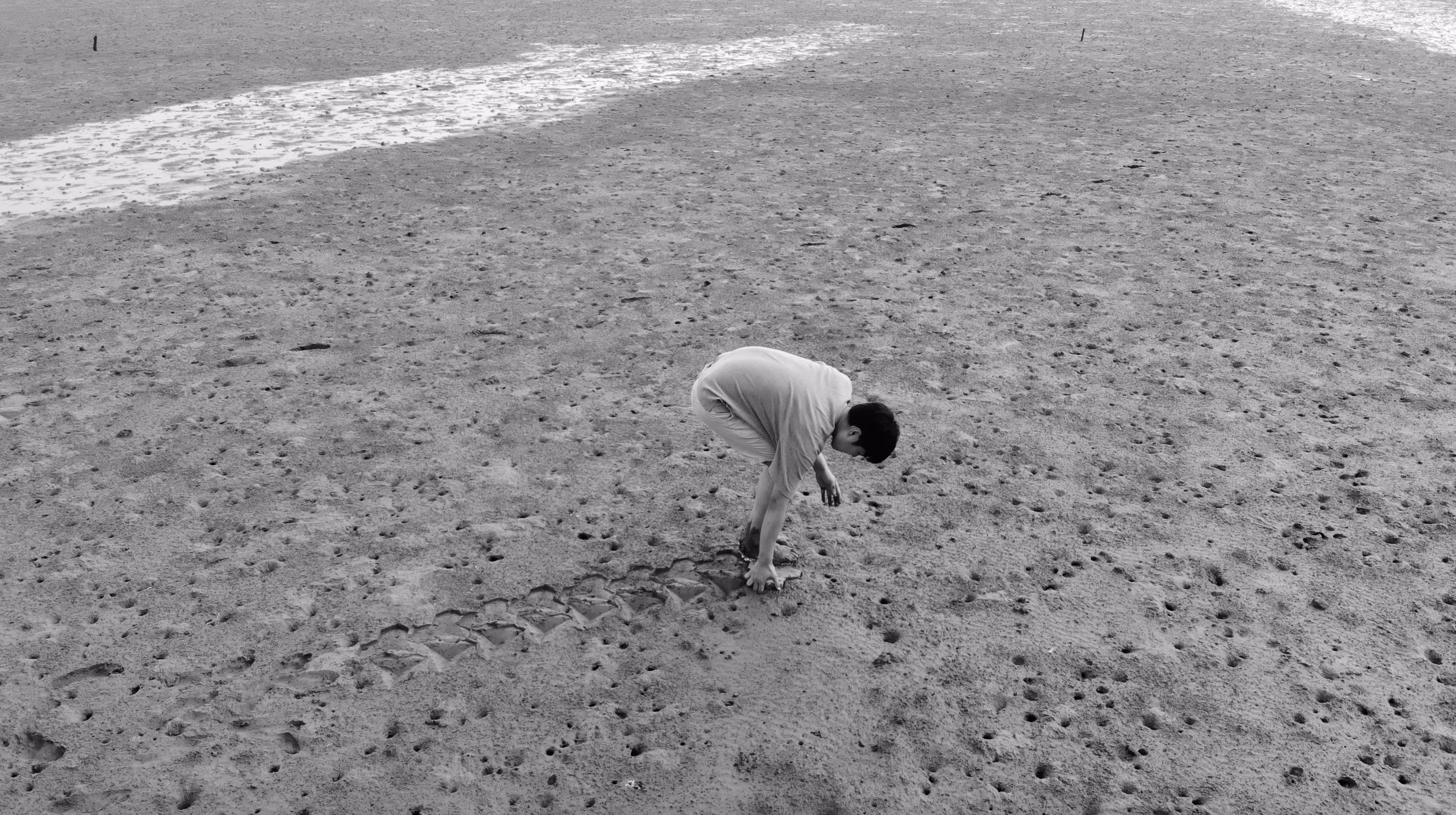
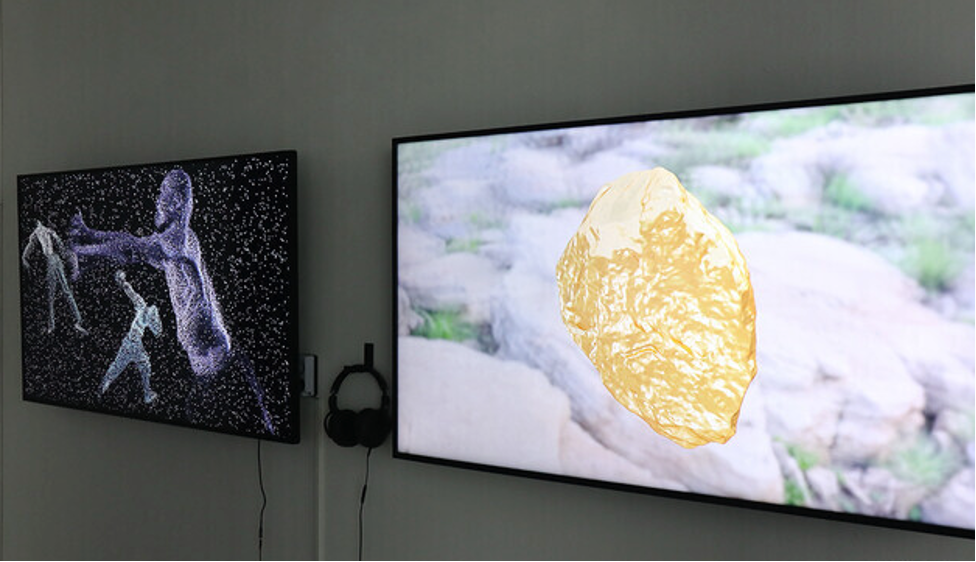
Perforated Sculpture slowly rotates a
3D-scanned sculpture within an artificial natural space, erasing the weight of
reality through the difference between the sculpture’s actual scale and its
scale within the video.
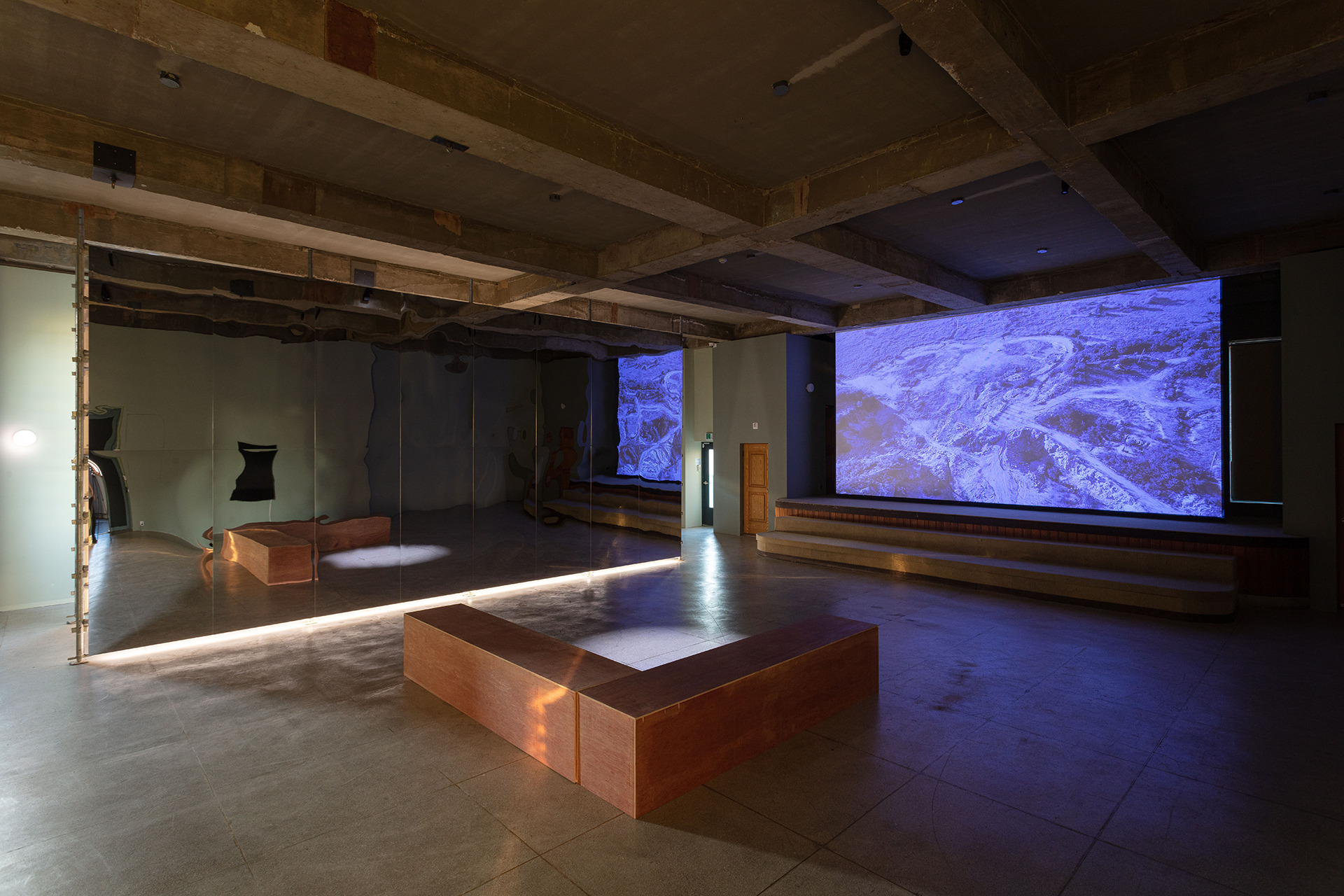
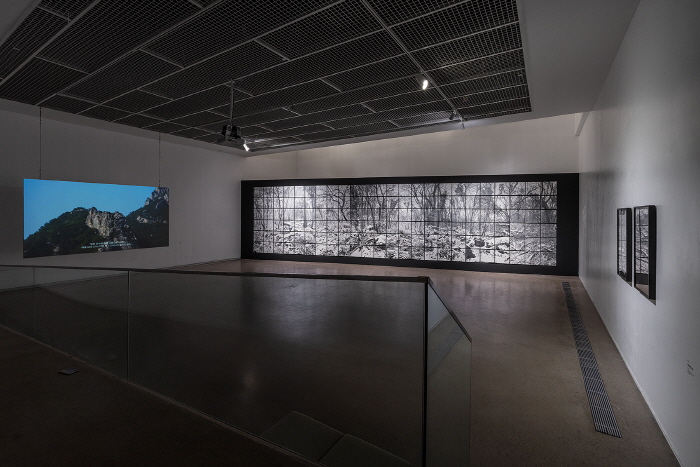
《Mysterious
Garden》(Seoul Arts Center, Seoul, 2022) combined
3D-scanning-based video, digital sculpture, cast objects, and fractal images in
a single space, organizing the entire exhibition as a kind of mixed reality. In
this process, viewers experience not only sculpture itself, but also the way
virtual images reorganize physical space.
In recent
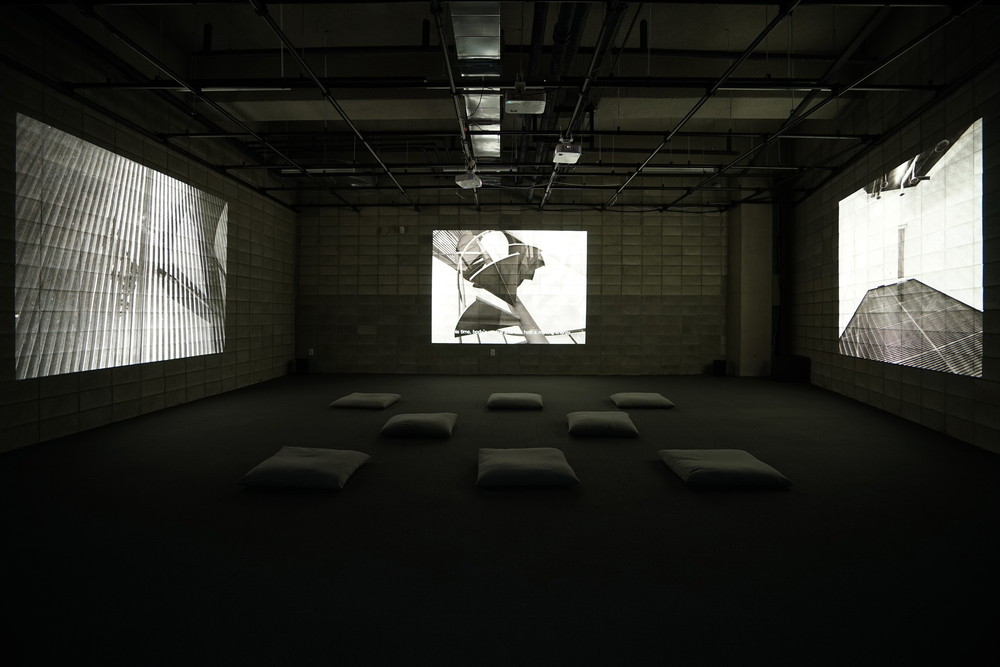
works, the range of Lee’s forms has expanded further. 《The Black Stone and the Iron》 combines
video, installation, poetry, sound, and performance to sensorially summon the
memory of his father and the time of Korea’s industrialization.
Philosopher’s Stone: The First Object(2024) constructs a
mythic image around the alchemical symbol of the philosopher’s stone,
connecting resources, labor, capital, and memory.
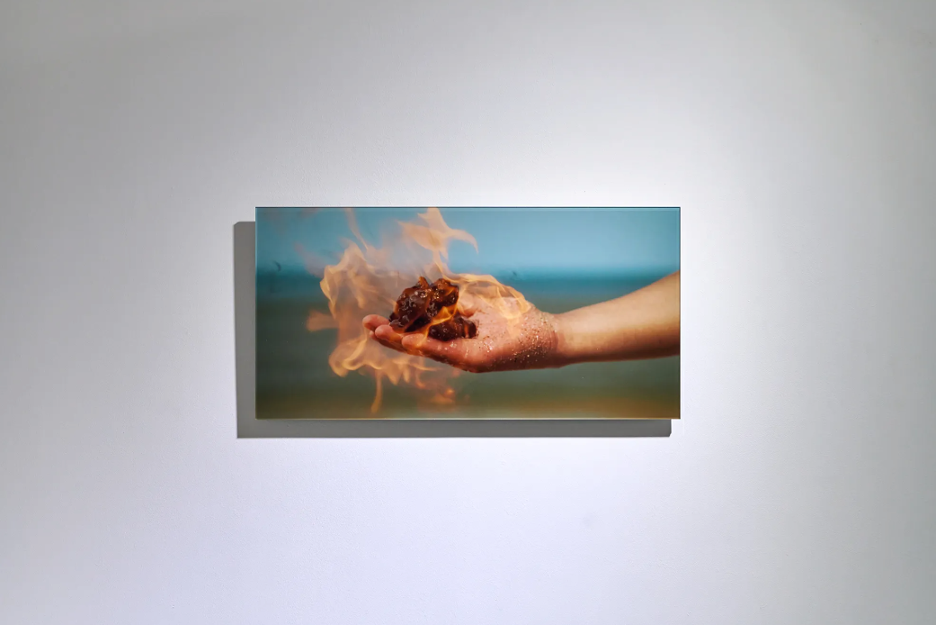
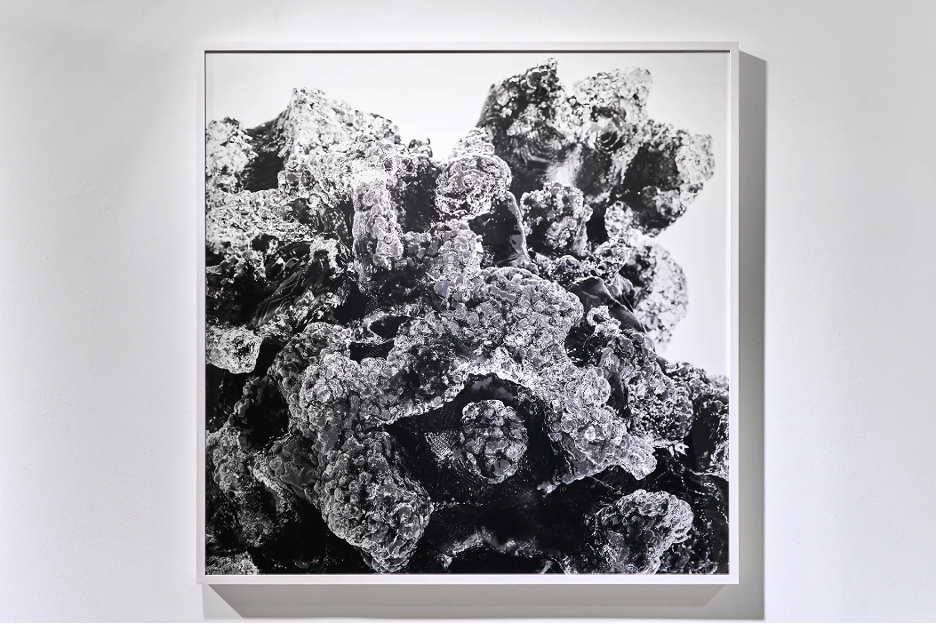
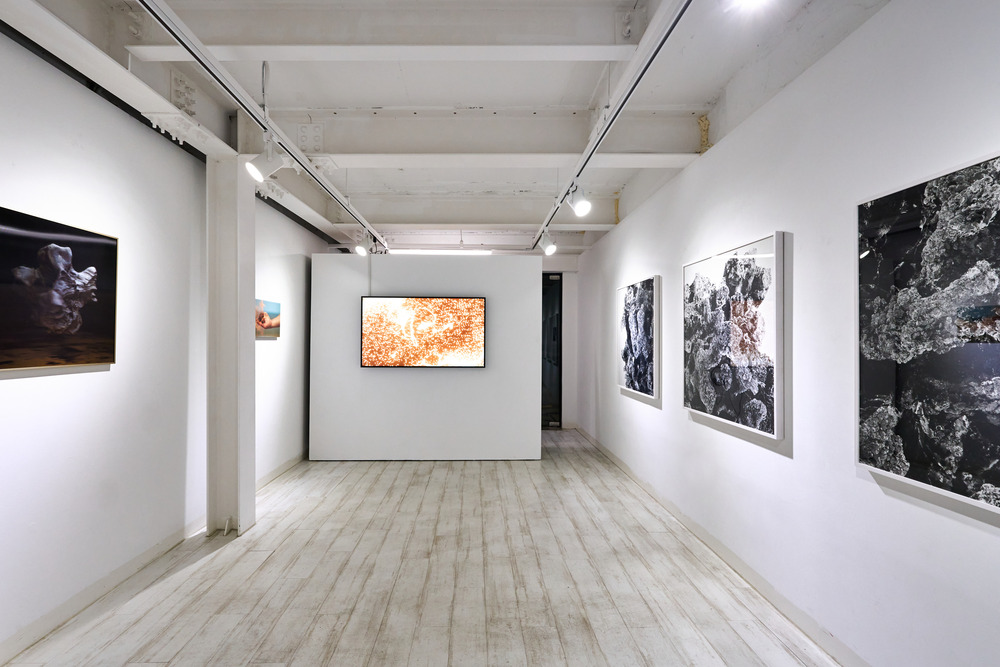
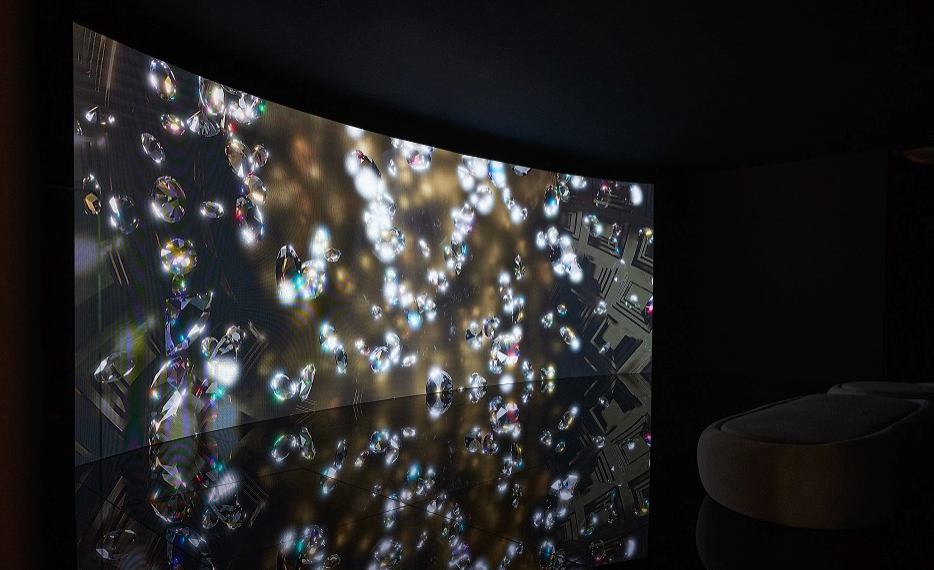
In 《The
Image of Mana》, Origin of
Mana(2025), Enantiotropy(2025), Firestone(2025),
and Transform No.3(2025) deal with the transformability of
matter through natural landscapes, digital imagery, 3D scans of stone, and
intermediate states between graphite and diamond.
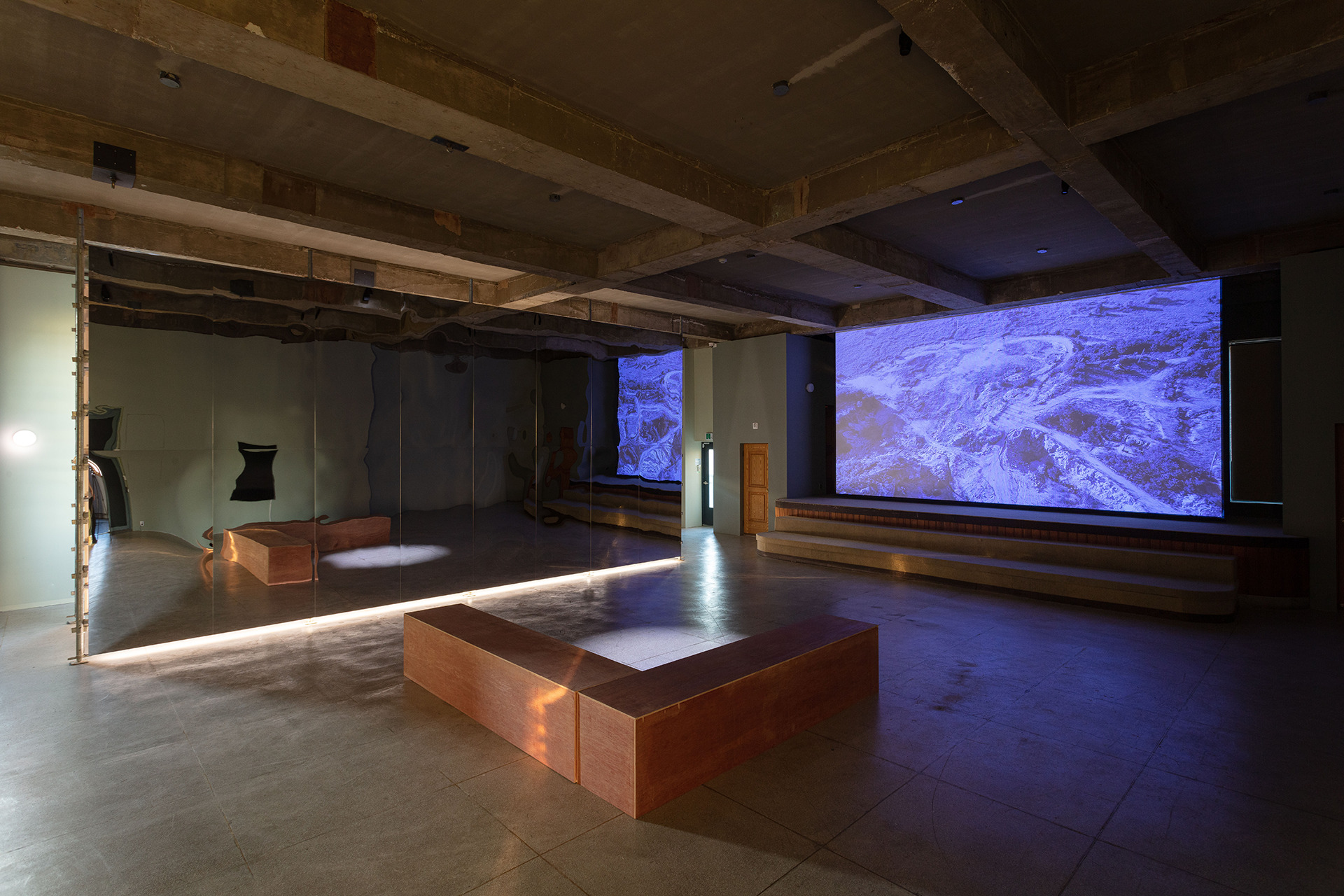
In 《Non-World》, Tower(2025), Replay(2025),
Coordinates(2025), and Terra Nova(2025)
create new devices for sensing a posthuman world through sculpture, LP sound,
ceramic coordinates, and an artificial ecosystem composed of mirrors and
plants.



.jpg)