
Last Pleasure - K-ARTIST

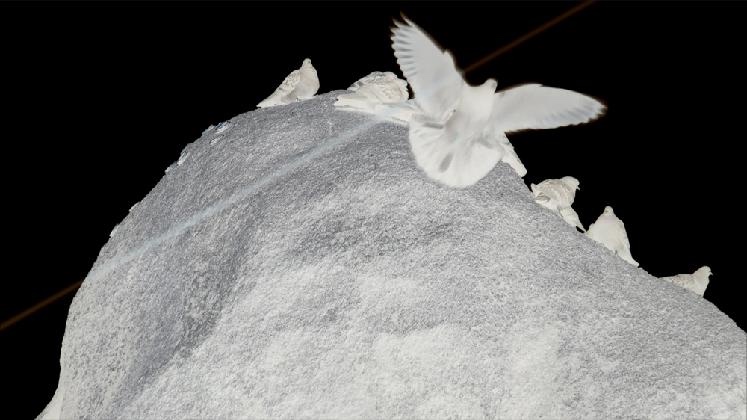
Last Pleasure

2012
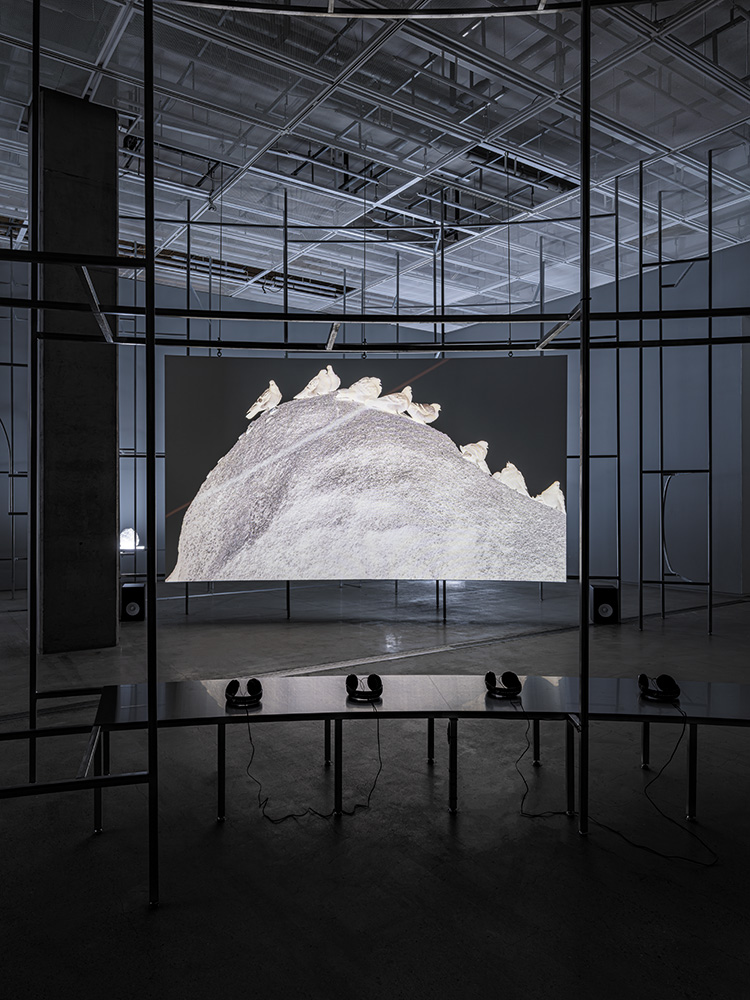
Single channel video, stereo sound, color, HD
6min 58sec
About The Work

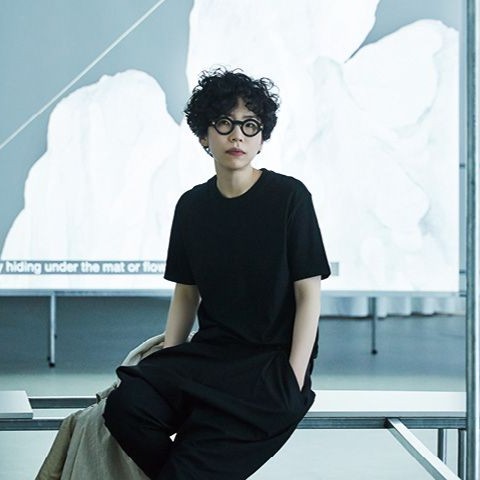
Sojung Jun's work begins with an exploration of the multilayered experiences of time and perception. She constructs new narratives by dismantling and reconstructing interviews, historical records, and classical texts, revealing the aesthetic and political elements embedded in individual lives.

Through her ongoing attempts to dissolve both physical and conceptual boundaries in media art, Jun's work continues to expand postmodern spatial-temporal concepts and is expected to have a significant impact on the contemporary art scene in the years to come.

Solo Exhibitions (Brief)

Sojung Jun has held approximately 12 solo exhibitions in Korea and the United States since 2008. Her notable solo exhibitions include 《As You Like It》 (2010, Insa Art Space, Seoul), 《Forget This Night When the Night Is No More》 (2014, Doosan Gallery, New York), 《Ruins》 (2015, Doosan Gallery, Seoul), 《Kiss Me Quick》 (2017, SongEun Art Space, Seoul), 《Au Magasin de Nouveautés》 (2022, Atelier Hermès, Seoul), 《Green Screen》 (2022, Leeum Museum of Art, Seoul), and 《Overtone》 (2023, Barakat Contemporary, Seoul).

Group Exhibitions (Brief)

Since 2008, Jun has participated in approximately 91 group exhibitions across various countries, including Korea, the United States, France, the United Kingdom, Hong Kong, Switzerland, Canada, and Taiwan.

Some of her significant group exhibitions include 《11th Gwangju Biennale: The Eighth Climate (What Does Art Do?)》 (2016, Gwangju), 《L’Art au Centre》 (2017, Palais de Tokyo, Paris, France), 《Unclosed Bricks: Gaps of Memory》 (2018, Arko Art Center, Seoul), 《RhythmScape》 (2020, Ottawa Art Gallery, Ottawa, Canada), 《Tactics》 (2021, Nam June Paik Art Center, Yongin), 《MMCA Performing Arts 2021: Multiverse》 (2021, MMCA, Seoul), 《Border Crossings—North and South Korean Art from the Sigg Collection》 (2021, Kunstmuseum Bern, Bern, Switzerland), 《Facing the Movement: Crossing/Invading/Stopping》 (2022, Arko Art Center, Seoul), 《Watch and Chill 2.0: Streaming Senses》 (2022, MMCA, Sharjah Art Museum, ArkDes, Stockholm), 《Korea Artist Prize 2023》 (2023, MMCA, Seoul), and 《Ordinary People, Splendid History》 (2023, Gyeongnam Art Museum, Changwon).

Awards (Selected)

Jun is currently selected as a candidate for the National Museum of Modern and Contemporary Art's Artist of the Year Award 2023. She has won the 14th Song Eun Art Award, the 18th Hermes Foundation Art Award, and the 2016 Gwangju Biennale Noon Art Award.

Collections (Selected)

Jun’s works are part of the collections of numerous institutions at home and abroad, including Han Nefkens Foundation, Uli Sigg Collection, Osaka National Museum of Art, National Museum of Modern and Contemporary Art, Seoul Museum of Art, Leeum Samsung Museum of Art, Gyeonggi Museum of Art, Busan Museum of Contemporary Art, Busan Museum of Art, and Ulsan Museum of Modern Art.
Works of Art

On the Lives of Various Individuals at the Boundary

Originality & Identity

Sojung Jun's work begins with an exploration of the multilayered experiences of time and perception. She constructs new narratives by dismantling and reconstructing interviews, historical records, and classical texts, revealing the aesthetic and political elements embedded in individual lives. Early solo exhibitions such as 《Ruins》(2015, Doosan Gallery, Seoul), 《As You Like It》(2010, Insa Art Space), and 《The Other Side of the Other Side》(2012, Gallery Factory) focused on individuals marginalized by the rapid pace of modernity, highlighting the artistic acts inherent in their lives.

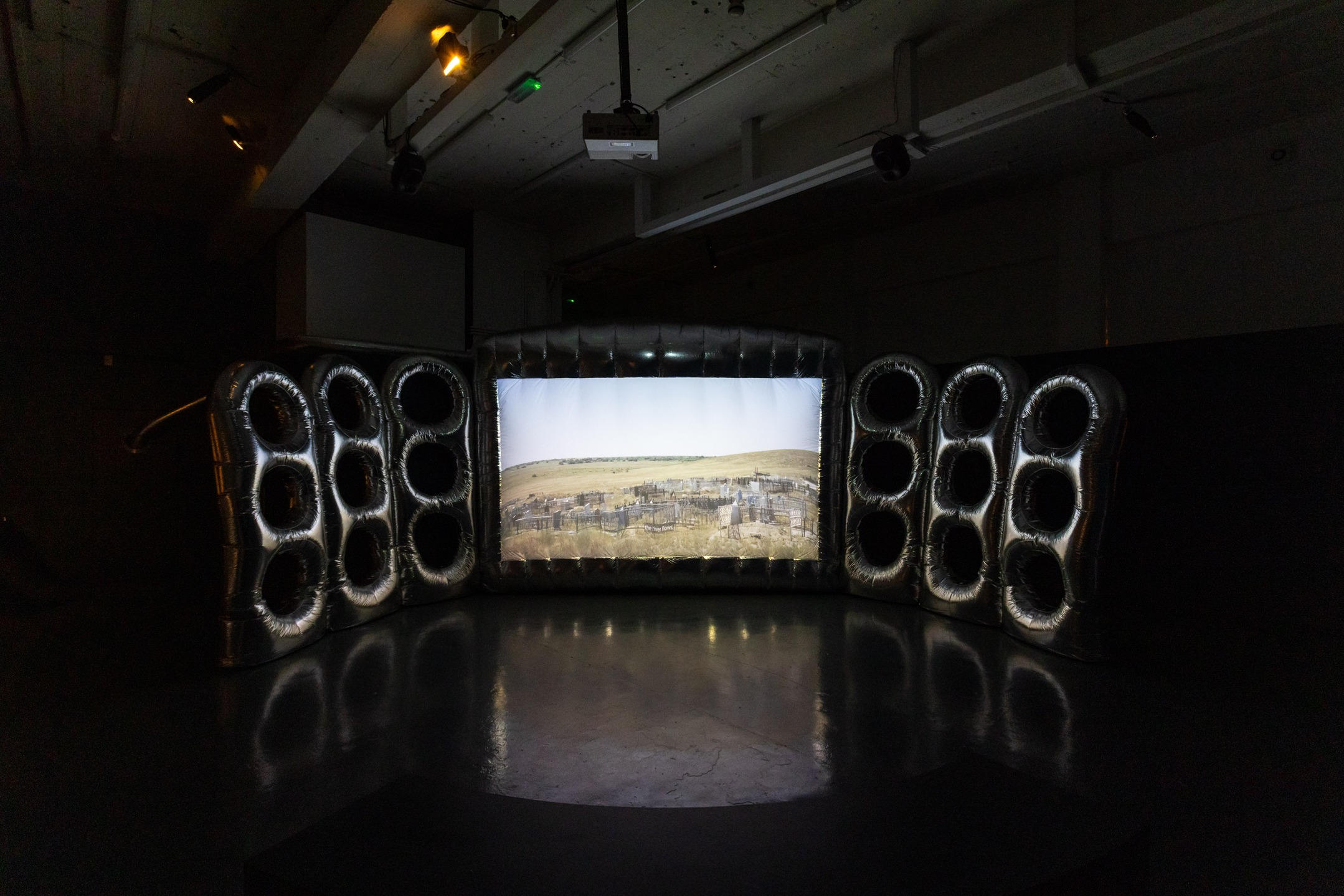
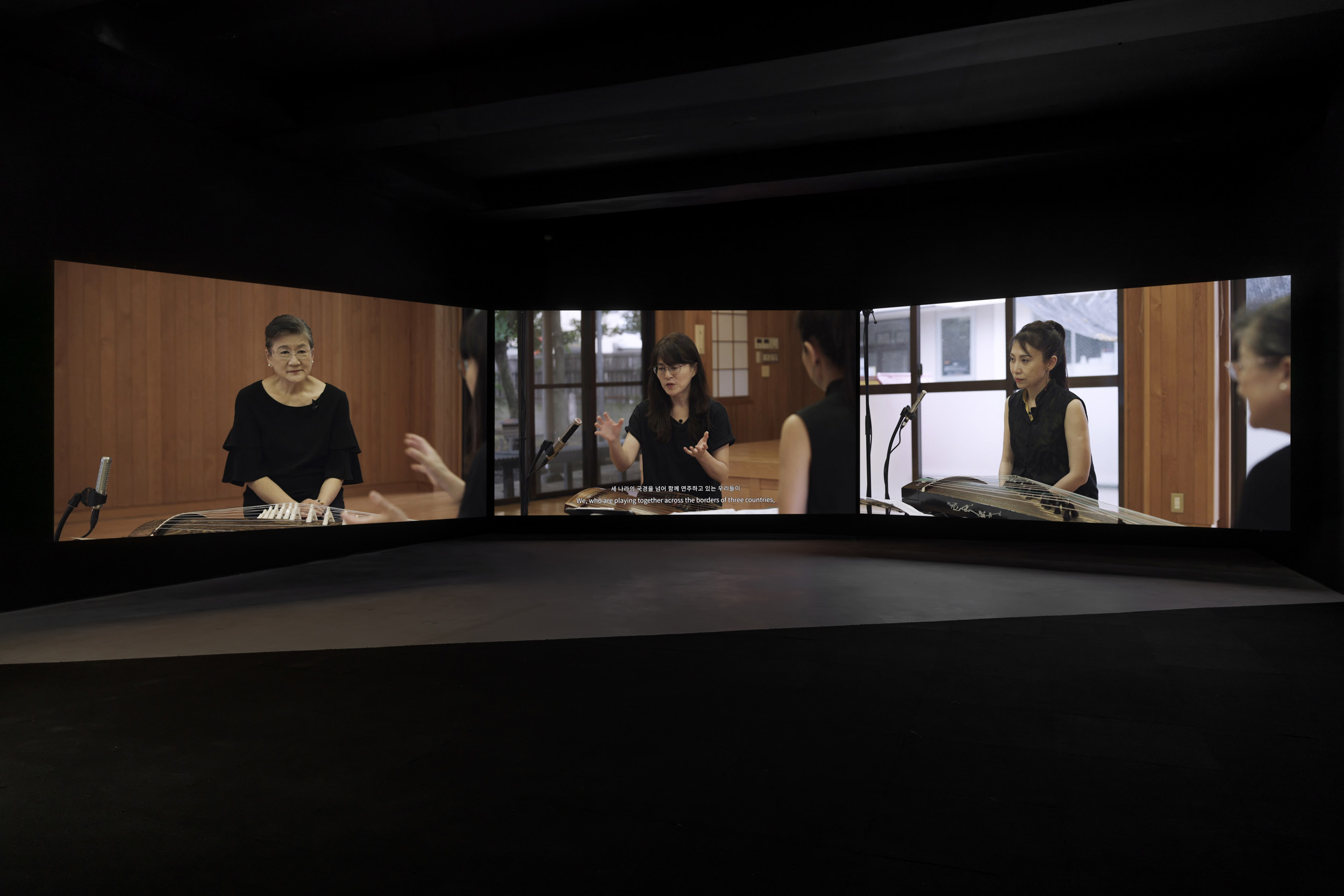
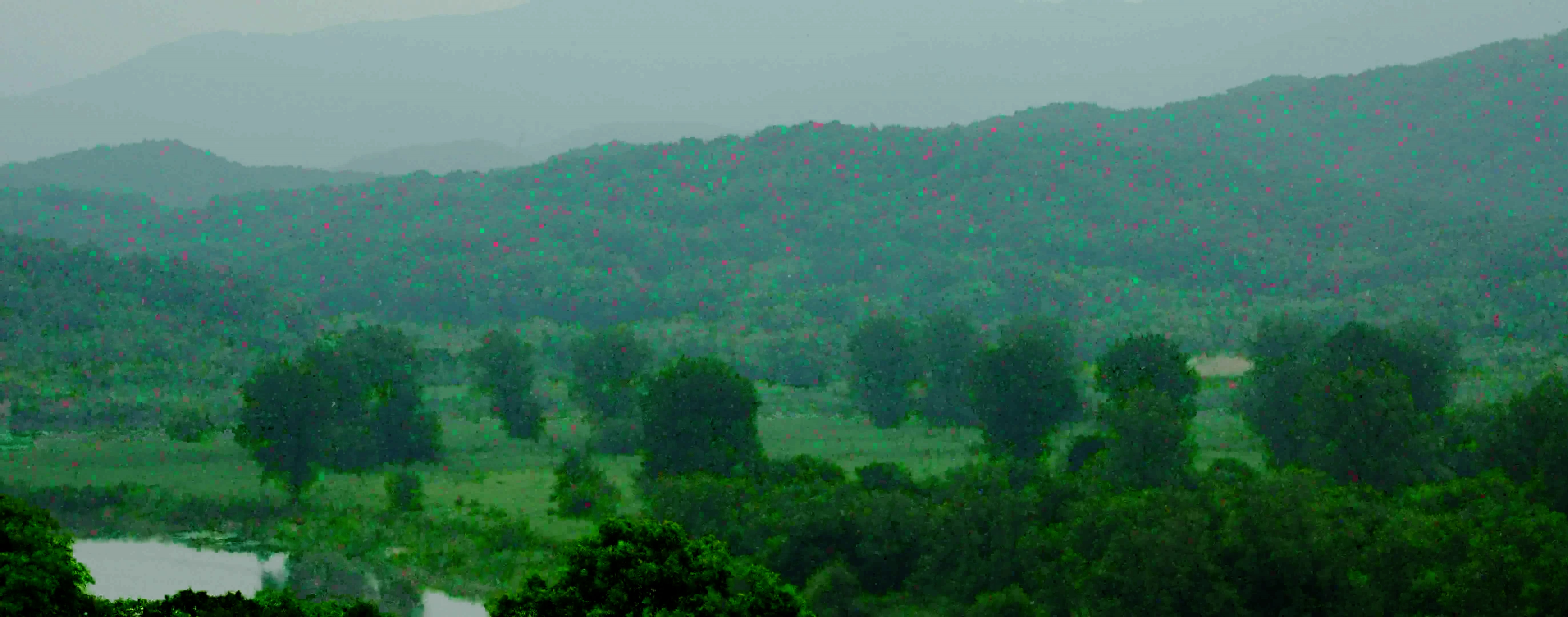
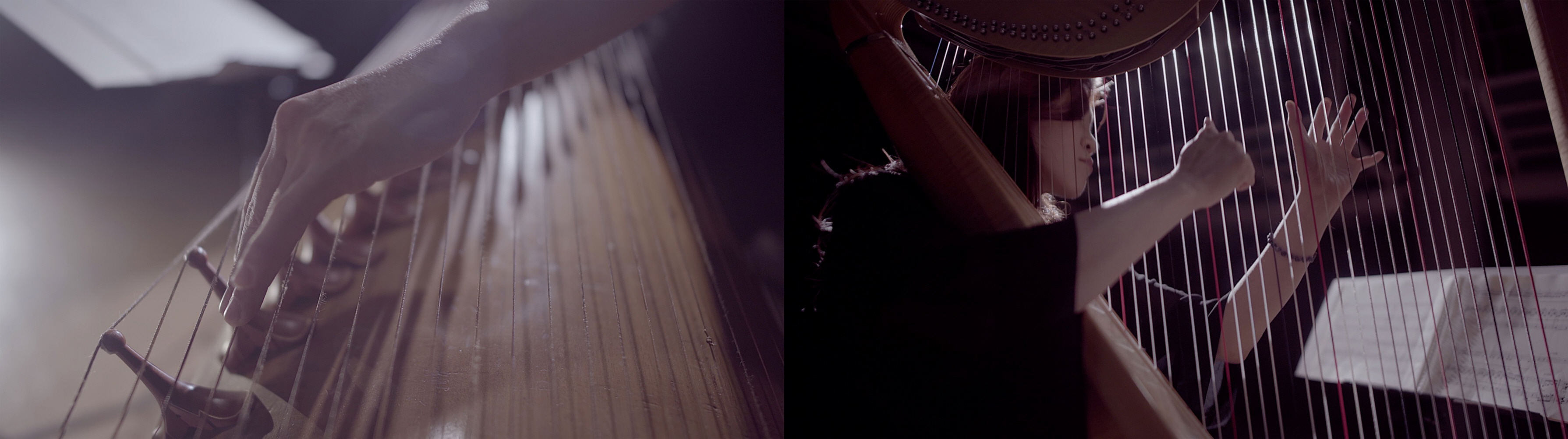
More recently, her work has expanded to encompass themes of "border-crossing movement" and "velocity," visually depicting the movement of bodies, sound, language, and data. In 《Green Screen》(2022, Leeum Museum of Art), she explored the DMZ as a liminal space where past and present coexist, experimenting with how nature, politics, physical locations, and virtual spaces interact. In the group exhibition 《Korea Artist Prize 2023》(MMCA, Seoul), she presented the new work Syncope (2023), which examines modern transportation systems, their speed, and how involuntary migration shapes the sensory experiences of moving subjects. In her solo exhibition 《Overtone》(2023, Barakat Contemporary, Seoul), she sought to explore transnational solidarity by documenting the process in which traditional musicians from Korea, China, and Japan find harmony amidst discord.

Style & Contents

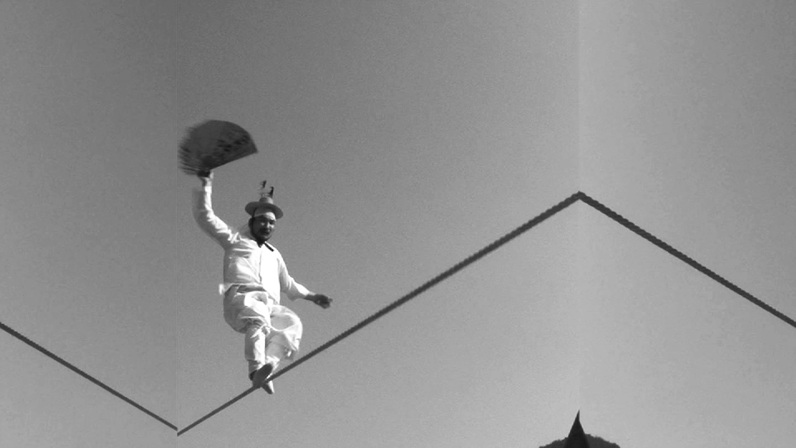
Sojung Jun employs a diverse range of media, including video, installation, sound, publication, and performance, to construct nonlinear time-spaces. Her work is primarily centered on video, often incorporating theatrical elements and experimental narratives. In solo exhibitions such as 《Ruins》 and 《Forget This Night When the Night is No More》(2015, Doosan Gallery, New York), she used interview-based narratives to present "daily experts"—figures such as piano tuners, divers, street performers, and embroiderers—who navigate the boundaries between art and labor.

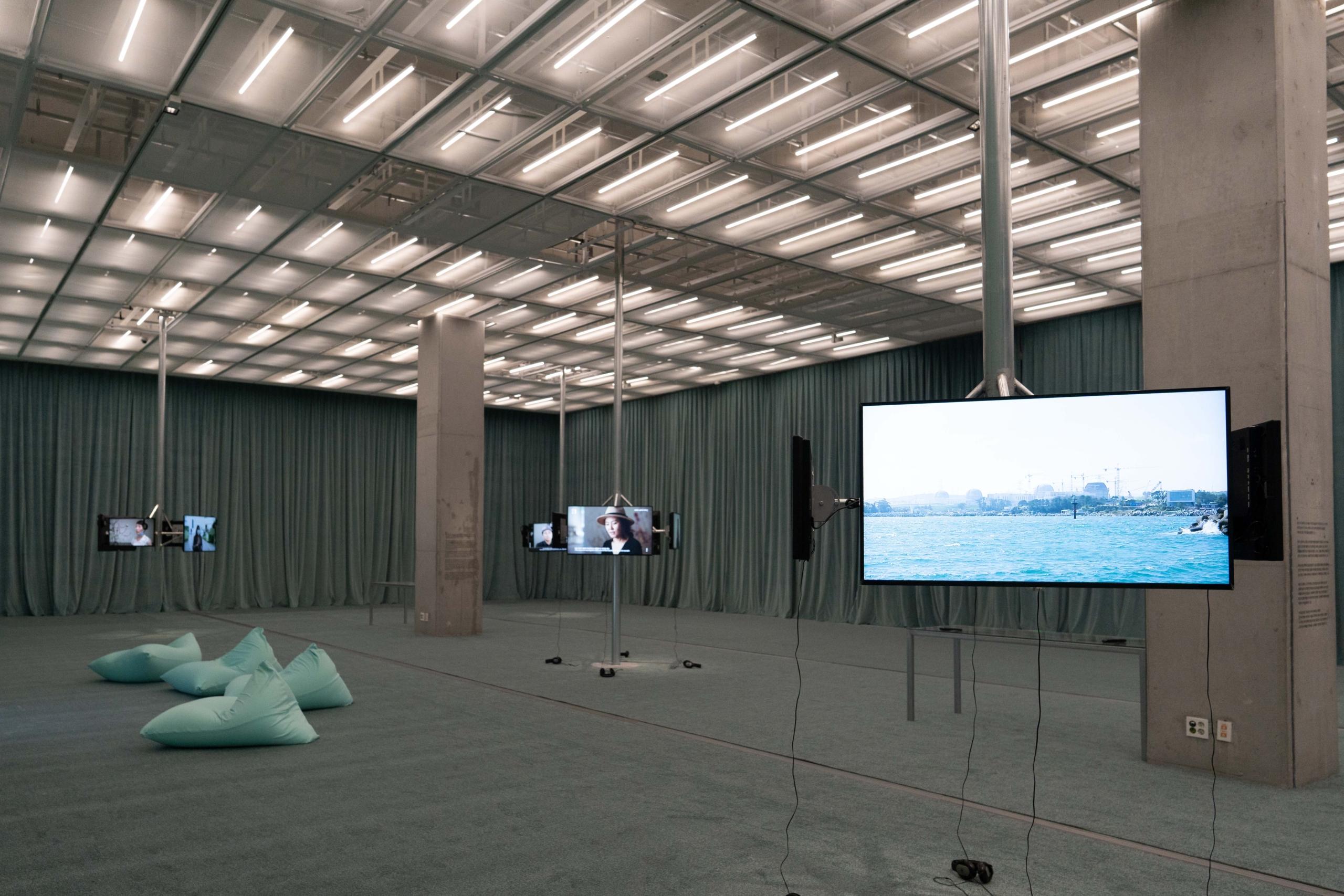
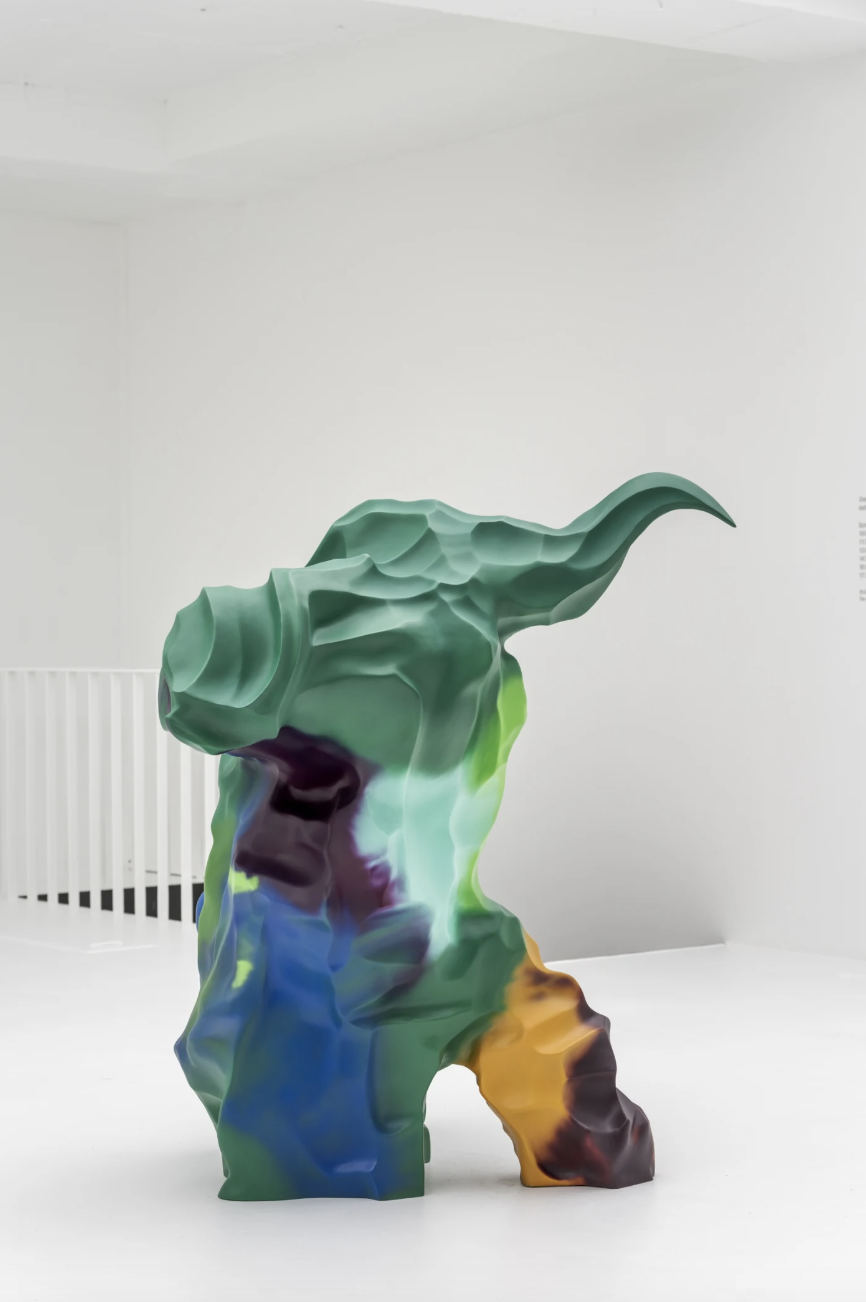
Recently, she has actively incorporated digital technology and emphasized the materiality of sound in her work. In 《Overtone》, she introduced augmented reality (AR) to create hybrid media sculptures that merge video, sculpture, and digital data, while also documenting the collaborative process of musicians across borders to explore the movement of sound, its discord, and eventual harmony.

In Green Screen (2021), she utilized compositing technology to transform the DMZ into a surreal landscape. In Syncope, she layered diverse auditory elements—including the clattering of trains, linguistic dissonance among migrants, and the traditional ‘nonghyeon’ technique of Korean string instruments—to immerse the audience in a sensory experience of acceleration that transcends the present and future.

Through her practice, Jun consistently expands the possibilities of contemporary media art by integrating video with performance, sound, and interactive digital technologies.

Topography & Continuity

Sojung Jun's work has evolved continuously since the late 2000s. In her early ‘Daily Experts’ (2009–2014) series, she highlighted the overlooked narratives of individuals encountered in daily life, using them to metaphorically address societal violence while uncovering the aesthetic dimensions of their labor.

Since 2017, her practice has shifted toward emphasizing not only visual aspects but also auditory and tactile experiences. The focus on sound became more pronounced in 《Overtone》, while 《Green Screen》 and 《Korea Artist Prize 2023》 saw the increasing use of AR and digital interface technologies. Through her ongoing attempts to dissolve both physical and conceptual boundaries in media art, Jun's work continues to expand postmodern spatial-temporal concepts and is expected to have a significant impact on the contemporary art scene in the years to come.

Works of Art

On the Lives of Various Individuals at the Boundary

Articles

Exhibitions

Activities