Resting (休) - K-ARTIST

Resting (休)

2004
Etching and aquatint
68 x 42.5 cm x (3)
About The Work

Boo Jihyun expands and amplifies autobiographical memories and experiences rooted in the sea, visually reconstructing them within exhibition spaces to evoke the sensations and emotions embedded in personal memory. The sea is both an everyday environment closely intertwined with her life and a site where experiences and memories accumulated over time overlap, continuing to serve as an important source that drives her artistic practice.

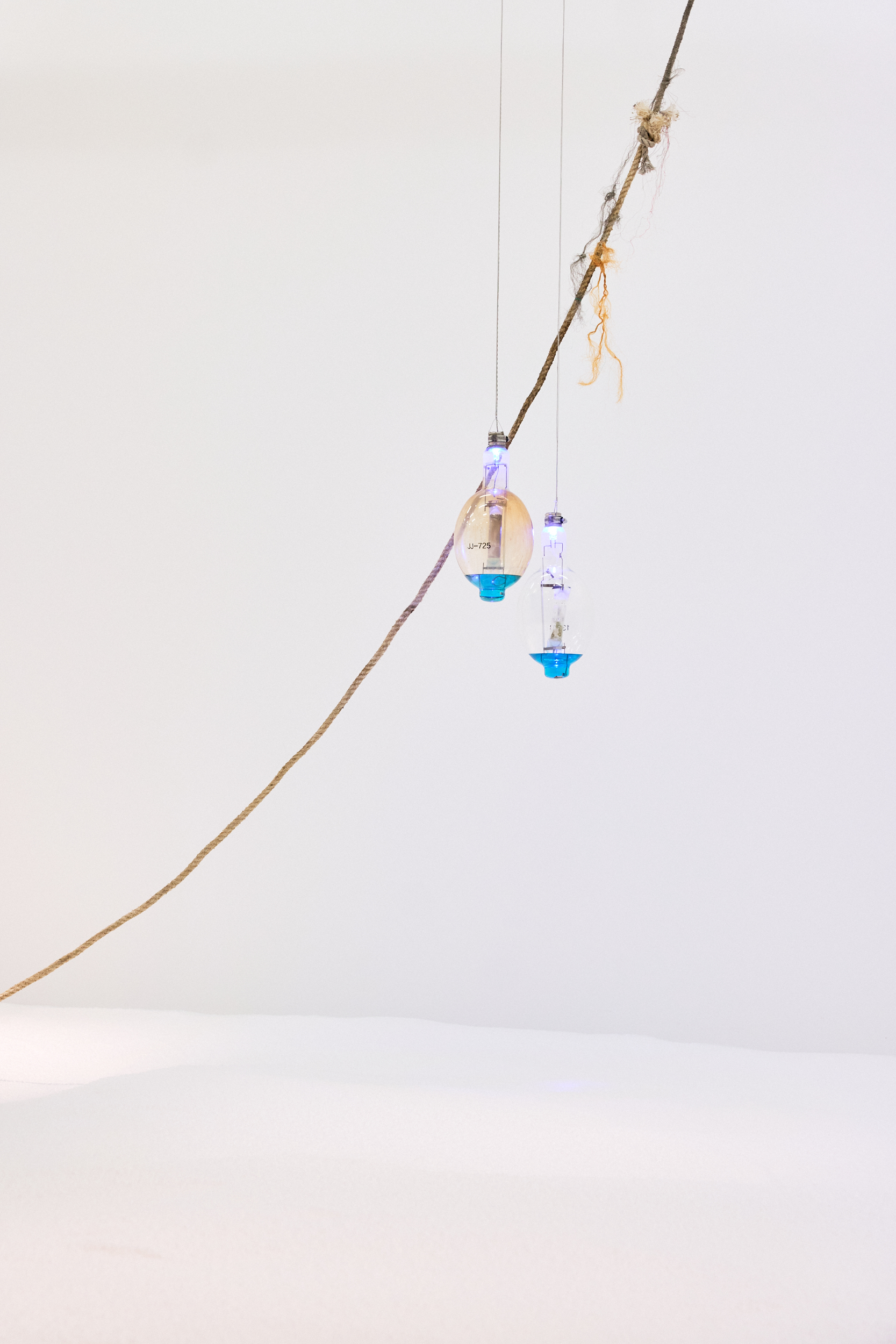
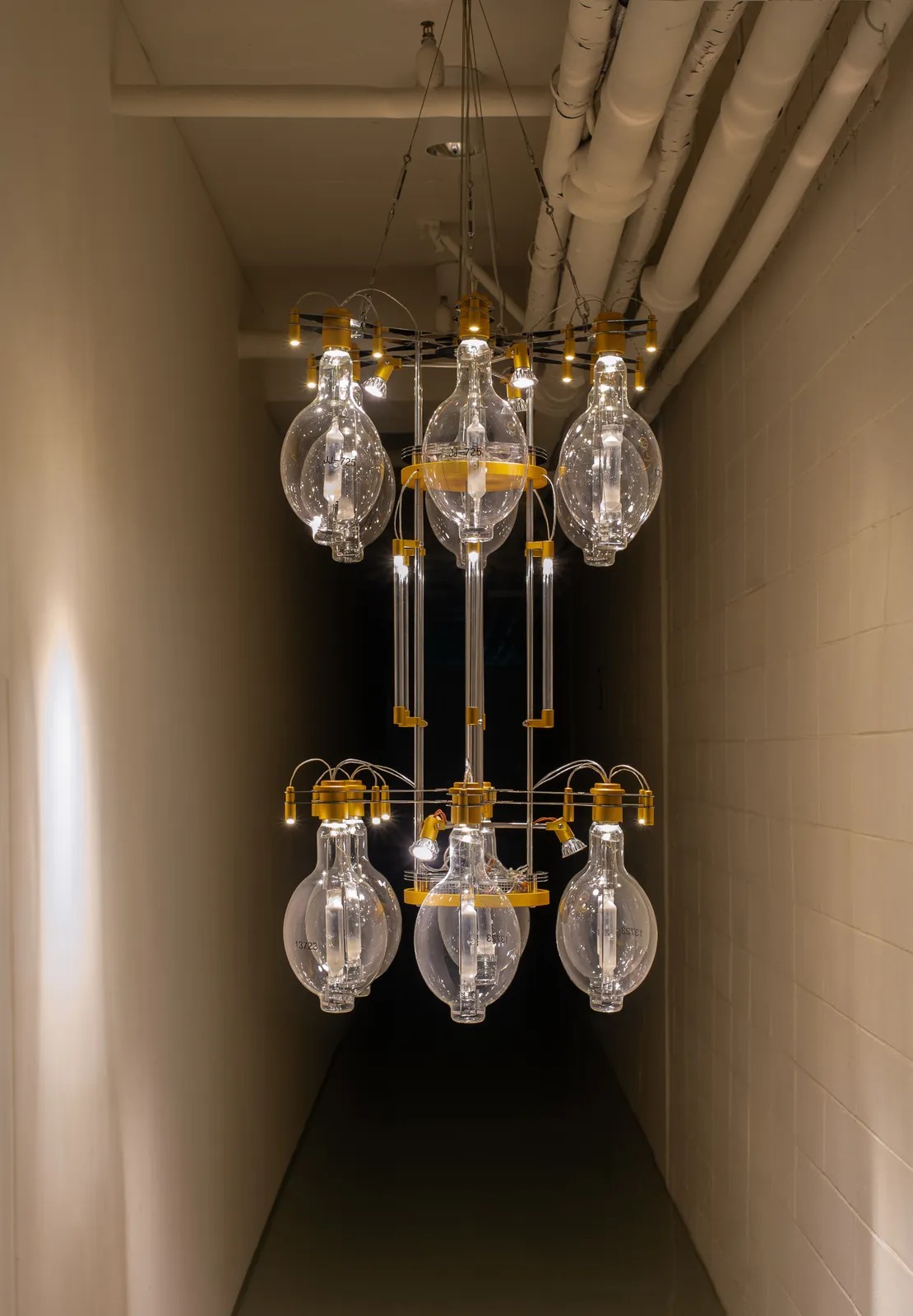
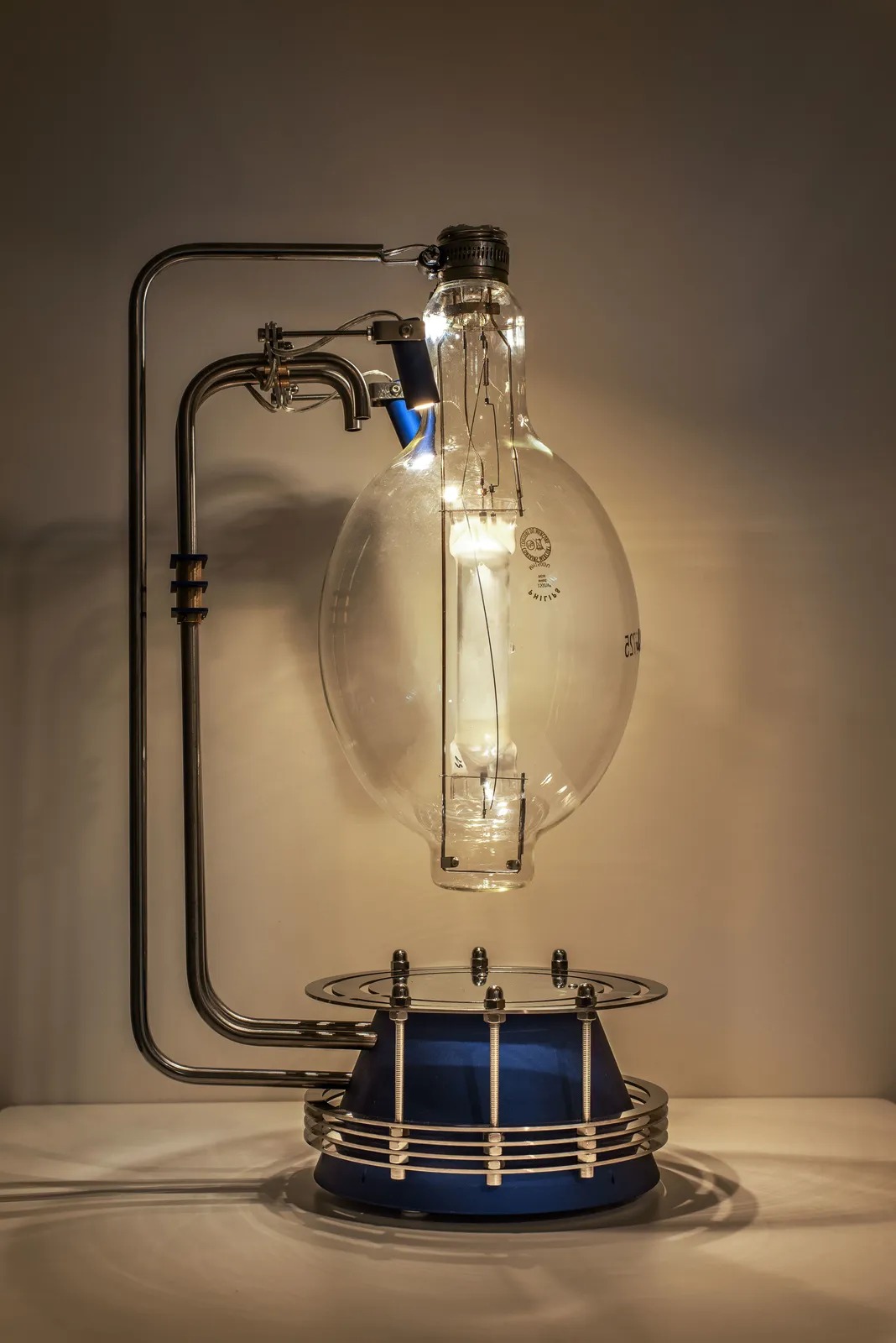
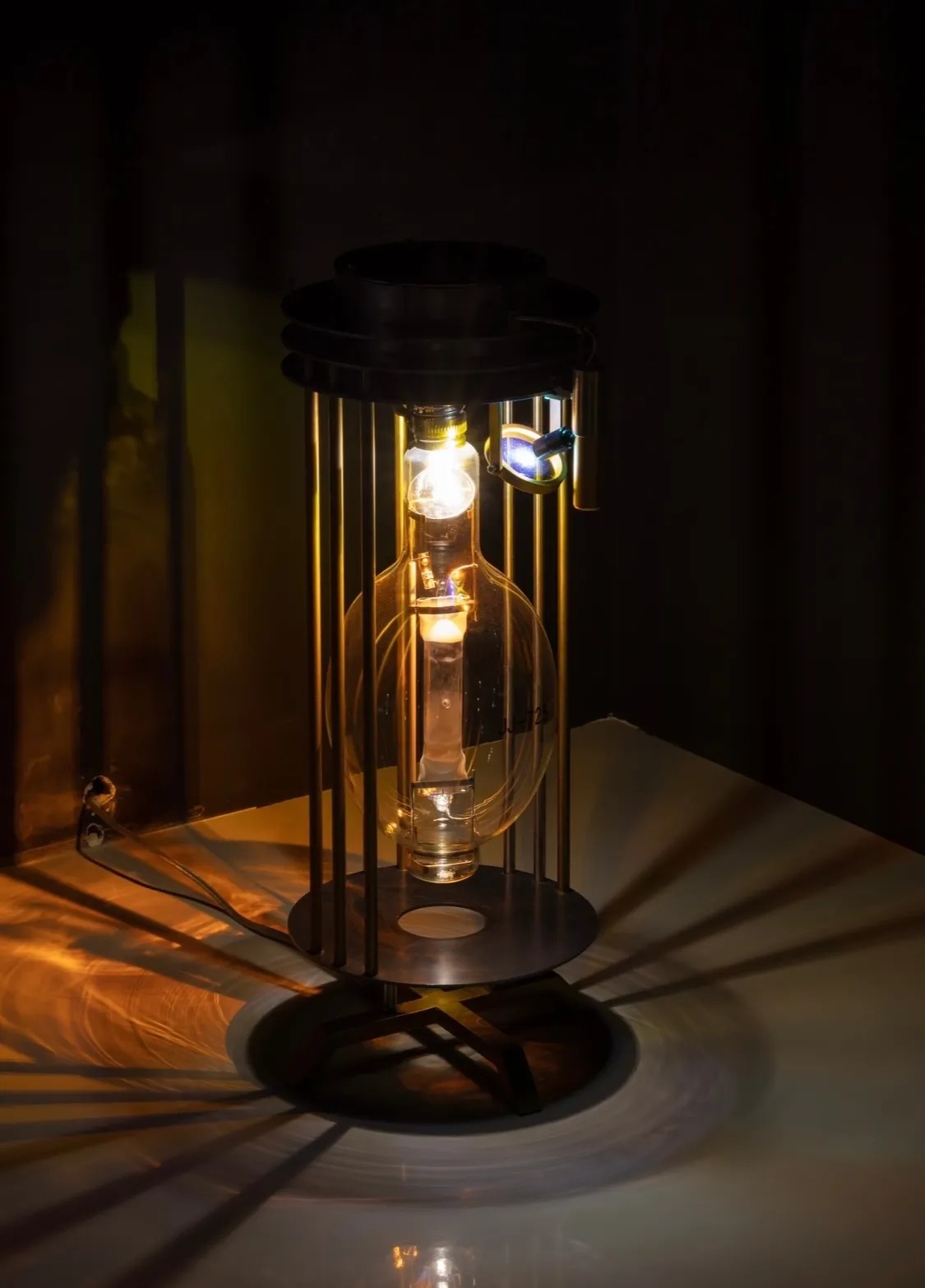
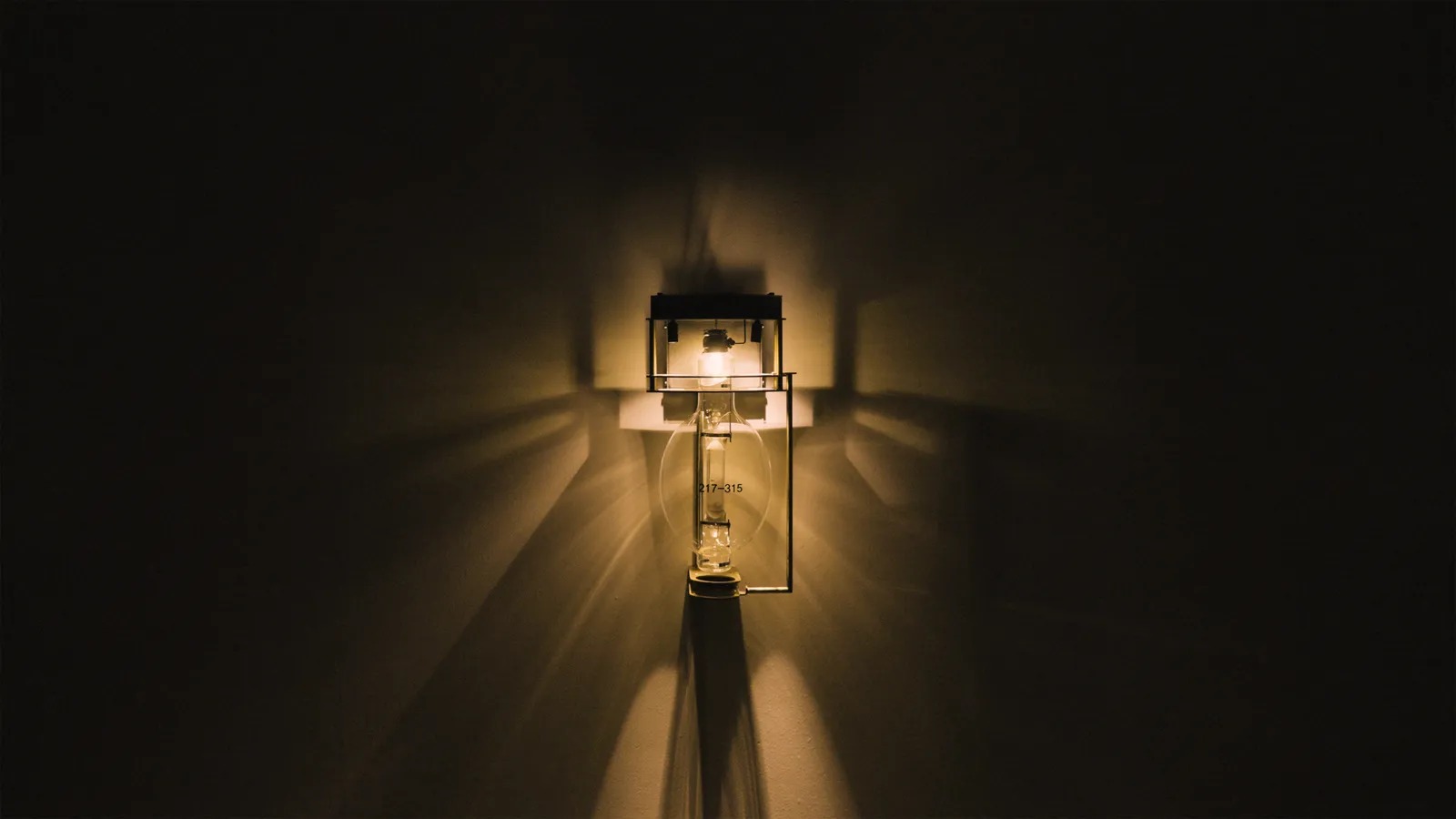
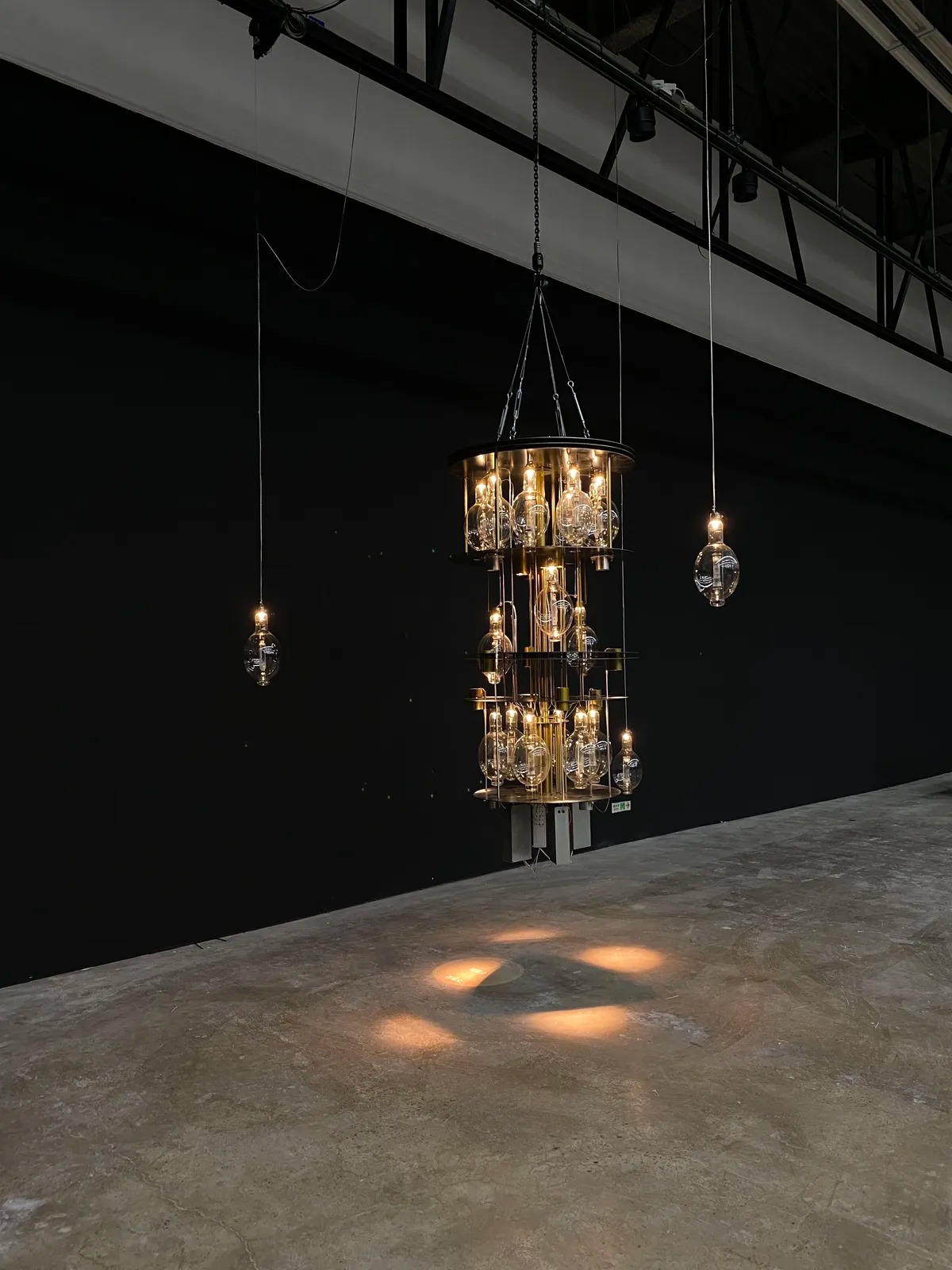
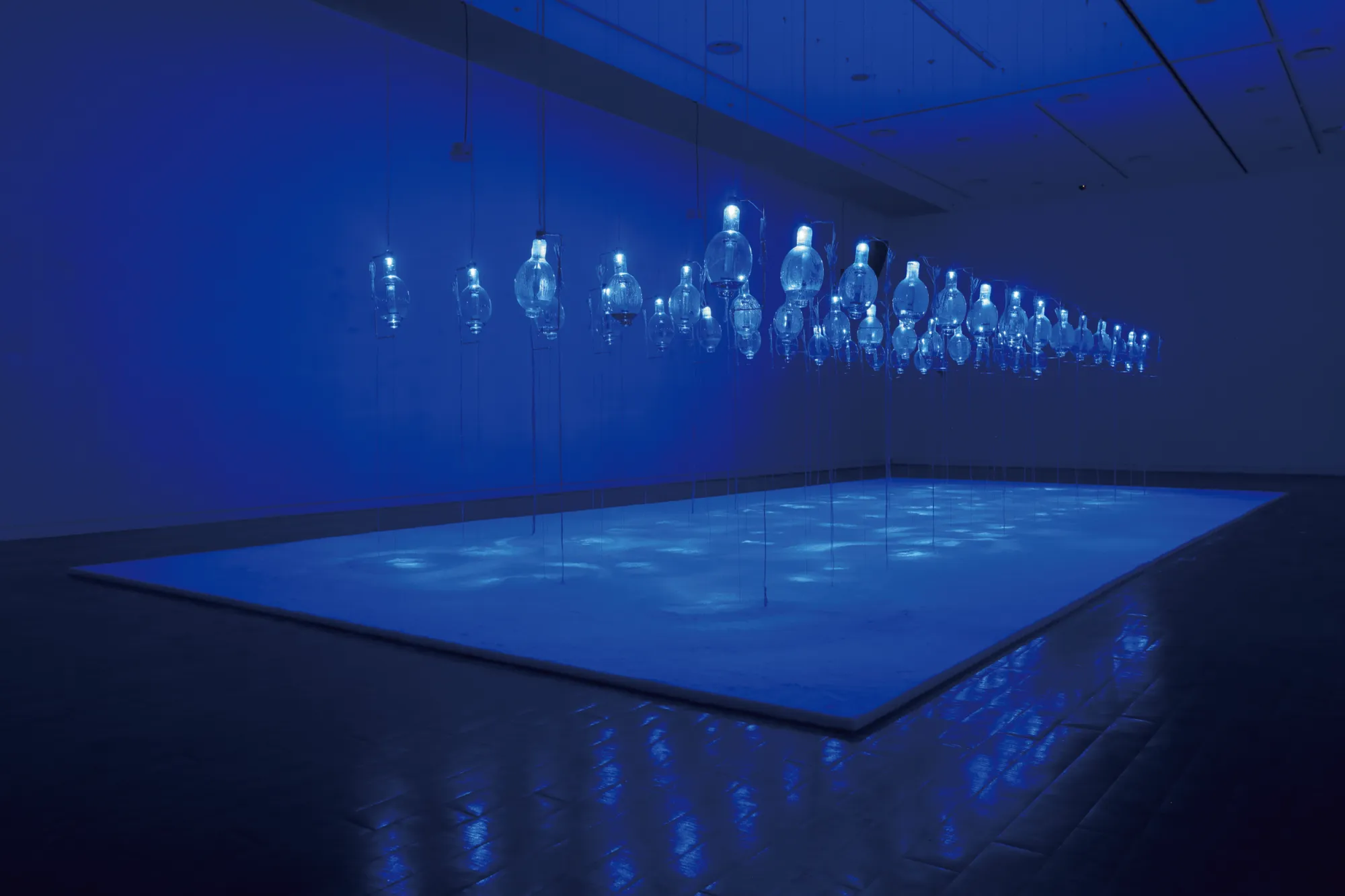
She reinterprets immaterial sensations associated with the sea, such as darkness, sound, and the horizon, through the lens of memory, translating them into light, material, and space. In particular, by collecting discarded fishing lamps that have reached the end of their useful lives and transforming them into installations, she brings vanished times and places into the present exhibition space, creating an enigmatic and dreamlike atmosphere.

In this way, the material elements and imagery of the sea, including fishing lamps, function not merely to represent a particular place but as conduits for evoking a remembered homeland and primordial sensations. For Boo Jihyun, the sea is both a physical place and a site where personal memory intersects with universal nostalgia, and she translates these sensations into relationships between light and darkness, sound and space.

Boo Jihyun’s practice expands personal memories rooted in the seas of Jeju into broader questions concerning loss and recovery, life and extinction, and reality and illusion. Her process of illuminating discarded objects once again and transforming familiar spaces through unfamiliar sensory experiences invites us to reconsider the relationship between what has disappeared and what remains.

Solo Exhibitions (Brief)

Boo Jihyun has held solo exhibitions at SongEun ArtCube (2012), UNESCO Headquarters, Oil Tank Culture Park, and ARARIO MUSEUM in SPACE (2018), Whanki Museum (2021), and Lighting Museum (2022), among other venues.

Group Exhibitions (Brief)

Boo Jihyun has participated in group exhibitions and international art events including the 4th Jeju Biennale (2024), Asia Culture Center (2022), Gwangju Design Biennale (2021), the 9th Vladivostok International Biennale of Visual Arts and the 1st Jeju Biennale (2017), UN Headquarters (2016), the 3rd Kuandu Biennale (2012), and Seoul Museum of Art (2005).

Awards (Selected)

Boo Jihyun has received awards including the 'uJung Art Prize (2020), the 6th Jeju Chogye Young Artists Award (2016), and the Excellence Award at the National Annual Contemporary Competition of Prints (2002), and was selected for distinction at the International Print Triennial Krakow (2006) and the International Biennial Print and Drawing Exhibition (2003).

Residencies (Selected)

Boo Jihyun participated in the Jeju Museum of Contemporary Art Studio residency in 2010.

Collections (Selected)

Boo Jihyun’s works are held in the collections of the Art Bank, National Museum of Modern and Contemporary Art, Jeju Museum of Art, Jeju Museum of Contemporary Art, ARARIO MUSEUM, and Jeju Gidang Art Museum, among others.

Works of Art

Art as a Site of Encounter Between Personal Memory and Universal Nostalgia

Originality & Identity

Boo Jihyun’s practice begins with memories of Jeju and the sea. For the artist, the sea is not simply an object of landscape, but a place where personal experience and emotion accumulate, as well as a space that evokes a lost home and the origins of existence.

Although she did not spend her entire childhood by the sea, the night sea, fishing boats, and fishing lamps she encountered while traveling back and forth to Jeju have long formed the emotional foundation of her work.

In particular, fishing lamps flickering through the darkness from afar appeared to her like “stars of the sea,” becoming a medium through which memories of home and archetypal sensations could be summoned beyond any specific geographical location. The sea thus becomes a place where personal memory and universal nostalgia meet, and Boo has translated these sensations into light and darkness, sound and space.

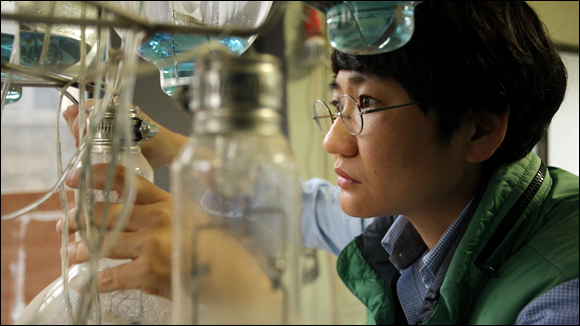
Her work with discarded fishing lamps, which she has pursued since 2007, brings together the beautiful image of the night sea and the realities of life that lie behind it. Seen from a distance, fishing lamps create a romantic landscape, yet in reality they are industrial tools used amid arduous labor and danger until they reach the end of their functional lives.

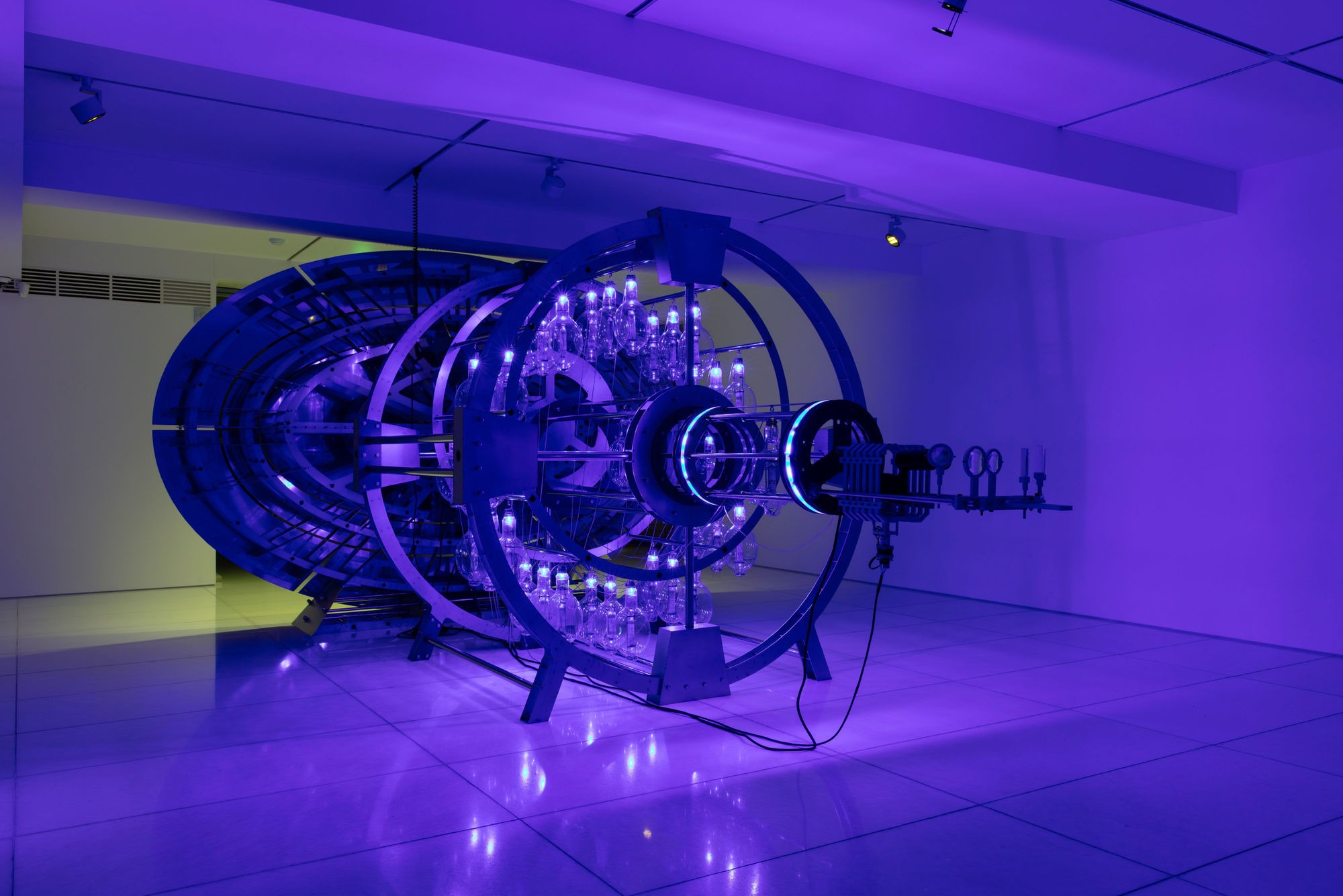
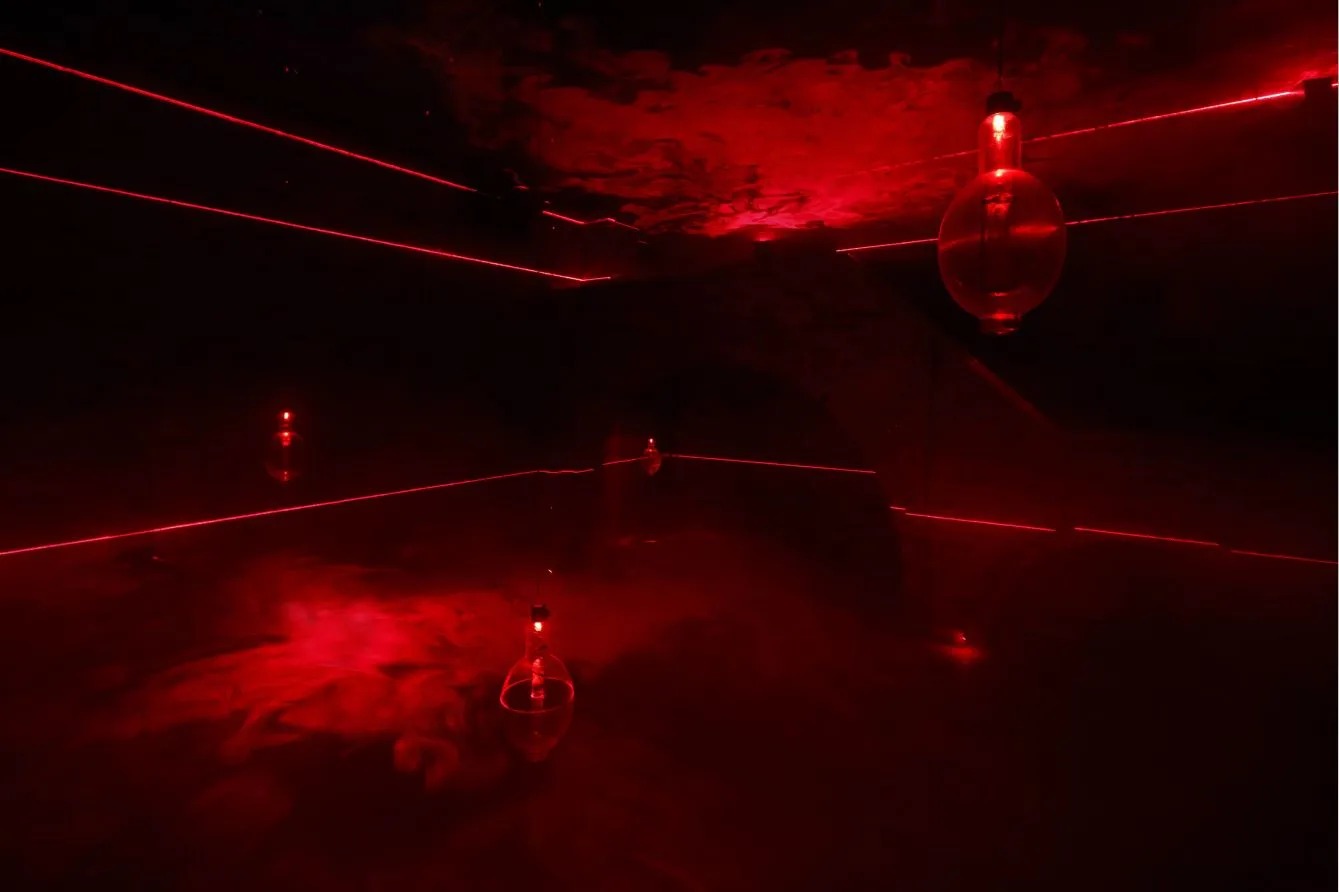
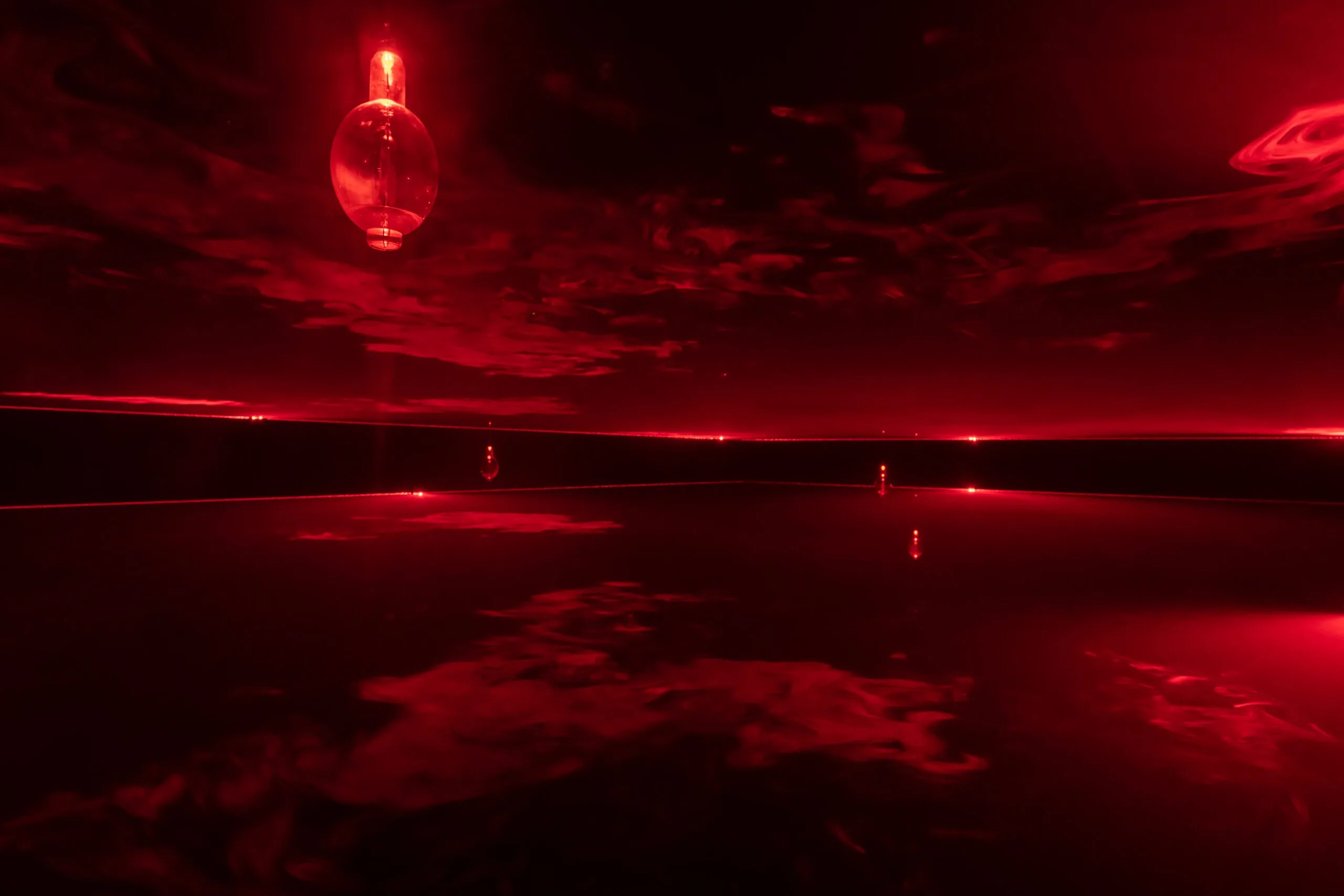
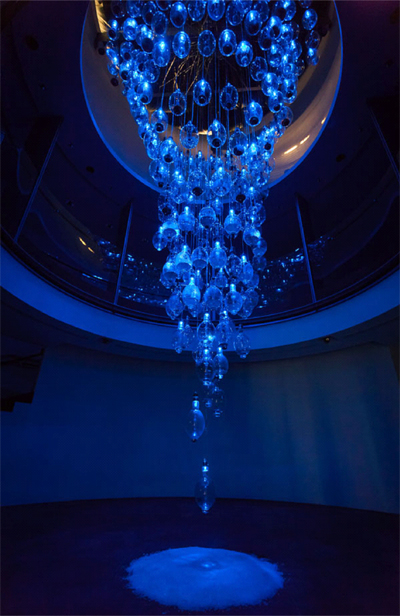
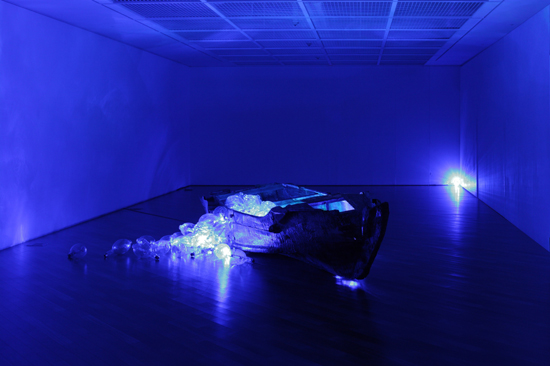
Boo collects broken, rusted, and scorched lamps, reintroduces light into them, and combines them with mirrors, LEDs, and fog to transform them into dreamlike environments. In this process, discarded objects acquire a renewed sense of life while retaining traces of their past. Through the coexistence of beauty and hardship, illusion and reality, the artist questions how we perceive the landscapes before us.

The closer the viewer approaches the seductive surface, the more clearly the worn and damaged material reality of the objects emerges, making perceptible the distance between visible reality and the lives concealed behind it.

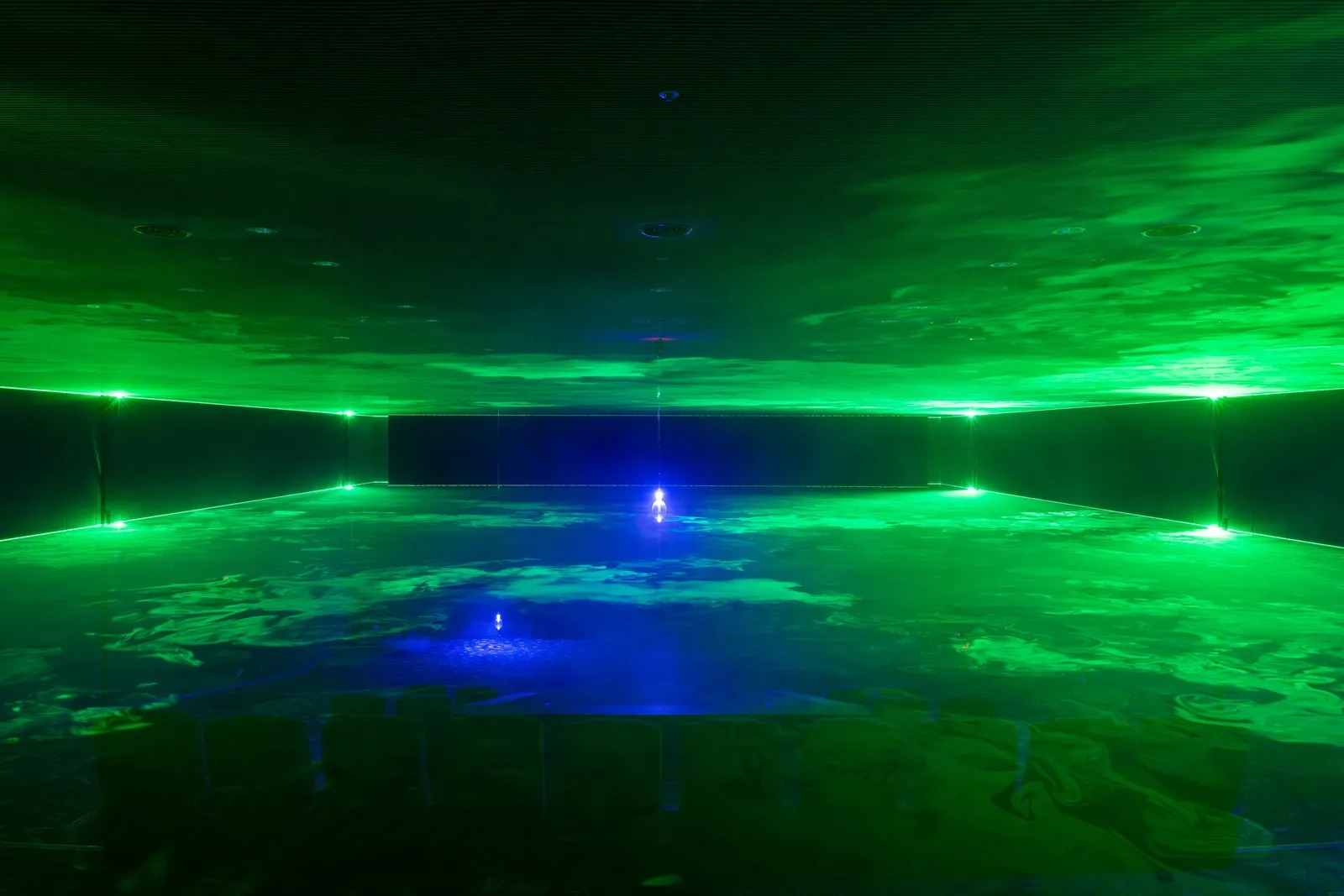
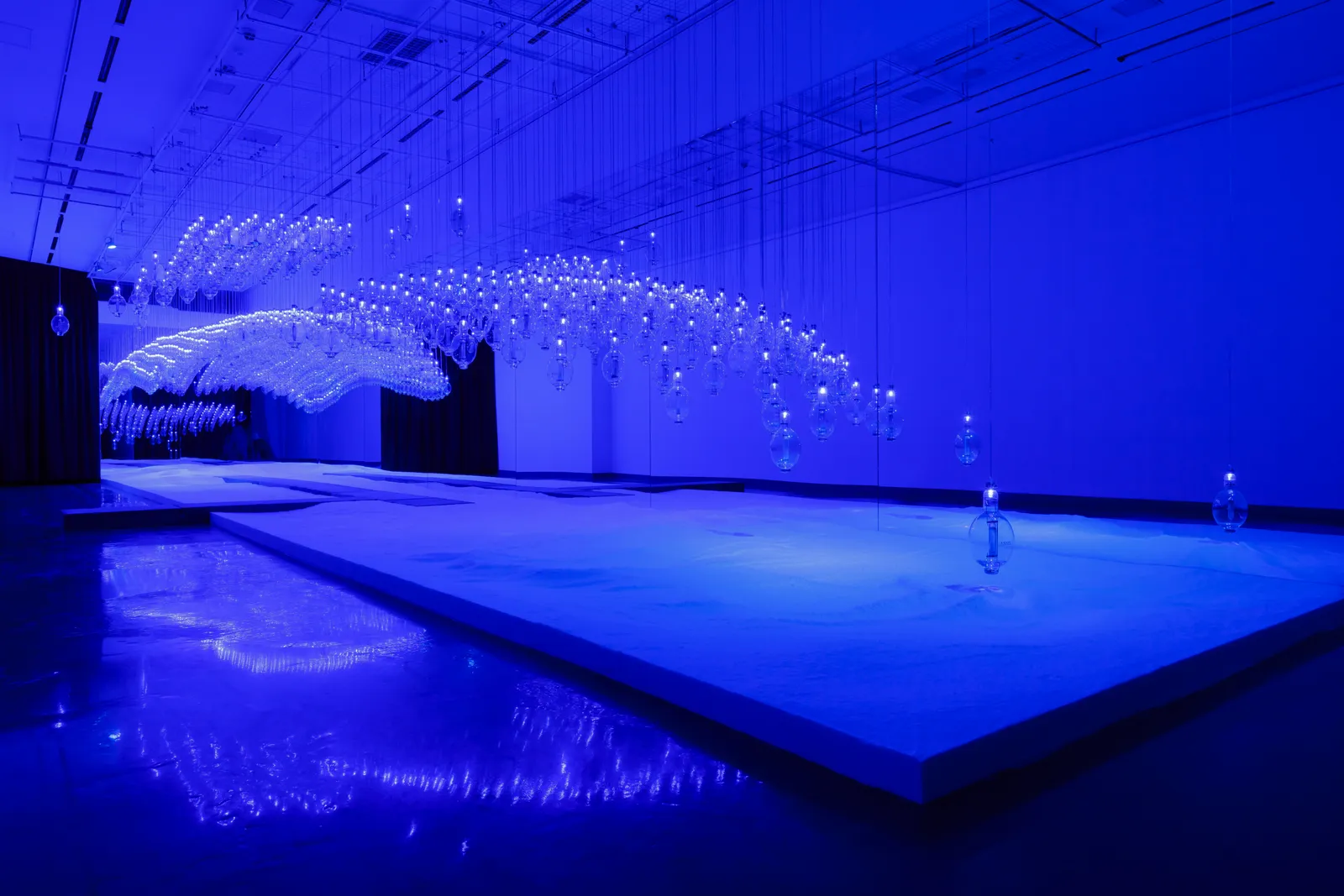
As this line of inquiry has expanded from fishing lamps to lasers, fog, mirrors, sound, and salt, it has developed into an exploration of space itself. What the artist calls “Ultimate Space” has evolved into a concept through which light renders actual space unfamiliar and places the viewer in an altered sensory state.

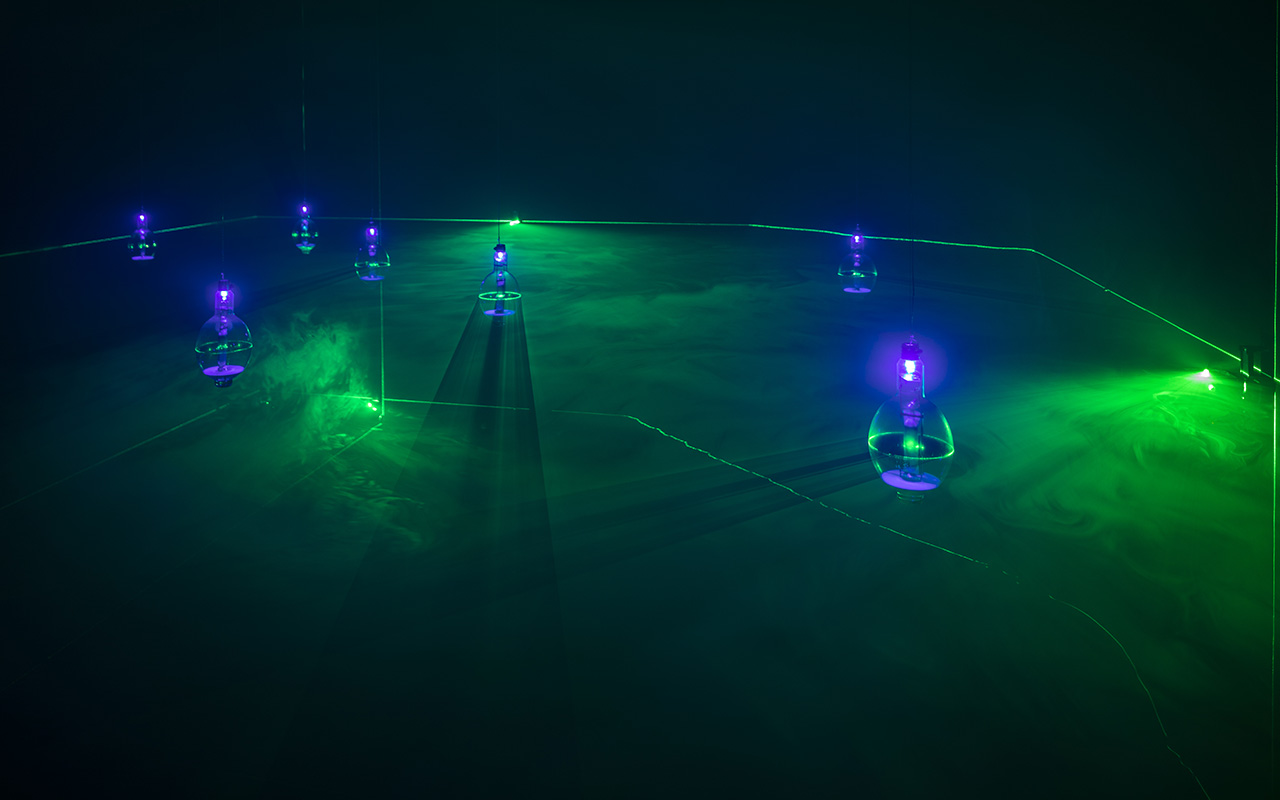
When lasers cut through darkness to reveal spatial structures and fog produces momentary planes and images, physical and virtual spaces overlap. Viewers experience familiar places anew within environments reminiscent of underwater space, mist, or outer space.

For Boo, space therefore functions not merely as a backdrop for the work, but as a crucial condition through which memory, emotion, and bodily sensation emerge and transform.

Her interest in place becomes more specific in sites with strong historical and environmental contexts, such as an abandoned brick factory or a harbor. At the abandoned brick factory in Yeoncheon, Boo incorporated the ruined architecture, plants growing through its cracks, and shifting natural light into the work, drawing attention to the passage of time and the regenerative force of nature.

In works situated around the sea and harbor, she has continued to explore ideas of movement and the search for new forms of dwelling. In this way, Boo’s practice has expanded autobiographical memories originating from the Jeju sea into broader questions concerning loss and recovery, life and extinction, reality and illusion.

By illuminating discarded objects once again, revealing invisible spaces through light, and allowing familiar places to be experienced through altered senses, her work invites us to reconsider the relationship between what has disappeared and what remains.

Style & Contents

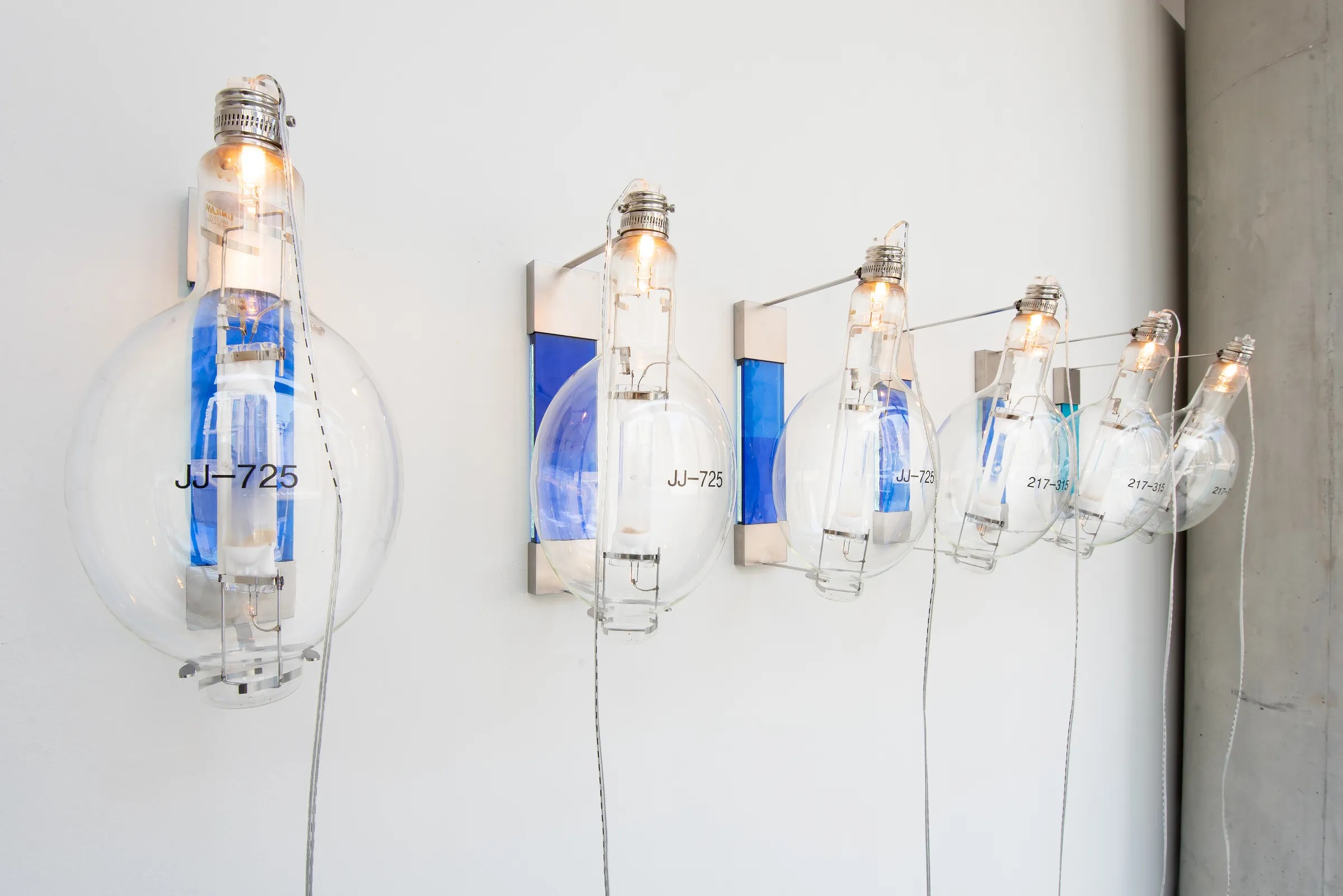
Boo Jihyun’s practice began with printmaking and has gradually expanded into installation and spatial staging. In her early work, she depicted fishing boats and seascapes through etching, later transferring images of boats directly onto the surfaces of fishing lamps and thereby moving two-dimensional imagery onto three-dimensional objects.

The fishing lamps she used around 2007 still bore individually editioned images of fishing boats, clearly revealing the connection between printmaking-based thinking and installation.

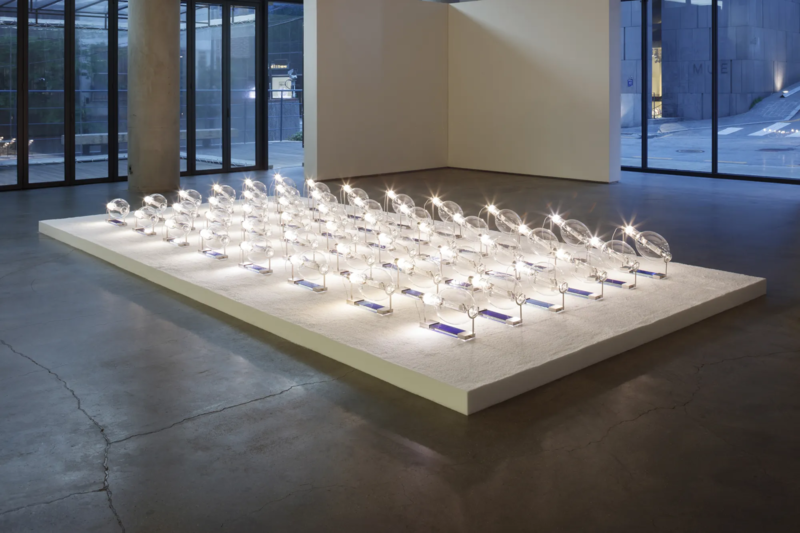
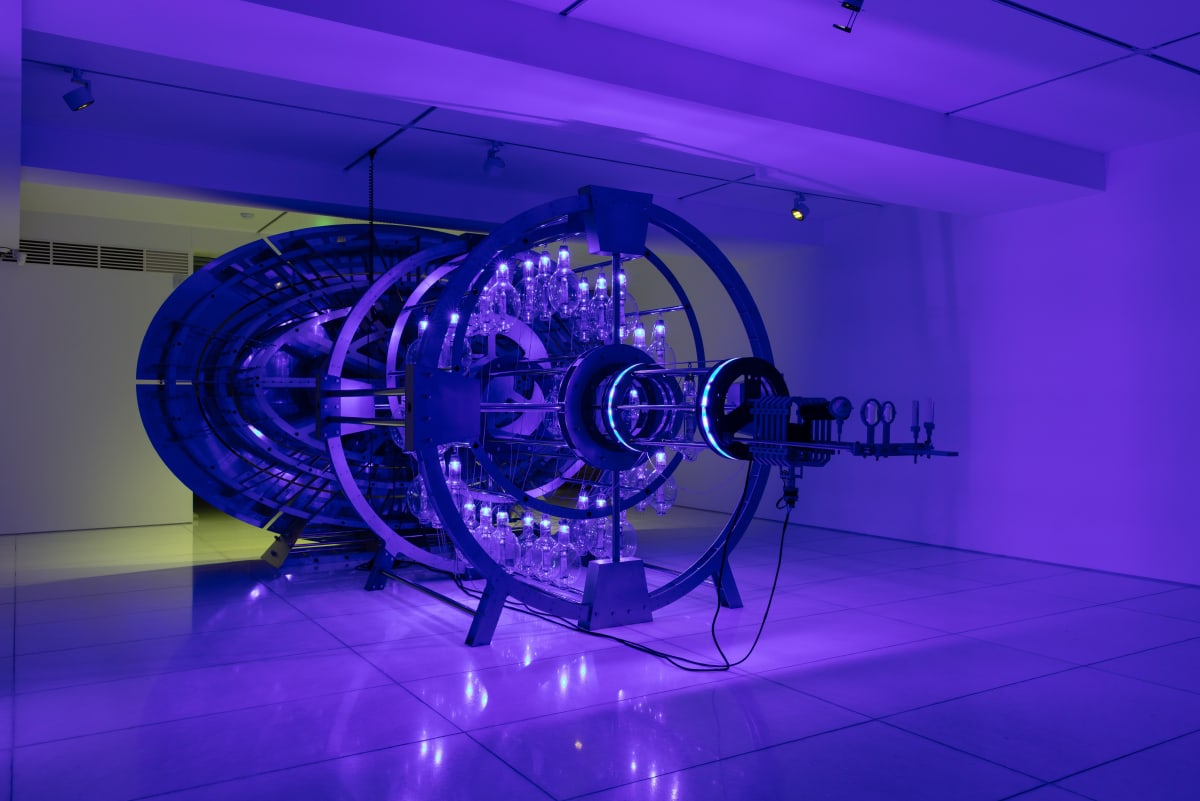
She subsequently shifted her focus toward the materiality and form of discarded fishing lamps themselves, developing installations that encompass entire exhibition spaces through combinations of light, mirrors, wire, abandoned boats, salt, water, and sound.

Her description of the fishing lamp as a “three-dimensional print in an expanded sense” likewise reflects the relationship she perceived between the reproducibility of printmaking and the serial production of industrial objects.

Discarded fishing lamps have remained the most persistent and central medium in Boo’s practice. By inserting LEDs into lamps that have reached the end of their functional life, illuminating them externally, or arranging mirrors to generate effects of reflection and multiplication, she gives renewed visual vitality to objects that have lost their original function.

What matters here is not only the individual illuminated object, but also the surrounding environment it creates. Light passing through or reflecting off transparent glass surfaces, shadows cast onto walls, repeated images in mirrors, and color diffused through fog interact to form a sensory space distinct from the actual exhibition venue.

From a distance, the installation appears as a refined and dreamlike landscape, while closer inspection reveals the cracks, rust, and scorch marks of discarded objects, allowing the viewer to perceive both the beauty of the work and the time accumulated within its materials.

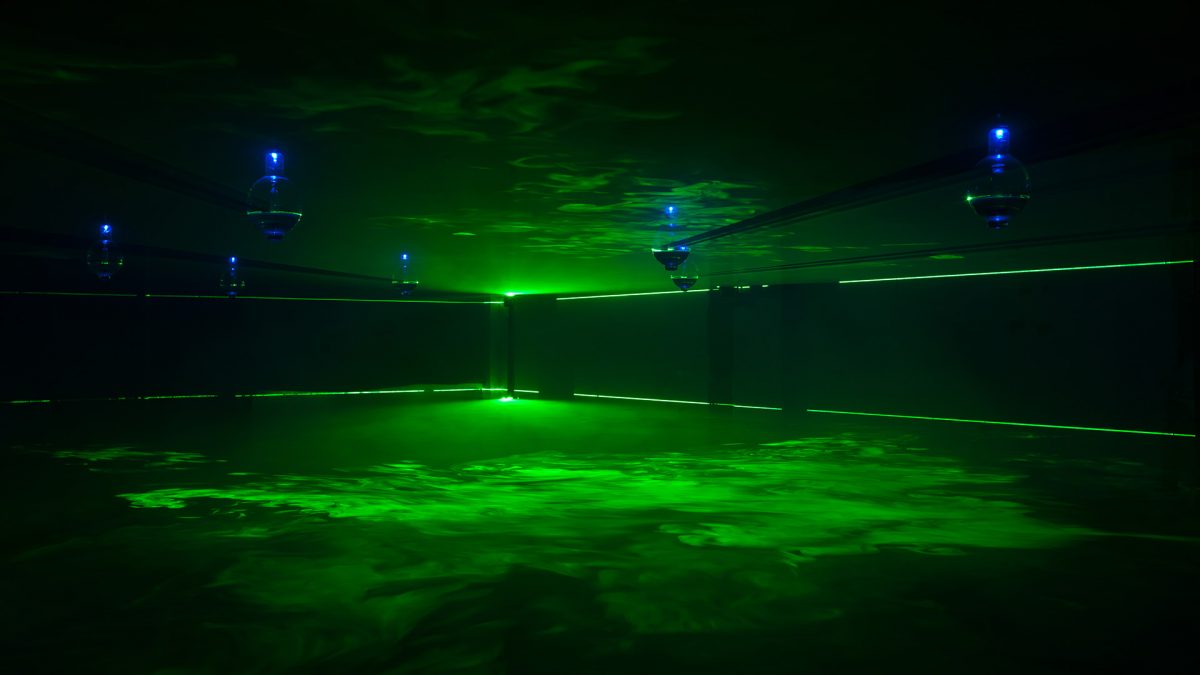
In works using lasers and fog, light itself becomes an even more direct sculptural material. The rectilinear laser produces lines in darkness, and multiple beams intersect to form planes and geometric structures that divide the space. When fog is introduced, the normally invisible paths of light become perceptible like material membranes, while their forms continuously shift with the movement of suspended particles.

Through this method, the artist superimposes virtual structures onto actual architectural space, readjusting the viewer’s field of vision and bodily perception.

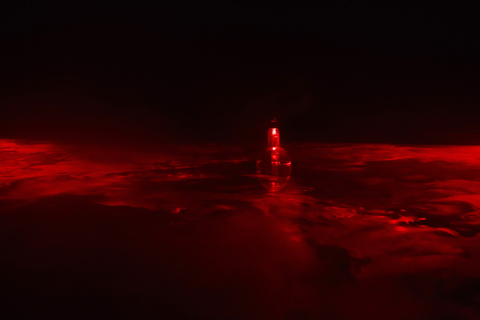
In environments where fog spreads like sea mist and blue light, green or red lasers, and sounds of waves and wind come together, viewers may feel as though they have entered an underwater space, outer space, or an unfamiliar landscape. The act of looking at the work thus becomes a process of physically passing through and experiencing space.

This mode of installation changes fluidly according to the conditions of each site. In a white cube, Boo can precisely control light and darkness to construct a self-contained environment, while in sites such as the abandoned brick factory in Yeoncheon, she incorporates collapsed walls and roofs, natural light, and even trees and plants growing inside the building as elements of the work.

Changes in light intensity and surrounding conditions over the course of the day also alter the appearance of the installation, making the work closer to an ongoing process of adjustment on site than to a fixed result.

In this way, Boo has treated the entire spatial environment as the form of the work, extending beyond the arrangement of objects and lighting to include architecture, light, sound, the natural environment, and the movement of viewers.

Her formal interest, which began with the multiplicity and repetition of printmaking, has developed through the arrangement and reflection of discarded fishing lamps, the proliferation of light, and installations where actual and virtual spaces intersect, forming a distinctive visual language.


Topography & Continuity

Boo Jihyun’s practice began with printmaking in the early 2000s and has since developed through installations centered on discarded fishing lamps, spatial works using light and lasers, and site-specific projects. Although her media and scale have steadily changed, sensations and memories drawn from Jeju and the sea, along with an approach to reconstructing space through light, have remained consistent throughout her work.

Discarded fishing lamps, which she has used continuously since 2007, have in particular become a defining element of her visual language. In her early works, she explored the expanded possibilities of printmaking by combining boat imagery with editioning, while later works increasingly emphasized the materiality of the lamps themselves, as well as light, reflection, and repetition, developing into installations that engage the entire exhibition space.

This progression can be understood not simply as the repetition of a particular material, but as a sustained process of renewing its meaning and form from within.

The continuity of her practice is also evident in the point where the natural environment intersects with traces of industrial society. Fishing lamps are industrial tools once used in the labor and livelihood of the fishing industry, while for the artist they also function as emotional conduits that evoke memories of Jeju’s night sea.

By bringing objects that have exhausted their original function back into her work, Boo has consistently addressed states in which disposal and regeneration, function and memory, reality and illusion intersect.

Even after mirrors, salt, water, abandoned boats, and sound entered her installations, this concern remained intact, developing into an inquiry into how traces of time and place embedded in objects might be transformed into new sensory experiences.

In her more recent works, discarded fishing lamps no longer remain merely representative materials from an earlier phase, but continue to operate as flexible mediators whose meanings shift according to new spaces and contexts.

Her use of lasers and fog expanded these existing concerns in another direction. Whereas the fishing-lamp works construct space around memory, images of the sea, and the time accumulated within objects, the laser works reveal spatial structure more directly through lines, planes, and movements of light itself.

Yet here, too, the central concerns remain the relationship between light and darkness, perception shifting according to the viewer’s position, and the temporary emergence of alternative spatial experiences within actual space. The concept the artist calls “Ultimate Space” functions as an important axis connecting these developments.

Although her media have expanded from fishing lamps to lasers, her consistent approach remains one of rendering familiar spaces unfamiliar through light and awakening the viewer’s senses and memories.

Based in Jeju, Boo Jihyun has also connected her regional experience to other places through exhibitions and projects including the Jeju Biennale, Gwangju Design Biennale, Kuandu Biennale, and Vladivostok Biennale.

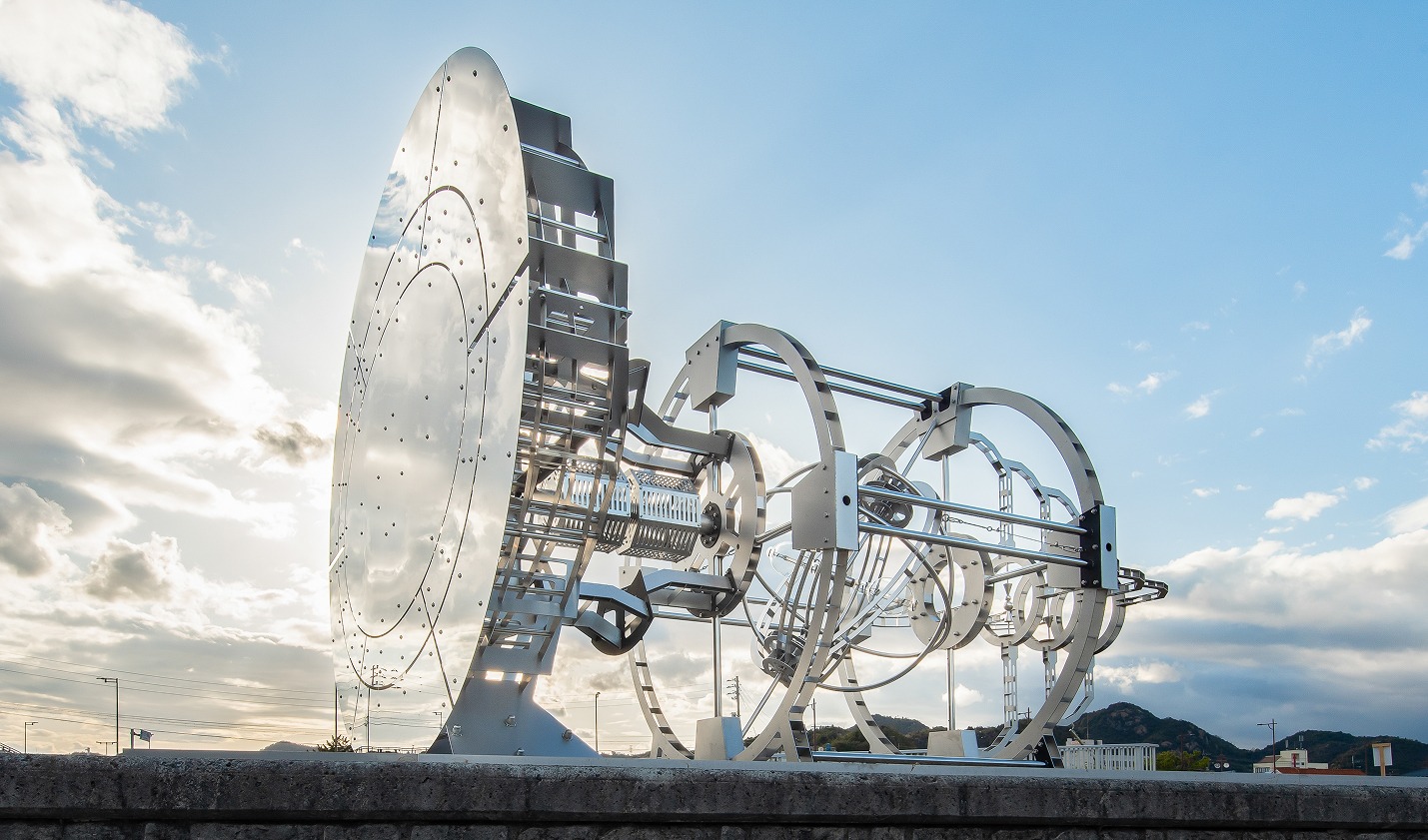
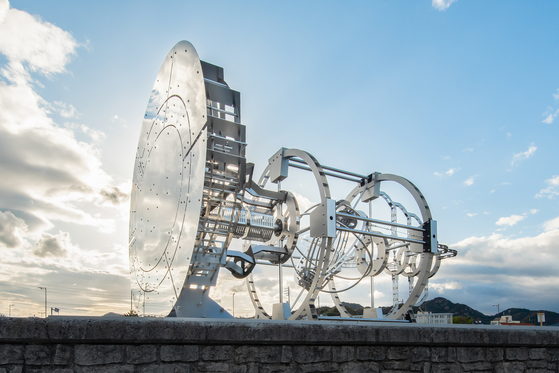
At sites with strong historical and environmental contexts, such as the abandoned brick factory in Yeoncheon, she adapted her existing installation language to the specific conditions of the site, while in The Home, permanently installed at Uno Port in Setouchi, she expanded the discarded fishing lamp into an exploration of movement and the imagination of new forms of dwelling.

In this way, while maintaining Jeju as a point of departure, her work has extended beyond the narrative of a single region toward broader questions surrounding memory and place, nature and the artificial, disappearance and regeneration. Her sustained practice is shaped by this ongoing attitude of reinterpreting long-standing materials and sensory concerns within new environments and forms.

Works of Art

Art as a Site of Encounter Between Personal Memory and Universal Nostalgia

Articles

Exhibitions

Activities