Requiem of May 29 - K-ARTIST

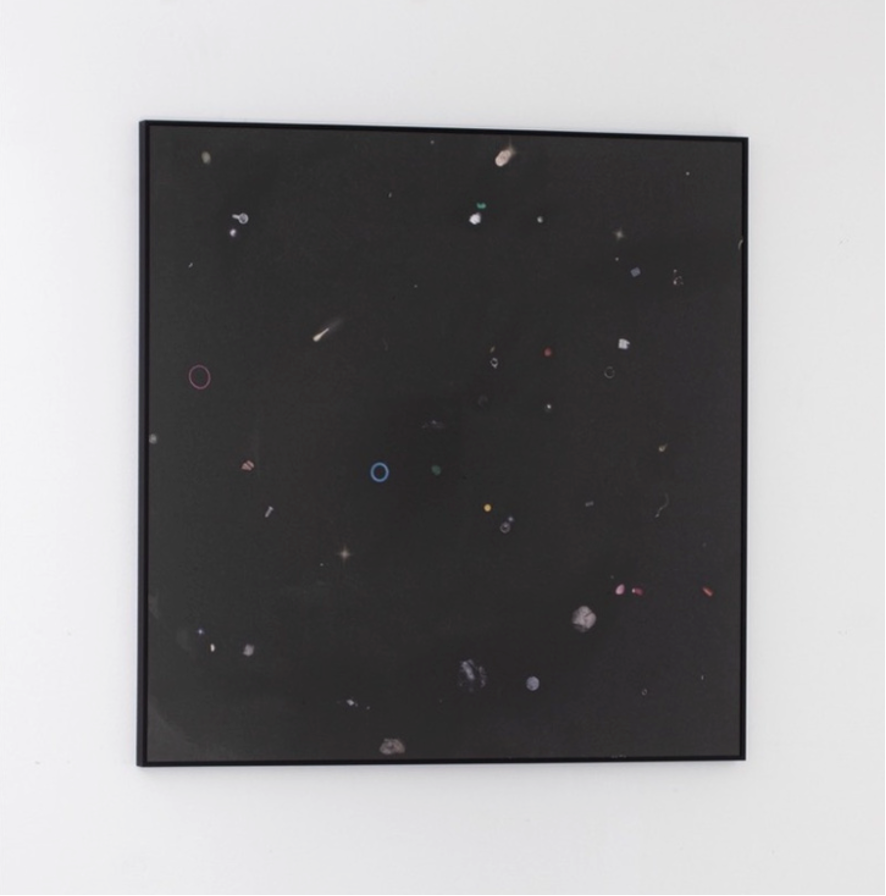
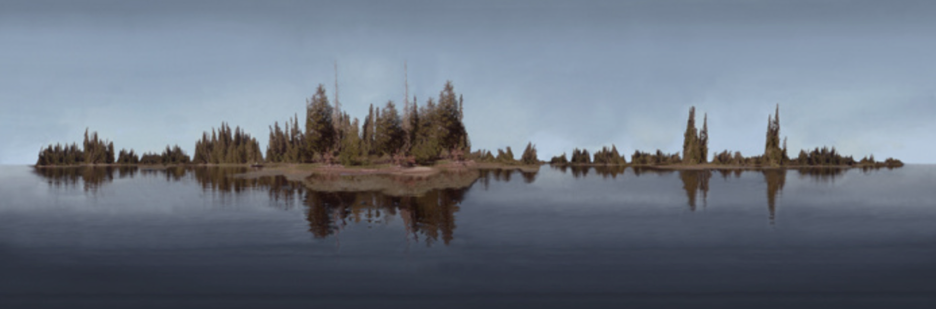
Requiem of May 29

2009
Digital print
50 × 150 cm
About The Work

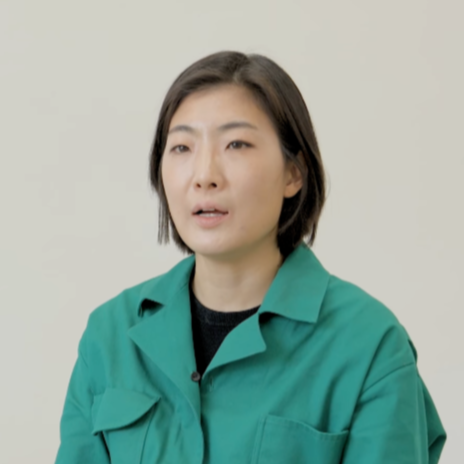
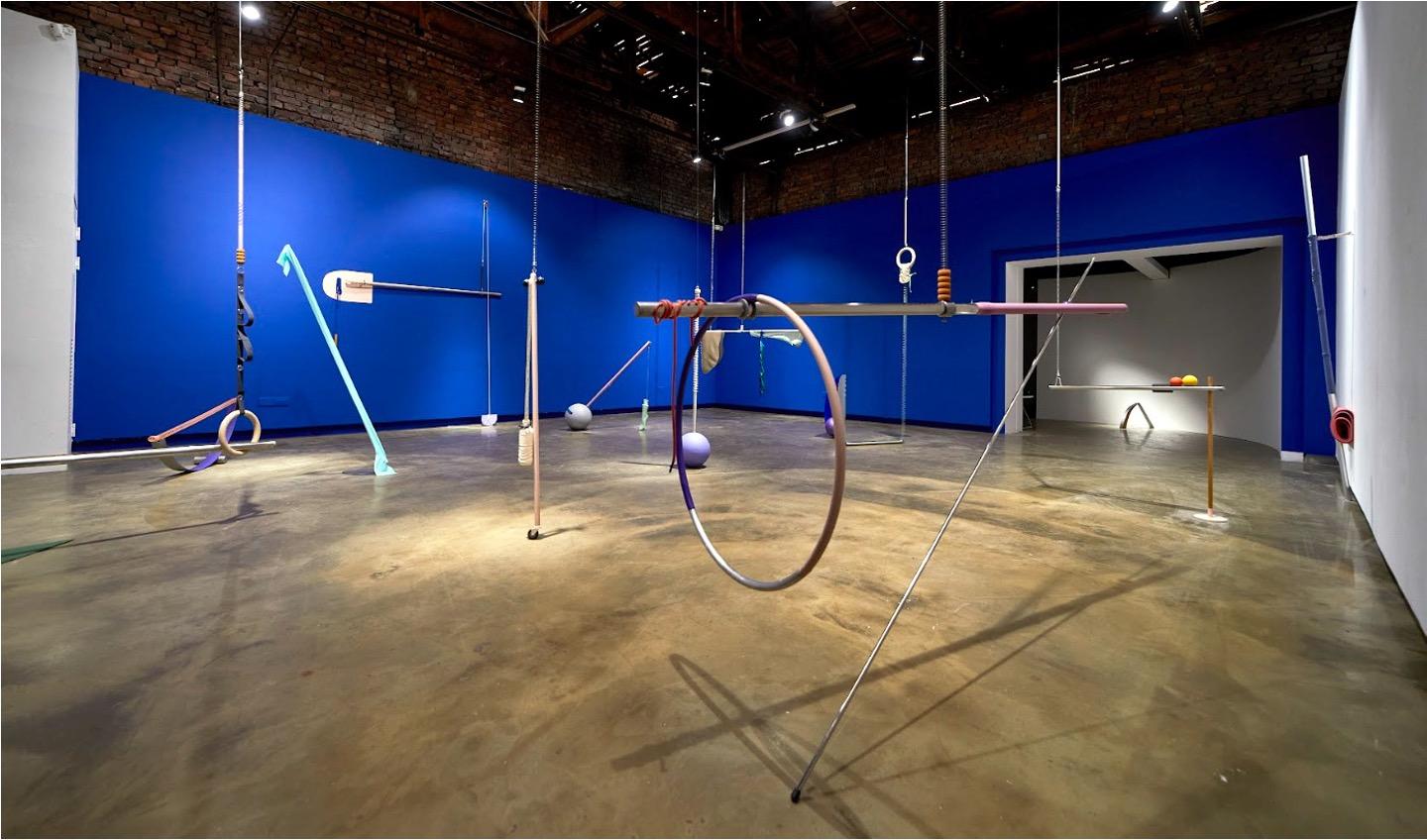
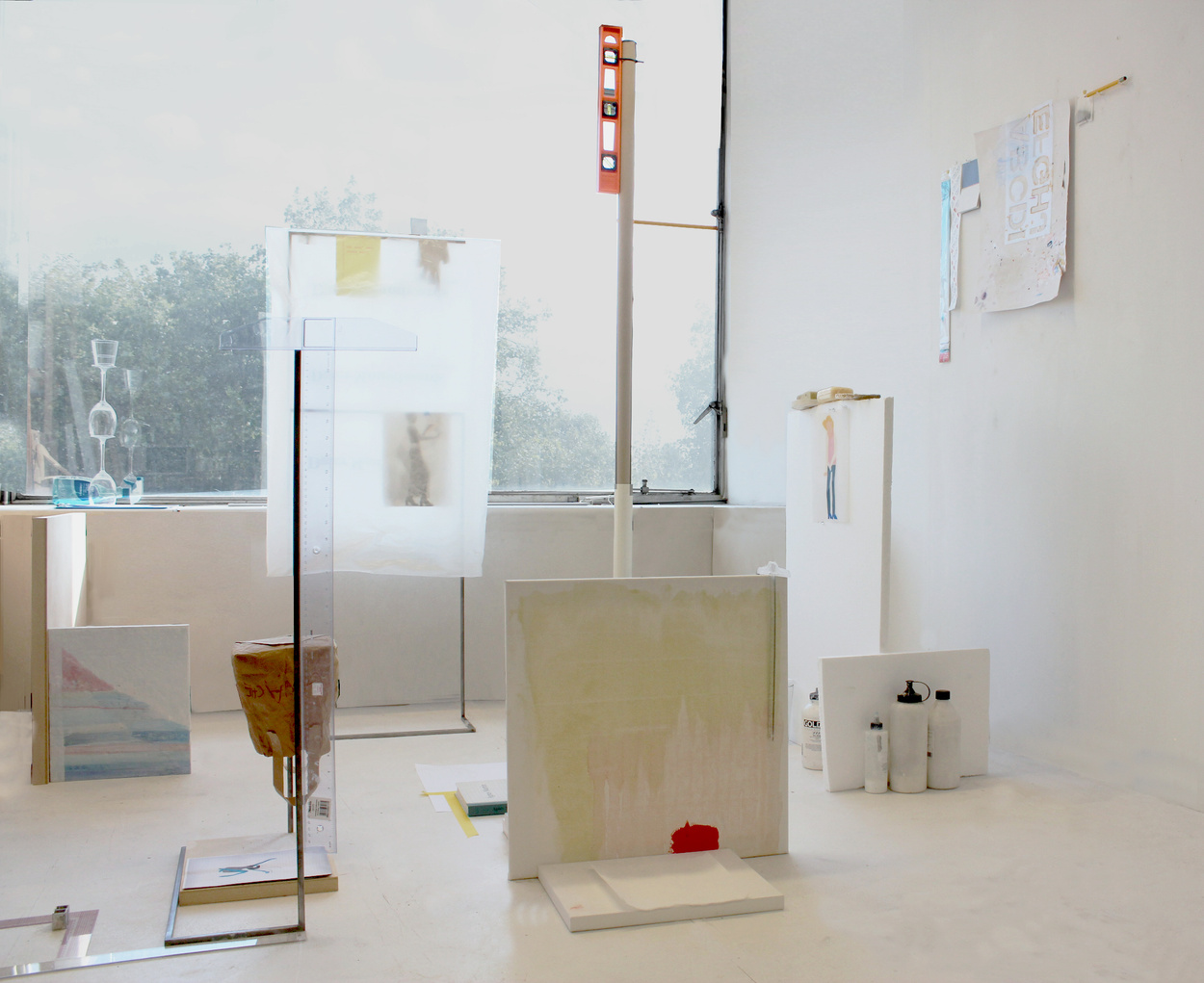
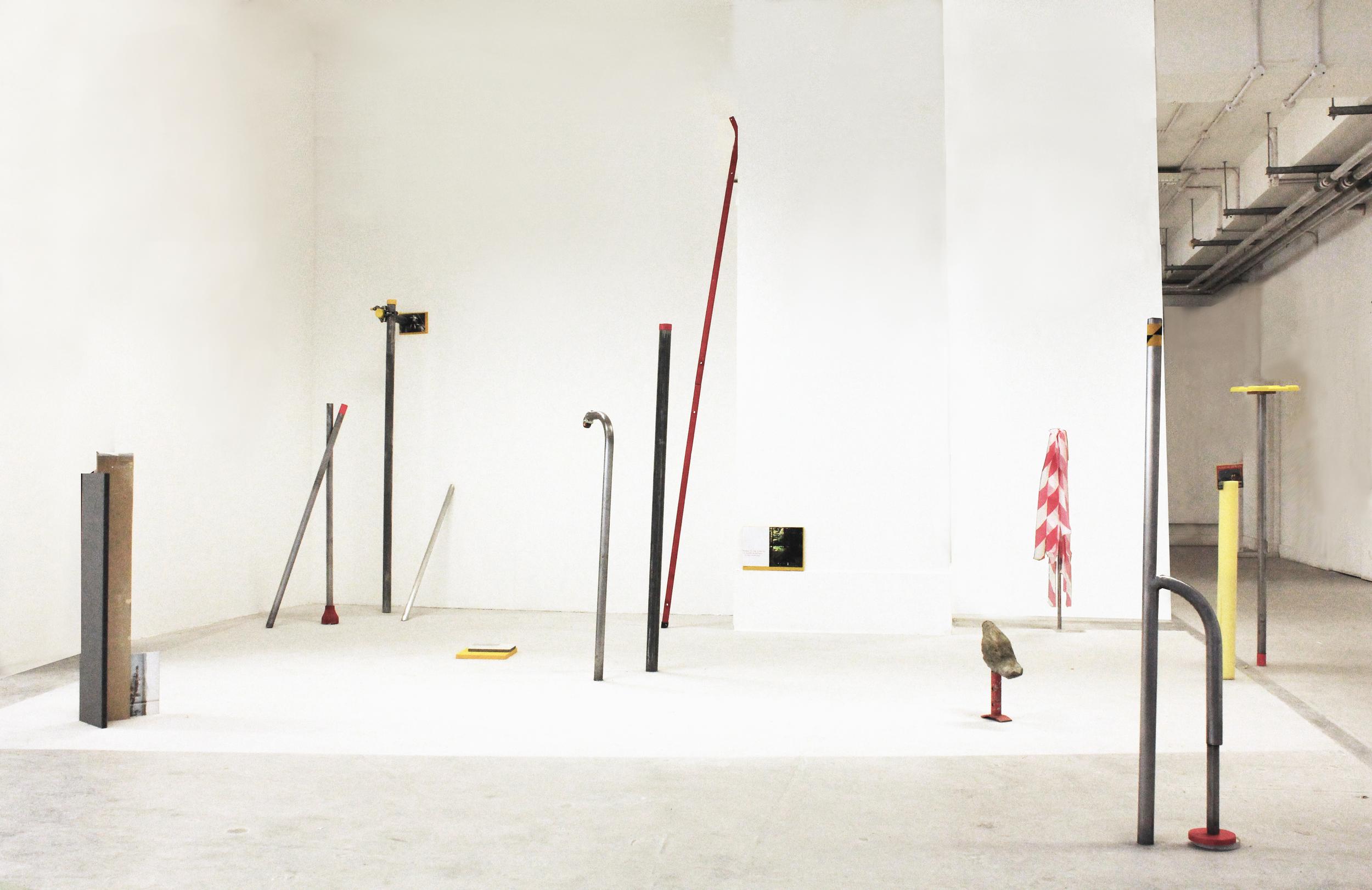
Jangyeun Jun has explored the possibilities of mutable structures and forms by focusing on the relationships between objects and sculptures that lean against one another or are tenuously joined. Through sculptural structures that maintain their form through a delicate balance of forces and mutual dependence, even in states of instability, she depicts everyday landscapes shaped by countless variables and relationships.

Her practice metaphorically reveals personal narratives and sensibilities through organic relationships between objects and sculpture. The everyday scenes she encounters do not remain fixed in the familiar appearance of ordinary objects; instead, they interact with the sculptural structures surrounding them and acquire new meanings.

Jun rearranges objects encountered in everyday life—standing them upright, making them lean against one another, fitting them together, and allowing them to share their weight. Once handled by the artist, these objects move beyond their original functions to become parts of sculptures, clues to emotion, and vehicles for evoking personal memories.

In this context, sculpture is less about creating solid and complete forms than about revealing a state in which things that cannot stand entirely on their own lean on and sustain one another to maintain a balance. Thus, the “instability” evident in her work is not a sign of deficiency or failure, but rather a tangible condition of everyday life and a form of relationship.

In this way, Jun draws on close observations of her surroundings to translate her constantly shifting sensibilities and personal narratives, shaped by environments and relationships, through unexpected combinations of seemingly insignificant objects.

Her work invites us to reconsider the emotions and moments of connection that are easily overlooked in everyday life, allowing us to newly sense the “genuine sensibility of everyday life” in which diverse experiences, social environments, and relationships are intricately intertwined and organized.

Solo Exhibitions (Brief)

Jun has held solo exhibitions including 《Heavy Orchid》 (Artspace Boan, Seoul, 2024), 《Daylight on Tiptoe》 (SeMA Storage, Seoul, 2022), and 《Encountered Universe》 (Incheon Art Platform, Incheon, 2019).

Group Exhibitions (Brief)

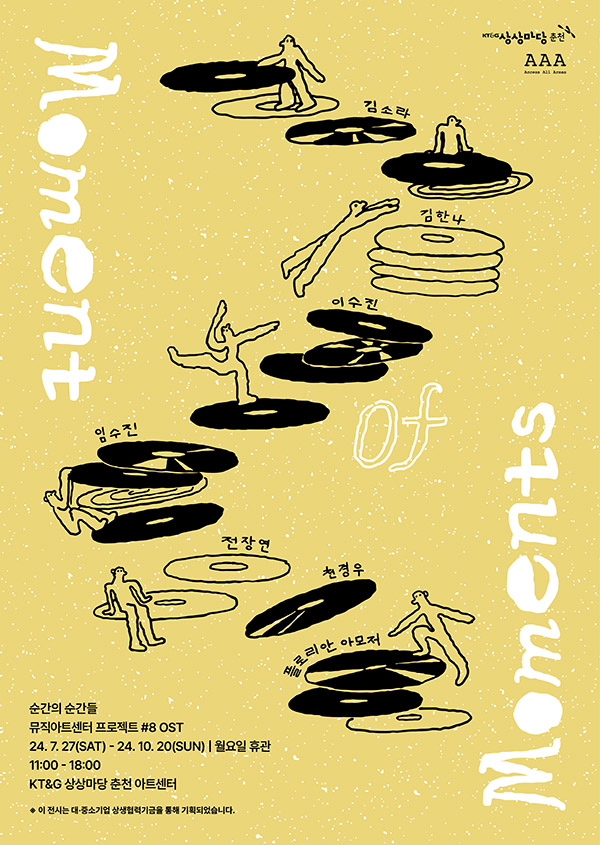
Jun has also participated in numerous group exhibitions, including 《We cannot be one, but we are beautiful》 (Space So, Seoul, 2025), 《Moment of Moments》 (KT&G Sangsangmadang, Chuncheon, 2024), 《The 23rd SONGEUN Art Award Exhibition》 (SONGEUN, Seoul, 2023), 《To you, i Say》 (MMCA Residency Goyang, Goyang, 2023), 《Pack Mbps》 (Seoul Museum of Art, Seoul, 2022), and 《This Position, Angle, and Right Timing》 (Space Hyeong, Seoul, 2022).

Residencies (Selected)

Jun has been selected as a resident artist at various residency programs, including the Nanji Residency of the Seoul Museum of Art (2025), MMCA Residency Goyang (2023), Artplug Yeonsu Residency (2021), and the Artist Studio Ginestrelle in Italy (2014).

Works of Art

Sensing Everyday Landscapes Through Unstable Forms

Originality & Identity

Jangyeun Jun stands up, leans, inserts, and redistributes the weight of objects encountered in everyday life. The artist pays attention to things that are easily overlooked or pushed to lower places: coins, hairbands, cosmetic puffs, receipts, cigarette butts, mint candies, children’s toys, pearl necklaces, and market bags.

Through the artist’s hands, these objects lose their original functions and become parts of sculpture, clues to emotion, and mediators of personal memory. For Jun, sculpture is less about making a solid form than about revealing a state in which things that cannot fully stand on their own lean on and support one another. In her work, “instability” is therefore not a lack or failure, but an actual condition of everyday life and a form of relation.
 
In her work from the early 2010s, this attitude appeared through the transformation of objects’ functions and the creation of unfamiliar combinations. In works such as Walking Between Trees(2011), Stop for Standing(2011/2014), and Square(2011/2014), the artist ground down small objects that were originally unable to stand, or placed them within square structures, changing their status and relationships.

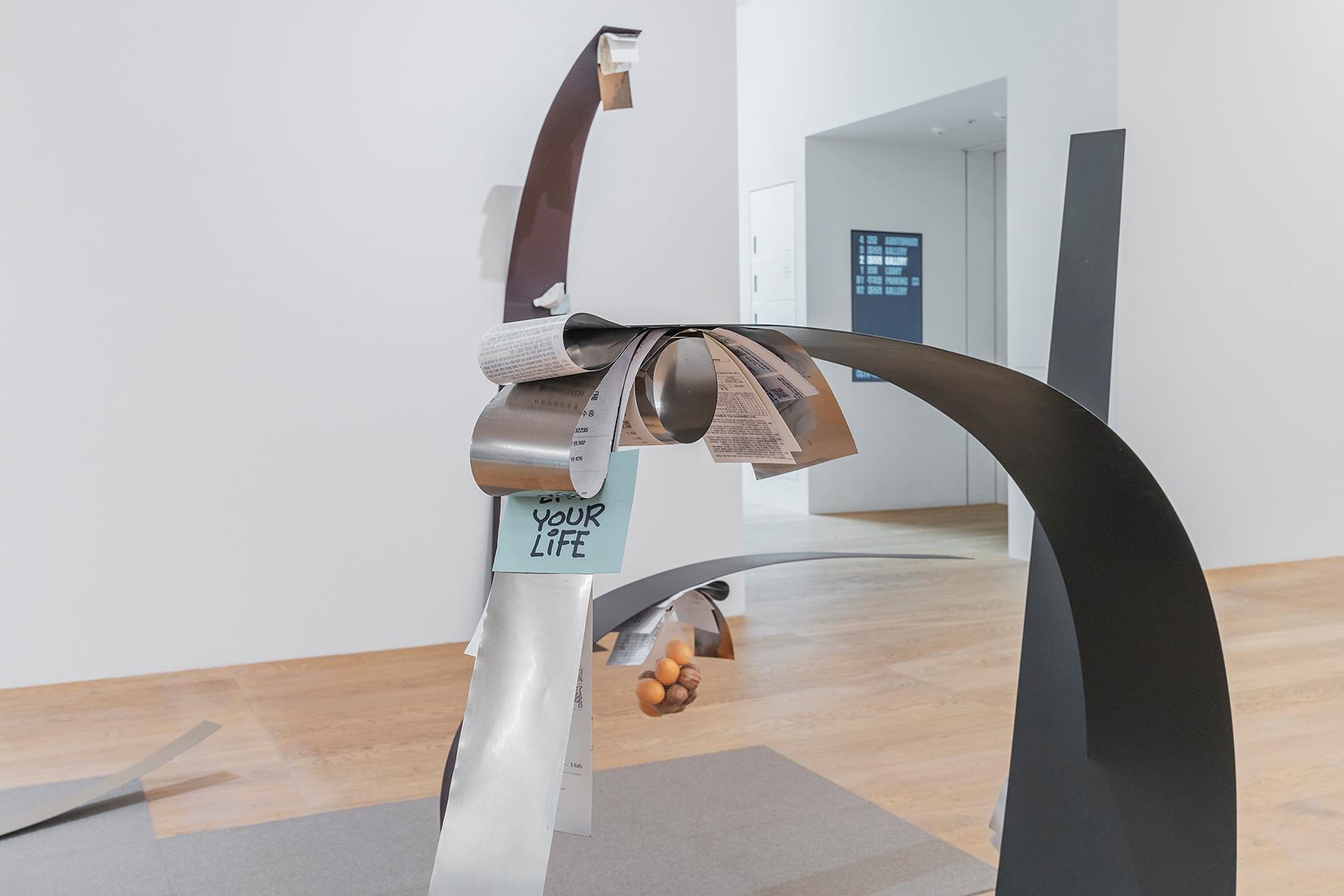
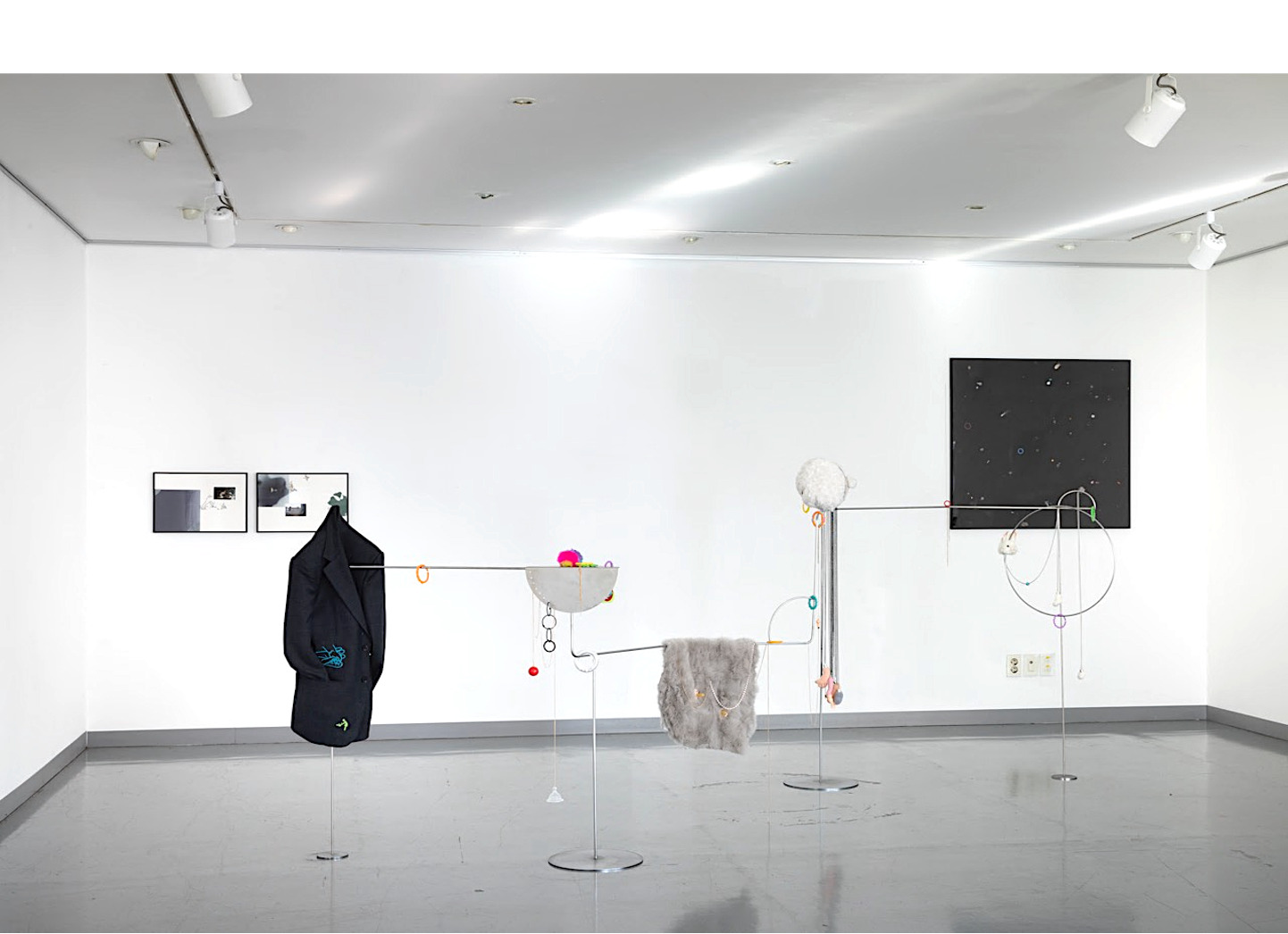
In 《Lying Objects》(Gallery DOS, Seoul, 2014), everyday objects such as tables, receipts, coffee beans, pills, almonds, and glass panels moved away from their original uses, leaning on and inserting themselves between one another to create surreal sculptural landscapes. Here, objects are tools that metaphorize human emotion and desire, while at the same time being treated as subjects of art in their own right.

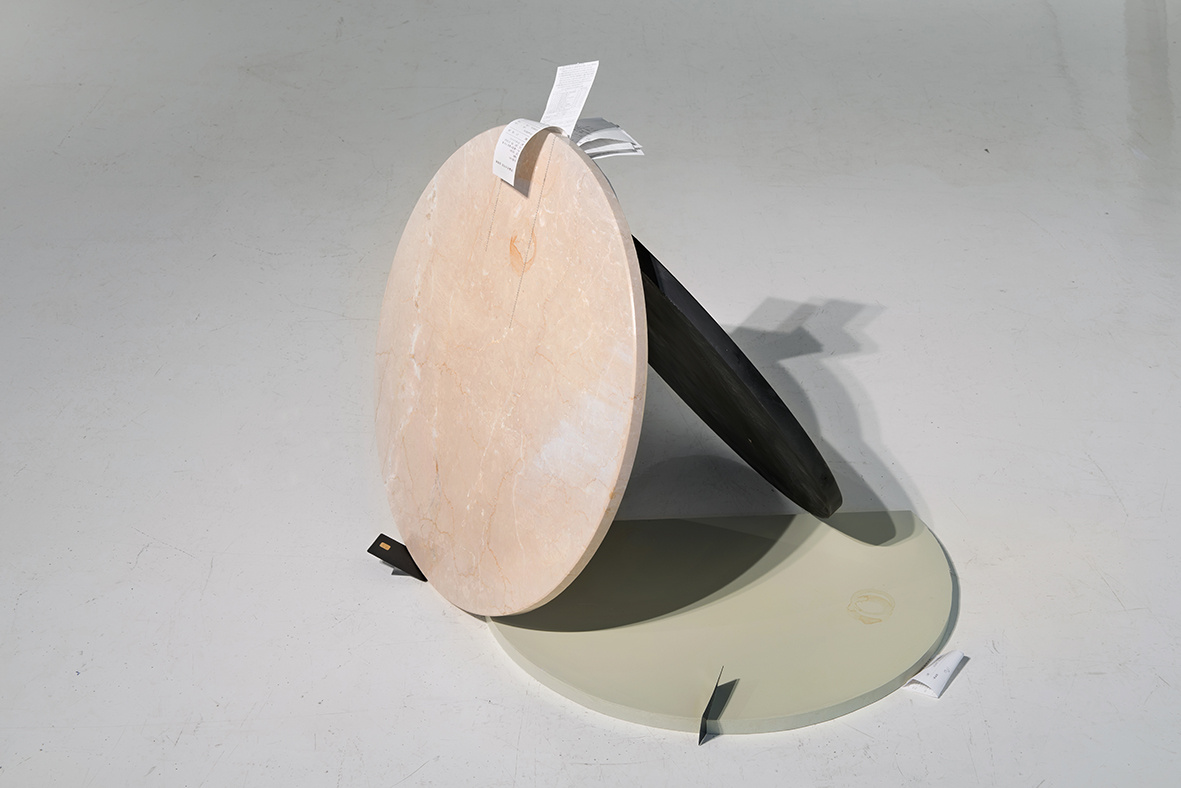
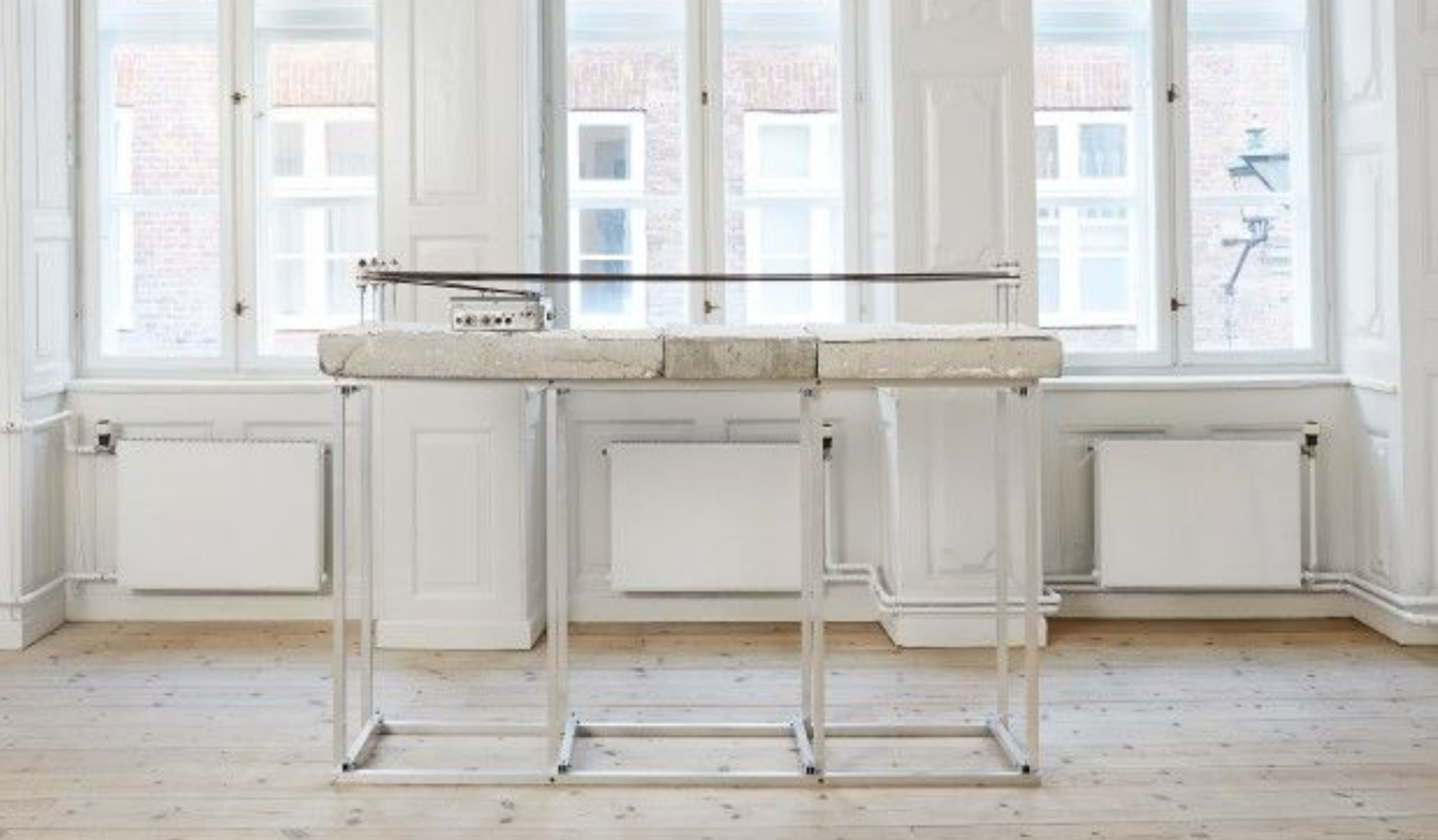
A structure such as Two-Person Table(2014), in which elements precariously support one another’s weight, shows how relationships and emotions are maintained while shifting slightly from day to day.
 
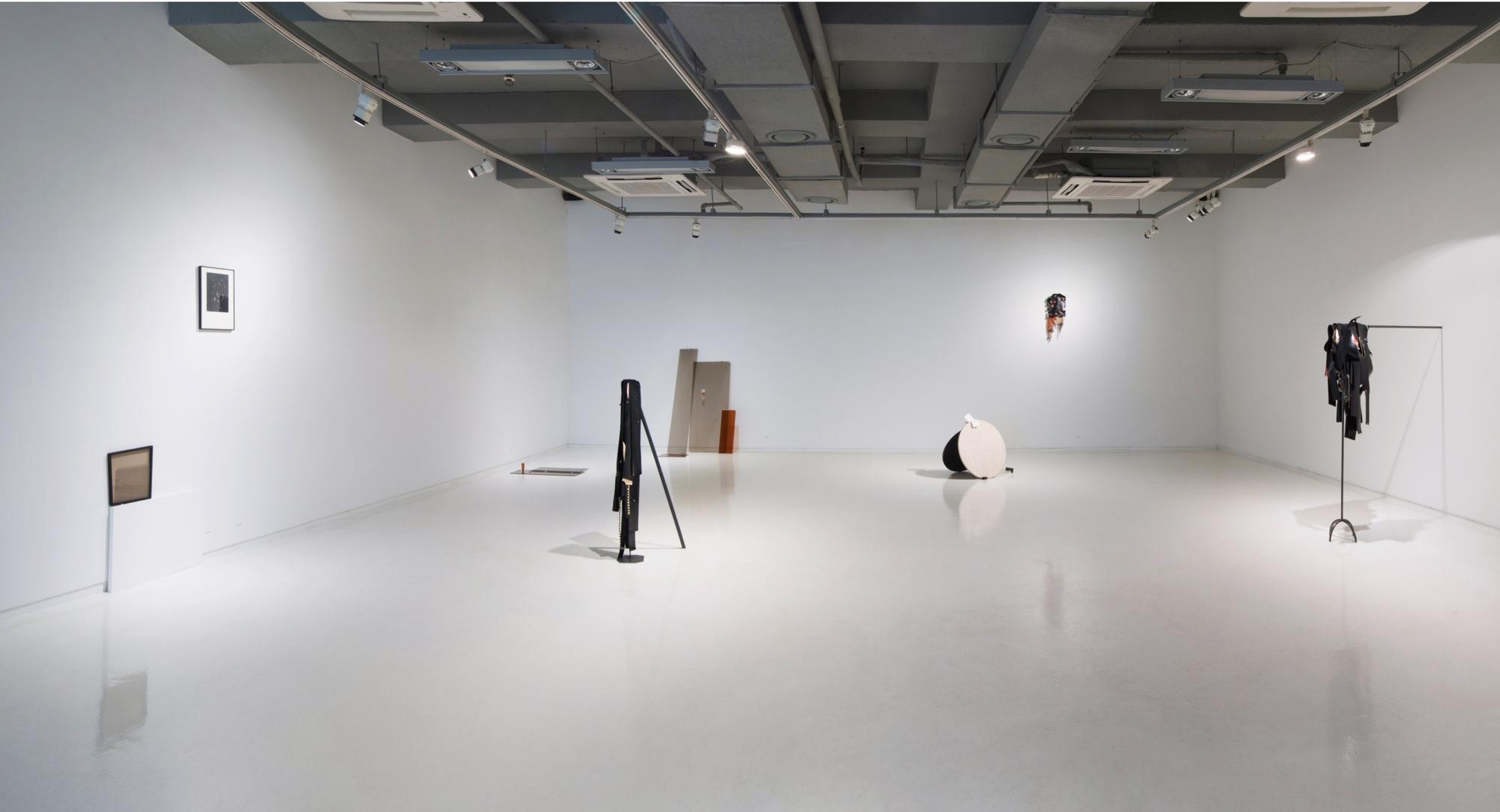
《Encountered Universe》(Incheon Art Platform, Incheon, 2019) is an exhibition that expands the artist’s private experiences, especially life after childbirth and childcare, through combinations of objects. Encountered Night(2019), Hide-and-Seek(2019), and An Ear Hidden Away(2019) combine scanned images of children’s toys with the artist’s imagined drawings, transforming small objects into night skies and cosmic landscapes.

Big Dipper
(2019) borrows the structure of the constellation and is composed of seven symbolic objects: ‘Rabbit Foot Luck’, ‘Slender Time’, ‘Four Hands’, ‘Stroller Elevator’, ‘Nomadic Childcare’, ‘Cosmic Combination’, and ‘Super Mom’. By embroidering images of childcare onto a men’s suit jacket, or placing pearl necklaces, children’s toys, pacifiers, and dolls on the same level, Jun reveals how multiple identities—artist, woman, mother, and consumer—collide and coexist within one body.
 
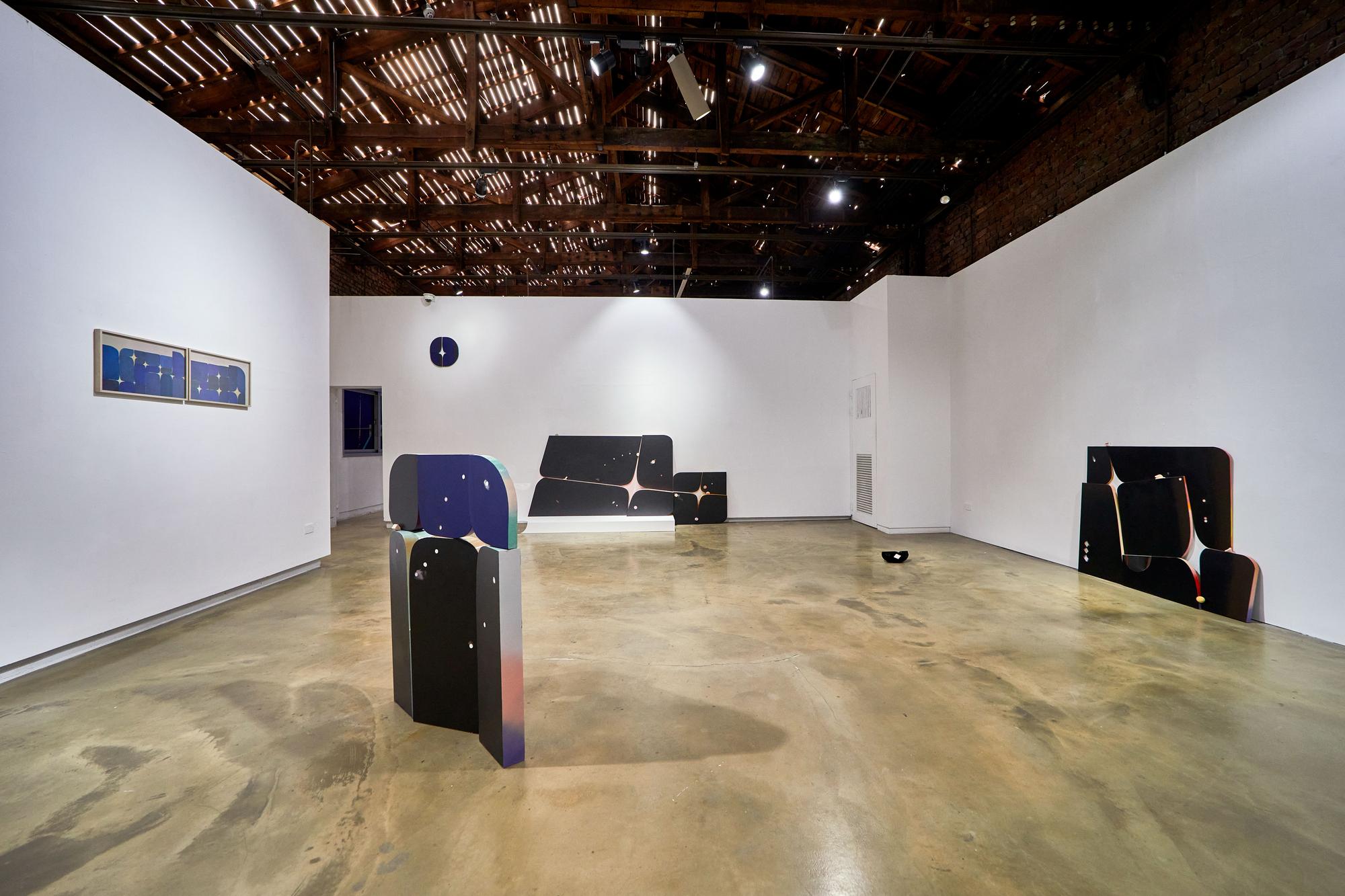
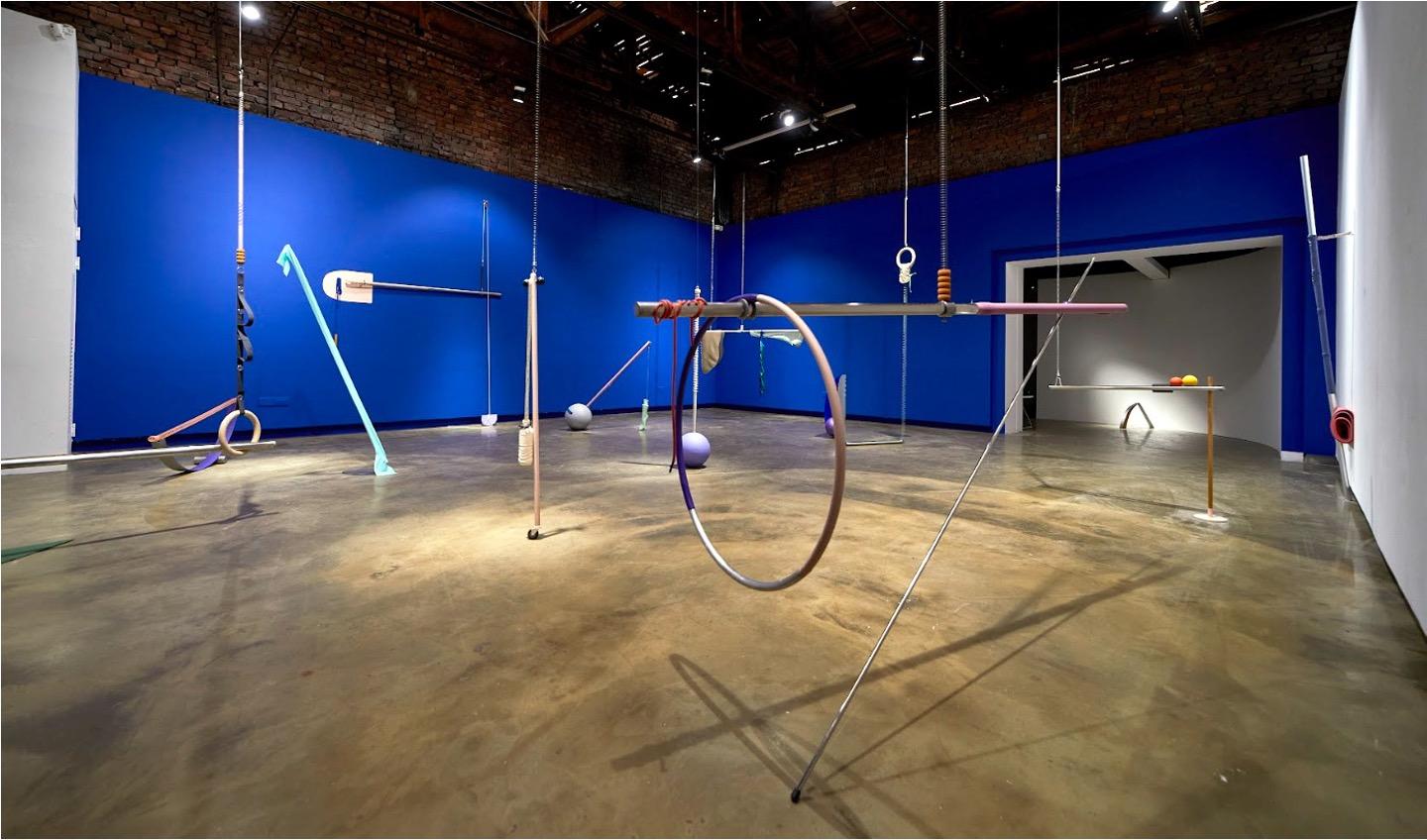
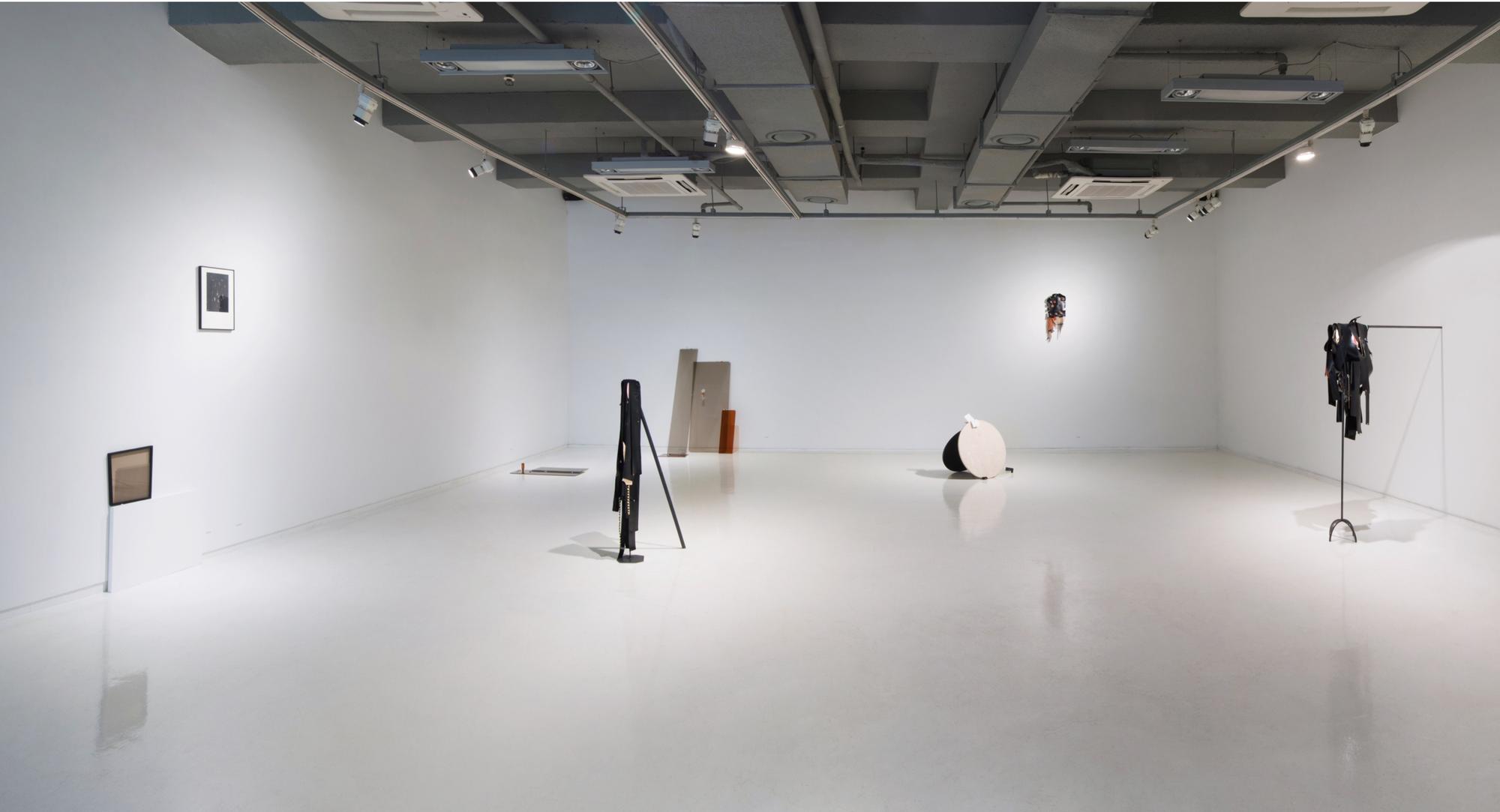
Since the 2020s, Jun’s interest has expanded from unfamiliar combinations of objects toward questions of balance and pause, the distribution of force, and the body of sculpture. Her solo exhibition 《Daylight on Tiptoe》(SeMA Storage, Seoul, 2022) explored the sense of tension and endurance repeated beneath calm everyday life through the ‘Light of Face’(2021) series, Pause(2022), Break Time(2022), and Low Rainbow(2022).

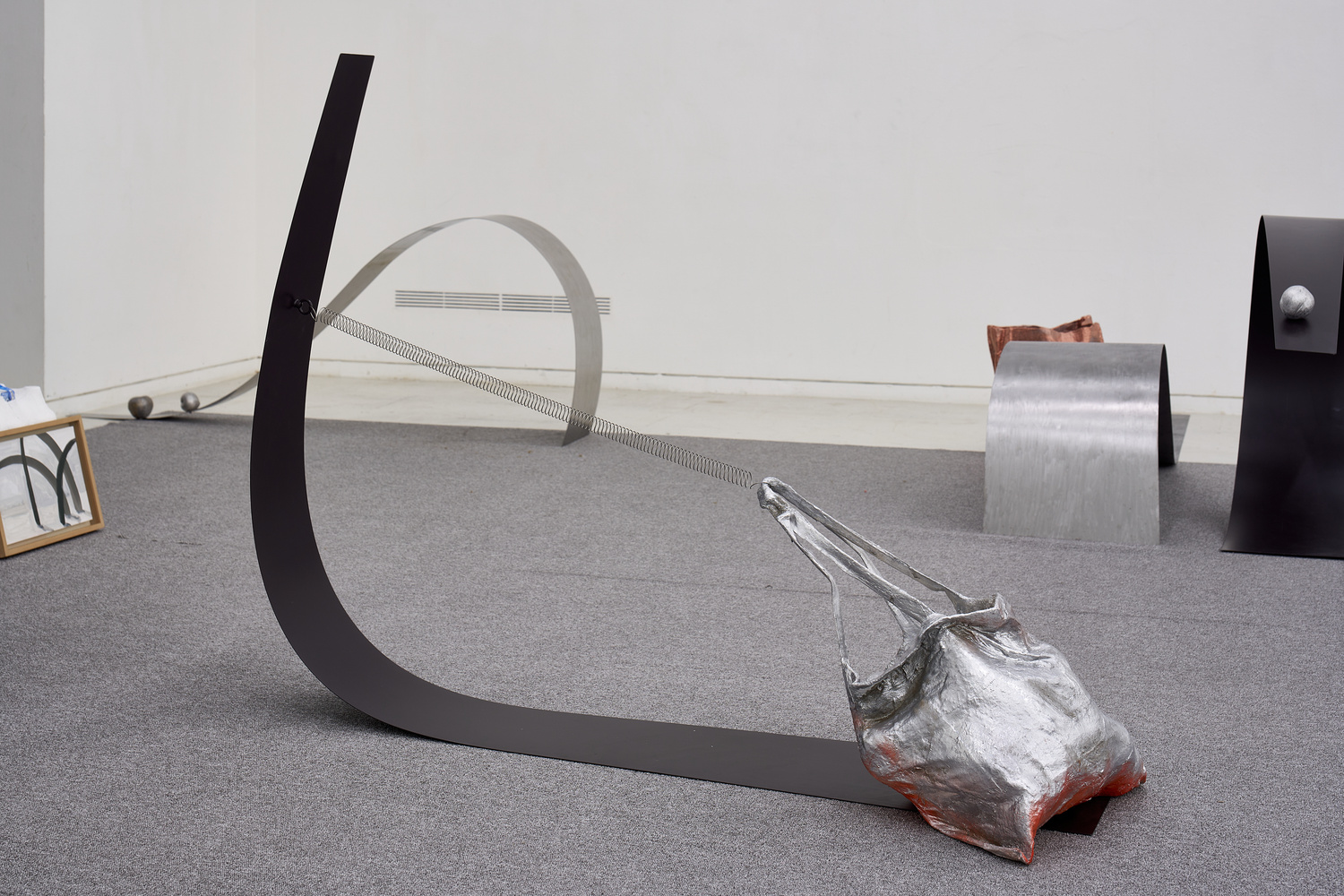
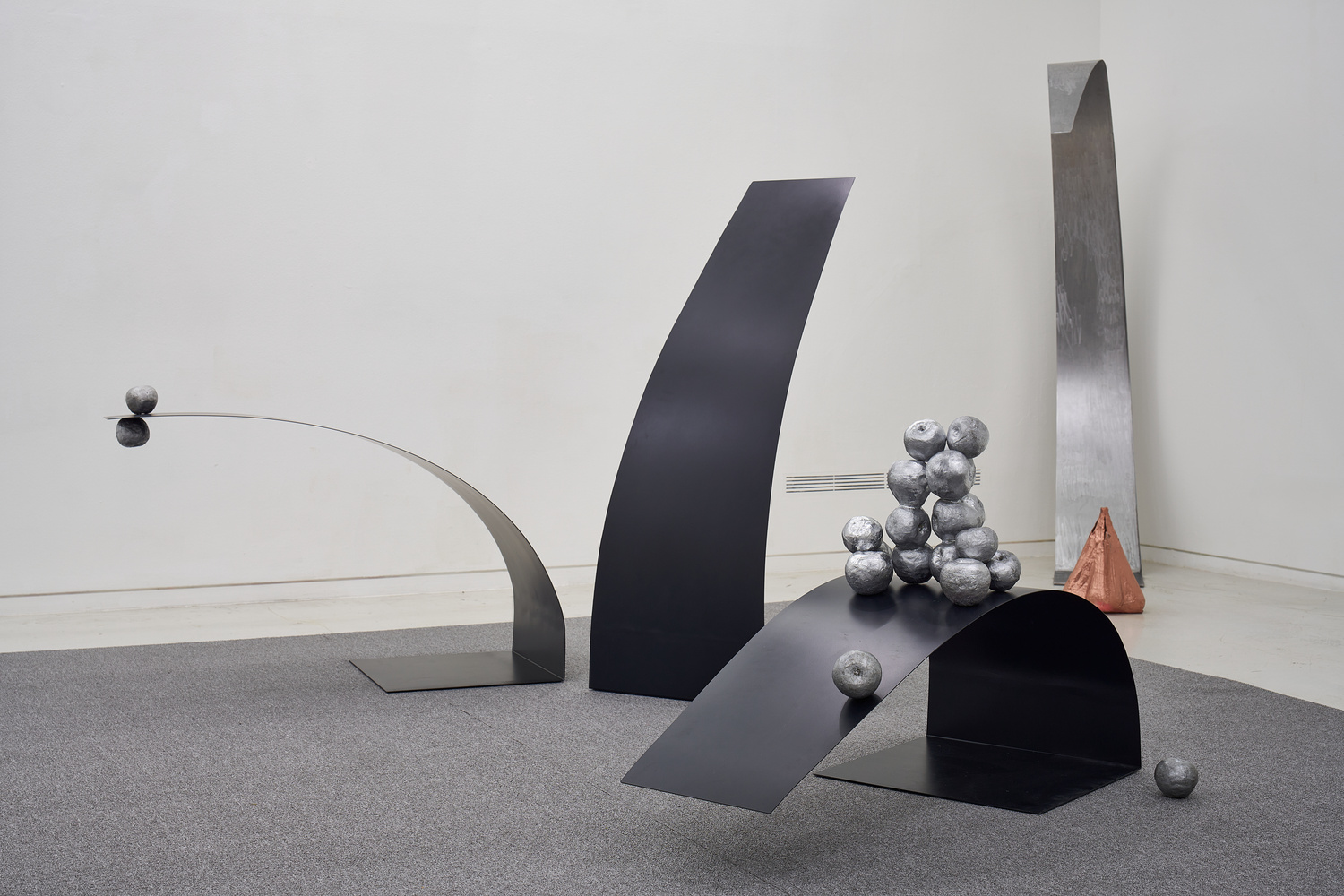
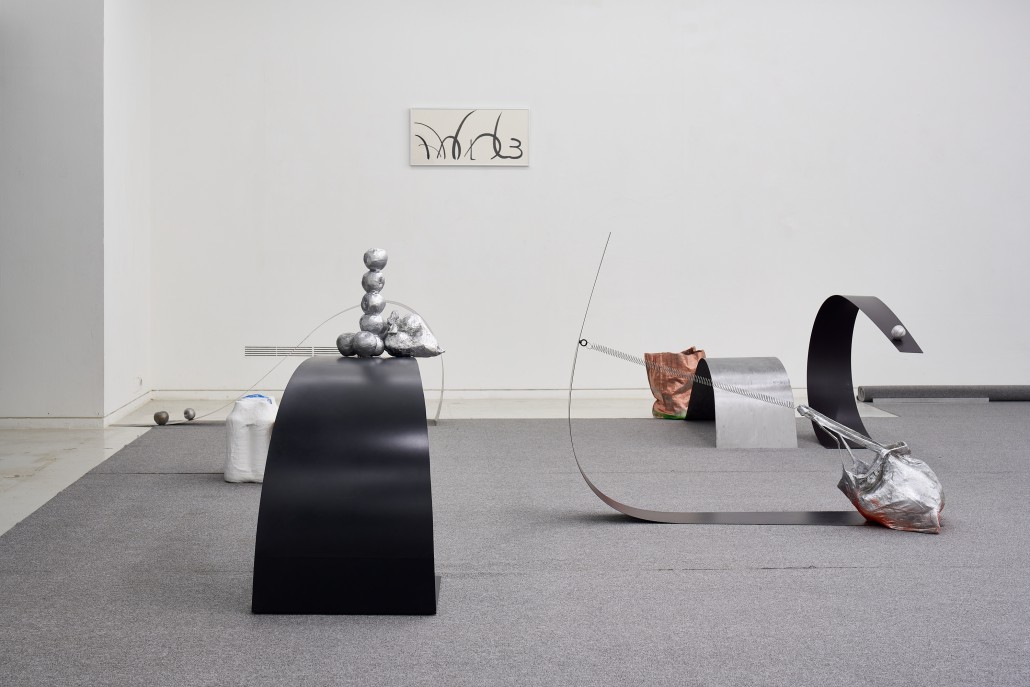
Cosmetic puffs become devices that conceal emotion as well as unstable supports holding structures in place, while springs and pipes from exercise equipment evoke traces of a body that must have moved just moments before. In the recent solo exhibition 《Heavy Orchid》(Artspace Boan, Seoul, 2024), thin steel plates and everyday objects are combined, as the artist brings the “orchid painting” of the Four Gracious Plants into today’s city and everyday life.

Works such as Yesterday and Today(2024), Dysfunctional Apple(2024), Market Bag(2024), Weight in Hand(2024), A Block of Tofu(2024), and Curve Study 1-6(2023) sculpturally reveal the thickness, weight, trembling, and layers of relation hidden within the horizontality of everyday life.

Style & Contents

Jangyeun Jun turns objects into sculpture. In her early work, she showed that everyday objects could perform different roles through Object Drawing(2011), in which she combined objects such as headsets, shower balls, cables, light bulbs, glue sticks, disposable spoons, and hair rollers like a bouquet. In Stop for Standing, she ground down one side of round, rolling objects such as coins, hairbands, bottle caps, and incandescent light bulbs, creating a moment in which low and trivial things become sculptural entities.

These works are close to the appropriation of ready-mades, but they do not stop at simply bringing objects into the exhibition space. The artist makes small physical interventions in objects so that they can stand, lean, gather, and perform assigned roles.
 
Around 2014, Jun’s work was marked by the construction of unfamiliar sculptural scenes through the blocking or twisting of objects’ functions. The pills placed between glass panels, receipts and coffee beans wedged between tables, and tabletops marked by coffee stains in 《Lying Objects》 all form new relations of tension after losing their original functions.

Two-Person Table arranges tabletops, receipts, cards, accessories, and coffee stains within one structure, showing both the traces of a private encounter and an unstable balance. In Interior Gesture(2014), the body replaces or imitates the forms of objects in photographs, making the relationship between object and body more direct. These works treat objects not simply as materials, but as bodies in which emotion and action briefly reside.
 
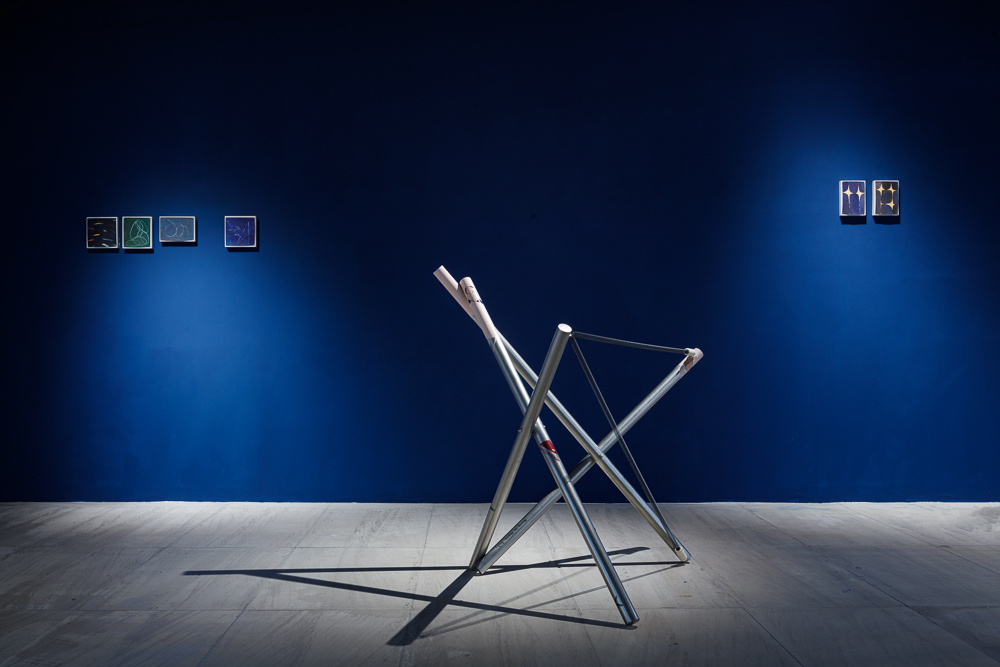
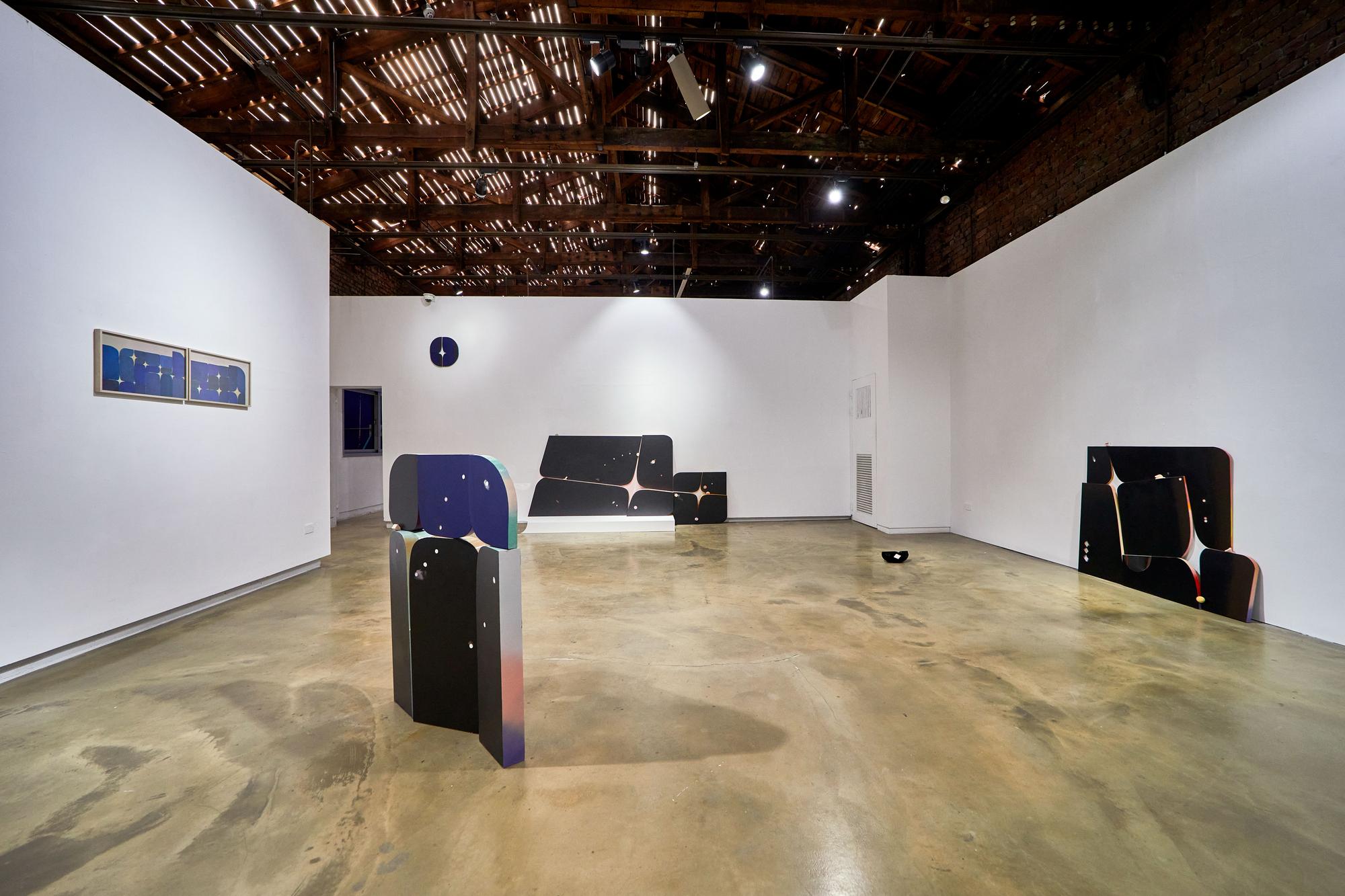
Around 《Daylight on Tiptoe》, Jun’s sculptures moved in a more structural direction through the use of steel plates, steel frames, springs, pipes, bands, ropes, fabric, and latex bands. Pause selectively recombines parts of exercise equipment to construct a moment between stillness and motion like a sculptural drawing. In Break Time and Low Rainbow, objects such as coins, mint candies, and cigarette butts are inserted between curved steel plates, and viewers must lower their posture and approach closely to see the relationship.

In this way, the artist pushes objects into the spaces between sculptures, between walls and sculptures, and at the points where lines and planes meet, creating “intercalated objects” that both support and disturb the structure. These objects serve as supports that complete the work, while also functioning at any moment as variables.
 
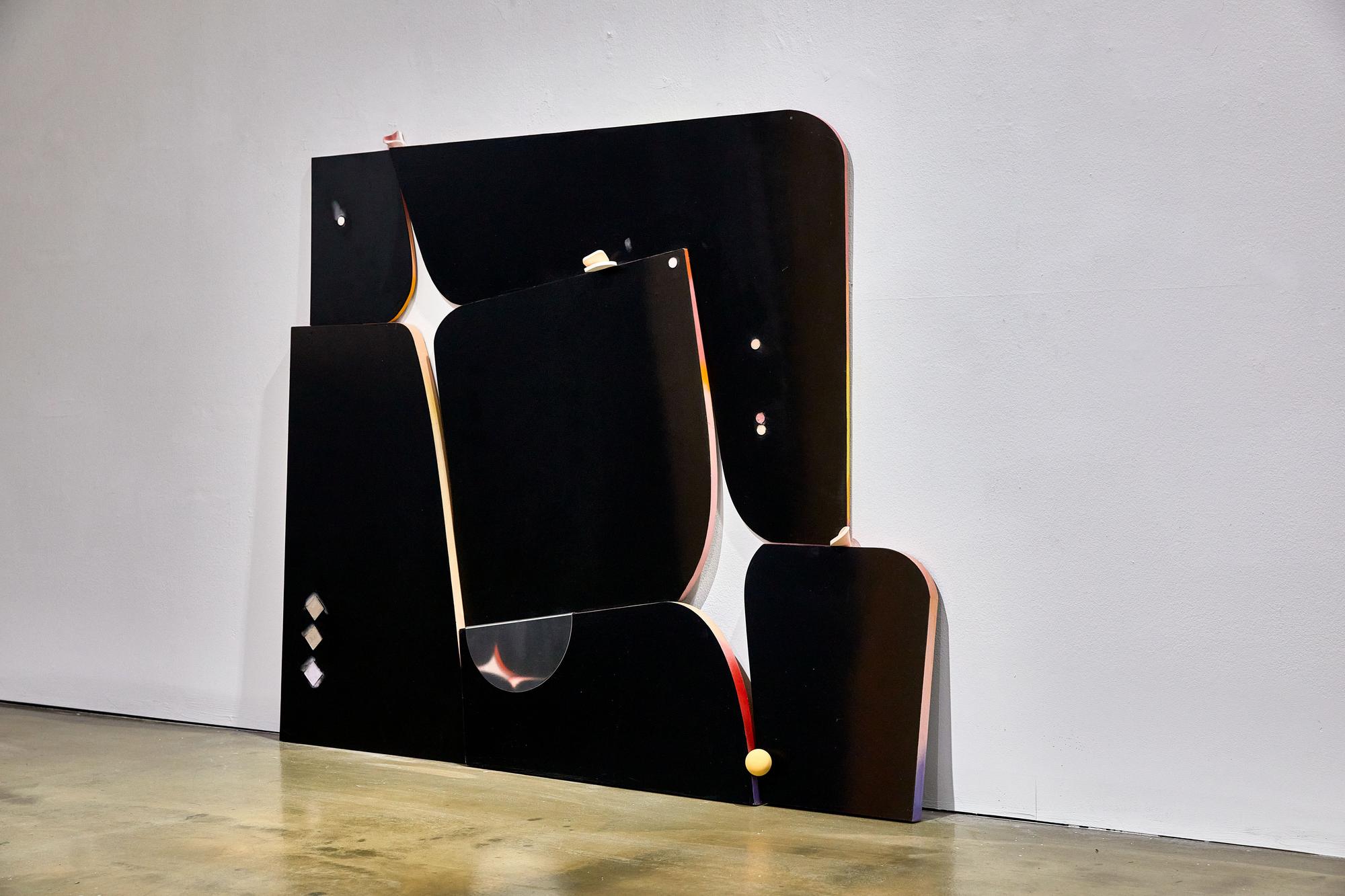
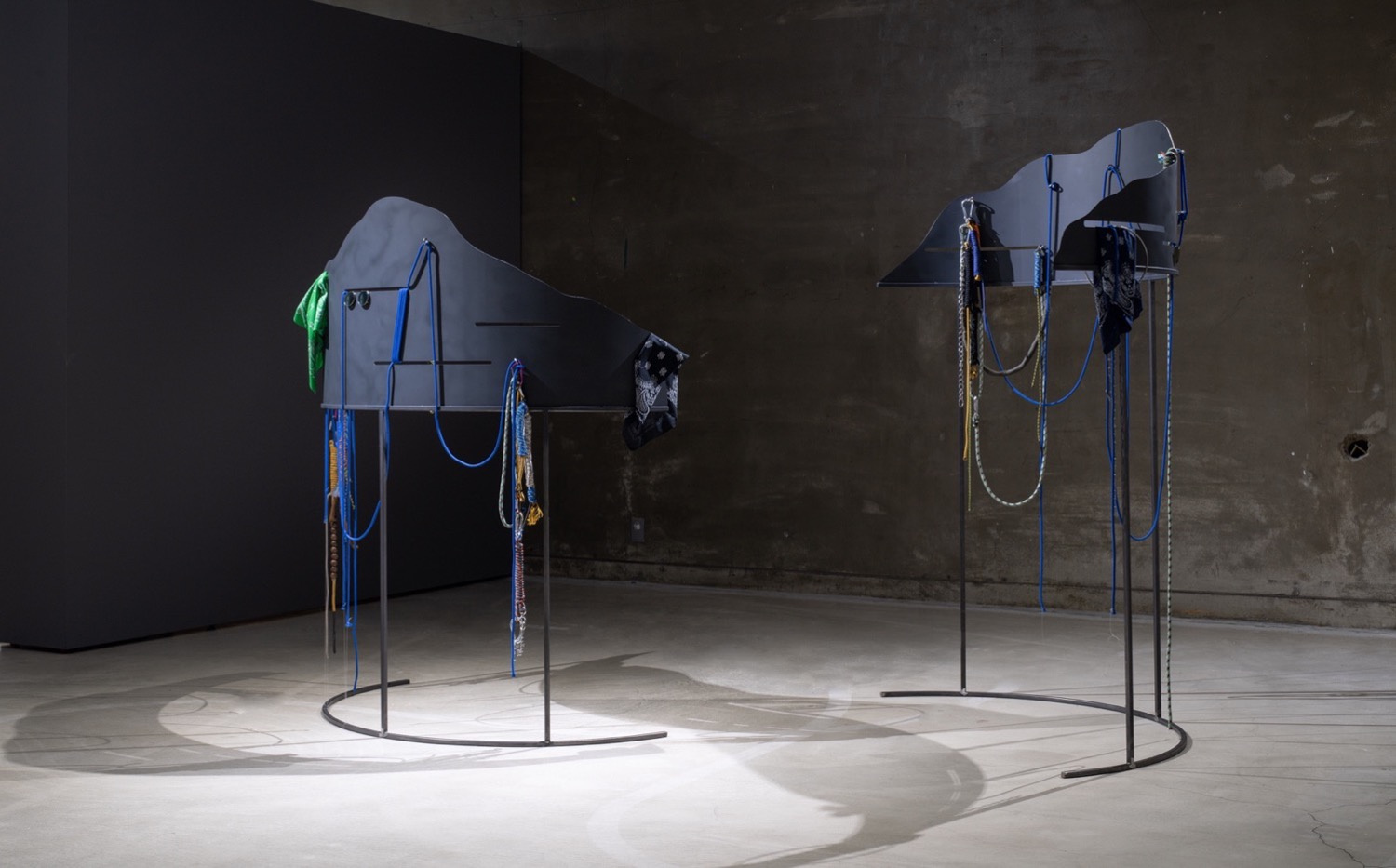
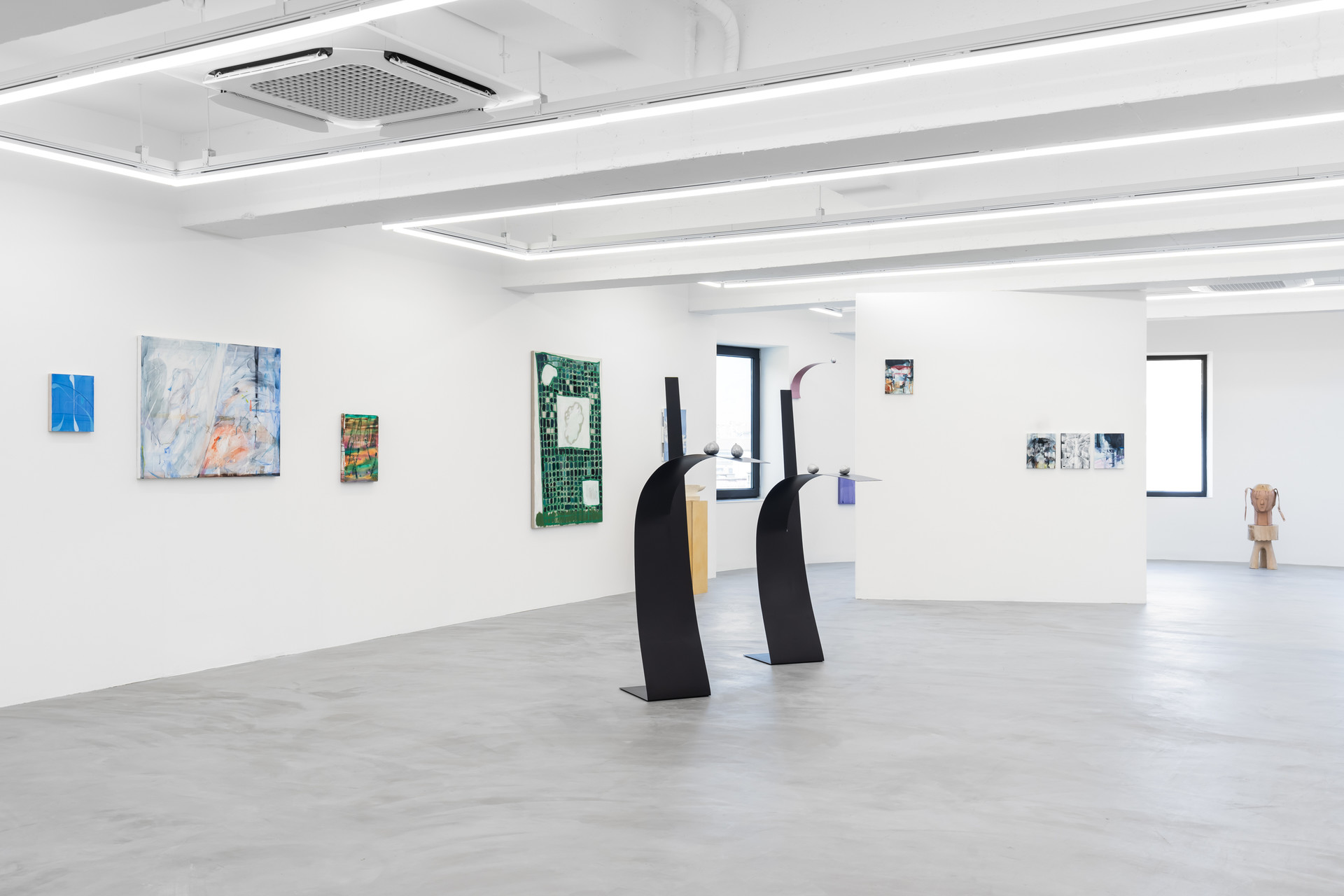
In the recent exhibition 《Heavy Orchid》, Jun deals more actively with the materiality of steel plates. Steel plates are hard and heavy, yet through heat, pressure, and curved forms, they appear as soft and flexible lines. Rather than directly reproducing the methods of the Four Gracious Plants or literati painting, the artist translates the rhythm of the brush in orchid painting, empty space, and the relationship between curves and straight lines into arrangements of steel plates and objects.

In Yesterday and Today and Dysfunctional Apple, black steel plates subtly move with the flow of air, allowing solid sculpture to be perceived at once as thin and variable. In Market Bag and Weight in Hand, bodily sensations from everyday life—shopping, holding, pulling, and moving—are combined with the weight of sculpture. The artist’s form continues to expand toward organizing material, space, the viewer’s gaze, and the body together.

Topography & Continuity

The distinctiveness of Jangyeun Jun’s work does not lie only in elevating everyday objects into aesthetic objects. She reads the conditions of life through the ways small and lowly objects stand, are pressed, become wedged, and tremble under force. While many artists who use similar everyday objects often foreground their social signs or images of consumer culture, Jun places greater emphasis on the physical relationships between objects and the bodily sensations they generate.

In her sculpture, an object is not so much a symbol that explains meaning as it is a being that actually exerts force to maintain balance. Things that may seem insignificant, such as cosmetic puffs, cigarette butts, coins, and mint candies, support structures at the most fragile points of sculpture, and through that state, they reveal the emotions and relations of everyday life.
 
Jangyeun Jun began with object-based experiments around 2011 and created sculptural landscapes that reversed the functions and subjectivity of things in 《Lying Objects》. Later, in 《Encountered Universe》, she expanded childbirth and childcare, women’s social roles, consumer culture, and changes in personal identity through the combination of small objects and cosmic structures.

In 《Daylight on Tiptoe》, she organized everyday anxiety and balance through the paused state of sculpture, and in 《Heavy Orchid》, she newly connected urban everyday life with the sensibility of traditional painting through steel plates, curves, empty space, and a literati-painting attitude. This shift can be understood less as a simple expansion of media than as a process in which her way of reading the conditions of life through objects has deepened into an increasingly structural and spatial language.
 
Jun’s sculpture does not aim for the scale or solidity of a large monument. Instead, it operates in positions that are easily passed over, such as low places, gaps, intervals, floors, walls, and dark corners. Viewers must lower their bodies, come closer, or move around the works to see them again from different angles. This experience is closely connected to what the artist calls an “unsafe or incomplete state of life.”
 
Her work does not remove instability, but accepts it as a condition through which relationships are sustained. For this reason, Jun’s sculpture is closer to a paused scene than to a completed form, and closer to a state in which multiple objects and emotions endure together than to a single fixed meaning.

Her practice is expected to continue searching for new points of balance between minor objects and solid structures, personal narrative and social sensation, and traditional form and urban everyday life.

Works of Art

Sensing Everyday Landscapes Through Unstable Forms

Articles

Exhibitions

Activities