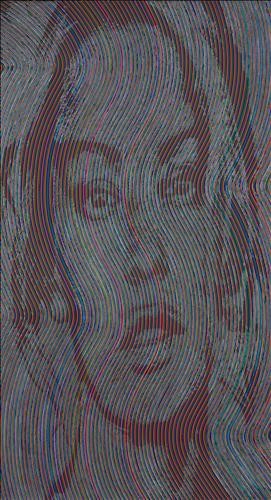
(Inc.) Jesus - K-ARTIST

(Inc.) Jesus

2012
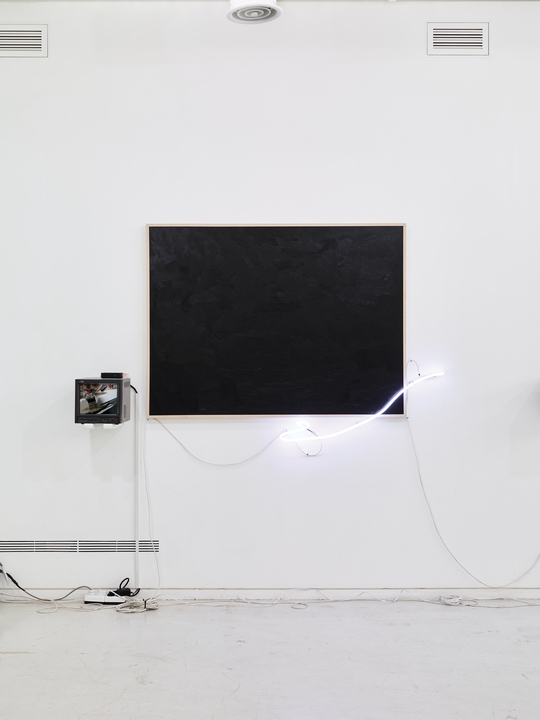
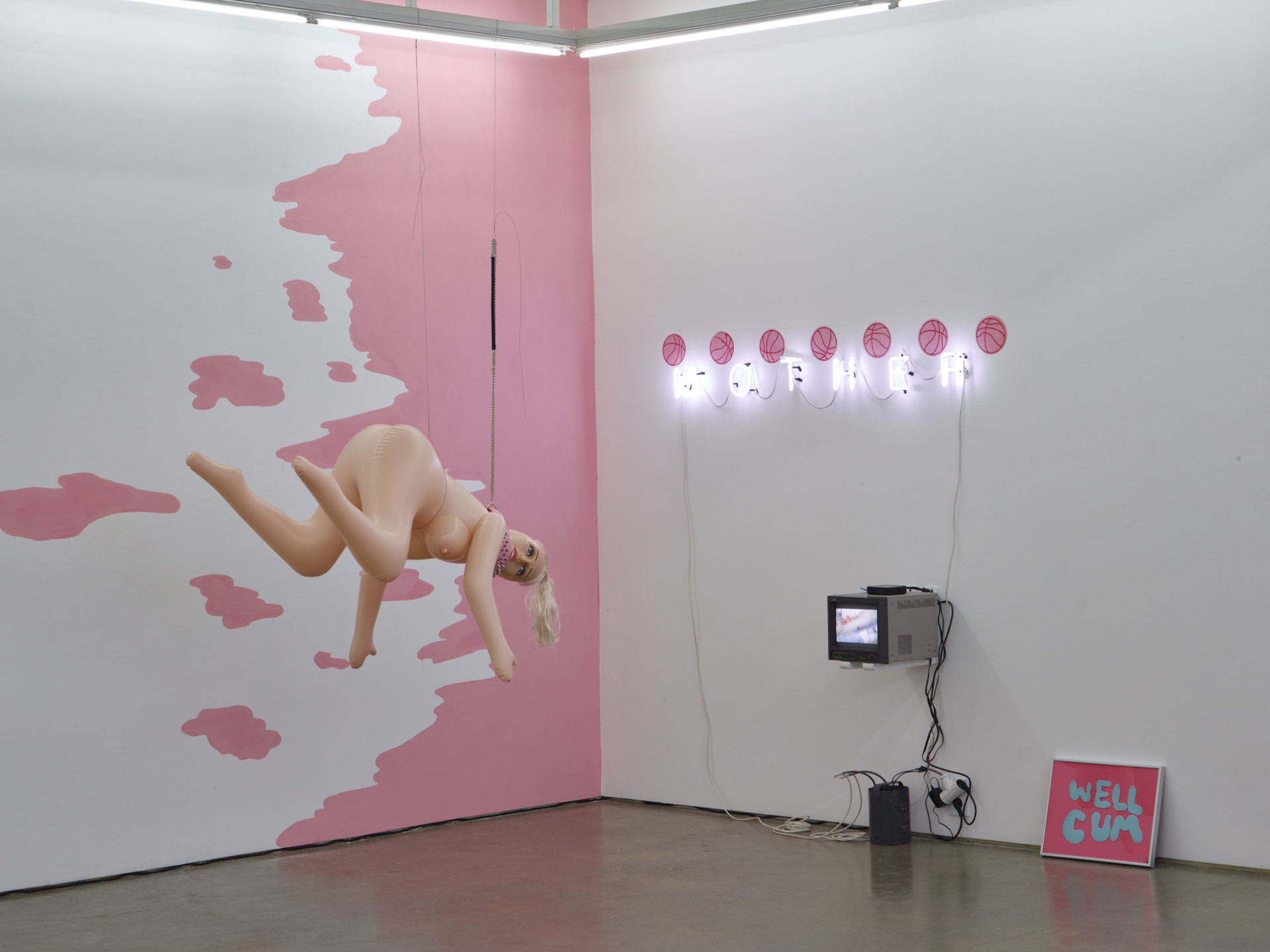
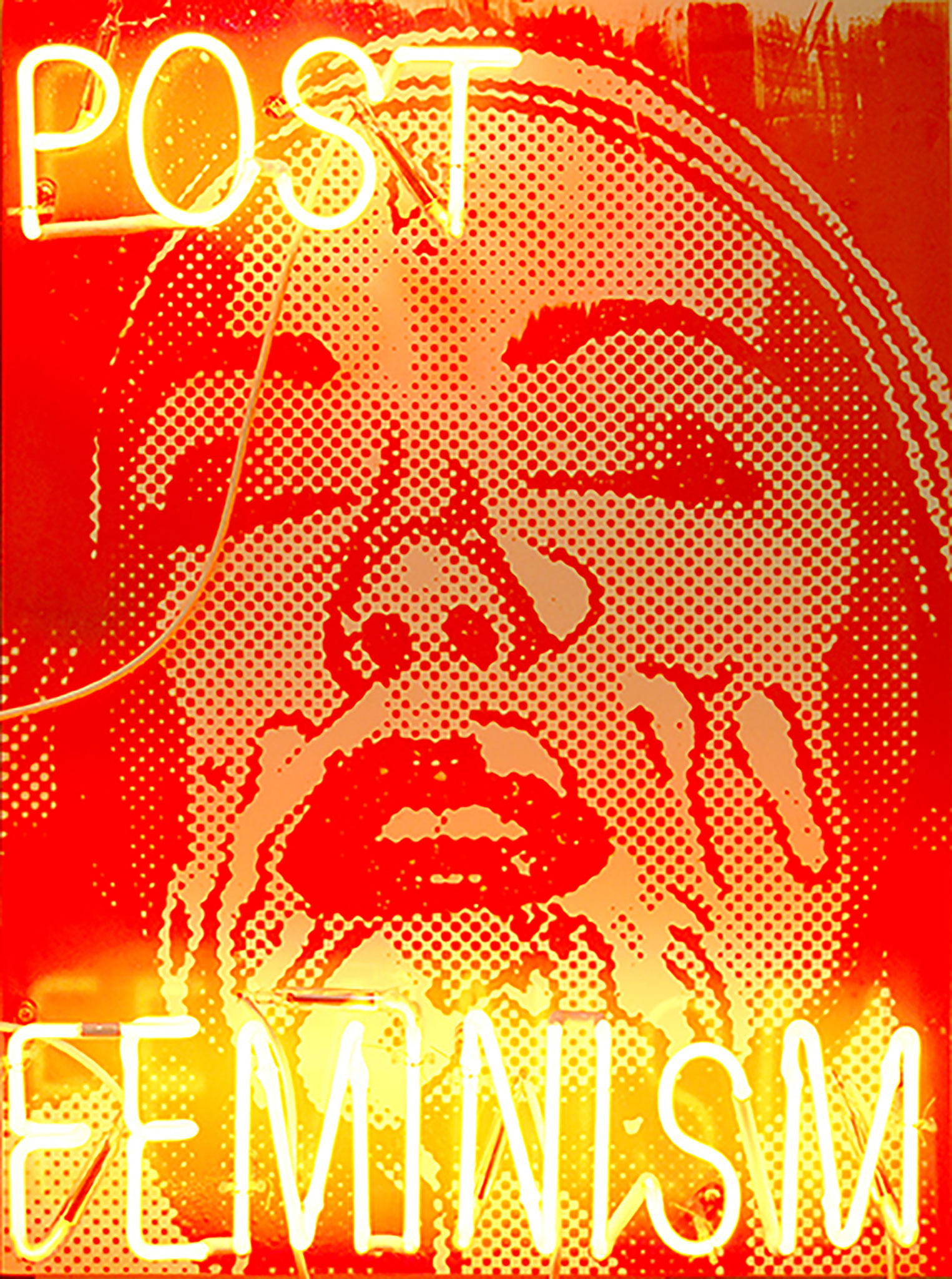
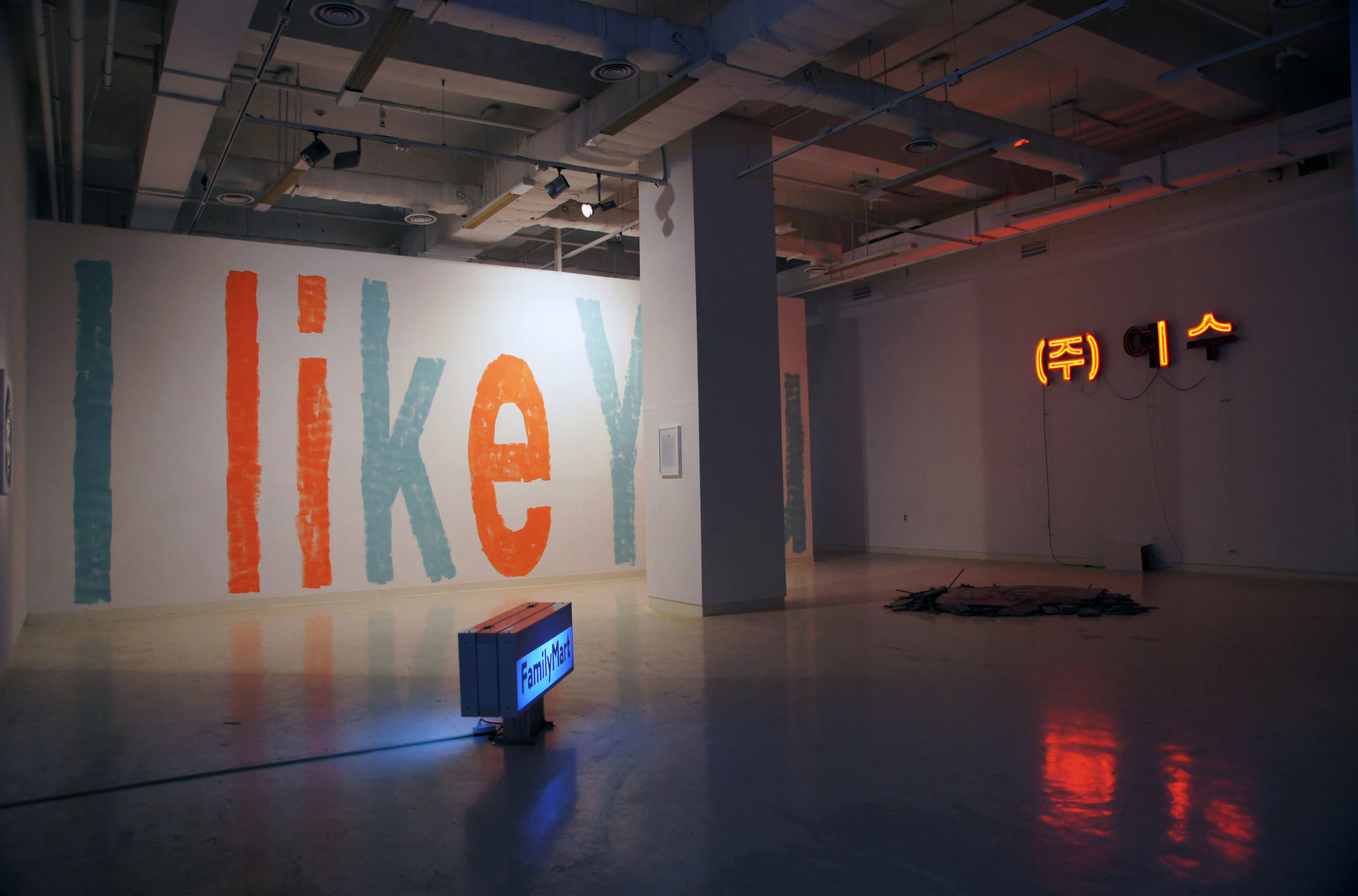
Neon, mixed media
Dimensions variable
About The Work

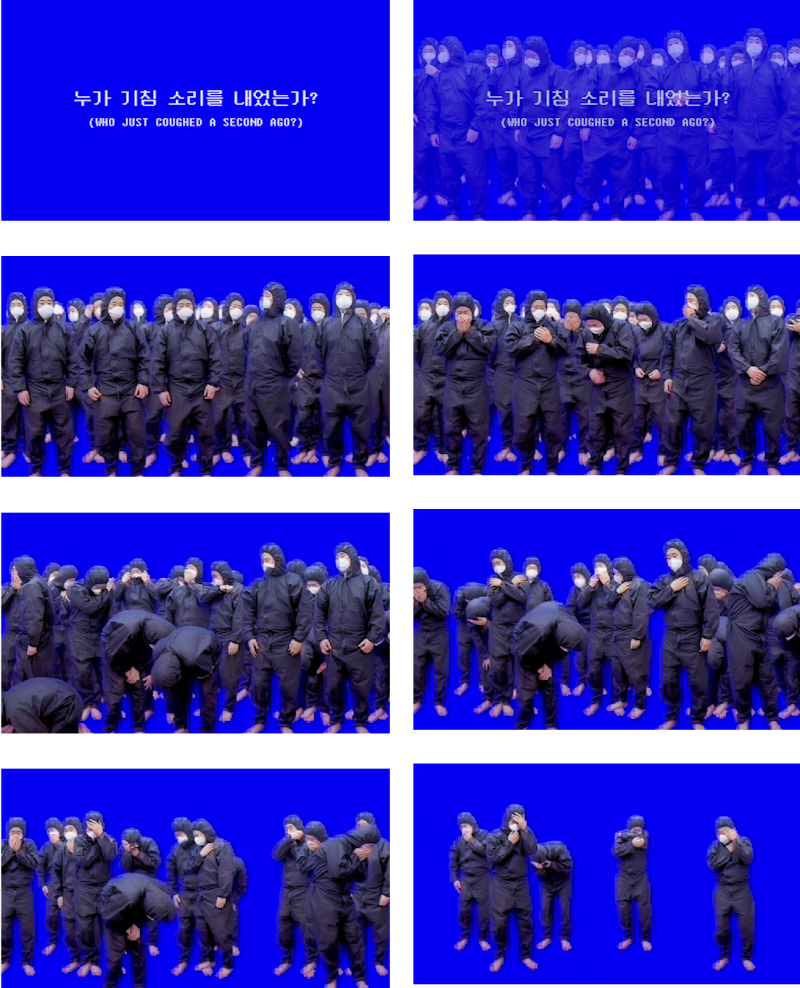
Insane Park has developed a sustained inquiry into media and images, using his practice to reveal the limits of conventional visual systems and modes of perception that we often accept without question.

Moving freely across video, installation, painting, and photography, his work analyzes and deconstructs images that are repeatedly circulated and consumed, critically examining the ways perception is formed through the act of “seeing” and the political and cultural structures that underlie it.

For Park, media is not a transparent means of representing reality, but rather a structure of perception that determines in advance what we see and what we believe. He brings together memes and images circulating online, film stills, popular-culture characters, and references from art history, blurring the authority of the original while generating new combinations of meaning.

In particular, he actively incorporates replication, misreading, and technical errors that emerge in the process of image editing, suggesting that novelty may arise not from producing entirely unprecedented images, but from discovering and expanding the gaps and ruptures between existing images.

This inquiry extends beyond media to various systems that produce social authority, including religion, ideology, notions of normality, the art market, and art institutions. By placing familiar signs in unfamiliar contexts and employing wordplay, role-playing, and black comedy, Park exposes contradictions within these systems.

Rather than pursuing direct subversion from outside institutional structures, he critically examines contemporary systems of images and perception by introducing fictional devices from within them and creating subtle cracks in the authority and surfaces of reality through which these systems operate.

Solo Exhibitions (Brief)

Insane Park has held multiple solo exhibitions at ARARIO GALLERY SEOUL in 2011, 2014, 2020, and 2025, as well as at the Youngeun Museum of Contemporary Art (2012), and Art Project CZ in Shanghai (2015).

Group Exhibitions (Brief)

Insane Park has participated in group exhibitions at the Gyeonggi Museum of Modern Art (2013, 2017), Dak’Art—Biennale of Contemporary African Art in Dakar (2014), Nam June Paik Art Center (2015), Culture Station Seoul 284 (2015), Akiyoshidai International Art Village (2016), ARARIO GALLERY CHEONAN (2013, 2021), and Suwon Museum of Art (2022).

Awards (Selected)

Insane Park won the Grand Prize at the 2nd ETRO Art Prize in 2013.

Residencies (Selected)

Insane Park participated in residency programs at Youngeun Artist-in-Residency (2011–2013), Gyeonggi Creation Center (2015–2016), Akiyoshidai International Art Village (2016), and STUDIO M17 (2016–2017).

Works of Art

Fault Lines in the Systems of Image Production, Approval, Circulation

Originality & Identity

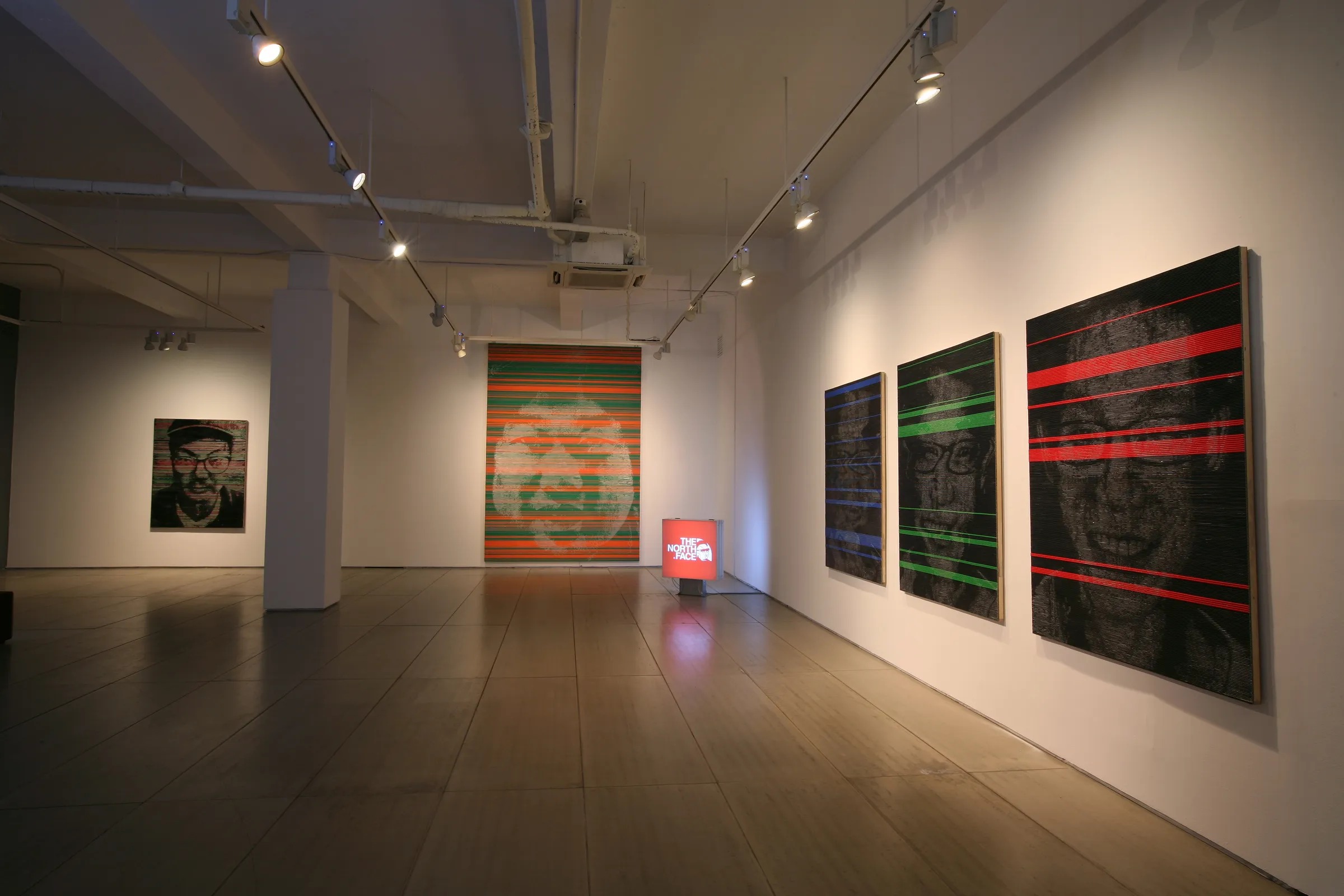
Insane Park has consistently examined how images come to be accepted as reality and the social and technological conventions that govern this process. His early ‘Image-Unknown’ series reconstructs anonymous faces appropriated from wanted-person composites and missing-person flyers using cables designed to transmit information, exposing the distance between mediated images and actual individuals.

His text-based works similarly alter letters, sounds, and familiar phrases to reveal language as a system that directs judgment and behavior. Throughout his practice, media functions less as a transparent window onto reality than as a perceptual structure that predetermines what can be seen and believed.

The distinctiveness of Park’s practice lies in an editorial approach that collects existing images and texts, relocates their contexts, and brings seemingly incompatible references into collision. Memes, GIFs, film stills, pop-cultural characters, and art-historical references are detached from their original settings and recombined into unstable configurations of meaning.

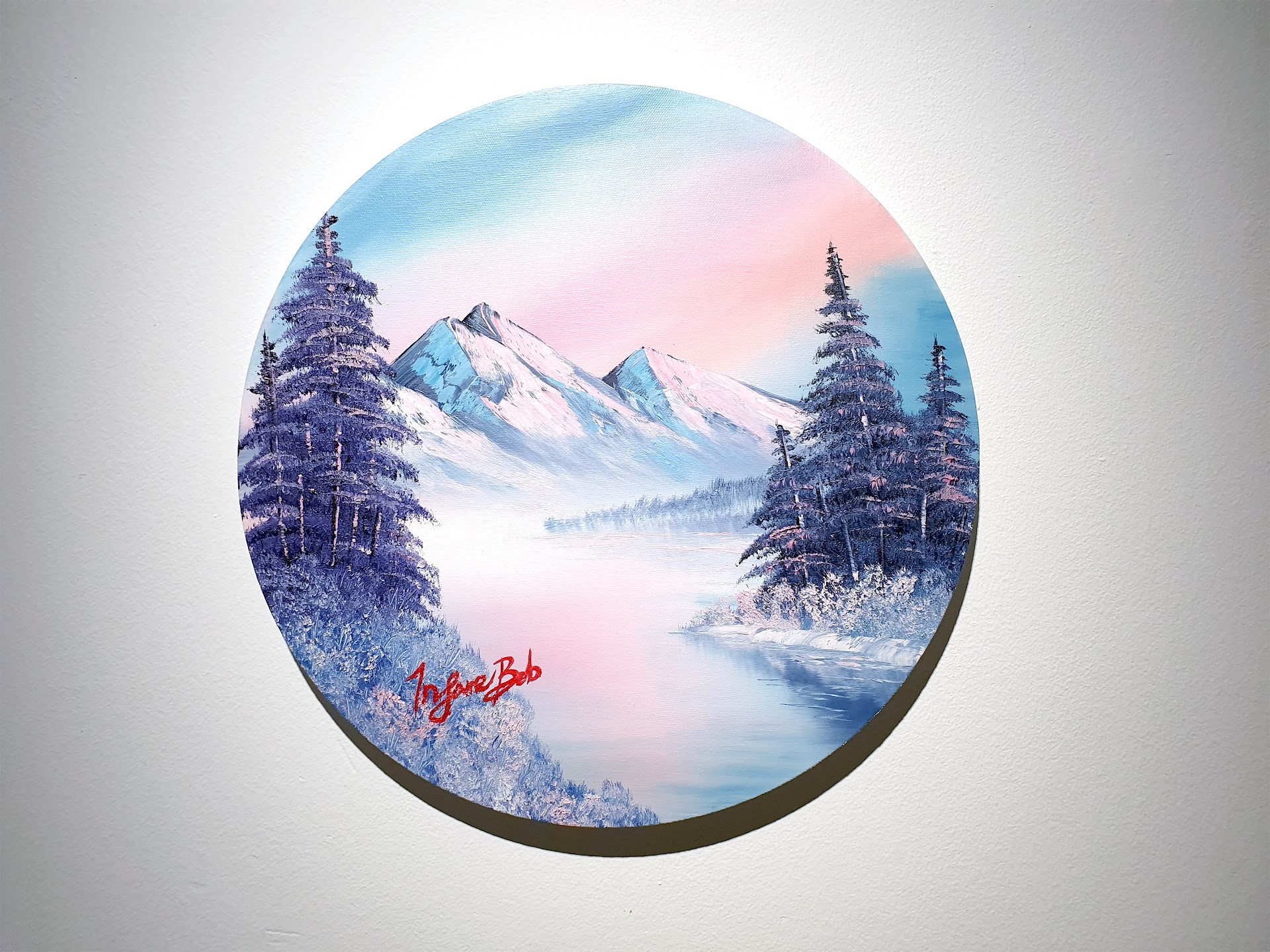
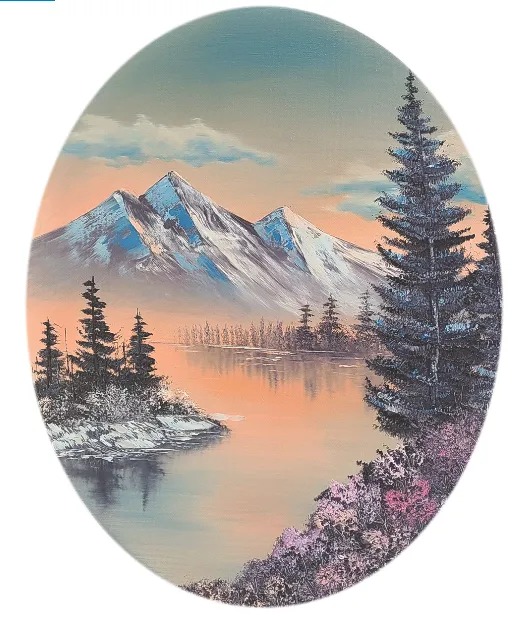
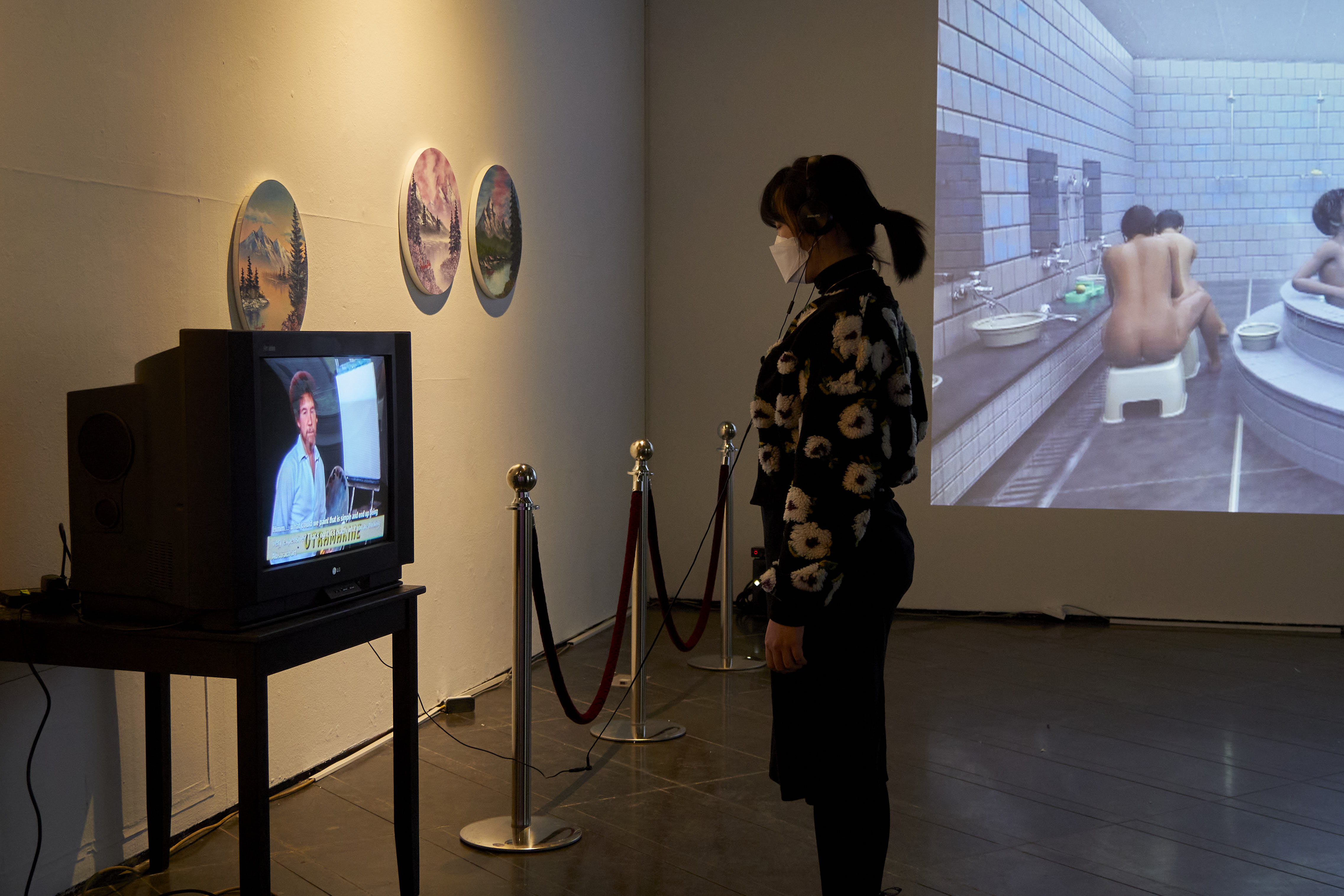
Works that merge Bob Ross’s television persona with Lee Ufan’s paintings, or translate errors generated by the Content-Aware Fill function into painting, unsettle the positions of the author and the original. Originality emerges through his ability to locate and amplify the gaps produced by repetition, misreading, technological error, and failed reconstruction.

This editorial method extends beyond media imagery to the systems that produce social authority, including religion, ideology, normality, the art market, and art institutions. Park’s criticism operates through displaced signs, exaggerated role-playing, wordplay, and black humor, allowing contradictions within these systems to reveal themselves.

In We Cannot Understand Any of Your Gestures, he paints under self-imposed physical restrictions, destabilizing the narratives of heroic overcoming and able-bodied expectations that frequently shape the reception of disability art. His works repeatedly ask how distinctions between normal and abnormal, art and non-art, and center and margin are established and sustained.

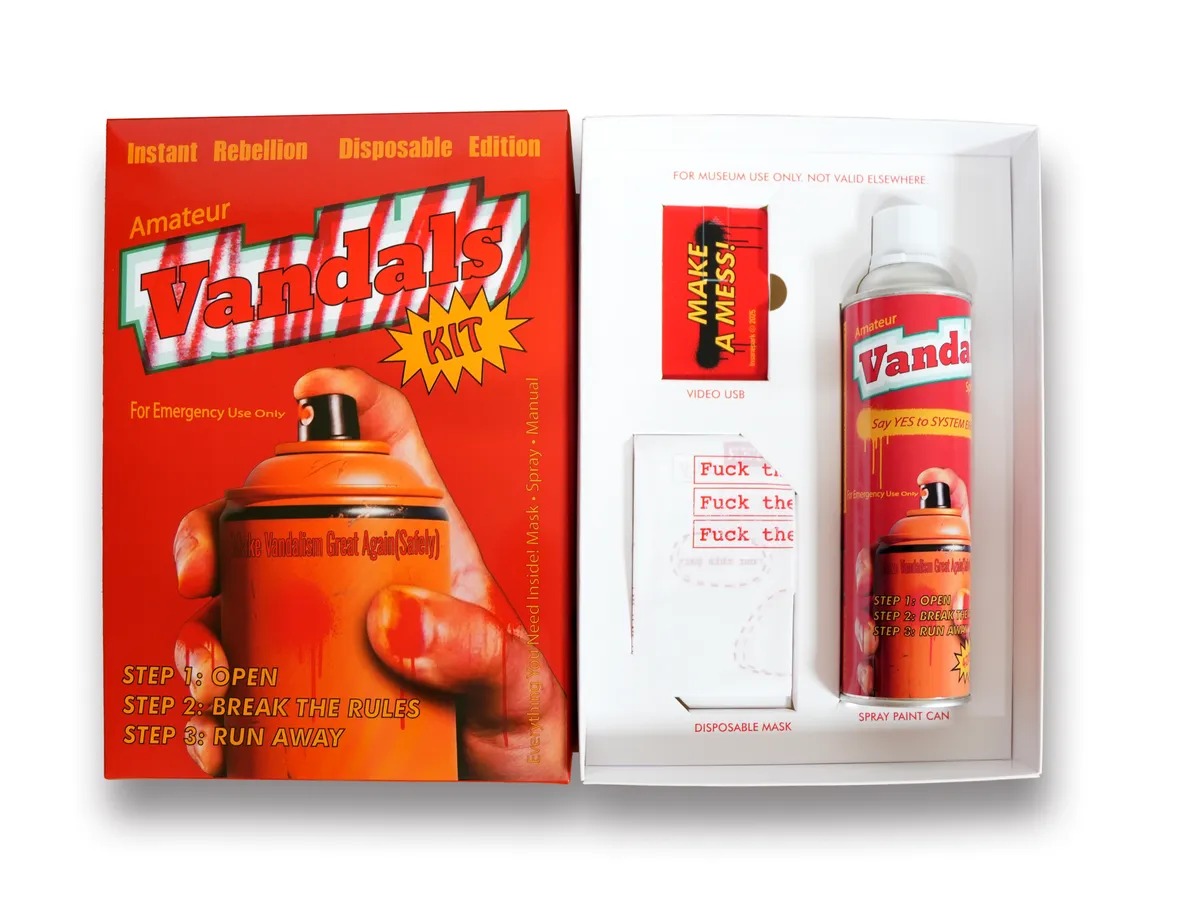
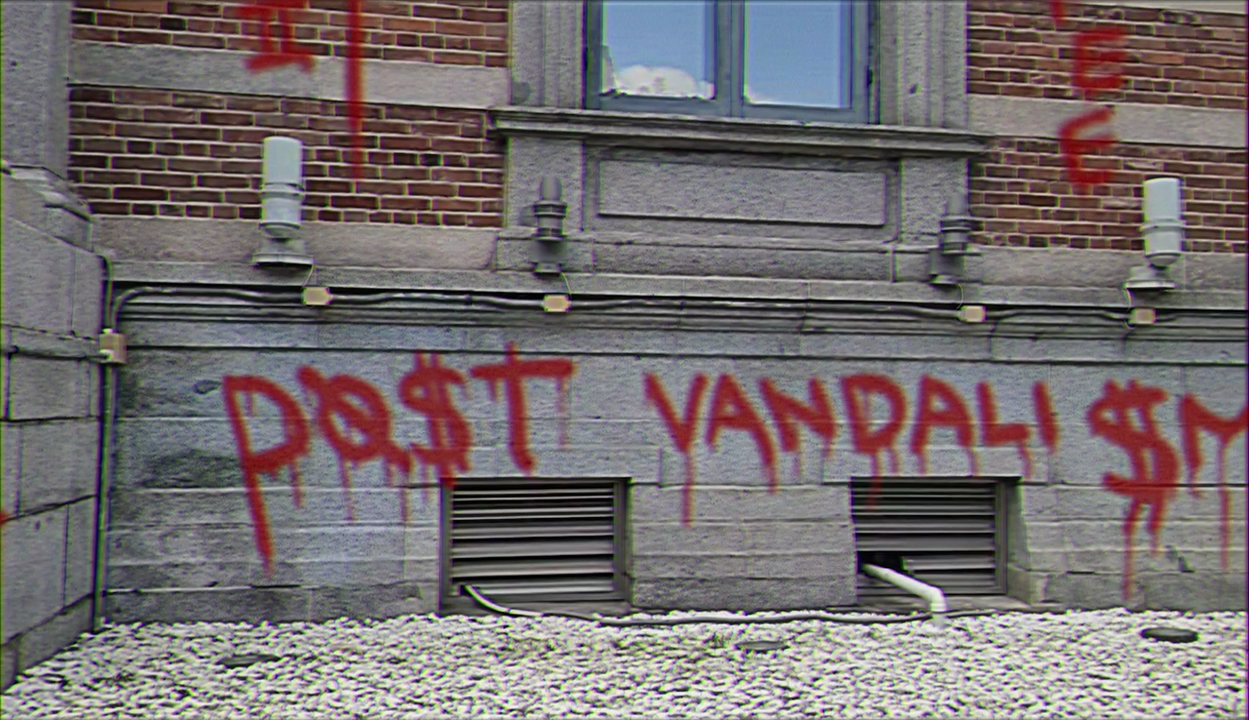
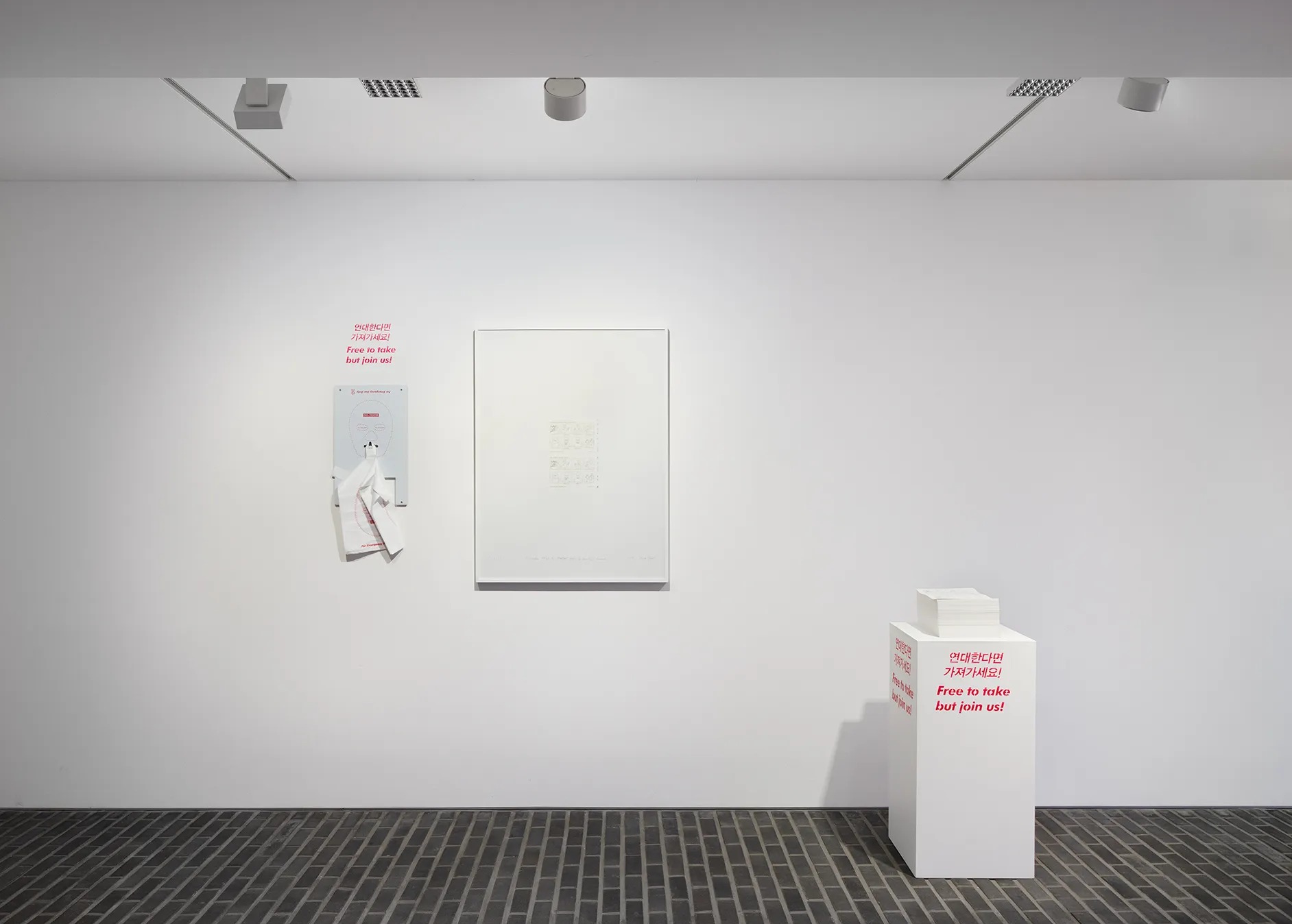
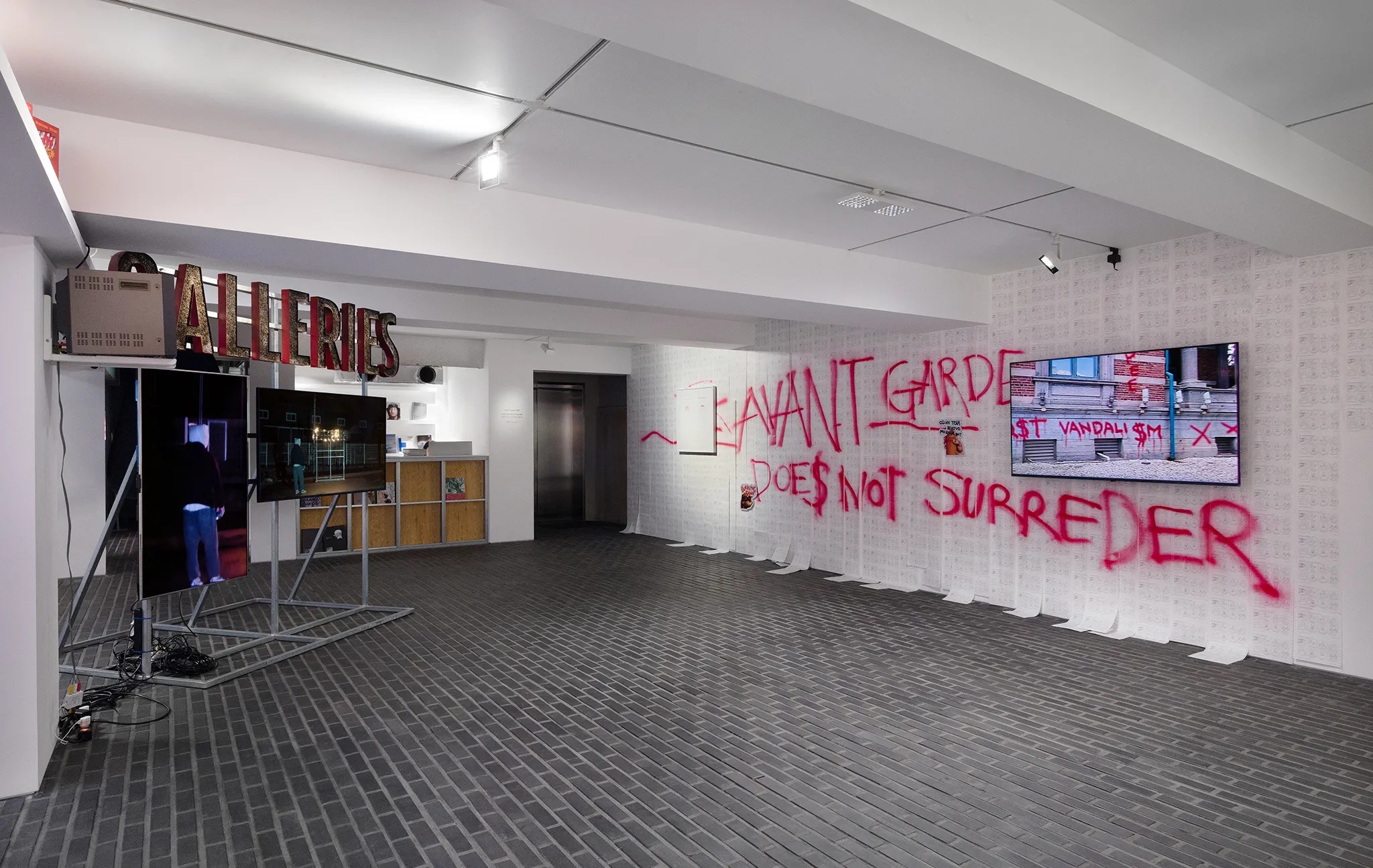
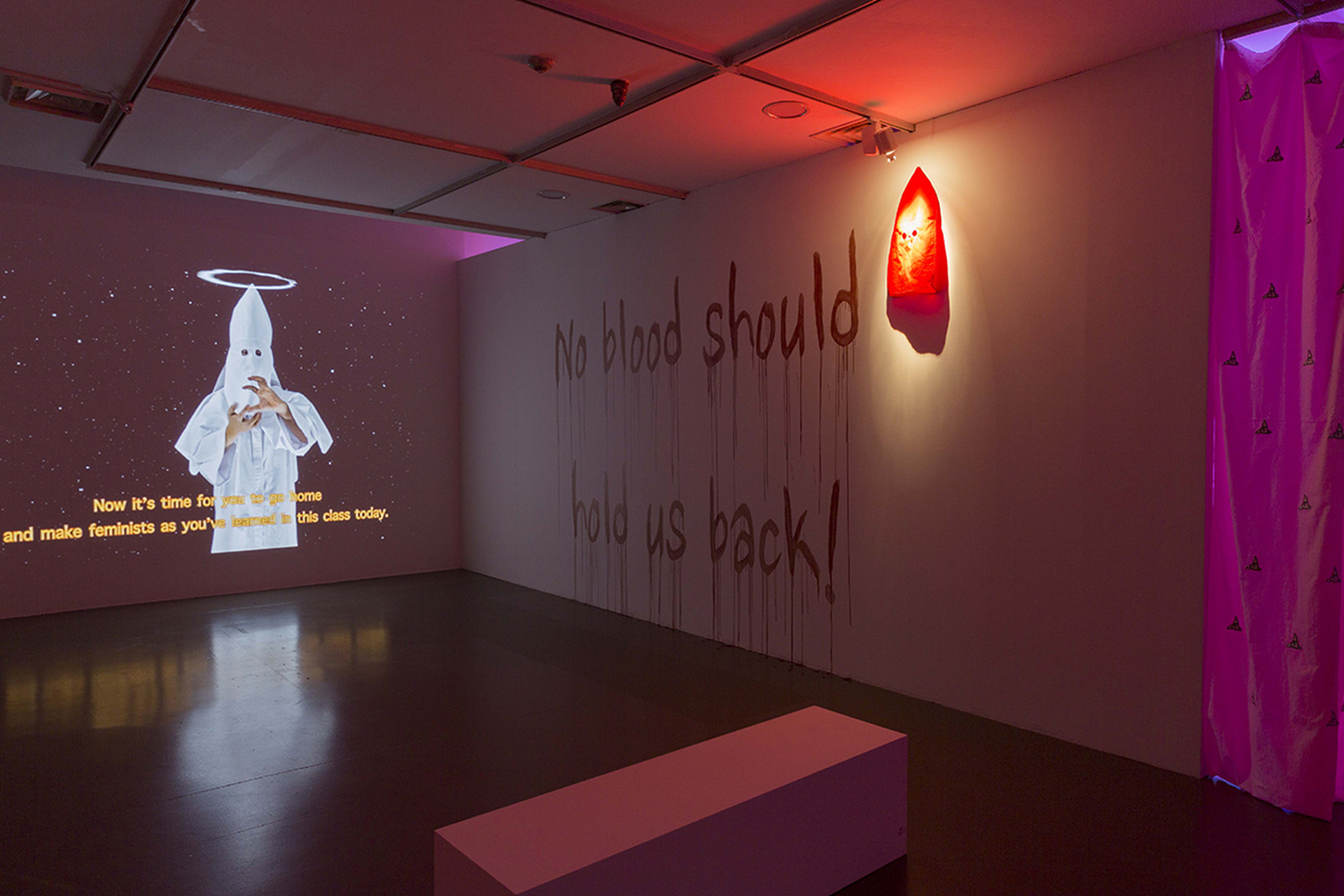
In the recent ‘Post Vandalism’ series, these concerns expand into an inquiry into institutional authority and the contemporary possibility of subversion. Park digitally stages museums and galleries as sites defaced by graffiti or consumed by fire, while presenting masks and tools for vandalism as objects that can be exhibited, distributed, and collected.

He acknowledges the contradiction that an act of destruction becomes part of the institution as soon as it is authorized as art, embracing failure and falsity as conditions of the work. Rather than imagining a pure position outside the institution, Park constructs fictional devices that can operate from within its structures and persistently tests whether they can produce cracks in the surfaces of reality and authority.

Style & Contents

Insane Park’s early ‘Image-Unknown’ series transforms cables used for transmitting information into materials for constructing two-dimensional images. By arranging cables at regular intervals and grinding away their colored coatings, he produces tonal variations and contours that depict anonymous faces collected from wanted-person composites and missing-person flyers.

The cables operate simultaneously as pictorial material and as a reference to the media infrastructure through which images and information circulate. Although the works appear painterly when viewed from the front, their carved surfaces also possess the qualities of relief and sculpture. The original function of the material is thus inseparable from the represented subject, physically revealing how media converts human faces and identities into transmissible information.

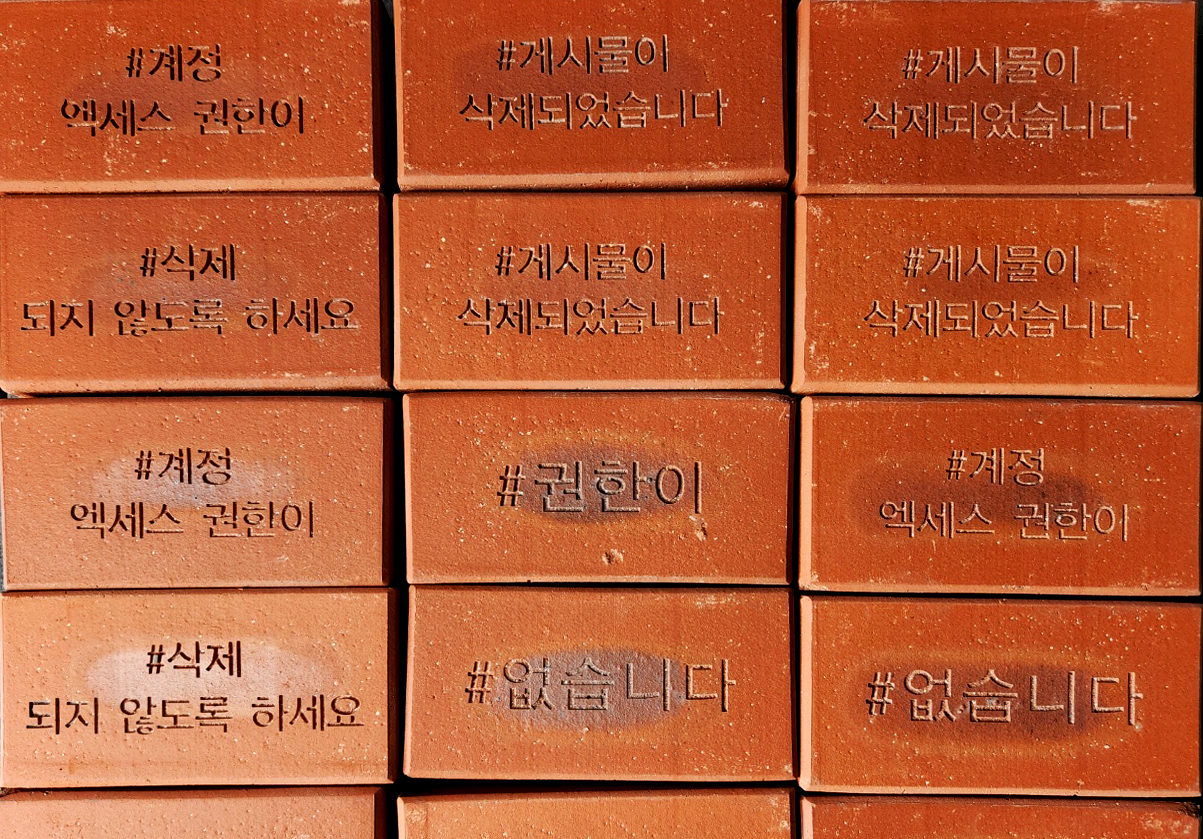
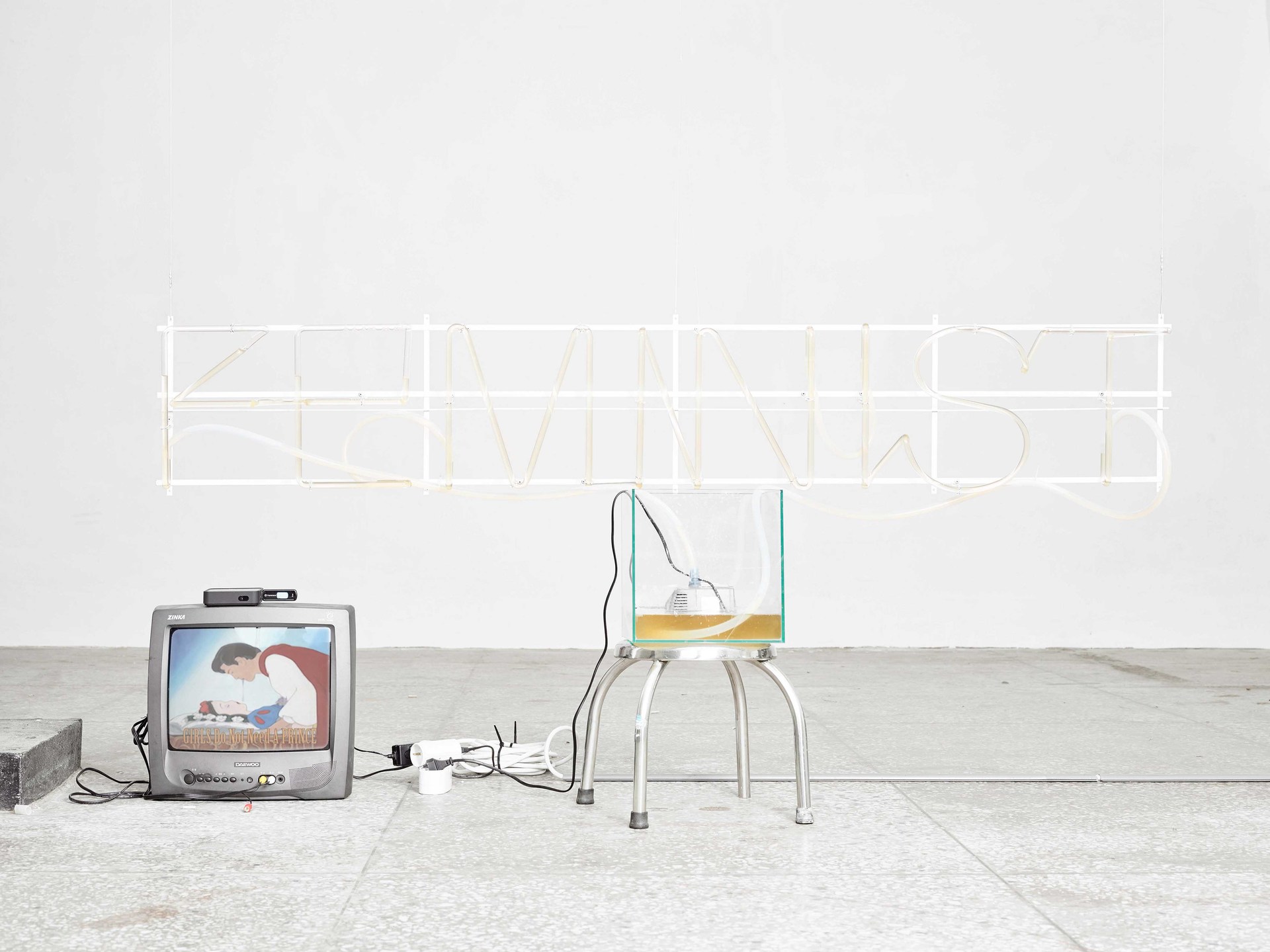
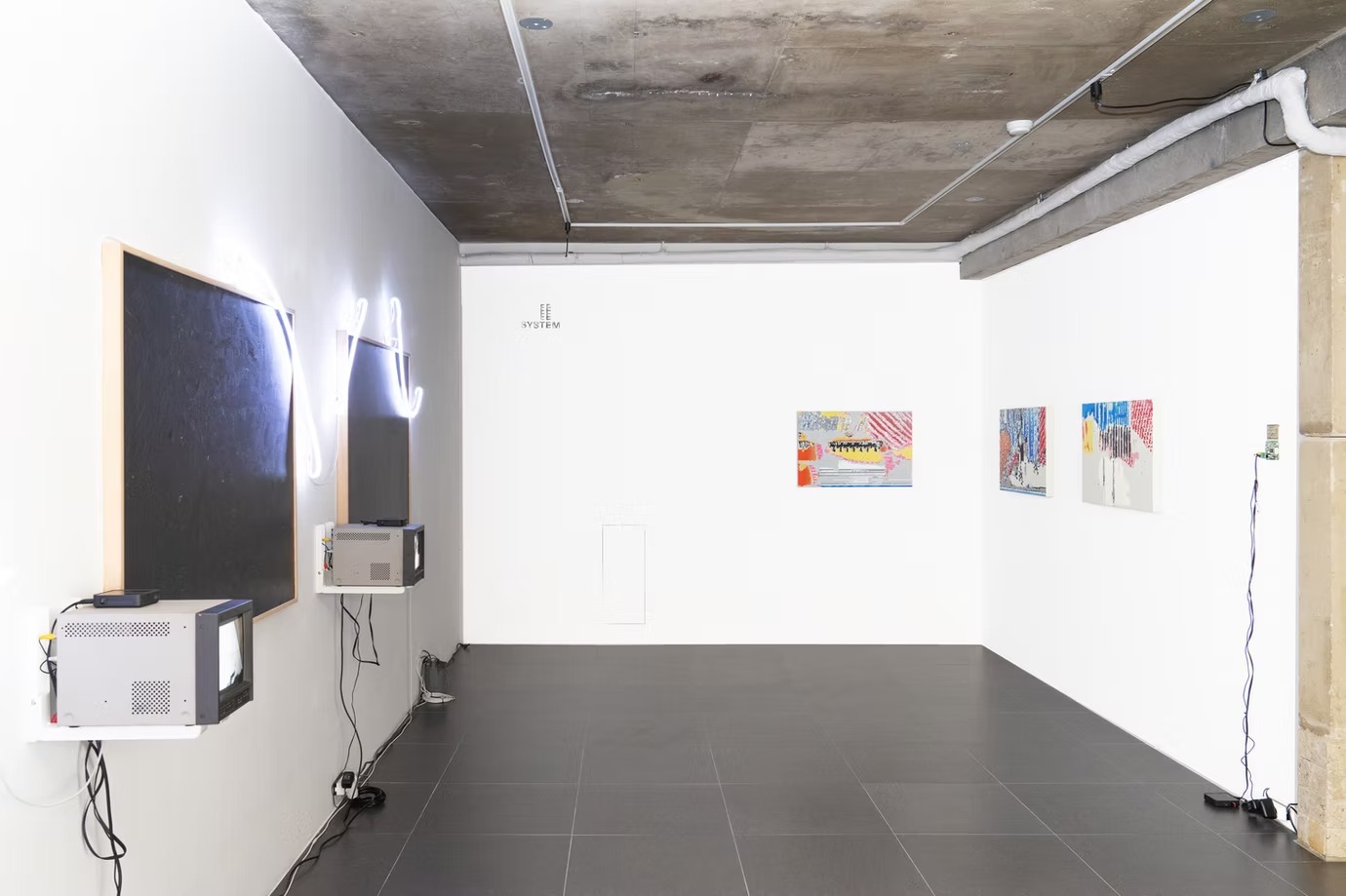
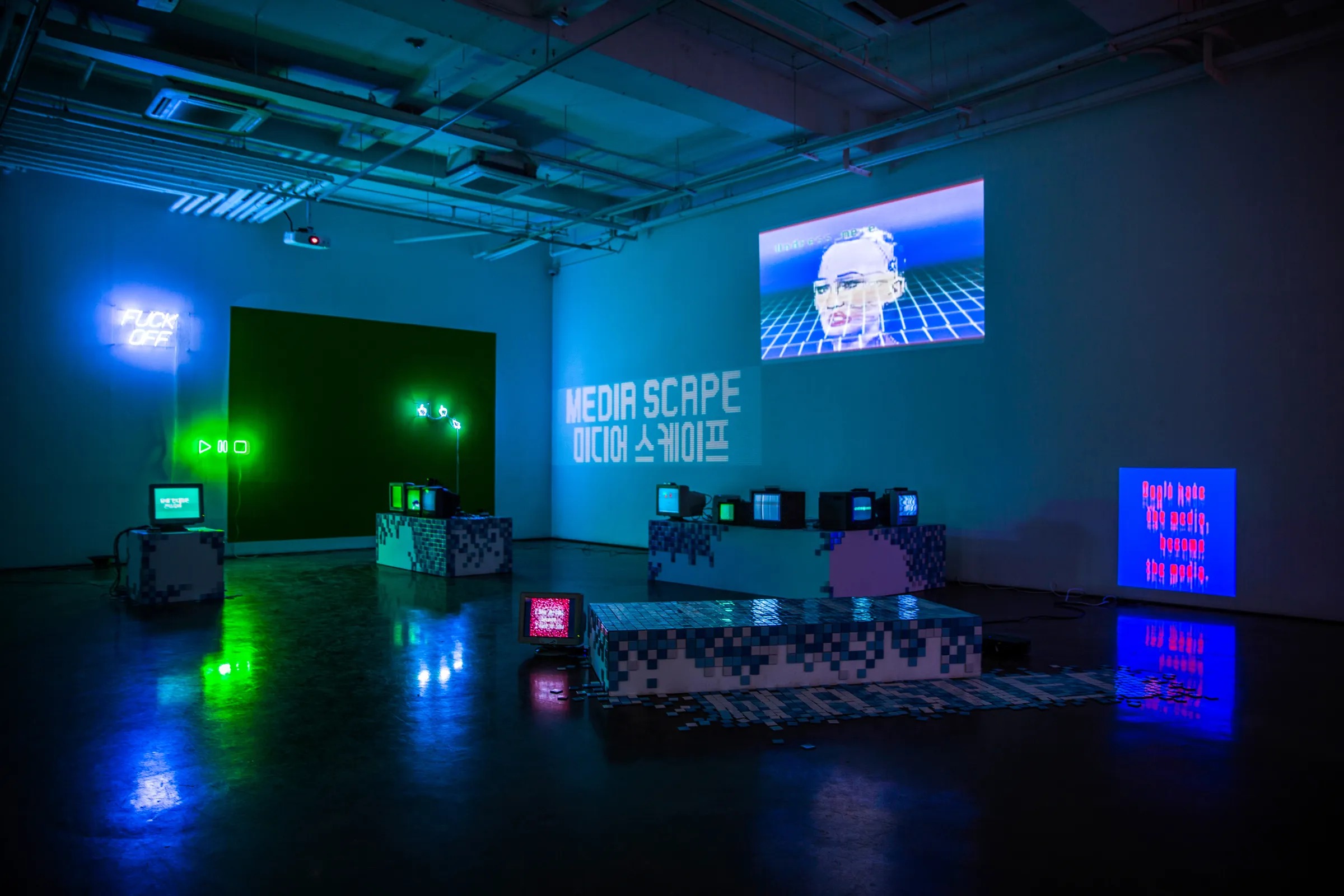
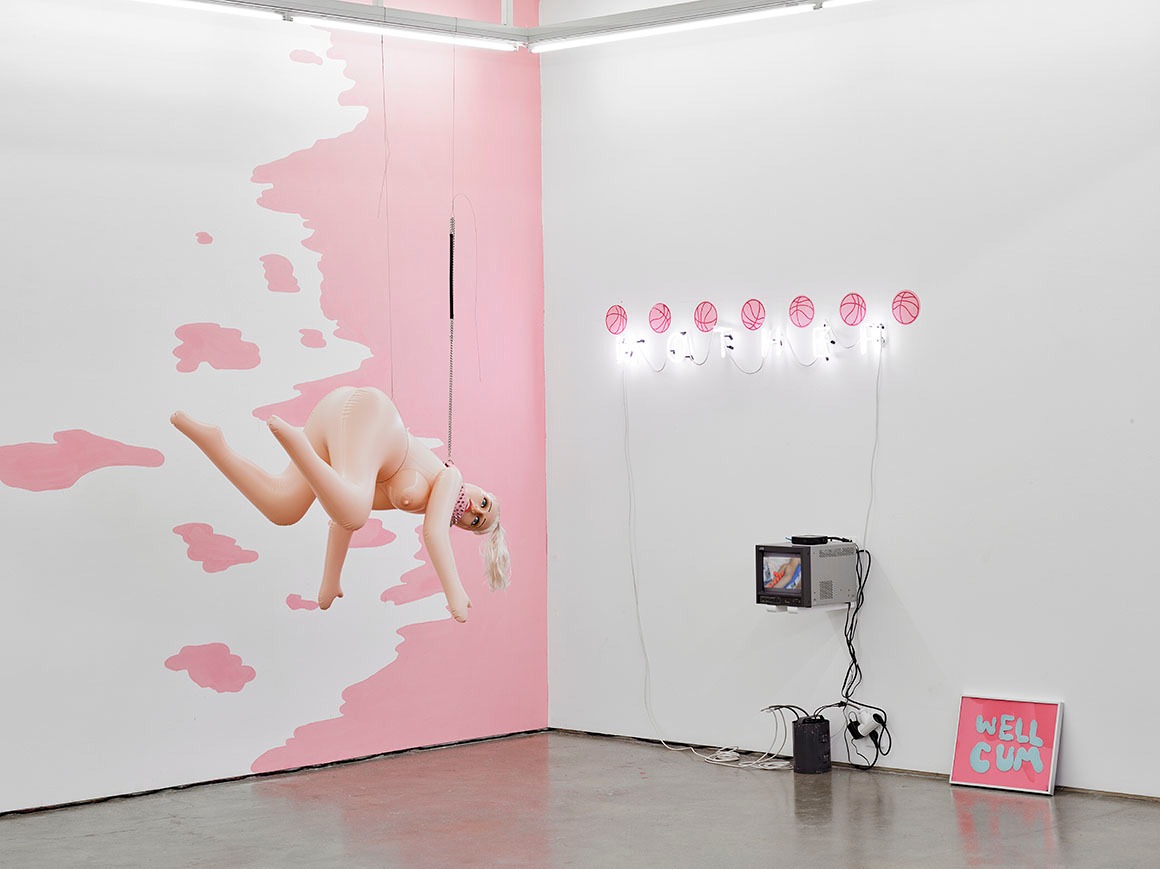
In his text-based works, immaterial information is similarly transferred into concrete objects and spatial structures through neon, bricks, and sign-like forms. By making individual letters flicker or disappear and exchanging similar sounds and spellings, Park turns familiar expressions into unfamiliar commands, jokes, or provocations.

In Firewall, a digital access-denial message is engraved into red bricks, materializing an online system of authorization as a physical barrier. Bright neon light, commercial signage, and repeated warnings bring the directives encountered in everyday life into the exhibition space. Text in Park’s work does not merely explain an idea; it occupies space and functions as a visual device that regulates the viewer’s behavior and perception.

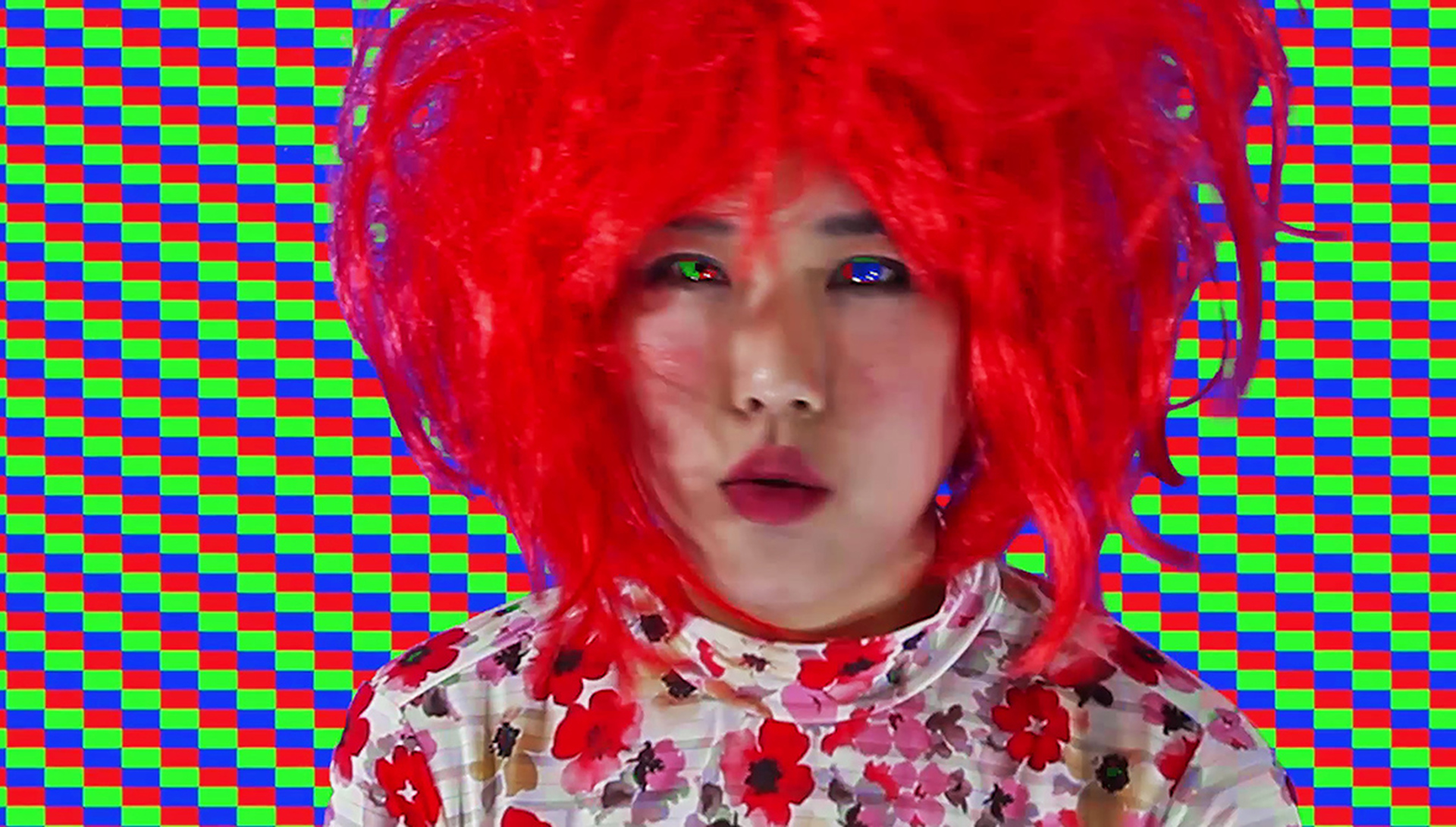
Park subsequently expanded the logic of digital editing across photography, video, painting, sound, and installation. He cuts, duplicates, and recombines photographs, moving images, memes, and film stills gathered from the web, while also rephotographing monitor images and layering sampled sounds.

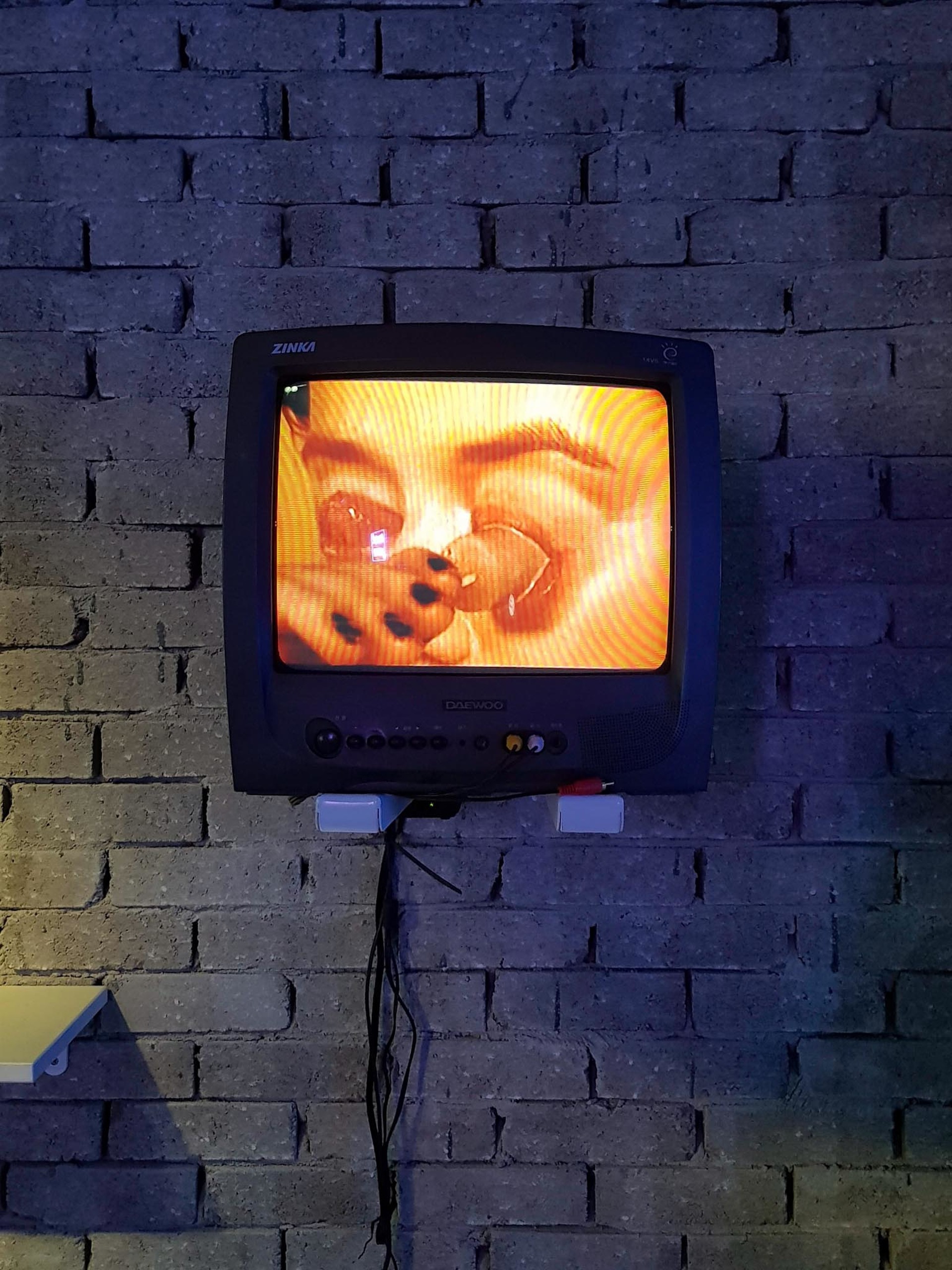
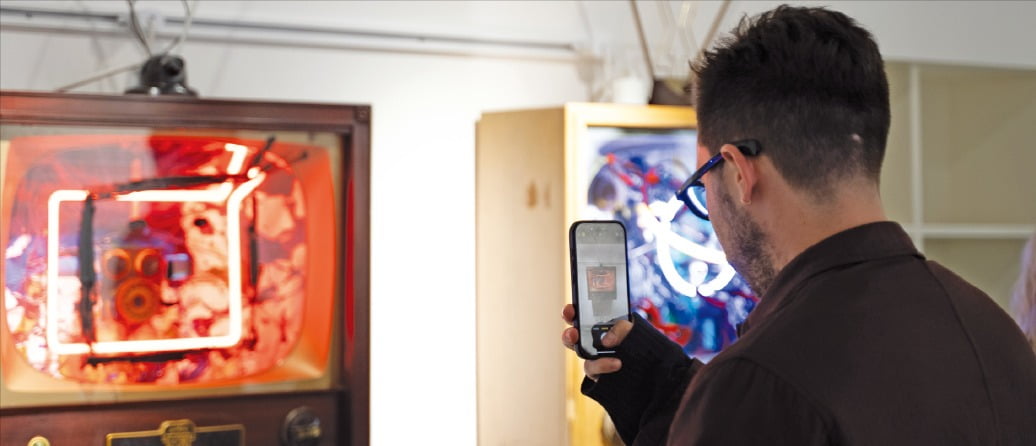
Obsolete cathode-ray tube televisions, computer monitors, pixels, cursors, and playback icons evoke not only particular technologies but also the sensory conditions through which images were once consumed. In 《Joy of Painting》, Park imitates Bob Ross’s television format and painting techniques, bringing together the familiarity of popular culture, questions of authorship, and the mechanisms through which the art market assigns value.

Rather than providing a unified narrative, his multimedia installations encourage fragmented viewing and listening that resembles browsing the internet, turning the circulation of contemporary images into a spatial experience.

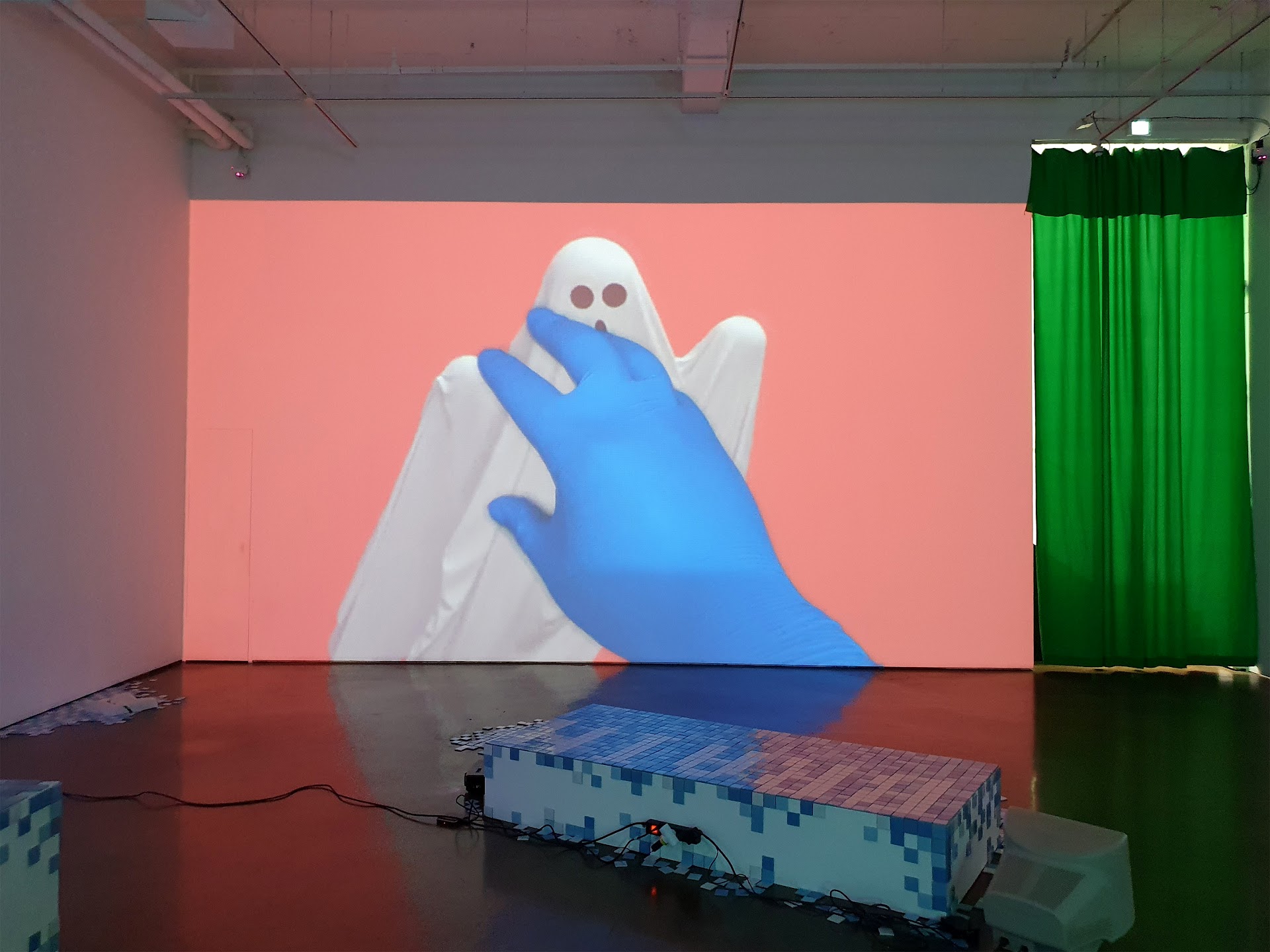
In recent works, technological errors and fictional staging have become active methods of production. The ‘Error’ series translates forms generated when the Content-Aware Fill function deviates from the user’s intentions into paintings and murals, while pixelated error windows from obsolete operating systems multiply images produced through malfunction.

The ‘Post Vandalism’ series digitally stages museums covered in graffiti, exhibition spaces engulfed in flames, social media livestreams, and fictional documentaries, while presenting masks and spray-paint kits as tangible commodities. Because the onscreen events and physical objects lend reality to one another without concealing their fabrication, viewers continually move between actual action and constructed imagery.

By connecting digital compositing, painting, objects, and spatial intervention, Park demonstrates how images can document reality while simultaneously functioning as tools for producing alternative realities.


Topography & Continuity

Since the early 2010s, Insane Park’s practice has examined how media organizes reality and transforms images into seemingly reliable information. His ‘Image-Unknown’ series, in which anonymous faces are rendered by grinding down cables, and his text-based works that disrupt spelling, pronunciation, and typographic arrangement intervene in the relationship between transmitted information and perception.

By altering familiar signs associated with religion, the press, and capitalism, Park reveals how images and language reinforce particular forms of power and convention while appearing neutral. The questions of media and authority, representation and reality established during this period have remained central throughout his subsequent shifts in medium and subject.

In his mid-career works, Park moved from directly criticizing media toward examining how images are duplicated, edited, displaced, and stripped of context. By rephotographing, sampling, and remixing photographs, videos, film stills, and phrases collected from the web, he positioned the artist as an editor who reorganizes relationships among existing materials.

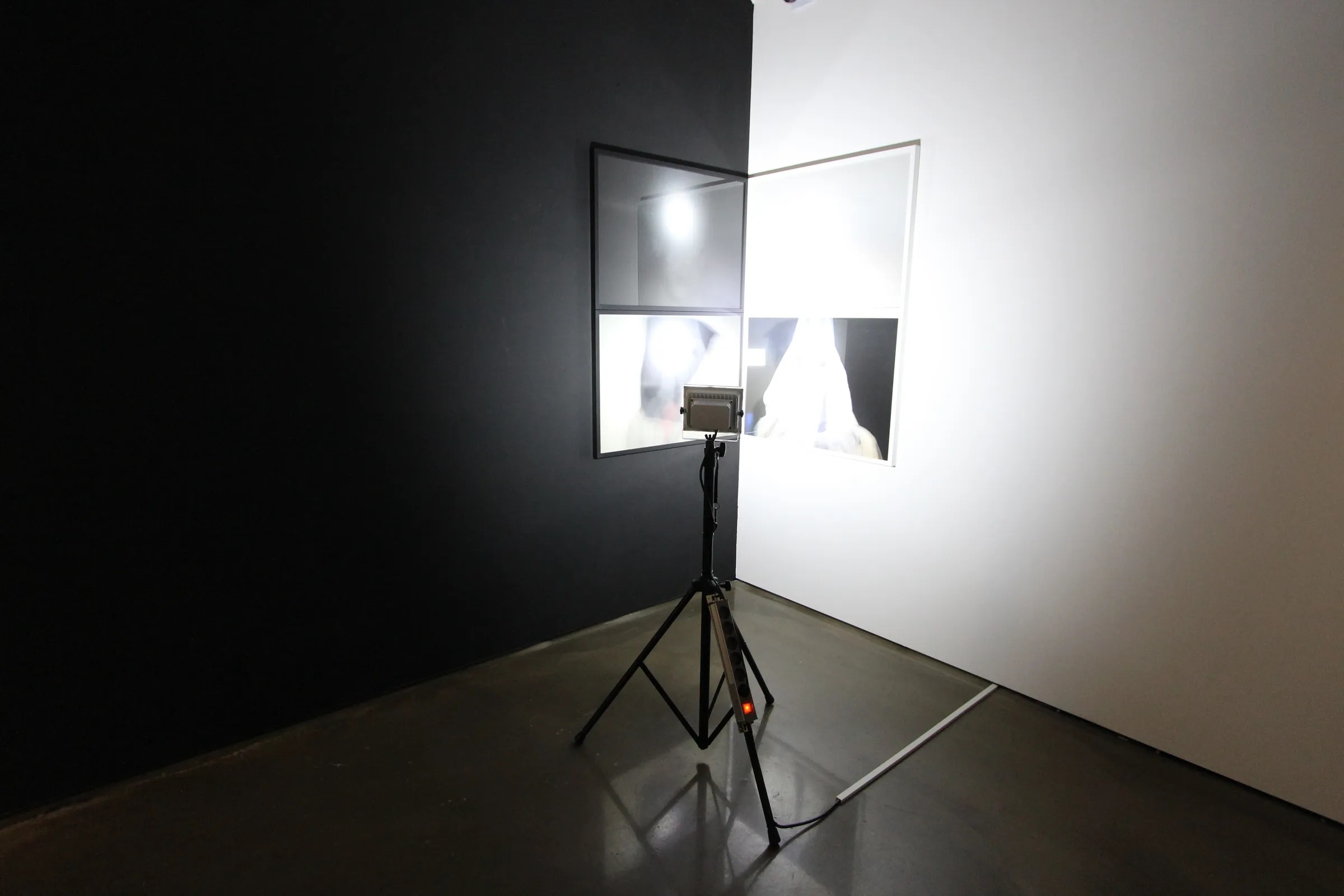
In 《Director’s Cut》, he photographed images displayed on a monitor, obscuring the origin of the supposedly real subject. His fictional documentaries similarly bring signs of social conflict and extremism into collision, demonstrating how origins and meanings continually recede as images circulate.

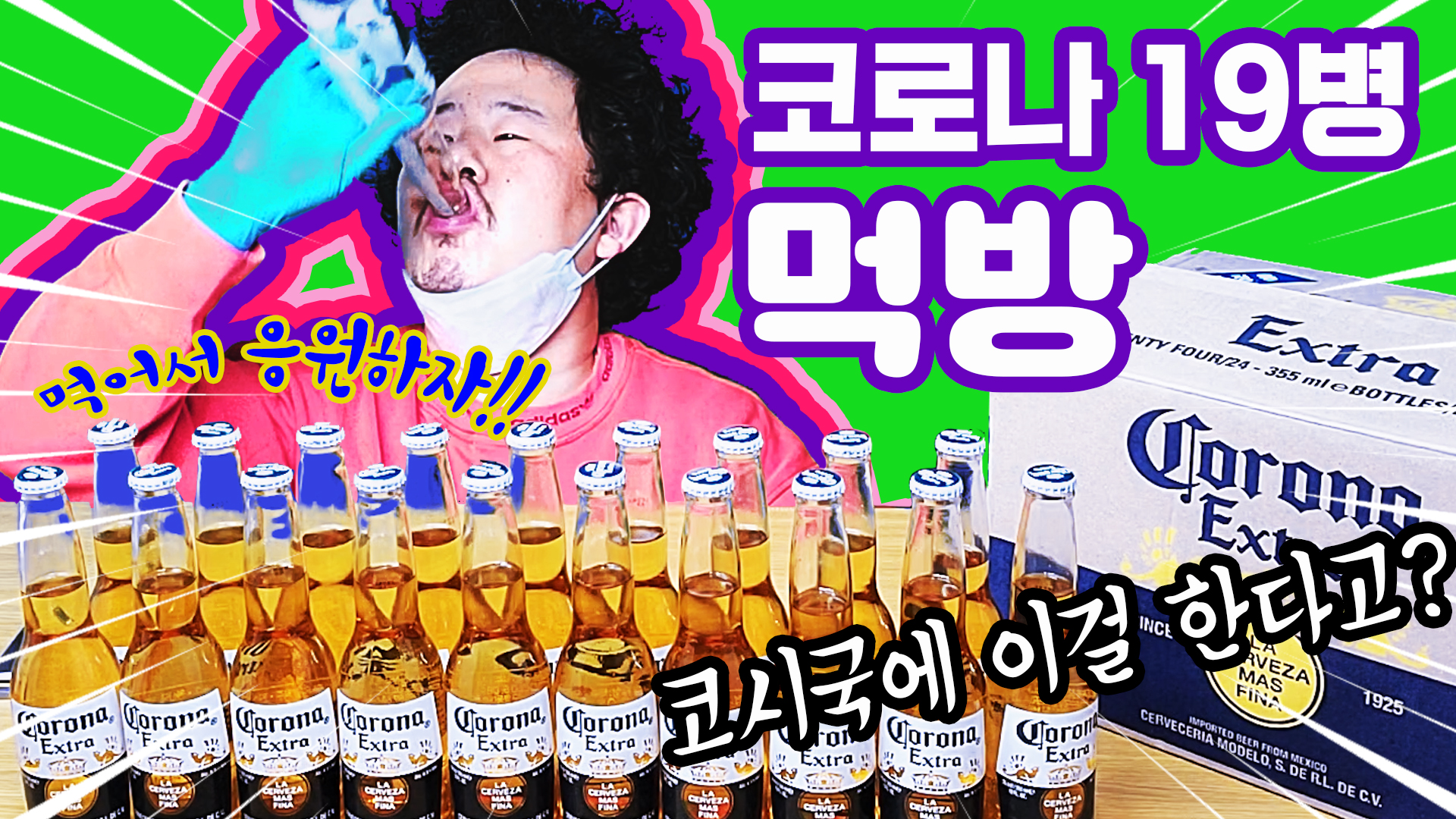
Around 2020, internet memes, alternate personas, obsolete digital interfaces, and memories of popular culture became closely connected to his examination of the art market and its institutions. 《I Have No Idea, Because I Have No Idea.》 and 《Joy of Painting》 employ contrasting formats of video and painting while jointly investigating how reproduction and imitation destabilize artistic value and authorship.

By combining Bob Ross, Lee Ufan, and internet memes, Park visualized the hierarchies between high and popular culture and the mechanisms through which discourse and the market confer artistic authority. His critique of media thus expanded toward the broader ecology of art, incorporating the systems and institutions to which his own practice belongs.

The recent ‘Error’ and ‘Post Vandalism’ series extend his longstanding editorial and subversive approach into the domains of algorithms, malfunction, and fictional events. Traces generated by failed image-editing processes are translated into paintings and murals, while scenes of museums being vandalized or burned are produced through simulated livestreams and digitally constructed videos.

Whereas his earlier works disrupted the authority of images delivered through media, his current practice addresses a contemporary condition in which even institutional critique and subversive acts can be absorbed as images and commodities.

Although Park continually updates the outward form of his work in response to technological change, his sustained focus remains the search for ruptures within the systems that produce, authorize, and circulate images.

Works of Art

Fault Lines in the Systems of Image Production, Approval, Circulation

Articles

Exhibitions

Activities