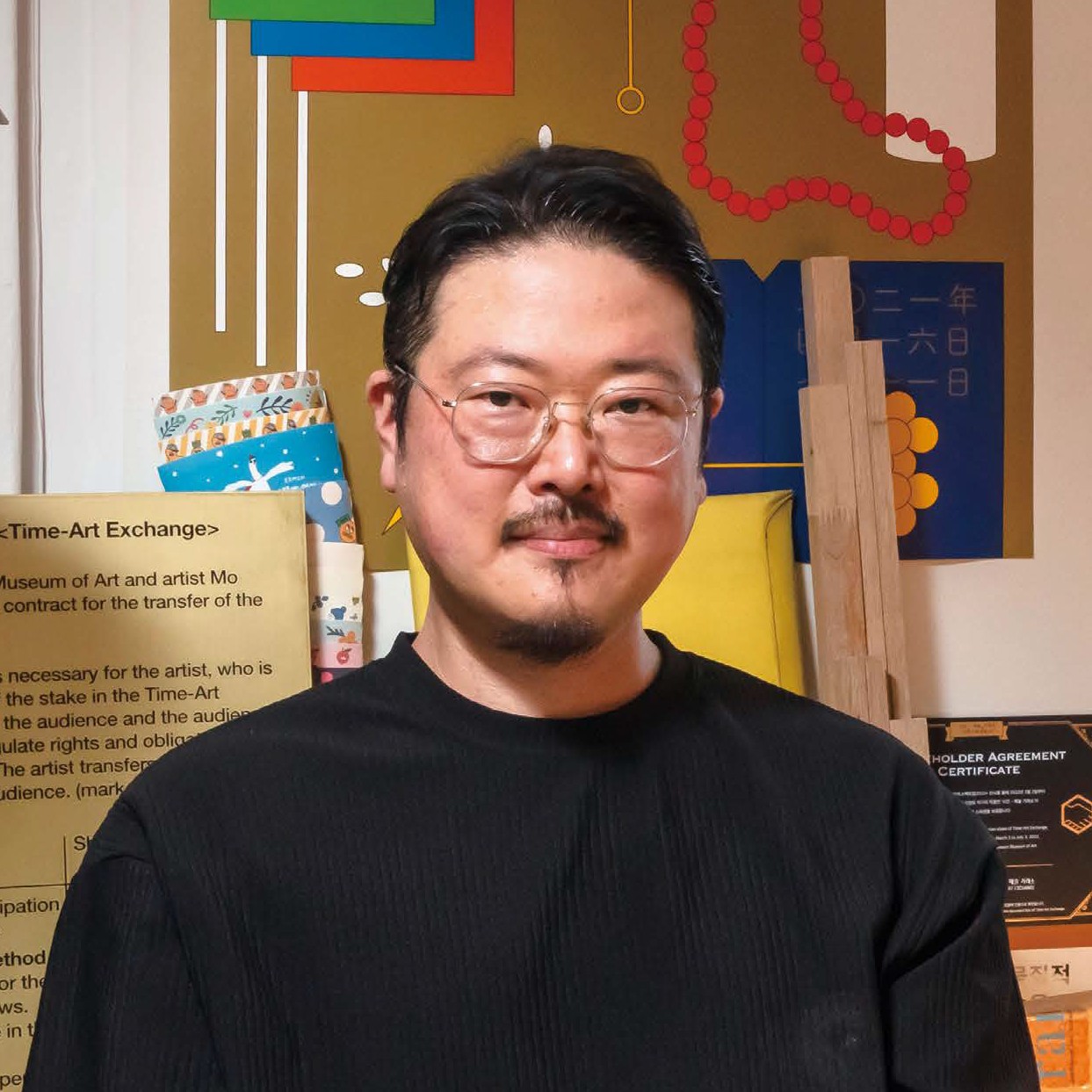
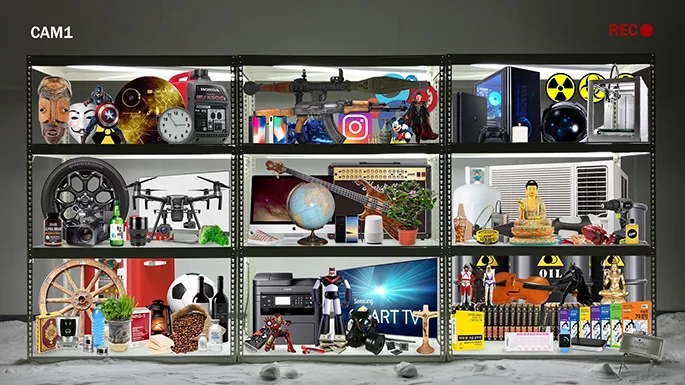
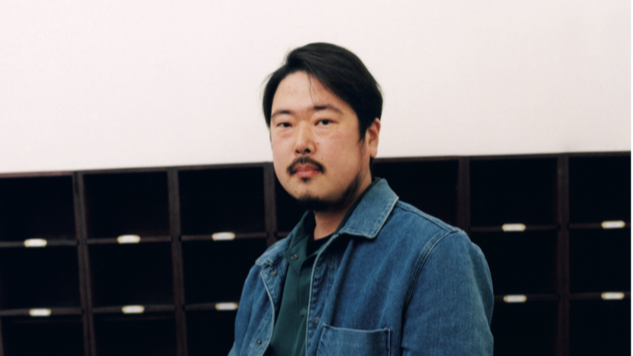
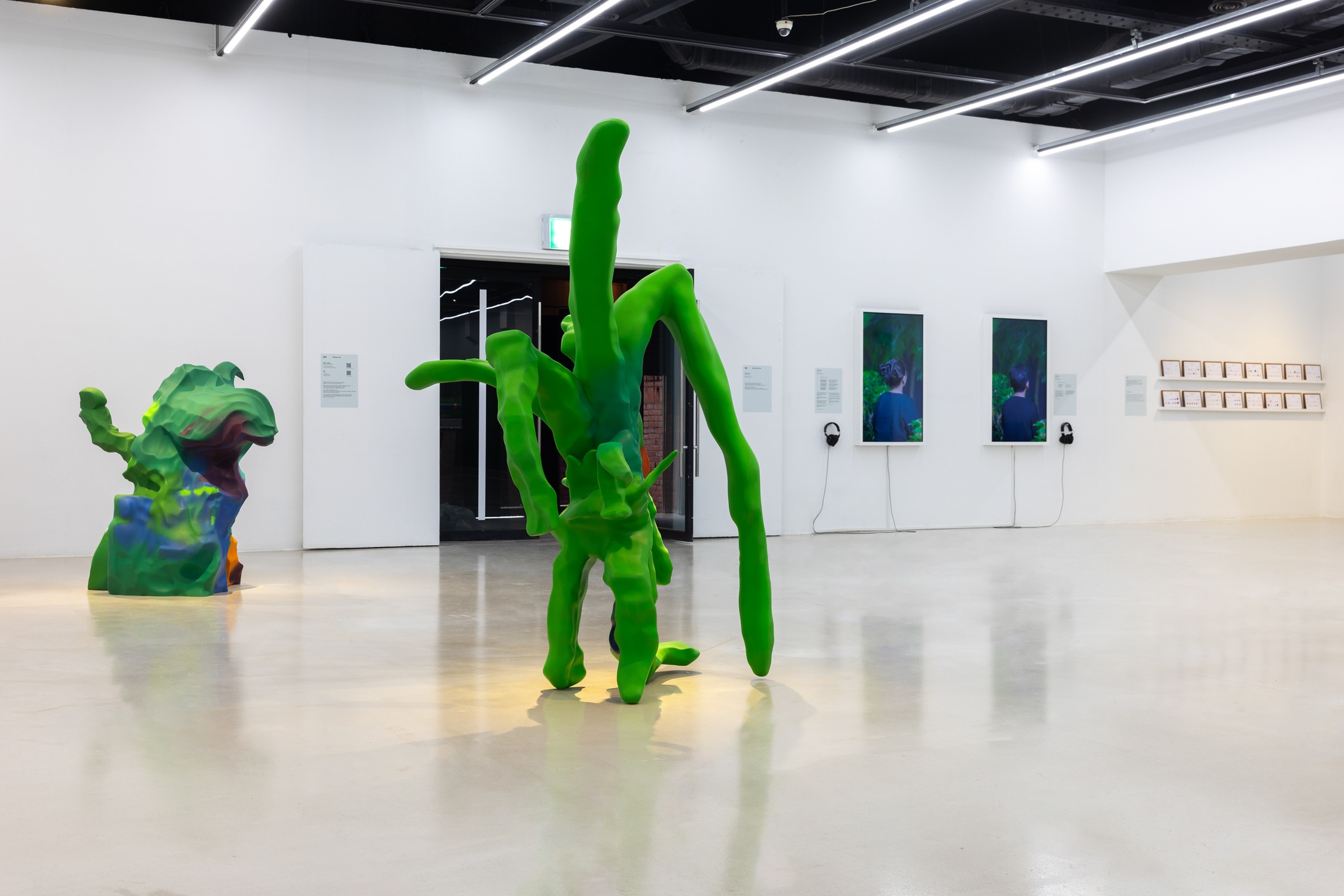
Mo Kim’s practice draws on the spatial thinking developed through his training in sculpture and encompasses installation, performance, video, photography, games, and participatory projects. In his early works, he intervened directly in specific urban sites and documented the results through photography.
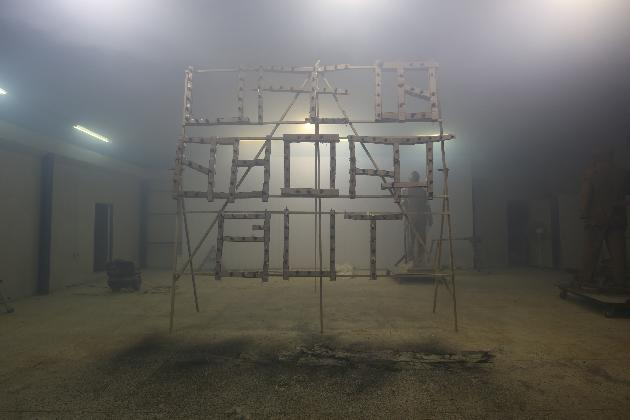
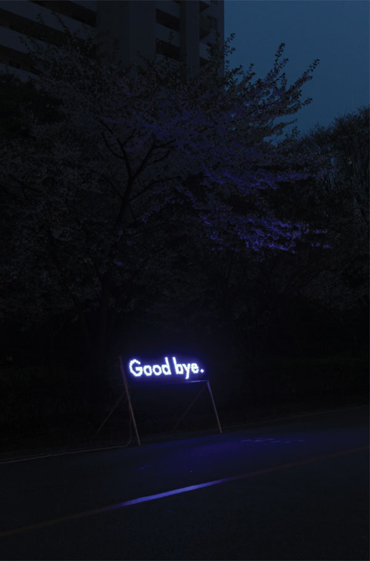
In Good bye, he installed structures resembling advertising signs in actual urban spaces and photographed them, constructing artificial scenes within real landscapes. The decision to physically install and document images that could just as easily have been produced through digital manipulation became a recurring characteristic of Kim’s practice. He creates situations that operate within actual spaces and through people’s actions, incorporating the time and experience generated in the process as components of the work.
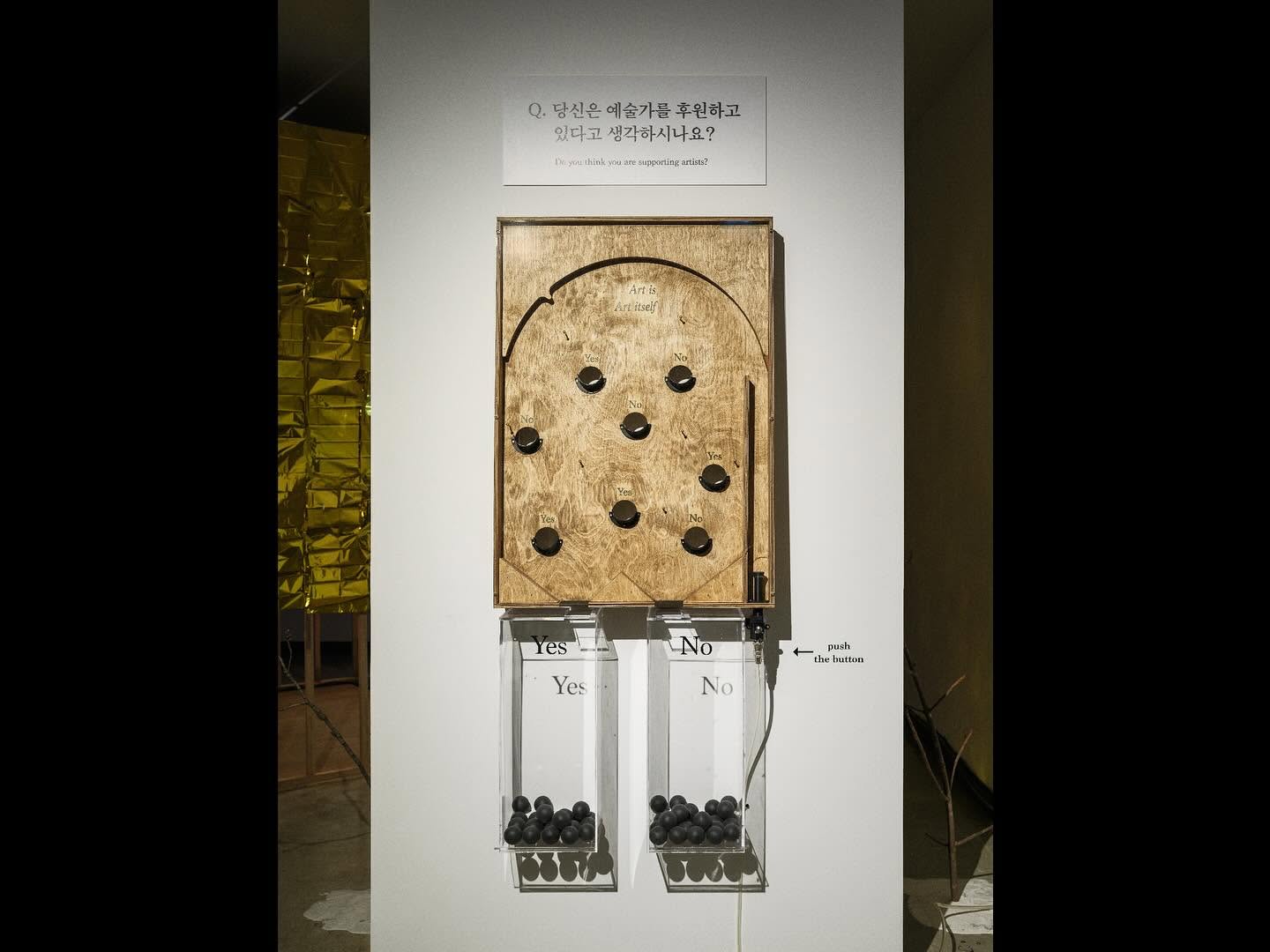
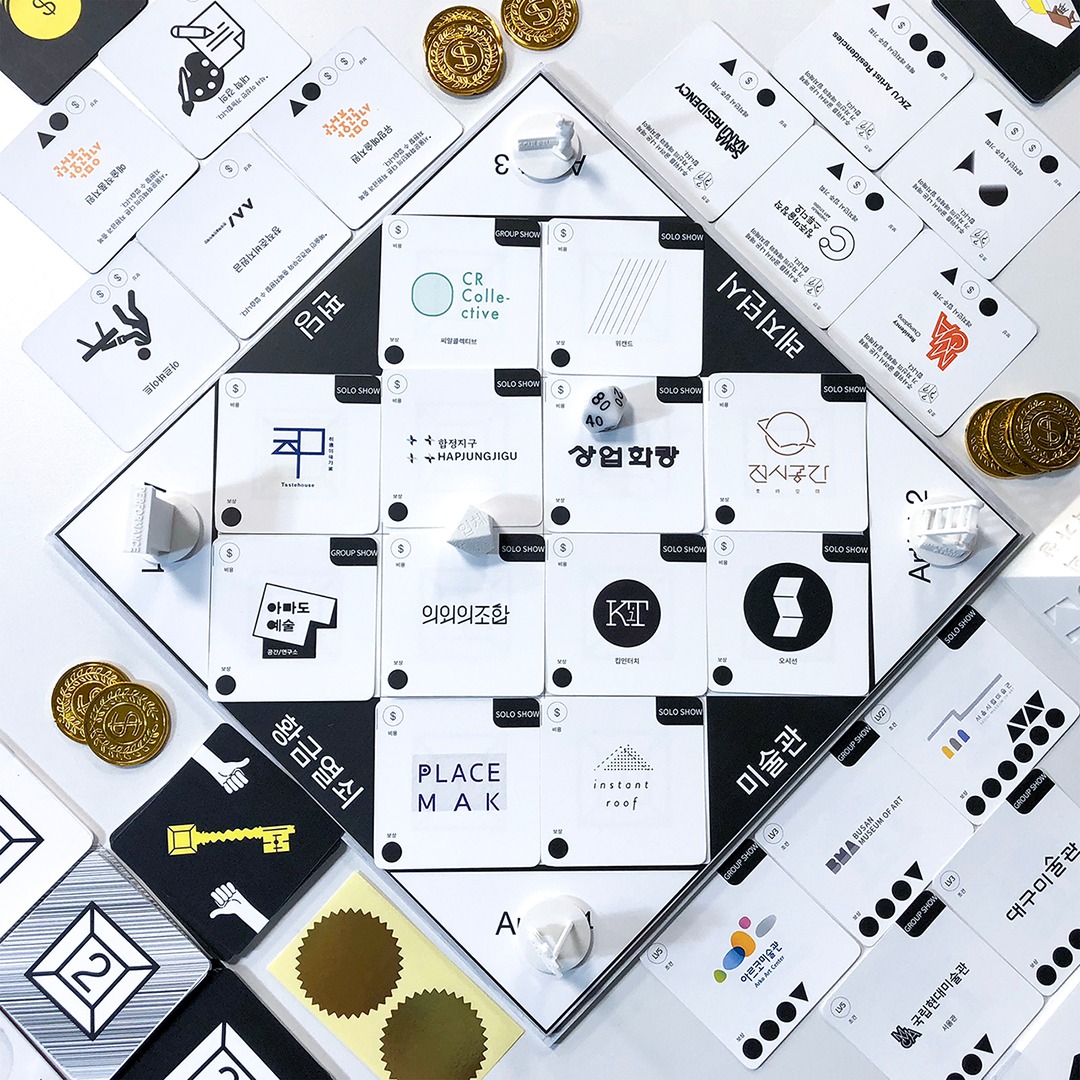
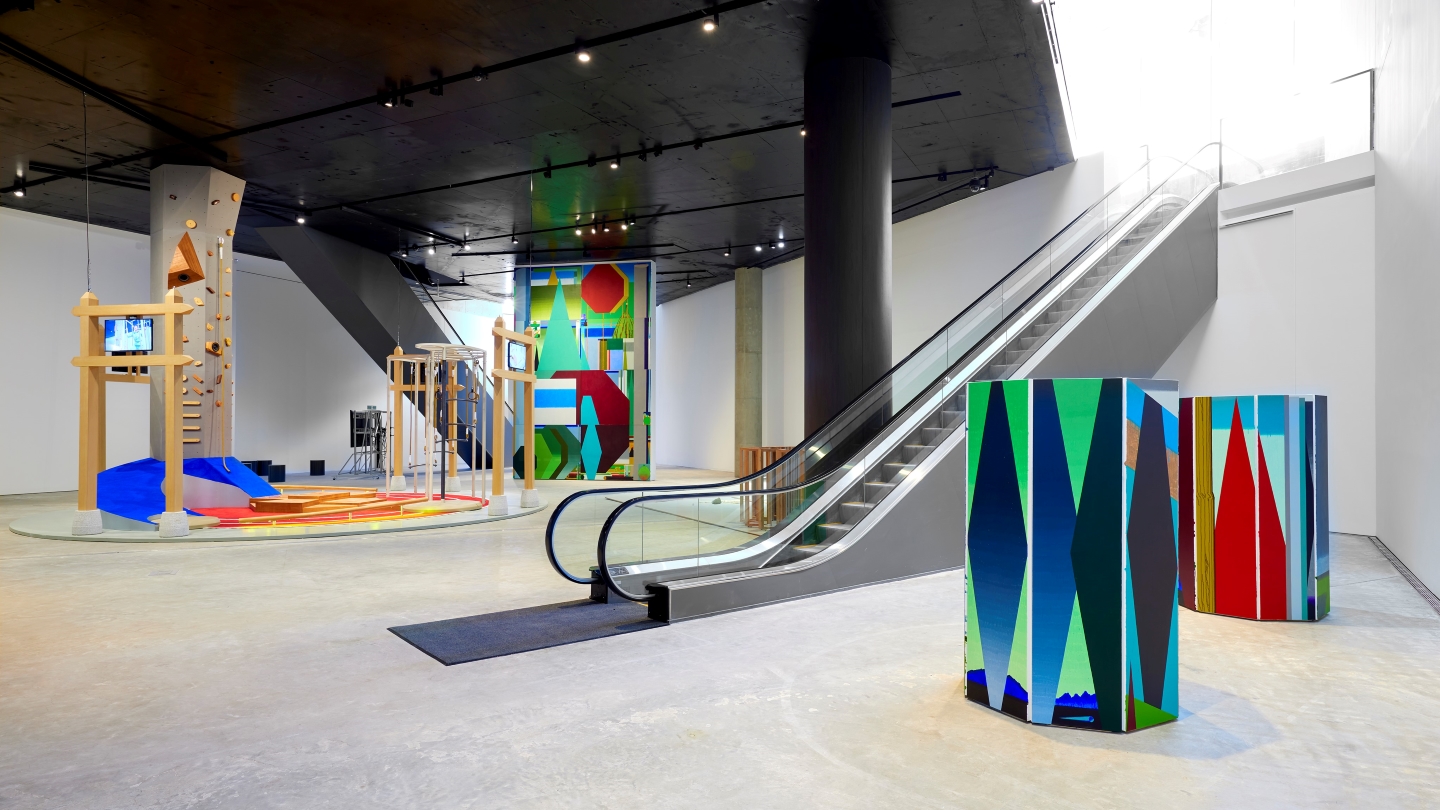
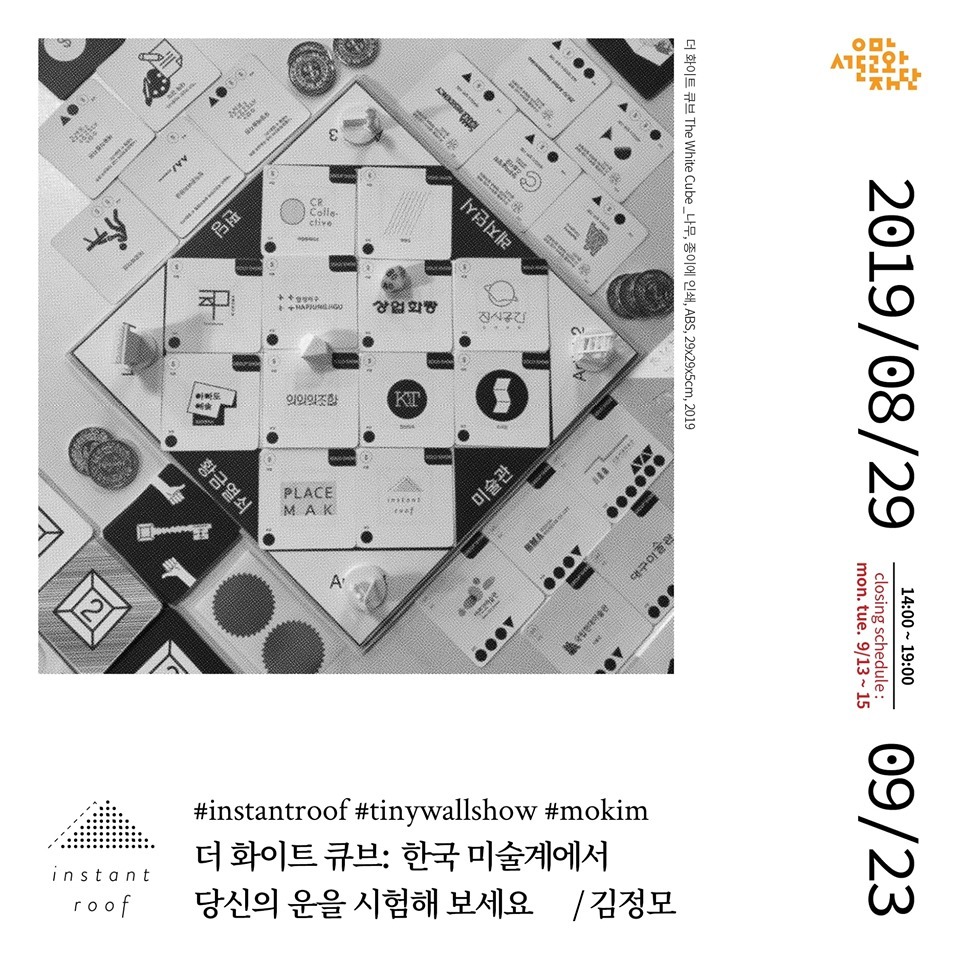
His subsequent works make more active use of rules and procedures that viewers themselves are required to perform. In The White Cube, which takes the form of a board game, rolling dice and moving along a prescribed route becomes a process through which participants experience the structures of the art world.
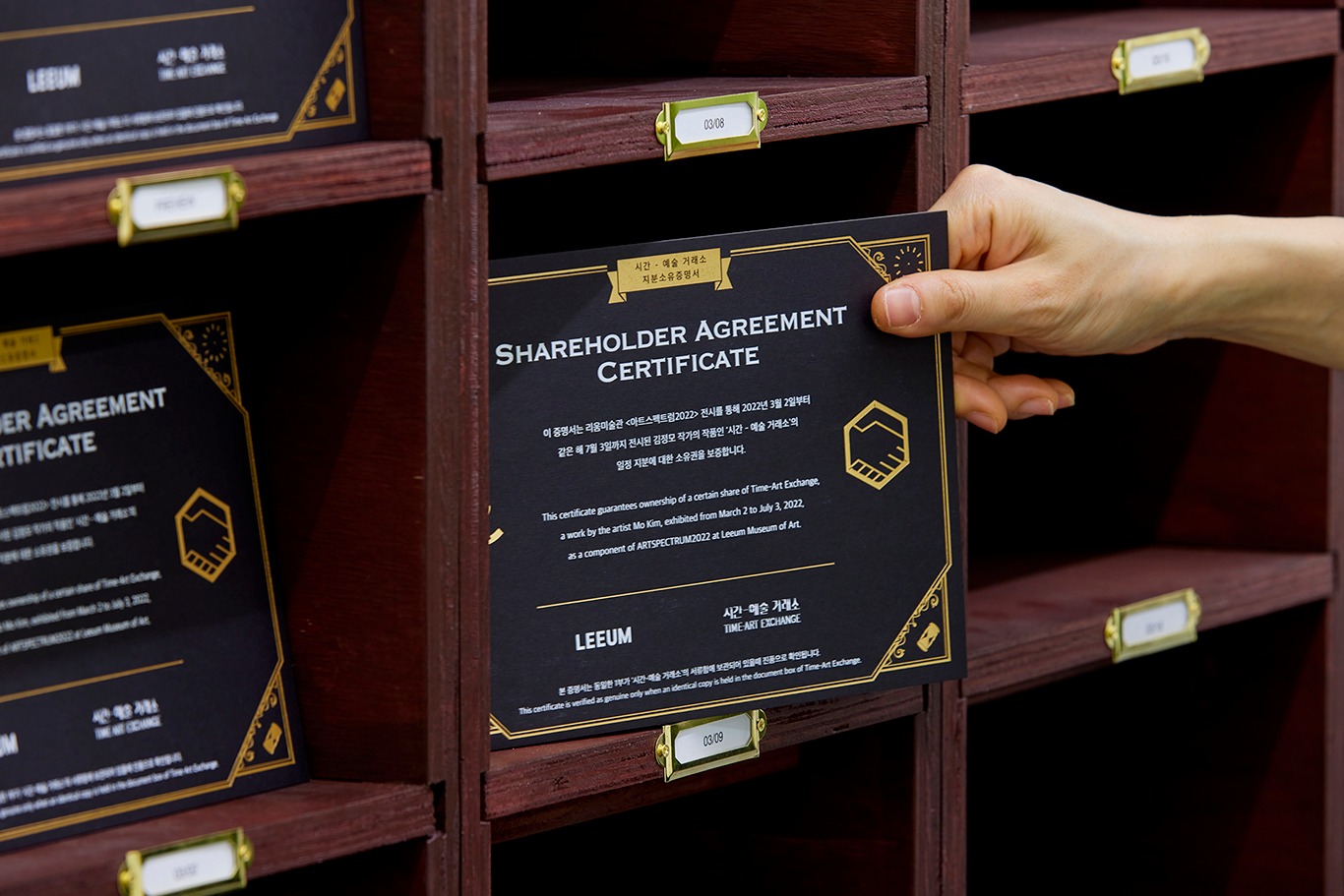
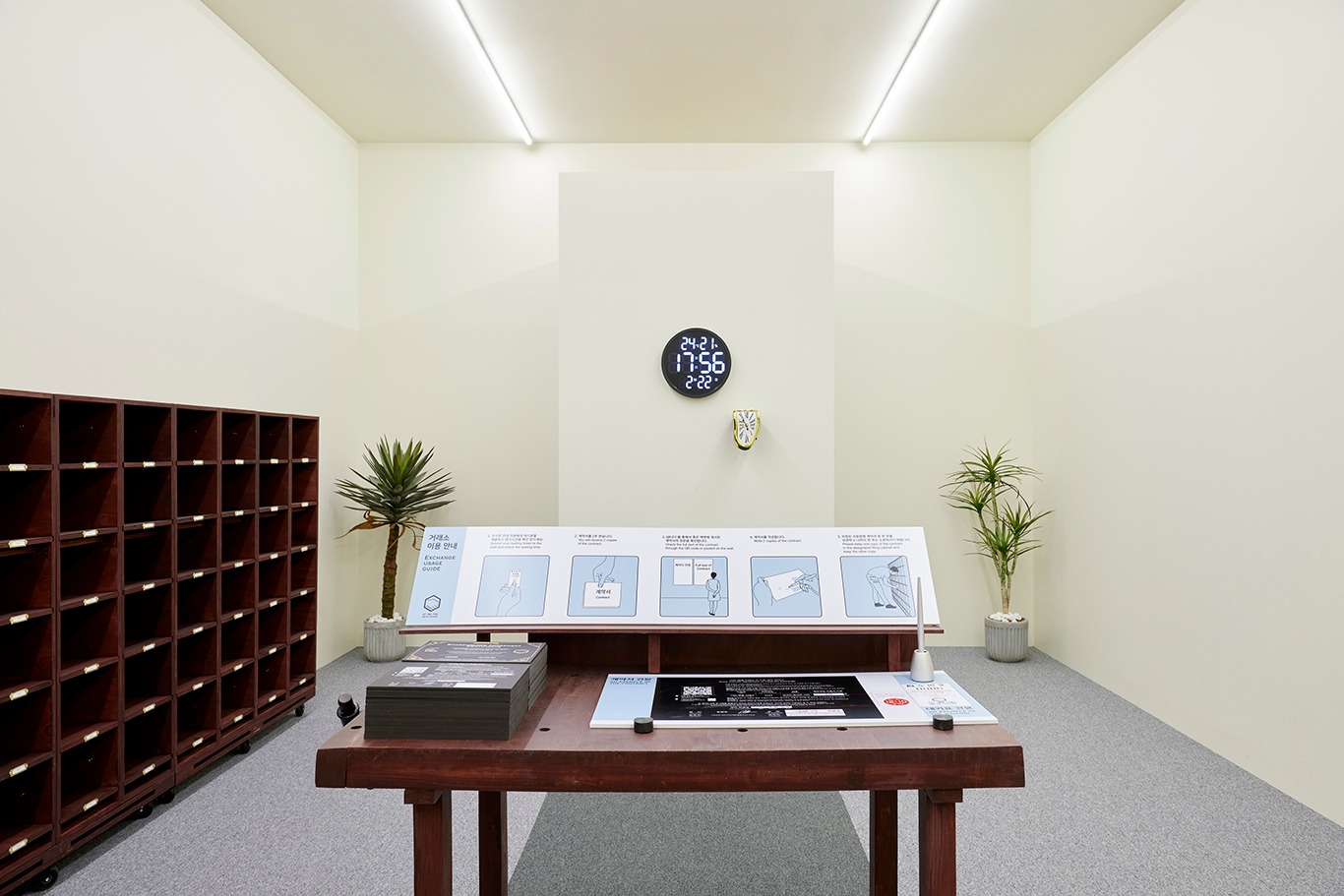
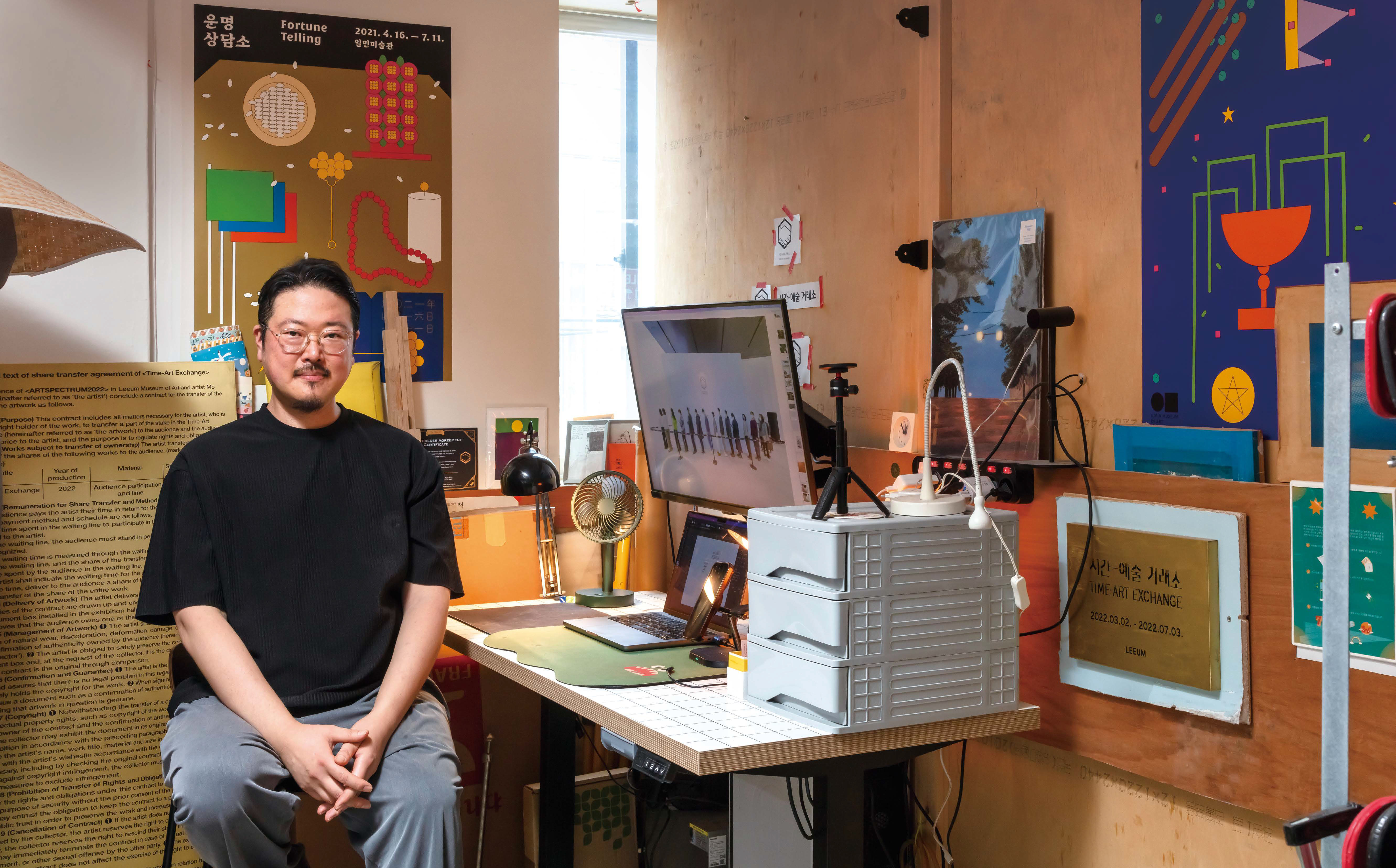
In Time-Art Exchange, a sequence of procedures—waiting, completing a contract, and receiving a certificate—constitutes the work. Kim appropriates social formats such as exchanges, counseling centers, campaigns, and contracts without reproducing the functions of actual institutions exactly.
By inserting subtly displaced rules into familiar formats, he prompts viewers to become conscious of procedures and value systems they ordinarily follow without reflection. After designing these structures, the artist steps aside, leaving the work open to transformation through the choices and responses of its participants.
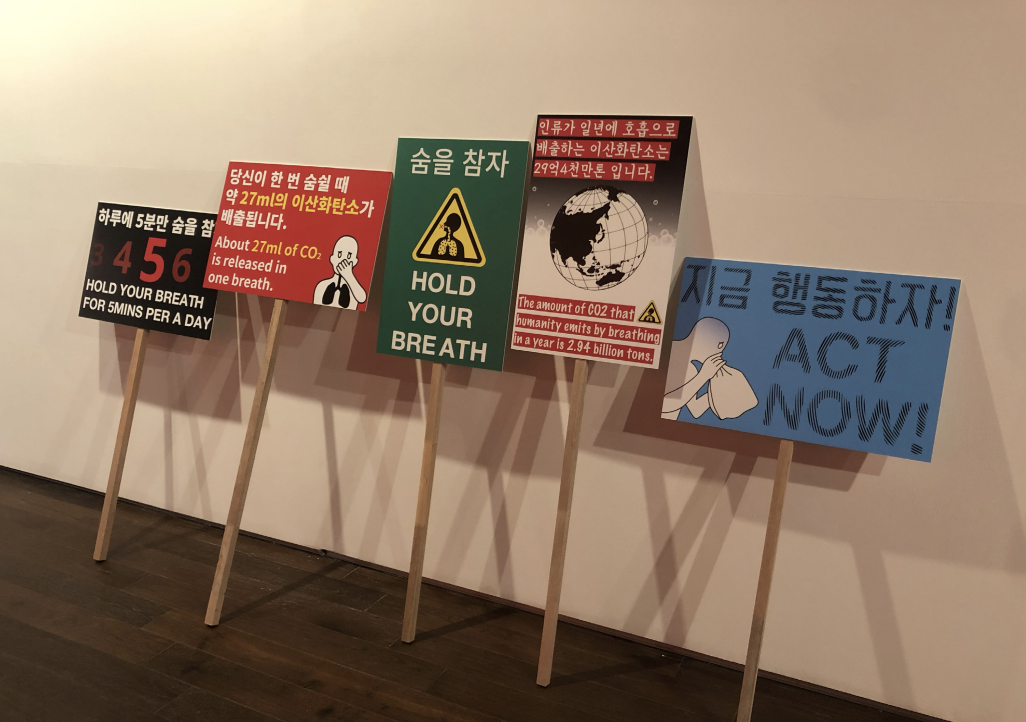
The materials Kim employs are also closely connected to this approach. Objects that perform specific functions within everyday life and institutional systems—signboards, contracts, numbered tickets, certificates, badges, and envelopes—frequently appear in his works, while experiences that leave no lasting physical form, such as holding one’s breath, waiting, and walking, also function as important media.
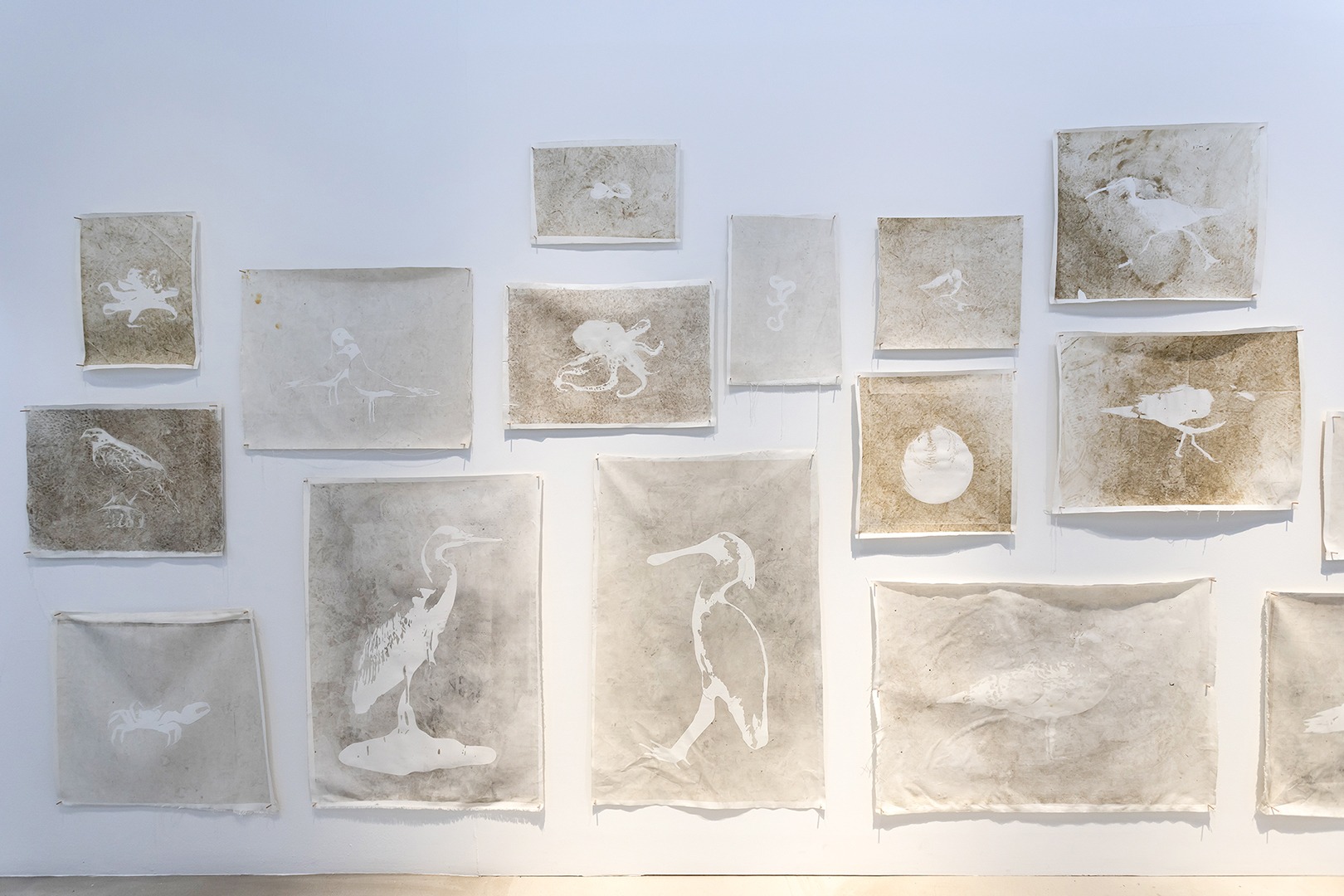
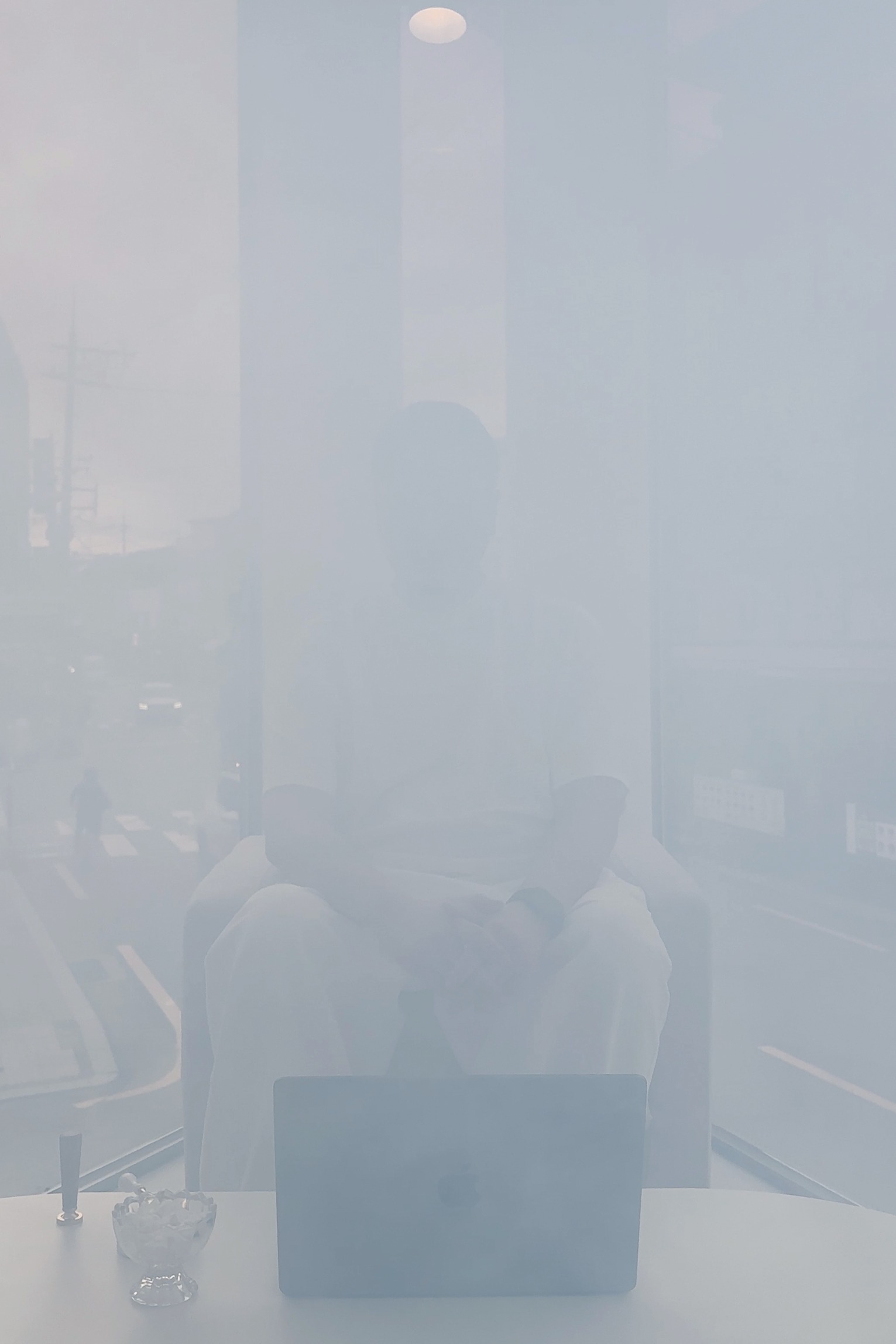
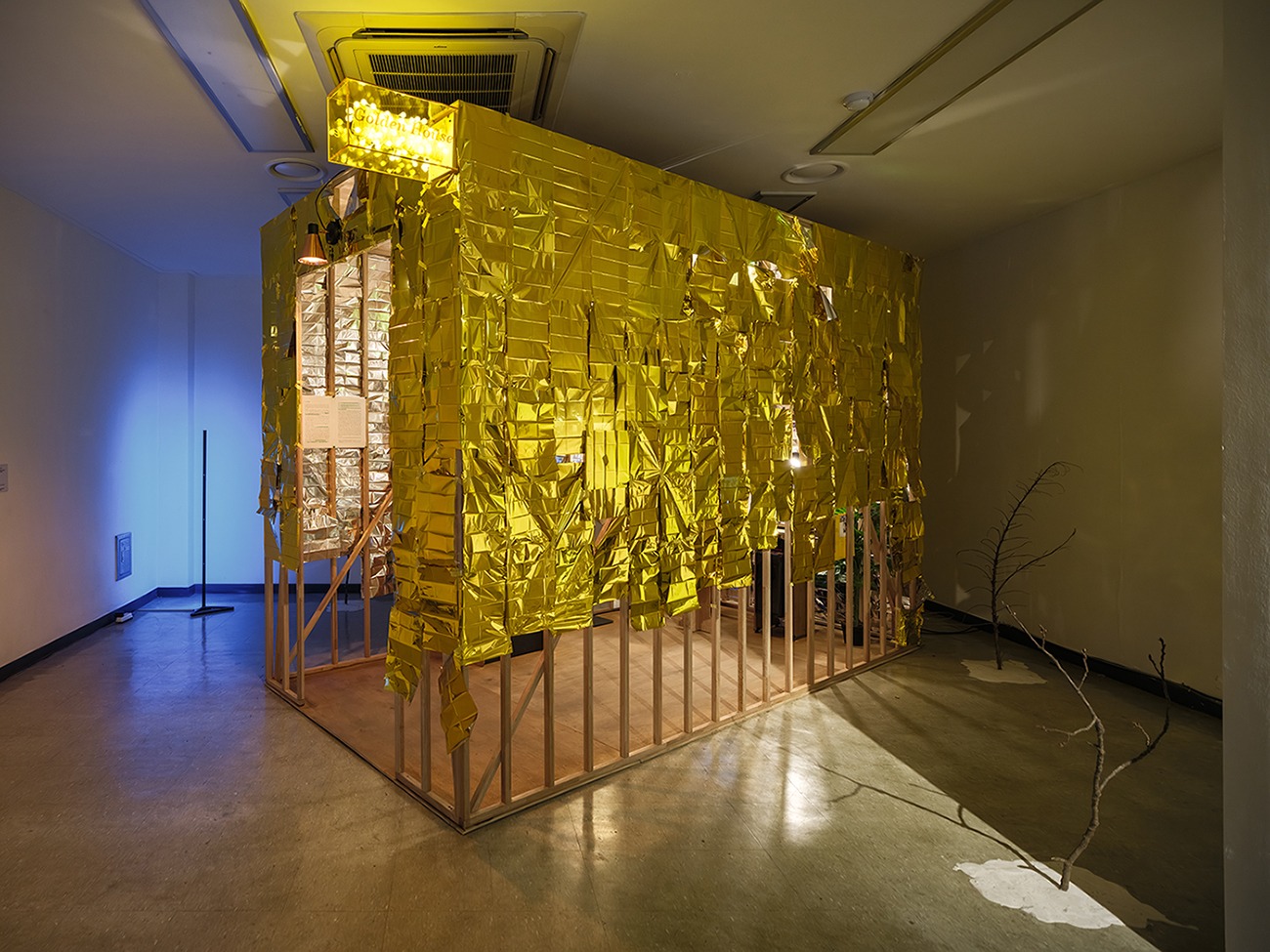
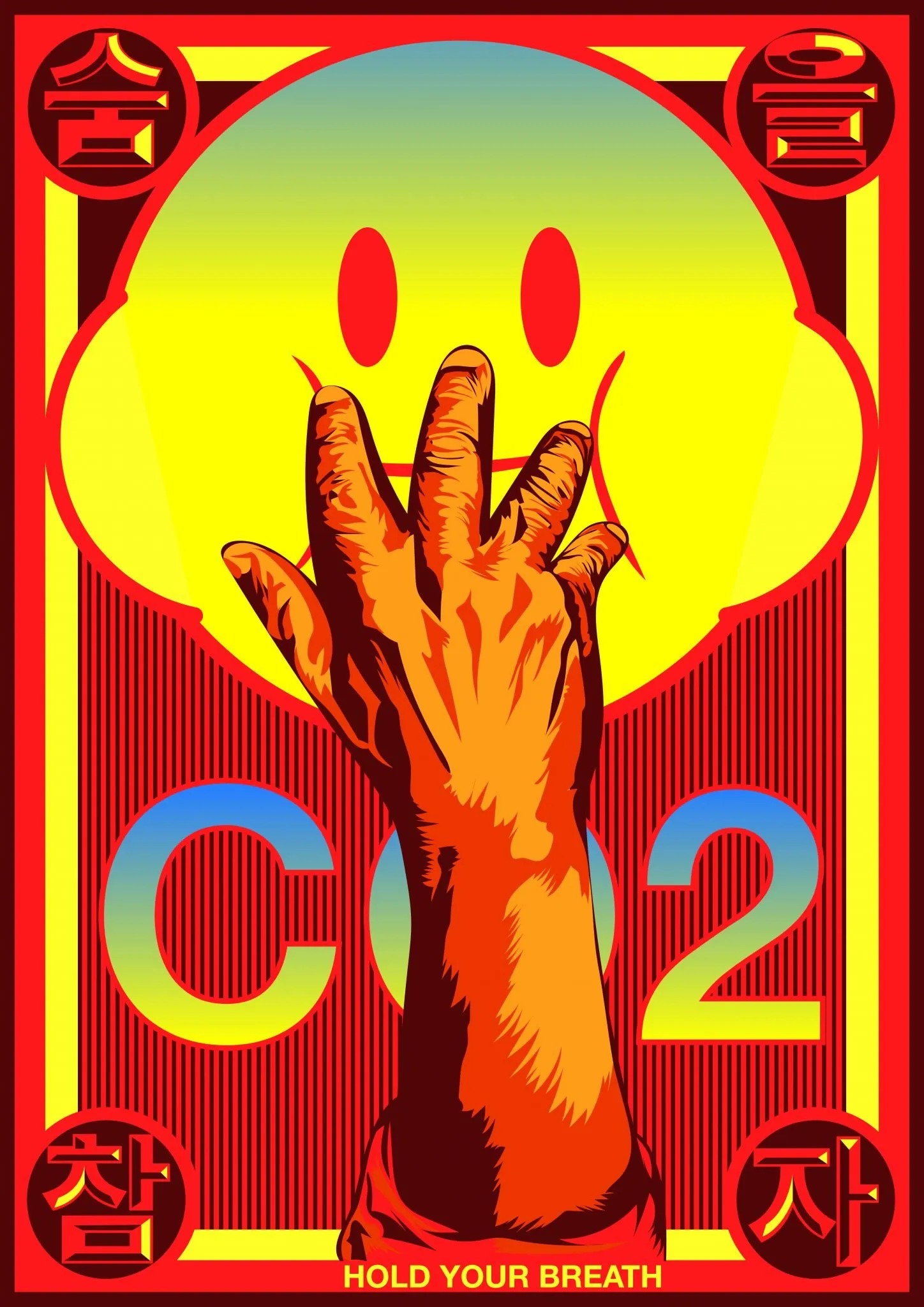
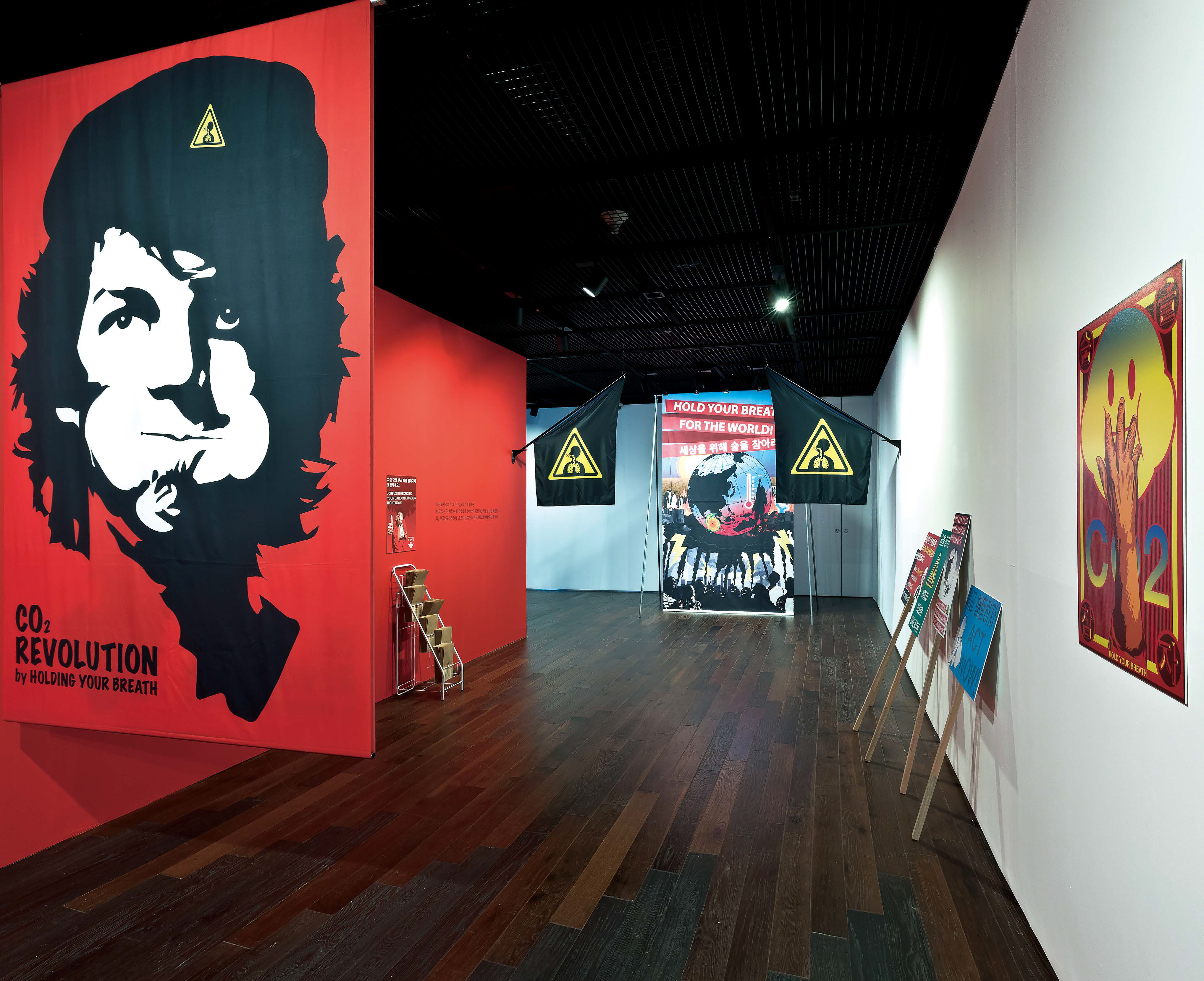
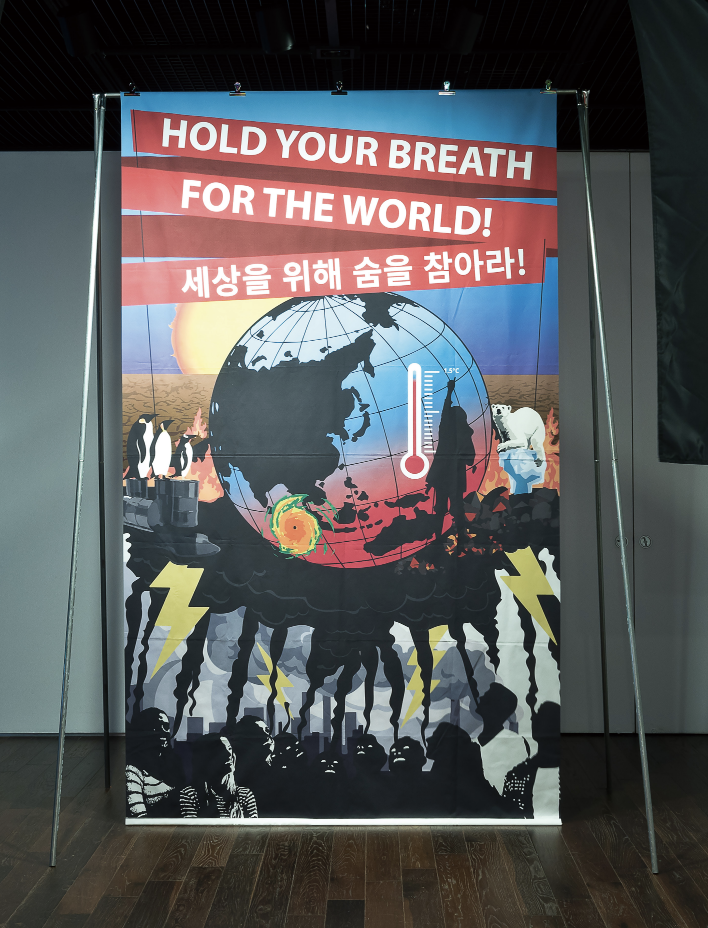
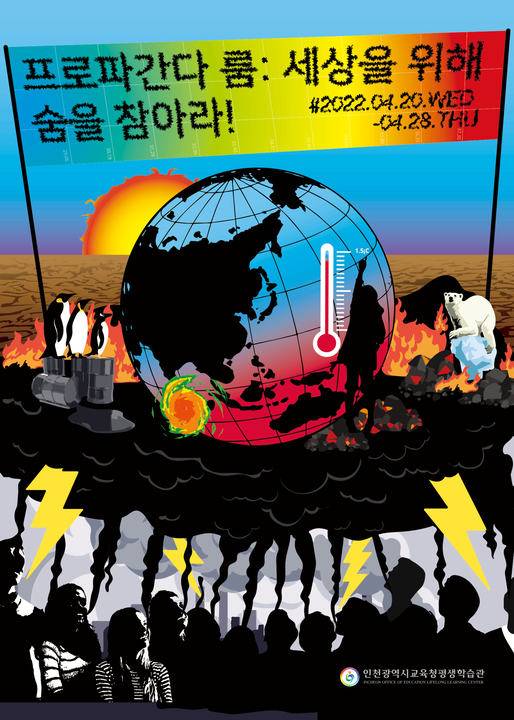
The campaign imagery and breath-holding in Propaganda Room, the canvases and footprints in Under Your Feet, and the empty envelopes and synthesized voice in Ritual for Unproductive Art involve different materials and sensory registers, yet all acquire meaning through the intervention of the viewer’s body and time. A defining aspect of Kim’s installations lies in the way the material outcome of a work remains inseparable from the experience actually undergone by its participants.
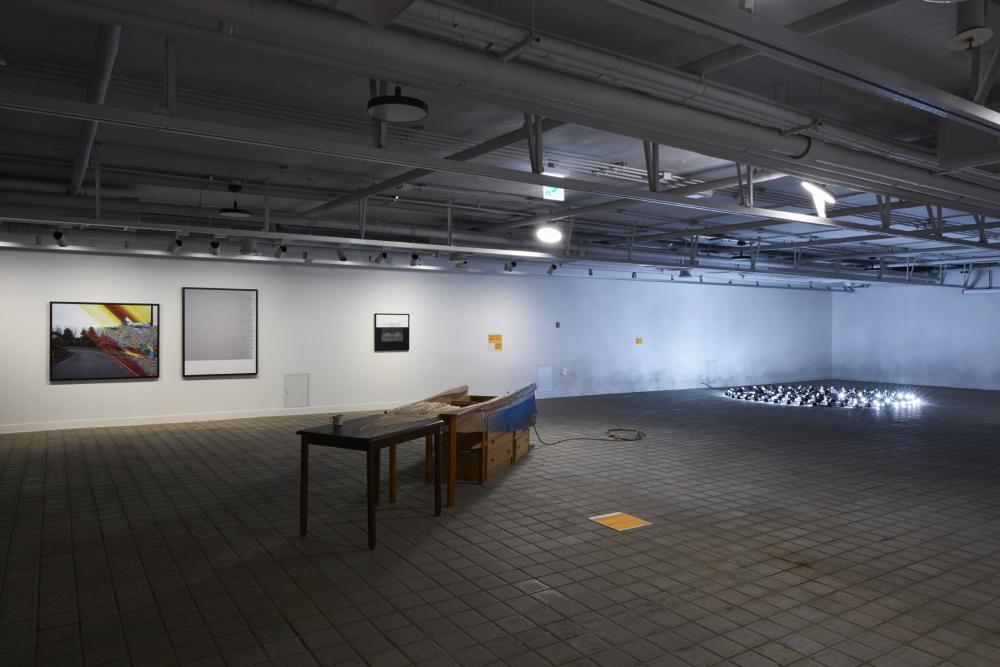
Kim approaches the audience demographics, social context, and functions associated with each venue as conditions of the work and structures his projects accordingly. The context of collecting and ownership surrounding the museum informs the transactional system of Time-Art Exchange, while an exhibition addressing urban ecology makes use of visitors’ circulation through the space to generate the images in Under Your Feet.
Form in Kim’s practice therefore functions as an operative structure through which viewers, spaces, rules, and objects enter into actual relationships. Installed devices and prescribed procedures establish the initial conditions of the work, while its eventual form emerges through the time participants spend and the actions they perform within that structure.



.jpg)