Into Soil - List of Microorganisms - K-ARTIST

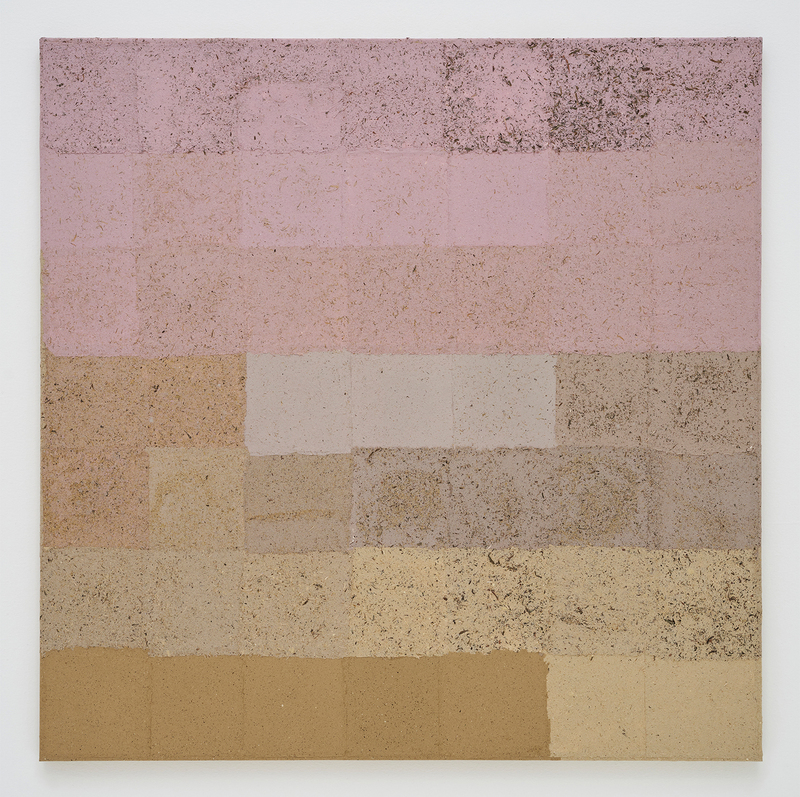
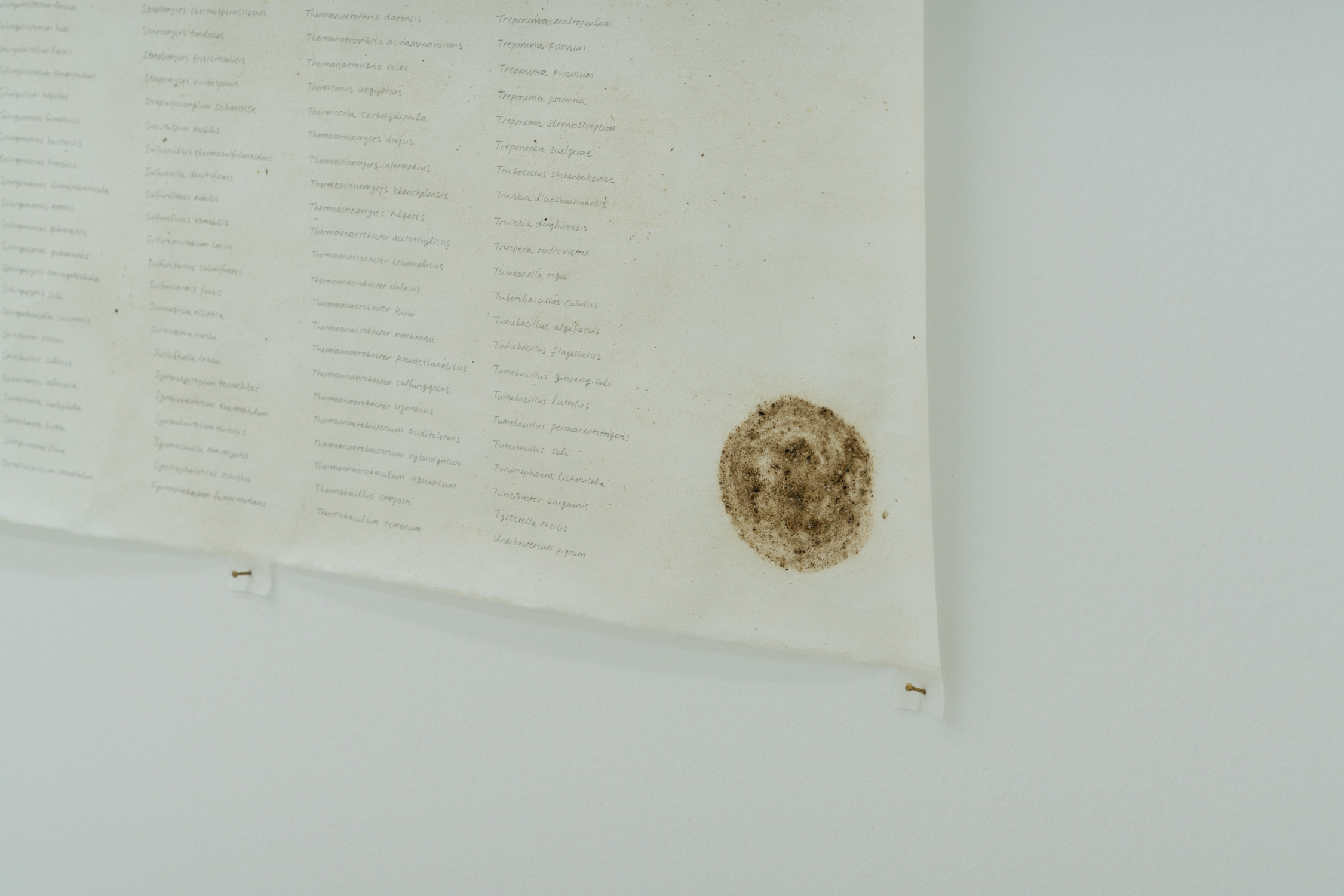
Into Soil - List of Microorganisms

2023
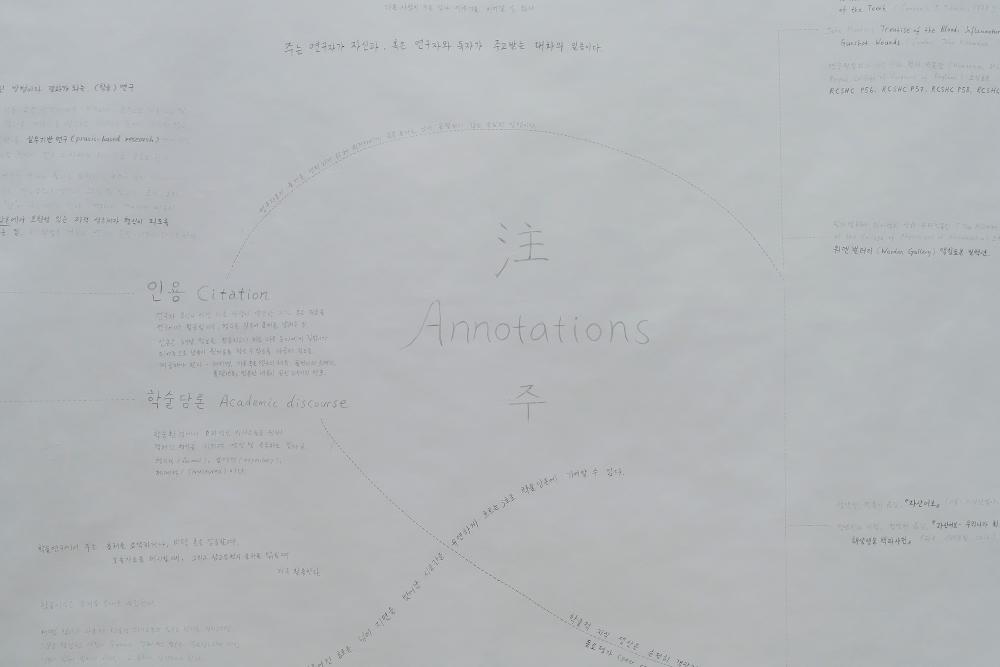
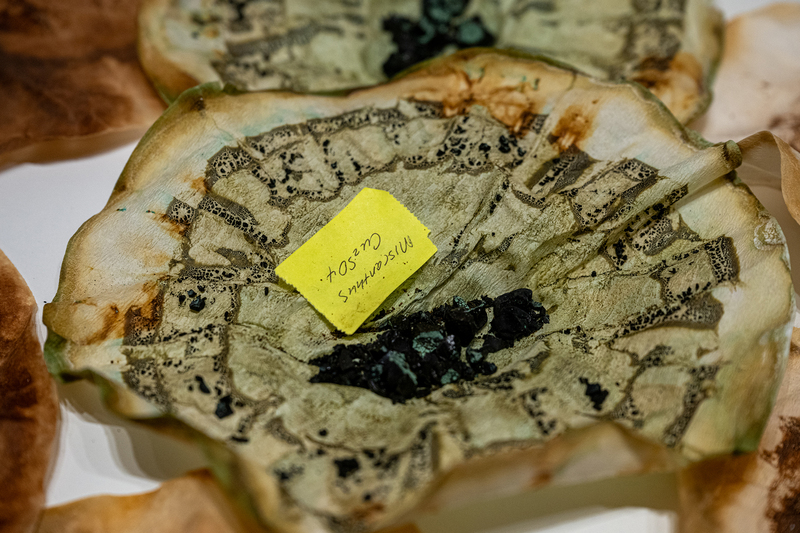
Pencil and soil on hanji, drawing
78.5 x 271.5 cm
About The Work

Lee Soyo explores the relationships between humans and diverse forms of life, including animals, plants, and microorganisms, while examining the processes through which living beings are translated into knowledge and images.

She takes as her point of departure the institutional frameworks of museums, laboratories, field guides, and specimen collections, where life is observed, classified, and preserved, revealing not only the systems of knowledge they produce but also the techniques, judgments, omissions, and misreadings embedded within them.

Drawing connections between the shared practices of observation and documentation in the life sciences, natural history, and art, Lee investigates the ecological and historical conditions as well as the networks of relationships that shape living organisms beyond an anthropocentric perspective. In doing so, she suspends hierarchical views that rank life according to utility or rarity, encouraging new ways of thinking about the relationships between human and nonhuman beings.

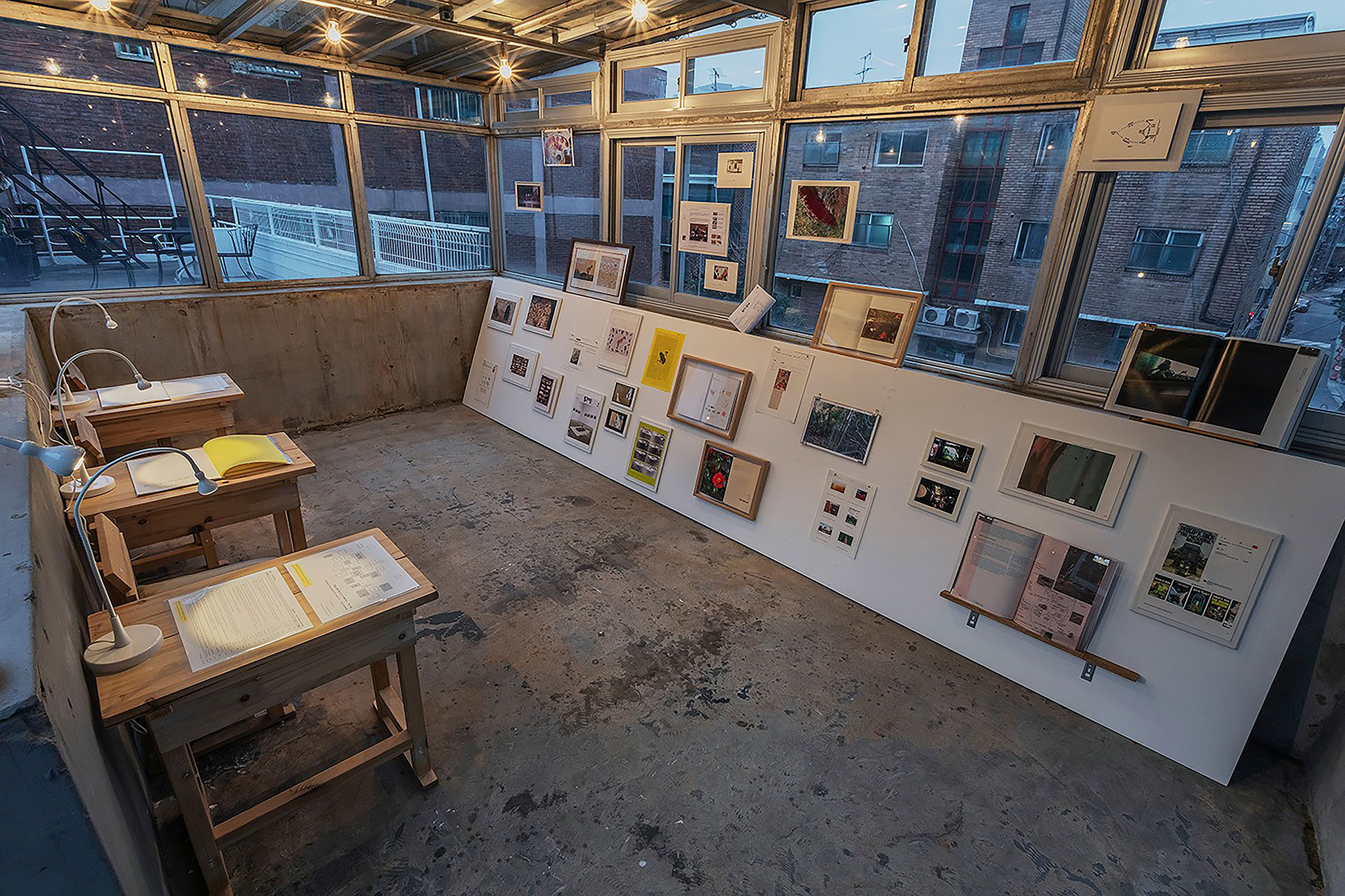
Lee primarily works through installations that bring together biological specimens, natural materials, photographs, drawings, archival documents, and field research records. Rather than presenting only finished works, she also displays the images, documents, and traces generated throughout the processes of observation, collection, classification, and preservation, revealing the multiple stages through which living beings are transformed into objects of knowledge.

Her installations turn the exhibition space into a provisional specimen room and research laboratory, creating an open structure in which observation and interpretation remain ongoing rather than leading to fixed conclusions. By juxtaposing scientific procedures with embodied perception, and organized information with incomplete records, Lee foregrounds both the uncertainty inherent in research and the mutable nature of living organisms.

Solo Exhibitions (Brief)

Lee Soyo has held solo exhibitions at Buk-Seoul Museum of Art (2025), Seodaemun Museum of Natural History (2022), the Mütter Museum of The College of Physicians of Philadelphia (2013), and the Verbeke Foundation (2012).

Group Exhibitions (Brief)

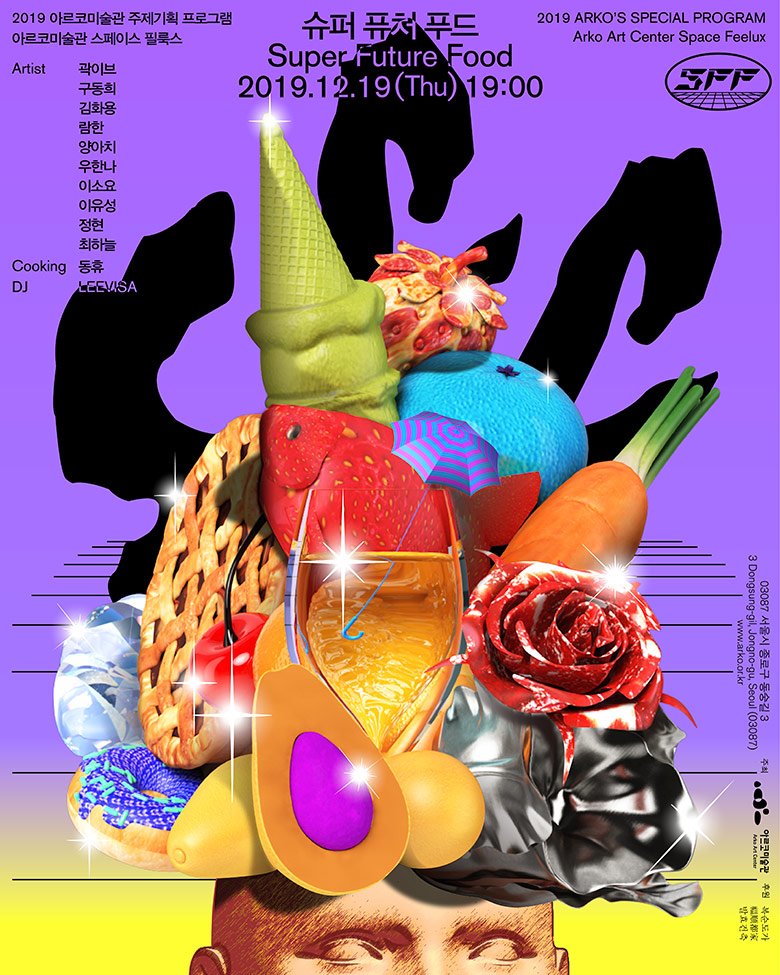
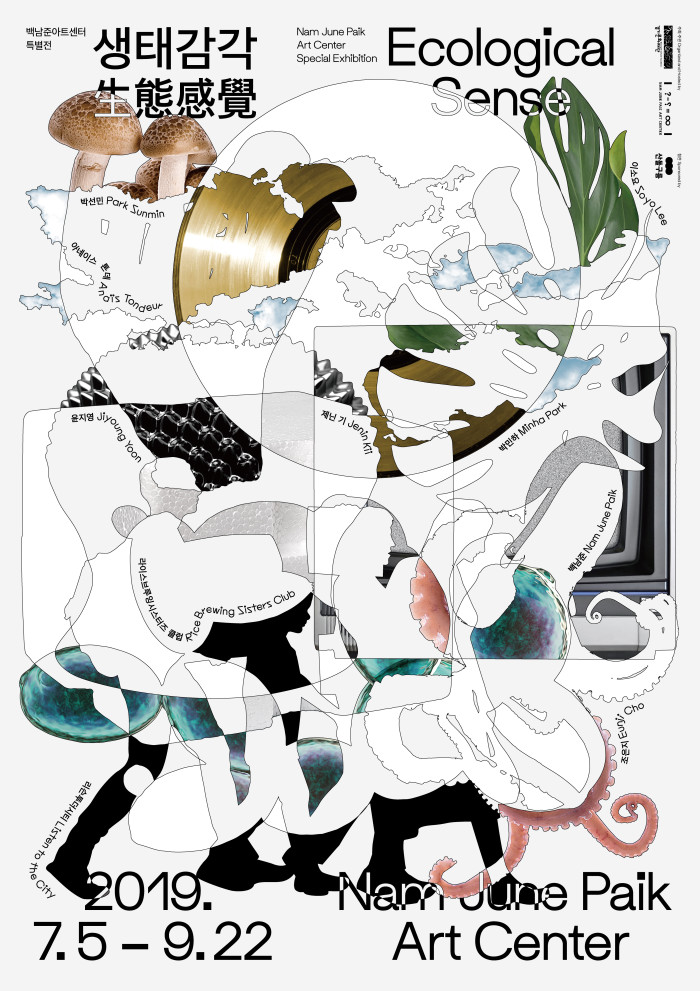
Lee Soyo has participated in group exhibitions at the Asia Culture Center (2023), Jeju Museum of Art (2022), ARKO Art Center and Nam June Paik Art Center (2019), Seoul Museum of Art (2018), the Museum of Contemporary Art Australia (2016), the National Museum of Modern and Contemporary Art, Korea (2015), and Exit Art in New York (2009).

Residencies (Selected)

Lee Soyo has participated in residency programs at Gapado Artist in Residence (2023), MMCA Residency Changdong (2021), SeMA Nanji Residency (2020), NTU CCA Singapore Residencies (2018–2019), the Mütter Museum of The College of Physicians of Philadelphia (2012–2013), and the Verbeke Foundation (2012).

Collections (Selected)

Lee Soyo’s works are held in the collections of the Mütter Museum of the College of Physicians of Philadelphia, the Center for PostNatural History, Seoul Museum of Art, and Seo-Seoul Museum of Art.

Works of Art

The Relationship Between Humans and Nonhuman Life

Originality & Identity

Lee Soyo’s practice begins with the processes through which living beings are translated into knowledge and images. Institutional settings such as museums, laboratories, illustrated floras, and specimen collections enable the study of nature while selecting, separating, and arranging life according to particular criteria.

Lee incorporates the techniques, judgments, omissions, and misreadings accumulated within these processes into her work. By bringing together modes of observation and documentation shared by the life sciences, natural history, and art, she examines the cultural conditions through which living beings are transformed into visual information and cultural objects.

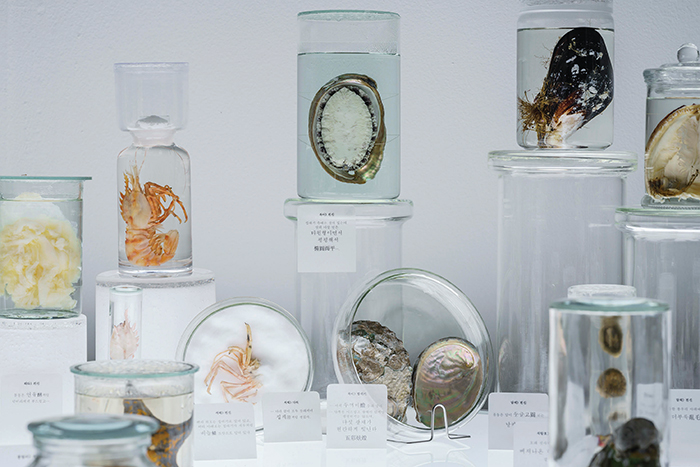
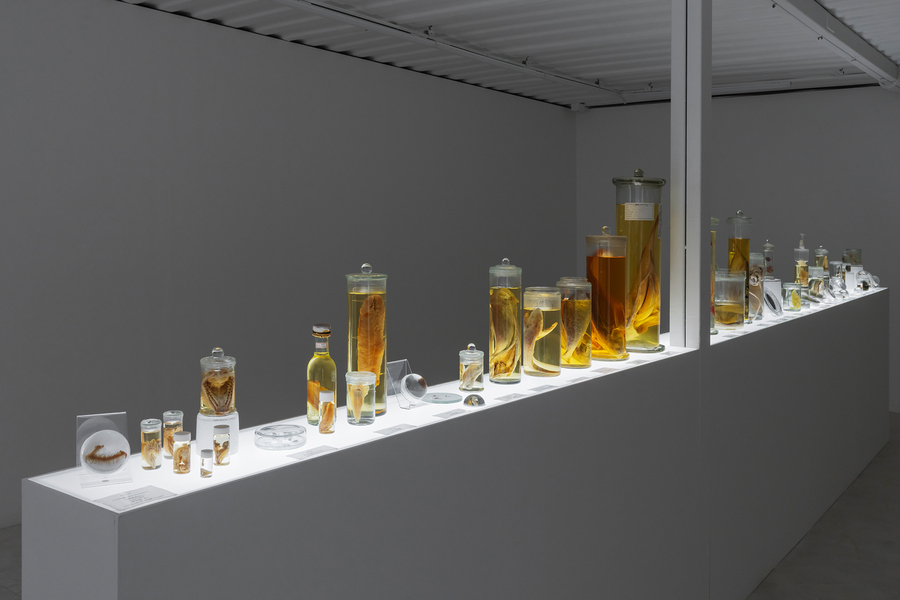
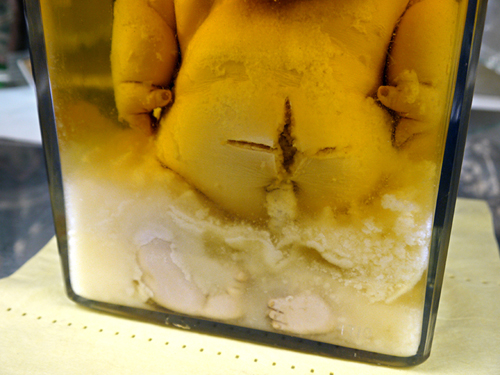
At the center of her practice is an attempt to recalibrate relationships between human and nonhuman beings. Grafted cacti, fluid-preserved human specimens, marine organisms, feral urban plants, mushrooms, and soil have each been managed and utilized according to different human needs and systems of classification.

Lee suspends perspectives that rank organisms according to utility, rarity, edibility, or exhibition value, and instead follows the specific ecological and historical circumstances in which they exist. Through field investigation and the cultivation of sensory attention, she slows the pace of anthropocentric observation and attends to the temporalities and networks that living beings form with their environments and with other organisms.

For Lee, research is not merely a preparatory stage preceding artistic creation; it functions as a mode of production that determines the structure and form of the work itself. She examines prior studies, compares records produced under different historical and political systems, conducts field collection and observation, and rearranges the results as annotations, specimens, illustrations, drawings, and documents.

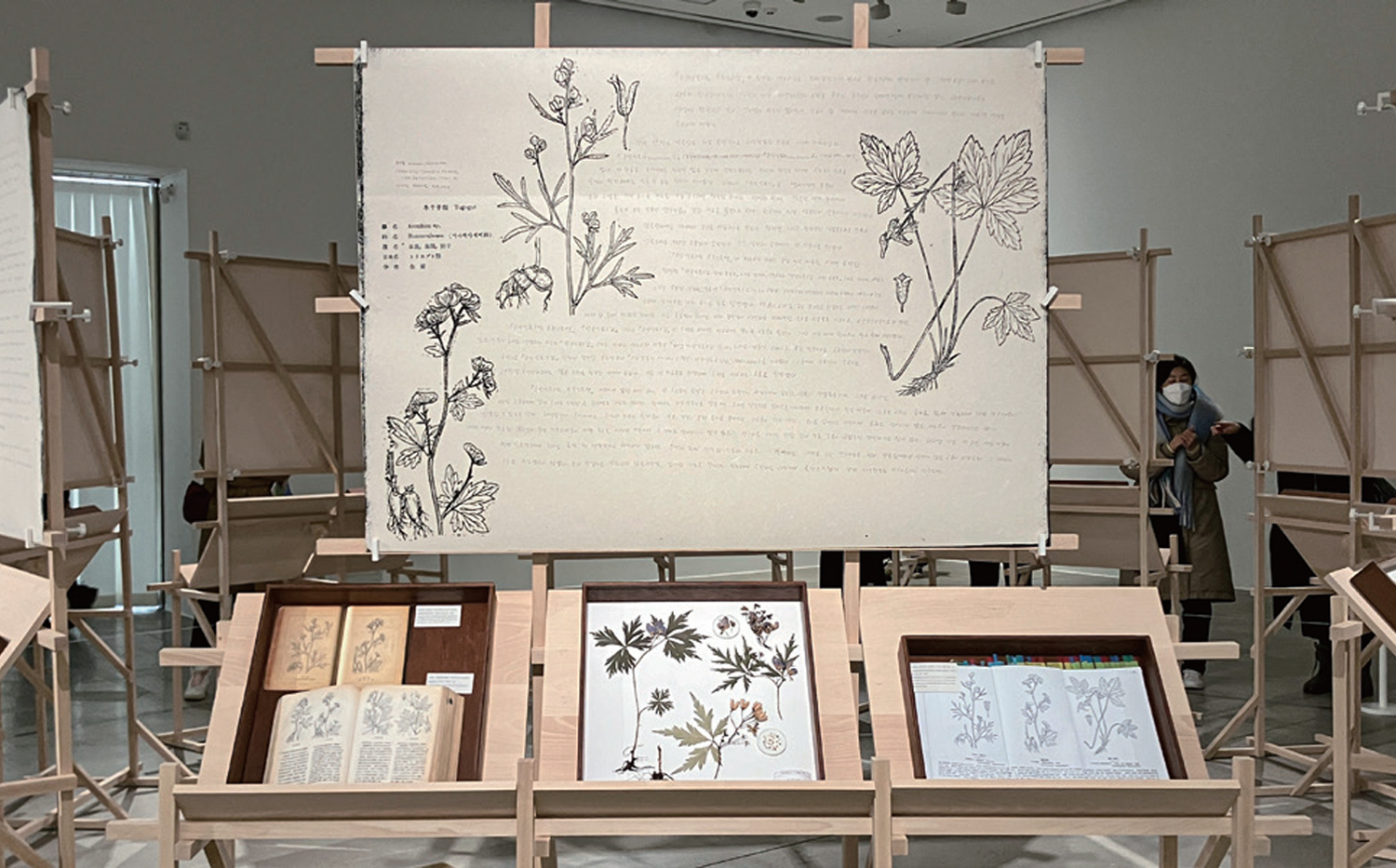
In ‘Illustrated Flora of Korea: Poisonous Plants, Annotations’, Lee joins an unfinished genealogy of botanical research as an artist, tracing both the transmission and revision of plant knowledge and the formation of living vegetation beyond the pages of the book. Reference and citation thus become artistic forms as well as scholarly methods, while knowledge emerges as a provisional and collective process continually extended by multiple individuals across time.

Her inquiry has developed from the transformation and preservation of living beings toward an ethics of care. Lee considers how life is modified according to aesthetic and industrial demands, converted into specimens for scientific study, and subsequently reclassified as cultural or artistic material once its original research purpose has ended.

Preservation consequently becomes a practice of deciding what should remain, how it should be handled, and who will assume responsibility for its future, as well as a technique for extending the physical duration of an object. The distinctiveness of Lee’s practice lies in the close articulation of scientific protocols, museum institutions, artistic form, and bioethics, through which art’s relationship to life becomes a matter of concrete decisions and responsibilities.


Style & Contents

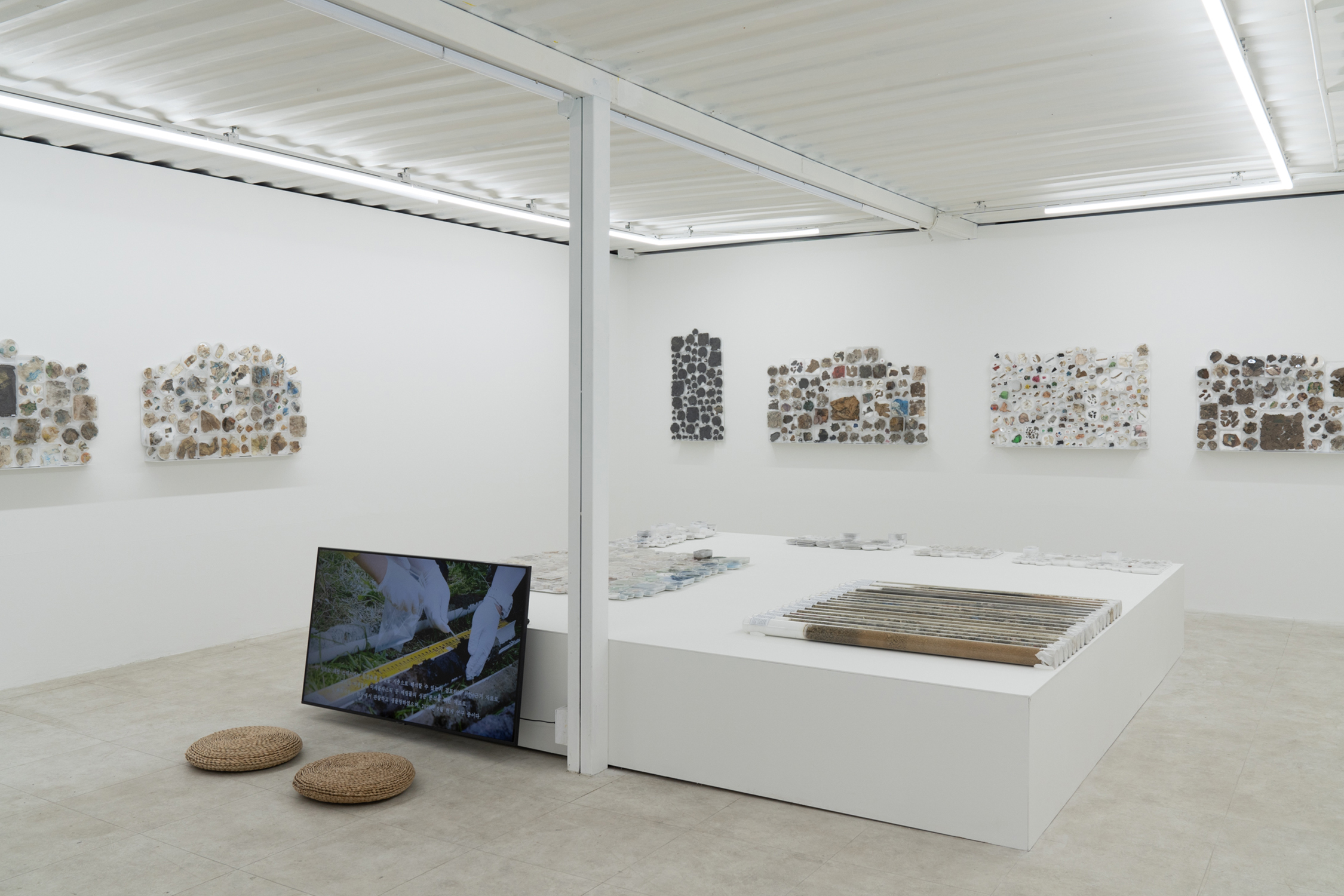
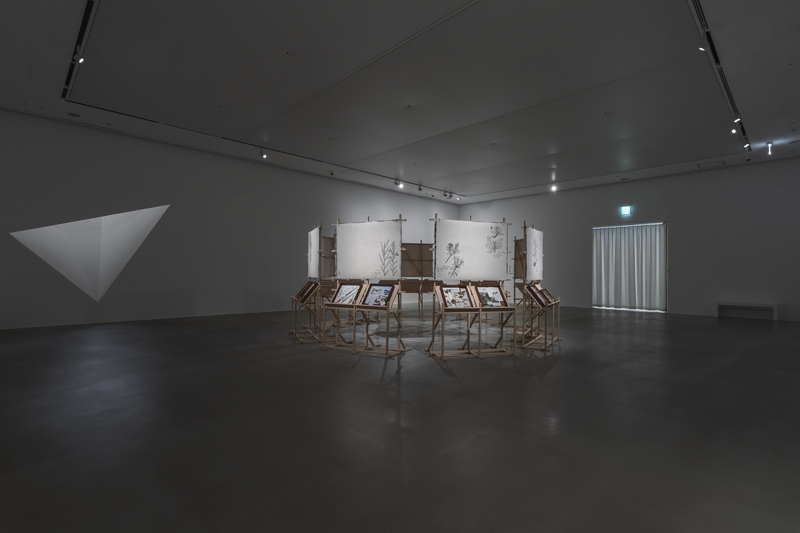
Lee Soyo primarily works through installations that bring biological specimens, natural materials, photographs, drawings, literature, and field records into a shared spatial arrangement. Each medium functions as an individual component while also revealing a research process that moves through observation, collection, classification, preparation, and preservation.

Finished specimens appear alongside process images, documents, institutional instructions, and data, allowing multiple stages in the transformation of living beings into objects of knowledge to become spatially visible. Viewers encounter the material appearance of the work while tracing the procedures and decisions through which its form was produced.

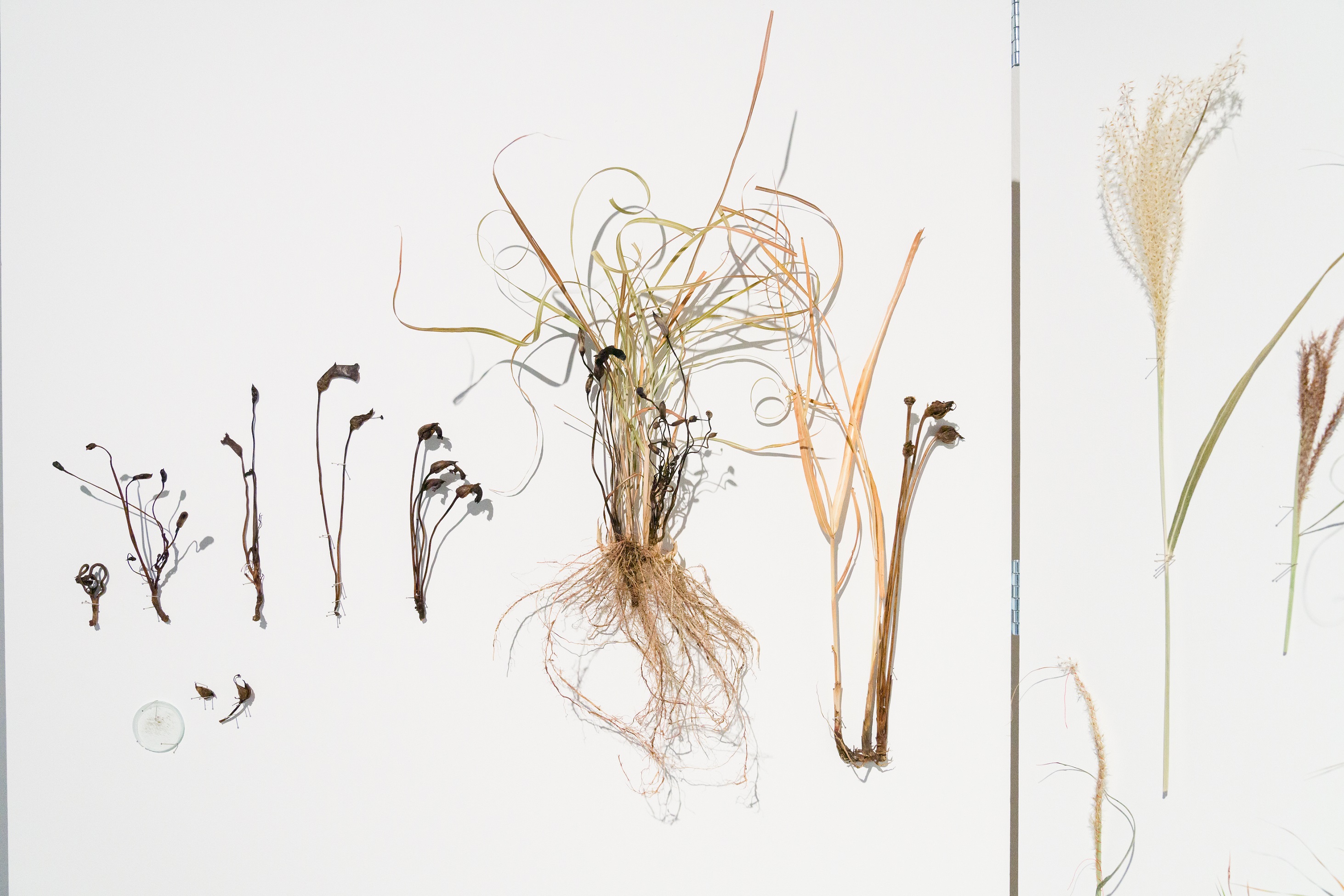
Specimen-making constitutes a central element of Lee’s formal language. Rather than transferring plants or biological bodies into the exhibition in the condition in which they were collected, she selects the parts to be preserved, separates them, and rearranges them within newly constructed visual and spatial frameworks.

In Plant Specimen, leaves, flowers, fruits, and seeds are individually treated and composed on specimen sheets, where identifying information and formal balance operate together. By revealing how the maker’s choices and sensory judgments enter even a seemingly objective record, Lee explores the intersection between the visuality of scientific instruments and the materiality of artworks.

Documents and drawings convey temporal and experiential dimensions that specimens alone cannot fully communicate. The 'Comparative Illustration Charts' series from 'Illustrated Flora of Korea: Poisonous Plants, Annotations' compares images and descriptions published in botanical texts from different periods, visualizing the routes through which knowledge has been cited, transmitted, and altered.

Episode Drawing records in words and images the memories, associations, and sensations that arose during field research, plant collection, and preservation. Together, these forms place empirical materials alongside subjective experience, incorporating the observer’s position and emotional response into the structure of research.

Lee’s installations transform the gallery into a provisional specimen collection and research environment. Rather than offering fixed conclusions, the works establish open structures in which observation and interpretation may continue. Photographs and archival materials evoke earlier workplaces and institutional contexts, while biological materials and preserved specimens retain the changing conditions of matter within the exhibition.

Through the arrangement of organized information and incomplete records, scientific procedures and bodily sensations, Lee allows the uncertainty of research and the variability of living beings to persist within the formal structure of the work.

Topography & Continuity

Lee Soyo’s practice occupies an intersection of research-based art, ecological art, bioart, natural history, and museum studies. While engaging with concepts and materials from the life sciences, she places less emphasis on the visual spectacle of emerging biotechnology than on the historical conditions through which living beings have been constituted as knowledge, resources, specimens, and exhibits.

Her distinctive position lies in extending the encounter between science and art beyond technological experimentation to include the institutions, practices, and ethics involved in observing, classifying, and preserving life.

A sustained concern throughout Lee’s early practice is the manner in which humans intervene in the forms and life cycles of other organisms. Her research on grafted cacti examined how industrial demands and aesthetic preferences transform plant bodies, while A Dying Art documented how anatomical specimens produced for research and education are subsequently converted into cultural artifacts and objects of public display.

Jasan-urbo, a Pictureless Natural History: The Morphological Species Concept revisited the historical language through which organisms were observed and classified. Although these works address different subjects and historical contexts, they consistently investigate the systems of knowledge that fix living beings within particular forms and categories.

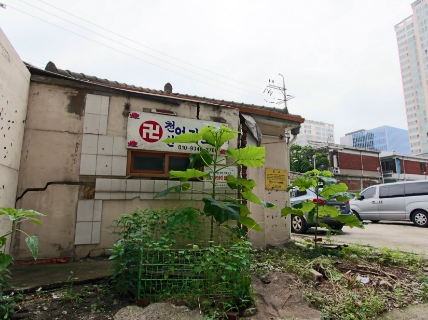
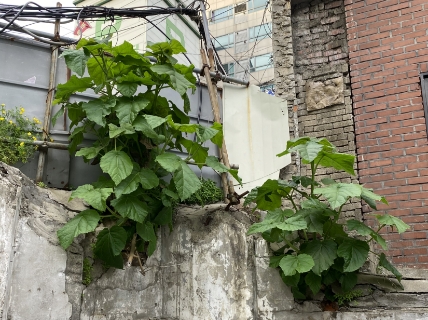
As her field of research expanded to include urban plants, mushrooms, and soil, sensory attention to the autonomous lives and relational networks of organisms became increasingly prominent. 'Feral in Seoul' traces plants that have established themselves in urban environments beyond deliberate human cultivation and management.

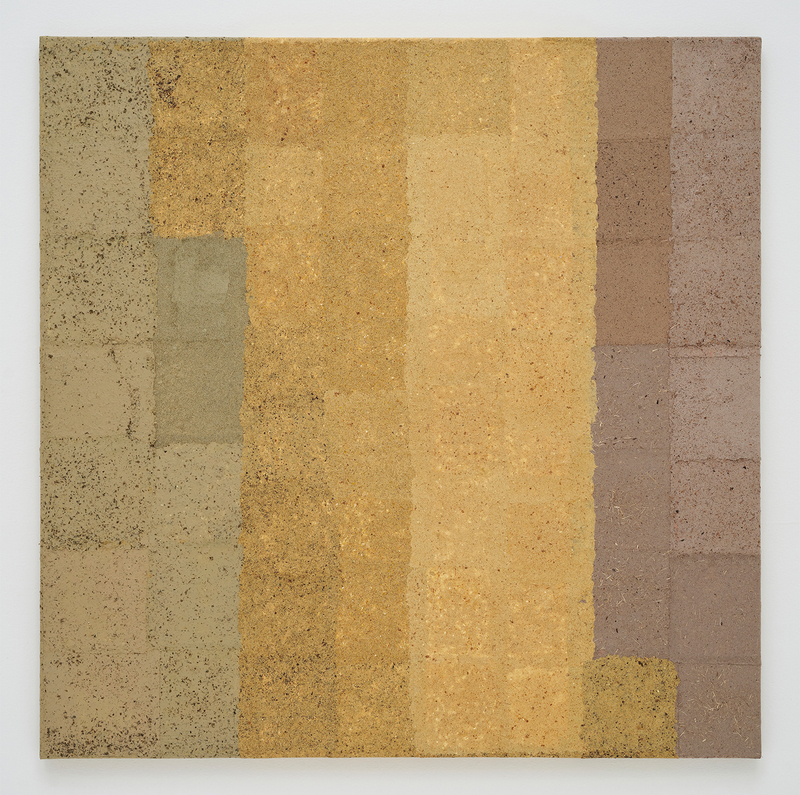
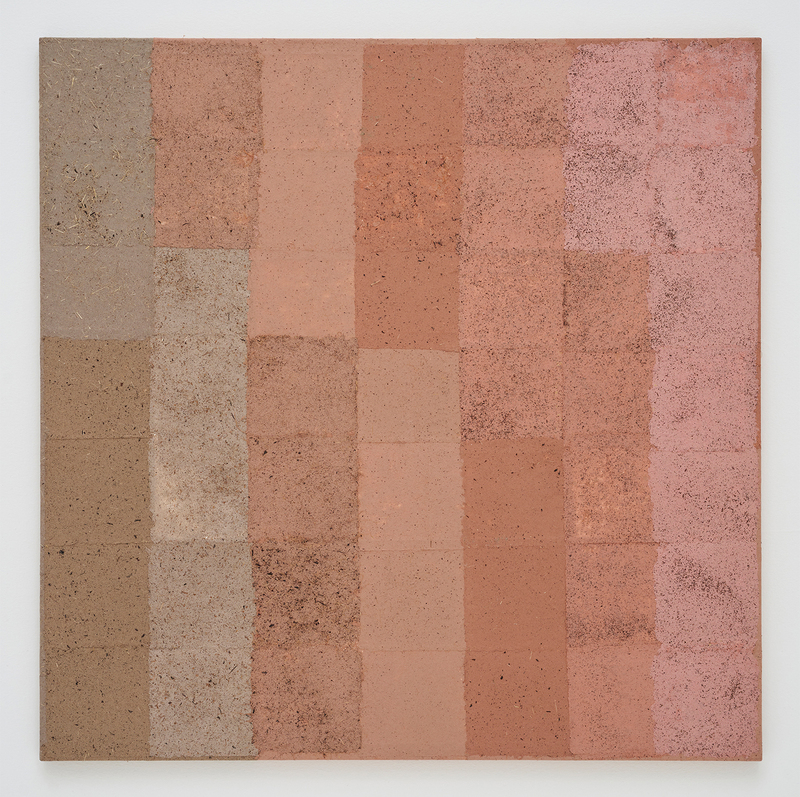
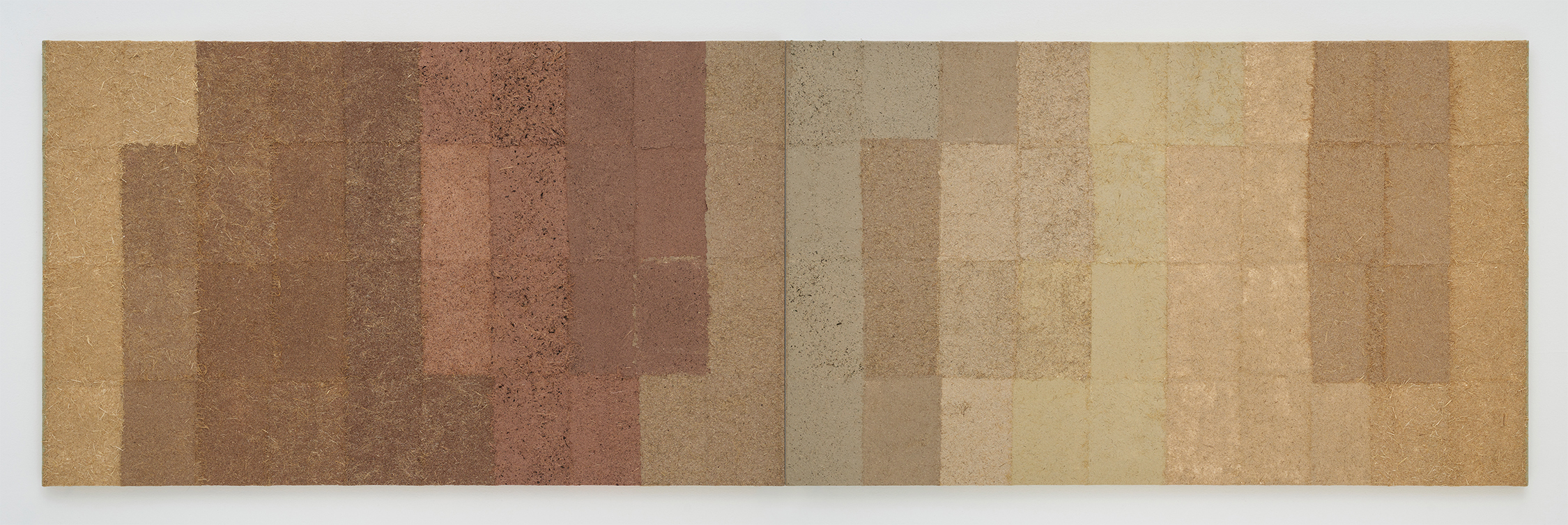
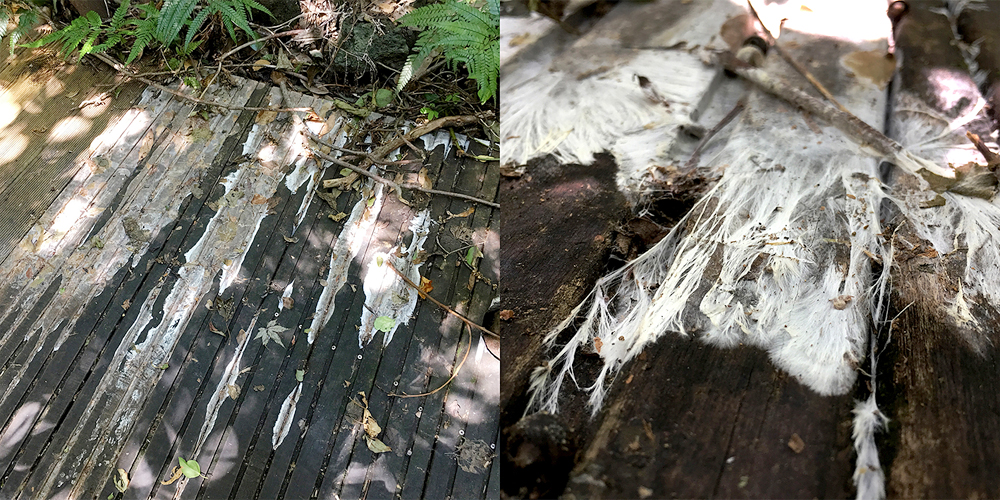
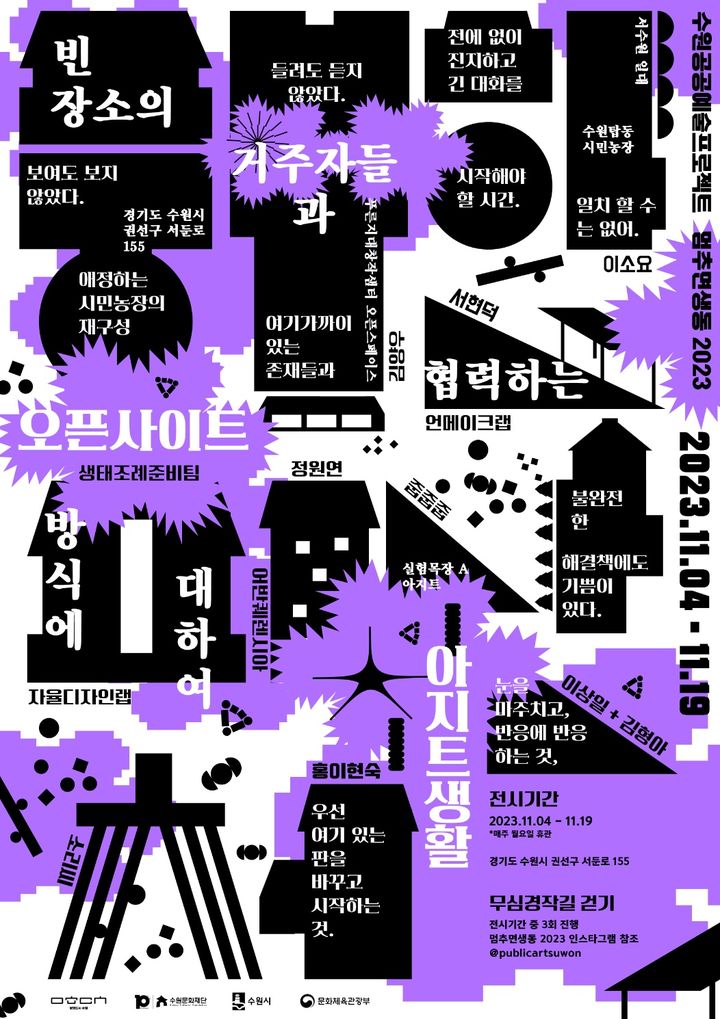
Her research and writing on mushrooms approach unknown organisms through scent, season, and weather before naming them or determining their edibility. Her ecological mapping of soil in West Suwon similarly renders otherwise imperceptible environmental conditions visually accessible. These developments show how her investigation of institutional practices of biological management and preservation has gradually extended toward habitats, ecological relationships, and multispecies coexistence.

Her recent project 'Illustrated Flora of Korea: Poisonous Plants, Annotations' brings together methodologies accumulated over the course of her practice. Comparative research on historical floras, field surveys of vegetation on the Korean Peninsula, techniques of plant collection and preservation, and drawings based on personal experience unfold together within a long-term project.

While continually encountering new organisms and materials, Lee has returned to and revised questions of observation, preservation, classification, and care. Constancy in her practice therefore emerges through a sustained research attitude: one that revises previous judgments and adds new annotations to an ongoing inquiry into the relationship between life and knowledge.

Works of Art

The Relationship Between Humans and Nonhuman Life

Articles

Exhibitions

Activities