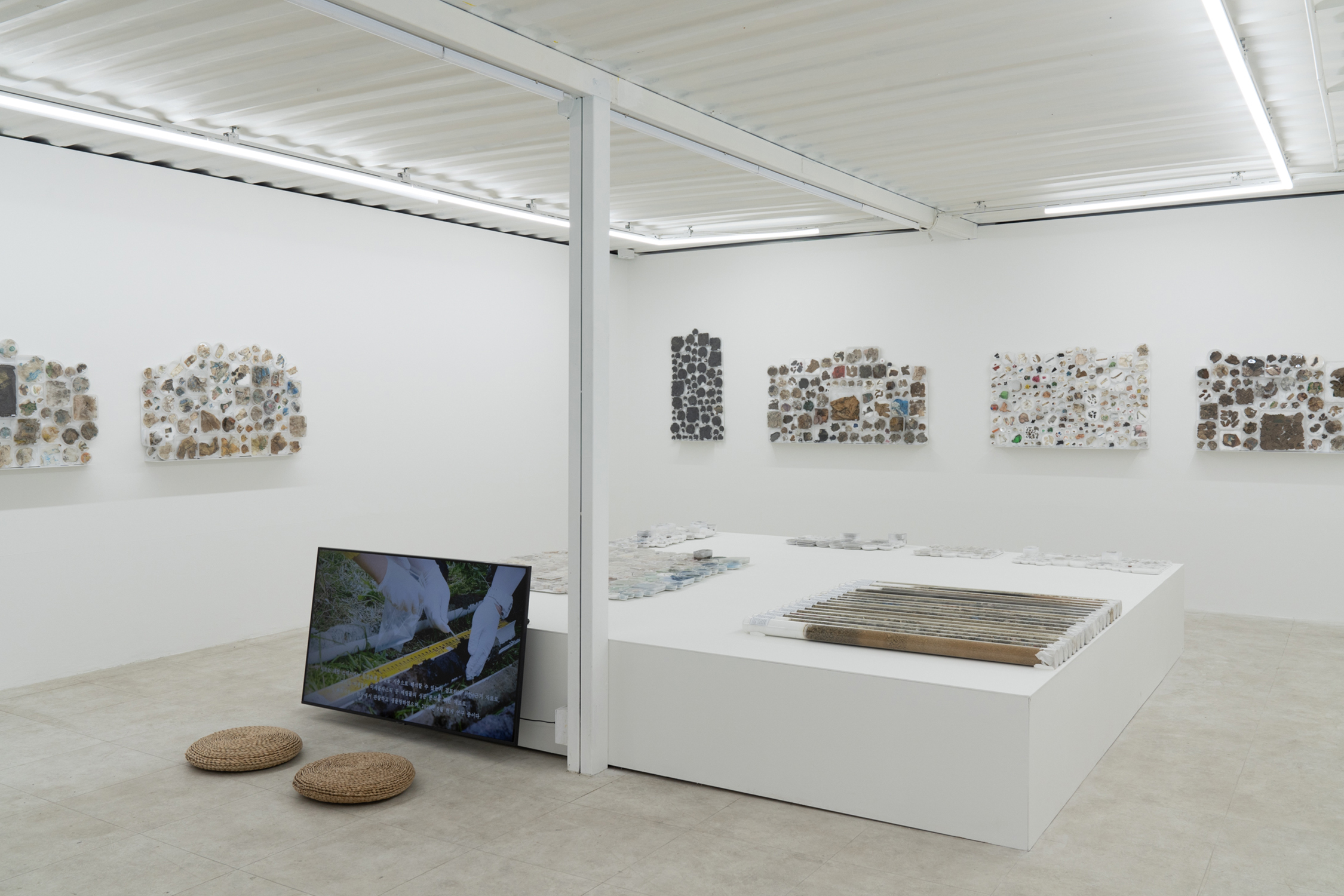
Lee Soyo’s practice begins with the processes through which living beings are translated into knowledge and images. Institutional settings such as museums, laboratories, illustrated floras, and specimen collections enable the study of nature while selecting, separating, and arranging life according to particular criteria.
Lee incorporates the techniques, judgments, omissions, and misreadings accumulated within these processes into her work. By bringing together modes of observation and documentation shared by the life sciences, natural history, and art, she examines the cultural conditions through which living beings are transformed into visual information and cultural objects.
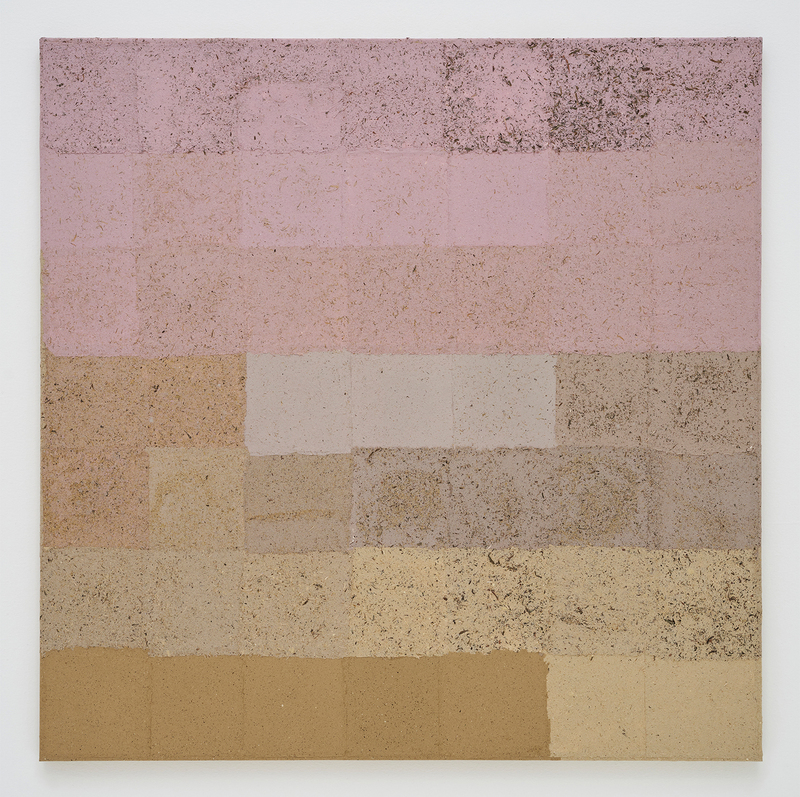
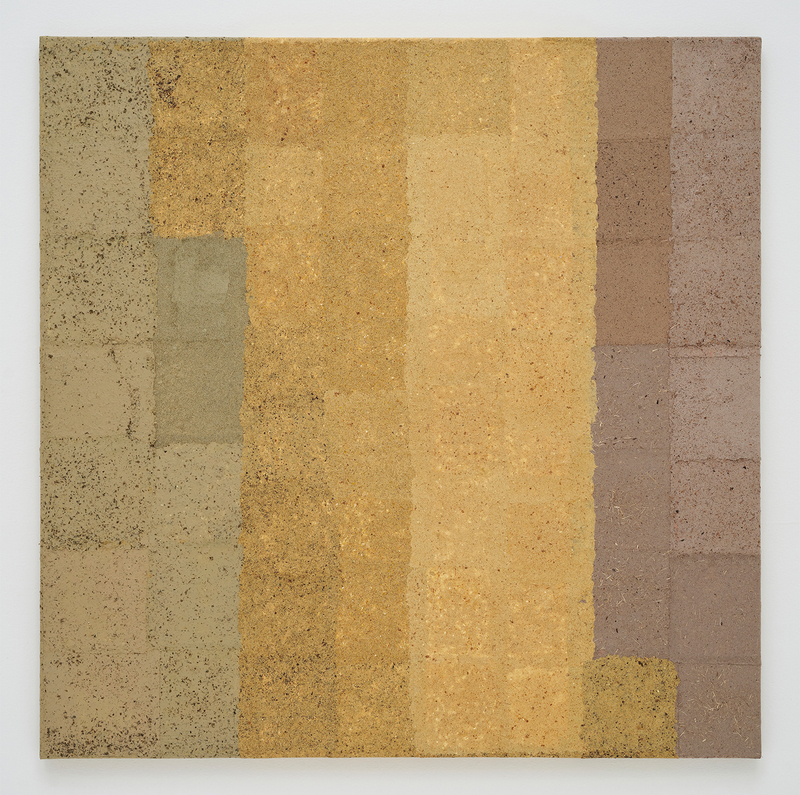
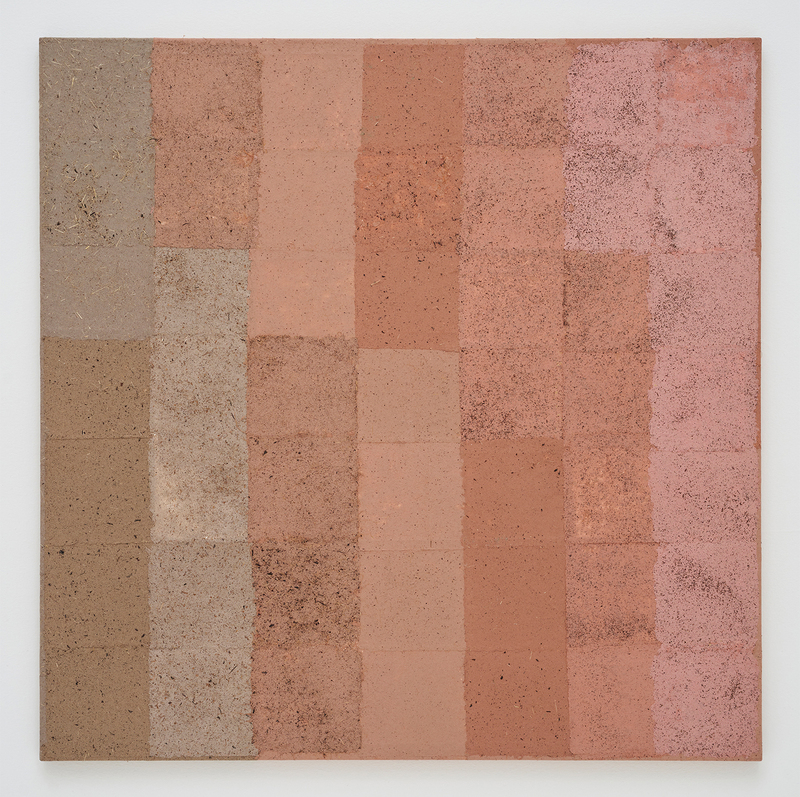
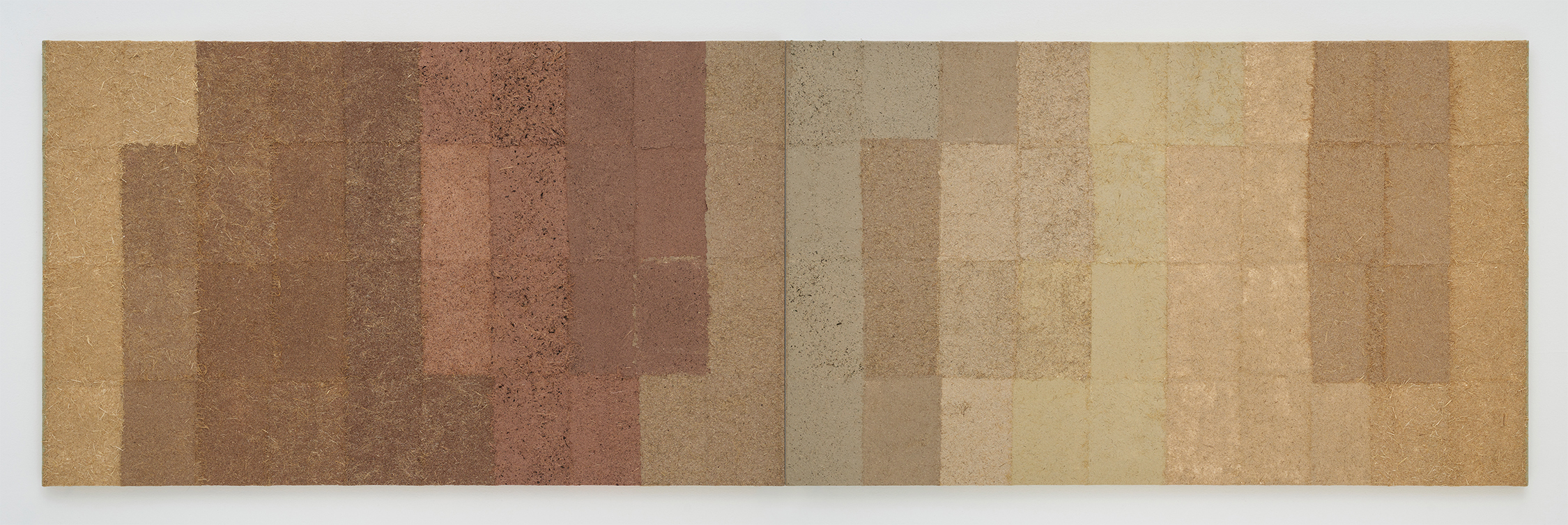
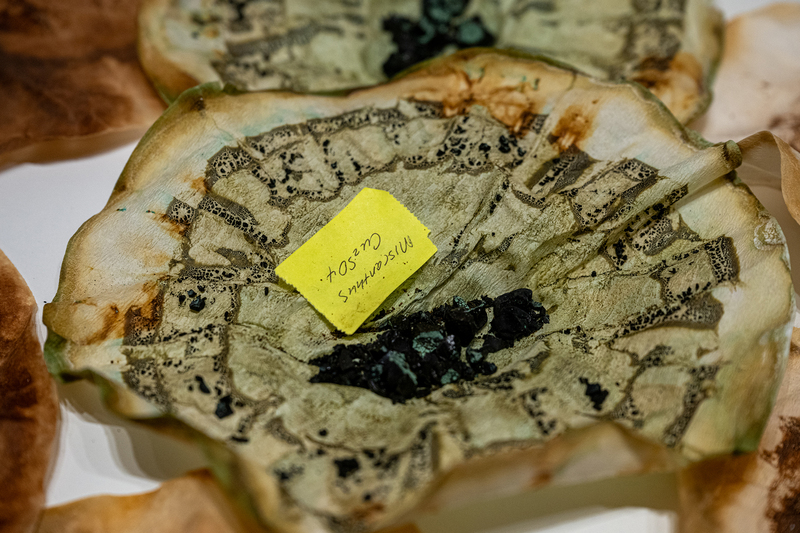
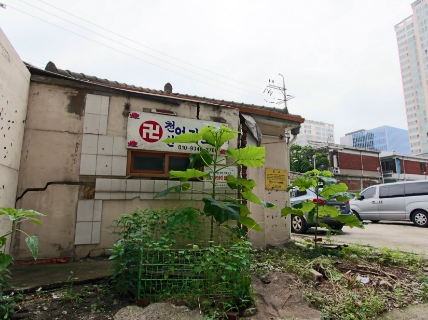
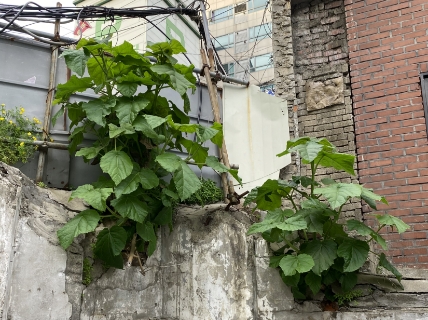
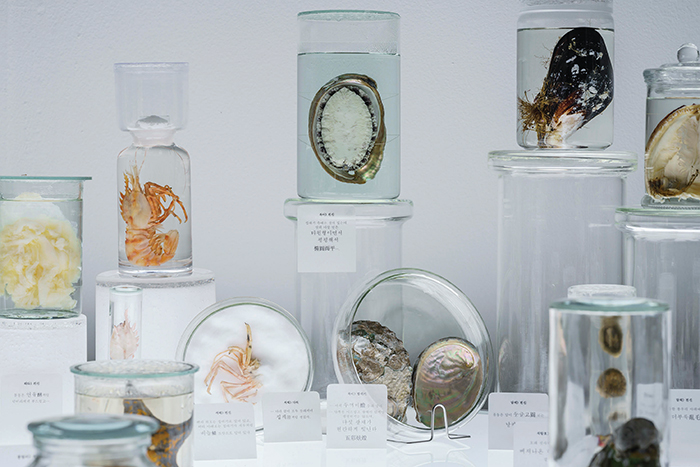
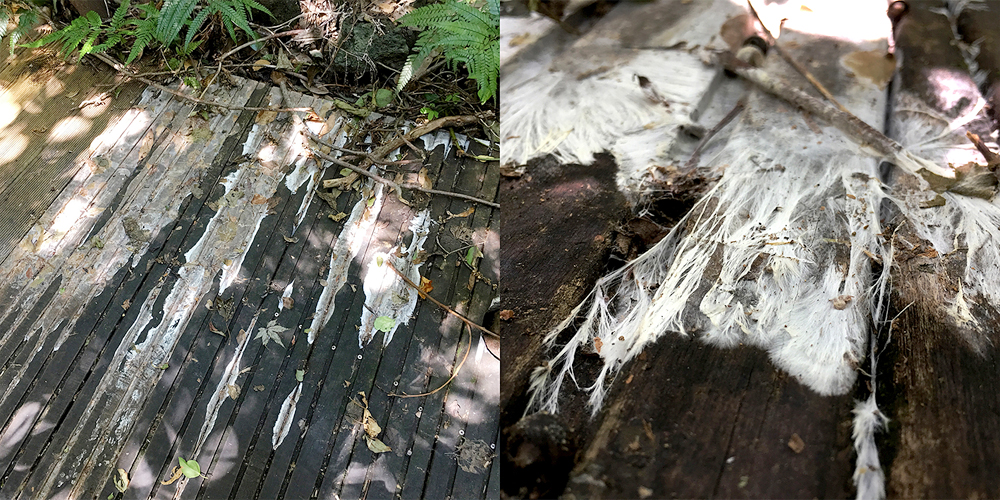
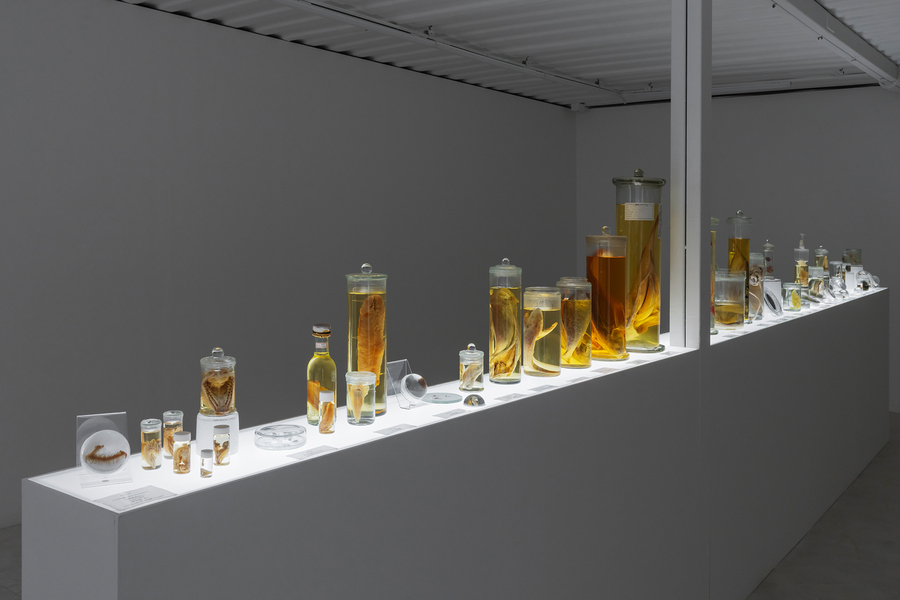
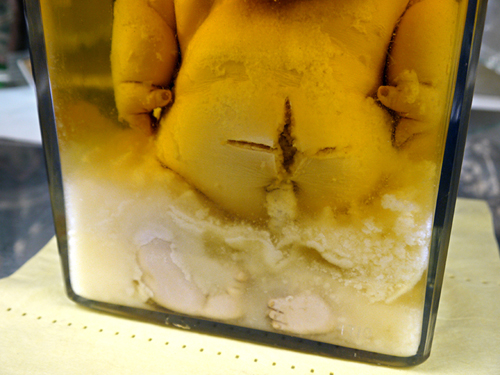
At the center of her practice is an attempt to recalibrate relationships between human and nonhuman beings. Grafted cacti, fluid-preserved human specimens, marine organisms, feral urban plants, mushrooms, and soil have each been managed and utilized according to different human needs and systems of classification.
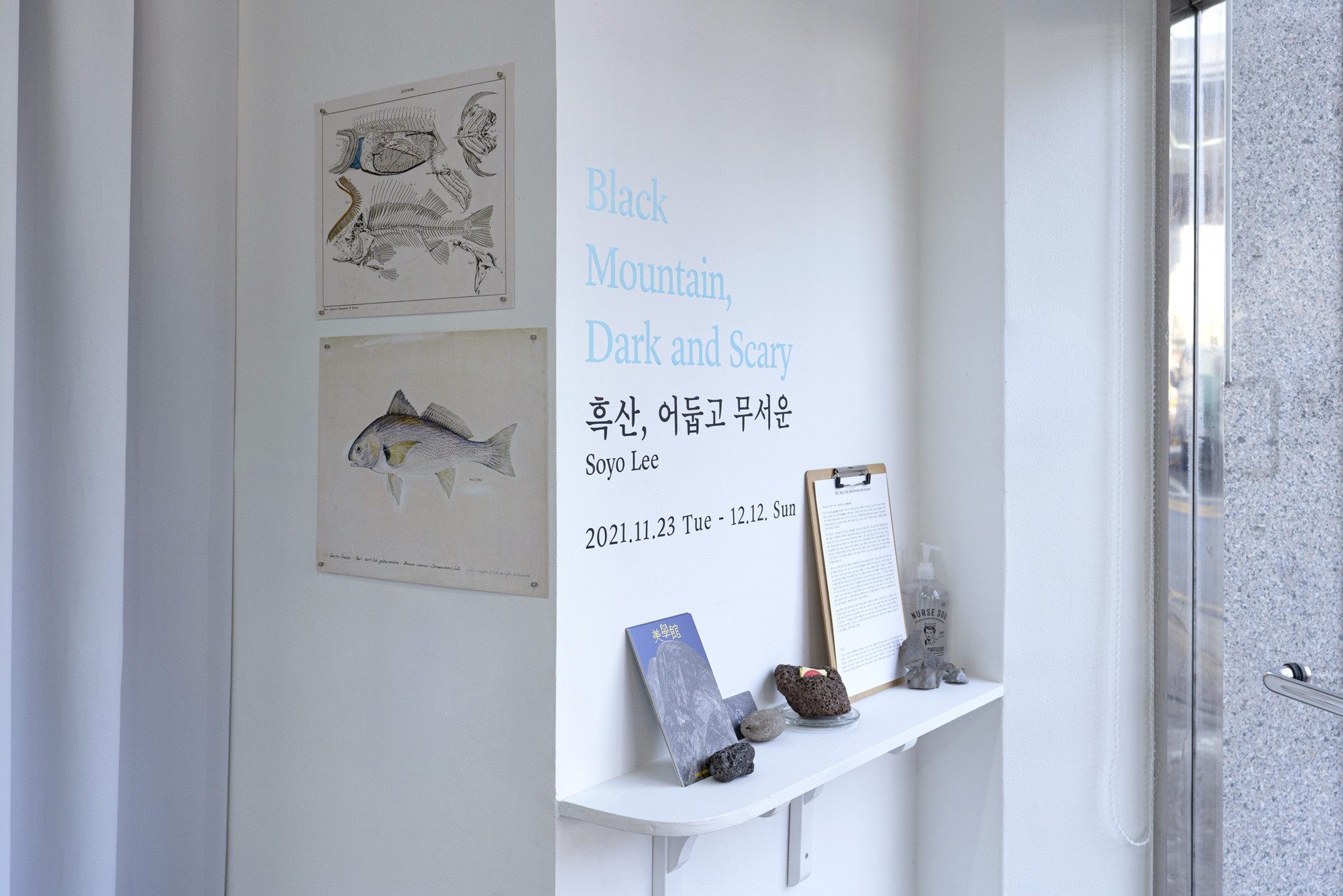
Lee suspends perspectives that rank organisms according to utility, rarity, edibility, or exhibition value, and instead follows the specific ecological and historical circumstances in which they exist. Through field investigation and the cultivation of sensory attention, she slows the pace of anthropocentric observation and attends to the temporalities and networks that living beings form with their environments and with other organisms.
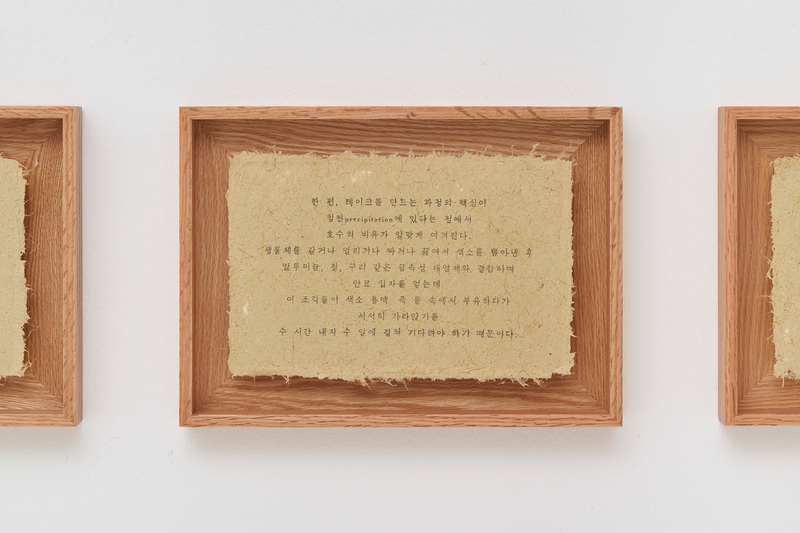
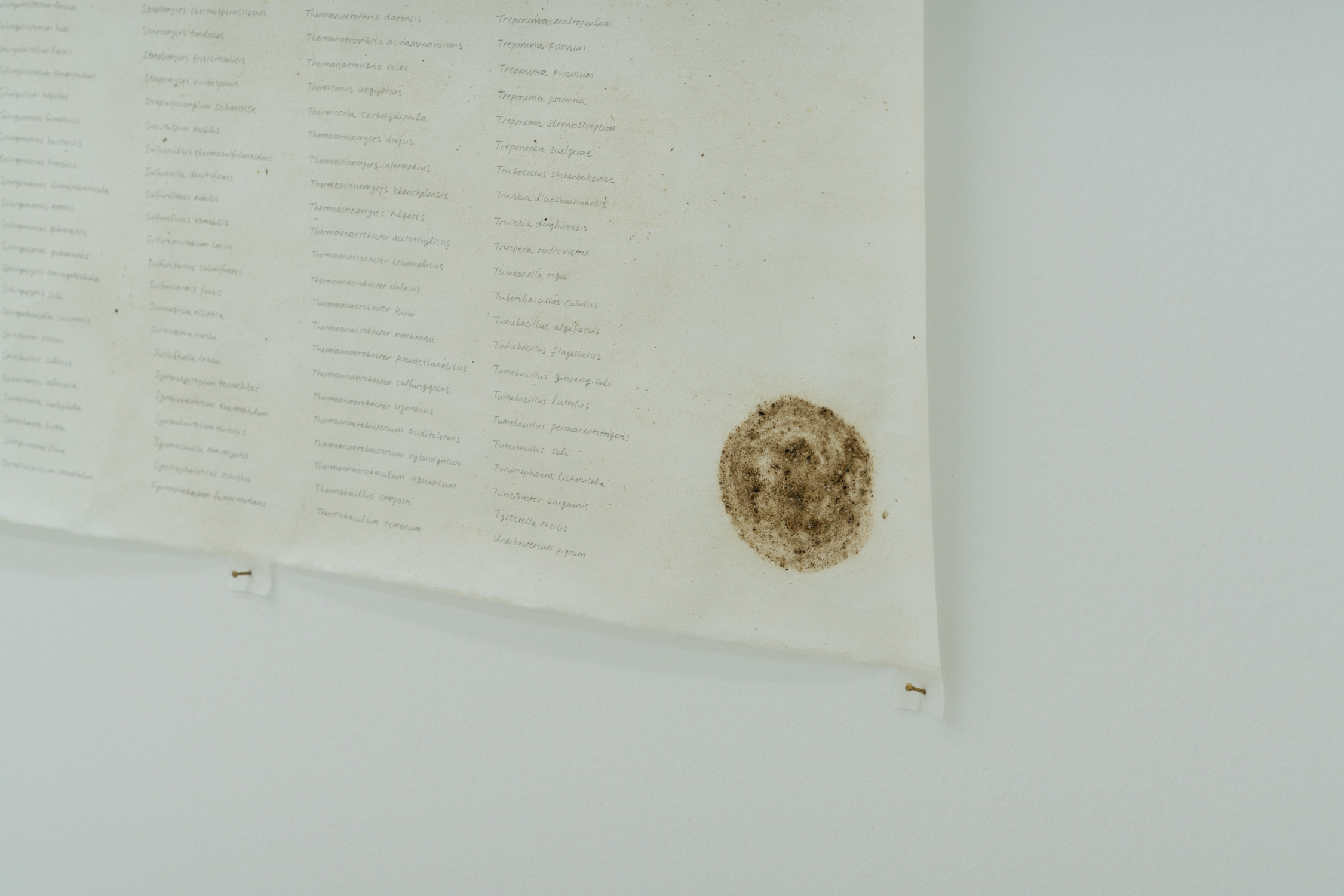
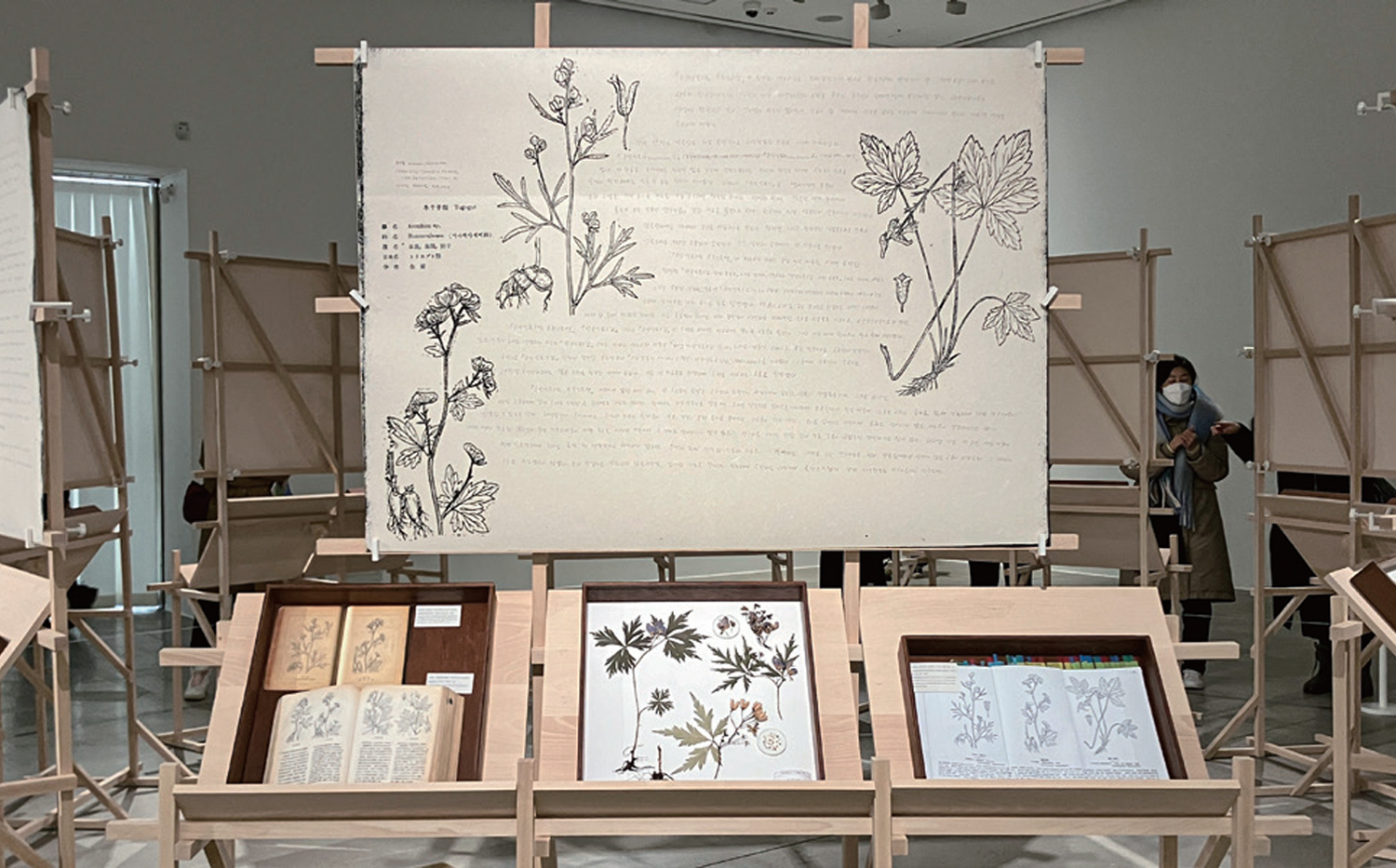
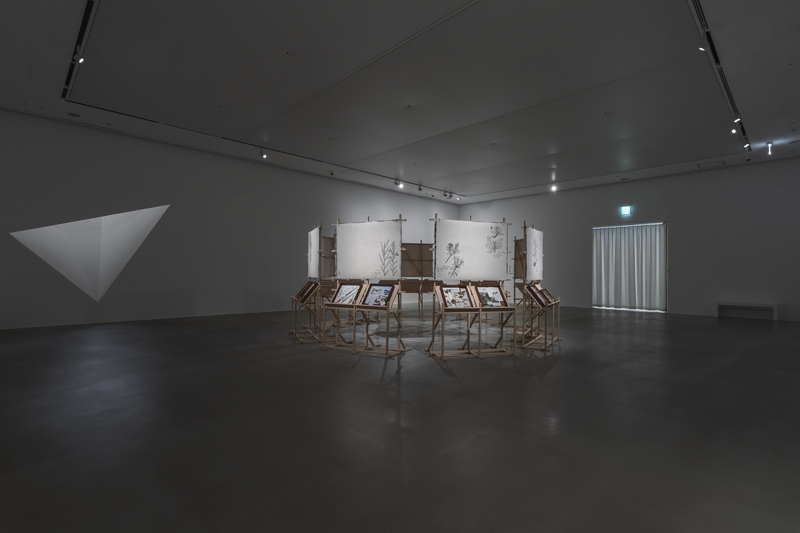
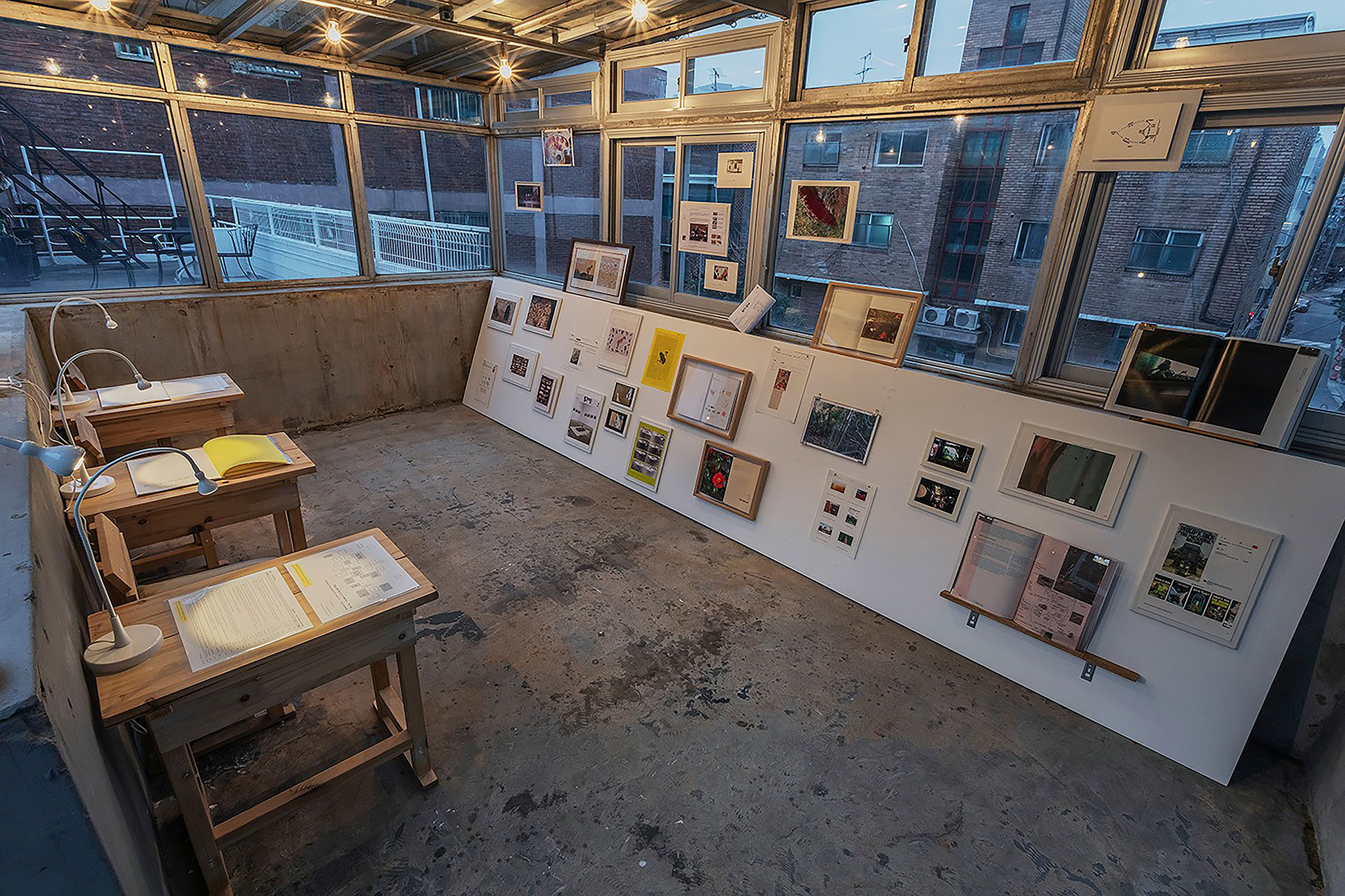
For Lee, research is not merely a preparatory stage preceding artistic creation; it functions as a mode of production that determines the structure and form of the work itself. She examines prior studies, compares records produced under different historical and political systems, conducts field collection and observation, and rearranges the results as annotations, specimens, illustrations, drawings, and documents.
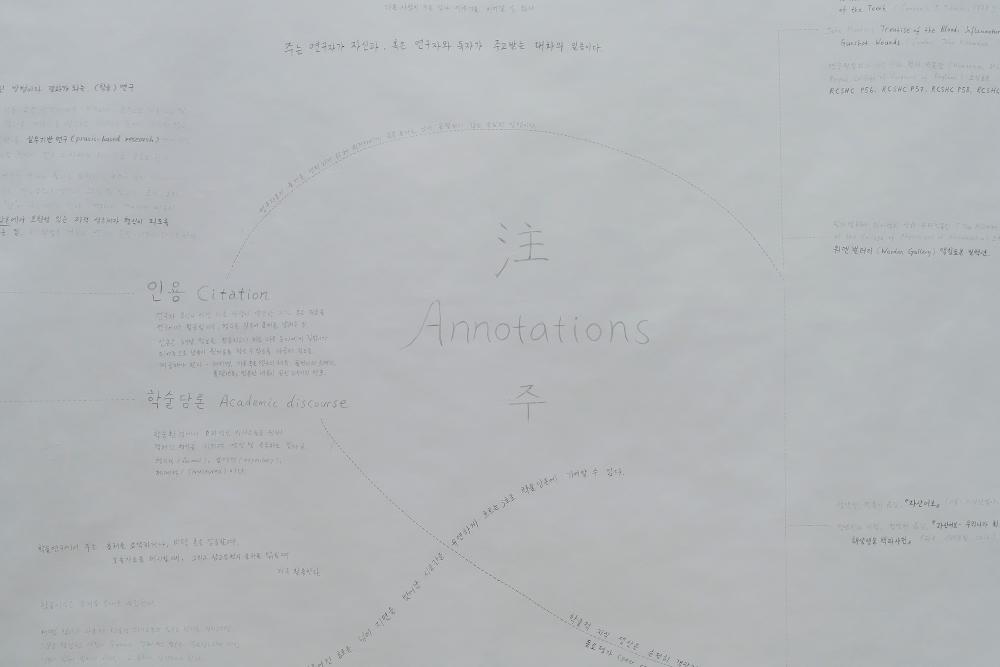
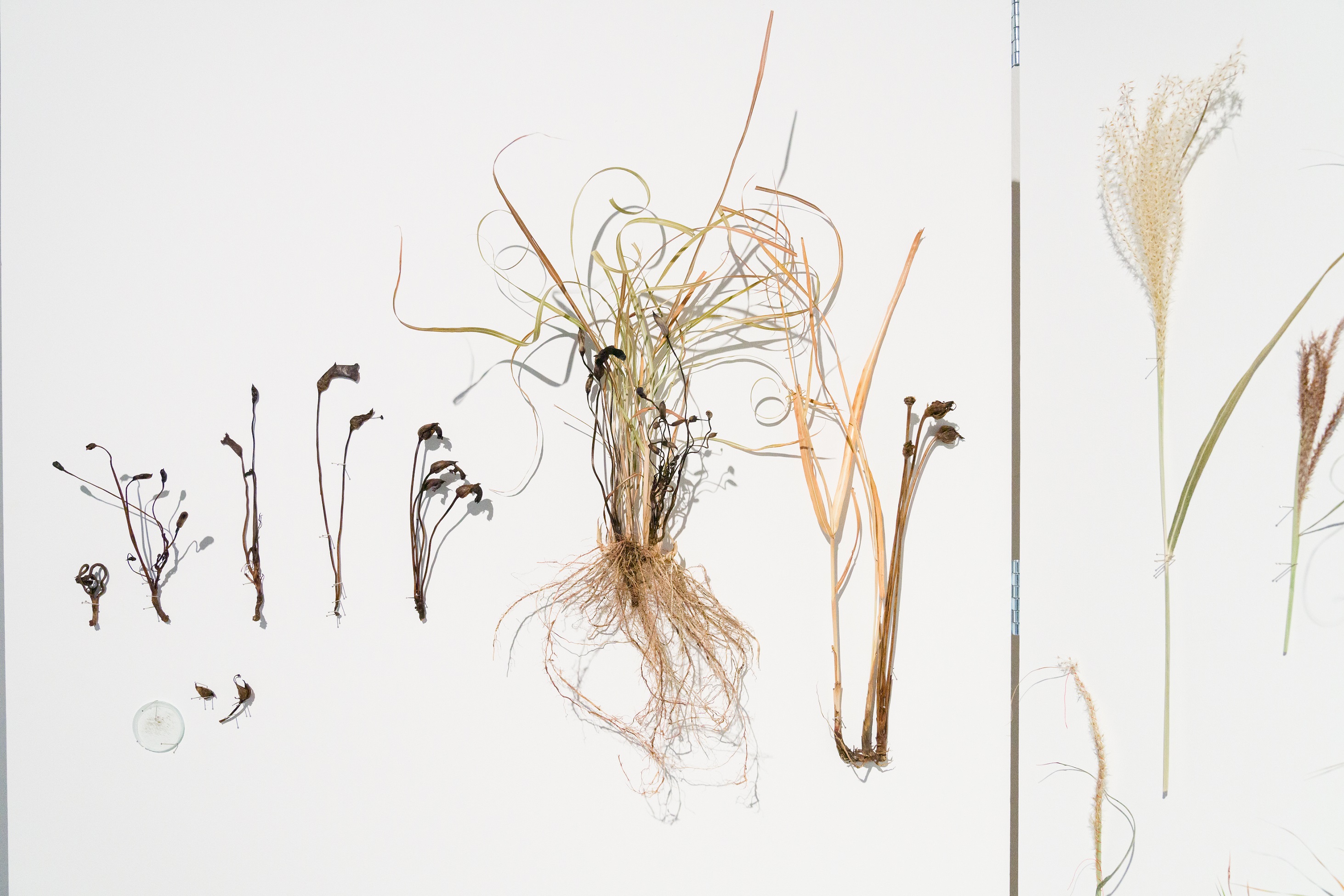
In ‘Illustrated Flora of Korea: Poisonous Plants, Annotations’, Lee joins an unfinished genealogy of botanical research as an artist, tracing both the transmission and revision of plant knowledge and the formation of living vegetation beyond the pages of the book. Reference and citation thus become artistic forms as well as scholarly methods, while knowledge emerges as a provisional and collective process continually extended by multiple individuals across time.
Her inquiry has developed from the transformation and preservation of living beings toward an ethics of care. Lee considers how life is modified according to aesthetic and industrial demands, converted into specimens for scientific study, and subsequently reclassified as cultural or artistic material once its original research purpose has ended.
Preservation consequently becomes a practice of deciding what should remain, how it should be handled, and who will assume responsibility for its future, as well as a technique for extending the physical duration of an object. The distinctiveness of Lee’s practice lies in the close articulation of scientific protocols, museum institutions, artistic form, and bioethics, through which art’s relationship to life becomes a matter of concrete decisions and responsibilities.



.jpeg)