Fable - K-ARTIST

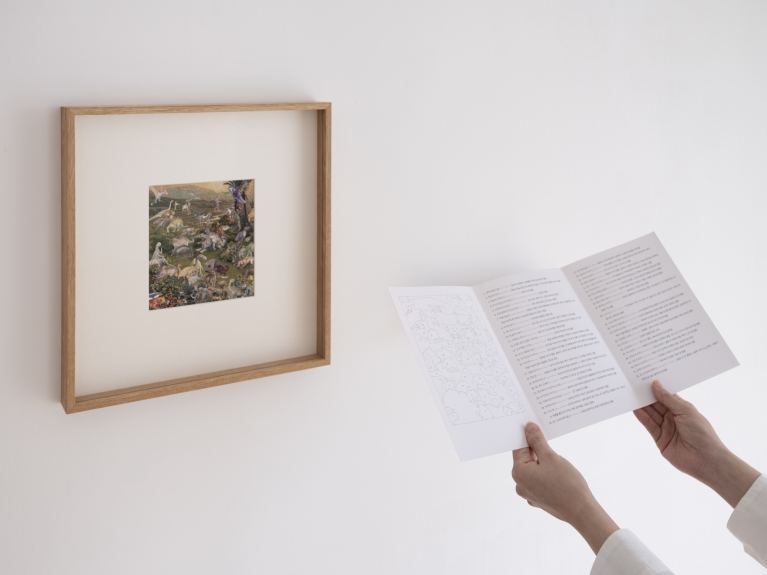
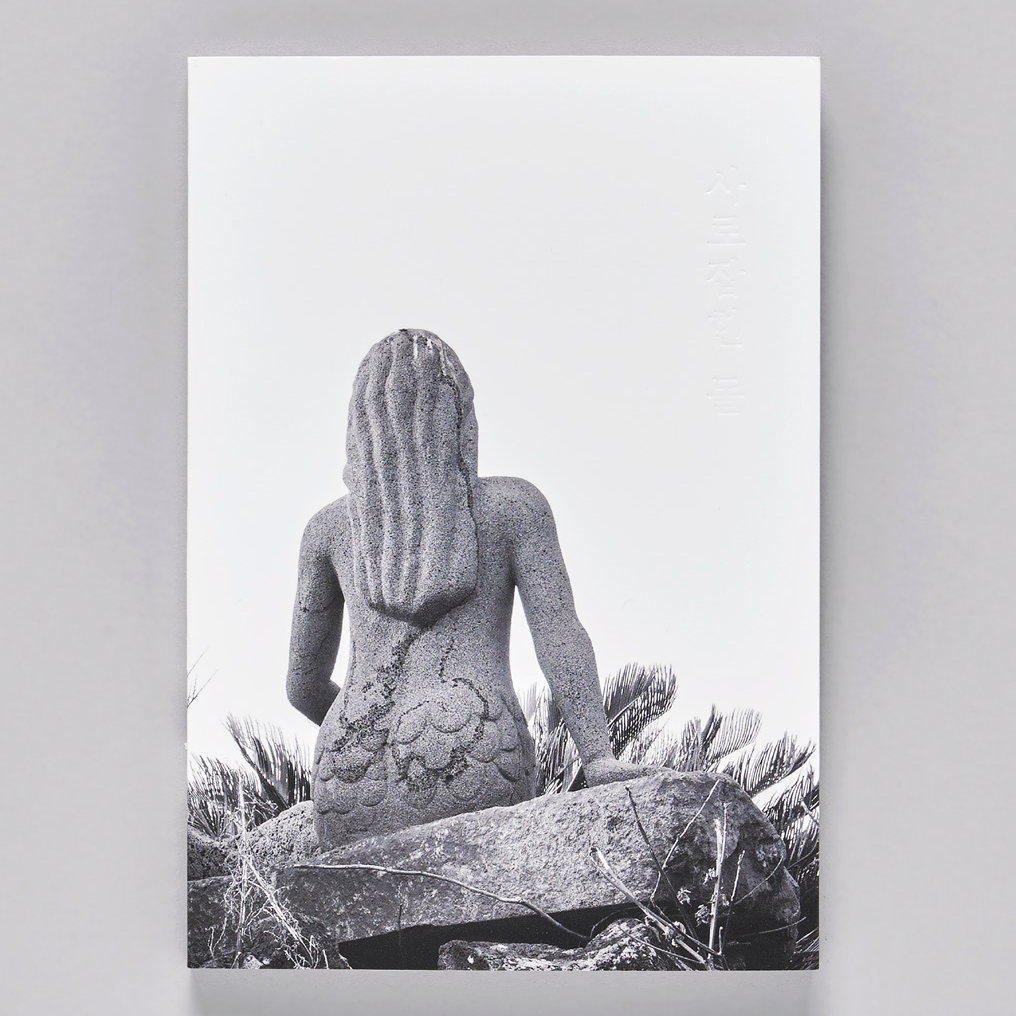
Fable

2019
Pigment print
84 x 58 cm
About The Work

Youngle Keem explores how objects and events settle into narratives as they pass through language. Her practice has developed along two interconnected trajectories: expanding particular objects and phenomena through writing, and revisiting subjects and events that have been erased or forgotten within the records of modern and contemporary Korean history. 

Central to both is not only the fact itself, but also the process through which facts are collected, named, and transmitted. Moving between official records and personal memories, rumors and imagination, observation and misunderstanding, Keem examines the linguistic conditions through which the world we believe we know is constructed.

By inserting fictional characters and incidents into actual sites and historical materials, Keem makes the gaps within public records visible and opens alternative perspectives from which to consider those who were denied sufficient opportunities to speak within history. 

In Youngle Keem’s practice, text is not supplementary material attached to a video or installation but a central medium that organizes the structure of the work. Beginning with processes of writing and editing, she extends her narratives into video, publications, photography, webpages, objects, and exhibition spaces. 

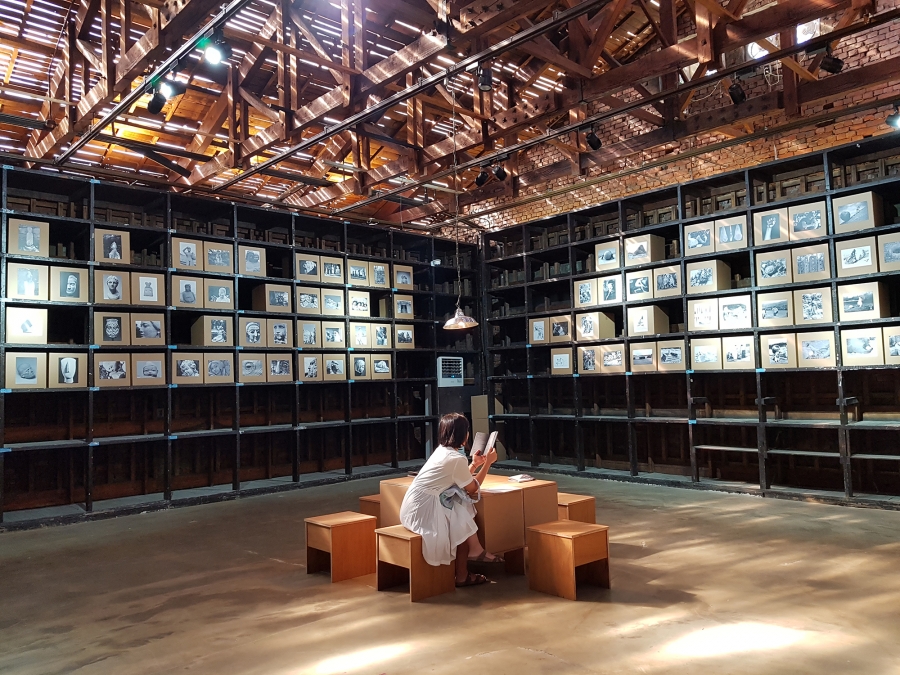
Her choice of medium is not fixed; it changes according to the nature of each story and the way in which the reader or viewer encounters it. A book leads the reader through sentences in sequence, while video creates a temporal progression between language and image, and installation transfers the act of reading into the viewer’s bodily experience of space. In this way, Keem has brought together multiple media around text while exploring the relationships between fiction and fact, and between language and image.

In Keem’s practice, writing does not simply explain the world. It serves as a means of questioning the stories attached to objects and histories and of discovering relationships that have yet to be recorded. Moving between fact and fiction, her narratives continually ask who is permitted to become the subject of a record, which voices are transmitted or omitted, and how their traces may be read. 

Solo Exhibitions (Brief)

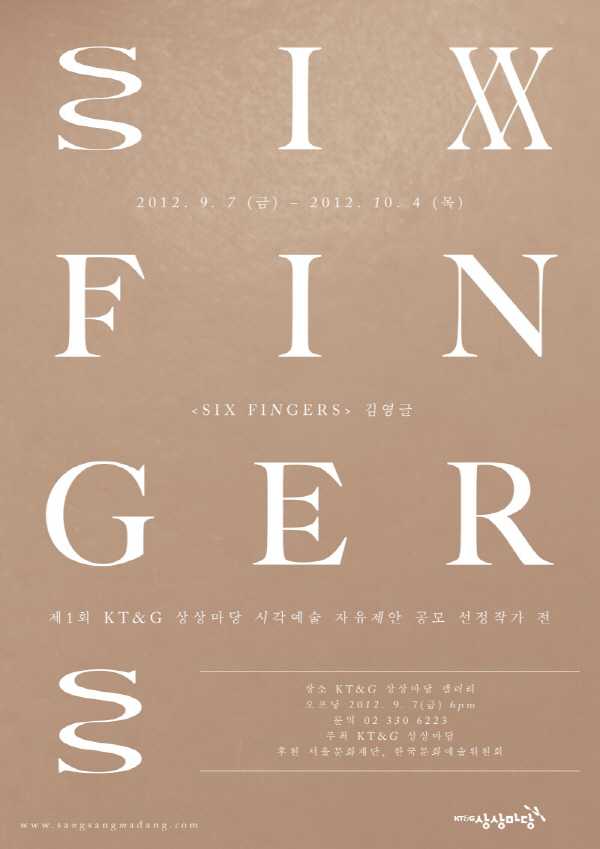
Youngle Keem held solo exhibitions at KT&G Sangsangmadang Gallery in 2012 and SeMA Storage in 2019.

Group Exhibitions (Brief)

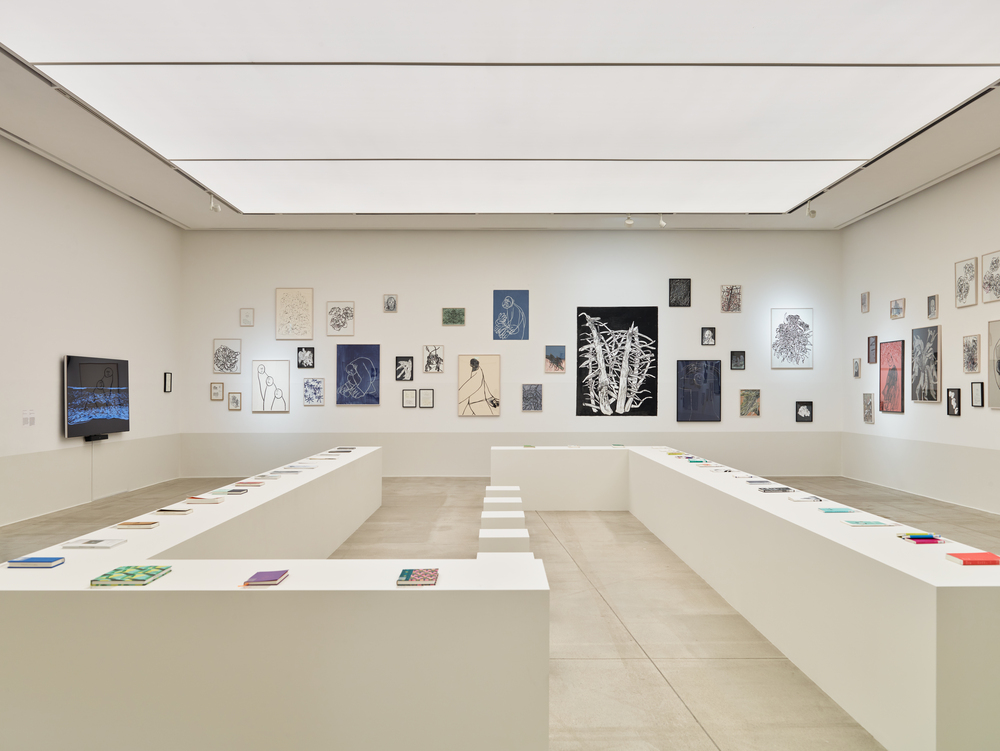
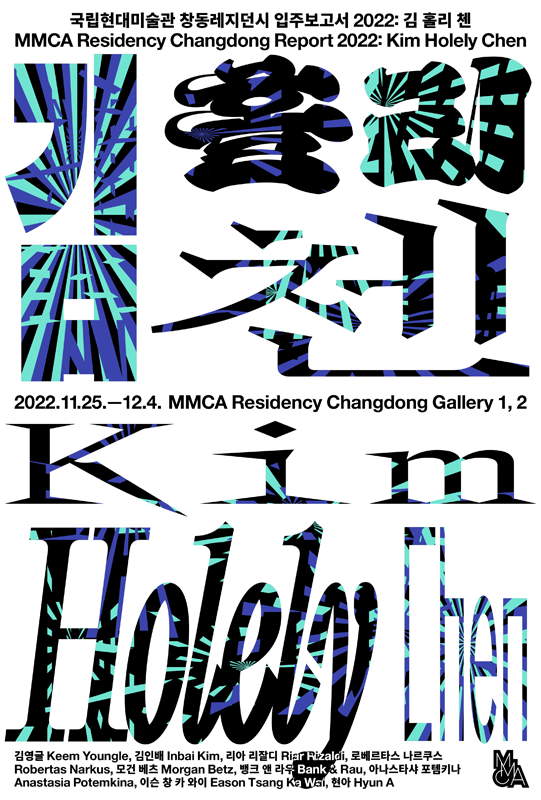
Youngle Keem has participated in group exhibitions at Sungkok Art Museum (2010), Nam June Paik Art Center and DOOSAN Gallery New York (2013), Gyeonggi Museum of Modern Art (2017), Nam-Seoul Museum of Art (2019), MMCA Residency Changdong (2022), and Buk-Seoul Museum of Art (2026).

Residencies (Selected)

Youngle Keem has participated in residency programs at Studio 683, Korea National University of Arts (2010), the ´acePIRAR Artist-in-Residence International Program (2017), Art Space IAa (2018), Udo Art Center (2019), SeMA Nanji Residency (2020), Seoul Art Space Geumcheon (2021), and MMCA Residency Changdong (2022).

Works of Art

Between Fiction and Fact, Language and Image

Originality & Identity

Youngle Keem explores how objects and events settle into narratives as they pass through language. Her practice has developed along two interconnected trajectories: expanding particular objects and phenomena through writing, and revisiting subjects and events that have been erased or forgotten within the records of modern and contemporary Korean history.

Central to both is not only the fact itself, but also the process through which facts are collected, named, and transmitted. Moving between official records and personal memories, rumors and imagination, observation and misunderstanding, Keem examines the linguistic conditions through which the world we believe we know is constructed.

The Monami 153 Chronicle clearly demonstrates this early interest. Keem combined information about the Monami 153 ballpoint pen, a widely used object in Korean society, with everyday anecdotes, events from modern and contemporary Korean history, and fictional narratives to produce an unusual chronicle. The pen functions as both an everyday commodity that accompanied Korea’s industrialization and compressed economic growth and a medium onto which the memories and rumors of different generations have been projected.

Keem reveals how facts and rumors surrounding an object exchange positions and gradually settle into a plausible history through exaggeration and omission. In works such as A Wall., Captured Stone, and Black, she similarly uses writing to amplify the layers of names, assumptions, and stories accumulated around particular subjects, demonstrating the instability of the meanings assigned to objects.

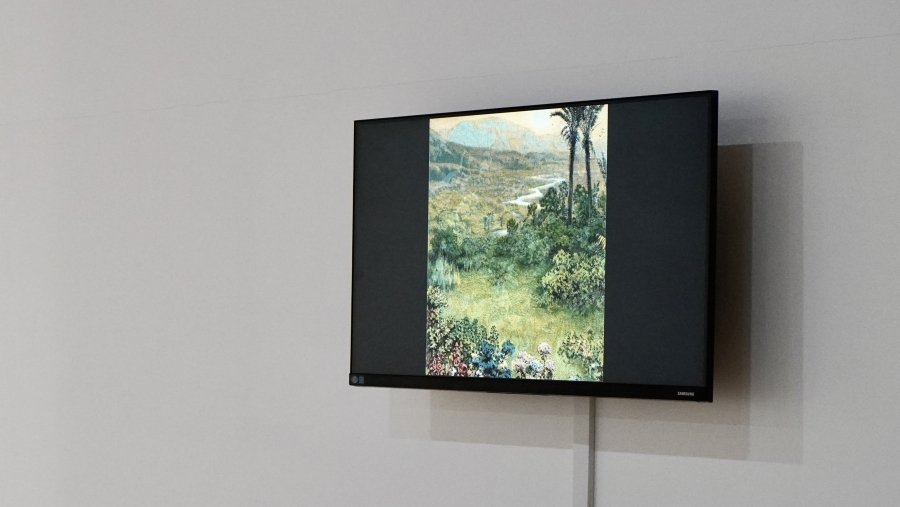
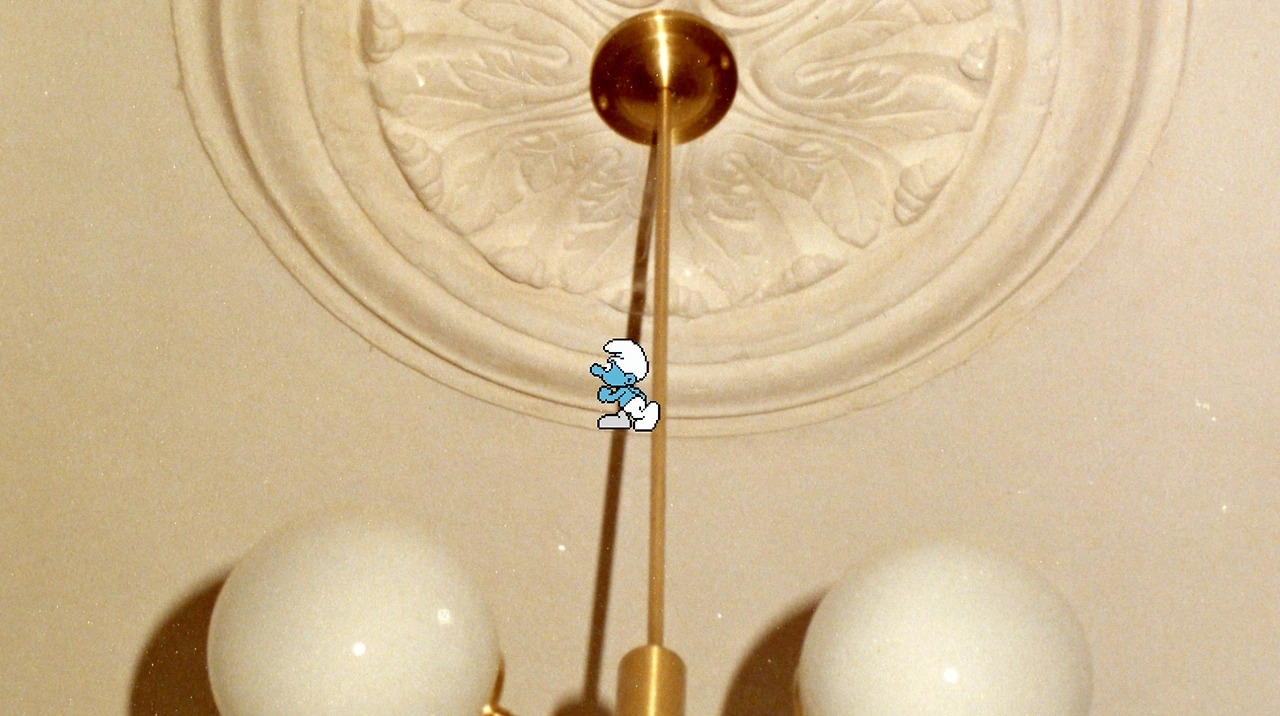
Elsewhere in her practice, figures pushed to the margins of public records emerge through fictional narrators. Blue Land began with research into the building originally constructed as the Belgian Consulate, now the Nam-Seoul Museum of Art, and the history of redevelopment in the surrounding Sadang area. In the video, the Smurfs arrive in Korea as construction workers from Belgium and subsequently shift between the roles of laborers, residents of neighborhoods slated for demolition, perpetrators of violence, and anonymous crowds, wandering through different scenes from modern Korean history.

Their transformations evoke those deprived of both their places of residence and their social positions amid development, demolition, displacement, and conflict. By inserting fictional characters and incidents into actual sites and historical materials, Keem makes the gaps within public records visible and opens alternative perspectives from which to consider those who were denied sufficient opportunities to speak within history. Finding the Seahorse extends this concern with recalling subjects and events that have been erased or forgotten.

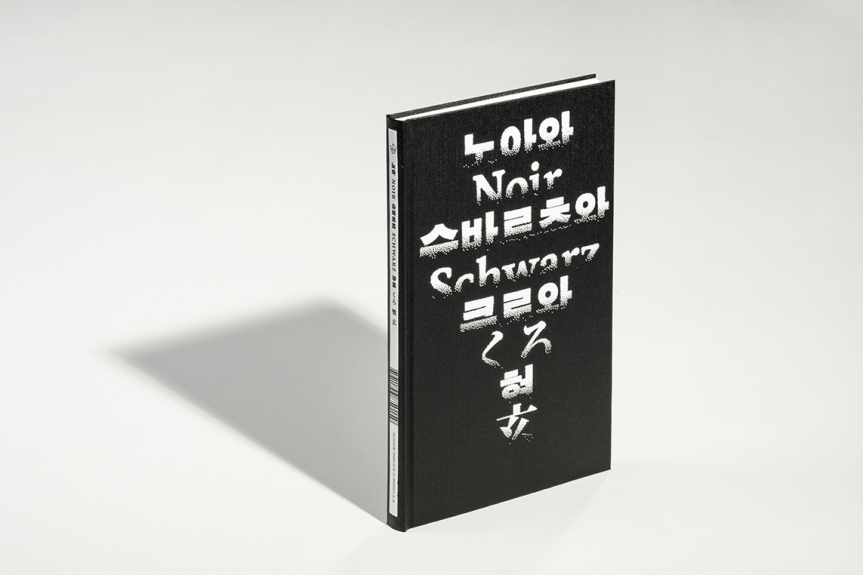
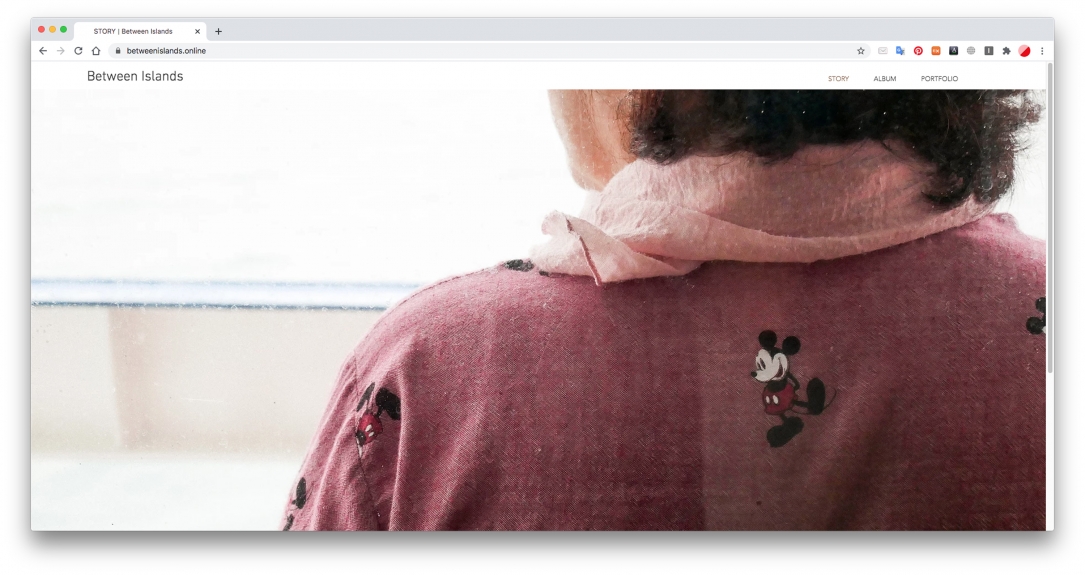
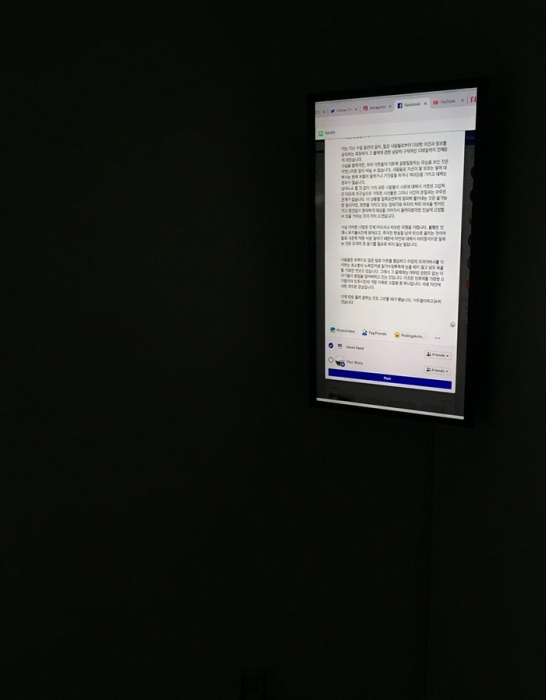
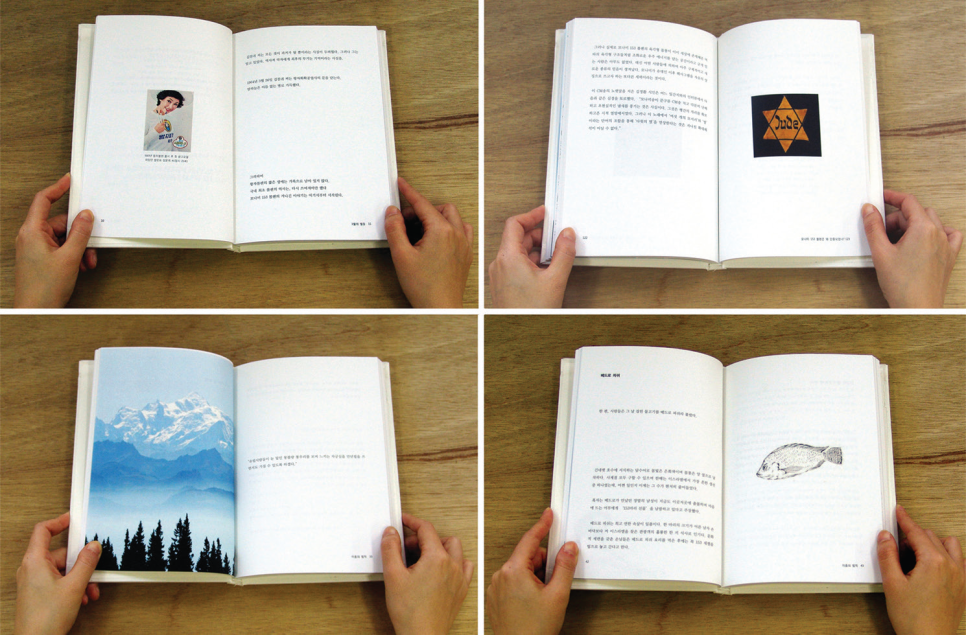
In her more recent work, Keem’s attention has expanded to the conditions through which language is recorded, transmitted, and preserved as a material trace. The web-based slideshow of Between Islands, the book Noir, Schwarz, Kuro and Hyun, the texts and posters of Bread Rose Zero, the handwritten poem in While Hesitating, and the combinations of video, objects, and text in Posted Letter: from Dodo and Things for Sale each construct situations in which sentences encounter particular media, spaces, and recipients.

Dictionary of Traces treats the blurring and trembling of handwriting, marks left by writing tools, bodily movement, and the passage of time as integral parts of the record, returning text that has become increasingly immaterial within digital environments to a material dimension.

In Keem’s practice, writing does not simply explain the world. It serves as a means of questioning the stories attached to objects and histories and of discovering relationships that have yet to be recorded. Moving between fact and fiction, her narratives continually ask who is permitted to become the subject of a record, which voices are transmitted or omitted, and how their traces may be read.


Style & Contents

In Youngle Keem’s practice, text is not supplementary material attached to a video or installation but a central medium that organizes the structure of the work. Beginning with processes of writing and editing, she extends her narratives into video, publications, photography, webpages, objects, and exhibition spaces. Her choice of medium is not fixed; it changes according to the nature of each story and the way in which the reader or viewer encounters it.

A book leads the reader through sentences in sequence, while video creates a temporal progression between language and image, and installation transfers the act of reading into the viewer’s bodily experience of space. In this way, Keem has brought together multiple media around text while exploring the relationships between fiction and fact, and between language and image.

In her video works, researched materials are not simply conveyed as information but are re-edited with fiction to form new narrative structures. Blue Land combines archival materials concerning the former Belgian Consulate and the surrounding Sadang area with the Belgian comic characters the Smurfs, constructing fictional events that are presented in the manner of historical fact.

The chronology of the site, architectural records, and the history of redevelopment intersect on screen with the movements and transformations of animated characters. Viewers are placed in a state in which they cannot immediately distinguish documentation from imagination and are prompted to examine both the sources of the images and the reliability of the narrator. This mode of editing does not simply disguise fiction as fact. Instead, it operates as a device that reveals how existing records are themselves narratives shaped through selection and arrangement.

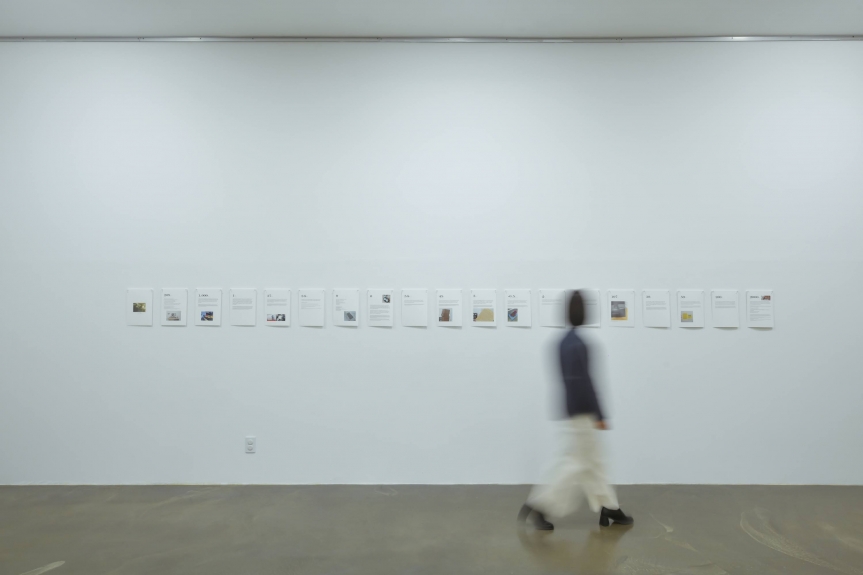
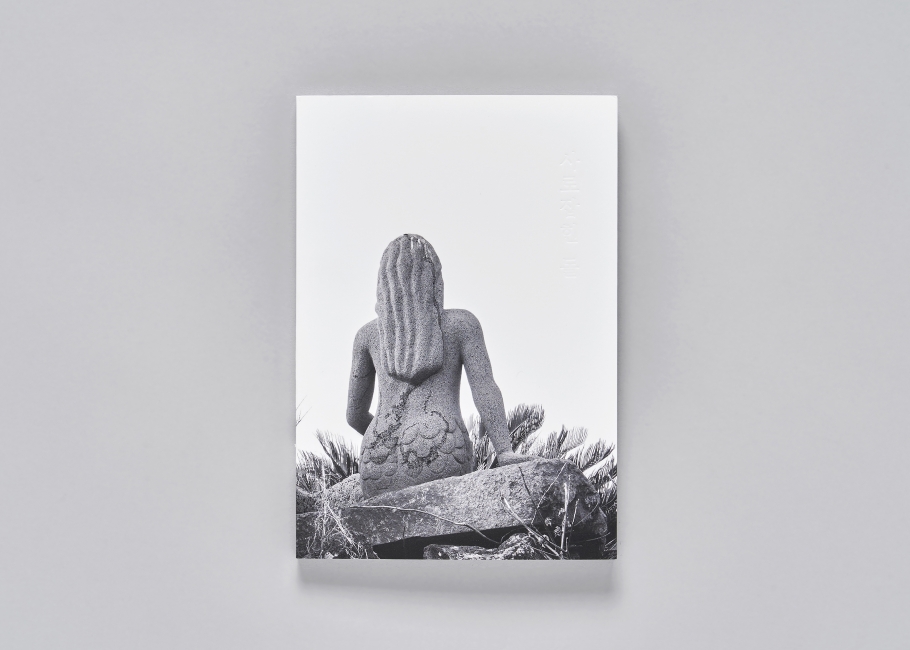
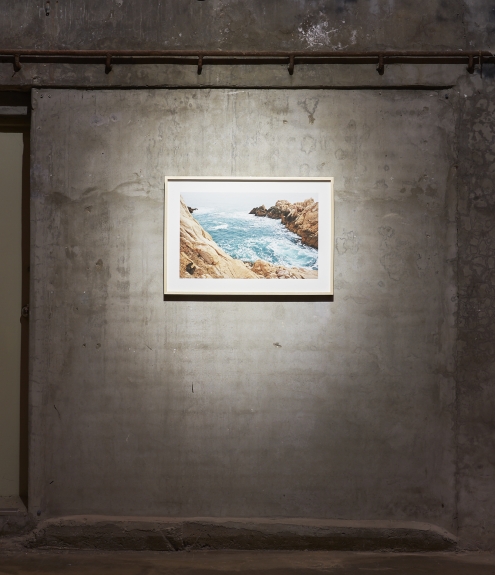
Keem’s publications and web-based works carefully regulate the order and pace of reading. Between Islands presents sixty-four photographs as an online slideshow, forming a narrative through the duration in which each image appears and disappears. The book Noir, Schwarz, Kuro and Hyun conveys stories concerning different names and beings through each reader’s individual experience of reading, while Bread Rose Zero spreads texts and posters throughout a space, incorporating the placement of sentences and the viewer’s movement into the work.

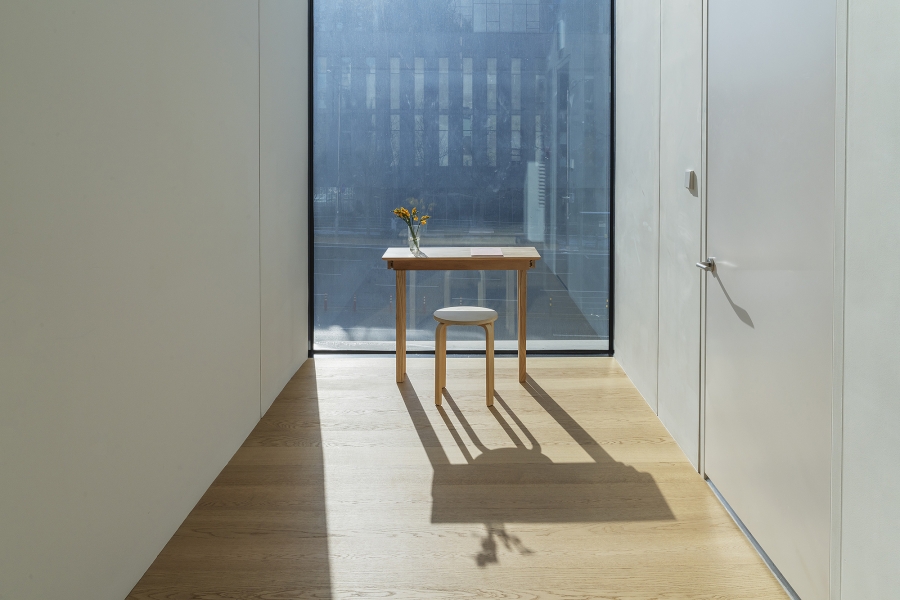
In While Hesitating, a desk, chair, withering flower, vase, and handwritten poem are arranged together. Writing is presented not only as a completed result but as part of an entire scene shaped by hesitation, waiting, and the passage of time. The objects on the desk and the gradually withering flower visualize the time embedded in the creative process, while the words written on paper become traces left within that duration.

In her recent works, the material structures that contain text and the physical posture required of the reader have become increasingly prominent. Dictionary of Traces gathers the trembling and blurring of handwriting, the marks of writing instruments, and other traces left by the act of writing within the format of a dictionary. In the exhibition, the work departed from the conventional form of a book and was realized as a panel-based structure, requiring viewers to adjust their bodies to the height and angle at which the text was positioned.

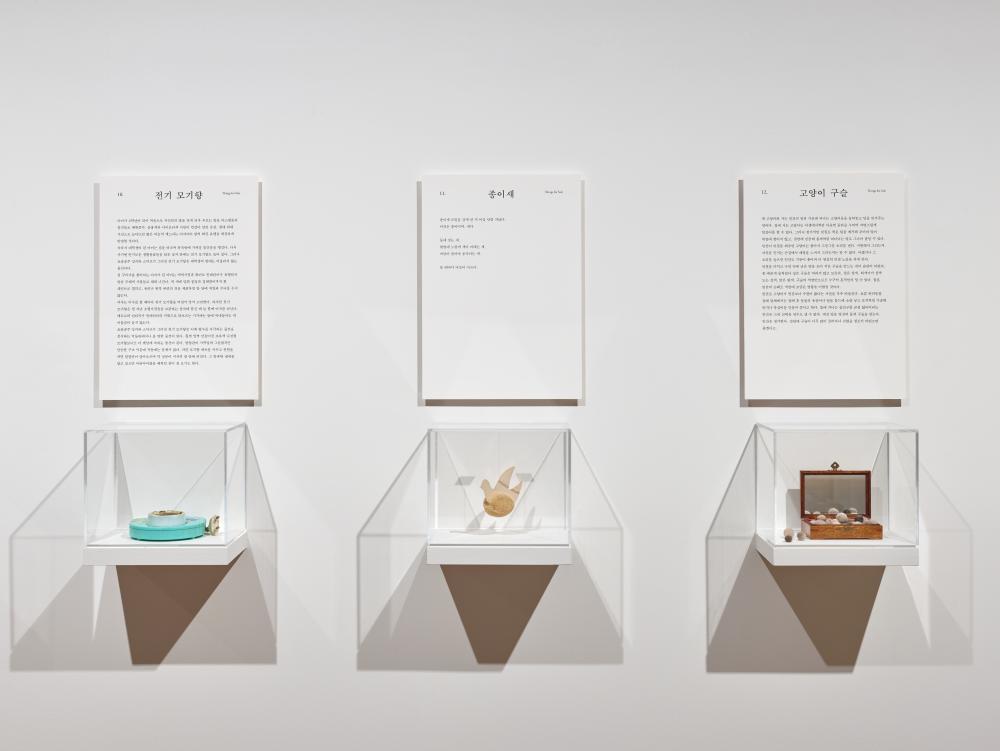
The work foregrounds how the medium that stores and arranges a sentence determines the sensory conditions of reading as much as the sentence’s content does. In the silent video Posted Letter: from Dodo and the object-and-text installation Things for Sale, language is likewise conveyed through the duration of the screen image, the arrangement of objects, and the empty spaces of the exhibition site, rather than being confined to speech or printed matter.

Keem expands the experience of reading into acts of looking, waiting, moving, and encountering objects, allowing text and image, material and space, to construct narratives together.

Topography & Continuity

Youngle Keem’s practice occupies an intersection of research-based narrative, text-centered art, and publishing as an artistic practice. Her academic background in French and German literature and fine art has informed her approach to language as both a narrative instrument and a formal material. Interested in reweaving familiar stories, she has worked across mock documentary, video, installation, writing, and publishing.

By combining archival methods of collecting and classifying materials with literary imagination and editing, Keem reveals both the perspectives through which records are viewed and the structures through which stories are formed. Her approach moves beyond visually illustrating the results of research, transforming the research process itself into the starting point for new narratives.

A consistent axis of Keem’s practice since its early stages has been the investigation of cultural meanings accumulated around particular objects. In The Monami 153 Chronicle, she wove information, memories, and rumors surrounding a mass-produced everyday object into the form of a chronicle. In the ‘Stone Research’ series and Captured Stone, she collected images of stones appearing in works of art and domestic spaces to examine the symbols and ideas that humans have assigned to natural objects.

Throughout this process, objects become more than subjects of observation, serving as narrative media through which social memory and personal interpretation intersect. Her method of collecting, naming, and rearranging subjects has continued throughout her practice, expanding into new ways of reading the layers of language and visual culture surrounding each changing subject.

Blue Land demonstrates how Keem’s object-oriented research expanded toward sites and public history. She investigated the Nam-Seoul Museum of Art, originally built as the Belgian Consulate, and the history of redevelopment in the surrounding Sadang area, introducing the Belgian comic characters the Smurfs as fictional narrators. They move through various scenes from modern Korean history, assuming the roles of construction workers, residents of neighborhoods slated for demolition, perpetrators of violence, and anonymous crowds.

The intersection of an existing building, historical materials, and comic imagination produces a narrative that examines the gaps within public records. The presentation of the work in both museum exhibitions and independent film festivals demonstrates the flexibility with which Keem’s practice crosses the boundaries of exhibition-based art, cinema, and literary narrative.

Her mock-documentary approach connects the methods of research-based art with the grammar of cinematic storytelling, prompting viewers to reconsider those who have been deprived of a stable position within historical records.

In her recent works, Keem has expanded the scope of her inquiry to include the conditions under which writing is produced and presented. While Hesitating translates into an installation the interval between the expectation that a creator should produce a story and the actual state of being unable to write anything. Dictionary of Traces examines the materiality of writing by gathering the marks left by writing instruments and bodily movement.

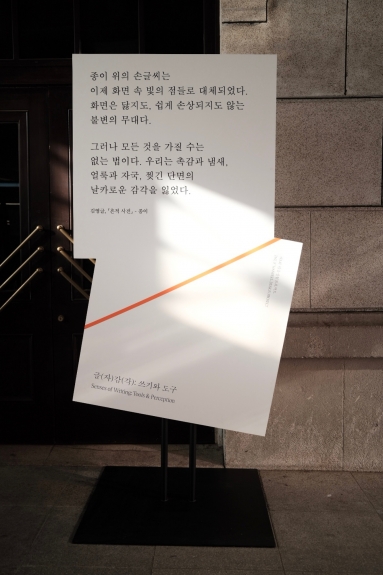
The inclusion of her work in 《Senses of Writing: Tools & Perception》 at the National Hangeul Museum in 2025 and 《Where Writing Breathes》 at the Seoul Museum of Art, Buk-Seoul Museum of Art in 2026 indicates that her practice continues to be situated within contemporary discussions of text-based art and the sensory experience of writing.

The continuity of Keem’s practice does not depend on the repetition of the same subject matter. It emerges through her sustained attention to the ways language constructs reality, even as her questions move from the meanings of objects to gaps in public records, stories that fail to reach their recipients, and the conditions of writing and reading.

Works of Art

Between Fiction and Fact, Language and Image

Articles

Exhibitions

Activities