A Walk - K-ARTIST

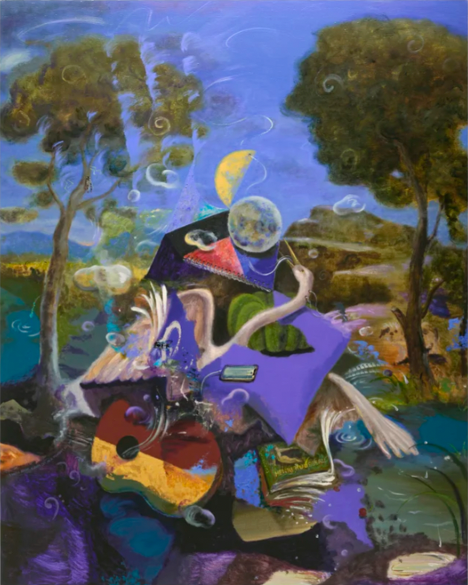
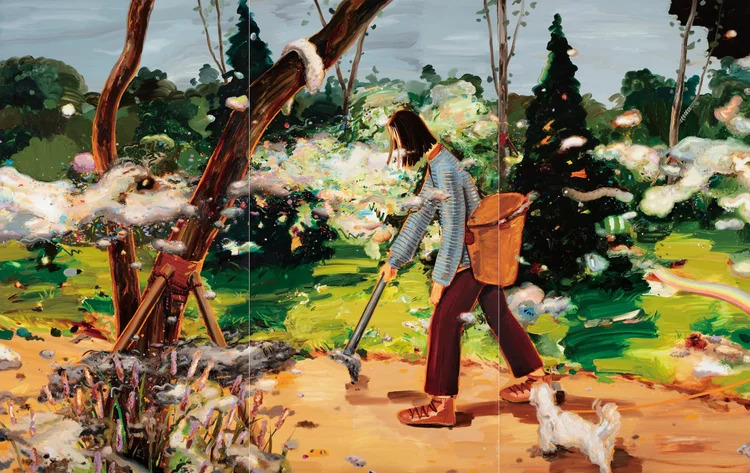
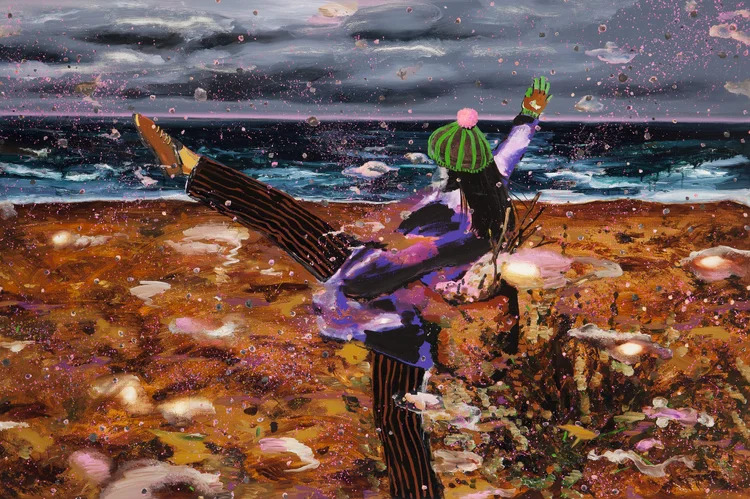
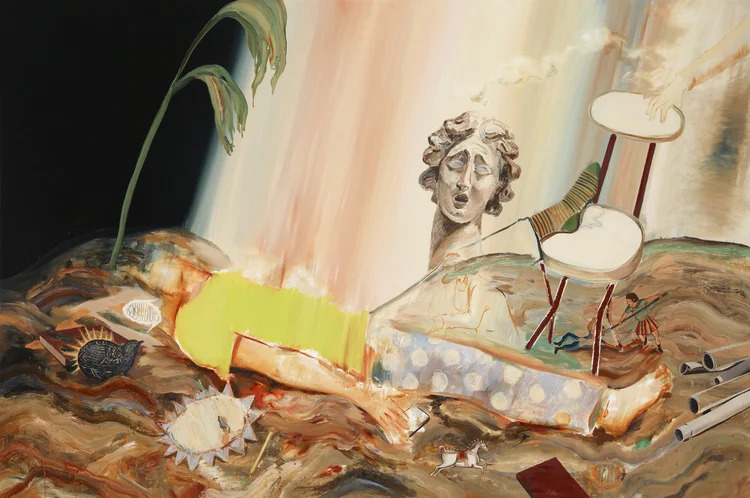
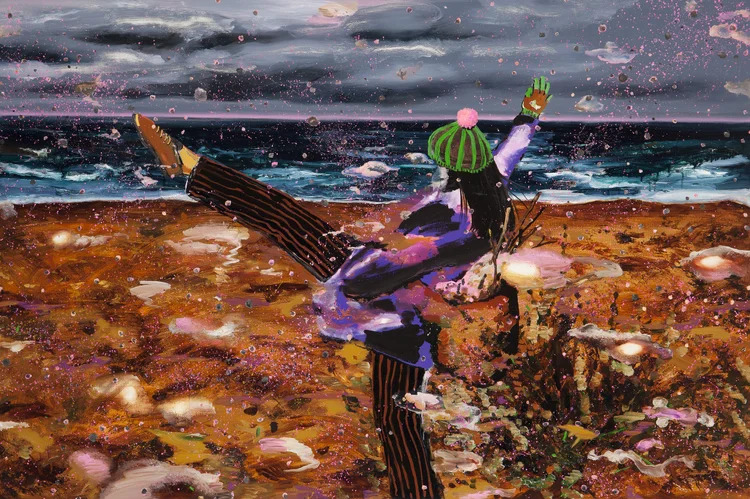
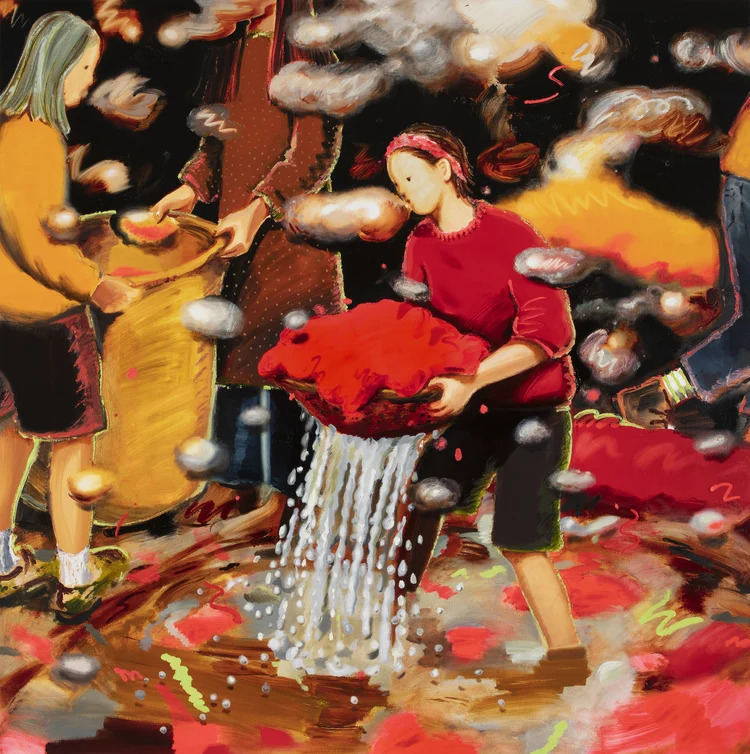
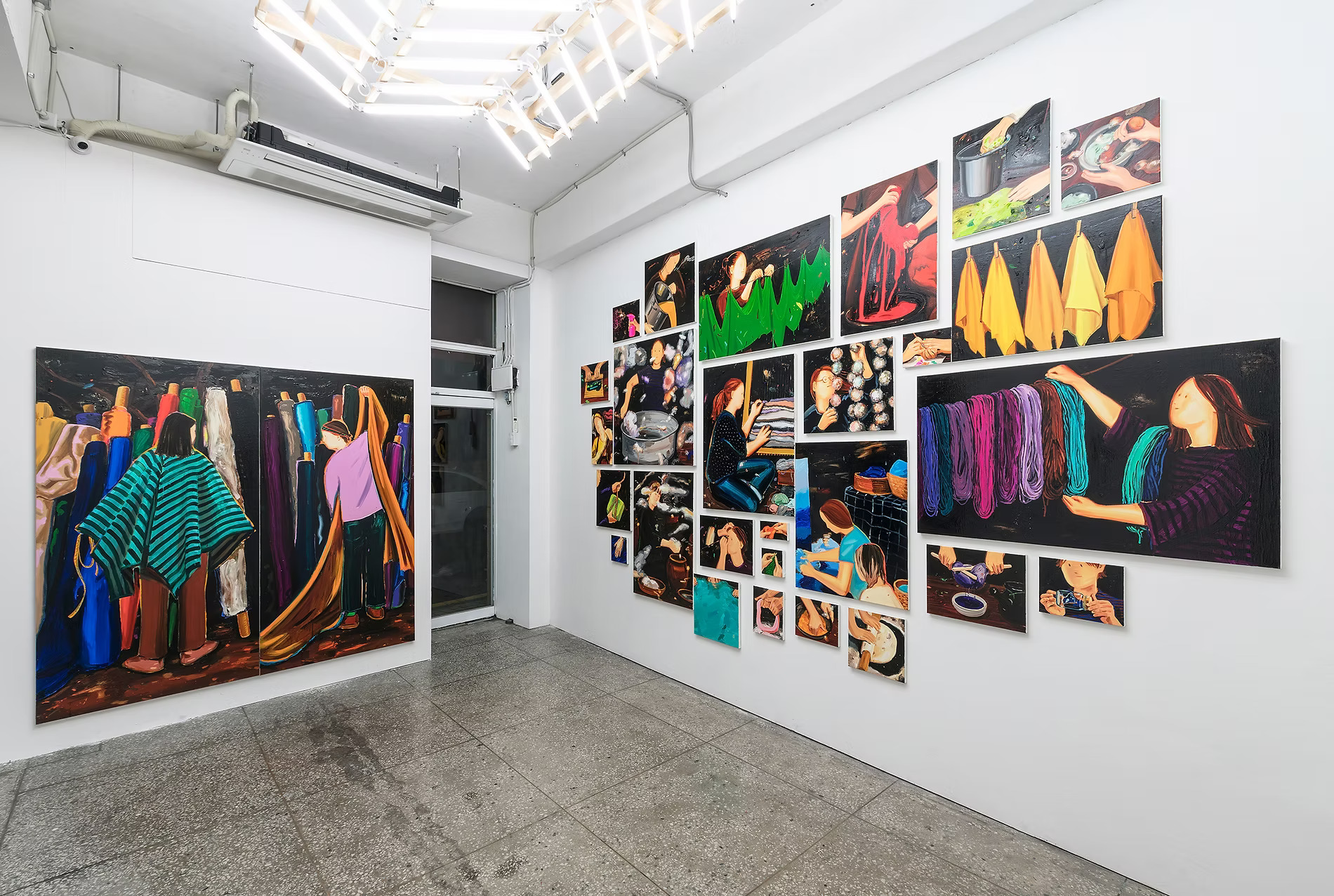
A Walk

2017
Oil on canvas 
200 x 300 cm
About The Work

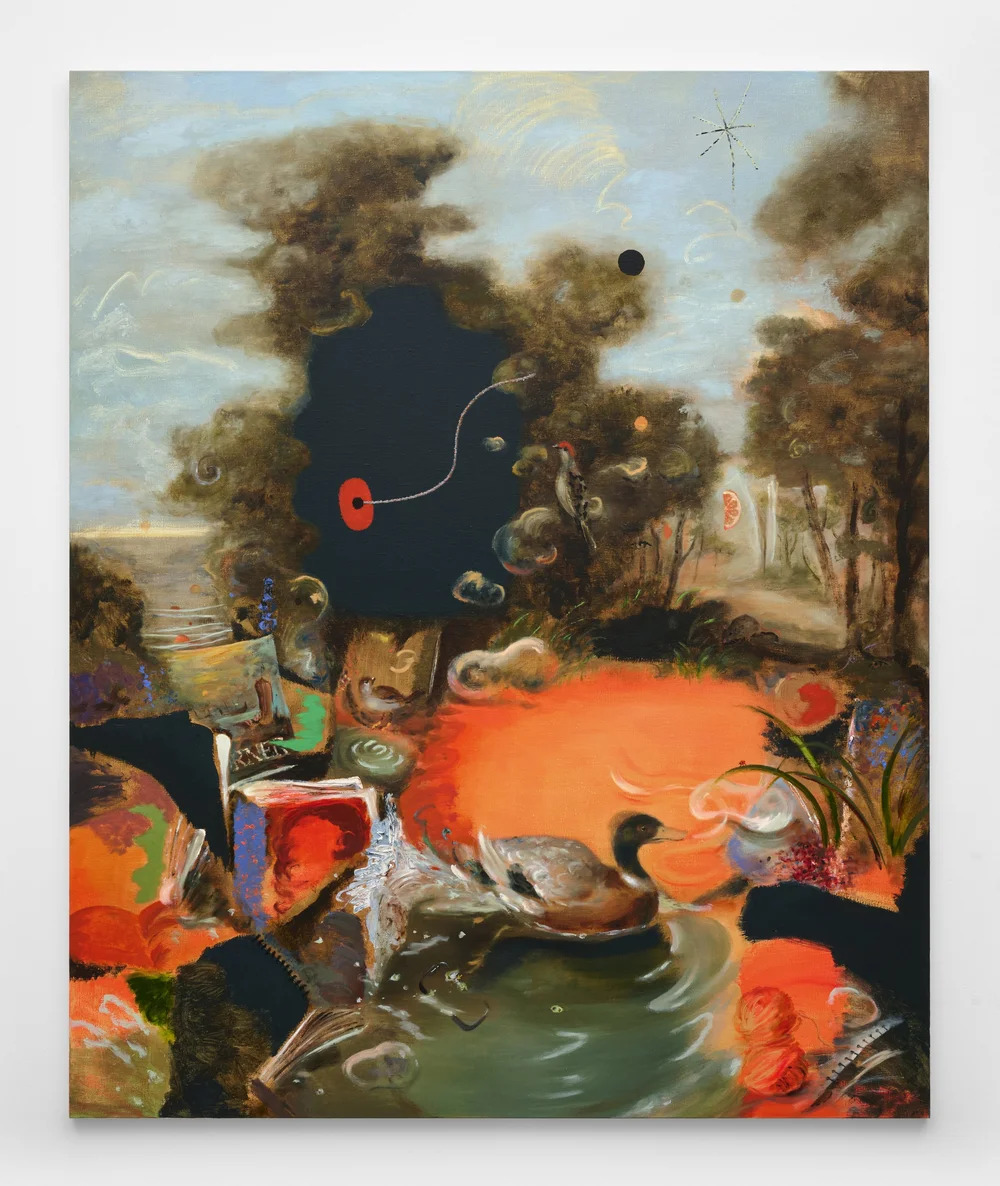
Choi Sujin has developed a distinctive pictorial world by layering images shaped by memory and sensation, experience and fantasy, drawn from places and scenes encountered during travels and walks. Fragments of different times and locations intersect within a single composition, unfolding a strange and heterogeneous realm that feels as though one has been drawn into a dream.

Across her canvases, where the order of time and space is loosely dismantled, traces of memory and layers of contemplation accumulate, giving rise to a unique sense of spatiality and narrative structure.

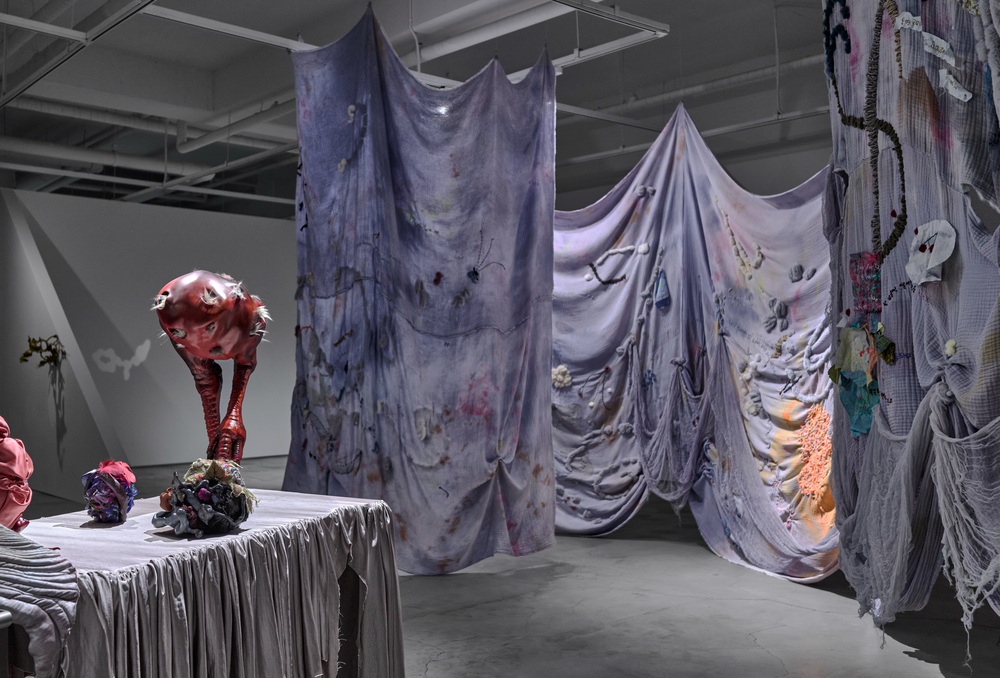
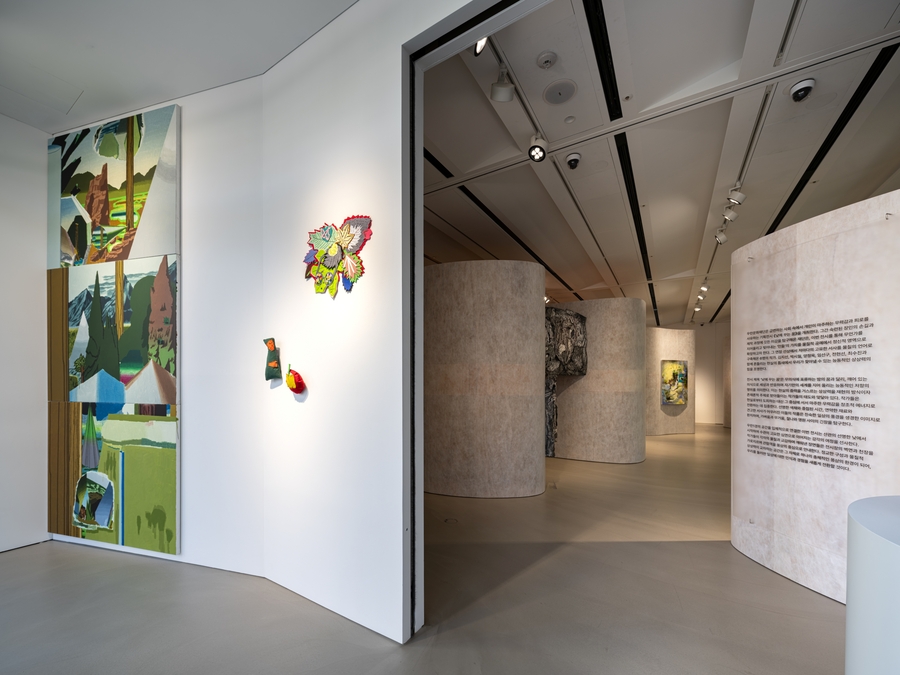
While oil painting serves as his primary medium, Choi actively incorporates photography, drawing, textiles, sound, and sculptural imagination into her practice. She records landscapes encountered during her travels and walks through photographs, then revisits the memories and emotions associated with those moments as she translates them into painting. As a result, her works function less as representations of reality than as recompositions of perception, where tangible objects and intangible emotions coexist within the same scene.

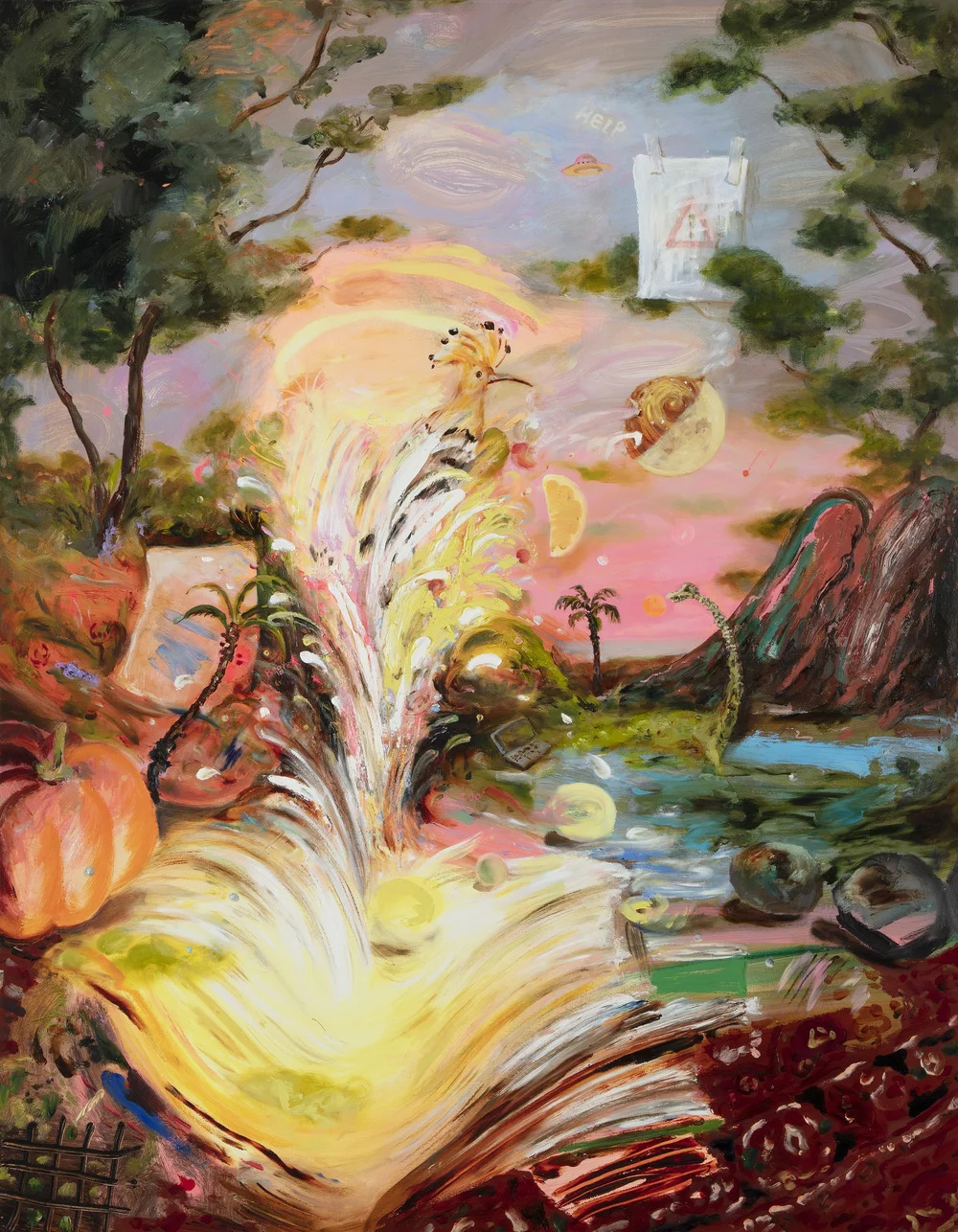
Choi does not treat everyday life and memory as sentimental records or private diaries. Places and objects drawn from lived experience are transformed into imaginative structures—farms of color, factories of breath, portals of pillows, and pages of air. Although her worlds often appear playful and lighthearted, they are also imbued with deeper themes, including anxiety, helplessness, repetition, mortality, and the irreversibility of time.

This duality constitutes one of the defining strengths of Choi’s painting. Bright colors, fairy-tale-like settings, and recurring images of animals and objects invite viewers into the work, yet what they encounter is not simple optimism. Rather, her paintings evoke the small, complex sensations and emotions that sustain life, offering a space for reflection that drifts between reality and fantasy.

Solo Exhibitions (Brief)

Choi has held solo exhibitions including 《Air Pages》 (A-Lounge Contemporary, Seoul, 2024), 《Pastry Pillow》 (WWNN, Seoul, 2023), 《Rainbow Letter》 (Artmia Space, Hainan, China, 2022), and 《Fruity Buttercream》 (AIT, Seoul, 2021).

Group Exhibitions (Brief)

Choi has also participated in numerous group exhibitions, including 《Faisandage》 (G Gallery, Seoul, 2026), 《Dreaming by Day》 (Wooran Foundation, Seoul, 2026), 《The Mutable Line》 (G Gallery, Seoul, 2025), 《If Only Such Tenderness Existed》 (Hapjungjigu, Seoul, 2024), 《SUN ROOM》 (BB&M, Seoul, 2023), 《High, Light》 (Koo House Museum, Yangpyeong, 2022), and 《Veil of Thought》 (Ilwoo Space, Seoul, 2022).

Residencies (Selected)

Choi has participated in artist-in-residence programs at Artmia (Beijing, 2020), the Kuandu Museum of Fine Arts (Taipei, 2019), and the OCI Museum of Art (2015–2016).

Collections (Selected)

Choi’s works are held in the collections of the Artmia Foundation, the Podo Museum, the Gyeonggi Museum of Modern Art, the Government Art Bank of Korea, and the POSCO Art Museum.

Works of Art

Weaving Everyday Sensations and Traces of Time

Originality & Identity

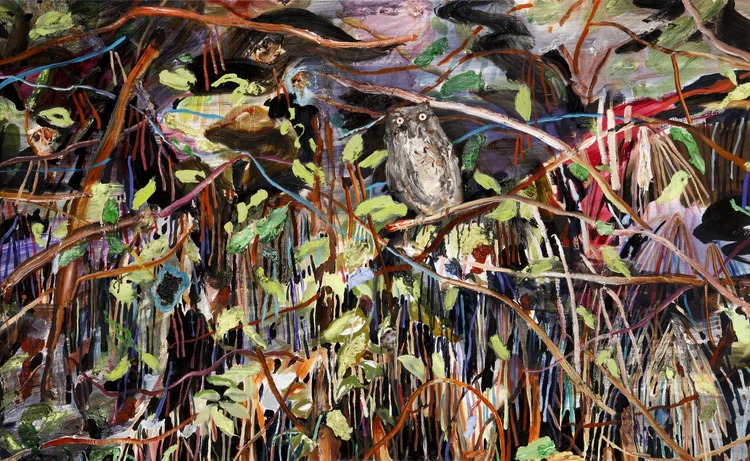
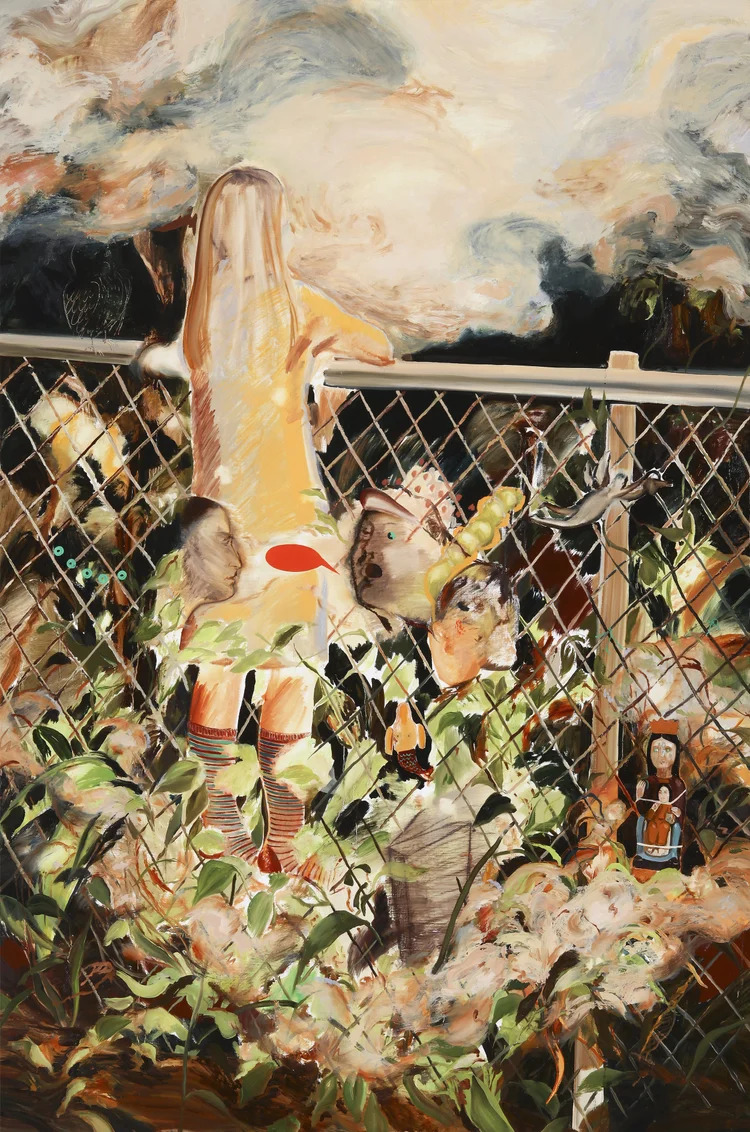
Choi Sujin’s work has gradually expanded from personal psychological experience toward travel and walks, everyday objects and living beings, and the sensation of repeated time. In her early work, the artist translated inner states that are difficult to put into words, such as anxiety, confusion, and helplessness, into dreamlike landscapes and figures. In works such as The Cloud Wire Mesh(2011), A Song of Fear(2011), and A Dust Owl(2013), forms that seem to drift through the air, such as clouds, mist, forests, and dust, create a sense of an uncertain world rather than a clear narrative.

Childhood memories of passing through dark forests and her acute awareness of breathing due to asthma are not simply subjects for the artist, but are connected to the way the body senses and endures the world. In paintings from this period, figures and nature, figuration and non-figuration, are not separated from one another, but form allegorical spaces that hold the artist’s psychological changes and sensory afterimages.
 
After 2012, Choi’s gaze gradually shifts from the interior of the individual toward an observer’s attitude directed at the external world. Bumpy ground, dense trees, stone towers, and scenes in front of houses encountered during travel or walks are first recorded through photography and later reconstructed within painting.

《Corner Walk, Rainbow Breath》(Lee Eugene Gallery, Seoul, 2015) is an exhibition in which this shift becomes clearly visible. If landscapes in earlier works functioned more as backgrounds surrounding the psychological states of figures, from this period onward they become primary subjects that the artist observes and interprets.

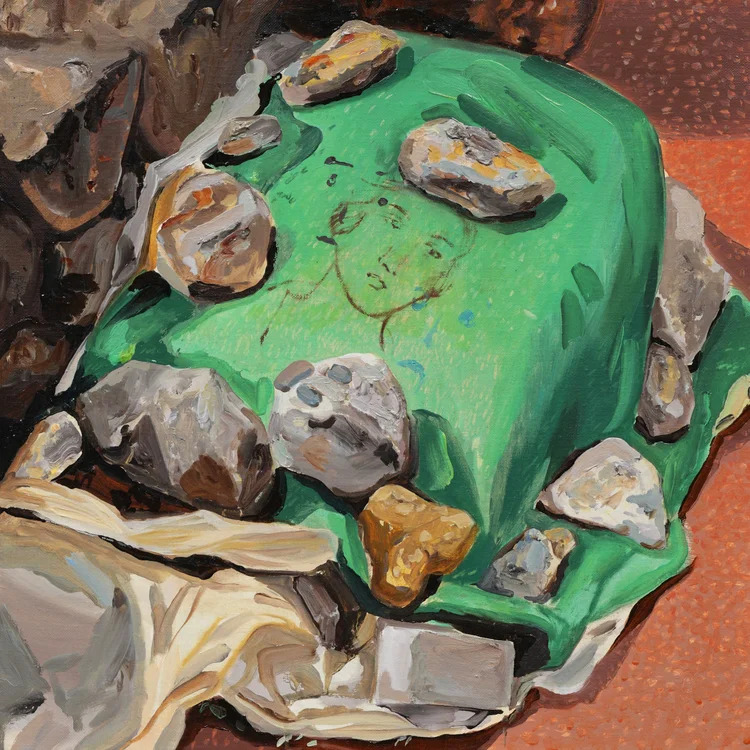
In works such as The Stones of Jeju(2014) and Sea of Pink Dust(2015), the artist does not transfer actual places and objects as they are, but transforms them into painterly scenes where emotion, impulse, and fragments of memory overlap. At this stage, the picture plane becomes a passage through which external landscapes and inner sensations move back and forth.
 
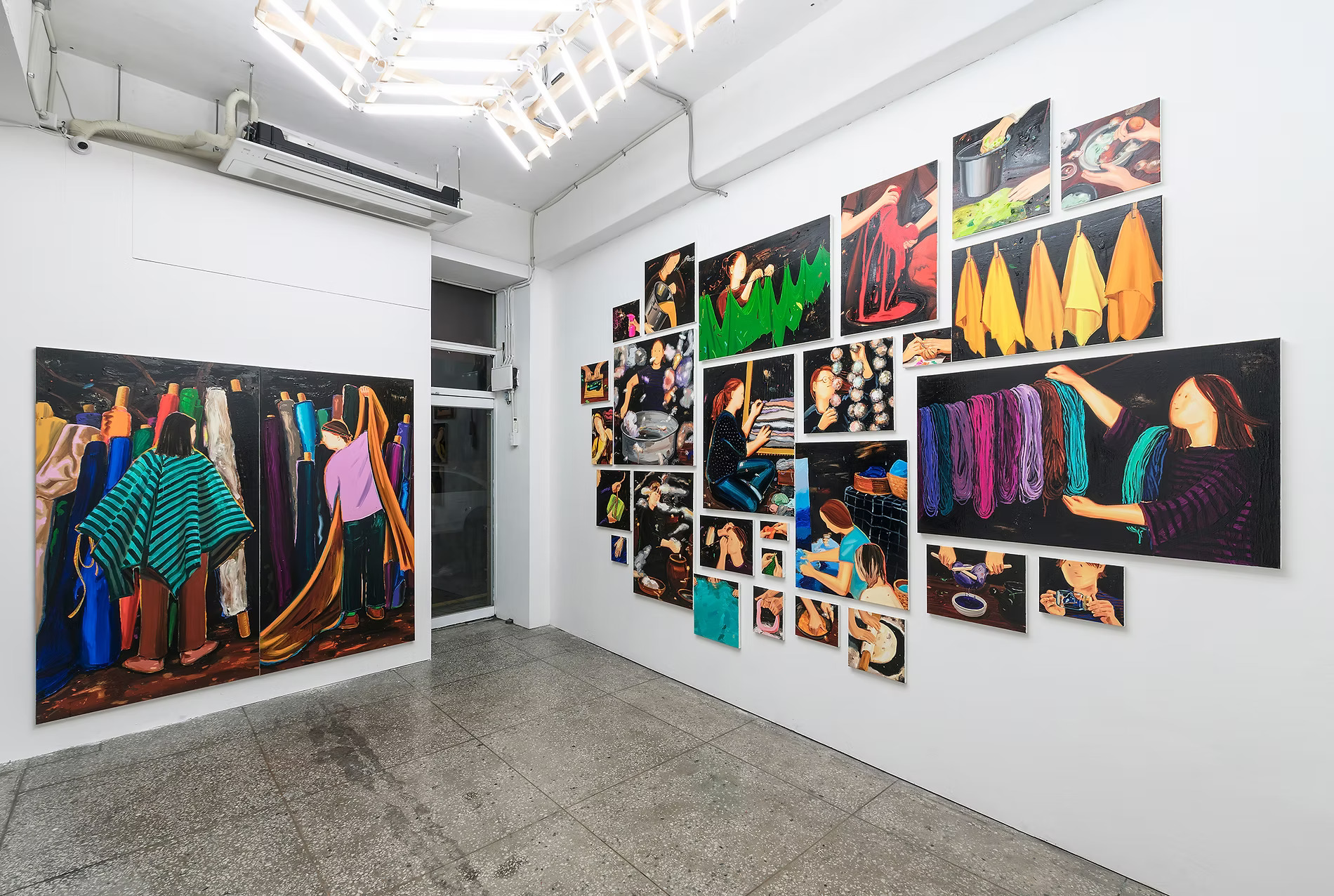
By the time of 《Studio Rainbow Breath》(Hapjungjigu, Seoul, 2017), Choi’s attention moves from “what to paint” to “how painting is made.” The figures in the exhibition appear like producers who select, collect, dry, weave, and transport colors. In A Walk(2017), Gathering Blue(2017), and The Person Who Spreads Green(2017), “breath” moves beyond a metaphor for emotion and becomes a formal language referring to the moment when a subject is sensed as color and form.

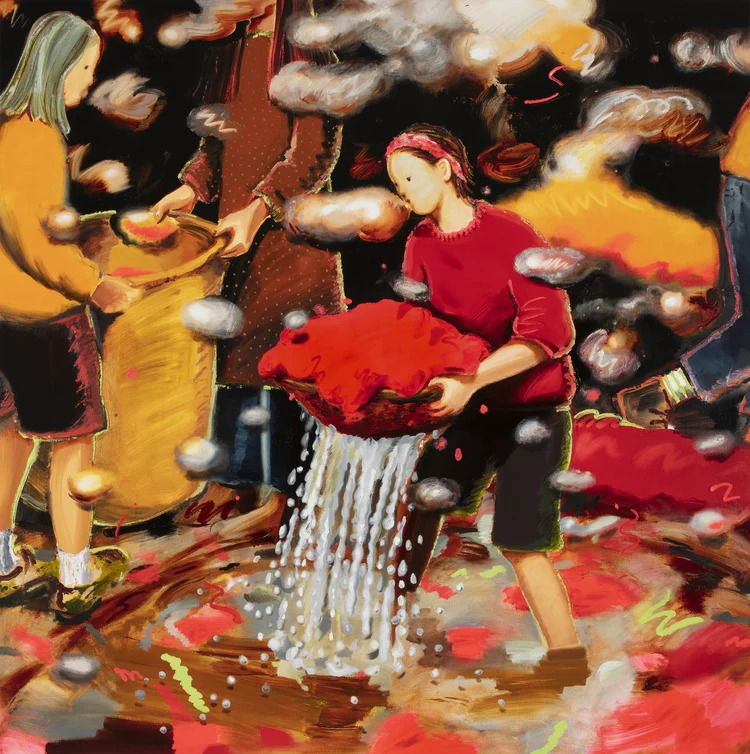
“Rainbow Breath” is the process by which a momentary perception is translated into painting through various colors, while the “Studio” is both the artist’s body and an imagined space where that process actually takes place. Later, in 《Fruity Buttercream》(AIT, Seoul, 2021), this world expands in a more sensuous and playful way. Works including Hauling Up the Red(2021) extend painting into a synesthetic world through color, mass, letters, yarn drawings, and sound.
 
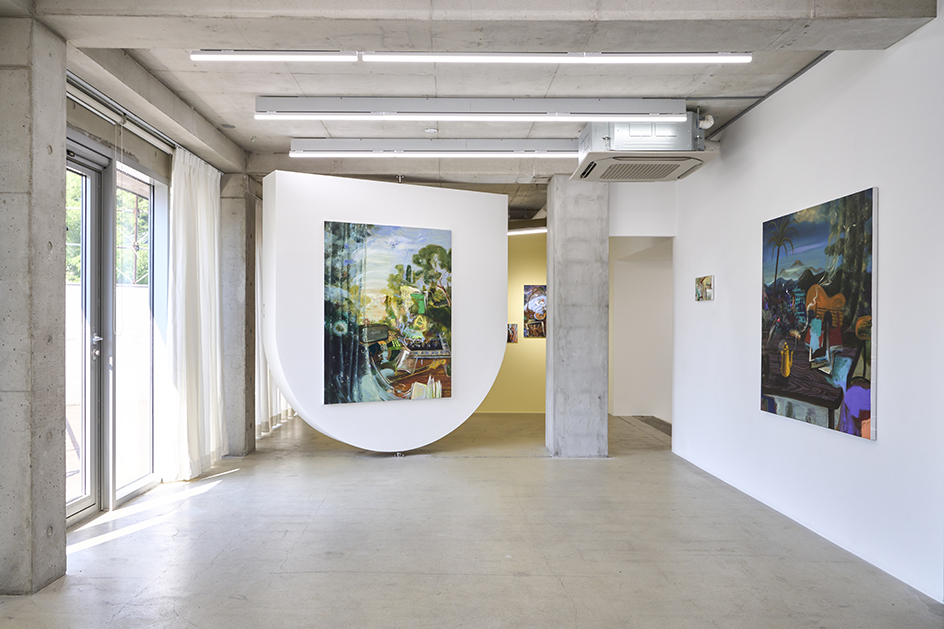
In recent work, Choi more actively addresses the repetition of everyday life and the accumulation of time. In 《Pastry Pillow》(WWNN, Seoul, 2023), the pillow is presented as a portal connecting sleep and dreams, memory and the present, while in Patchwork AM(2023), the sensations of repeated days, objects, animals, and still lifes are woven together like a patchwork. 《Air Pages》(A-Lounge Contemporary, Seoul, 2024) is an exhibition that makes this sense of time even more explicit.

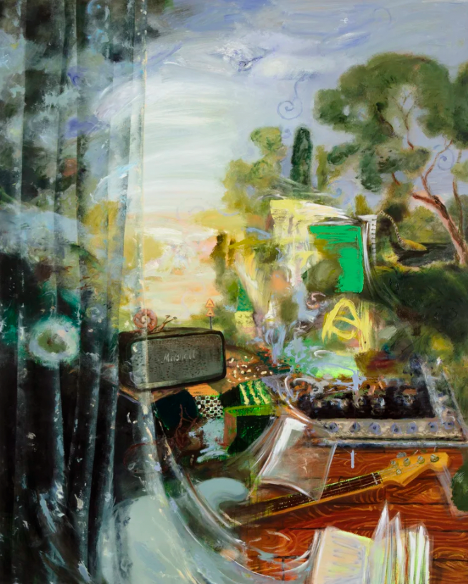
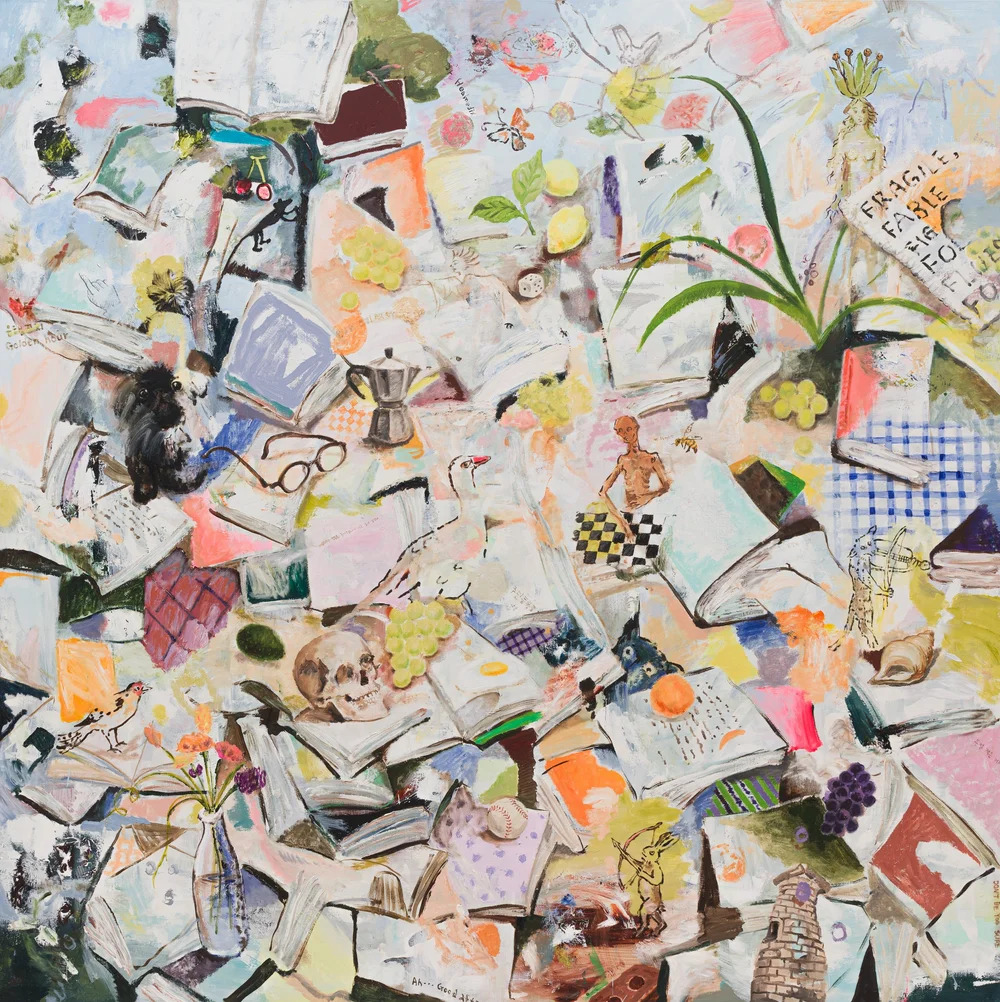
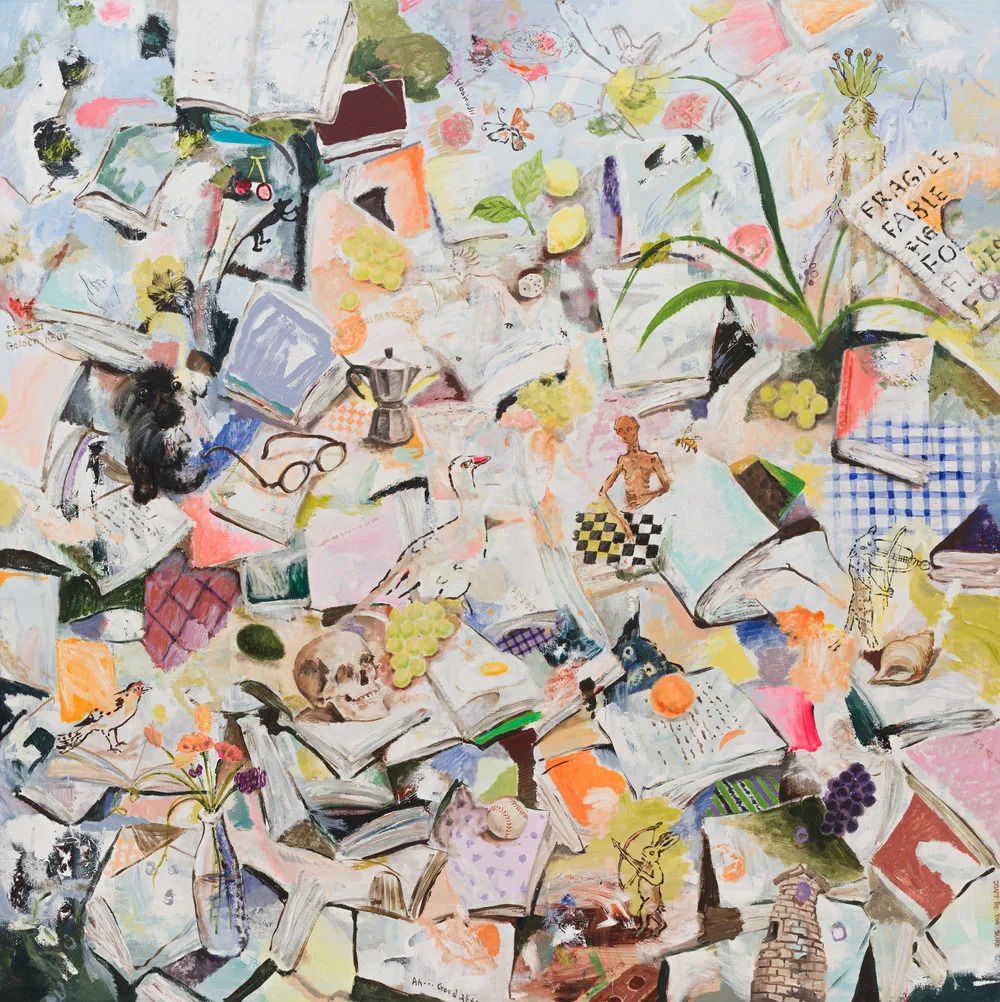
The artist places objects used repeatedly every day, such as curtains, pillows, tables, and beds, alongside birds, moles, cicadas, and other beings encountered during walks, unfolding a day like invisible pages of air. In Sunset Splash(2025) and other recent works, time is no longer treated as a sequence of moments, but as a mass in which sensation and memory are layered. Choi’s painting does not stop at turning fragments of everyday life into fairy-tale-like images, but explores how memory and sensation accumulate within the rhythm of repeated life and become stories again.

Style & Contents

Most of Choi’s works are oil paintings on canvas, while photography, drawing, textile, sound, and sculptural imagination operate together within them. The artist records scenes encountered during travel or walks through photography, and in the process of transferring them into painting, she summons again the memories and emotions of that moment. In her early work, intangible forms such as forests, clouds, mist, and dust appear on canvas, visualizing floating air and psychological states.

In A Song of Fear, the forest is not simply a natural landscape, but a place where sensations of insomnia and anxiety unfold, while in The Cloud Wire Mesh, the cloud and wire mesh create a state in which dispersal and blockage, lightness and restriction coexist. In this way, Choi’s picture planes were, from the beginning, closer to combinations of sensation than to simple representation, showing how concrete objects and abstract emotions become mixed within a single scene.
 
Around 2015, color begins to take on a more central role in her work. In 《Corner Walk, Rainbow Breath》, landscapes and figures served as devices for translating the sensations the artist gained from travel and walks, while in 《Studio Rainbow Breath》, color itself emerges as the protagonist of painting. The producers in the picture planes handle color like a material: carrying masses of color, weaving them like thread, drying them, and ripening them.

This turns the painter’s process of selecting color and composing the picture plane into a story. Dark, stage-like backgrounds, vivid masses of color, and busily moving figures transform the invisible process of painting into a visual event. In works from this period, color is no longer an element that fills form, but a material presence that breathes, moves, and organizes the world on its own.
 
In 《Fruity Buttercream》, the surface and materiality of painting become even richer. The artist presented oil paintings, yarn drawings, and sound produced for the exhibition together, expanding the world of painting beyond the visual into the realms of touch and hearing. Colors and volumes reminiscent of fruit-scented buttercream, surfaces that seem to invite touch, playfully falling letters, and words beginning with F show that the artist does not treat painting only as the result of heavy or solemn thought.

Yet this lightness is not mere play. Through the sensations of paint, thread, letters, and sound, Choi asks how painting can constitute a world. Painting becomes not a flat surface onto which objects from reality are transferred, but a place where color and texture, language and rhythm interlock to create new narratives.
 
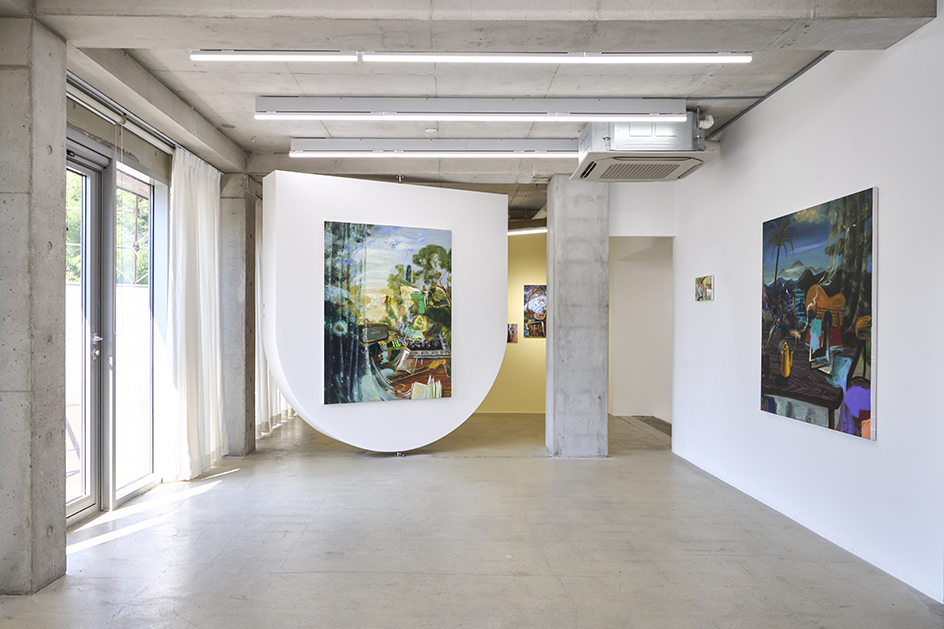
In works after 2023, the structure of time is deeply reflected in the form of the picture plane. In 《Pastry Pillow》, the artist began to sense repeated everyday life as a “mass,” and this shift becomes clearer in 《Air Pages》. After intuitively placing fields of color on a blank canvas, she creates a space where sky and earth, ceiling and floor are mixed together, and within it places curtains, pillows, tables, beds, plants, animals, insects, and fragments of art-historical imagery. In this process, the picture plane becomes less a single scene than a stage where multiple times and sensations overlap.

Rather than perfectly resolved surfaces, passages that remain slightly disordered or unfinished give the picture plane a loose sense of breath. In Painter’s Recipe(2026), acts that fill the day, such as sleeping, drawing, and cooking, appear as flows that penetrate and transform one another. Choi’s recent paintings are not lists of everyday objects, but move toward a painterly structure that unfolds repeated days, bodily sensations, the rhythm of walks, and afterimages of memory all at once.

Topography & Continuity

Choi Sujin transforms everyday experience into fairy-tale-like images. More importantly, she has made the act of painting itself into a narrative structure. In her early work, forests and breath, clouds and mist served as media that revealed sensations of anxiety and survival, while later, landscapes from walks and travels expanded into a gaze observing the external world.

After 《Studio Rainbow Breath》, the process of selecting and making color became the subject of painting, and in 《Fruity Buttercream》, a synesthetic painterly space combining color, letters, sound, and thread was formed. In 《Pastry Pillow》 and 《Air Pages》, the repeated day and accumulated time become the basic structure of painting. This trajectory is less a process of changing subject matter than one in which the artist’s way of sensing the world and organizing it through painting gradually expands and deepens.
 
Choi’s work does not fix everyday life and memory as sentimental records or private diaries. Her picture planes begin from places and objects she has actually experienced, but they are soon transformed into imaginative structures such as color farms, studios of breath, portals of pillows, and pages of air. The world the artist constructs is light and playful, yet within it are also heavy themes such as anxiety, helplessness, repetition, the sensation of death, and the irreversibility of time.

This ambivalence is an important strength of Choi’s painting. Bright and vivid colors, fairy-tale-like scenes, and images of animals and objects draw viewers into the picture plane, but what they encounter there is not simple optimism. Rather, it is a set of small and complex sensations that allow life to continue.
 
The artist’s painting begins from personal sensation, yet has steadily received attention within institutional and public contexts. In future work, Choi may continue to move between painting, textile, sound, and sculptural imagination, reorganizing embodied time and sensation from everyday life in her own way.

Her picture planes do not speak directly of grand events, but through curtains that open and close the day, memories accumulated in pillows, creatures encountered during walks, and imagined figures who make color, they carefully show how life repeats and continues. Choi’s painting takes private experience as its point of departure, while leaving a wide space into which each viewer’s own memories and sensations can enter.

Works of Art

Weaving Everyday Sensations and Traces of Time

Articles

Exhibitions

Activities