The Afterimage of that Time - K-ARTIST

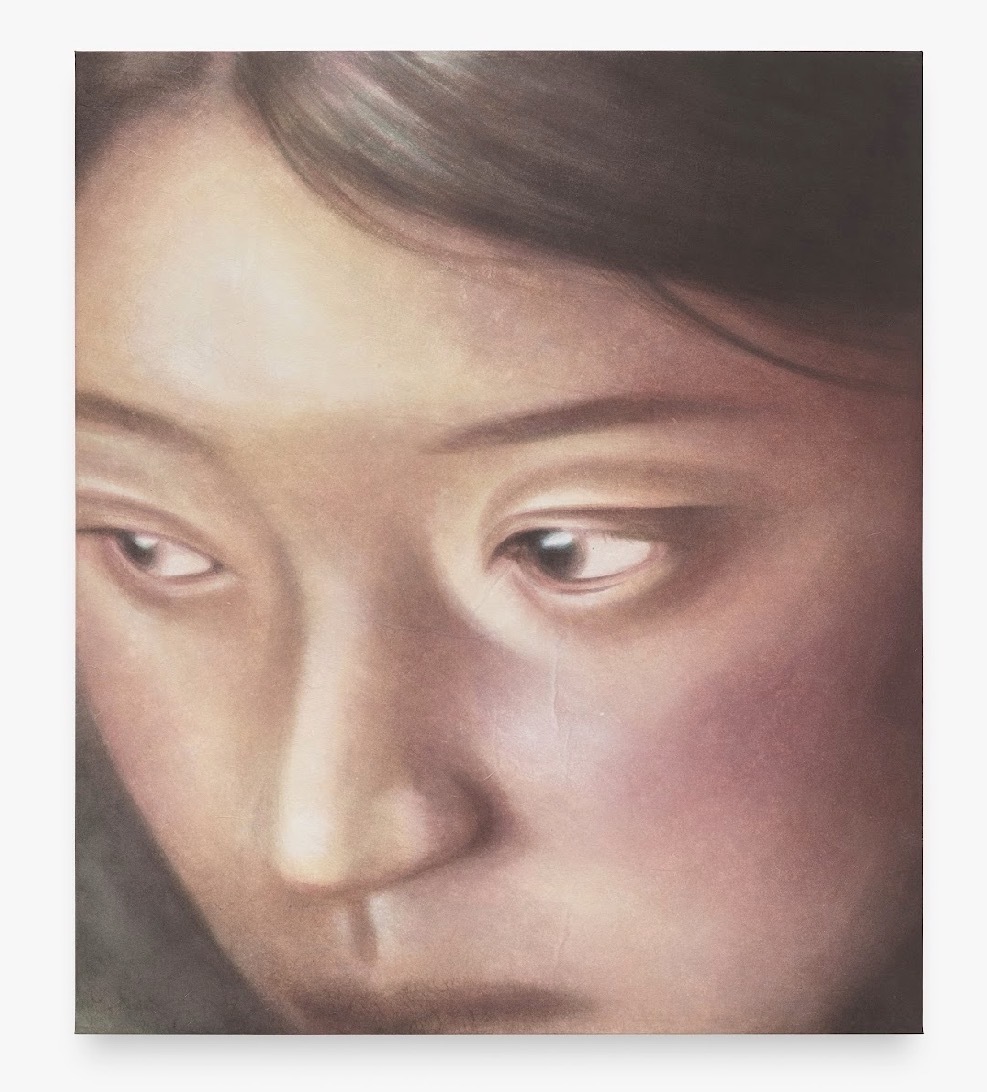
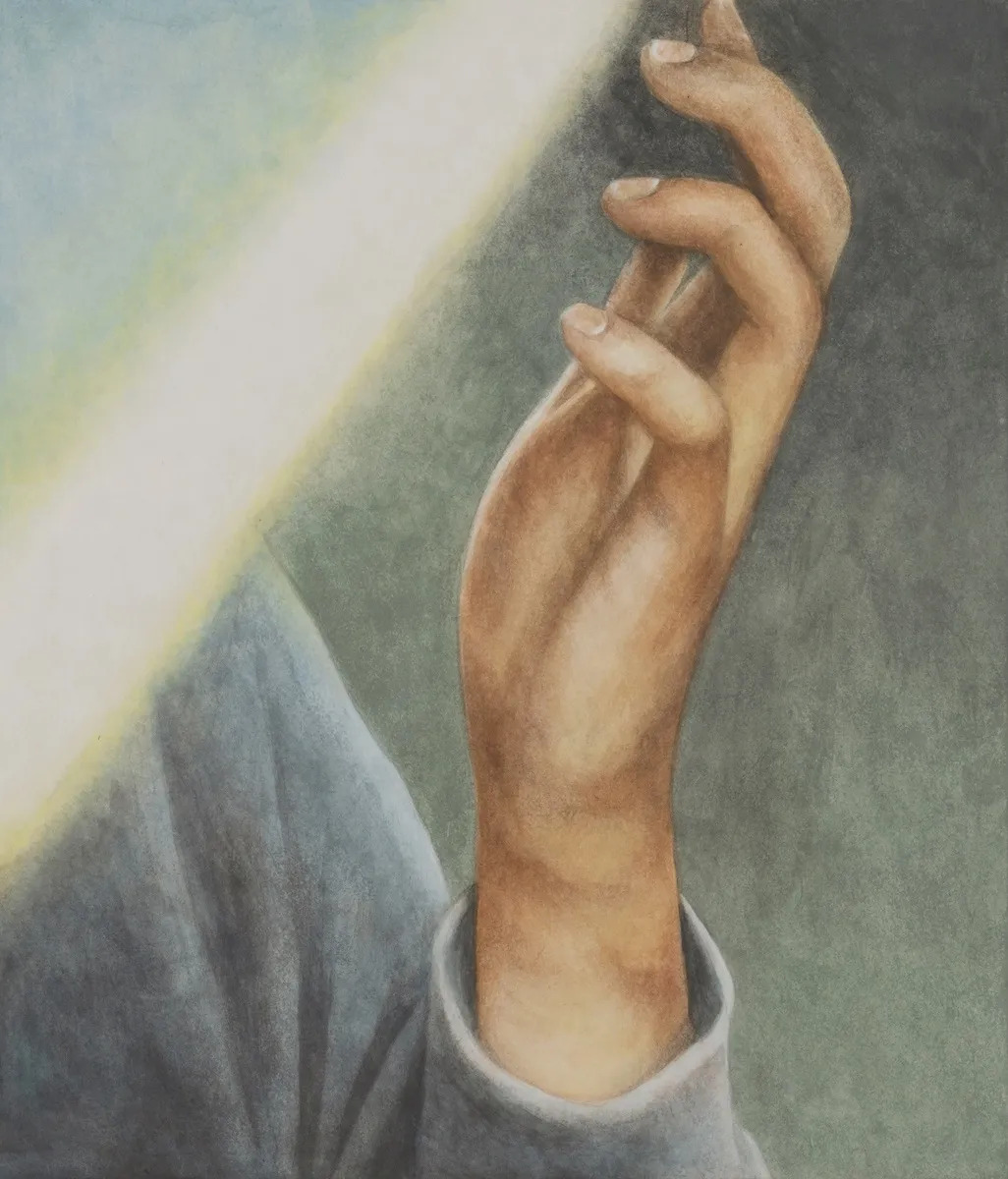
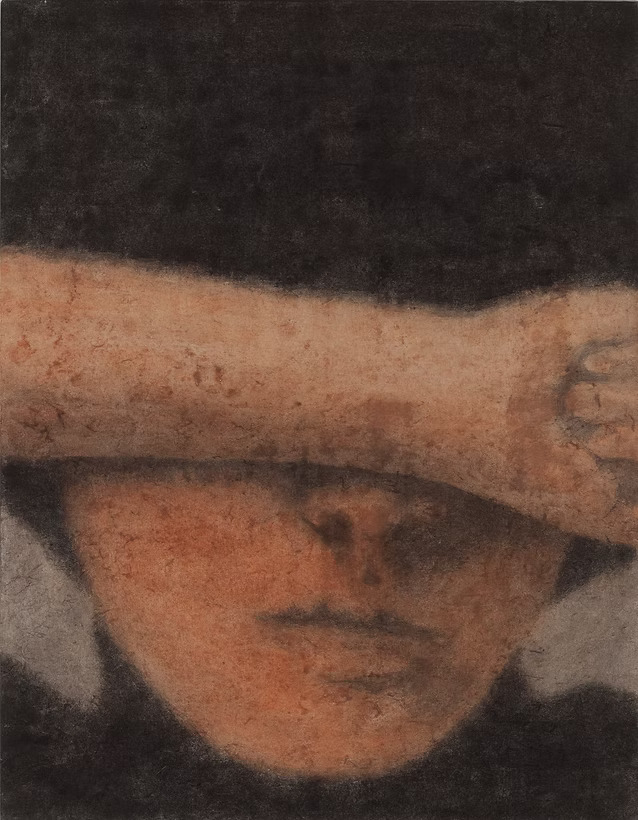
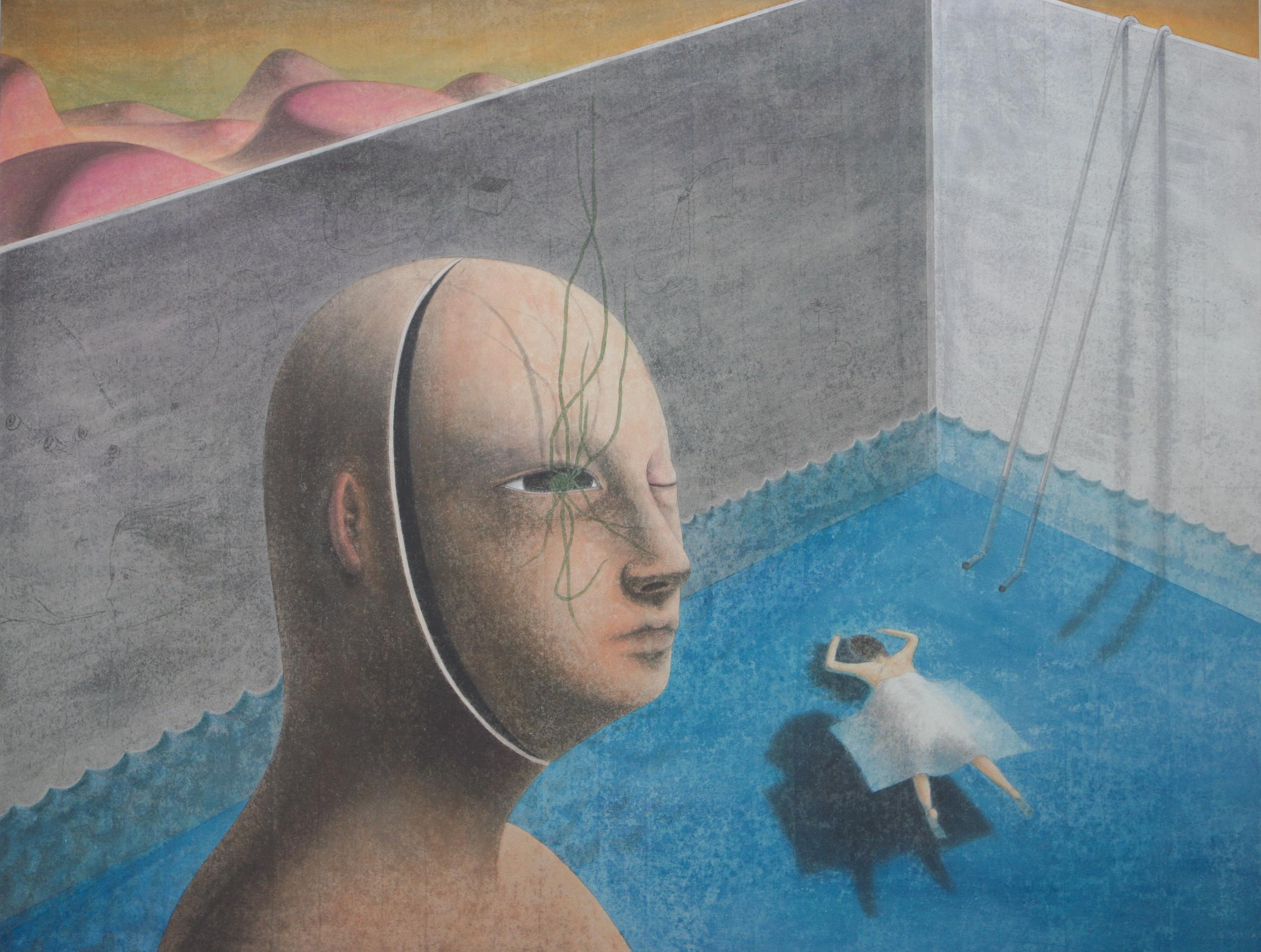
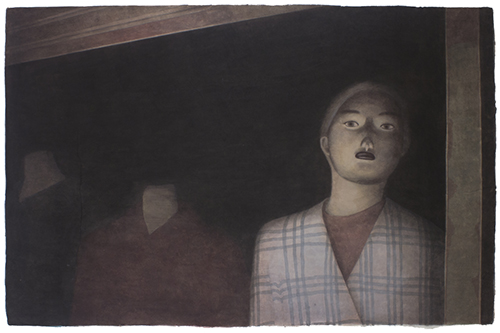
The Afterimage of that Time

2009
Pigment on Korean paper (Jangji)
145.5 x 112 cm
About The Work

Yooyun Yang has developed a painting practice that explores the emotional instability experienced by individuals living within contemporary social structures, using jangji paper, ink, and acrylic paint. Characterized by a quiet yet enigmatic atmosphere, her works reveal existential anxiety, loneliness, and inner conflicts that linger beneath the visible surface of reality.

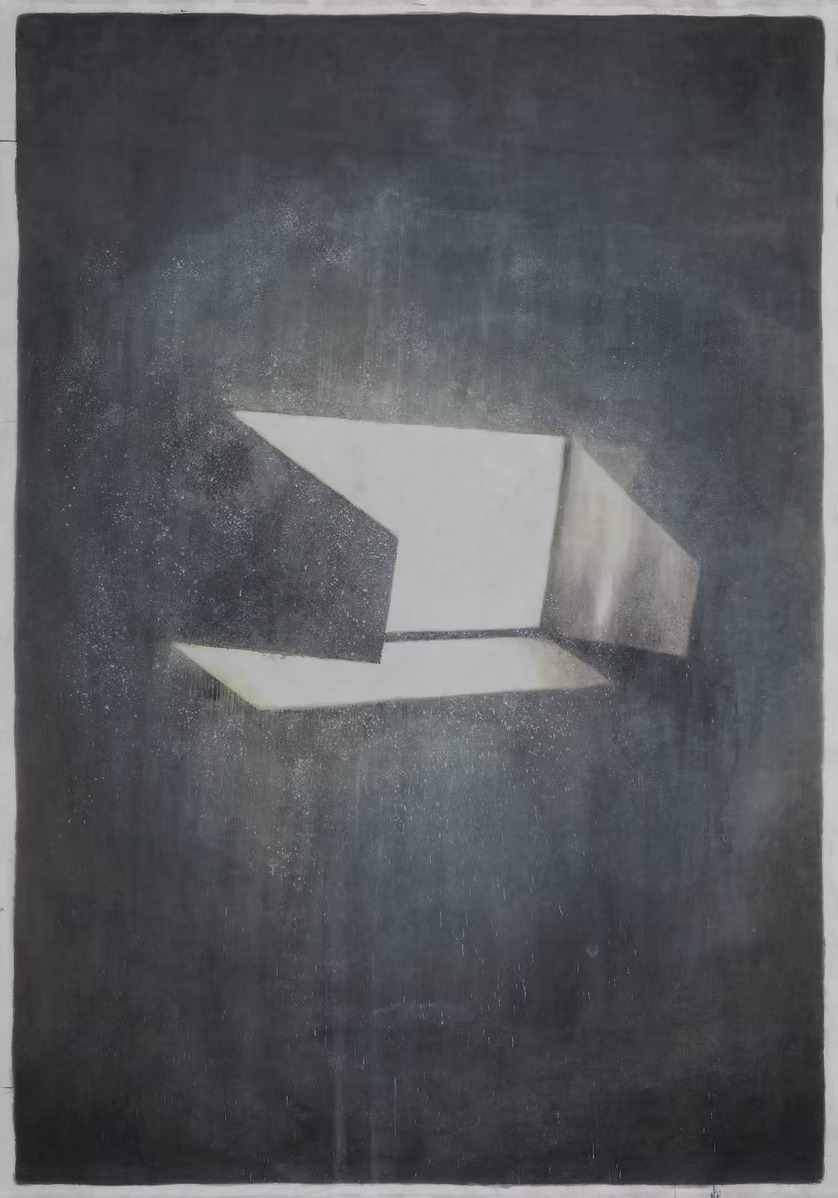
Through a delicate interplay of light and darkness, Yang visualizes the feelings of uncertainty, alienation, and vulnerability that permeate contemporary life. The absorbent qualities of jangji and her process of building up multiple translucent layers of paint gradually expose the emotional strata embedded deep within the psyche. At the same time, these accumulated layers temper turbulent emotions, creating a restrained yet charged atmosphere throughout the composition.

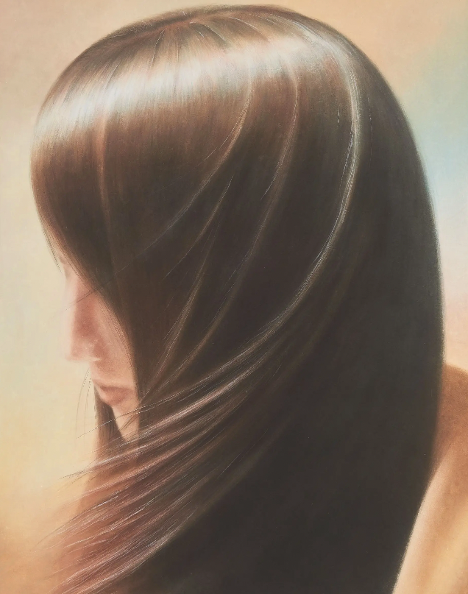
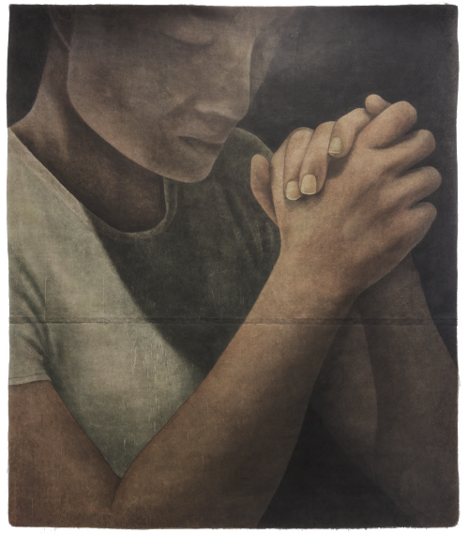
Another defining feature of Yang’s practice is her refusal to depict figures or objects in their entirety. Instead, she isolates and enlarges fragments of bodies, surfaces, and forms, transforming them into autonomous presences. Through this process, partial images acquire a profound physical and psychological weight, at times evoking a sense of the sublime.

Drawing upon motifs such as landscapes, human figures, bodily fragments, and scars, Yang’s paintings evoke the intimate emotional conditions that underlie both her own experience and that of contemporary individuals. Feelings of loneliness and powerlessness—deeply personal emotions that are nonetheless collectively produced within society—are amplified within her works. 

By carefully balancing light and shadow and placing anonymous subjects at the center of the picture plane, Yang captures the pervasive atmosphere of anxiety that characterizes the present era. The blurred and diffused forms that inhabit her paintings do not narrate specific stories; rather, they quietly evoke a persistent sense of being that continues to seek light despite uncertainty.

As viewers linger before these layered surfaces, they are invited to navigate psychological landscapes shaped by accumulated emotions, memories, and sensations.

Solo Exhibitions (Brief)

Yang has held solo exhibitions include 《Dog-ear》 (Duarte Sequeira, Seoul, 2026), 《Uncommon Sight》 (Stephen Friedman Gallery, London, 2025), 《With Hands》 (Blindspot Gallery, Hong Kong, 2024), 《Afterglow in Between》 (Primary Practice, Seoul, 2023), and 《Face》 (Chapter II, Seoul, 2022).

Group Exhibitions (Brief)

Yang has also participated in numerous group exhibitions, including 《The figurative is not the exception but the rule》 (HITE Collection, Seoul, 2025), 《Nostalgics on Realities》 (Thaddaeus Ropac, Seoul, 2024), the Taipei Biennial 2023 《Small World》 (Taipei Museum, Taipei, 2023), 《Semi Art Community Project: Boogie Woogie Art Museum》 (Ulsan Art Museum, Ulsan, 2023), and 《Is It Morning for You Yet?》 (Carnegie Museum of Art, Pittsburgh, 2022).

Awards (Selected)

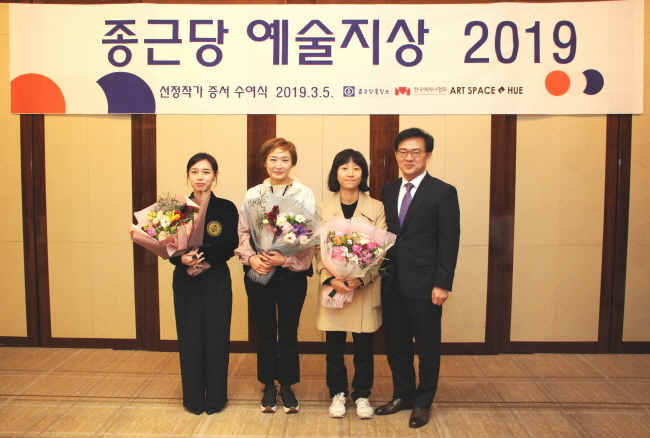
Yang was selected as a participating artist in the 58th Carnegie International (2022) and was a recipient of the Arts Council Korea's ‘Korean Artists Today 2024’ and the ‘Chongkundangkochon Yesuljisang 2019’

Residencies (Selected)

Yang was an artist-in-residence at Incheon Art Platform in 2016.

Works of Art

Capturing Contemporary Anxiety Through Light and Darkness

Originality & Identity

Yooyun Yang’s work begins with an attention to how anxiety, solitude, and wounds rooted in the individual’s inner world are transformed and expanded within social environments. In her early work, the artist projected childhood memories and unstable inner sensations onto the human figure. In works such as The Afterimage of that Time(2009) and Face 1(2011), figures appear with missing brains or holes in their hearts, cover their faces with long hair, or lie face down on the ground in incomplete states.

Yet the titles of the works, such as For No Reason and Returning Home, are presented in a detached, almost cynical tone. This gap between image and title reveals the artist’s attitude of transferring her wounds onto anonymous figures rather than confessing them directly, and of observing them from a certain distance. In this process, personal memory does not remain a private narrative, but expands into a sense of anxiety and isolation that anyone may experience.
 
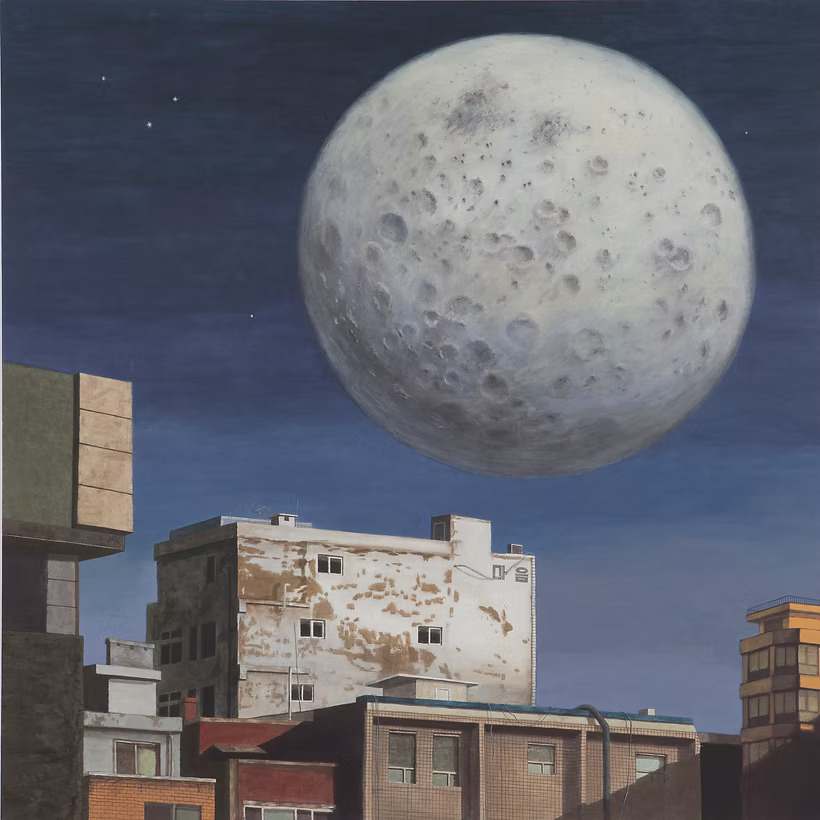
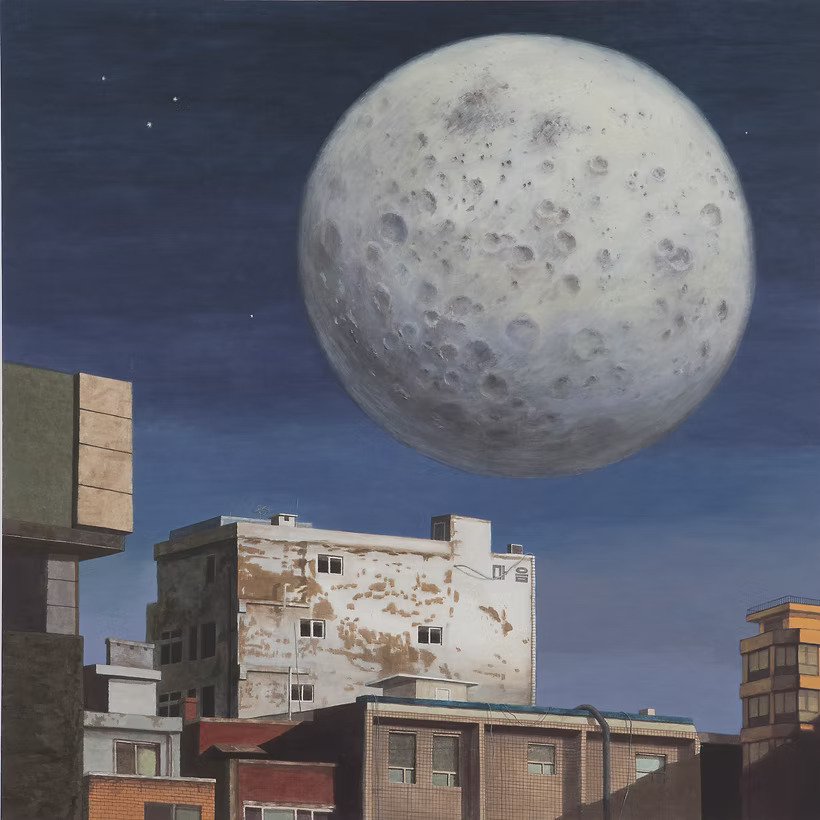
The 2012 solo exhibition 《Daydream》(Gallery SoSo, Seoul, 2012) marks an important point at which the artist’s gaze moves from the interior self toward the external world. In One Day(2012) and At that Time(2012), Yang places a monumental moon together with old buildings and urban landscapes awaiting redevelopment.

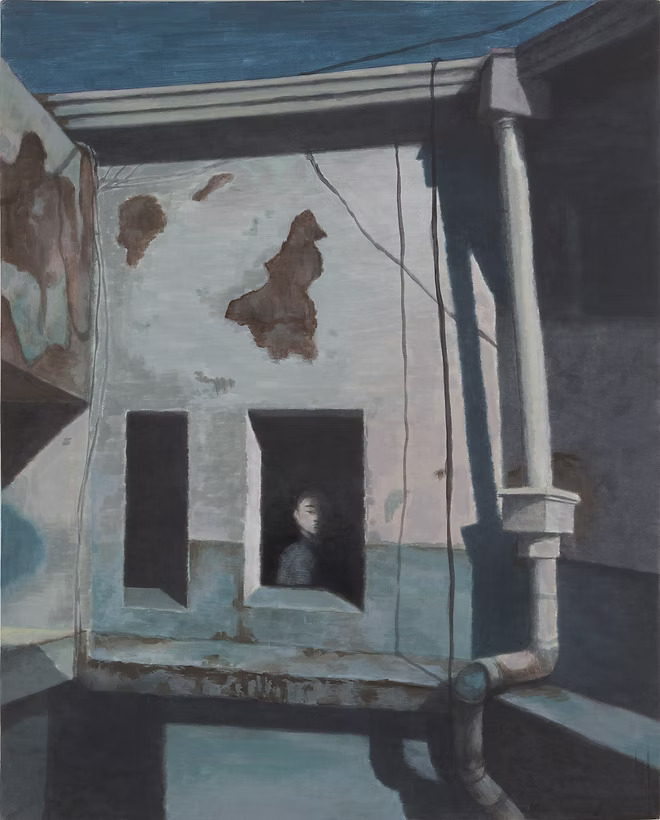
The distant moon appears so close that it almost seems within reach, while its dark, hollowed craters resemble the facades of aging apartment blocks, perforated floors, and sunken walls. Gazing at the scars and worn structures scattered across the city, the artist overlays the sensations of wounds remaining deep inside herself onto the external landscape. In works from this period, the emotion of the “I” is not spoken directly, but is transformed into a social atmosphere through the relationship between moon and city, building and shadow.
 
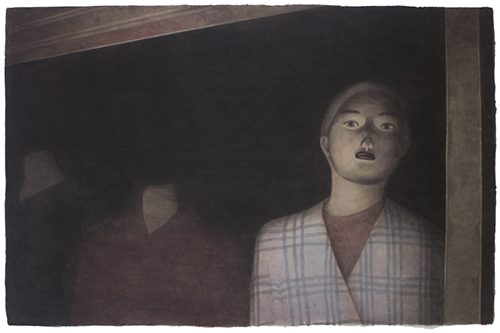
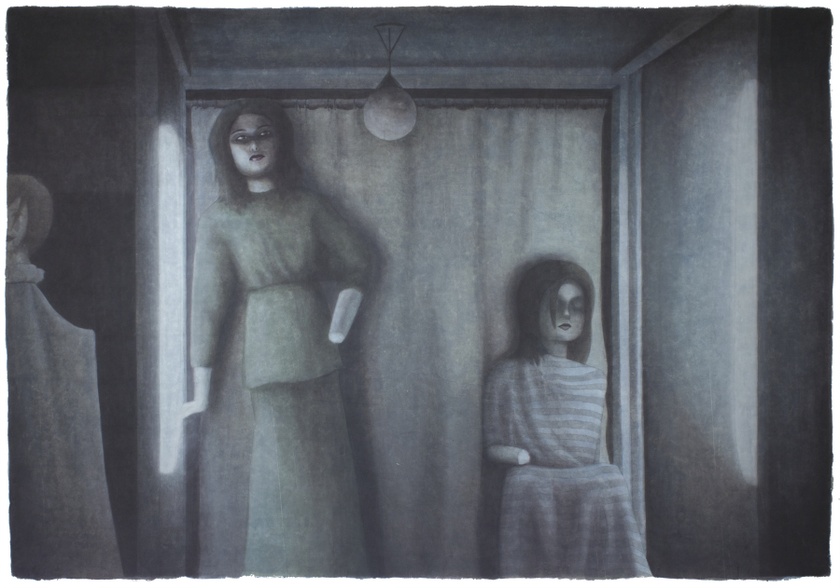
Yang’s work later expands into questions of solitude, distrust, anonymity, and social uncertainty. In 《Distrust and Overtrust》(Gallerylux, Seoul, 2016), the artist took the mannequin—an object that resembles the human body but is not human—as a central motif. The fragmented mannequin bodies and rigid faces in works such as Contrast(2016) and Stuck(2016) reveal the bewilderment, sense of betrayal, and confusion of identity that arise when what was once trusted becomes an object of distrust.

The mannequin looks like a human being with emotion, but at the same time remains an empty object. Precisely because of this in-between state, it becomes a surrogate for the uncertain emotions contemporary individuals feel toward others and society. Through these artificial objects, Yang does not express solitude, melancholy, and anger in an overly dramatic way, but allows them to settle into cold and unfamiliar landscapes.
 
After the 2019 solo exhibition 《I know the day will come》(Amado Art Space, Seoul, 2019), the artist’s attention shifts from darkness itself toward a “presence that illuminates the darkness” and the afterimage of light. Illumination(2019) addresses the fear and emptiness felt from ambiguous subjects through a subtle balance between light and darkness.

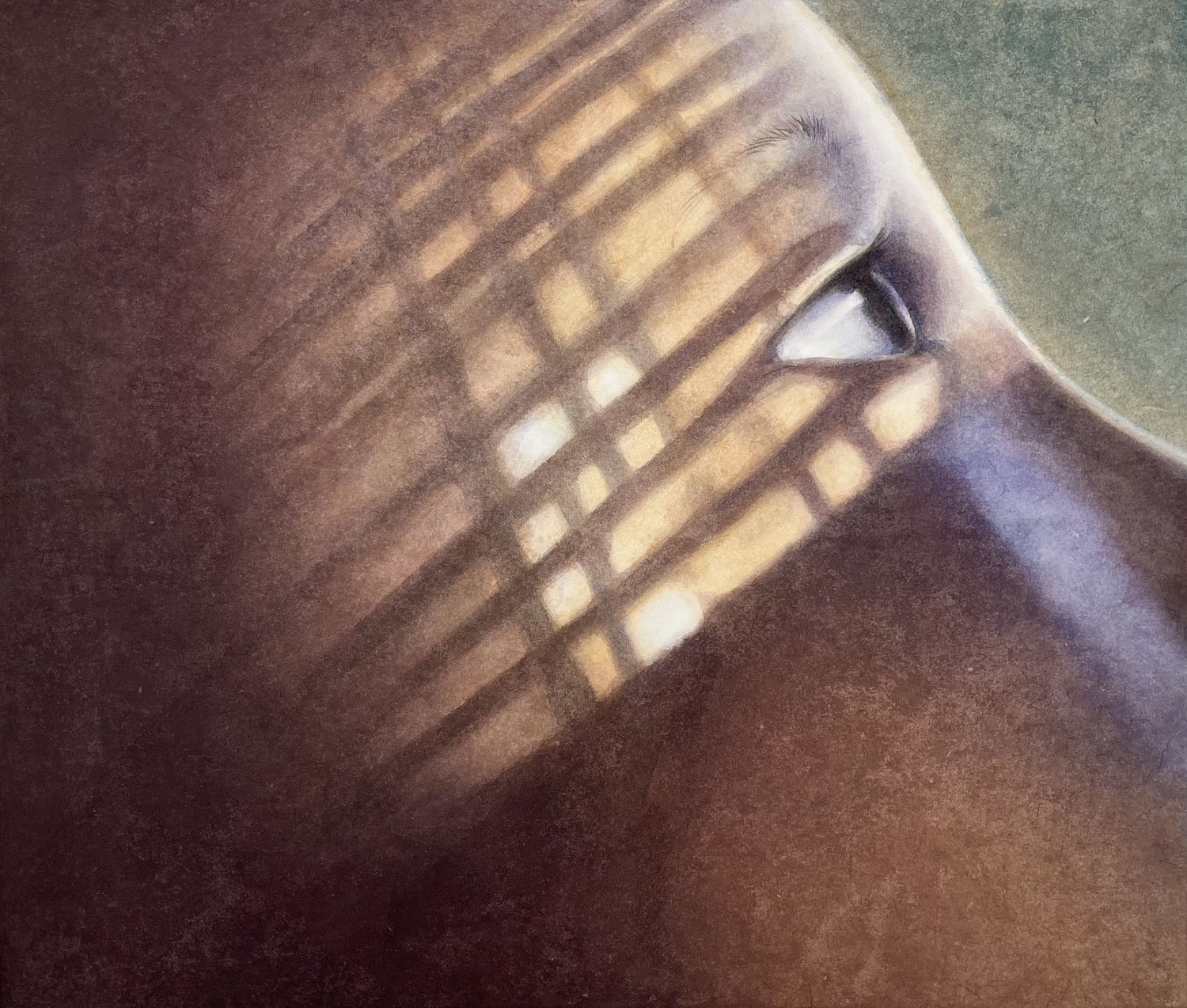
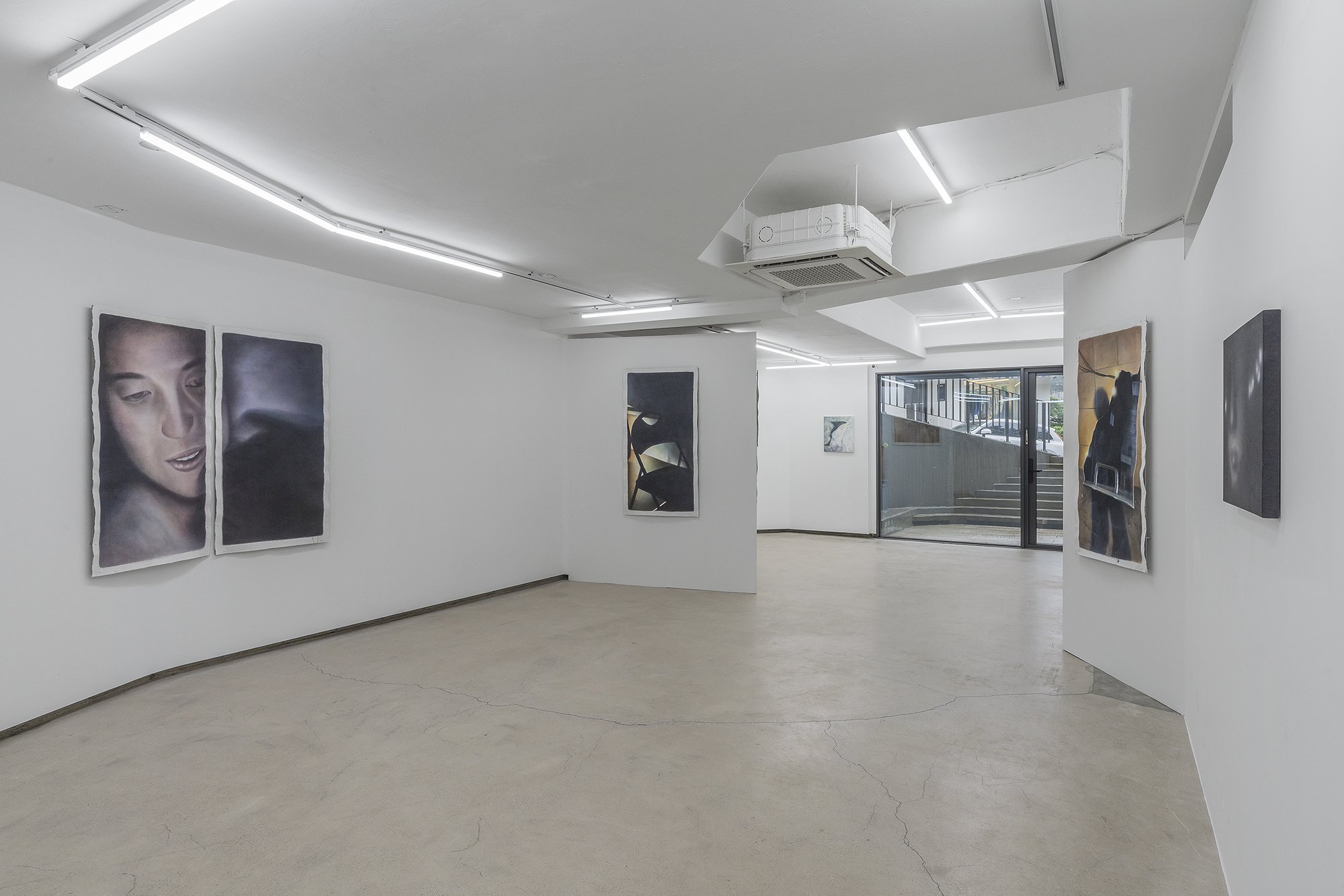
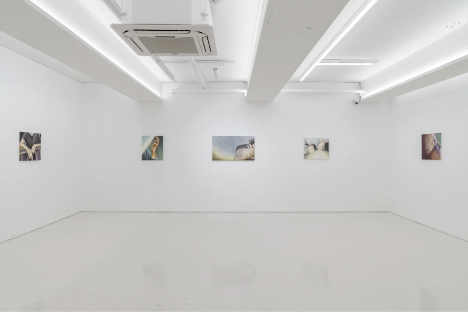
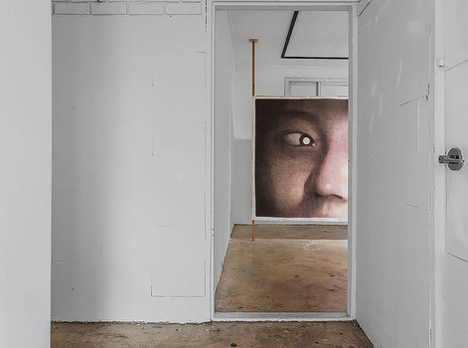
In 《Face》(Chapter II, Seoul, 2022), Yang explores “familiar fear” through everyday records and collected images. In works such as Grid(2022), LAY(2022), and Tangled(2022), figures appear exposed to excessive light or seem to turn away from it. By the time of 《Afterglow in Between》(Primary Practice, Seoul, 2023), faces, objects, shadows, and divided frames interlock to create subtle sensations between anxiety and calm, emptiness and vitality.

In Yang’s painting, light is not simply a device that illuminates objects, but a central condition that reveals the tension between the visible and the invisible, familiarity and strangeness, silence and emotion.

Style & Contents

Yang studied Oriental Painting at Sungshin Women’s University, and has built her own painterly surfaces using jangji, ink, pigment, and acrylic. In her early work, she made paintings such as The Afterimage of that Time and One Day using pigment and color on jangji, and from the mid-2010s onward she began using acrylic while continuing to work with the absorbent and layered qualities of jangji.

The material quality of jangji, which takes in water and slowly absorbs color, allows emotion in Yang’s paintings to seep out gradually rather than erupt immediately. Surfaces built up through multiple layers of thin paint are soft yet cool, blurred yet dense. These membrane-like surfaces do not clearly explain the figures and objects within them, but hold onto the psychological temperature and sensation that remain beneath the image.
 
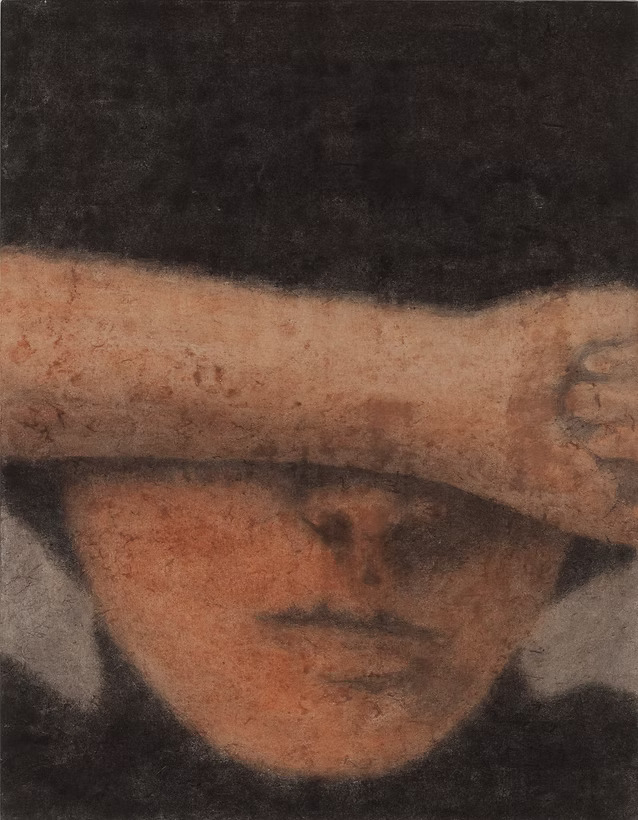
Figures and objects in Yang’s paintings are rarely presented as wholes. The artist captures and enlarges fragments: a face, a hand, part of a body, the surface of an object, or a silhouette concealed by darkness. These fragments are not clues meant to explain the whole, but function as subjects with a heavy and deep presence in themselves.

The mannequin images in Show window(2015) and 《Distrust and Overtrust》 blur the boundary between human and object, life and non-life, leaving viewers with a familiar yet uncomfortable feeling. Even in the recent work Nobody(2026), the figure does not appear as a clearly defined individual, but remains an anonymous form that exists without being fully grasped. Although the artist refers to herself and people around her, she removes specificity in order to create images closer to universal human emotion than to individual stories.
 
After 2019, light becomes an increasingly important formal element in Yang’s painting. Yet this light does not simply signify brightness or hope. If in 《I know the day will come》 light was a condition that made viewers conscious of something remaining within darkness, in 《Face》 it becomes a device that artificially exposes the subject and emphasizes the central image. Strong light reveals the subject, but at the same time makes the figure’s emotions more difficult to read, and the figures appear to avoid or endure that light.

On the traditional medium of jangji, sensations of the digital age—motion capture, artificial lighting, and photographic cropping—seep into the surface. The painting is positioned between past and present, analog and digital, the touch of painting and the feeling of artificial capture. At this point, Yang’s work uses a traditional medium while actively absorbing the uneasy sensations of the contemporary image environment.
 
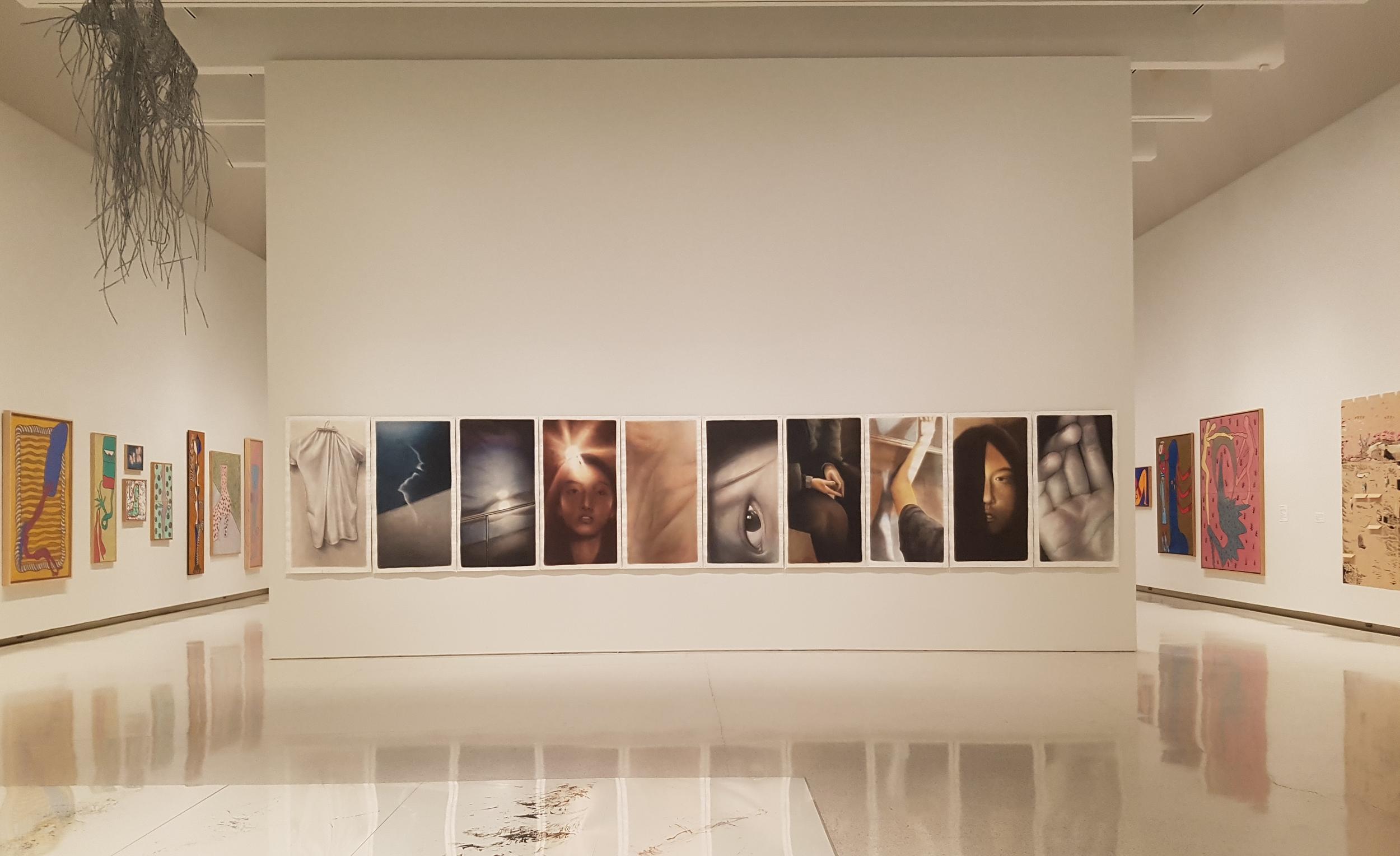
In 《Afterglow in Between》, this formal inquiry becomes more refined through the division and connection of frames. In works such as Afterglow in between(2023) and Reclining Light(2023), backlit objects become black silhouettes or gain presence only through shadow. Elongated vertical or horizontal frames appear as individual scenes while also functioning like connected sequences, and the gaps between paintings open up the next sensation rather than closing meaning.

Like the space between cuts in film, these gaps are not empty places where narrative disappears, but spaces where the viewer’s gaze and imagination intervene. Yang’s picture planes do not explain clear events, but create long-lasting psychological landscapes through trembling eyes, faces in darkness, cropped objects, and the afterimage of faint light.

Topography & Continuity

The originality of Yang’s work lies in the fact that she uses jangji, a traditional material of Korean painting, without fixing it within the forms of the past. The artist uses the absorbency of jangji and thin layers of paint to create surfaces where emotion seeps in, settles, and remains, while combining them with photographic framing, the artificiality of digital images, urban solitude, and social uncertainty.

While many painters convey emotion through facial expression or the narrative of an event, Yang delays and sustains emotion through the intensity of light, the trembling of focus, cropped bodies and objects, and anonymous faces. This restrained approach asks viewers to look at the surface for a long time, allowing them to reread anxiety and solitude through their own experiences.
 
Following the trajectory of her work, Yang begins from childhood memory and personal wounds, and expands toward urban landscapes, artificial objects, anonymous faces, and structures of light and darkness. In 《Daydream》, the individual mind was transferred into images of old buildings and a monumental moon, while in 《Distrust and Overtrust》, solitude and distrust were projected onto the artificial figure of the mannequin.

After 《I know the day will come》, light became an element that makes anxiety and emptiness perceptible, and in 《Face》, familiar yet strange faces and artificial lighting addressed the uncanny emotions felt by individuals within a community. In 《Afterglow in Between》, divided frames and cracks of lingering light reveal both the sensation of life being shaken and the sensation of continuing nonetheless. This trajectory is not simply a change of theme, but a process in which one emotion is handled within increasingly broad social and visual structures.
 
Yang’s recent exhibition history shows that her painterly language has gained resonance beyond Korea as well. Her participation as one of three Korean artists in the 58th Carnegie International 《Is It Morning for You Yet?》(Carnegie Museum of Art, Pittsburgh, 2022-2023) marked an important turning point on the international stage.

She has also participated in major exhibitions in Korea and abroad, including the Taipei Biennial 2023 《Small World》(Taipei Fine Arts Museum, Taipei, 2023), 《Nostalgics on realities》(Thaddaeus Ropac Seoul, Seoul, 2024), and 《The figurative is not the exception but the rule》(HITE Collection, Seoul, 2025).

Her solo exhibitions have continued to expand in scope, from 《With Hands》(Blindspot Gallery, Hong Kong, 2024) and 《Uncommon Sight》(Stephen Friedman Gallery, London, 2025) to 《Dog-ear》(Duarte Sequeira, Seoul, 2026). Her receipt of the Chongkundang Yesuljisang 2019 and selection for Arts Council Korea’s Korean Artists Today 2024 also show the steady institutional recognition her practice has received.
 
Yang is currently represented by Blindspot Gallery in Hong Kong and Stephen Friedman Gallery in London, continuing to develop her international presence. She has consistently combined the material qualities of Korean painting with questions of contemporary images and social emotion. Rather than directly explaining large events, her paintings hold onto the temperature of anxiety, the trembling of the gaze, and the presence of anonymity that remain in individuals after those events.

In this sense, Yang’s work carries a regional background while also holding an emotional force that can be read across generations and places. Her future work may continue to move through wider stages by quietly touching the memories and emotions of different viewers through the materiality of jangji, the structure of light and darkness, and the sensation of anonymous figures.

Works of Art

Capturing Contemporary Anxiety Through Light and Darkness

Articles

Exhibitions

Activities