
Rosa, part 1 - K-ARTIST

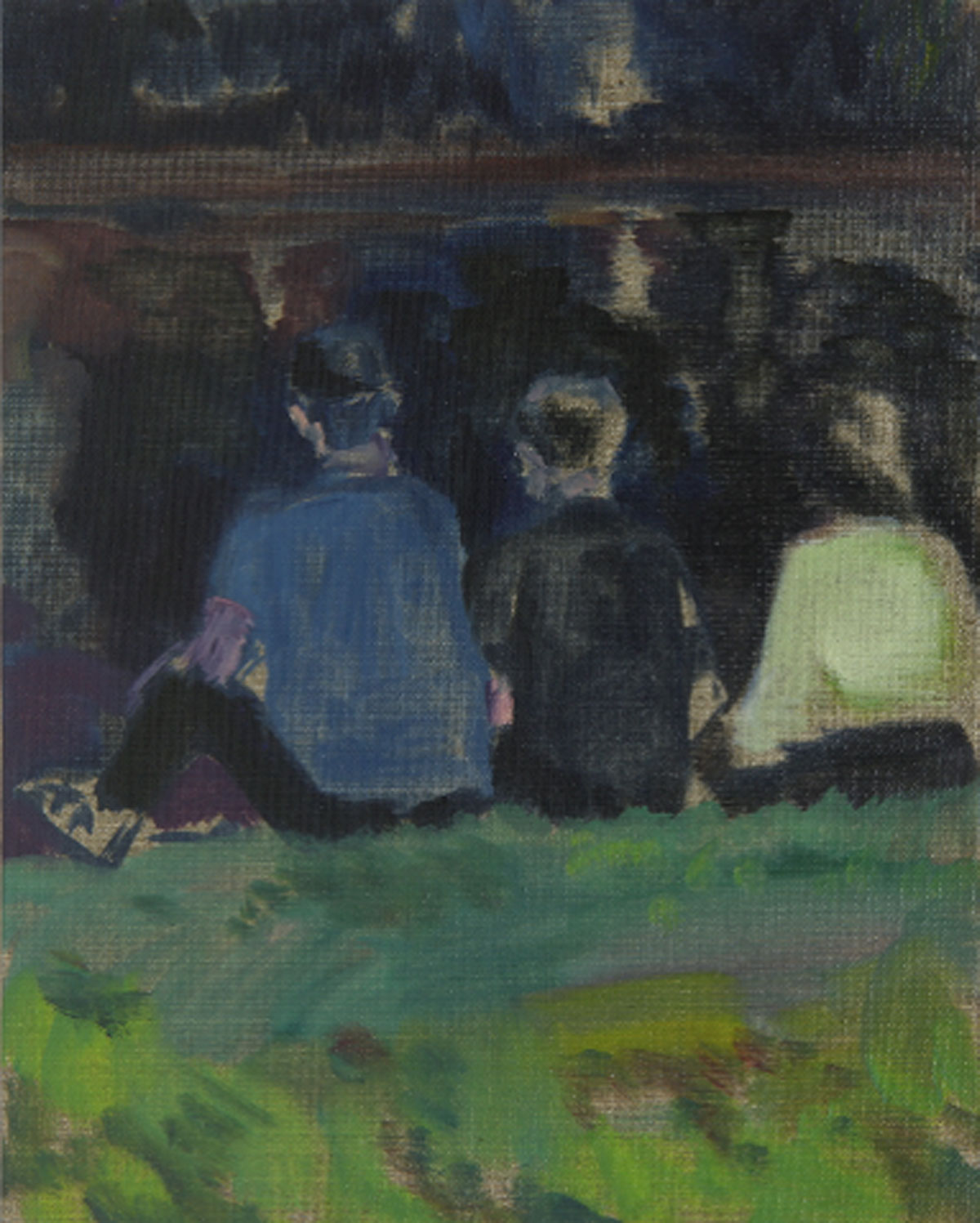
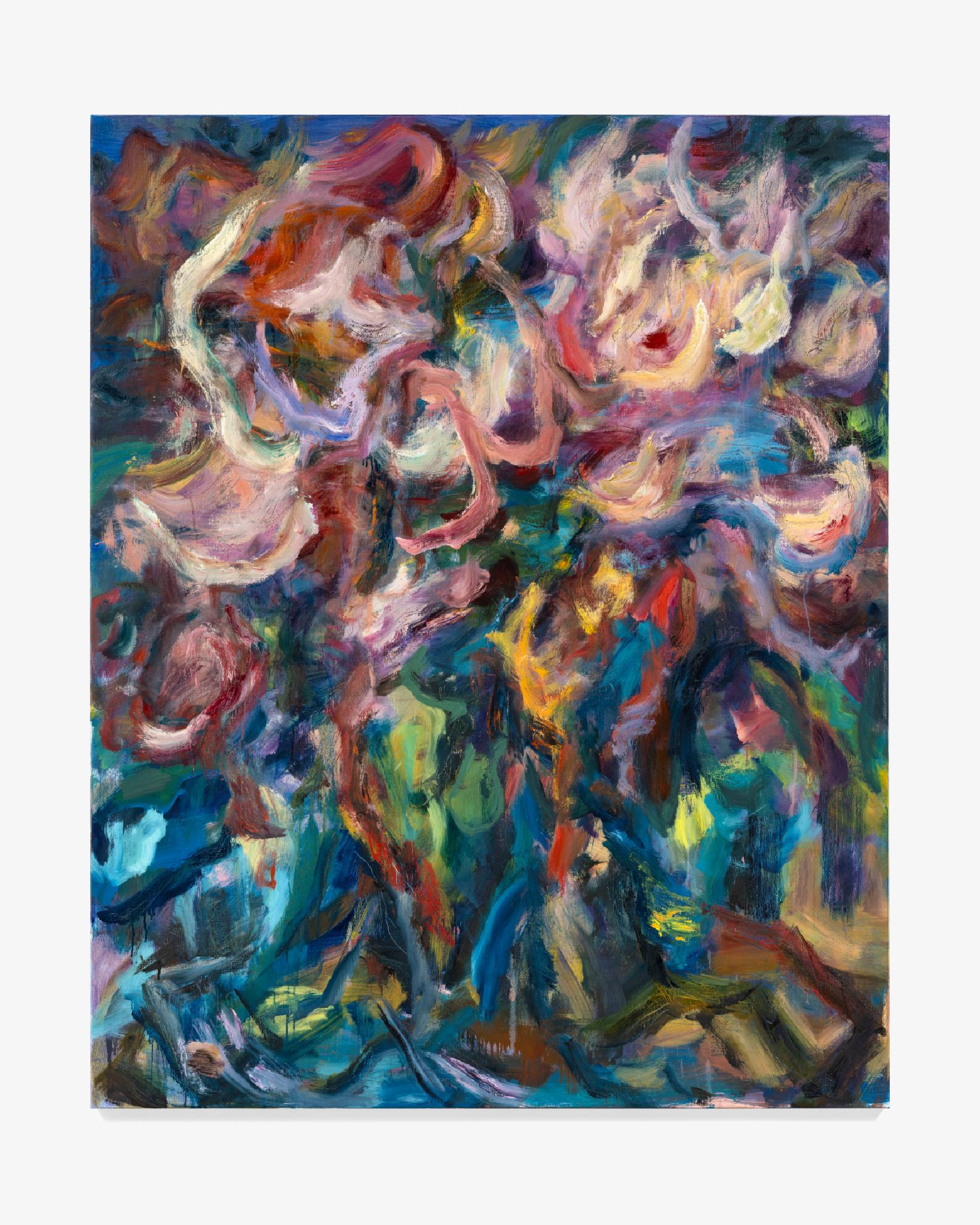
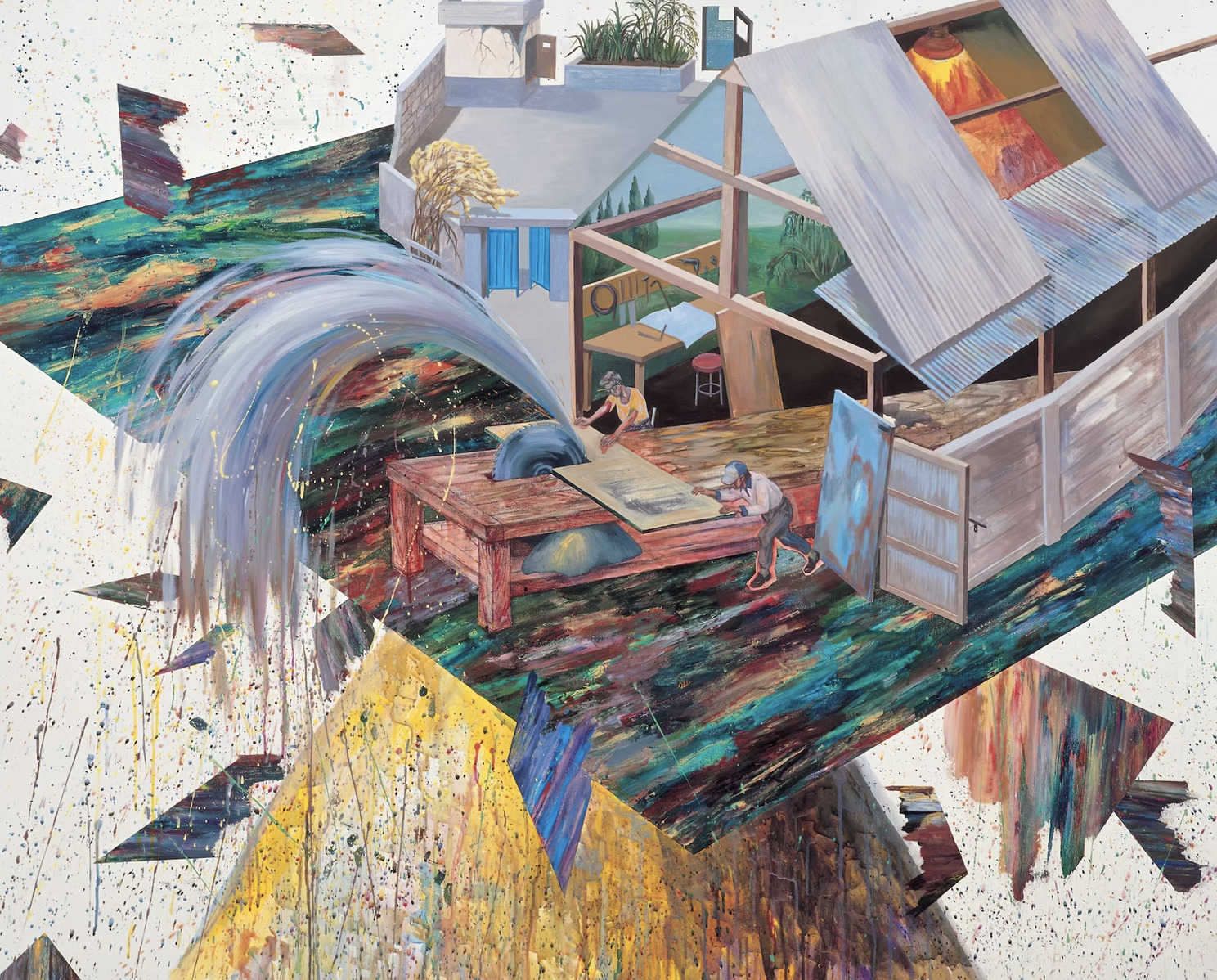
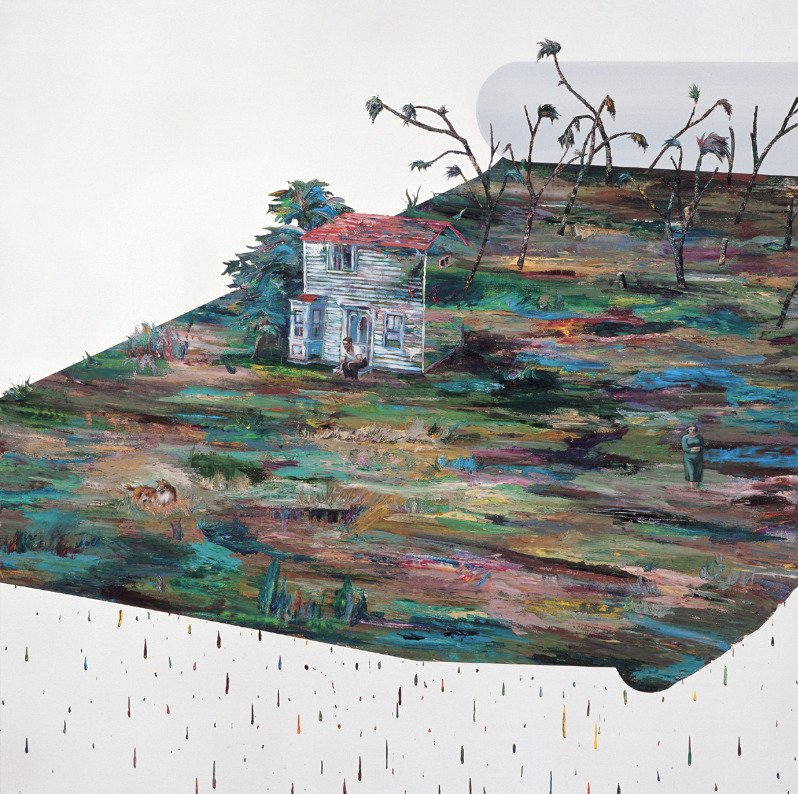
Rosa, part 1

2026
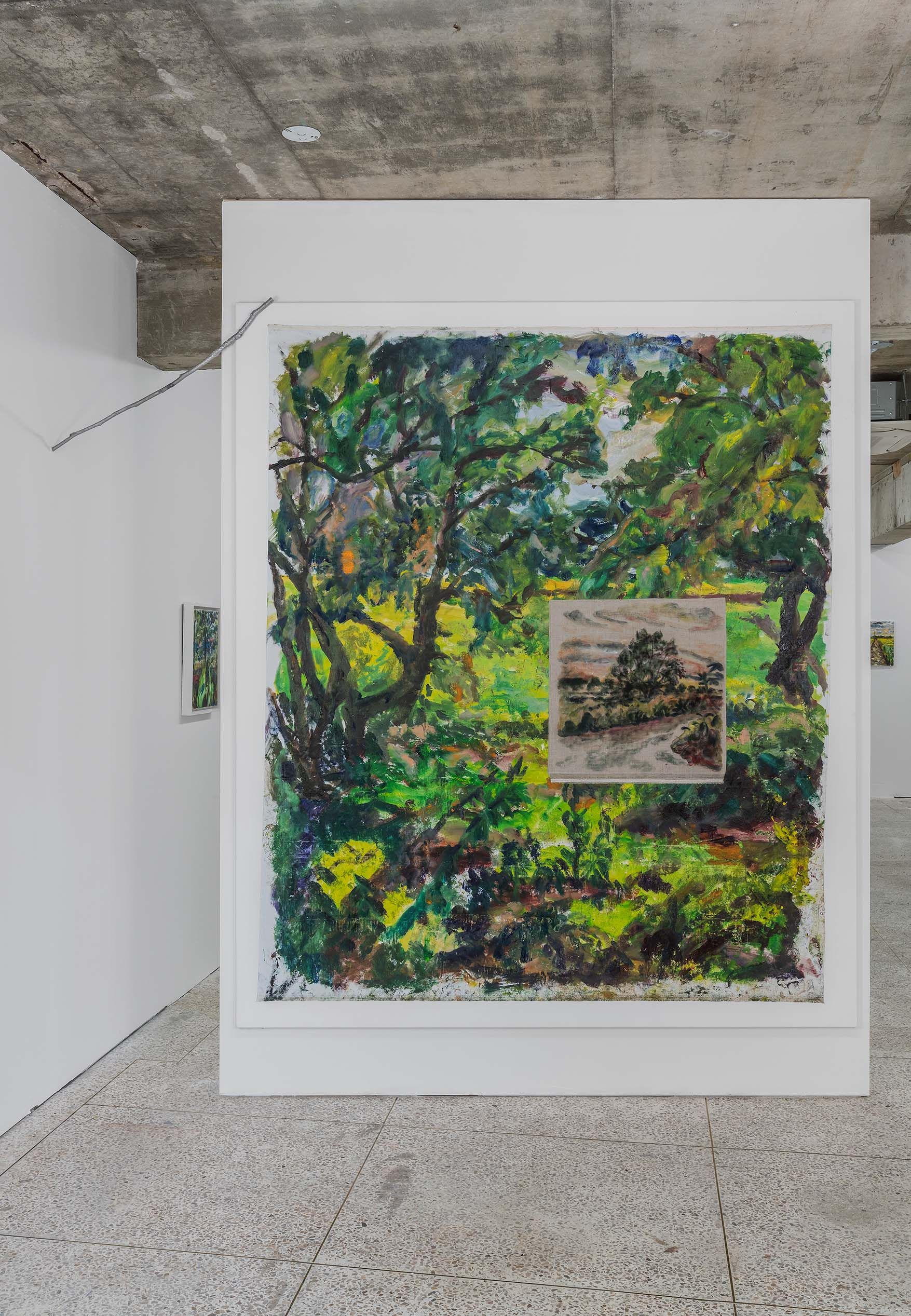
Oil on linen
162.5 x 130.5 cm
About The Work

Hyein Lee has explored, through the language of painting, the sensations and memories that accumulate and transform over time, drawing on prolonged stays in specific places and embodied experiences. In particular, she is interested in the moment a landscape disappears, or in the lingering traces of memory left by having once inhabited it, translating these fleeting impressions into the pictorial density and materiality of painting.

Lee continually reassessed her own position within her relationship to specific environments, finding balance through ongoing engagement with the world around her. For the artist, painting is not an act of representing the external world, but a process through which memories and sensations accumulated within the body emerge autonomously onto the canvas.

Through this approach, Lee moves beyond the traditional painterly modes of observation and representation, expanding painting into a practice in which memory, time, the body, and sensation continuously interact to generate new images.

Hyein Lee overlays landscapes and figures encountered in the past—embedded deep within the layers of memory—with the sensations of the present, bringing them together within her paintings. Lee's paintings can therefore be understood as fields of relations that traverse time and space, as well as gestures toward the underlying essence that emerges through those encounters.

They are attempts to attend to what lies beyond the visible, and painterly practices through which she seeks to establish a genuine relationship with the world to which she belongs.

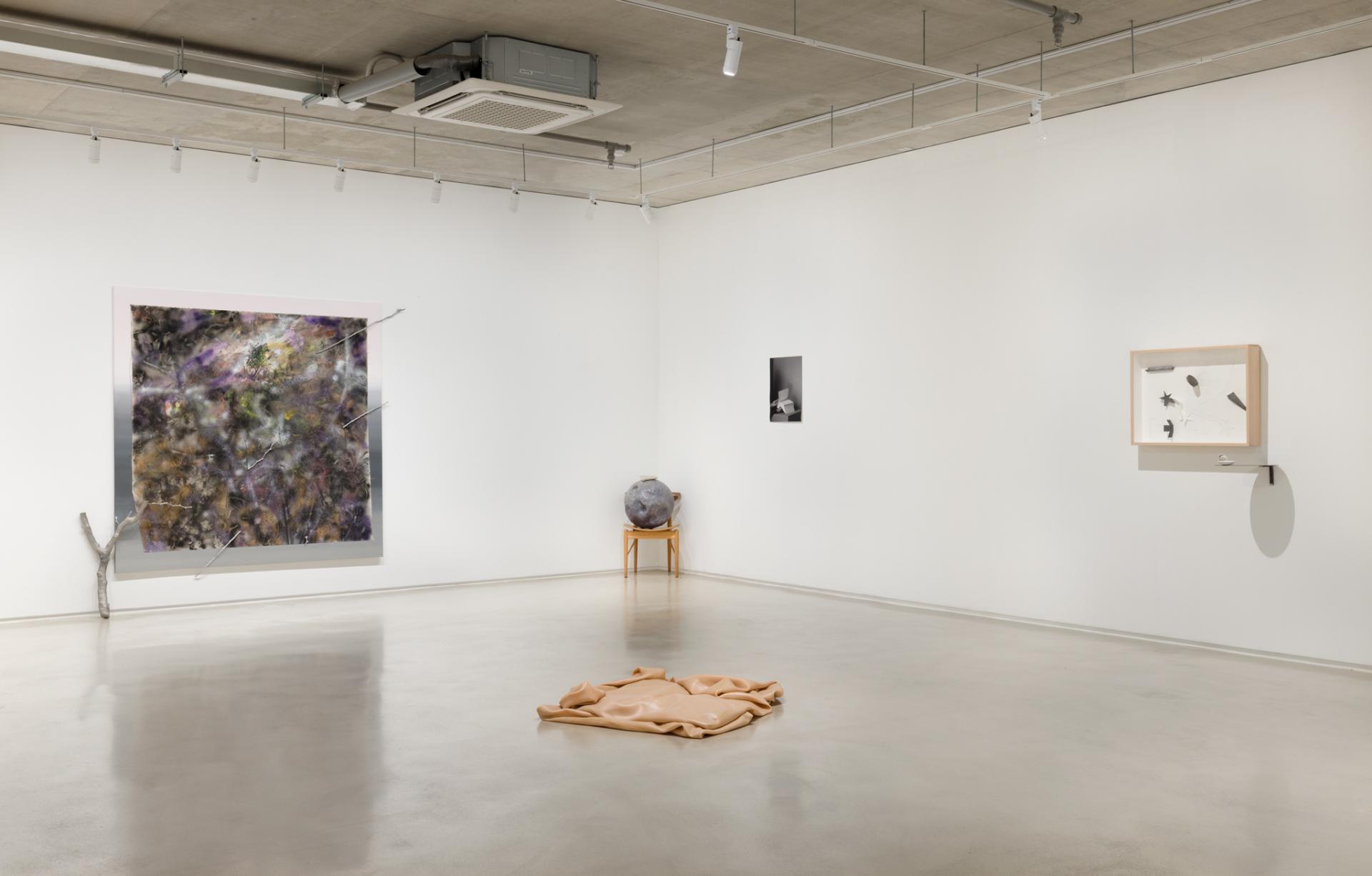
The pictorial surface, built up through repeated acts of layering, erasure, and scraping, becomes a field in which multiple temporalities and sensations reside. Lee's paintings thus embody images of memory and sensation that have accumulated and been transformed through relationships among time, space, and the body. In doing so, they articulate, in richly layered form, her reflections on both her inner world and the world that surrounds her.

Solo Exhibitions (Brief)

Lee’s recent solo exhibitions include 《Eternal Sunset in My Mind》 (Mimesis Art Museum, Paju, 2025), 《L. Practice》 (Museumhead, Seoul, 2022), and 《One day, stepping on the weather》 (KICHE, Seoul, 2020).

Group Exhibitions (Brief)

Lee has also participated in numerous group exhibitions, including 《SAUVE QUI PEUT》 (Gallery Hyundai, Seoul, 2026), 《The 24th SONGEUN Art Award Exhibition》 (SONGEUN, Seoul, 2024–2025), 《Collection Variable》 (MMCA, Seoul, 2024), 《The Gesture of Image》 (PIBI Gallery, Seoul, 2022), 《UNBOXING PROJECT: Today》 (New Spring Project, Seoul, 2022), 《In Bloom》 (HITE Collection, Seoul, 2021), and 《Night Turns to Day》 (Art Sonje Center, Seoul, 2019–2020), among others.

Awards (Selected)

Lee received the 1st Chongkundang Art Award in 2012.

Residencies (Selected)

Lee has participated as an artist-in-residence in programs including the Sindo Artist Support Program(SINAP, 2017) by the Sindo Cultural Foundation, the Wando Residency(2017) by the Daewoo Foundation, the Doosan New York Residency(2015), Geumcheon Art Space(2014), Künstlerhaus Bethanien in Berlin(2012), and the 5th SeMA Nanji Residency(2011).

Collections (Selected)

Lee’s works are held in the collections of the MMCA, the MMCA Art Bank, the Daegu Art Museum, the Busan Museum of Art, the Museum of Contemporary Art Busan, and the DOOSAN Gallery, among other public and private collections.
Works of Art

A Painting Where Memory and Sensation Accumulate and Transform

Originality & Identity

Hyein Lee's artistic practice is grounded in prolonged stays at specific locations and embodied experiences, through which she explores sensations and memories that accumulate and transform over time. In her early works, Lee translated landscapes rooted in autobiographical memory into the language of painting.

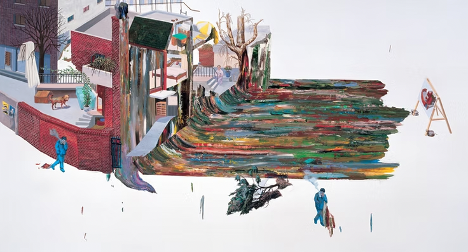
Works such as Carpenter's Time (2008) and Insentient Nature (2008) reflect the artist's contemplation of how painting might visualize landscapes on the verge of disappearance after witnessing the rapid environmental transformations brought about by urban development. During this period, landscape was not merely a visual subject for Lee, but a space where contemporary instability and personal psychological states became intertwined.
 
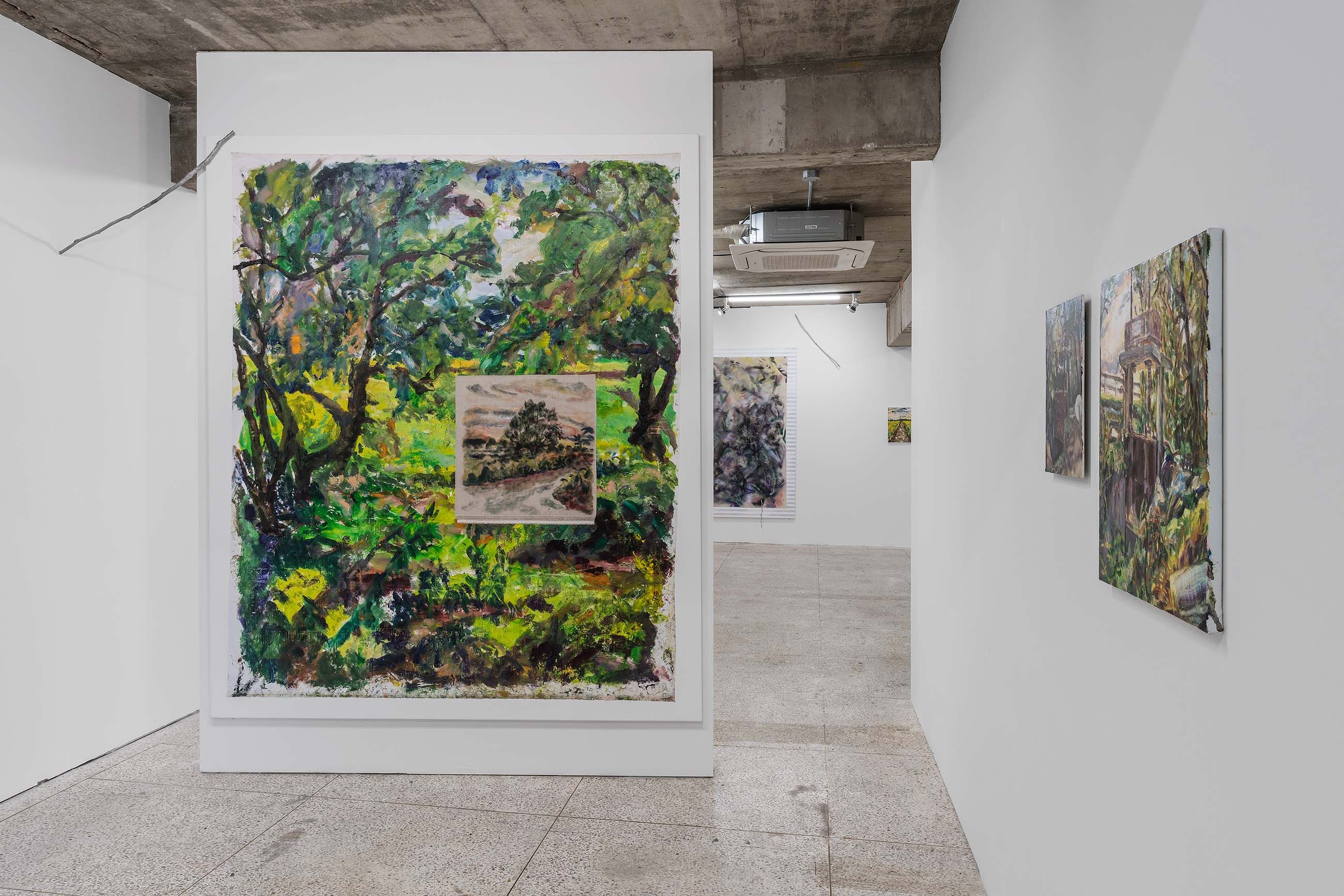
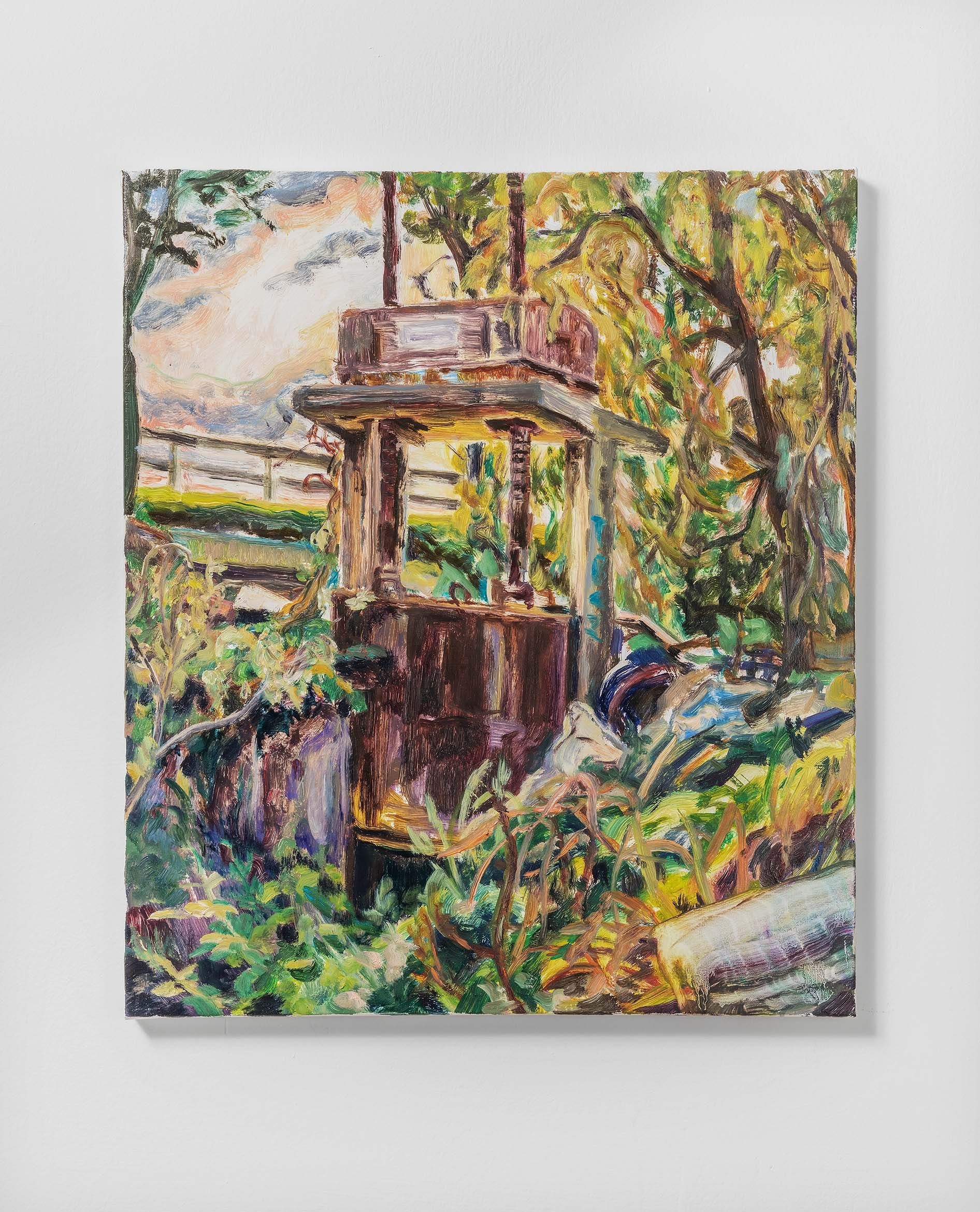
Beginning in 2010, Lee intensified her engagement with plein air painting, carrying her canvas to outdoor sites. While adopting the traditional methods championed by Post-Impressionist painters, Lee's practice differed in its emphasis: rather than pursuing accurate depiction, she sought to combine her own artistic vision with the experiences gatherable from specific physical locations and the elements of chance that emerge within limited material constraints.

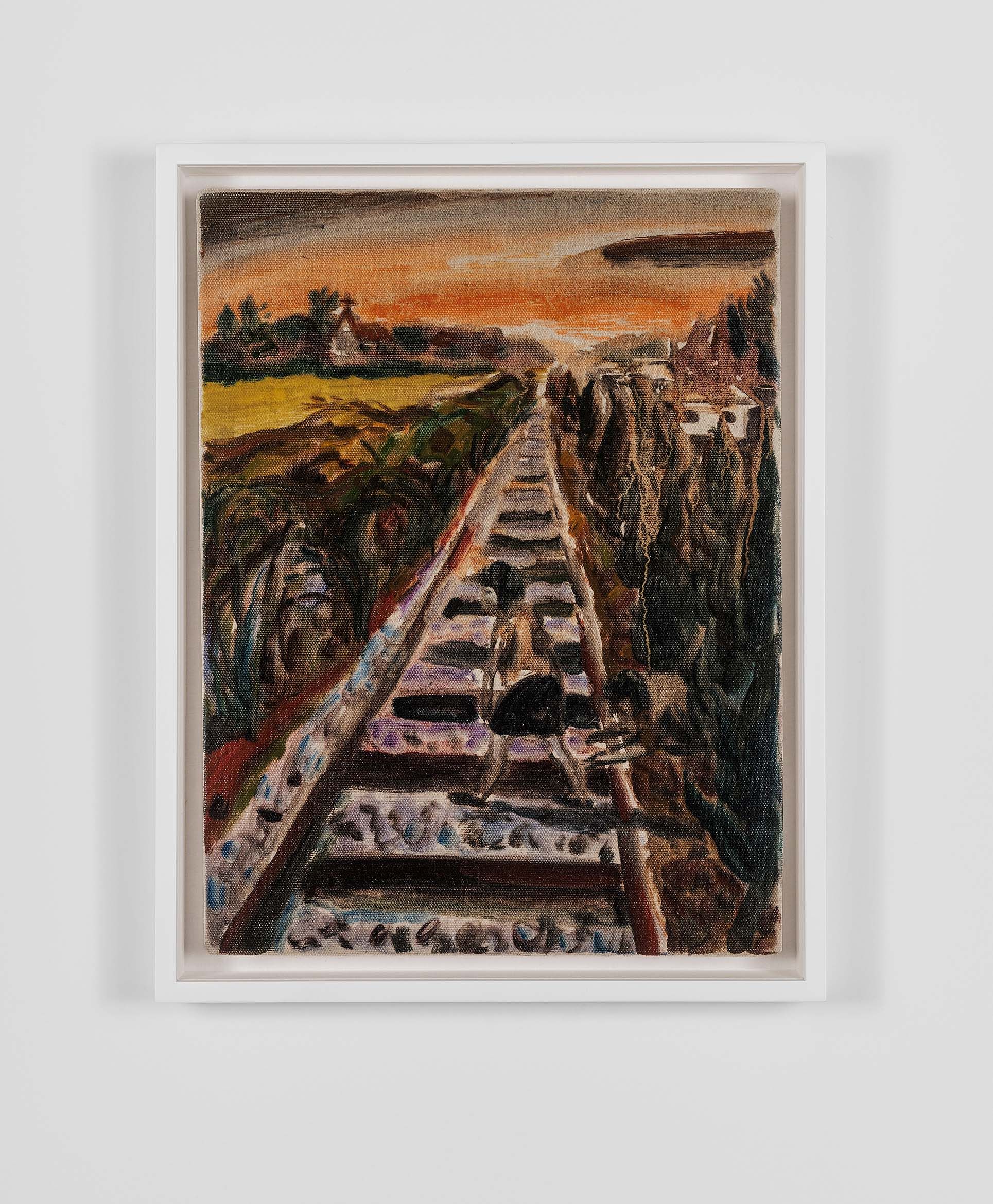
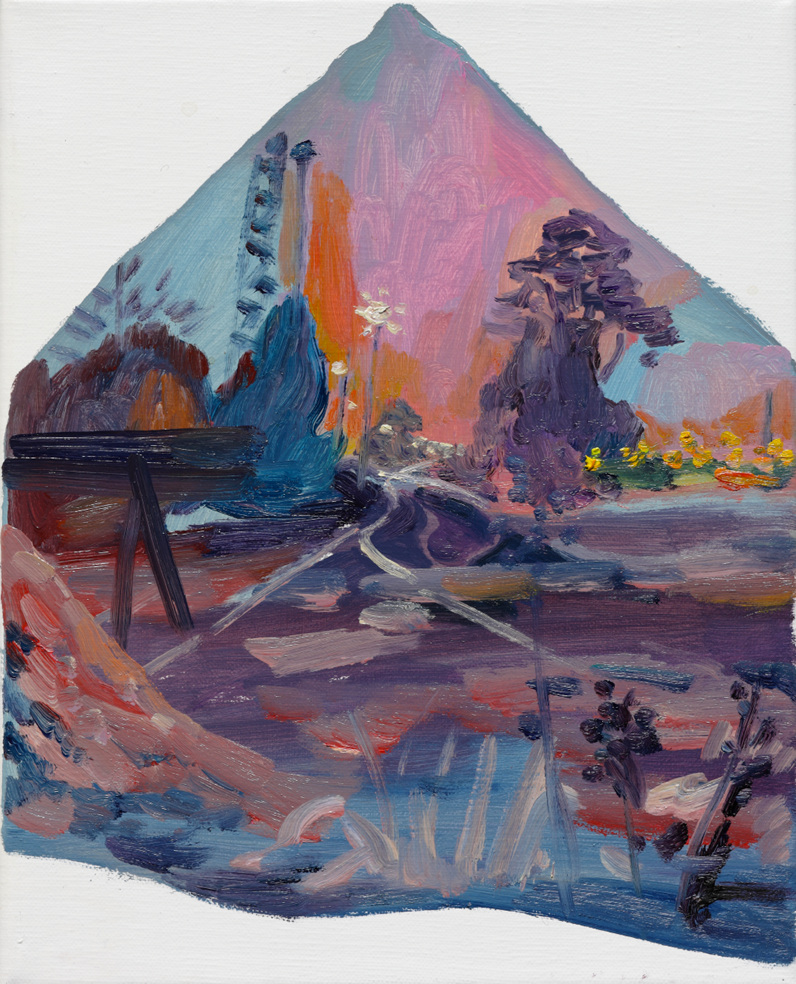
Works such as The Summer Midnight in Berlin (2012) and 2019. 9. 20. across the railway (2019) simultaneously capture both the momentary sensations felt at particular places and the lingering traces of memory associated with those locations. Through this process, Lee continually reassessed her own position within her relationship to specific environments, finding balance through ongoing engagement with the world around her.
 
A significant turning point came with Lee's 2022 solo exhibition 《L. Practice》 at Museumhead. Rather than continuing to venture outdoors, Lee instead began to focus on the spontaneous thoughts and reflections that naturally arise, while partially automating the outdoor experience itself through devices that transformed outdoor environments into data.

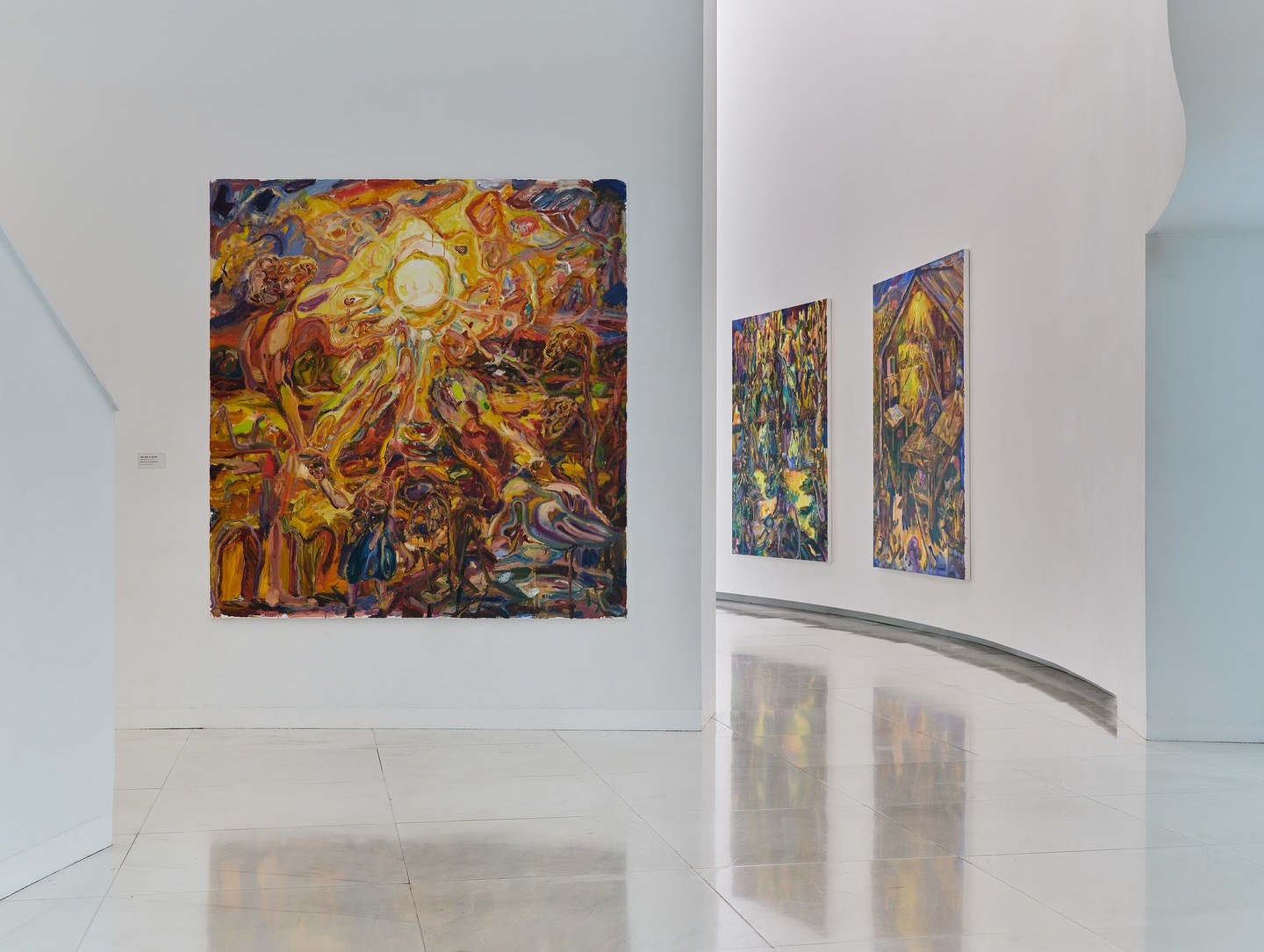
This represented an attempt to reveal that painting is not determined by external conditions alone, but rather unfolds as a process through which memories and sensations accumulated in the body over time emerge autonomously on the canvas. In her recent solo exhibition 《Eternal Sunset in My Mind》 (2025) at Mimesis Art Museum, Lee returned once again to the deeper layers of memory, layering past landscapes and encounters with people over present sensations.

Throughout these successive shifts in direction, what remains constant is the fundamental question of how to materialize the abstract concept of time within the pictorial plane.

Style & Contents

In her early paintings, Lee employed both the technique of drawing remembered landscapes onto the canvas and the physical process of pushing and layering multiple colors of paint using a squeegee or palette knife. Even while working under the influence of Edward Hopper, Lee developed her own distinctive material expression.

In Insentient Nature, the figures and solitary house positioned on paper-thin land reinterpret Hopper's psychological distance while being reconstituted through Lee's own multilayered brushwork and chromatic movement. During this period, paint functioned not as mere coloring but as material through which to visualize the instability characteristic of the contemporary landscape.
 
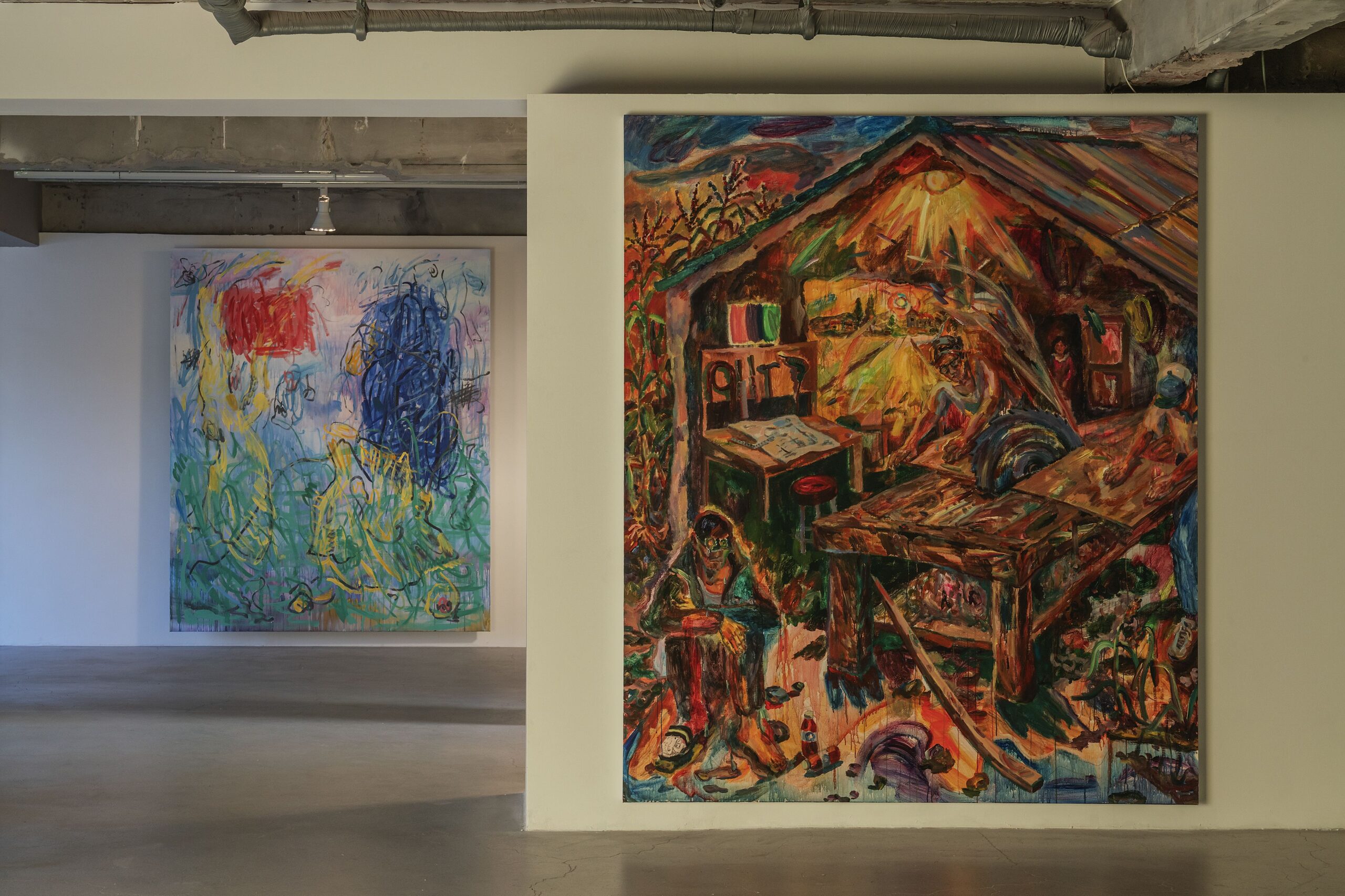
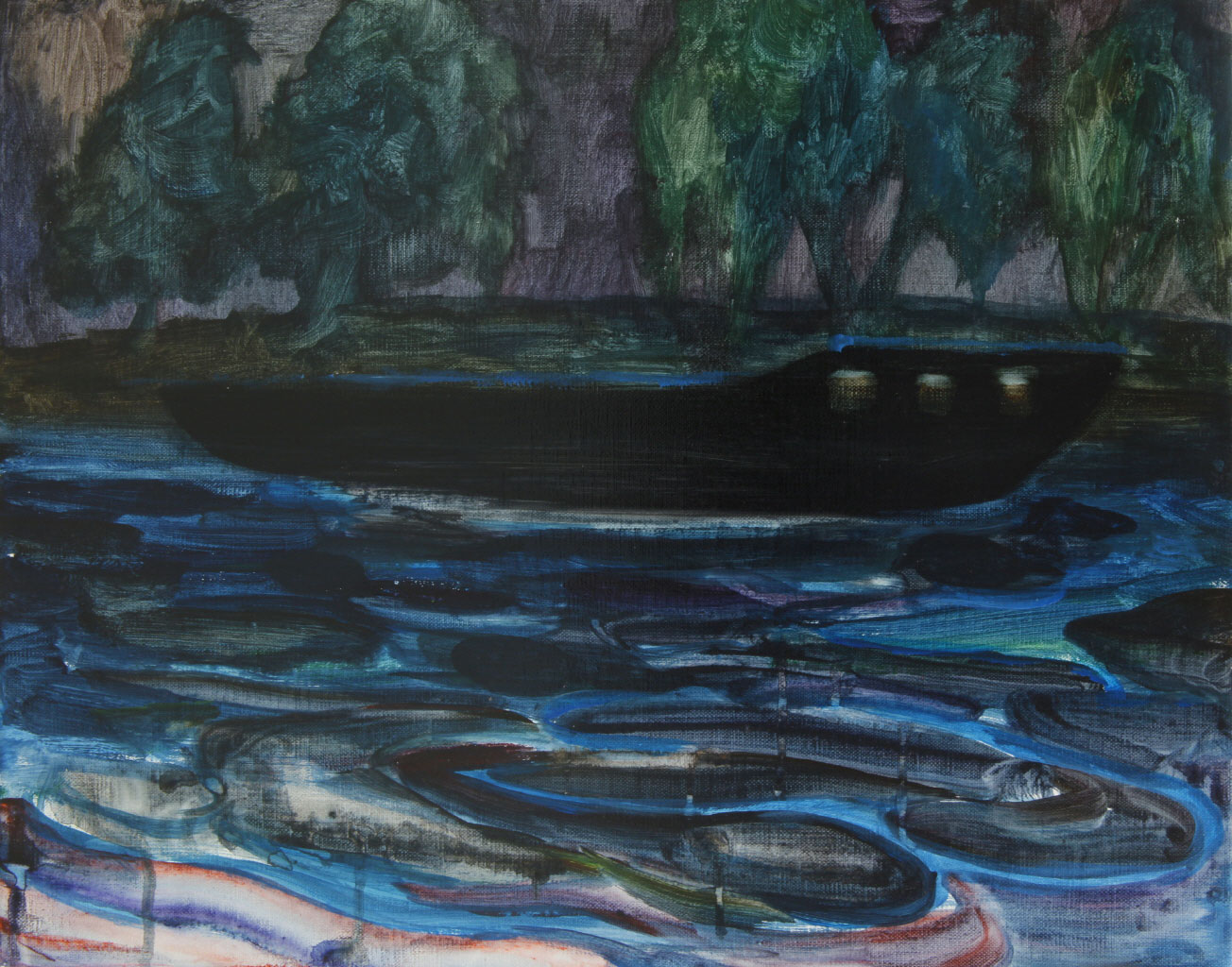
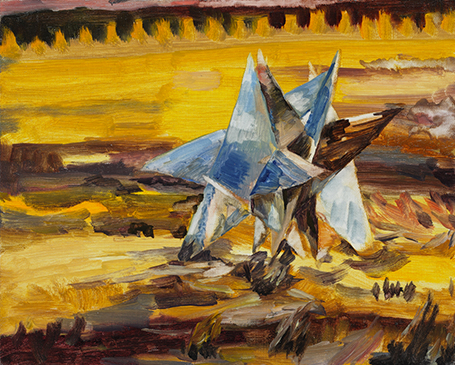
The shift toward plein air painting redefined Lee's formal approach. The paintings on small canvases are characterized by rapid brushwork and the immediacy of color application. Working in diverse locations—the outskirts of Seoul, Berlin, and elsewhere—Lee registered the day's light, temperature, and humidity through her body. As evidenced in the 2020 exhibition 《One Day, Stepping on the Weather》, the paintings of this period employ a language that moves fluidly between figuration and abstraction, recording multiple layers within a single pictorial field.

For Lee, painting was not an act of reproducing the visible landscape. Rather, unexpected encounters with others, the conditions that had to be overcome or accepted within given circumstances, and the moments when past experience meets the present all accumulated on these small canvases.
 
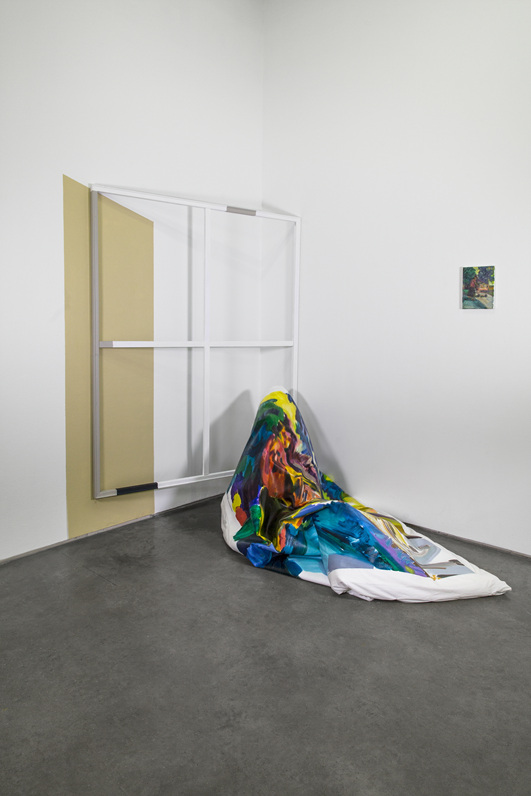
From 2022 onward, materiality became increasingly layered. In 《L. Practice》, Lee installed an LED lighting device that converted weather data from a specific region—entered through latitude and longitude coordinates—into RGB color values. She also conceived of a clay platform that resembled the tactile sensation of ground underfoot and functioned as the actual site of painting, as well as a drum set that transformed bodily movements within that space into sound and performance.

By virtually experiencing within an indoor space the conditions of outdoor work—light, sound, and touch—Lee sought to bring to the foreground the invisible landscapes that emerge and diverge from those experiences. These devices paradoxically reveal the automaticity of painting itself.

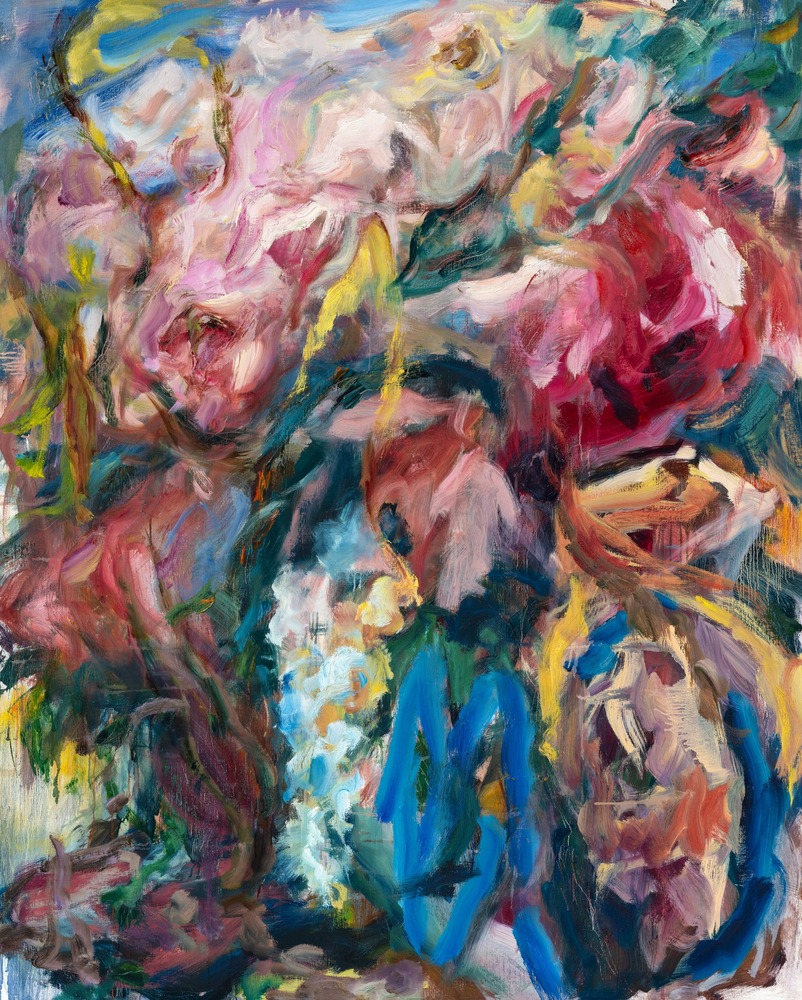
In the recent works of 《Eternal Sunset in My Mind》, repeated layering, erasure, and scraping visualize the multi-layered accumulation of time and sensation. Here, form is no longer subordinated to external conditions; the incompleteness and temporality of memory itself become the structure of the pictorial surface.

Topography & Continuity

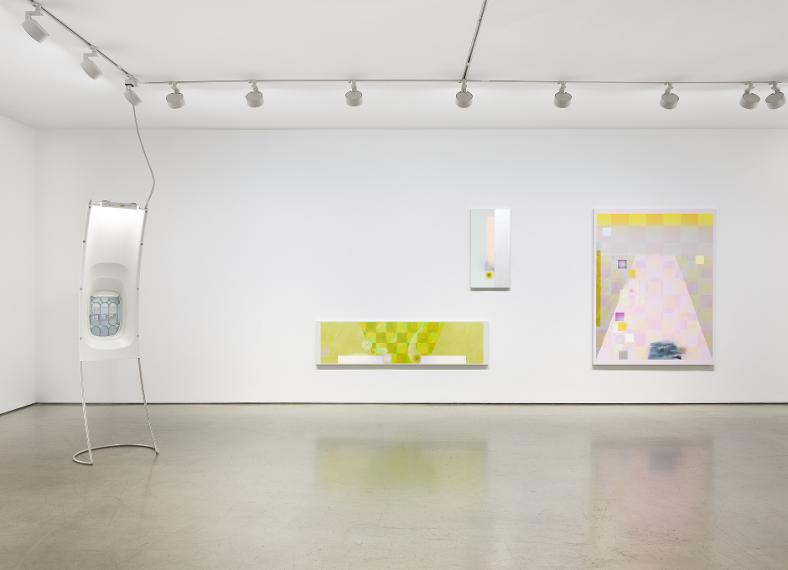
Hyein Lee's painterly practice occupies a distinctive position within the contemporary discourse of women's abstract painting. In the recent group exhibition 《SAUVE QUI PEUT》 (Gallery Hyundai, 2026), where she participated alongside Park Junghae and Ahn Hyun Jung in the section titled "Female Abstraction: Languages of Sensibility," Lee's work distinguishes itself through its departure from pure abstraction. Rather, it emerges from concrete experiences of memory, embodiment, and place.

Similarly, in 《Night Turns to Day》 (Art Sonje Center, 2019–2020), where she exhibited alongside women artists working in diverse media—plants, photography, video, and sculpture—Lee maintained the specificity of painting: the present-ness created through the bodily act of brushwork. In this regard, Lee's painting approaches the act of leaving material traces of memory rather than abstracting memory itself.
 
A consistent feature running through Lee's body of work is its capacity to embody accumulated sensation through relationships established among time, space, and the body. Beginning with autobiographical memory and extending into engagement with outdoor sites, before returning once again to the depths of memory, this trajectory demonstrates how Lee understands painting as a mode of relating to the world and as a medium connecting past and present.

Through brushstrokes that continue like breathing, Lee continually creates space on the canvas for futures that become present from moment to moment. The recent appearance of concrete figures—family members, people encountered in places where the artist has stayed, and animals—testifies to an expansion of this relational consciousness. Lee has made it a driving force of her practice to regard beings who go unnoticed, gradually disappear, or exist at the margins of society, preserving their presence through paint.
 
Hyein Lee received the first Chongkundang Art Award in 2012 and has had her works acquired by major Korean institutions including the MMCA, the MMCA Art Bank, the Daegu Art Museum, the Busan Museum of Art, the Museum of Contemporary Art Busan, and DOOSAN Gallery. Her solo exhibition at DOOSAN Gallery New York and her participation in major institutional exhibitions such as those organized by the MMCA demonstrate how her practice has been understood within contemporary art discourse.

As Lee herself has written, in pursuing "a certain moral position grounded in essence" within "the particular way each individual inhabits the world," her paintings constitute an ongoing record of inquiry into the essence of time, sensation, and memory.

Works of Art

A Painting Where Memory and Sensation Accumulate and Transform

Articles

Exhibitions

Activities

Thumbnail
Activities SAUVE QUI PEUT: E-catalogue 2026.07.09