Sleeping Like a Butterfly - K-ARTIST

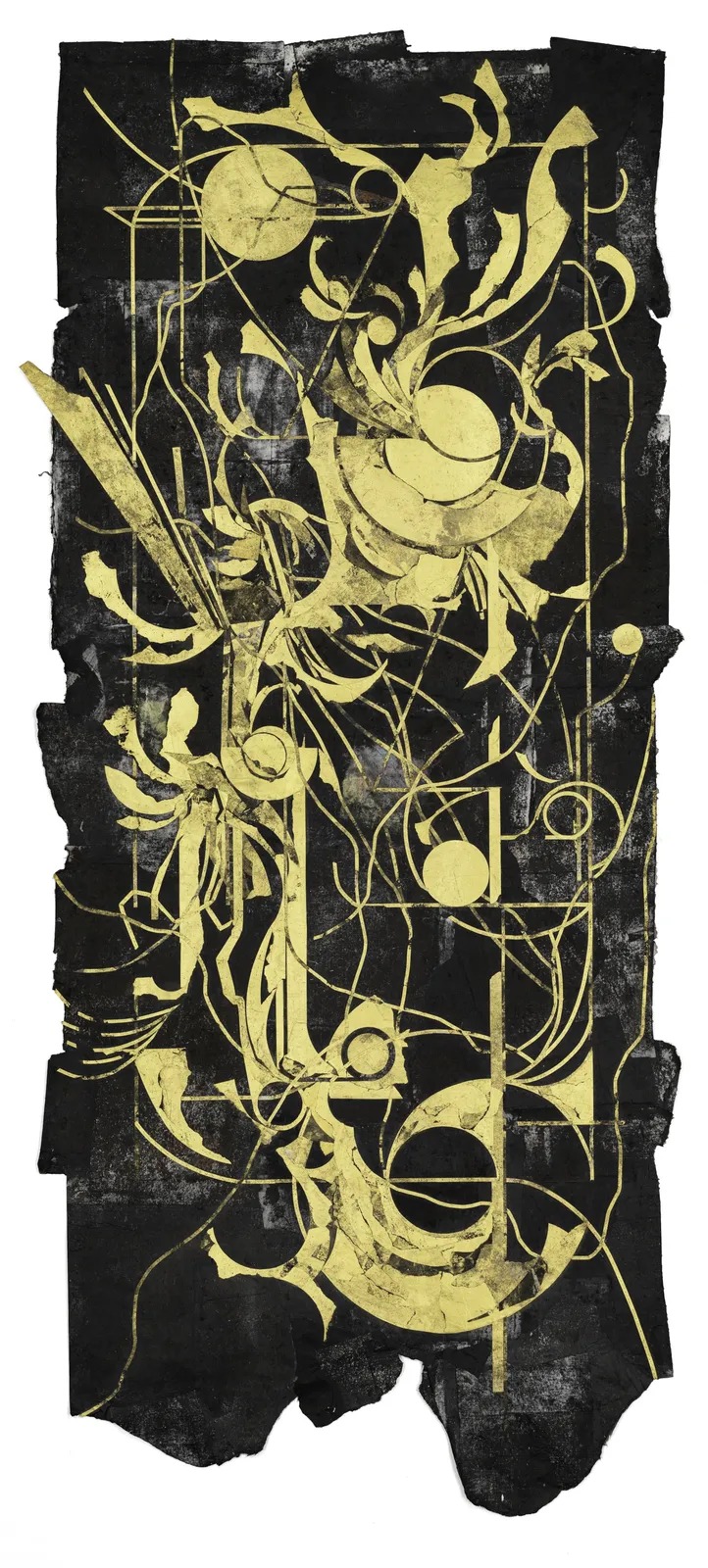
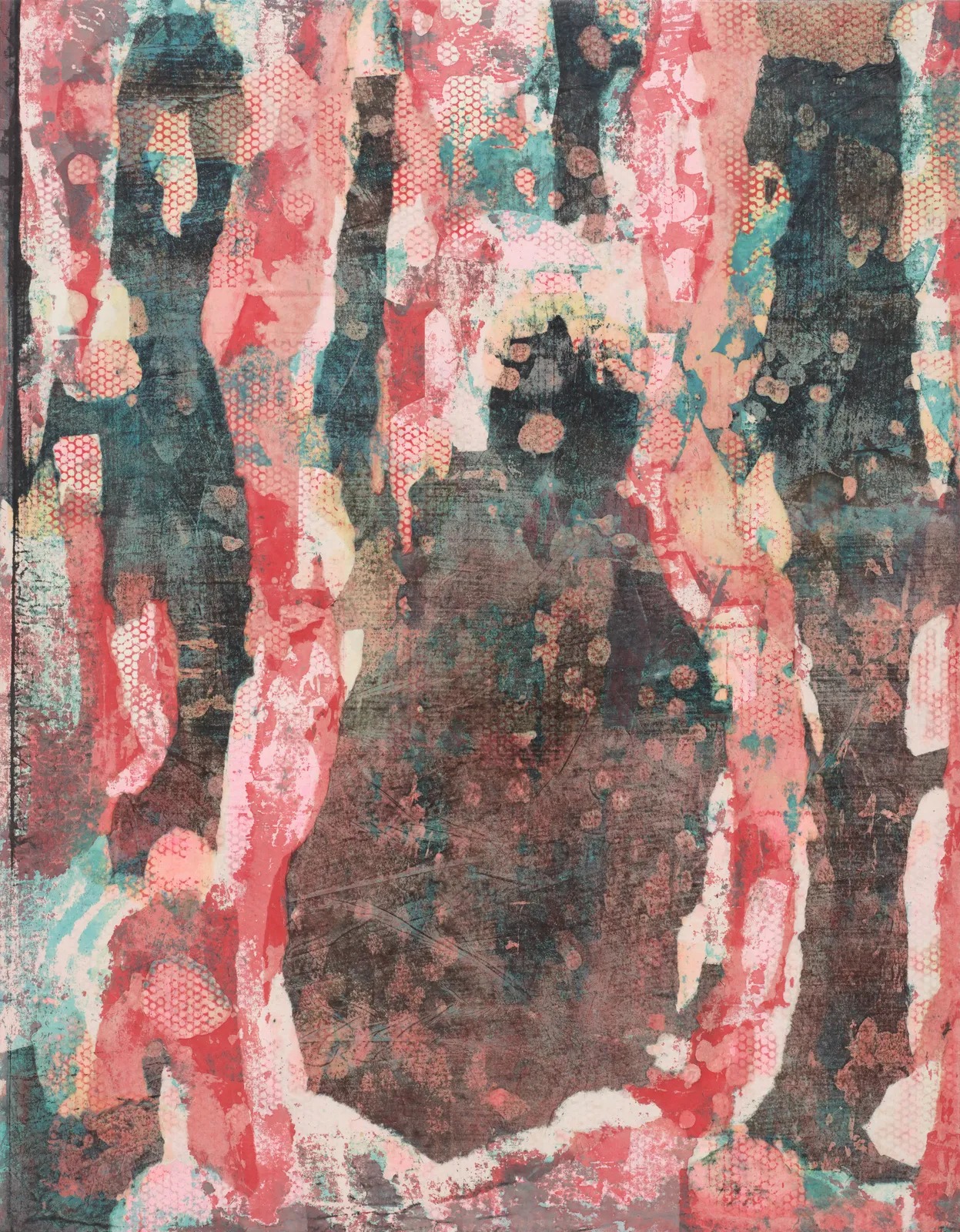
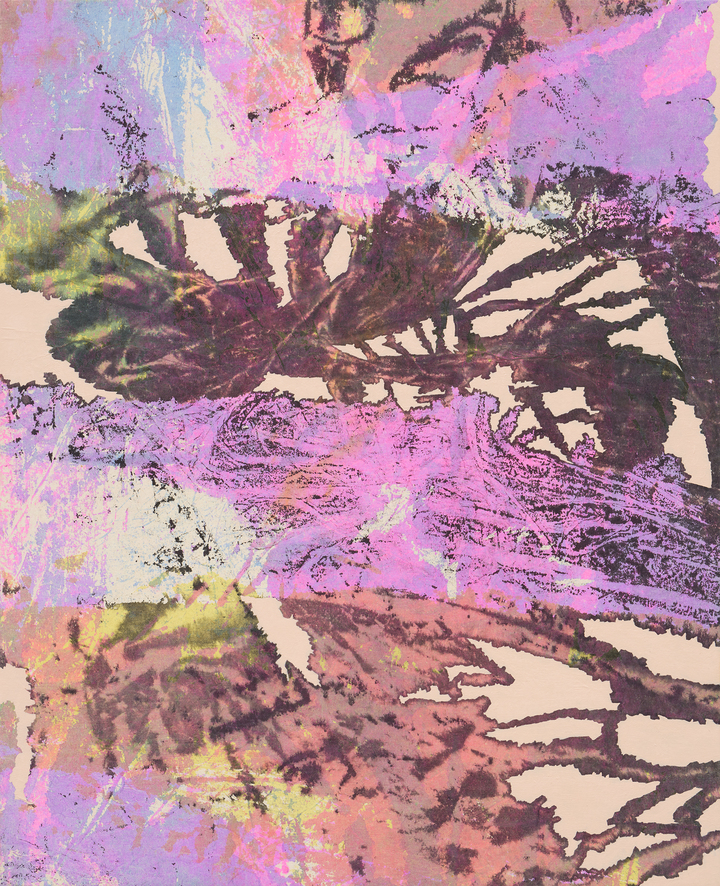
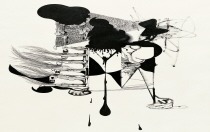
Sleeping Like a Butterfly

2023
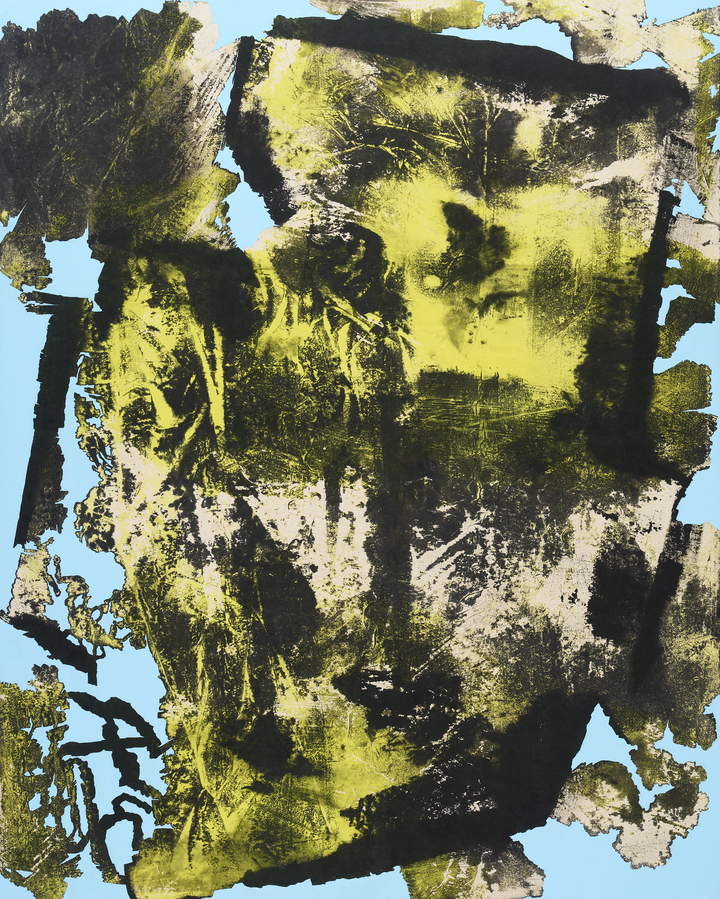
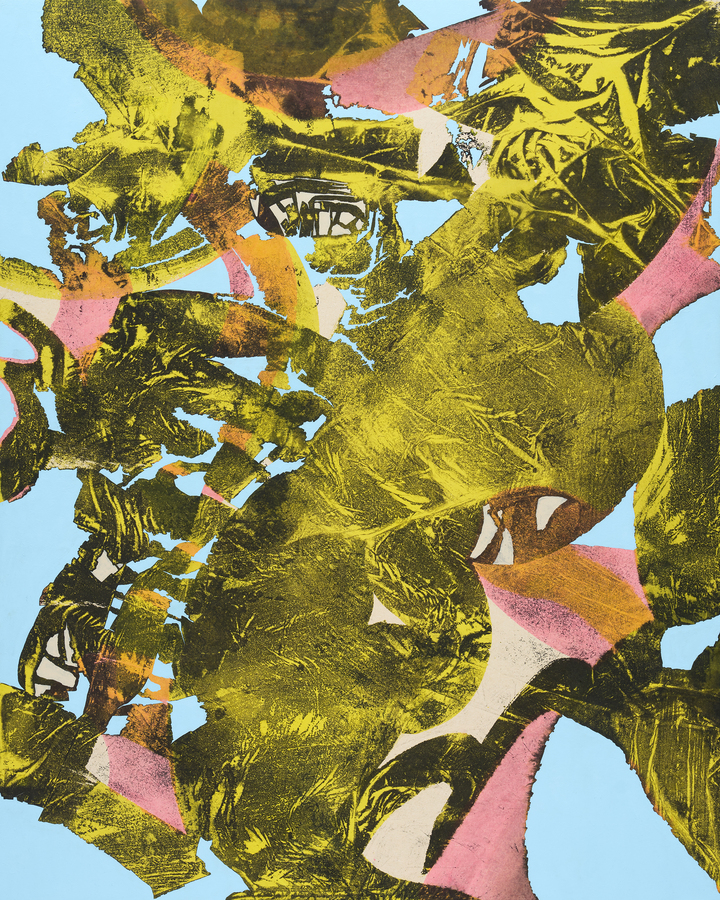
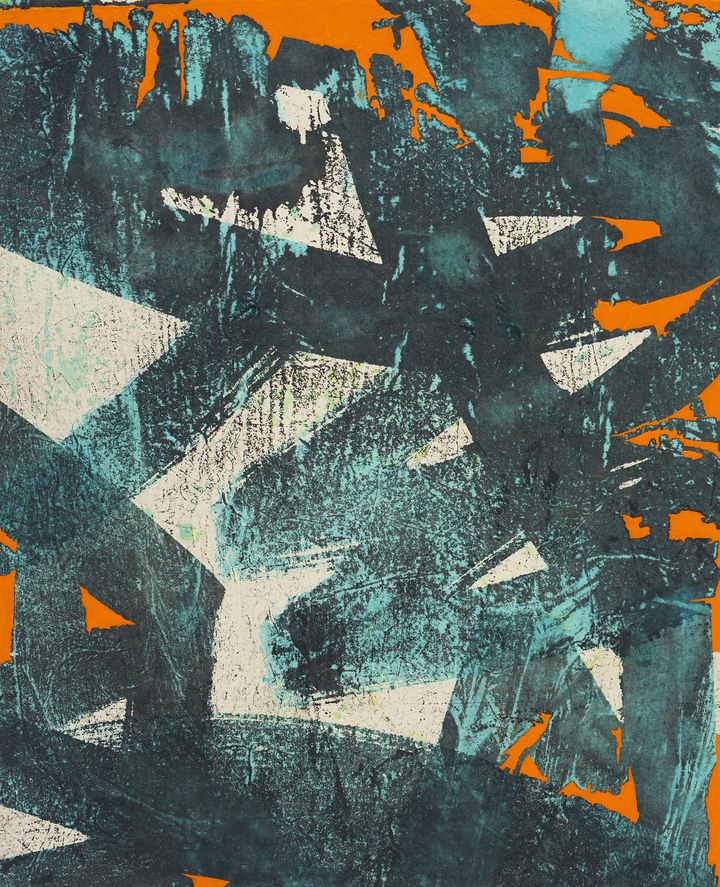
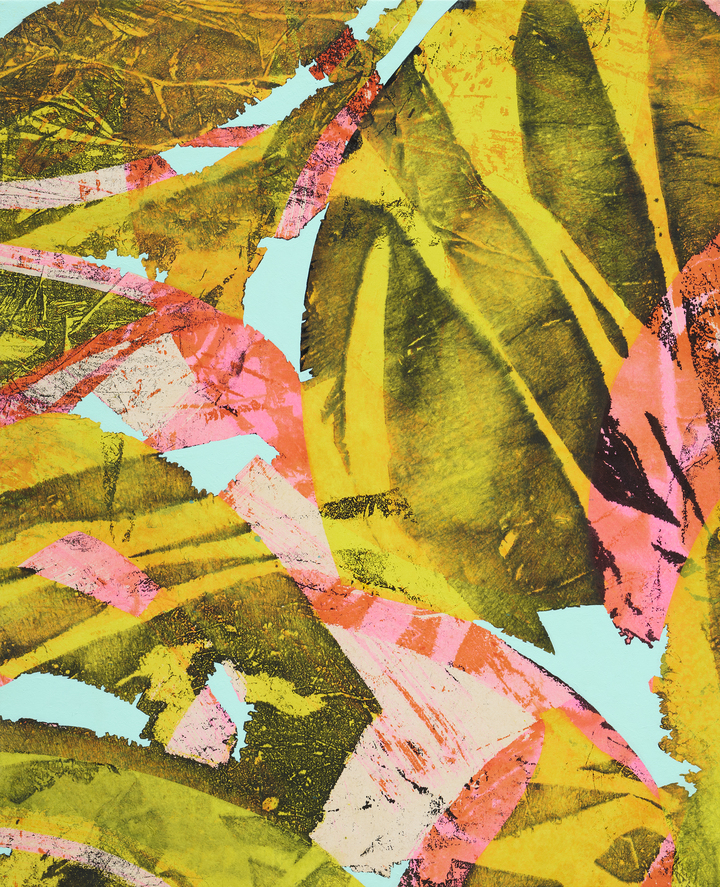
Gouache, ink and beeswax on paper
116.8 x 91 cm
About The Work

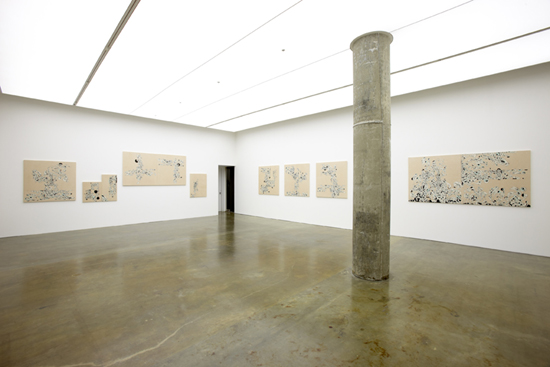
Sojung Lee has explored the process through which images are generated, enter into relationships with one another, and ultimately coalesce into a unified pictorial composition, using traditional East Asian painting materials such as ink, pigments, acrylic, hanji, and jangji paper.

Rather than treating painting as a site for representation, she approaches it as a field where chance and necessity, autonomy and control, continuously negotiate with one another to generate new visual relationships. A central concern throughout Lee's practice has been the process of image formation itself. 

Beginning with automatic drawing, she developed methods of recombining existing images through signs, templates, manuals, and systems of repetition, allowing each work to become the point of departure for the next. These procedures gradually evolved from regulating spontaneous image generation toward embracing the autonomy of materials and unforeseen events.

The resulting paintings no longer privilege predetermined composition but instead reveal images as outcomes of interactions between the artist, materials, and process.

Lee's paintings maintain a careful balance between compositional structure and material autonomy. The image is neither the result of spontaneous expression nor rigid planning, but of sustained repetition, adjustment, and negotiation.

By extending the physical properties of ink and paper into a contemporary visual language, her formal experiments ultimately question not only the possibilities of material itself, but also the very mechanisms through which painting generates images.


Solo Exhibitions (Brief)

Sojung Lee has presented solo exhibitions at DOOSAN Gallery Seoul and DOOSAN Gallery New York (2013), GALLERY2 (2011, 2016, 2019), and P21 (2021).

Group Exhibitions (Brief)

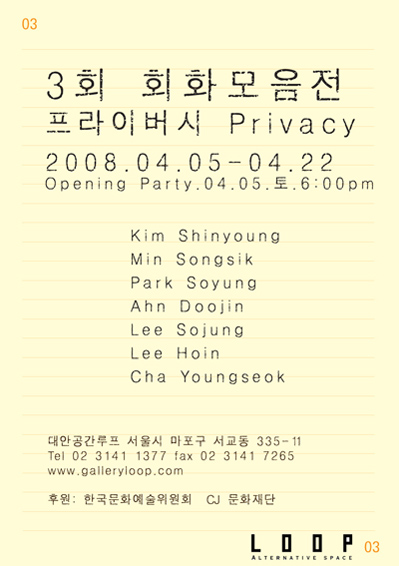
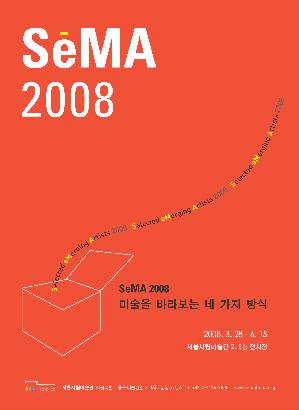
Sojung Lee has participated in group exhibitions at the Seoul Museum of Art (2008), Gallery Hyundai Gangnam (2011), Kumho Museum of Art (2012, 2019), Jeju Museum of Art (2014), and Arario Museum Tapdong Bike Shop (2016).

Awards (Selected)

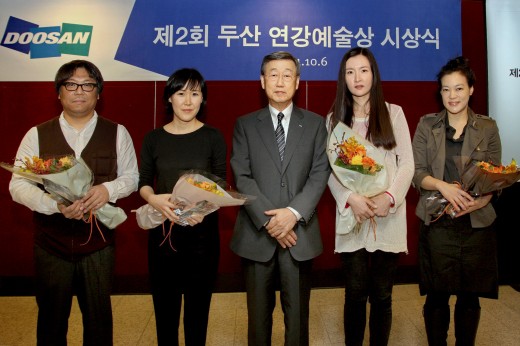
Sojung Lee received the Visual Arts Award at the 2nd DOOSAN Yonkang Arts Awards in 2011.

Residencies (Selected)

Sojung Lee was selected as a fifth-term long-term resident artist at the MMCA Residency Changdong in 2007 and participated in DOOSAN International Residency program in 2013.

Works of Art

Organic Pictorial Spaces Generated by Chance and Necessity

Originality & Identity

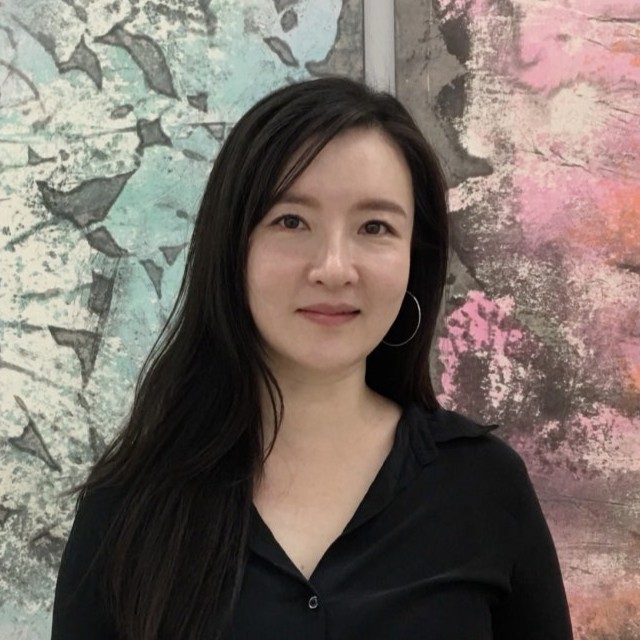
Sojung Lee explores the ways in which images emerge, form relationships, and ultimately coalesce into a pictorial order. Her early works drew upon organic forms suggestive of the body, reproduction, and desire to construct nonverbal narratives rooted in personal experience.

Over time, however, her practice has shifted toward investigating the structural conditions through which images come into being. Rather than treating painting as a site for representation, she approaches it as a field where chance and necessity, autonomy and control, continuously negotiate with one another to generate new visual relationships.

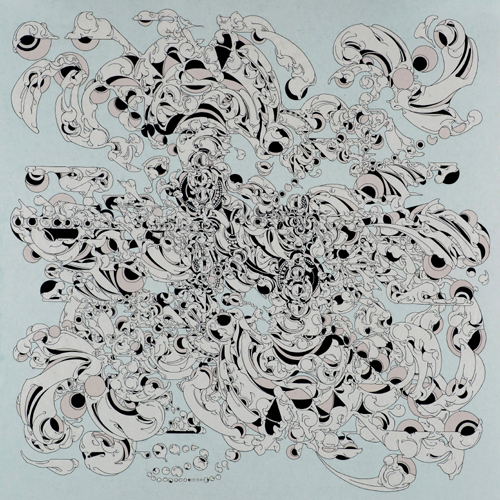
A central concern throughout Lee's practice has been the process of image formation itself. Beginning with automatic drawing, she developed methods of recombining existing images through signs, templates, manuals, and systems of repetition, allowing each work to become the point of departure for the next.

These procedures gradually evolved from regulating spontaneous image generation toward embracing the autonomy of materials and unforeseen events. The resulting paintings no longer privilege predetermined composition but instead reveal images as outcomes of interactions between the artist, materials, and process.

In recent years, Lee's understanding of autonomy has expanded beyond pictorial construction to encompass the notion of relational existence. Experiences of childbirth and, more significantly, parenting prompted her to reconsider control not as domination but as a form of coexistence.

Rather than imposing complete authority over the picture plane, she responds to traces generated through the interactions of ink, hanji, and layered paper, uncovering forms that seem already embedded within the material. Chance is therefore neither an accident nor an obstacle but a productive condition through which new relationships and meanings emerge.

Although deeply informed by the material traditions of Korean painting, Lee's practice is not primarily concerned with reaffirming the medium's historical identity. Instead, she continually reexamines its possibilities through contemporary questions surrounding process, agency, and perception.

By treating painting as an evolving ecology of materials, images, and human intervention, Lee constructs a body of work in which personal experience becomes a framework for investigating broader questions of generation, transformation, and the formation of meaning.

Style & Contents

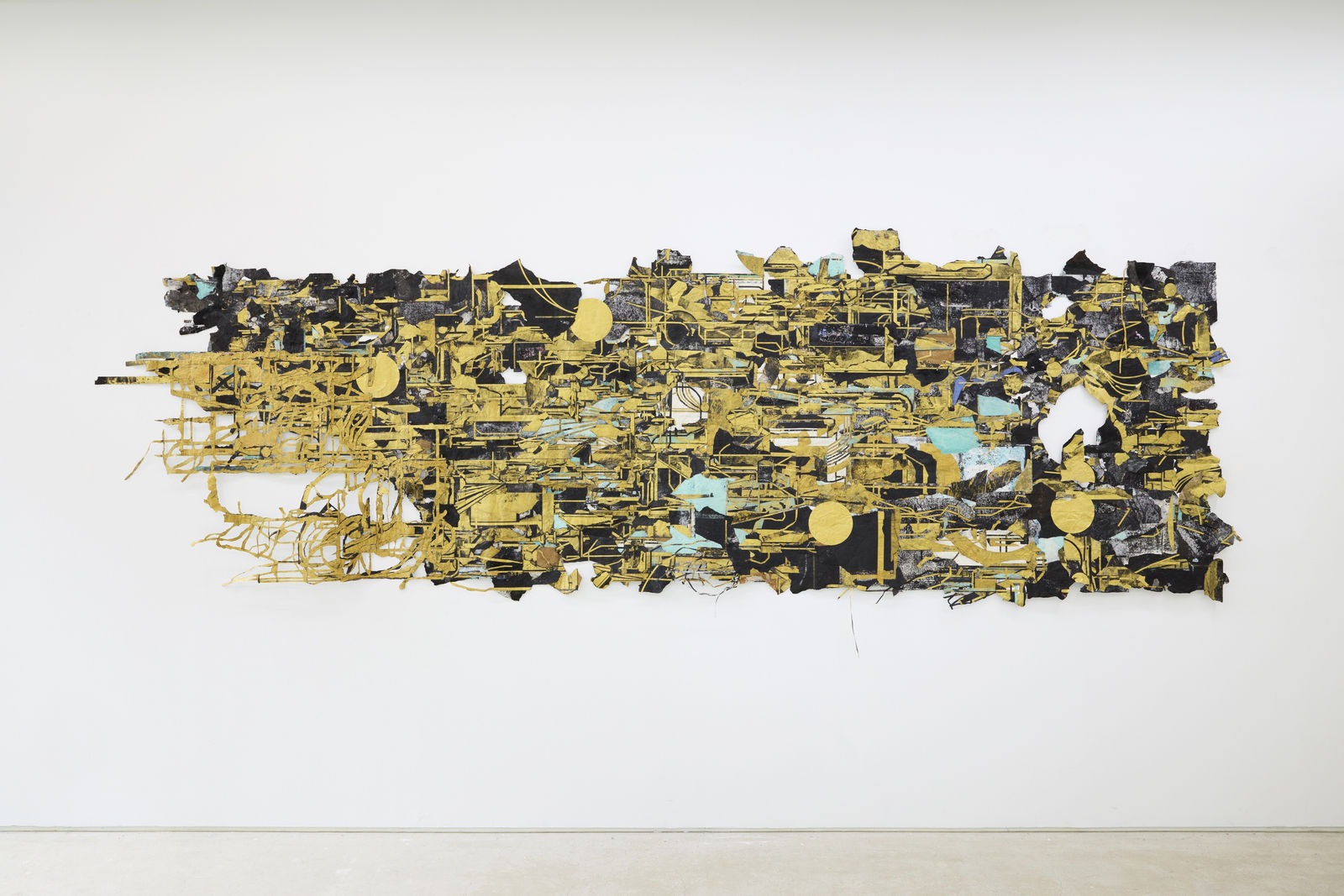
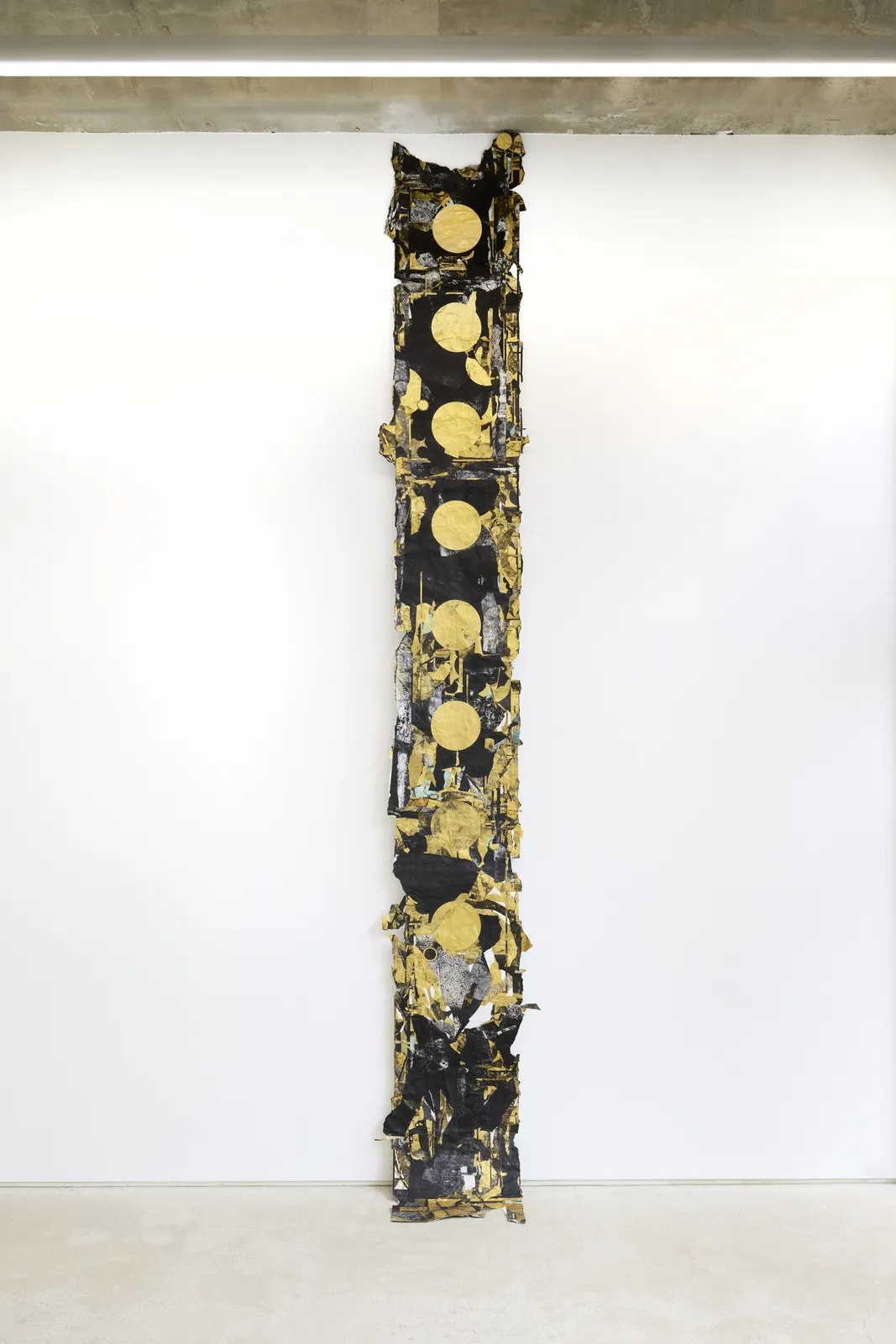
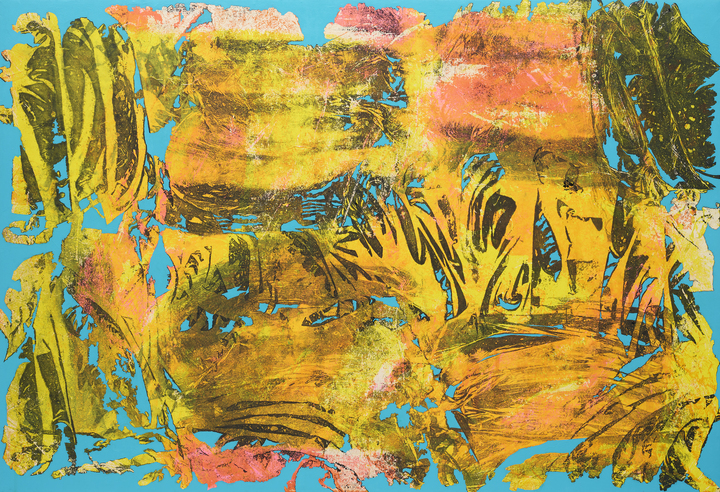
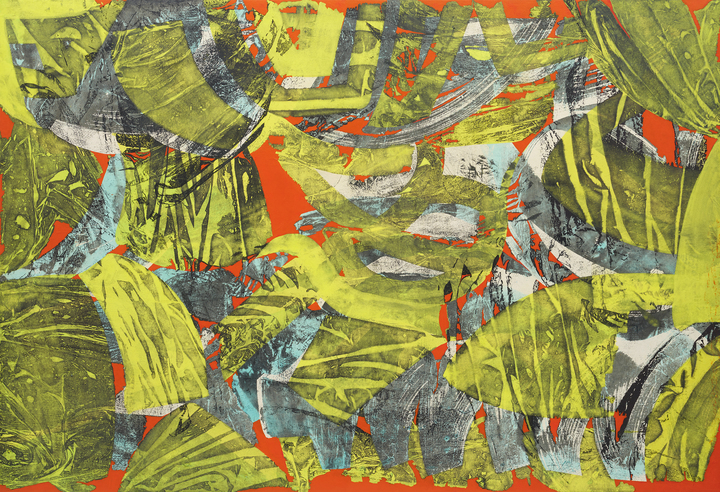
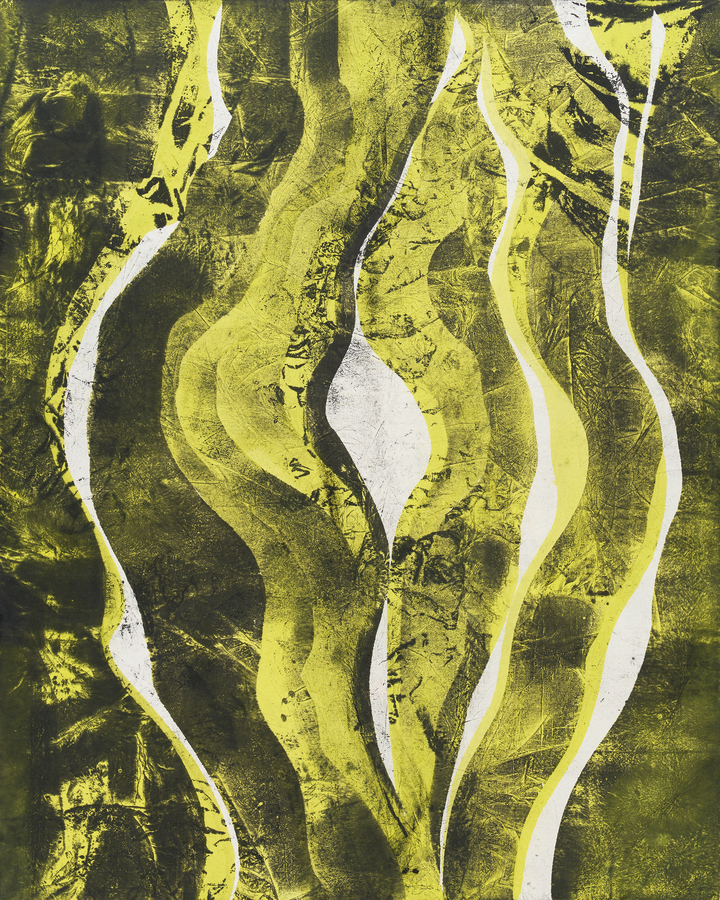
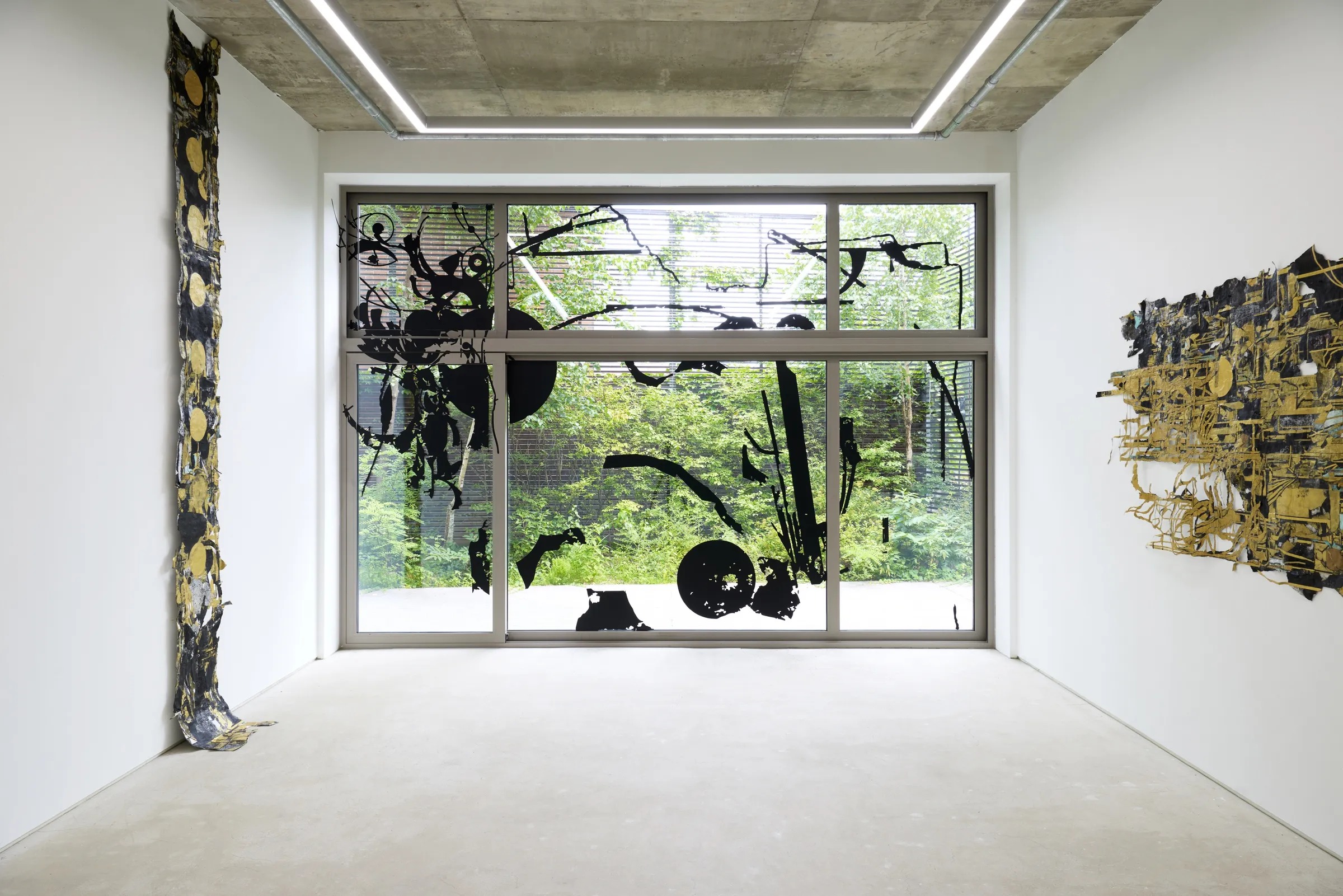
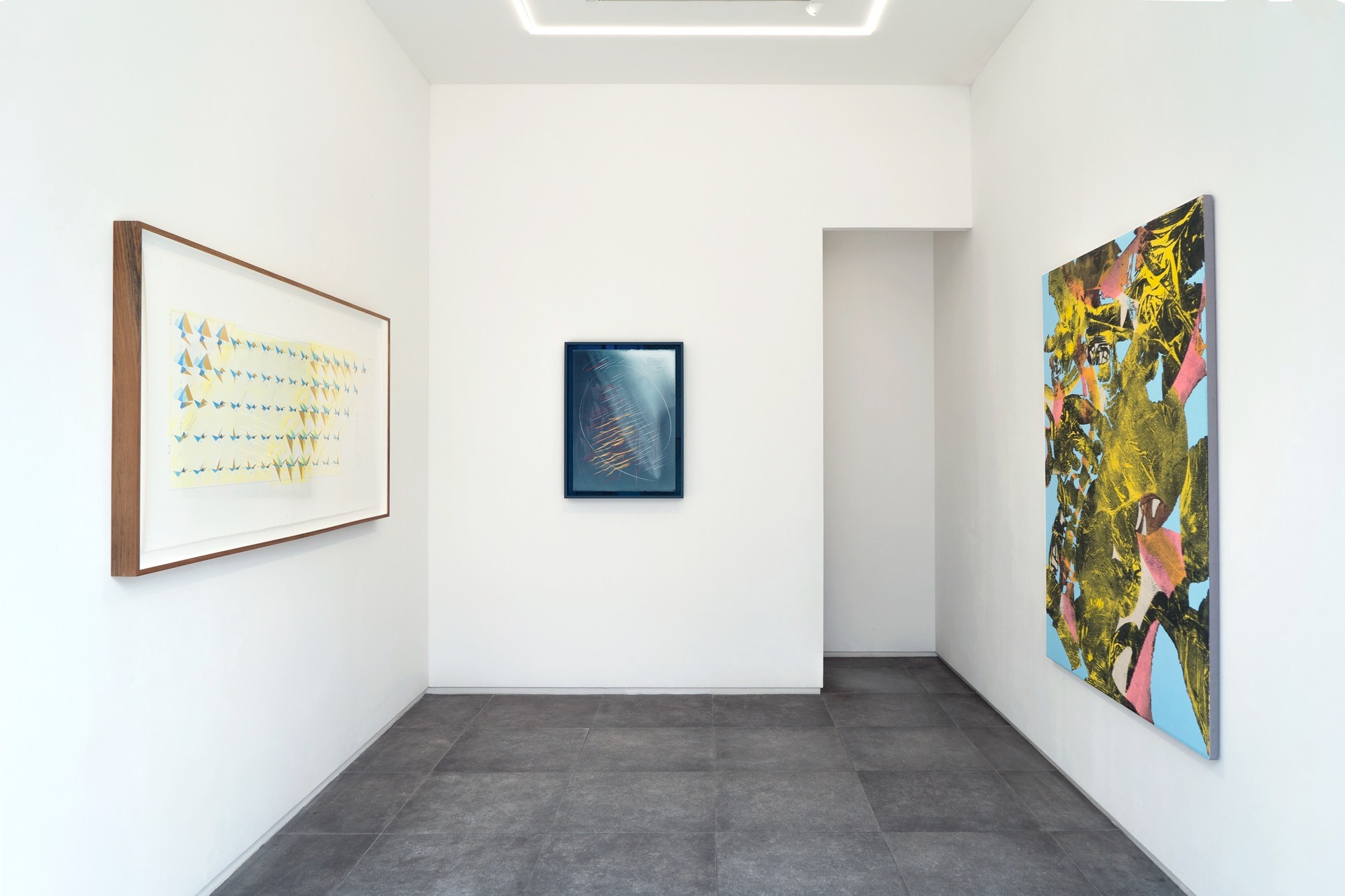
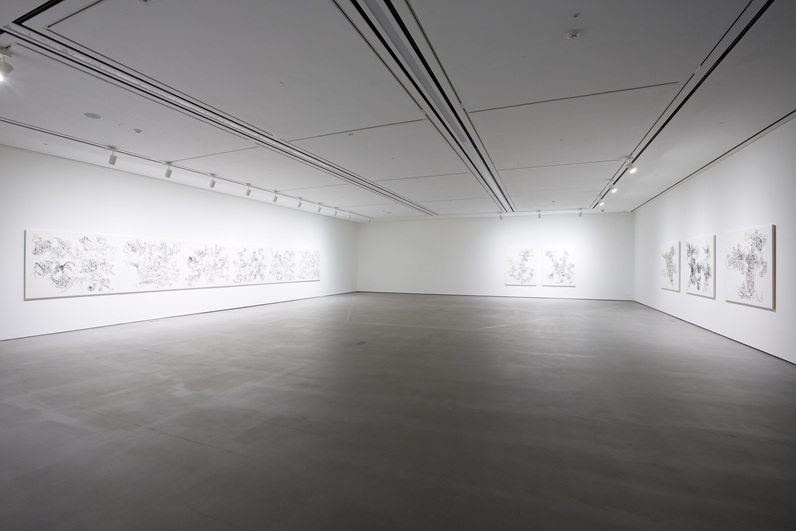
Lee's paintings are built through an iterative dialogue between material, process, and image. Working primarily with ink, mineral pigments, acrylic, hanji, and layered jangji, she approaches the materials of Korean painting not as traditional mediums of expression but as conditions for image generation.

Ink absorbed into paper, wrinkles formed during drying, layered sheets of paper, and accumulated pigments become the material foundation of each composition, from which the artist discovers and refines emerging forms.

Her working process is characterized by a continual negotiation between systematic procedures and material contingency. Earlier works established logical frameworks through symbols, manuals, and templates, within which organically generated images unfolded. More recent works have increasingly embraced accidental traces produced through the interaction of ink and paper, allowing material events themselves to suggest latent forms.

These traces become clues for image-making, while Lee intervenes only where necessary, bringing the composition to completion. The resulting process resembles an act of uncovering forms already embedded within the surface rather than inventing entirely new imagery.

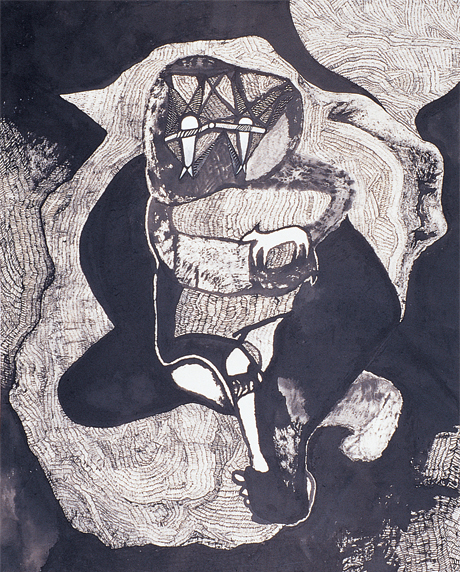
The visual language of her work has also undergone a gradual transformation. Earlier paintings combined biomorphic forms with symbolic motifs such as scissors, mirrors, arrows, and punctuation marks, constructing layered visual narratives.

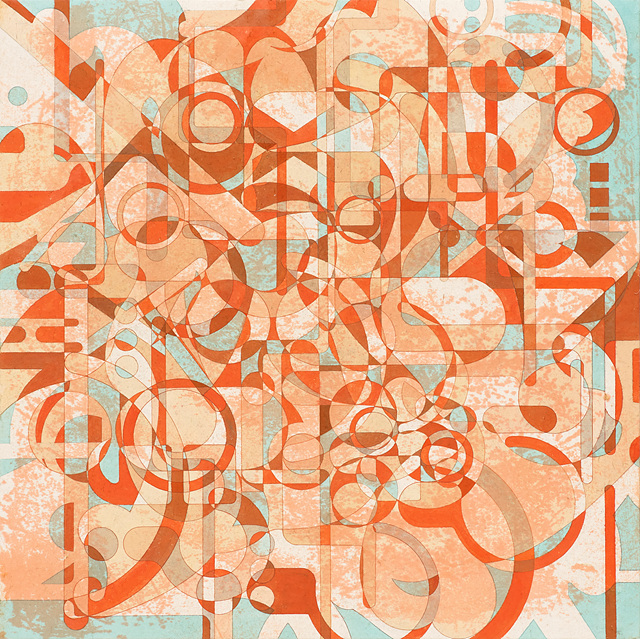
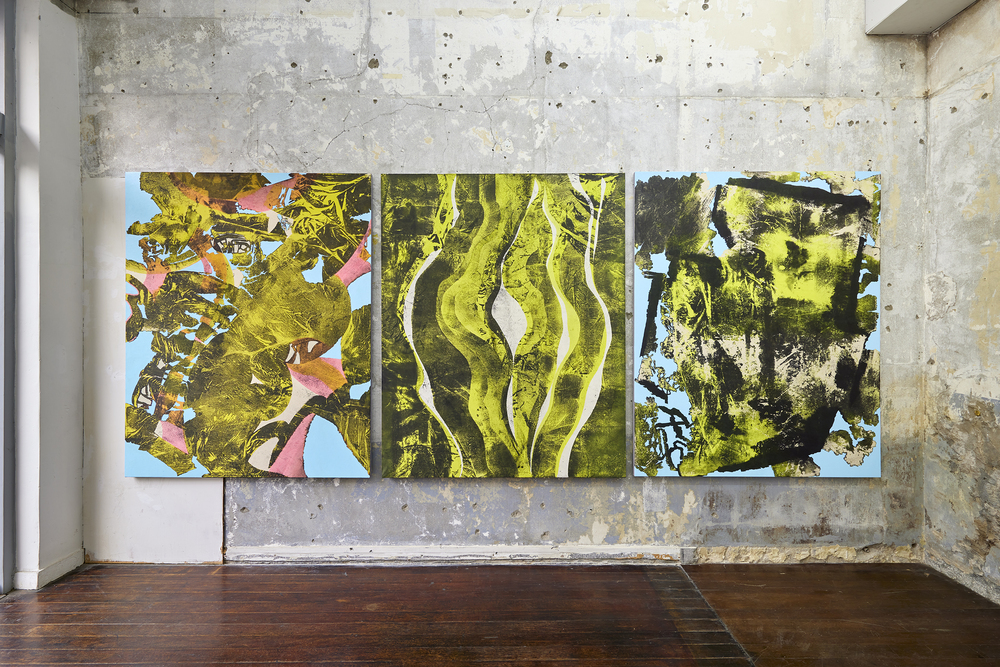
In recent works, these explicit signs have largely receded, giving way to increasingly abstract compositions defined by color fields, layered surfaces, and material textures. Forms no longer refer to identifiable subjects but emerge as the outcome of relationships generated through materials and process, allowing the picture plane to embody simultaneous processes of accumulation, erosion, formation, and disappearance.

Throughout these developments, Lee's paintings maintain a careful balance between compositional structure and material autonomy. The image is neither the result of spontaneous expression nor rigid planning, but of sustained repetition, adjustment, and negotiation.

By extending the physical properties of ink and paper into a contemporary visual language, her formal experiments ultimately question not only the possibilities of material itself, but also the very mechanisms through which painting generates images.

Topography & Continuity

Although Lee's visual language has continuously evolved over the course of her career, her sustained interest in how images emerge and develop has remained remarkably consistent. Since her undergraduate years, she has explored organically proliferating forms and repetitive structures generated through open-ended processes.

During graduate school, these investigations developed into biomorphic compositions interwoven with symbolic signs, before expanding into works structured through manuals, templates, and systems of notation that questioned the autonomy and logic of image-making.

More recently, she has embraced the accidental traces produced by ink, pigment, and paper themselves, shifting her focus toward a collaborative relationship between artist and material in the construction of the image.

Rather than representing a series of ruptures, these changes reveal the continual evolution of a coherent methodology. Lee has consistently used images, fragments, and by-products generated in earlier works as the starting point for subsequent ones.

Existing forms are repeatedly transformed, recombined, and recontextualized, while a completed painting often functions as the source from which another image emerges. This recursive process, in which one work generates the next, has become one of the defining characteristics of her practice.

Personal experience has also shaped the trajectory of her work. While her earlier paintings concentrated on establishing systems of control and visual order, the experience of childbirth and parenthood led her to embrace contingency and the autonomy of materials more fully.

Although this shift transformed the appearance of her paintings, it deepened rather than replaced her longstanding inquiry into chance and necessity, control and autonomy, and the formation of relationships. Instead of seeking complete authority over the picture plane, Lee increasingly approaches painting as a process of negotiation, allowing images to emerge through a balanced interaction between artistic intention and material agency.

Throughout these developments, Lee's practice has remained grounded not in the repetition of recognizable motifs or stylistic conventions, but in a sustained investigation into the principles through which images come into being.

While her materials, methods, and visual language have continued to evolve, her understanding of painting as a living system—one in which chance and necessity continually interact—has provided a consistent conceptual foundation across her body of work.

Works of Art

Organic Pictorial Spaces Generated by Chance and Necessity

Articles

Exhibitions

Activities