Gangbyeonyulam - The Balance of the Loneliness - K-ARTIST

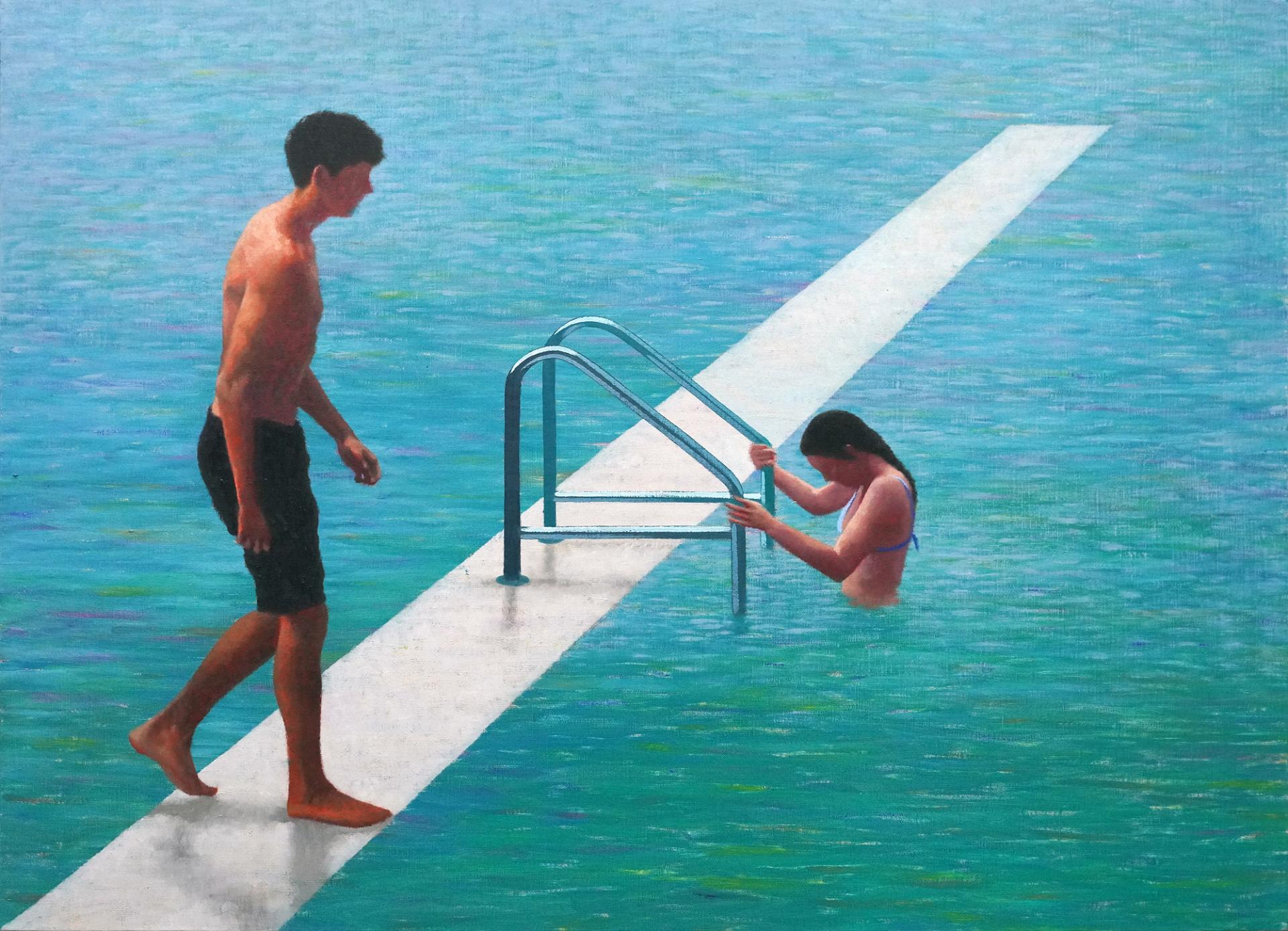
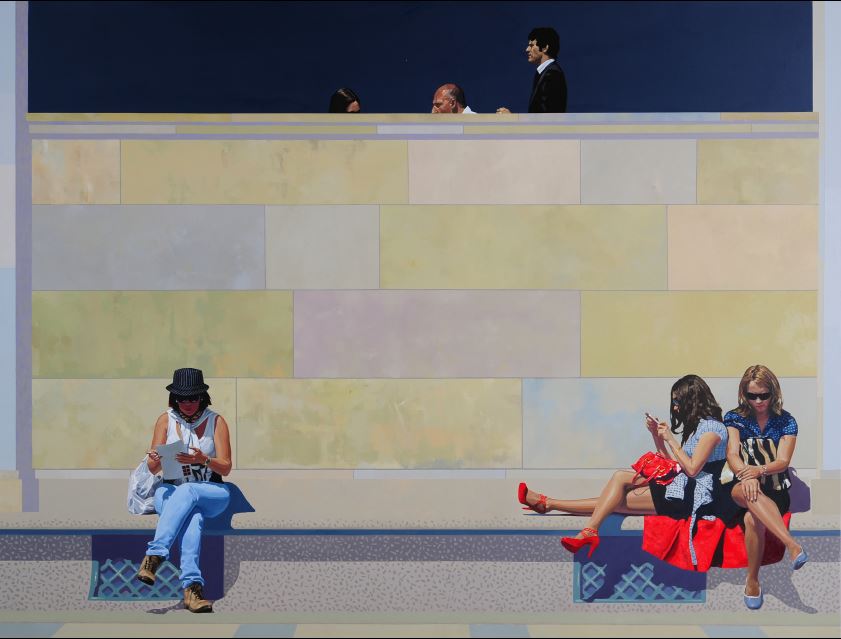
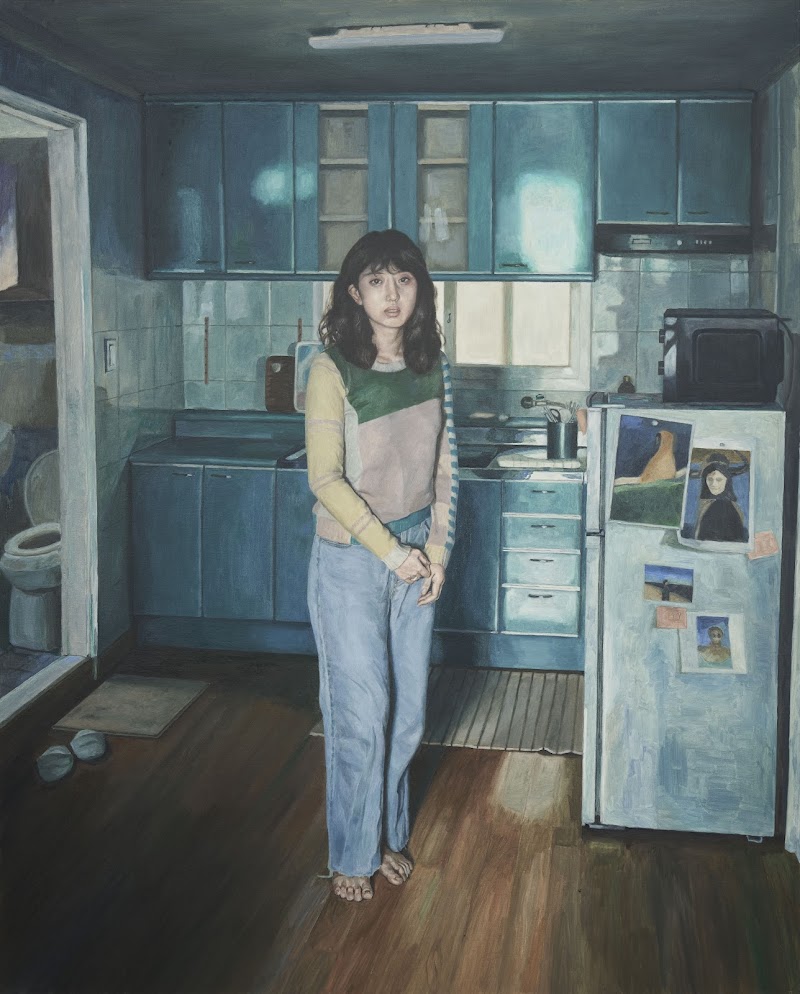
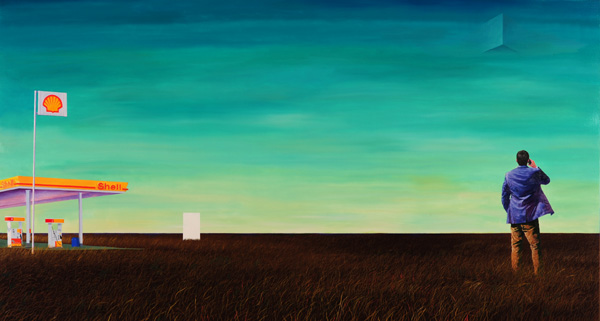
Gangbyeonyulam - The Balance of the Loneliness

2020
Oil on canvas
130.3 x 97 cm
About The Work

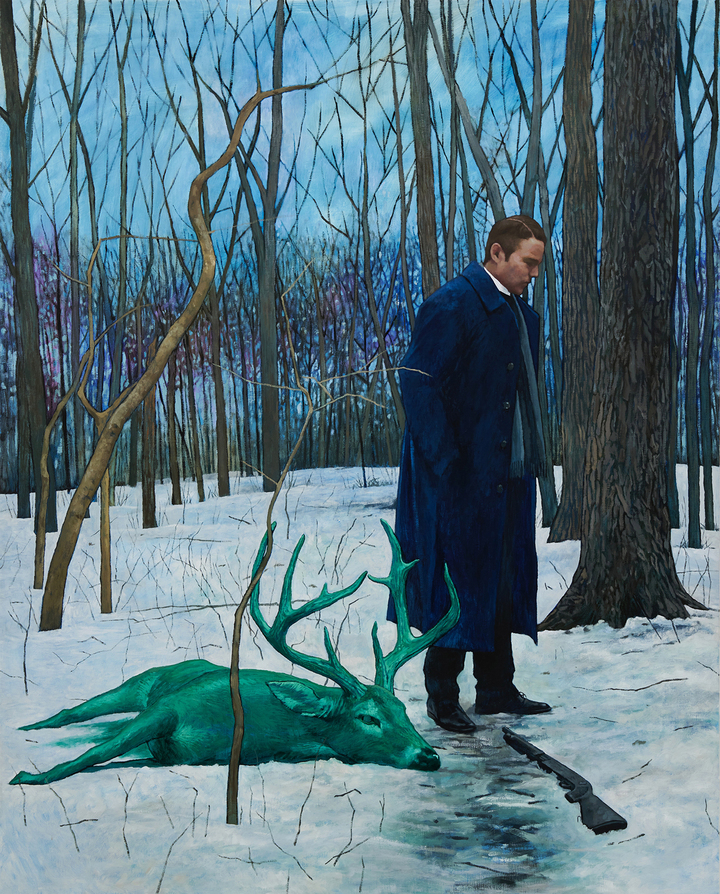
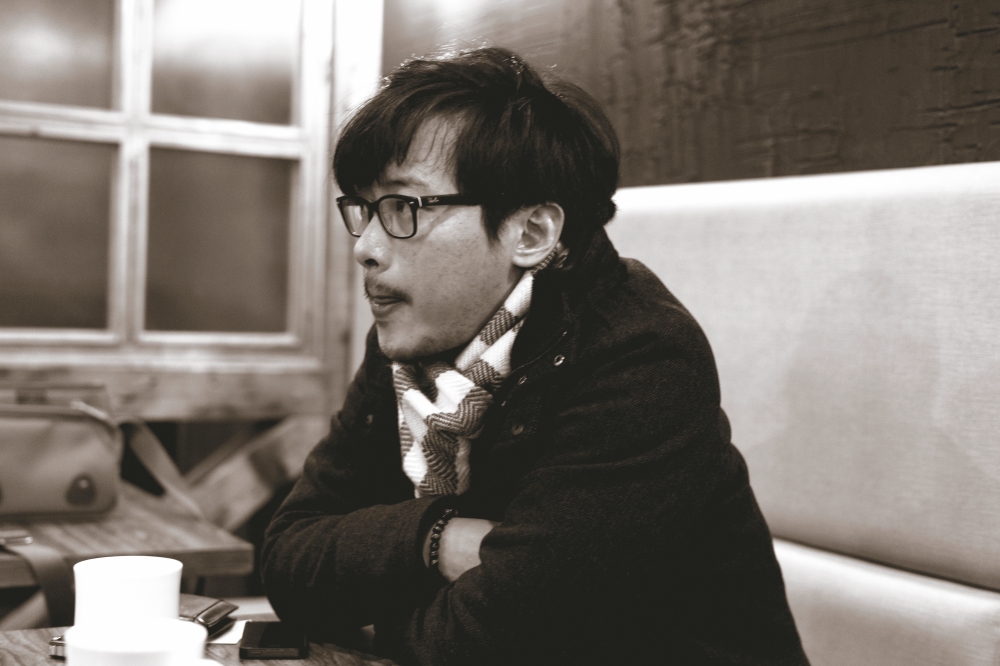
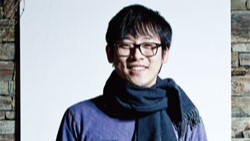
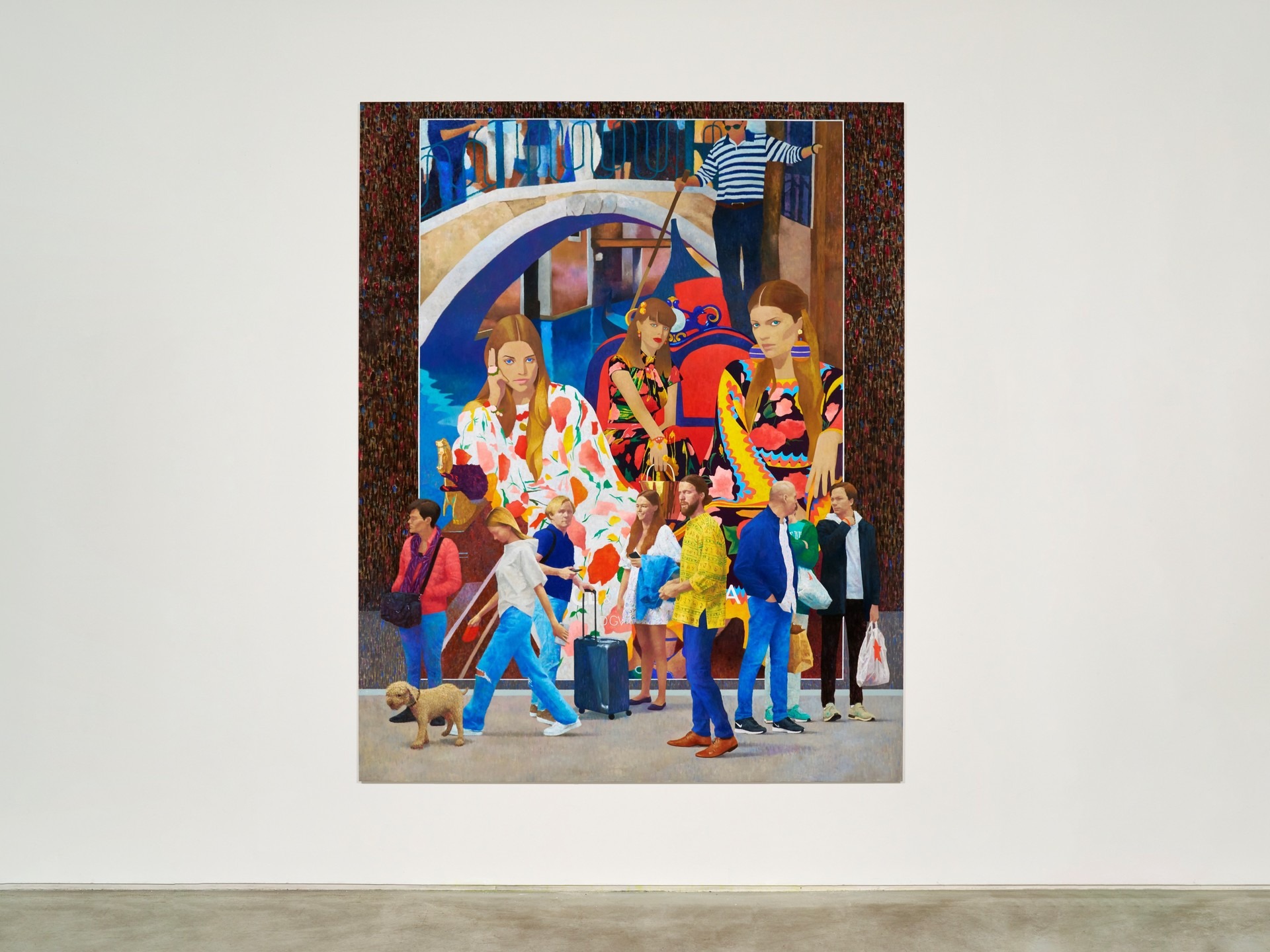
Seo Sangik has developed a painterly practice that begins with the everyday realities of urban life and personal experience while constructing spaces where reality and imagination intersect.

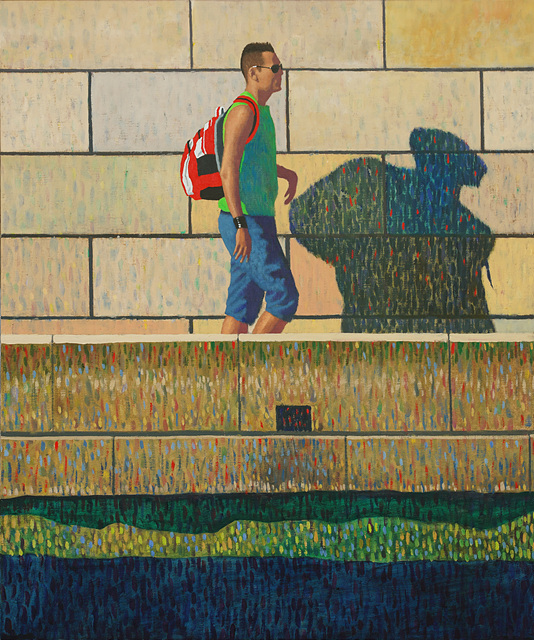
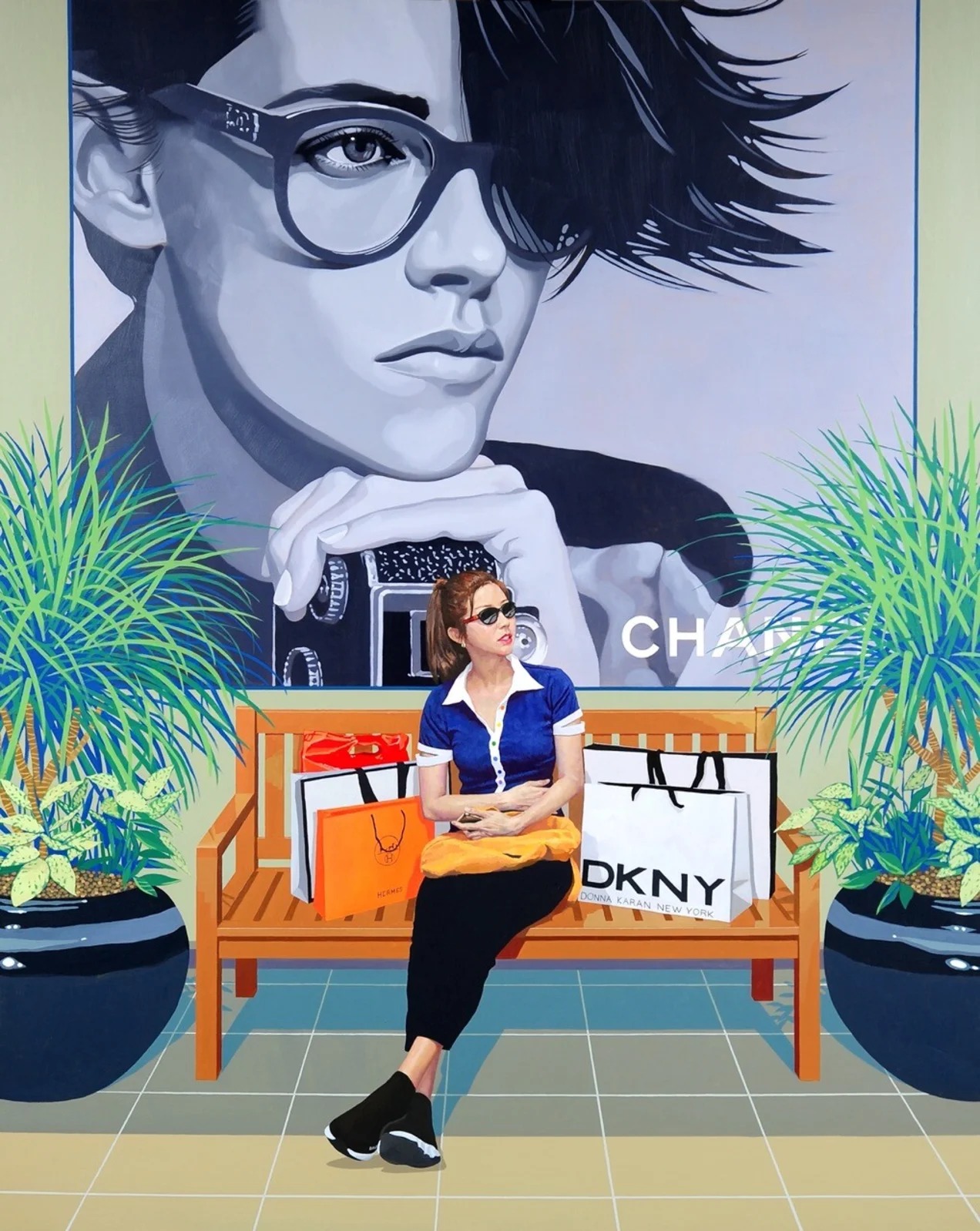
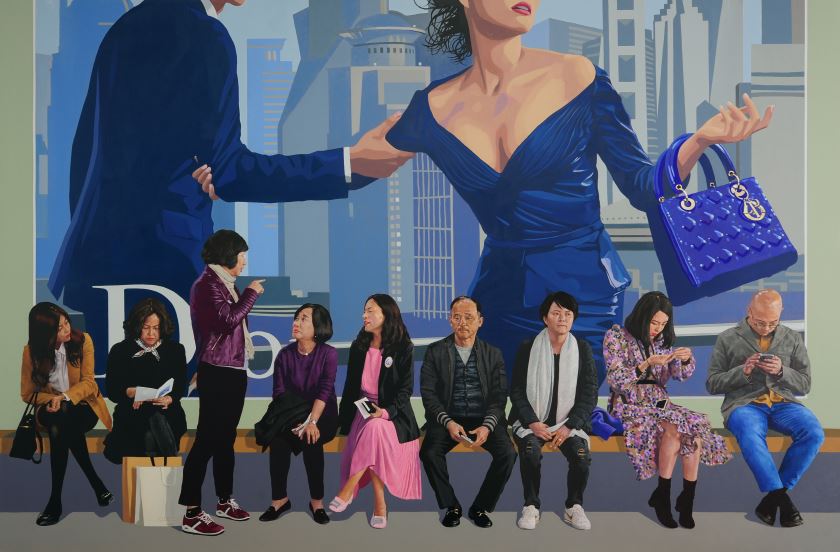
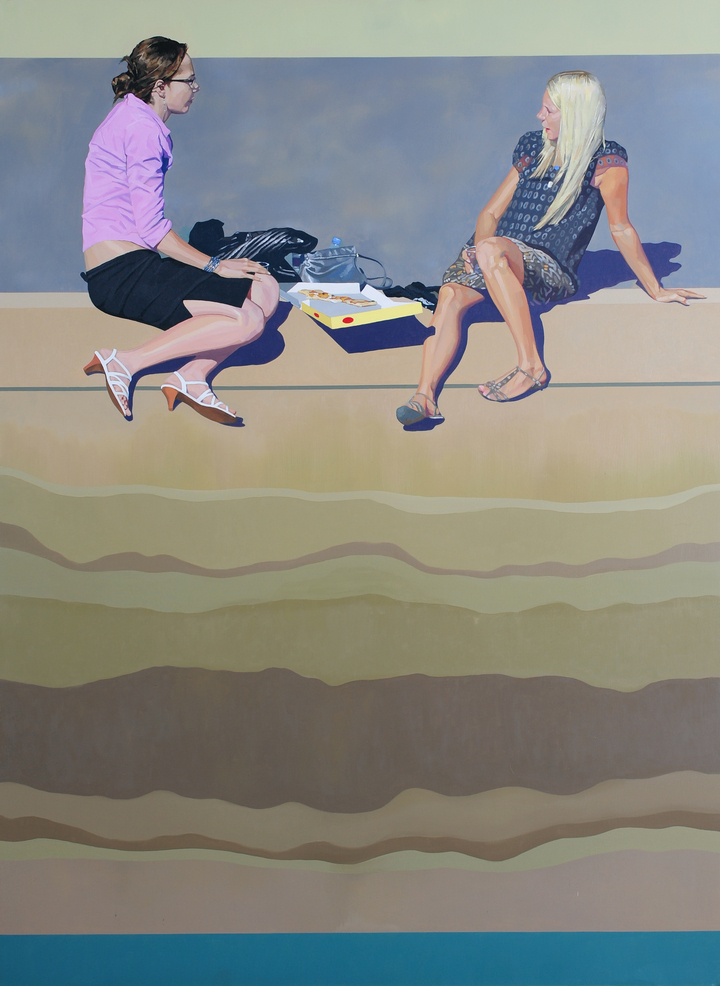
Anonymous figures, domestic interiors, city streets, billboards, and museums frequently appear in his paintings, yet these familiar settings function as more than depictions of ordinary places. By layering memory, imagination, cinematic references, and lived experience onto real environments, Seo creates pictorial spaces in which reality and fiction coexist. For him, painting serves both as a record of the visible world and as a stage upon which imagination unfolds.
 
Rather than accepting everyday life as repetitive or mundane, Seo views it as something continually reshaped by memory, emotion, and perception. The same place and the same moment can generate entirely different experiences, and this conviction forms the conceptual foundation of his practice. Elements drawn from contemporary visual culture—including film, music, and advertising imagery—interweave with ordinary scenes to produce open-ended narratives that invite viewers to project their own memories and associations onto the work.

Seo Sangik constructs painterly spaces in which reality and imagination overlap through highly realistic representation. His paintings draw simultaneously upon the documentary quality of photography and the imaginative potential of painting. While spaces and figures retain a convincing sense of reality, different temporalities, memories, and symbolic images coexist seamlessly, producing scenes that could not exist in the physical world.

These compositions do not seek surrealism for its own sake; instead, they visualize the psychological layering of memory and everyday experience. Moving between reality and imagination, representation and materiality, personal experience and contemporary visual culture, his practice continues to propose new possibilities for contemporary Korean figurative painting.

Solo Exhibitions (Brief)

Since his first solo exhibition at LINA GALLERY in 2008, Seo Sangik has held approximately ten solo exhibitions at venues including Interalia, Zaha Museum, Atelier Aki, and New Spring Project, developing a distinctive painting-based practice.

Group Exhibitions (Brief)

Seo Sangik has participated in numerous group exhibitions at venues including Mimesis Art Museum, New Spring Project, Atelier Aki, Interalia, Total Museum of Contemporary Art, Hakgojae Gallery, Gallery Hyundai, Seoul Auction, Lotte Gallery, and SCOPE New York.

Collections (Selected)

Seo Sangik's works are held in the collections of the Art Bank of the National Museum of Modern and Contemporary Art, Korea (MMCA), as well as Interalia, Gallery Zandari, RYU Gallery, Hana Daetoo Securities, Starbucks Korea, and Kooksoondang.

Works of Art

The Unfamiliar Within the Familiar

Originality & Identity

Seo Sangik has developed a painterly practice that begins with the everyday realities of urban life and personal experience while constructing spaces where reality and imagination intersect. Anonymous figures, domestic interiors, city streets, billboards, and museums frequently appear in his paintings, yet these familiar settings function as more than depictions of ordinary places.

By layering memory, imagination, cinematic references, and lived experience onto real environments, Seo creates pictorial spaces in which reality and fiction coexist. For him, painting serves both as a record of the visible world and as a stage upon which imagination unfolds.

Rather than accepting everyday life as repetitive or mundane, Seo views it as something continually reshaped by memory, emotion, and perception. The same place and the same moment can generate entirely different experiences, and this conviction forms the conceptual foundation of his practice.

Elements drawn from contemporary visual culture—including film, music, and advertising imagery—interweave with ordinary scenes to produce open-ended narratives that invite viewers to project their own memories and associations onto the work.

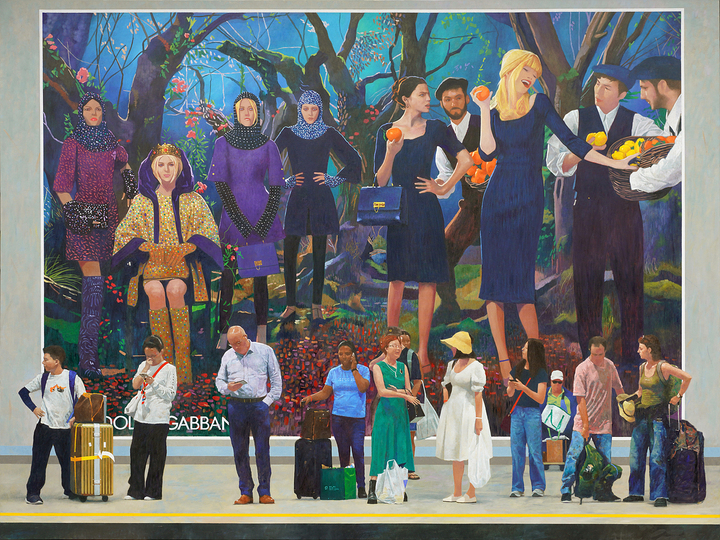
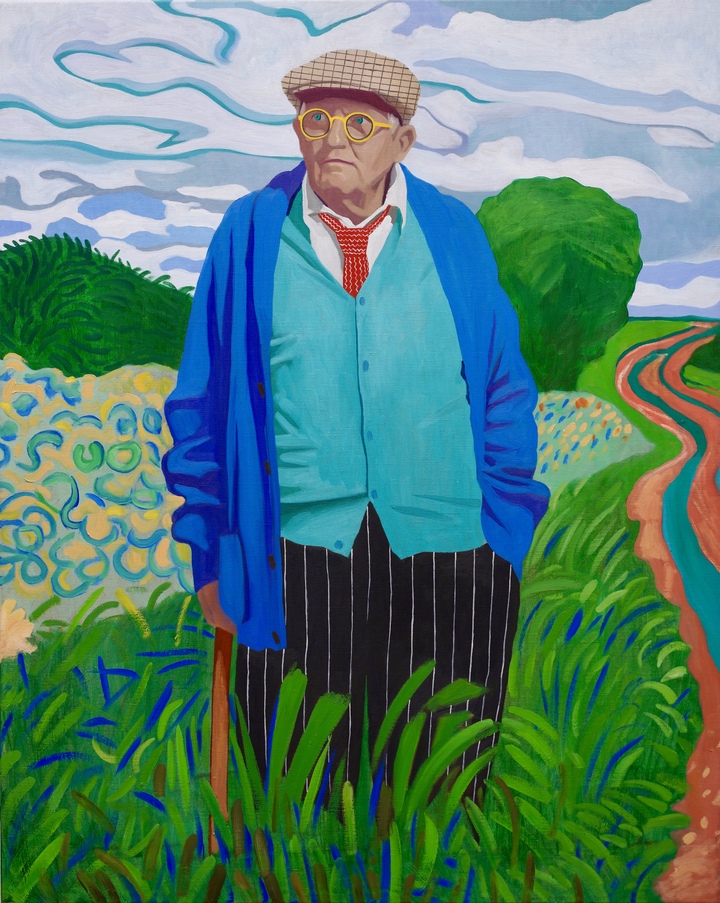
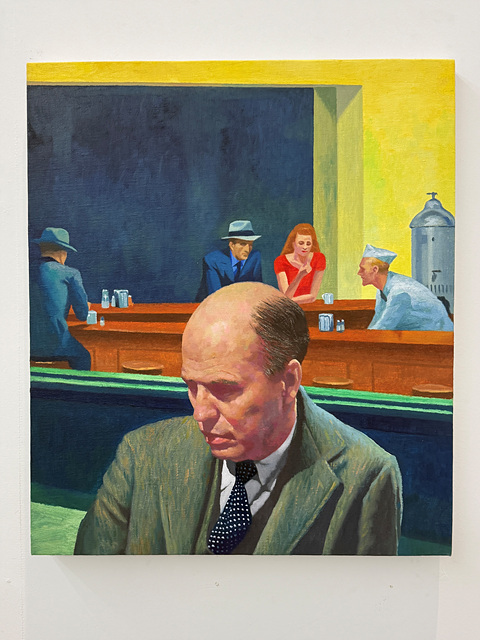
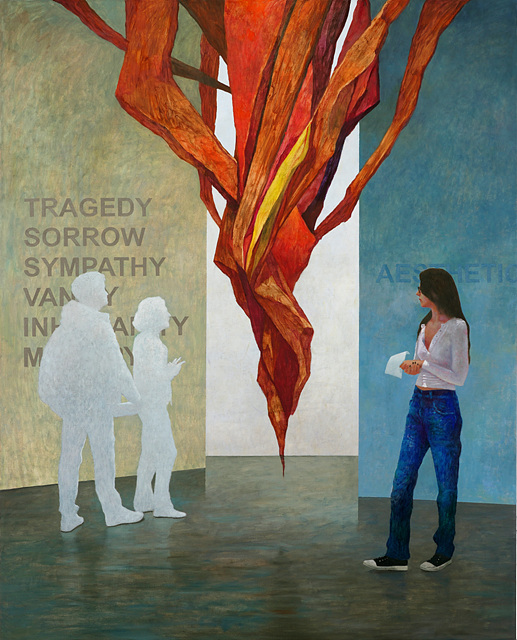
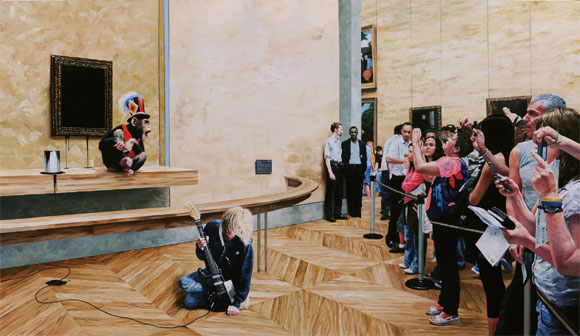
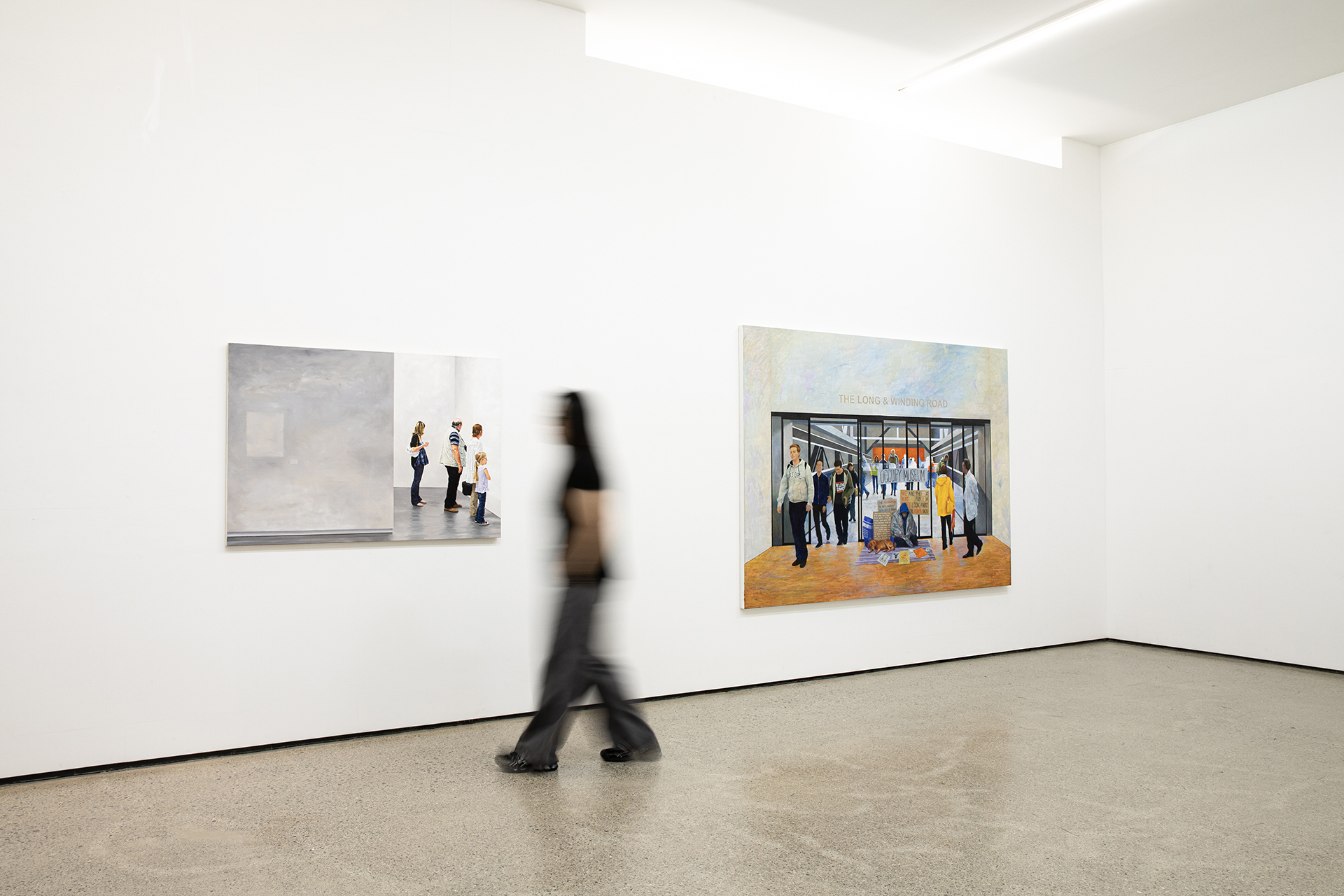
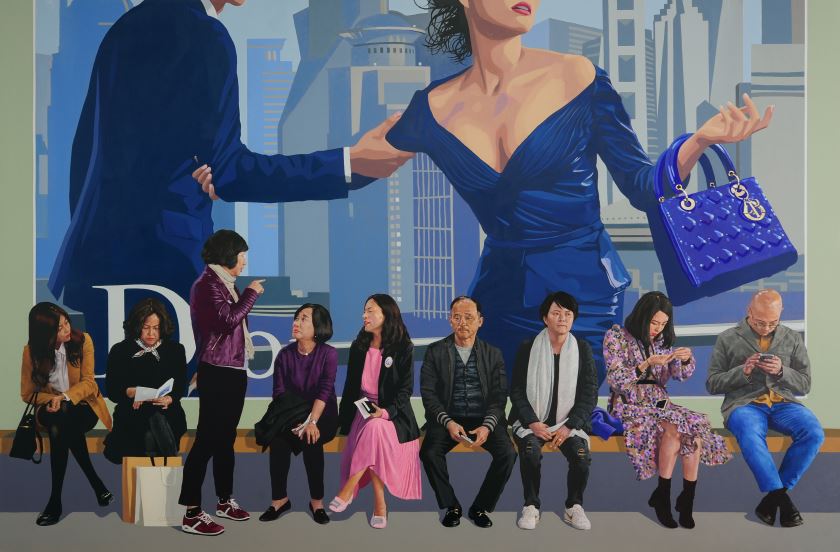
Since the 2010s, his inquiry has expanded beyond the relationship between reality and imagination to encompass the authority of images and the institutions of art. His 'Temple of the Artist' series examines the mythology surrounding celebrated artists by portraying them as saint-like figures, while paintings featuring museums and billboards question the ways in which cultural institutions and capitalism shape the production and consumption of images.

Rather than offering a straightforward critique, Seo investigates how images acquire meaning and how viewers come to believe in their authority.

Style & Contents

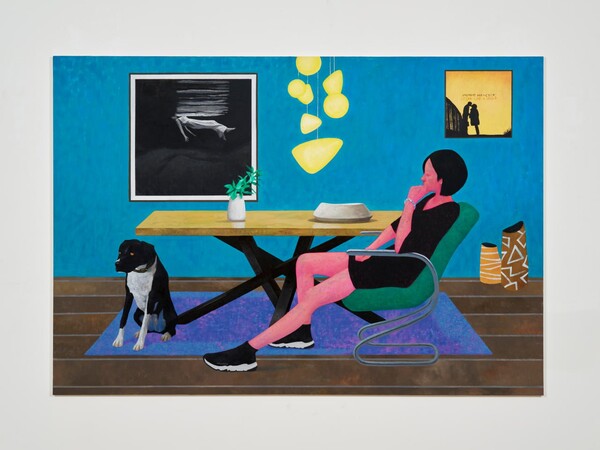
Seo Sangik constructs painterly spaces in which reality and imagination overlap through highly realistic representation. Urban landscapes, domestic interiors, billboards, museums, and images reminiscent of cinematic scenes intersect within a single composition, transforming familiar settings into unfamiliar situations. Rather than functioning independently, these elements generate meaning through their relationships with one another, encouraging viewers to assemble their own narratives.

His paintings draw simultaneously upon the documentary quality of photography and the imaginative potential of painting. While spaces and figures retain a convincing sense of reality, different temporalities, memories, and symbolic images coexist seamlessly, producing scenes that could not exist in the physical world. These compositions do not seek surrealism for its own sake; instead, they visualize the psychological layering of memory and everyday experience.

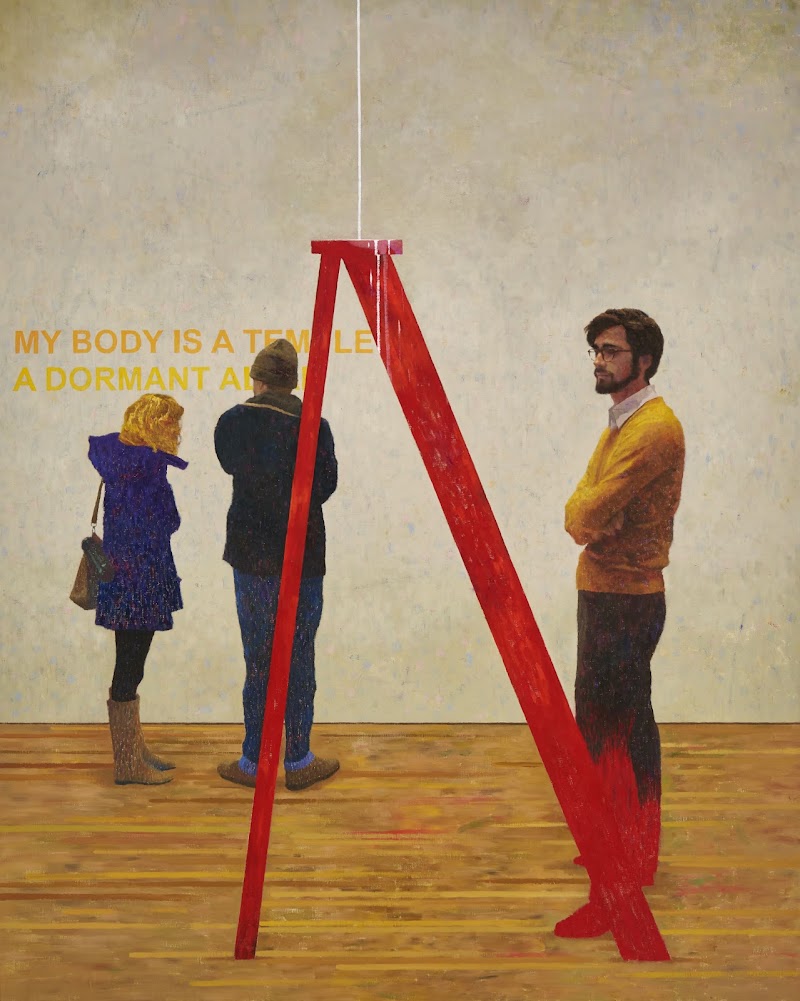
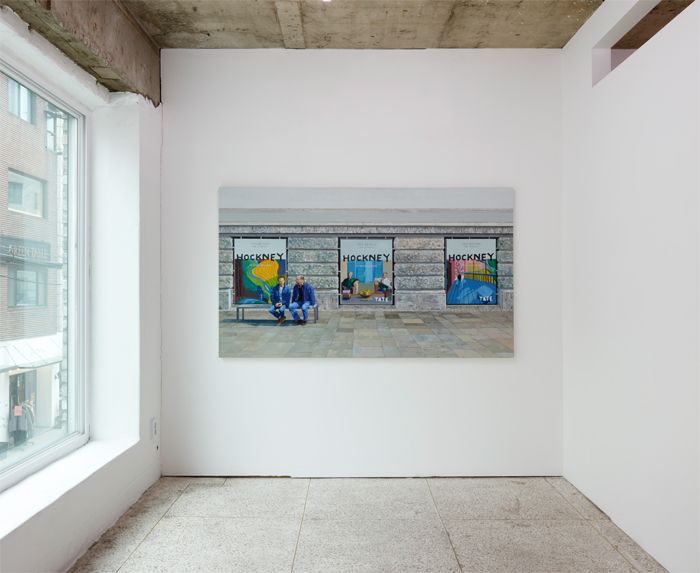
Since the mid-2010s, Seo has increasingly incorporated the mechanisms through which images are produced, displayed, and consumed. Billboards, museums, exhibition spaces, and paintings within paintings operate as secondary frames that both emphasize the flatness of the picture plane and connect multiple visual registers. As a result, physical space, pictorial space, materiality, and illusion coexist within the same composition.

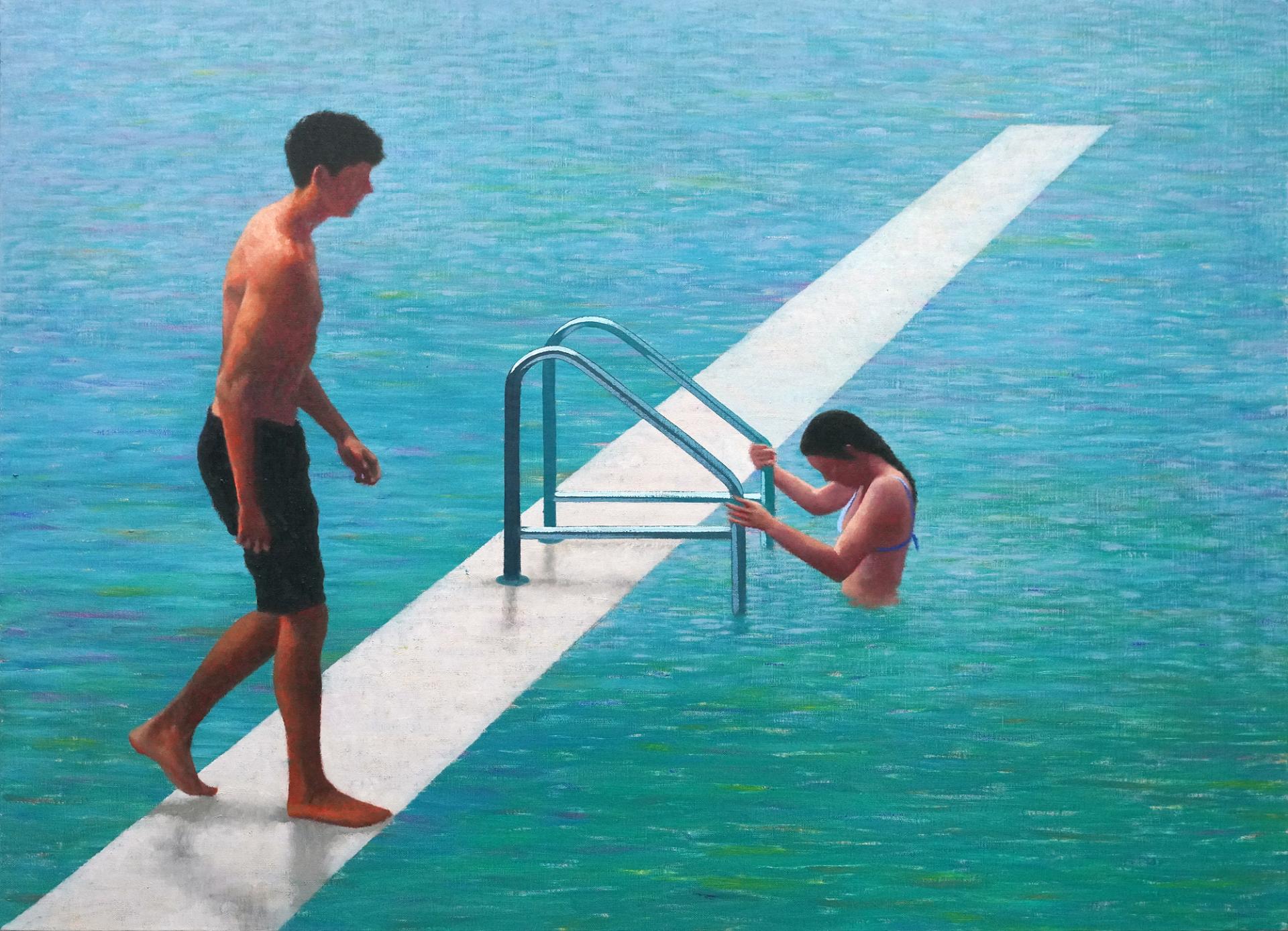
More recent works move beyond the polished surfaces associated with photorealism to foreground the material qualities of paint itself. Using dry-brush techniques and paint with reduced oil content, Seo creates richly textured surfaces that reveal painterly gestures at close range while maintaining spatial depth and narrative coherence from a distance.

Through this balance between representation and painterliness, narrative and materiality, he continues to expand the expressive possibilities of contemporary figurative painting.


Topography & Continuity

Seo Sangik's practice is characterized less by the repetition of a fixed visual language than by an ongoing expansion of the questions he asks about painting itself. While his early works centered on narrative paintings that combined everyday urban life with cinematic imagination, his subsequent practice broadened to encompass museums, billboards, icons of contemporary art, and the environments in which images are produced and encountered.

Although his subjects and compositions have continually evolved, his investigation into how reality and images generate meaning has remained remarkably consistent.

His long-running 'Temple of the Artist' series reimagines contemporary artists as mythic figures, reflecting on the authority and belief systems surrounding artistic practice. Other series featuring museums and billboards examine the circulation and consumption of images, while his recent paintings increasingly foreground the flatness and materiality of the painted surface itself.

Though diverse in subject matter, these bodies of work share a sustained engagement with painting as a means of interpreting contemporary visual culture.

Rather than preserving a recognizable style, Seo has consistently sought transformation within his practice. His work has gradually shifted from narrative-centered compositions toward investigations of painterly materiality, spatial construction, and the institutional frameworks surrounding images.

These changes do not reject his earlier work; instead, they reflect his conviction that painting remains capable of generating new questions and new forms of perception. Moving between reality and imagination, representation and materiality, personal experience and contemporary visual culture, his practice continues to propose new possibilities for contemporary Korean figurative painting.

Works of Art

The Unfamiliar Within the Familiar

Articles

Exhibitions

Activities

Thumbnail
Activities Chocolate Crafted into Art 2016.02.04