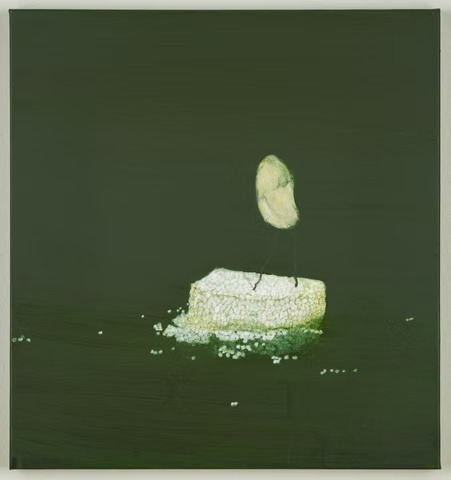
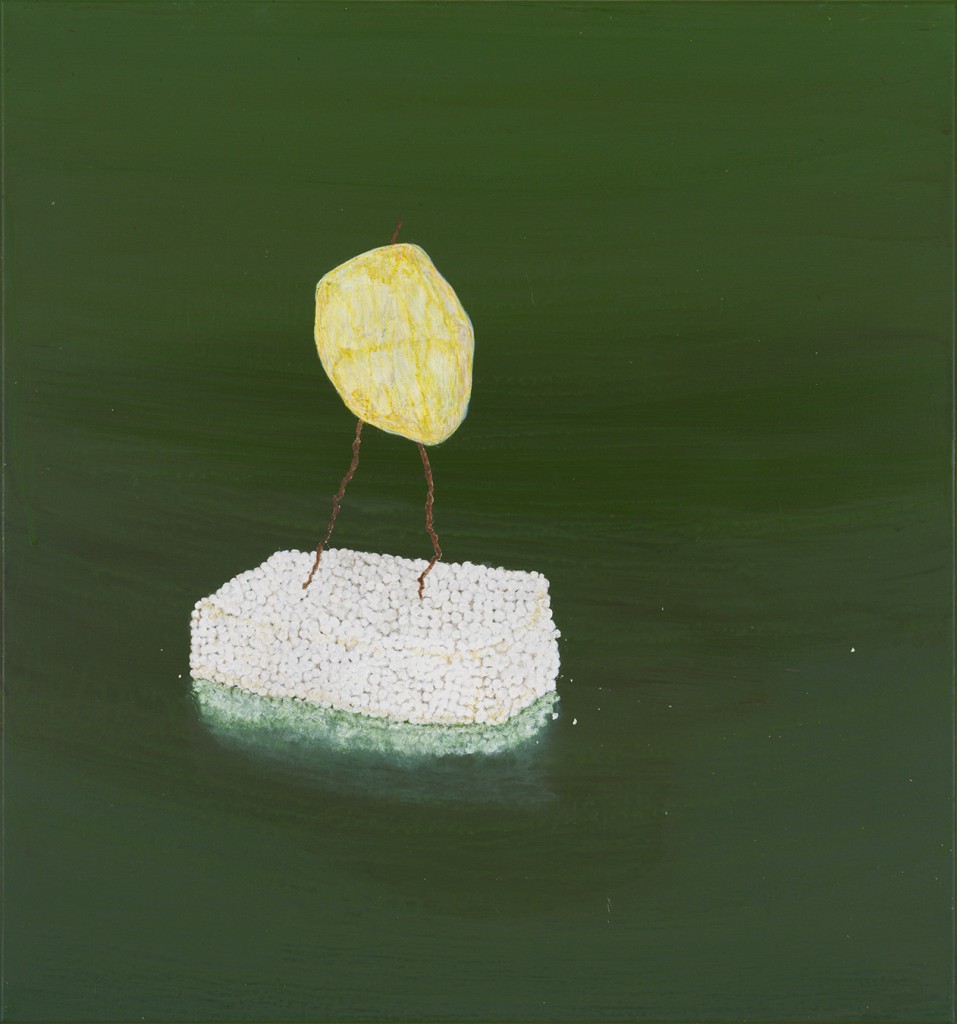
Between - K-ARTIST

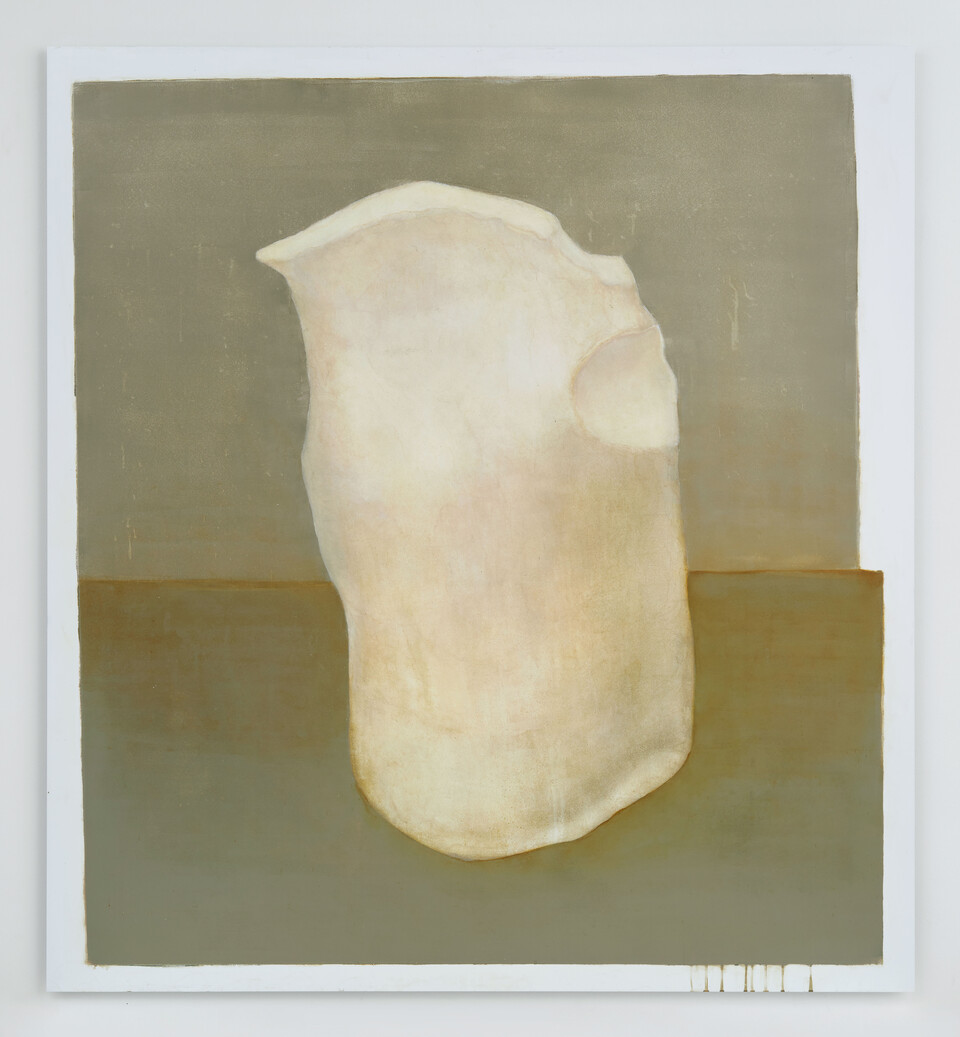
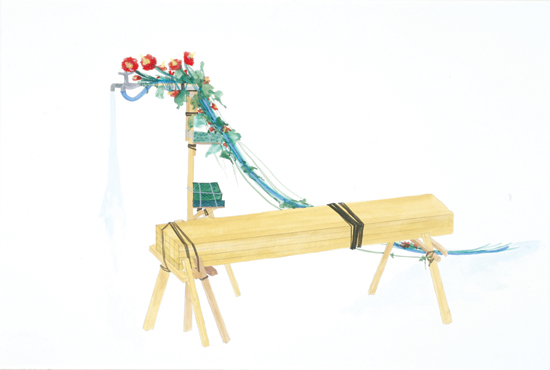
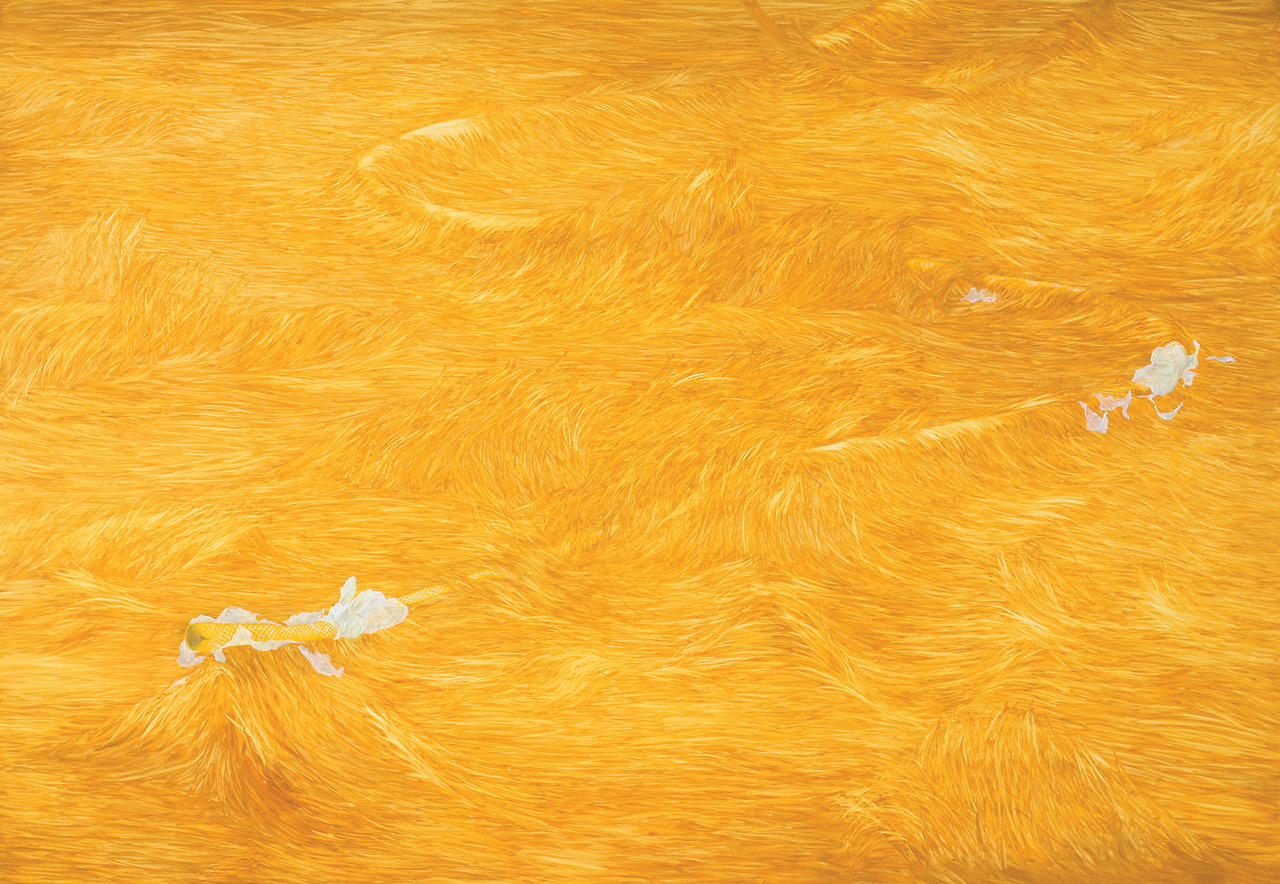
Between

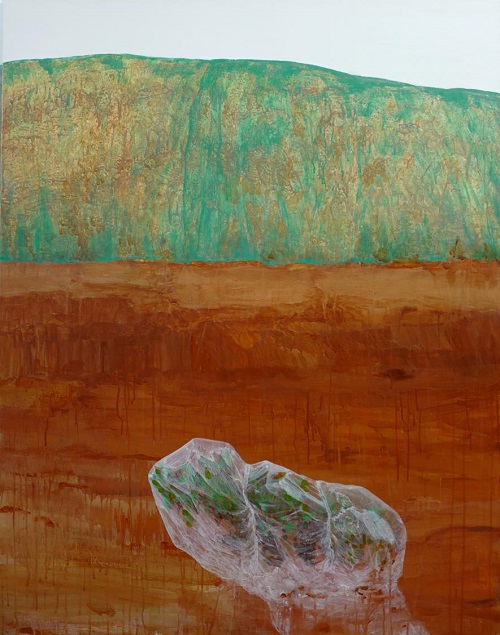
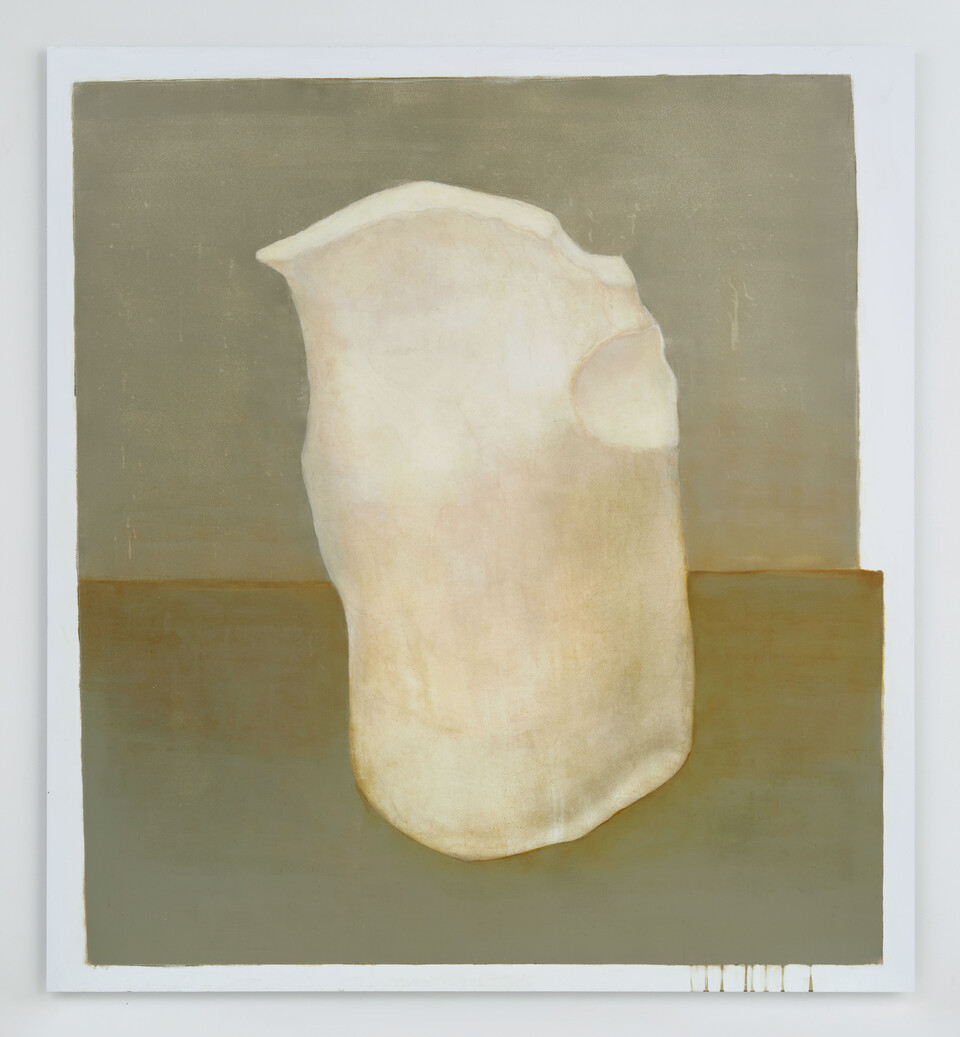
2011
Oil on canvas
97 x 162.2 cm
About The Work

Leehaiminsun’s practice is a painterly inquiry that has long observed the conditions of existence as they waver between city and nature, object and body, life and non-life. The subjects that draw the artist’s attention are usually those pushed away from the center. 

Wooden beams, plastic sheets, ropes, Styrofoam, vinyl flooring, mounds of earth, debris from demolition sites, and traces left by flowerpots that had remained in place for a long time all occupy important positions in her work. These objects are not collected simply as materials; rather, they are treated as beings that carry processes of time, contact, use, and abandonment. 

Here, the object does not function merely as a metaphor for human life. Through scenes in which human and nonhuman, life and object, past and present support one another, it reveals both the instability and the persistence of existence. In what is discarded and worn out, the artist discovers not powerlessness, but the possibility of remaining and being connected again. 

Within her sense of “a material world in which everything is equal,” the artist treats materials not as simple means of expression but as objects, bringing the image on the surface back into the question of material existence.

In this way, Leehaiminsun’s work persistently explores how contemporary individuals exist in the world through the vulnerability and continuity of things, through contact and trace, absence and presence. Her paintings capture the moments in which small and fragile beings do not easily disappear, but remain, enduring in their own ways.


Solo Exhibitions (Brief)

Since her first solo exhibition at Gallery Chang in 2004, Leehaiminsun has presented solo exhibitions at Art Space Hue, SeMA Nanji Residency, Amado Art Space, Hapjungjigu, and PERIGEE GALLERY, steadily expanding her artistic practice.

Group Exhibitions (Brief)

Leehaiminsun has participated in group exhibitions at the National Museum of Modern and Contemporary Art, Korea, Seoul Museum of Art, Busan Museum of Art, Daejeon Museum of Art, Daegu Art Museum, Gyeonggi Museum of Modern Art, Kumho Museum of Art, Museum SAN, the Gwangju Biennale, Gangneung International Art Festival, and the Jeonnam International Sumuk Biennale, as well as exhibitions at Esther Schipper (Seoul), Thaddaeus Ropac (Seoul), and König Telegraphenamt (Berlin).

Awards (Selected)

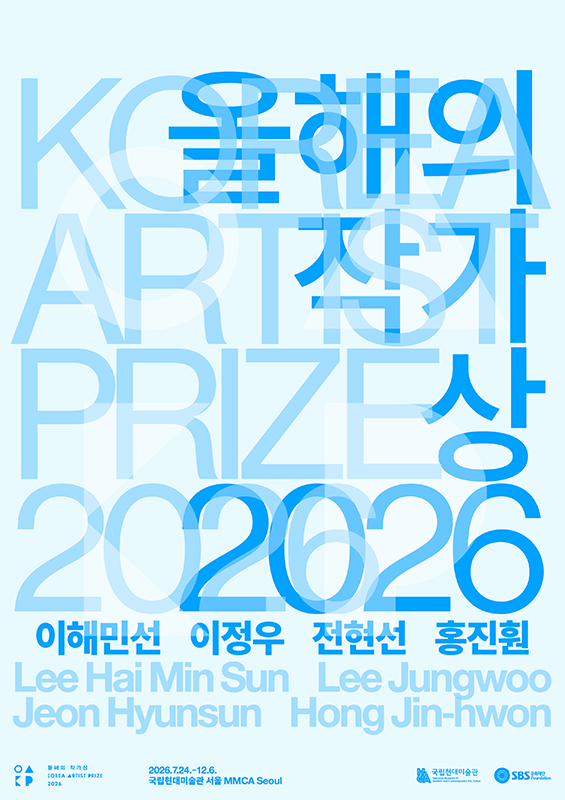
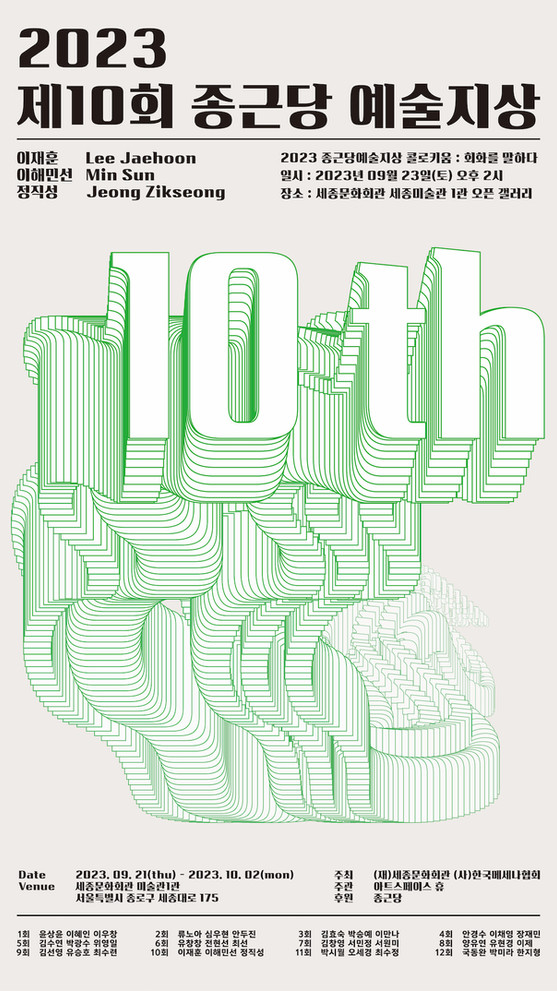
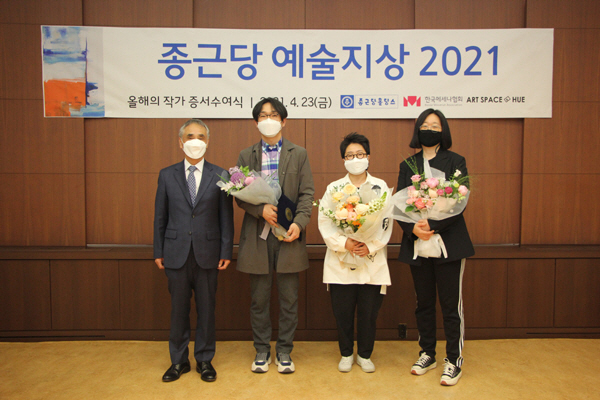
Leehaiminsun received the Chongkundang Yesuljisang in 2021 and was selected as one of the four artists for the Korea Artist Prize 2026 at the National Museum of Modern and Contemporary Art, Korea.

Residencies (Selected)

Leehaiminsun participated in the SeMA Nanji Residency and MMCA Residency Goyang, and took part in international exchange residency programs at Asialink Arts in Australia and Kunstmuseum Stuttgart in Germany.

Collections (Selected)

Leehaiminsun’s works are held in the collections of the National Museum of Modern and Contemporary Art, Korea, Seoul Museum of Art, MMCA Art Bank, Daegu Art Museum, Seoul National University Museum of Art, Hana Bank, Samsung Fire & Marine Insurance, From Farmers (formerly Ssamzie), and PharmaResearch.

Works of Art

On the Beings that Barely Manage to Exist

Originality & Identity

Leehaiminsun’s practice is a painterly inquiry that has long observed the conditions of existence as they waver between city and nature, object and body, life and non-life. Her early “plan-drawings” began with a method of combining architectural plans, blueprints, and signs to view the city as though it were the interior of a living organism.

During this period, the artist explored how individuals and objects are arranged and made dependent within urbanization and capitalist systems, revealing, through the phrase “half-dead things,” the condition of beings that are alive yet difficult to describe as fully living. This awareness continues throughout her later practice, where existence appears not as a complete form but as a state that is barely sustained by leaning on, being bound to, and depending upon others.

The subjects that draw the artist’s attention are usually those pushed away from the center. Wooden beams, plastic sheets, ropes, Styrofoam, vinyl flooring, mounds of earth, debris from demolition sites, and traces left by flowerpots that had remained in place for a long time all occupy important positions in her work.

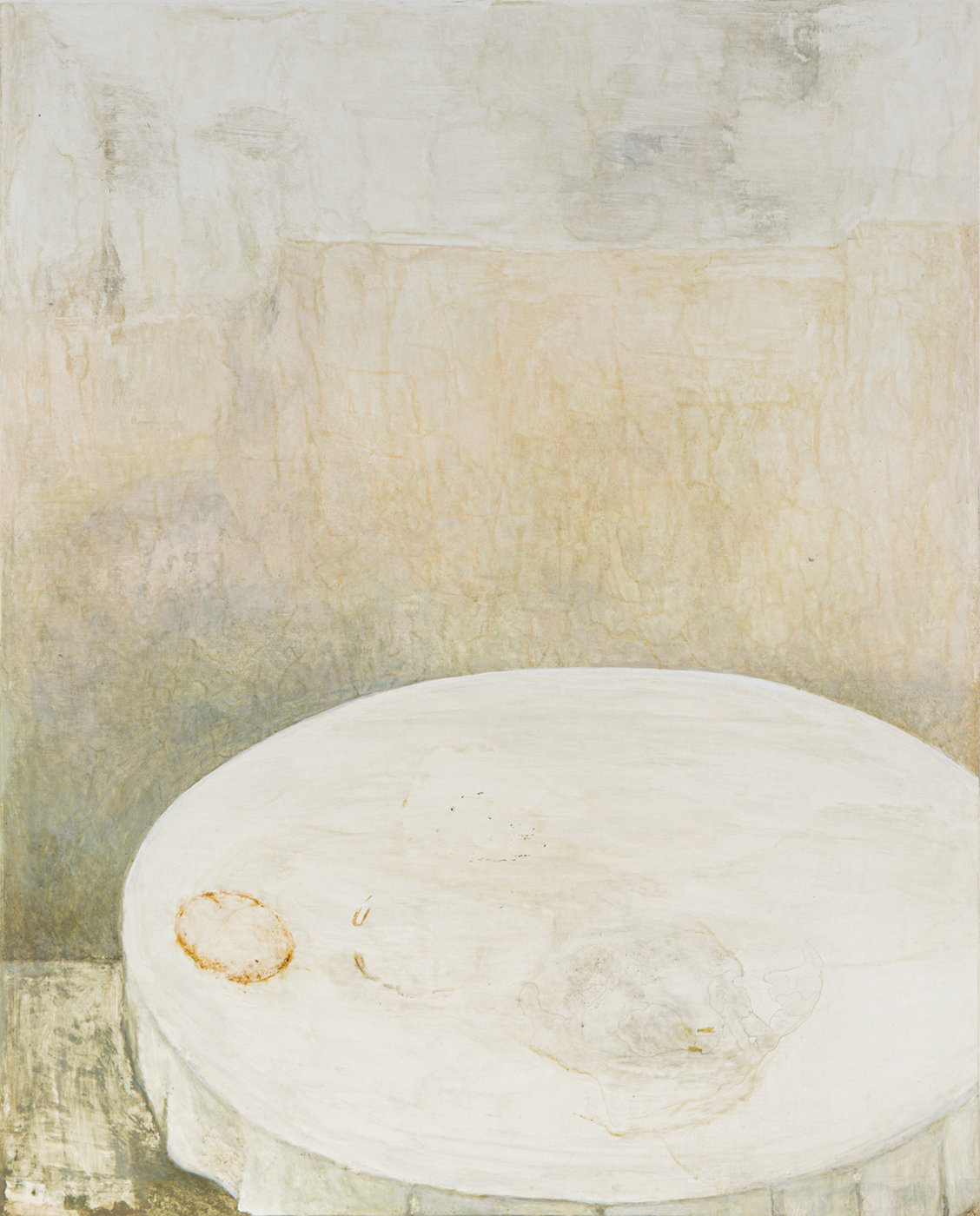
These objects are not collected simply as materials; rather, they are treated as beings that carry processes of time, contact, use, and abandonment. In particular, in Still Life: Deposit, the trace left by a disappeared flowerpot is interpreted not as a sign of absence but as sediment formed by the time of an object. For Leehaiminsun, objects are not residues that have lost their memory, but material testimonies that retain a former warmth, relationships, and the time of transformation.

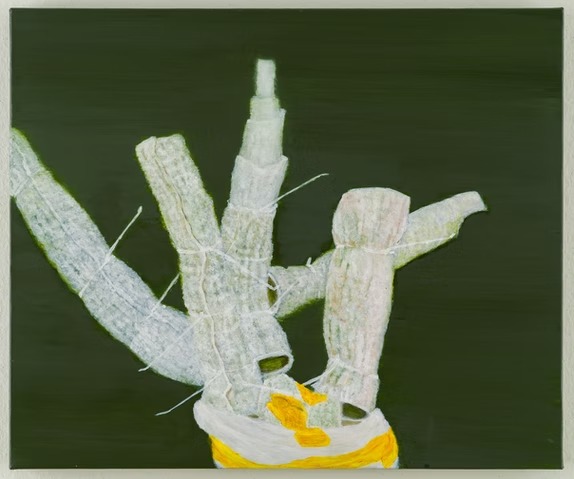
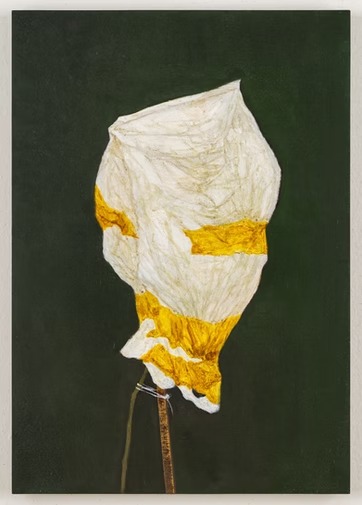
Leehaiminsun’s originality lies in the way she reads the conditions of individual existence through objects. The objects she paints appear to stand on their own, yet at the same time they endure only precariously through ropes, supports, and surrounding conditions. In 'Planta erectus', the forms created by trees, wooden beams, plastic sheets, and ropes leaning on one another show how fragile beings raise their bodies within external conditions. Here, the object does not function merely as a metaphor for human life.

Through scenes in which human and nonhuman, life and object, past and present support one another, it reveals both the instability and the persistence of existence. In what is discarded and worn out, the artist discovers not powerlessness, but the possibility of remaining and being connected again.

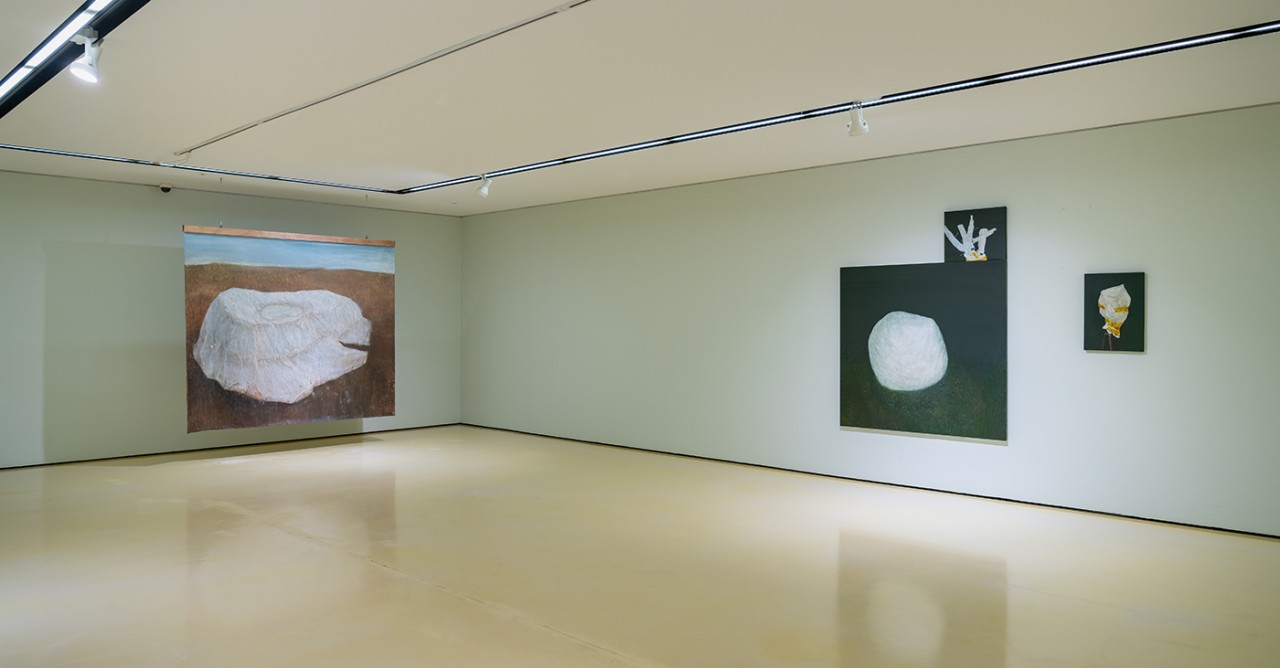
In her recent works, this inquiry extends beyond the surface of objects to the relationship between image and material. Her use of acrylic on photographic paper does not follow a process in which image replaces object; instead, it reveals a state in which image and support resist and collide with one another. Within her sense of “a material world in which everything is equal,” the artist treats materials not as simple means of expression but as objects, bringing the image on the surface back into the question of material existence.

In this way, Leehaiminsun’s work persistently explores how contemporary individuals exist in the world through the vulnerability and continuity of things, through contact and trace, absence and presence. Her paintings capture the moments in which small and fragile beings do not easily disappear, but remain, enduring in their own ways.

Style & Contents

Leehaiminsun’s paintings focus not simply on representing objects, but on how those objects re-emerge as specific states on the pictorial surface. Her early plan-drawings visualized the city through combinations of architectural floor plans, signs, and lines, while in later works objects such as wooden beams, ropes, plastic sheets, hoses, and Styrofoam appear within the painting as forms that are connected to and dependent on one another.

In her works, objects are not placed independently; they gain meaning through their relationships with backgrounds, supports, and other objects. For this reason, her paintings move across the boundaries of landscape, still life, portraiture, and installation-like composition, drawing the act of looking at objects into the very structure of painting.

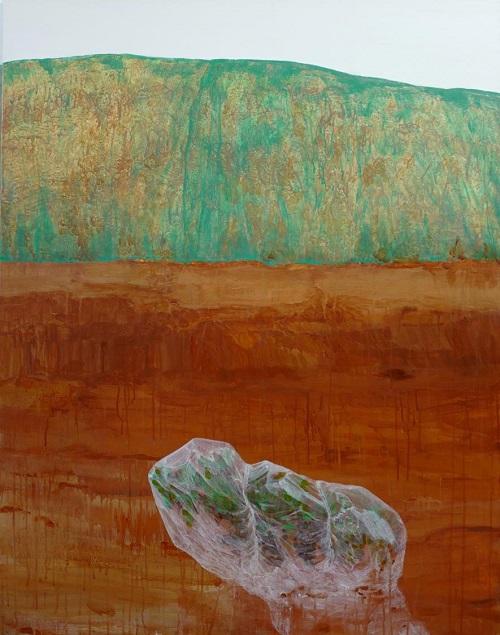
The artist’s formal characteristics are especially evident in her treatment of materials and surfaces. Her methods—such as dissolving photographs with chemicals and repainting landscapes with the extracted ink, or repeatedly layering acrylic paint on photographic paper to produce faint images—reveal the tension between image and material.

Rather than offering a smoothly finished illusion, the surface exposes the process through which paint and support push against and resist one another. In her recent works on photographic paper in particular, the semi-gloss surface does not easily accept the brushstroke, and this resistance resonates with the way objects endure within the world. The surface of the painting functions both as a ground that holds the image and as a stubborn material in its own right.

In terms of content, Leehaiminsun addresses social conditions and personal perception through the states of objects situated within landscapes. Scenes such as demolition sites, construction zones on the outskirts of the city, neighborhood flowerbeds, discarded vinyl flooring, and plants temporarily tied or supported are all landscapes found at the margins of everyday life, yet within the artist’s paintings they suggest the unstable structures of contemporary existence.

Objects are fixed, wrapped, and bound in provisional ways, and these conditions overlap with the ways individuals sustain themselves within external circumstances. Leehaiminsun observes these scenes without dramatic exaggeration, through a low and quiet gaze. As a result, social narratives, material sensations, and personal memories accumulate together on the surface.

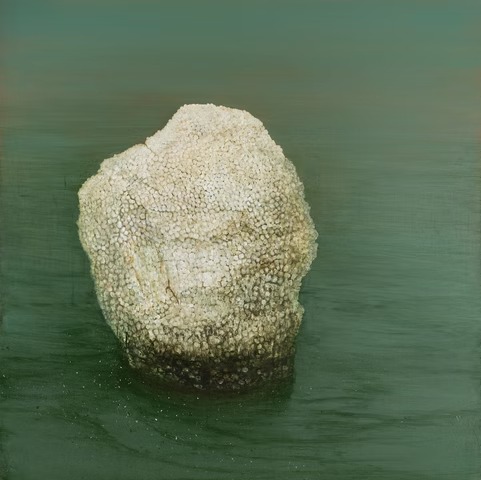
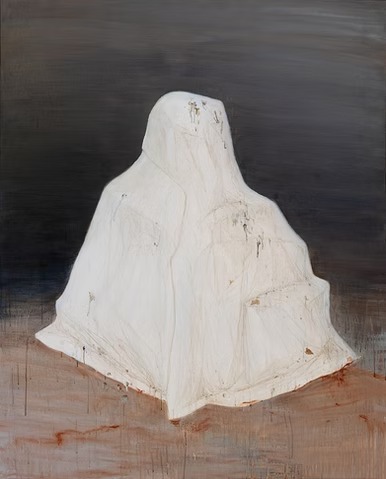
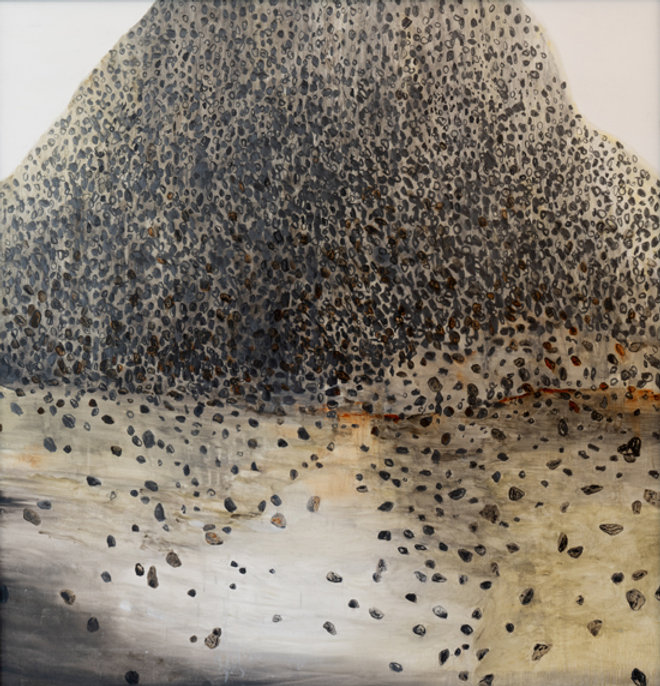
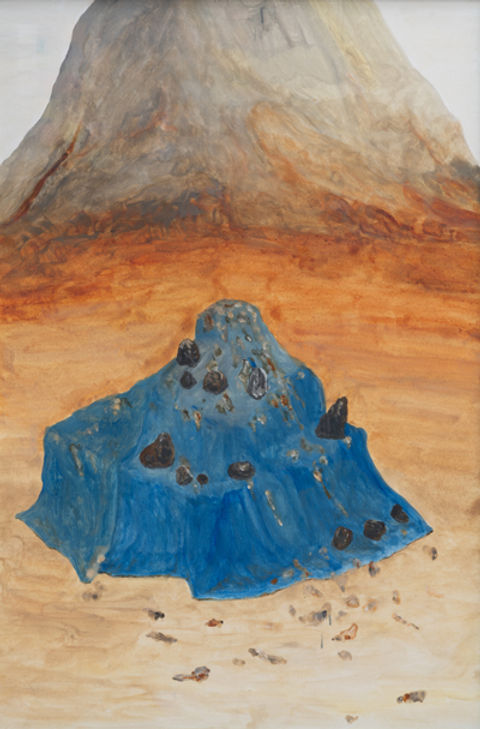
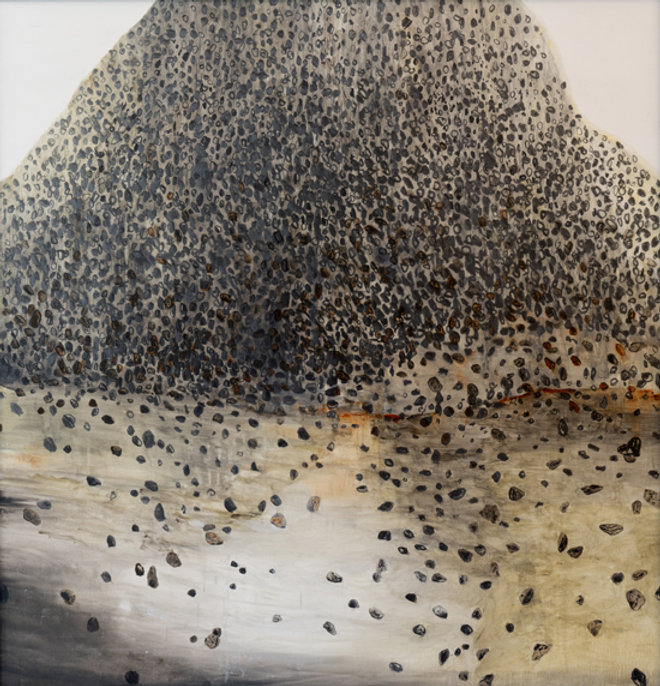
Her work has also repeatedly constructed invisible emotional states through “weight” and “texture.” Forms such as mounds of earth, piles of stones, casts, sediments, and coverings possess a presence that is small and fragile, yet firm. Rather than clearly explaining the outward form of an object, the artist transfers to the surface the time it has passed through, the traces of contact it carries, and the sensations that remain.

In this process, painting does not remain within the representation of a visible subject; it becomes a site where the mode of existence of objects meets the artist’s bodily labor. In Leehaiminsun’s practice, form and content are inseparable. The question of what is painted operates together with the questions of on what surface, with what material, and with what force and speed it is painted, and this combination gives her paintings their density.

Topography & Continuity

Although Leehaiminsun’s media and forms have changed over time, her practice has maintained a clear continuity in its observation of boundary scenes where objects and the world come into contact. Her early plan-drawings approached the structures of the city and architecture through combinations of signs and lines, while later works shifted the gaze toward neighborhood plants, debris from demolition sites, construction zones on the outskirts of the city, and discarded objects.

Yet this change is less a rupture than a gradual narrowing of observational distance. The gaze that once surveyed urban structures moves downward toward the surfaces of objects and the traces of contact, while the artist continues to read within them the invisible forces and relations that structure the world.

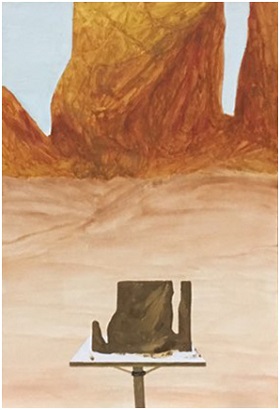
What repeatedly appears throughout her practice is an interest in things that barely manage to exist. The beings in 'Half Dead Things' that are alive yet placed within the process of dying, the objects in 'Planta erectus' that stand by leaning on ropes and supports, the textures and weights situated within provisional landscapes in 'The Mass' and 'Outside', and the sediments and residual warmth left by objects in 'Still Life' all point to beings that remain in incomplete states.

They cannot be fully explained through finished forms or clear functions. Leehaiminsun has consistently shown that what is discarded, worn out, or disappearing still contains time, and that it can regain meaning through its relationships with other things.

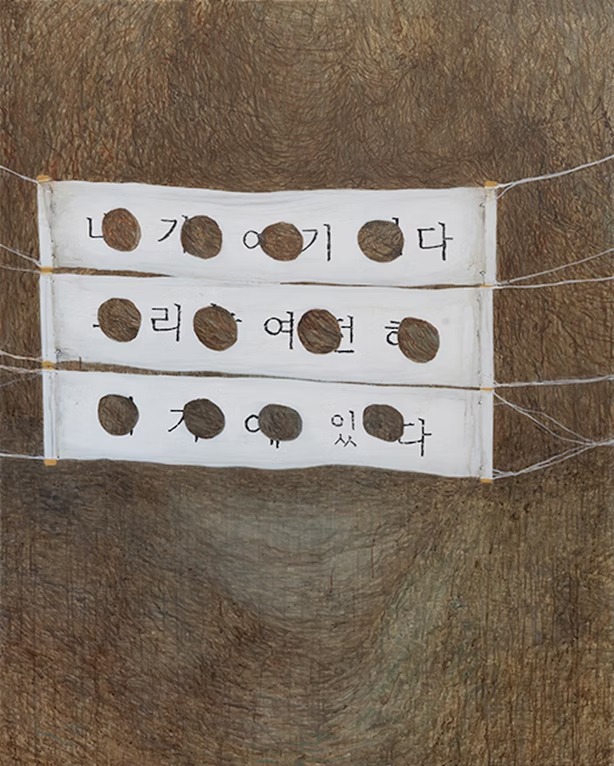
Another continuity lies in the way the artist observes relationships among objects. Rather than isolating objects as separate subjects, she examines what they lean on, what they touch, and within what kinds of environments they endure. Elements such as ropes, wires, hoses, supports, and coverings are not simply accessories; they become devices that reveal how objects connect with and depend upon one another.

This concern continues from the neighborhood walks of 'Water and Steamed Rice' to the frottage works in 'Trees Along the Street' and to her recent practice of observing and remaking plaster casts, steadily expanding her sensitivity to contact, boundaries, and changes of state.

In her recent works, Leehaiminsun moves beyond observing the external conditions of objects and asks whether painting itself can occupy the same conditions as an object. By repeatedly applying acrylic paint onto photographic paper, she creates a situation in which the image cannot easily settle on the surface, and this resistance intersects with the precarious modes of existence that the artist has long explored.

Ultimately, in her practice, painting is not an image that explains the world but a material that endures and remains alongside the objects within it. From urban plans to upright objects, outdoor landscapes, sediments, and plaster casts, Leehaiminsun’s work continues as a long inquiry into the ways fragile beings lean on one another, leave traces, and persist.

Works of Art

On the Beings that Barely Manage to Exist

Articles

Exhibitions

Activities