Papiya's Fishbowl - K-ARTIST

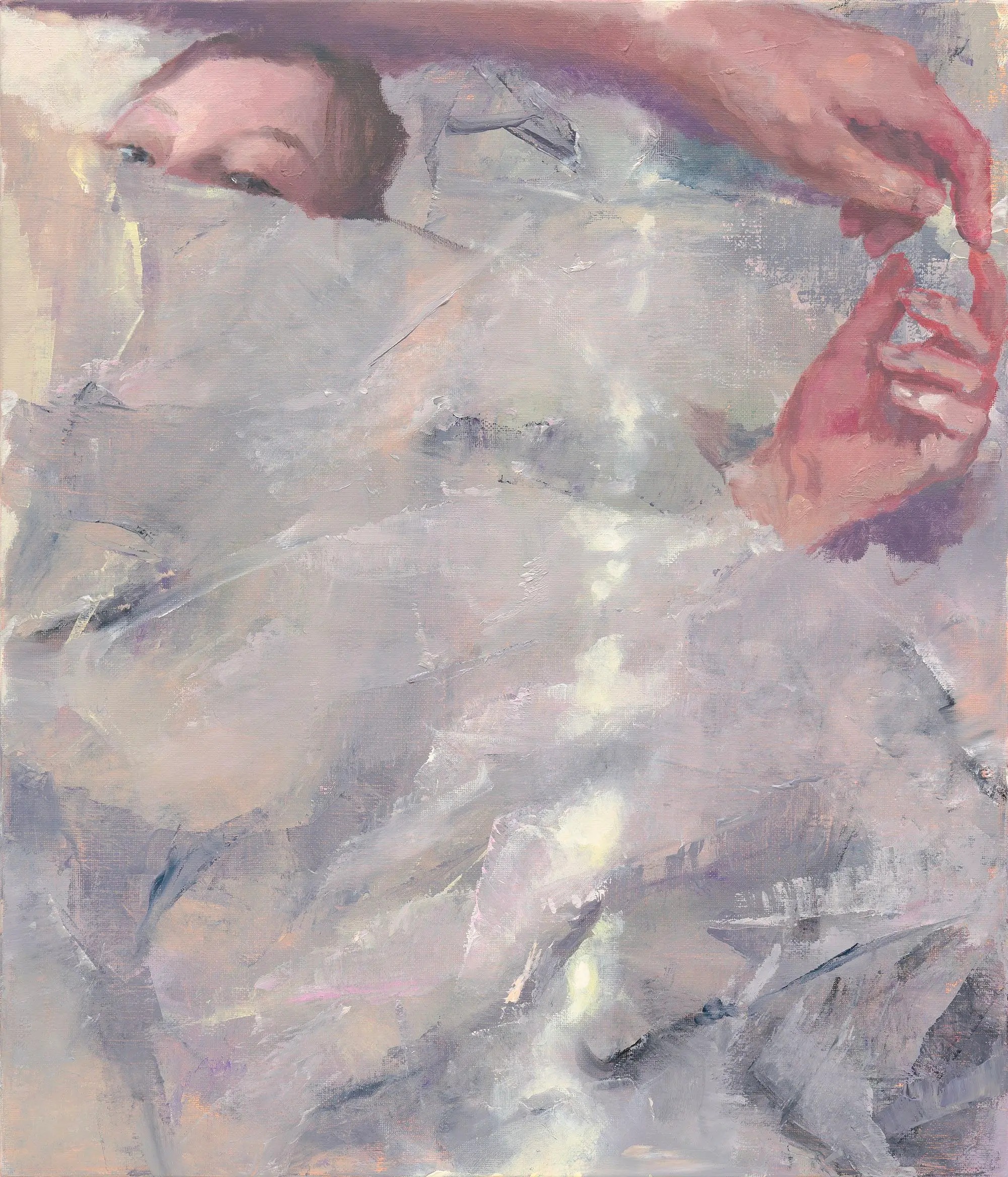
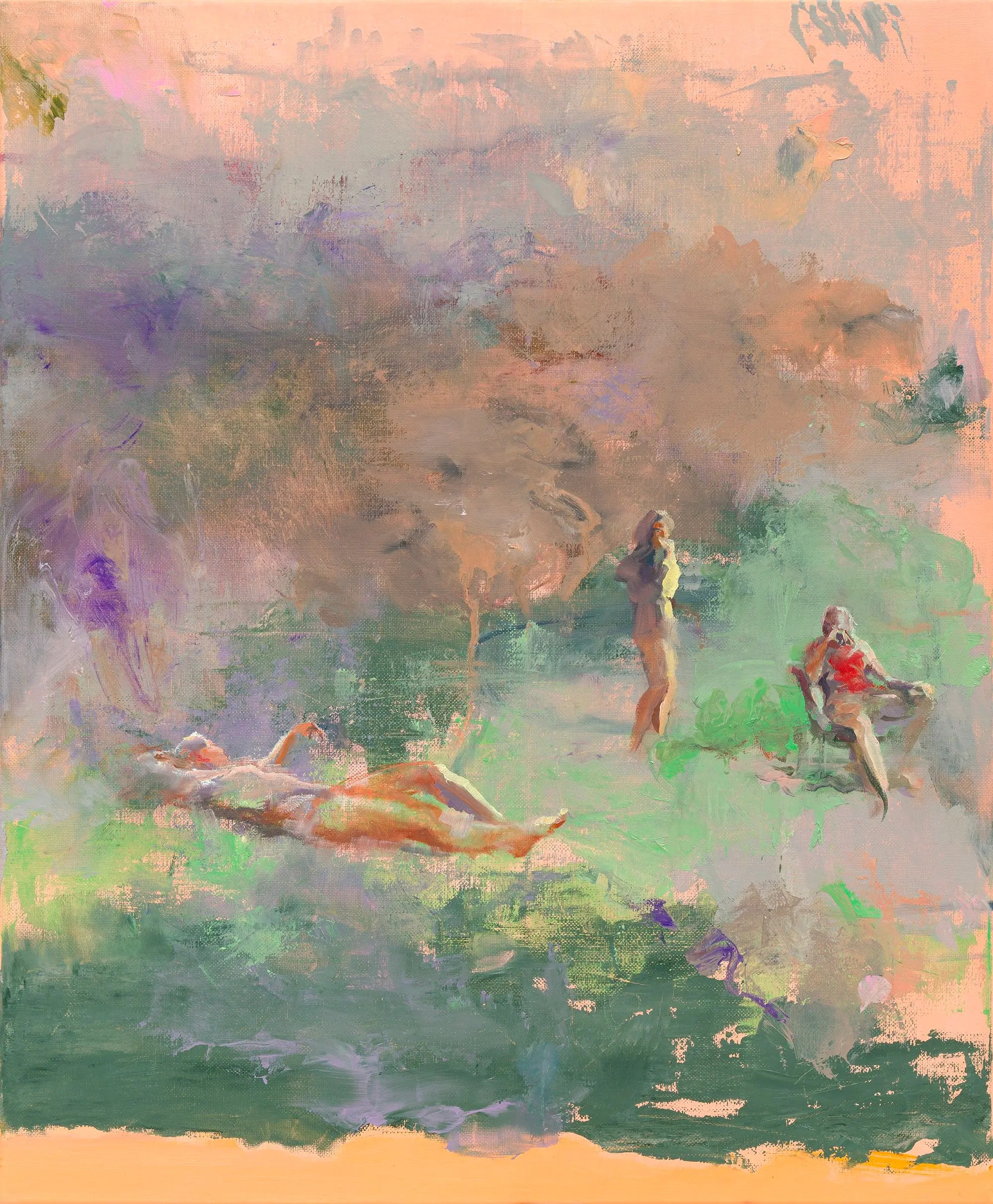
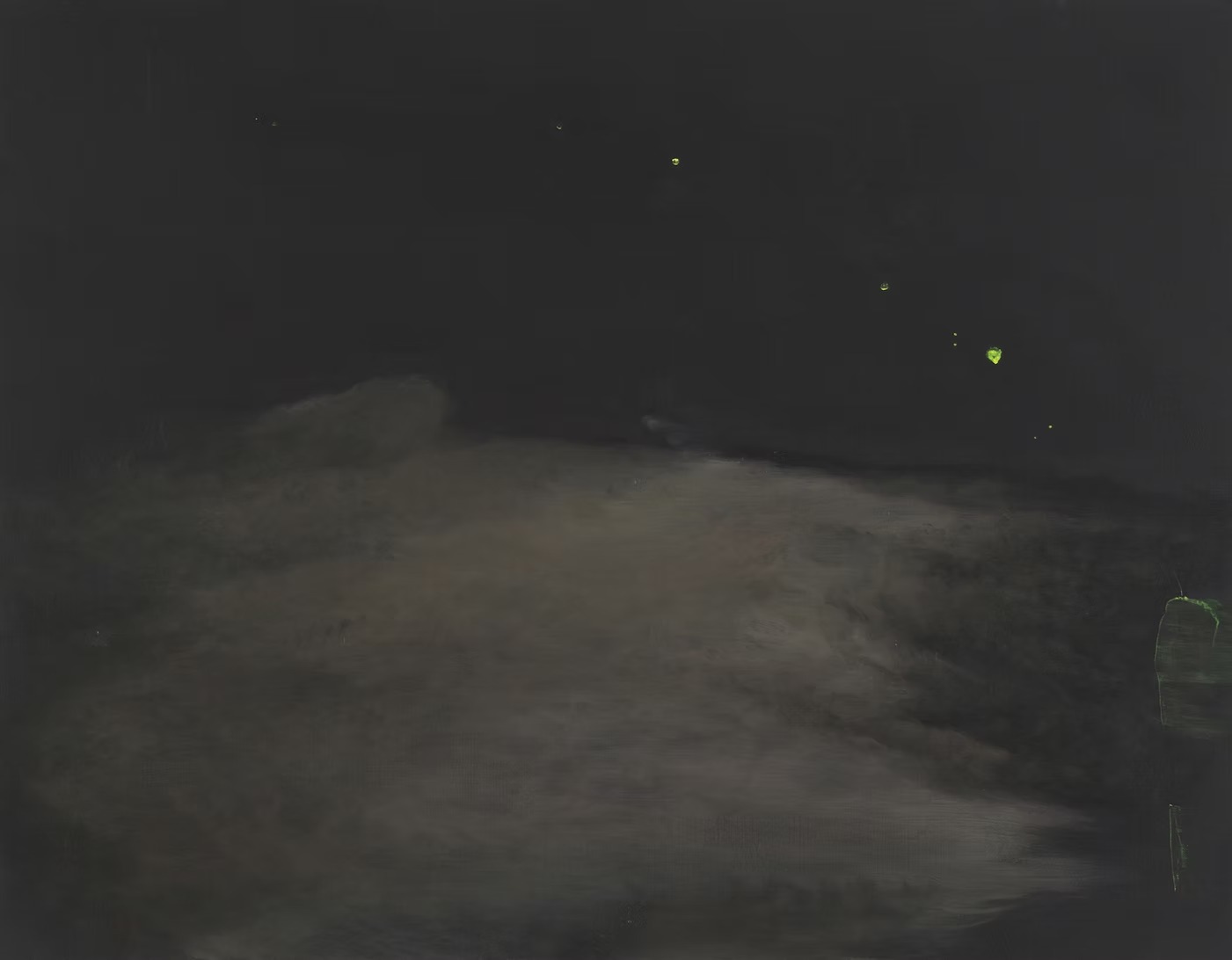
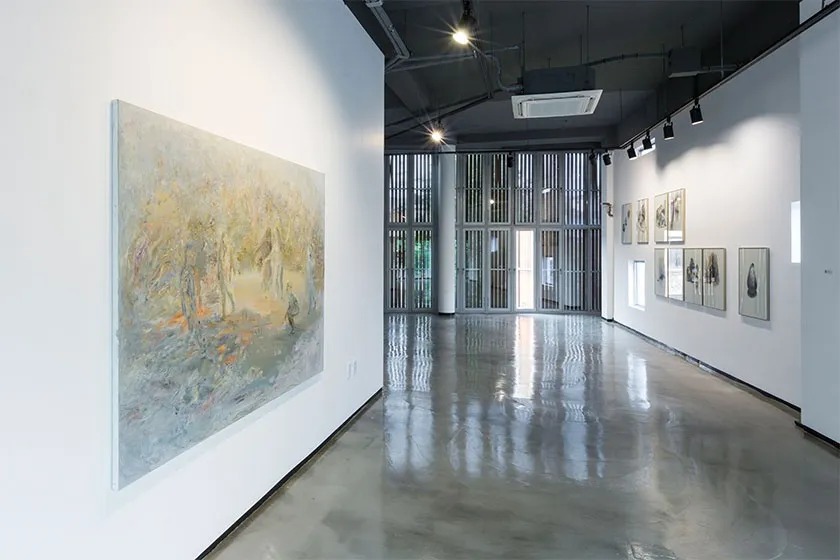
Papiya's Fishbowl

2010
Oil on canvas
72.7 x 100 cm
About The Work

Leeje has continued to develop a painterly practice that invites viewers to reconsider contemporary life through the sensibilities that move between life and death, presence and absence, and the individual and the collective. From urban landscapes disappearing through redevelopment and anonymous laborers to the deaths of those close to her, social disasters, and collective memory, her work consistently attends to the emotions and sensations that remain after disappearance. 

Rather than representing specific events or delivering explicit social messages, Leeje examines how traces of memory and experience left upon individual and collective bodies continue to shape present perception through the language of painting. This approach extends beyond documenting loss, proposing mourning as an enduring mode of living.

The body constitutes one of the central concepts in Leeje’s practice. Here, the body signifies far more than the human figure itself. It is understood as a site that accumulates experience through time and society: a body that remembers emotions, labors, cares for others, and forms relationships. 

In her paintings, the figures move beyond individual portraiture to become vessels for the shared sensibilities of contemporary life. Community also refers less to society as an abstract entity than to a network of relationships sustained through shared experiences and memories. Individual experiences become intertwined with collective memory, which in turn returns to the embodied perceptions of each individual, forming a continuous cycle.

Thus, her painting functions not simply as a means of representation but as an act of bringing memory and sensation into the present. Rather than presenting fixed meanings, Leeje leaves space for viewers to enter the work through layered and partially erased images, ambiguous forms, and open-ended visual structures. 

Solo Exhibitions (Brief)

Since her first solo exhibition at Joheung Gallery in 2005, Leeje has presented solo exhibitions at Alternative Space LOOP, OCI Museum of Art, Gallery Chosun, and Gallery Button, culminating in a solo exhibition at the MMCA Residency Changdong Exhibition Hall in 2024.

Group Exhibitions (Brief)

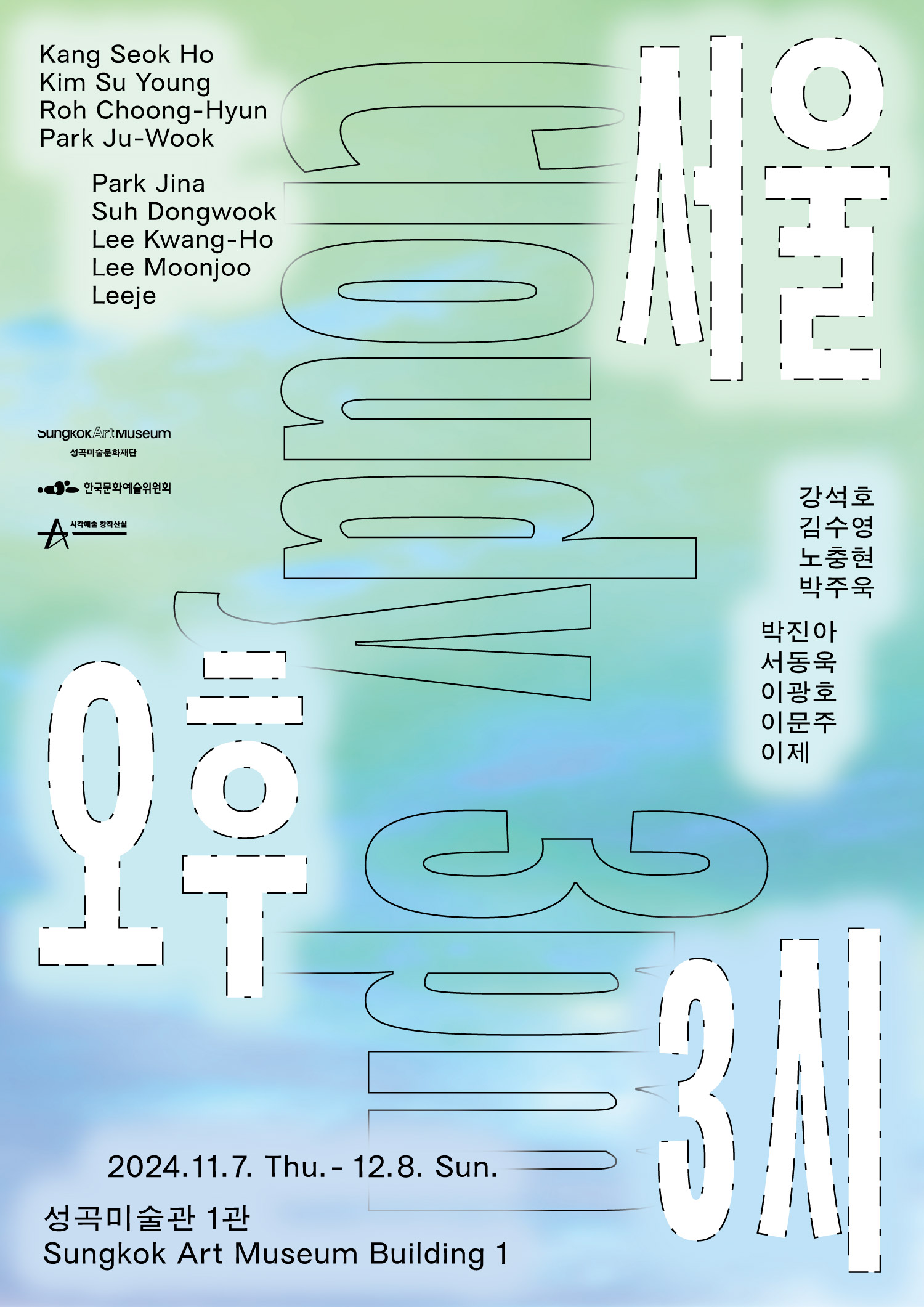
Leeje has participated in major group exhibitions at the Seoul Museum of Art, the National Museum of Modern and Contemporary Art, Korea (MMCA), the Buk-Seoul Museum of Art, Sungkok Art Museum, Seoul Olympic Museum of Art (SOMA), Sejong Museum of Art, Ilmin Museum of Art, and Arko Art Center, as well as international exhibitions including Centre d'art Meymac in France.

Awards (Selected)

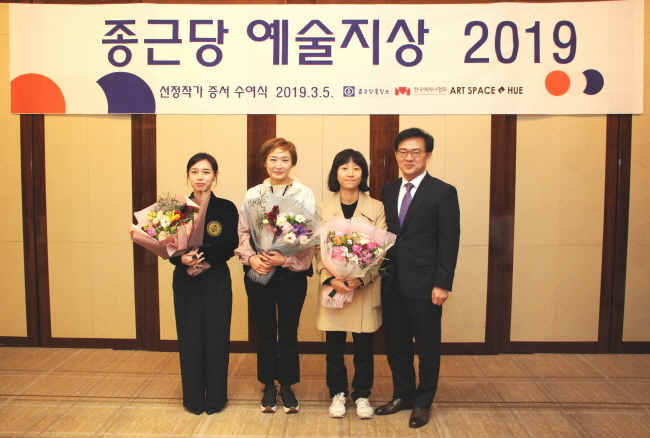
Leeje has been recognized through major awards and artist programs, including the OCI YOUNG CREATIVES (2010), the 63 Sky Art Museum New Artist Project (2014), and the Chongkundang Yesuljisang (2019).

Residencies (Selected)

Leeje participated in the MMCA Residency Changdong in 2024 and the Seoul Art Space Geumcheon Residency Program in 2025.

Collections (Selected)

Leeje’s works are held in the collections of the Art Bank, National Museum of Modern and Contemporary Art, Korea (MMCA), Seoul Museum of Art (SeMA), OCI Museum of Art, Art Space Pool, and Chong Kun Dang.

Works of Art

Painting as a Network of Intersecting Lives

Originality & Identity

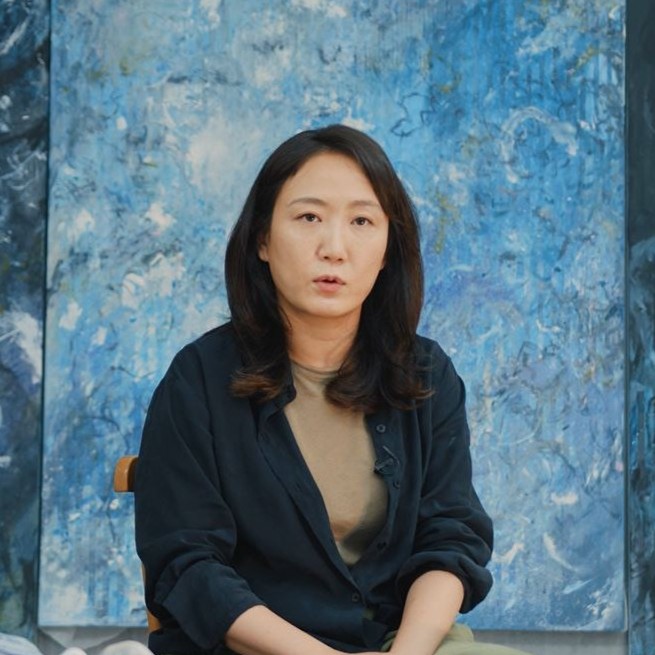
Leeje’s practice can be understood as an ongoing exploration of life that continues in the aftermath of loss through the medium of painting. From urban landscapes disappearing through redevelopment and anonymous laborers to the deaths of those close to her, social disasters, and collective memory, her work consistently attends to the emotions and sensations that remain after disappearance.

Rather than representing specific events or delivering explicit social messages, Leeje examines how traces of memory and experience left upon individual and collective bodies continue to shape present perception through the language of painting. This approach extends beyond documenting loss, proposing mourning as an enduring mode of living.

The body constitutes one of the central concepts in Leeje’s practice. Here, the body signifies far more than the human figure itself. It is understood as a site that accumulates experience through time and society: a body that remembers emotions, labors, cares for others, and forms relationships.

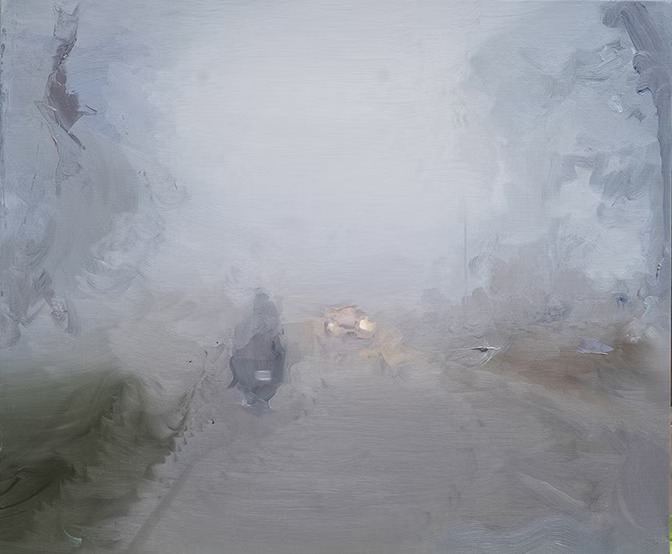
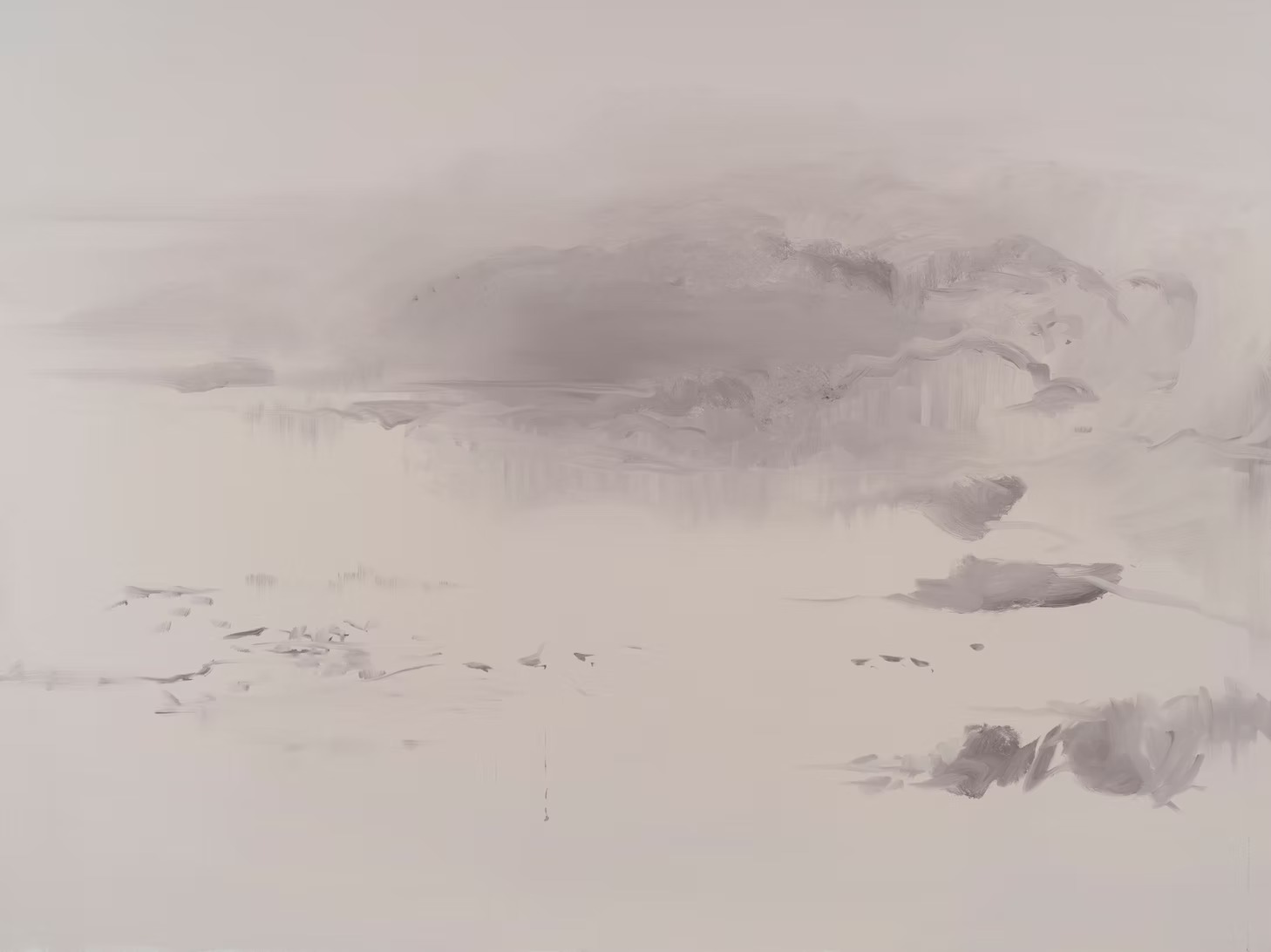
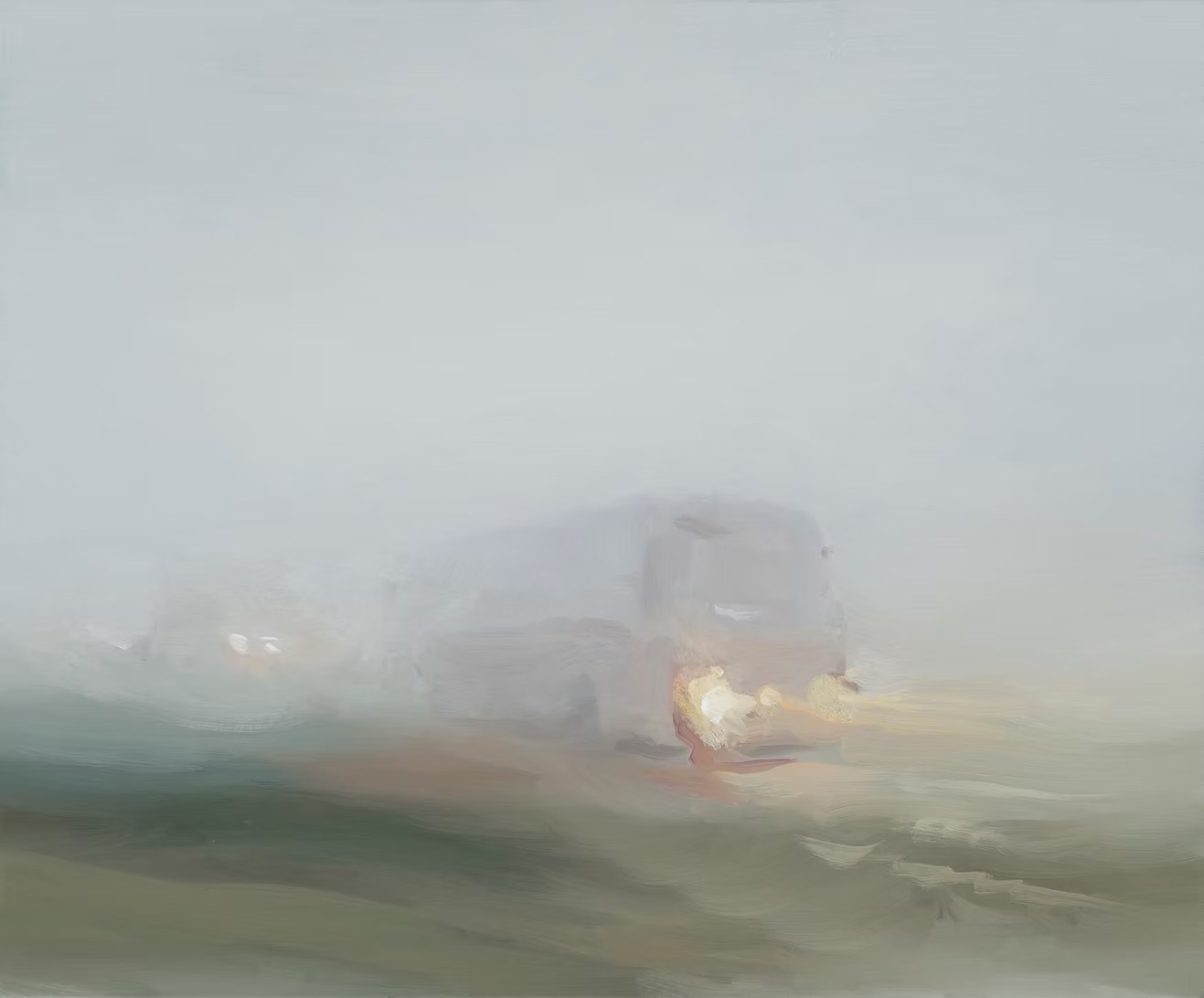
Since 2017, the body has become a major subject in her work, and more recently it has expanded into a site through which social disasters and collective memory are mediated. Figures often appear fragmented, partially concealed, or erased, while objects and landscapes—including automobiles, shoes, rivers, and forests—also function as metaphors for the body, evoking a sensibility in which presence and absence continuously intersect.

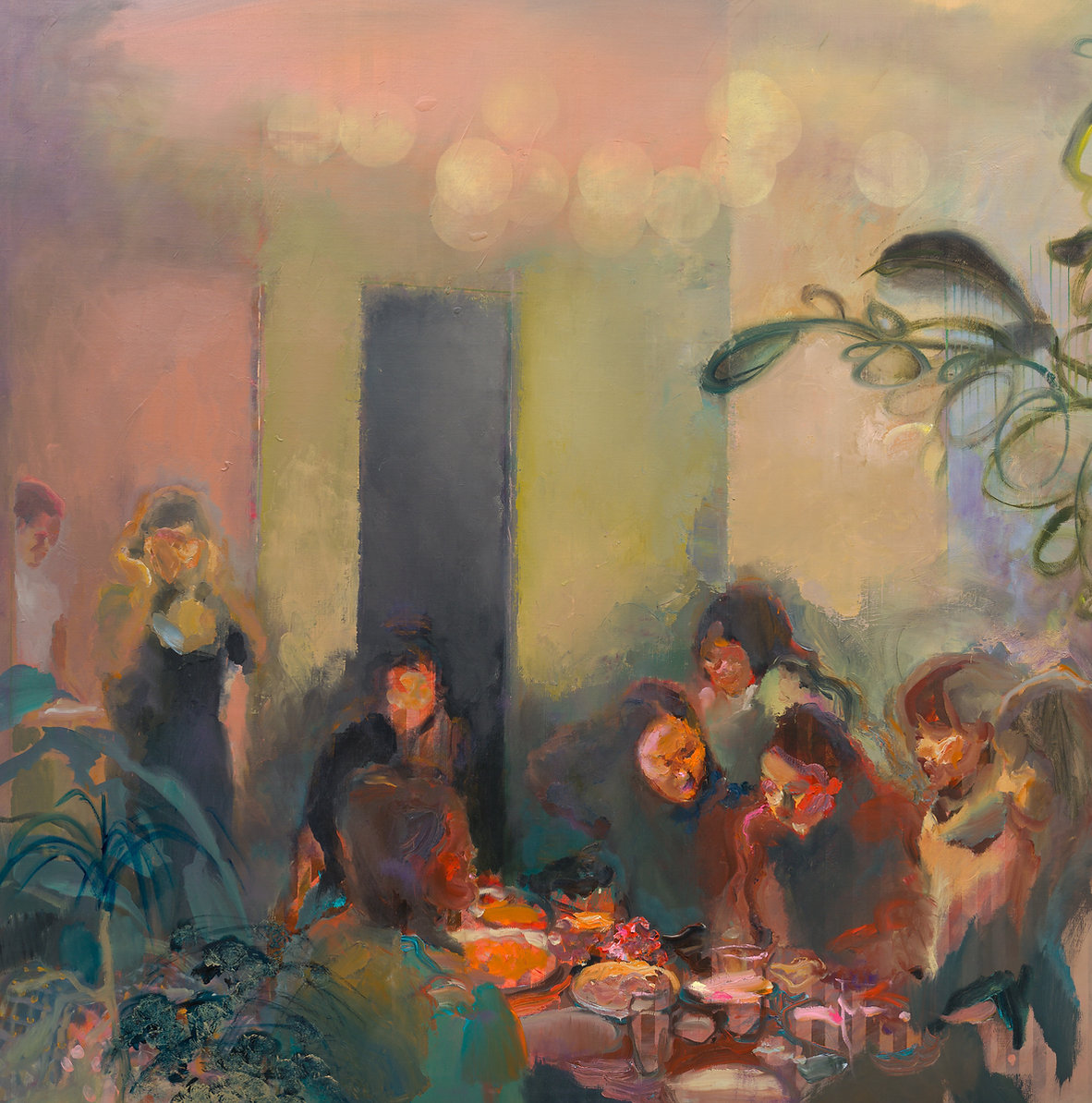
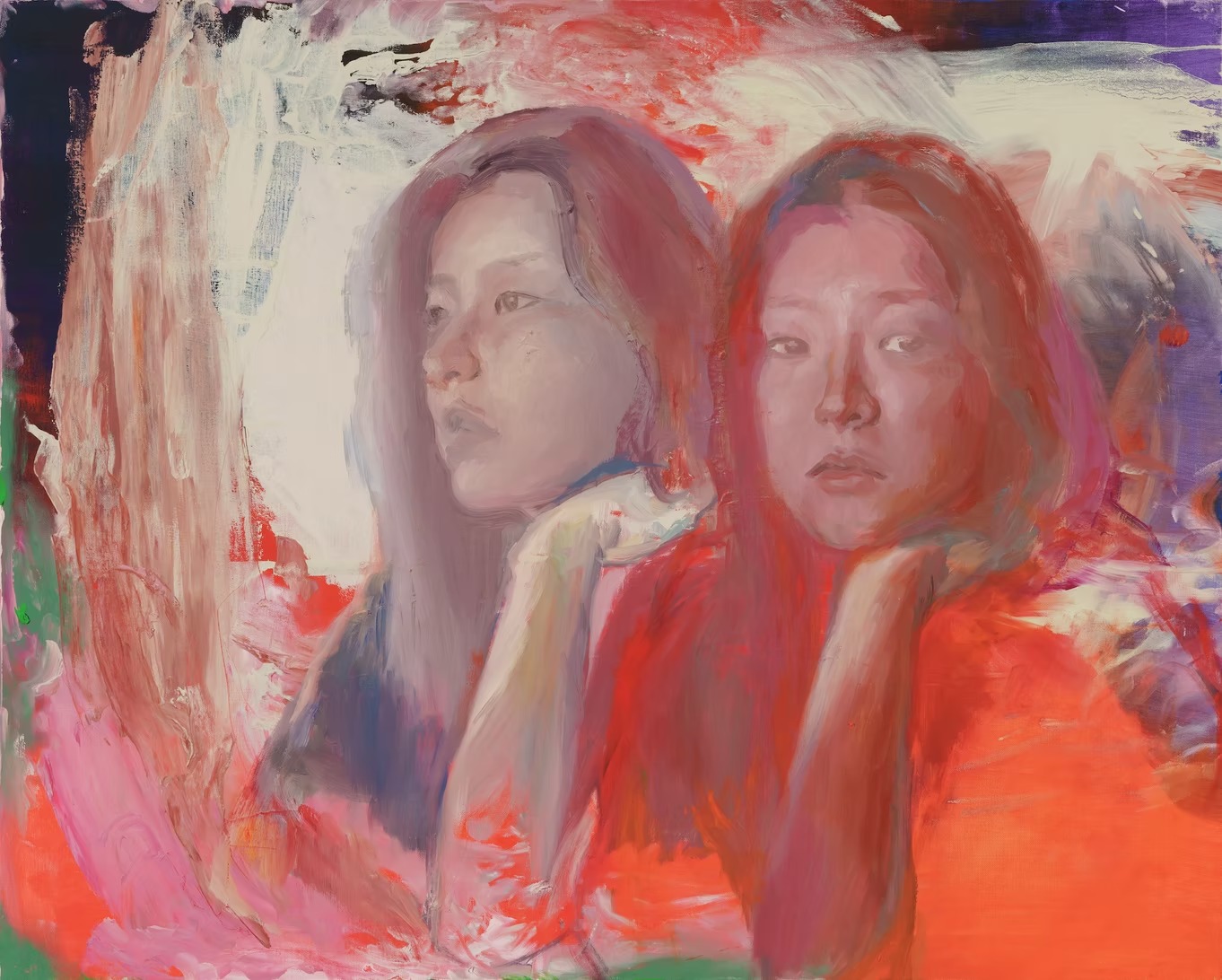
Another defining characteristic of Leeje’s work is its refusal to separate personal memory from collective experience. Family members, friends, people with whom she has shared everyday life, and anonymous figures inhabiting the city all transcend individual portraiture to become vessels through which the sensibilities of those living in the present are shared.

In her work, community refers less to society as an abstract entity than to a network of relationships sustained through shared experiences and memories. While her recent practice has increasingly engaged with social tragedies and public mourning, its primary concern remains not the events themselves but the emotions, silences, and enduring memories that follow them.

Individual experiences become intertwined with collective memory, which in turn returns to the embodied perceptions of each individual, forming a continuous cycle.

Within this conceptual framework, painting functions not simply as a means of representation but as an act of bringing memory and sensation into the present. Rather than presenting fixed meanings, Leeje leaves space for viewers to enter the work through layered and partially erased images, ambiguous forms, and open-ended visual structures.

Memory is understood not as a fixed record of the past but as a process of continual transformation within the present, and painting likewise operates as a living field that participates in this ongoing process. Ultimately, Leeje’s practice offers painting as a way of reconsidering contemporary life through the shifting relationships between life and death, presence and absence, and the individual and the collective.


Style & Contents

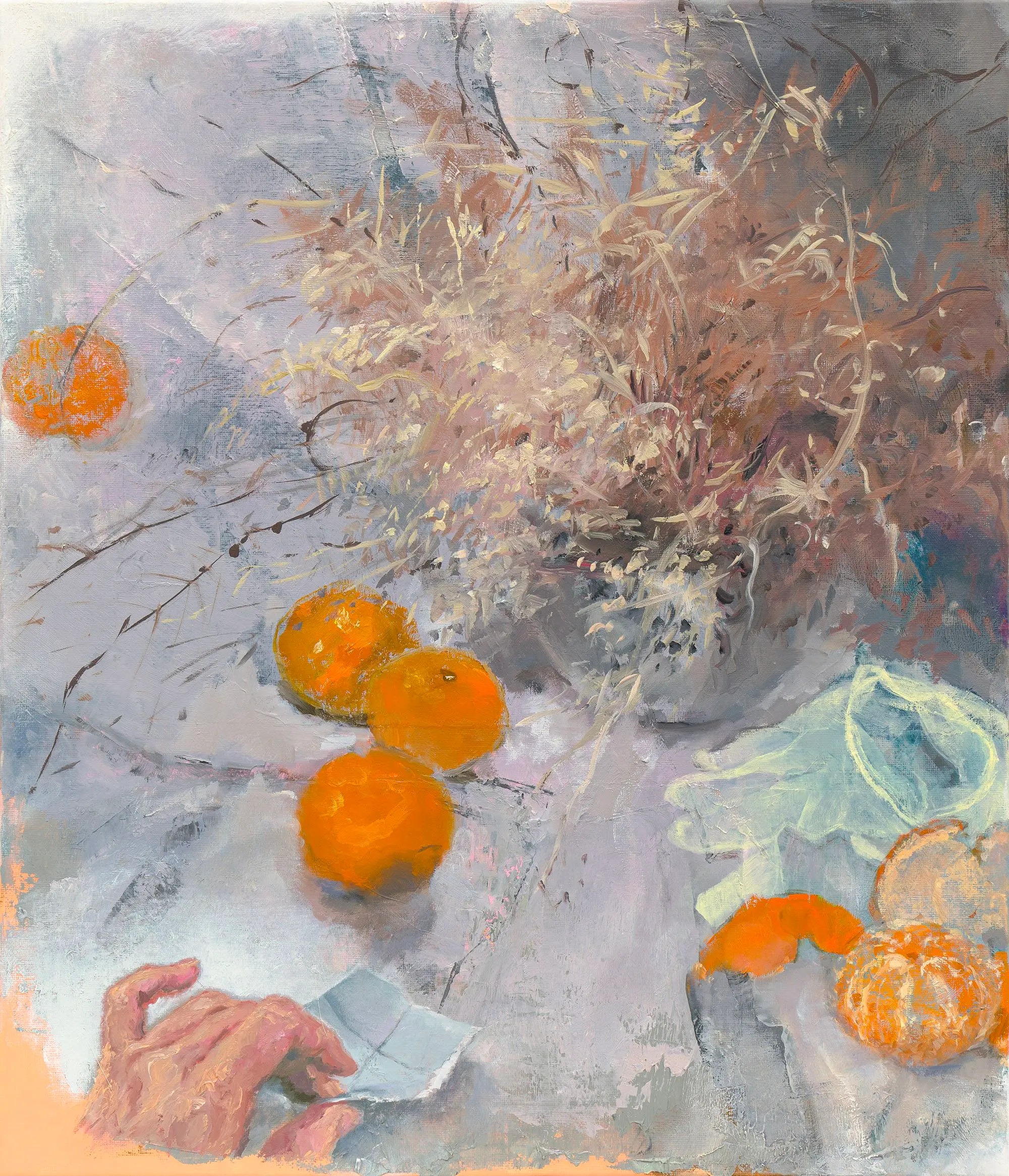
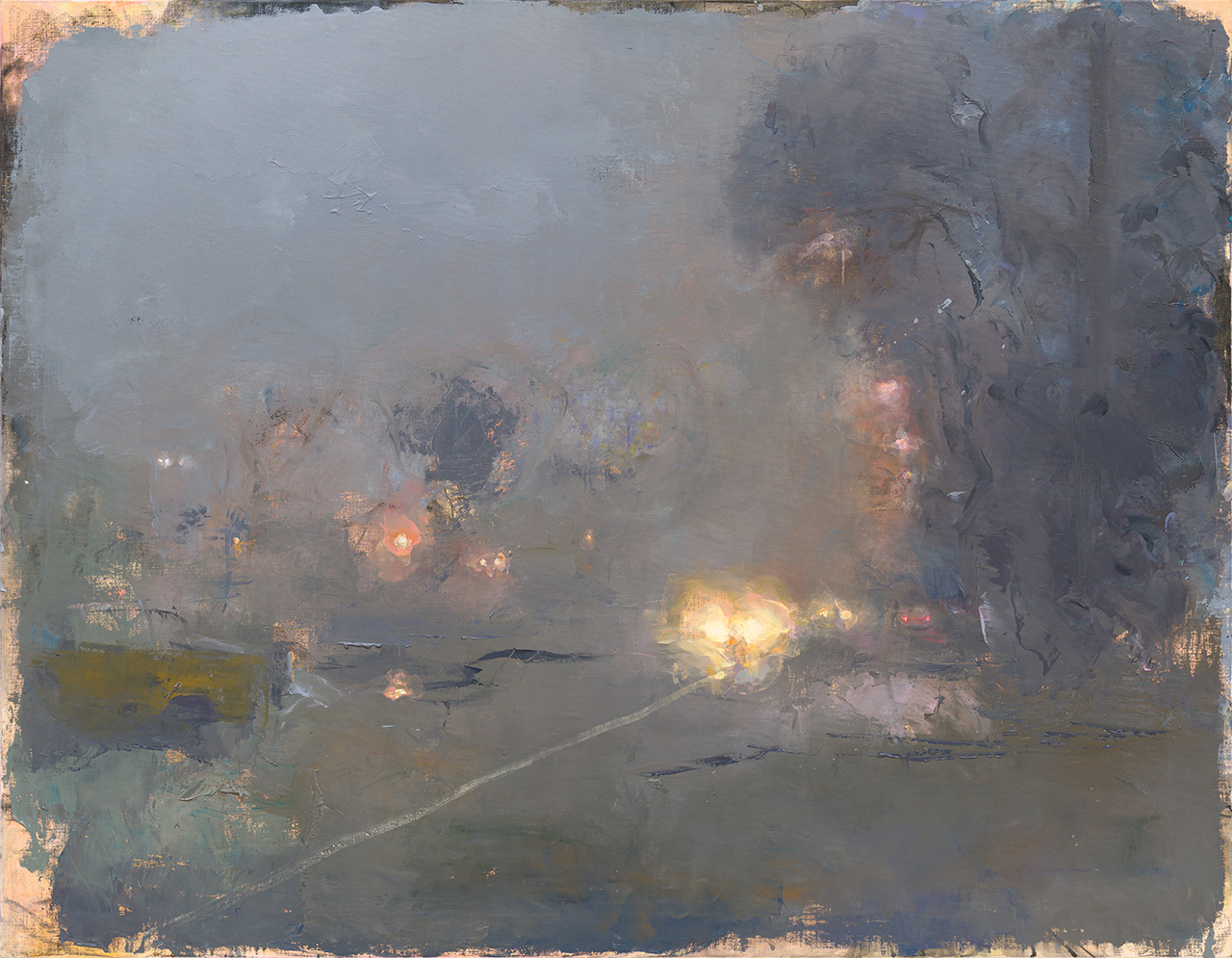
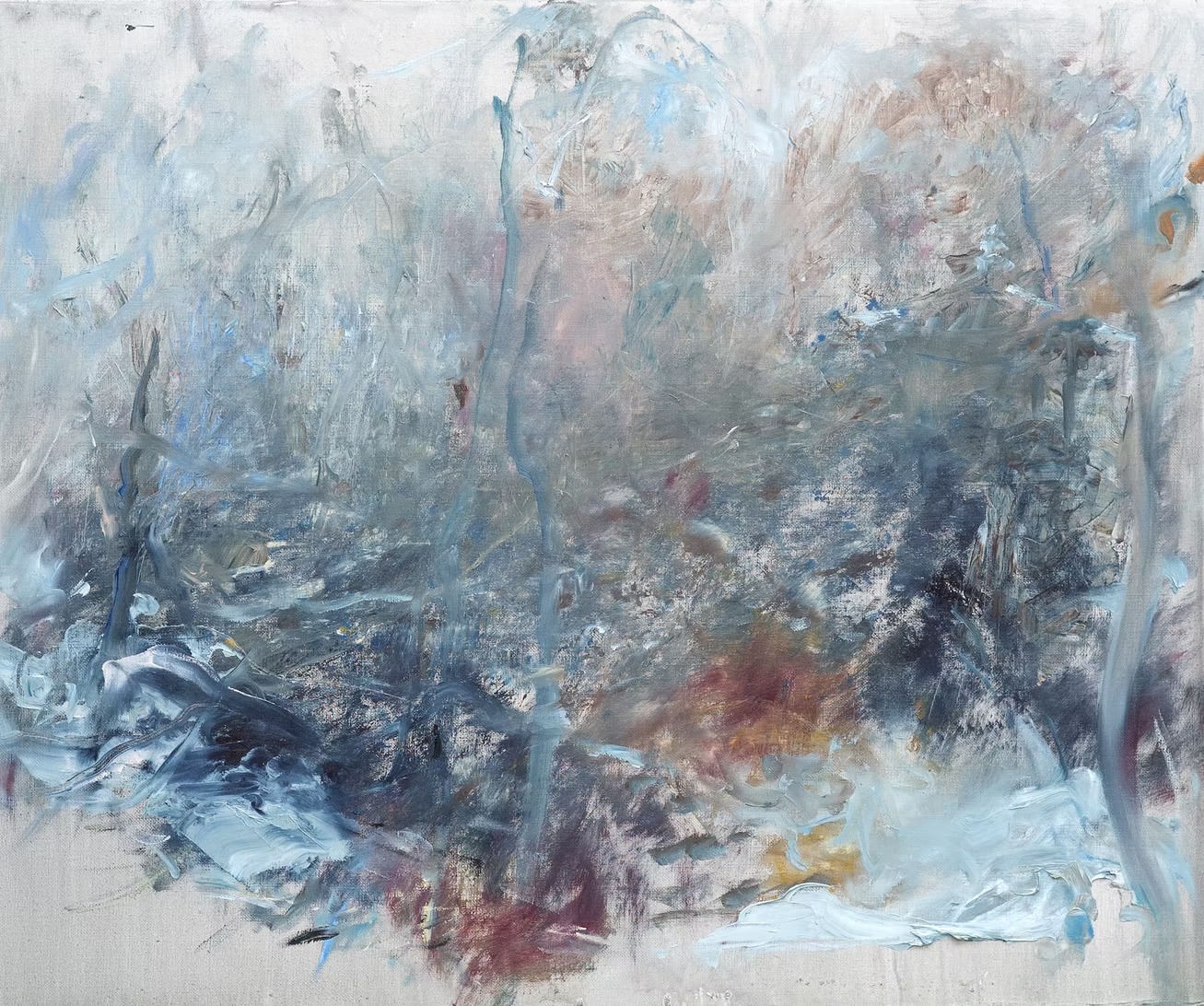
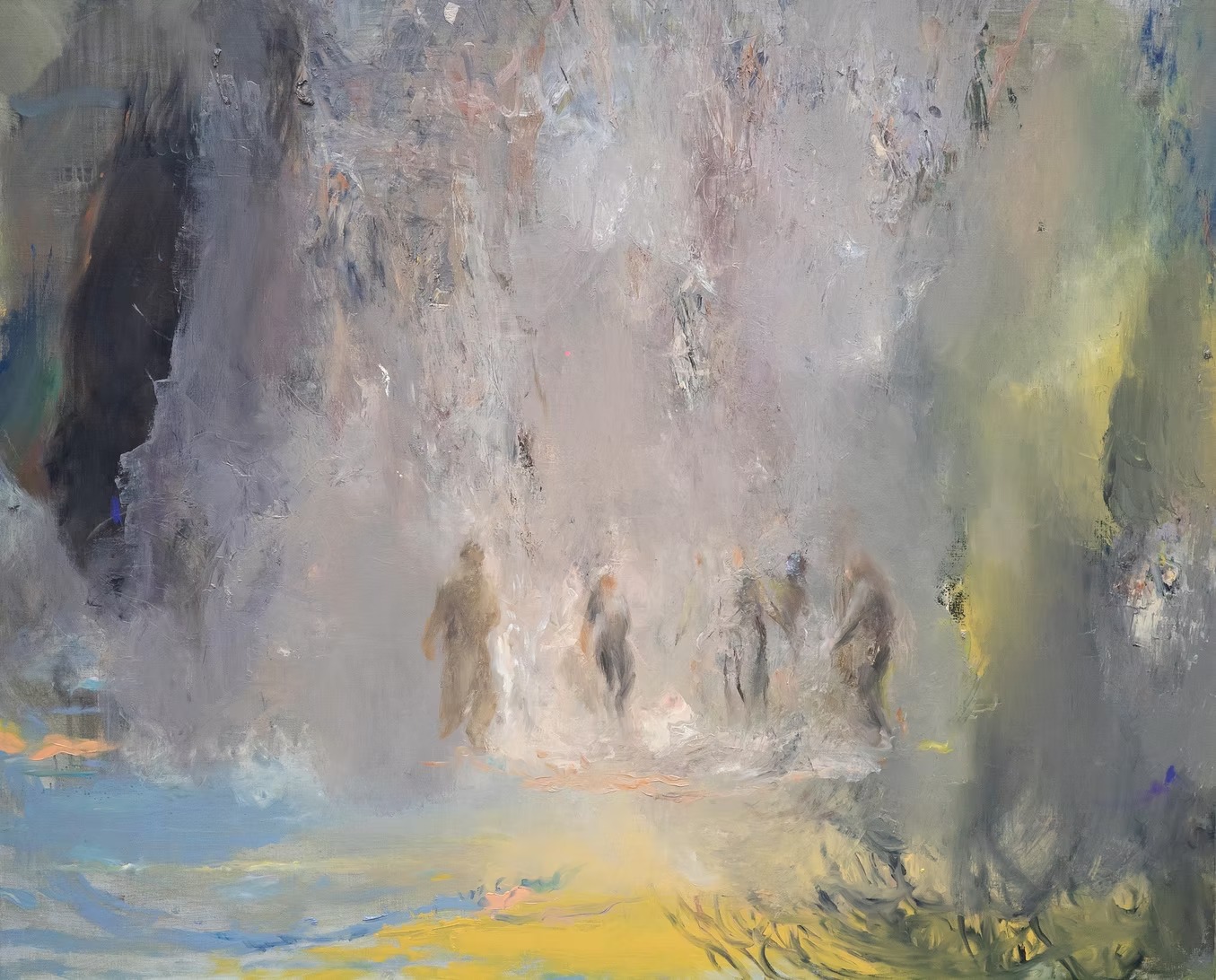
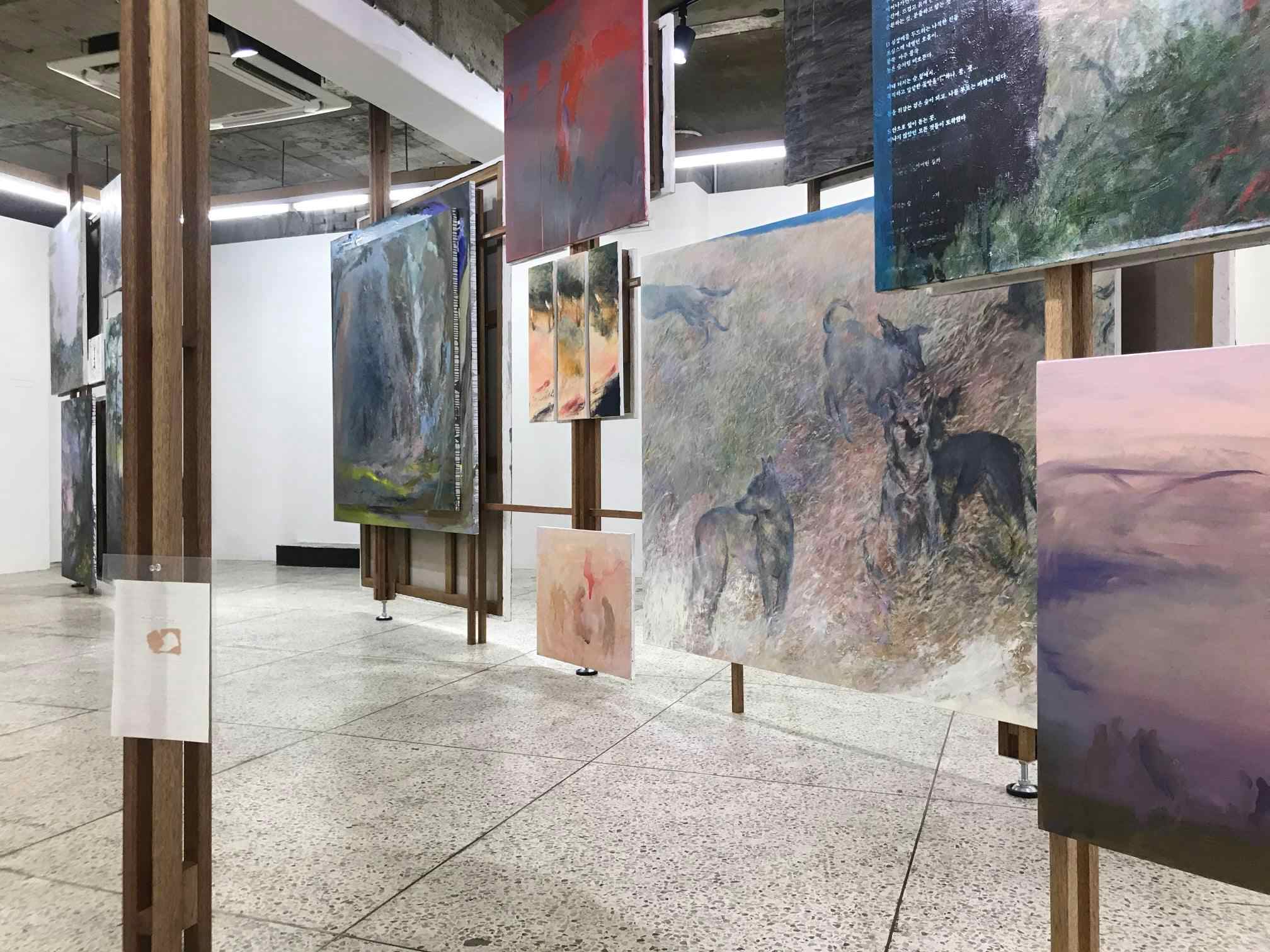
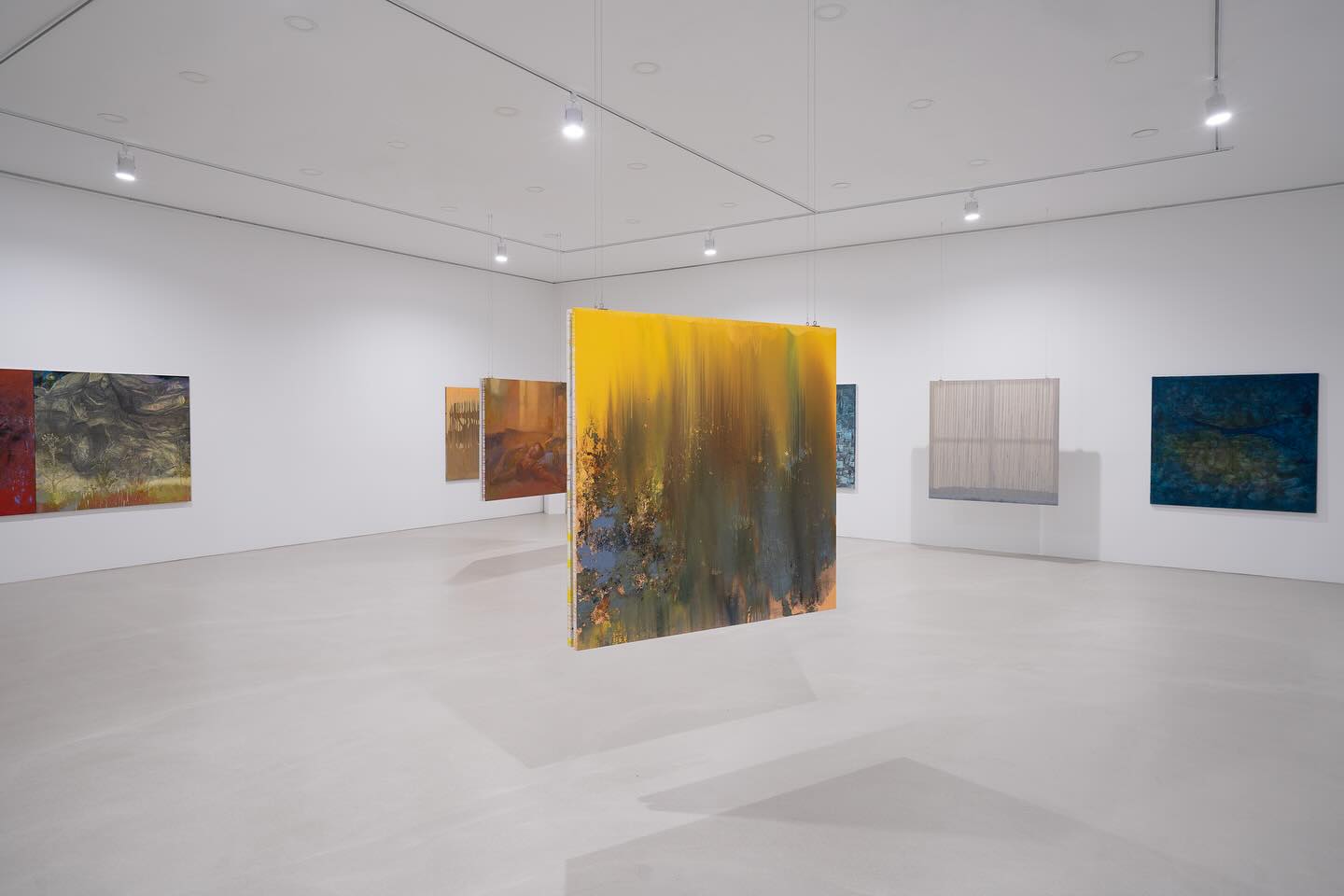
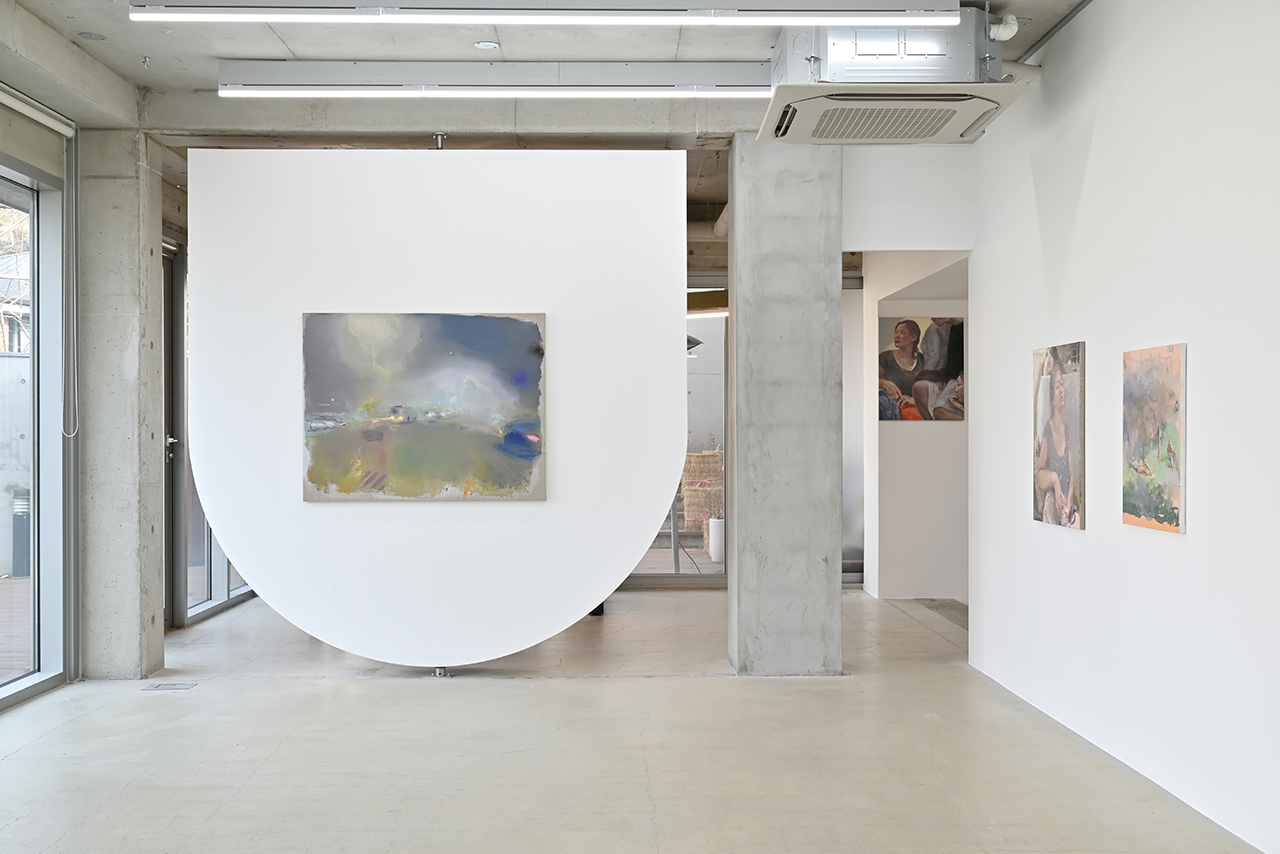
Leeje has developed a distinctive visual language in which figuration and abstraction, representation and materiality coexist within a single pictorial space. Landscapes and figures retain recognizable forms, yet are continuously dissolved and re-emerge through vigorous brushwork, layered planes of color, and traces of erasure.

Rather than clearly describing its subjects, her paintings reveal the very process through which memories are formed and fade away, constructing pictorial spaces where reality and imagination intertwine. This pictorial tension encourages viewers to experience the image sensorially rather than simply read it.

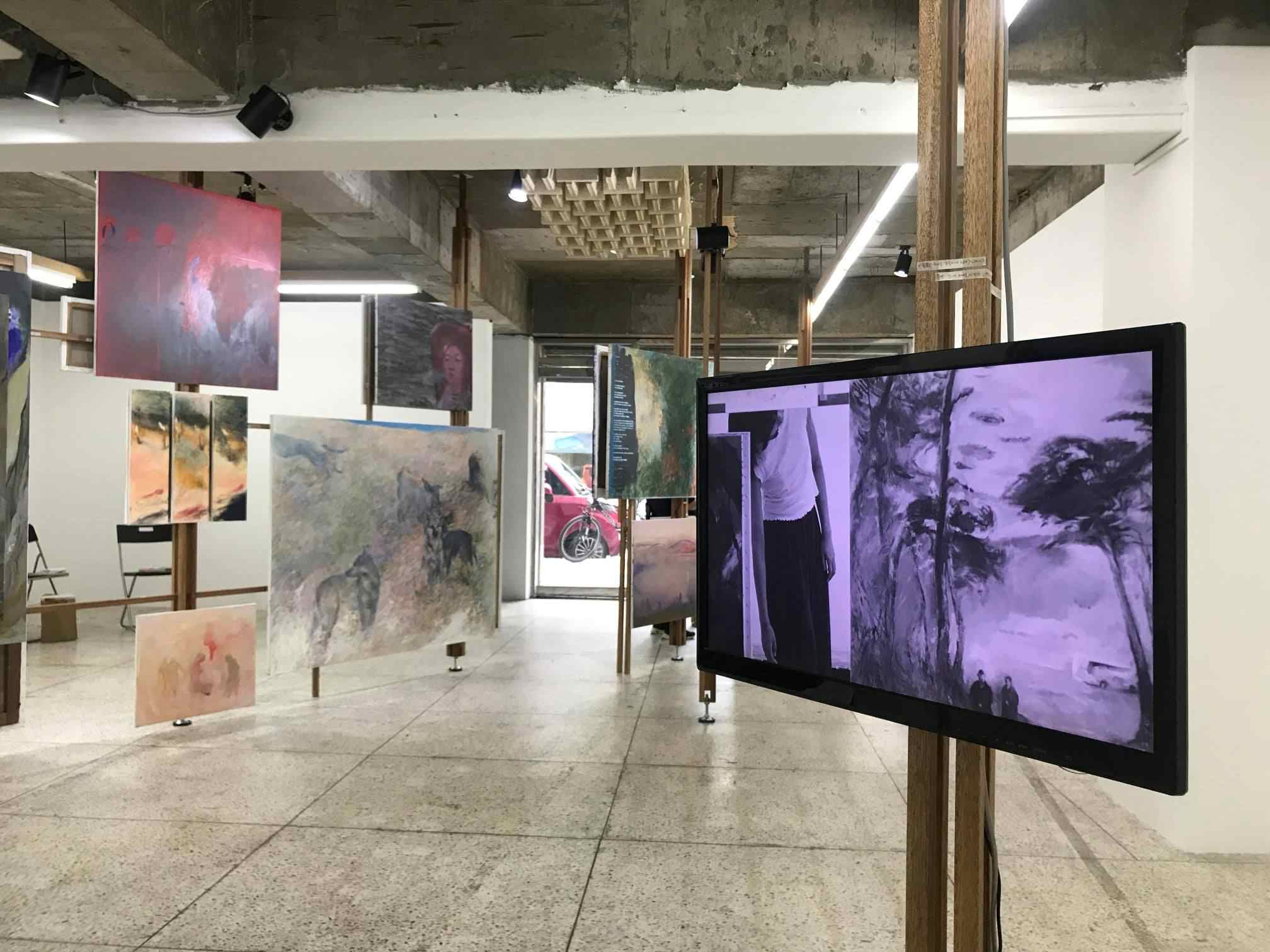
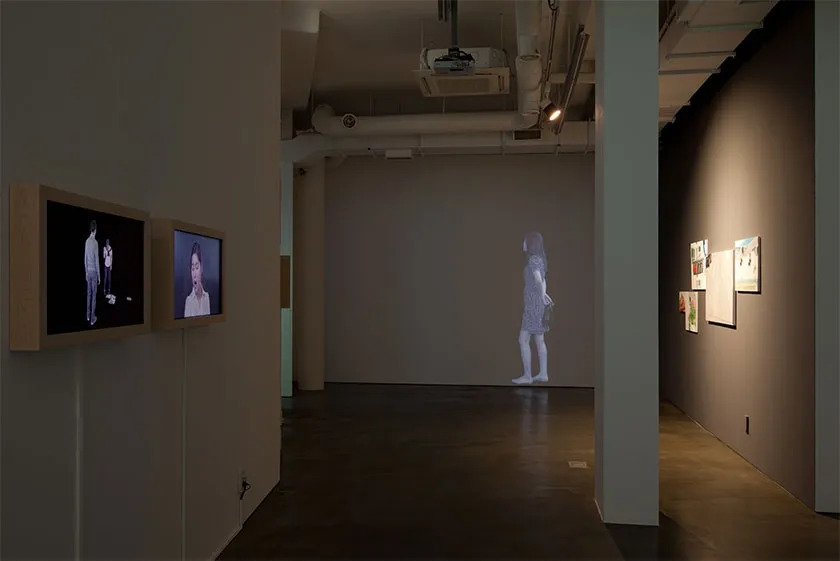
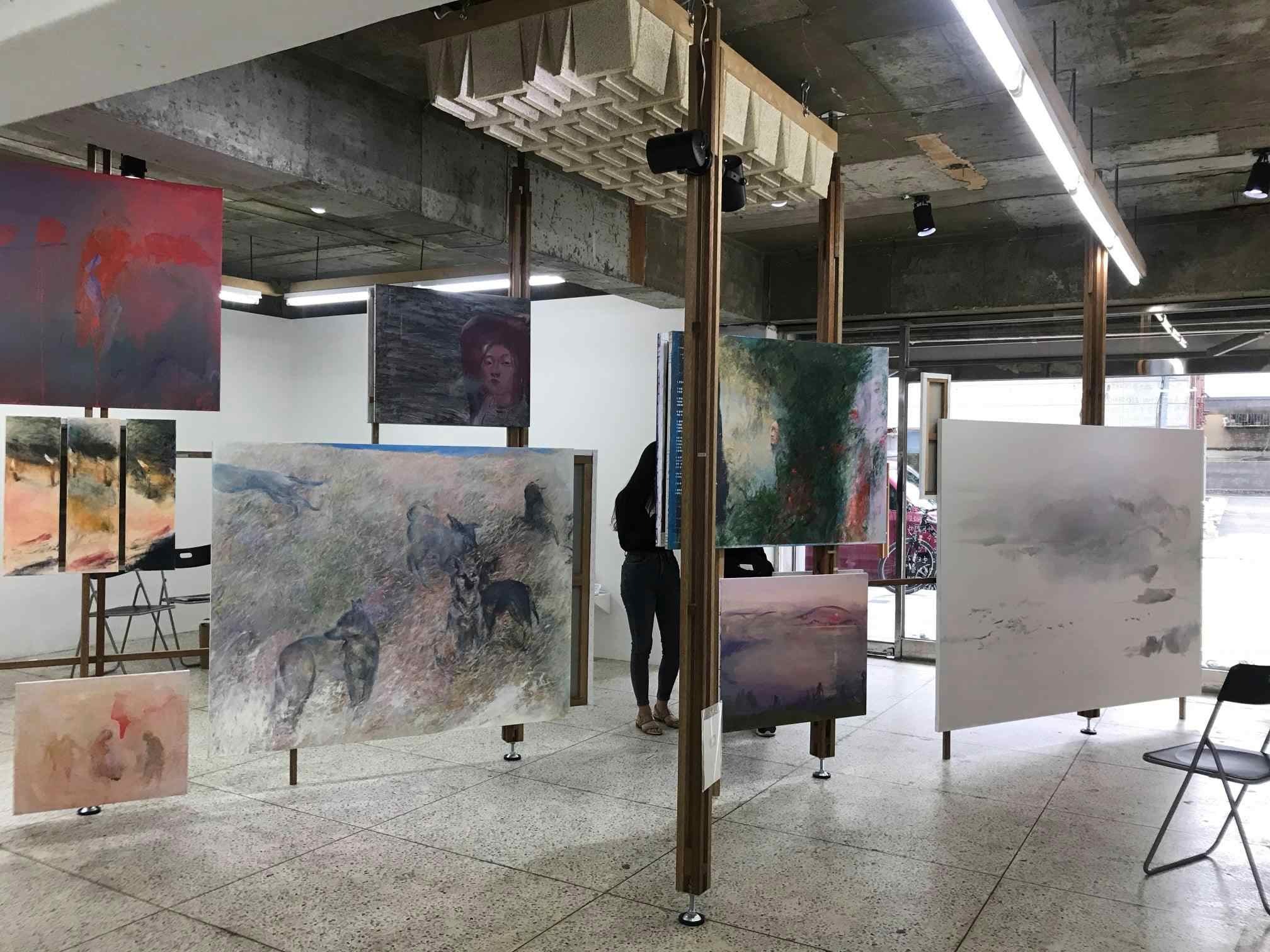
While Leeje has long worked primarily with oil painting, in recent years she has expanded her practice by connecting painting with a wide range of media. Incorporating lithography, video, sound, performance, and installation, she organically integrates diverse media around painting rather than presenting each medium independently.

In 《Painting Et Cetera》, she extended the conventional experience of a painting exhibition through collaborations involving spatial design, performance, sound, and video. In 《Expectations of Night》, she translated images derived from video and performance back into painting and lithography, establishing a cyclical relationship between different media.

For Leeje, painting is less about completion than about an ongoing process of transformation. Through the repeated acts of layering, covering, and erasing paint, she accumulates temporal strata across the surface, allowing figures, landscapes, and objects to permeate one another as their contours gradually dissolve.

Brushwork and color operate as autonomous formal elements beyond their descriptive function, and the canvas foregrounds processes of emergence and transformation rather than presenting a finished image. In this sense, painting becomes not simply a representation of a particular scene, but a process through which sensation and memory are translated into material form.

Topography & Continuity

Over the past two decades, Leeje’s practice has expanded its scope from urban landscapes to the body, community, social disasters, and collective memory, while maintaining a consistent commitment to understanding reality through sensation. Her early works focused on redevelopment sites, the urban periphery, anonymous laborers, and disappearing landscapes.

She later turned her attention to relationships among women, friends, and communities, exploring the intersections between personal experience and collective memory. More recently, her practice has broadened to encompass universal themes such as death, mourning, and collective remembrance.

Yet throughout these developments, her enduring concern has remained the same: not to document specific events, but to contemplate the sensations and emotions they leave behind through painting.

Her use of media and methods of expression has likewise undergone continuous transformation. While her earlier works centered on oil painting and depictions of urban landscapes and figures, her practice gradually incorporated stronger material and abstract qualities.

More recently, she has actively integrated lithography, video, performance, sound, and installation, expanding the boundaries of painting. These shifts, however, do not represent a departure from painting. Rather, they reflect an ongoing exploration of painting’s capacity to engage with contemporary modes of perception.

Another enduring characteristic of Leeje’s practice is that it consistently begins with personal experience. Her family, friends, the city in which she lives, the communities she belongs to, and her encounters with social events all serve as points of departure. Within the pictorial space, however, these experiences move beyond individual narratives to become shared sensibilities that resonate with those living in the present.

This sustained effort to connect reality and imagination, memory and the present, and the individual and the collective forms a central axis of her practice, extending over time into broader relationships and social contexts.

Works of Art

Painting as a Network of Intersecting Lives

Articles

Exhibitions

Activities