Out of the Fire - K-ARTIST

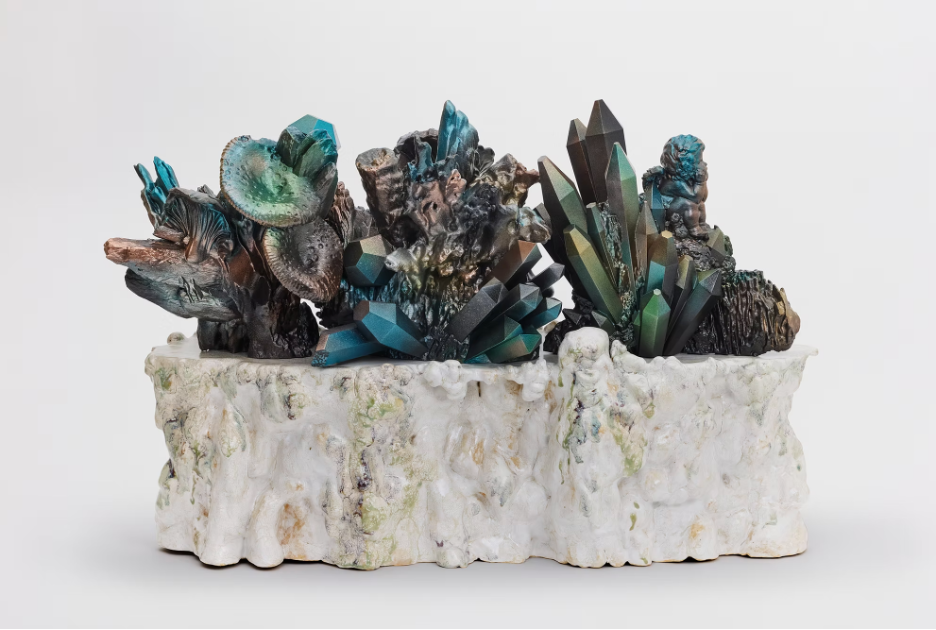
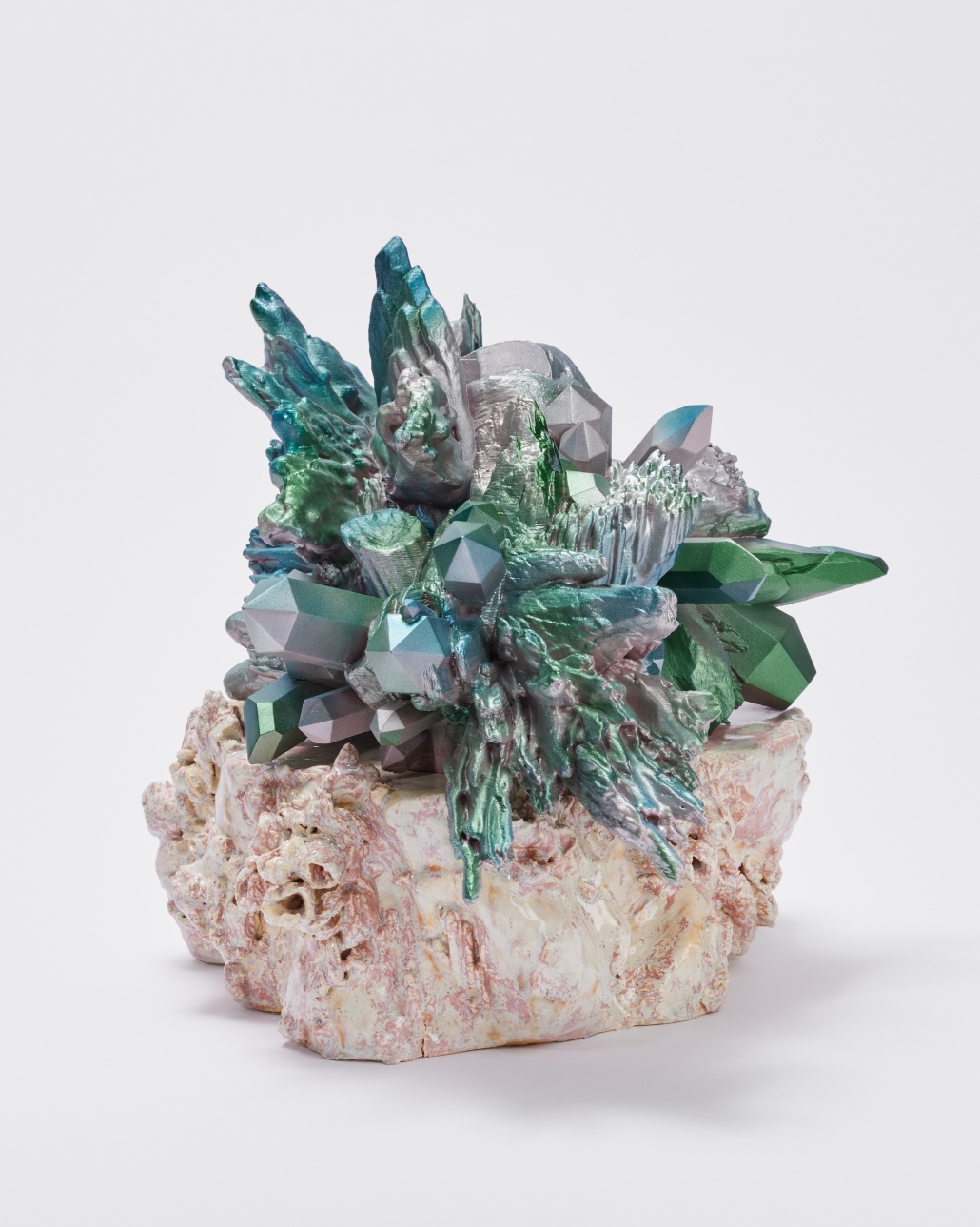
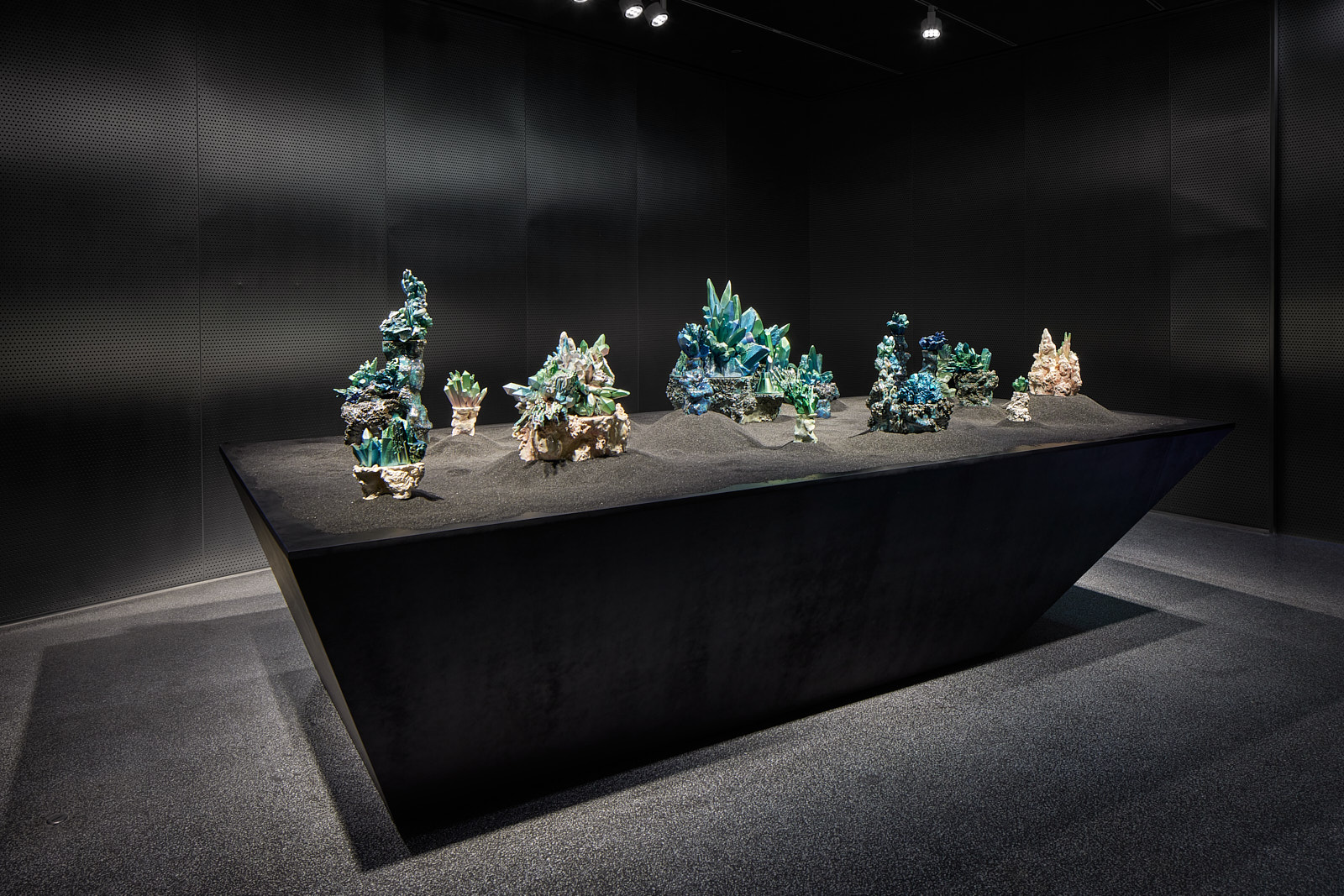
Out of the Fire

2026
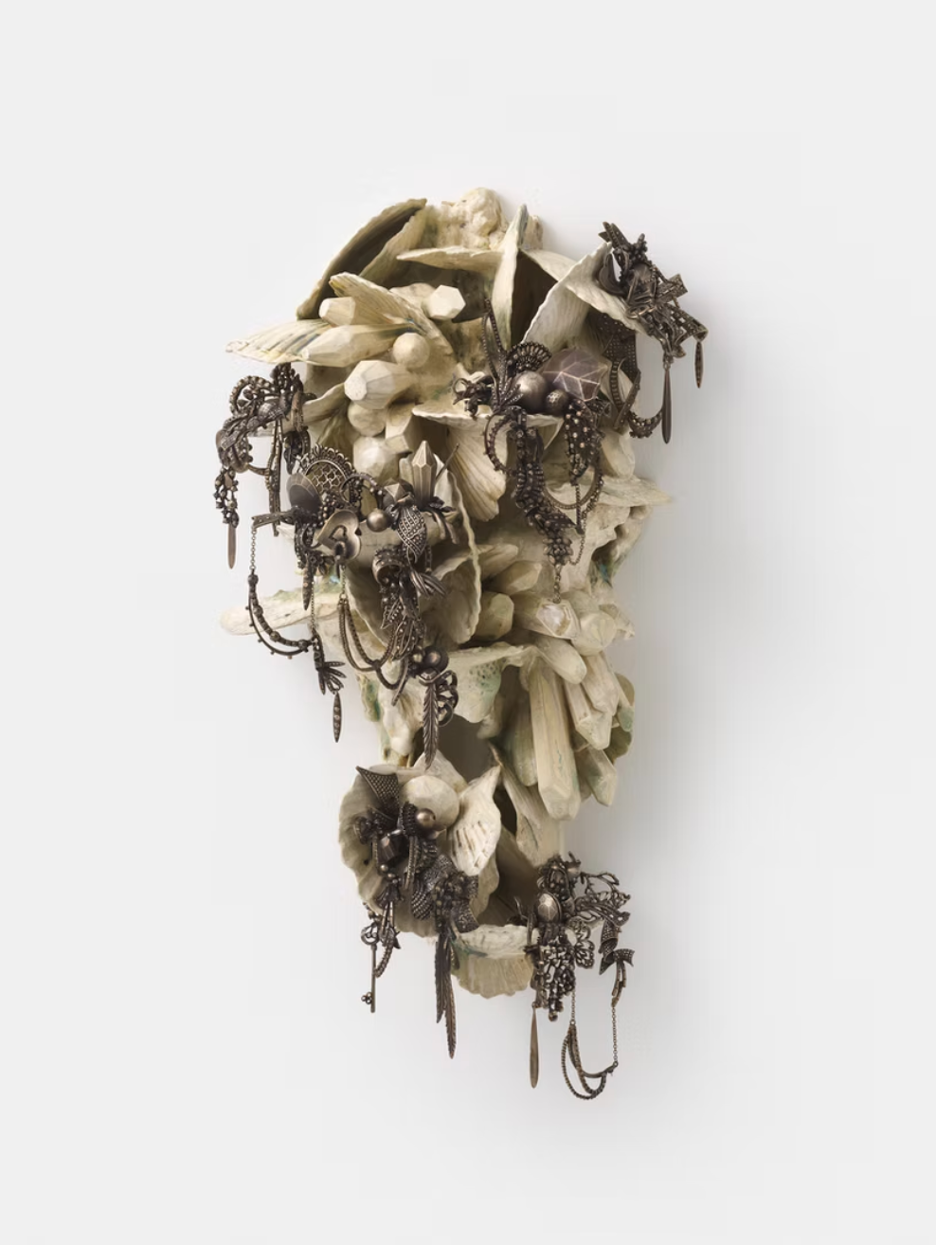
Glazed ceramic, brass
54 × 33 x 20 cm
About The Work

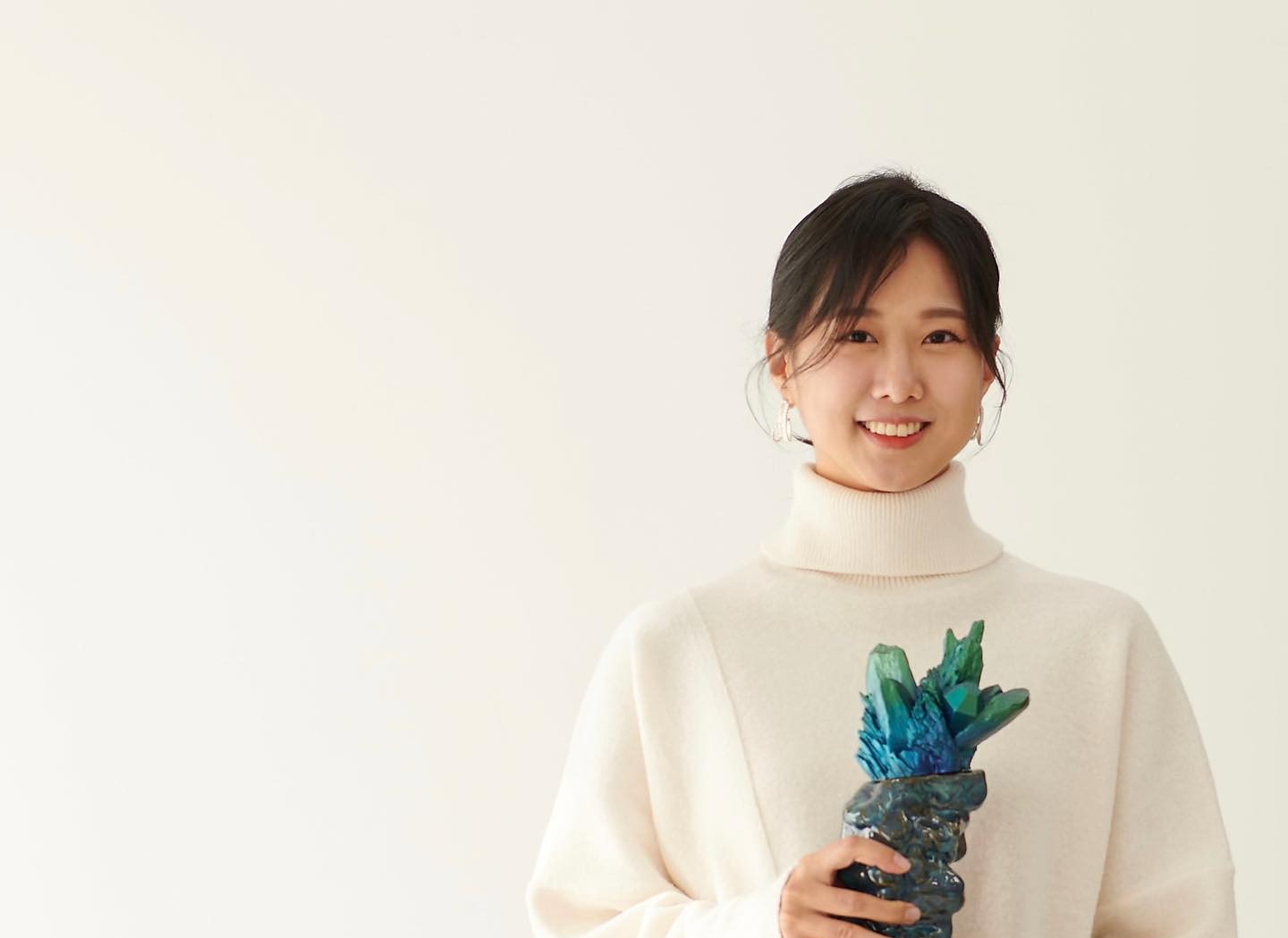
Serin Oh explores the boundaries within seemingly binary categories—such as original and copy, reality and virtuality, and the new and the discarded—revealing points where competing systems of value collide through craft, objects, video, and text-based works. Her practice questions the perceptions and assumptions that underpin everyday life and social structures, often staging ironic situations within exhibition spaces. 

Oh’s practice is characterized by its combination of site-based research and labor-intensive making. In this work, she skillfully transforms the techniques of craft into conceptual devices. Working primarily with metal craft and ceramics, the artist uses craft-based processes such as molding, replication, casting, firing, and surface treatment to translate social questions of originality, value, production, and waste into concrete material form. 

Rather than merely experimenting with materials across the boundaries of craft and sculpture, Serin Oh integrates research into markets, factories, capitalist distribution networks, ecological restoration, and industrial waste into her practice, making visible the points at which social structures and the circulation of materials intersect.

Beginning with the everyday objects and systems that surround us, her work dismantles familiar subjects from existing frameworks of perception and reconstructs them, prompting viewers to reconsider social standards and binary categories.

Built upon the dismantling of rigid dichotomies, Oh’s works reveal the questions and hidden meanings concealed within the gaps between them, confronting viewers with the realities that lie behind the surface of “glitter.”

Solo Exhibitions (Brief)

Serin Oh has held solo exhibitions including 《Forest Temperature Bunker》 (BYFOUNDRY, Seoul, 2022), 《How to Arrange Glitter and Gold》 (Seum Art Space, Seoul, 2018), and 《Single Channel Video – Serin Oh》 (Gyeongnam Art Museum, Changwon, 2017).

Group Exhibitions (Brief)

Oh has also participated in numerous group exhibitions, including 《Neo-Animism》 (THE THIRD, Seoul, 2026), 《Dark Factory》 (MMCA Changdong Residency, Seoul, 2025), 《Unfolding the Dynamics of Modern Ceramics in Korea》 (MMCA, Gwacheon, 2024), 《Beyond Adornment》 (Seoul Museum of Craft Art, Seoul, 2024), and 《Asia Craft Residency Archive: Indonesia Yogyakarta》 (Asia Culture Center, Gwangju, 2023).

Awards (Selected)

Oh was selected as one of the 11 Artists of the Year by Monthly Ceramic Art in 2024.

Residencies (Selected)

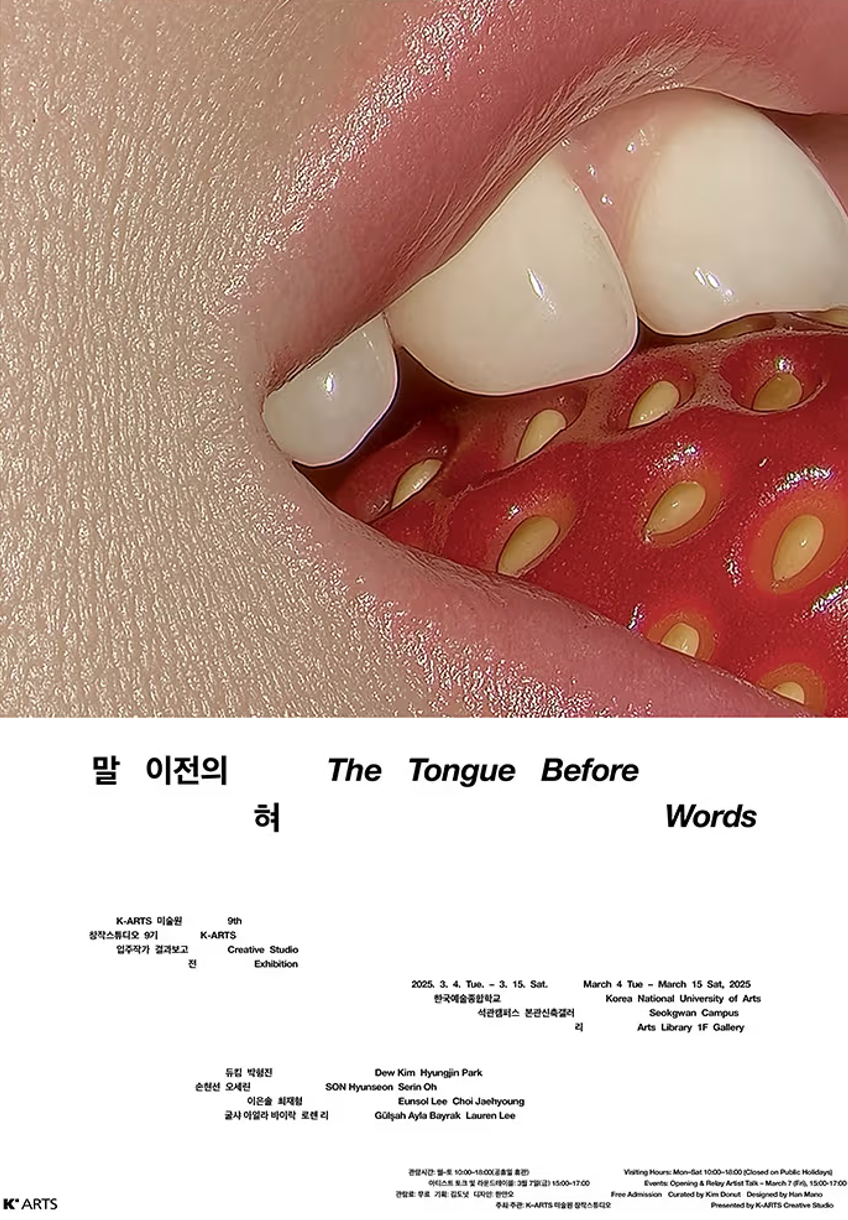
Oh has participated in a number of residency programs, including Taoxichuan Art Center (Jingdezhen, China, 2025), Korea National University of Arts K-Arts Creative Studio (Seoul, 2024), Babaran Segaragunung Culture House (Yogyakarta, Indonesia, 2023), and Phoenix Creative in China Academy of Art (Hangzhou, China, 2016).

Collections (Selected)

Oh’s works are held in the collections of the MMCA, Taoxichuan Art Center, and the Pureun Culture Foundation, among others.

Works of Art

Between Original and Copy, Value and Waste

Originality & Identity

Serin Oh begins her practice from the boundaries between categories that appear to stand in opposition: original and copy, real and fake, value and waste, nature and artifice. Rather than accepting these binaries as fixed, the artist reveals how unstable and fluid their boundaries actually are. Her early ‘Imitation & Deception’(2009-2012) series most directly presents this line of inquiry.

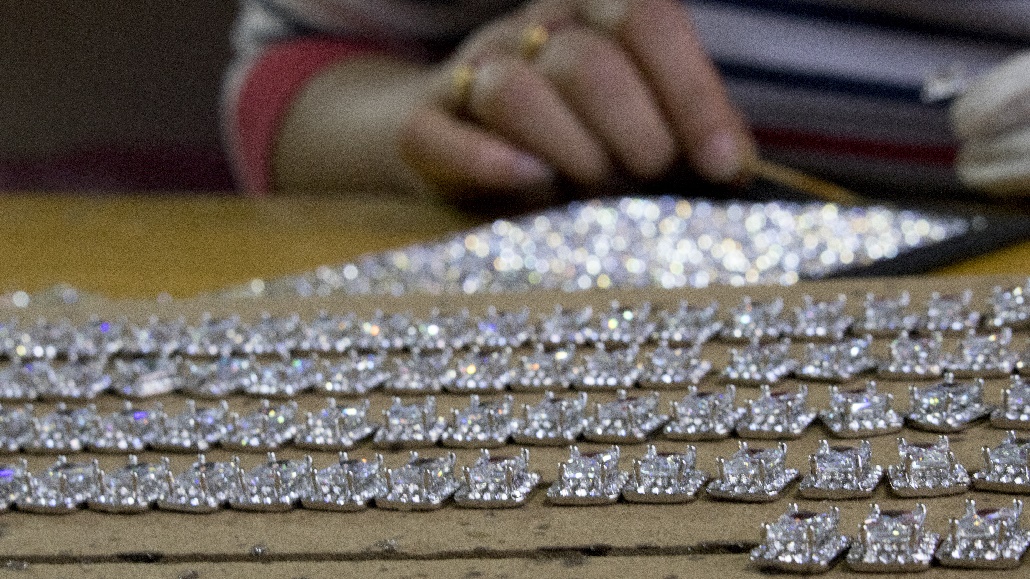
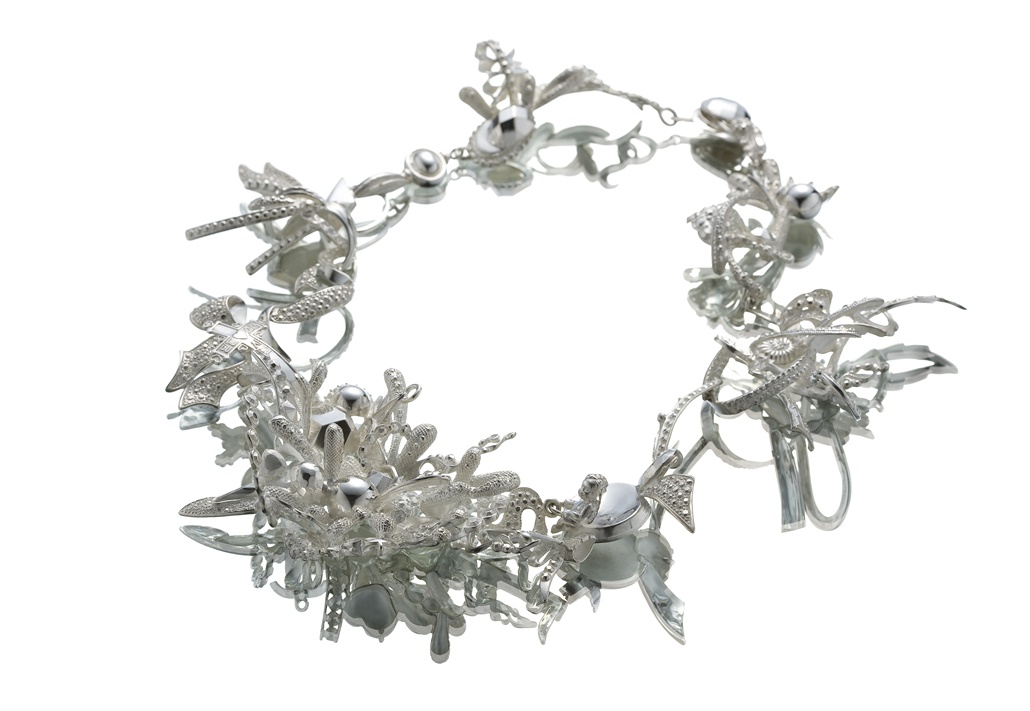
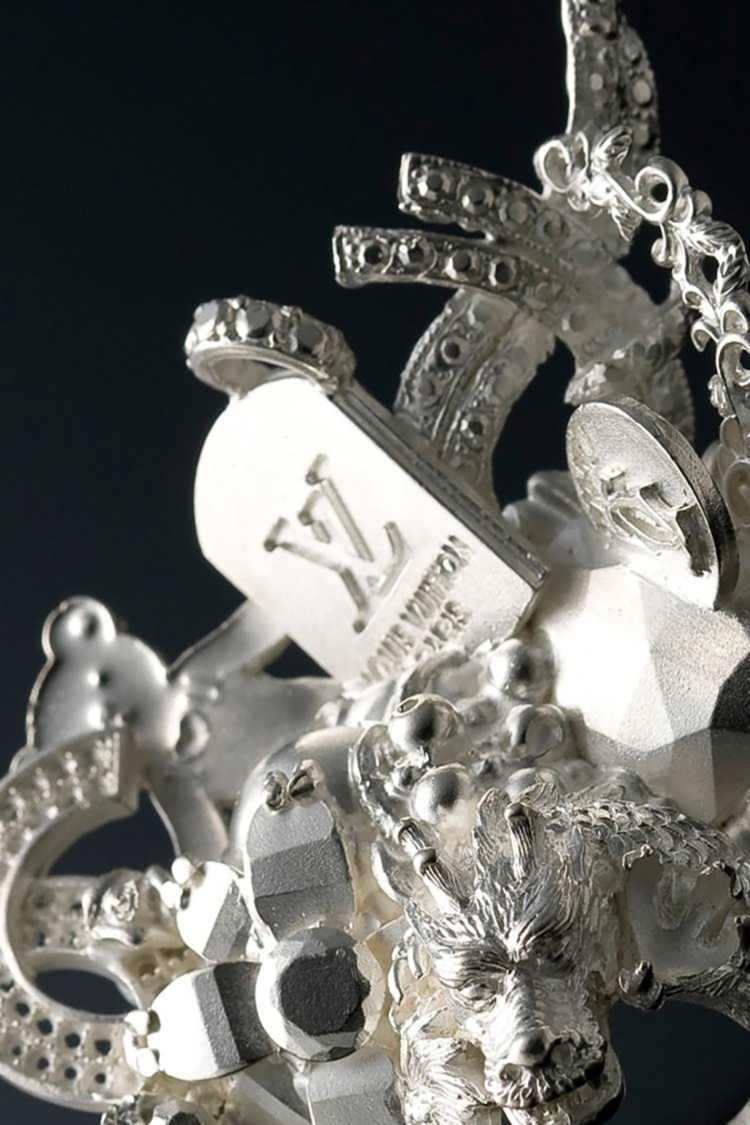
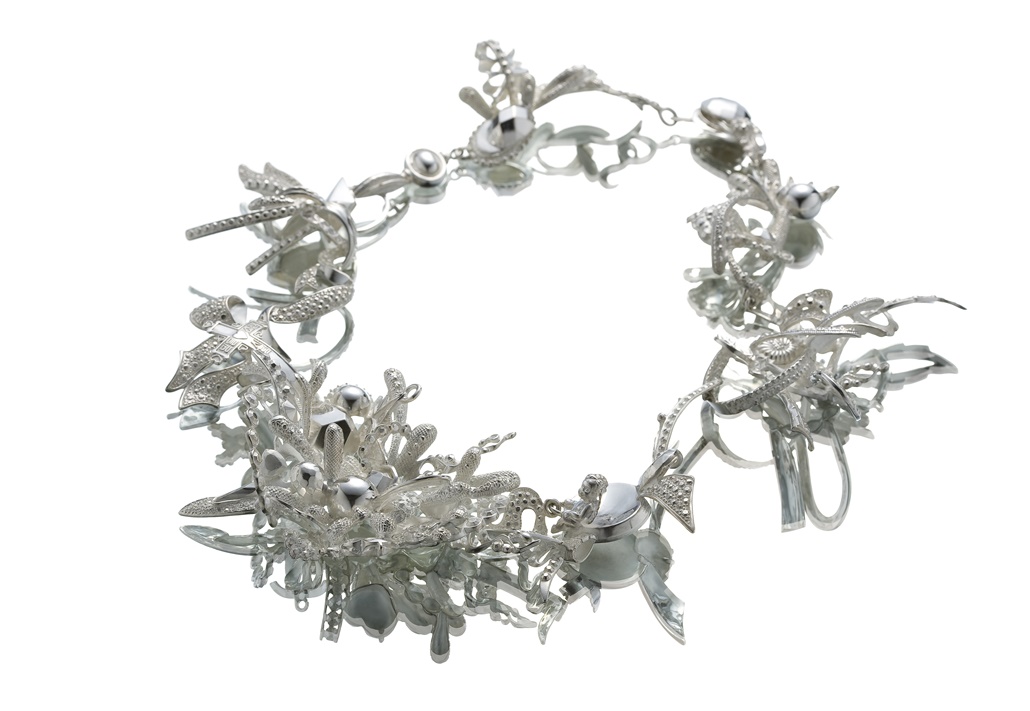
Oh collected low-cost accessories and faux gemstones easily found in accessory shops in Namdaemun Market and Myeong-dong, then reproduced and recombined them into one-of-a-kind rings and brooches. Through this process, inexpensive replicas became singular artworks, while the “fake” acquired the authority of the “real.”

Works such as Imitation & Deception No.2009-16(2009) and Imitation & Deception No.2011-25(2011) ask how value is produced and believed within consumer society.
 
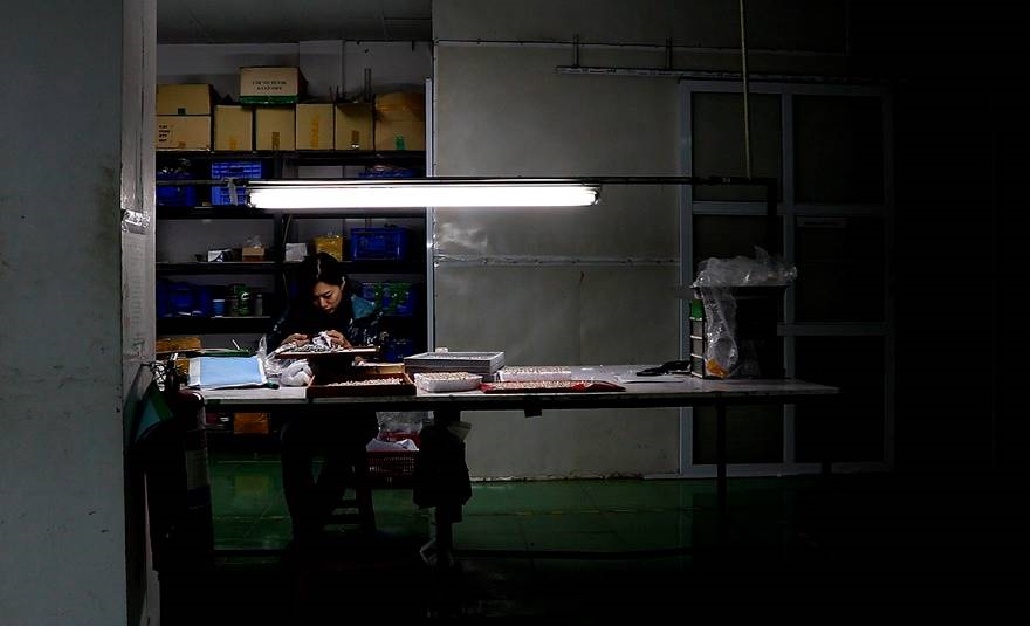
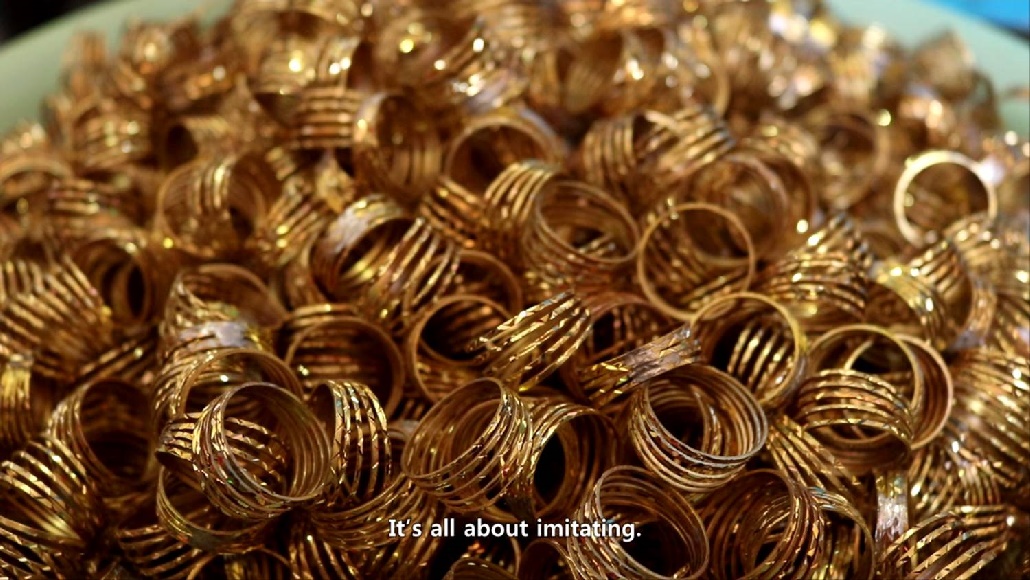
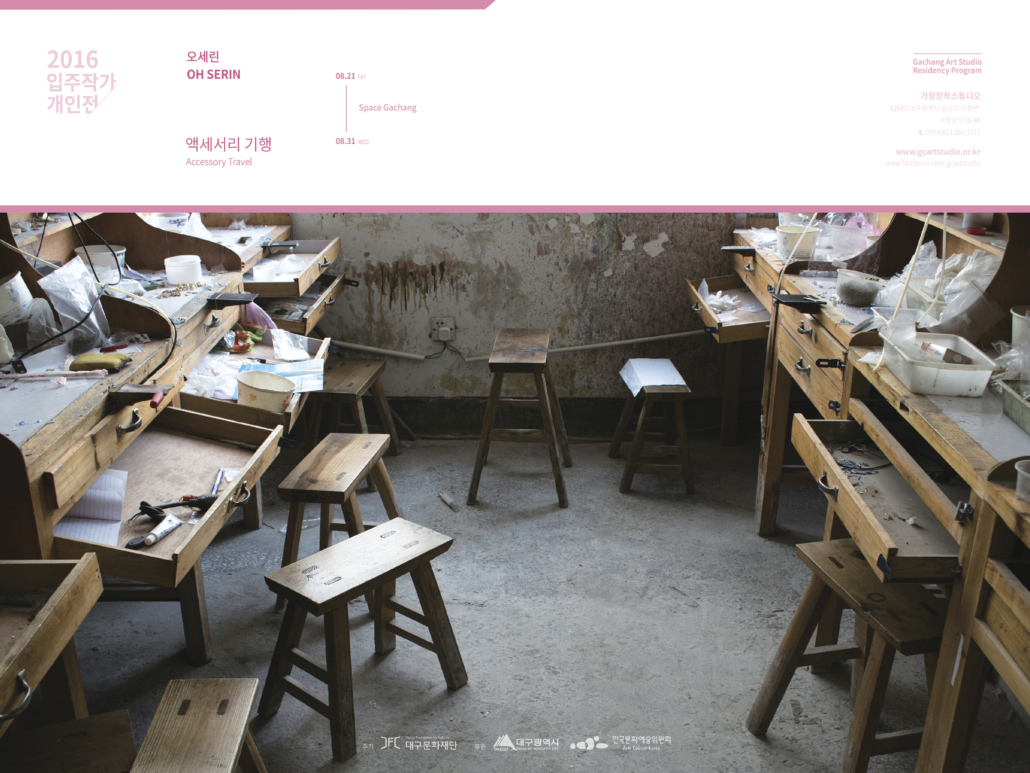
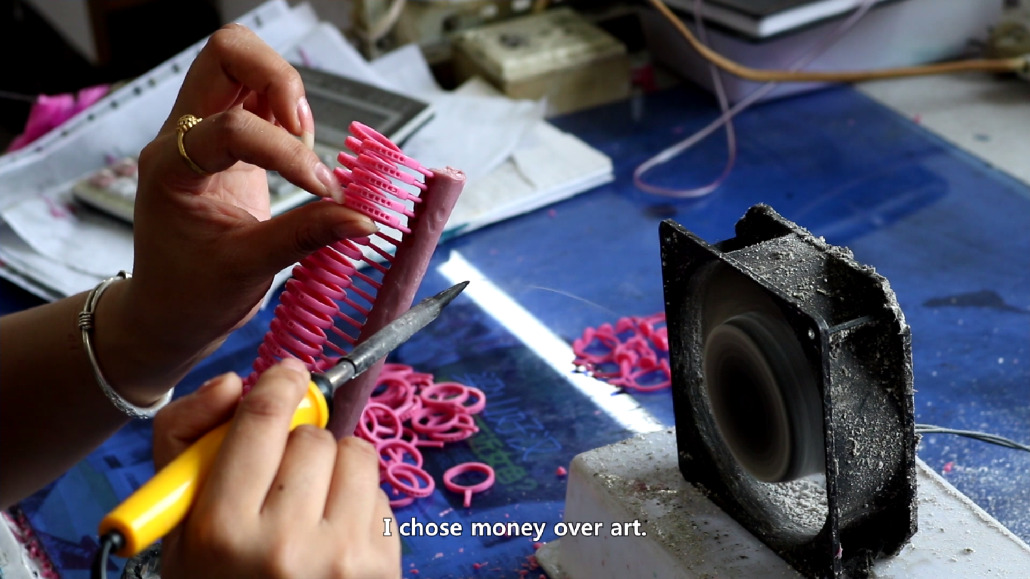
Oh’s interest later expanded from fake objects themselves to the structures that produce and distribute them. The ‘Accessory Travel’(2016) series and The Birds Trashed Their Heads to Fly(2016-2018) were developed by tracing sites of low-cost accessory production, including Yiwu in China and the Đồng Văn Industrial Park in Vietnam.

Here, the artist poses the question “What is real?” among factories and markets, workers and business owners, producers and consumers. The ‘Vietnam Project’(2018), presented in her solo exhibition 《How to Arrange Glitter and Gold》(Seum Art Space, 2018), pushes this question further through a more experimental method.

Oh inserted her own original design into a mass-production system in a Vietnamese factory and observed how the result was transformed. In this work, the relationship between original and copy is not a simple hierarchy, but a structure in which the two reflect and disrupt each other.
 
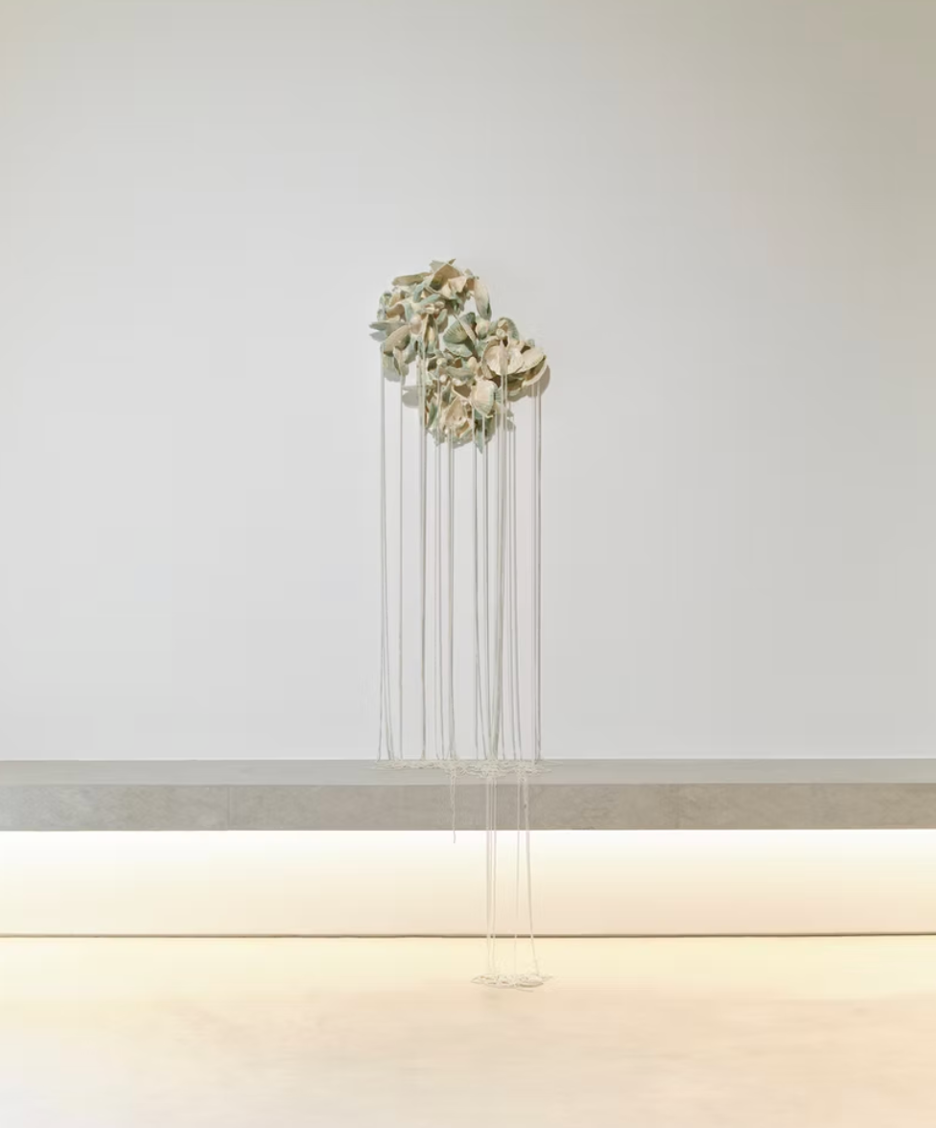
After her 2022 solo exhibition 《Forest Temperature Bunker》(BYFOUNDRY, 2022), the artist’s gaze moved from human-made systems of value toward ecology and nonhuman beings. Based on stories surrounding zinc mine development and the restoration project for lenok in the Nakdong River, works such as Melting Point of the Mountain(2022) and Flowing Forest(2022) question the way humans believe they can manage and restore nature.

The possibility that the Nakdong River lenok, once thought to have disappeared, may have continued to live outside human plans becomes a device in Oh’s work for revealing invisible worlds and the limits of human-centered perception.

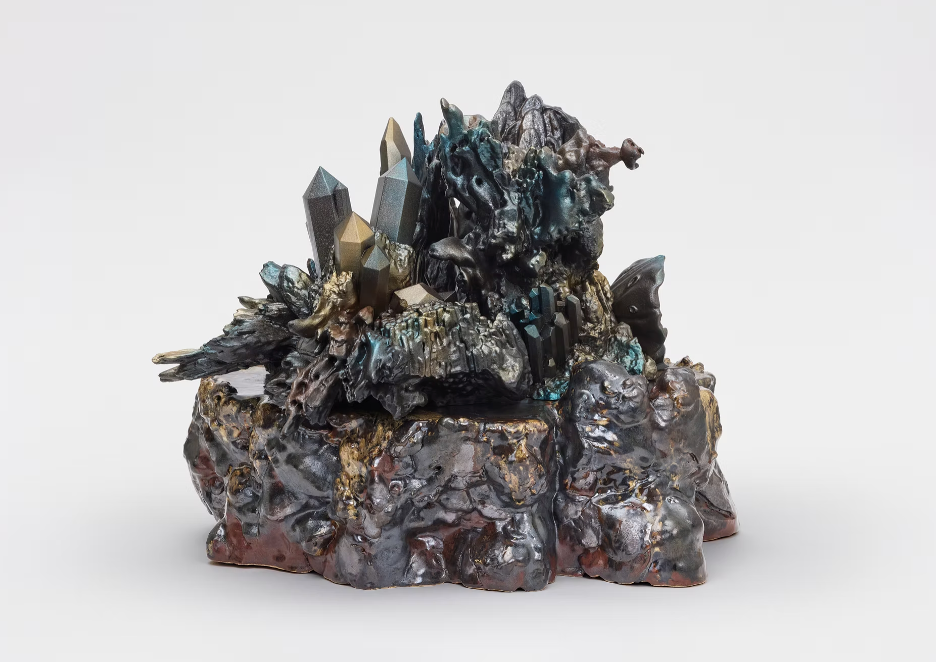
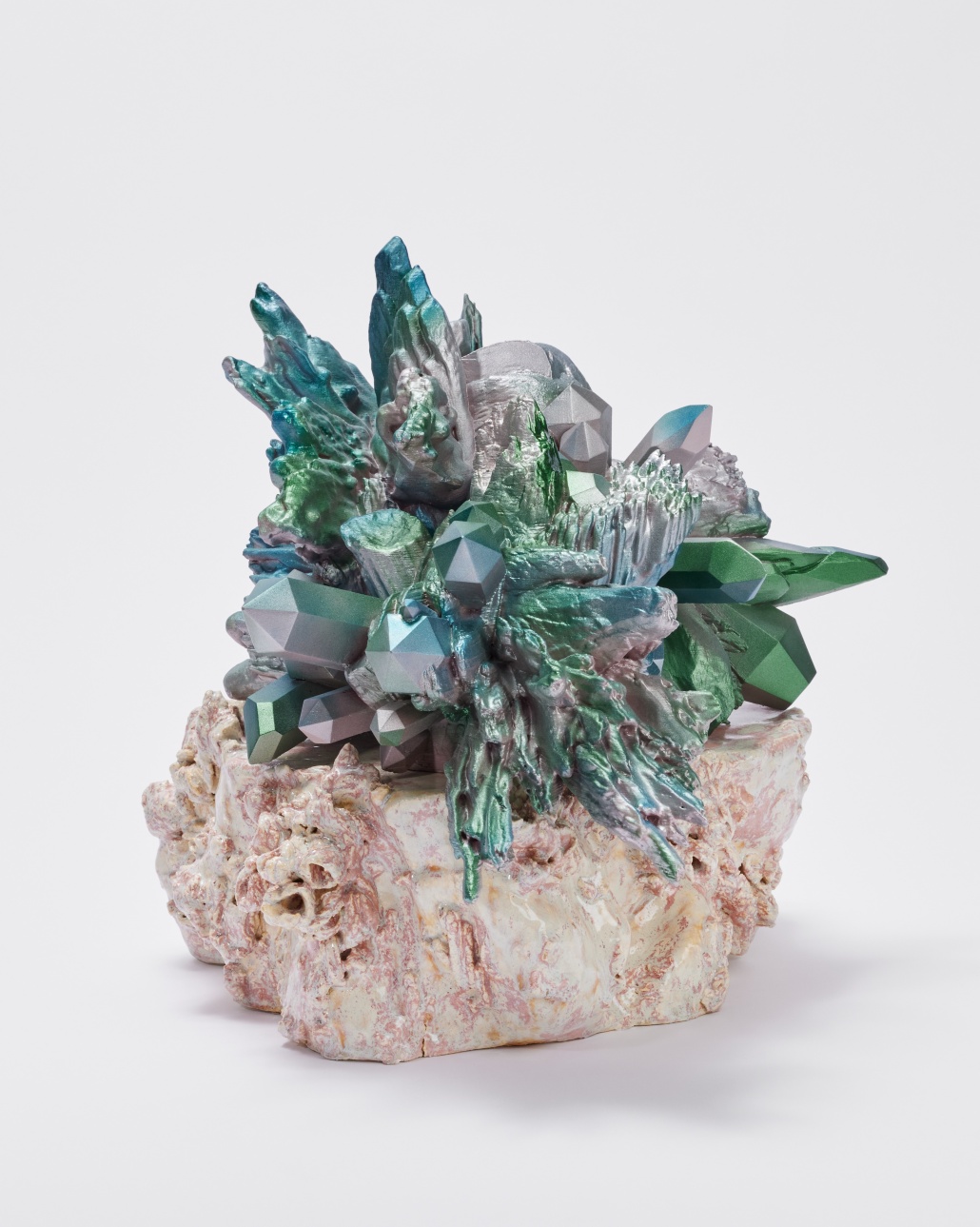
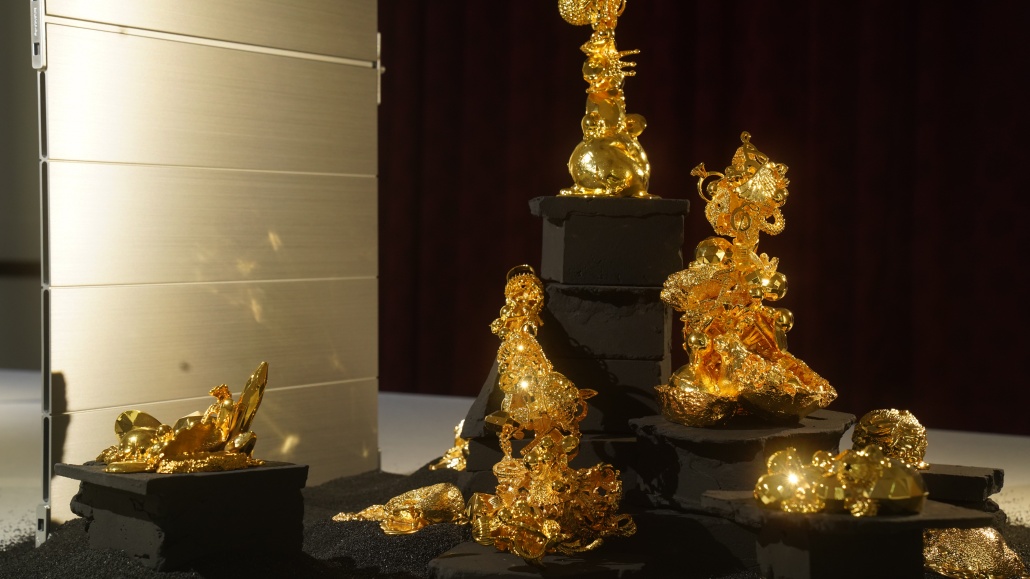
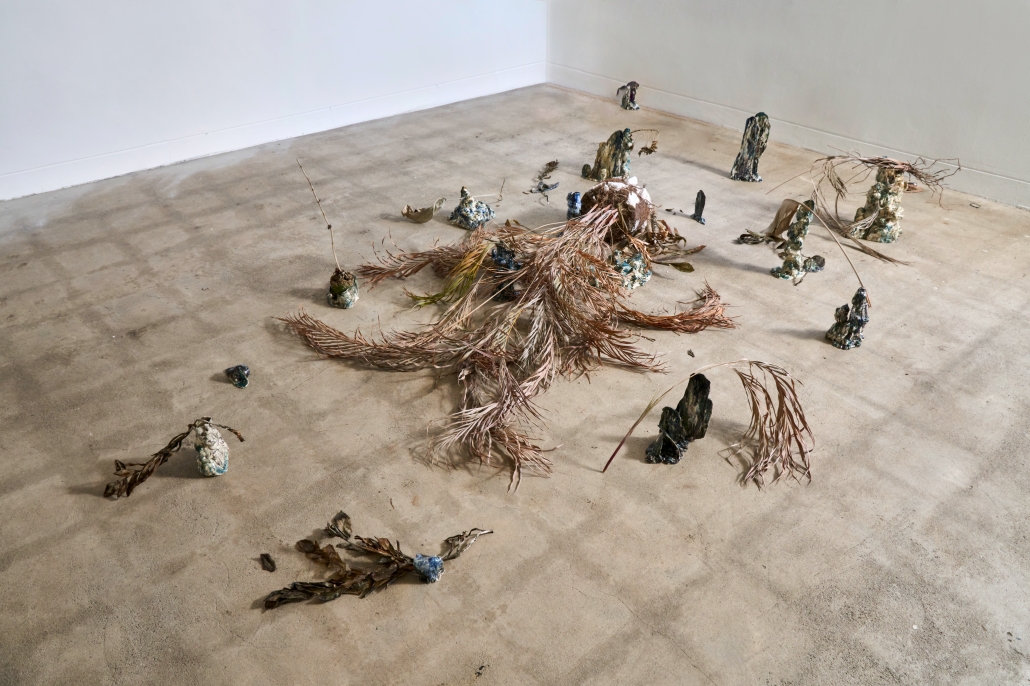
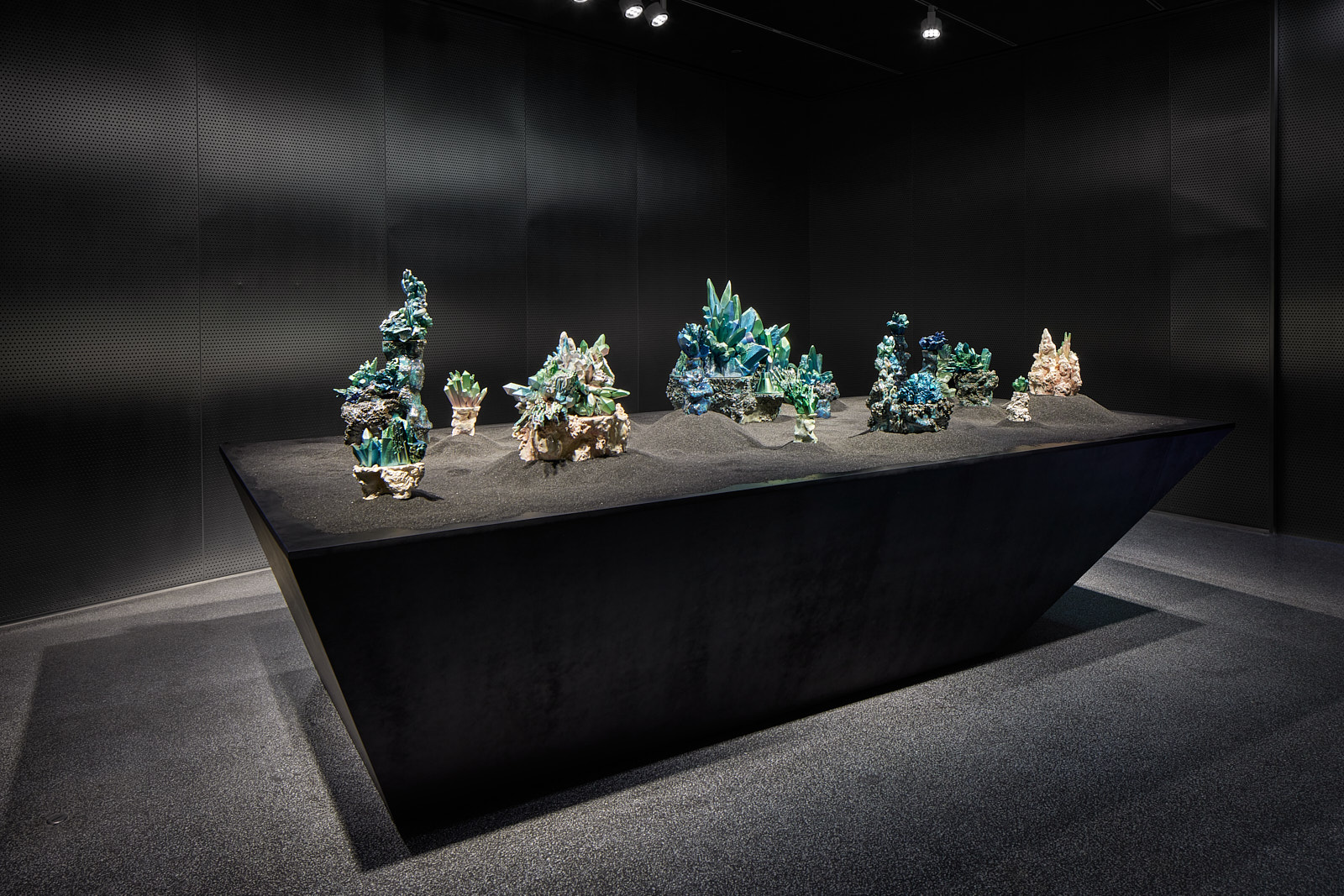
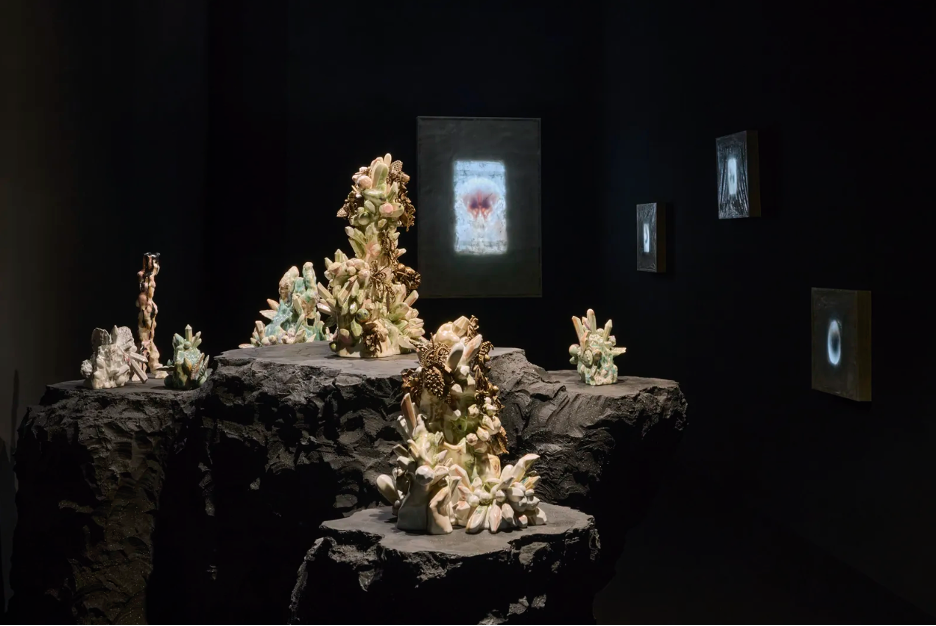
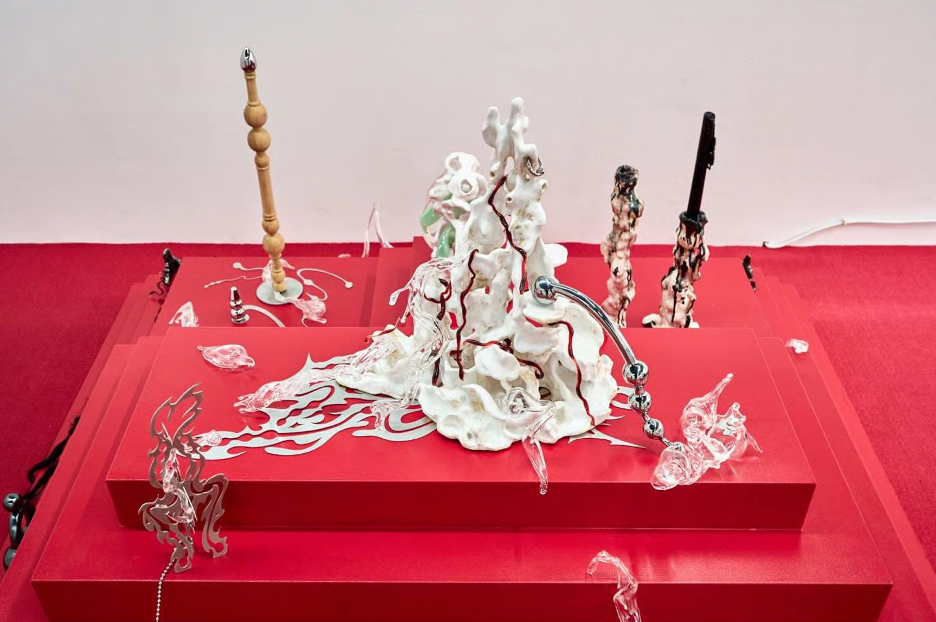
The recent work Out of the Fire(2026), presented in the two-person exhibition 《Neo-Animism》(THE THIRD, 2026), begins from the ceramic industry of Jingdezhen and discarded ceramics, once again questioning the standards of production, inspection, rejection, and waste. In this way, Oh’s practice has gradually expanded from counterfeit jewelry in consumer society to industry, ecology, and the sensory vitality of discarded objects.

Style & Contents

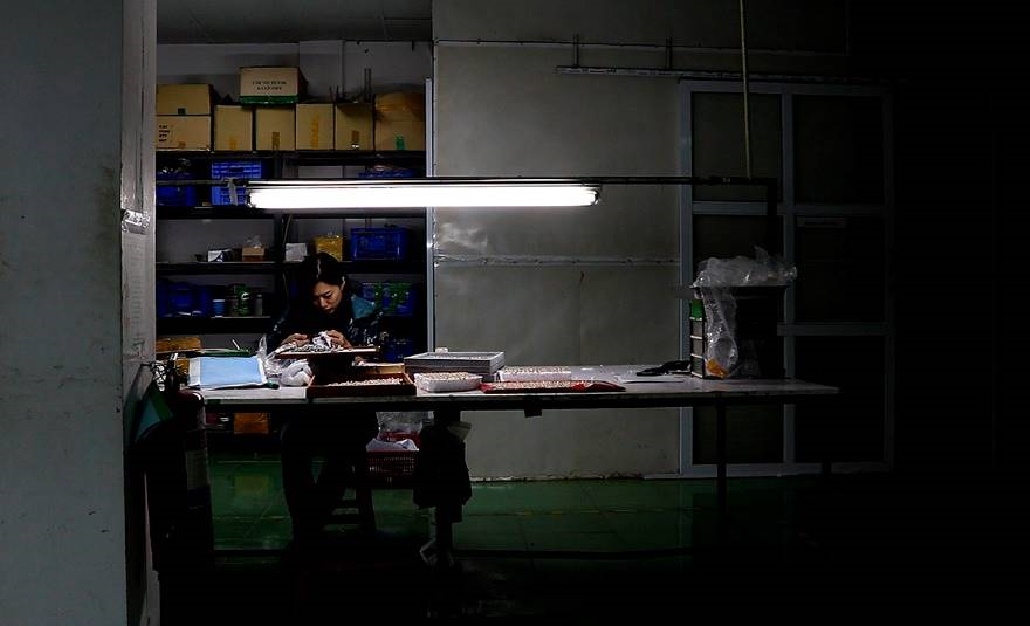
Oh’s practice is characterized by its combination of site-based research and labor-intensive making. The artist visits places where objects are made, circulated, and discarded, such as factories, markets, industrial complexes, mines, and ceramic production sites. Yet she does not present the results simply as documentation.

Instead, she rematerializes them by combining metal casting, wax casting, slip casting, ceramic firing, 3D printing, video, photography, and text. In the ‘Imitation & Deception’ series, she reproduced collected accessories with silicone molds, recombined the replicated fragments, and cast them in silver to create objects that are both jewelry and sculpture. Imitation & Deception No.2011-25 reveals the structure of desire as a physical mass through the excessive glitter and complex form of ornament.
 
In the ‘Vietnam Project’, the artist’s handmade original and the factory’s mass-production technology collide within a single work. Diamonds, pearls, colored gemstones, and 18K gold were used for the original, while the samples produced in the Vietnamese factory used imitation cubic stones, epoxy, brass, and zinc.

Vietnam Project: Making Film(2018) and Vietnam Project Made in Vietnam (01-06)(2018) do not conceal this difference, but instead bring it to the foreground. Through the interlocking processes of high-end and low-cost materials, handcraft and factory production, original work and commercial sample, Oh shows that the “real” is not determined solely by material value or mode of production.
 
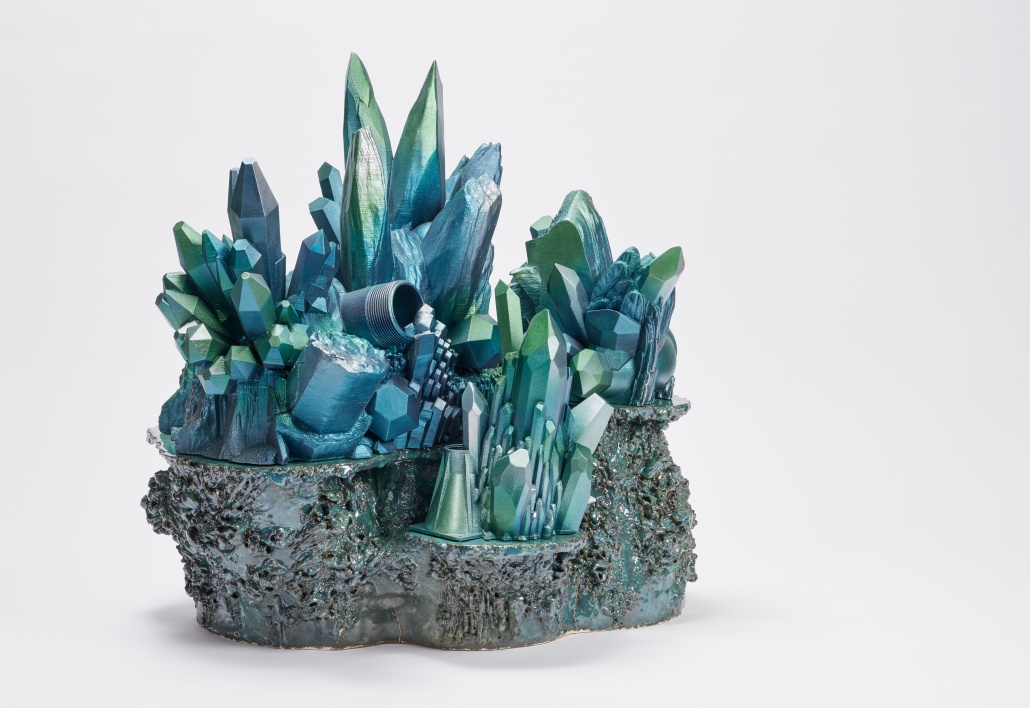
In 《Forest Temperature Bunker》, Oh moves from a language centered on metal craft toward sculptures that combine ceramics and 3D printing. The lower parts of the works are made of irregular glazed ceramic, while the upper parts consist of PLA 3D-printed masses created by altering open-source spatial modeling data used in games and films.

Natural and artificial materials, organic forms and linear structures, the smooth gloss of glaze and the granular texture of acrylic paint resembling automotive coating collide within a single work. Although Melting Point of the Mountain and Flowing Forest begin from an actual ecological event, they ultimately take form not as realistic landscapes, but as invisible gaps, or imagined habitats that humans can only speculate about.

In the recent Out of the Fire, Oh returns to slip casting and lost-wax casting, connecting objects rejected by the ceramic industry with the decorative quality of cheap accessories. What has been discarded gains a new surface through which it can be perceived again, not as waste that has lost its function, but through sensation and ornament.

Topography & Continuity

Serin Oh skillfully transforms the techniques of craft into conceptual devices. Working primarily with metal craft and ceramics, the artist uses craft-based processes such as molding, replication, casting, firing, and surface treatment to translate social questions of originality, value, production, and waste into concrete material form.

While many artists move across the boundaries between craft and sculpture through material experimentation, Oh combines this with research into actual sites such as markets and factories, capitalist distribution networks, ecological restoration, and industrial waste. In her work, glitter is not merely a visual effect, but a surface where desire, labor, imitation, and alienation overlap.
 
Oh has traced the vast systems surrounding the small object of the counterfeit accessory. If the ‘Imitation & Deception’ series compressed questions of consumer desire and originality into the form of jewelry, the ‘Accessory Travel’ series and The Birds Trashed Their Heads to Fly shifted her gaze to the production sites where those objects are made.

The ‘Vietnam Project’ marked a case in which the artist directly intervened in a factory system, while 《Forest Temperature Bunker》 became a turning point that expanded the relationship between industrial development and ecology into speculative sculpture.

Later, Out of the Fire connects Jingdezhen’s ceramic industry, discarded ceramics, and the form of Joseon-era paintings of strange stones, continuing the artist’s long-standing concern with “objects pushed outside systems of value” through new materials and forms. Oh’s practice will continue to expand across craft, sculpture, research-based work, and ecological imagination.

Works of Art

Between Original and Copy, Value and Waste

Articles

Exhibitions

Activities