

Fatcoke diet - K-ARTIST

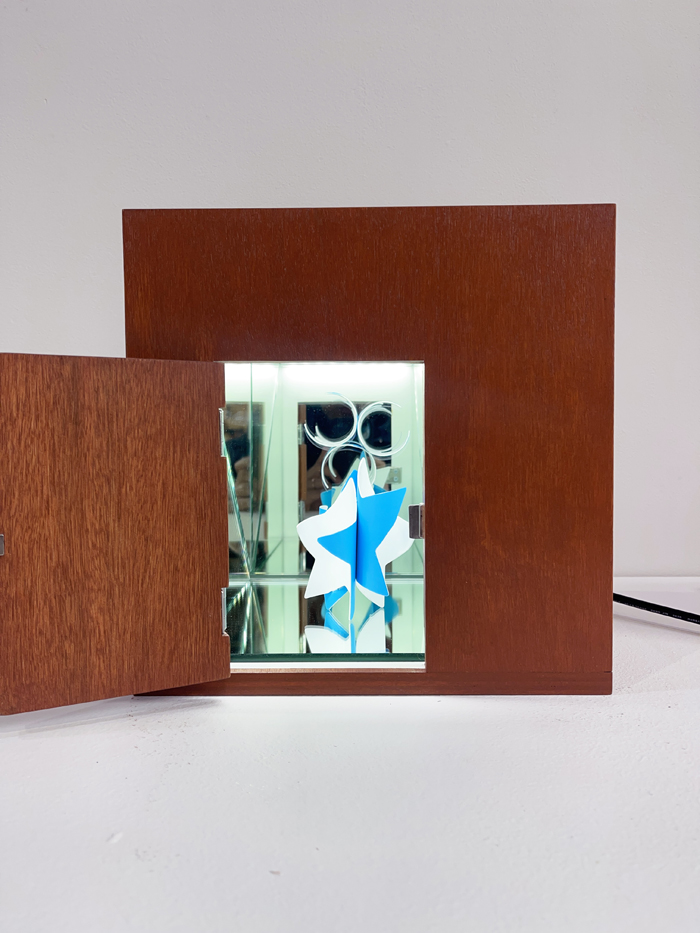
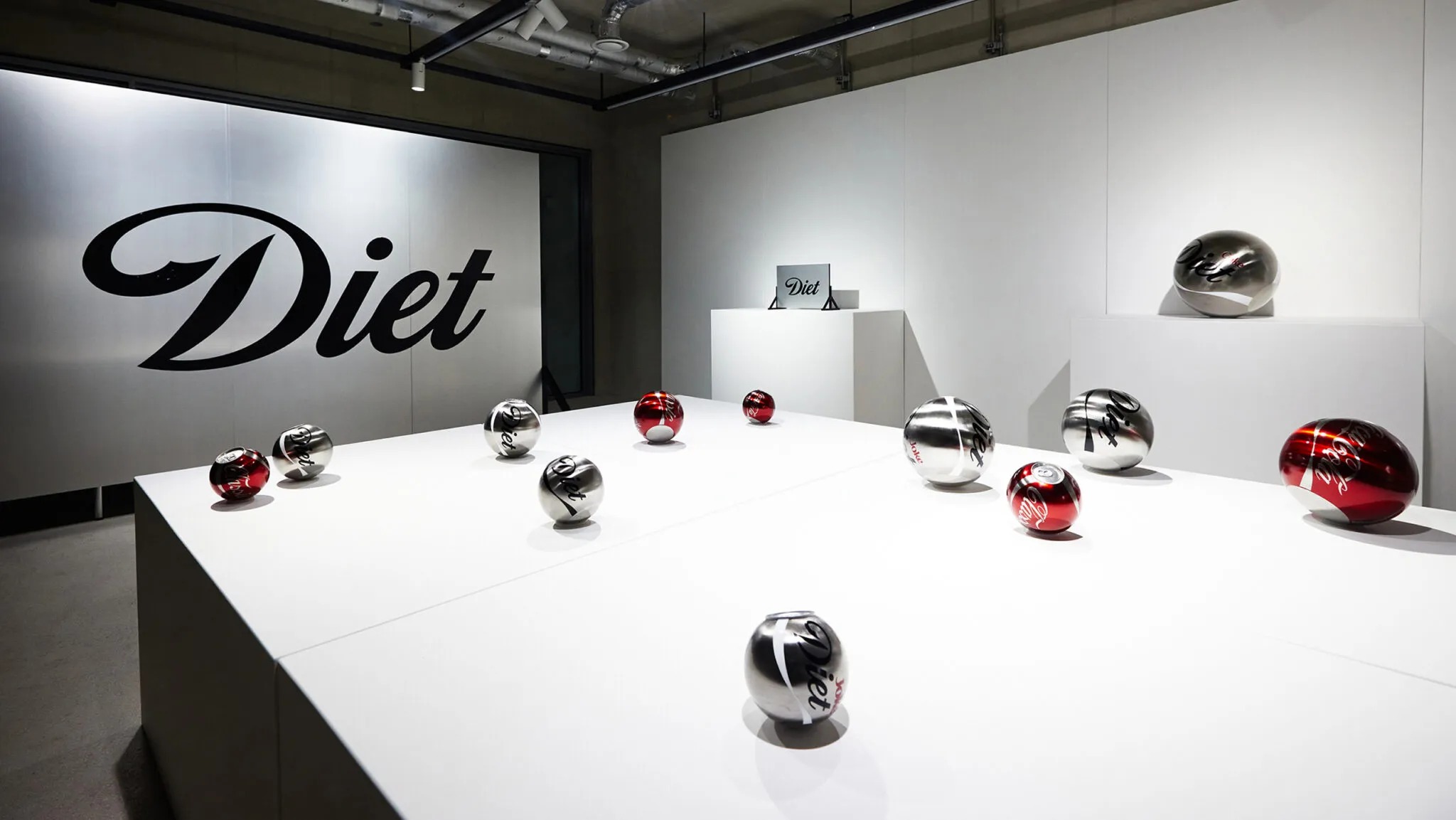
Fatcoke diet

2016
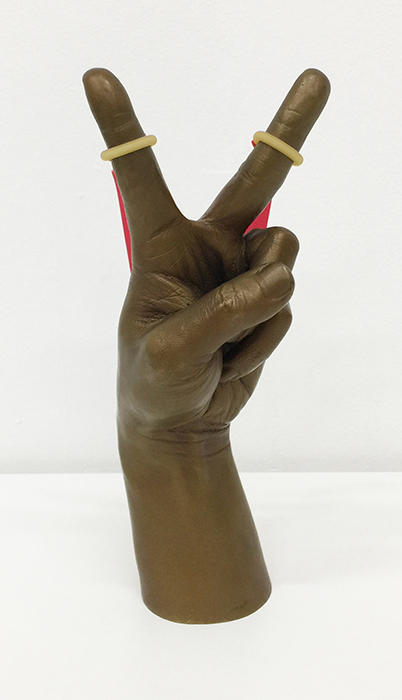
Stainless steel, aluminum, paint
12.5 x 12.5 x 12.5 cm
About The Work

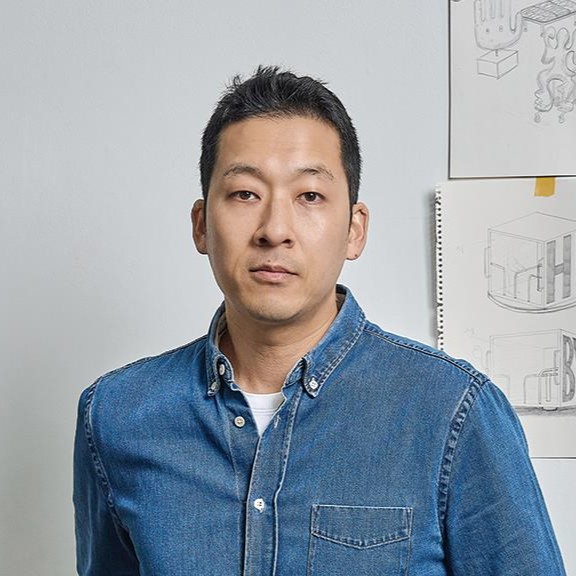
Wonwoo Lee's practice begins with the anxieties and sense of lack experienced by individuals in contemporary society. Yet rather than exposing anxiety or representing it in tragic terms, he transforms everyday objects and experiences, personal memories, and vague aspirations into forms of black humor and irony, relocating them into a shared field of experience.

In his work, anxiety is not merely a negative emotion to be overcome but a productive condition that propels life forward and generates new relationships and possibilities for imagination.

Lee works fluidly across sculpture, installation, performance, video, and participatory projects without privileging a single medium. Rather than adhering to a fixed formal language, he selects materials and methods according to the ideas and situations he wishes to articulate at a given moment. 

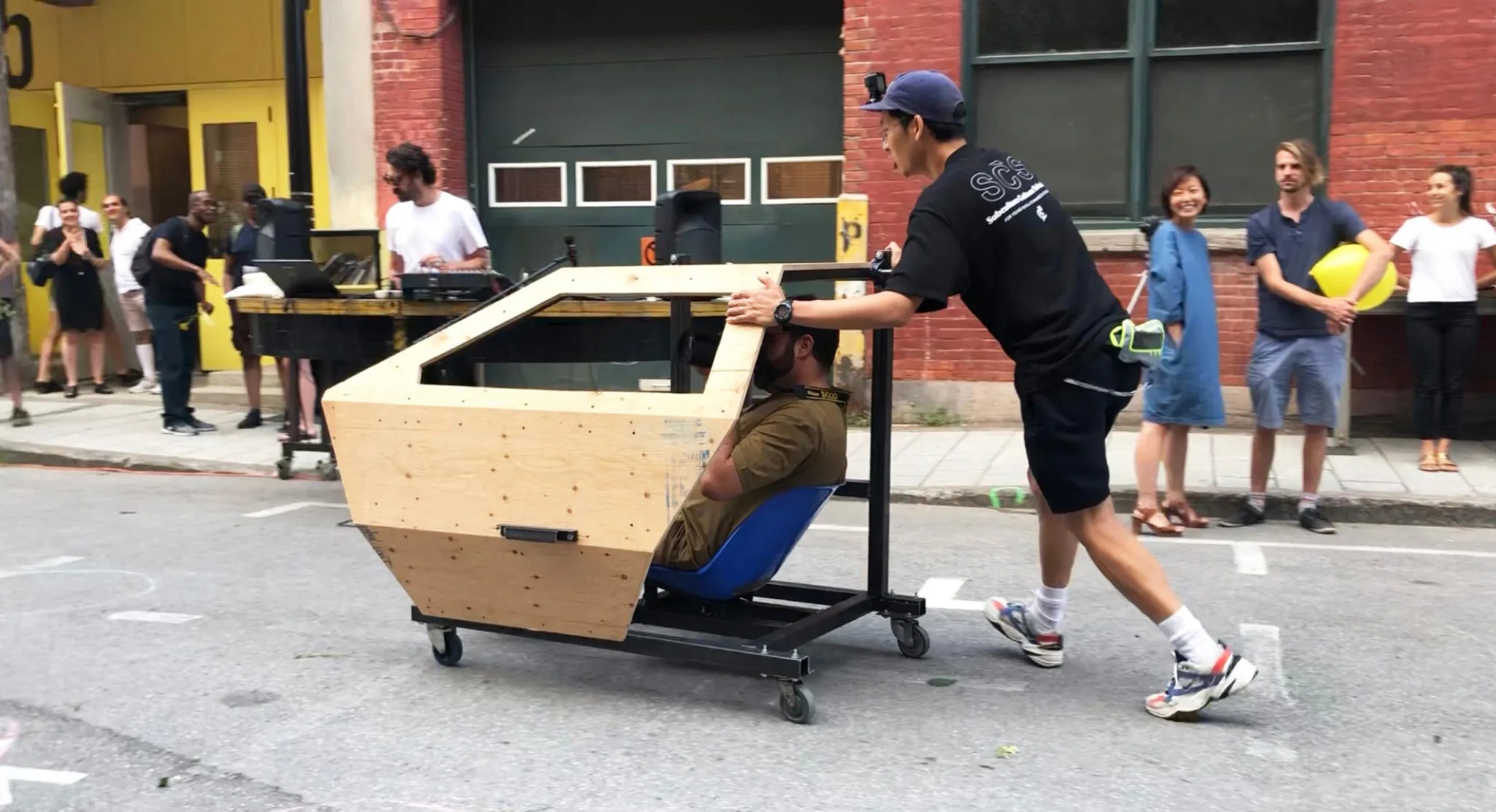
Sculpture nevertheless occupies a central position in his practice. His sculptures frequently possess an anthropomorphic quality and often function as performers within the exhibition space. His practice places greater emphasis on the process through which relationships are formed than on the finished outcome, transforming the exhibition space into a living stage where sculptures and people, stories and experiences, move together. 

Wonwoo Lee has consistently listened to the stories, memories, and emotions of his audiences while exploring the ways in which art can establish relationships with others. Anxiety and happiness, loss and hope—these universal emotions remain meaningful across different times and places, and his practice continually renews them through humor, play, and participation.

Ultimately, his artistic world is defined less by a specific medium or formal language than by a long-term endeavor to create spaces in which the uncertainties of life can be endured and imagined together.

Solo Exhibitions (Brief)

Since his first solo exhibition at Gallery 13.1 in 2002, Wonwoo Lee has presented solo exhibitions at leading art spaces in Seoul, including Gallery Loop (2012), PKM Gallery (2013, 2017, 2023), Art Sonje Center (2017), Working With Friend (2022, 2025), and Factory2 (2025), steadily developing his distinctive artistic practice.

Group Exhibitions (Brief)

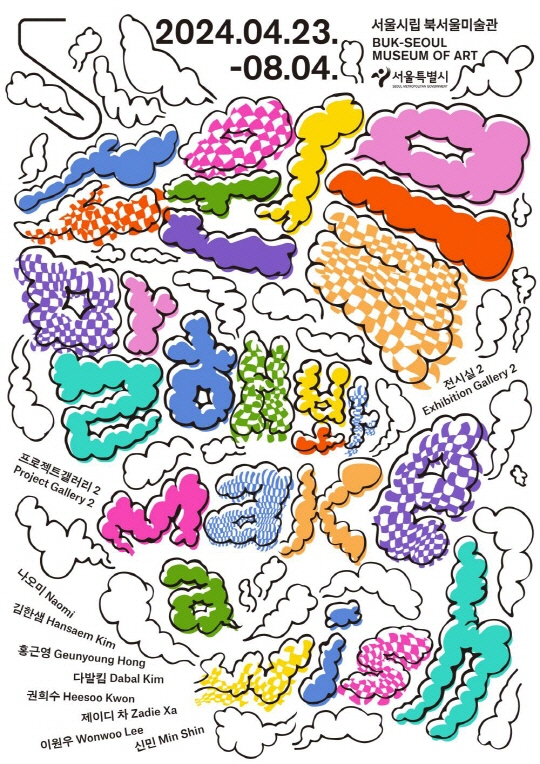
Wonwoo Lee has participated in group exhibitions at institutions and art spaces in Korea including the Seoul Museum of Art (2014, 2018, 2024, 2025), Art Sonje Center (2012, 2014), Culture Station Seoul 284 (2015, 2018, 2022), D Museum (2021), Buk-Seoul Museum of Art (2024), and PKM Gallery (2015, 2016, 2020, 2022, 2023). Internationally, he has continued to expand his practice through exhibitions including 《Korean Eye》 at Saatchi Gallery and the State Hermitage Museum (2020), as well as presentations at Beijing Commune (2014), NARS Foundation (2017, 2018), and Various Small Fires (2024).

Awards (Selected)

Wonwoo Lee received the Coutts Cowley Manor Arts Award in 2012 and the ArtSlant Prize in 2017.

Residencies (Selected)

Wonwoo Lee has participated in residency programs including SeMA Nanji Residency (2012–2013), the NARS Foundation International Artist Residency Program (2017–2018), MMCA Residency Goyang (2019), Fonderie Darling Residency (2019), and HIAP – Helsinki International Artist Programme (2022).
Works of Art

Works That Reawaken Life

Originality & Identity

Wonwoo Lee's practice begins with the anxieties and sense of lack experienced by individuals in contemporary society. Yet rather than exposing anxiety or representing it in tragic terms, he transforms everyday objects and experiences, personal memories, and vague aspirations into forms of black humor and irony, relocating them into a shared field of experience.

In his work, anxiety is not merely a negative emotion to be overcome but a productive condition that propels life forward and generates new relationships and possibilities for imagination.

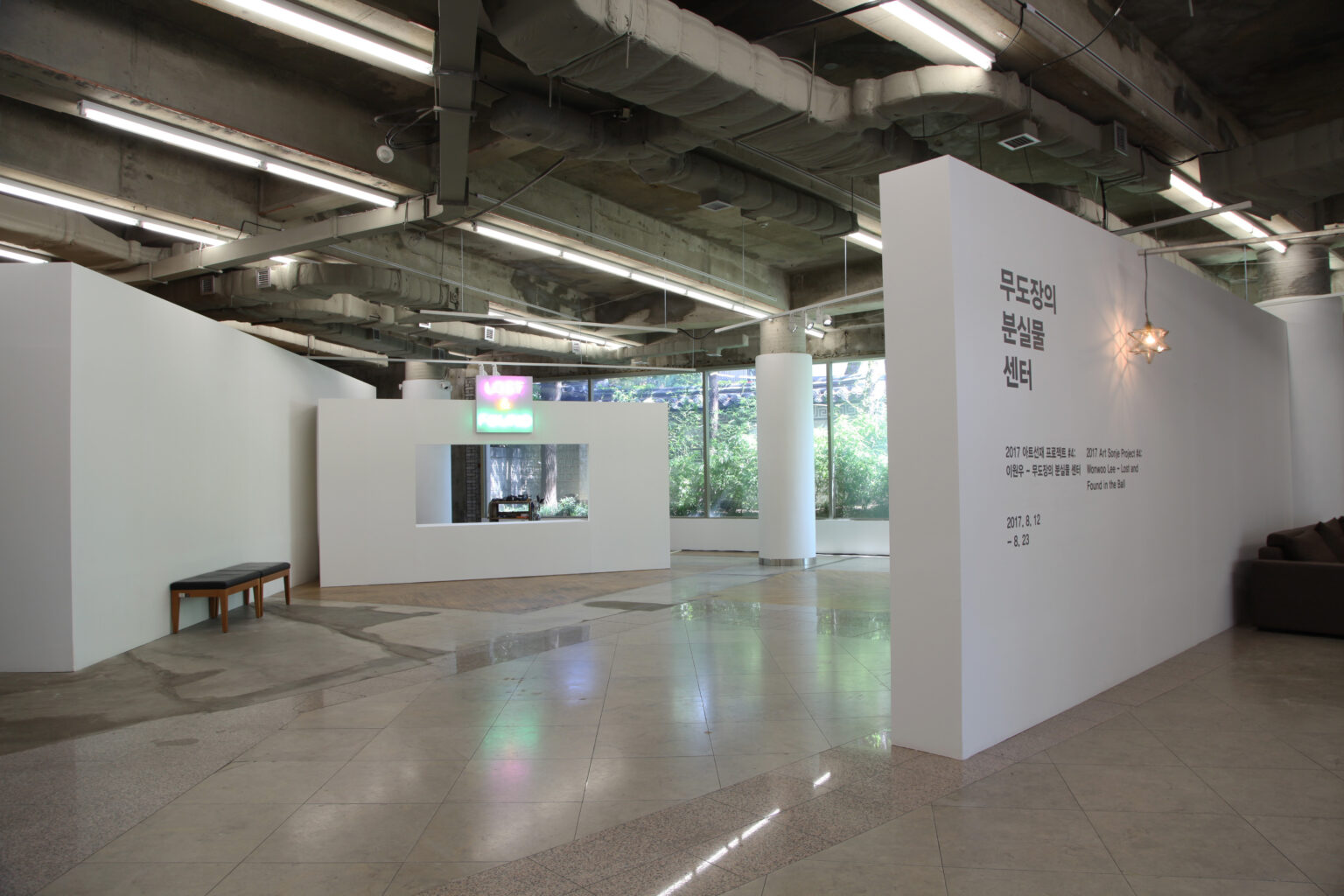
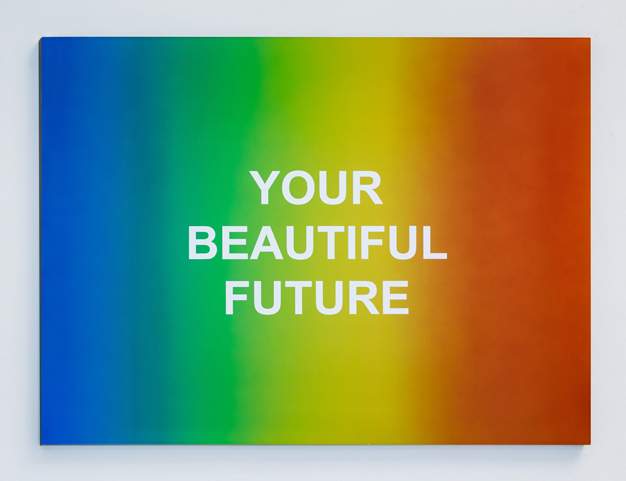
From the early activities of the performance collective “…Joketta Project” to more recent works such as 《Lost & Found in the Ball》, 《Your Beautiful Future》, and 《Cloudsmith》, Lee has consistently explored what people have lost and what they continue to desire. This sustained interest explains the recurring appearance of abstract concepts such as love, health, passion, identity, and happiness throughout his work.

By encouraging viewers to recall, articulate, and reflect upon their own desires and absences, he expands his practice from the realm of personal narrative into that of collective emotion.

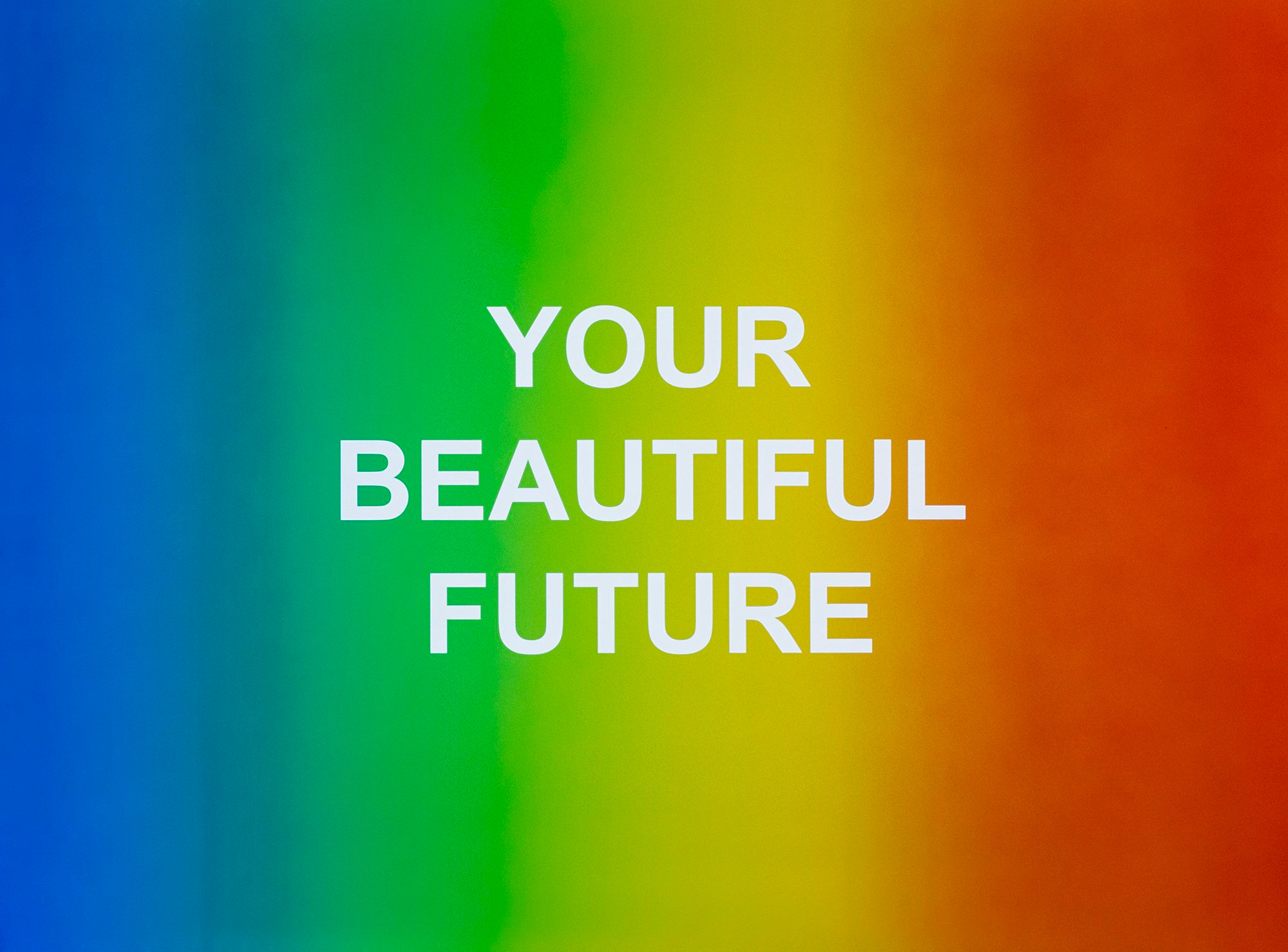
A particularly significant theme in his recent work is the idea of the future. Lee pays close attention to the strong future-oriented mindset shared within Korean society and the anxieties that accompany it. Unfulfilled dreams and unrealized desires are often perceived as though they have already been lost, while the future becomes both a site of hope and a source of profound uncertainty.

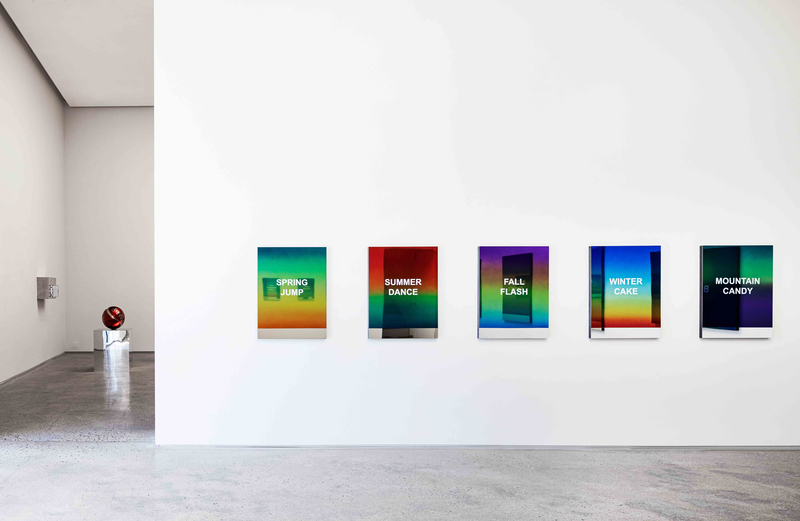
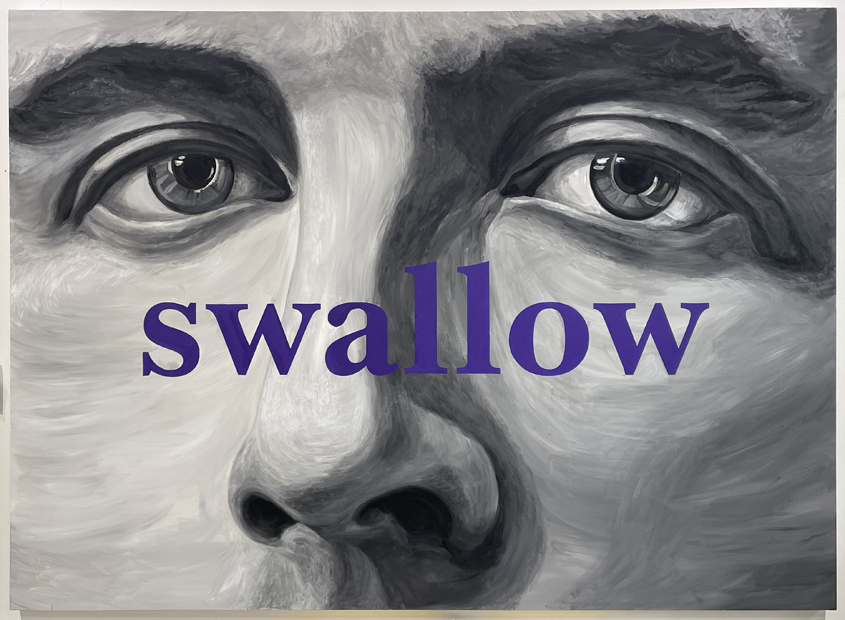
Works such as 《Your Beautiful Future》 and the 'Air Words' series evoke these contradictory emotions through universal images—transparent skies, seasonal landscapes, and romantic phrases—offering viewers a psychological screen onto which they can project their own futures.

Ultimately, Lee's work revolves around a question of happiness. The happiness he proposes, however, is neither a completed state nor an ideal destination. Rather, it is a fleeting emotional moment discovered within a reality where anxiety, absence, humor, and irony coexist. Lee does not believe that art can directly redeem life.

Instead, he offers moments of laughter, prompts people to remember what they have lost, and invites them to imagine futures that have yet to arrive. In this way, his practice may be understood as an emotional inquiry into contemporary life, one that begins with personal anxiety and seeks the possibility of happiness through relationships with others.

Style & Contents

Wonwoo Lee works fluidly across sculpture, installation, performance, video, and participatory projects without privileging a single medium. Rather than adhering to a fixed formal language, he selects materials and methods according to the ideas and situations he wishes to articulate at a given moment.

This openness toward media has been a consistent feature of his practice since his early activities with “…Joketta Project” and has become a defining characteristic of his artistic language. For Lee, the medium is never an end in itself but a vehicle through which relationships and experiences can be generated.

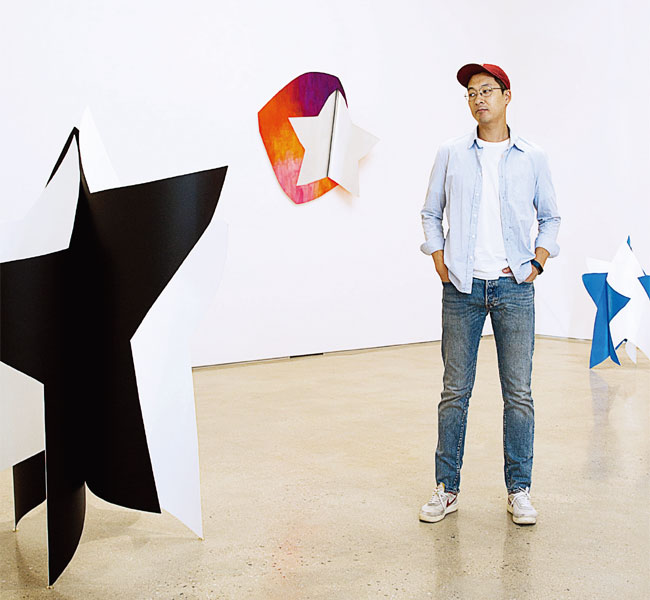
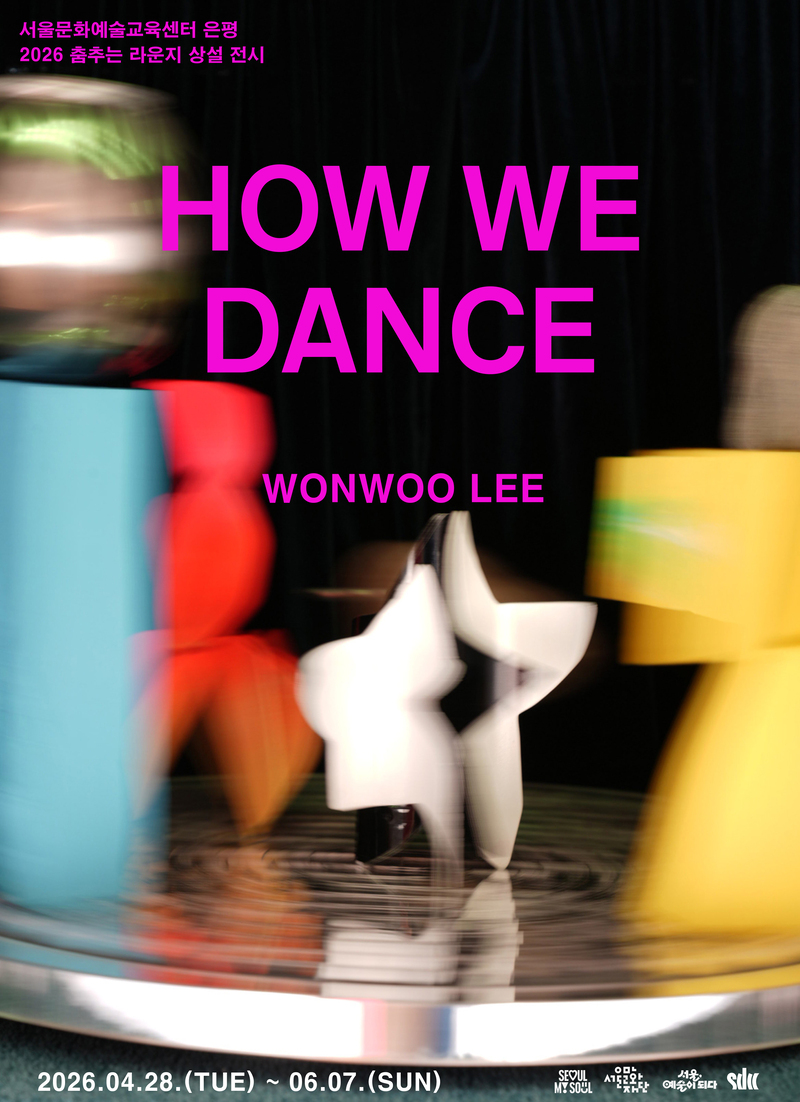
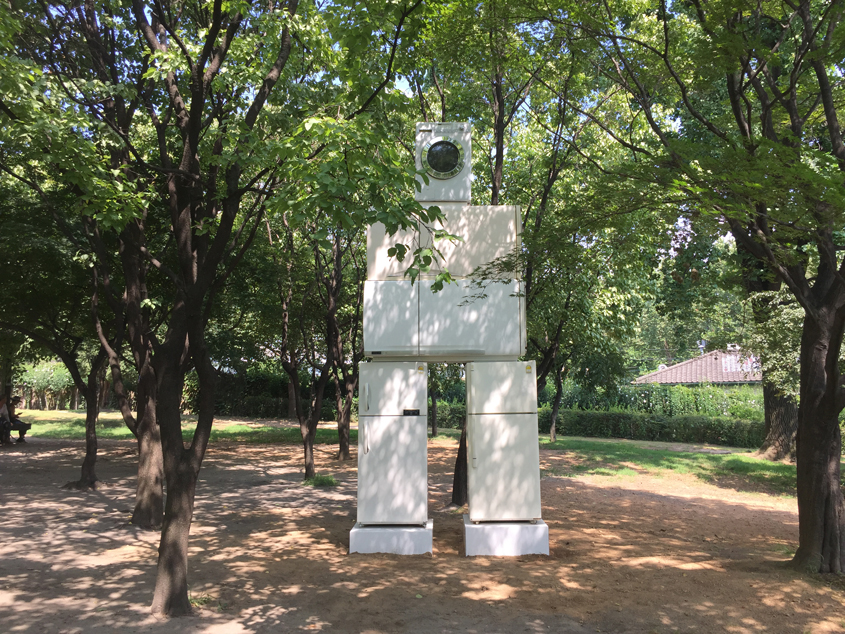
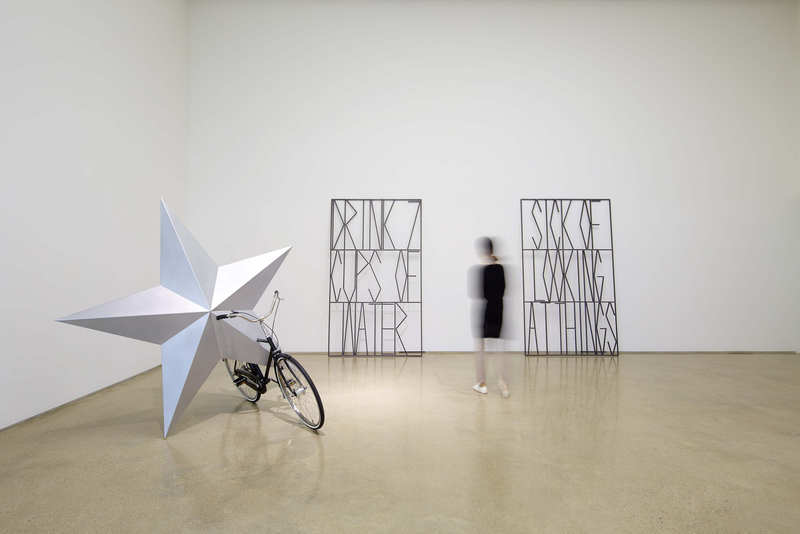
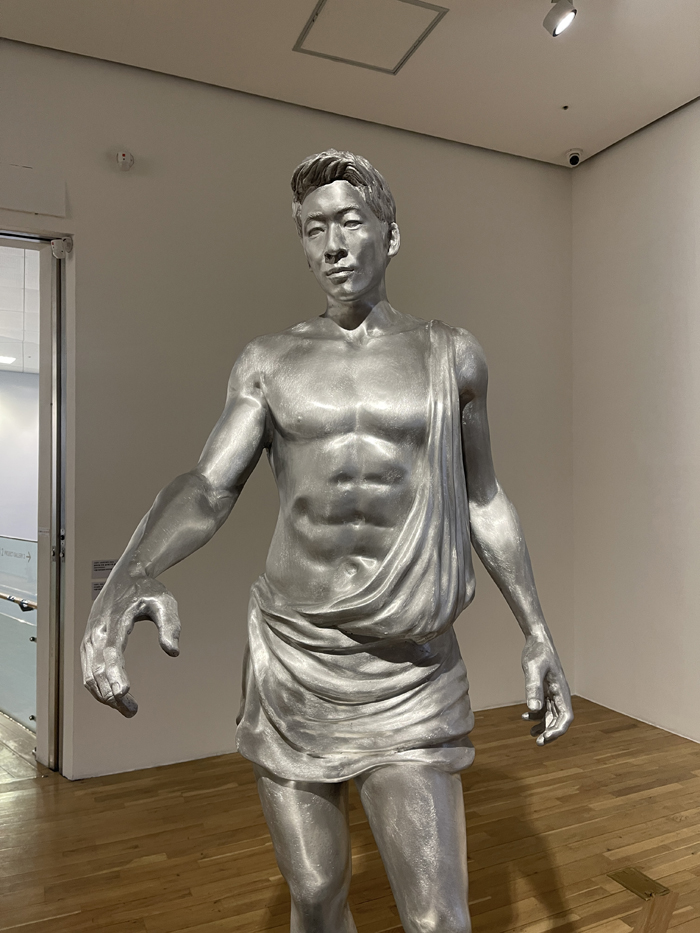
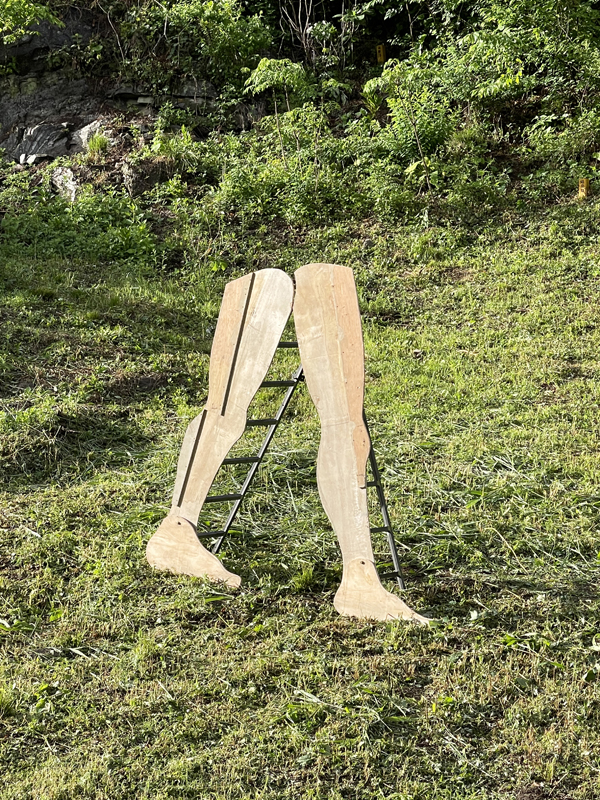
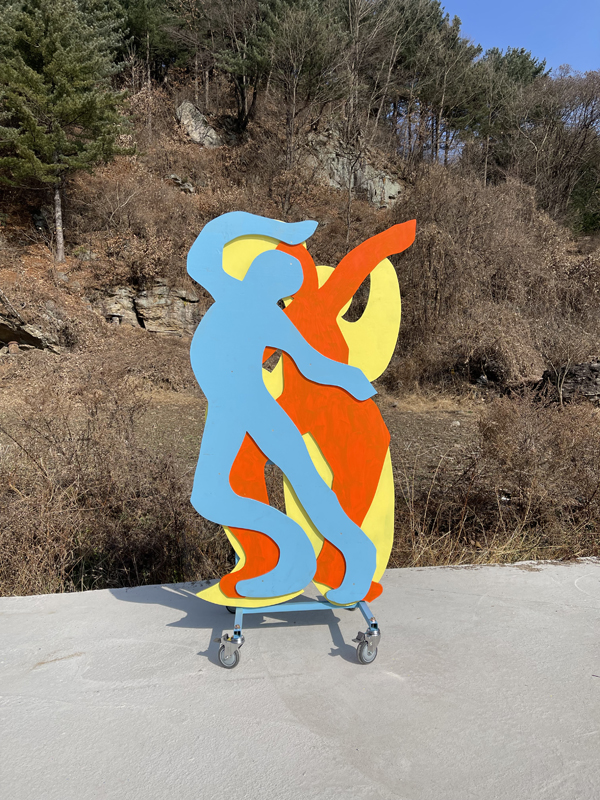
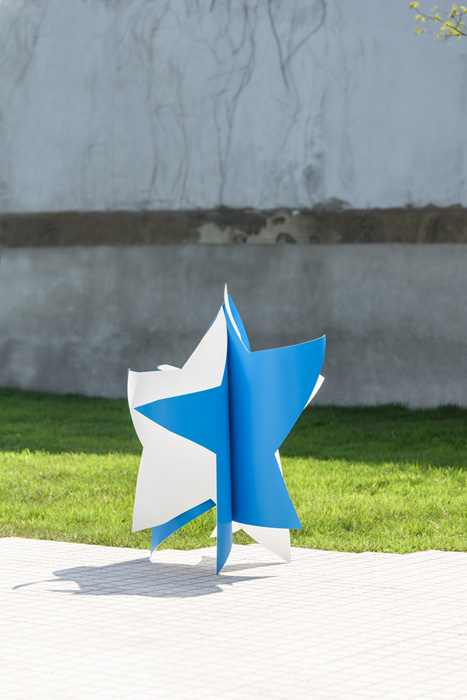
Sculpture nevertheless occupies a central position in his practice. His sculptures frequently possess an anthropomorphic quality and often function as performers within the exhibition space. Dancing stars, moving eyes, portable museums, giant shelters, and furry robots all appear as protagonists in situations constructed by the artist.

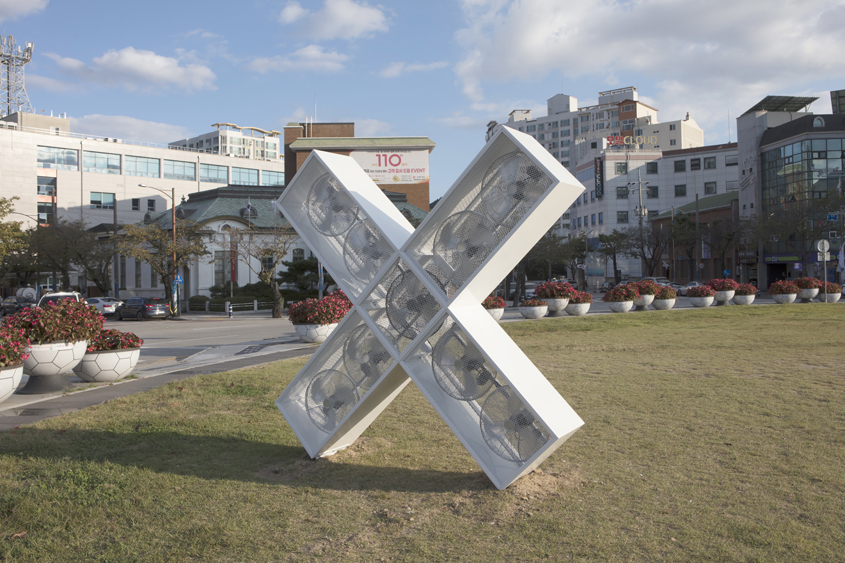
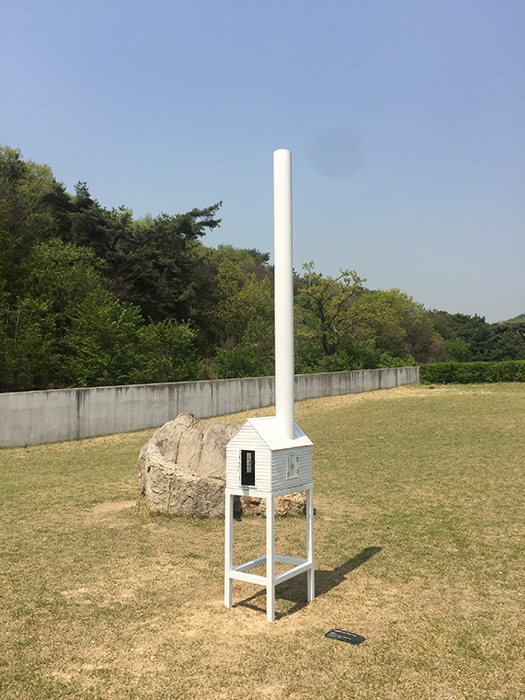
Through subtle shifts in scale, material, and function, familiar objects are transformed into strange and humorous presences. Steel becomes as light as paper, a T-shirt turns into a shelter, and a miniature museum expands into an imagined exhibition space. Such transformations reveal his interest in overturning fixed perceptions and generating alternative readings of everyday reality.

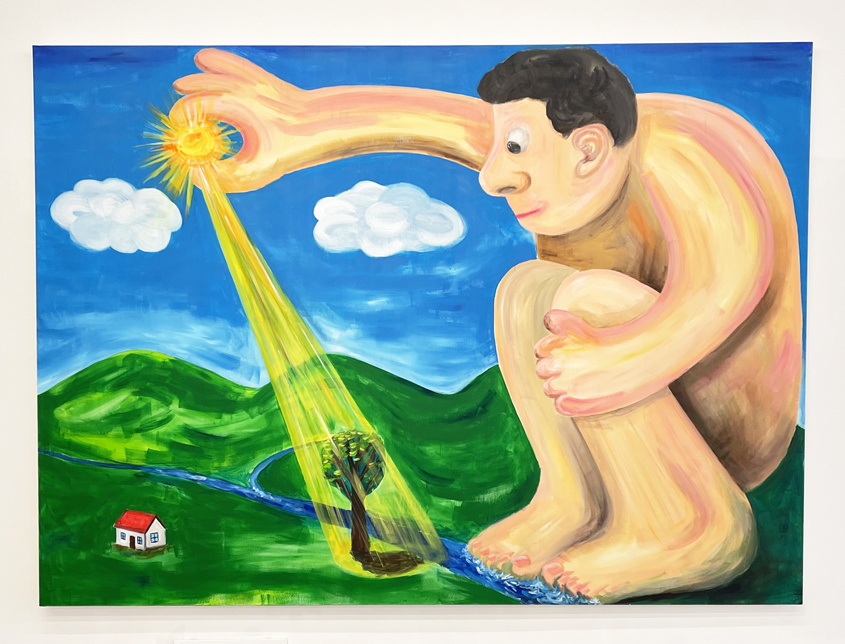
Humor and play are equally important formal strategies. The artist often employs symbols and images that appear simple, approachable, and even childlike, yet these forms frequently contain complex emotional and social implications. The tactile quality of hand-painted surfaces, intentionally awkward constructions, and a sense of playful amateurism contribute to the accessibility of his work.

Rather than asserting meanings directly, Lee allows contradictions and absurd situations to unfold, inviting viewers to approach difficult subjects—anxiety, loss, desire, and uncertainty—through laughter and reflection.

Participation and interaction ultimately complete the work. Many of Lee's projects are structured around encounters with audiences, conversations, and acts of exchange. Performances such as 《Lost & Found in the Ball》 and projects including 《Cloudsmith》 and 《Your Beautiful Future》 depend on the active involvement of participants and incorporate their memories, wishes, and narratives into the work itself.

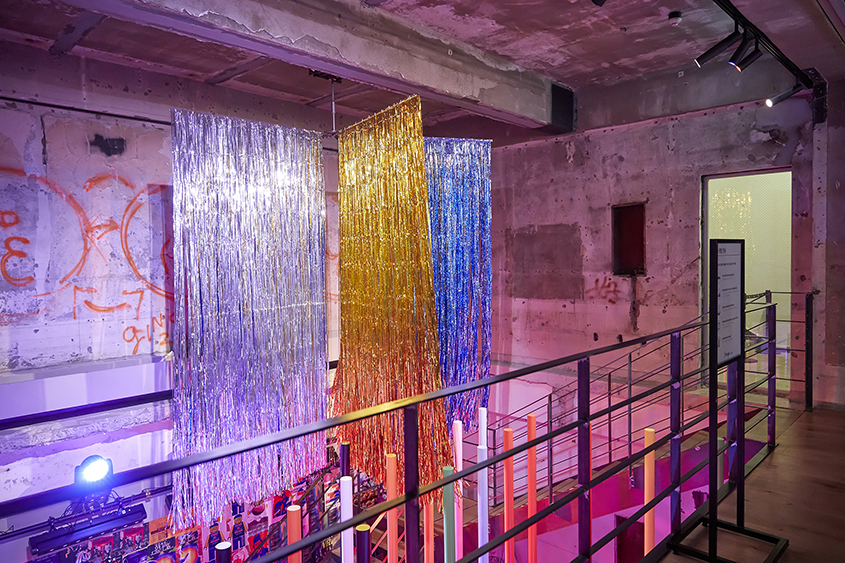
In this sense, his practice extends beyond the production of autonomous objects and instead creates situations in which art becomes a shared experience. The exhibition space is transformed into a stage where sculptures, performers, and audiences coexist and continuously negotiate meaning together.

Topography & Continuity

Wonwoo Lee has long explored the anxieties and sense of lack that individuals encounter in everyday life, along with the questions of desire and happiness that arise from them. From his early street performances and collaborative projects to his recent participatory installations and sculptures, the forms of his work have continually shifted, while his commitment to transforming ordinary experiences into new relationships and imaginative possibilities has remained constant.

A distinctive aspect of Lee's practice is that individual works rarely exist in isolation; instead, they form a loosely interconnected narrative. The interest in loss and memory that emerged in 《Lost & Found in the Ball》 later expanded into questions of the future and happiness through projects such as 《Your Beautiful Future》 and 《Cloudsmith》.

More recently, the 'Air Words' series revisits titles and phrases from earlier performances, repositioning previous works within new contexts. For Lee, an artwork is not a finished result confined to a particular moment, but part of an ongoing project that continuously refers back to, renews, and extends itself.

His sculptures, likewise, do not remain fixed in form. Lee frequently reintroduces earlier works in new exhibitions, altering their scale, arrangement, and function to generate new relationships. A sculpture may first appear as a prop within a performance and later return as an autonomous object or as part of an entirely different narrative.

This cyclical structure allows his works to acquire new meanings and continue evolving over time. Through accumulation, repetition, reconfiguration, and transformation, his practice constructs an organic terrain that continually expands its own boundaries.

Above all, the enduring force of Lee's work lies in his sustained interest in people. He has consistently listened to the stories, memories, and emotions of his audiences while exploring the ways in which art can establish relationships with others. Anxiety and happiness, loss and hope—these universal emotions remain meaningful across different times and places, and his practice continually renews them through humor, play, and participation.

Ultimately, Wonwoo Lee's artistic world is defined less by a specific medium or formal language than by a long-term endeavor to create spaces in which the uncertainties of life can be endured and imagined together.

Works of Art

Works That Reawaken Life

Articles

Exhibitions

Activities