The Unmined - K-ARTIST

The Unmined

2025
Generative sculpture, data visualization, semi-documentary animation
About The Work

Gyung Jin Shin's practice extends beyond the use of technology as a medium or tool. Her primary concern lies in how technological systems organize and reconfigure human life, affect, labour, and memory.

Beginning with a background in sculpture and new media, she has actively employed physical computing, programming, data, and algorithms while critically examining the power structures and epistemological frameworks that underlie technological progress, as well as the changing conditions of human existence within technical milieus.

The gap between measurable variables and unpredictable outcomes forms a central thread in her practice. While adopting scientific methodologies, Shin does not seek to affirm scientific objectivity or complete predictability; instead, she focuses on how errors, contingencies, and irrationalities expose the fissures within established systems.

Shin occupies neither a techno-utopian nor a techno-dystopian position. For her, technology is simultaneously an object of critique and a condition that generates new forms of imagination and thought. Sculpture, moving image, data, algorithms, and theoretical inquiry are closely intertwined within her practice, where artistic production and scholarly research function as an integrated methodology.

Ultimately, her work asks how human affect, embodiment, labour, and social relations are being reshaped within contemporary technological environments, while exploring the possibilities of subjectivity and new forms of collectivity in the present.


Solo Exhibitions (Brief)

Gyung Jin Shin has held solo exhibitions at Gallery Kong (2013, Seoul), Night Gallery (2015, Los Angeles), and The Unmined (2025, Hong Kong).

Group Exhibitions (Brief)

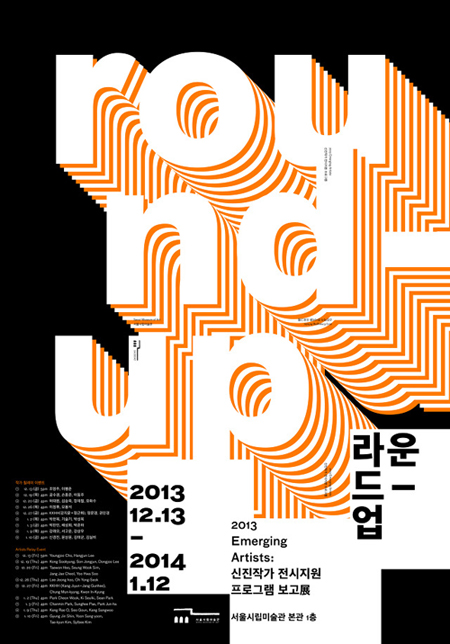
Gyung Jin Shin has presented her work in international exhibitions and biennials, including 《Gangwon International Triennale 2024》 (2024), 《Hyundai Blue Prize+》 (2027, Beijing), as well as exhibitions at Shenzhen Museum of Art (2024) and the Seoul Museum of Art (2013).

Awards (Selected)

Gyung Jin Shin received the Young Artist Award from the Daekyo Culture Foundation (2006) and was selected for the SeMA Emerging Artists Support Program (2013).

Works of Art

Human Emotion, the Body, and Labor in Technological Environments

Originality & Identity

Gyung Jin Shin's practice extends beyond the use of technology as a medium or tool. Her primary concern lies in how technological systems organize and reconfigure human life, affect, labour, and memory.

Beginning with a background in sculpture and new media, she has actively employed physical computing, programming, data, and algorithms while critically examining the power structures and epistemological frameworks that underlie technological progress, as well as the changing conditions of human existence within technical milieus.

A persistent question throughout her practice concerns the ways in which human subjectivity is constituted within technological environments. Early works such as Mimicking Venus, Pyramid Project, and Specimens of the Globe experimentally investigate how modern systems of measurement, classification, statistics, and rules shape both the human body and the world.

The gap between measurable variables and unpredictable outcomes forms a central thread in her practice. While adopting scientific methodologies, Shin does not seek to affirm scientific objectivity or complete predictability; instead, she focuses on how errors, contingencies, and irrationalities expose the fissures within established systems.

In recent years, these concerns have expanded toward more explicitly political and social dimensions. Shin has turned her attention to the ways in which human emotions and experiences themselves have become objects of extraction in an era when data functions as a primary resource of capitalism.

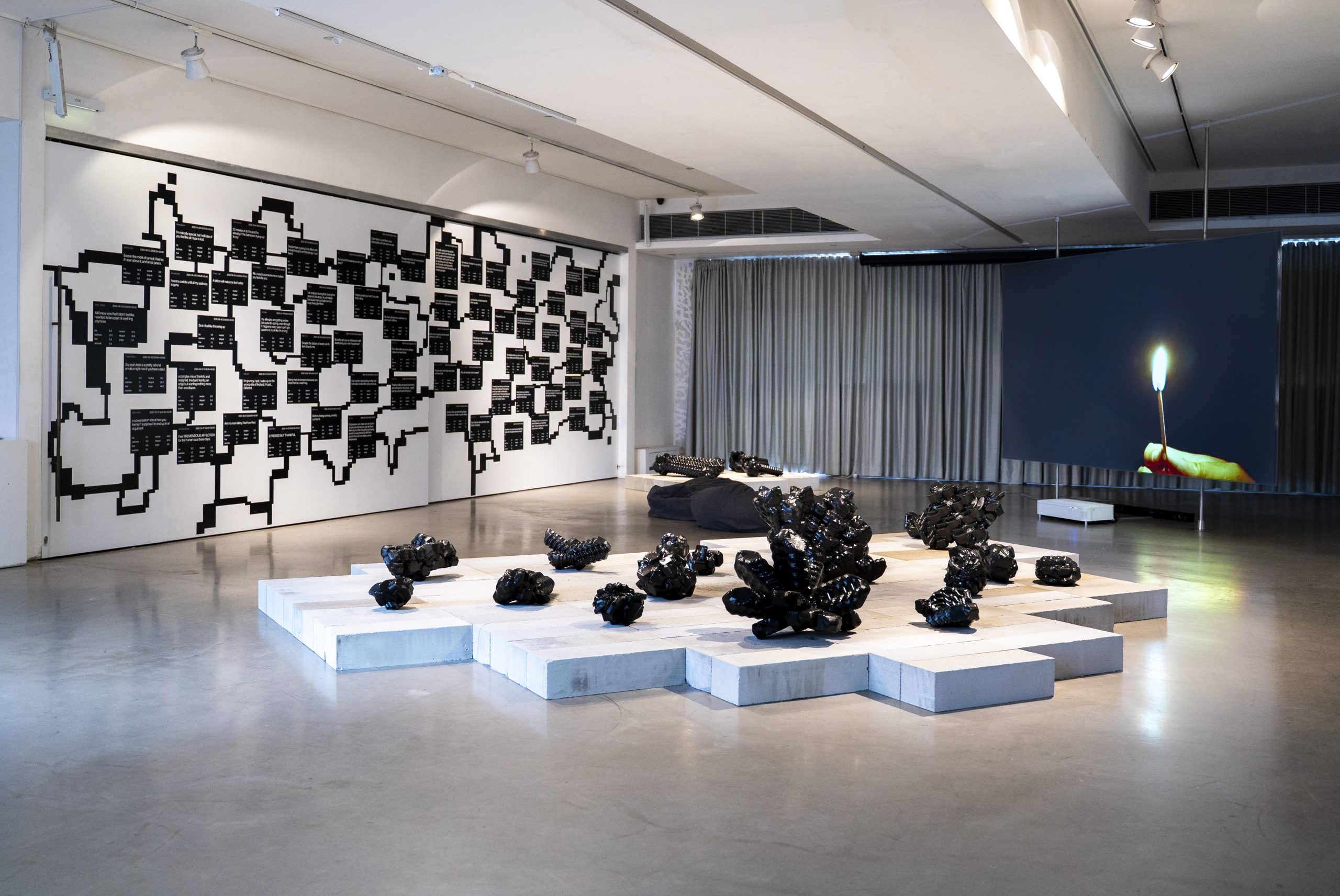
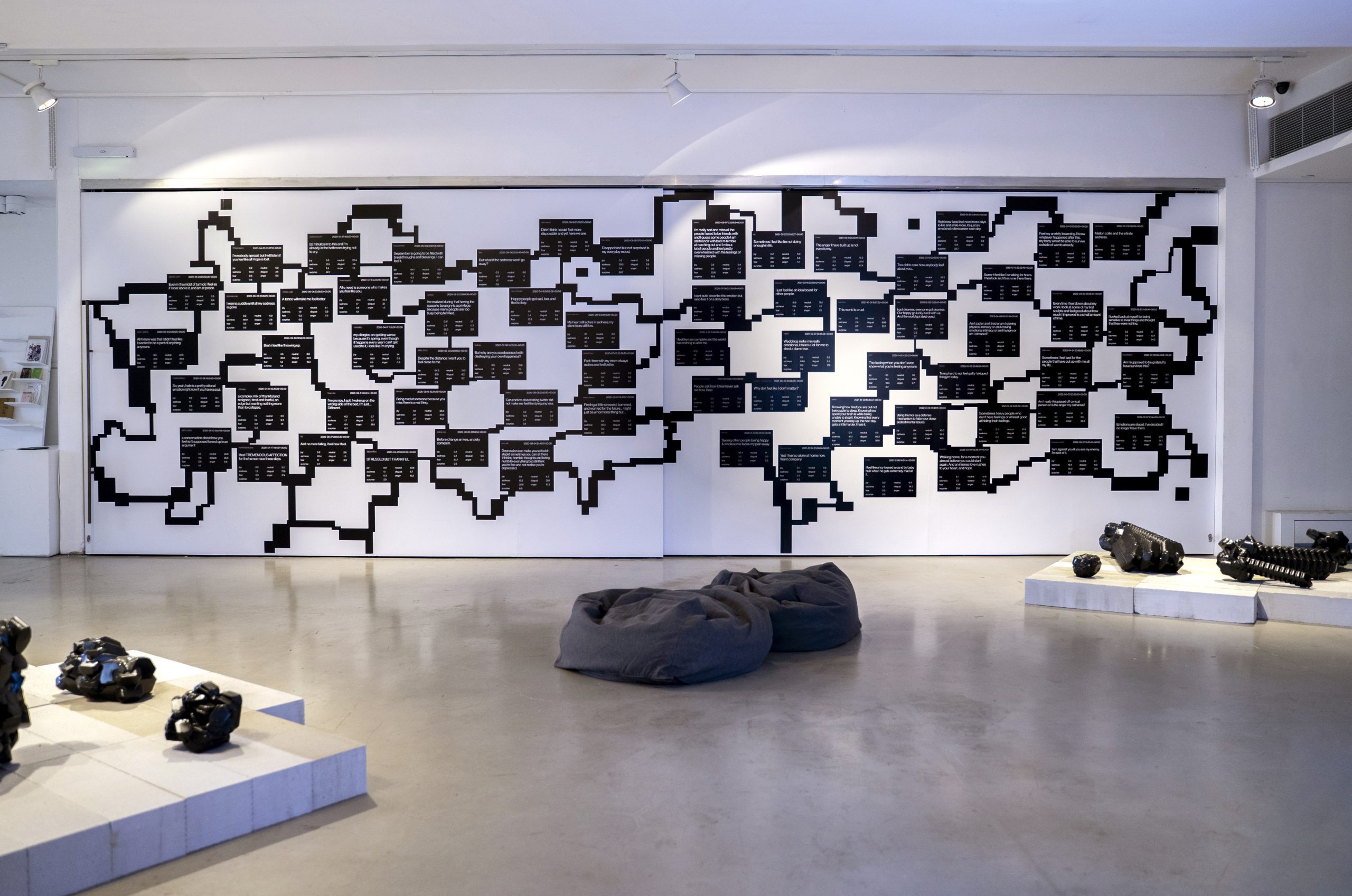
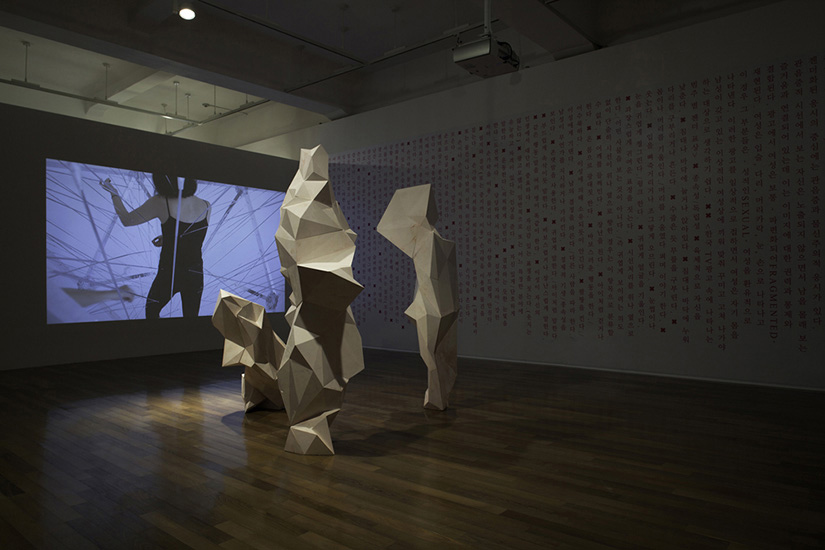
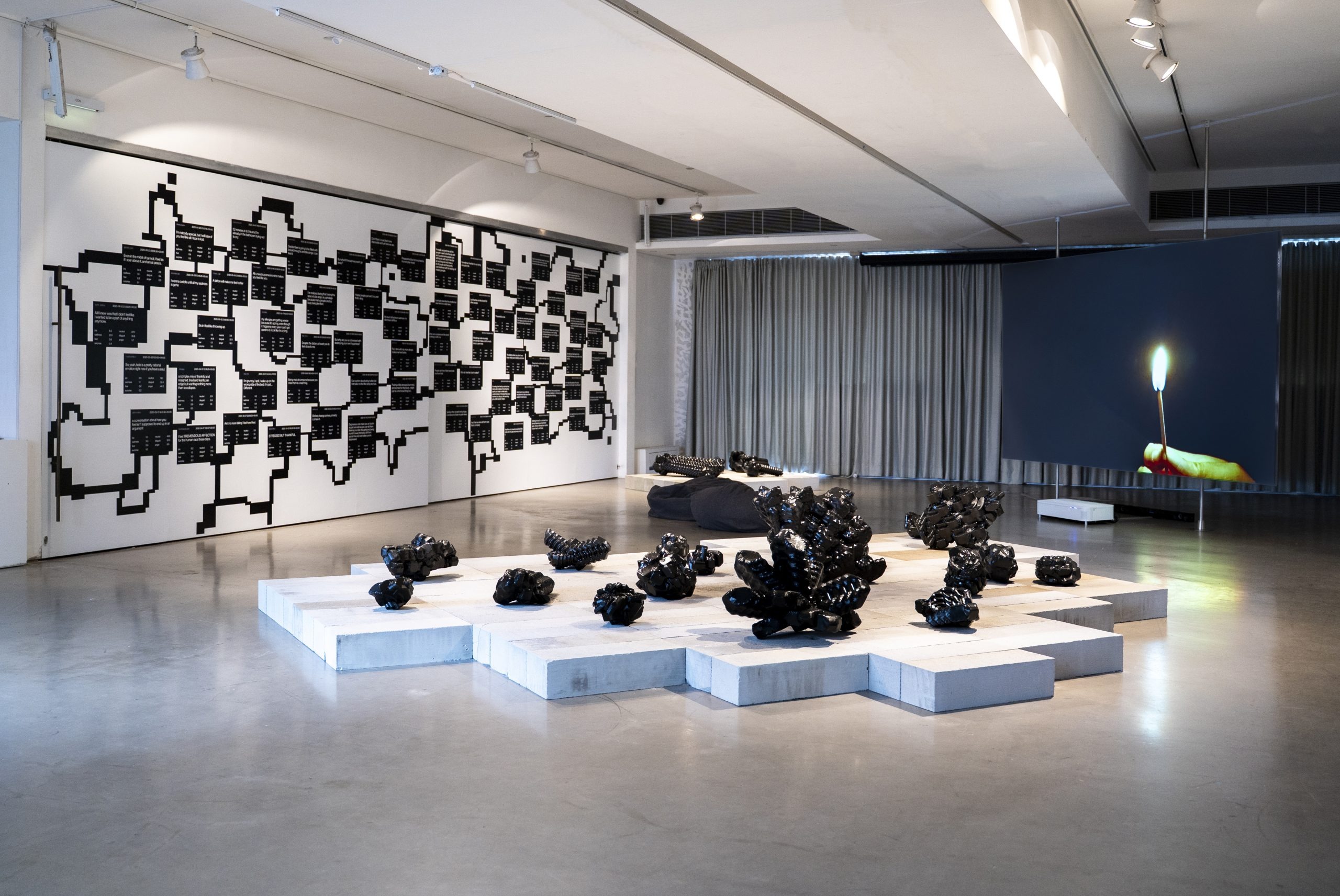
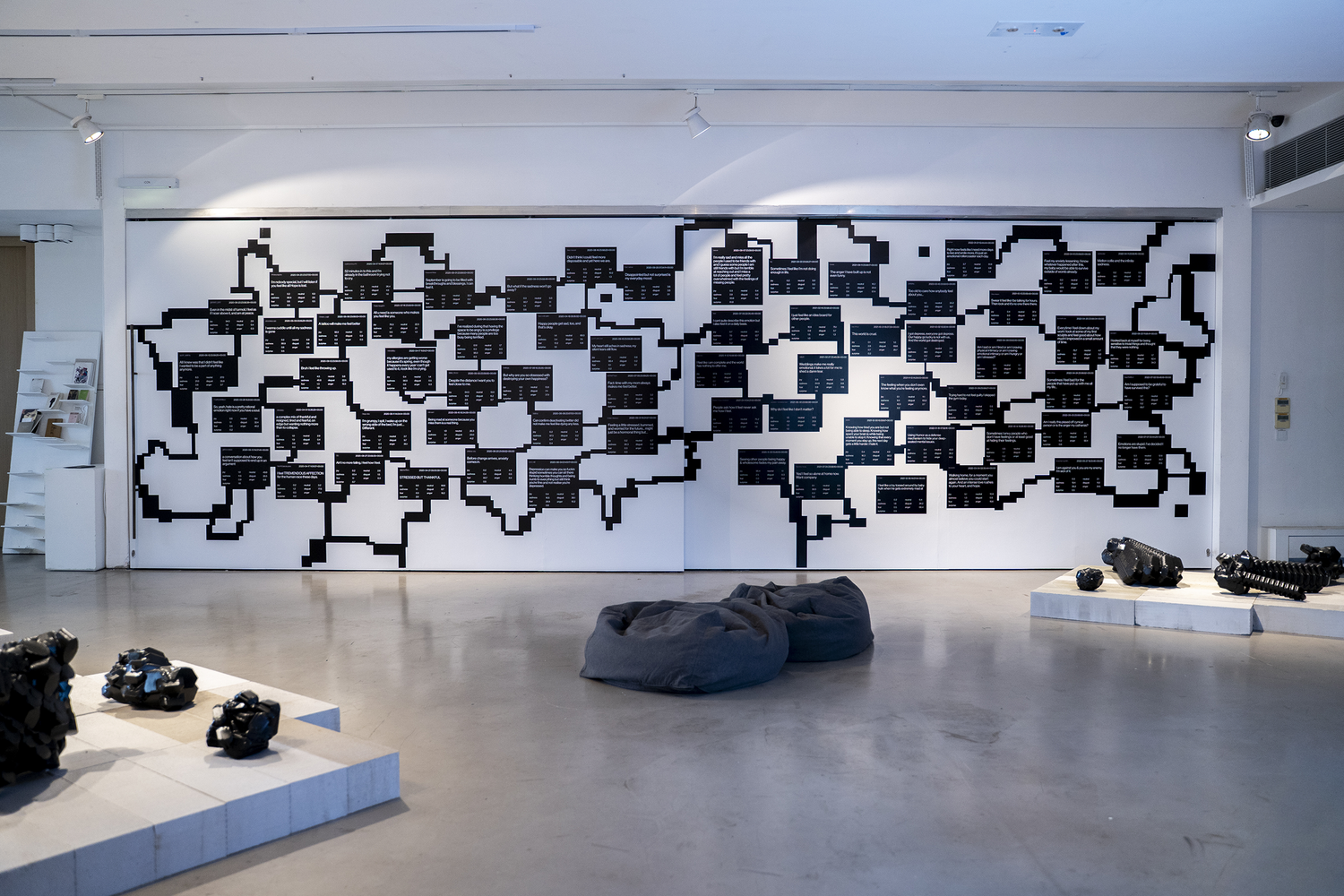
Her ongoing project 《The Unmined》 interweaves digital labour, data colonialism, affective computing, and generative algorithms to examine how emotions are measured, quantified, and commodified. By collecting and visualizing sentiments that are often dismissed as unproductive or valueless within capitalist regimes of value, her work reveals the hidden operations of data capitalism while attempting to reclaim the excess and indeterminacy of human experience.

Shin occupies neither a techno-utopian nor a techno-dystopian position. For her, technology is simultaneously an object of critique and a condition that generates new forms of imagination and thought. Sculpture, moving image, data, algorithms, and theoretical inquiry are closely intertwined within her practice, where artistic production and scholarly research function as an integrated methodology.

Ultimately, her work asks how human affect, embodiment, labour, and social relations are being reshaped within contemporary technological environments, while exploring the possibilities of subjectivity and new forms of collectivity in the present.

Style & Contents

Beginning with sculpture, Gyung Jin Shin's practice refuses to remain bound to a single medium. Her works traverse sculpture, performance video, installation, programming, data visualization, generative algorithms, and 3D animation.

This expansion of media is less an experiment in adopting new technologies than a methodology for investigating the relationships between humans and technology, matter and information, and bodies and data. Within her practice, media function not merely as vehicles of representation but as structures that reveal particular epistemological and social conditions.

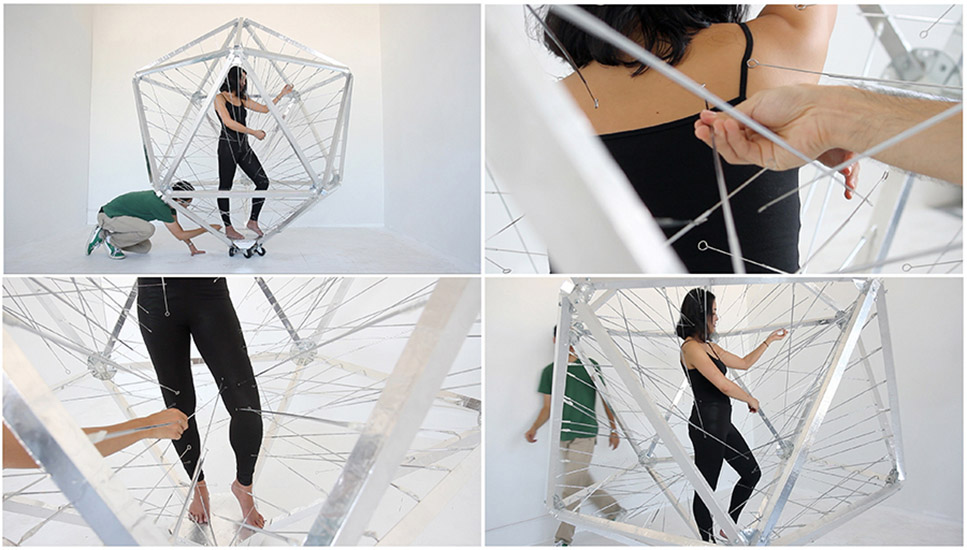
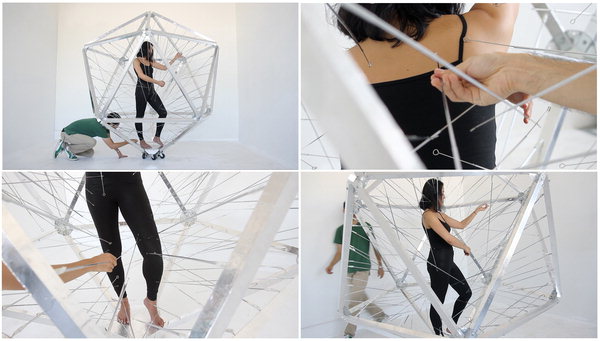
Her early works are characterized by the transformation of measurement and replication, rules and errors, into sculptural devices. In Mimicking Venus, she modifies an eighteenth-century pointing machine to measure her own body, while in Pyramid Project she replaces ideal geometric proportions with human bodily dimensions.

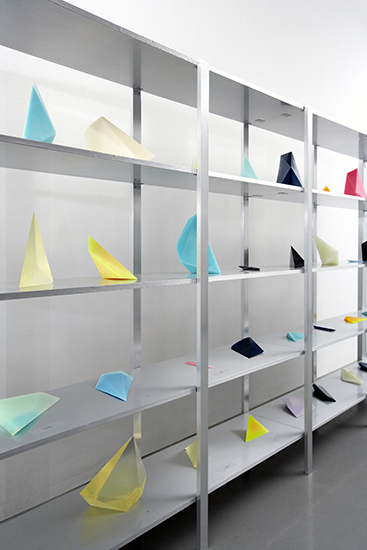
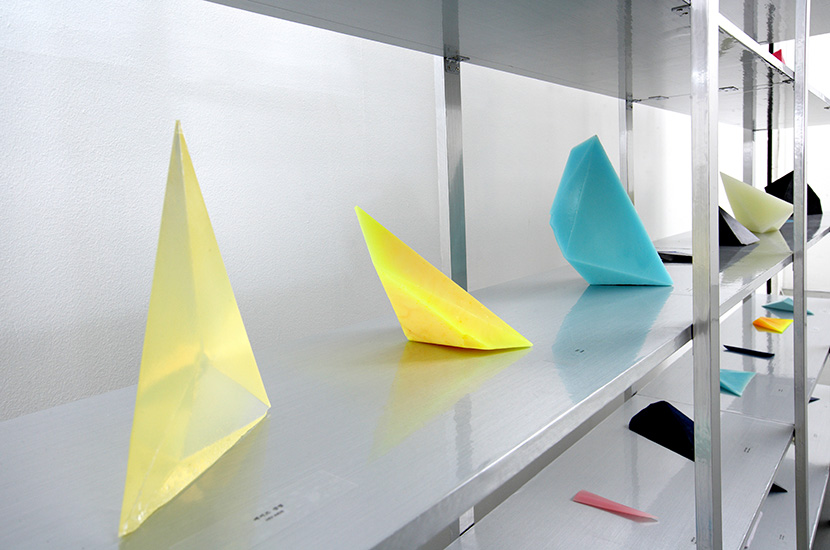
In Specimens of the Globe, statistical and geographical data are reconstructed into sculptural forms resembling crystalline structures. Scientific models, mathematical principles, and objective data are employed not to verify facts but to expose the arbitrariness and limitations of the systems through which the world is understood.

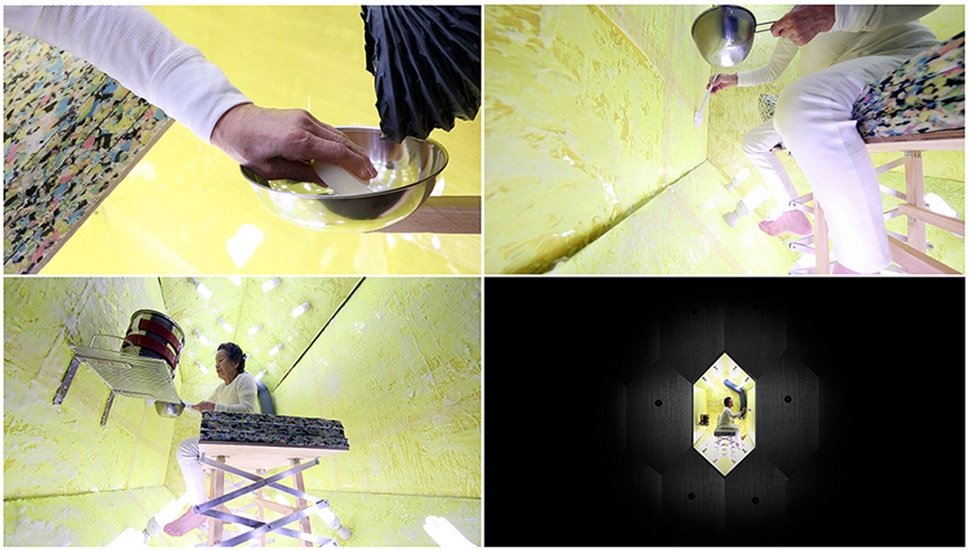
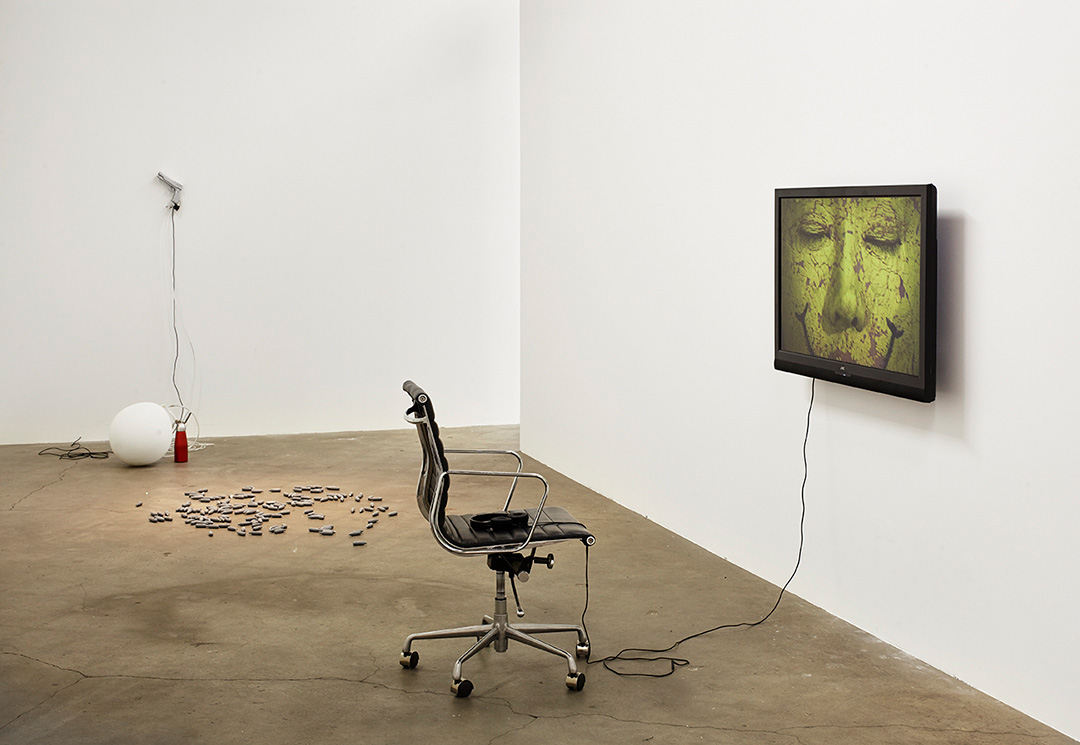
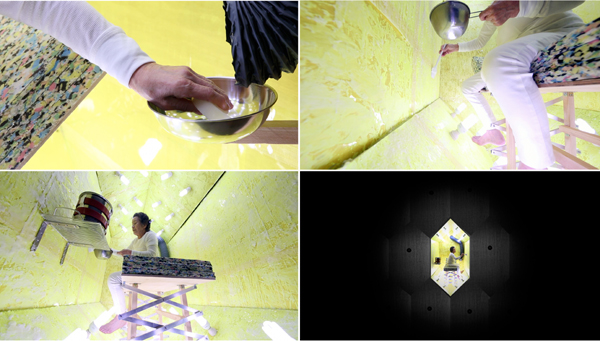
Performance and moving image also occupy a significant place in her practice. Whether inducing subtle alterations of consciousness through laughing gas in Smiley Suicide or performing repetitive structures of labour and isolation in Gray Hive, her performances operate less as expressive gestures than as experiments that observe how bodies change under specific conditions and rules. The body emerges simultaneously as a subject of experience and as a site upon which social norms and technological conditions are inscribed.

In recent works, data-driven generative systems have become increasingly intertwined with sculptural thinking. Web scraping, sentiment analysis, procedural modelling, and AI-generated voice are no longer merely technical supports but constitute the formal logic of the works themselves.

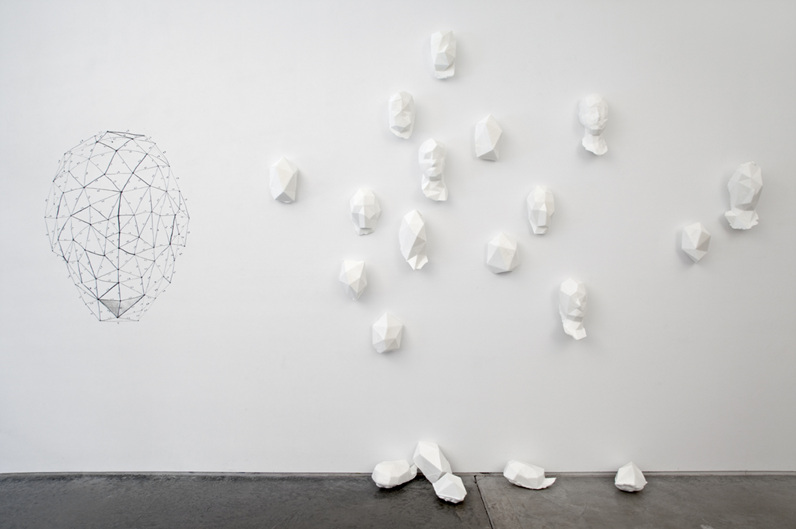
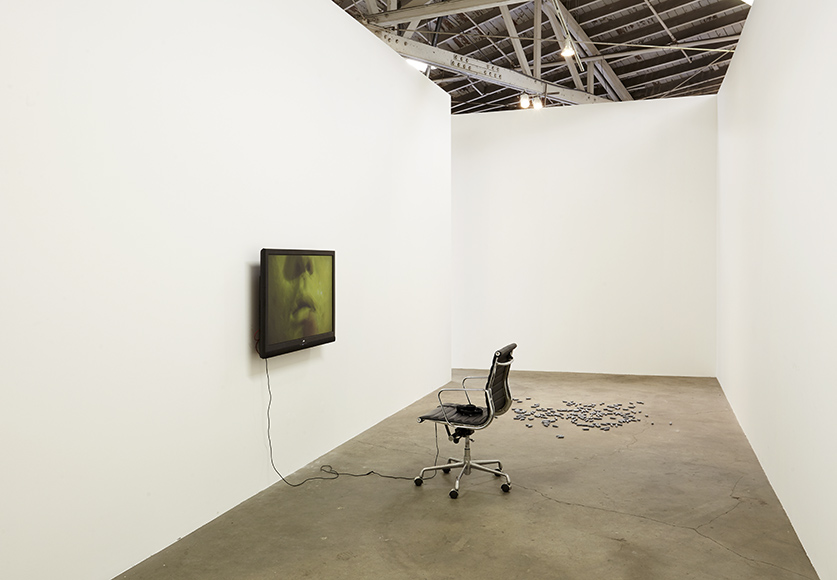
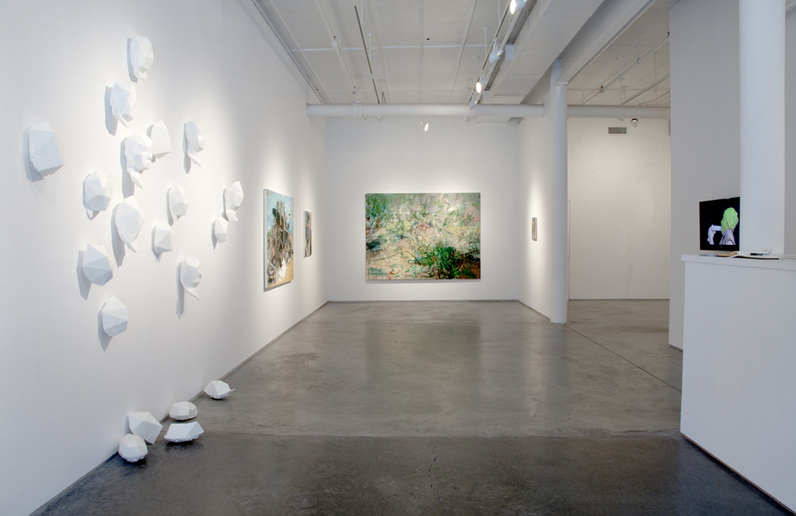
In particular, 《The Unmined》 transforms digitally extracted emotions into sculpture, data visualization, and video installation, constructing a new sculptural language that moves between immaterial data and physical form. Through these hybrid configurations, Shin creates environments in which research and programming, sculpture and performance, data and matter continuously intersect and reshape one another.

Topography & Continuity

Although Gyung Jin Shin's practice has expanded from sculpture into moving image, installation, programming, data visualization, and generative algorithms, it has remained anchored by a remarkably consistent set of concerns.

For many years, she has focused on the systems of measurement and technological structures that humans have developed to understand and organize the world, investigating the errors, contingencies, and exceptional states that escape normative frameworks. From her early body-measurement projects to her recent data-driven works, Shin has continually questioned how systems define human beings and how individuals are, in turn, reconfigured within those systems.

These concerns unfold across seemingly disparate subjects, including the body, technology, and data. In her early works, the body appears as a variable that intervenes in standardized systems of measurement. Later, in Gray Hive, her interest expands toward the social rules and biological orders that shape human life by bringing together the realities of elderly isolation and the ecology of honeybees.

More recently, her practice has turned toward the extraction and commodification of emotion and labour within digital platforms and data infrastructures. While the subjects and forms of her work have changed over time, her practice demonstrates a clear continuity in its exploration of the tensions between the forms of order produced by technology and institutions and the dimensions of human experience that emerge beyond them.

Another defining characteristic of Shin's practice is the inseparability of theoretical research and artistic production. Drawing extensively on critical theory, postdigital discourse, new materialism, and studies of digital labour, she transforms questions developed through research into the structures and forms of her artworks.

Scholarly inquiry and artistic creation do not operate as parallel activities that merely complement one another; rather, they function as an integrated practice. Consequently, her work is less concerned with the production of discrete objects than with the accumulation of long-term research projects that unfold over time.

Her recent works actively engage with contemporary issues such as artificial intelligence, generative systems, nonhuman agency, and data colonialism, opening new directions in her practice. Yet these developments do not depart significantly from her earlier concerns. They continue her longstanding inquiry into the conditions of human existence within technological environments and her interest in revealing the gap between measurable systems and irreducible human experience.

Ultimately, Gyung Jin Shin's practice can be understood as a long-term project that continually adopts new media and research subjects in response to changing technological conditions while sustaining a consistent critical investigation into the relationship between humans and technology.

Works of Art

Human Emotion, the Body, and Labor in Technological Environments

Articles

Exhibitions

Activities