

PROXEMICS; DRAWING SOCIAL BUBBLE - K-ARTIST

PROXEMICS; DRAWING SOCIAL BUBBLE

2021
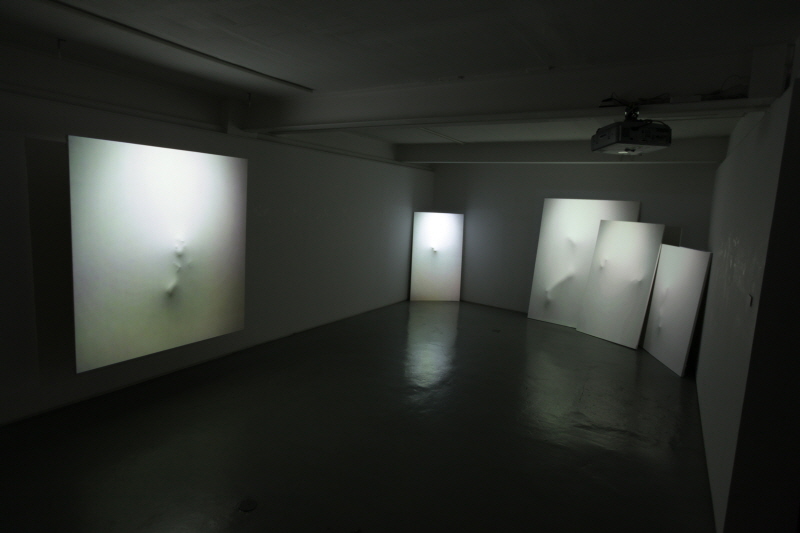
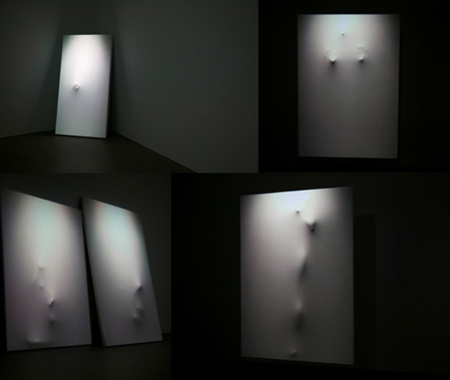
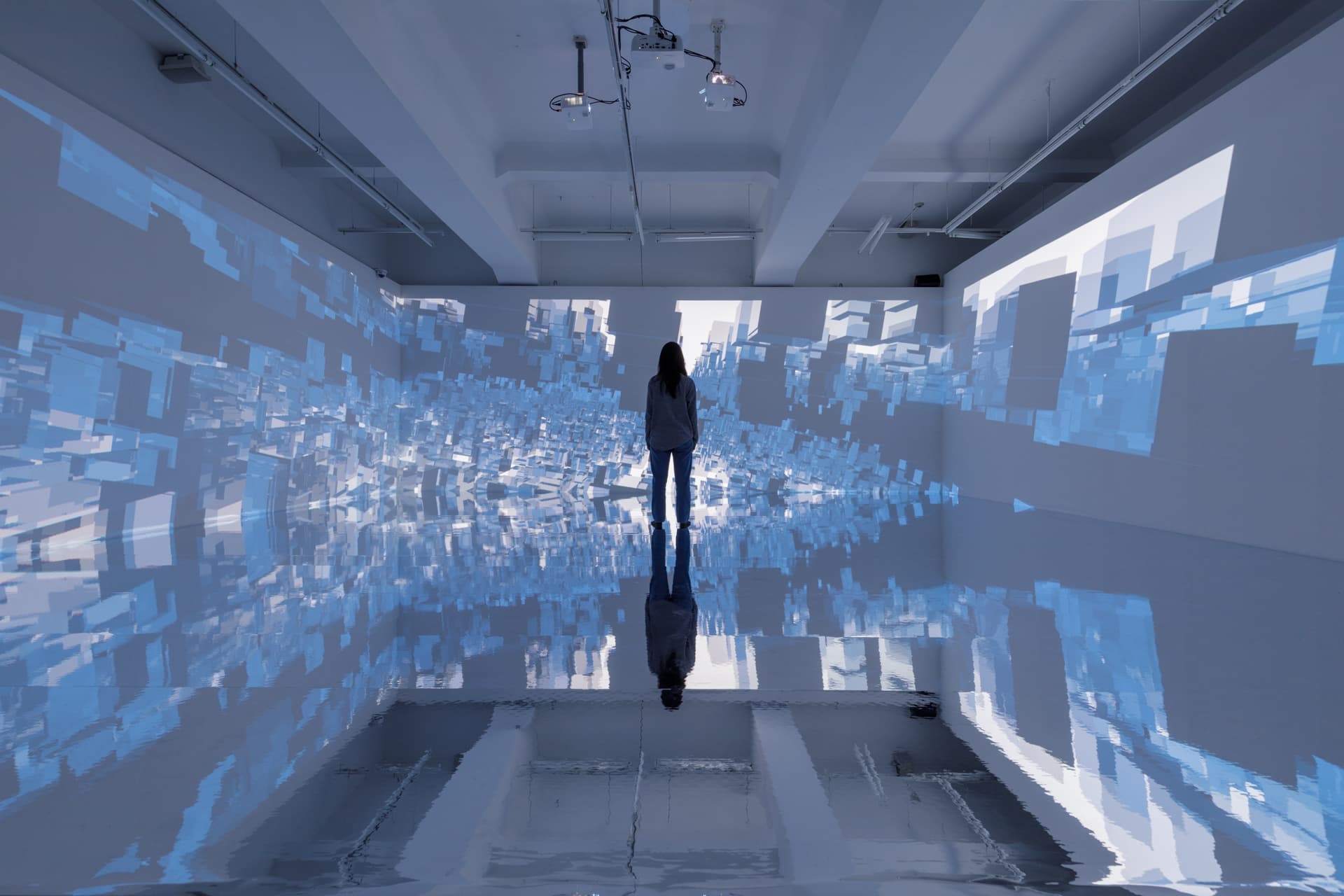
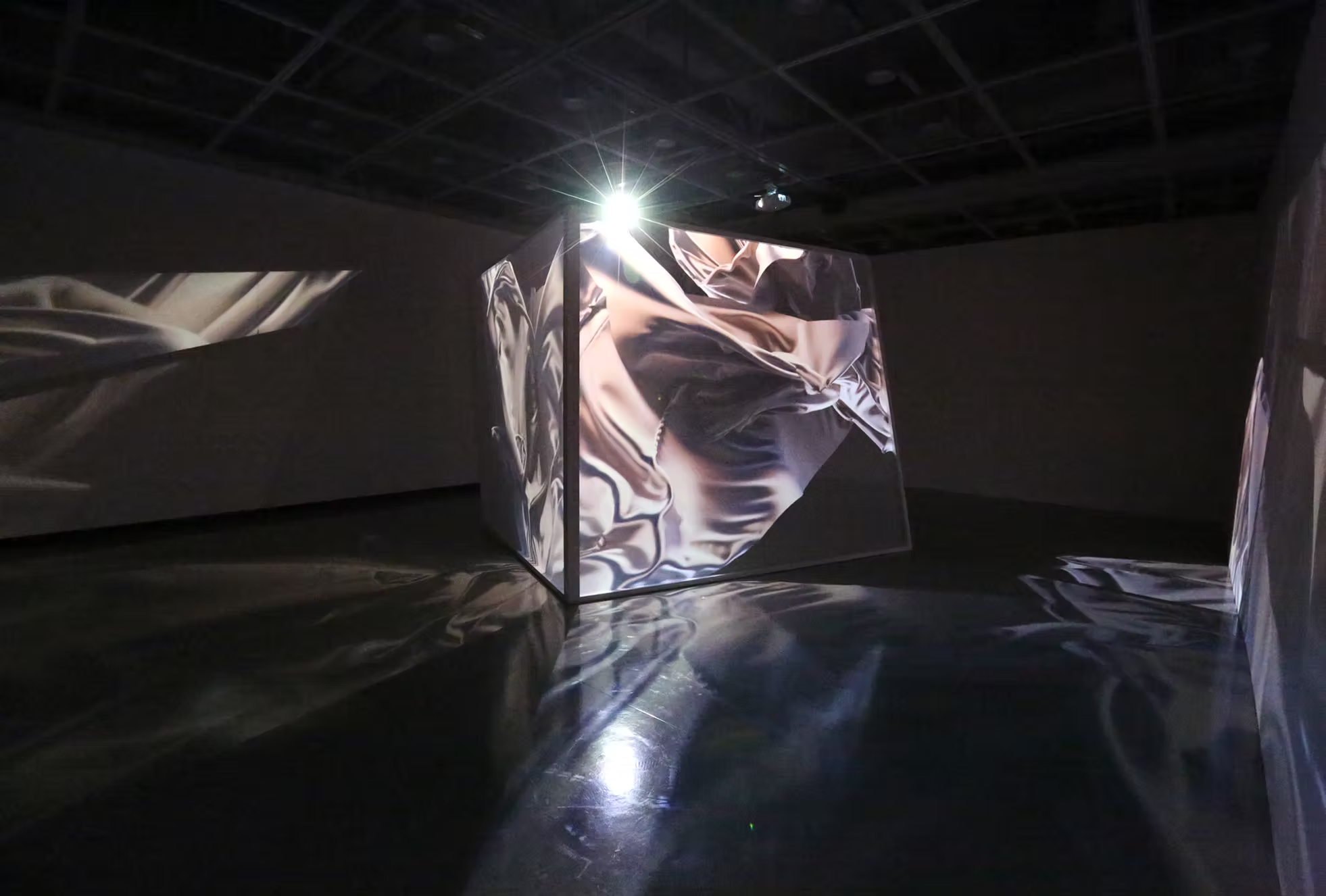
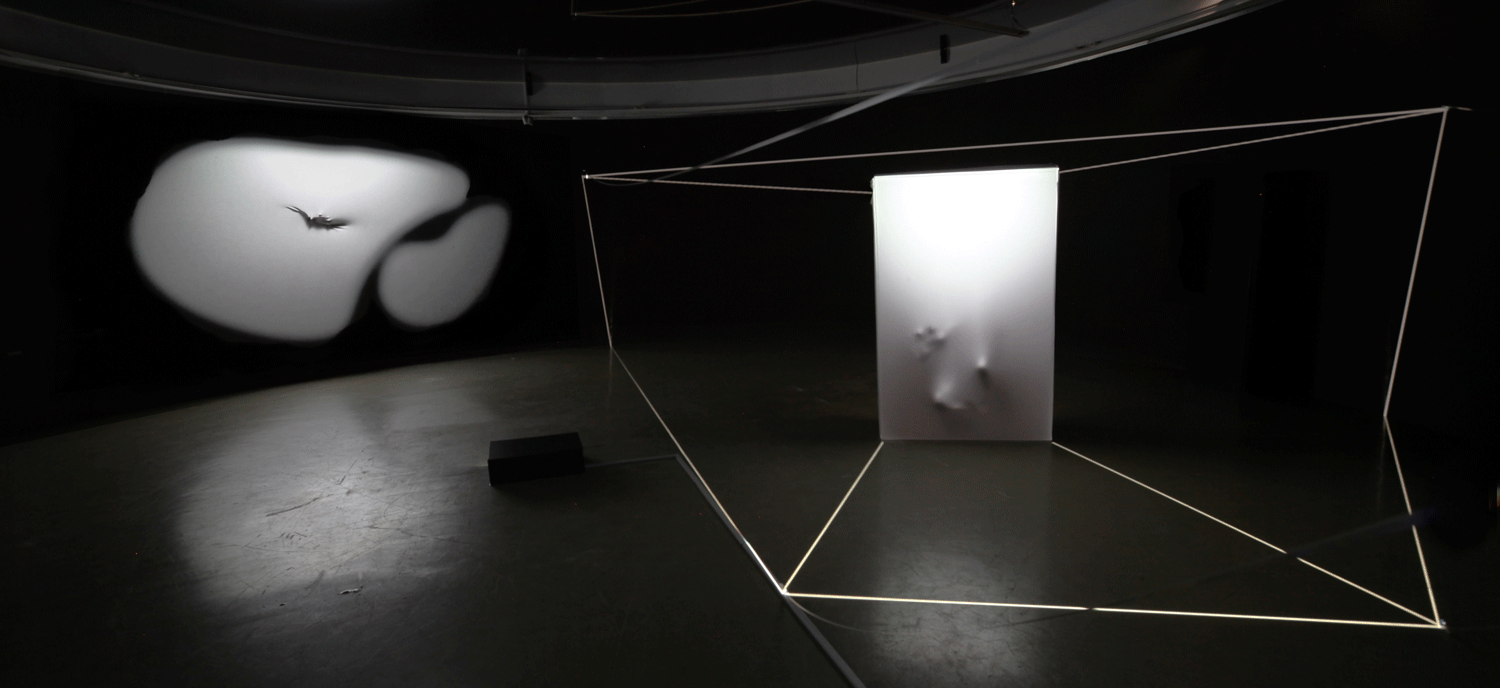
Interactive projection mapping installation, wall projections, sound
About The Work

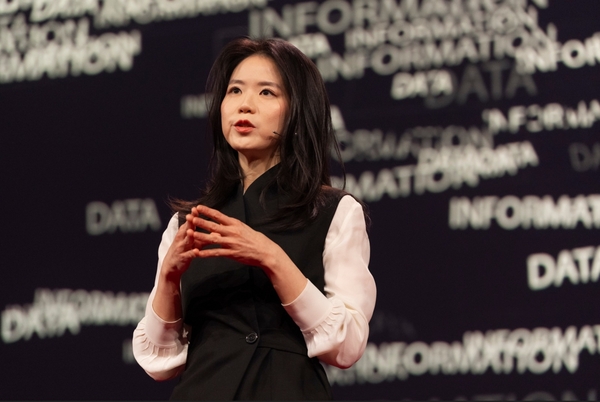
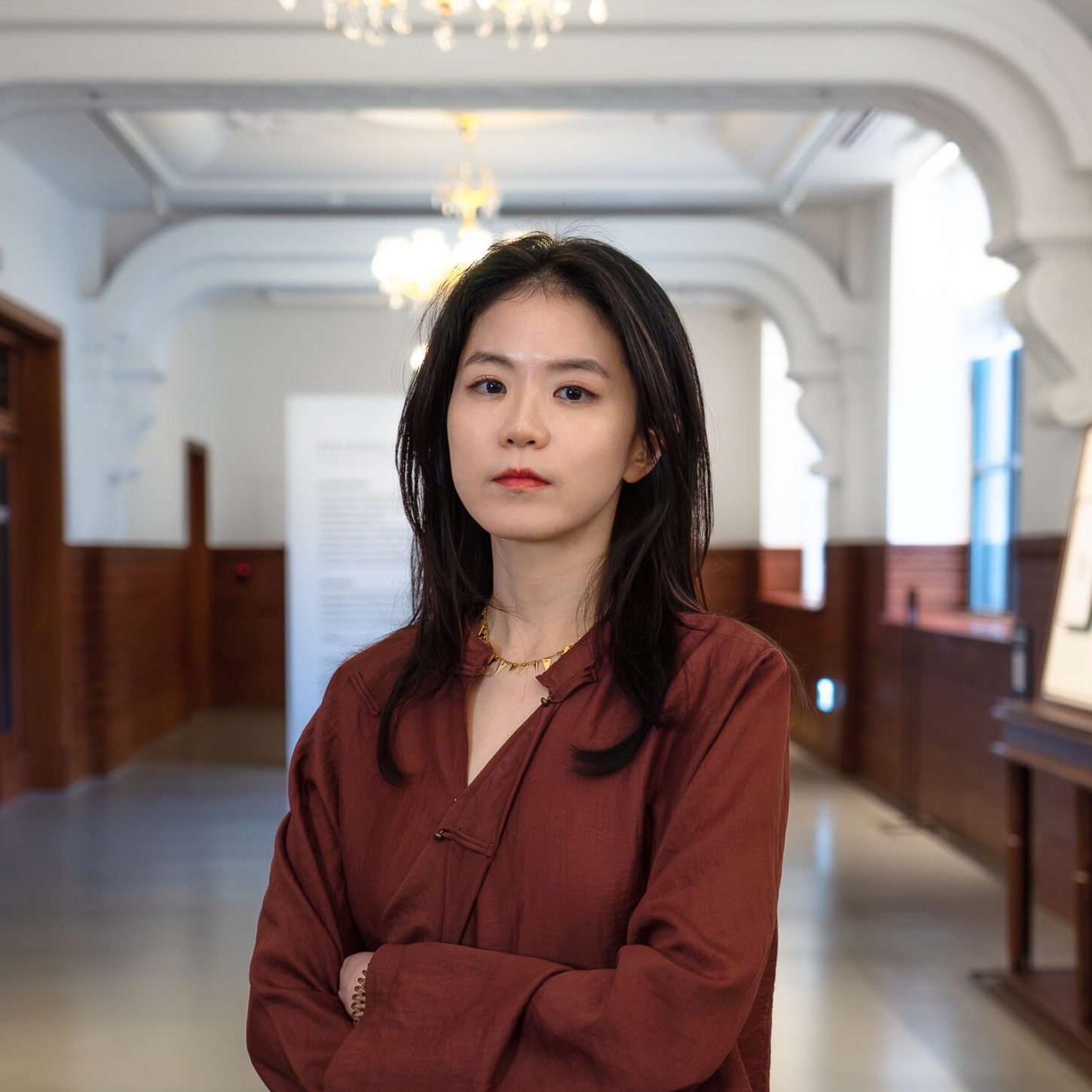
Yiyun Kang's practice begins with an inquiry into the boundaries between reality and virtuality, the human and the non-human, and materiality and immateriality. By continuously engaging with such ambiguous states where reality and fiction intersect, Kang has persistently unsettled fixed binary modes of thought. 

Her works also address pressing global issues—including environmental change caused by human activity, the loss of biodiversity, and the depletion of the Earth's resources—yet they transcend the mere communication of information. Scientific facts and vast datasets are translated into sensory experiences through which viewers become newly aware of their relationship to the world. 

At the core of Kang's practice lies a clear mission: “to make the unfelt, felt.” She transforms invisible and abstract entities—satellite data, artificial intelligence, algorithms, and environmental information—into physical spaces and embodied experiences. This process extends far beyond data visualization.

It translates changes in the world, captured through science and technology, into forms that can be emotionally and physically perceived by human beings. Within these environments, viewers do not merely consume information; they experience the world as bodies situated within affective landscapes generated by data.

Ultimately, Kang explores new possibilities for coexistence within networks where humans, technology, and nature are deeply entangled. Her works function as experimental sites that reconfigure the boundaries between the human and the non-human, while offering sensory frameworks through which contemporary environmental and technological transformations can be contemplated.

Solo Exhibitions (Brief)

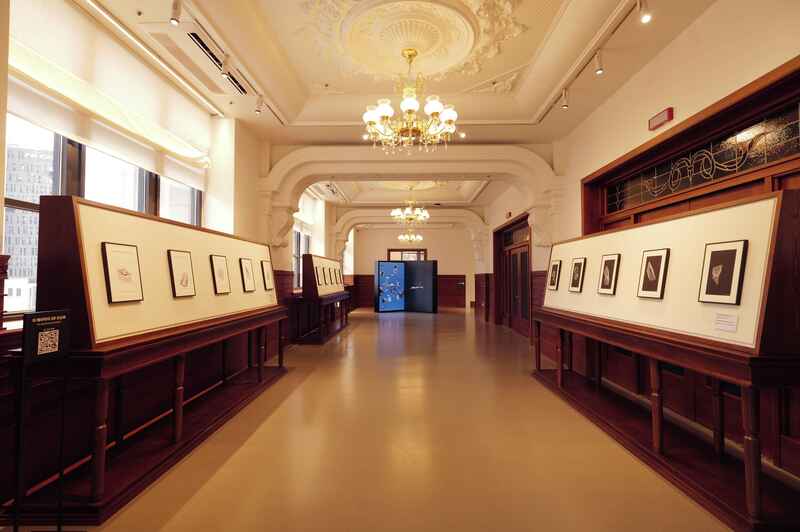
Since her first solo exhibition at Gallery KONG in 2009, Yiyun Kang has presented solo exhibitions and large-scale commissioned projects at institutions and venues including the Victoria and Albert Museum (2016), Dongdaemun Design Plaza (2017, 2022, 2024), PKM Gallery (2021), the Heritage Museum at SHINSEGAE (2025), and Fondation Fiminco in France (2026).

Group Exhibitions (Brief)

Yiyun Kang has presented her work in major international exhibitions and institutions, including a collateral exhibition of the Venice Architecture Biennale (2014), the Victoria and Albert Museum (2016), the Gwangju Design Biennale (2019), the Shenzhen Biennale (2019), Ilmin Museum of Art (2019), the Jeju Biennale (2022), the touring exhibition at UNESCO Headquarters in Paris and Korean Cultural Centers worldwide (2021–2022), Grand Palais Immersif (2024), and the Nam June Paik Art Center and KAIST Art Museum (2025), establishing an active presence within the international discourse of media art.

Awards (Selected)

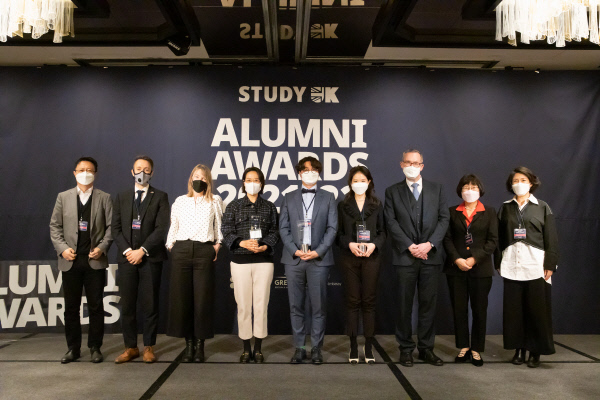
Yiyun Kang is the recipient of the iF Design Award in the Cultural Exhibitions category (2024), the KAIST Best 10 Research Award and the Lee Soo-young Teaching and Learning Innovation Award (2024), the British Council Alumni Award for Culture and Creativity (2022), the Red Dot Design Award (2017), the MADATAC Installation Art Award (2014), the POSCO Steel Art Award (2009), and the Grand Prize and Minister of Culture Award at the Samsung Life Digital Fine Art Competition (2004).

Residencies (Selected)

Yiyun Kang participated in the Changdong National Art Studio of the National Museum of Contemporary Art, Korea (2011), Nanji Art Studio of the Seoul Museum of Art (2012), and the Samsung Korean Digital Art Residency at the Victoria and Albert Museum in London (2015–2016).

Collections (Selected)

Yiyun Kang’s works are held in the collections of the Victoria and Albert Museum and HYBE. In particular, CASTING (2016) became the first projection mapping work to enter the collection of the Victoria and Albert Museum, with its entire creative process—including sketches and drawings—archived alongside the final work.
Works of Art

To Make the Unfelt, Felt

Originality & Identity

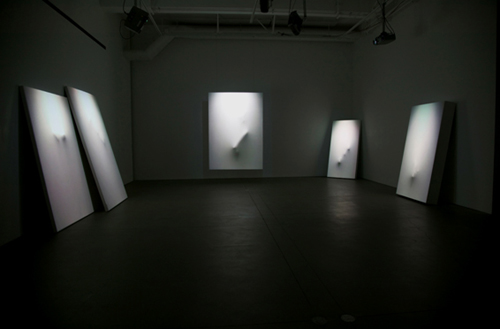
Yiyun Kang's practice begins with an inquiry into the boundaries between reality and virtuality, the human and the non-human, and materiality and immateriality. In her early ‘Between’ series, the artist revealed the tension between presence and illusion through traces of the body moving behind screens, questioning the very ways in which we perceive objects and understand the world.

The body projected onto the screen is undeniably a trace of existence, yet it is also nothing more than an image made of light. By continuously engaging with such ambiguous states where reality and fiction intersect, Kang has persistently unsettled fixed binary modes of thought.

Over time, these concerns have expanded toward broader questions of humanity, technology, and the environment. Her investigations into how digital environments reshape human perception and sensory experience have evolved into reflections on the Anthropocene, climate crisis, and the relationships between data and ecology.

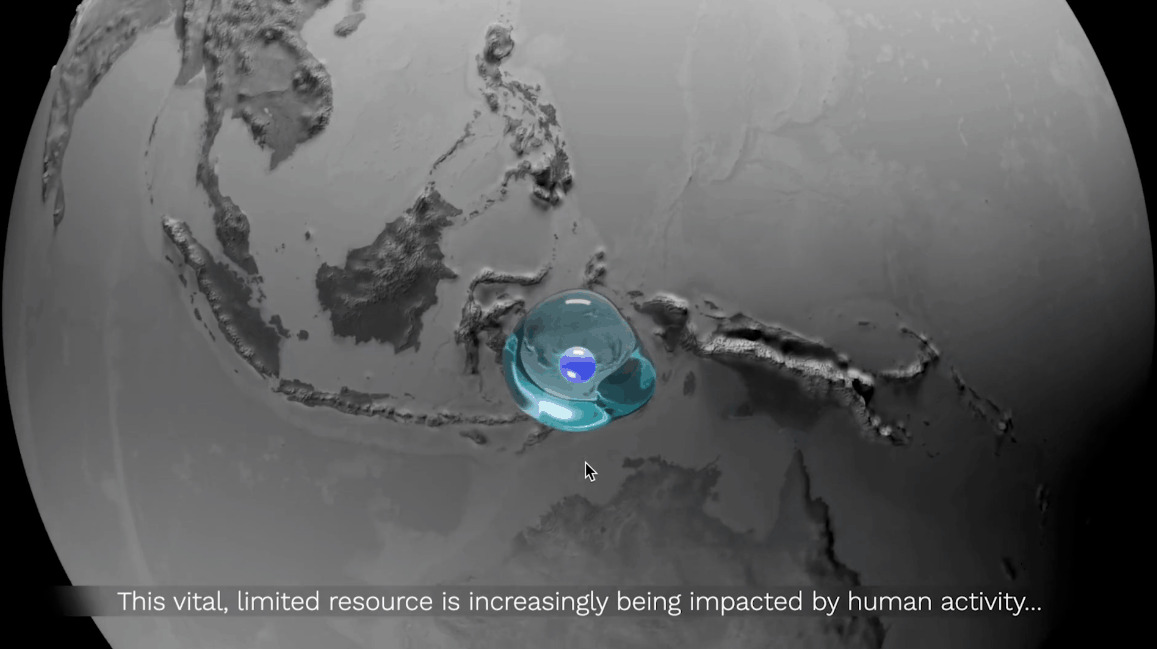
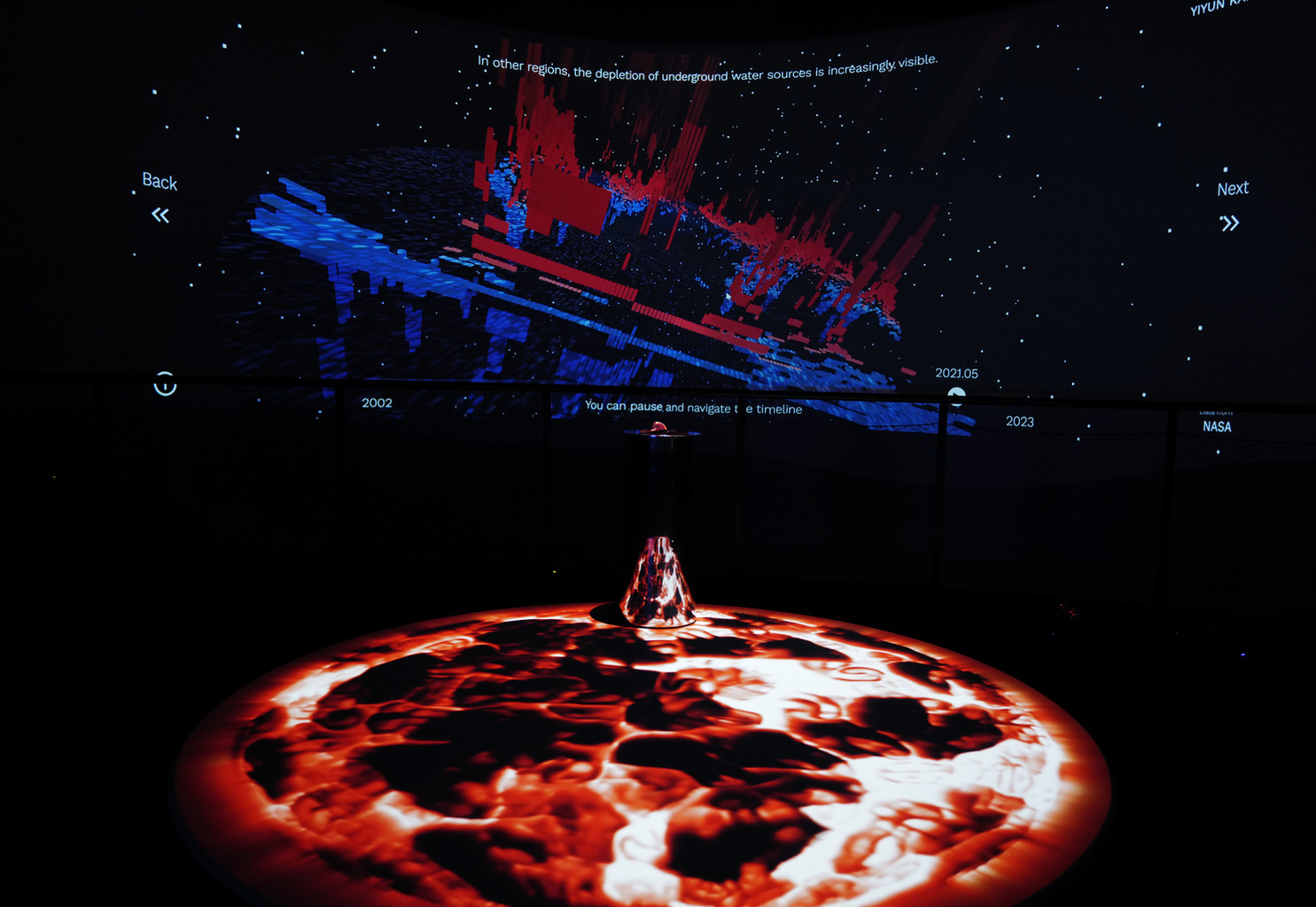
Works such as Infinite, Finite, Vanishing, and Passage of Water address issues including environmental transformation caused by human activity, the loss of biodiversity, and the depletion of planetary resources. Yet these works never remain at the level of information delivery. Scientific facts and vast datasets are translated into sensory experiences through which viewers become newly aware of their relationship to the world.

At the core of Kang's practice lies a clear mission: “to make the unfelt, felt.” She transforms invisible and abstract entities—satellite data, artificial intelligence, algorithms, and environmental information—into physical spaces and embodied experiences. This process extends far beyond data visualization.

It translates changes in the world, captured through science and technology, into forms that can be emotionally and physically perceived by human beings. Within these environments, viewers do not merely consume information; they experience the world as bodies situated within affective landscapes generated by data.

Ultimately, Kang's work advances toward a critical reflection on anthropocentrism and a post-anthropocentric worldview. She neither embraces technology as a utopian instrument of progress nor regards it solely as a threat. Instead, she explores new possibilities for coexistence within networks where humans, technology, and nature are deeply entangled.

Her works function as experimental sites that reconfigure the boundaries between the human and the non-human, while offering sensory frameworks through which contemporary environmental and technological transformations can be contemplated.

Style & Contents

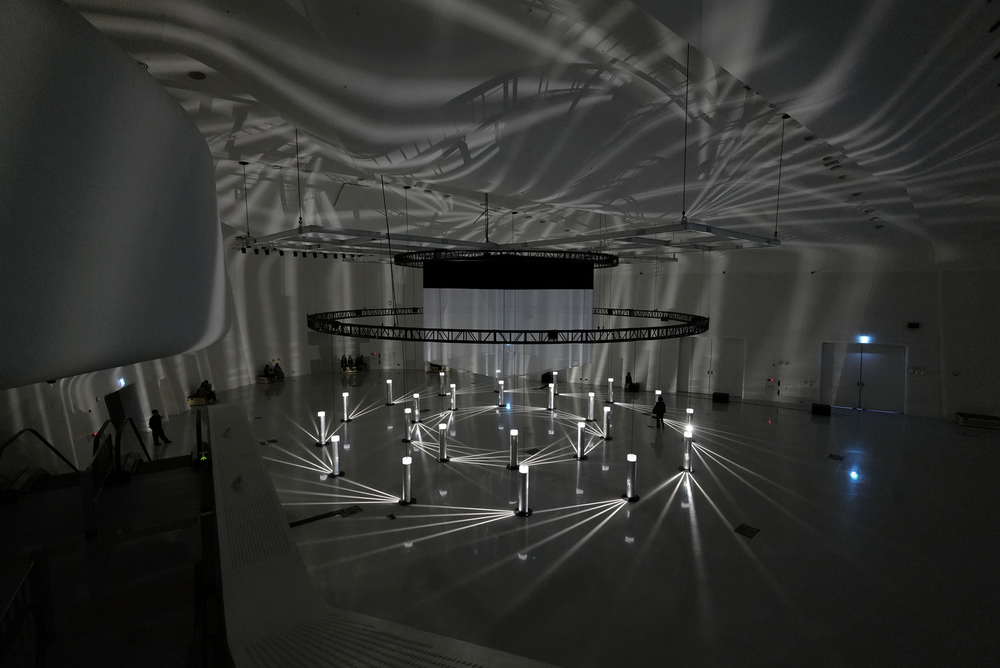
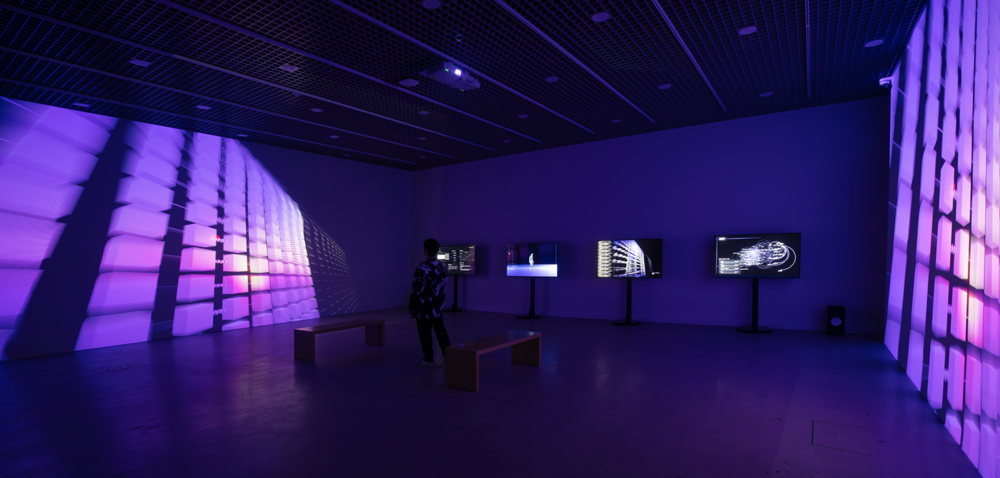
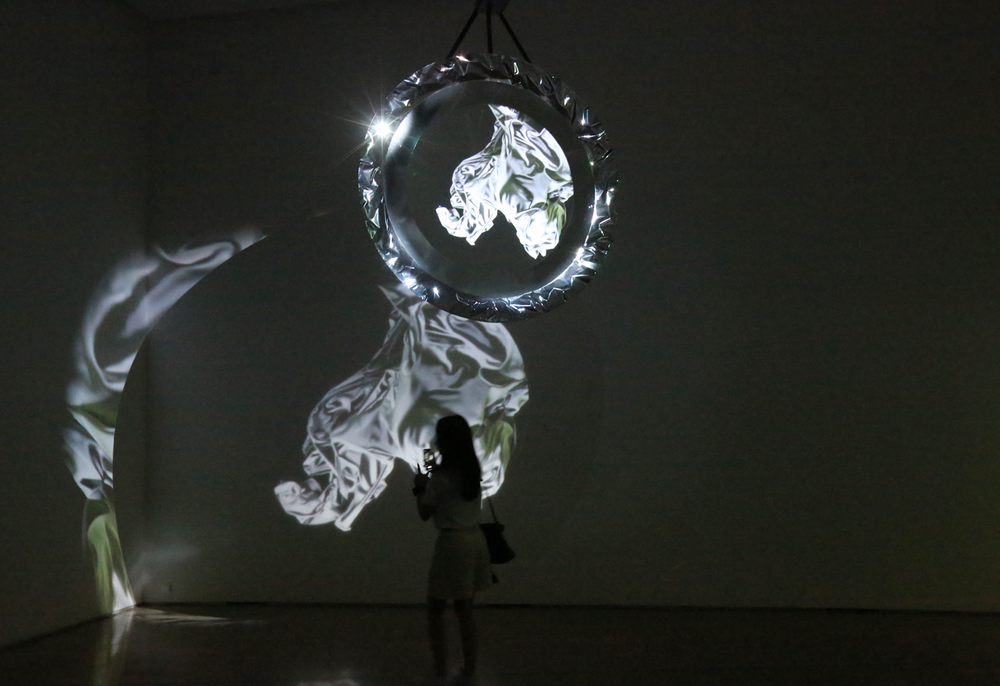
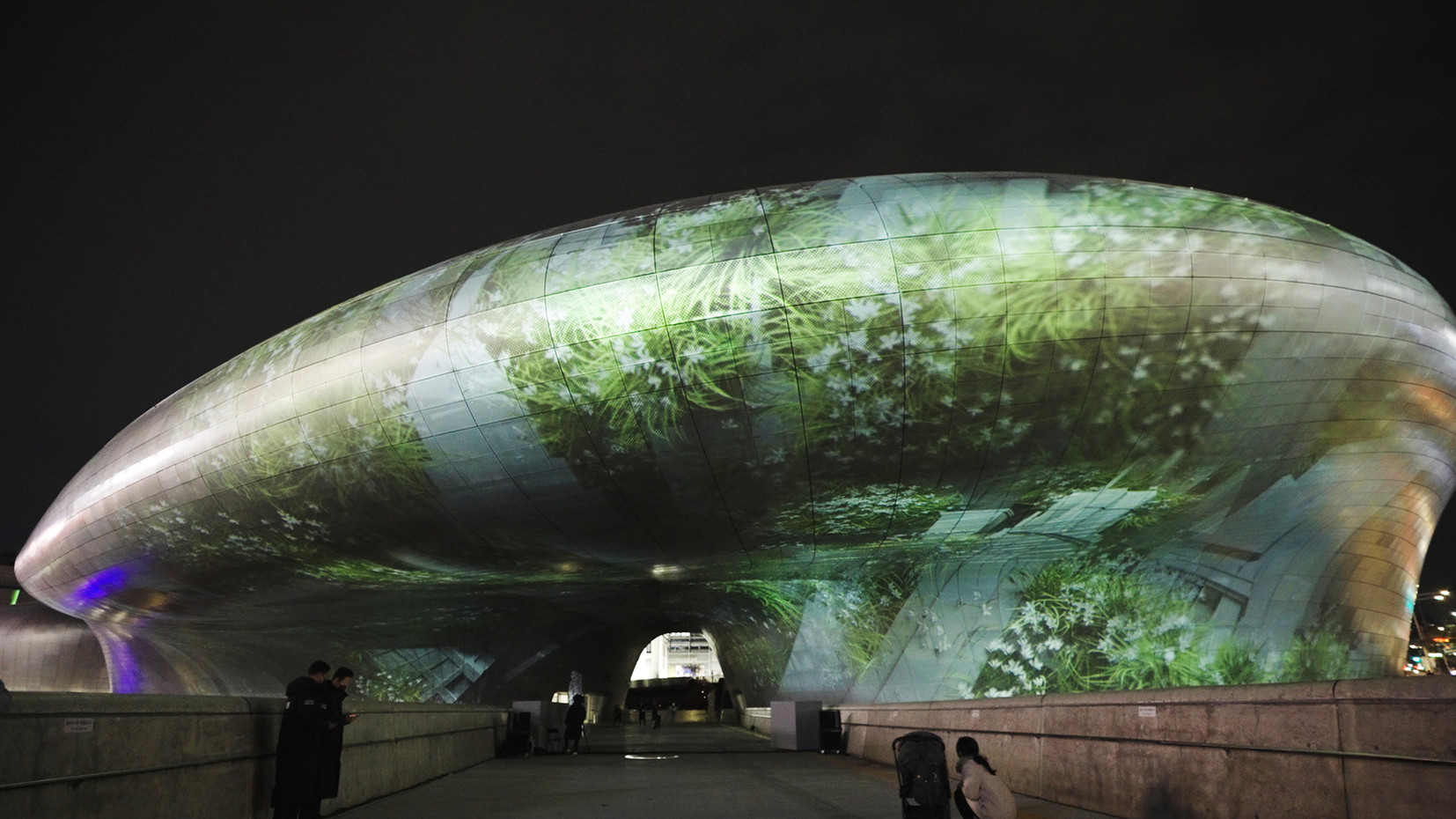
Yiyun Kang constructs immersive environments by organically combining projection mapping, real-time data, sound, artificial intelligence, interaction, and architectural structures. Her practice does not remain within a single medium but operates at the intersection of moving image, installation, spatial design, performance, and digital technology.

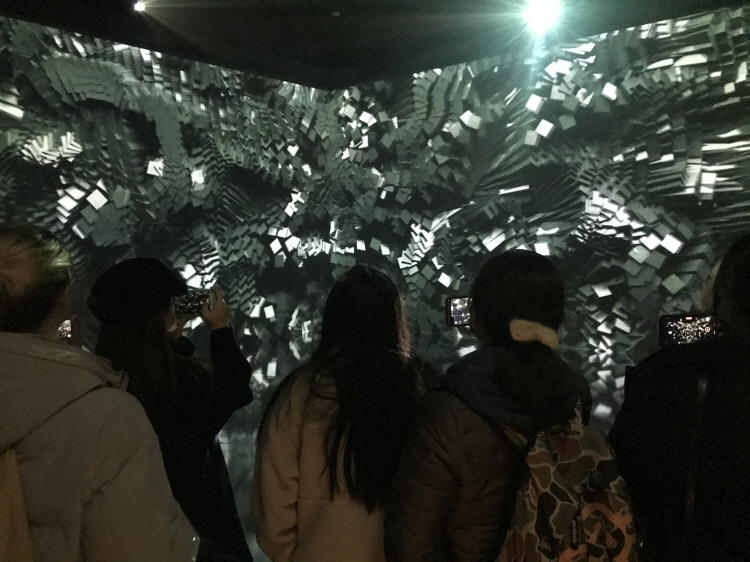
Her works are conceived not as isolated objects but as environments that viewers enter, inhabit, and experience physically. In doing so, they move beyond purely visual modes of spectatorship and pursue synesthetic experiences in which the viewer's entire body becomes part of the work.

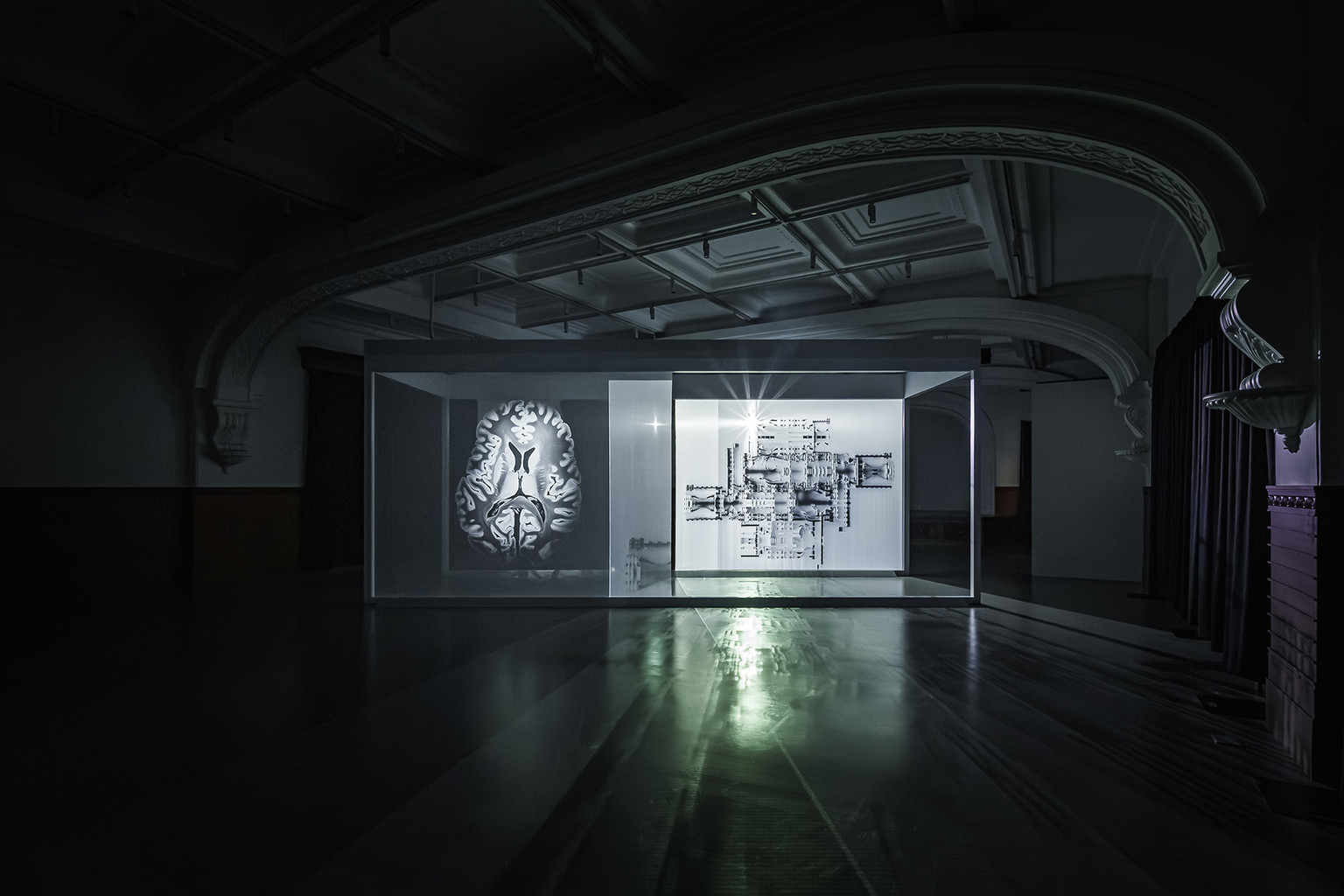
In early works such as ‘Between’, Can't Reach You, and ‘Unveiled’, Kang subverted conventional relationships between screen and projection. The screen becomes more than a surface for displaying images; it functions as a threshold where reality and illusion intersect. Standing before it, viewers encounter the gap between what is visible and what truly exists.

Through the interplay of light and shadow, movement and stillness, front and back, the artist destabilizes established systems of perception. These spatial strategies encourage an understanding of boundaries not as fixed lines but as conditions that are constantly shifting and being reconfigured.

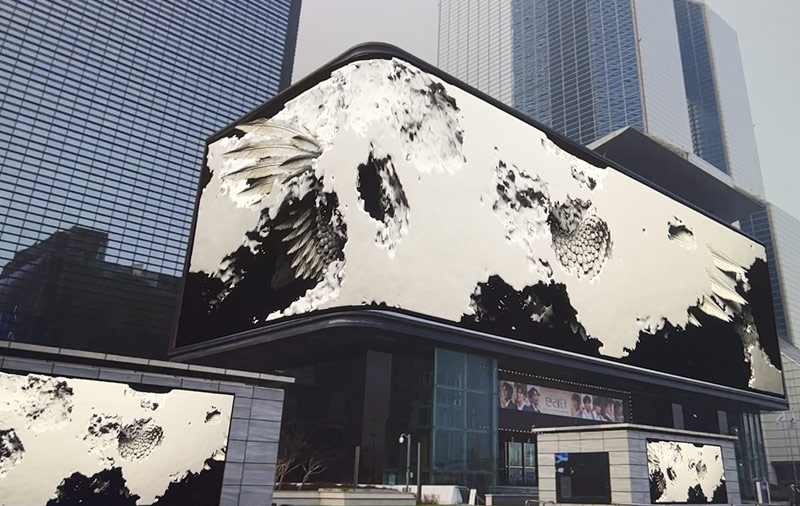
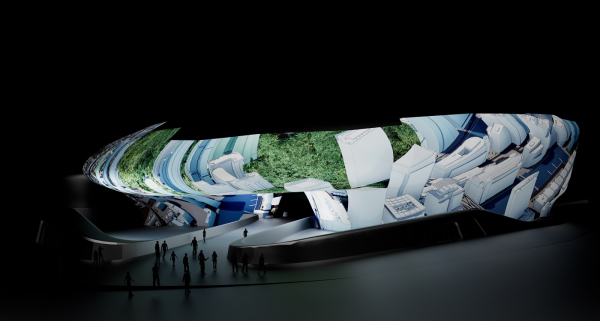
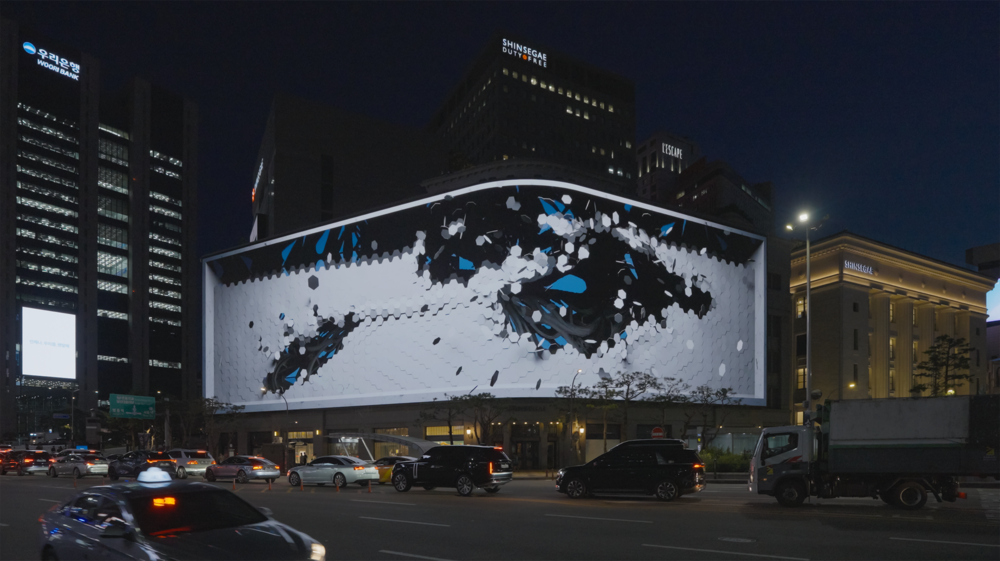
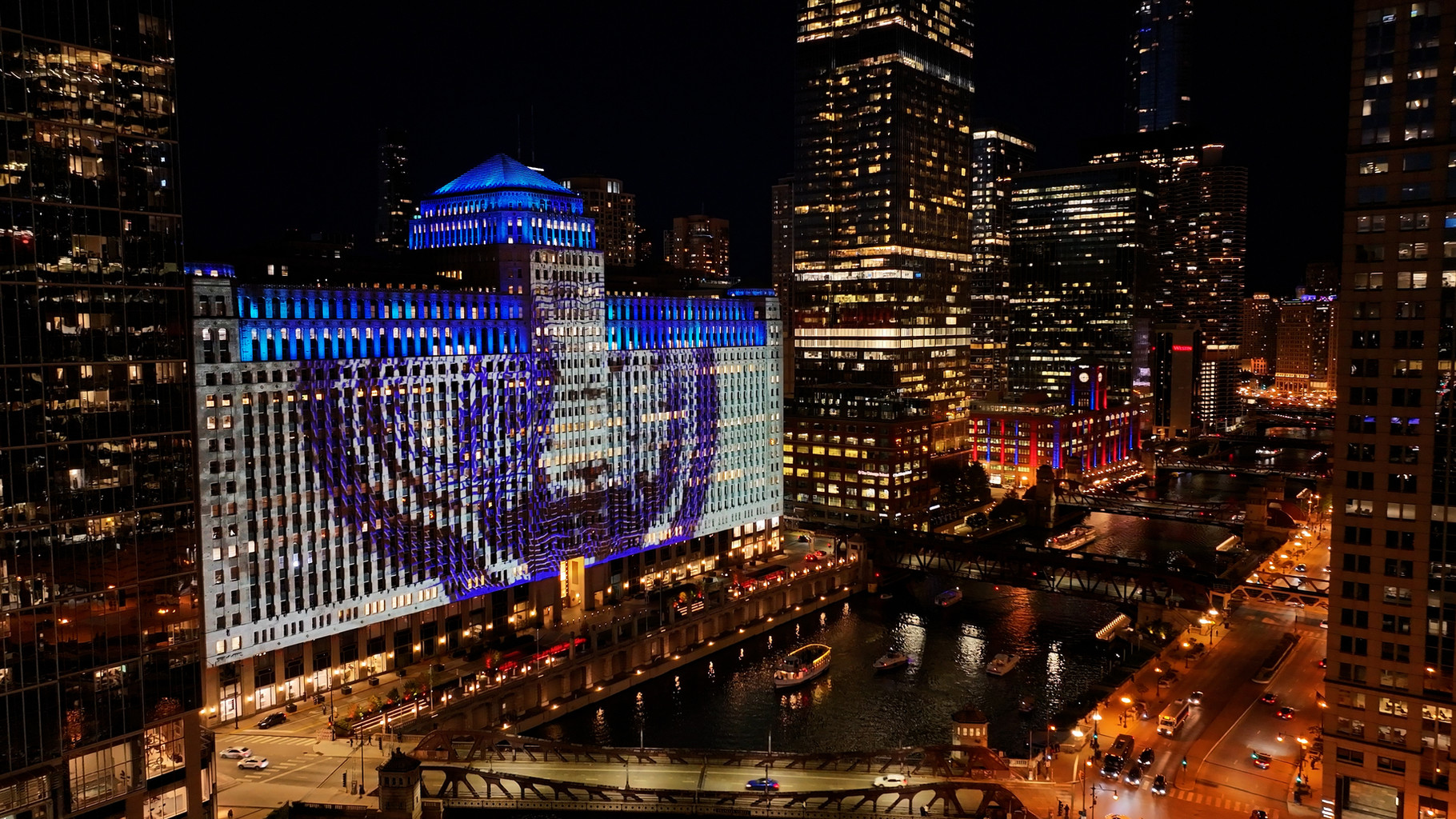
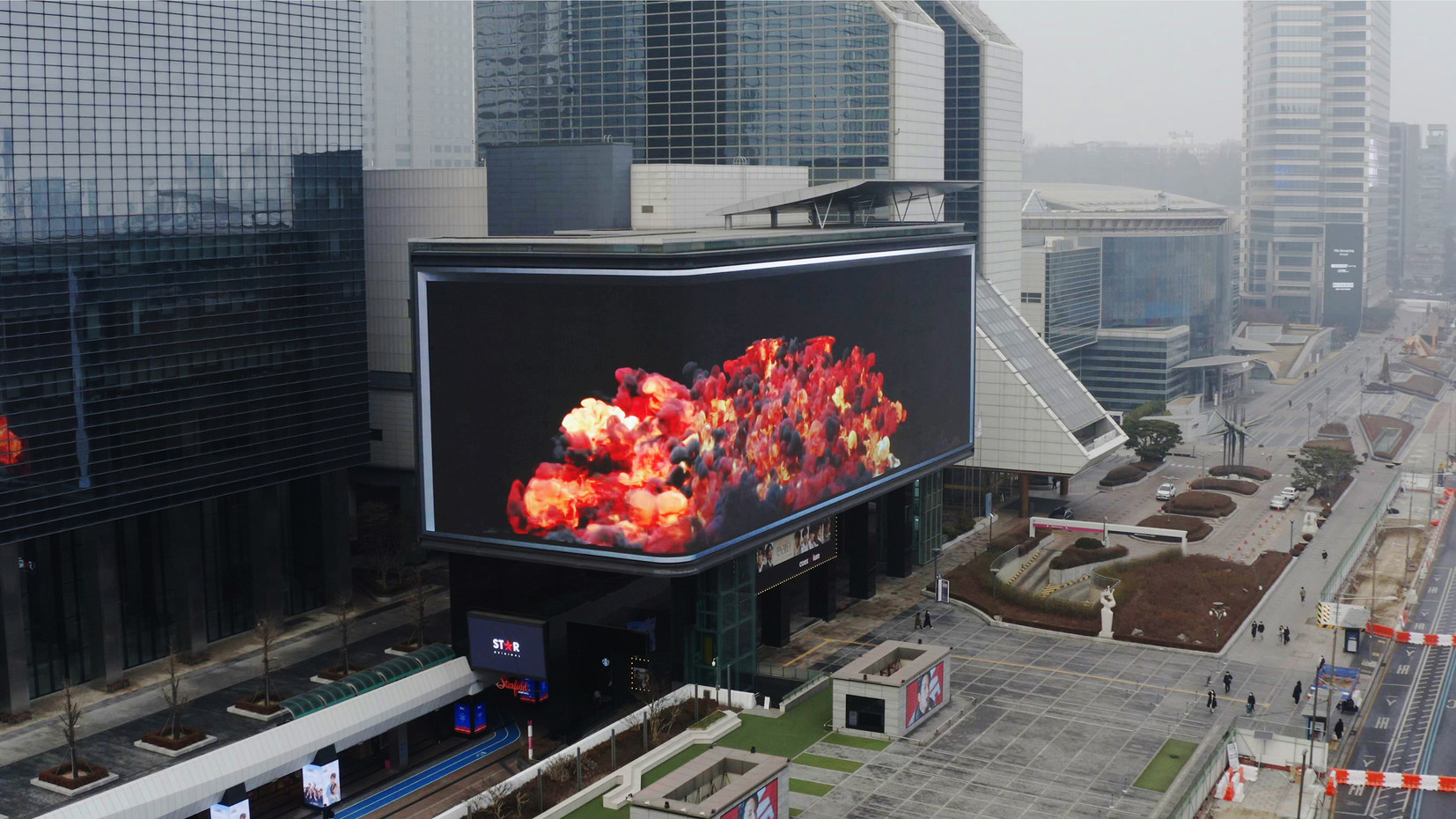
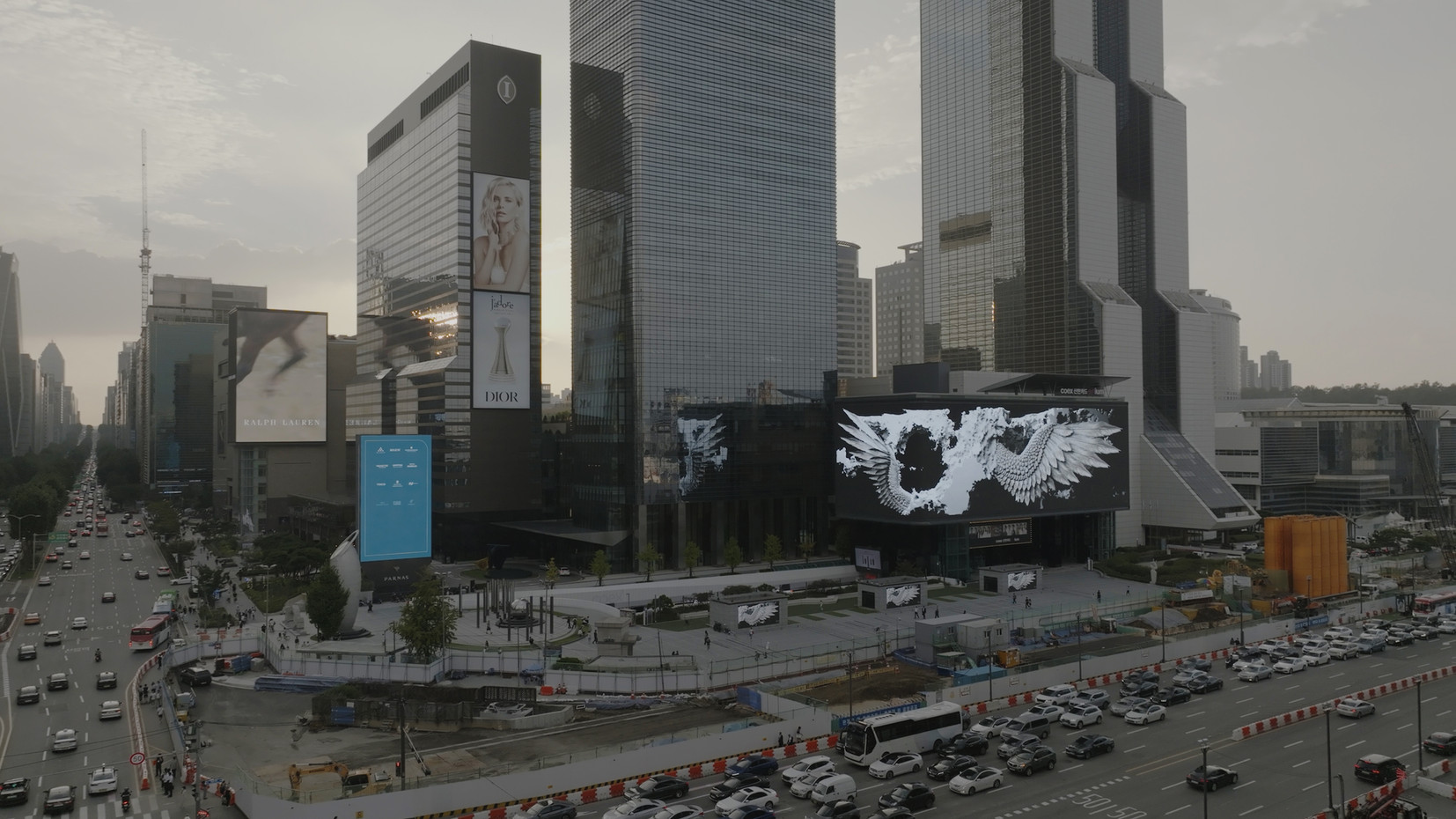
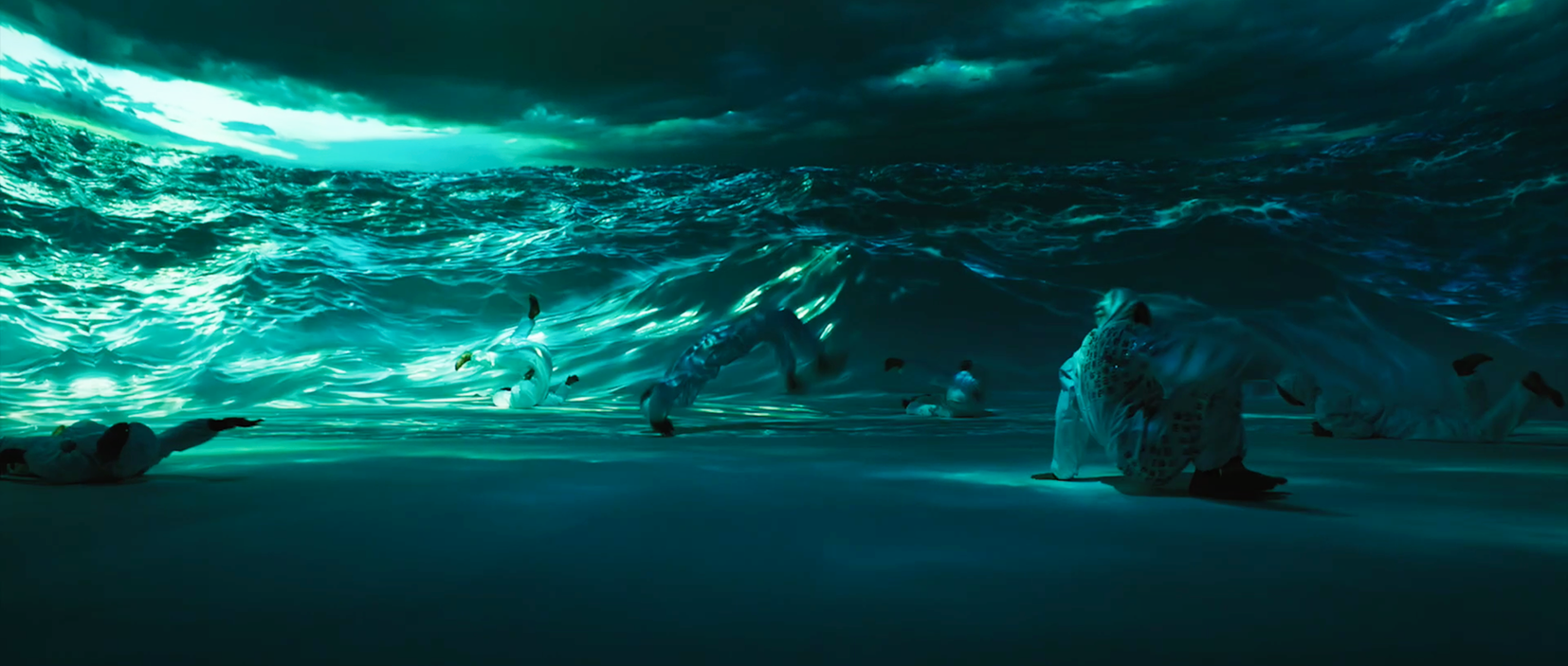
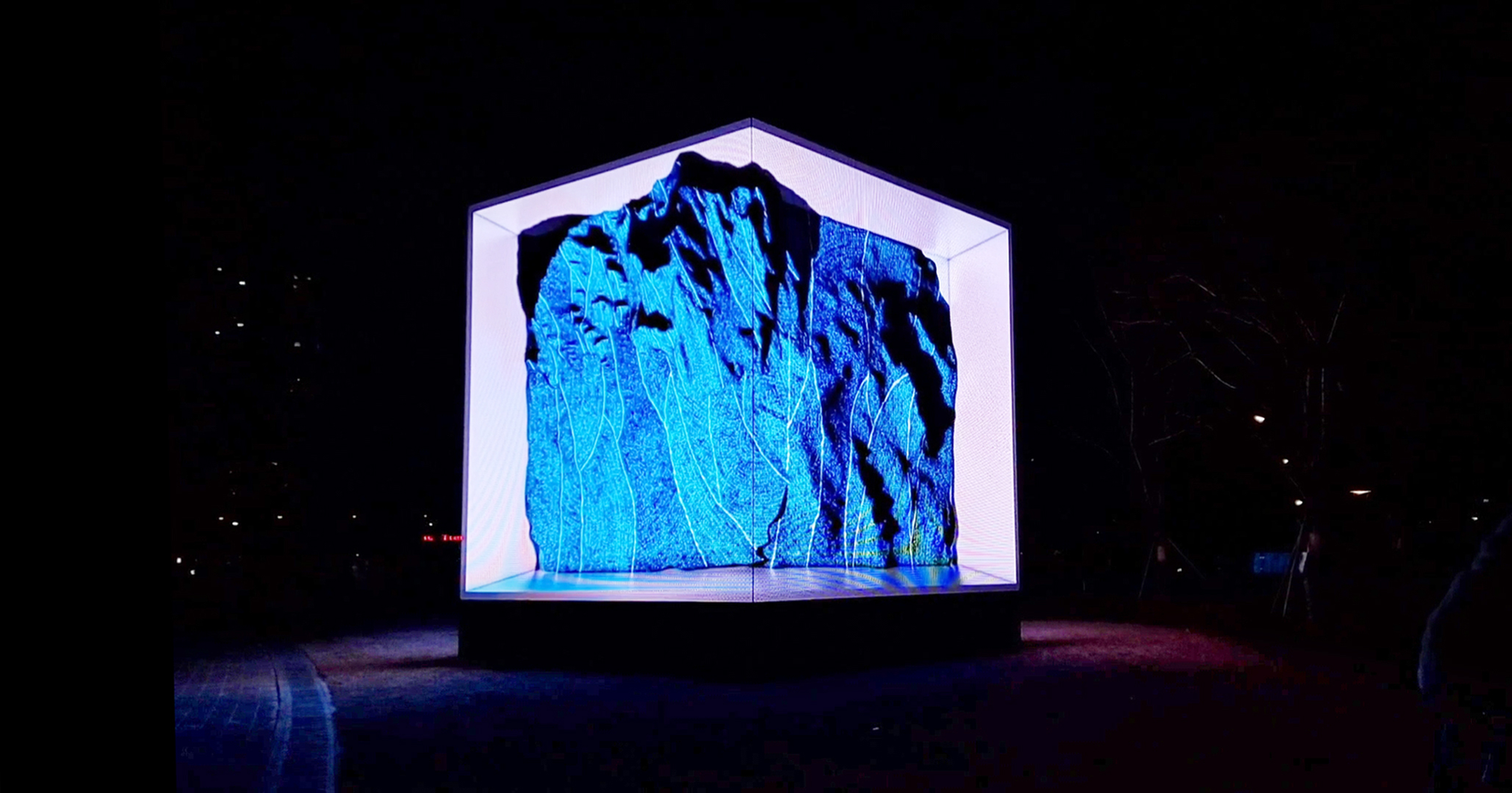
In her recent practice, both scale and technological complexity have expanded significantly. Works such as GATES, Infinite, Finite, Passage of Water, and Geofuture employ multiple screens, large-scale projections, data-driven simulations, and spatialized sound to construct environmental narratives.

The artist transforms immaterial information—including climate data, satellite imagery, and urban datasets—into forms of light, movement, and sound, inviting viewers to enter the structures of data themselves. Data is no longer something to be explained; it becomes a sensory landscape through which viewers reconsider their own position and existence.

The formal significance of Kang's work does not reside in technological spectacle alone. Rather than treating new technologies as visual effects to be consumed, she employs them as means of investigating how technology reshapes human sensation and perception. Consequently, while her works are grounded in technical sophistication, they ultimately arrive at questions of sensibility, affect, and ontology.

The viewer no longer remains in the position of an observer but becomes incorporated into a changing environment, physically experiencing a world in which humans, technology, nature, and data are deeply entangled.

Topography & Continuity

Yiyun Kang's early works investigated the boundaries between reality and virtuality, body and image, questioning the structures of human perception and cognition. Over time, these inquiries expanded toward the relationships between technology and humanity, the human and the non-human, and ultimately toward issues of environment and ecology.

Although the subjects of her work have shifted in response to changing historical conditions, her commitment to making the invisible perceptible and to unsettling habitual modes of understanding has remained constant throughout her career.

This continuity becomes particularly evident in the artist's understanding of boundaries. For Kang, boundaries are neither fixed divisions nor oppositional structures. Reality and virtuality, materiality and immateriality, humans and technology do not exist as separate entities but are situated within networks of continuous interaction and mutual transformation.

The notion of the "between" that characterized her early screen-based installations has gradually expanded into questions of "entanglement" and "coexistence" in her recent practice, forming a conceptual axis that has sustained her work over many years.

Kang does not accept technological development as a straightforward narrative of progress. Instead, she critically examines the ways in which technology reshapes human perception, social relations, and environmental conditions, while exploring the possibilities for artistic intervention within these processes.

This perspective has deepened through her research at the Royal College of Art, her academic and research activities at KAIST, and her collaborations with institutions such as NASA, Google, and the United Nations. Although these engagements have expanded the scope of her practice across art, science, the humanities, and engineering, they remain anchored in a consistent desire to translate the relationships between technology and humanity into embodied experiences.

In recent years, Kang's work has increasingly engaged with contemporary issues such as the climate crisis, post-anthropocentric thought, and data ecology, extending her practice into international discourses. Yet these developments remain a continuation of questions that have animated her work from the beginning: How do we perceive the world? What position does humanity occupy within networks of technology and nature? How can art make invisible relationships tangible?

By continually reformulating these questions through changing media, technologies, and spatial configurations, Yiyun Kang has charted a distinctive trajectory and contributed to a new cartography of contemporary media art.

Works of Art

To Make the Unfelt, Felt

Articles

Exhibitions

Activities