A Set of Structures for White Cube, Four Corners - K-ARTIST

A Set of Structures for White Cube, Four Corners

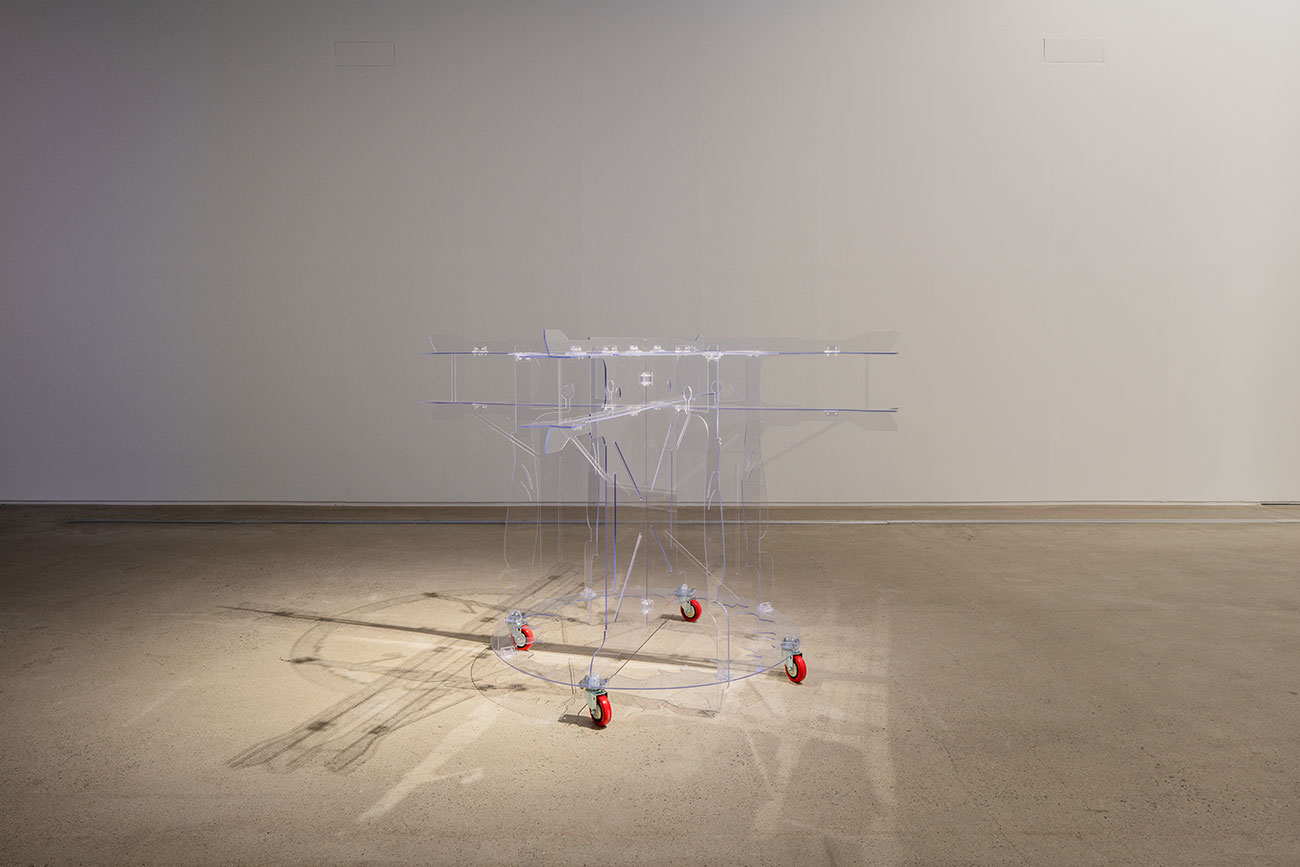
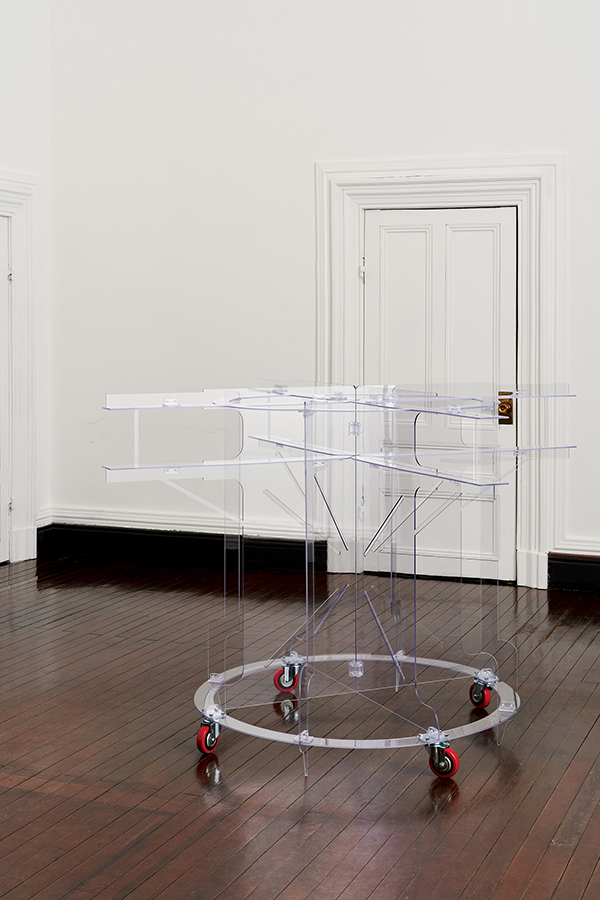
A Set of Structures for White Cube
2012
Painted Steel, Urethane Wheels, Each 100×140×140 cm (×4)

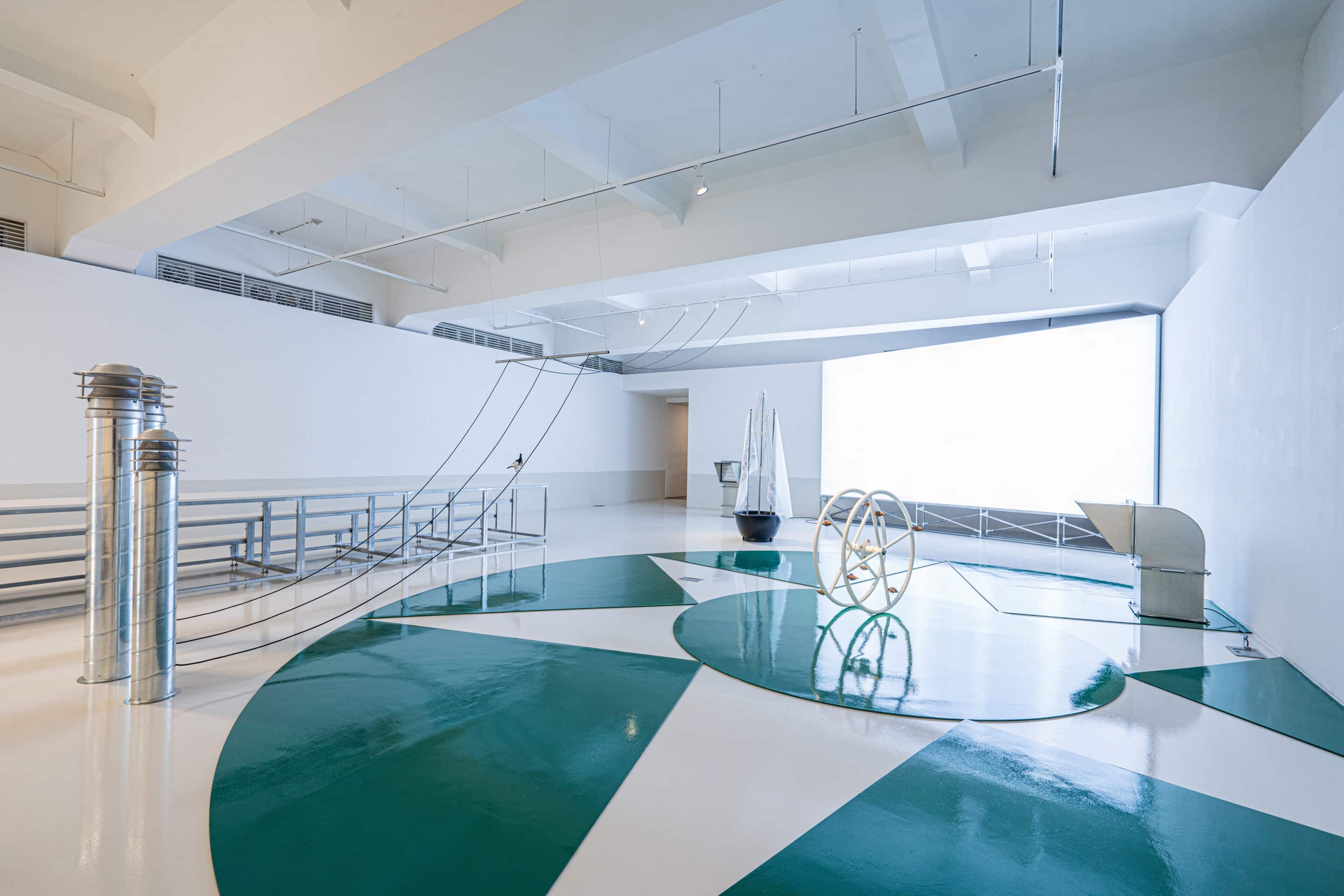
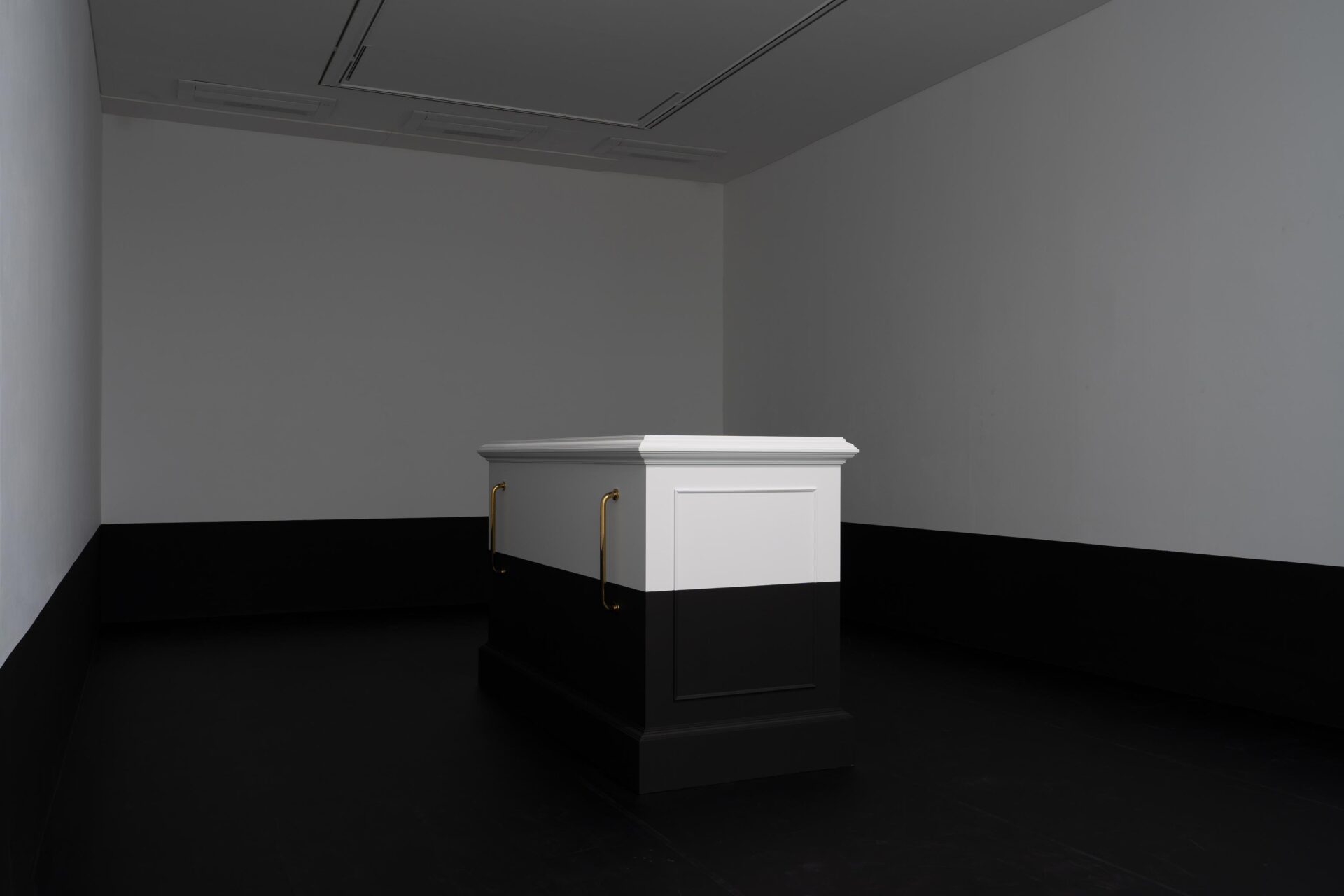
Four Corners
2018
Painted Aluminum
115×160×160 cm
Total 115×280×280 cm
About The Work

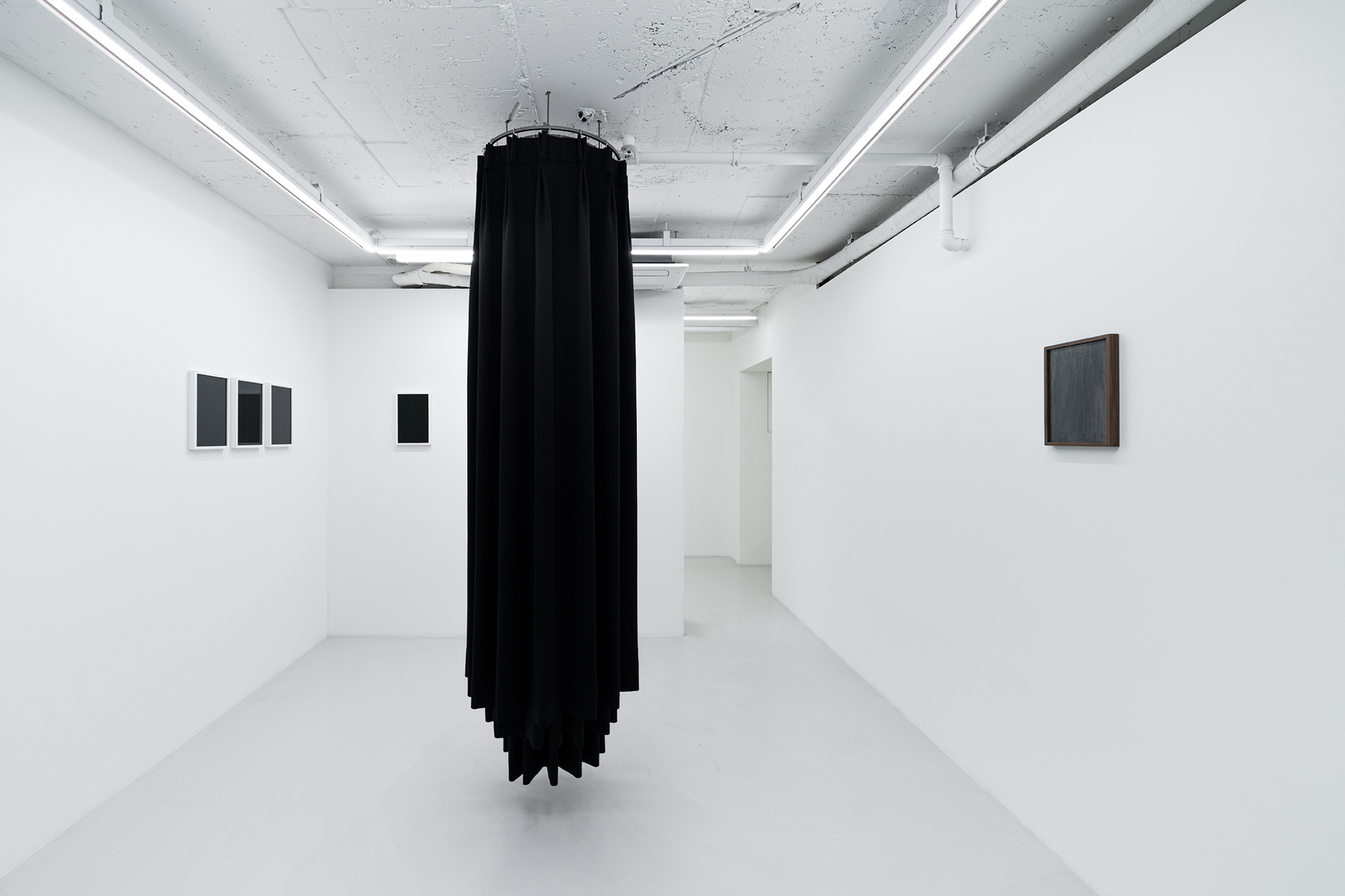
Minae Kim’s sculptural approach is defined by its ability to transform space. Rather than presenting sculpture as an autonomous object, she treats it as a conceptual entity that emerges through its interaction with the architectural environment.

Kim’s practice has evolved beyond spatial manipulations, shifting towards a critical interrogation of sculpture itself. While her early works focused on site-specific interventions within exhibition spaces, her recent projects question how sculpture functions within mythological and institutional frameworks. Kim’s sculptural approach remains in constant transformation. Her work continues to raise new questions within both historical and contemporary contexts of sculpture. 

Solo Exhibitions (Brief)

Minae Kim held her first solo exhibition, 《Anonymous Scenes》, at Kwanhoon Gallery in 2008. Since then, she has presented a total of six solo exhibitions, including 《 on Habit》 (2014, HADA Contemporary, London), 《Black, Pink Balls》 (2014, DOOSAN Gallery, Seoul), 《Conditional Drawings》 (2015, DOOSAN Gallery, New York), 《GIROGI》 (2018, Atelier Hermès, Seoul), and 《Giant》 (2023, One and J. Gallery, Seoul).

Group Exhibitions (Brief)

Minae Kim has participated in approximately 60 group exhibitions across South Korea, the United States, the United Kingdom, France, Germany, and Switzerland. Notable group exhibitions include 《Embrace》 (2010, Edinburgh College of Art, Edinburgh), 《The Forces Behind)》 (2012, Doosan Gallery, Seoul & New York), 《ArtSpectrum 2014》 (Leeum Museum of Art, Seoul), 《O philoi, oudeis philos》 (2017, Atelier Hermès, Seoul), 《Point Counter Point》 (2018, Art Sonje Center, Seoul), 《Double Negative: From White Cube to Netflix》 (2018, Arko Art Center, Seoul), and 《Korea Artist Prize 2020》 (National Museum of Modern and Contemporary Art, Seoul). More recently, she presented 《The Purloined Letter》 (2023) at ONE AND J. Gallery.

Awards (Selected)

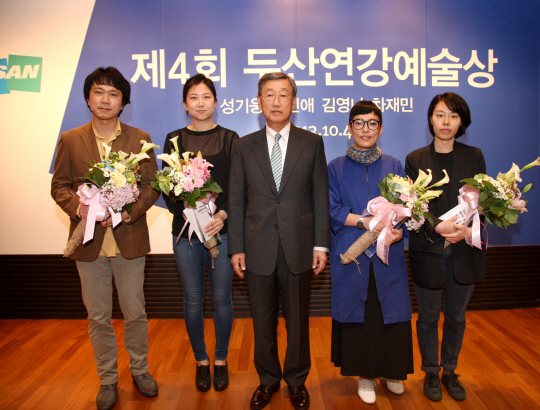
Minae Kim was awarded the 2nd Prize at the 29th JoongAng Fine Arts Prize (2007, Korea) as one of the 25 Artists of the Year. In 2011, she was selected for Bloomberg New Contemporaries (UK). She later received the Doosan Yongang Artist Award (2012, Korea) from the Yongang Art Foundation and the Inger Lawrence Award (2013, University of Oxford, UK). In 2020, she was named a Finalist for the Korea Artist Prize at the National Museum of Modern and Contemporary Art (MMCA).

Collections (Selected)

Minae Kim's works are included in the collections of the National Museum of Modern and Contemporary Art (Korea), Seoul Museum of Art (Korea), Yongang Art Foundation (Korea), MMCA Art Bank (Korea), and CAN Foundation (Korea).
Works of Art

Sculptures of Space

Originality & Identity

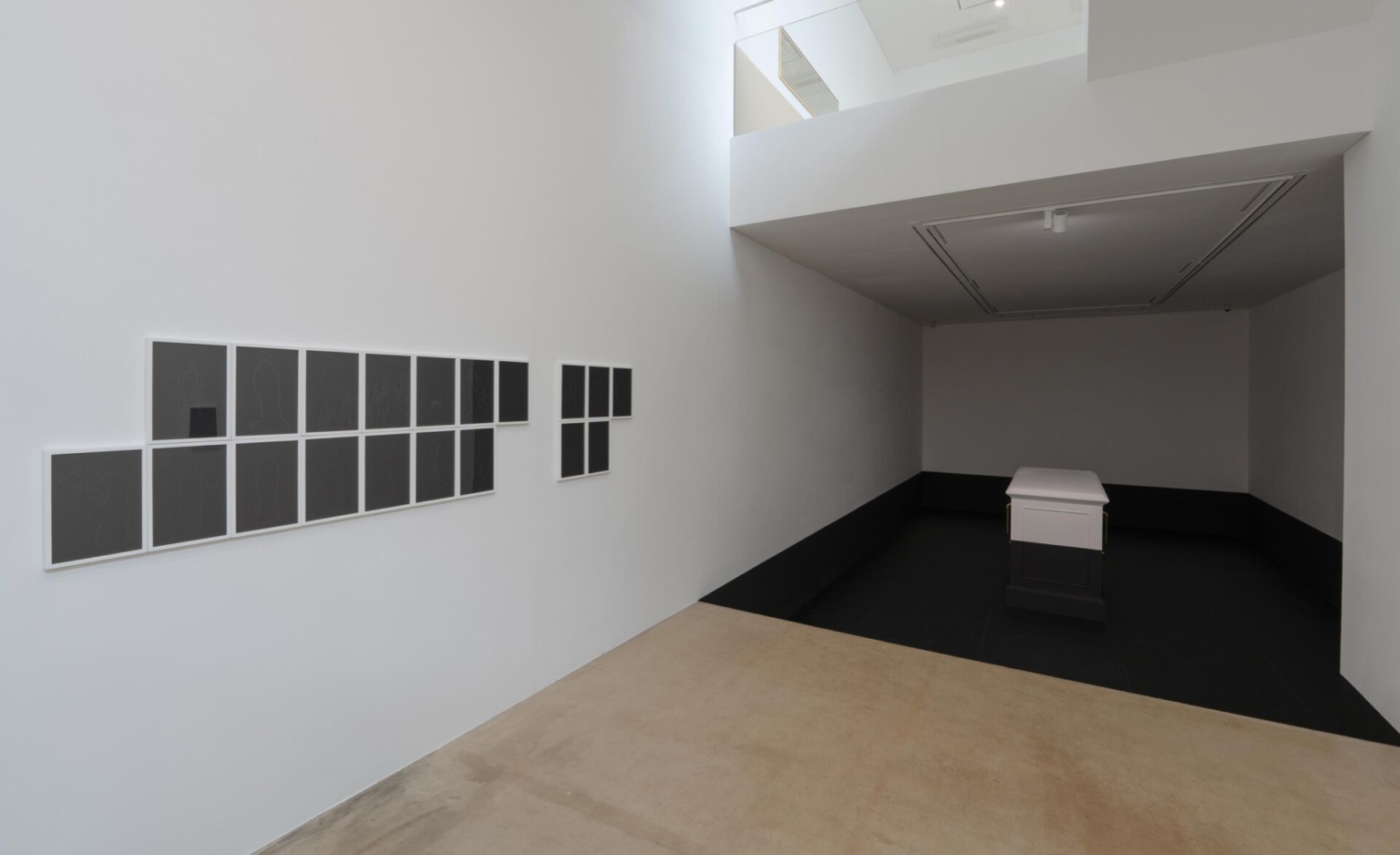
Minae Kim explores the relationship between individuals and society through sculpture and installation, particularly focusing on the contradictions experienced within social structures. Her early works examined the relationship between physical structures and the human body. In her first solo exhibition, 《Anonymous Scenes》(2008, Kwanhoon Gallery, Seoul), she experimented with the spatial deconstruction of writing by transforming the structured format of manuscript paper in Manuscript Paper Drawing. Later, in 《Thoughts on Habit》(2013, HADA Contemporary, London), she deliberately directed the movement of viewers, encouraging them to physically reconsider familiar spaces and systems.

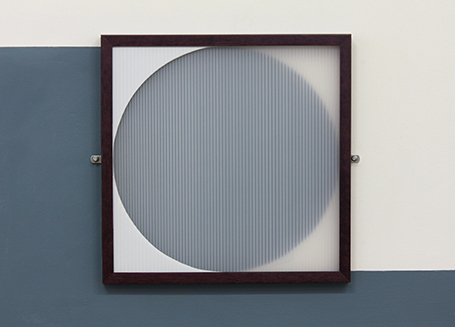
Kim emphasizes that sculpture is not merely an object but a medium that constructs spatial relationships. Rather than treating the space in which sculpture is placed as a passive background, she integrates it into the sculptural process, allowing the work to alter or parasitically inhabit its surroundings. In 《Black, Pink Balls》(2014, DOOSAN Gallery, Seoul), she introduced an additional architectural layer within the exhibition space by constructing translucent walls, where past works were scattered without a clear arrangement, severing their connection to the spatial context.

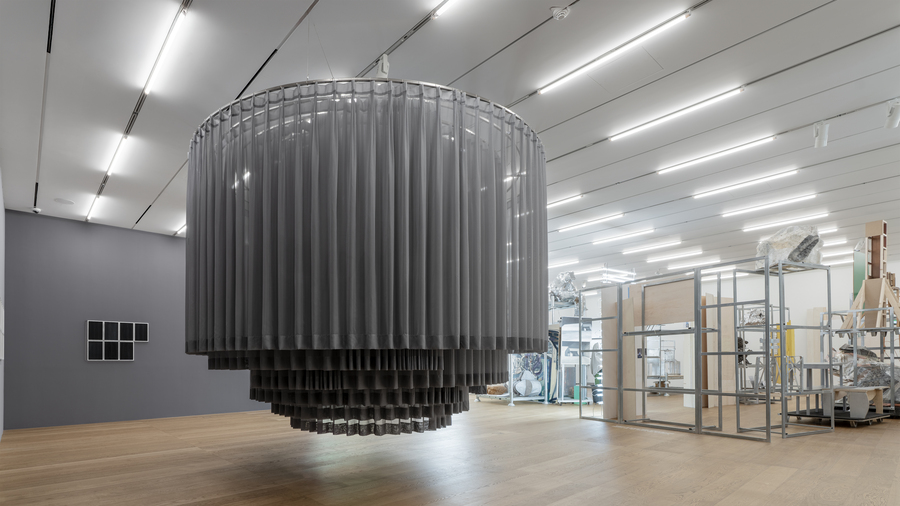
More recently, Kim's work has increasingly examined the formation and collapse of personal beliefs and social ideologies. In her solo exhibition 《Giant》(2023, ONE AND J. Gallery, Seoul), she investigated the potential and limitations of sculpture as an idol. By manipulating the forms of classical sculptures by artists like Michelangelo and Rodin, she reinterpreted the authority and significance of sculpture. Through this, she approaches sculpture not merely as a physical entity but as a device onto which societal meanings are projected, exploring the relationship between individuals, collectives, belief systems, and institutions.

Style & Contents

Kim’s sculptural approach is defined by its ability to transform space. Rather than presenting sculpture as an autonomous object, she treats it as a conceptual entity that emerges through its interaction with the architectural environment. In the group exhibition 《Young Korean Artists 2013》(National Museum of Modern and Contemporary Art, Gwacheon), her ‘Relative Correlation’ (2013) series borrowed the shape of the museum's railings, inserting ambiguous railing-like structures throughout the exhibition space. Originally intended as safety devices, these railings instead disrupted movement, redirected visitors, and redefined spatial conventions.

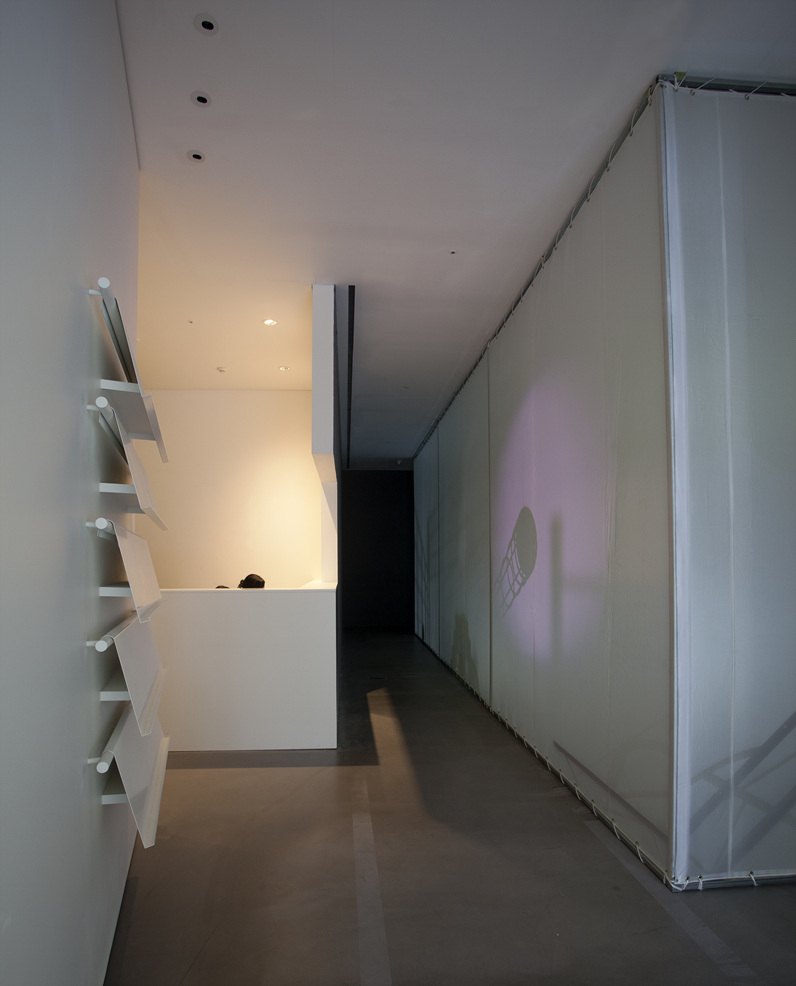
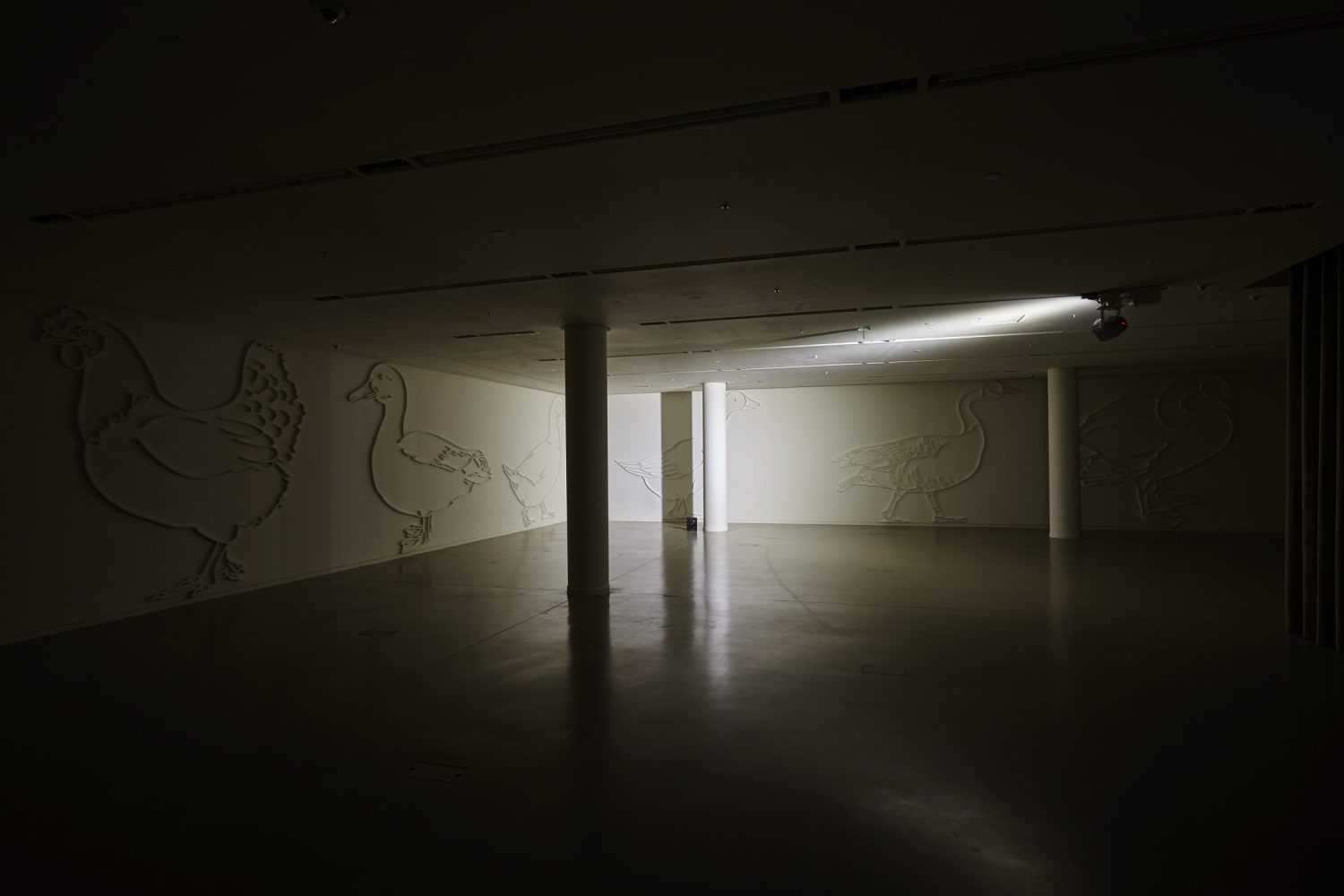
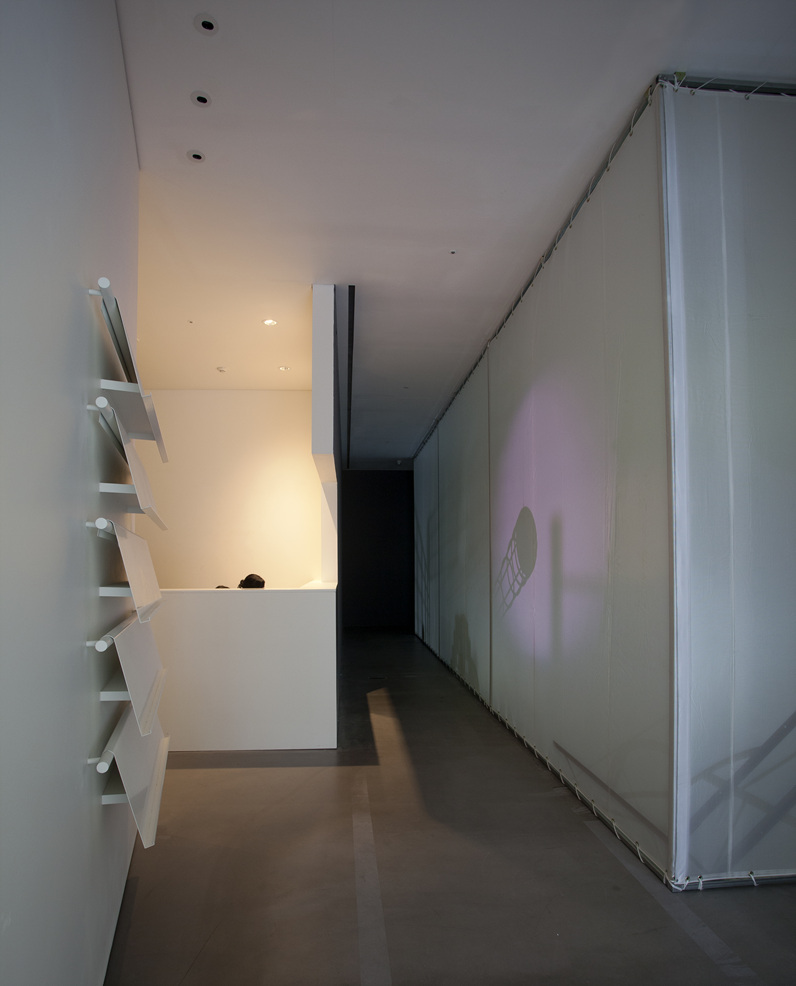
A significant formal characteristic of her work is its ability to reveal invisible boundaries. In her solo exhibition 《GIROGI》(2018, Atelier Hermès, Seoul), she transformed the exhibition space into a moving image apparatus, engraving bird silhouettes onto the walls. With the interplay of light and sound, these static forms appeared to move, suggesting that sculpture is not merely a fixed object but one that exists within an ever-changing perceptual experience.

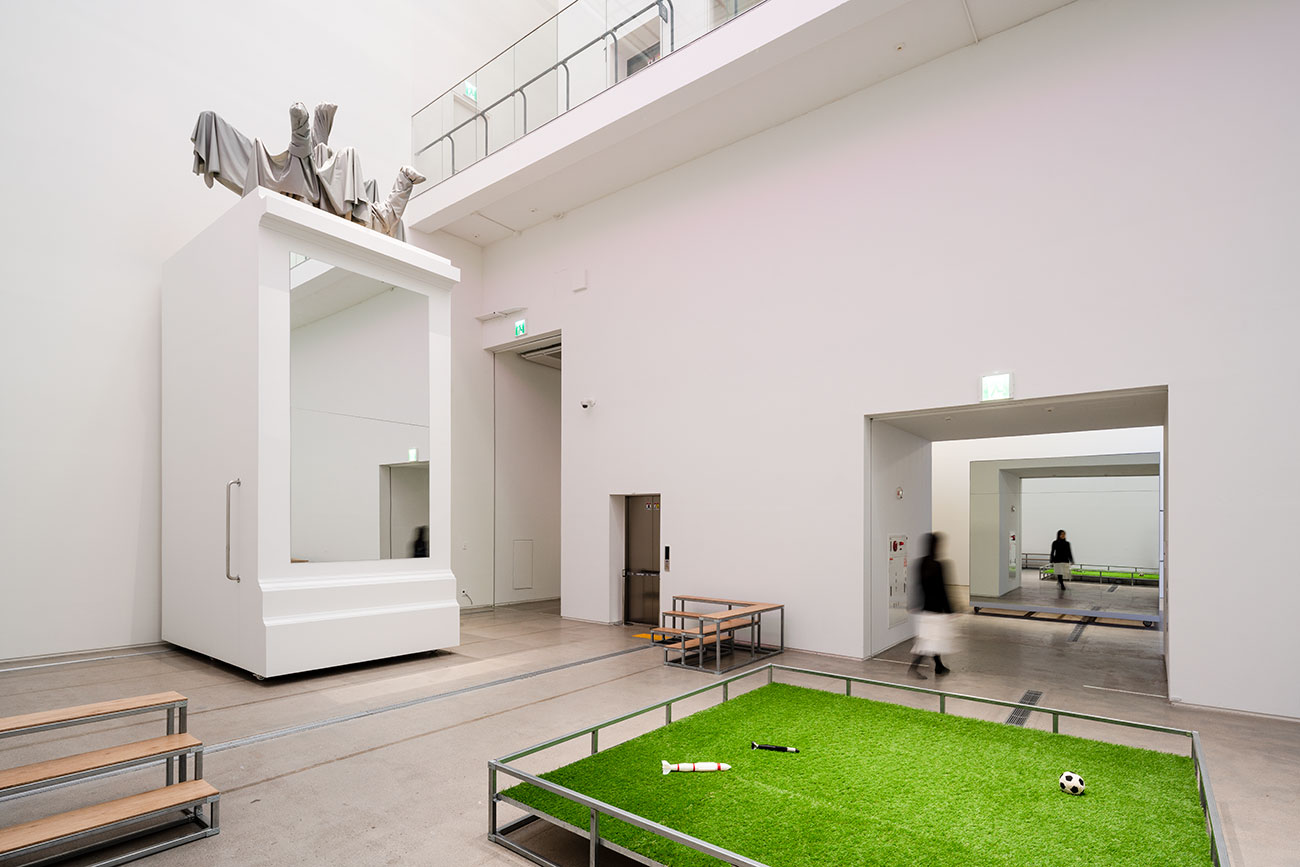
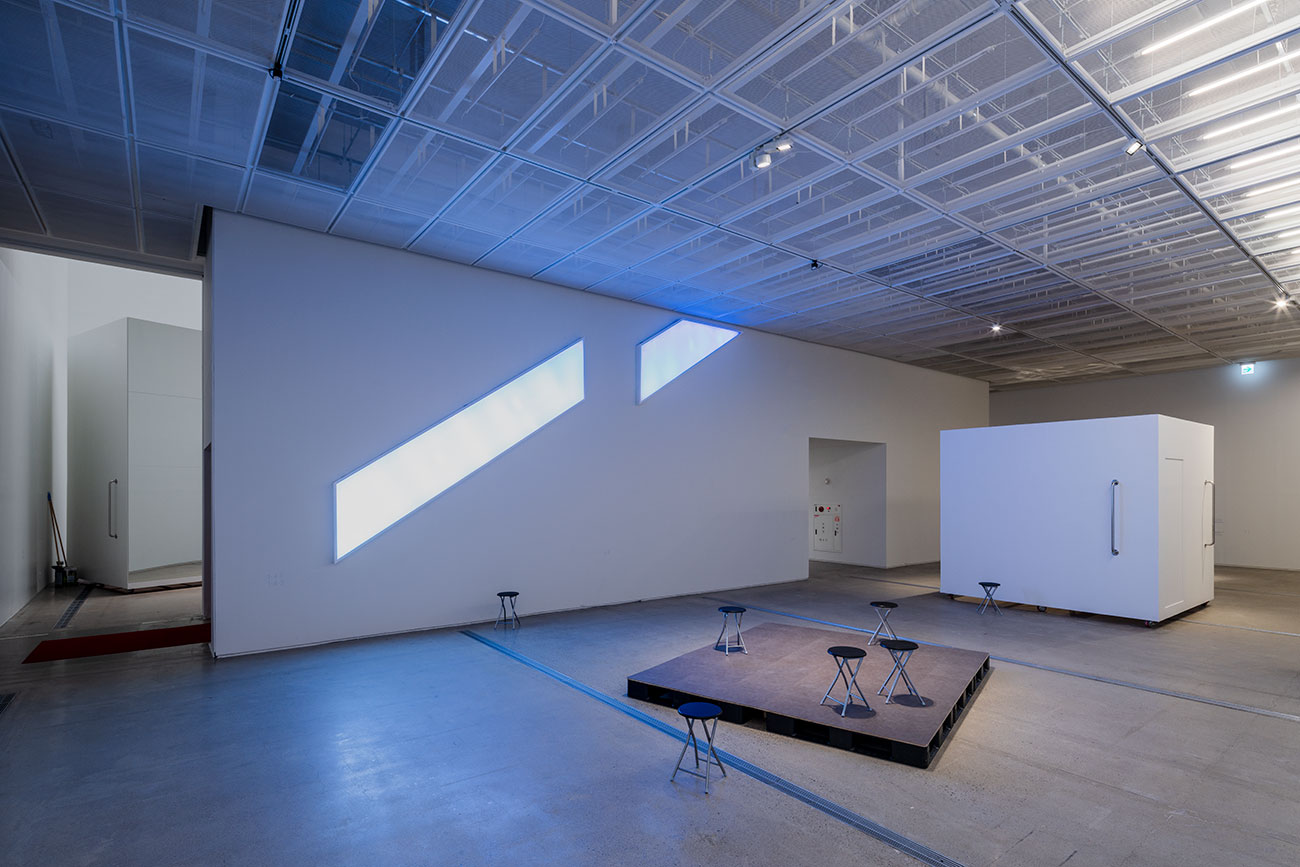
Kim also actively engages with the structural elements of exhibition spaces, challenging their established hierarchies. In 《Korea Artist Prize 2020》(National Museum of Modern and Contemporary Art, Seoul), her work 1. 안녕하세요 2. Hello (2020) employed windows, mirrors, stairs, and passageways to disrupt spatial order and alter the audience’s perception of space and sculpture. Her works do not merely introduce new forms but rather investigate how sculptural interventions can reshape pre-existing hierarchies, redefining how bodies and spaces interact.

Topography & Continuity

Kim’s practice has evolved beyond spatial manipulations, shifting towards a critical interrogation of sculpture itself. While her early works focused on site-specific interventions within exhibition spaces, her recent projects question how sculpture functions within mythological and institutional frameworks.

In 《Giant》(2023), she examined the symbolic power of sculpture and its inherent instability. This project extended beyond spatial interventions, critically engaging with how art is associated with sacredness and absolute values. Rather than positioning sculpture as a static entity, Kim’s work interrogates how sculptural forms and ideologies are continuously shaped and dismantled.

Kim’s sculptural approach remains in constant transformation. Her work continues to raise new questions within both historical and contemporary contexts of sculpture. Moving forward, she is expected to further expand the boundaries of sculpture, investigating not only its materiality but also its role within broader social and conceptual frameworks.

Works of Art

Sculptures of Space

Exhibitions