Scan - K-ARTIST

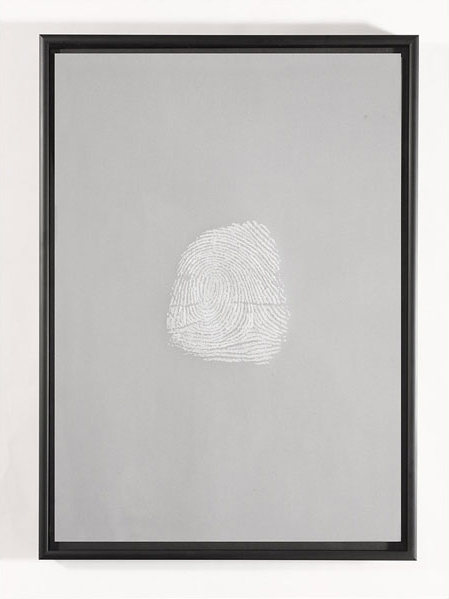
Scan

2009
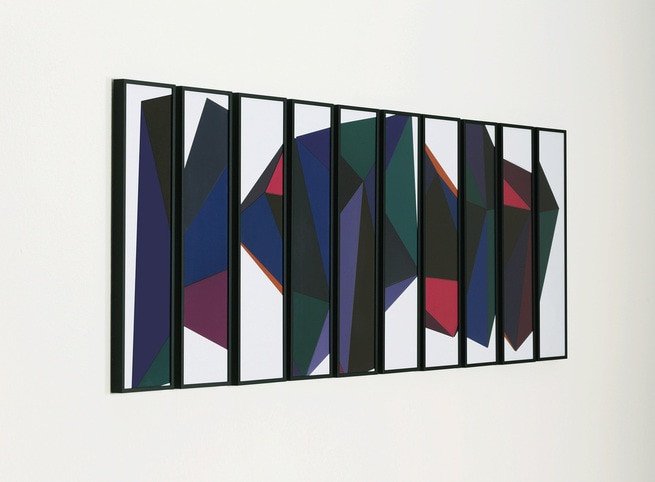
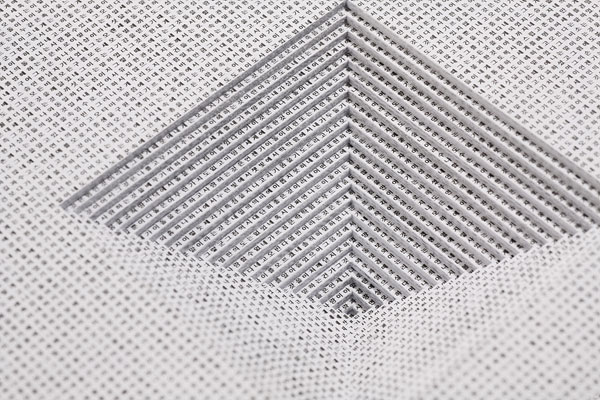
Tracing paper, perforation on paper
32 x 44 cm
About The Work

Jaiyoung Cho's practice begins with the premise that the ways we understand the world are not absolute, but are constructed through linguistic and social systems of perception. The processes of naming, assigning functions, and establishing hierarchies become the very criteria through which objects are recognized, while simultaneously obscuring countless other possibilities and indeterminate conditions. 

Rather than accepting these cognitive structures as fixed, Cho investigates how they are formed and maintained, continually reexamining objects, spaces, and the body through alternative modes of perception. Her work is not an act of dismantling the familiar world for its own sake, but an exploration that reveals the latent relationships and conditions embedded within it.

In her works, space appears not simply as a backdrop but as a structure shaped by social orders and systems of control, while the body is presented as an entity continuously reorganized through relationships rather than as a fixed presence. By approaching objects, spaces, and bodies through a shared sculptural language, Cho explores the invisible rules that organize reality and the numerous possibilities that exist between them.


Solo Exhibitions (Brief)

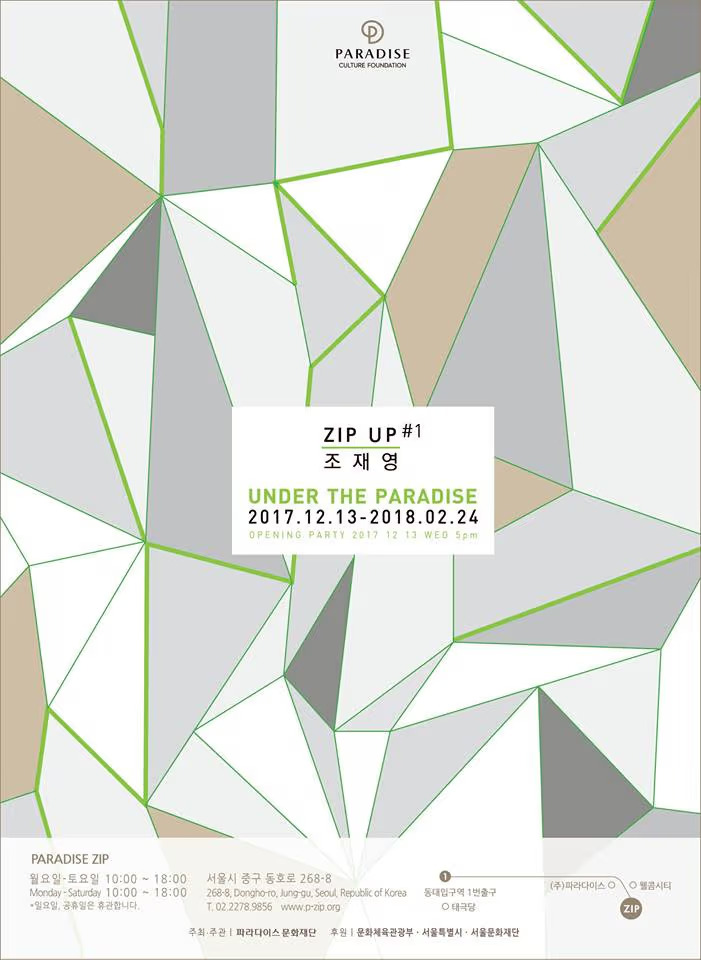
Jaiyoung Cho has held solo exhibitions at SongEun Gallery (2009), Kumho Museum of Art (2016), Paradise ZIP (2017), Onsu Gonggan (2020), and Krognoshuset, Lund (2021).

Group Exhibitions (Brief)

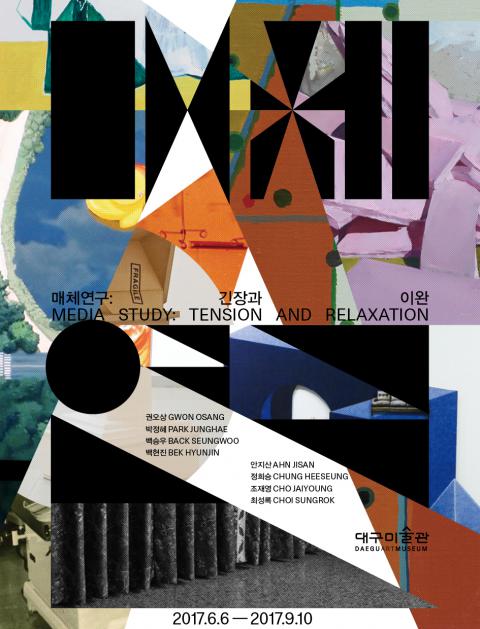
Jaiyoung Cho has participated in group exhibitions at Atelier Hermès (2020), Manarat Al Saadiyat, Abu Dhabi (2020), Museum SAN (2019), Kumho Museum of Art (2018, 2019), Daegu Art Museum (2017), Buk Seoul Museum of Art (2016), Culture Station Seoul 284 (2014), Total Museum of Contemporary Art (2013), and De Appel Boys' School, Amsterdam (2012).

Awards (Selected)

Jaiyoung Cho was selected for Kumho Young Artist (2015), Paradise ZIP UP (2017), the SeMA Young Artist Exhibition Supporting Program at the Seoul Museum of Art (2009), SongEun Gallery Young Artist (2008), and Gallery Doll Young Artist (2008).

Residencies (Selected)

Jaiyoung Cho participated in residency programs at MMCA Residency Goyang, National Museum of Modern and Contemporary Art, Korea (2021), Seoul Art Space Geumcheon, Seoul Foundation for Arts and Culture (2016), SeMA Nanji Residency, Seoul Museum of Art (2015), and Gyeonggi Creation Center, Gyeonggi Museum of Modern Art (2013).

Works of Art

Reimagining Objects, Space, and the Body

Originality & Identity

Jaiyoung Cho's practice begins with the premise that the ways we understand the world are not absolute, but are constructed through linguistic and social systems of perception. The processes of naming, assigning functions, and establishing hierarchies become the very criteria through which objects are recognized, while simultaneously obscuring countless other possibilities and indeterminate conditions.

Rather than accepting these cognitive structures as fixed, Cho investigates how they are formed and maintained, continually reexamining objects, spaces, and the body through alternative modes of perception. Her work is not an act of dismantling the familiar world for its own sake, but an exploration that reveals the latent relationships and conditions embedded within it.

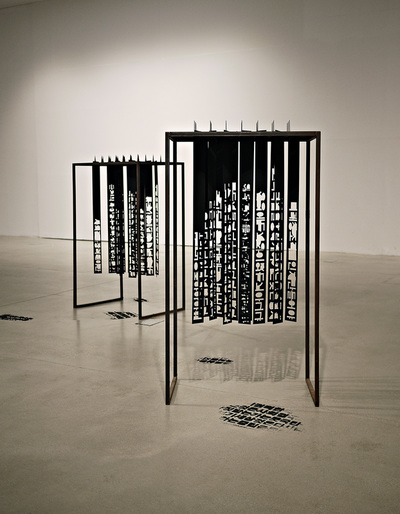
Her early works focused on repetitive acts of stitching and perforating signs such as letters, numbers, fingerprints, and banknotes, questioning the authority and stability of language and symbolic systems. Repetition functioned not as a means of reproducing identical forms, but as a process of destabilizing fixed meanings and reducing signs to their material traces.

This sustained inquiry gradually expanded from language into the physical structures of objects and space, transforming conceptual questions into sculptural investigations.

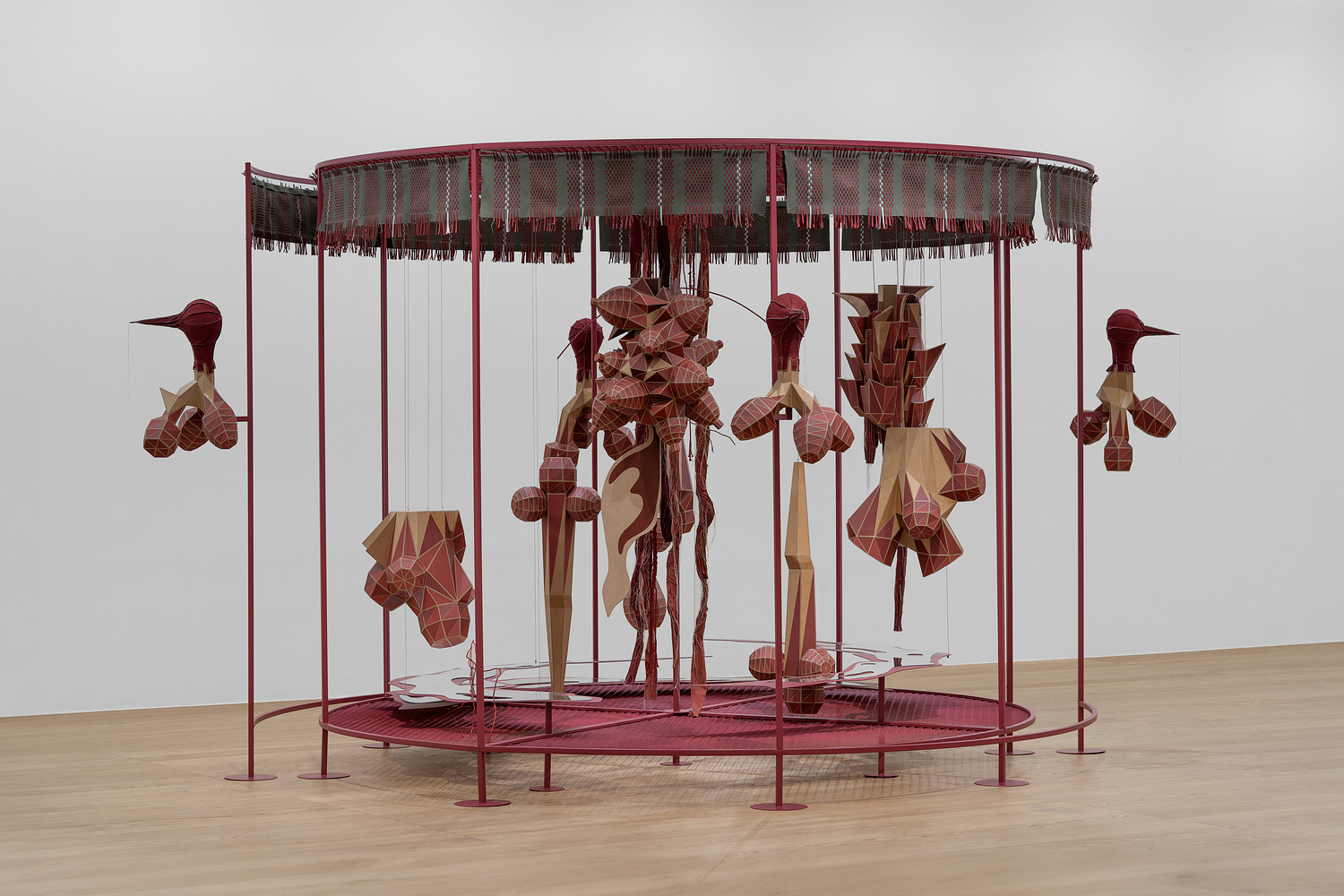
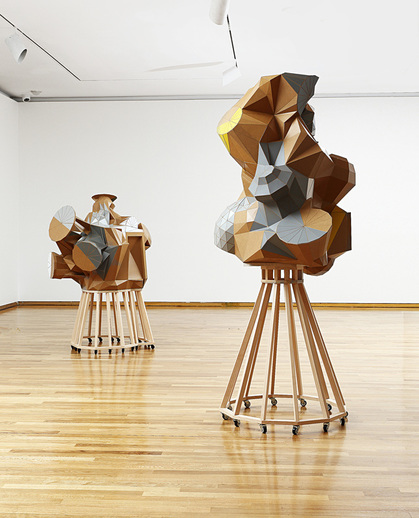
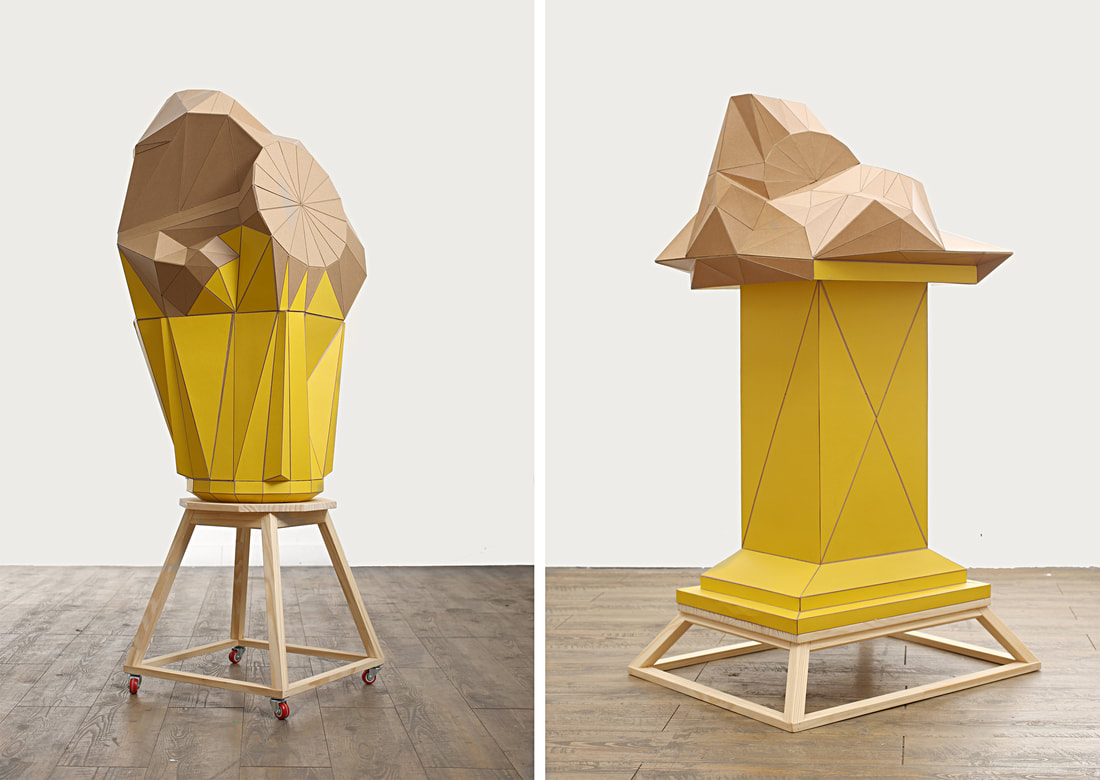
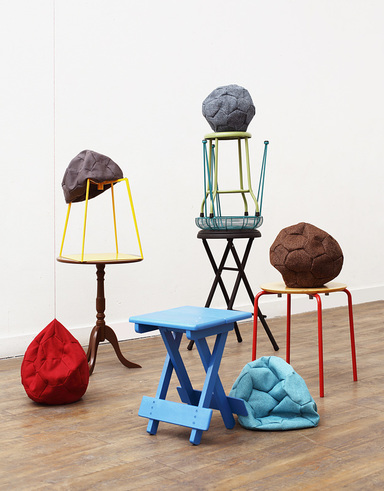
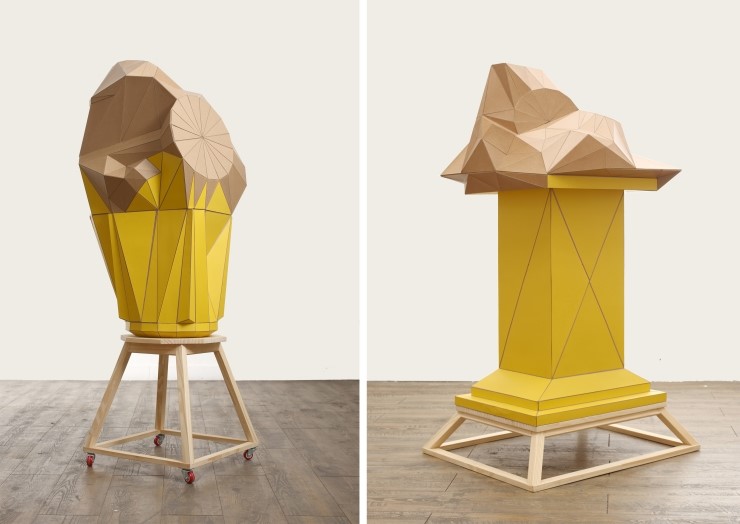
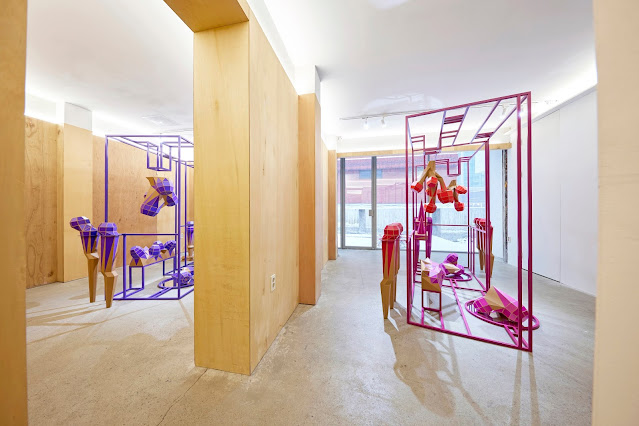
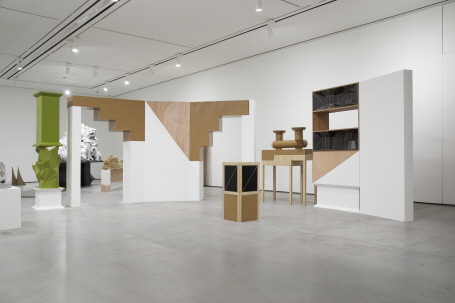
Since the early 2010s, Cho has developed a distinctive body of work that reconstructs objects into polyhedral forms and cardboard "skins," examining how systems of perception operate through material and spatial structures. Her sculptures do not seek to replicate original forms.

Instead, familiar objects are dismantled and reassembled, temporarily released from their assigned functions, names, and hierarchies to generate new relationships and modes of existence. Through this process, the work renders visible not the object itself, but the cognitive frameworks through which it is understood.

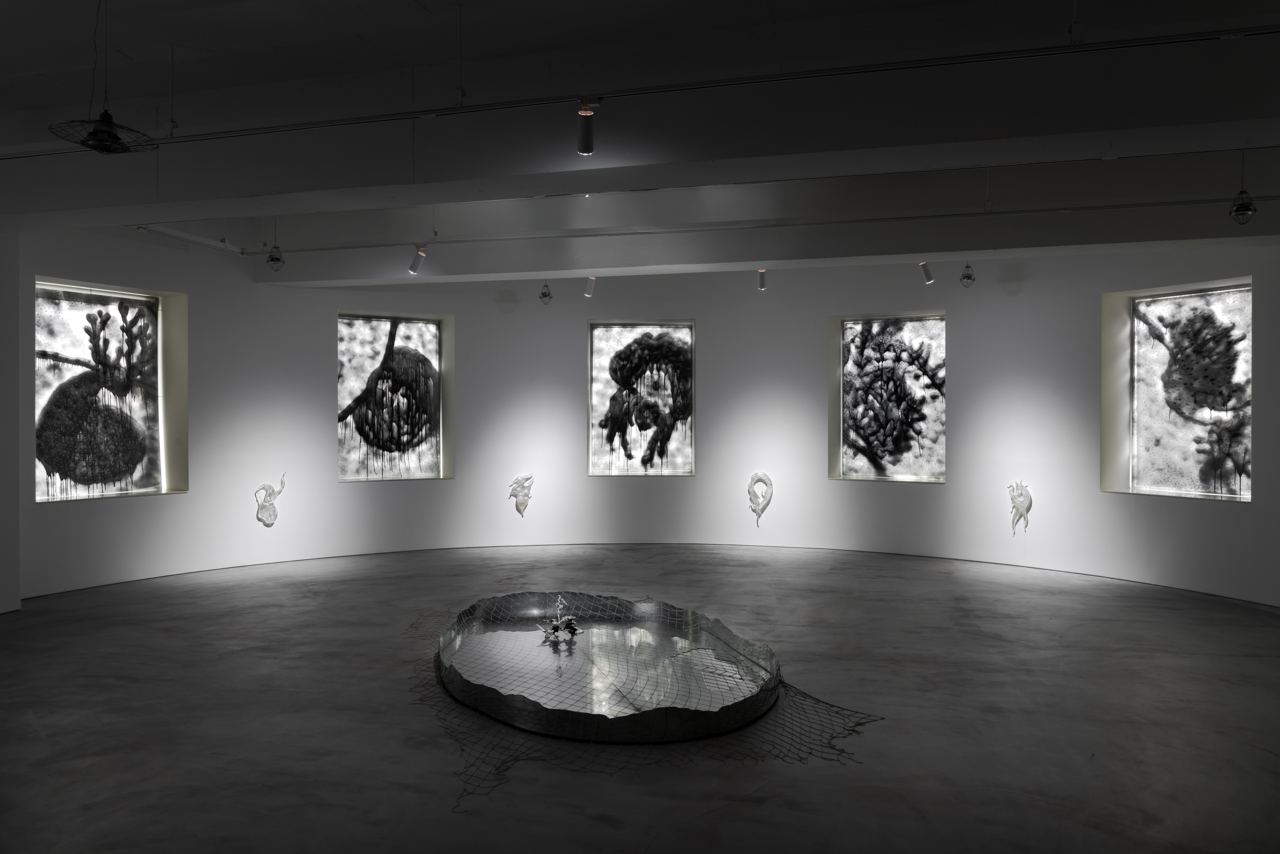
More recently, this investigation has expanded toward architecture, exhibition space, and the human body. Space appears not simply as a backdrop but as a structure shaped by social orders and systems of control, while the body is presented as an entity continuously reorganized through relationships rather than as a fixed presence.

By approaching objects, spaces, and bodies through a shared sculptural language, Cho explores the invisible rules that organize reality and the numerous possibilities that exist between them.

Style & Contents

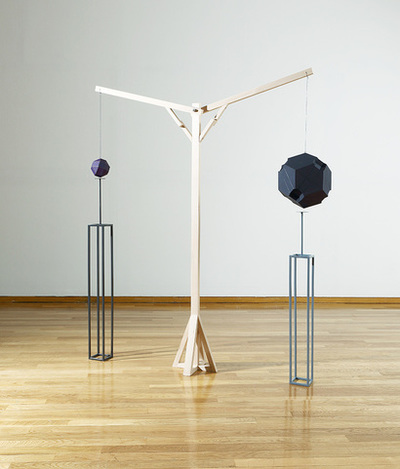
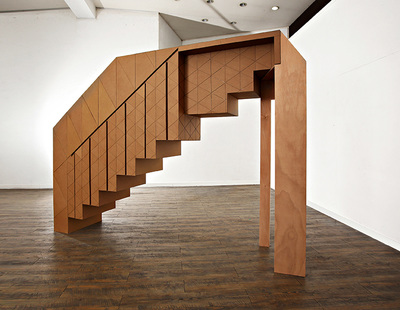
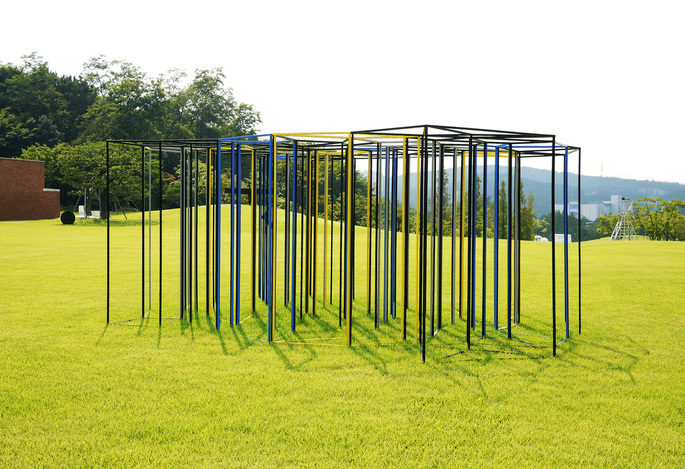
Jaiyoung Cho understands sculpture not simply as the production of form but as the construction of structure. She observes and measures objects, spaces, and the human body before deconstructing them into polyhedral geometries, which are then reassembled using everyday materials such as cardboard, wood, and metal frames.

Throughout this process, original forms are not preserved; functions, proportions, and orientations are continually modified and transformed. Design and fabrication do not proceed linearly. Instead, each work evolves through an ongoing interplay between precise calculation and intuitive decisions made during construction, resulting in structures that possess both formal tension and organic complexity.

Cardboard is the defining material in Cho's practice. Rather than treating it merely as a sculptural medium, she employs it as the fundamental module through which surfaces and structures are constructed. The accumulation of numerous polygonal planes translates objects into geometric systems while simultaneously emphasizing the material's lightness and fragility.

Although the assembled surfaces appear structurally solid, the inherent temporality and vulnerability of cardboard suggest that the works remain situated within continuous processes of formation, transformation, and change.

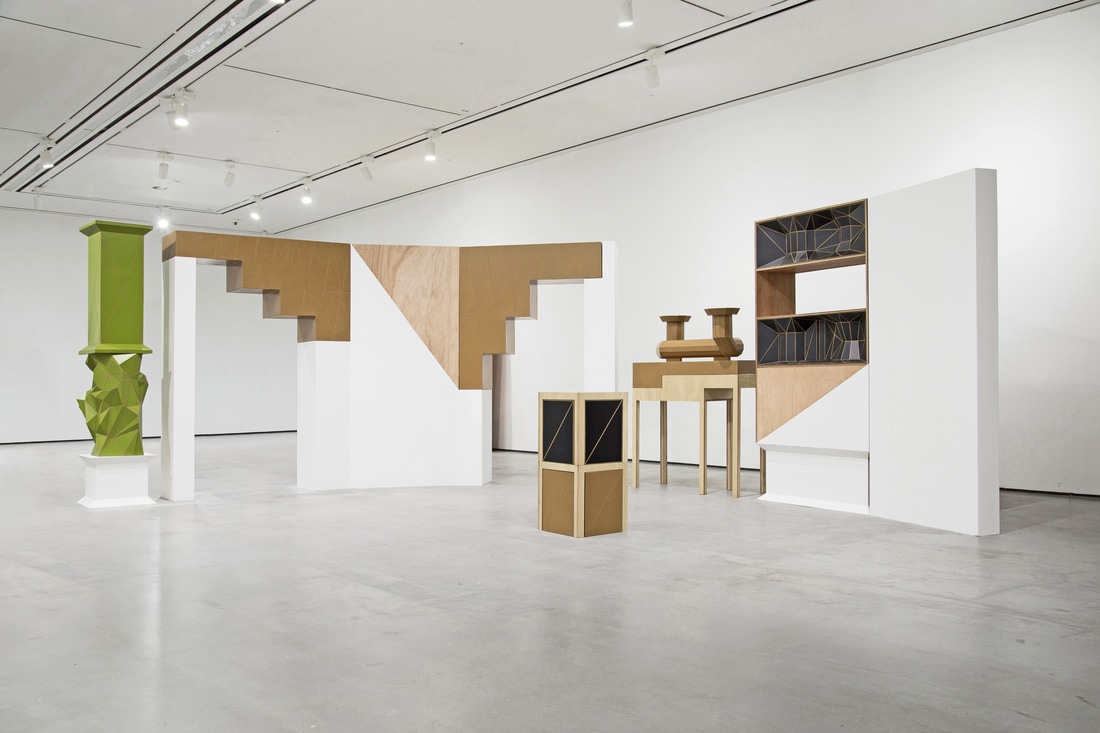
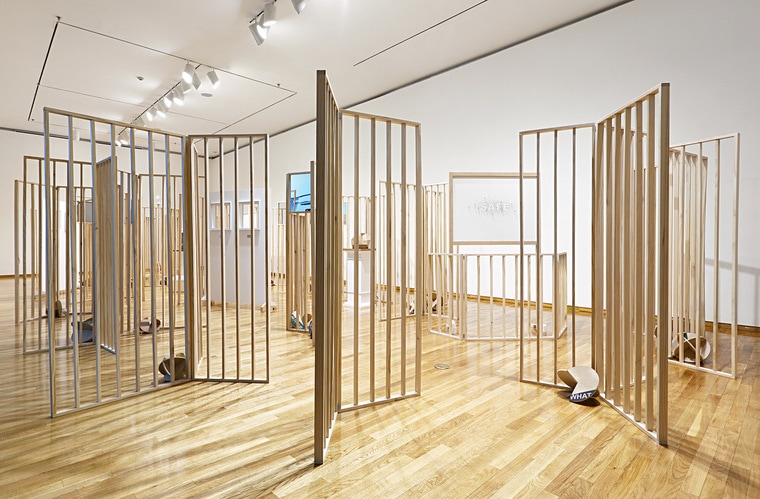
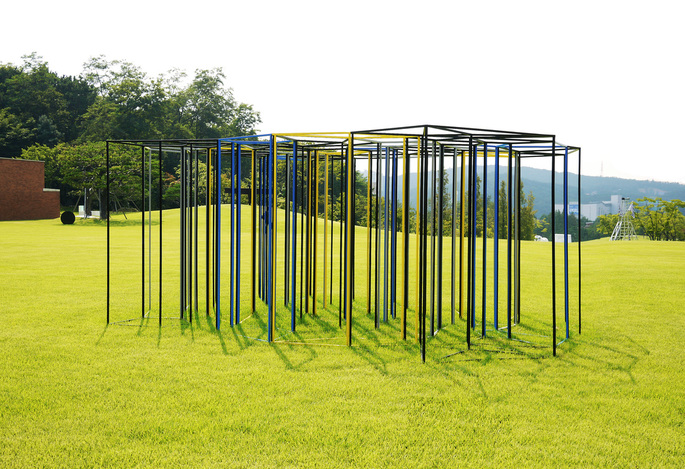
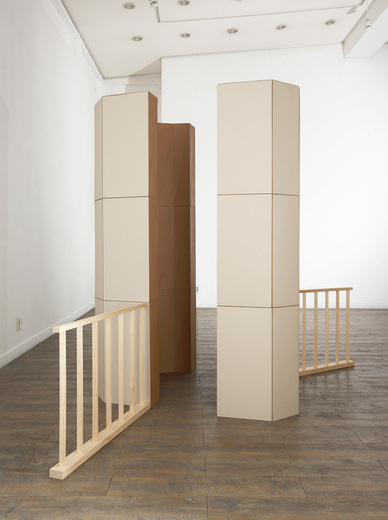
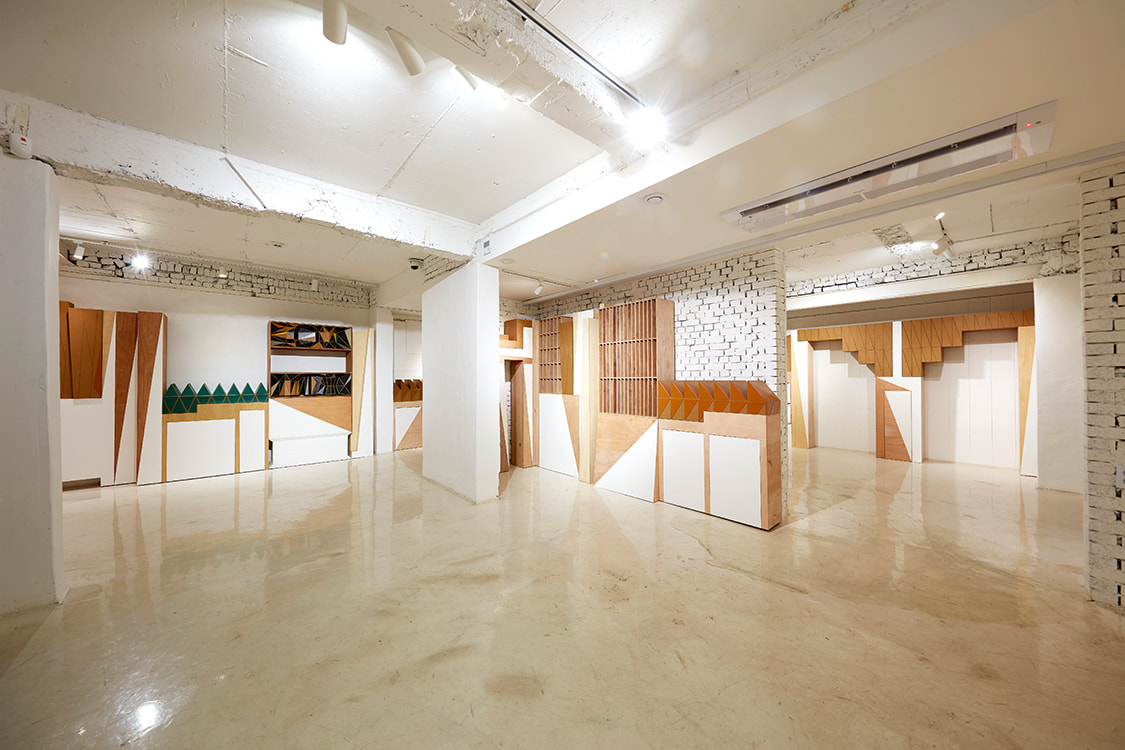
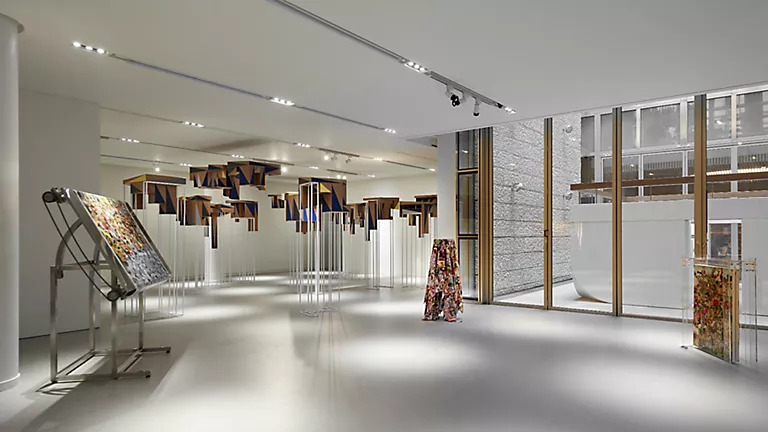
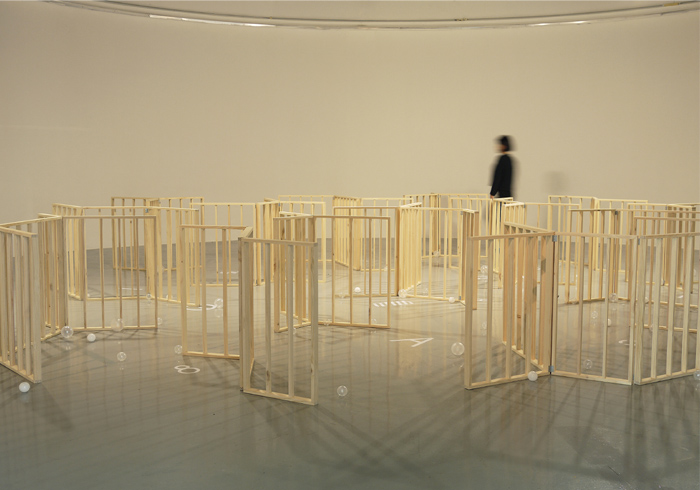
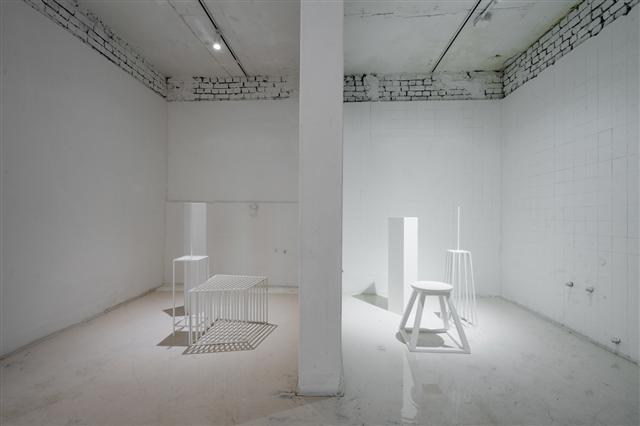
Cho's works interact closely with architectural elements—including walls, floors, circulation paths, pedestals, and supporting frames—while actively incorporating the viewer's movement and perception into the work itself.

Labyrinthine spatial compositions, repeated modular forms, mirrors, and framing devices transform the gallery from a neutral backdrop into a dynamic field of relationships, allowing viewers to experience their own processes of perception while navigating the installation.

Through this approach, Cho unifies sculpture, installation, and architectural space within a single sculptural language that visualizes structures and relationships. Calculation, repetition, and labor-intensive handcraft function as the methodological foundation of her practice, while its formal organization continually opens toward evolving relationships and multiple possibilities rather than presenting fixed or completed forms.

Topography & Continuity

Since the late 2000s, Jaiyoung Cho has consistently developed a sculptural language that has evolved from investigations into language and symbolic systems toward objects, space, and the human body. Her early works examined structures of perception and interpretation through repetitive engagements with socially coded signs such as letters, numbers, fingerprints, and banknotes.

This inquiry gradually expanded into analyses of objects and spatial order, eventually developing into large-scale installations that encompass architecture and corporeality. Although her materials, scale, and formal strategies have continued to evolve, the underlying pursuit of revealing invisible systems and reconsidering the relationships they produce has remained a constant throughout her practice.

Cho's work moves fluidly across the boundaries of sculpture, installation, architecture, and design, proposing an expanded understanding of contemporary sculpture. Her distinctive polyhedral structures constructed from cardboard have established a unique methodology that combines industrial materials with labor-intensive handcraft.

More than formal experiments in reconstructing objects and space, these works function as critical frameworks through which systems of perception, social order, and relational structures can be examined.

In recent years, Cho's practice has increasingly focused on installations that treat the entire exhibition space as a unified structure. Sculpture extends beyond the autonomous object to become an environment that organizes spatial experience and the viewer's movement.

As relationships continually shift through perception, circulation, and architectural context, the works invite viewers to experience meaning as something continuously produced rather than fixed.

Through this sustained trajectory, Cho has expanded sculpture into a medium that structures thought and experience, while continuing to open new possibilities within the broader discourse of contemporary installation and spatial practice.

Works of Art

Reimagining Objects, Space, and the Body

Articles

Exhibitions

Activities