On the Still Road 01 - K-ARTIST

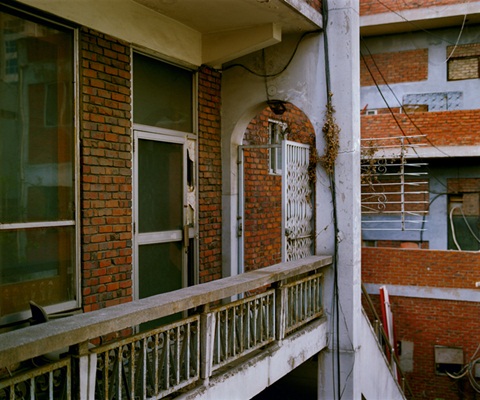
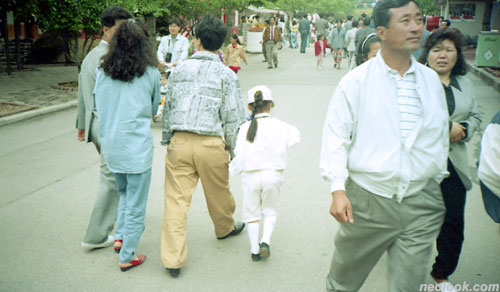
On the Still Road 01

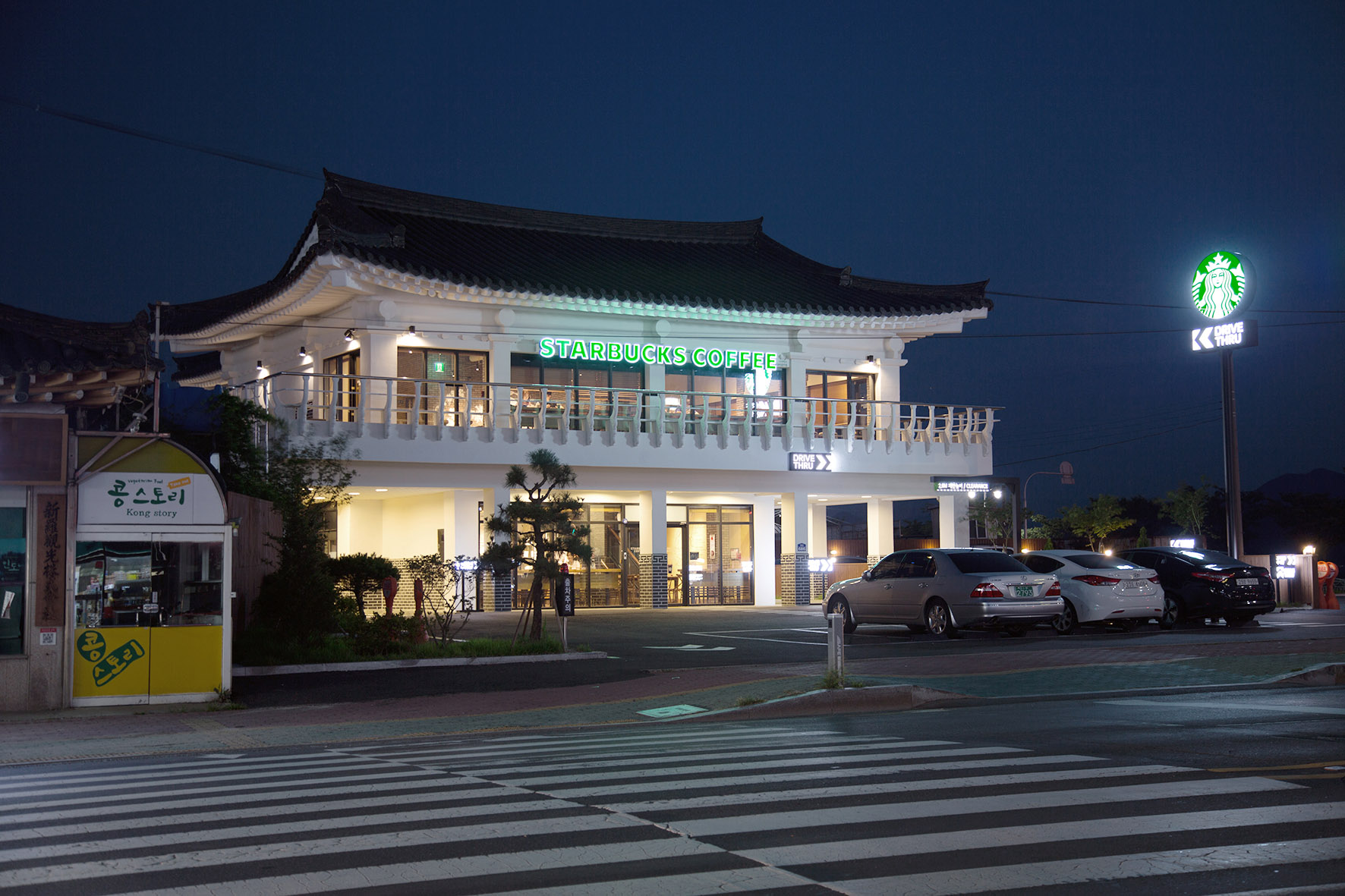
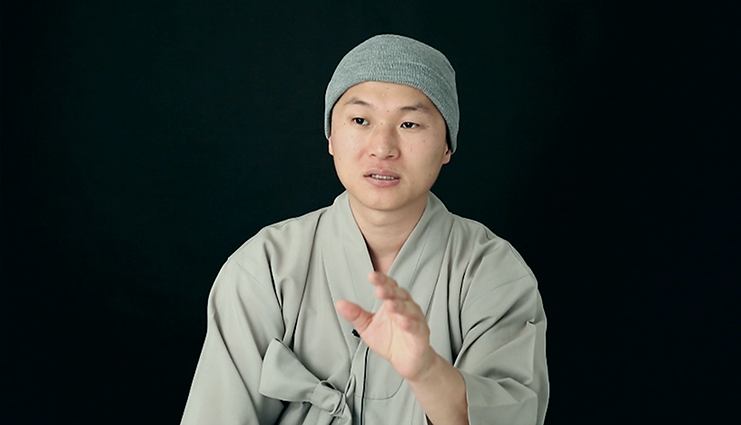
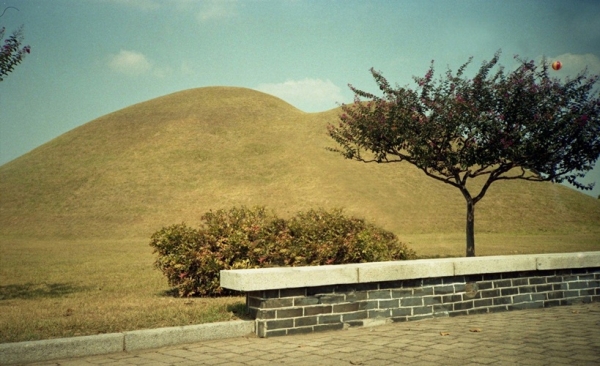
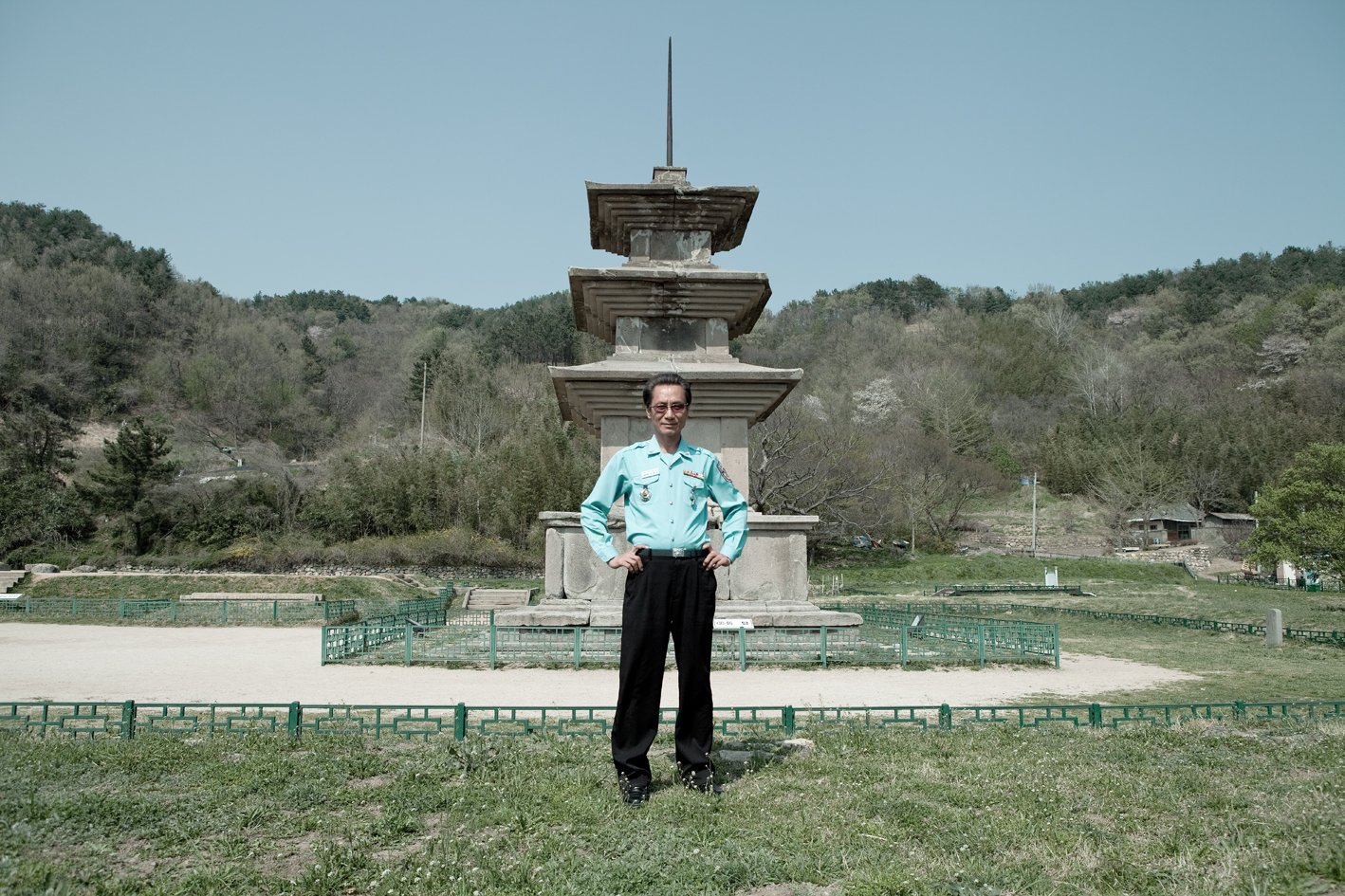
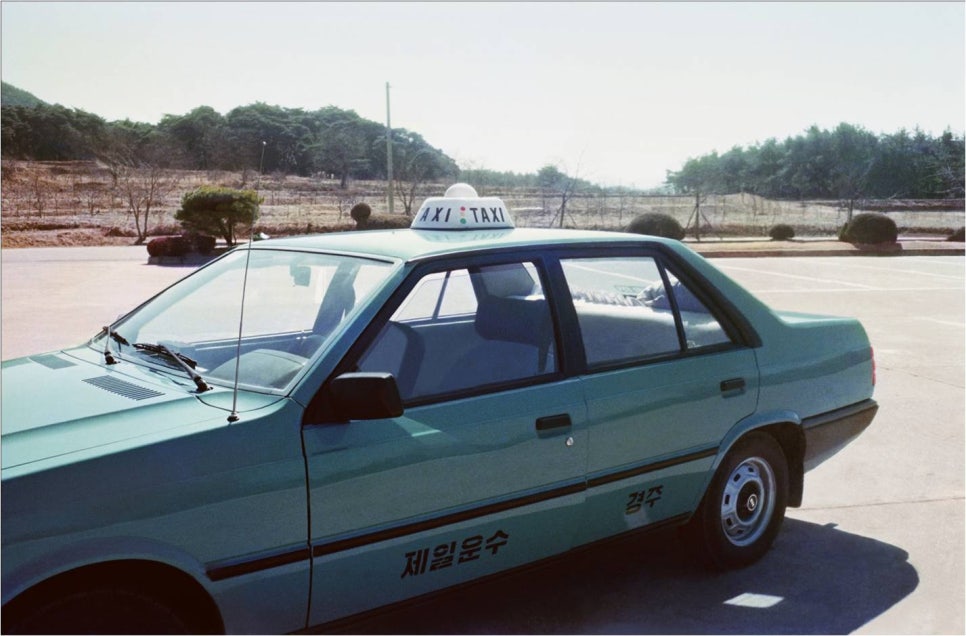
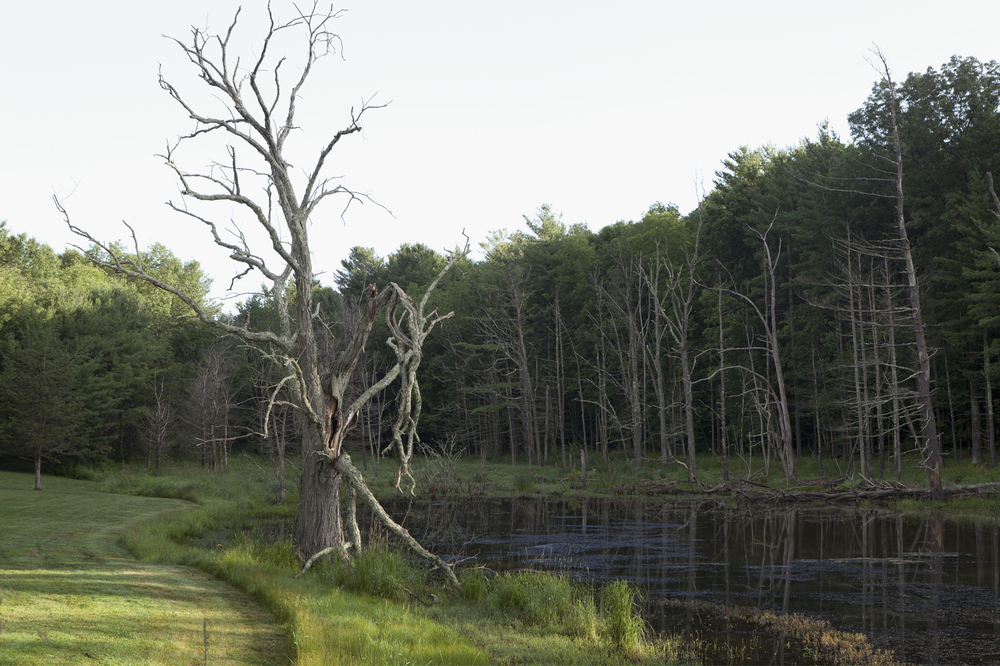
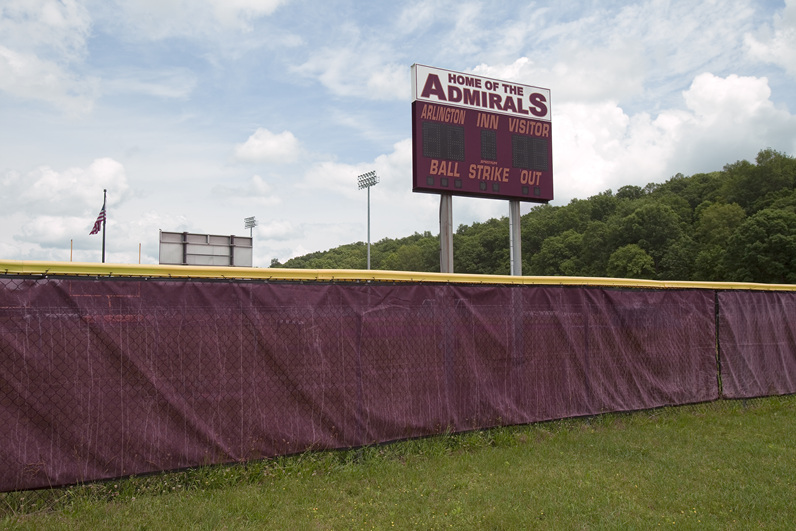
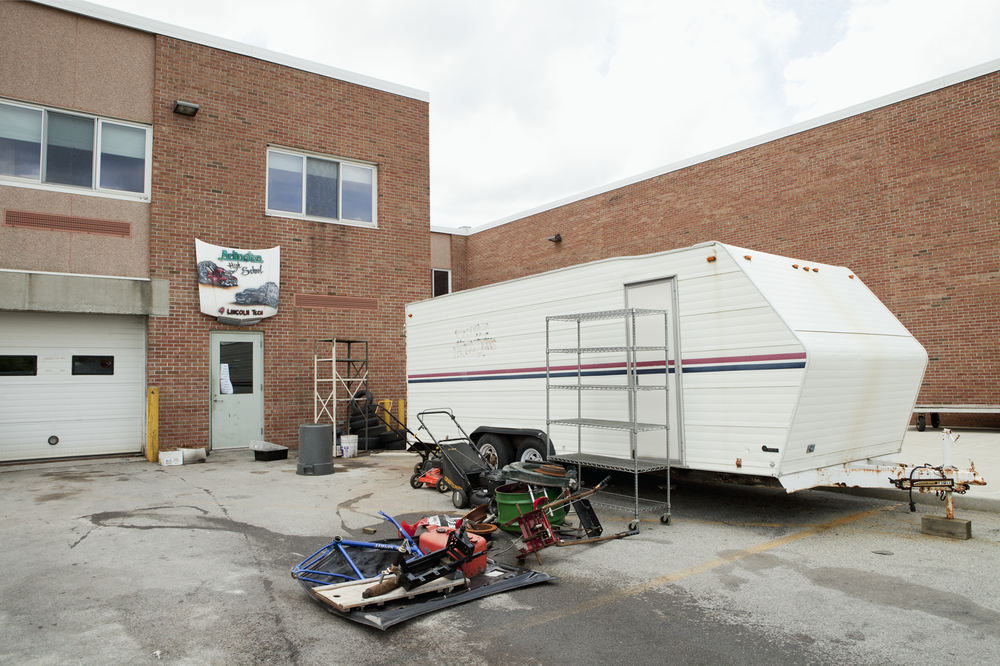
2011
Digital print
60 x 40 cm
About The Work

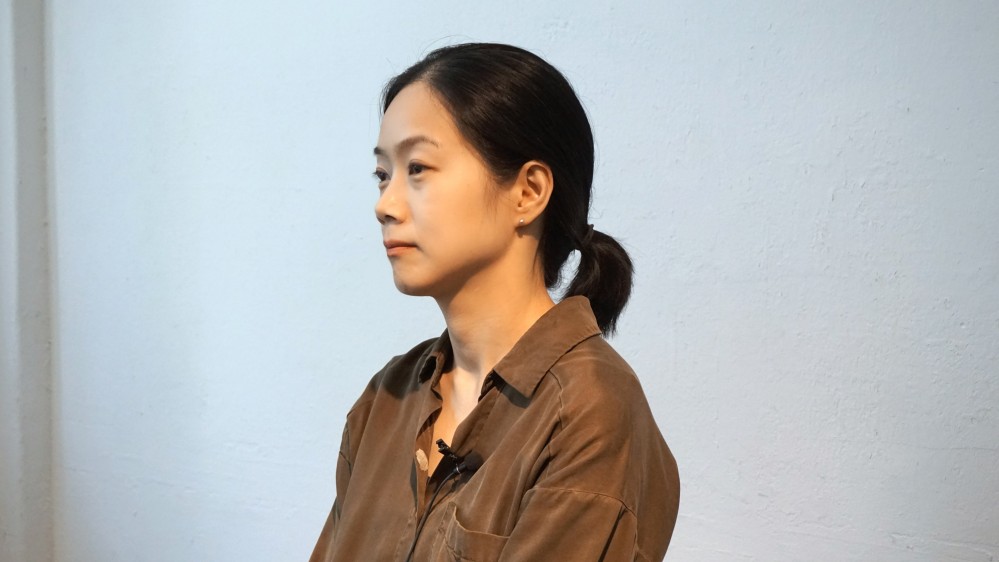
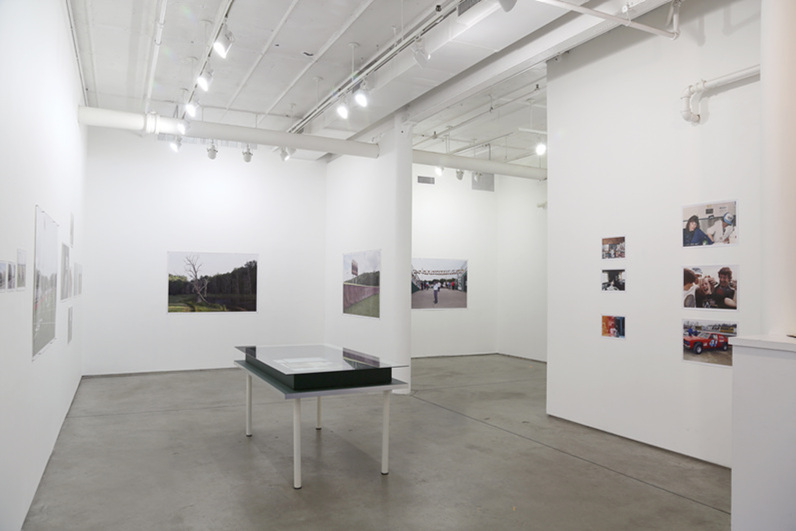
Boyun Jang has consistently approached photography not simply as a medium of documentation, but as a means of bringing vanished lives into the present and reconstructing the gaps left by memory. Following the dates, locations, and visual clues embedded in these materials, she revisited the actual sites depicted in the images, interweaving her own experiences with the memories of unknown individuals to construct new narratives. 

By transplanting the memories of others into her own temporal experience, Jang established an artistic practice that fluidly traverses the boundaries between presence and absence, fact and fiction, and documentation and imagination.

Rather than attempting to restore the past, Jang investigates how an irretrievable existence may be experienced through the present. Her journeys in search of photographic subjects rarely culminate in encounters with the people themselves; instead, they unfold through places, landscapes, and traces left behind. 

Photography therefore functions not as evidence that verifies reality, but as a medium that reveals the distance separating the present from what once existed. By filling the voids left by historical records with fictional narratives and imaginative reconstruction, she opens new ways of understanding the relationship between personal memory and historical reality.

Solo Exhibitions (Brief)

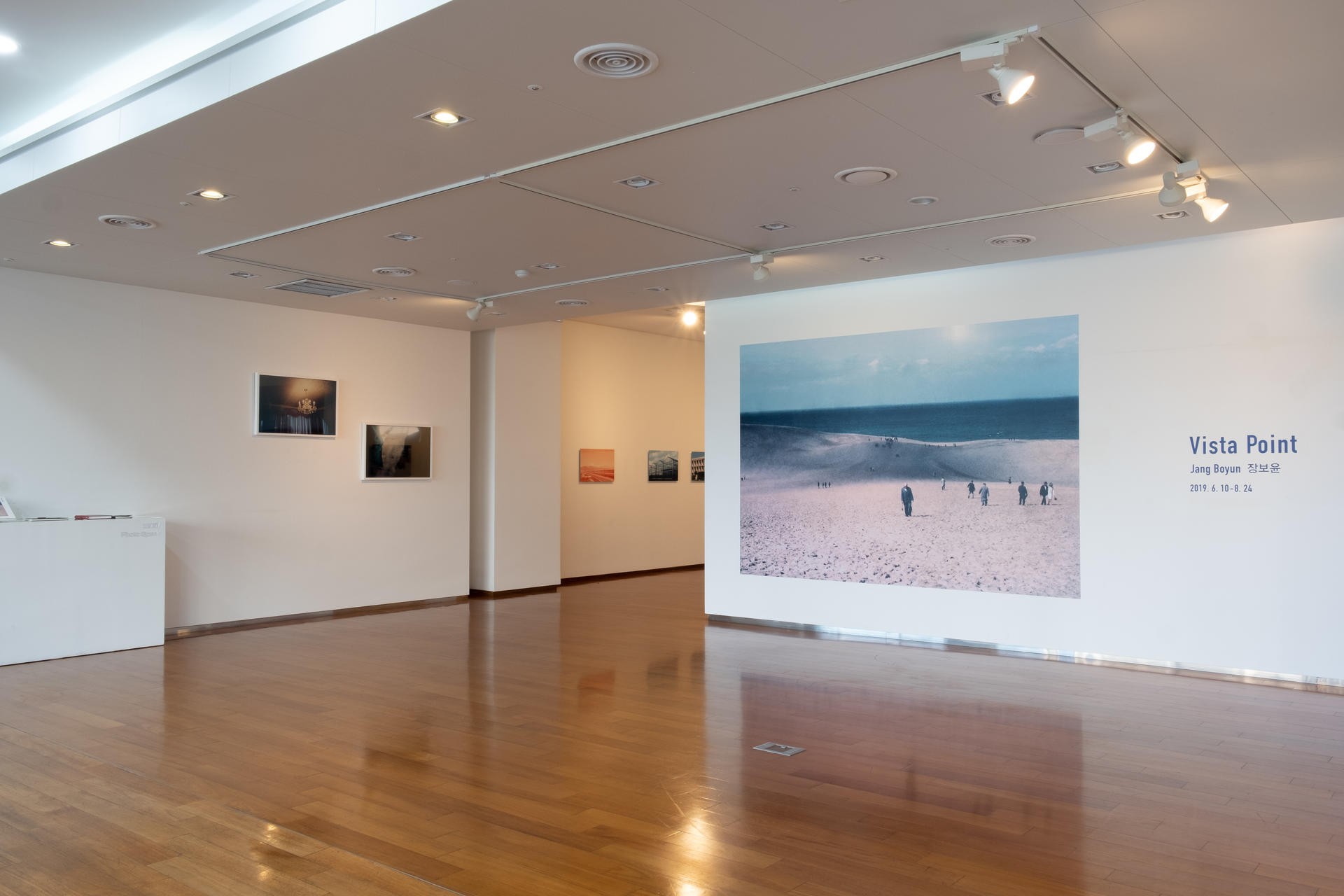
Boyun Jang has presented solo exhibitions at DOOSAN Gallery New York (2014), Archive Bomm (2016), BMW Photo Space (2019), Art Centre Art Moment (2025), and SOOHOH Gallery (2025).

Group Exhibitions (Brief)

Boyun Jang has participated in group exhibitions at Leeum Museum of Art (2012), Seoul National University Museum of Art (2011, 2019), Nam-Seoul Museum of Art (2011), Total Museum of Contemporary Art (2010, 2015), DOOSAN Gallery (2015), Ilmin Museum of Art (2018), Culture Station Seoul 284 (2018), Wumin Art Center (2017), Gyeongju Expo Solgeo Art Museum (2017), and Art Centre Art Moment (2024).

Awards (Selected)

Boyun Jang received the Encouragement Prize at the SongEun Art Award, presented by the SongEun Art and Cultural Foundation, in 2010.

Residencies (Selected)

Boyun Jang participated in the SeMA Nanji Residency (2011), MMCA Residency Goyang (2012), Doosan Residency New York (2014), Seoul Art Space Geumcheon (2024), and the Art Omi Residency, USA (2010).

Works of Art

Photography That Brings Lost Presences into the Present

Originality & Identity

Boyun Jang has consistently approached photography not simply as a medium of documentation, but as a means of bringing vanished lives into the present and reconstructing the gaps left by memory. Her early works originated from discarded photographs, slides, and family albums that she encountered by chance.

Following the dates, locations, and visual clues embedded in these materials, she revisited the actual sites depicted in the images, interweaving her own experiences with the memories of unknown individuals to construct new narratives. By transplanting the memories of others into her own temporal experience, Jang established an artistic practice that fluidly traverses the boundaries between presence and absence, fact and fiction, and documentation and imagination. 

Rather than attempting to restore the past, Jang investigates how an irretrievable existence may be experienced through the present. Her journeys in search of photographic subjects rarely culminate in encounters with the people themselves; instead, they unfold through places, landscapes, and traces left behind.

Photography therefore functions not as evidence that verifies reality, but as a medium that reveals the distance separating the present from what once existed. By filling the voids left by historical records with fictional narratives and imaginative reconstruction, she opens new ways of understanding the relationship between personal memory and historical reality.

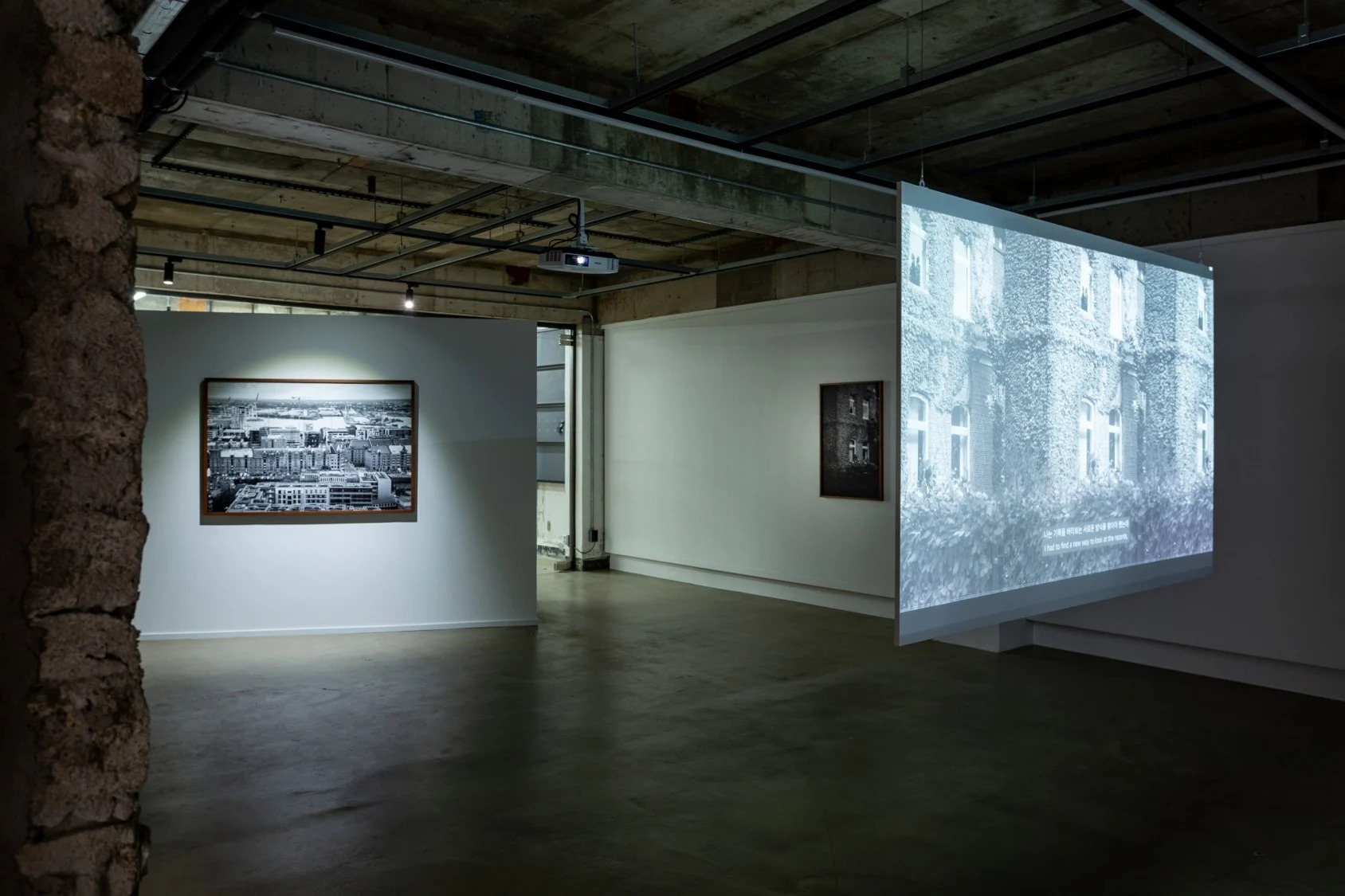
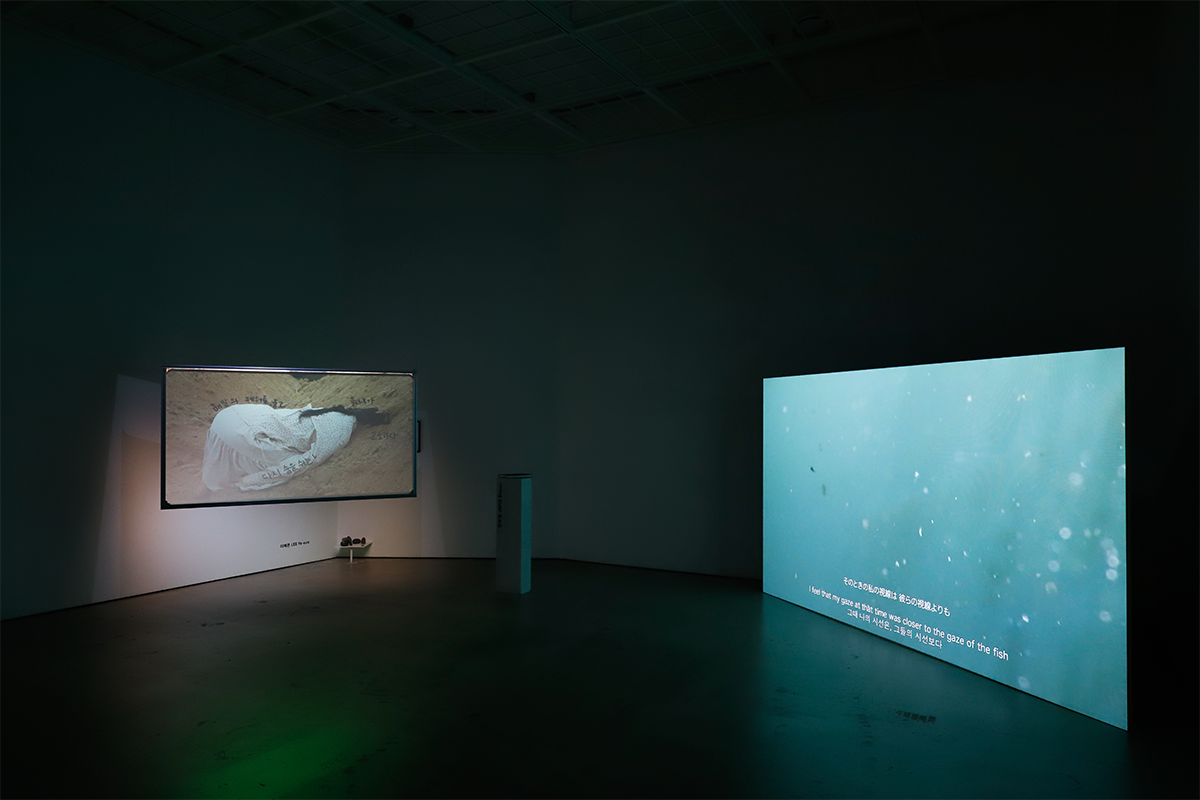
Beginning in 2020, the 'Black Veil' series expanded these concerns from the realm of personal memory into broader social history. Drawing upon archival documents, family records, interviews, and the experiences of Korean nurses dispatched to West Germany, the project reconstructs lives that have remained largely absent from official historical narratives.

Through photography, moving image, performed recitation, and publications, Jang explores the spaces between testimony and archive, fact and fiction, revealing history as something continually rewritten through individual experience. More recently, her attention has shifted toward the people who seek to affirm their own existence, extending her inquiry from forgotten records to the lived experiences of those who continue to shape memory in the present. 

Ultimately, Jang's practice is less concerned with preserving memory than with examining how memory is continually produced, transformed, and shared. Forgotten photographs, anonymous records, abandoned places, and personal histories are brought into new relationships, allowing them to re-emerge as contemporary narratives.

Through this process, she invites viewers to consider history and memory not as fixed facts, but as living narratives that remain open to reinterpretation, while reflecting on the enduring human desire to affirm existence despite the impossibility of fully recovering the past.

Style & Contents

Boyun Jang works with photography as her primary medium while organically integrating photography, video, text, publications, and installation to expand a single project across multiple forms.

Her early practice began by documenting abandoned houses, discarded objects, found film, and photographs, but gradually evolved into research-based projects that reconstruct archival materials through site visits and historical investigation. In her practice, photography functions not simply as the outcome of capturing a moment, but as a medium that encompasses the entire process of research, travel, collection, and documentation.

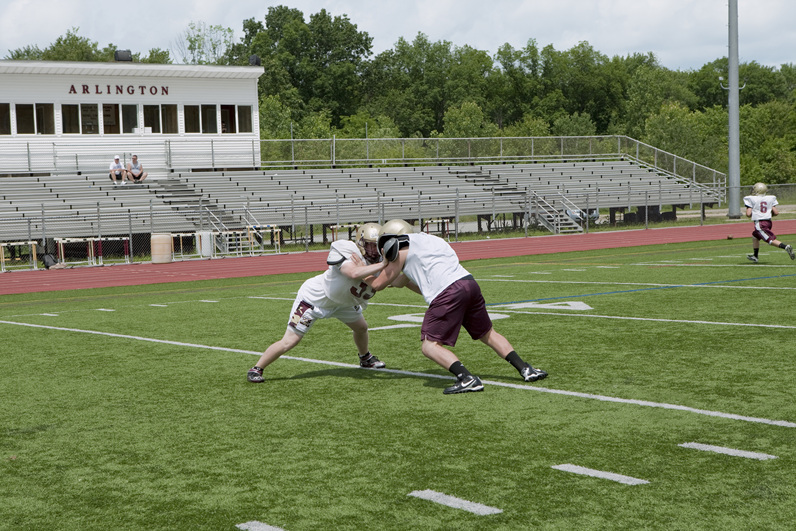
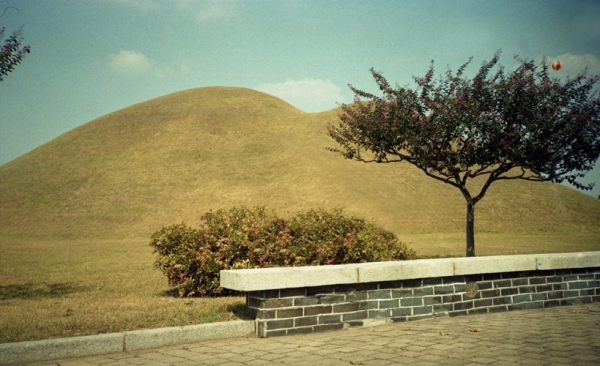
A performative methodology of revisiting actual sites consistently characterizes her work. She retraces the routes of an anonymous traveler found in discarded slides through Japan, follows the life of Lisa—a figure preserved in found photographs—by visiting locations across the United States, and records places where history and personal memory intersect in Gyeongju, Hamburg, and Okinawa.

Within this process, photography no longer serves as evidence that reproduces the past; instead, it becomes an event reconstructed through embodied experience in the present. The artist continually shifts between the roles of documentarian and participant.

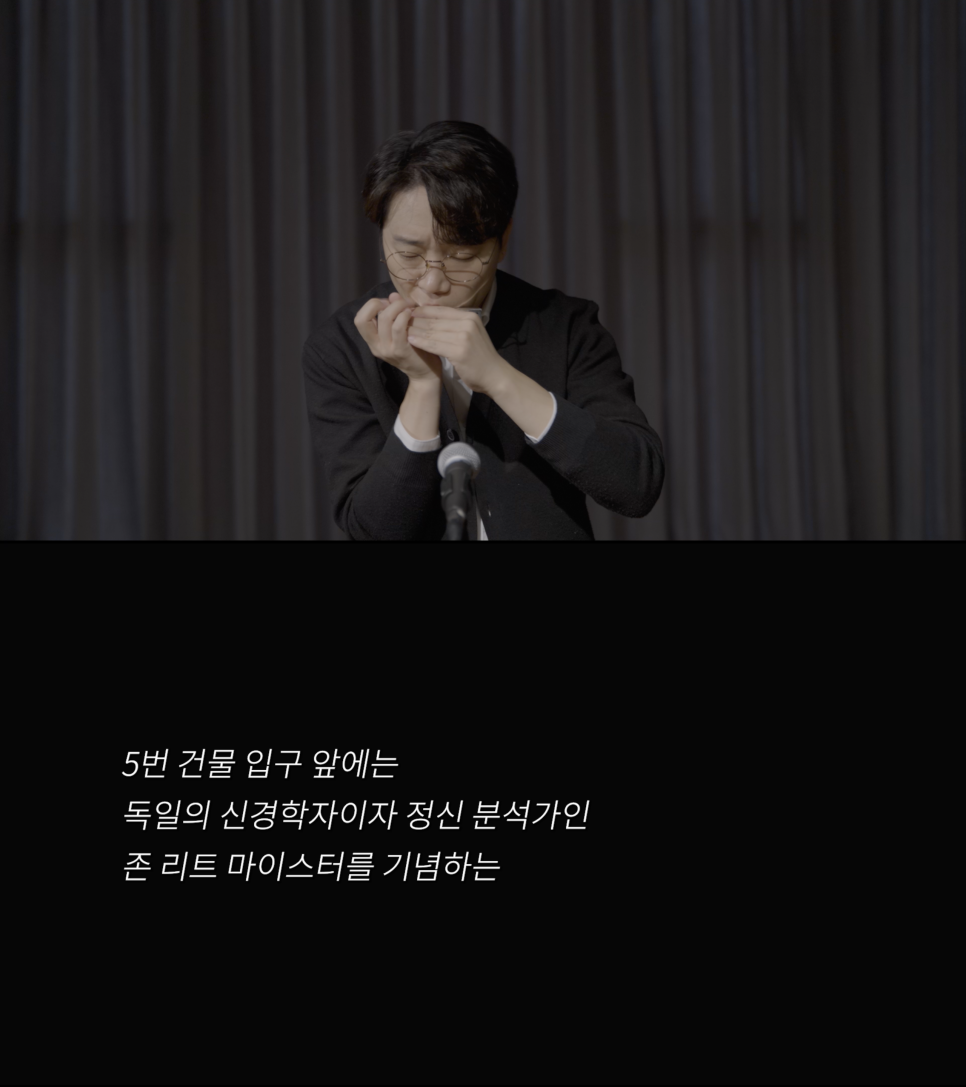
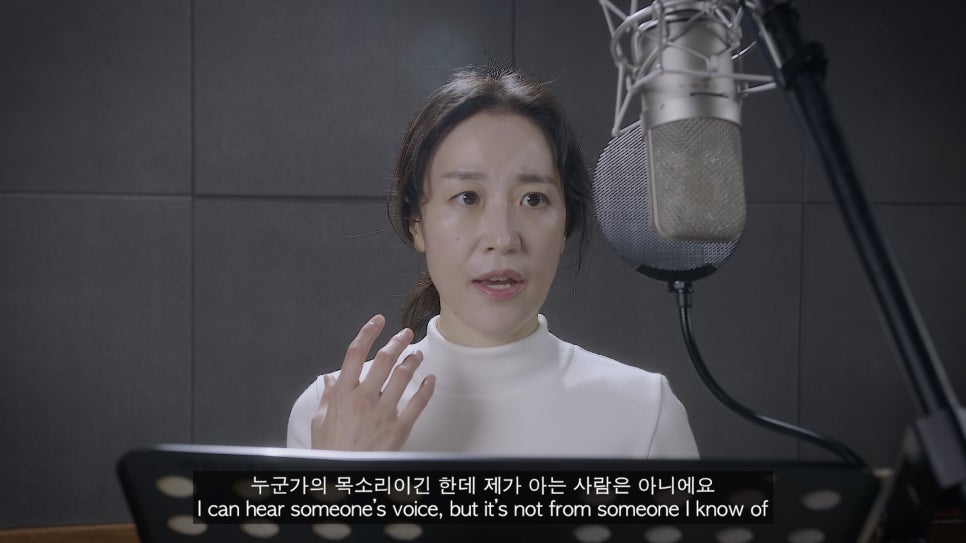
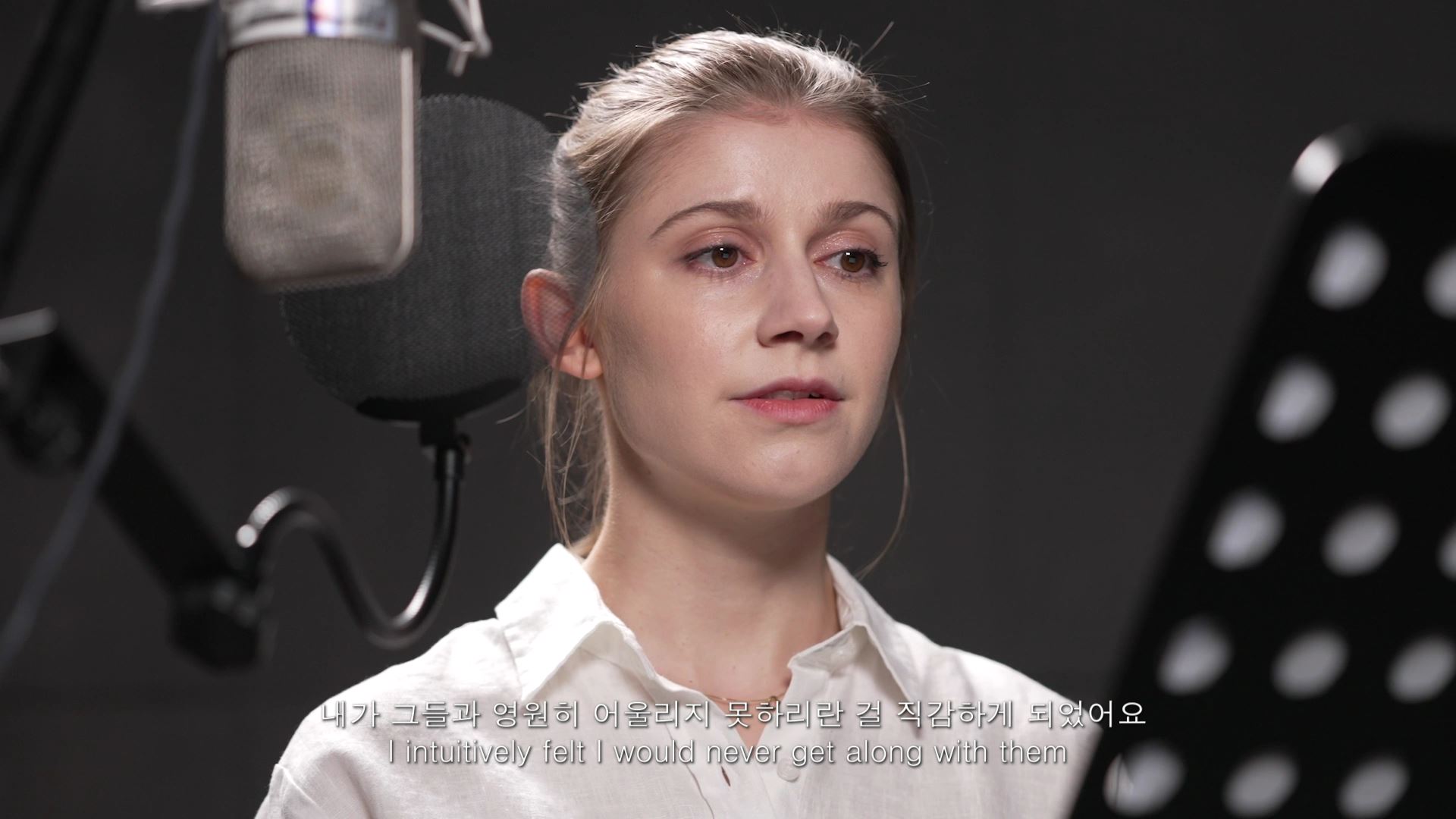
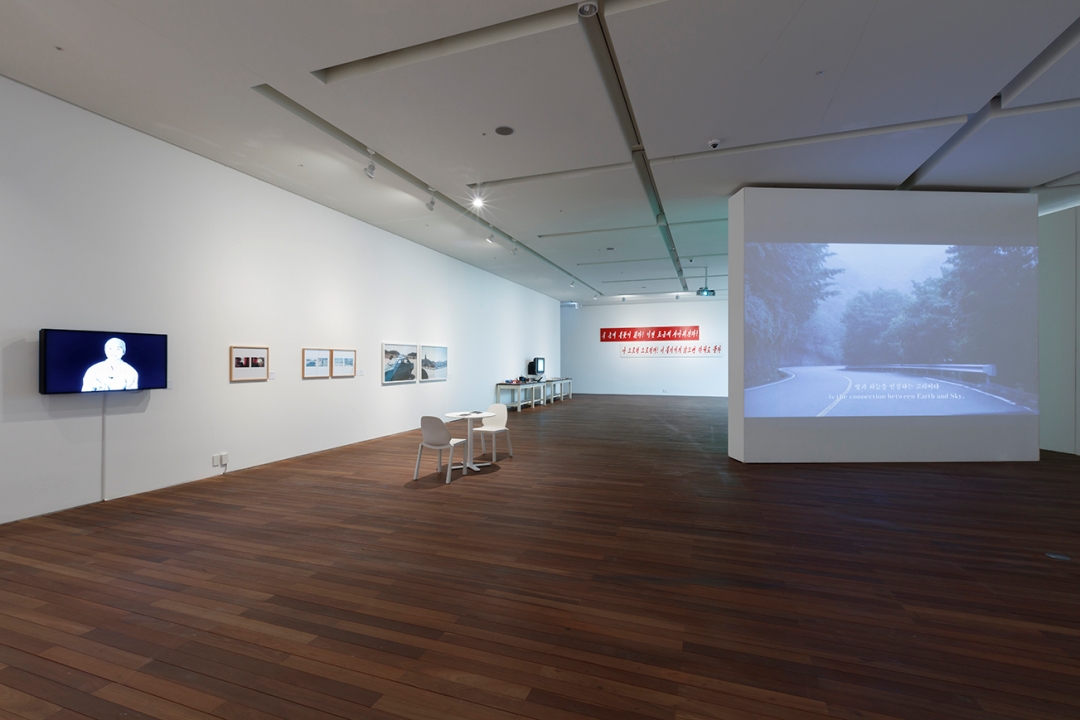
In her recent practice, moving images and voice have assumed a more prominent role. In the 'Black Veil' series, readers from Germany, India, and Korea connect historical records with personal emotions through the act of reading letters aloud, while their voices, intonations, and breathing evoke the presence of otherwise invisible narrators in the present.

By interweaving multiple perspectives, testimonies, documentary sources, and fictional narratives, Jang reveals the ways memory is constructed and transformed rather than presenting a singular truth. Video complements the temporal and vocal dimensions that photography alone cannot convey, while publications further expand each narrative into a multilayered experience.

Jang constructs a distinctive narrative structure that moves fluidly between documentary and fiction. Although her projects begin with archival materials, interviews, and historical research, she introduces fictional characters, letters, diaries, and acts of reading aloud to transform the gaps within historical records into spaces for reflection.

Rather than attempting to reproduce factual reality, these strategies reveal emotional and mnemonic dimensions that remain inaccessible through documentation alone. Following the artist's constellation of images, voices, and texts, viewers become active readers who connect multiple temporalities and perspectives instead of simply consuming a single narrative.


Topography & Continuity

Since the late 2000s, Boyun Jang has consistently explored questions of memory, presence, and absence through photography. Her early works focused on tracing personal memories through found photographs, discarded slides, abandoned houses, and everyday objects left behind.

Over time, her inquiry expanded toward specific places, historical events, and collective memory. While the subjects and forms of her work have evolved, her central concern has remained remarkably consistent: using photography to reactivate the traces of disappeared lives and allow them to be experienced through the present.

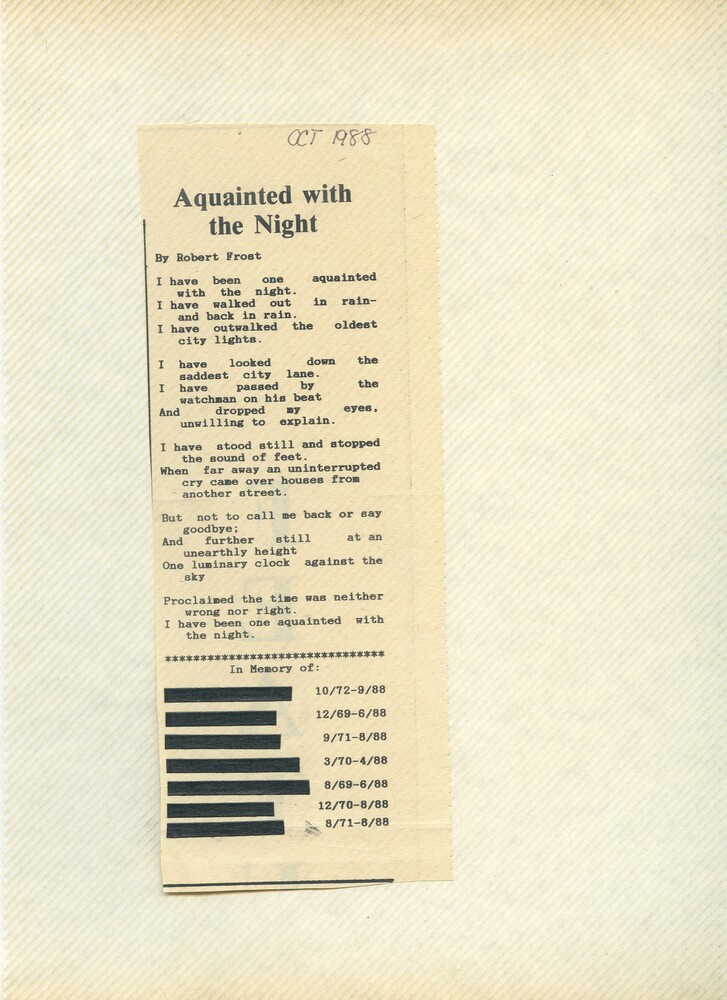
Rather than existing as isolated projects, Jang's works develop through a continuous progression in which each body of work extends the questions raised by the previous one. The narratives constructed through personal archives in Preface of Memory: K's Slides and Acquainted with the Night expanded into investigations of place and collective memory in A Capital City of Thousand Years and Mount Analogue.

More recently, the 'Black Veil' series has broadened this inquiry into historical narratives where individual experiences intersect with Korea's modern history. This continuity reflects an enduring investigation into the mechanisms through which memory is constructed, transmitted, and transformed.

In recent years, Jang's attention has gradually shifted from acts of proving existence to the lives of those who seek to affirm their own existence. What began as an exploration of personal memory has developed into a broader engagement with collective memory and voices omitted from official historical accounts.

At the same time, her practice has expanded beyond photography to incorporate moving image, publication, spoken narration, and performative elements, enriching the complexity of her narrative structures. This ongoing evolution demonstrates how Jang continues to refine her artistic language while sustaining the fundamental questions that have defined her practice for nearly two decades.

Works of Art

Photography That Brings Lost Presences into the Present

Articles

Exhibitions

Activities