White Marbles in Venčac-from Vukasin Stancevic - K-ARTIST

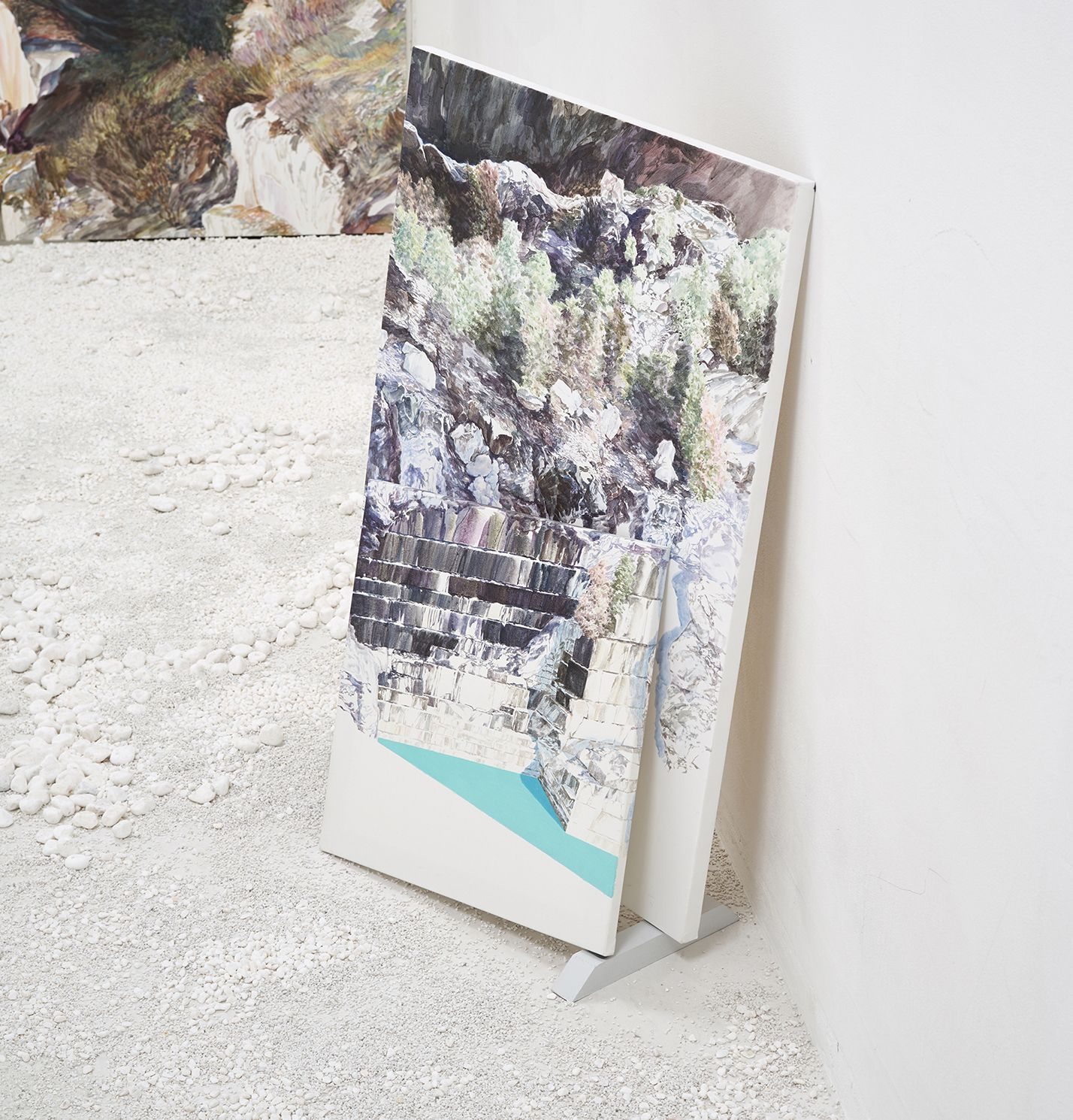
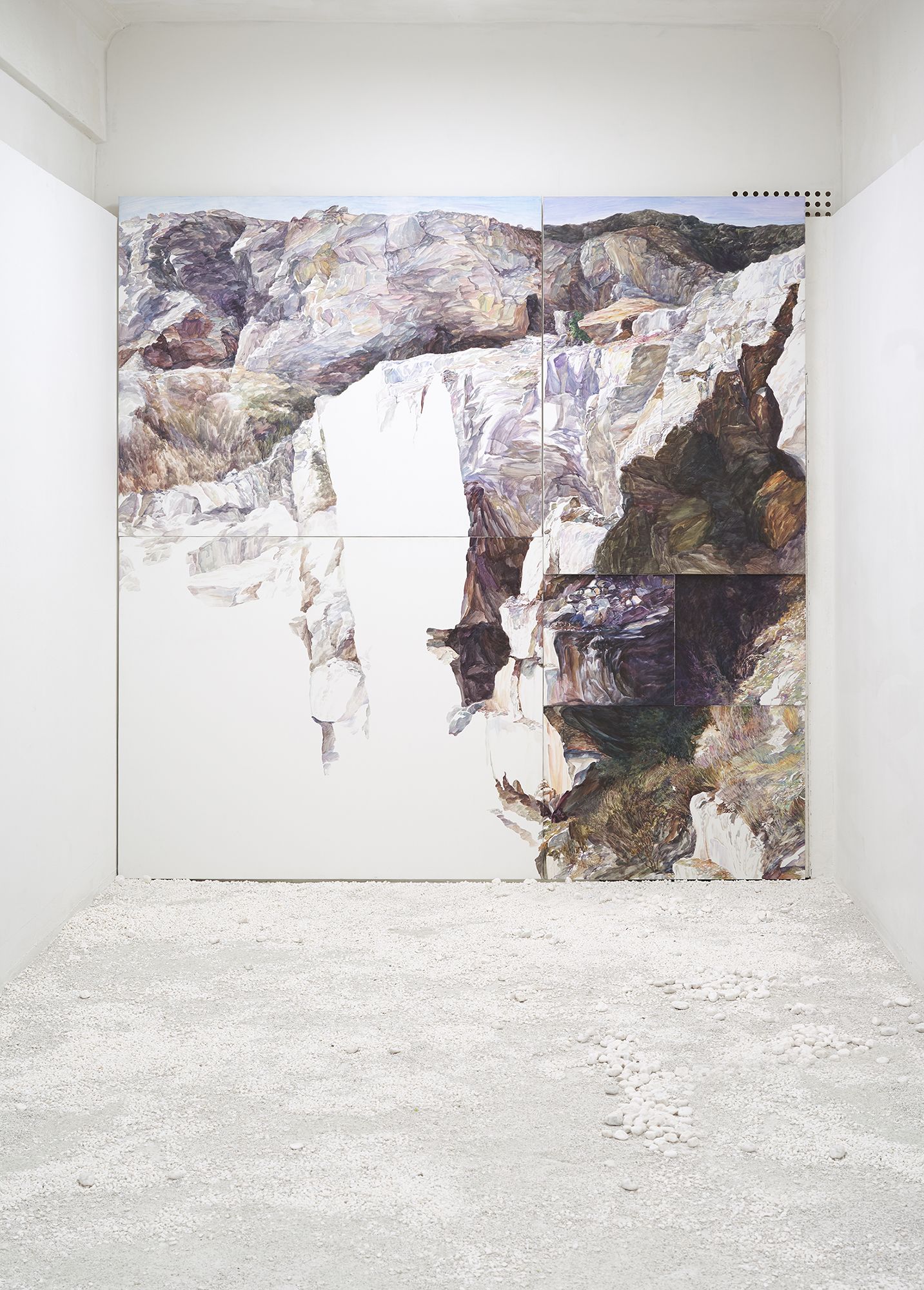
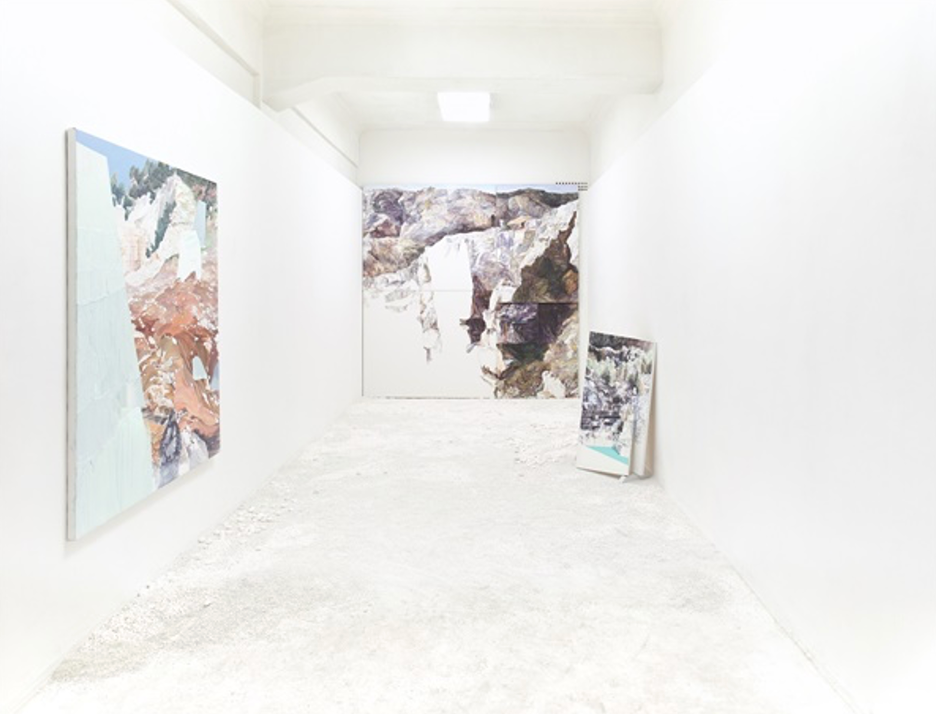
White Marbles in Venčac-from Vukasin Stancevic

2020
Acrylic on canvas
150 x 130 cm
About The Work

Kayoung Choi explores the relationship between reality and ideality through paintings that evoke the romance of the unexperienced and the allure of constructed fantasy. Through painterly installations and carefully staged environments, she creates a sense of imagined presence, prompting viewers to question the boundaries of perception and experience, as well as the fundamental meaning of painting itself.

While many paintings dealing with landscape are based on the observation of actual places or the reproduction of memory, Choi places greater importance on “the state before arriving at a place.” She does not fix landscape as a scene of nature or the city before her eyes, but sees it as something delivered through mediation, such as photographs sent by someone else, searched images, records of a vanished theme park, or processed fruit imagery. 

In this sense, her work holds together the tradition of drawing from life in landscape painting and indirect experience in the age of digital images. Rather than guaranteeing the truth of an image, hand-painted painting functions as a device that reveals the gap between the actual and the imagined, reality and the ideal.

In this way, Kayoung Choi’s practice draws upon research into distant places, people, and subjects to construct narratives that metaphorically and imaginatively reflect on reality, the individual, and society through painting and sculptural installations.
 
By expressing the very real desire for the extraordinary and for idealized worlds, her works encourage viewers to contemplate the relationship between reality and ideals. At the same time, they hold up a mirror to our own lives, revealing the ways in which we struggle, adapt, and persist in the space between the two.

Solo Exhibitions (Brief)

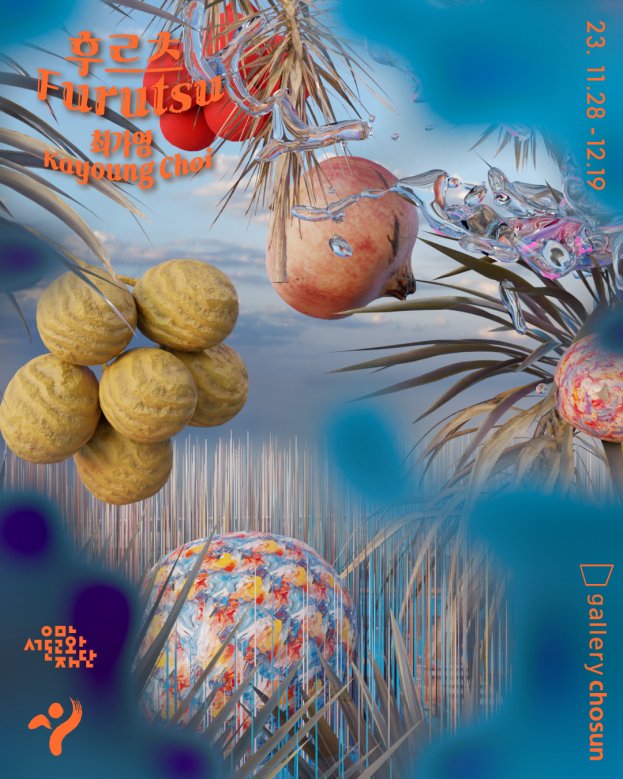
Kayoung Choi has held solo exhibitions including 《Furutsu Jelly》 (Osisun, Seoul, 2023), 《Furutsu》 (Gallery Chosun, Seoul, 2023), 《Survival in Fantasy》 (Kumho Museum of Art, Seoul, 2022), and 《A Serbian Mountain, a Quarry, Venčac》 (Art Space Hyeong, Seoul, 2020).

Group Exhibitions (Brief)

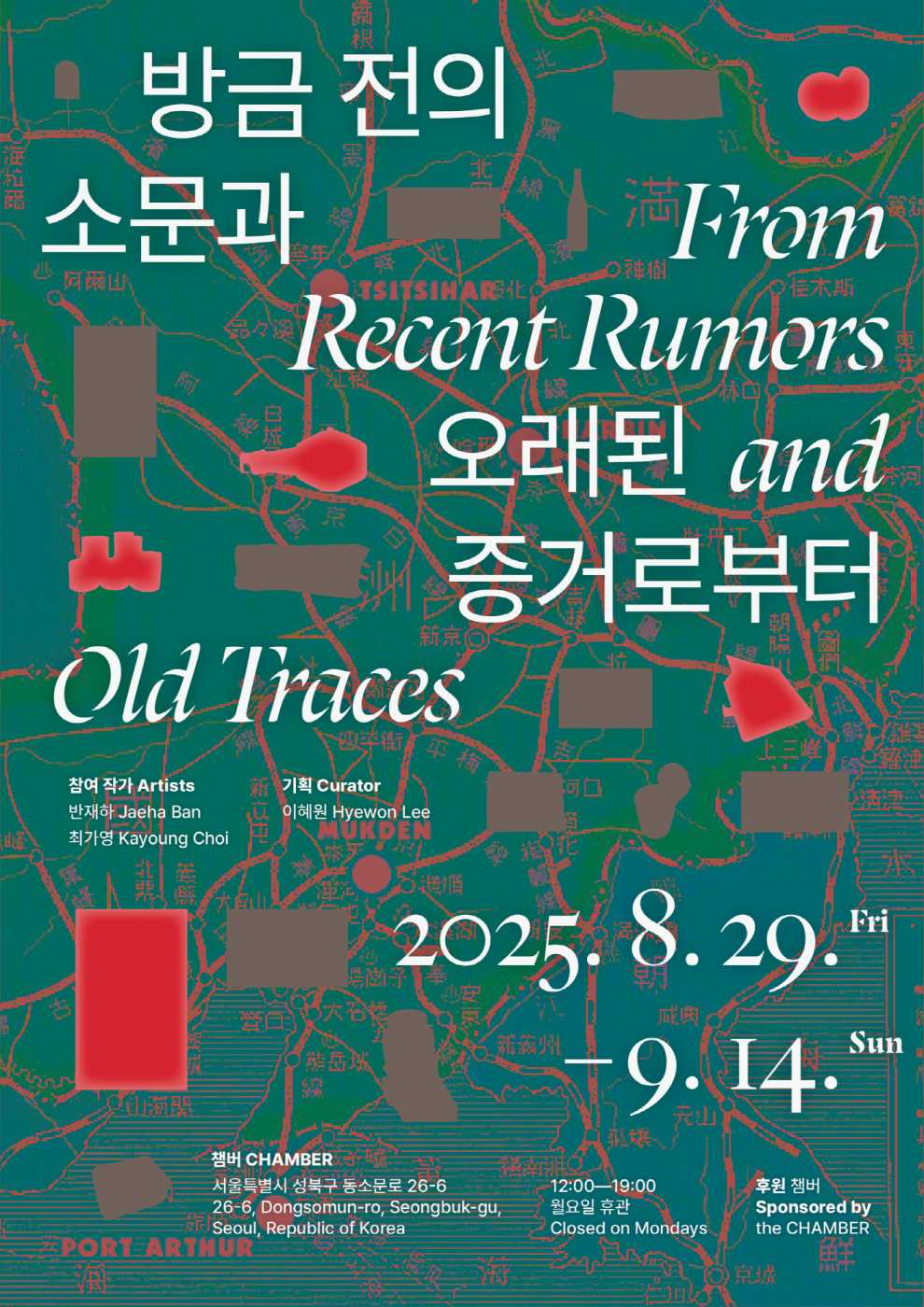
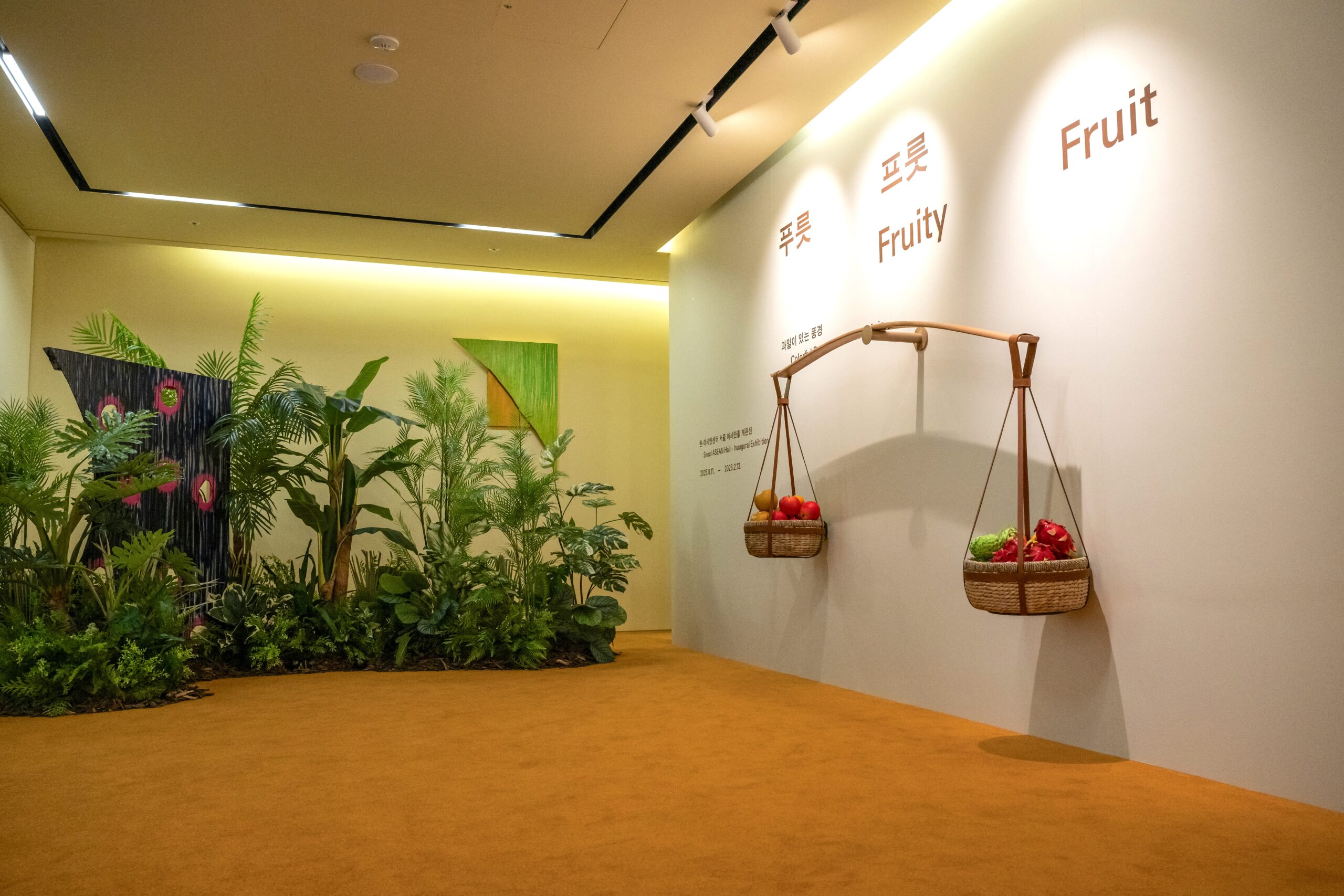
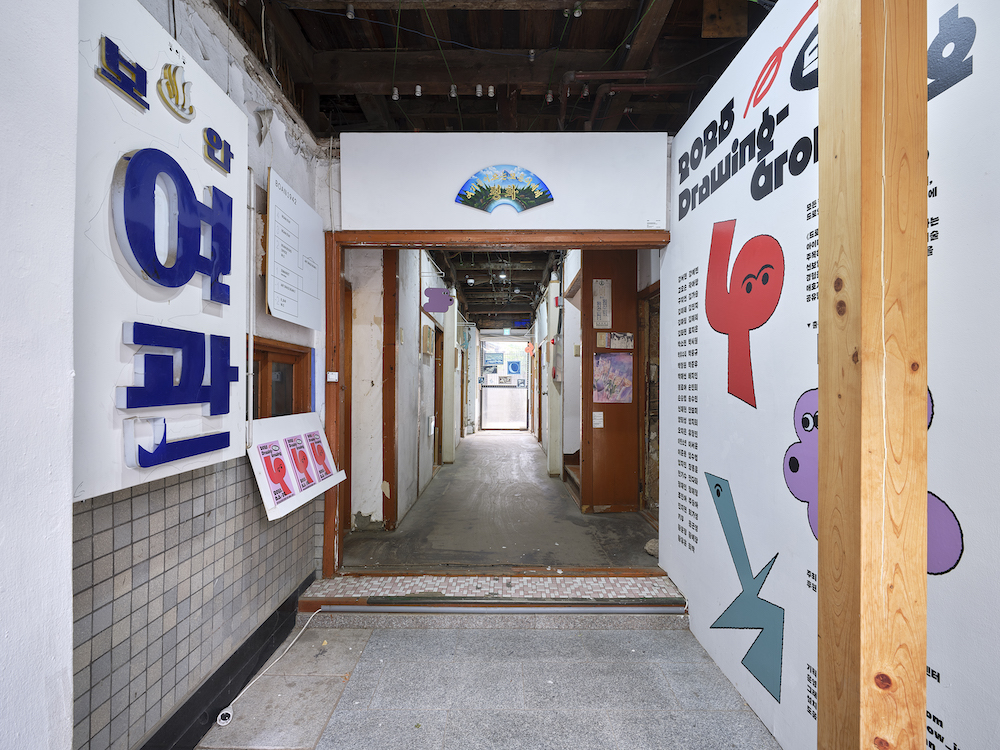
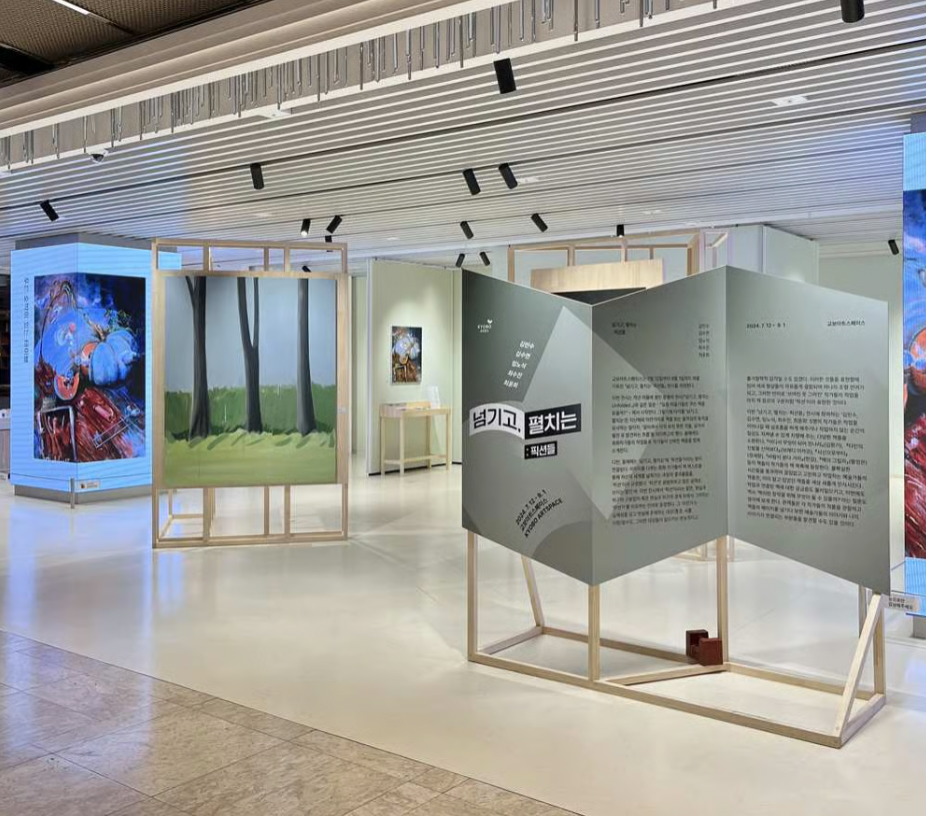
Choi has also participated in numerous group exhibitions, including 《From Recent Rumors and Old Traces》 (Chamber, Seoul, 2025), 《Even on the day when waiting ends》 (Gyeonggi Museum of Modern Art, Ansan, 2025), 《Drawing-Growing》 (Artspace Boan, Seoul, 2025), 《Transurfing》 (Noblesse Collection, Seoul, 2025), 《Showcase: Landscape Gardening》 (Incheon Art Platform, Incheon, 2023), and 《Even the Erased Memories Leave a Rhythm》 (Woosuk Gallery, Seoul, 2023).

Awards (Selected)

Choi was also selected as a Kumho Young Artist in 2021.

Residencies (Selected)

Choi has participated in a number of residency programs, including Incheon Art Platform (2023), the Fujiyoshida Do-So Artist Residency (2019), and the Tao Hua Tan 5th International Artist Retreat and Residency (2019).

Works of Art

On the Romance of the Unexperienced and the Fantasy of the Staged

Originality & Identity

Kayoung Choi deals with places and times she has not directly experienced through painting. The artist collects places she has never visited or can no longer experience through travel, others’ records, photographs, postcards, digital images, interviews, and internet research, and translates the imagination, misunderstanding, longing, and distance that arise in between into painting.

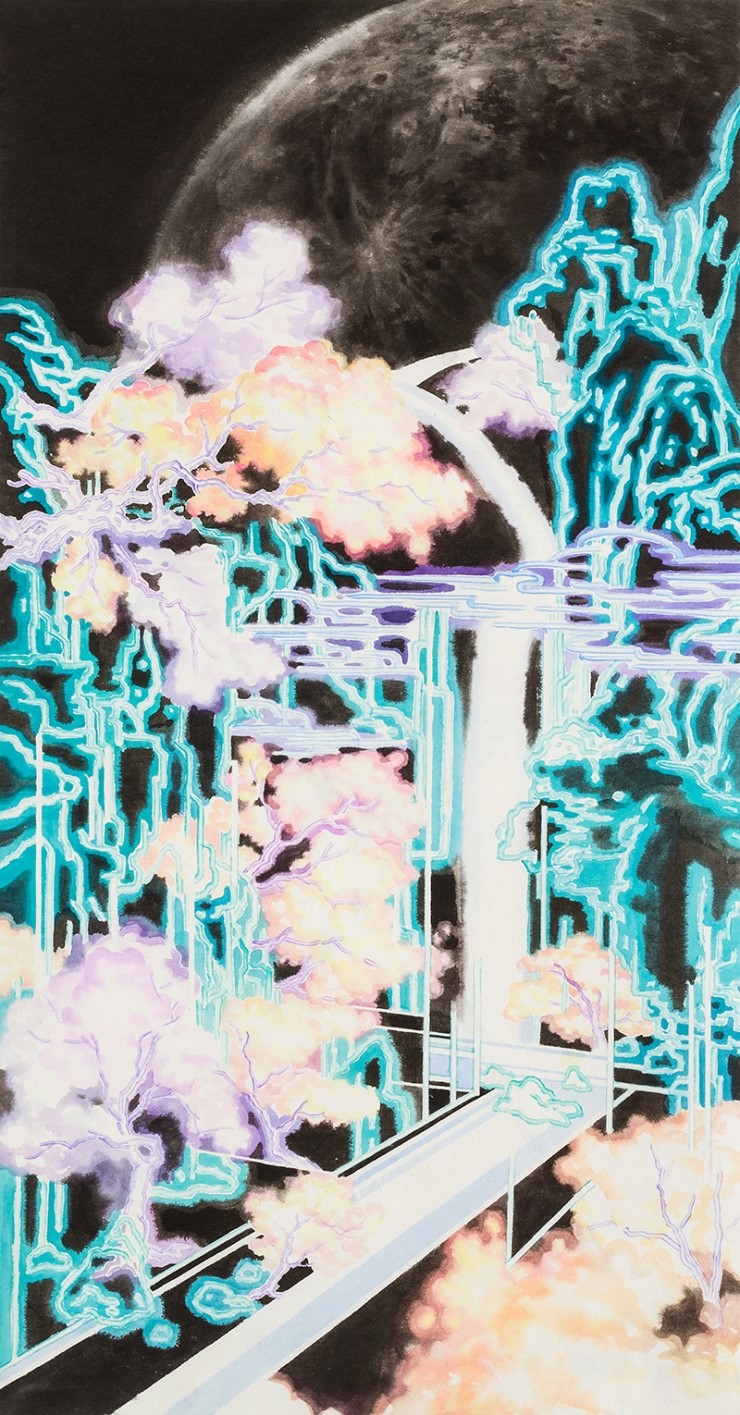
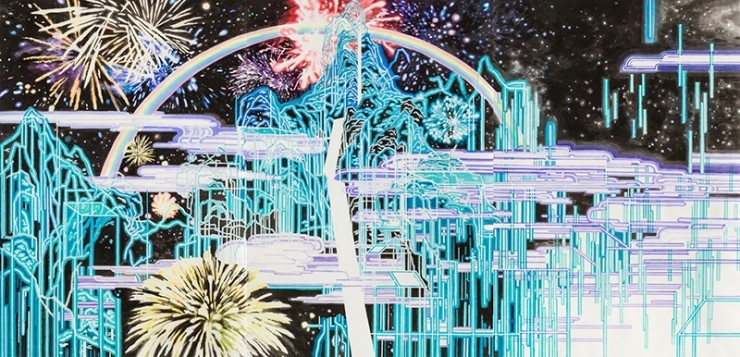
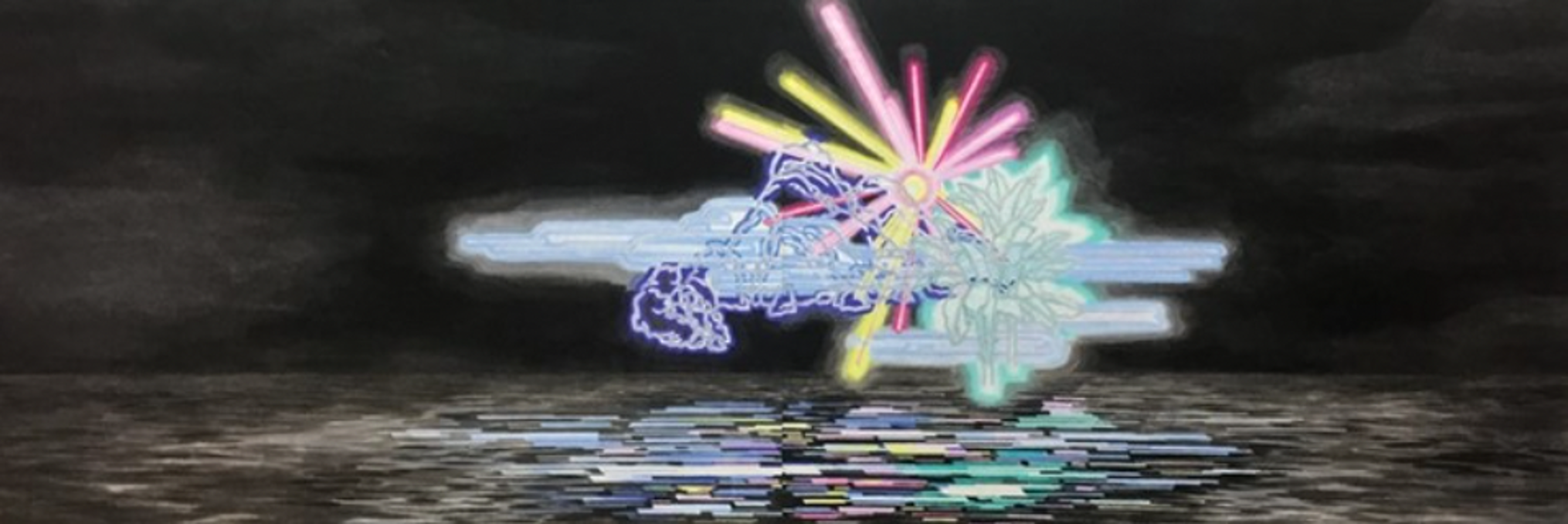
In her early solo exhibition 《FOUND_Easily Found Landscape》(Gallery DOS, 2017), she combined landscapes encountered during her travels in Iceland with her own inner ideal world. In works such as Moon and Fall(2017), we welcome you(2017), and Night Sea-Island(2017), nature appears not as a record of an actual place, but as an idealized landscape where the tradition of landscape painting and personal fantasy overlap.
 
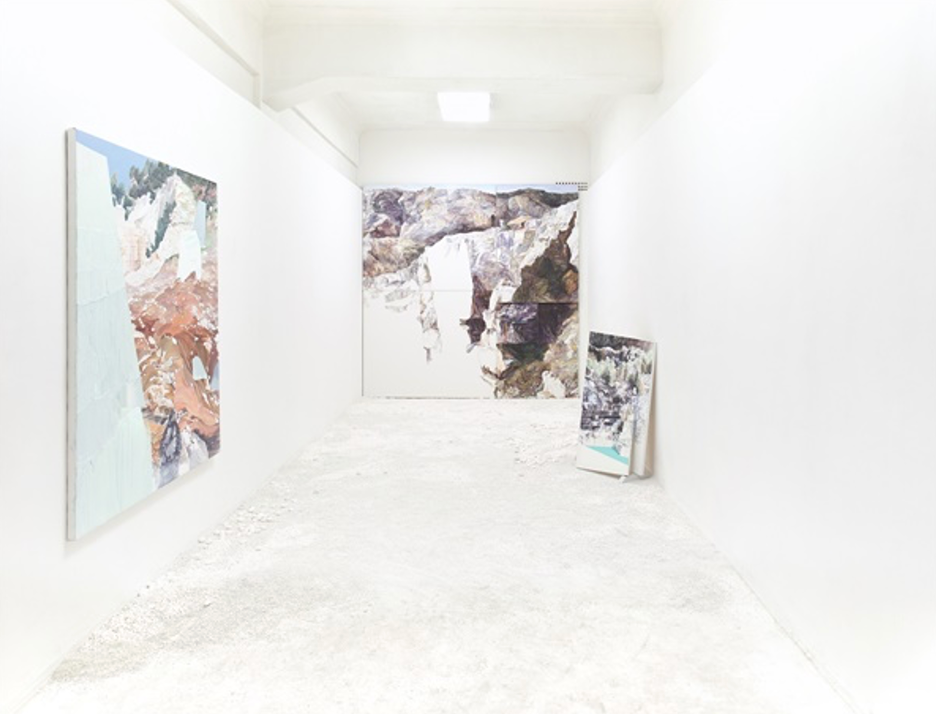
Later, in 《A Serbian Mountain, a Quarry, Venčac》(Art Space Hyeong, 2020), the artist brings the act of “painting a place she has never visited” itself to the center of her practice. While painting Mount Venčac based on photographs sent by the Serbian artist M and materials found online, her work shifted when she discovered that the landscape was not pure nature, but a place that contained traces of a quarry.

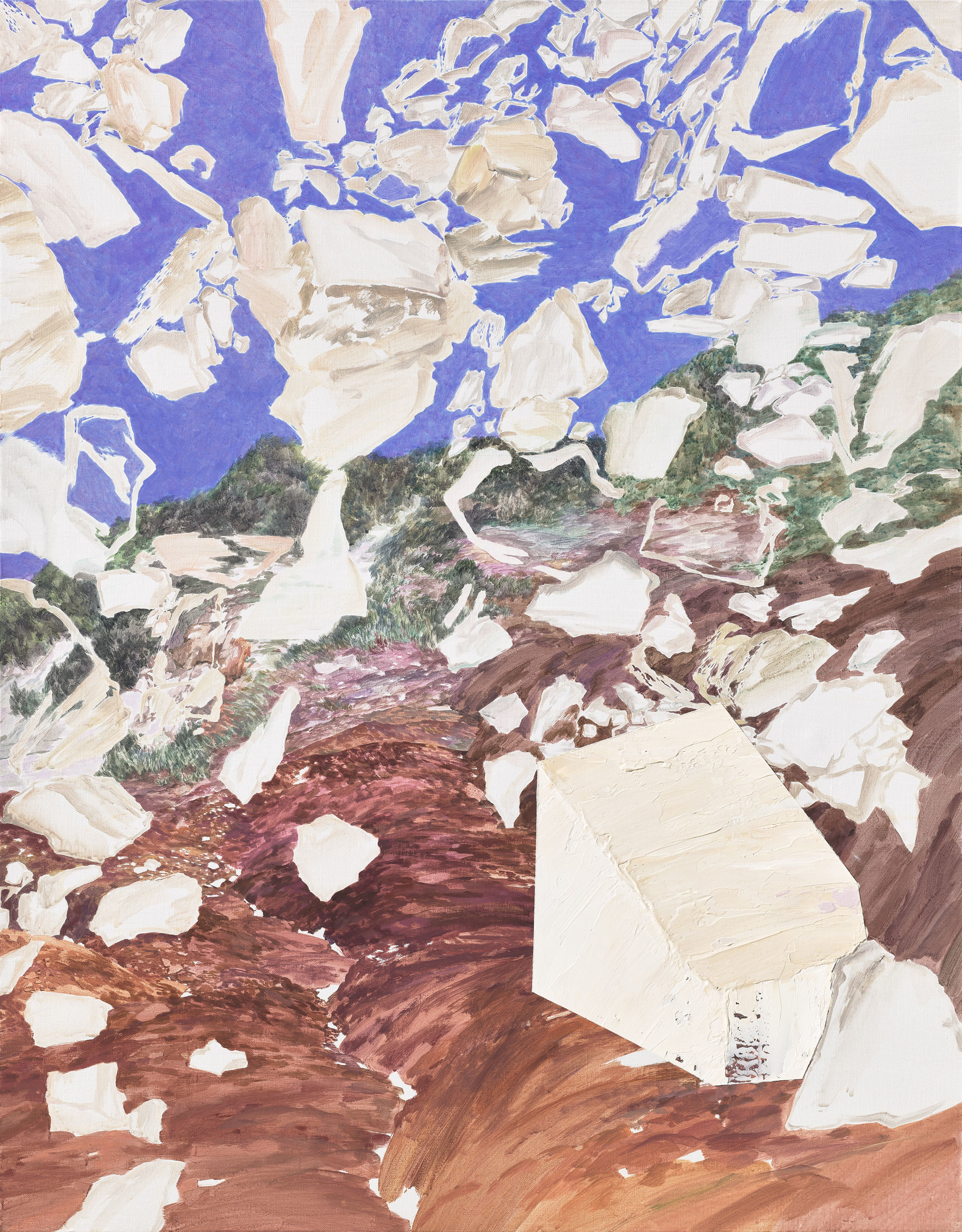
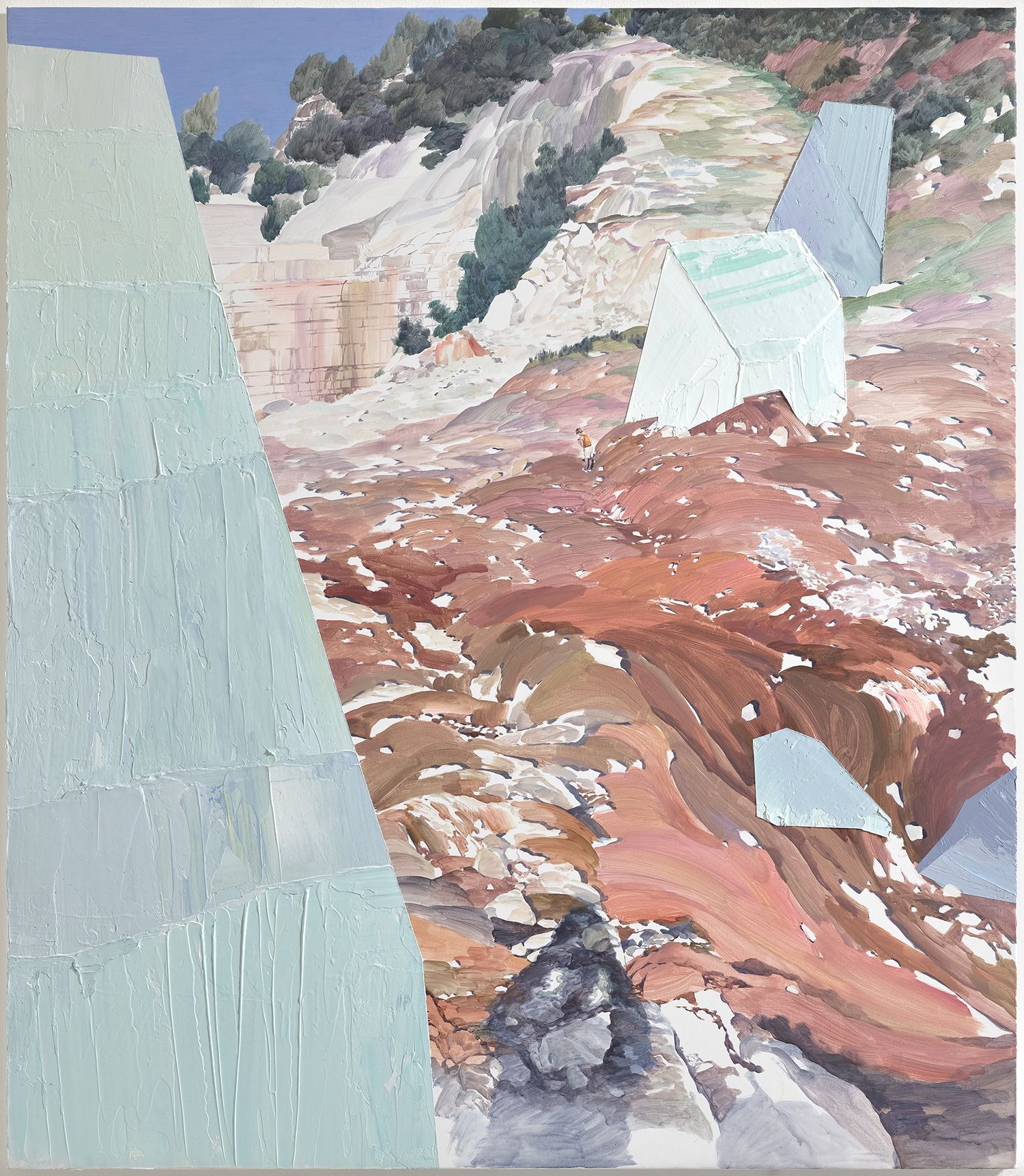
A Serbian Mountain-from Marija Curk(2020), A Mountain, a Quarry-from Marija Curk(2020), and White Marbles in Venčac-from Vukasin Stancevic(2020) all deal with the gap between a landscape delivered through photographs, the actual changes taking place at the site, and the artist’s imagination. Here, landscape is no longer a simple representation of nature, but becomes a place where information and imagination, misunderstanding and discovery overlap.
 
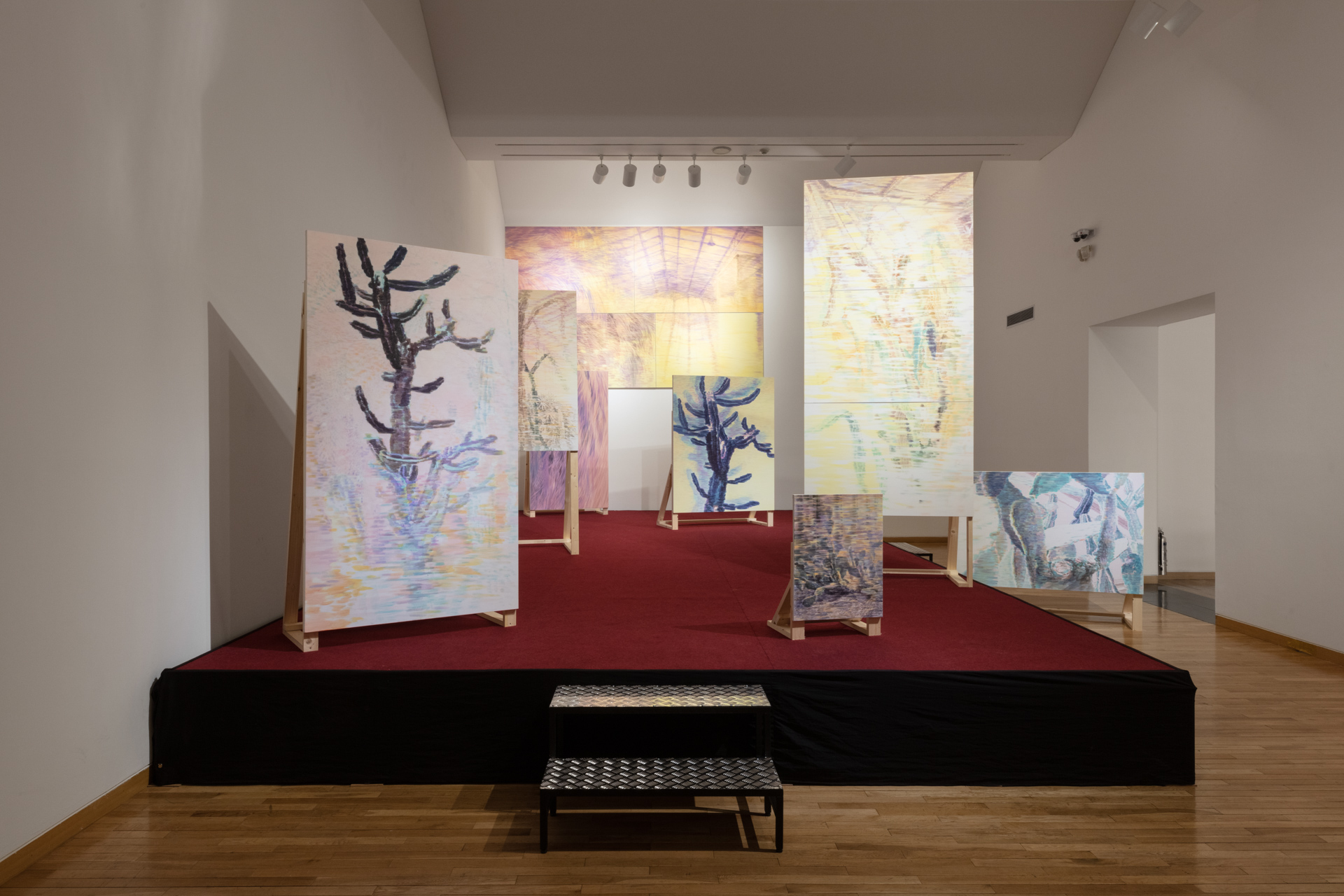
In 《Survival in Fantasy》(Kumho Museum of Art, 2022), this interest expands into the issue of “staged fantasy” and the people and objects that existed in order to sustain that fantasy. Starting from a postcard she happened to collect on an overseas secondhand goods website, the artist traces a record sent from Bugok Hawaii to the United Kingdom in 1984.

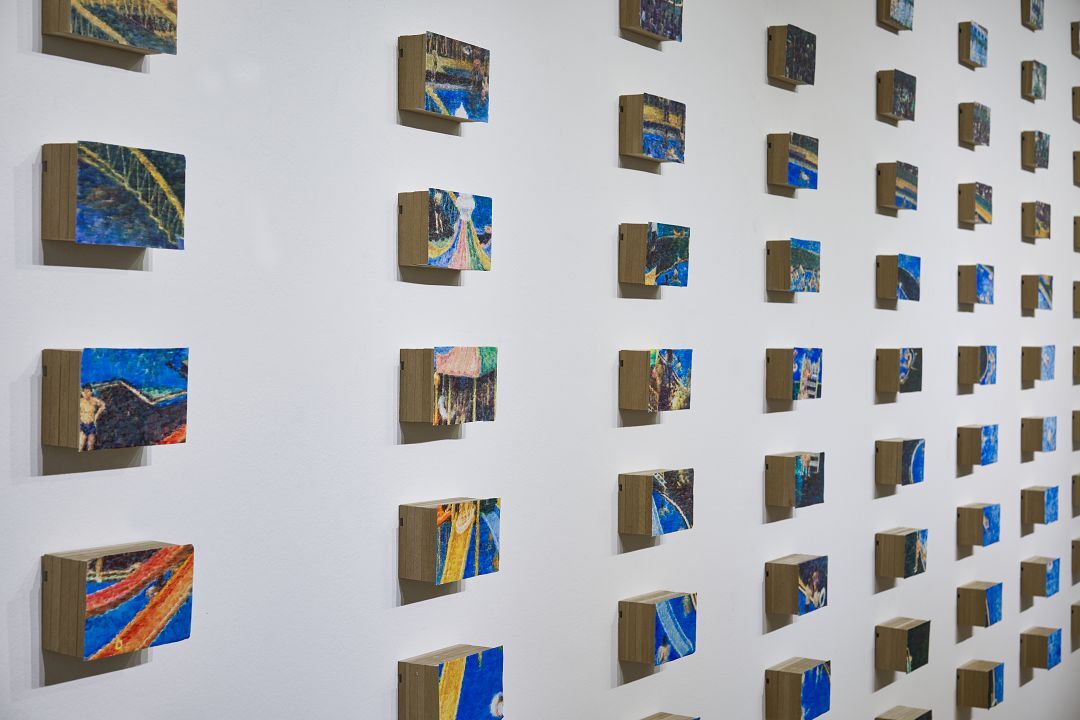
Works such as 99 Pieces of Bugok Hawaii-From J in 1984(2022) and Curtain Call(2022) summon a time before the artist was born, a place that has now closed and is physically difficult to access, and the presence of foreign dancers and tropical plants that labored there to create the fantasy of “Hawaii in Korea.” In this work, fantasy appears not as an escape separated from reality, but as a stage and a condition of life sustained through someone’s labor and survival.
 
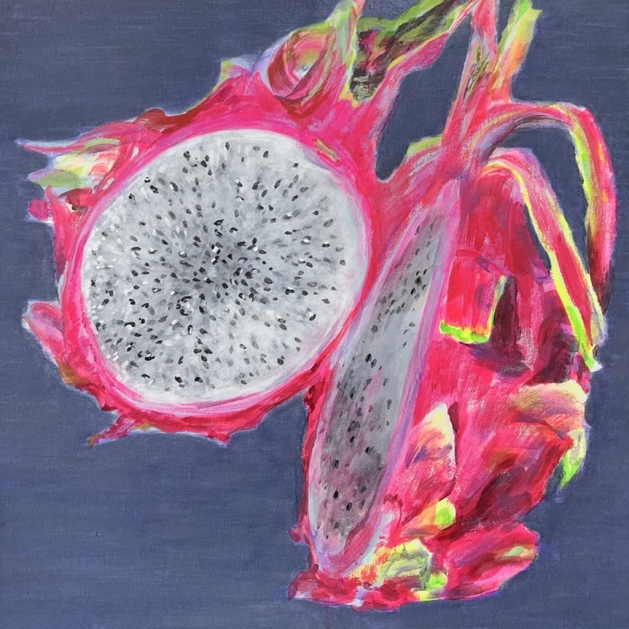
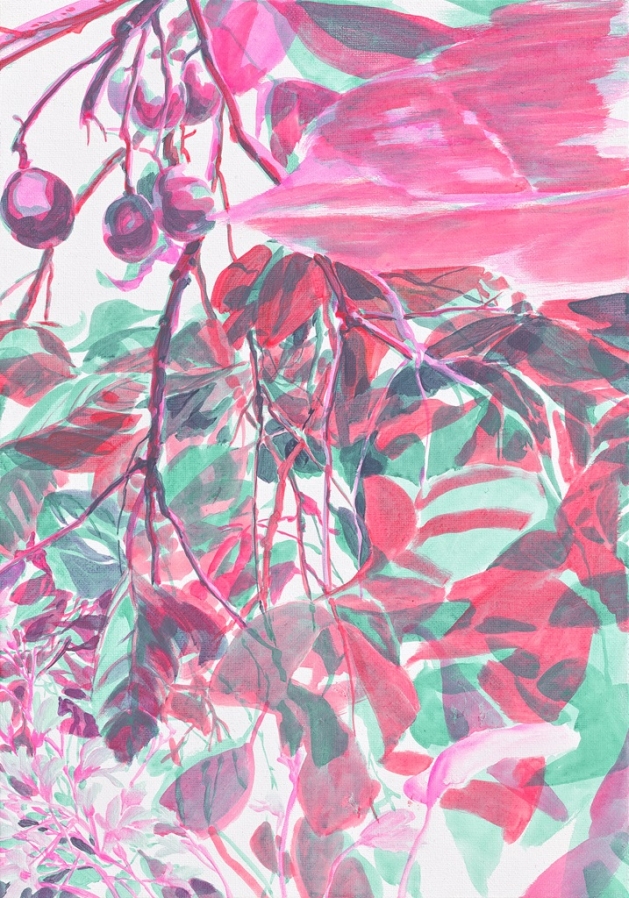
By the time of 《Furutsu》(Gallery Chosun, 2023) and 《Furutsu Jelly》(Osisun, 2023), Choi explores how exotic fantasies are processed and consumed in everyday life through tropical plants and fruits. In works such as Selenicereus Costaricensis(2023) and A Hawaiian Summer Dream 5(2023), tropical fruits and plants are connected less to fresh natural objects than to the sensation of processed products that imitate fruit flavors, such as “fruit cocktail” or “fruit mix.”

The artist looks at both the emptiness and the methods of survival that lie behind sweet and splendid images. In this way, her practice began from a romance toward an ideal world and has expanded into drawing from life of places she has never visited, records of vanished places, and stories of beings living within staged fantasies.

Style & Contents

Choi’s work centers on painting, but is closely connected to an installation-based method that composes the entire exhibition space as a single scene. In her early works, she used ink and color on hanji to bring in traditional elements of landscape painting, while combining them with images carrying personal symbolism, such as Iceland’s exotic landscapes, night skies, rainbows, moons, and fireworks.

In Moon and Fall, we welcome you, and Night Sea-Island, the materiality of hanji, where pigment spreads and seeps into the surface, intensifies the sense of unreality and romance more than it records an actual landscape. The landscapes the artist paints are not objective records of places before her eyes, but inner scenes where memories of travel, imagination, and the desire for an ideal world are mixed together.
 
After 《A Serbian Mountain, a Quarry, Venčac》, the artist develops a method of painting by imagining a sense of presence based on photographs, internet images, and others’ testimonies. In order to paint a place she has never seen in person, she collects conversations with M, jpg files, searched images, and information about place names, constructing painterly scenes based on them.

If A Serbian Mountain-from Marija Curk is closer to an image of the mountain with the quarry omitted, A Mountain, a Quarry-from Marija Curk and White Marbles in Venčac-from Vukasin Stancevic bring forward the traces of quarrying hidden within the natural landscape. In this process, painting becomes not a medium for “depicting what has been seen,” but a method of combining materials and imagination in order to approach what has not been seen.
 
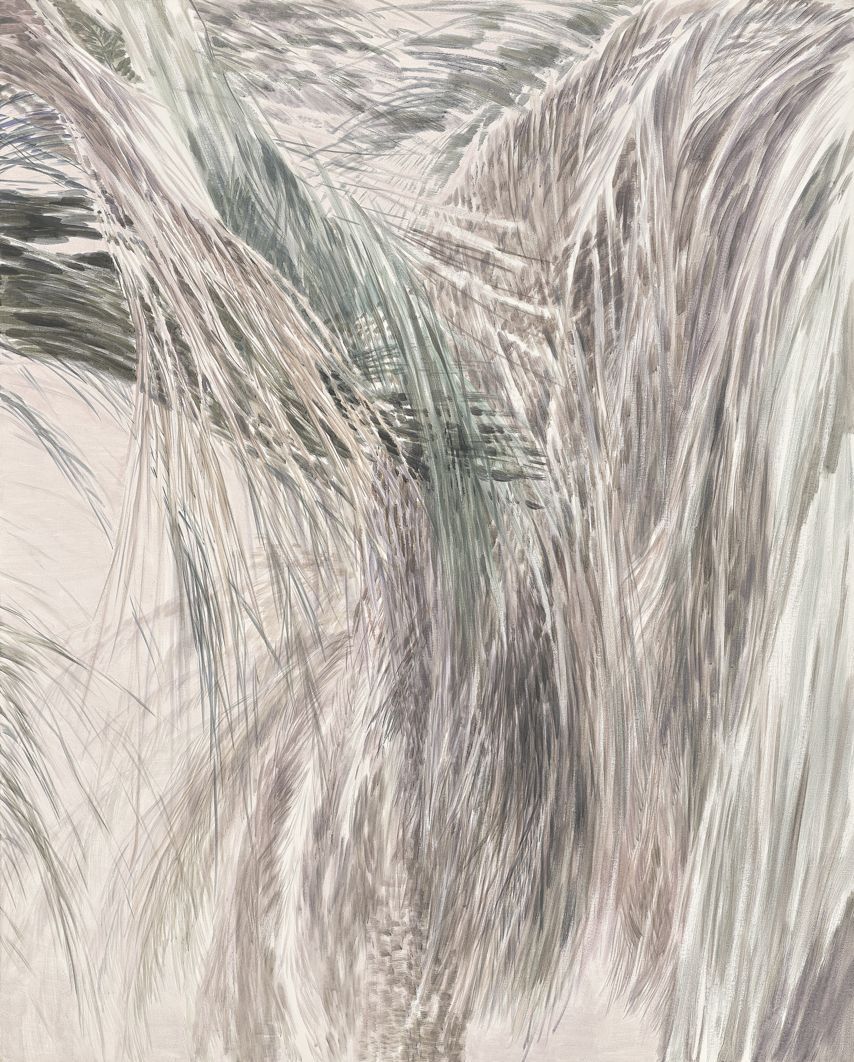
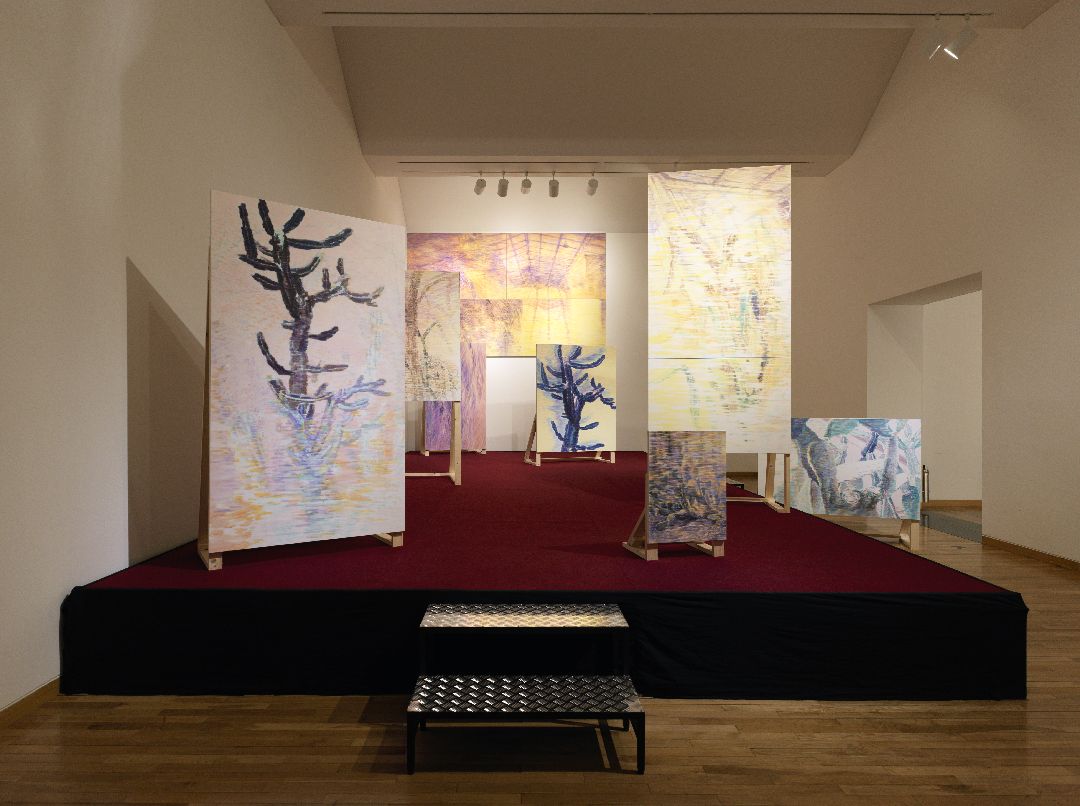
In 《Survival in Fantasy》, painting expands into the form of installation and stage. Through postcards, interviews, field research, and archival materials, the artist collects images of Bugok Hawaii and reconstructs the place under the present condition in which it can no longer be physically experienced. Brushstrokes that seem to skim across the surface reveal not the concrete appearance of Bugok Hawaii, but the afterimages, longing, and haziness of time surrounding the place.

At the same time, paintings installed on an actual stage are arranged so that viewers can walk among them, allowing them to encounter the stories behind the stage where idealized images are produced. Here, painting is not completed as a single flat surface, but becomes an experiential scene through the viewer’s movement and the staging of the exhibition space.
 
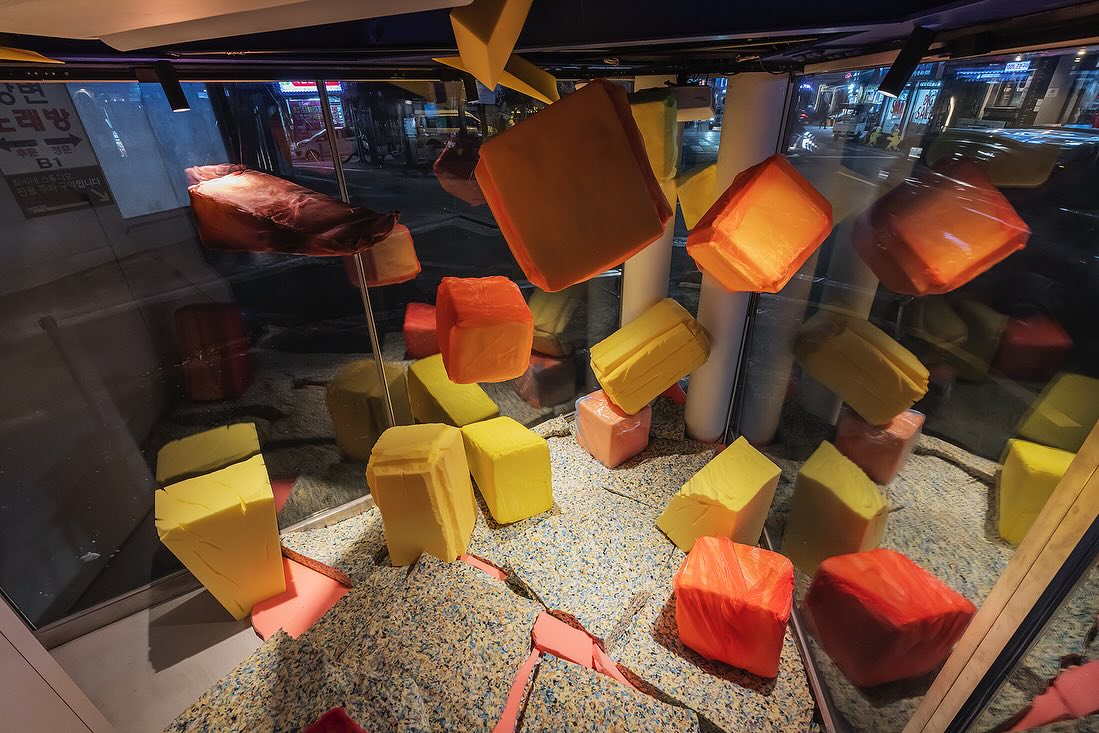
In the recent exhibitions 《Furutsu》 and 《Furutsu Jelly》, painting and three-dimensional installation become more directly connected. If 《Furutsu》 depicts “staged tropicality” and processed sweetness through images such as palm trees, tropical fruits, and canned cherries, 《Furutsu Jelly》 proposes an installation experience that feels as if one is entering into the paintings.

The fruit pieces from the paintings are enlarged into monumental three-dimensional forms, and viewers find themselves in a situation where they seem to become another “furutsu” swimming through canned syrup. In this way, Choi has consistently experimented with how the image of painting can be spatialized within the exhibition space and experienced again through the viewer’s body.

Topography & Continuity

Rather than filling the gap in experience with materials and imagination, Choi takes the distance, misunderstanding, romance, and anxiety produced by that gap itself as the driving force of her work. Travel landscapes, the quarry in Serbia, Bugok Hawaii, tropical plants and fruits are all objects that exist or once existed in reality, but by the time they reach the artist, they have already passed through layers of photographs, postcards, others’ words, internet images, memory, and fantasy. Her painting translates precisely this thickness of indirect experience into surface and space.
 
While many paintings dealing with landscape are based on the observation of actual places or the reproduction of memory, Choi places greater importance on “the state before arriving at a place.” She does not fix landscape as a scene of nature or the city before her eyes, but sees it as something delivered through mediation, such as photographs sent by someone else, searched images, records of a vanished theme park, or processed fruit imagery.

In this sense, her work holds together the tradition of drawing from life in landscape painting and indirect experience in the age of digital images. Rather than guaranteeing the truth of an image, hand-painted painting functions as a device that reveals the gap between the actual and the imagined, reality and the ideal.
 
Choi’s practice began from the romance of travel, idealized landscapes, and places she had never directly visited, and has moved toward the conditions under which fantasies are produced and the beings that live within them. Moving between worlds not yet experienced, places that have already disappeared, and fantasies that continue to be staged within reality, she continues to explore how painting can create a new sense of presence and narrative.

Works of Art

On the Romance of the Unexperienced and the Fantasy of the Staged

Articles

Exhibitions

Activities