Useless Emotion - K-ARTIST

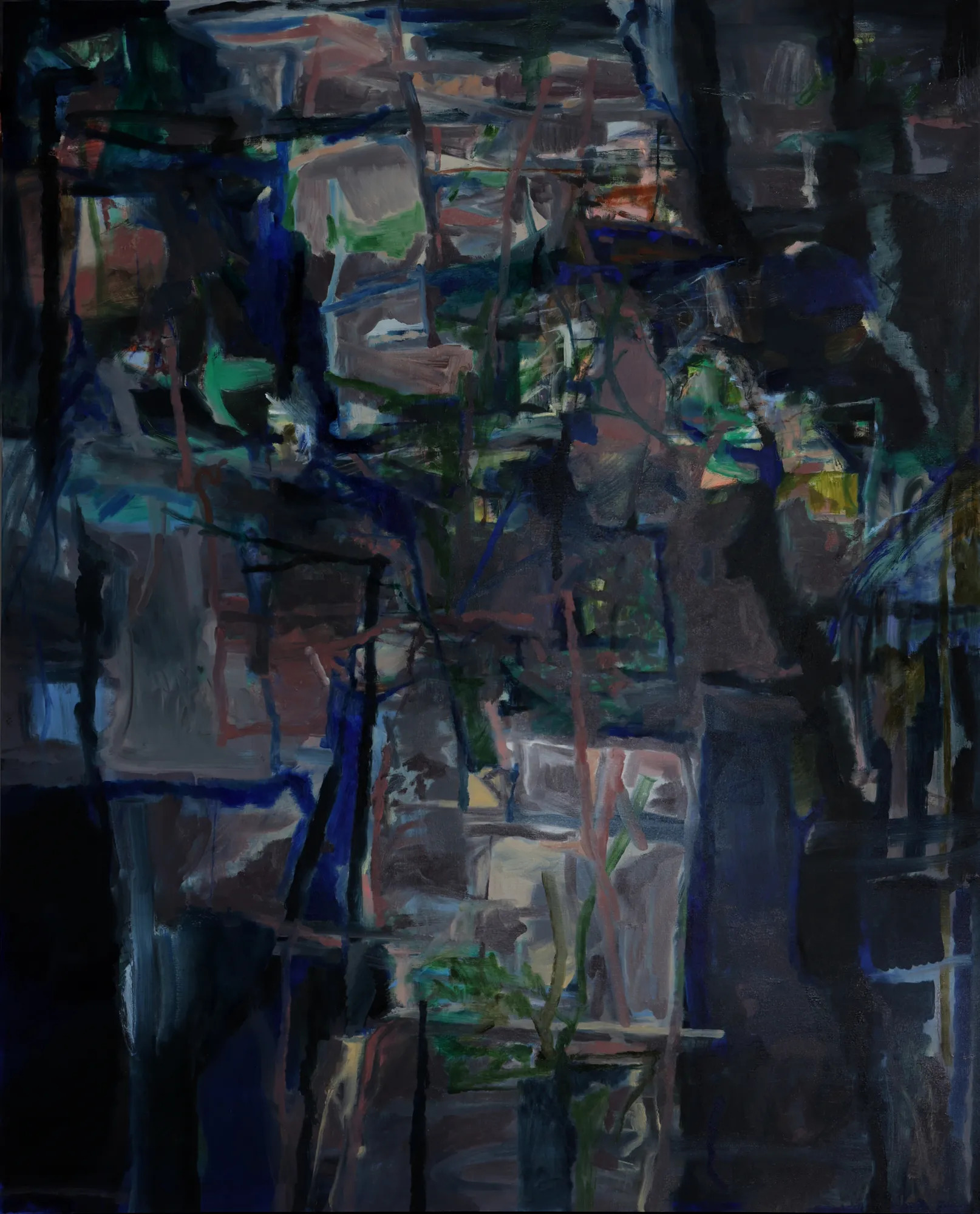
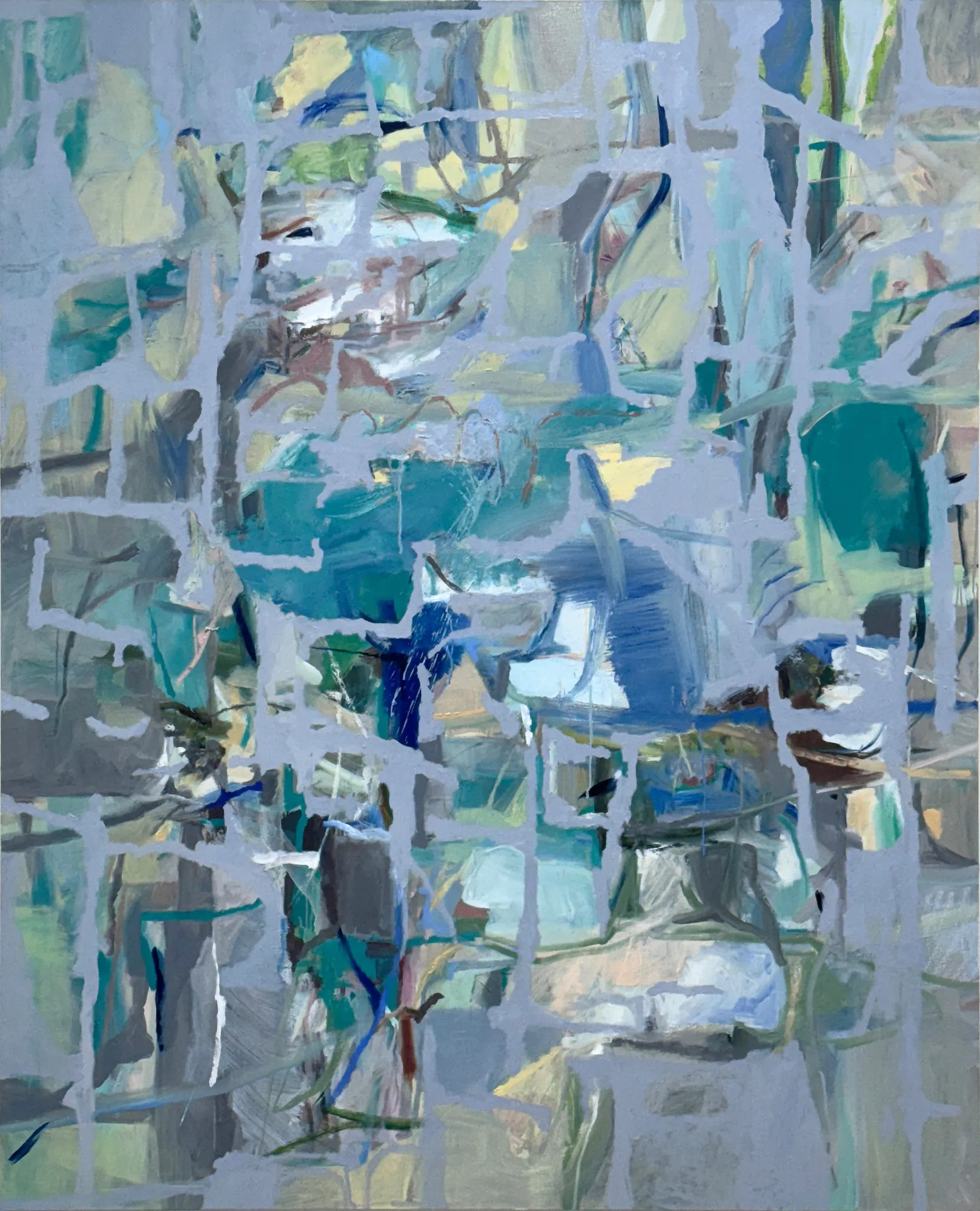
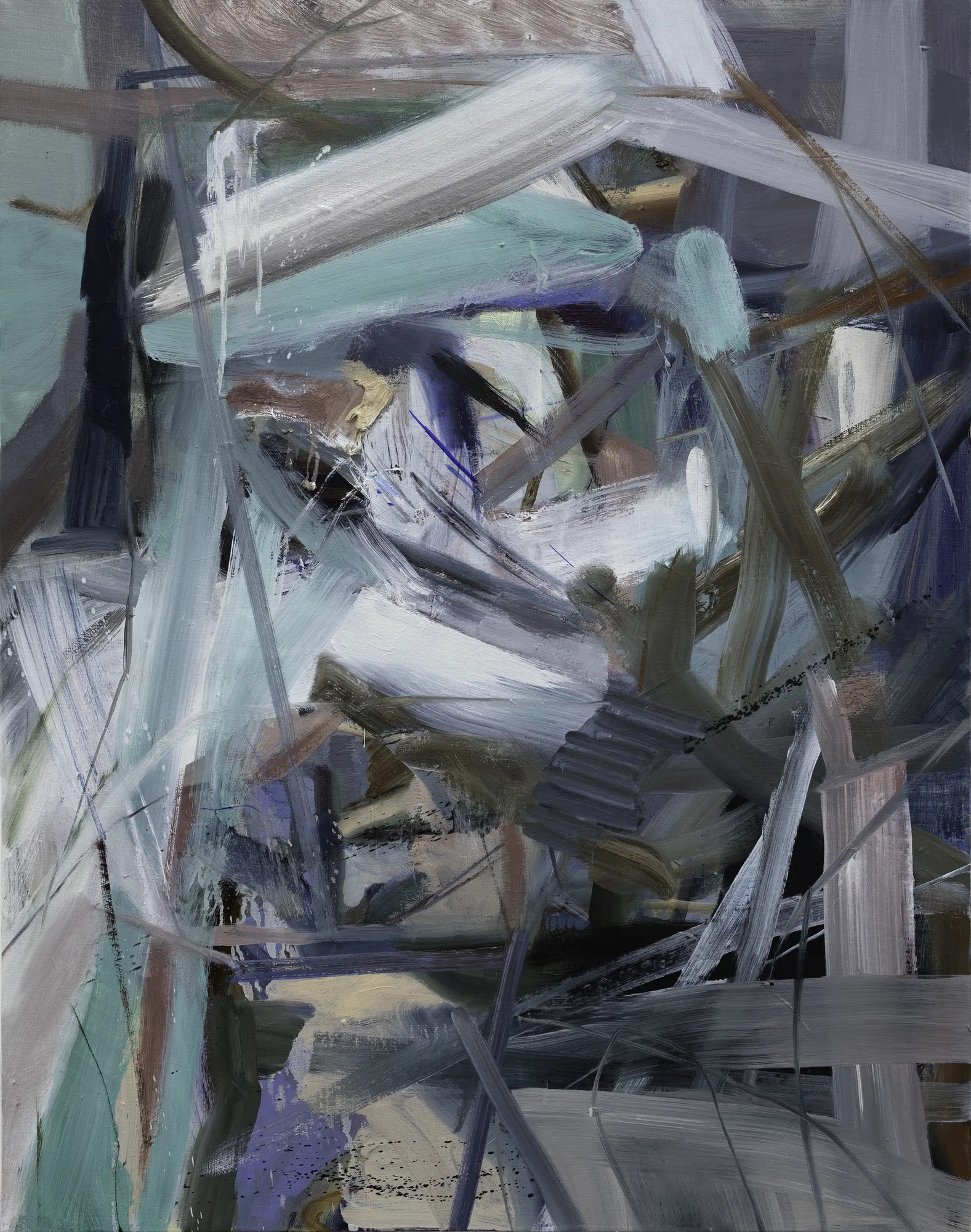
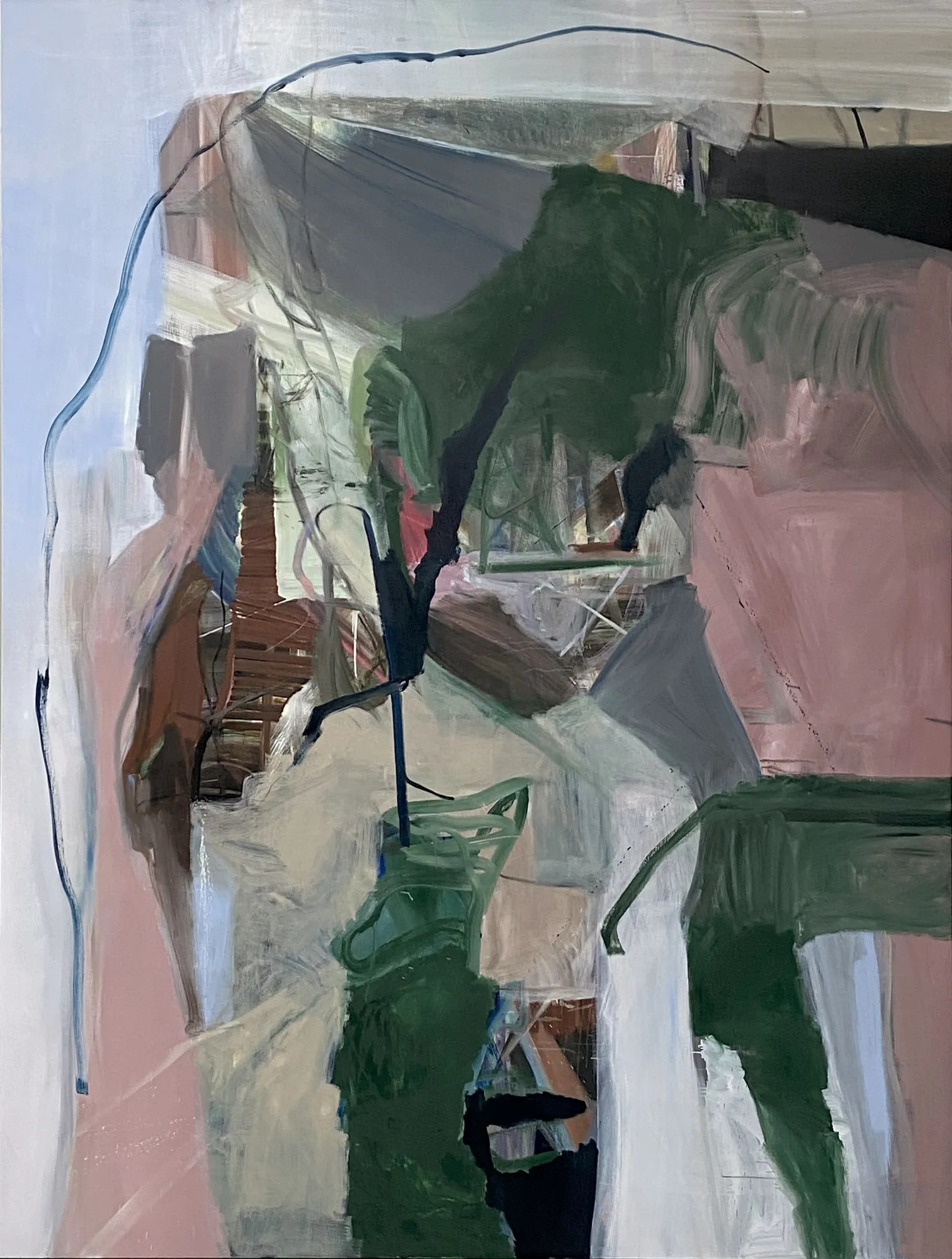
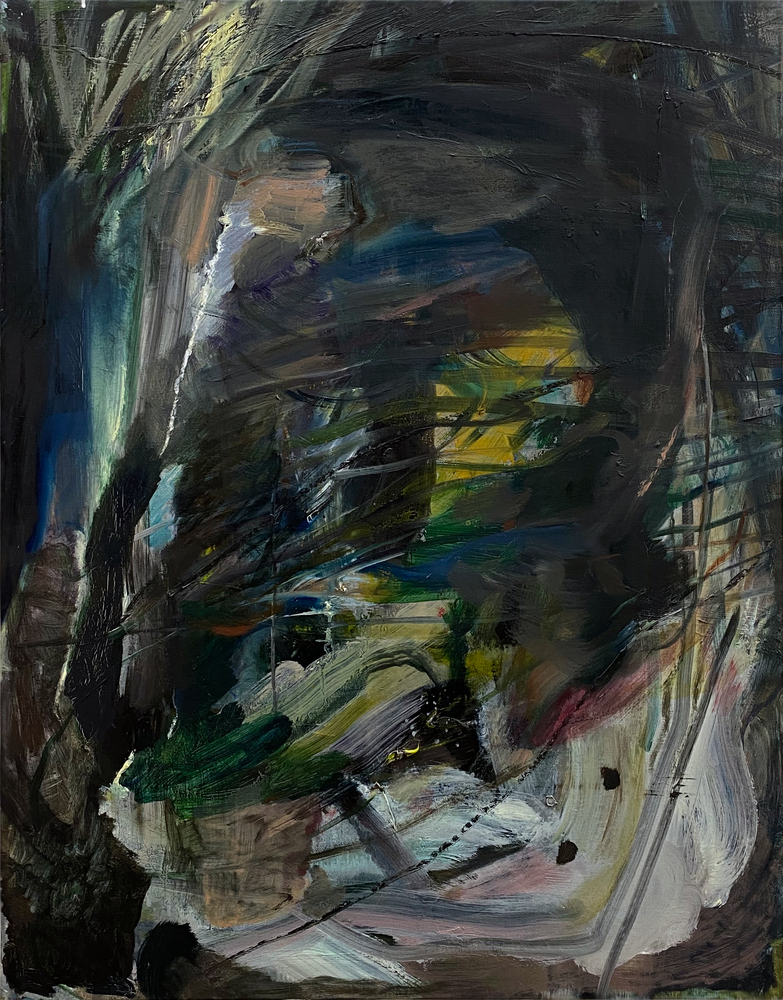
Useless Emotion

2009
Oil on canvas
61 x 76 cm
About The Work

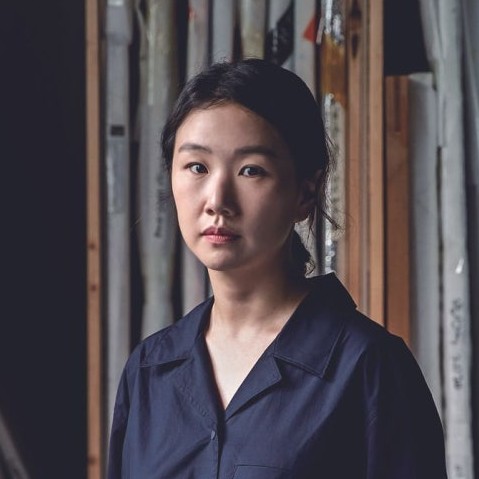
Koo Jiyoon is an artist whose practice explores the psychological landscapes embedded within urban space. Rather than simply depicting architecture or the built environment, her work focuses on visualizing emotional states—such as desire, anxiety, ennui, and emptiness—experienced by individuals living within the city through the language of abstract painting.

Koo understands the city not as a fixed space but as an organic entity that is constantly changing and renewing itself. Observing the diverse movements and energies generated within it, she directs her attention not to the city’s visible forms but to the sensations and forces of intangible elements such as noise, vibration, pressure, and anxiety.

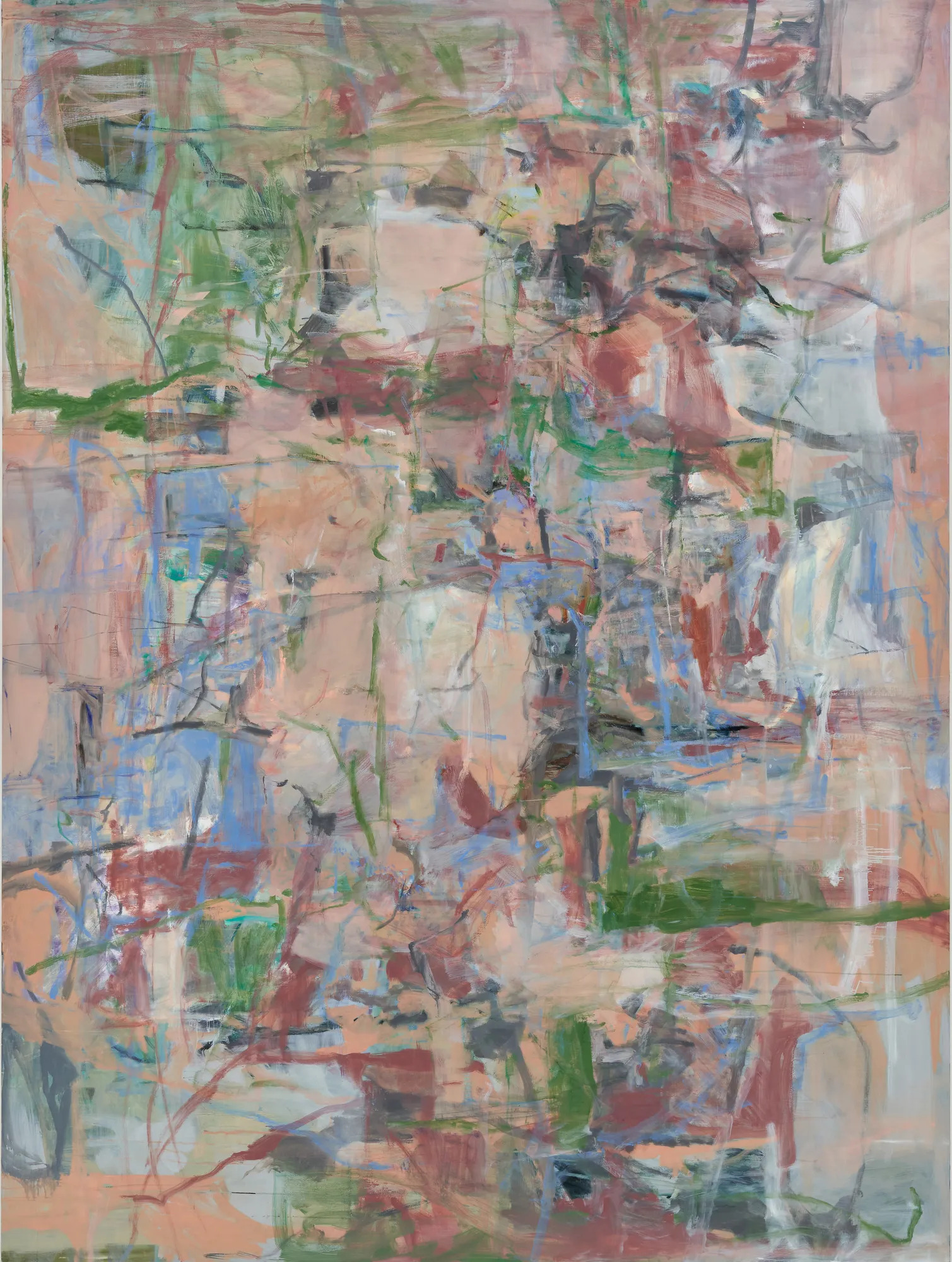
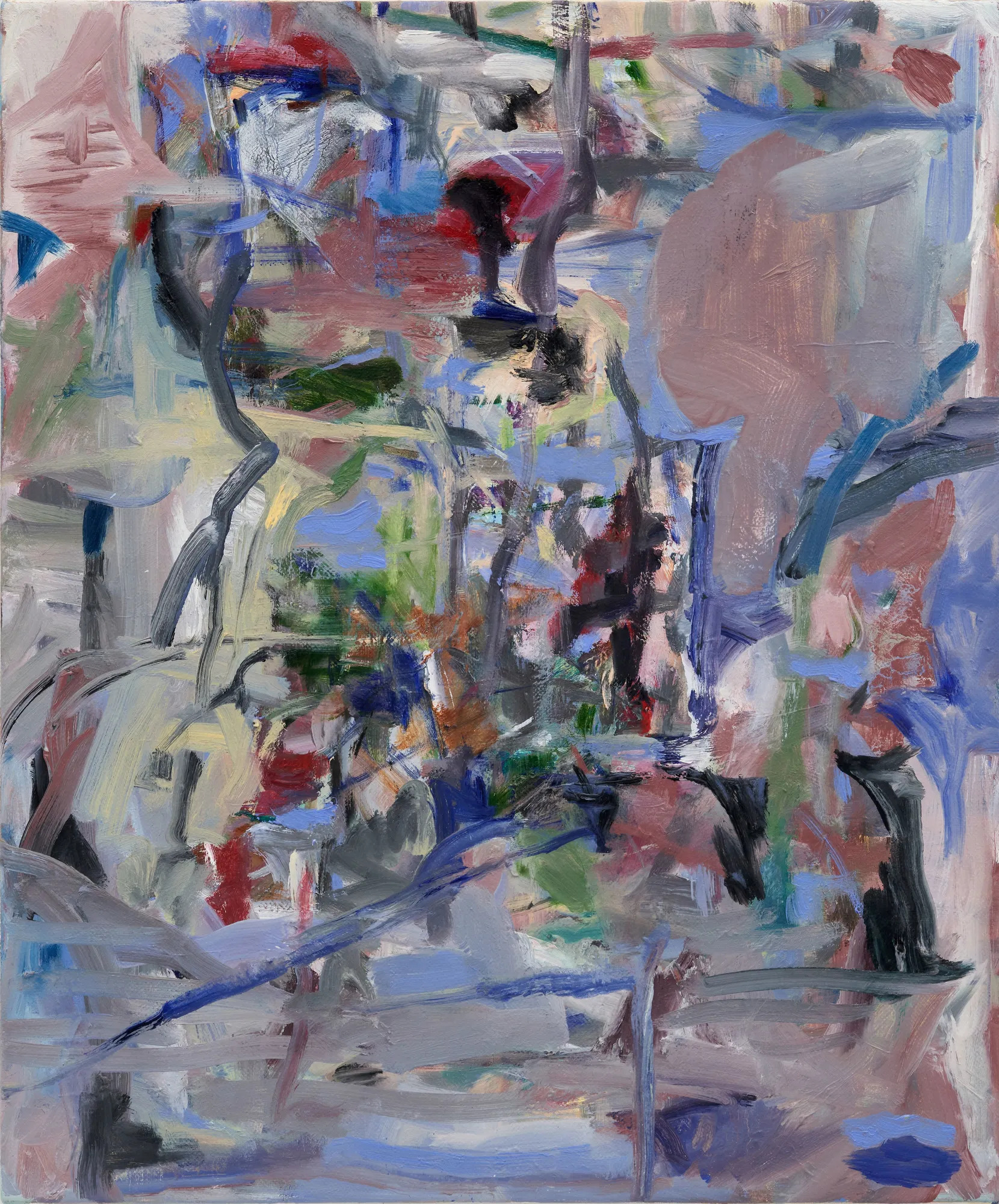
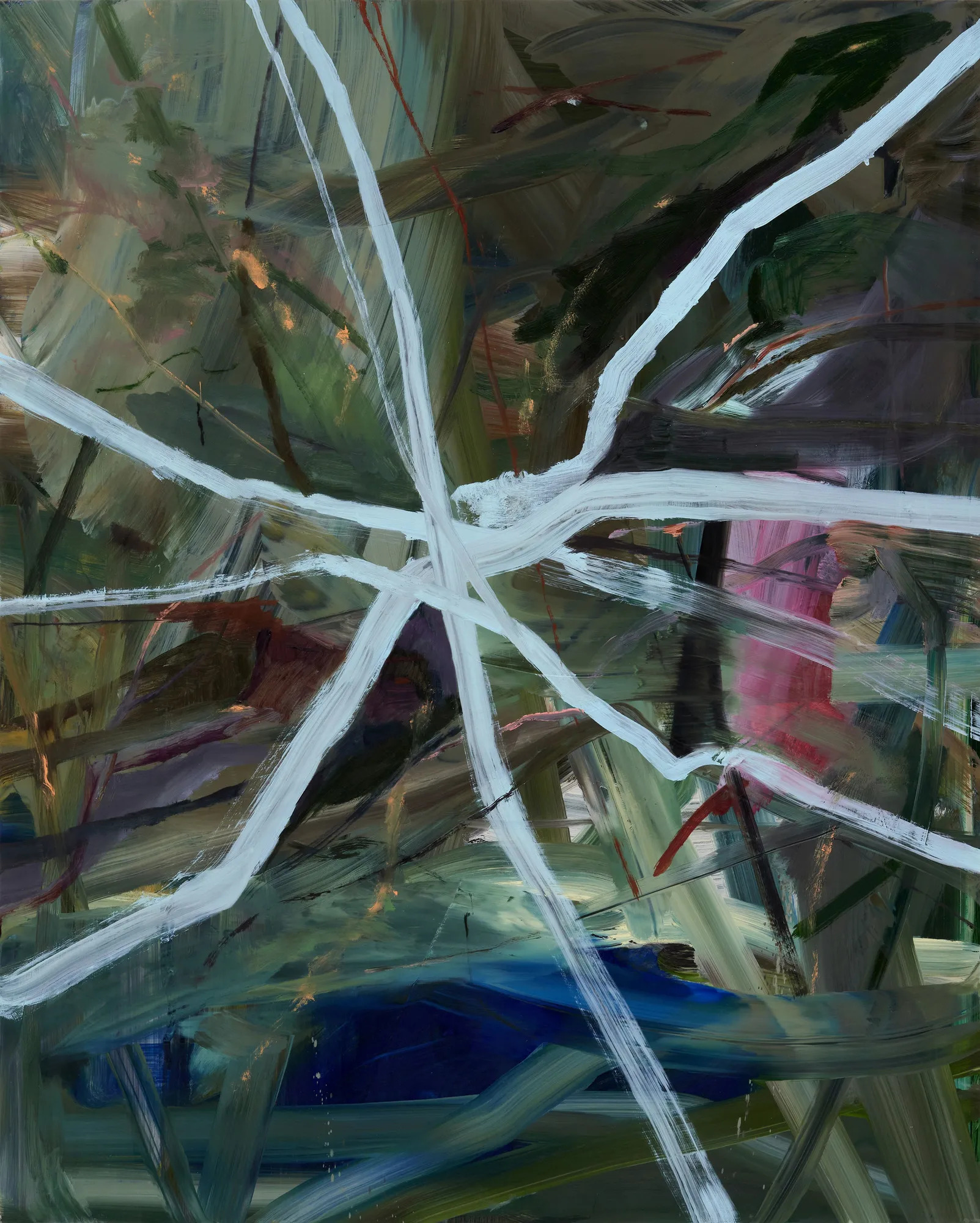
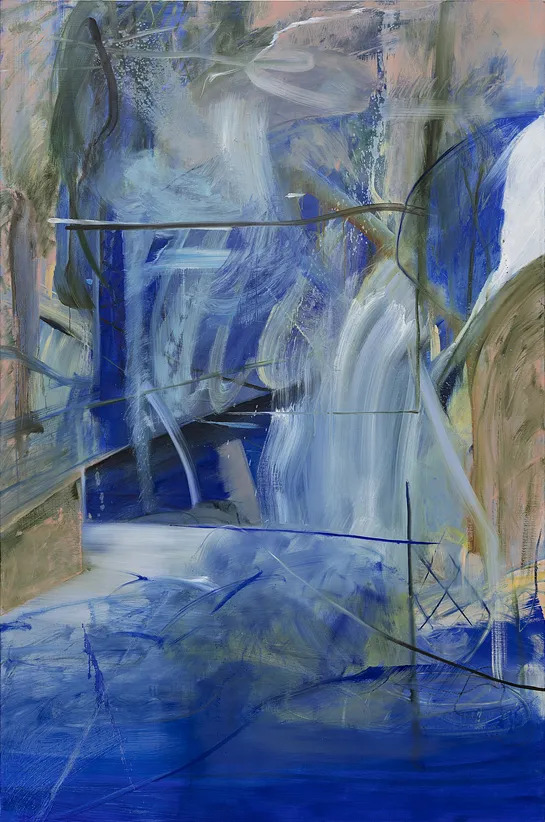
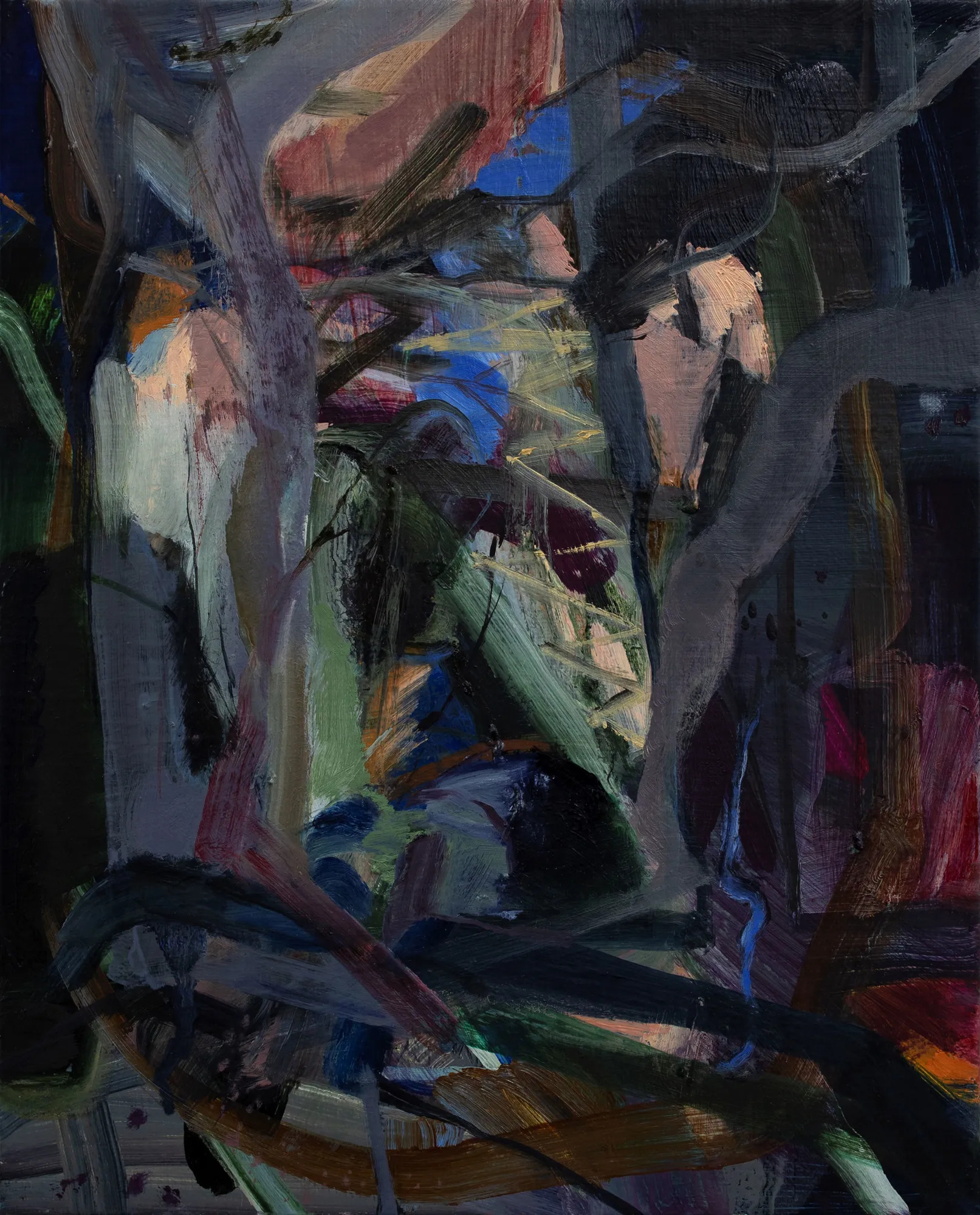
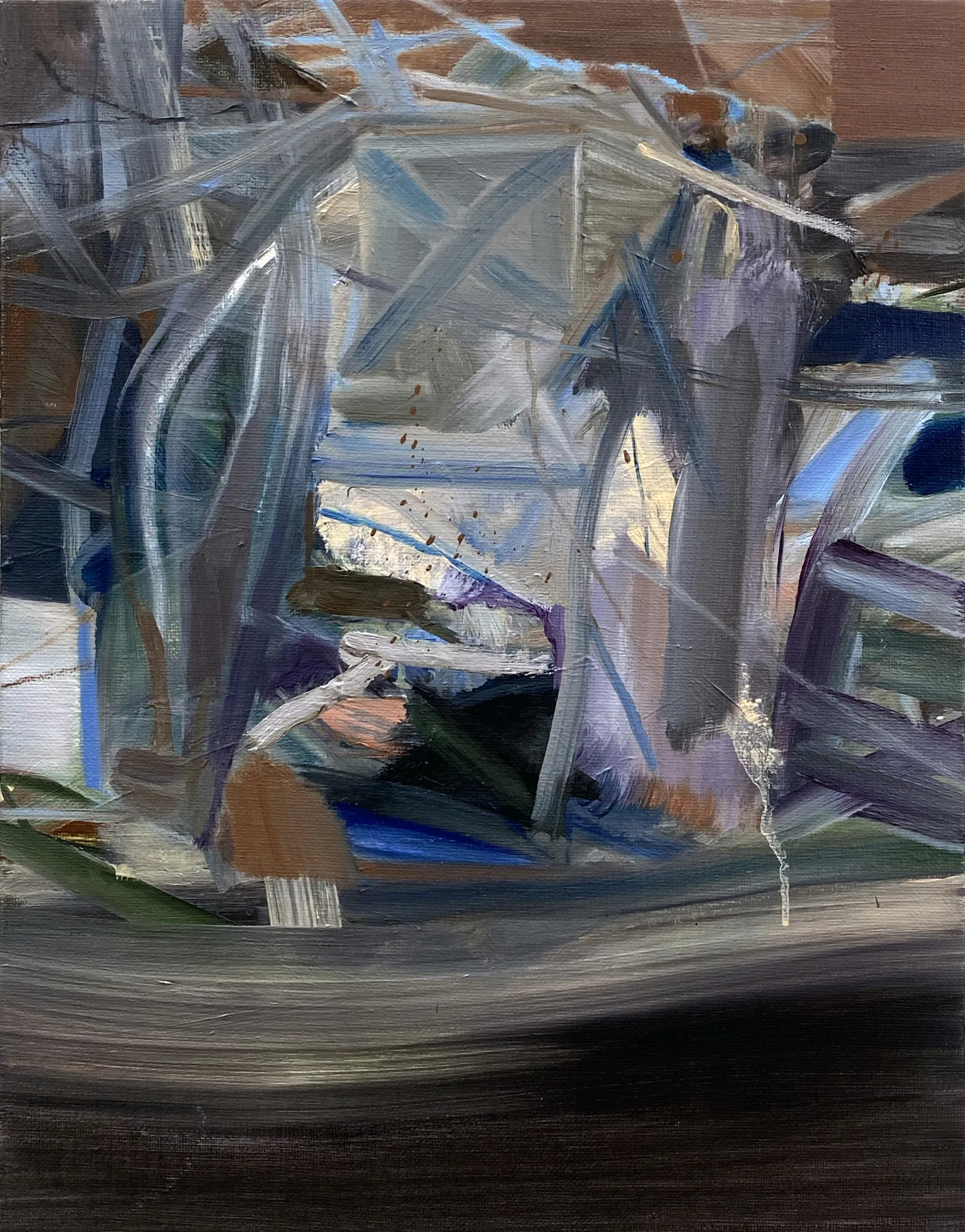
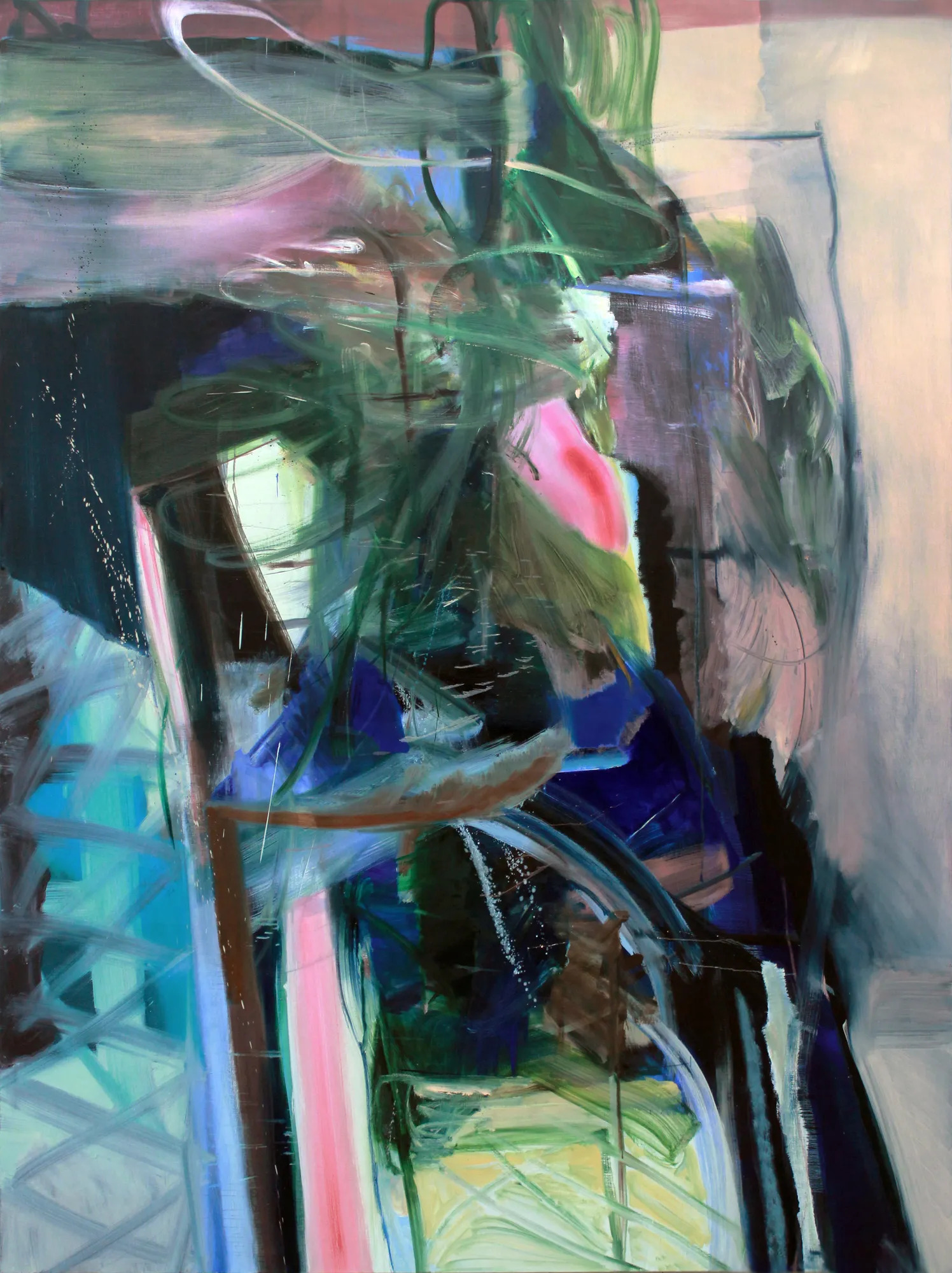
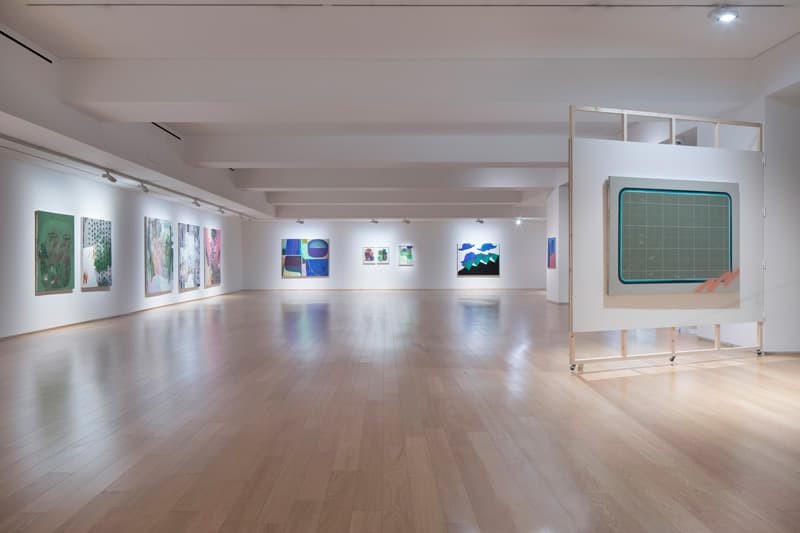
Based on these observations, her paintings develop into abstract compositions in which formal elements such as color and line become entangled, rather than resolving into descriptive representation or balanced composition. Through this process, she evokes the complex emotional atmosphere surrounding urban life. Her paintings are also shaped through a continual cycle of construction and deconstruction.

By repeatedly layering, scraping away, covering, and repainting the surface, Koo generates images through an accumulative process that mirrors the cyclical nature of the city itself.

In this way, Koo leaves on the canvas condensed traces of observation, memory, and sensation rather than depictions of specific subjects, maintaining a productive tension between figuration and abstraction. The organic forms that emerge throughout her paintings remain in a state of continual becoming and dissolution, opening up multiple possibilities for interpretation. This approach reveals a distinctive structure in Koo’s work, where urban landscapes, psychological experiences, and ecological sensibilities overlap and intersect within a single pictorial space.


Solo Exhibitions (Brief)

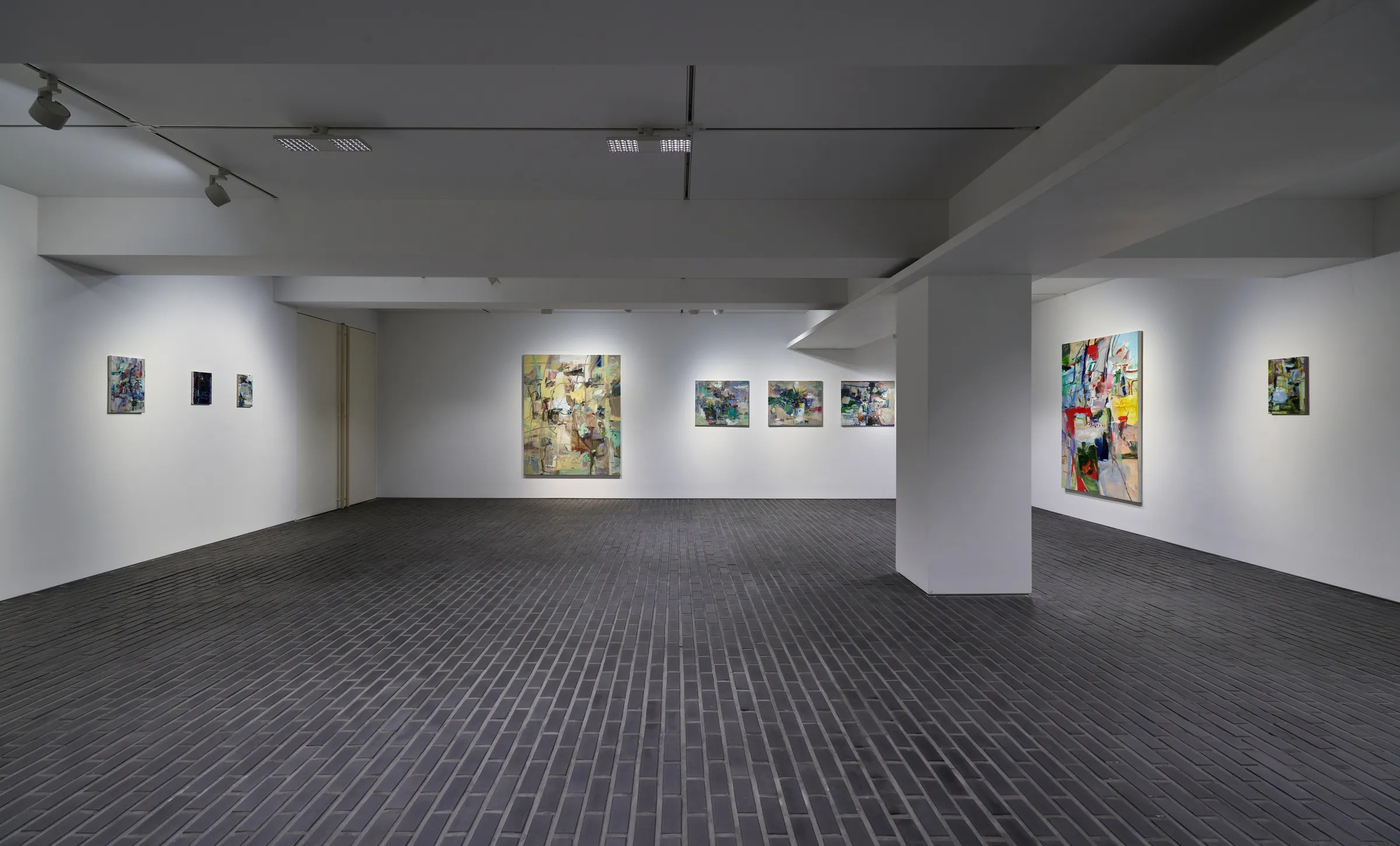
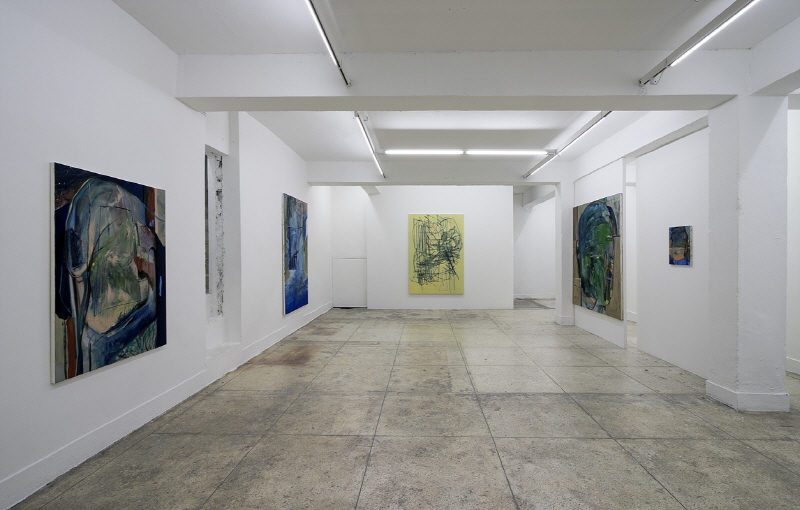
Koo Jiyoon has held solo exhibitions at ARARIO GALLERY SEOUL (2021, 2025), ARARIO MUSEUM in SPACE (2018), 63 ART (2019), Project Space SARUBIA (2016), and A.I.R. Gallery, New York (2010).

Group Exhibitions (Brief)

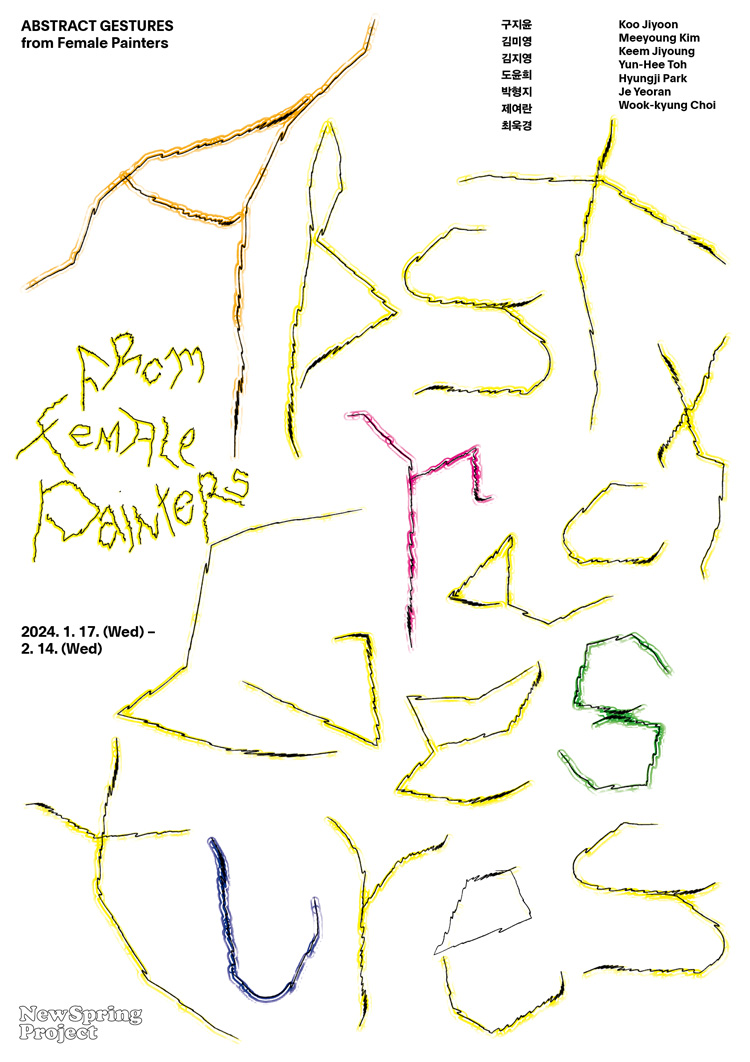
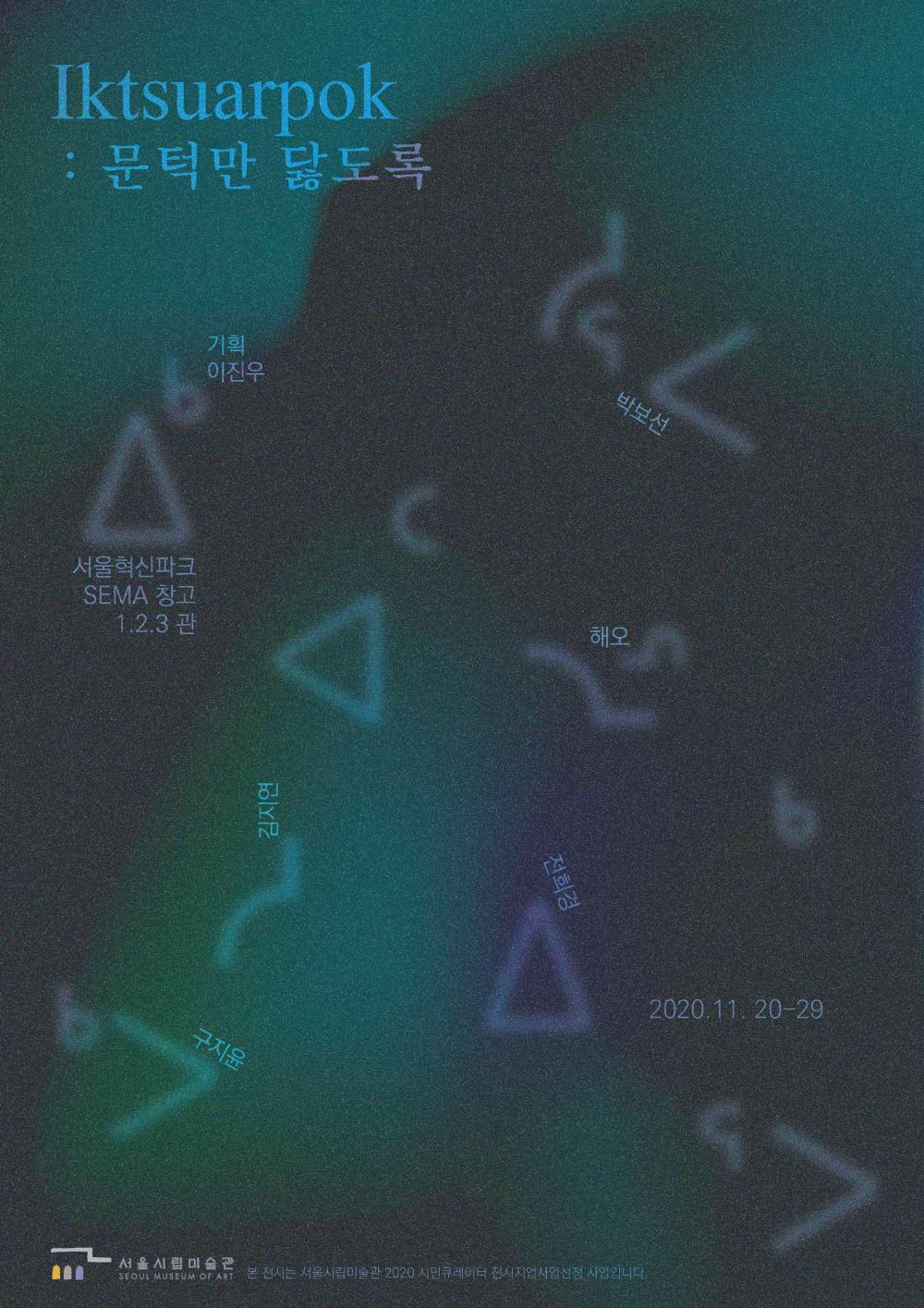
Koo Jiyoon has participated in group exhibitions at ARARIO GALLERY SEOUL and CHEONAN (2020, 2021, 2024), Doosan Gallery Seoul and New York (2010, 2014, 2019), Seoul National University Museum of Art (2017), HITE Collection (2018), SeMA Storage, Seoul Museum of Art (2020), and COMMON CENTER (2014).

Awards (Selected)

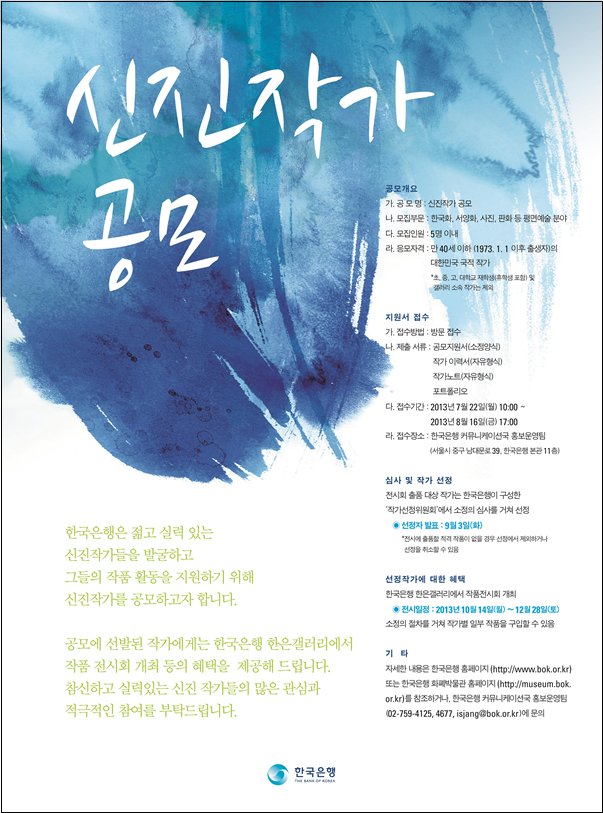
Koo Jiyoon received the Santo Foundation Individual Artist Award (2010) and the Gold Prize at the 3rd ETRO Art Prize (2014), and was selected as one of the Young Artists of Our Generation by the Bank of Korea (2013) and a Public Art New Hero (2014).

Residencies (Selected)

Koo Jiyoon was an artist-in-residence in the 12th Incheon Art Platform Residency Program.

Collections (Selected)

Koo Jiyoon’s works are included in the collections of ARARIO Collection, the Bank of Korea, and ETRO.

Works of Art

The Psychological Landscape of a City in Flux

Originality & Identity

Koo Jiyoon has long explored the psychological landscapes that emerge within urban environments. Her work extends beyond the depiction of architecture or the city itself, focusing instead on visualizing emotional states such as desire, anxiety, boredom, and emptiness experienced by those who inhabit these spaces through the language of abstract painting.

The artist's interest in the city originated during her years abroad, when a temporary distance from Seoul allowed her to see the city with unfamiliar eyes. In the city's continual cycles of construction and disappearance, she recognized both the compressed energies of contemporary society and the psychological conditions of modern life.

Construction sites occupy a significant place in her early work. Drawn to the noise, dust, and overwhelming scale of the construction zones she repeatedly encountered in large metropolitan areas, Koo understood them as transitional spaces where past and future coexist. Within her paintings, the construction site evolves into a broader metaphorical landscape in which growth and decline, creation and destruction, memory and oblivion intersect. Through this process, the city emerges not simply as a physical environment but as an organic entity in a constant state of transformation.

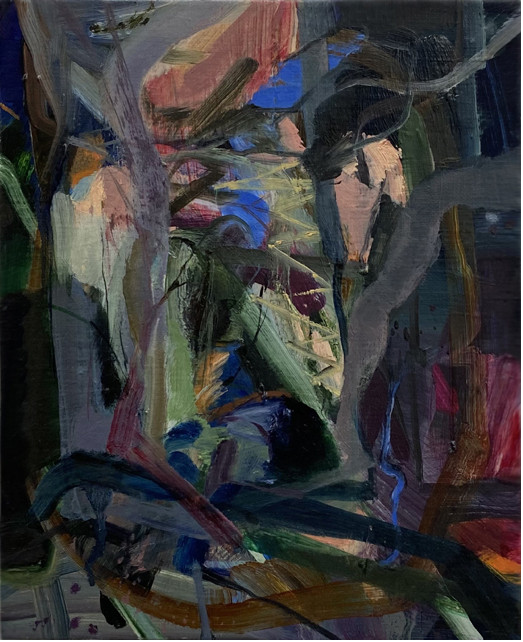
Initiated in the late 2000s, the 'Face-Scape' series expanded these concerns into an investigation of the relationship between the city and its inhabitants. Focusing on the boredom, loneliness, and elusive sense of lack experienced by contemporary urban dwellers, Koo developed psychological portraits that merge face-like forms with abstract compositions. In these works, the face does not represent a specific individual but functions as a symbolic figure through which the anonymous conditions of life in the modern city are expressed.

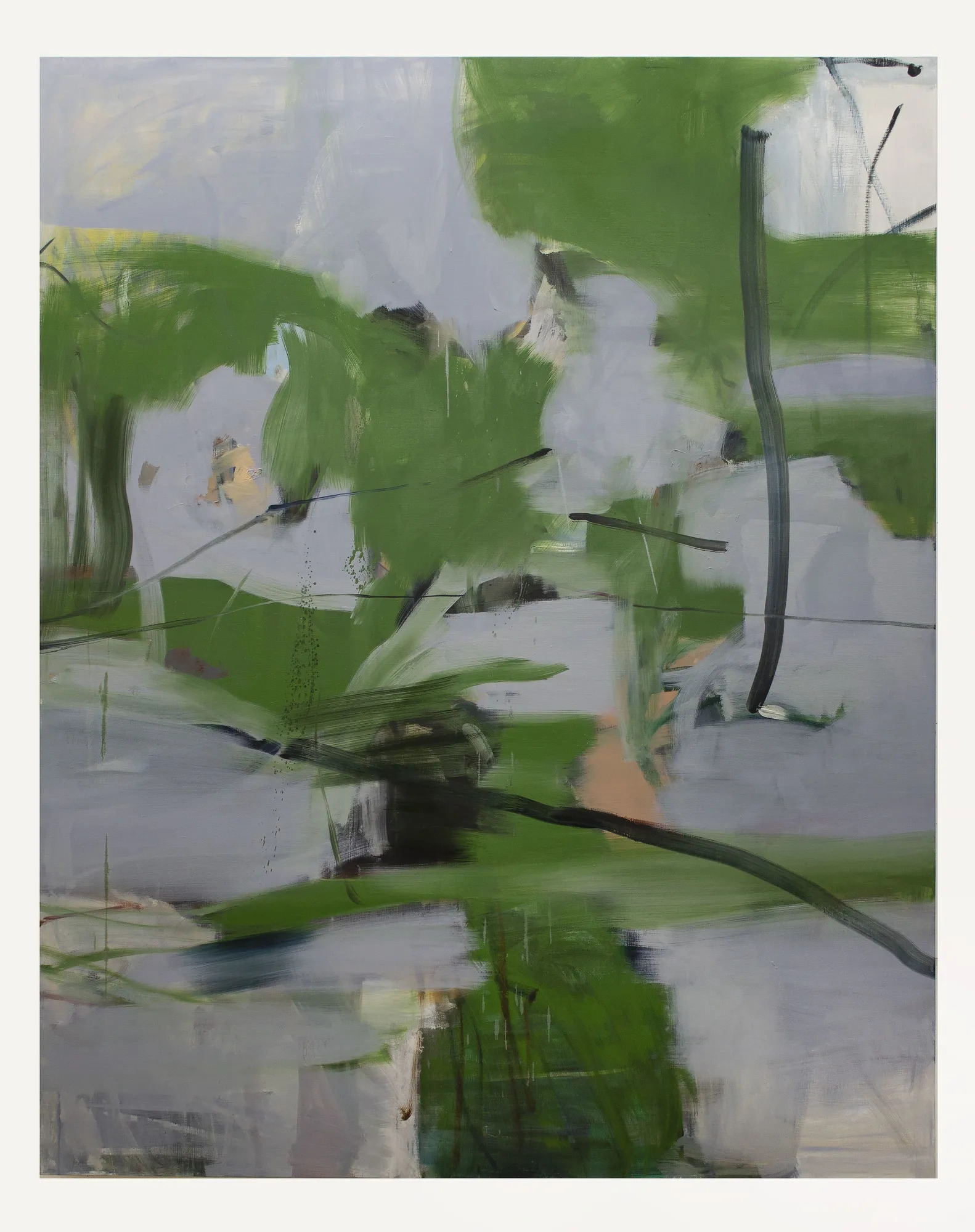
Since the 2020s, Koo's attention has expanded beyond urban structures and human psychology toward the ecosystems and non-human forms of life that emerge within the city. Trees and vegetation growing between high-rise buildings, as well as living organisms that establish their own order within environments shaped by human intervention, have become important subjects of observation in her recent work.

She approaches their modes of adaptation and coexistence as alternative ways of understanding the city, accumulating them on the canvas through juxtapositions of gray tones, contrasting forms, and organic imagery. Her recent paintings suggest a shift away from a human-centered understanding of urban space toward a broader consideration of the interconnected environments in which diverse forms of life coexist.

Style & Contents

Koo Jiyoon’s paintings emerge through a process of continual construction and dismantling. She generates images by repeatedly layering paint onto the canvas, scraping it away, covering it over, and painting again. This working method evokes the atmosphere of an urban construction site, and the process of making itself mirrors the cyclical structure of the city. Rather than progressing linearly toward a fixed image, her paintings are formed through the accumulation of traces left by overlapping acts of creation and erasure.

Rather than depicting cities or construction sites directly, Koo focuses on the invisible elements she encounters within them, such as noise, vibration, pressure, and anxiety. Color, line, form, and materiality function not as representational devices but as visual languages through which sensation and energy are conveyed. Juxtapositions and contrasts of predominantly gray tones, together with brushstrokes that collide and intertwine, evoke the complex emotional atmosphere embedded within urban environments.

Drawing also occupies an important place in the artist’s practice. Through drawing, Koo accumulates records of sensations, memories, and observations gathered from everyday life, while actively embracing the disjunctions and contingencies that arise when these impressions are translated into painting. As invisible psychological states and sensory experiences are transformed into visual images through this process of translation, the artist discovers increasingly open possibilities within the language of painting.

In Koo’s recent works, forms resembling faces, tongues, fingernails, and trees appear intermittently throughout the canvas, yet they do not function as clearly defined representational subjects. Rather than depicting specific objects, the artist leaves behind condensed traces of observation, memory, and sensation, sustaining a productive tension between figuration and abstraction.

These organic forms remain in a state of continual emergence and dissolution, opening the work to multiple interpretations. Through this approach, Koo’s paintings reveal a distinctive structure in which urban landscapes, psychological experiences, and ecological sensibilities overlap and intersect within a single pictorial space.

Topography & Continuity

While Koo Jiyoon’s practice has consistently centered on the city as a point of departure, the subjects of her inquiry and the perspectives through which she approaches them have steadily expanded. In her early work, the construction site emerged as a space that revealed the dynamic cycles of creation and demolition inherent to urban life.

This interest later developed into an exploration of the psychological and emotional conditions of individuals living within the city. More recently, her attention has extended to the ecosystems and non-human forms of life that inhabit urban environments, reflecting an increasingly complex understanding of the city as a network of interdependent relationships.

Despite these shifts, the fundamental concerns that run through her work have remained remarkably consistent. Cyclical structures of emergence and disappearance, construction and dismantling, growth and decline have appeared throughout her practice from the earliest works to her most recent paintings. Koo understands the city not as a fixed environment but as an organic entity that continuously transforms and renews itself, observing the diverse movements and energies generated within it.

This continuity is equally evident in her formal approach. Her repetitive process of layering, erasing, and covering paint has remained a defining methodology over time, reflecting her understanding of painting as an accumulation of time. Rather than pursuing a predetermined image, she embraces the traces and contingencies that emerge throughout the process, allowing them to become integral elements of the work.

Although Koo’s interests have expanded from urban landscapes to human psychology and the body, and more recently to ecological environments, her practice continues to be guided by an effort to capture invisible forces and sensory experiences. The noise and dust of the city, anonymous desires and anxieties, and the movements of life shared by both human and non-human beings appear in different forms throughout various stages of her work, ultimately converging into an ongoing line of inquiry that has shaped her practice as a whole.

Works of Art

The Psychological Landscape of a City in Flux

Articles

Exhibitions

Activities